
-
Forney
E6011 Mild Steel Welding Rod, 5/32 in., 40 lb Package
Our Price:$209.94This E6011 mild steel welding rod is for welders who need a stick electrode for steel fabrication and repair work. Its strong arc force supports deep penetration, including work on rusty steel.The...
-
Forney
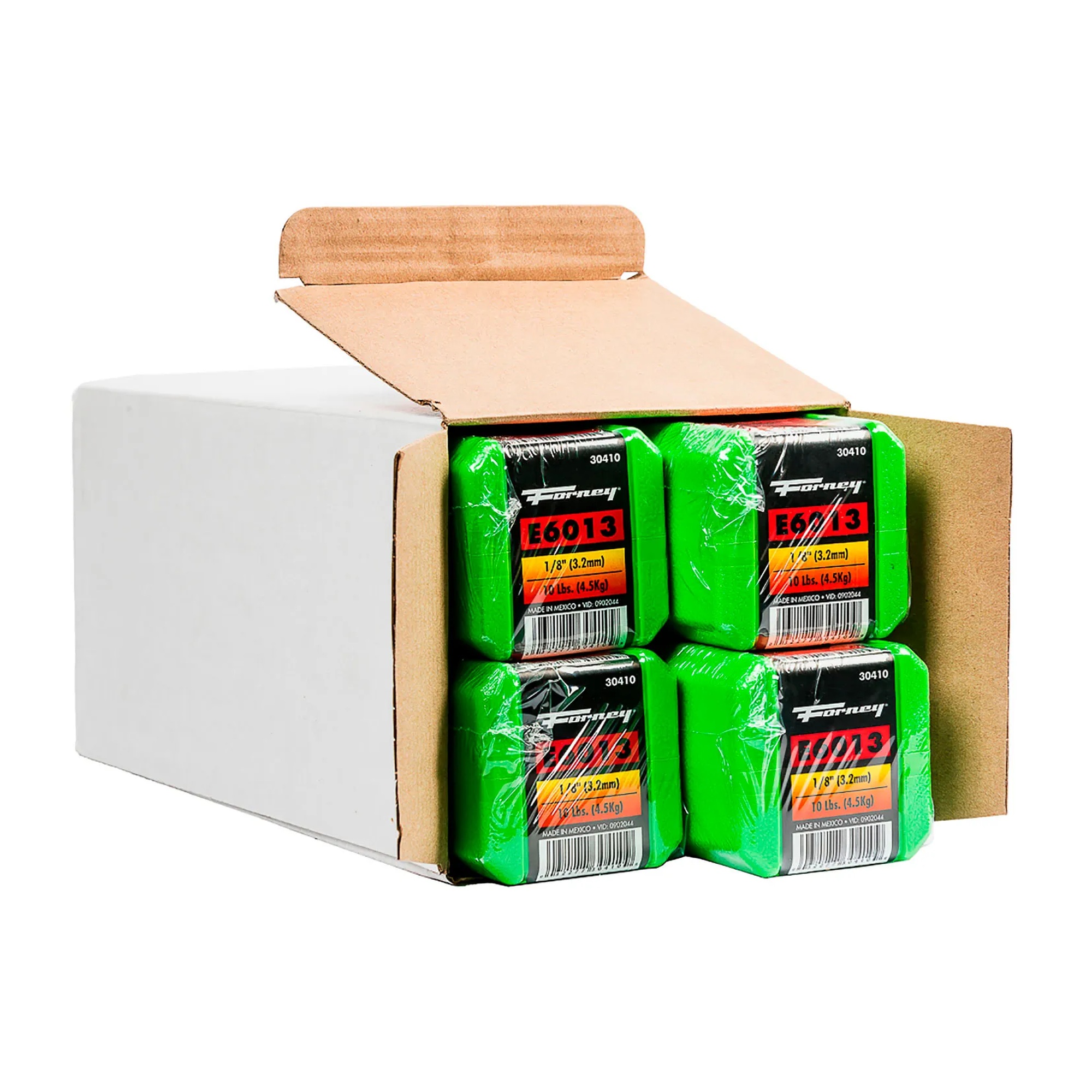
E6013 Mild Steel Welding Rod, 1/8 in.
Our Price:$139.94This E6013 mild steel welding rod is a general-purpose stick electrode for welders working with mild steel. It supports all-position welding and is suited to jobs where easy operation and a...
-
Forney
E7014 Mild Steel Stick Welding Electrode, 1/8 in. Diameter
Our Price:$53.94This E7014 mild steel stick welding electrode is for welders working on sheet metal, ornamental iron, and poorly fitted joints. It provides an easy-to-use option when a smooth weld appearance and...
-
Forney
E7018 Low-Hydrogen Welding Electrodes, 5/32 in, 40 lb Package
Our Price:$179.94These E7018 low-hydrogen stick welding electrodes are for welders working with compatible AC or DC equipment. They support welding tasks involving hardenable steels and cold-rolled steels where...
-
Forney
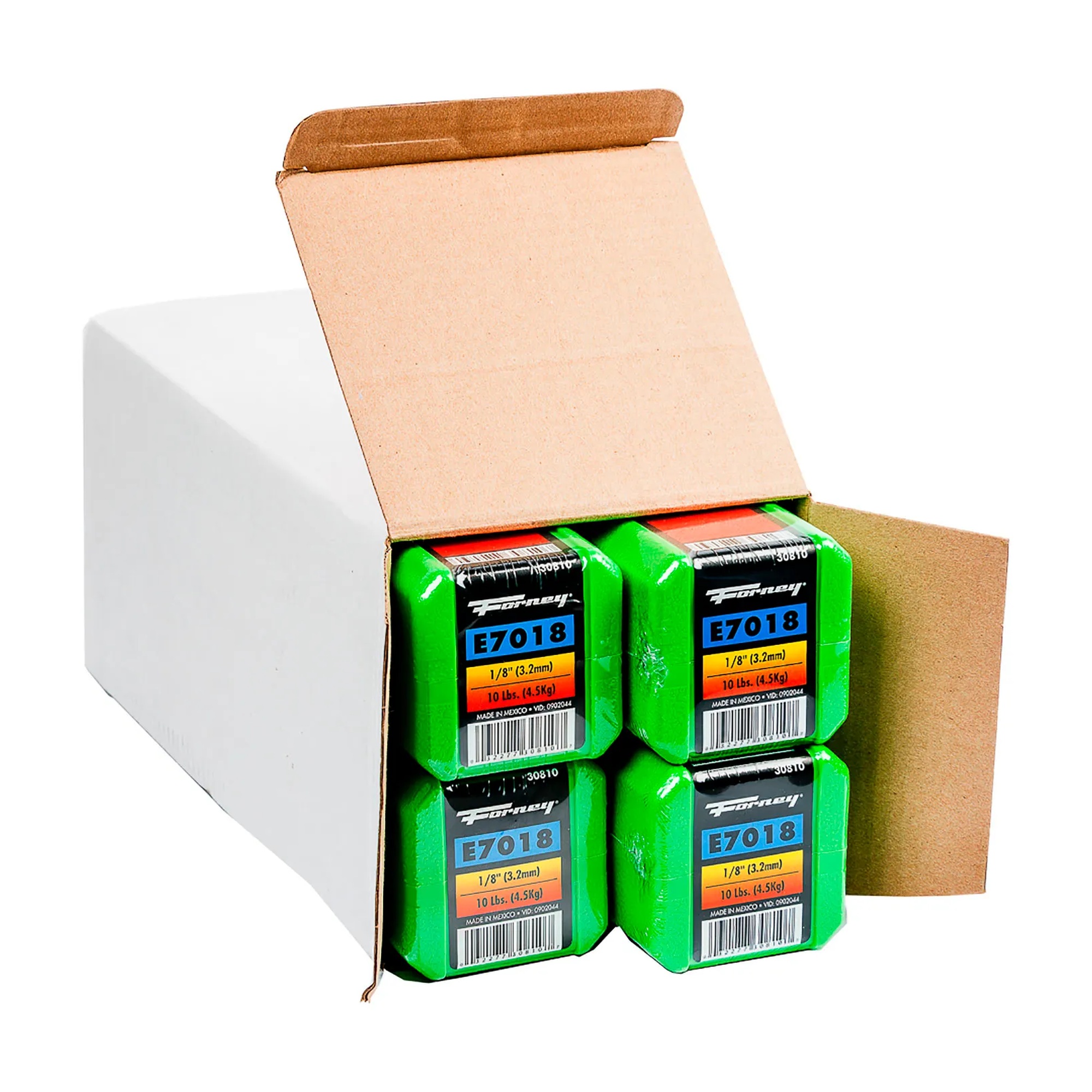
E7018 Mild Steel Welding Electrodes, 1/8 in., 40 lb Package
Our Price:$119.94These E7018 mild steel welding electrodes are for welders working on steel fabrication and repair jobs. They provide a low-hydrogen option for producing welds on hardenable steels without preheat and...
-
Longevity
Red 2 Thoriated Tungsten TIG Electrode, 3/32 in. x 7 in.
Our Price:$87.94This red 2 thoriated tungsten TIG electrode is for welders performing DC TIG welding on steel and stainless steel. It provides a tungsten electrode option for welding work that calls for this...
-
Rod Guard
Resealable Electrode Storage Canister for 14-Inch Electrodes
Our Price:$13.24This electrode storage canister is designed for welders who need to protect 14-inch welding electrodes at the jobsite or while transporting them between work areas. Its resealable design helps keep...
-
Forney
Steel Stick Welding Electrode, 1/8 in Diameter
Our Price:$52.94This steel stick welding electrode is for welders performing stick welding tasks that require a 1/8 in diameter electrode. It supports welding work within its specified 35 to 125 amp operating range...
-
Forney
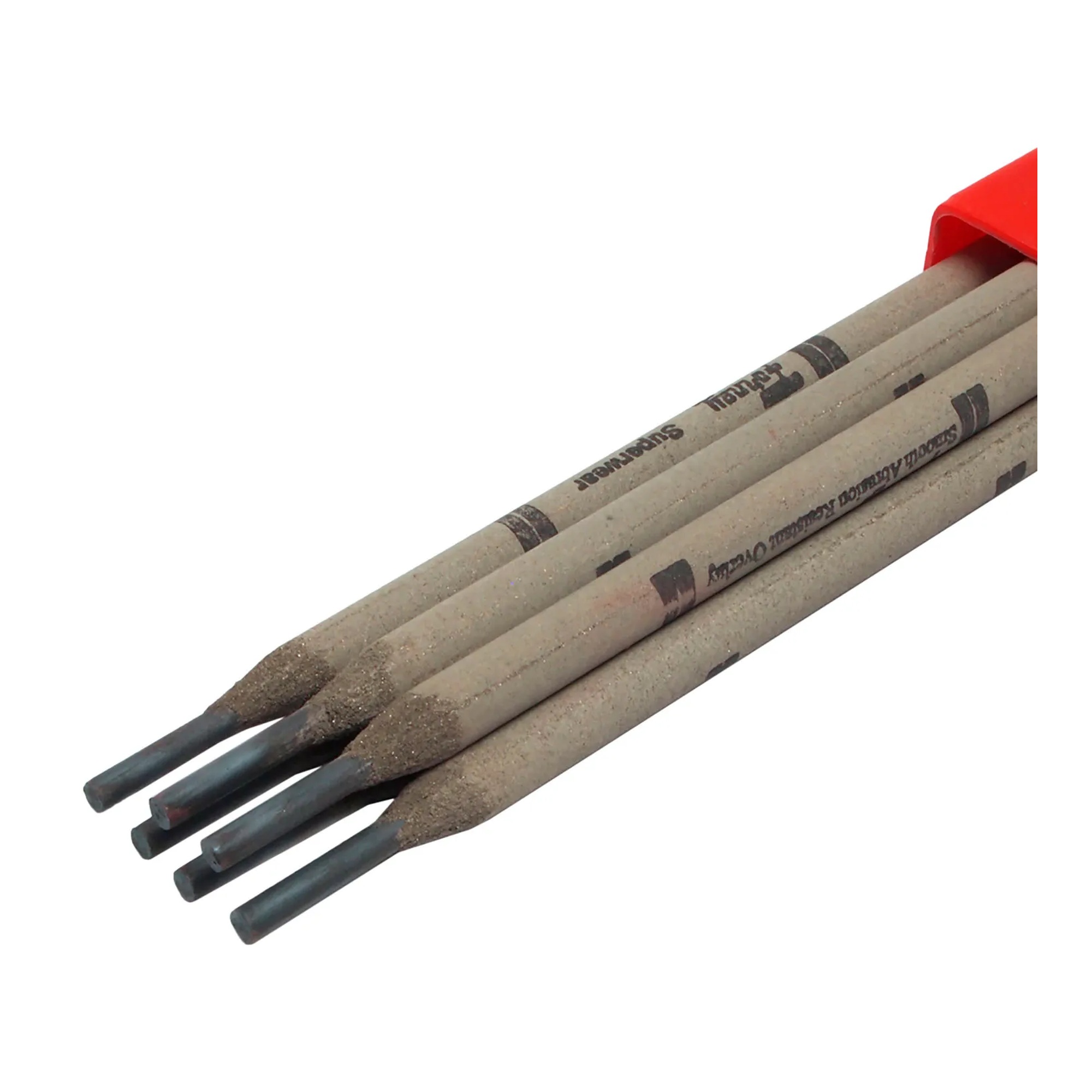
Super Wear Hardfacing Electrode, 5/32 in. Diameter
Our Price:$40.94This hardfacing welding electrode is designed for welding professionals working on parts exposed to high impact and medium abrasion. It provides a specialty welding option for applications where...





Choose welding electrodes for the material, position, and power setup
Start with the welding process and base material, then compare electrode classification, diameter, operating position, penetration characteristics, and power compatibility. The available selection includes mild steel stick electrodes, low-hydrogen options, a hardfacing electrode, a tungsten TIG electrode, and a canister for storing electrodes up to 14 inches long.
Popular examples in this category
 E7018 Low-Hydrogen Welding Electrodes, 5/32 in, 40 lb PackageWBB2397192
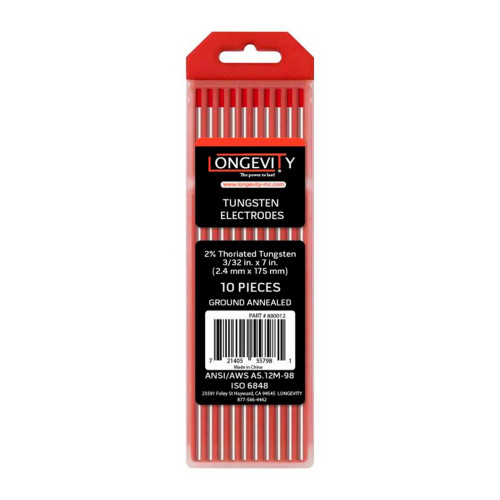 Red 2 Thoriated Tungsten TIG Electrode, 3/32 in. x 7 in.WBB936244
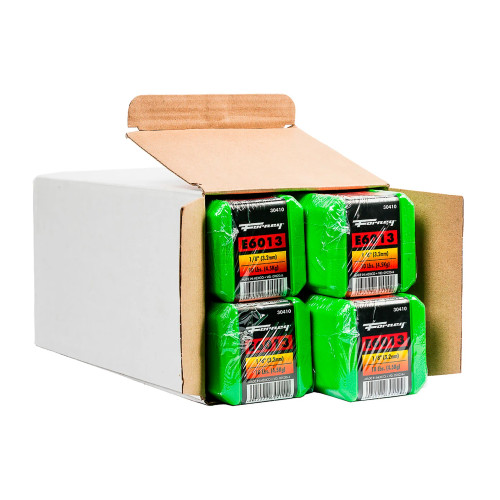 E6013 Mild Steel Welding Rod, 1/8 in.WBB2397329
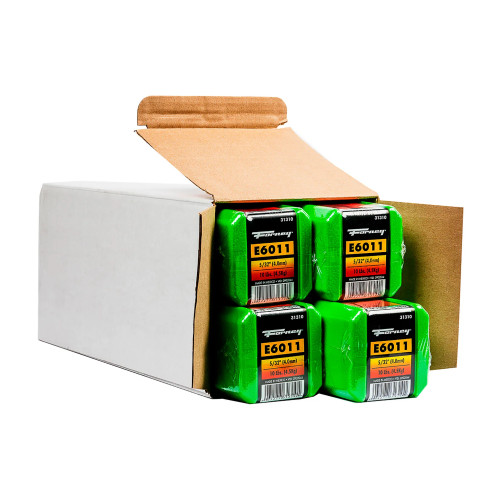 E6011 Mild Steel Welding Rod, 5/32 in., 40 lb PackageWBB2397341
Match the rod to the work
Use E6013 for general-purpose mild steel work where easy operation and a clean-looking weld are important. E6011 is suited to steel fabrication and repair requiring strong arc force and deep penetration, including rusty steel. E7014 fits sheet metal, ornamental iron, and poorly fitted joints.
Compare classification, size, and current
Check the electrode classification, diameter, required welding position, and available power. E7018 options are low-hydrogen electrodes for compatible AC or DC equipment, while the hardfacing electrode operates on AC or DC reverse polarity. A listed steel electrode operates within a 35 to 125 amp range.
Plan for position and deposit needs
For all-position work, consider E6013, E6011, or E7018 electrodes. Select the hardfacing electrode for flat and horizontal work on components exposed to high impact and medium abrasion. For DC TIG welding on steel and stainless steel, choose the specified thoriated tungsten electrode type.
Protect and order with confidence
A resealable canister stores electrodes up to 14 inches long and uses an airtight threaded cap, neoprene seal, and high-impact polyethylene construction. Review minimum order details: some listed electrodes are available from one each, while selected options require two.
Available on several mild steel and steel stick electrode options.
Listed on E7018, E6011, and hardfacing options.
Specified for one steel stick welding electrode.
The canister is designed for electrodes up to this length.
Compare the main electrode options
Use the product type and stated application details to narrow the selection for your welding work.
| Product type | Best fit from the listed details | Key selection considerations |
|---|---|---|
| E6013 mild steel rod | General-purpose mild steel welding | All-position operation; medium to shallow penetration; easy-to-remove slag; 1/8 in. diameter. |
| E6011 mild steel rod | Steel fabrication and repair, including rusty steel | Strong arc force and deep penetration; fast solidification; all-position use; 5/32 in. option. |
| E7018 low-hydrogen electrode | Hardenable steels and cold-rolled steels described in the listings | All-position capability; AC/DC compatibility; available in 1/8 in. and 5/32 in. options. |
| E7014 mild steel electrode | Sheet metal, ornamental iron, and poorly fitted joints | Medium to shallow penetration; smooth stable arc; AC, DCEP, or DCEN compatibility. |
Plan the right fit before choosing
Choose an electrode classification that fits the job
Mild steel electrode options serve different fabrication and repair needs. E6013 provides medium to shallow penetration and easy-to-remove slag for general-purpose work. E6011 provides deep penetration, fast solidification, and light slag for fabrication and repair. E7014 is an easy-to-use option with a smooth, stable arc and reduced spatter. E7018 provides a low-hydrogen choice for selected steel applications.
- Choose E6013 for general-purpose mild steel welding and controlled penetration.
- Choose E6011 for deep penetration, including rusty steel.
- Choose E7014 for sheet metal, ornamental iron, and poorly fitted joints.
- Choose E7018 for low-hydrogen welding on hardenable or cold-rolled steels described in the product details.
Check diameter, polarity, and welding orientation
Available electrode diameters include 1/8 inch and 5/32 inch, so buyers can match the listed size to job requirements. Some electrodes support all-position work, while the hardfacing electrode is intended for flat and horizontal positions. Power requirements also vary by electrode.
- E7018 electrodes are compatible with AC and DC equipment as listed.
- E7014 works with AC, DCEP, or DCEN settings.
- The hardfacing electrode works with AC or DC reverse-polarity setups.
- The steel stick electrode is listed for operation from 35 to 125 amps.
Add specialty electrodes or protection when needed
For components subject to high impact and medium abrasion, the hardfacing electrode is designed to produce a durable, heat-treatable deposit and reduce worm-tracking-type porosity. For DC TIG welding on steel and stainless steel, the red 2 thoriated tungsten electrode is a separate process-specific option. Store and transport electrodes up to 14 inches long in the resealable canister.
- Use hardfacing electrodes for durable deposits on impact- and abrasion-exposed parts.
- Use the specified tungsten electrode for DC TIG work on steel and stainless steel.
- Use the storage canister to help keep 14-inch electrodes contained and protected.
Common questions before buying
What is the difference between E6011 and E6013 rods?
E6011 is listed for strong arc force and deep penetration for steel fabrication and repair, including rusty steel. E6013 is a general-purpose mild steel rod with medium to shallow penetration, easy operation, and easy-to-remove slag.
When should I consider an E7018 electrode?
E7018 is a low-hydrogen option for the listed applications involving hardenable steels and cold-rolled steels where conventional rods may produce porosity. The listed E7018 options support all-position welding with compatible AC or DC equipment.
Which options support all-position welding?
The listed E6013, E6011, and E7018 electrodes support all-position welding. The hardfacing electrode is listed for flat and horizontal positions.
How can I store welding electrodes up to 14 inches long?
Use the resealable electrode storage canister, which is designed for electrodes up to 14 inches long and includes an airtight threaded cap, neoprene seal, and high-impact polyethylene construction.
Choose welding electrodes for the material, position, and power setup
Start with the welding process and base material, then compare electrode classification, diameter, operating position, penetration characteristics, and power compatibility. The available selection includes mild steel stick electrodes, low-hydrogen options, a hardfacing electrode, a tungsten TIG electrode, and a canister for storing electrodes up to 14 inches long.
Popular examples in this category
Match the rod to the work
Use E6013 for general-purpose mild steel work where easy operation and a clean-looking weld are important. E6011 is suited to steel fabrication and repair requiring strong arc force and deep penetration, including rusty steel. E7014 fits sheet metal, ornamental iron, and poorly fitted joints.
Compare classification, size, and current
Check the electrode classification, diameter, required welding position, and available power. E7018 options are low-hydrogen electrodes for compatible AC or DC equipment, while the hardfacing electrode operates on AC or DC reverse polarity. A listed steel electrode operates within a 35 to 125 amp range.
Plan for position and deposit needs
For all-position work, consider E6013, E6011, or E7018 electrodes. Select the hardfacing electrode for flat and horizontal work on components exposed to high impact and medium abrasion. For DC TIG welding on steel and stainless steel, choose the specified thoriated tungsten electrode type.
Protect and order with confidence
A resealable canister stores electrodes up to 14 inches long and uses an airtight threaded cap, neoprene seal, and high-impact polyethylene construction. Review minimum order details: some listed electrodes are available from one each, while selected options require two.
Available on several mild steel and steel stick electrode options.
Listed on E7018, E6011, and hardfacing options.
Specified for one steel stick welding electrode.
The canister is designed for electrodes up to this length.
Compare the main electrode options
Use the product type and stated application details to narrow the selection for your welding work.
| Product type | Best fit from the listed details | Key selection considerations |
|---|---|---|
| E6013 mild steel rod | General-purpose mild steel welding | All-position operation; medium to shallow penetration; easy-to-remove slag; 1/8 in. diameter. |
| E6011 mild steel rod | Steel fabrication and repair, including rusty steel | Strong arc force and deep penetration; fast solidification; all-position use; 5/32 in. option. |
| E7018 low-hydrogen electrode | Hardenable steels and cold-rolled steels described in the listings | All-position capability; AC/DC compatibility; available in 1/8 in. and 5/32 in. options. |
| E7014 mild steel electrode | Sheet metal, ornamental iron, and poorly fitted joints | Medium to shallow penetration; smooth stable arc; AC, DCEP, or DCEN compatibility. |
Plan the right fit before choosing
Choose an electrode classification that fits the job
Mild steel electrode options serve different fabrication and repair needs. E6013 provides medium to shallow penetration and easy-to-remove slag for general-purpose work. E6011 provides deep penetration, fast solidification, and light slag for fabrication and repair. E7014 is an easy-to-use option with a smooth, stable arc and reduced spatter. E7018 provides a low-hydrogen choice for selected steel applications.
- Choose E6013 for general-purpose mild steel welding and controlled penetration.
- Choose E6011 for deep penetration, including rusty steel.
- Choose E7014 for sheet metal, ornamental iron, and poorly fitted joints.
- Choose E7018 for low-hydrogen welding on hardenable or cold-rolled steels described in the product details.
Check diameter, polarity, and welding orientation
Available electrode diameters include 1/8 inch and 5/32 inch, so buyers can match the listed size to job requirements. Some electrodes support all-position work, while the hardfacing electrode is intended for flat and horizontal positions. Power requirements also vary by electrode.
- E7018 electrodes are compatible with AC and DC equipment as listed.
- E7014 works with AC, DCEP, or DCEN settings.
- The hardfacing electrode works with AC or DC reverse-polarity setups.
- The steel stick electrode is listed for operation from 35 to 125 amps.
Add specialty electrodes or protection when needed
For components subject to high impact and medium abrasion, the hardfacing electrode is designed to produce a durable, heat-treatable deposit and reduce worm-tracking-type porosity. For DC TIG welding on steel and stainless steel, the red 2 thoriated tungsten electrode is a separate process-specific option. Store and transport electrodes up to 14 inches long in the resealable canister.
- Use hardfacing electrodes for durable deposits on impact- and abrasion-exposed parts.
- Use the specified tungsten electrode for DC TIG work on steel and stainless steel.
- Use the storage canister to help keep 14-inch electrodes contained and protected.
Common questions before buying
What is the difference between E6011 and E6013 rods?
E6011 is listed for strong arc force and deep penetration for steel fabrication and repair, including rusty steel. E6013 is a general-purpose mild steel rod with medium to shallow penetration, easy operation, and easy-to-remove slag.
When should I consider an E7018 electrode?
E7018 is a low-hydrogen option for the listed applications involving hardenable steels and cold-rolled steels where conventional rods may produce porosity. The listed E7018 options support all-position welding with compatible AC or DC equipment.
Which options support all-position welding?
The listed E6013, E6011, and E7018 electrodes support all-position welding. The hardfacing electrode is listed for flat and horizontal positions.
How can I store welding electrodes up to 14 inches long?
Use the resealable electrode storage canister, which is designed for electrodes up to 14 inches long and includes an airtight threaded cap, neoprene seal, and high-impact polyethylene construction.
Choosing the right file folders
FilingSupplies.com carries end-tab folders for open-shelf systems, top-tab folders for drawer filing, and heavy-duty classification folders with dividers and fasteners for multi-section records. Pick letter or legal size, then choose material (11-pt, 14-pt, or 18-pt manila), optional reinforced tabs, color-coding, and expansion capacity to match your volume.
Folder FAQs
End-tab vs. top-tab — what’s the difference?
When should I choose classification folders?
Letter or legal size — how do I pick?
What tab and material options are available?
Can I add fasteners, pockets, or expansion?
Do you offer volume pricing or custom printing?
Outfitting classrooms that work all day
Build a durable, age-appropriate classroom with furniture, early-learning materials, storage bins, learning centers, and presentation tools. Choose adjustable pieces that grow with grades, label friendly bins for quick clean-up, and tech carts that secure, charge, and move easily.
Education FAQs
What safety labels should I look for on school and early-childhood items?
How do I pick classroom furniture across grade levels?
What’s the best way to organize supplies and centers?
How do I choose learning games and manipulatives by age?
What should I consider in a charging/tech cart?
Do you support school POs, bulk pricing, or custom printing?
Choosing the right labels
From color file labels to printable sheets, select the right size, adhesive, and print method to match your filing system and equipment. Decide on sheet vs. roll format, then pick permanent or removable adhesive and your color set.
Labels FAQs
Sheet vs. roll labels — what’s the difference?
Permanent or removable adhesive?
Will these labels work in my printer?
How do I match the label size to folder tabs or binder spines?
Can I get preprinted sequences or color bars?
Do you have templates?
Choosing the right tab dividers
Organize binders with preprinted or blank tabs. Select the number of tabs per set (5, 8, 10, or 12), choose paper with reinforced tabs or durable poly, and match letter or legal size for a clean fit.
Tab Dividers FAQs
What do 5-, 8-, 10-, or 12-tab sets mean?
Paper vs. poly — which should I choose?
Are the tabs printable?
Will they fit my binder?
Can I mix preprinted and blank tabs?
Do you make custom tab sets?
Choosing the right office supplies
From everyday paper and pens to binders, mailers, and desk organizers, pick durable, compatible options that match your equipment and team size. Start with the right paper and labeling, then add organizers that keep work moving.
Office Supplies FAQs
Which paper weight and brightness should I choose?
Round-ring vs. D-ring binders — what’s the difference?
What does “sheet capacity” mean on staplers and hole punches?
Will labels, envelopes, and mailers work with my printer?
How do I choose mailers and shipping boxes?
Do you offer eco-conscious options or bulk pricing?
Choosing the right sports & PE equipment
Equip classes, teams, and rec programs with durable balls, goals, cones, pinnies, storage, and safety gear. Match sizes and materials to age group and whether you play indoors or outdoors.
Sports & Athletics FAQs
What ball sizes should I choose for different ages?
- Basketball: Size 5 (27.5") youth, Size 6 (28.5") intermediate, Size 7 (29.5") official.
- Soccer: Size 3 up to ~8 years, Size 4 ~8–12, Size 5 ~12+.
- Volleyball: Regulation balls for teens/adults; lighter training balls for younger players.
Indoor vs. outdoor — which materials hold up best?
How many pinnies, cones, or markers do I need?
Tips for storage and care?
Are items latex‑free and school‑safe?
Do you support bulk orders or custom printing (team names)?
Choosing the right FireKing fireproof cabinet
FireKing fireproof file cabinets, safes, and storage cabinets are designed to protect important documents, records, and valuables from fire damage while keeping files organized and accessible. When choosing a FireKing cabinet, compare drawer configuration, storage type, fire rating, and overall capacity based on the records or materials you need to protect.
FireKing FAQs
What is the difference between FireKing vertical and lateral file cabinets?
What can I store in a FireKing fireproof file cabinet?
Are FireKing cabinets only for paper records?
How do I choose between a FireKing safe, file cabinet, or storage cabinet?
What sizes are available in FireKing cabinets?
Are FireKing cabinets used in offices, medical facilities, and government records storage?
Can I buy FireKing cabinets in bulk or get help choosing the right model?
Shipping & Policies
Do you offer free shipping?
What are your shipping rates?
- $6.95 for labels-only orders under $40
- $14.95 flat rate for everything else