
-
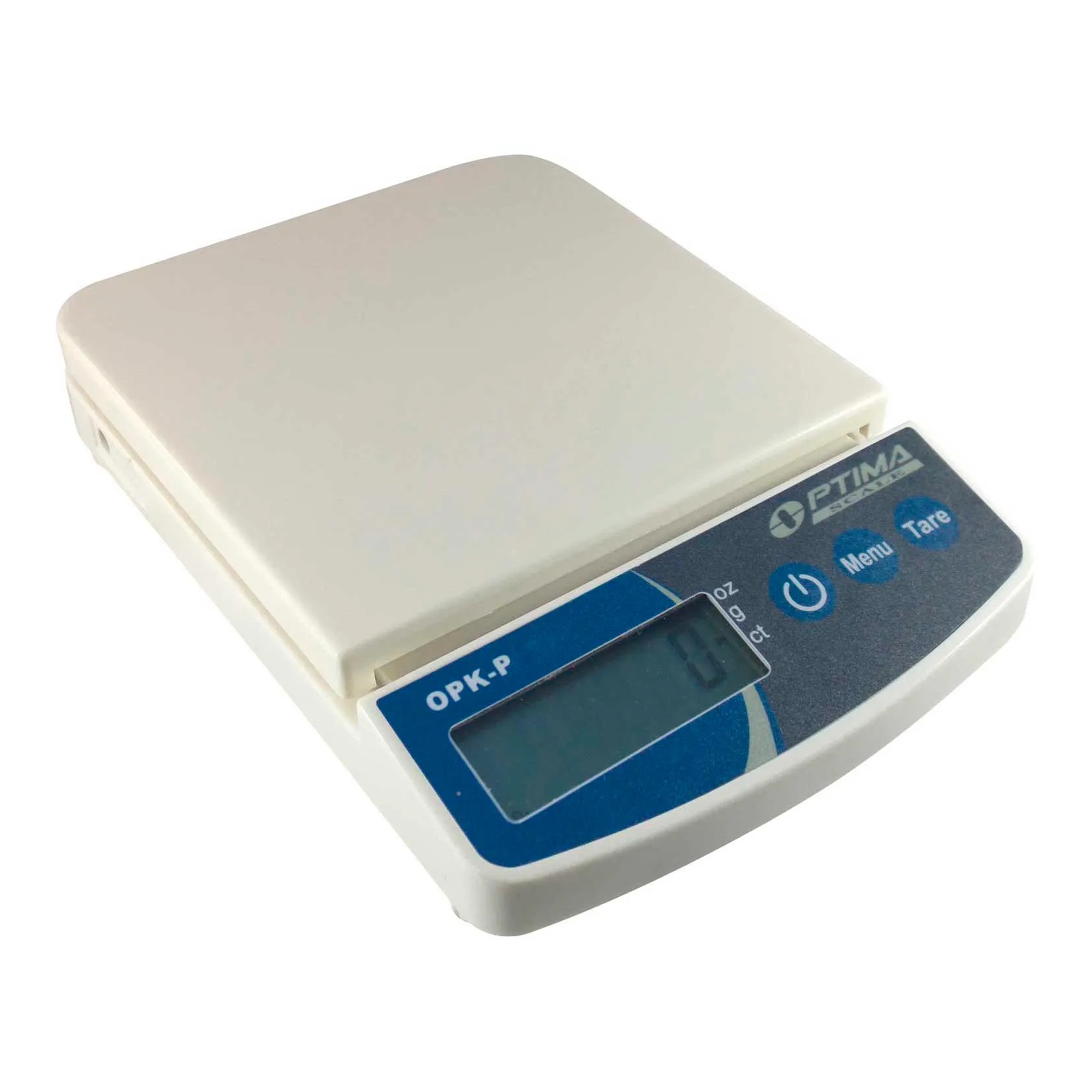
Compact Precision Balance, 2500 g Capacity
Our Price:$64.94This compact precision balance helps laboratory staff, technicians, and other commercial users weigh materials up to 2500 g. Its small footprint supports routine weighing tasks where a clear digital...
-
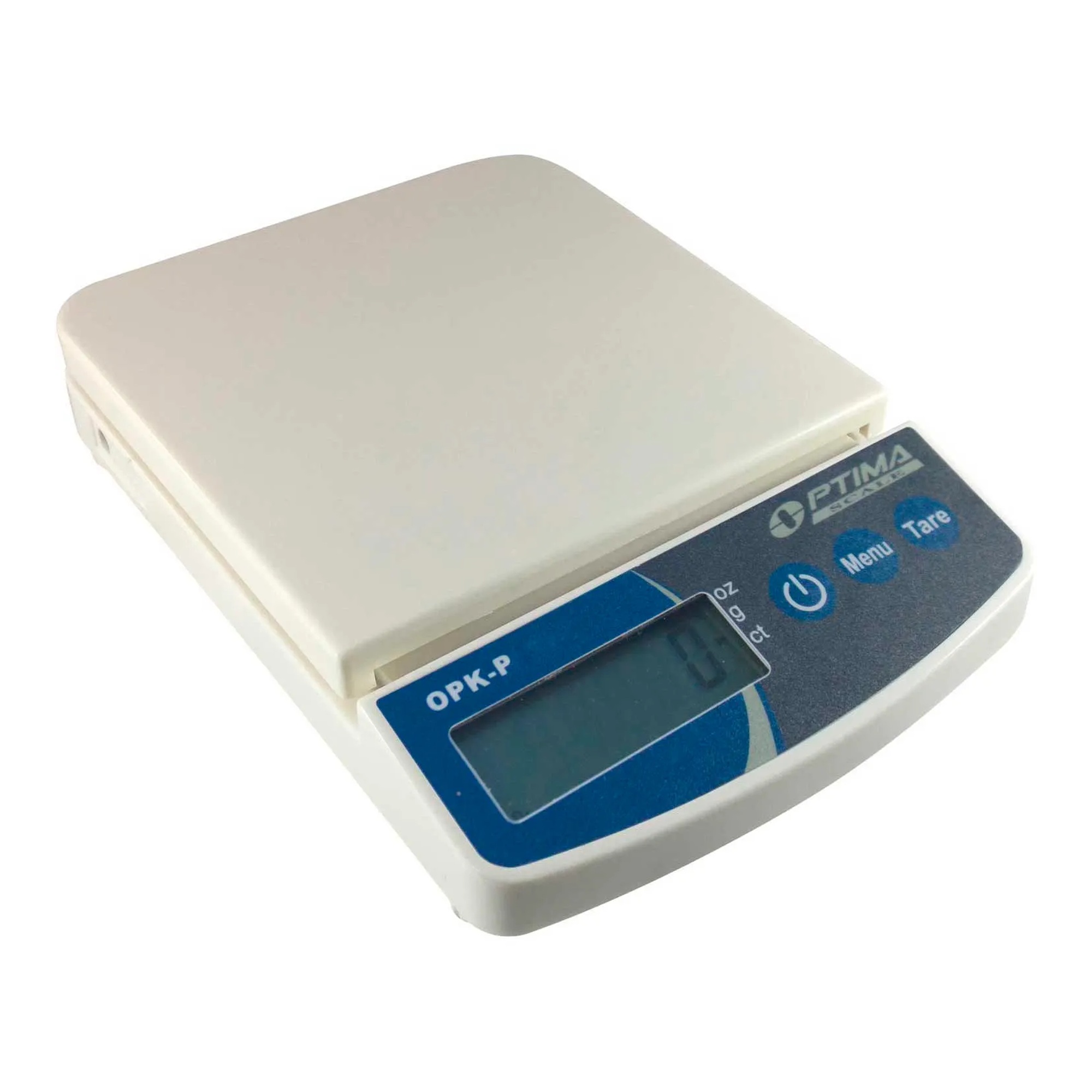
Compact Precision Balance, 500 g Capacity, 0.1 g Readability
Our Price:$58.94This compact precision balance helps laboratory and inspection users weigh samples and materials with 0.1 g readability. Its space-saving format supports routine weighing tasks where a clear digital...
-
Ohaus
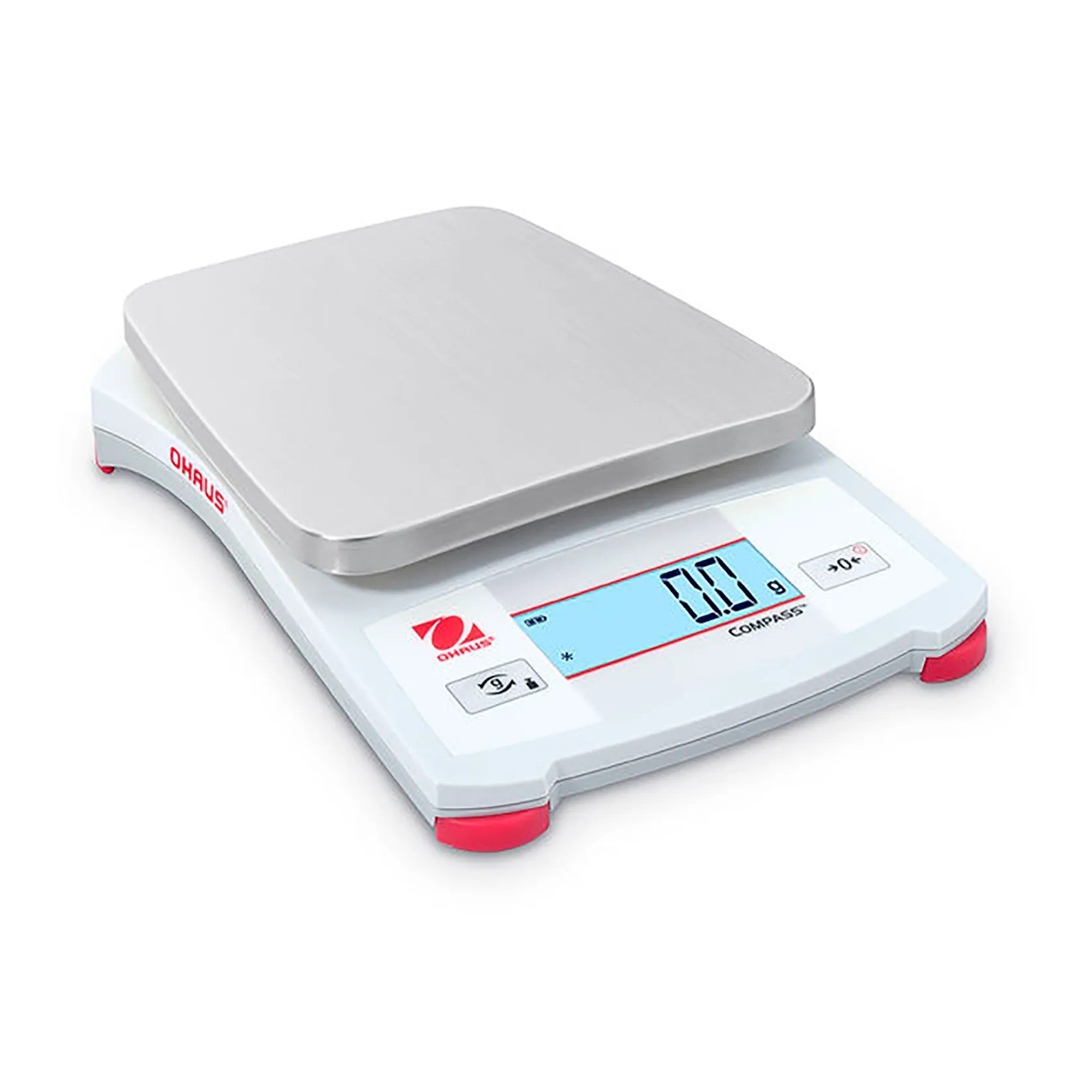
CX Portable Balance, 220 g Capacity, 0.1 g Readability
Our Price:$279.94This portable balance is designed for laboratory, industrial, and educational users who need to weigh samples and small items with clear, straightforward operation. Its compact format supports...
-
Adam Equipment
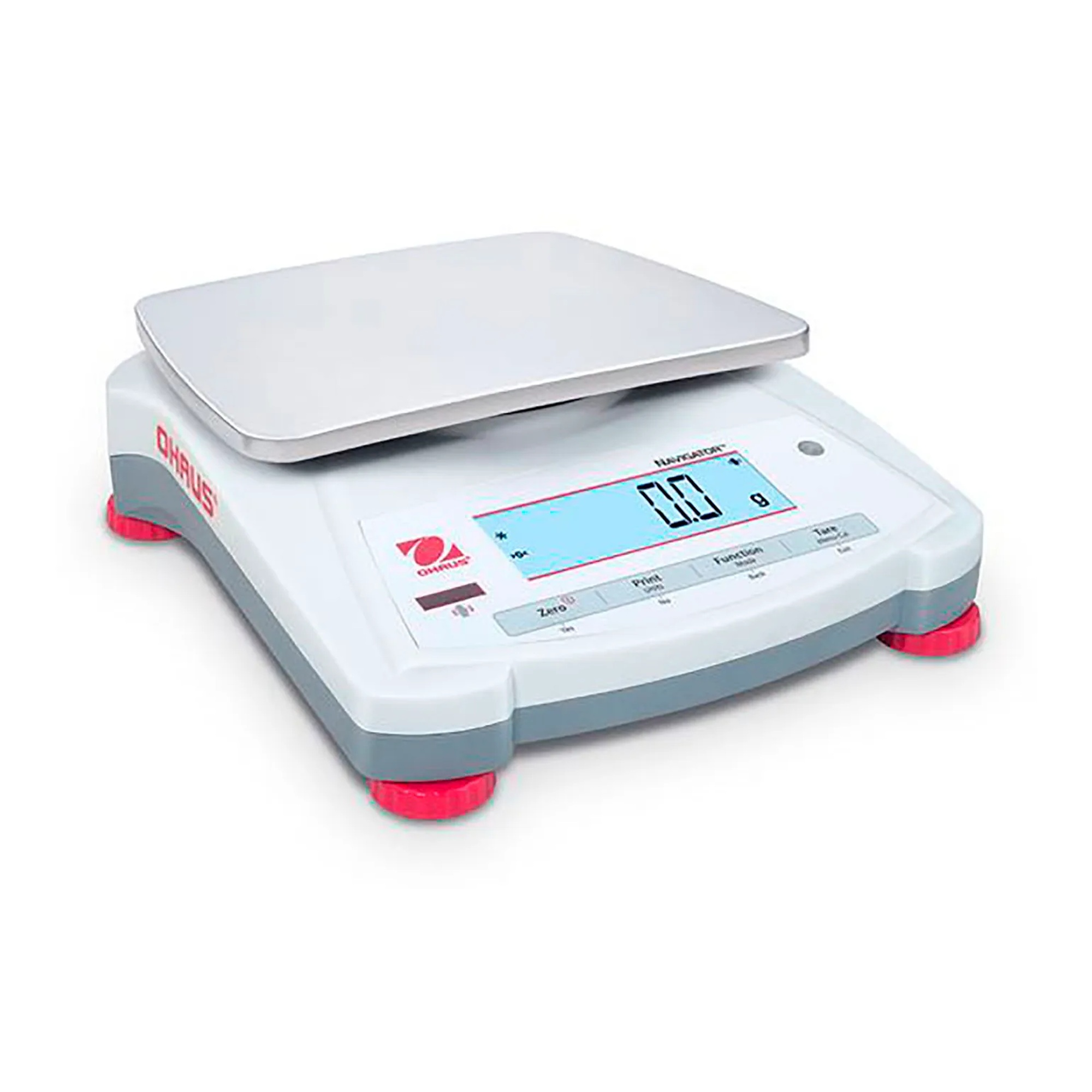
Digital Precision Balance, 150 g Capacity
Our Price:$489.94This digital precision balance helps laboratory, field, and industrial users measure small samples accurately. Its 150 g capacity and fine readability support routine weighing tasks where precise...
-
Adam Equipment
Digital Precision Balance, 300 g Capacity, 0.01 g Readability
Our Price:$479.94This digital precision balance helps laboratory, field, and industrial users measure small samples and materials accurately. Its 300 g capacity and 0.01 g readability support detailed weighing tasks...
-
Escali
High-Precision Digital Lab Scale, 600 g x 0.1 g
Our Price:$99.94This high-precision digital lab scale helps laboratory users perform detailed weighing tasks where accurate measurements are needed. Its 600 g capacity and 0.1 g readability support routine...
-
Escali
Maximum Precision Digital Lab Scale, 125 g x 0.01 g
Our Price:$99.94This digital lab scale is designed for users who need precise weighing for personal applications. It provides a clear way to measure small quantities with fine 0.01 g resolution.The scale has a 125 g...
-
Ohaus
Portable Laboratory Balance, 220 g Capacity, 0.1 g Readability
Our Price:$395.94This portable laboratory balance helps laboratory, industrial, and educational users measure materials for general weighing tasks. It supports weighing, parts counting, percent weighing, and...
-
Precision Balance Scale, 6,000 g Capacity, 0.1 g Readability
Our Price:$235.94This precision balance scale supports routine weighing for laboratory, industrial, and educational users. It provides a practical solution for measuring materials and samples where clear, repeatable...
-
Precision Balance, 200 g Capacity, 0.01 g Readability
Our Price:$189.94This precision balance supports routine weighing tasks for laboratory, industrial, and educational users. It provides fast measurement results for basic weighing work where small increments matter...
-
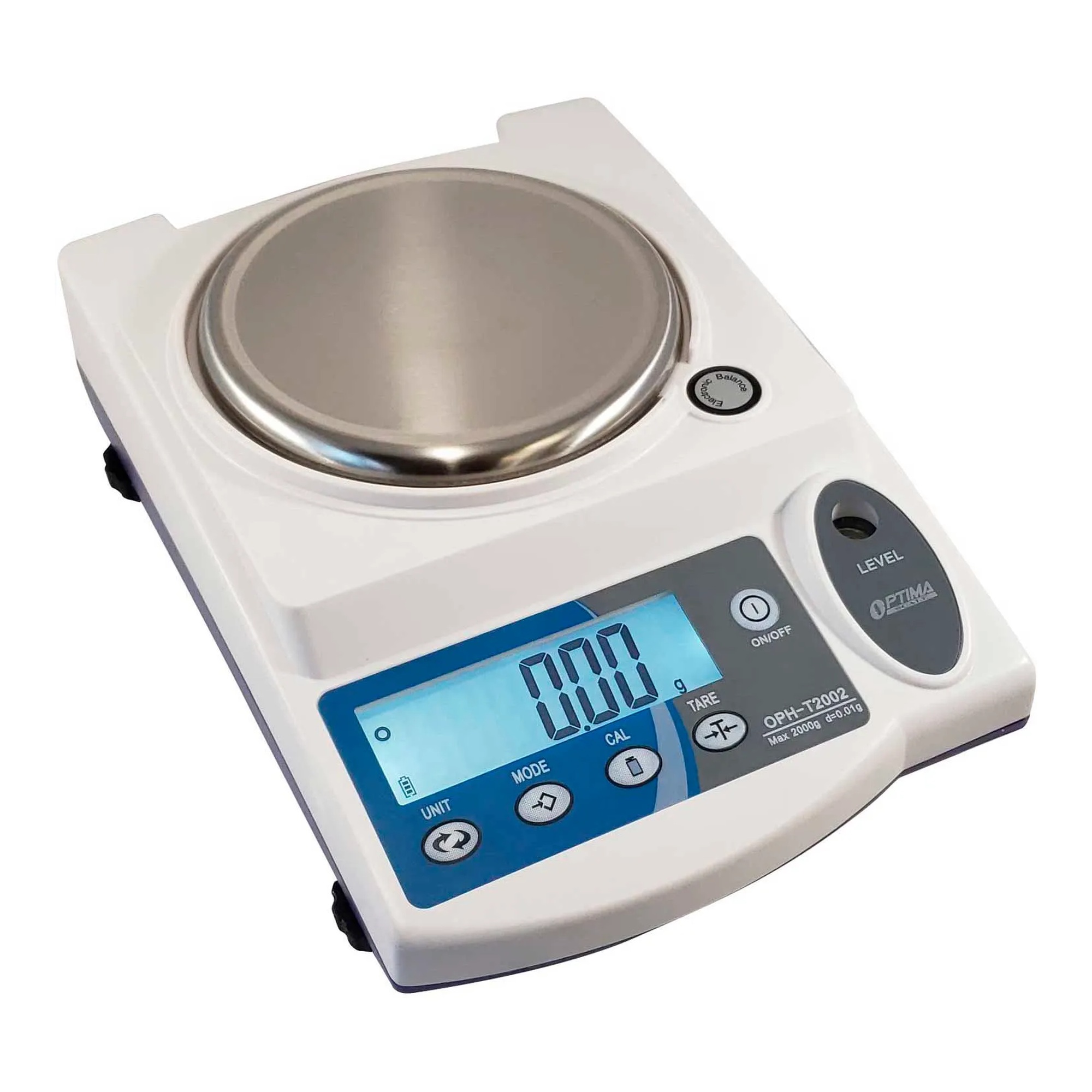
Precision Balance, 2000 g Capacity, 0.1 g Readability
Our Price:$195.94This precision balance is designed for routine weighing in laboratory, industrial, and educational settings. It helps users measure samples and materials for everyday weighing tasks with results...
-
Precision Balance, 3 kg Capacity, 0.1 g Readability
Our Price:$299.94This precision balance is designed for laboratory and inspection users who need to measure materials up to 3 kg. Its digital display and backlight support clear weighing results in routine work...
-
Precision Balance, 3000 g Capacity, 0.1 g Readability
Our Price:$215.94This precision balance is designed for laboratory, industrial, and educational users who need straightforward routine weighing. It provides a practical way to measure samples and materials with 0.1 g...
-
Precision Balance, 500 g x 0.01 g
Our Price:$219.94This precision balance is designed for laboratory, industrial, and educational users who need a straightforward tool for routine weighing tasks. It supports basic measurement work where fast,...
-
Precision Balance, 600 g Capacity, 0.01 g Resolution
Our Price:$219.94This precision balance supports routine weighing for laboratory, industrial, and educational users. It provides fast measurement results to help operators complete everyday weighing tasks efficiently...
-
Ohaus
Scout Balance In-Use Cover for SJX, SKK, SPX and STX Models
Our Price:$40.94This in-use cover is designed for laboratories and other work areas using compatible Scout balances. It helps keep the balance covered during use while fitting SJX, SKK, SPX and STX models.The white...
-
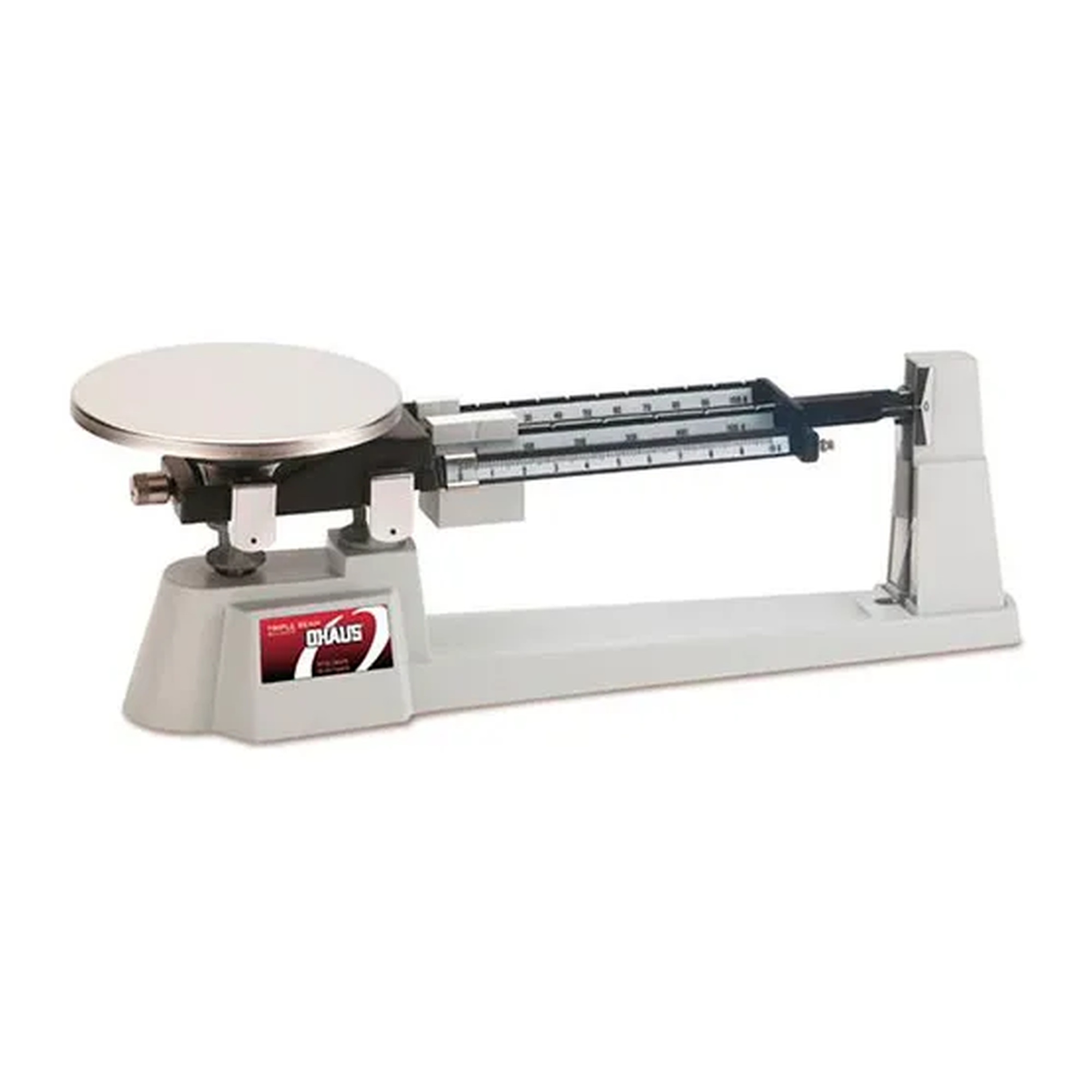
Triple Beam Lab Balance with Tare, 610 g x 0.1 g
Our Price:$489.94This triple beam lab balance is a mechanical weighing instrument for classroom and laboratory users who need to measure samples up to 610 g. Its tare function helps users account for the weight of a...






How to Choose a Lab Balance Scale
Start with the maximum weight you need to measure, then match the balance readability to the level of detail required for the task. The available models include routine precision balances, compact and portable formats, legal-for-trade options, and balances with specialized modes for counting, check weighing, percentage work, density determination, and more.
Popular examples in this category
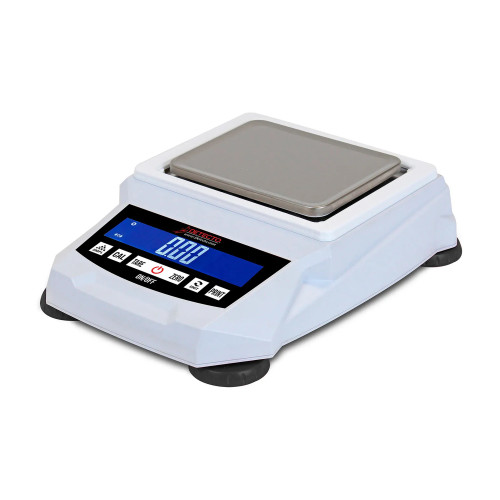 Digital Precision Balance Scale, 3000 g x 0.05 gWBB3139832
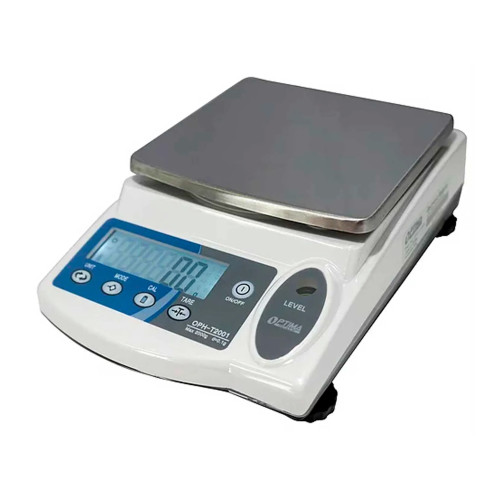 Precision Balance, 3000 g Capacity, 0.1 g ReadabilityWBB1483617
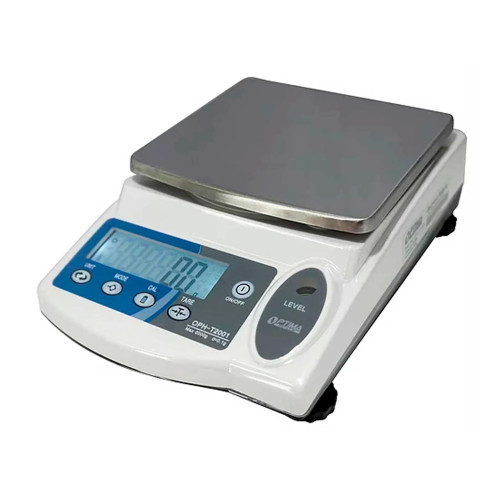 Precision Balance Scale, 6,000 g Capacity, 0.1 g ReadabilityWBB1483619
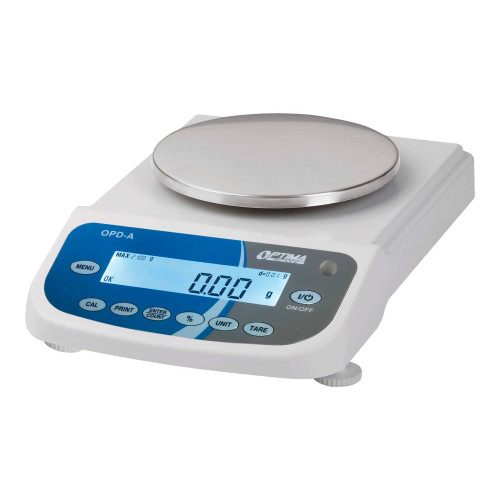 High-Precision Laboratory Balance, 1100 g x 0.01 gWBB1483641
Match the balance to the work
Use lab balance scales for weighing samples, materials, ingredients, and small items. Available options support routine laboratory work, industrial measurement, classroom use, retail weighing, food-service tasks, healthcare applications, and inspection.
Compare capacity and readability
Choose capacity based on the heaviest item or material you expect to weigh. Compare readability from 1 g for general monitoring to 0.001 g for detailed precision work; 0.01 g, 0.05 g, 0.1 g, and 0.5 g options are also represented.
Consider needed weighing functions
Some balances provide straightforward routine weighing, while others add parts counting, percentage weighing, check weighing, accumulation, totalization, specific gravity, density determination, or suspended weighing capability.
Plan for the work area and workflow
Consider pan size, overall footprint, display visibility, power options, and connectivity. Select models offer backlit displays, touchscreen controls, draft shields, rechargeable or battery power, carrying cases, and USB or RS-232 communication.
Available capacities span small-sample weighing through larger material quantities.
Fine increments are available for detailed precision weighing tasks.
A compact balance option supports measurements in 1 g increments.
One digital precision balance provides eight measurement units.
Compare Lab Balance Scale Types
Use this overview to narrow the product type that best fits your capacity, readability, and functional needs.
| Balance type | Typical represented capabilities | Best fit based on summaries |
|---|---|---|
| Routine precision balances | Capacities from 600 g to 12,000 g; 0.01 g or 0.1 g readability on represented models | Laboratory, industrial, educational, inspection, and other routine weighing tasks |
| Fine-readability balances | 100 g, 220 g, 600 g, or 1,100 g capacities; 0.001 g or 0.01 g readability on represented models | Detailed laboratory weighing of smaller samples and measurement tasks requiring fine increments |
| Portable and legal-for-trade options | Portable power, draft shields, counting and percentage functions on select models; legal-for-trade approval on select models | Work areas where portability is useful or approved retail weighing is required |
Plan the right fit before choosing
Select enough range without giving up the detail you need
The balances represented range from 100 g to 12,000 g capacity. Readability ranges from 1 g to 0.001 g, so the right choice depends on both the weight of the materials and the measurement increment required.
- For very small samples, consider 100 g, 220 g, or 600 g capacity models with 0.001 g or 0.01 g readability.
- For routine work around 3 kg, compare 2,500 g and 3,000 g models with readability from 1 g to 0.05 g.
- For larger material quantities, 6,000 g and 12,000 g options provide 0.1 g readability.
Choose features that support your regular process
Basic models focus on routine weighing, while other balances add application modes and workflow features. These functions can help when your work includes checking quantities, counting parts, comparing percentages, or recording results through compatible devices.
- Counting mode is available on select balances for piece-counting tasks.
- Check weighing, percent weighing, accumulation, totalization, density, specific gravity, and suspended weighing are available on select models.
- USB and RS-232 connectivity are available on select balances for compatible computers and printers.
- Digital filtration, leveling controls, calibration functions, and draft shields are available on selected models.
Fit the balance to the environment where it will be used
Work surface space, lighting, and access to power can shape the best selection. Available balances include compact footprints, square pans, stainless steel or plastic pans, backlit displays, touchscreen interfaces, and portable power options.
- Compare pan dimensions when selecting for the size and shape of samples or containers.
- Backlit displays can improve reading visibility in lower-light or varied-lighting work areas.
- Portable options may use rechargeable batteries, AA batteries, or AC power; one compact model includes a carrying case.
- Draft shields on select precision models help reduce the effect of air movement on measurements.
Common questions before buying
What capacity should I choose for a lab balance scale?
Choose a capacity that accommodates the heaviest sample, material, or item you expect to weigh. Represented options range from 100 g to 12,000 g.
What does readability mean on a balance?
Readability is the smallest displayed measurement increment. The represented balances offer readability from 1 g down to 0.001 g.
Which balances support parts counting or other application modes?
Select models support counting, check weighing, percent weighing, accumulation, totalization, density determination, specific gravity, and suspended weighing.
Are portable or legal-for-trade balances available?
Yes. Select balances offer rechargeable battery, AA battery, or AC operation, and select portable models have legal-for-trade approval for retail weighing applications.
How to Choose a Lab Balance Scale
Start with the maximum weight you need to measure, then match the balance readability to the level of detail required for the task. The available models include routine precision balances, compact and portable formats, legal-for-trade options, and balances with specialized modes for counting, check weighing, percentage work, density determination, and more.
Popular examples in this category
Match the balance to the work
Use lab balance scales for weighing samples, materials, ingredients, and small items. Available options support routine laboratory work, industrial measurement, classroom use, retail weighing, food-service tasks, healthcare applications, and inspection.
Compare capacity and readability
Choose capacity based on the heaviest item or material you expect to weigh. Compare readability from 1 g for general monitoring to 0.001 g for detailed precision work; 0.01 g, 0.05 g, 0.1 g, and 0.5 g options are also represented.
Consider needed weighing functions
Some balances provide straightforward routine weighing, while others add parts counting, percentage weighing, check weighing, accumulation, totalization, specific gravity, density determination, or suspended weighing capability.
Plan for the work area and workflow
Consider pan size, overall footprint, display visibility, power options, and connectivity. Select models offer backlit displays, touchscreen controls, draft shields, rechargeable or battery power, carrying cases, and USB or RS-232 communication.
Available capacities span small-sample weighing through larger material quantities.
Fine increments are available for detailed precision weighing tasks.
A compact balance option supports measurements in 1 g increments.
One digital precision balance provides eight measurement units.
Compare Lab Balance Scale Types
Use this overview to narrow the product type that best fits your capacity, readability, and functional needs.
| Balance type | Typical represented capabilities | Best fit based on summaries |
|---|---|---|
| Routine precision balances | Capacities from 600 g to 12,000 g; 0.01 g or 0.1 g readability on represented models | Laboratory, industrial, educational, inspection, and other routine weighing tasks |
| Fine-readability balances | 100 g, 220 g, 600 g, or 1,100 g capacities; 0.001 g or 0.01 g readability on represented models | Detailed laboratory weighing of smaller samples and measurement tasks requiring fine increments |
| Portable and legal-for-trade options | Portable power, draft shields, counting and percentage functions on select models; legal-for-trade approval on select models | Work areas where portability is useful or approved retail weighing is required |
Plan the right fit before choosing
Select enough range without giving up the detail you need
The balances represented range from 100 g to 12,000 g capacity. Readability ranges from 1 g to 0.001 g, so the right choice depends on both the weight of the materials and the measurement increment required.
- For very small samples, consider 100 g, 220 g, or 600 g capacity models with 0.001 g or 0.01 g readability.
- For routine work around 3 kg, compare 2,500 g and 3,000 g models with readability from 1 g to 0.05 g.
- For larger material quantities, 6,000 g and 12,000 g options provide 0.1 g readability.
Choose features that support your regular process
Basic models focus on routine weighing, while other balances add application modes and workflow features. These functions can help when your work includes checking quantities, counting parts, comparing percentages, or recording results through compatible devices.
- Counting mode is available on select balances for piece-counting tasks.
- Check weighing, percent weighing, accumulation, totalization, density, specific gravity, and suspended weighing are available on select models.
- USB and RS-232 connectivity are available on select balances for compatible computers and printers.
- Digital filtration, leveling controls, calibration functions, and draft shields are available on selected models.
Fit the balance to the environment where it will be used
Work surface space, lighting, and access to power can shape the best selection. Available balances include compact footprints, square pans, stainless steel or plastic pans, backlit displays, touchscreen interfaces, and portable power options.
- Compare pan dimensions when selecting for the size and shape of samples or containers.
- Backlit displays can improve reading visibility in lower-light or varied-lighting work areas.
- Portable options may use rechargeable batteries, AA batteries, or AC power; one compact model includes a carrying case.
- Draft shields on select precision models help reduce the effect of air movement on measurements.
Common questions before buying
What capacity should I choose for a lab balance scale?
Choose a capacity that accommodates the heaviest sample, material, or item you expect to weigh. Represented options range from 100 g to 12,000 g.
What does readability mean on a balance?
Readability is the smallest displayed measurement increment. The represented balances offer readability from 1 g down to 0.001 g.
Which balances support parts counting or other application modes?
Select models support counting, check weighing, percent weighing, accumulation, totalization, density determination, specific gravity, and suspended weighing.
Are portable or legal-for-trade balances available?
Yes. Select balances offer rechargeable battery, AA battery, or AC operation, and select portable models have legal-for-trade approval for retail weighing applications.
Choosing the right file folders
FilingSupplies.com carries end-tab folders for open-shelf systems, top-tab folders for drawer filing, and heavy-duty classification folders with dividers and fasteners for multi-section records. Pick letter or legal size, then choose material (11-pt, 14-pt, or 18-pt manila), optional reinforced tabs, color-coding, and expansion capacity to match your volume.
Folder FAQs
End-tab vs. top-tab — what’s the difference?
When should I choose classification folders?
Letter or legal size — how do I pick?
What tab and material options are available?
Can I add fasteners, pockets, or expansion?
Do you offer volume pricing or custom printing?
Outfitting classrooms that work all day
Build a durable, age-appropriate classroom with furniture, early-learning materials, storage bins, learning centers, and presentation tools. Choose adjustable pieces that grow with grades, label friendly bins for quick clean-up, and tech carts that secure, charge, and move easily.
Education FAQs
What safety labels should I look for on school and early-childhood items?
How do I pick classroom furniture across grade levels?
What’s the best way to organize supplies and centers?
How do I choose learning games and manipulatives by age?
What should I consider in a charging/tech cart?
Do you support school POs, bulk pricing, or custom printing?
Choosing the right labels
From color file labels to printable sheets, select the right size, adhesive, and print method to match your filing system and equipment. Decide on sheet vs. roll format, then pick permanent or removable adhesive and your color set.
Labels FAQs
Sheet vs. roll labels — what’s the difference?
Permanent or removable adhesive?
Will these labels work in my printer?
How do I match the label size to folder tabs or binder spines?
Can I get preprinted sequences or color bars?
Do you have templates?
Choosing the right tab dividers
Organize binders with preprinted or blank tabs. Select the number of tabs per set (5, 8, 10, or 12), choose paper with reinforced tabs or durable poly, and match letter or legal size for a clean fit.
Tab Dividers FAQs
What do 5-, 8-, 10-, or 12-tab sets mean?
Paper vs. poly — which should I choose?
Are the tabs printable?
Will they fit my binder?
Can I mix preprinted and blank tabs?
Do you make custom tab sets?
Choosing the right office supplies
From everyday paper and pens to binders, mailers, and desk organizers, pick durable, compatible options that match your equipment and team size. Start with the right paper and labeling, then add organizers that keep work moving.
Office Supplies FAQs
Which paper weight and brightness should I choose?
Round-ring vs. D-ring binders — what’s the difference?
What does “sheet capacity” mean on staplers and hole punches?
Will labels, envelopes, and mailers work with my printer?
How do I choose mailers and shipping boxes?
Do you offer eco-conscious options or bulk pricing?
Choosing the right sports & PE equipment
Equip classes, teams, and rec programs with durable balls, goals, cones, pinnies, storage, and safety gear. Match sizes and materials to age group and whether you play indoors or outdoors.
Sports & Athletics FAQs
What ball sizes should I choose for different ages?
- Basketball: Size 5 (27.5") youth, Size 6 (28.5") intermediate, Size 7 (29.5") official.
- Soccer: Size 3 up to ~8 years, Size 4 ~8–12, Size 5 ~12+.
- Volleyball: Regulation balls for teens/adults; lighter training balls for younger players.
Indoor vs. outdoor — which materials hold up best?
How many pinnies, cones, or markers do I need?
Tips for storage and care?
Are items latex‑free and school‑safe?
Do you support bulk orders or custom printing (team names)?
Choosing the right FireKing fireproof cabinet
FireKing fireproof file cabinets, safes, and storage cabinets are designed to protect important documents, records, and valuables from fire damage while keeping files organized and accessible. When choosing a FireKing cabinet, compare drawer configuration, storage type, fire rating, and overall capacity based on the records or materials you need to protect.
FireKing FAQs
What is the difference between FireKing vertical and lateral file cabinets?
What can I store in a FireKing fireproof file cabinet?
Are FireKing cabinets only for paper records?
How do I choose between a FireKing safe, file cabinet, or storage cabinet?
What sizes are available in FireKing cabinets?
Are FireKing cabinets used in offices, medical facilities, and government records storage?
Can I buy FireKing cabinets in bulk or get help choosing the right model?
Shipping & Policies
Do you offer free shipping?
What are your shipping rates?
- $6.95 for labels-only orders under $40
- $14.95 flat rate for everything else