
-
CS Unitec
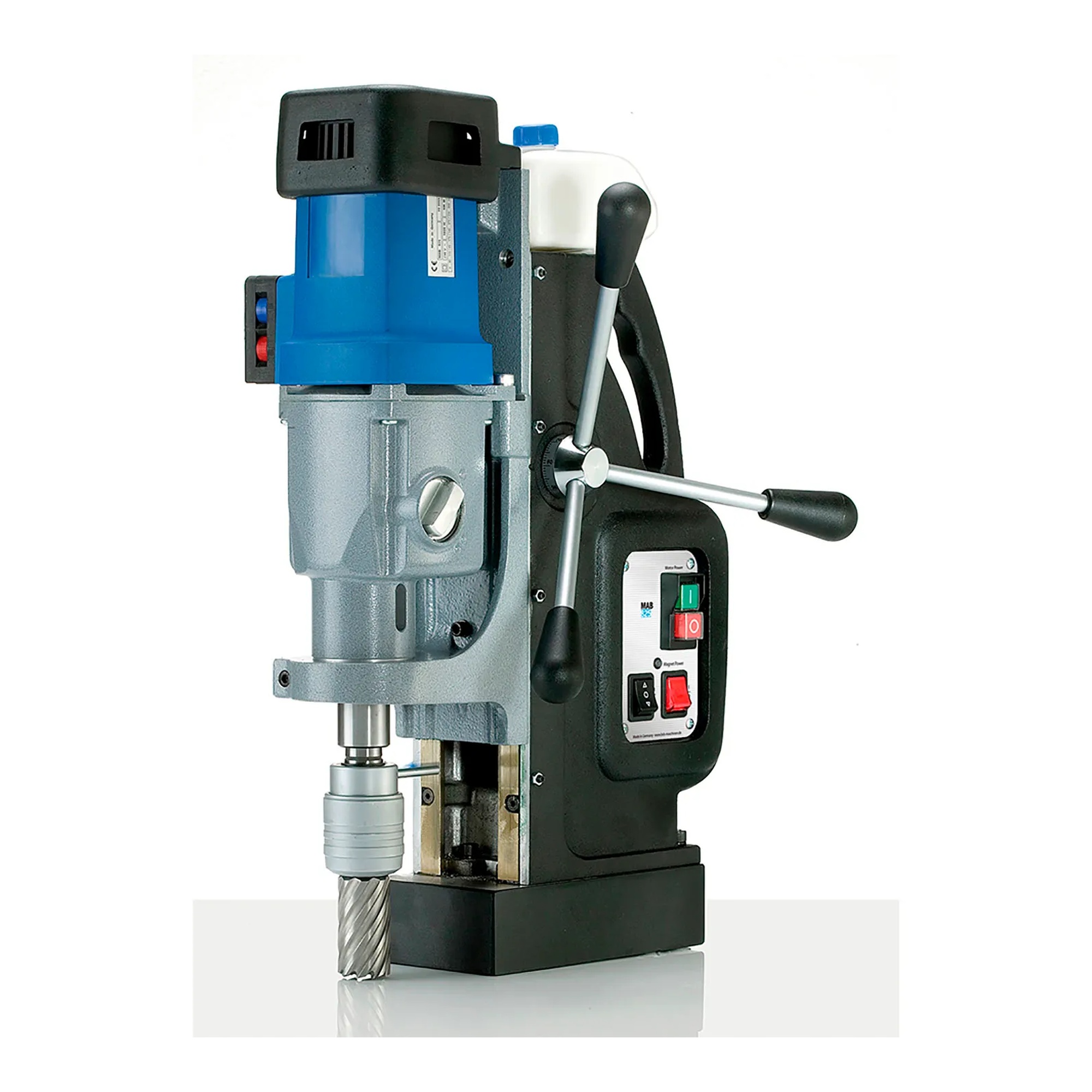
110V Magnetic Drill with Swivel Base, 4-1/16 in. Hole Capacity
Our Price:$4,144.99This 110V magnetic drill is designed for metalworking professionals who need to cut, drill, ream, tap, or countersink holes in structural steel and other metals. Its swivel-base magnet helps position...
-
Dake
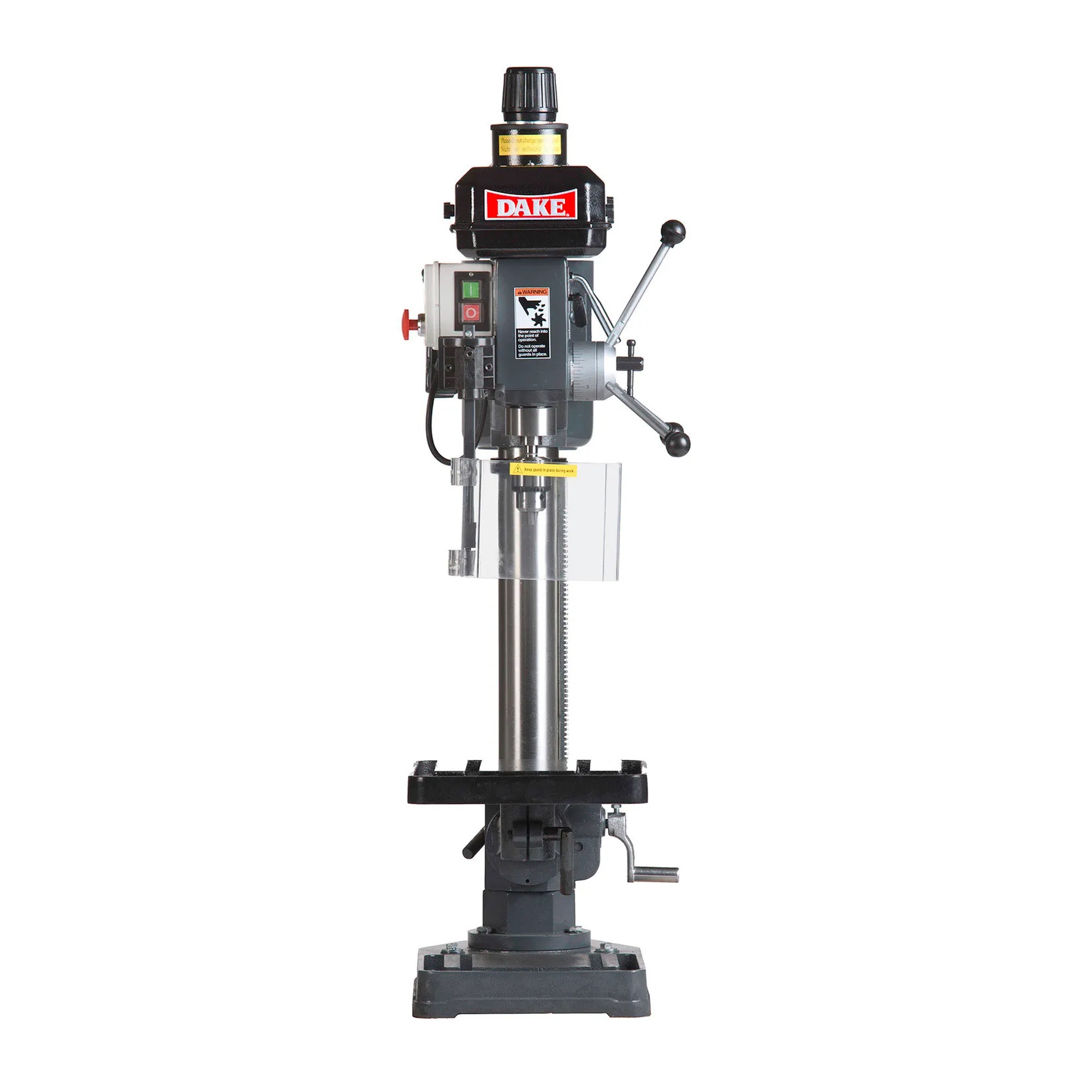
Bench Drill Press, 5/8 in. Drill Capacity, 110V
Our Price:$2,348.99This bench drill press is designed for metalworking professionals who need controlled, repeatable drilling at a workbench. Its 5/8 in. drill capacity and adjustable drilling-depth setup support...
-
Dake
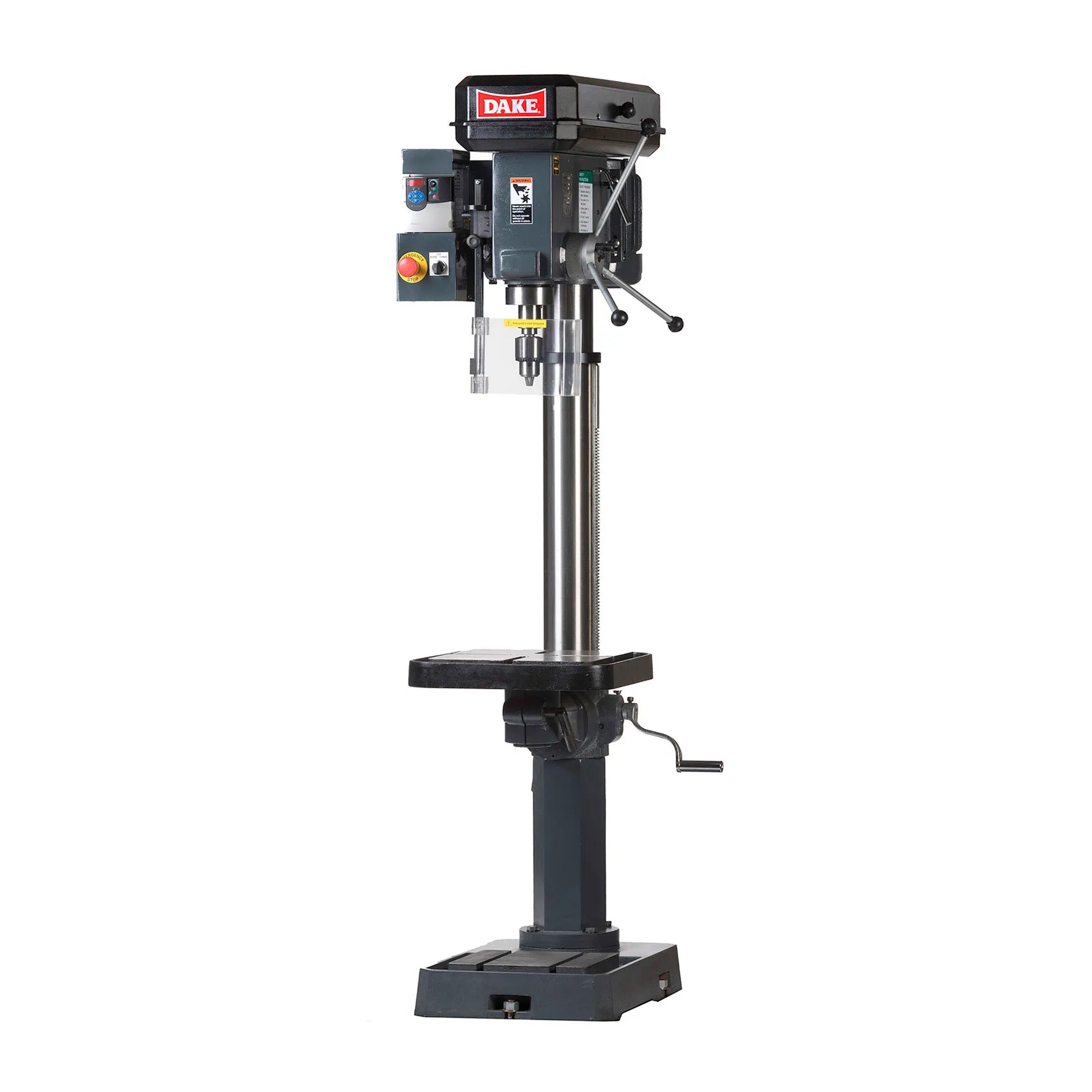
Floor Model Variable-Speed Drill Press, 1-1/4 in. Capacity
Our Price:$4,564.99This floor model drill press is built for machining and metalworking teams that need controlled drilling for shop production and repeatable operations. Its adjustable drilling depth can be preset to...
-
CS Unitec
Magnetic Drill, 3-1/16 in. Hole Capacity, 2-3/8 HP, 110V
Our Price:$3,348.99This portable magnetic drill is designed for metalworking professionals who need to create accurate holes on magnetic work surfaces. It supports annular cutting and conventional twist drilling for...
-
Palmgren
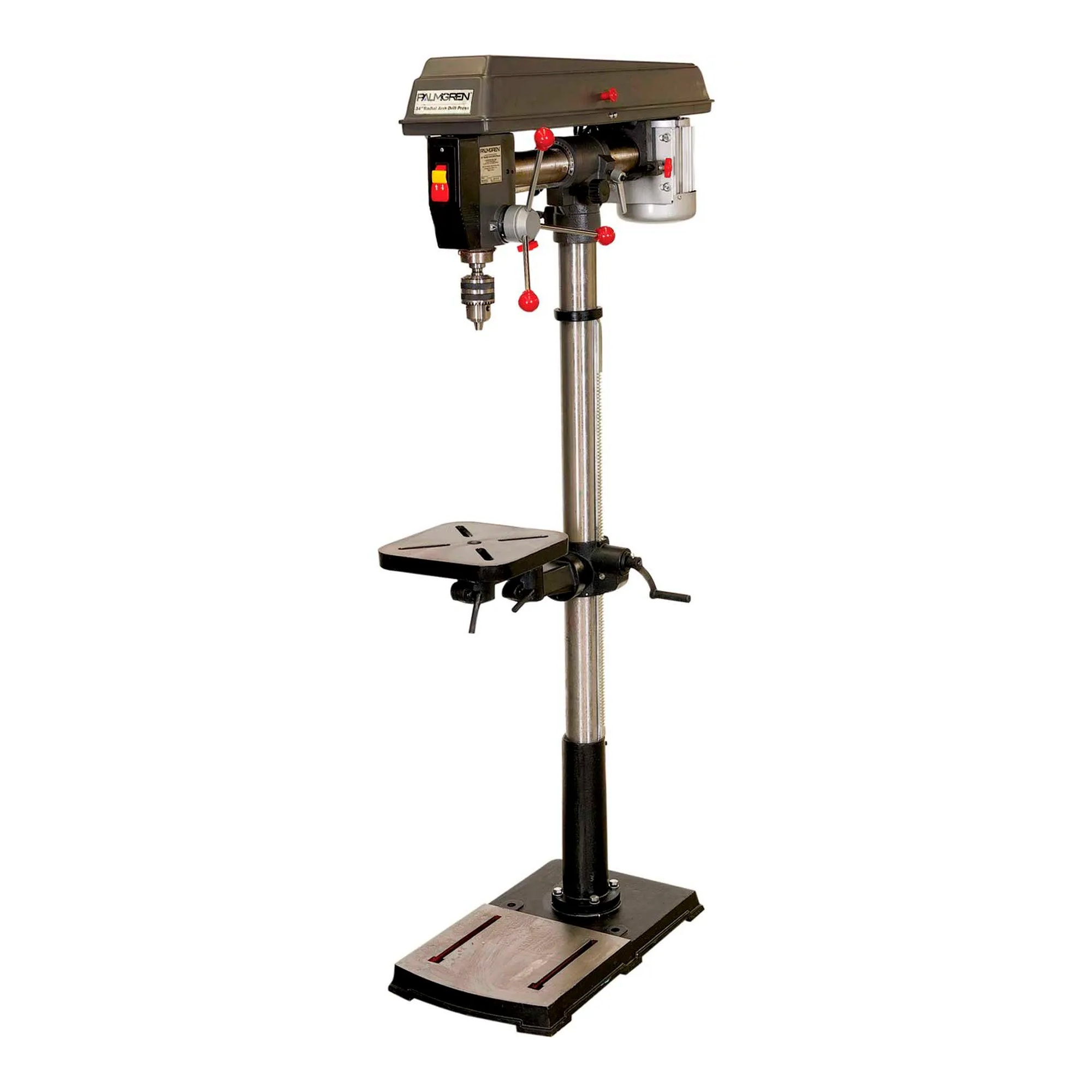
Radial Arm 5-Speed Floor Drill Press
Our Price:$798.99This radial arm floor drill press is designed for machinists and shop professionals working with large or irregularly shaped workpieces. Its extended-reach drill head helps position drilling...
-
CS Unitec
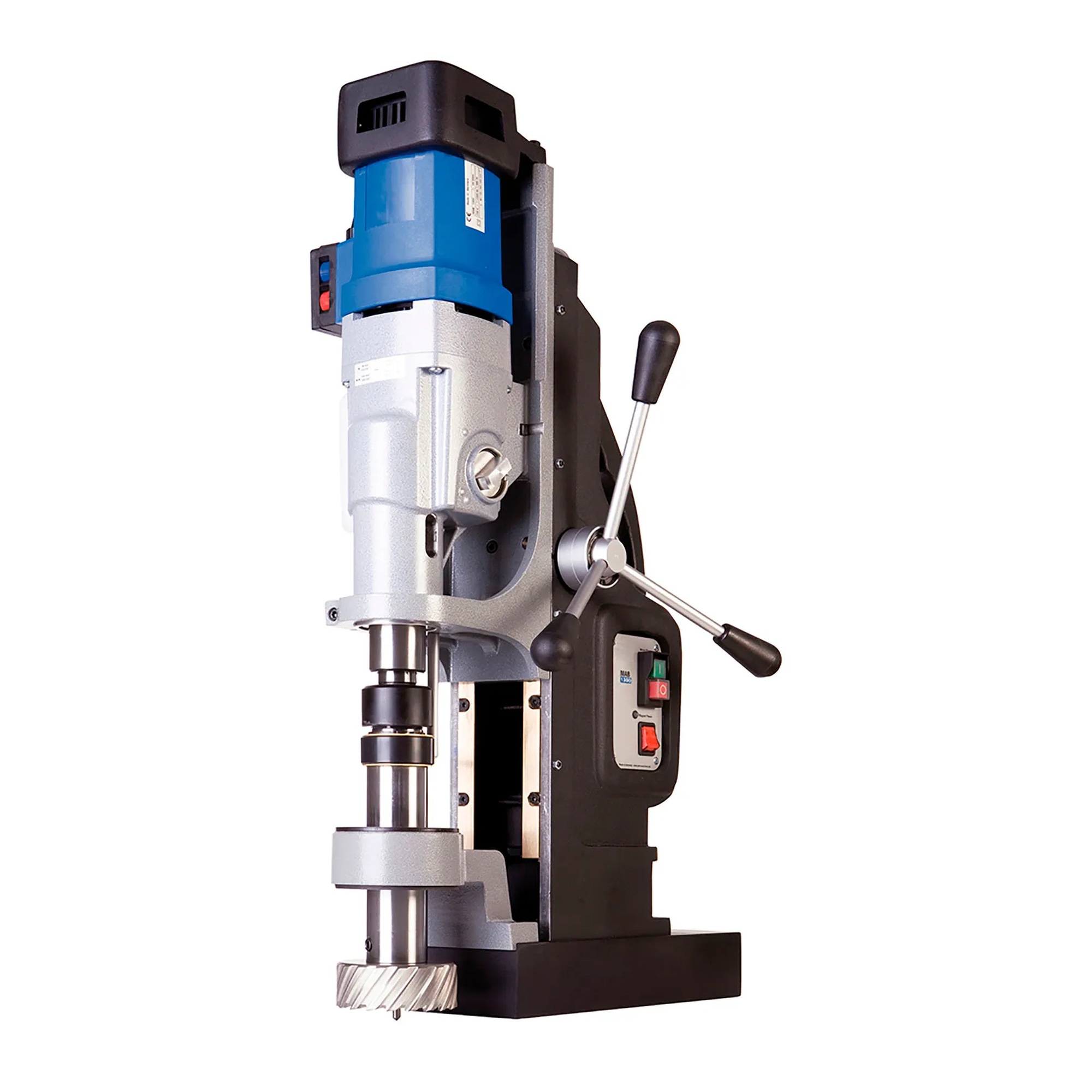
Reversible Magnetic Drill, 6 in. Hole Capacity, 110V
Our Price:$6,758.99This reversible magnetic drill is designed for metalworking professionals who need to drill, tap, ream, or countersink steel and other metals. Its magnetic base helps secure the machine to the work...

Choose drilling and tapping equipment for the work at hand
Start with where the workpiece will be drilled, the hole size or tapping task, and the level of positioning and repeatability required. The available equipment ranges from stationary drill presses with depth stops and T-slot work surfaces to magnetic drills for portable work on steel and a pneumatic arm for bringing a tap to the workpiece.
Popular examples in this category
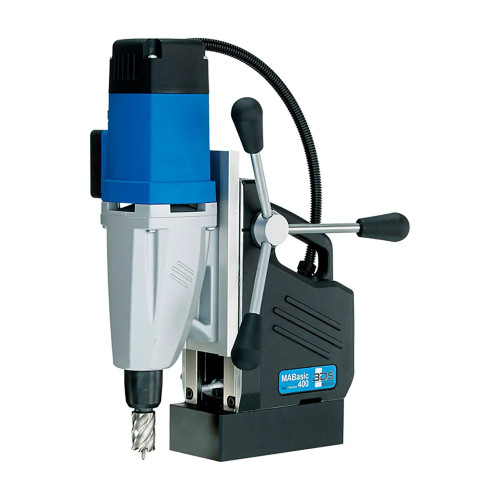 110V Magnetic Drill with 1-5/8 in. Hole CapacityWBB3216020
 Magnetic Drill with 1-3/8 in. Hole Capacity, 110VWBB3216040
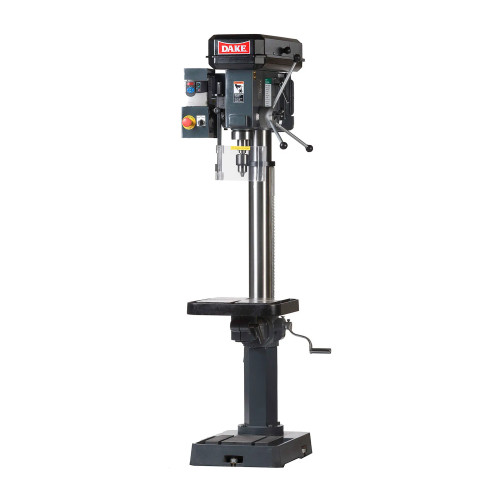 Floor Model Variable-Speed Drill Press, 1-1/4 in. CapacityWBB2238714
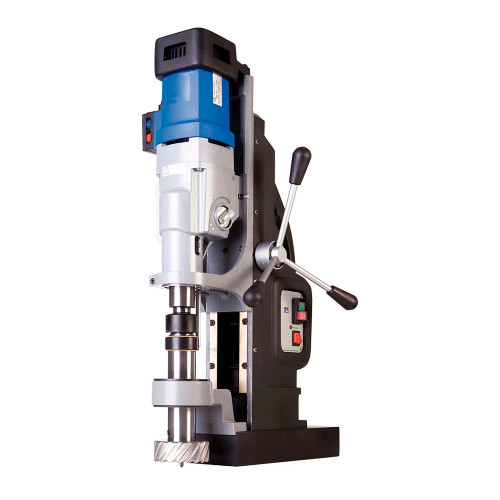 Reversible Magnetic Drill, 6 in. Hole Capacity, 110VWBB3216051
Match the machine to the operation
Use bench or floor drill presses for controlled drilling at a workbench or in shop production. Choose magnetic drills for portable hole cutting on steel or compatible ferrous surfaces. Select a reversible magnetic drill when drilling, tapping, reaming, or countersinking are needed, and consider a pneumatic tapping arm for general-purpose tapping in mild steel.
Compare capacity, speed, and setup
Check the stated hole or drill capacity first, then compare available speed settings, feed options, and tooling connections. For recurring work, look for adjustable depth stops and workholding surfaces. For portable magnetic drilling, consider magnet type, swivel-base access, coolant or lubrication support, and lift or magnetic-contact monitoring features.
Plan around the work location
Stationary drill presses suit workpieces that can be placed and clamped on a T-slot table or base. Magnetic drills are intended for steel fabrication, structural steel, maintenance, and other portable drilling tasks. Swivel-base models help align the pilot in tight-access, horizontal, overhead, and offset locations; one permanent-magnet model also supports pipe drilling without an adapter.
Consider control and handling features
Available features include two- and four-speed gearboxes, variable and reversible drill-press speed, manual or power feed, integrated or gravity-feed coolant, automatic lubrication, quick-change chucks, and Weldon tool holders. Drill press selections also include safety controls, guards, and interlocks, while magnetic drill selections include lift detection or motor shutdown when magnetic contact is lost.
The bench drill press supports drilling up to its stated 5/8 in. capacity.
The floor model is listed with a 1-1/4 in. capacity.
The reversible magnetic drill handles annular cutters up to 6 in.
The pneumatic tapping arm provides a stated 63-inch reach.
Compare the equipment types
Use this overview to narrow the category by work location, operation, and the features represented in the available products.
| Equipment type | Best fit from the available range | Features to compare |
|---|---|---|
| Bench and floor drill presses | Controlled, repeatable shop drilling with workpieces positioned on a table or base | Drill capacity, depth adjustment, speed control, T-slot work surfaces, table movement, spindle taper, and safety controls |
| Magnetic drills | Portable drilling on steel or compatible ferrous work surfaces, including fabrication and maintenance work | Annular cutter capacity, speed settings, magnet design, swivel base, feed mode, coolant or lubrication, tooling, and monitoring features |
| Pneumatic tapping arm | General-purpose tapping in mild steel where articulated reach helps bring the tap to the workpiece | Motor speed, arm reach, swivel-point bearings, and weightless-style arm operation |
Plan the right fit before choosing
Choose stationary control, portable magnetic drilling, or tapping reach
The product range represents three distinct approaches to metalworking. Stationary drill presses provide table-mounted workholding and repeatable depth control. Magnetic drills attach to steel or compatible ferrous work surfaces for portable drilling. A pneumatic tapping arm uses an articulated arm to position a tap over the work area.
- Bench drill press: 5/8 in. drill capacity, dial-in depth adjustment, T-slot work surfaces, and quick-release belt tensioning for speed changes.
- Floor drill press: 1-1/4 in. capacity, variable reversible speed, adjustable depth stop, MT4 spindle taper, and a swiveling, height-adjustable T-slot table.
- Magnetic drills: stated capacities range from 1-3/8 in. to 6 in. for annular cutting, with selected models offering twist-drill conversion.
- Pneumatic tapping arm: 700 RPM motor and 63-inch reach for general-purpose tapping in mild steel.
Match capacity and access features to steel drilling work
For magnetic drilling, compare the stated cutter capacity with the positioning and operating features needed at the job. Two-speed options include 250/450 RPM, 430/760 RPM, and other selectable speed arrangements, while a four-speed model provides additional speed selection. Some models add feed choices, coolant, lubrication, or specialized tooling support.
- Choose swivel-base models when pilot alignment is needed in confined, horizontal, overhead, or offset locations.
- Consider manual or power feed when selectable feed control is important for the operation.
- Integrated coolant bottles, gravity-feed coolant, and automatic lubrication provide drilling or cutter-lubrication support on selected models.
- For larger work, one reversible model has a 6 in. annular cutter capacity in carbon steel up to 1 in. thick and accepts 1-1/4 in. Weldon tooling with an adapter for 3/4 in. Weldon shanks.
Look for depth, fixturing, and monitoring features
Repeatable drilling depends on controlling workpiece position and drilling depth. The bench and floor drill presses include T-slot surfaces for clamping and fixturing, while their depth adjustments support recurring work. Magnetic drill models use magnetic holding systems and may include lift detection or magnetic-force monitoring during operation.
- Use an adjustable depth stop or dial-in depth adjustment when a predetermined depth is needed across repeated holes.
- Compare table movement: the floor-model table swivels, rotates, adjusts in height, and locks for different setups.
- Review available drill-press controls and guards, including emergency stop, low-voltage protection or controls, thermal overload protection, belt-cover interlocks, and chip/chuck guards.
- For magnetic drilling, selected models use a lift detector, while other models shut down the drill motor if magnetic contact is lost.
Common questions before buying
What types of equipment are in this category?
The category includes bench and floor drill presses, magnetic drills, and a pneumatic tapping arm.
When is a magnetic drill a suitable choice?
Magnetic drills are designed for portable drilling on steel or compatible ferrous work surfaces, including fabrication, structural steel, and maintenance tasks.
What supports repeatable drilling depth?
The bench and floor drill presses include depth-adjustment features, including a dial-in setup or adjustable depth stop.
Which option supports tapping as well as drilling?
The reversible magnetic drill supports drilling, tapping, reaming, and countersinking, while the pneumatic tapping arm is intended for general-purpose tapping in mild steel.
Choosing the right file folders
FilingSupplies.com carries end-tab folders for open-shelf systems, top-tab folders for drawer filing, and heavy-duty classification folders with dividers and fasteners for multi-section records. Pick letter or legal size, then choose material (11-pt, 14-pt, or 18-pt manila), optional reinforced tabs, color-coding, and expansion capacity to match your volume.
Folder FAQs
End-tab vs. top-tab — what’s the difference?
When should I choose classification folders?
Letter or legal size — how do I pick?
What tab and material options are available?
Can I add fasteners, pockets, or expansion?
Do you offer volume pricing or custom printing?
Outfitting classrooms that work all day
Build a durable, age-appropriate classroom with furniture, early-learning materials, storage bins, learning centers, and presentation tools. Choose adjustable pieces that grow with grades, label friendly bins for quick clean-up, and tech carts that secure, charge, and move easily.
Education FAQs
What safety labels should I look for on school and early-childhood items?
How do I pick classroom furniture across grade levels?
What’s the best way to organize supplies and centers?
How do I choose learning games and manipulatives by age?
What should I consider in a charging/tech cart?
Do you support school POs, bulk pricing, or custom printing?
Choosing the right labels
From color file labels to printable sheets, select the right size, adhesive, and print method to match your filing system and equipment. Decide on sheet vs. roll format, then pick permanent or removable adhesive and your color set.
Labels FAQs
Sheet vs. roll labels — what’s the difference?
Permanent or removable adhesive?
Will these labels work in my printer?
How do I match the label size to folder tabs or binder spines?
Can I get preprinted sequences or color bars?
Do you have templates?
Choosing the right tab dividers
Organize binders with preprinted or blank tabs. Select the number of tabs per set (5, 8, 10, or 12), choose paper with reinforced tabs or durable poly, and match letter or legal size for a clean fit.
Tab Dividers FAQs
What do 5-, 8-, 10-, or 12-tab sets mean?
Paper vs. poly — which should I choose?
Are the tabs printable?
Will they fit my binder?
Can I mix preprinted and blank tabs?
Do you make custom tab sets?
Choosing the right office supplies
From everyday paper and pens to binders, mailers, and desk organizers, pick durable, compatible options that match your equipment and team size. Start with the right paper and labeling, then add organizers that keep work moving.
Office Supplies FAQs
Which paper weight and brightness should I choose?
Round-ring vs. D-ring binders — what’s the difference?
What does “sheet capacity” mean on staplers and hole punches?
Will labels, envelopes, and mailers work with my printer?
How do I choose mailers and shipping boxes?
Do you offer eco-conscious options or bulk pricing?
Choosing the right sports & PE equipment
Equip classes, teams, and rec programs with durable balls, goals, cones, pinnies, storage, and safety gear. Match sizes and materials to age group and whether you play indoors or outdoors.
Sports & Athletics FAQs
What ball sizes should I choose for different ages?
- Basketball: Size 5 (27.5") youth, Size 6 (28.5") intermediate, Size 7 (29.5") official.
- Soccer: Size 3 up to ~8 years, Size 4 ~8–12, Size 5 ~12+.
- Volleyball: Regulation balls for teens/adults; lighter training balls for younger players.
Indoor vs. outdoor — which materials hold up best?
How many pinnies, cones, or markers do I need?
Tips for storage and care?
Are items latex‑free and school‑safe?
Do you support bulk orders or custom printing (team names)?
Choosing the right FireKing fireproof cabinet
FireKing fireproof file cabinets, safes, and storage cabinets are designed to protect important documents, records, and valuables from fire damage while keeping files organized and accessible. When choosing a FireKing cabinet, compare drawer configuration, storage type, fire rating, and overall capacity based on the records or materials you need to protect.
FireKing FAQs
What is the difference between FireKing vertical and lateral file cabinets?
What can I store in a FireKing fireproof file cabinet?
Are FireKing cabinets only for paper records?
How do I choose between a FireKing safe, file cabinet, or storage cabinet?
What sizes are available in FireKing cabinets?
Are FireKing cabinets used in offices, medical facilities, and government records storage?
Can I buy FireKing cabinets in bulk or get help choosing the right model?
Shipping & Policies
Do you offer free shipping?
What are your shipping rates?
- $6.95 for labels-only orders under $40
- $14.95 flat rate for everything else