
-
CRC
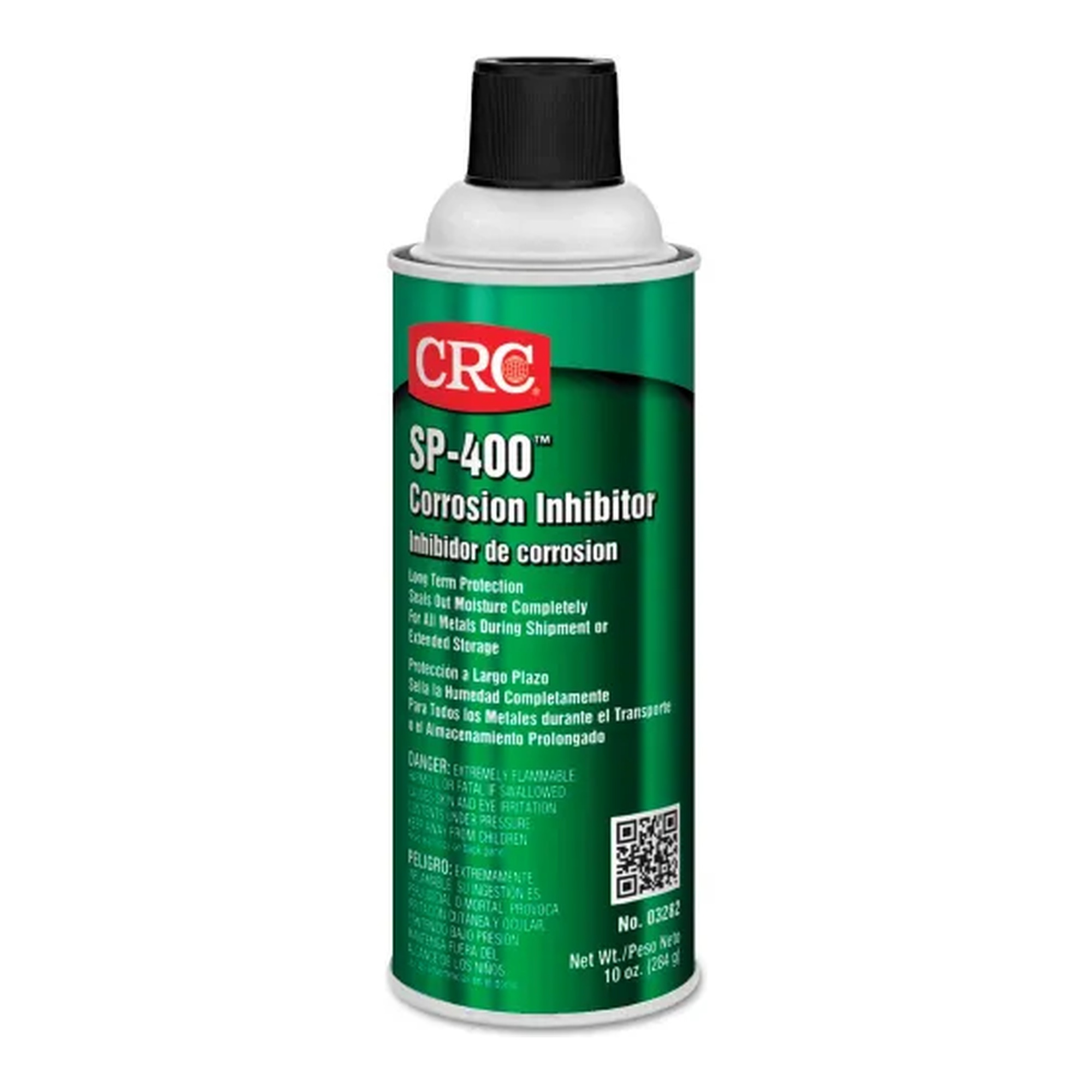
16 oz Aerosol Corrosion Inhibitor, 12-Pack
Our Price:$266.99Sold as a pack of 12. The displayed price is for one complete pack.This aerosol corrosion inhibitor is designed for maintenance teams protecting motors, shafts, and equipment exposed to the elements...
-
CRC
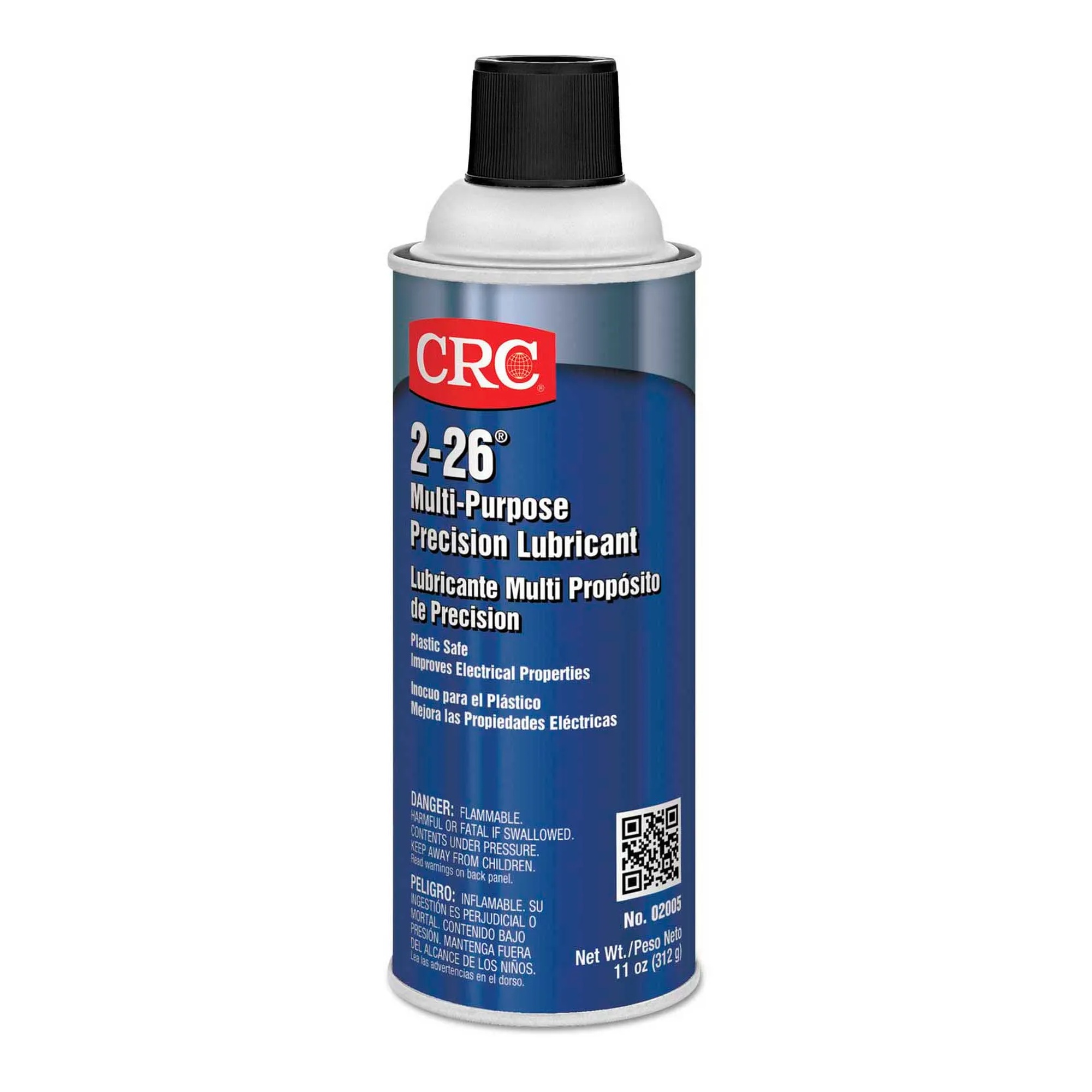
16 oz Clear Multi-Purpose Precision Lubricant Aerosol - Pack of 12
Our Price:$167.99Sold as a pack of 12. The displayed price is for one complete pack.This multi-purpose precision lubricant aerosol is for commercial maintenance users who need to clean, lubricate, penetrate, and...
-
CRC
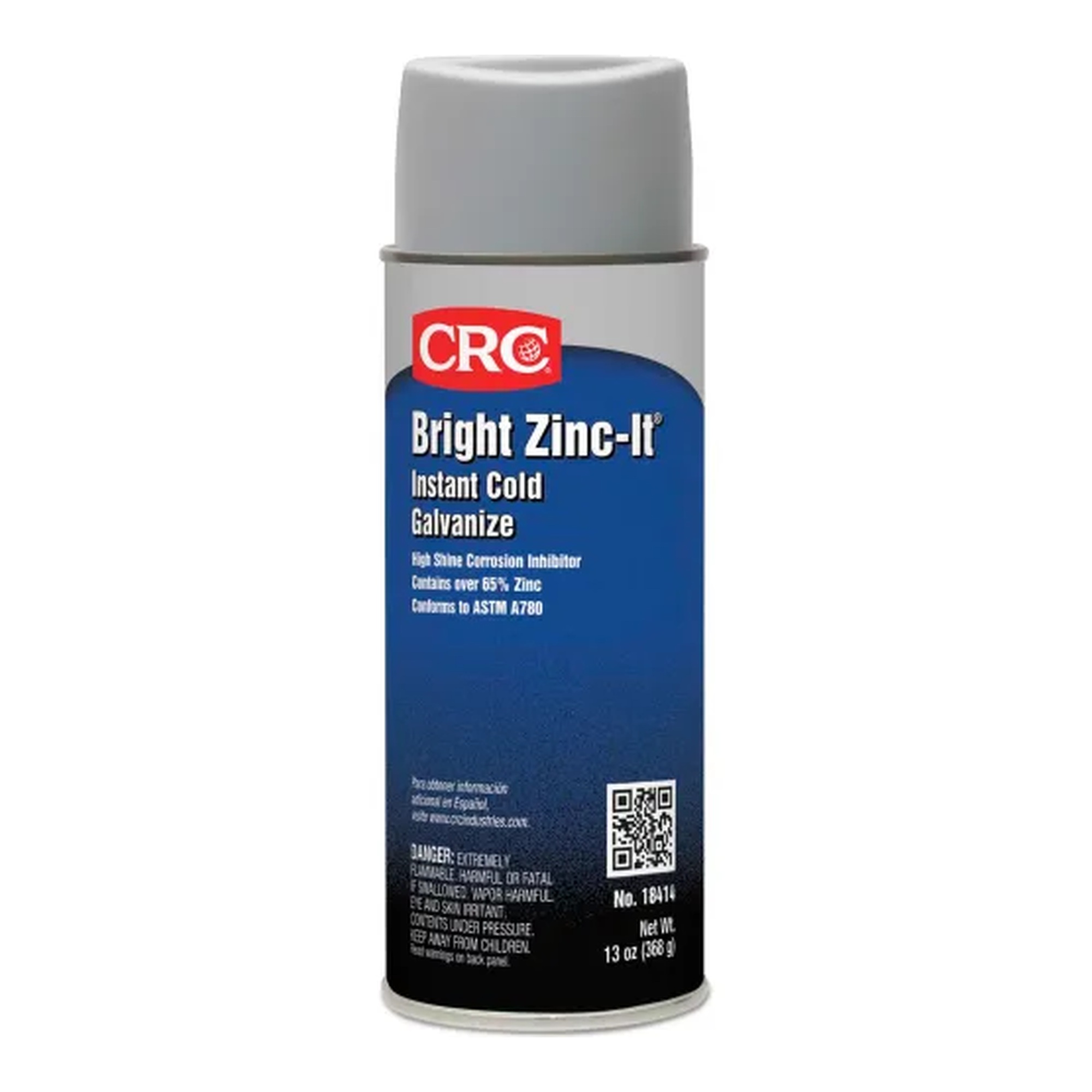
Bright Zinc-It Instant Cold Galvanize Aerosol Can, Gray, 16 oz - Pack of 12
Our Price:$254.99Sold as a pack of 12. The displayed price is for one complete pack.This gray instant cold galvanize aerosol is for maintenance teams applying protective zinc coverage to exposed metal areas such as...
-
Kroil
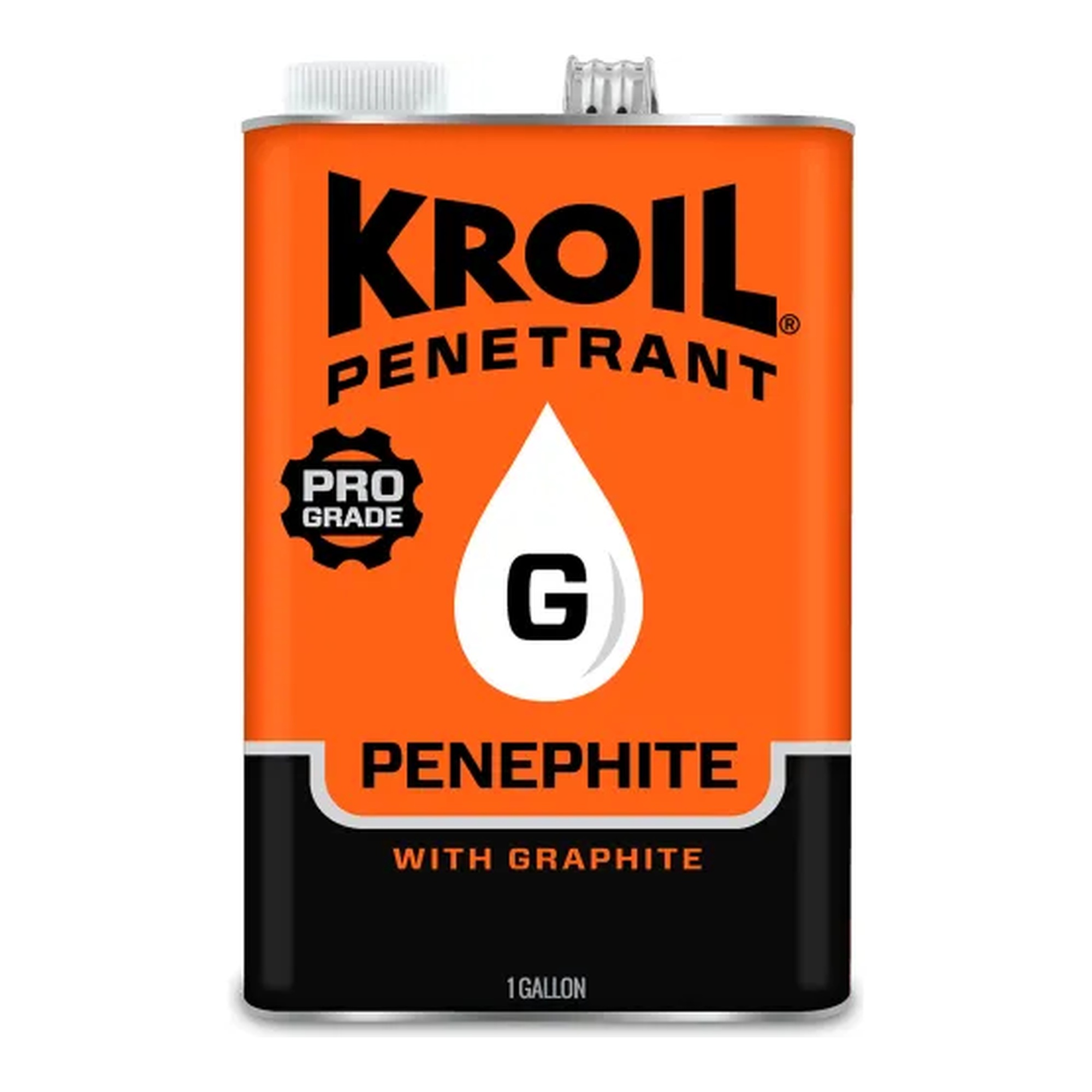
Graphite Penetrating Lubricant, 1 Gallon Can
Our Price:$134.48This graphite penetrating lubricant is designed for maintenance professionals who need to help loosen and lubricate components in high-temperature environments. Its penetrating action supports...
-
Kroil
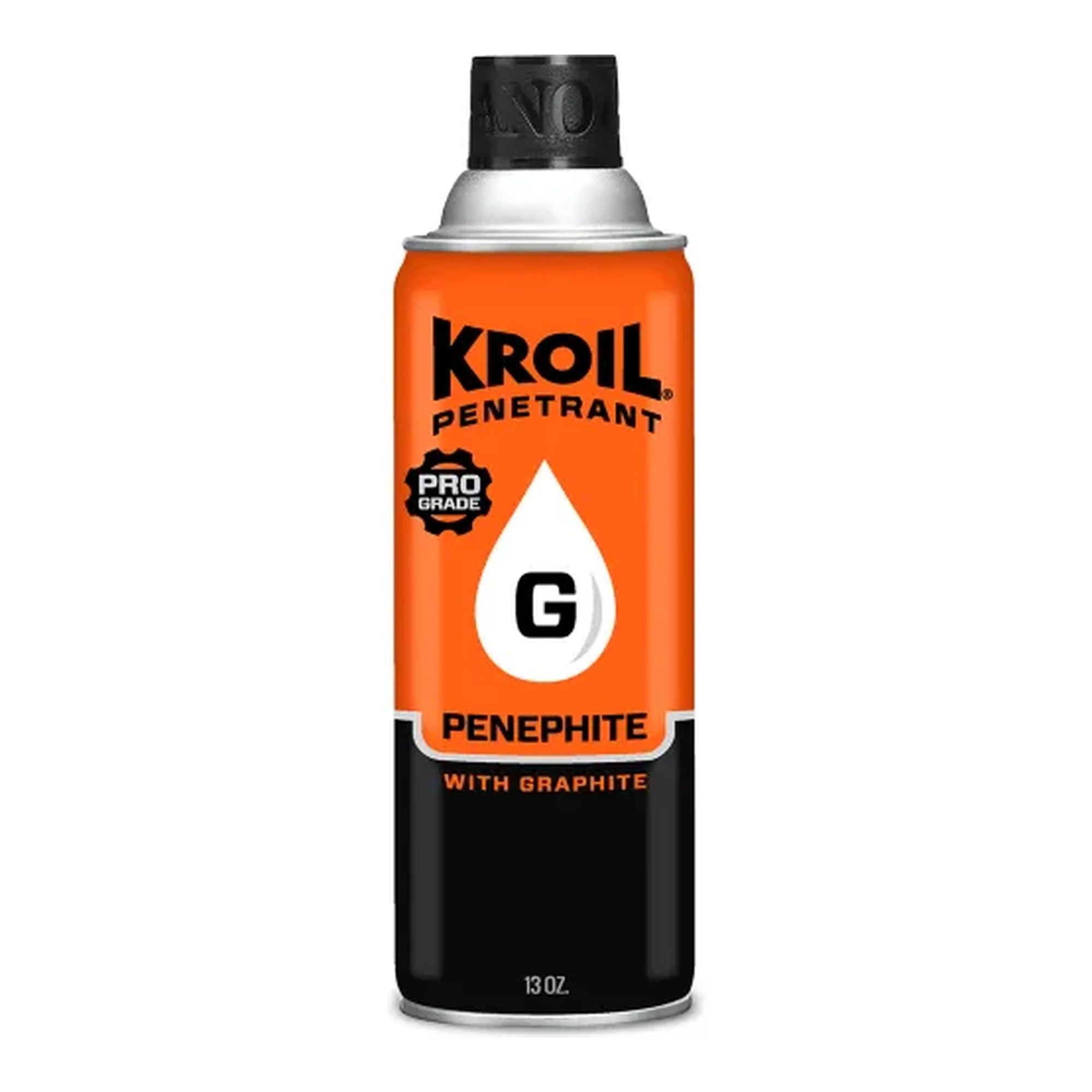
Graphite Penetrating Lubricant, 13 oz Aerosol Can, 12-Pack
Our Price:$365.87Sold as a pack of 12. The displayed price is for one complete pack.This graphite penetrating lubricant is supplied in 13 oz aerosol cans for maintenance professionals who need penetration and...
-
Sprayon
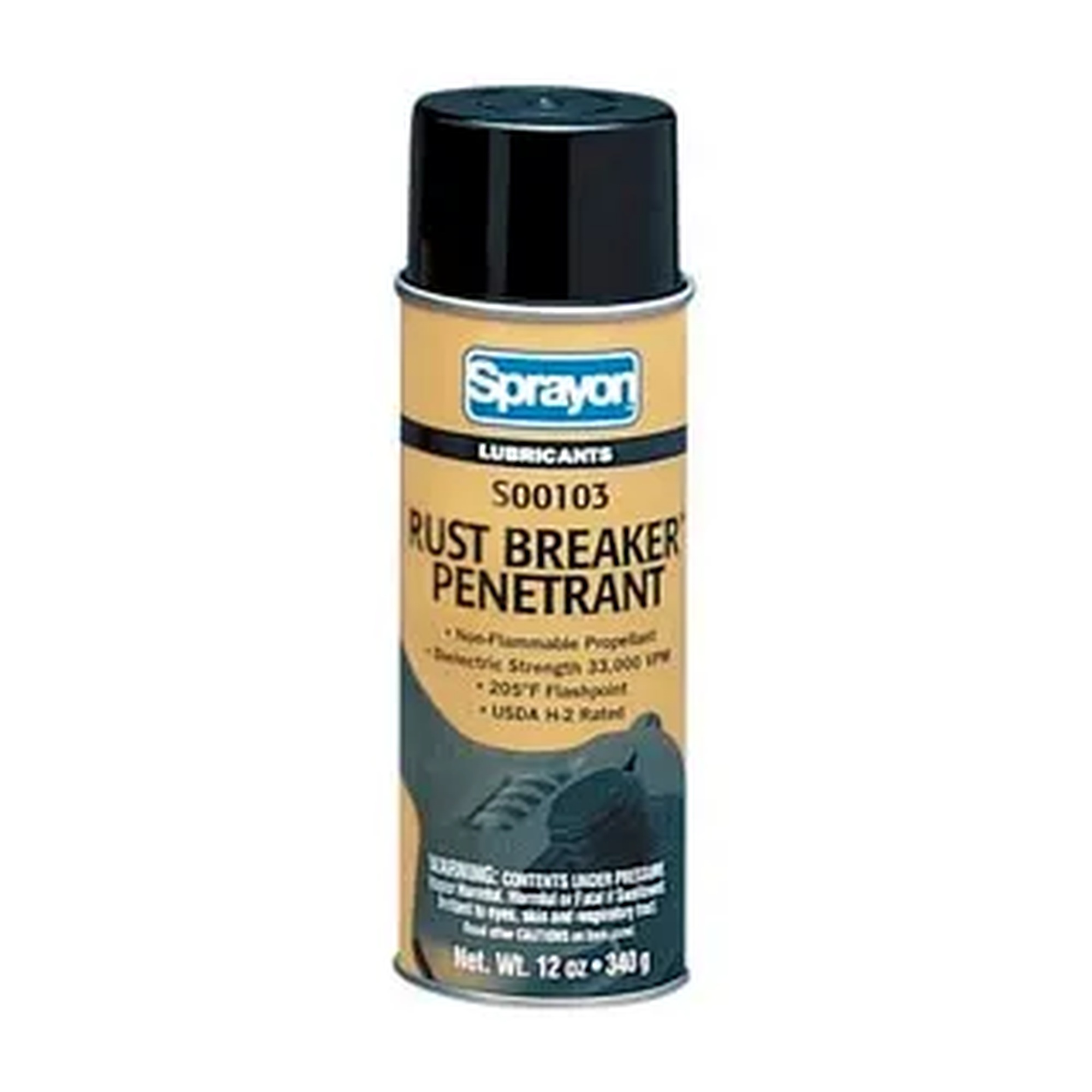
High-Performance Rust Penetrant Aerosol Can - Pack of 12
Our Price:$149.99Sold as a pack of 12. The displayed price is for one complete pack.This high-performance rust penetrant aerosol is designed for maintenance and facility teams that need to loosen rusted parts while...
-
CRC
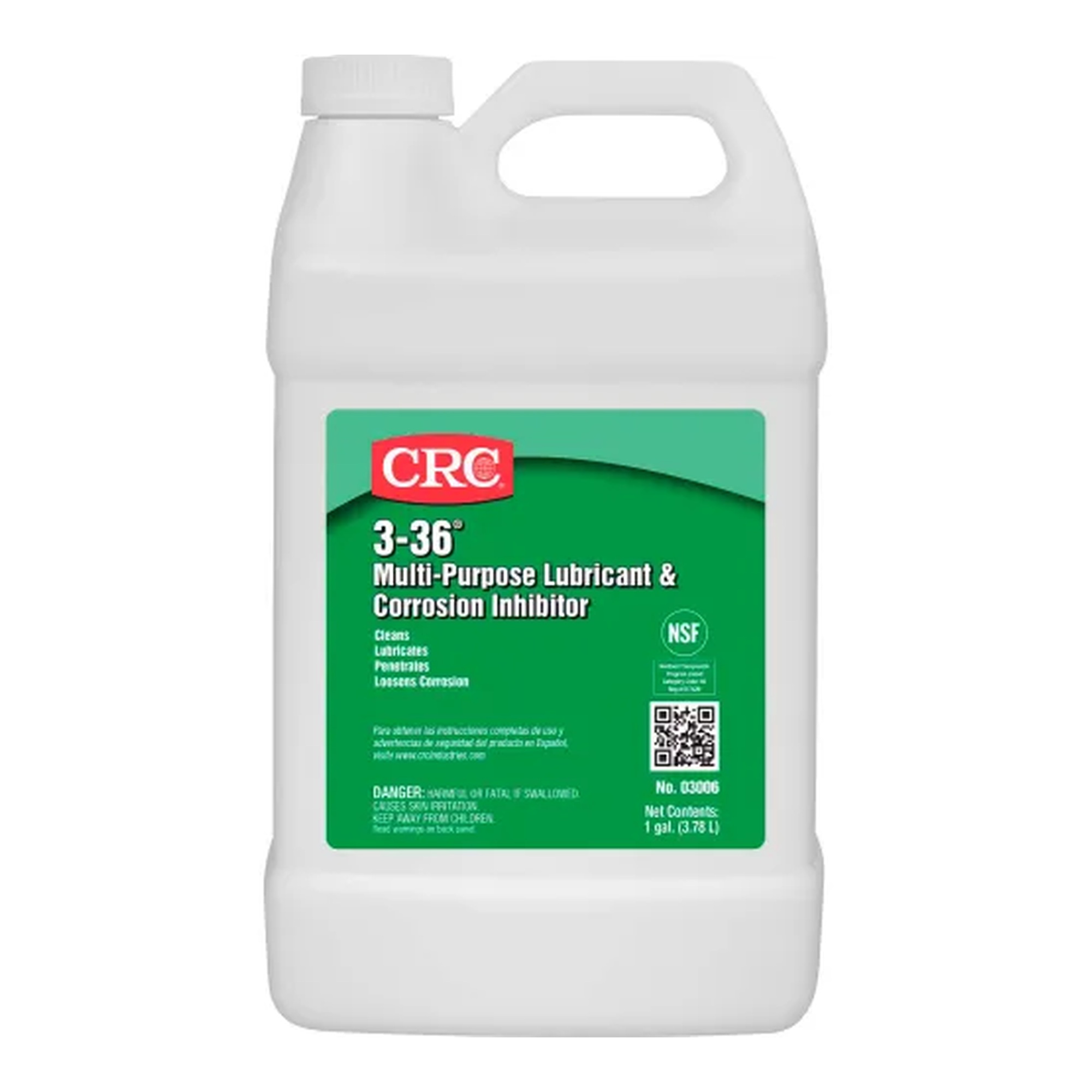
Multi-Purpose Lubricant and Corrosion Inhibitor, 1-Gallon Bottle - Pack of 4
Our Price:$247.79Sold as a pack of 4. The displayed price is for one complete pack.This multi-purpose lubricant and corrosion inhibitor is designed for maintenance teams and facility professionals who need to...
-
WD-40
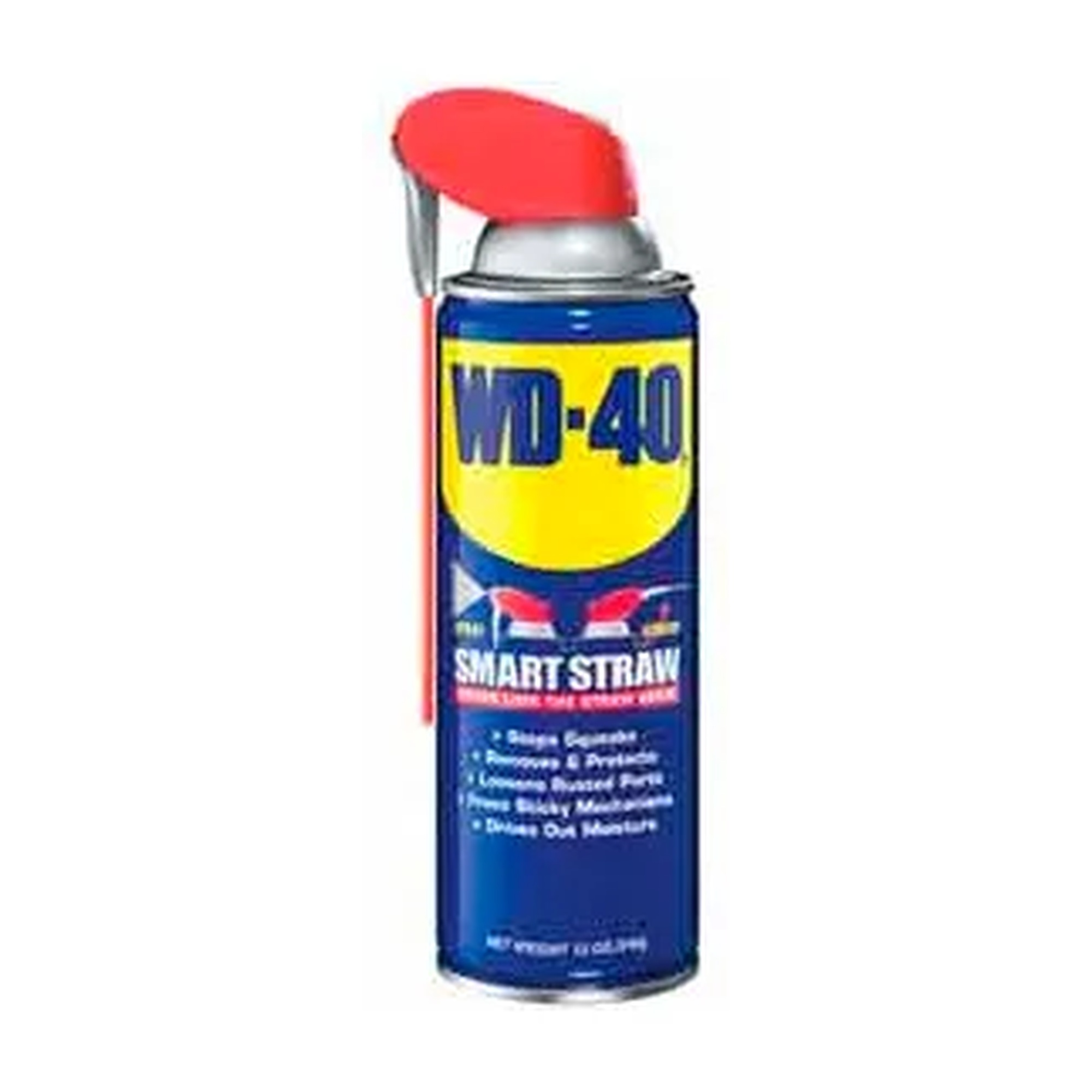
Multi-Use Aerosol Lubricant, 12 oz Smart Straw Can - Pack of 12
Our Price:$197.99Sold as a pack of 12. The displayed price is for one complete pack.This 12 oz multi-use aerosol lubricant is designed for facility maintenance, repair, and cleaning tasks. It helps teams lubricate...
-
WD-40
Multi-Use Synthetic Lubricant, 1 Gallon Cans, Case of 4
Our Price:$191.79Sold as a pack of 4. The displayed price is for one complete pack.This multi-use synthetic lubricant is supplied in 1-gallon cans for maintenance teams in shops, factories, and other equipment-care...
-
Kroil
Original Penetrant Aerosol, 13 oz, 12-Can Pack
Our Price:$359.87Sold as a pack of 12. The displayed price is for one complete pack.This original penetrant aerosol is designed for maintenance professionals who need to help loosen frozen metal parts during repair...
-
Kroil
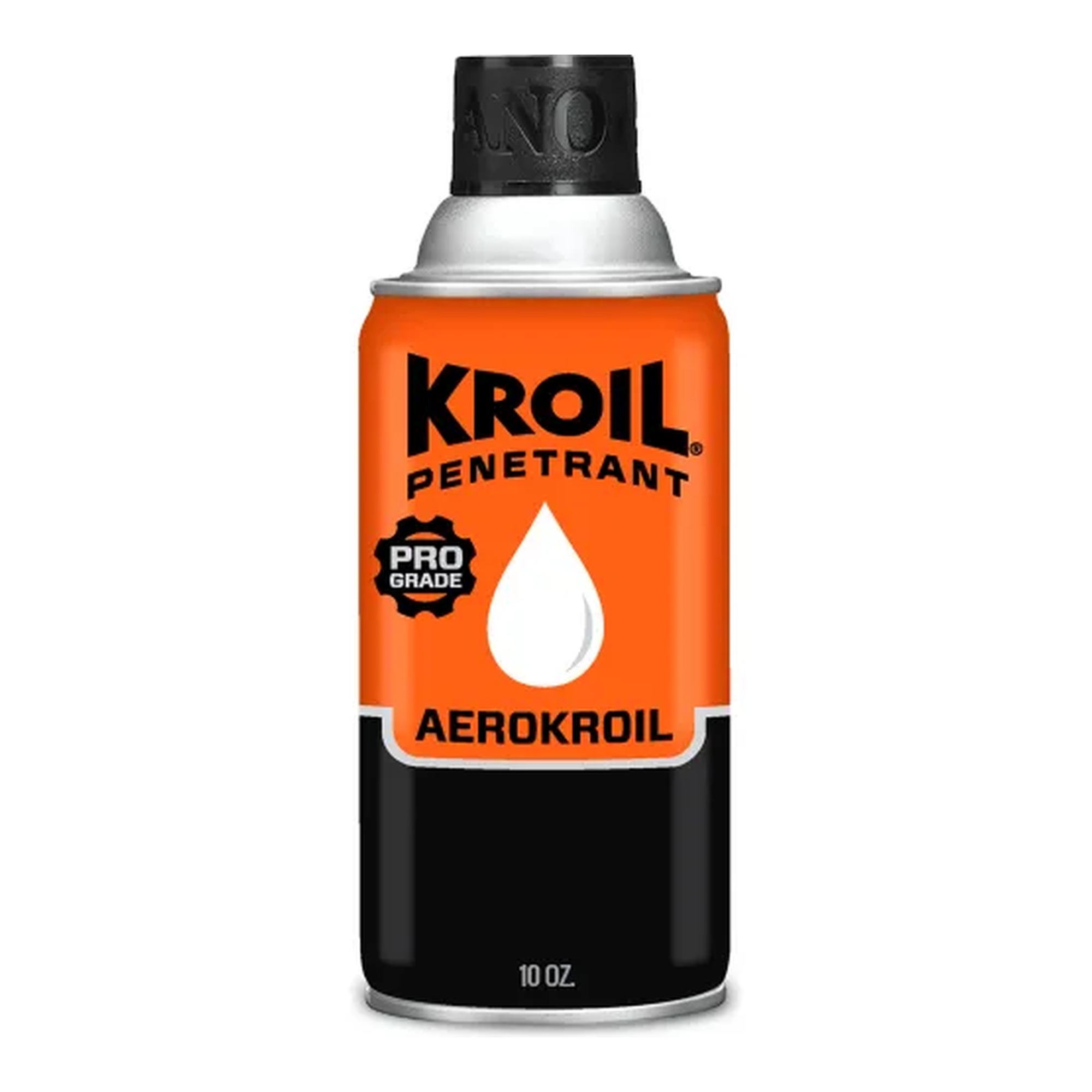
Original Penetrant, 10 oz Aerosol Can, 12-Pack
Our Price:$335.39Sold as a pack of 12. The displayed price is for one complete pack.This original penetrant is a petroleum-based aerosol product for maintenance professionals who need to help loosen frozen metal...
-
Kroil
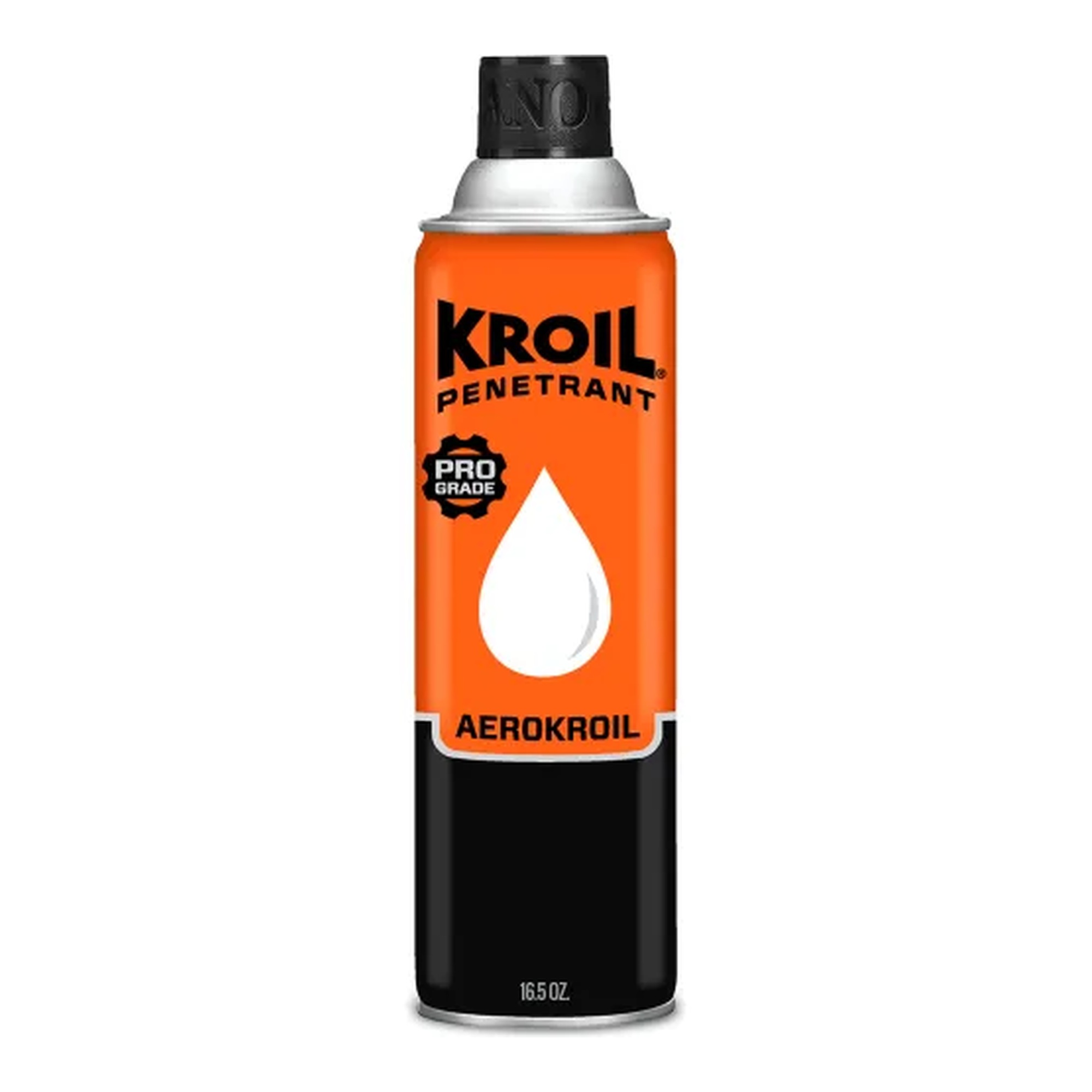
Original Penetrant, 16.5 oz Aerosol Can - Pack of 12
Our Price:$419.87Sold as a pack of 12. The displayed price is for one complete pack.This original penetrant aerosol is designed for maintenance professionals who need help loosening frozen metal parts. Its...
-
Kroil
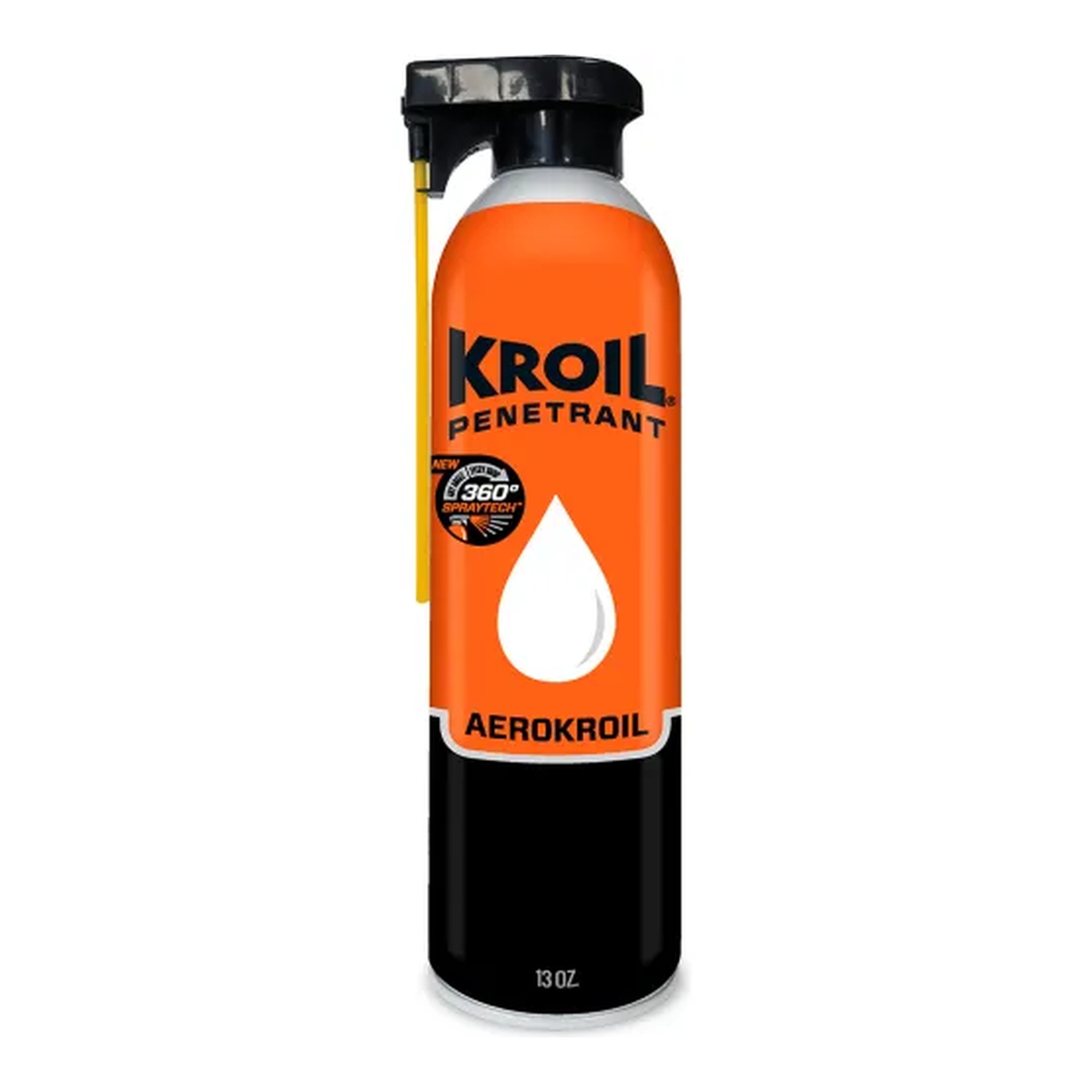
Original Penetrating Oil with SprayTech, 13 oz Aerosol Can, 12-Pack
Our Price:$371.87Sold as a pack of 12. The displayed price is for one complete pack.This industrial-strength penetrating oil spray is designed for maintenance professionals who need to help free seized metal...
-
CRC
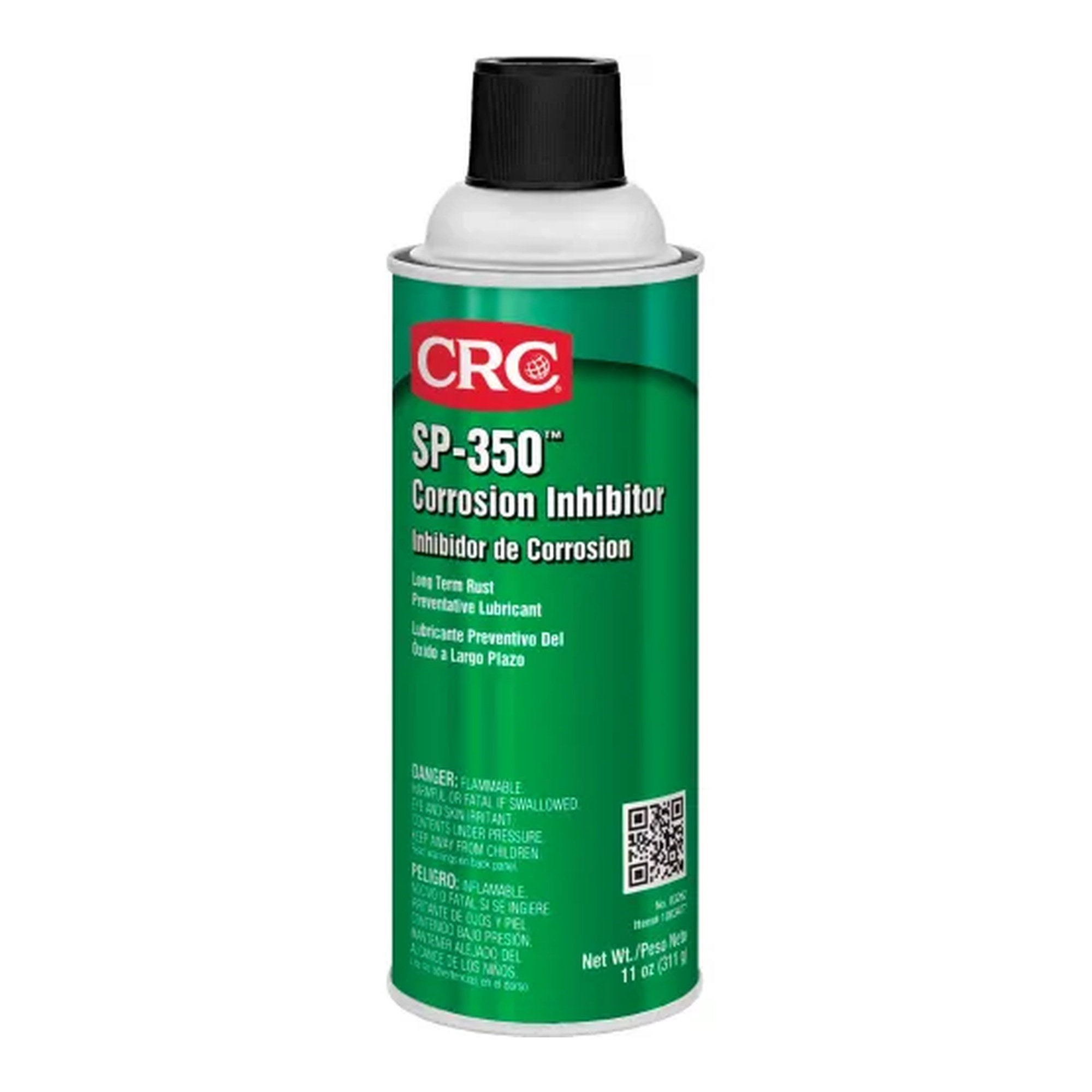
Petroleum-Based Aerosol Corrosion Inhibitor, Tan - Pack of 12
Our Price:$230.99Sold as a pack of 12. The displayed price is for one complete pack.This tan aerosol corrosion inhibitor is for maintenance teams protecting metal parts and assemblies kept indoors. It helps lubricate...
-
WD-40
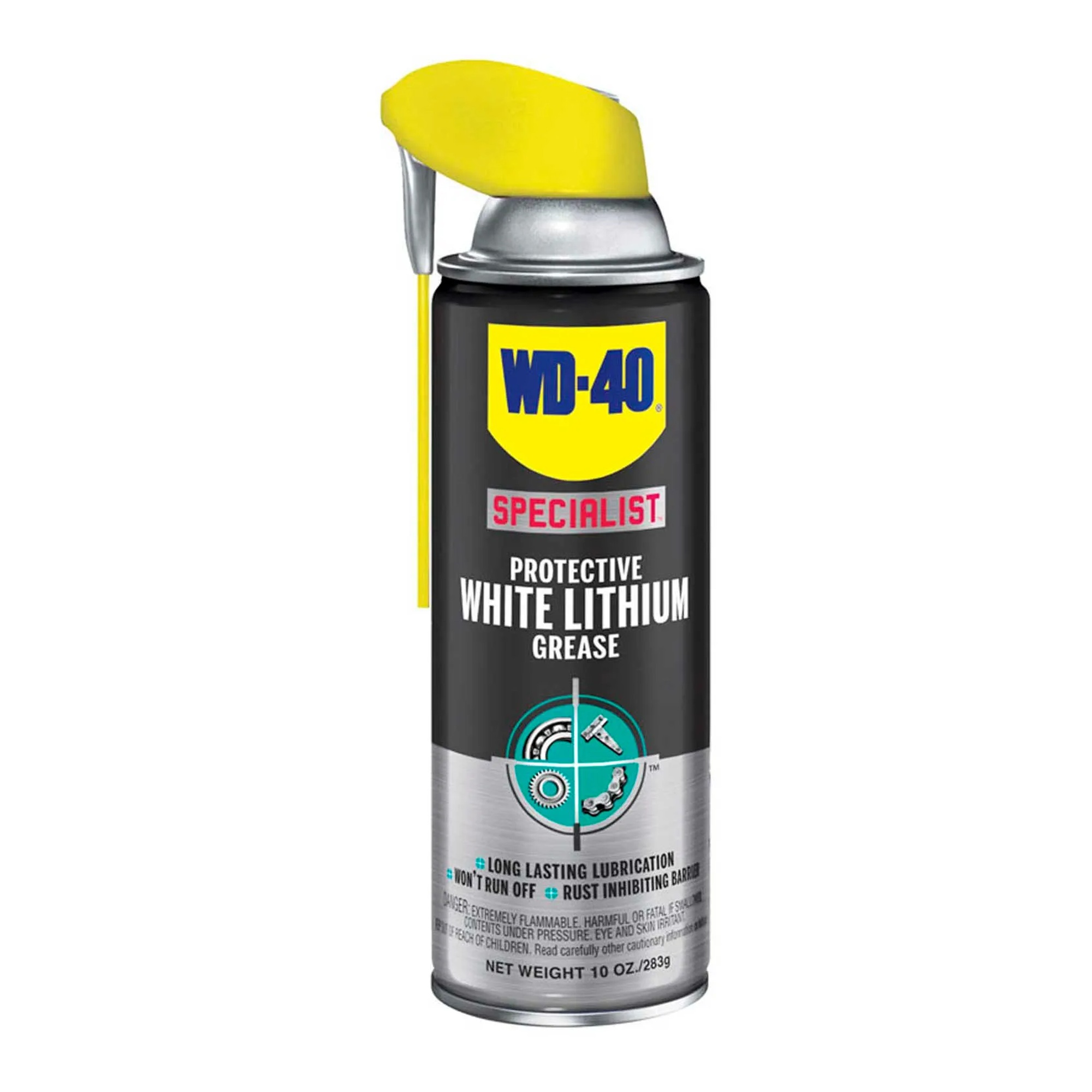
Protective White Lithium Grease, 10 oz Aerosol Can - Pack of 6
Our Price:$52.19Sold as a pack of 6. The displayed price is for one complete pack.This protective white lithium grease is an aerosol lubricant for maintenance personnel working with metal-to-metal moving parts. It...
-
WD-40
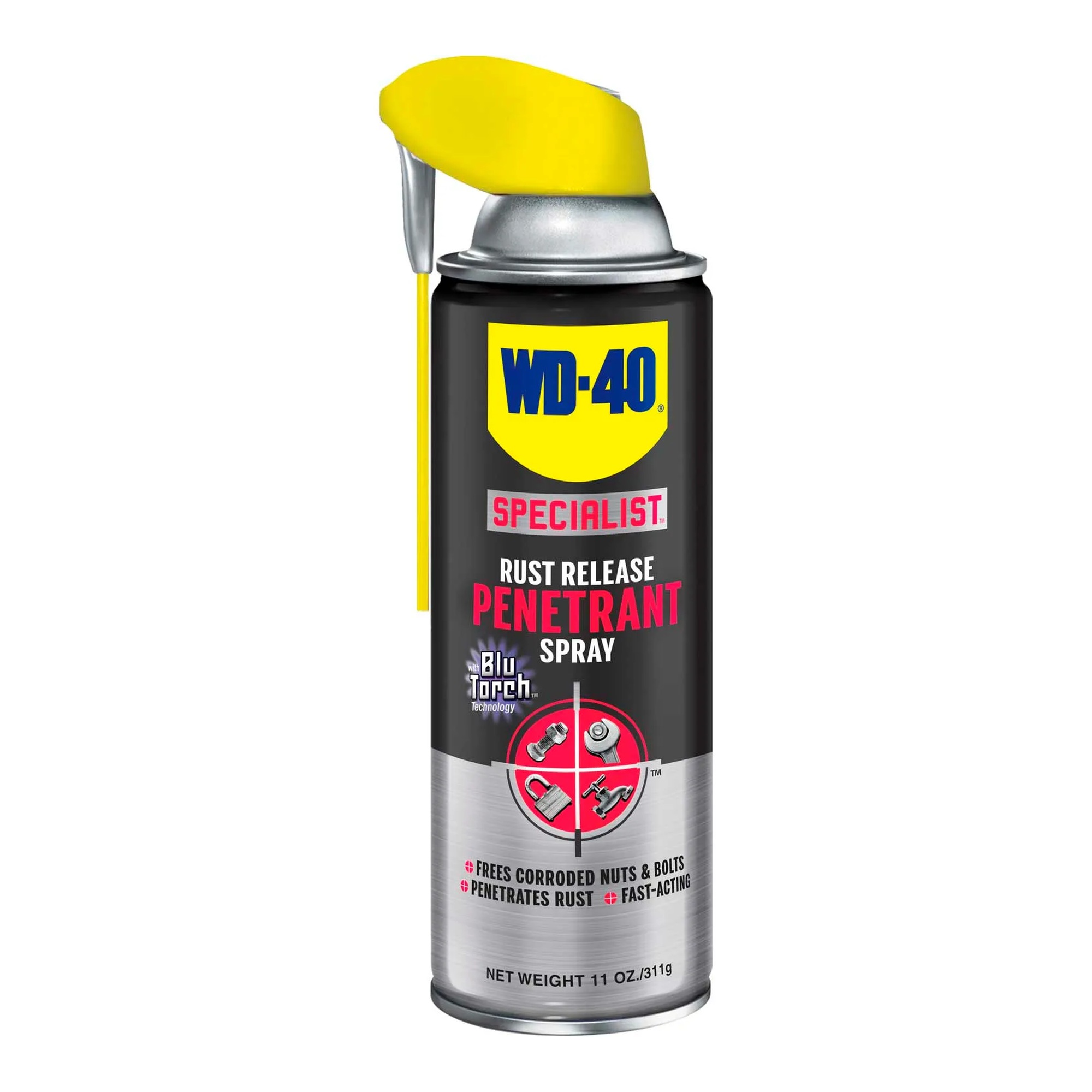
Rust Release Penetrant Spray, 11 oz Aerosol Can - Pack of 6
Our Price:$50.99Sold as a pack of 6. The displayed price is for one complete pack.This rust-release penetrant spray helps maintenance and repair professionals free stuck metal parts. Its fast-acting formula is...
-
Kroil
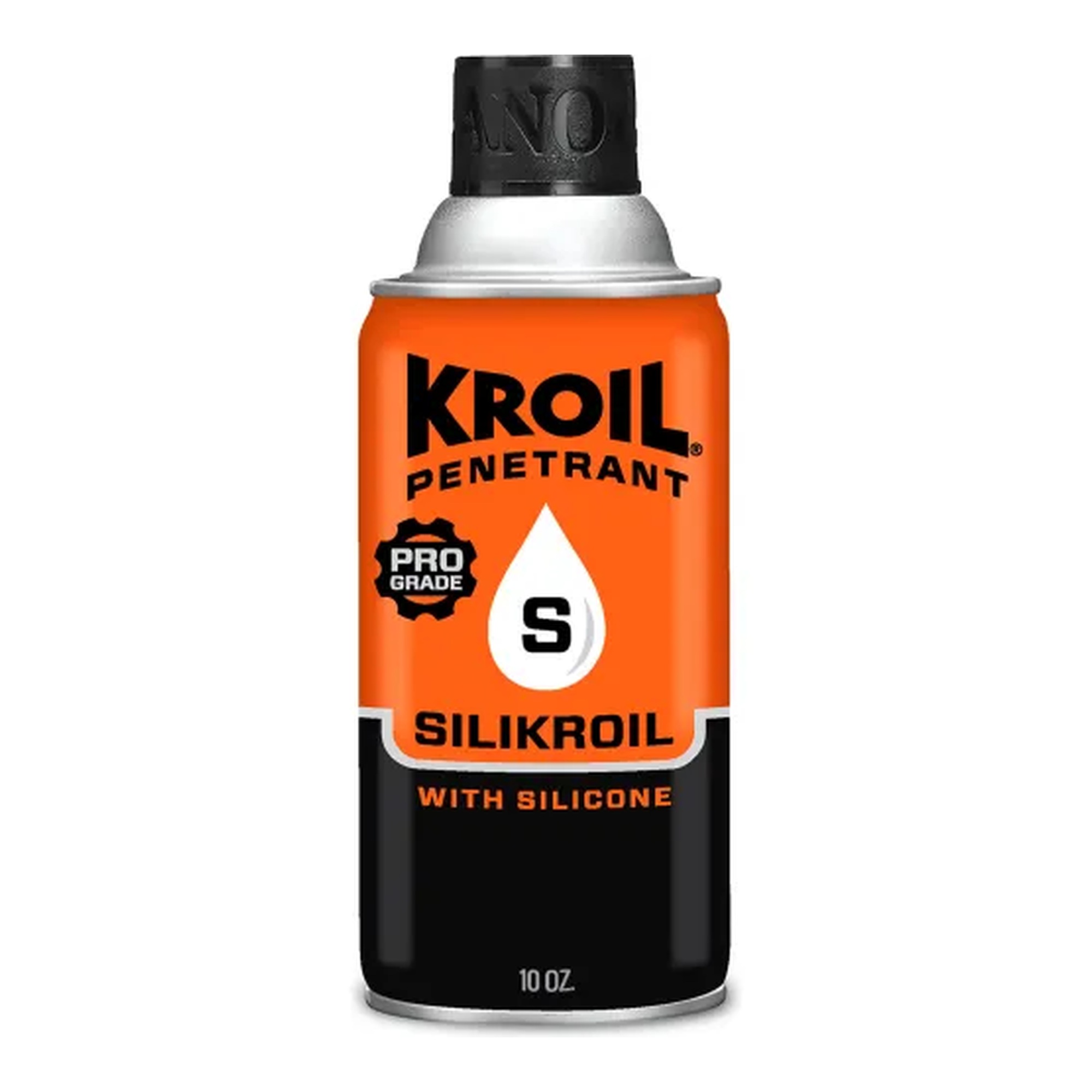
Silicone Penetrant, 10 oz Aerosol Can - Pack of 12
Our Price:$309.47Sold as a pack of 12. The displayed price is for one complete pack.This silicone penetrant is a 10 oz aerosol product for maintenance teams and facility staff working to loosen frozen metal parts...
-
CRC
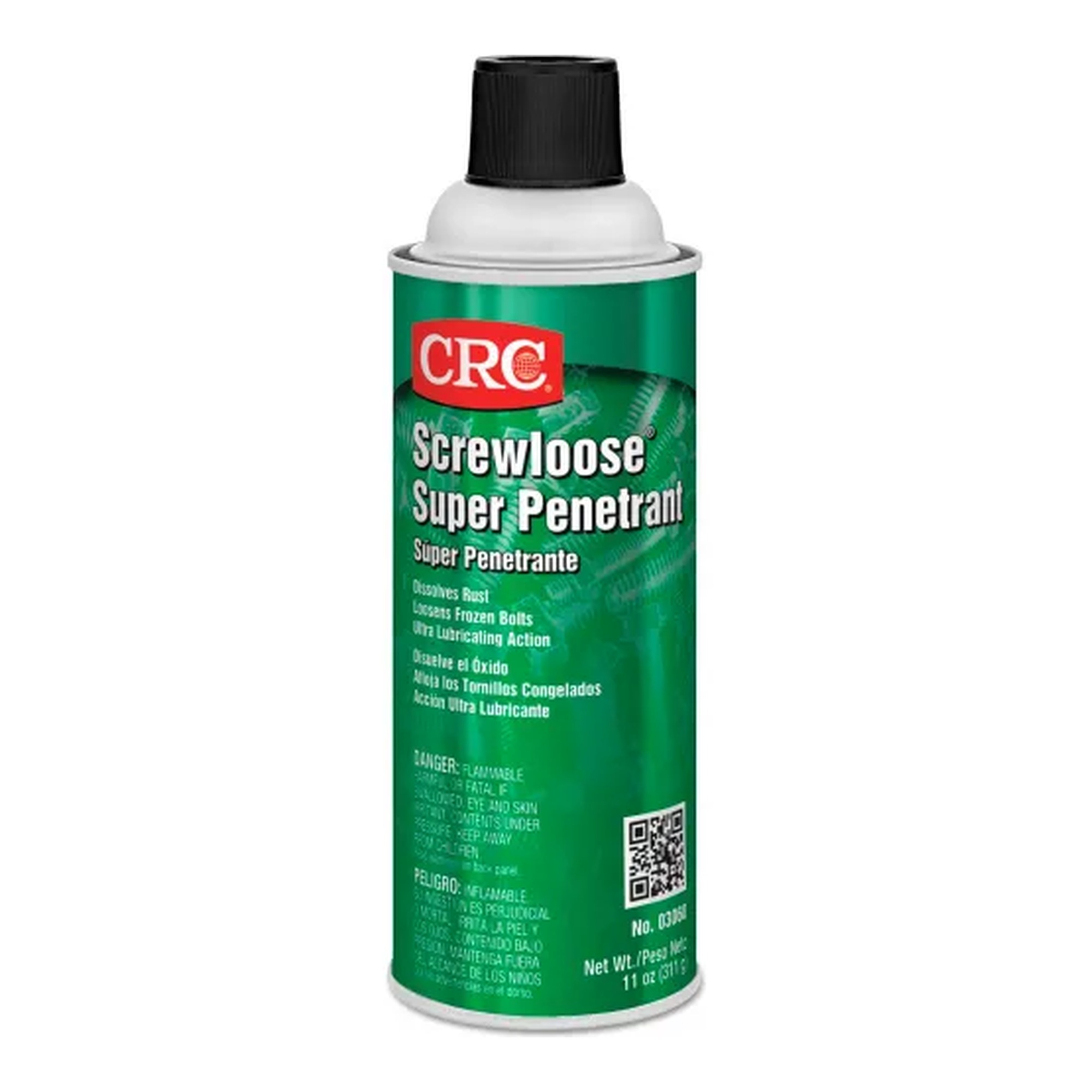
Super Penetrant, 11 oz Aerosol Can - Pack of 12
Our Price:$143.99Sold as a pack of 12. The displayed price is for one complete pack.This super penetrant helps maintenance teams loosen mechanical components and fasteners during service and disassembly work. It is...
-
WD-40
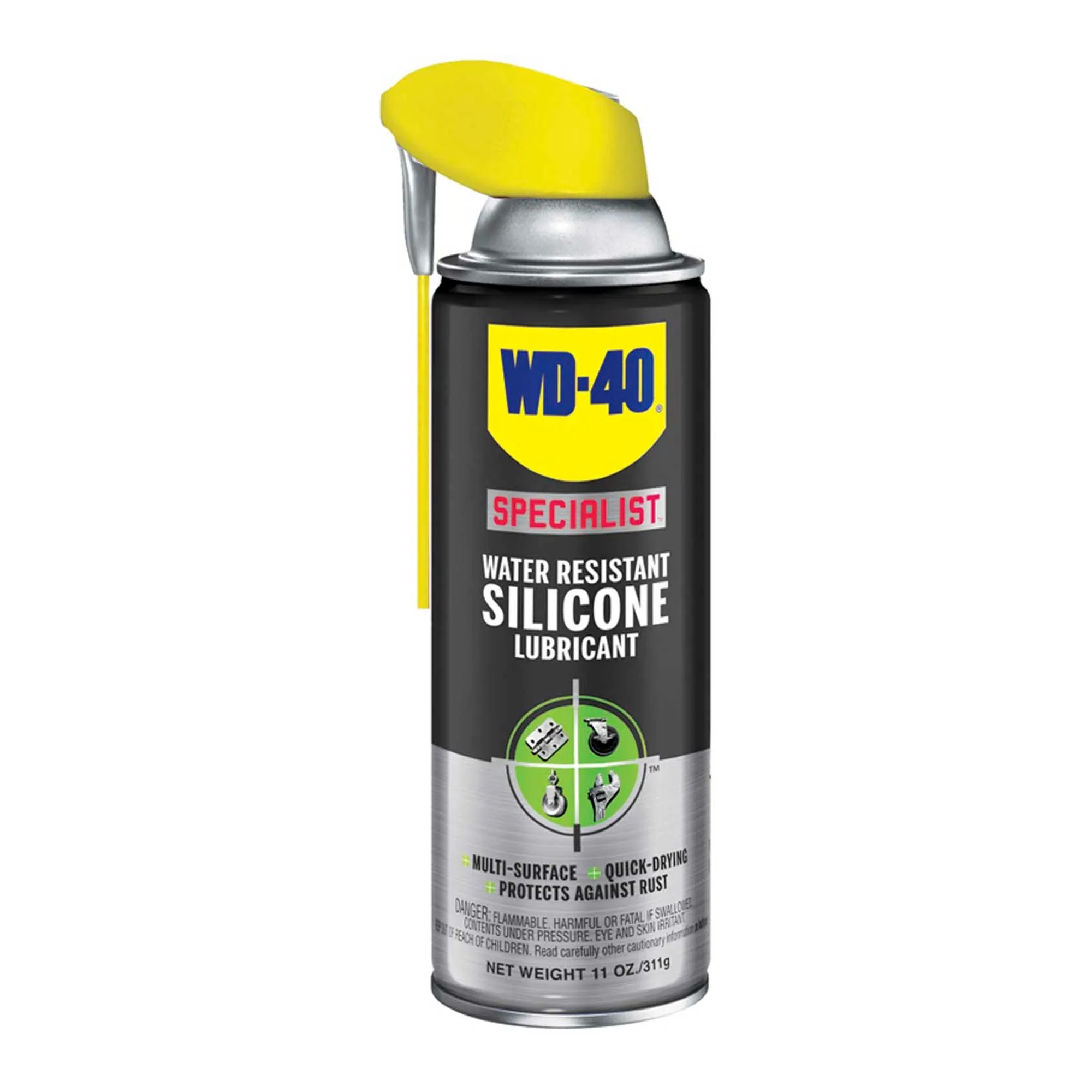
Water-Resistant Silicone Lubricant, 11 oz Aerosol Can - Pack of 6
Our Price:$54.59Sold as a pack of 6. The displayed price is for one complete pack.This water-resistant silicone lubricant helps maintenance and facility teams protect and lubricate moving parts and surface-contact...

Choose Rust Removal and Corrosion Protection Products for the Maintenance Task
Maintenance work often calls for more than one approach. A penetrant can help free seized metal connections, while a lubricant supports moving parts and a protective coating or inhibitor helps shield metal from future moisture exposure. Match the product type and application method to the component, environment, and follow-up protection needed.
Popular examples in this category
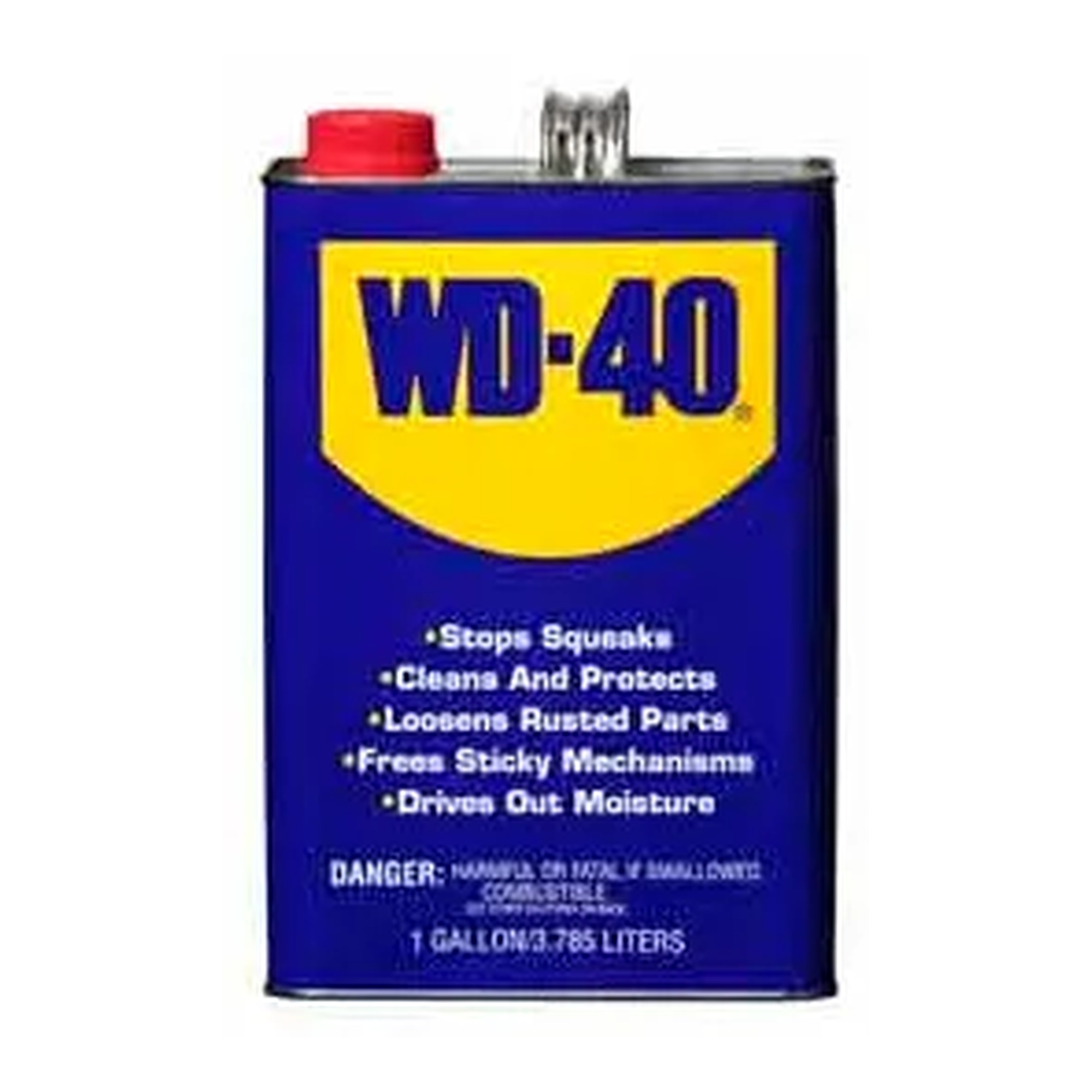
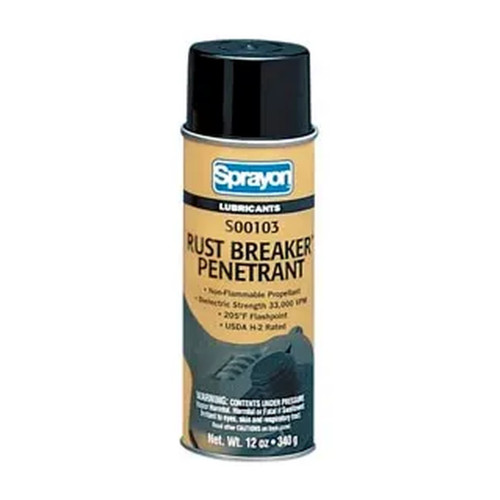 High-Performance Rust Penetrant Aerosol Can - Pack of 12FS-GLO-SC0103000
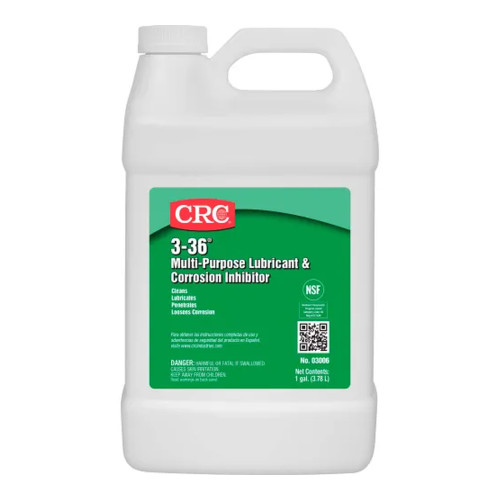 Multi-Purpose Lubricant and Corrosion Inhibitor, 1-Gallon Bottle - Pack of 4FS-GLO-03006
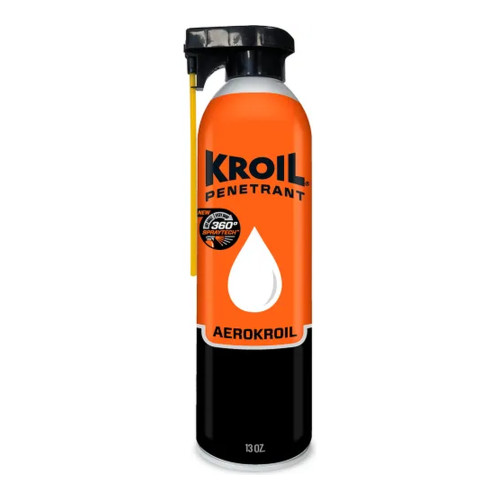 Original Penetrating Oil with SprayTech, 13 oz Aerosol Can, 12-PackFS-GLO-KS132ST
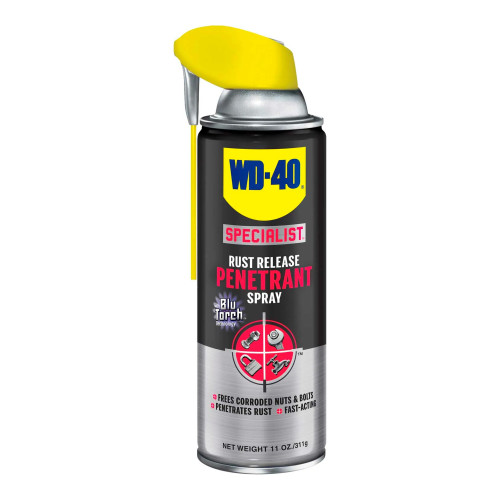 Rust Release Penetrant Spray, 11 oz Aerosol Can - Pack of 6FS-GLO-300004
Address seized parts and surface rust concerns
Use penetrating products when rusted or frozen metal parts need to be loosened during service work. Representative uses include nuts, bolts, threads, locks, chains, and other seized connections.
Start with the maintenance objective
Choose a penetrant for stuck components, a lubricant for moving contact points, a corrosion inhibitor for protective film application, or a zinc coating for exposed metal touch-up. Then consider precision, surface type, temperature needs, coverage, and pack configuration.
Support facility and equipment maintenance
These products can be used around equipment components such as hinges, locks, pulleys, guide rails, valves, linkages, cables, motors, shafts, fasteners, conduit, fencing, and railings.
Plan for application and replenishment
Aerosol formats support direct, targeted application, with some products offering directed streams, Smart Straw applicators, or multi-position spraying. Bottle and multipack options can support recurring maintenance supply needs.
Directed streams and straw applicators can help place product at the affected area.
One representative zinc coating dries to the touch in 15 minutes.
One representative corrosion inhibitor provides this stated coverage for planning.
One representative silicone lubricant supports use across this stated range.
Compare Product Types by Maintenance Need
Use this high-level comparison to narrow the product type that best fits the work. Always review the individual product details for its stated features and intended use.
| Product Type | Best-Fit Maintenance Need | Representative Considerations |
|---|---|---|
| Penetrating products | Loosening frozen metal parts and seized connections | Aerosol application, access to tight areas, targeted spray, and lubricating residue may be relevant. |
| Lubricants and grease | Supporting moving parts and metal-to-metal contact points | Consider the needed film type, moisture resistance, finish, surface compatibility, and stated temperature performance. |
| Inhibitors and protective coatings | Helping protect metal during storage, shipment, environmental exposure, or exposed-metal touch-up | Compare protective film or zinc coating type, stated coverage, drying information, and desired appearance. |
Plan the right fit before choosing
Identify whether you need penetration, lubrication, or protection
For frozen or rusted metal connections, select a penetrant designed to work into affected areas and help loosen parts. For metal-to-metal movement, consider a lubricant that leaves a protective coating. When moisture exposure, storage, shipment, or exposed base metal is the concern, look to corrosion inhibitors or protective metal coatings.
- Penetrants can help loosen seized connections and frozen metal parts.
- Lubricants support moving parts such as hinges, pulleys, valves, linkages, and cables.
- Corrosion inhibitors leave a protective film on targeted metal surfaces.
- Zinc coatings help protect exposed base metal, including scratched or abraded areas.
Match the formula and dispenser to the work area
Targeted aerosol application can be useful for tight areas, threads, seams, and equipment components. Some penetrants are designed to reach narrow crevices through capillary action, while directed spray and straw applicators help place product more precisely. Consider stated compatibility when treating surfaces beyond metal.
- Choose directed application for focused treatment areas.
- Consider silicone formulas for stated use on metal, rubber, vinyl, plastic, and other metal and non-metal surfaces.
- Use a non-staining or clear-film option when the finish is an important consideration.
- For high-temperature or stated temperature-range needs, review the product’s specified performance information.
Review coverage, packaging, and protection requirements
For larger metal-protection jobs, stated coverage can help with material planning. Also review whether the product is sold as individual cans, bottles, or multipacks, and note any stated minimum order quantities. For corrosion protection, select the type of film or coating appropriate to the maintenance objective.
- Some protective coatings provide stated coverage information for estimating material needs.
- Representative products include aerosol cans, gallon bottles, and multipack configurations.
- Certain products have stated minimum order quantities.
- Protective films may be light, lubricating, waxy, or zinc-based depending on the product type.
Common questions before buying
What should I use to loosen rusted nuts, bolts, or threads?
Choose a penetrating product designed to help loosen stuck or frozen metal components. Products with targeted aerosol application or capillary action can be useful for threaded connections and tight areas.
Can these products help protect metal after maintenance work?
Some representative products leave a protective, lubricating, or waxy film to help limit moisture exposure and corrosion. Zinc coatings can help protect exposed base metal on applicable areas.
Are aerosols useful for hard-to-reach components?
Yes. Aerosol formats support direct application, and certain products include directed streams, Smart Straw applicators, or multi-position spraying for more controlled placement.
What should I consider when ordering for recurring maintenance?
Review the container format, selling unit, stated minimum order quantity, and any coverage information provided for the individual product. Representative options include single aerosols, multipacks, and gallon bottles.
Choosing the right file folders
FilingSupplies.com carries end-tab folders for open-shelf systems, top-tab folders for drawer filing, and heavy-duty classification folders with dividers and fasteners for multi-section records. Pick letter or legal size, then choose material (11-pt, 14-pt, or 18-pt manila), optional reinforced tabs, color-coding, and expansion capacity to match your volume.
Folder FAQs
End-tab vs. top-tab — what’s the difference?
When should I choose classification folders?
Letter or legal size — how do I pick?
What tab and material options are available?
Can I add fasteners, pockets, or expansion?
Do you offer volume pricing or custom printing?
Outfitting classrooms that work all day
Build a durable, age-appropriate classroom with furniture, early-learning materials, storage bins, learning centers, and presentation tools. Choose adjustable pieces that grow with grades, label friendly bins for quick clean-up, and tech carts that secure, charge, and move easily.
Education FAQs
What safety labels should I look for on school and early-childhood items?
How do I pick classroom furniture across grade levels?
What’s the best way to organize supplies and centers?
How do I choose learning games and manipulatives by age?
What should I consider in a charging/tech cart?
Do you support school POs, bulk pricing, or custom printing?
Choosing the right labels
From color file labels to printable sheets, select the right size, adhesive, and print method to match your filing system and equipment. Decide on sheet vs. roll format, then pick permanent or removable adhesive and your color set.
Labels FAQs
Sheet vs. roll labels — what’s the difference?
Permanent or removable adhesive?
Will these labels work in my printer?
How do I match the label size to folder tabs or binder spines?
Can I get preprinted sequences or color bars?
Do you have templates?
Choosing the right tab dividers
Organize binders with preprinted or blank tabs. Select the number of tabs per set (5, 8, 10, or 12), choose paper with reinforced tabs or durable poly, and match letter or legal size for a clean fit.
Tab Dividers FAQs
What do 5-, 8-, 10-, or 12-tab sets mean?
Paper vs. poly — which should I choose?
Are the tabs printable?
Will they fit my binder?
Can I mix preprinted and blank tabs?
Do you make custom tab sets?
Choosing the right office supplies
From everyday paper and pens to binders, mailers, and desk organizers, pick durable, compatible options that match your equipment and team size. Start with the right paper and labeling, then add organizers that keep work moving.
Office Supplies FAQs
Which paper weight and brightness should I choose?
Round-ring vs. D-ring binders — what’s the difference?
What does “sheet capacity” mean on staplers and hole punches?
Will labels, envelopes, and mailers work with my printer?
How do I choose mailers and shipping boxes?
Do you offer eco-conscious options or bulk pricing?
Choosing the right sports & PE equipment
Equip classes, teams, and rec programs with durable balls, goals, cones, pinnies, storage, and safety gear. Match sizes and materials to age group and whether you play indoors or outdoors.
Sports & Athletics FAQs
What ball sizes should I choose for different ages?
- Basketball: Size 5 (27.5") youth, Size 6 (28.5") intermediate, Size 7 (29.5") official.
- Soccer: Size 3 up to ~8 years, Size 4 ~8–12, Size 5 ~12+.
- Volleyball: Regulation balls for teens/adults; lighter training balls for younger players.
Indoor vs. outdoor — which materials hold up best?
How many pinnies, cones, or markers do I need?
Tips for storage and care?
Are items latex‑free and school‑safe?
Do you support bulk orders or custom printing (team names)?
Choosing the right FireKing fireproof cabinet
FireKing fireproof file cabinets, safes, and storage cabinets are designed to protect important documents, records, and valuables from fire damage while keeping files organized and accessible. When choosing a FireKing cabinet, compare drawer configuration, storage type, fire rating, and overall capacity based on the records or materials you need to protect.
FireKing FAQs
What is the difference between FireKing vertical and lateral file cabinets?
What can I store in a FireKing fireproof file cabinet?
Are FireKing cabinets only for paper records?
How do I choose between a FireKing safe, file cabinet, or storage cabinet?
What sizes are available in FireKing cabinets?
Are FireKing cabinets used in offices, medical facilities, and government records storage?
Can I buy FireKing cabinets in bulk or get help choosing the right model?
Shipping & Policies
Do you offer free shipping?
What are your shipping rates?
- $6.95 for labels-only orders under $40
- $14.95 flat rate for everything else