
-
Novatek
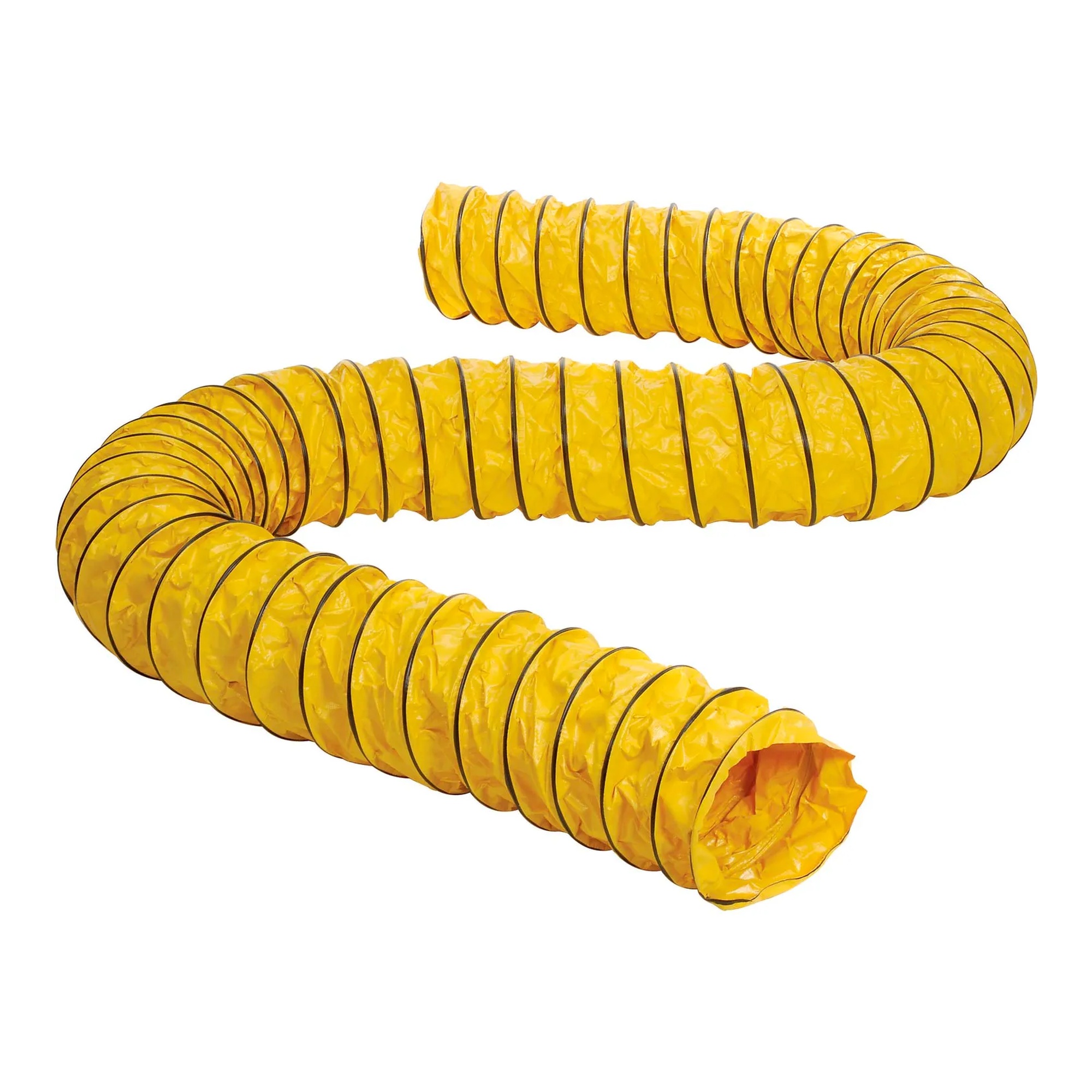
10 in. Diameter Heavy Vinyl Flexible Duct with Carrying Case, 25 ft.
Our Price:$239.94This 10-inch-diameter flexible duct is for ventilation users who need to direct airflow while keeping ducting easy to transport and store. Its 25-foot length provides a portable ducting option for...
-
Novatek
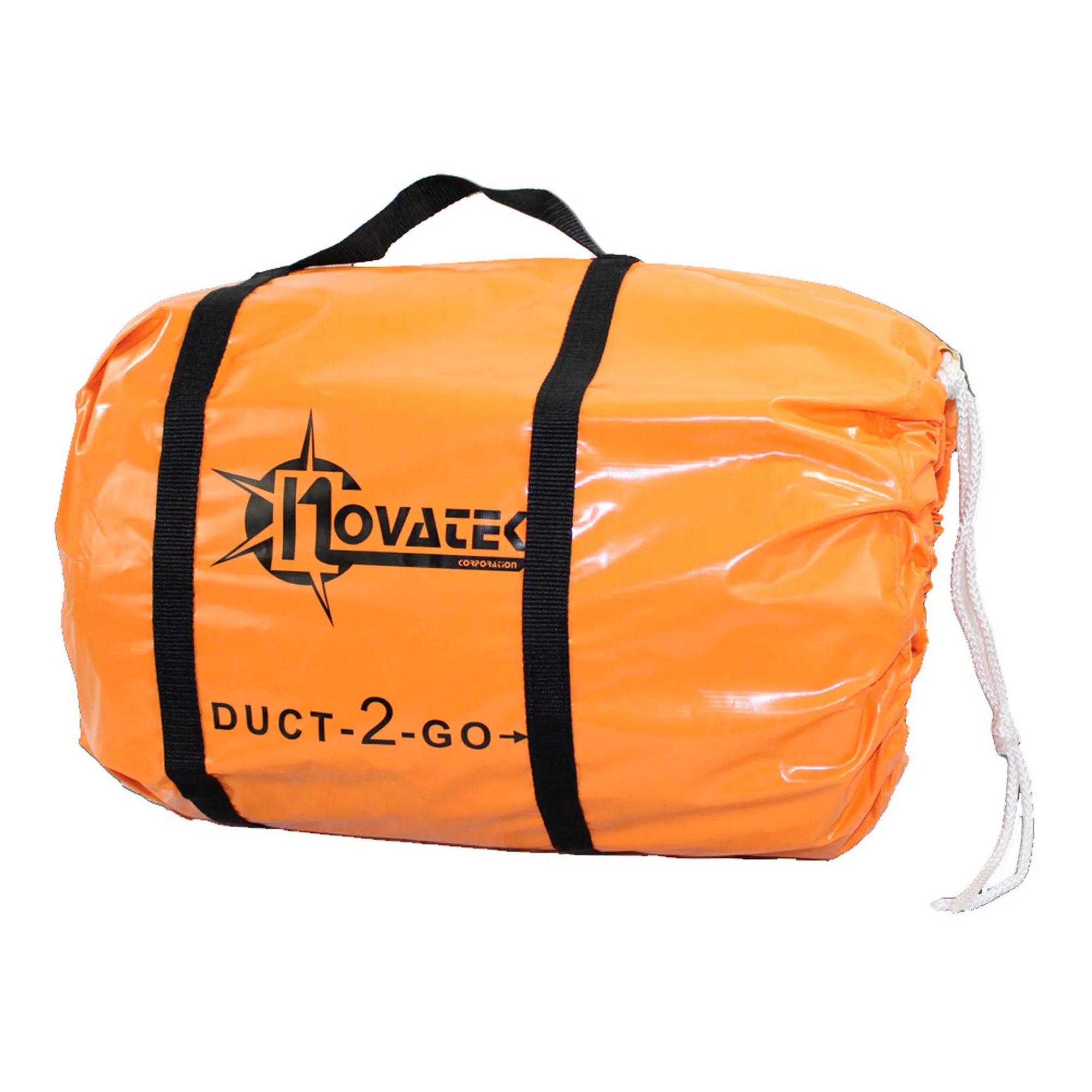
10 in. x 50 ft. Heavy-Duty Vinyl Flexible Duct with Carrying Case
Our Price:$359.94This 10 in. diameter flexible duct is designed for users who need to direct airflow from compatible air-moving equipment. Its 50 ft. length helps extend an air path while supporting transport and...
-
KwiKool
10-Inch Air Chute Kit for KIB6021 and KIB6043
Our Price:$315.94This optional air chute kit is for facility teams using compatible KIB6021 or KIB6043 5-ton Iceberg models. It helps direct the units’ cold air supply where it is needed.The kit includes a housing,...
-
Thermaflex
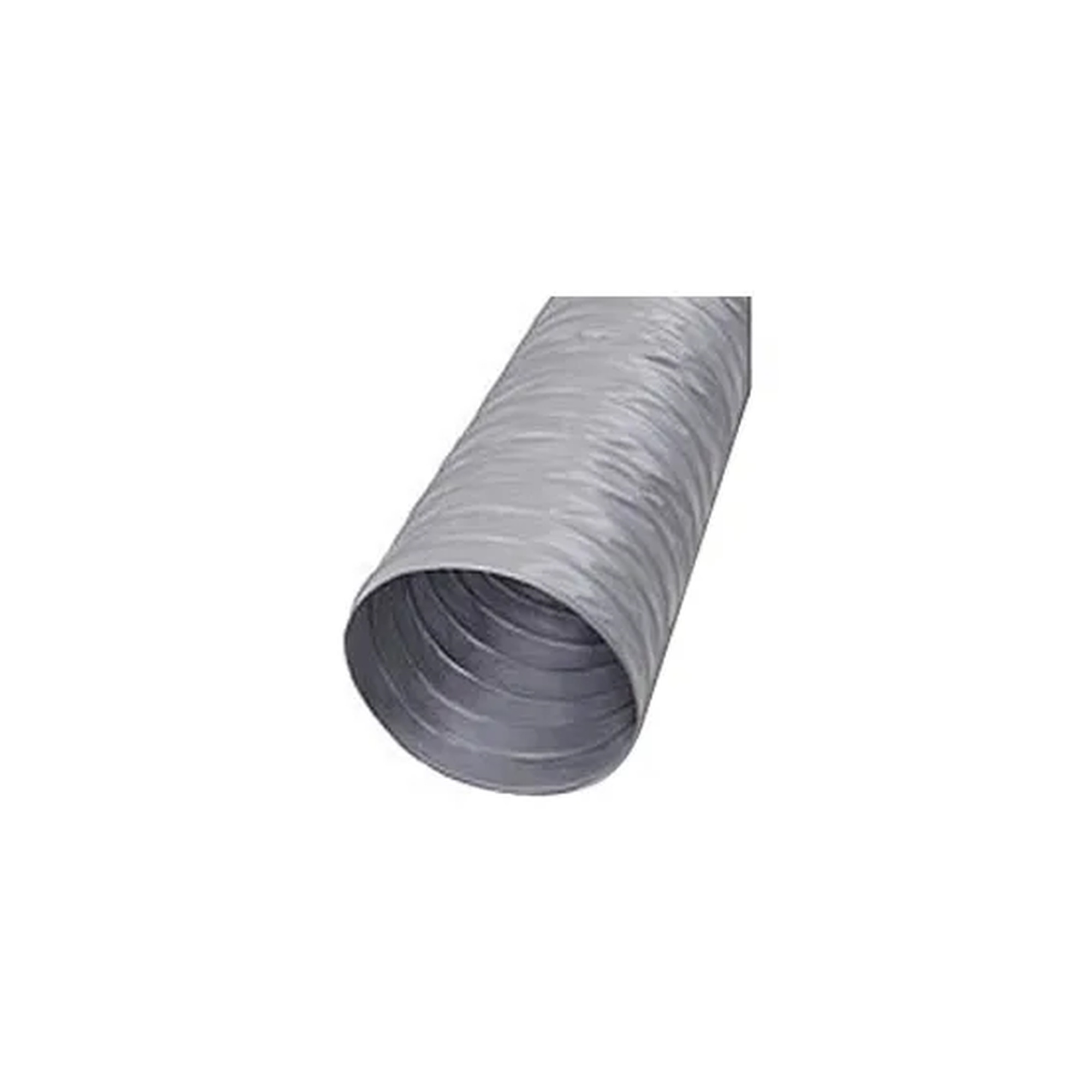
10-Inch Non-Insulated Flexible HVAC Duct - Model 0526-1000-0002-10
Our Price:$169.94This 10-inch flexible HVAC duct is designed for contractors and facility maintenance teams routing air in heating and cooling systems where insulation is not required. It is suited to dryer,...
-
Thermaflex
10-Inch Non-Insulated Flexible HVAC Duct for Heating and Cooling
Our Price:$195.94This 10-inch non-insulated flexible HVAC duct is designed for HVAC professionals and facility maintenance teams working on low- to medium-pressure heating and cooling systems where insulation is not...
-
ABC Industries
12 in. Diameter x 16 ft. Flexible PVC Duct, Yellow/Black
Our Price:$129.94This flexible duct is designed for ventilation professionals and facility teams that need to direct air for blowing or exhausting applications. Its 12-inch diameter and 16-foot extended length help...
-
ABC Industries
12 in. Diameter x 25 ft. Black Portable Heater Duct, 7 in. Pitch
Our Price:$335.94This flexible portable heater duct is for teams using portable heating equipment to direct airflow. Its black, outdoor-oriented design supports blowing and exhausting applications in rigorous...
-
ABC Industries
12 in. Diameter x 32 ft. Flexible PVC Duct, Yellow/Black
Our Price:$199.94This flexible duct is designed for commercial crews that need to direct air in blowing or exhaust setups. Its 12-inch diameter and 32-foot extended length help connect portable air-moving equipment...
-
ABC Industries
12 in. Diameter Yellow Flexible Duct, 25 ft.
Our Price:$109.94This yellow flexible duct is for ventilation professionals and facility teams who need to direct air for blowing or exhaust. Its plain ends support connection in flexible ducting setups while...
-
KwiKool
12-Inch Diameter Flexible Duct, 25 Ft., Yellow
Our Price:$315.94Facilities teams and HVAC professionals use this flexible duct to route air for compatible indoor/outdoor portable air-conditioning equipment. Its 25-foot length helps support duct connections where...
-
Novatek
12-Inch Diameter Heavy-Duty Vinyl Flexible Duct with Carrying Case, 25 ft.
Our Price:$265.94This 12-inch diameter flexible duct is designed for crews using compatible air-moving equipment. Its 25-foot length helps direct airflow where it is needed while providing a portable ducting option...
-
Thermaflex
12-Inch Flexible HVAC Duct
Our Price:$215.94This 12-inch flexible HVAC duct is designed for HVAC contractors and facility maintenance teams to route air through ductwork systems. Its flexible spiral construction helps support air distribution...
-
Thermaflex
12-Inch Non-Insulated Flexible HVAC Duct
Our Price:$205.94This 12-inch-diameter flexible HVAC duct is for HVAC installers and maintenance teams routing air in heating and cooling systems where insulation is not required. It is suited to dryer, bathroom,...
-
ABC Industries
12-Inch White Flexible Duct, 25-Foot Length
Our Price:$119.94This 12-inch-diameter flexible duct is for users who need to route air in temporary air-movement setups. Its portable, compressible design supports blowing or exhausting air for dehumidification,...
-
ABC Industries
14 in. Diameter x 32 ft. Flexible PVC Duct, Yellow/Black
Our Price:$229.94This flexible duct is designed for facilities and crews that need to direct air in blowing or exhausting applications. Its extended 32-foot length helps create a temporary air path while the flexible...
-
ABC Industries
14 in. x 25 ft. White Portable Heater Duct
Our Price:$425.94This white portable heater duct is for commercial teams that need to direct air from portable heating or ventilation equipment. It supports both blowing and exhausting applications, helping crews...
-
Thermaflex
14-Inch Non-Insulated Flexible HVAC Duct
Our Price:$215.94This 14-inch non-insulated flexible HVAC duct is designed for installers and maintenance teams routing air in heating and cooling systems. It provides a flexible ducting option for dryer, bathroom,...
-
Thermaflex
14-Inch R-4.2 Flexible HVAC Duct
Our Price:$289.94This 14-inch flexible HVAC duct is for HVAC installers and contractors routing duct connections in heating and cooling systems. Its insulated, expandable design helps create duct runs while...
-
Heatstar
16 in. Diameter Short Silicone Heater Duct, 30 in. Length, White
Our Price:$319.94This short flexible duct is for operators using compatible Nomad heaters who need to position a diffuser on uneven surfaces. It helps adjust the diffuser so it can rest properly where heating is...
-
ABC Industries
16 in. Diameter White Ceiling Panel Kit with Plain Ends
Our Price:$99.94This white ceiling panel kit is designed for facilities teams using portable air-conditioning units. It provides a reusable ceiling-panel solution for completing portable air-conditioning...










Flexible Ducts: Find the Right Fit for Your Air-Routing Job
Flexible ducts bridge the gap between fixed ductwork and the equipment or spaces that need airflow. Whether you're running an HVAC connection, venting a dryer, exhausting fumes, or setting up temporary cooling, the right flexible duct matches your diameter, length, construction, and environment.
Popular examples in this category
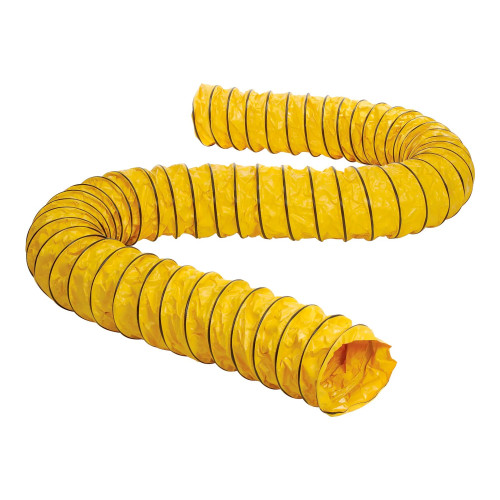 12-Inch Diameter Flexible Duct, 25 Ft., YellowWBB664327
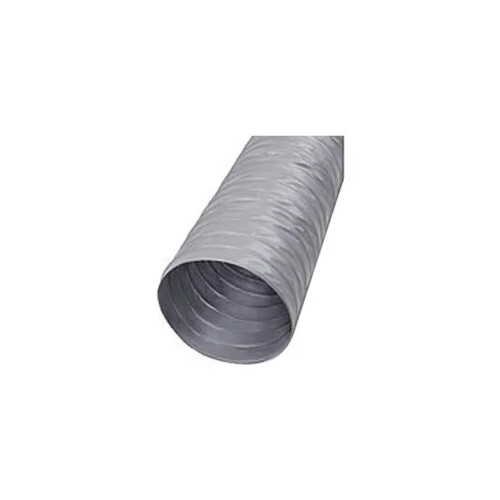
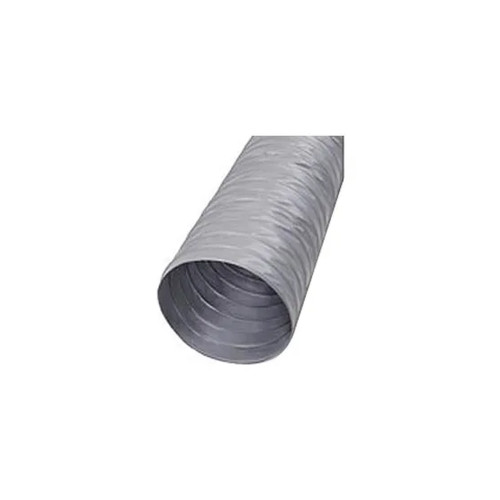 14-Inch Non-Insulated Flexible HVAC DuctWBB35692
 18-Inch Diameter Flexible HVAC DuctWBB35639
 16 in. Diameter x 32 ft. Yellow/Black Flexible PVC DuctWBB3168250
Where Flexible Ducts Get Used
Flexible ducts handle air routing where rigid ductwork won't work. Common uses include HVAC heating and cooling runs, dryer and bathroom ventilation, portable air conditioner and heater connections, exhaust setups, ceiling drops, and confined-space ventilation where a bendable path is needed.
Matching the Duct to the Job
Start with diameter and length requirements, then consider insulation needs, connection style, and environment. HVAC runs may need insulated or acoustically lined options. Portable equipment needs equipment-matched sizing. Outdoor or exhaust applications call for UV, mold, and mildew resistant constructions.
Applications Across Facilities and Job Sites
Facilities teams use flexible ducts for HVAC trunk connections, bathroom and dryer exhaust, temporary blowing or recirculation setups, ceiling plenum connections, and confined-space air supply. Installers and maintenance crews rely on them for quick, adaptable routing without cutting into fixed duct systems.
Construction Features Worth Knowing
Steel-wire helixes maintain duct shape under airflow pressure. Wearstrips protect against abrasion in high-contact runs. End cuffs simplify connections. Compressible designs save storage space. Insulated options with acoustic inner liners reduce noise in occupied spaces. PVC constructions suit ventilation and exhaust environments.
Flexible ducts in this category span 12-inch through 20-inch diameters to cover portable equipment, HVAC, and industrial ventilation needs.
The insulated HVAC duct option carries an R-4.2 rating, helping reduce heat loss along longer heating and cooling runs.
The 14-inch insulated option includes an acoustic inner liner designed to reduce airflow noise in occupied or noise-sensitive spaces.
Ventilation and exhaust ducts use PVC construction reinforced with a steel-wire helix to maintain shape and resist collapse under airflow pressure.
Choosing the Right Flexible Duct by Application
Use this table to match your application type to the best duct construction and key features.
| Application | Best Fit | Why It Matters |
|---|---|---|
| HVAC heating or cooling run, standard | 14" or 18" non-insulated flexible duct | Sized for common HVAC collar diameters with flexible routing in conditioned spaces |
| HVAC run requiring heat retention or quiet airflow | 14" insulated R-4.2 with acoustic liner | Reduces heat loss and dampens airflow noise along longer or noise-sensitive runs |
| Portable air conditioner connection | 12" duct matched to equipment specs | Portable cooling units require specific diameter matches at the exhaust collar |
| Portable heater connection | 20" heater ducting | Larger diameter handles higher airflow volumes typical of portable heating equipment |
| Ventilation, exhaust, or outdoor-facing run | 16" or 20" PVC with steel-wire helix | UV, mold, and mildew resistance plus shape retention suit exhaust and outdoor environments |
Plan the right fit before choosing
Step 1: Confirm Diameter and Length Before You Order
Diameter is the most critical starting point. Mismatched sizing means the duct won't connect to your equipment or existing ductwork. Measure the collar or port on both ends of the intended run, then select a duct that matches. Available diameters include 12-inch, 14-inch, 16-inch, 18-inch, and 20-inch options depending on application type.
- HVAC applications: 14-inch and 18-inch non-insulated, plus 14-inch insulated R-4.2
- Portable cooling and heating: 12-inch and 20-inch options sized to equipment specs
- Ventilation and exhaust: 16-inch and 20-inch PVC constructions
- Measure both connection points before selecting length to avoid over-stretching
Step 2: Match Construction to Environment and Performance Needs
Not all flexible ducts are built for the same conditions. Non-insulated ducts work for basic air routing in conditioned spaces. Insulated options with R-4.2 ratings reduce heat loss and are better for longer HVAC runs. Acoustic inner liners help in noise-sensitive areas. PVC constructions with UV, mold, and mildew resistance are suited for outdoor or exhaust-facing applications.
- Non-insulated: general HVAC connections in conditioned spaces
- Insulated R-4.2 with acoustic liner: longer runs or noise-sensitive environments
- PVC with steel-wire helix: ventilation and exhaust where shape retention matters
- UV, mold, and mildew resistant: outdoor-facing or high-humidity exhaust paths
Step 3: Account for Installation Components and Storage
Check whether the duct includes installation components such as end cuffs or connection hardware, or whether those need to be sourced separately. For jobs where storage space is limited, compressible duct designs collapse down when not in use. Wearstrips are worth selecting when the duct will run through areas with contact or abrasion risk.
- End cuffs included on some models simplify connection to collars and ports
- Compressible designs are practical for maintenance crews storing multiple duct lengths
- Wearstrips extend service life in high-contact or dragged-across-floor applications
- Confirm connection style compatibility with existing equipment before ordering
Common questions before buying
How do I know which diameter flexible duct to order?
Measure the collar or port opening on both pieces of equipment or ductwork you're connecting. The flexible duct diameter must match both ends. Available sizes in this category include 12-inch, 14-inch, 16-inch, 18-inch, and 20-inch options depending on application type.
Do I need an insulated flexible duct for my HVAC application?
Insulation matters most on longer runs or in unconditioned spaces where heat loss is a concern. The 14-inch insulated R-4.2 option also includes an acoustic liner, making it a good choice when noise reduction is a priority. Shorter runs in conditioned spaces can typically use non-insulated duct.
Can I use a standard HVAC flexible duct for exhaust or ventilation applications?
Not always. Exhaust and ventilation environments often involve higher humidity, outdoor exposure, or fume contact. PVC constructions with UV, mold, and mildew resistance and steel-wire helixes are specifically built for those conditions and hold up better than standard HVAC duct in those settings.
What does a steel-wire helix do in a flexible duct?
The steel-wire helix runs through the duct wall in a spiral pattern to maintain the duct's round shape under airflow pressure. Without it, the duct can kink or collapse, restricting airflow. It's a key feature in ventilation and exhaust ducts where shape retention under load is important.
Choosing the right file folders
FilingSupplies.com carries end-tab folders for open-shelf systems, top-tab folders for drawer filing, and heavy-duty classification folders with dividers and fasteners for multi-section records. Pick letter or legal size, then choose material (11-pt, 14-pt, or 18-pt manila), optional reinforced tabs, color-coding, and expansion capacity to match your volume.
Folder FAQs
End-tab vs. top-tab — what’s the difference?
When should I choose classification folders?
Letter or legal size — how do I pick?
What tab and material options are available?
Can I add fasteners, pockets, or expansion?
Do you offer volume pricing or custom printing?
Outfitting classrooms that work all day
Build a durable, age-appropriate classroom with furniture, early-learning materials, storage bins, learning centers, and presentation tools. Choose adjustable pieces that grow with grades, label friendly bins for quick clean-up, and tech carts that secure, charge, and move easily.
Education FAQs
What safety labels should I look for on school and early-childhood items?
How do I pick classroom furniture across grade levels?
What’s the best way to organize supplies and centers?
How do I choose learning games and manipulatives by age?
What should I consider in a charging/tech cart?
Do you support school POs, bulk pricing, or custom printing?
Choosing the right labels
From color file labels to printable sheets, select the right size, adhesive, and print method to match your filing system and equipment. Decide on sheet vs. roll format, then pick permanent or removable adhesive and your color set.
Labels FAQs
Sheet vs. roll labels — what’s the difference?
Permanent or removable adhesive?
Will these labels work in my printer?
How do I match the label size to folder tabs or binder spines?
Can I get preprinted sequences or color bars?
Do you have templates?
Choosing the right tab dividers
Organize binders with preprinted or blank tabs. Select the number of tabs per set (5, 8, 10, or 12), choose paper with reinforced tabs or durable poly, and match letter or legal size for a clean fit.
Tab Dividers FAQs
What do 5-, 8-, 10-, or 12-tab sets mean?
Paper vs. poly — which should I choose?
Are the tabs printable?
Will they fit my binder?
Can I mix preprinted and blank tabs?
Do you make custom tab sets?
Choosing the right office supplies
From everyday paper and pens to binders, mailers, and desk organizers, pick durable, compatible options that match your equipment and team size. Start with the right paper and labeling, then add organizers that keep work moving.
Office Supplies FAQs
Which paper weight and brightness should I choose?
Round-ring vs. D-ring binders — what’s the difference?
What does “sheet capacity” mean on staplers and hole punches?
Will labels, envelopes, and mailers work with my printer?
How do I choose mailers and shipping boxes?
Do you offer eco-conscious options or bulk pricing?
Choosing the right sports & PE equipment
Equip classes, teams, and rec programs with durable balls, goals, cones, pinnies, storage, and safety gear. Match sizes and materials to age group and whether you play indoors or outdoors.
Sports & Athletics FAQs
What ball sizes should I choose for different ages?
- Basketball: Size 5 (27.5") youth, Size 6 (28.5") intermediate, Size 7 (29.5") official.
- Soccer: Size 3 up to ~8 years, Size 4 ~8–12, Size 5 ~12+.
- Volleyball: Regulation balls for teens/adults; lighter training balls for younger players.
Indoor vs. outdoor — which materials hold up best?
How many pinnies, cones, or markers do I need?
Tips for storage and care?
Are items latex‑free and school‑safe?
Do you support bulk orders or custom printing (team names)?
Choosing the right FireKing fireproof cabinet
FireKing fireproof file cabinets, safes, and storage cabinets are designed to protect important documents, records, and valuables from fire damage while keeping files organized and accessible. When choosing a FireKing cabinet, compare drawer configuration, storage type, fire rating, and overall capacity based on the records or materials you need to protect.
FireKing FAQs
What is the difference between FireKing vertical and lateral file cabinets?
What can I store in a FireKing fireproof file cabinet?
Are FireKing cabinets only for paper records?
How do I choose between a FireKing safe, file cabinet, or storage cabinet?
What sizes are available in FireKing cabinets?
Are FireKing cabinets used in offices, medical facilities, and government records storage?
Can I buy FireKing cabinets in bulk or get help choosing the right model?
Shipping & Policies
Do you offer free shipping?
What are your shipping rates?
- $6.95 for labels-only orders under $40
- $14.95 flat rate for everything else