
-
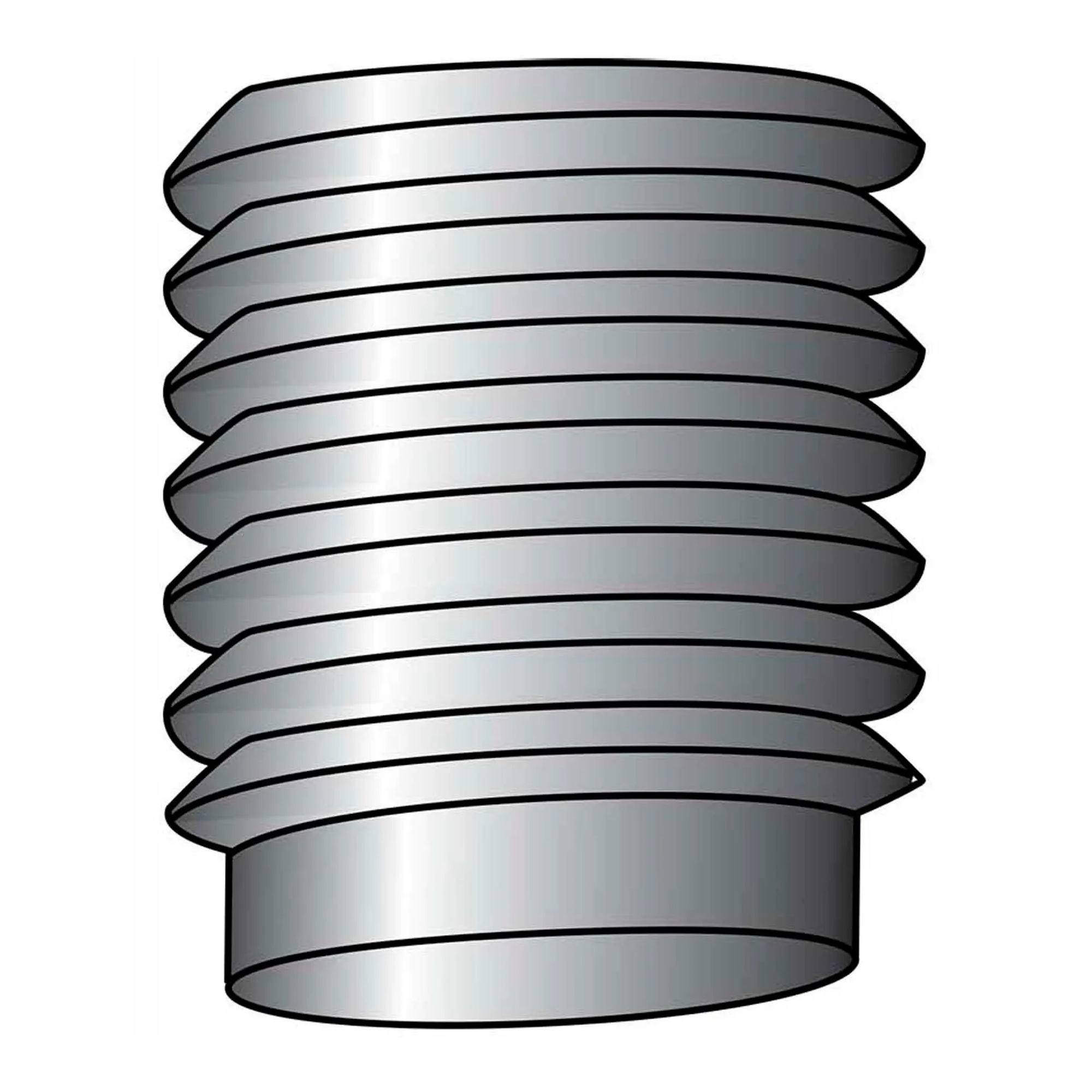
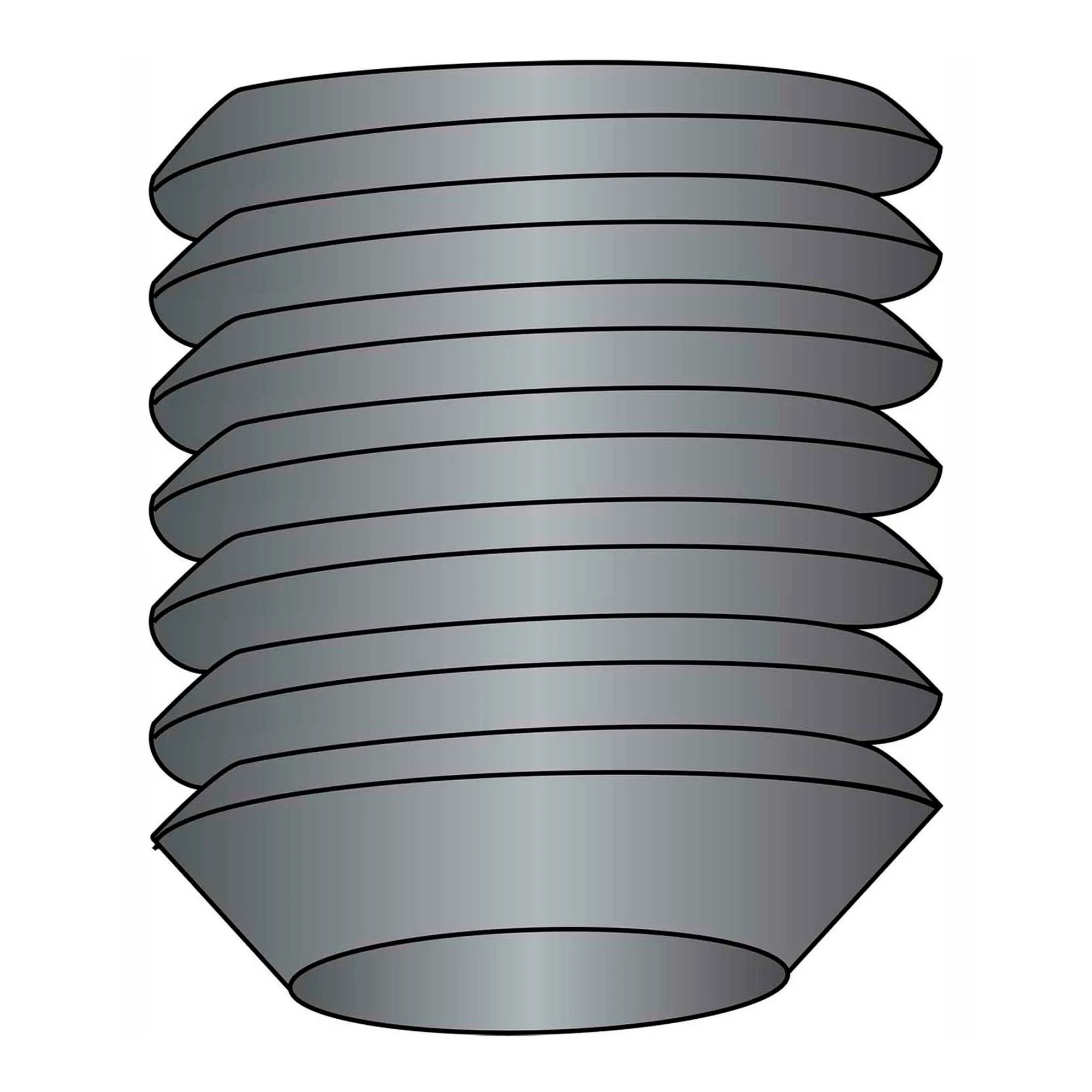
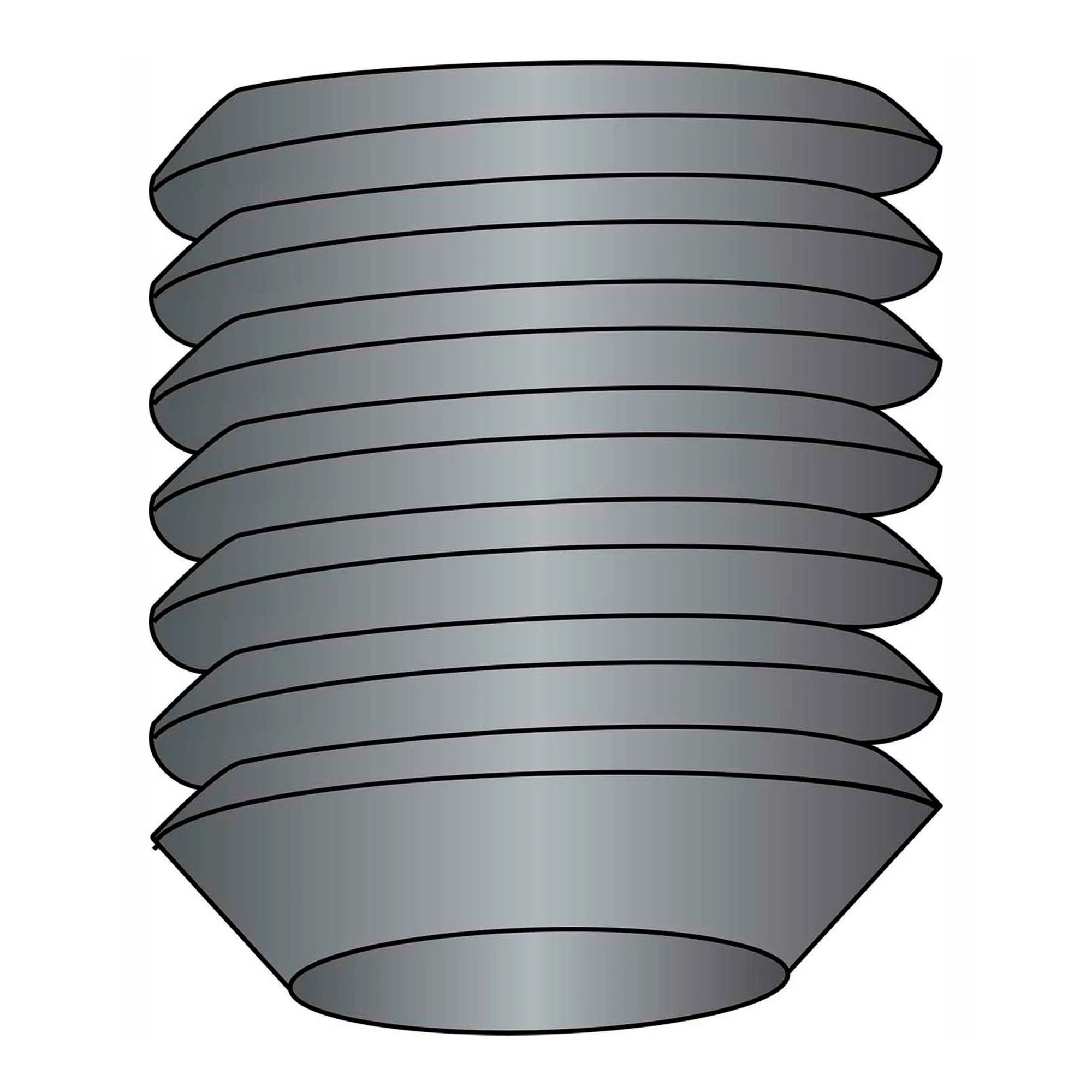
1/2-13 x 3/8 in. Cup Point Socket Set Screws, Steel, Black Oxide, 100-Pack
Our Price:$34.94These steel socket set screws are for maintenance and assembly buyers who need a compact threaded fastener for compatible 1/2-13 UNC applications. The cup-point design and socket-driven format...
-
1/4-20 x 1/2 in. Coarse-Thread Flat-Point Socket Set Screws, Pack of 100
Our Price:$53.94These 1/4-20 socket set screws are for maintenance and assembly teams that need to secure components while avoiding fastener protrusion above the mating surface. The flat-point design helps create a...
-
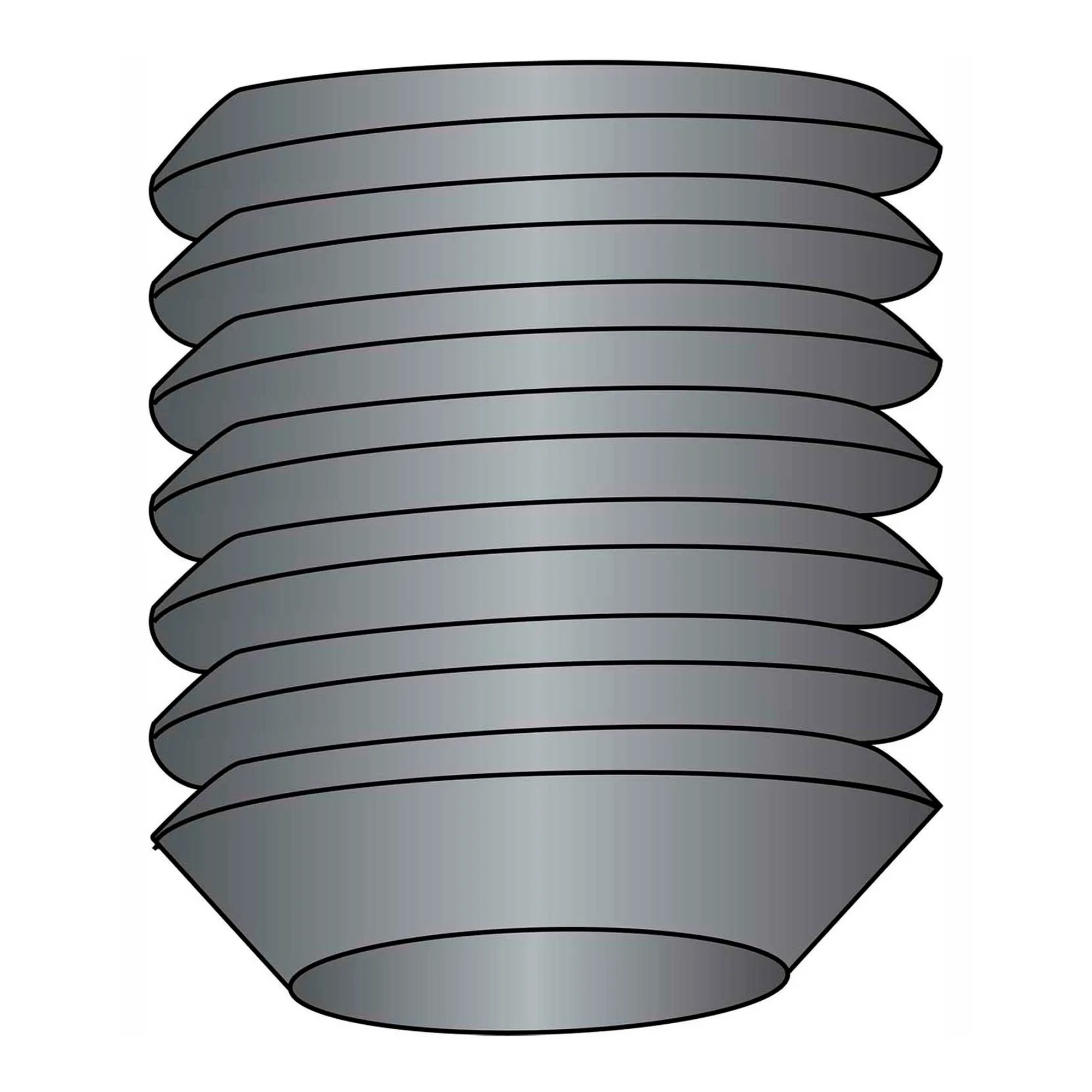
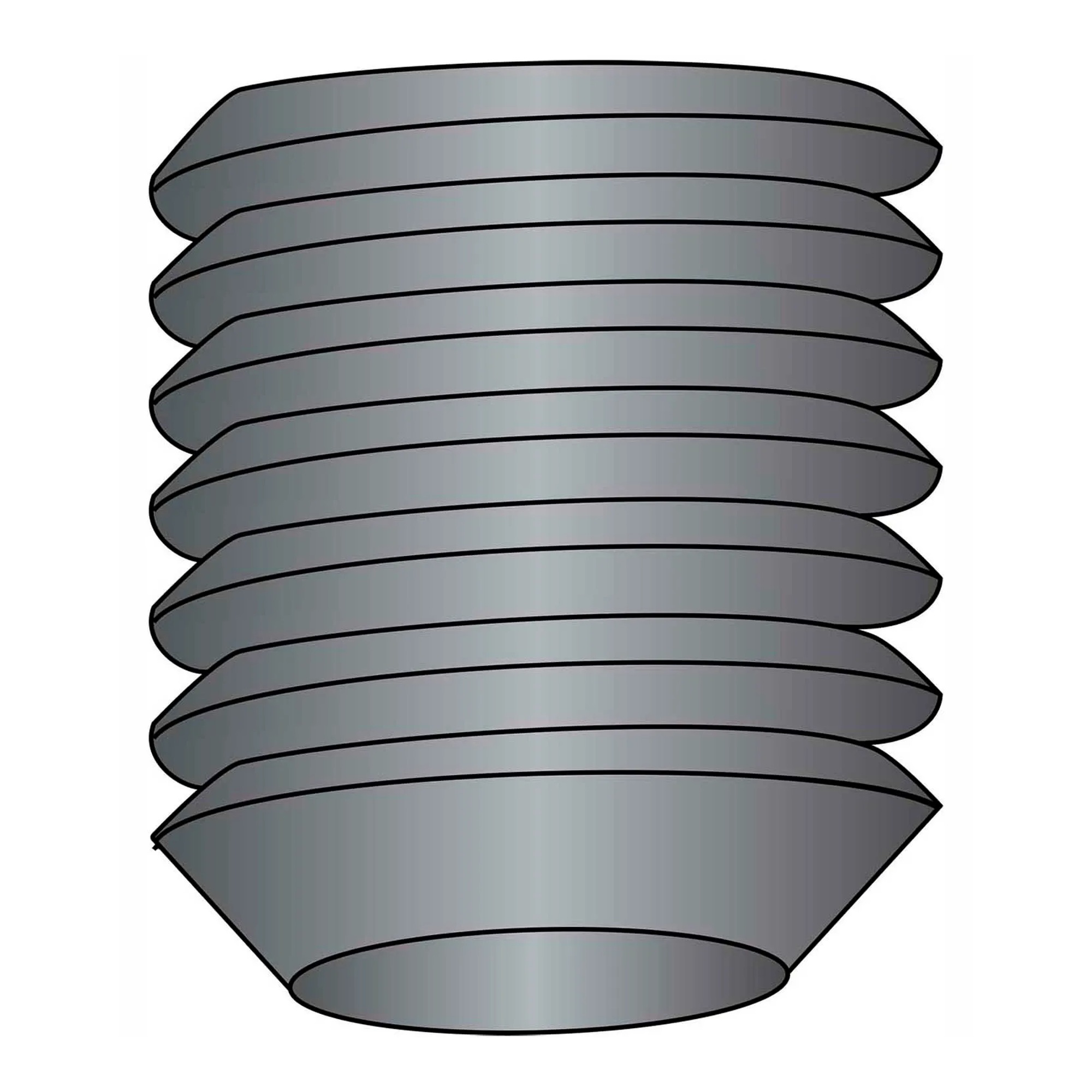
1/4-20 x 1/2 in. Cup Point Socket Set Screws, Steel Alloy, Black Oxide, Pack of 100
Our Price:$9.19These cup point socket set screws are for commercial buyers and maintenance teams that need fasteners to secure components in an assembly. The 100-piece pack supports stocking and repeated fastening...
-
1/4-28 x 1/4 in. Cup Point Socket Set Screws, 18-8 Stainless Steel, 100-Pack
Our Price:$7.09These cup point socket set screws are for maintenance, assembly, and purchasing teams that need fine-thread fasteners for securing components in 1/4-28 UNF threaded applications. Each pack includes...
-
1/4-28 x 3/8 Fine-Thread Half Dog Point Socket Set Screw, 100-Pack
Our Price:$47.94This 100-pack of 1/4-28 x 3/8 fine-thread socket set screws is for maintenance and assembly buyers who need a half dog point fastener for fine-thread fastening work. Each screw is driven with an...
-
10-24 x 1/4 in. Cup Point Socket Set Screw, Steel Alloy, Black Oxide, 100-Pack
Our Price:$5.29These 10-24 cup point socket set screws are for maintenance and assembly teams that need to secure components in place. The 100-pack provides a practical supply for fastening tasks that call for a...
-
10-32 x 1/4 in. Cup Point Socket Set Screw, Steel, Black Oxide, 100-Pack
Our Price:$5.09This 100-pack of socket set screws is for maintenance and assembly buyers who need compact fasteners for securing components in place. Each screw has a cup point for focused contact at the fastening...
-
10-32 x 3/8 in. Cup Point Socket Set Screw, Black Oxide, 100-Pack
Our Price:$6.29These 10-32 socket set screws are for maintenance and assembly teams that need to secure components with a compact threaded fastener. The cup point design provides a focused contact point, while the...
-
3/8-16 x 1/2 in. Cup Point Socket Set Screws, Black Oxide, 100-Pack
Our Price:$15.99These socket set screws are for maintenance and assembly buyers who need threaded fasteners for securing components. The 100-count pack provides a ready supply for jobs requiring 3/8-16 coarse...
-
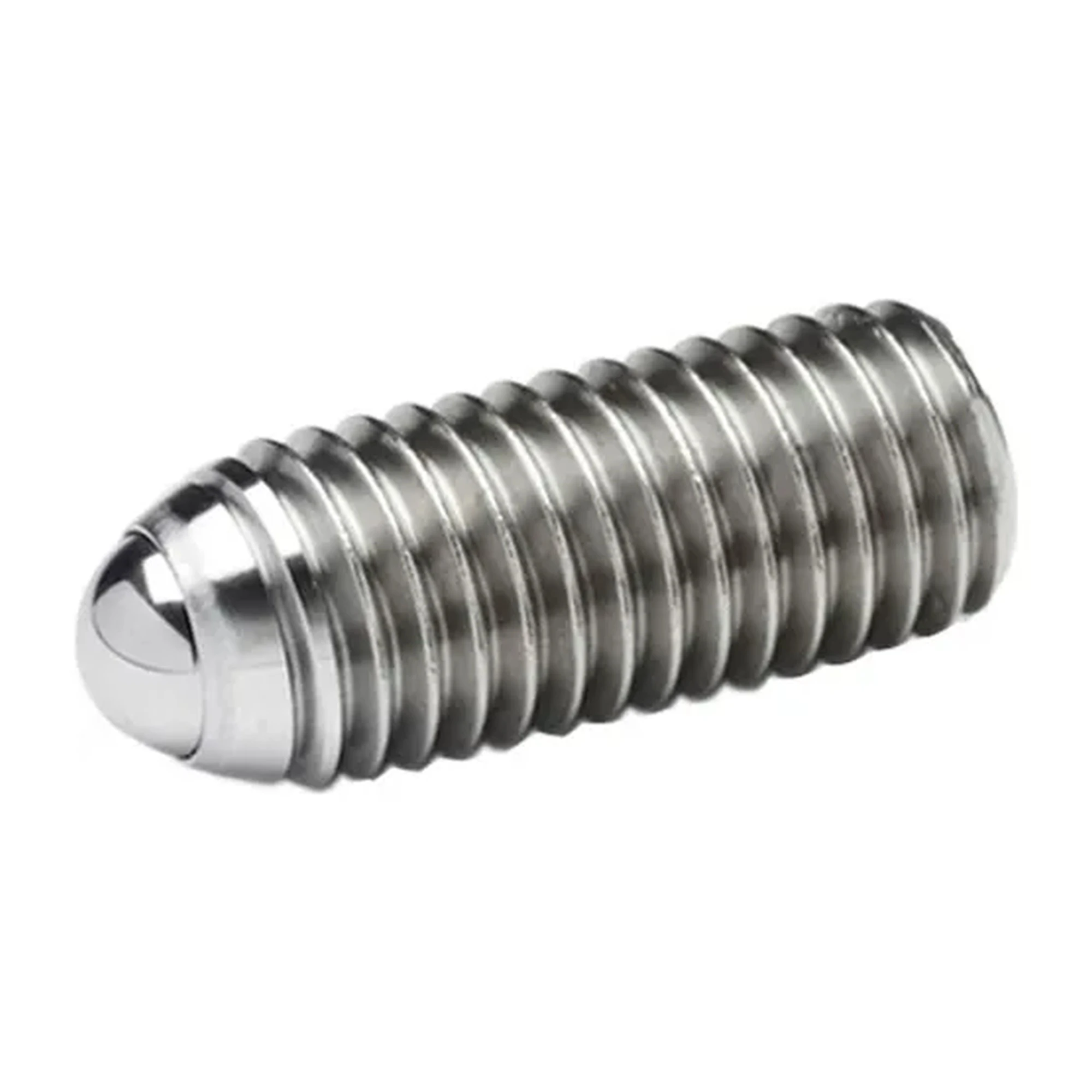
5/16-18 Full Ball Point Socket Set Screw, 3/4 in Thread Length
Our Price:$28.94This socket set screw is for users who need ball-point contact in an assembly or fastening application. Its full ball point provides the specified contact style, while the socket drive allows...
-
5/16-18 x 3/8 Cup Point Socket Set Screws, Steel, Black Oxide, 100 Pack
Our Price:$9.99These 5/16-18 socket set screws are for maintenance and assembly professionals who need to secure components in threaded applications. Their cup-point design helps provide a concentrated contact...
-
6-32 x 3/16 in. Cup Point Socket Set Screws, Steel, Black Oxide, 100-Pack
Our Price:$5.79These 6-32 socket set screws are for maintenance, assembly, and shop buyers who need compact threaded fasteners for securing components. Their cup-point design provides a practical fastening option...
-
8-32 Flat Ball Set Screw, 3/8 in. Thread Length
Our Price:$13.74This flat ball set screw is for equipment builders and maintenance professionals who need to clamp or support non-parallel workpiece surfaces. Its movable flat-faced ball helps hold the workpiece in...
-
Flat Ball Safety Twist Set Screw, M8 x 1.25, 10 mm Thread Length
Our Price:$28.94This flat ball safety twist set screw is for maintenance and assembly buyers who need to secure components with a controlled flat-faced ball contact point. Its safety twist design helps keep the ball...
-
Flat Ball Set Screw, 1/4-20 x 1/2 in. Thread Length
Our Price:$25.94This flat ball set screw is for buyers who need to clamp or support non-parallel workpiece surfaces. Its movable flat-faced ball helps hold the workpiece in position during clamping while helping...
-
Flat Ball Set Screw, 10-32 Thread, 5/8 in. Thread Length
Our Price:$20.49This flat ball set screw is for users who need to clamp or support non-parallel workpiece surfaces. Its movable, flat-faced ball helps hold the workpiece in position while reducing the risk of...
-
Flat Ball Set Screw, M16 x 2.0 Thread, 25 mm Thread Length
Our Price:$29.94This flat ball set screw is designed for buyers who need to clamp or support non-parallel workpiece surfaces. Its movable, flat-faced ball helps hold the workpiece in position during clamping while...
-
Flat Ball Set Screw, M6 x 1.0 Thread, 16 mm Thread Length
Our Price:$8.09This flat ball set screw is for maintenance and assembly professionals who need to clamp or support non-parallel surfaces. Its movable, flat-contact ball helps hold the workpiece in place during...
-
Flat Ball Set Screw, M8 x 1.25 Thread, 12 mm Thread Length
Our Price:$15.99This flat ball set screw is for users who need to clamp or support non-parallel workpiece surfaces. Its movable, flat-faced ball helps hold the workpiece in position during clamping while helping...
-
Flat Ball Set Screw, M8 x 1.25 Thread, 25 mm Thread Length
Our Price:$14.49This flat ball set screw is for users who need to clamp or support non-parallel workpiece surfaces. Its movable, flat-faced ball helps hold the workpiece in position during clamping while helping...



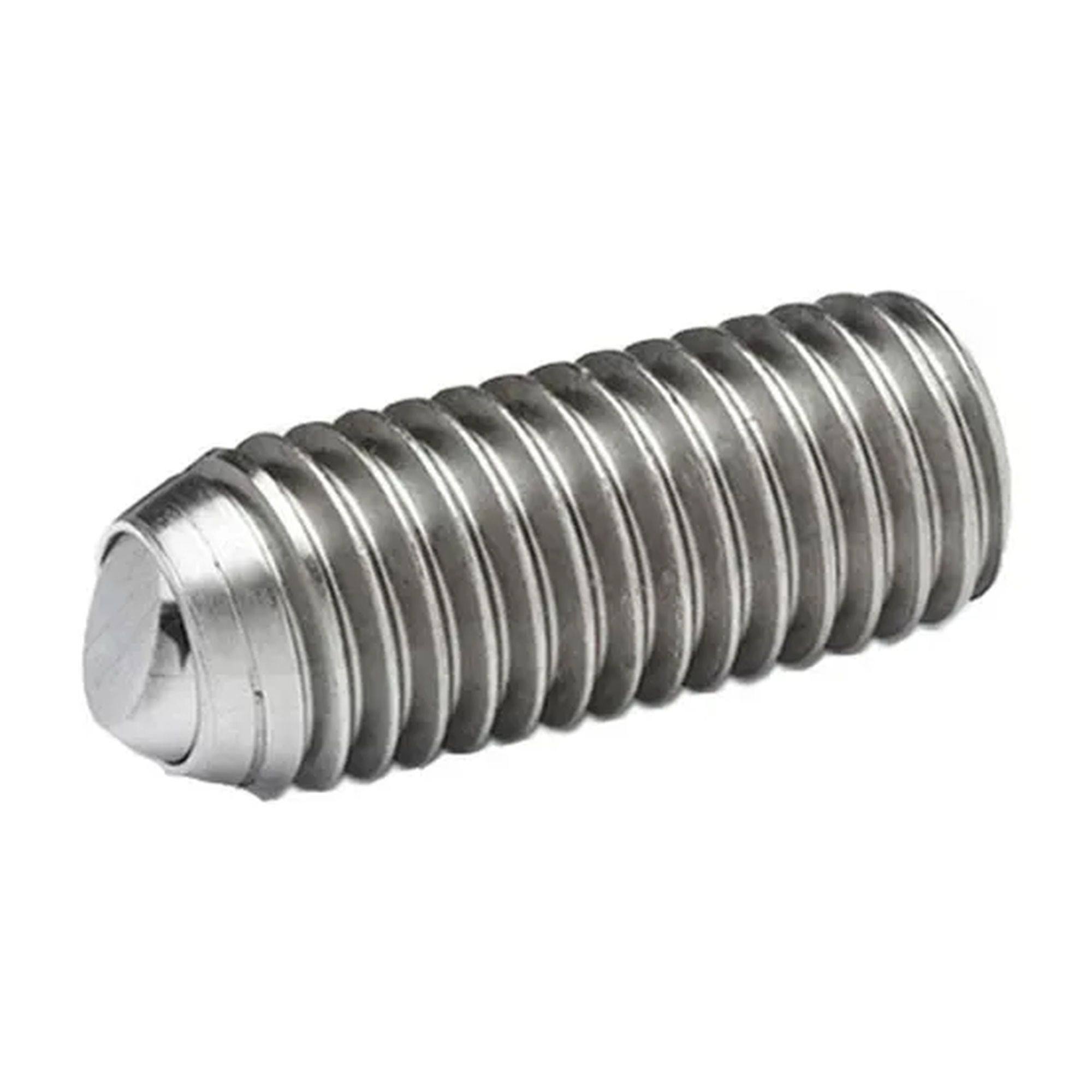

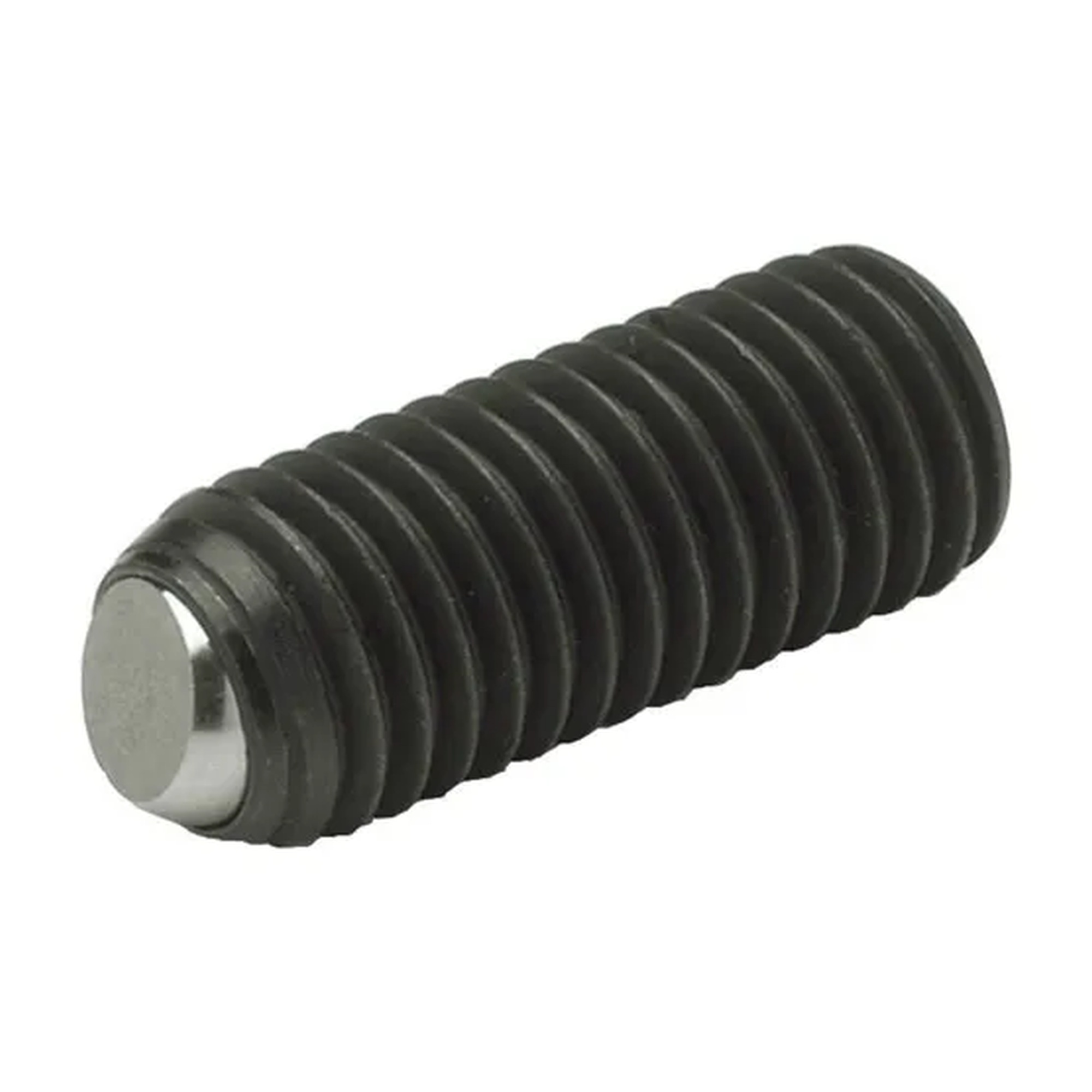
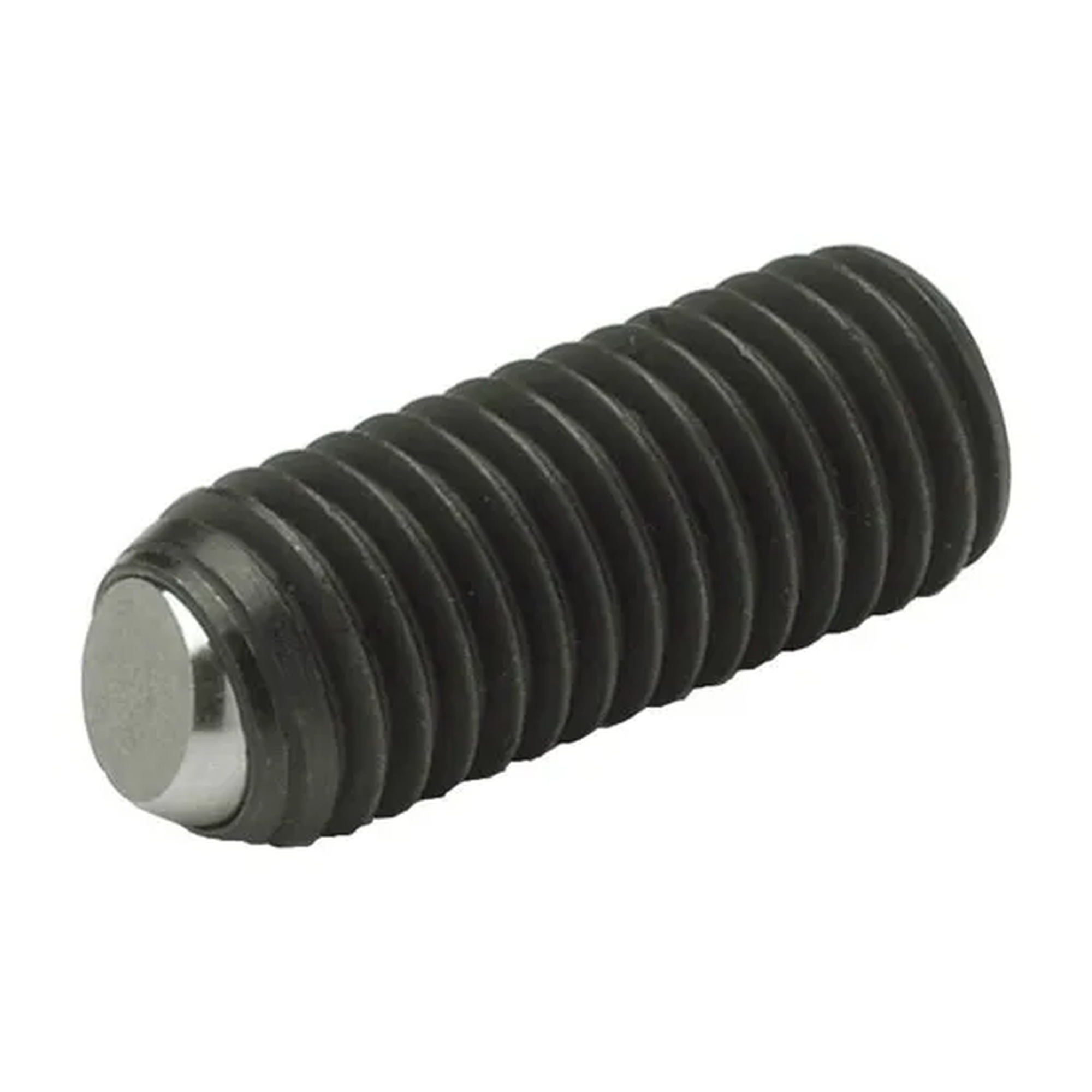
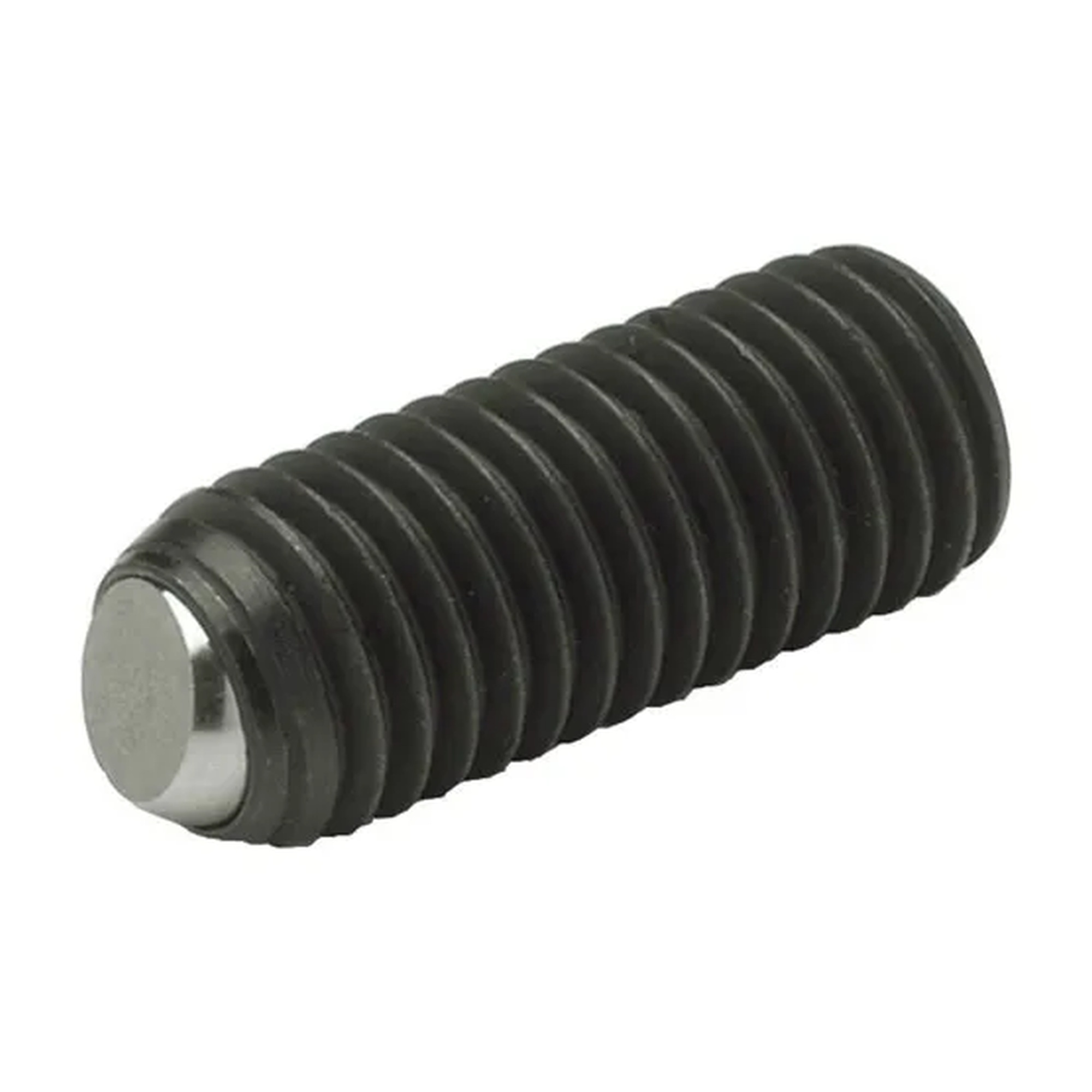
How to Choose Set Screws for Your Assembly
Start by matching the thread size, thread length, and contact style to the threaded component and fastening requirement. The available set screws use Allen or hex-key drives and include point and ball-contact designs for securing, clamping, supporting, and positioning workpieces.
Popular examples in this category
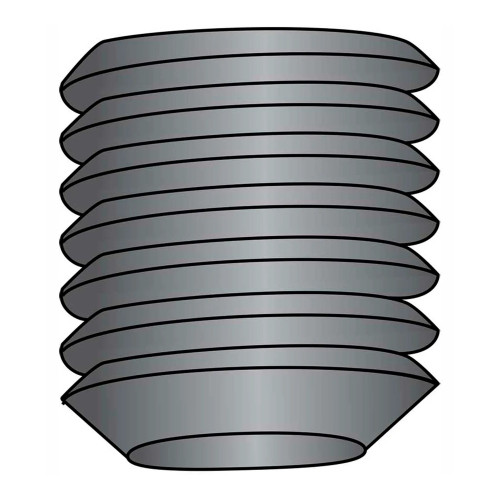 1/4-20 x 3/8 Coarse-Thread Flat-Point Socket Set Screws, 5,000-PackWBB414306
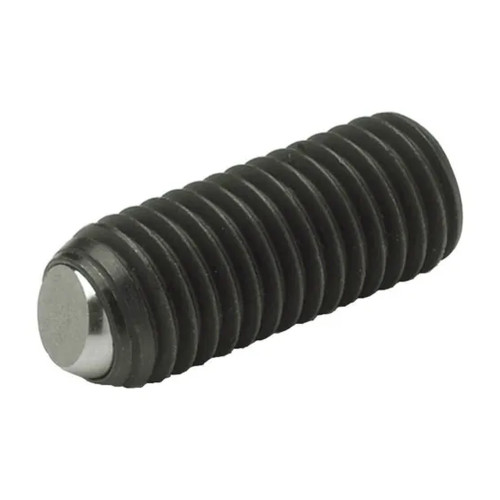 M10 x 1.5 Flat Ball Safety-Twist Set Screw, 25mm Thread LengthWBB2185442
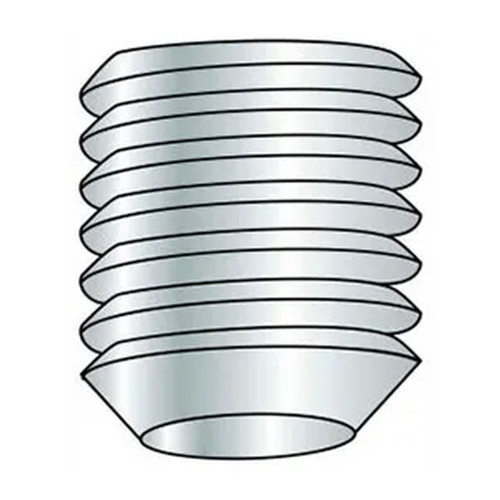 M8 x 1.25 x 16 mm Cup Point Socket Set Screws, Steel, Black Oxide, 100-PackWBB2291027
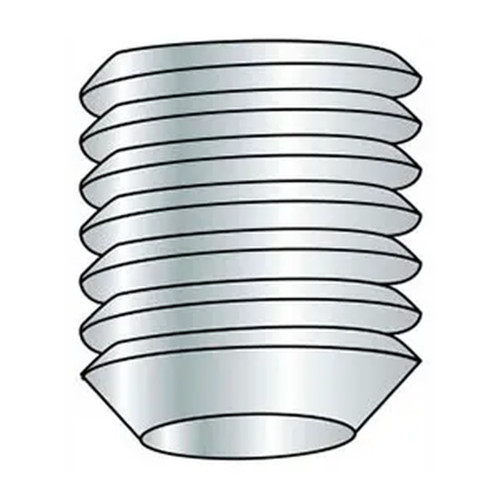 M10 x 1.5 x 40 mm Cup Point Socket Set Screw, Steel, Black Oxide, 50-PackWBB2290970
Secure, clamp, or support components
Cup point and flat point set screws support component-securing needs. Ball-contact options are suited to assemblies that require ball-point contact, while movable flat-ball designs can clamp or support non-parallel surfaces.
Match thread, length, and contact
Confirm the required thread designation and thread length first. Then select the contact style—cup point, flat point, full ball point, flat ball, or serrated flat ball—based on the assembly requirement.
Built for maintenance and assembly work
These set screws are represented for maintenance, assembly, repair, and equipment-building tasks, including repeated installation work and component positioning.
Consider drive and package quantity
The represented products use socket or hex-key drives for installation and adjustment. Package quantities include 50, 100, and 5,000 pieces, while several specialty ball-contact options are listed individually.
Cup, flat, full ball, flat ball, and serrated flat ball.
For represented safety-twist ball designs.
Available across represented packaged options.
Used for installation and adjustment.
Compare Set Screw Contact Types
Use the contact style along with the required thread and length to narrow the selection.
| Set screw type | Contact and positioning characteristics | Selection considerations |
|---|---|---|
| Cup point | Specified point style for component-securing applications. | Match the required thread size, length, and cup-point requirement. |
| Flat point | Supports applications where protrusion above the mating surface is not acceptable. | Choose when a flat-point design is required. |
| Ball-contact styles | Includes full ball point, movable flat ball, and safety-twist flat-ball options; movable flat balls accommodate non-parallel surfaces, while safety-twist designs limit rotation to 9 degrees. | Choose the required ball shape, contact face, and positioning behavior. |
Plan the right fit before choosing
Select a point or ball design that fits the workpiece
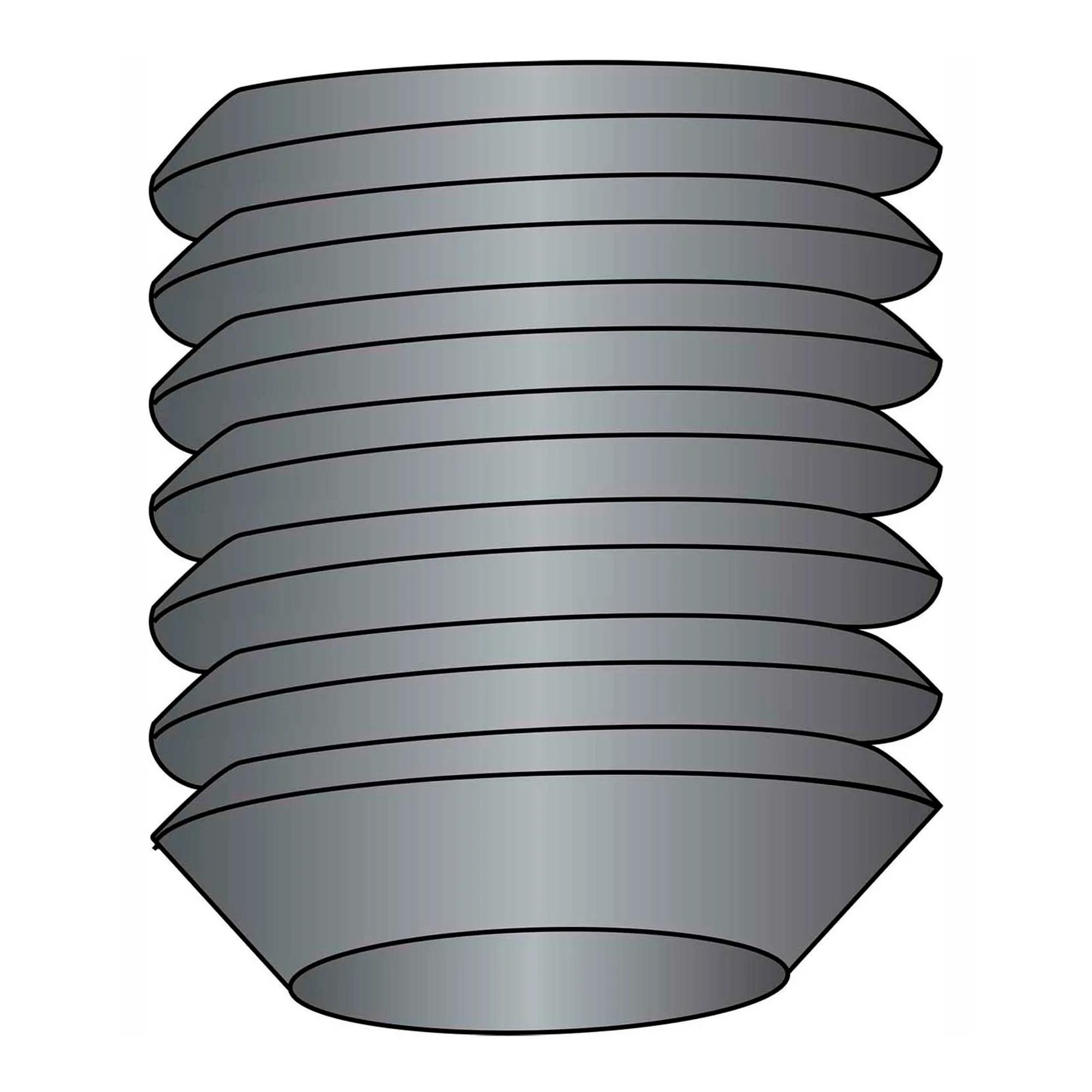
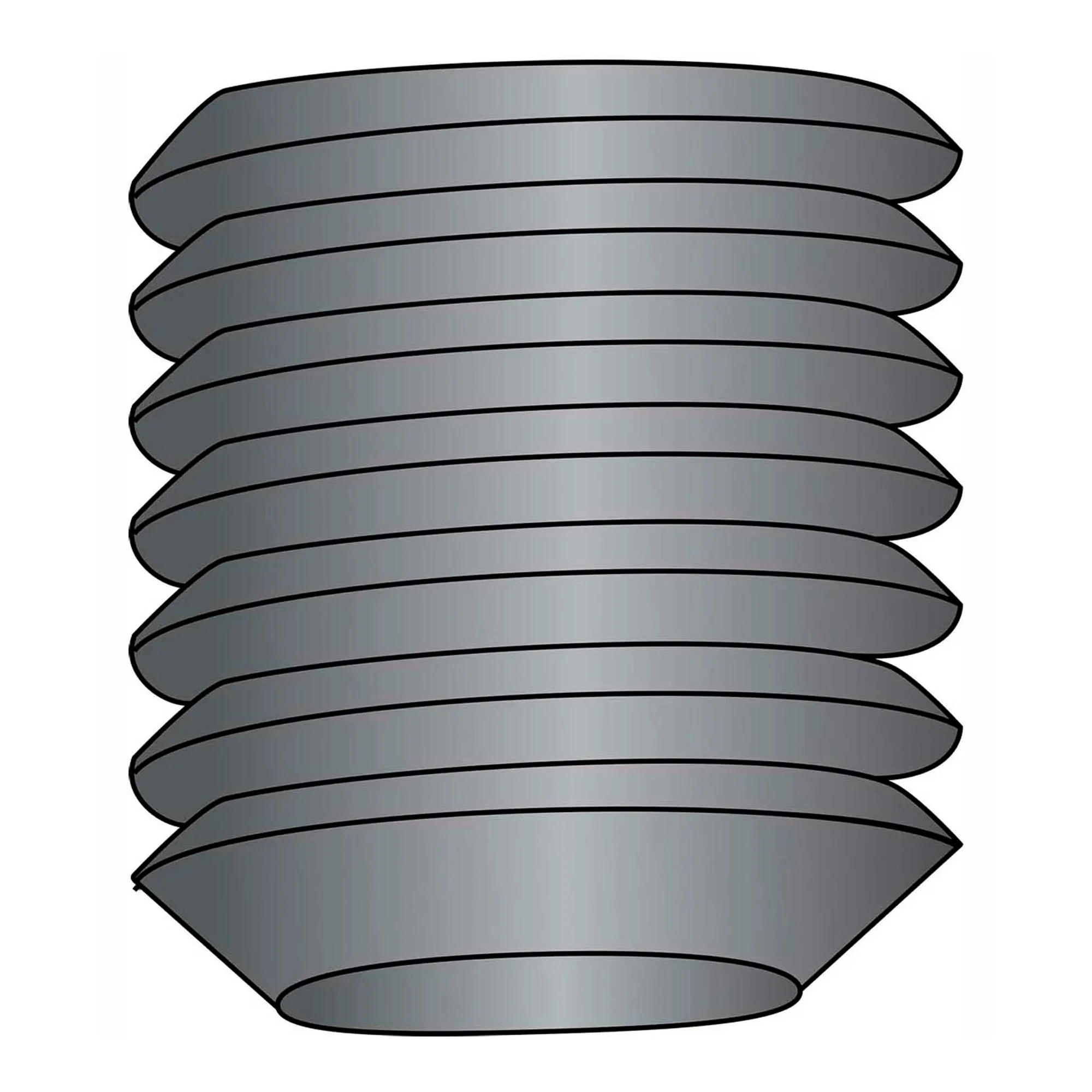
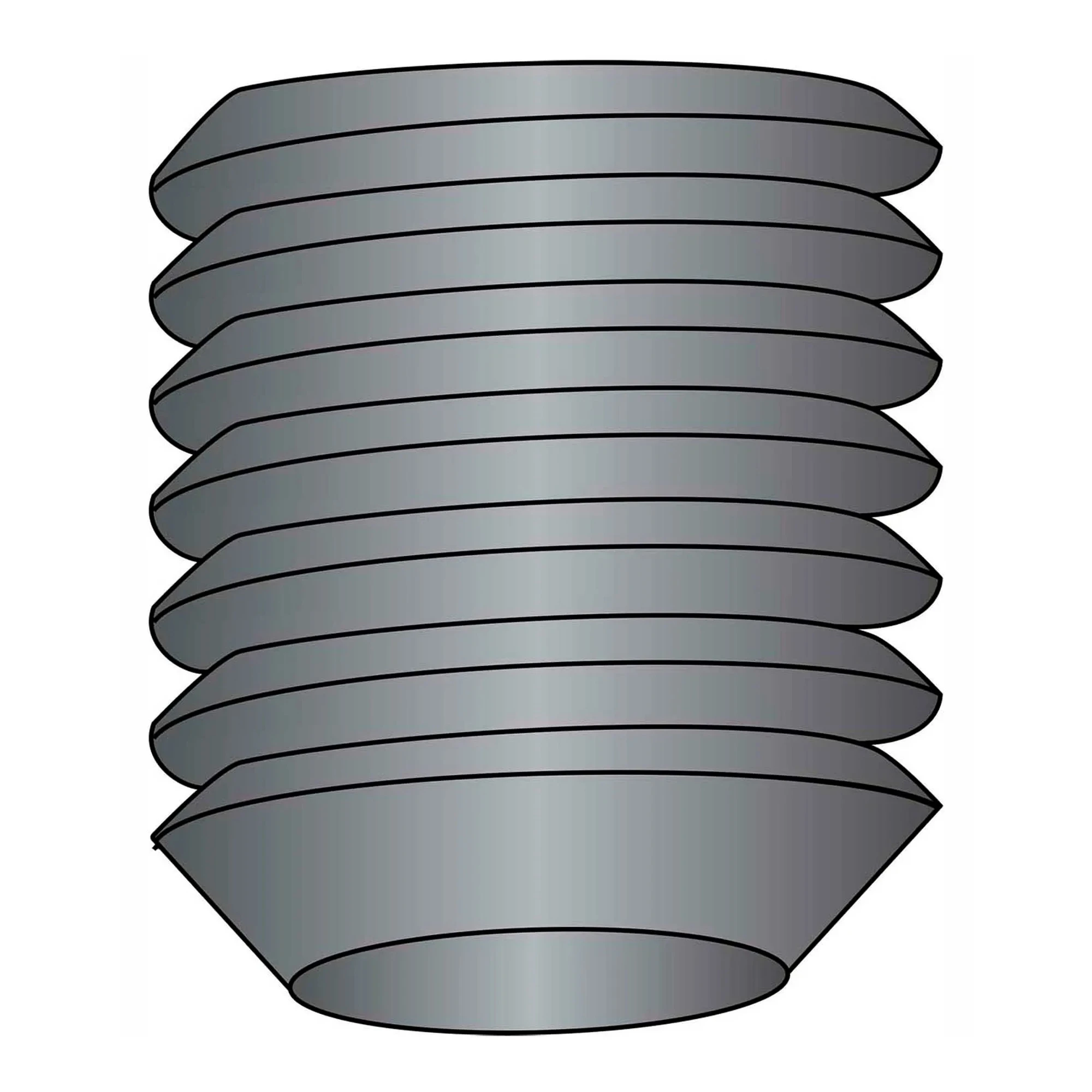
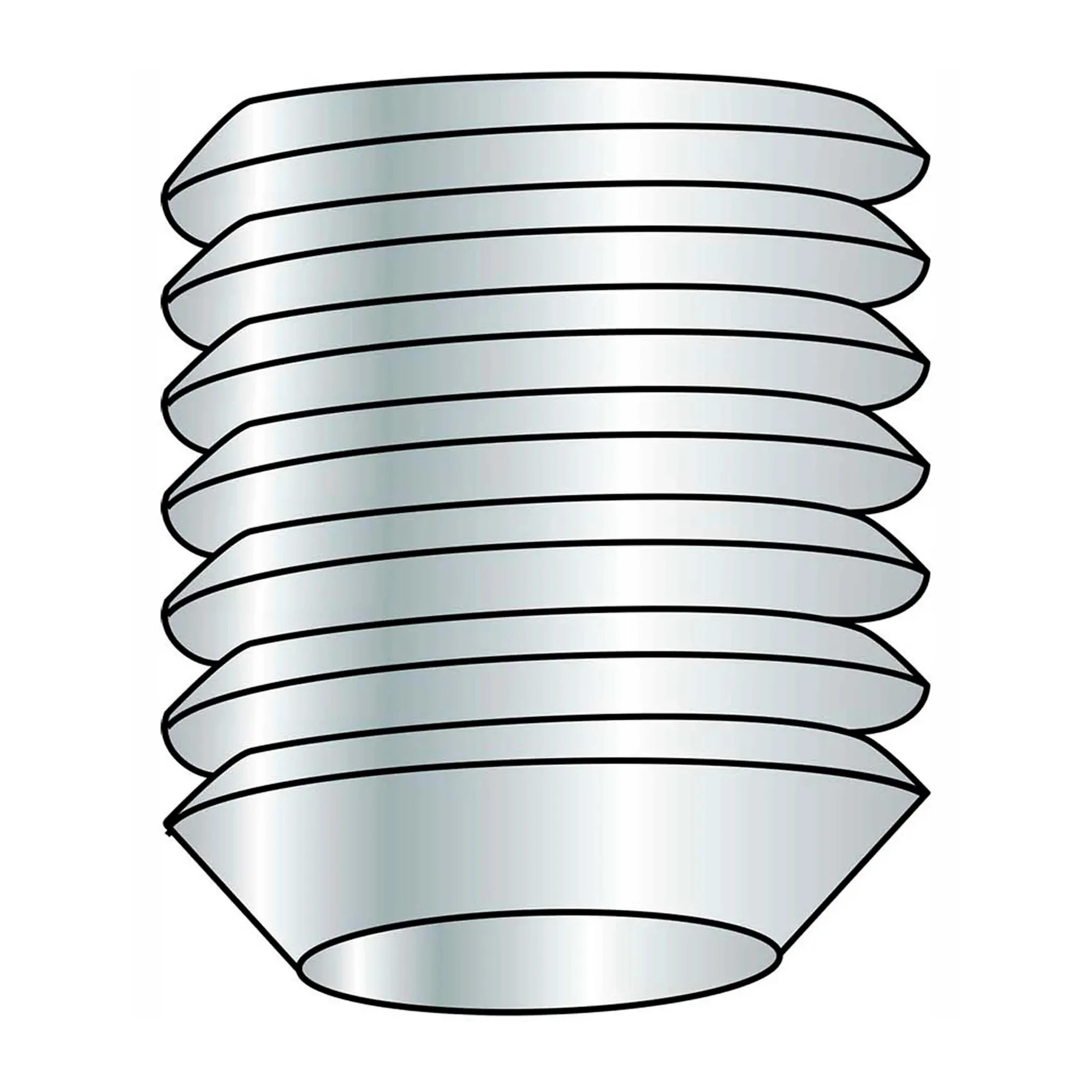
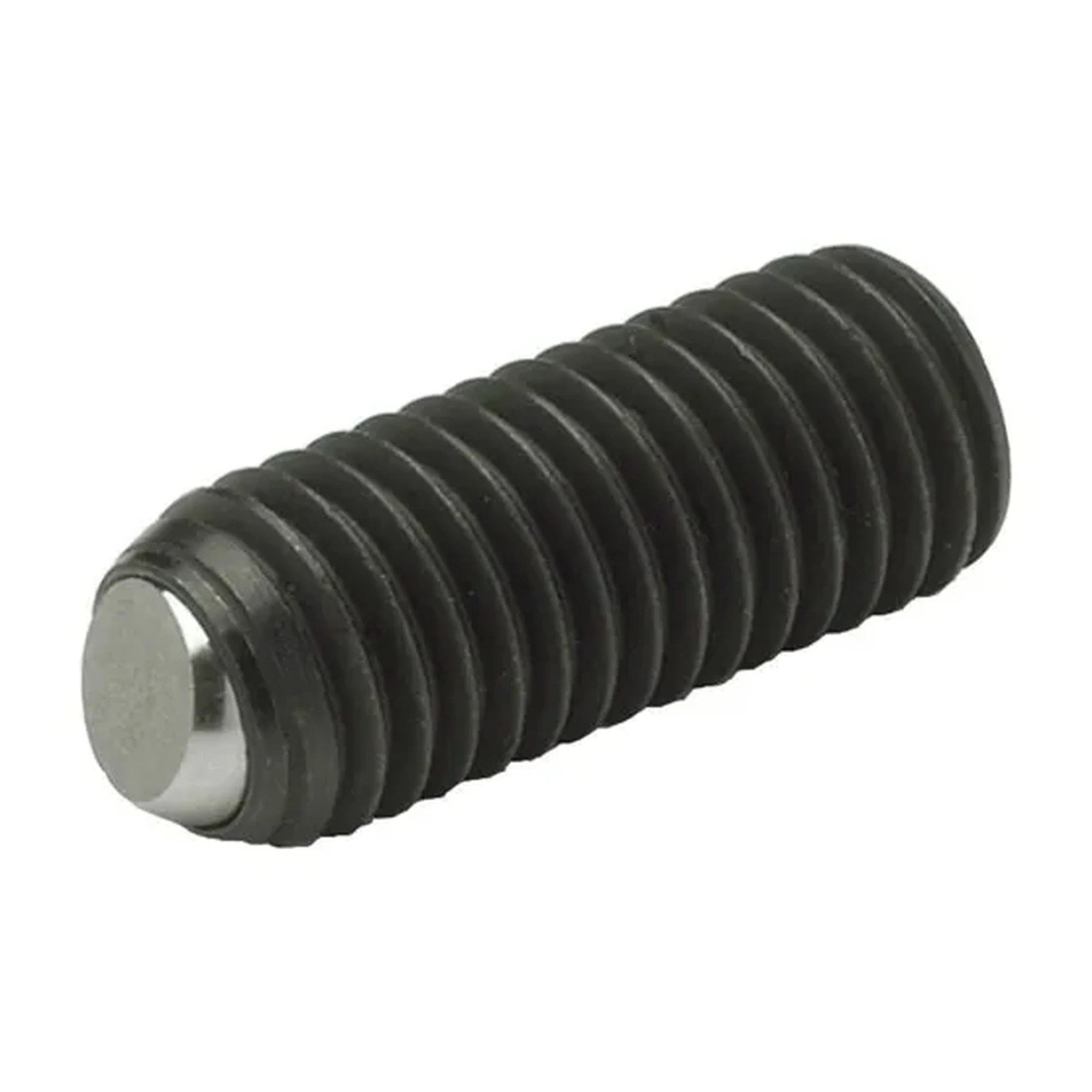
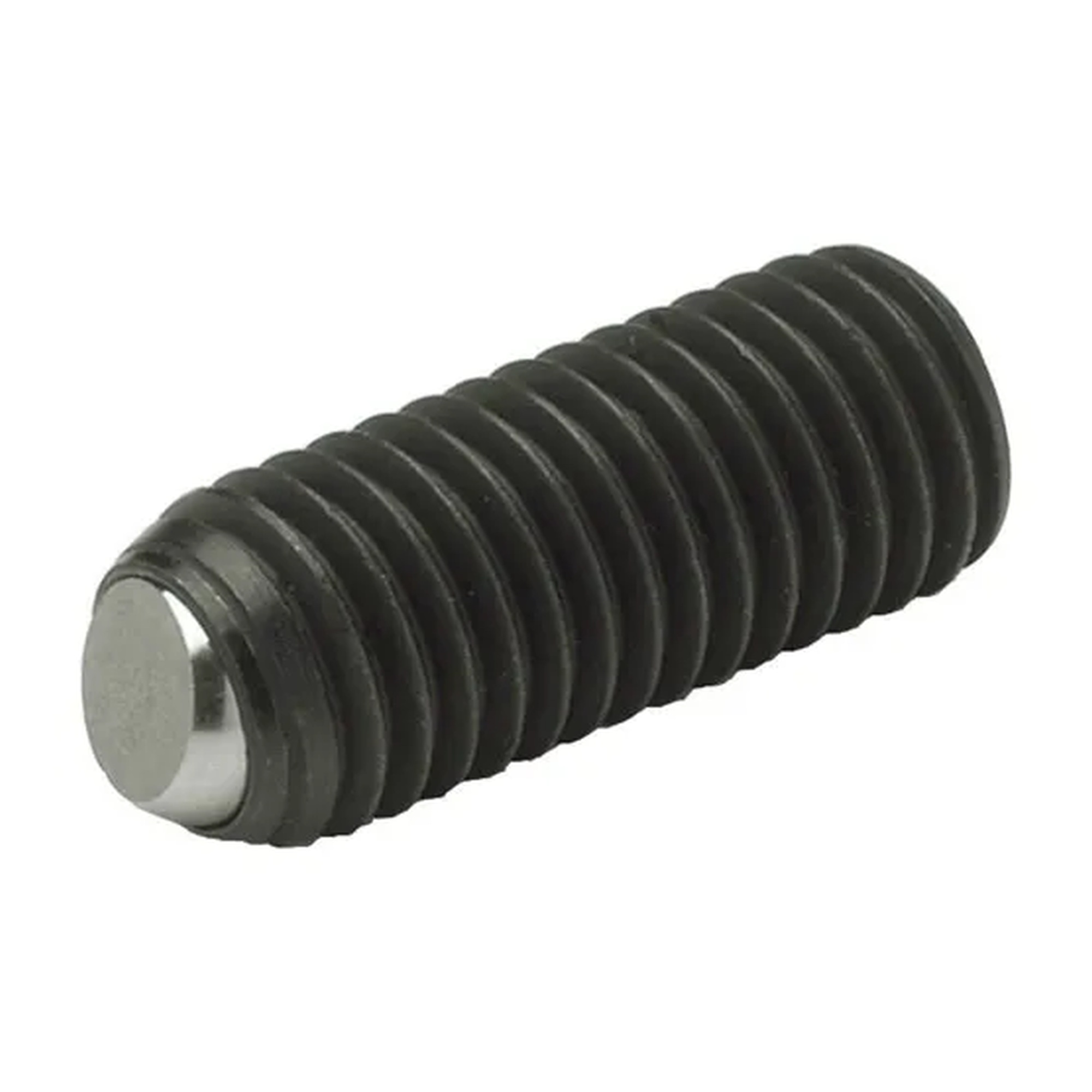
The contact end is a primary selection factor. Cup point set screws are represented for securing components in place, and a flat-point option is available where protrusion above the mating surface is unacceptable. Full ball point screws provide ball-point contact. Flat-ball designs provide a movable, flat contact face for non-parallel surfaces and can help avoid workpiece indentation.
- Cup point for specified component-securing requirements
- Flat point where above-surface protrusion is not acceptable
- Full ball point where ball-point contact is required
- Movable flat ball for clamping or supporting non-parallel surfaces
Verify thread compatibility and threaded reach
Match the screw to the required thread size and length for the assembly. Listed thread options include metric M4 x 0.7, M6 x 1.0, M8 x 1.25, M10 x 1.5 and inch-based 8-32, 10-24, and 1/4-20. Thread lengths and screw lengths vary across the represented products.
- Match the thread designation to the compatible threaded component
- Check the listed thread length or screw length for fit planning
- Use an Allen or hex key for socket-driven installation and adjustment
- For safety-twist styles, the ball rotation is limited to a maximum of 9 degrees
Balance stocking needs with installation volume
Package counts in the category range from 50 and 100 pieces to a 5,000-piece bulk pack. Choose a count that fits ongoing maintenance, assembly, repeat installation, or high-quantity fastening needs.
- 50-piece pack for stock or repeated installation work
- 100-piece packs for maintenance and assembly supply
- 5,000-piece pack for high-quantity fastening needs
Common questions before buying
What drive type do these set screws use?
The represented set screws use a socket, Allen-key, or hex-key drive for installation and adjustment.
What is the difference between a full ball point and a flat ball?
A full ball point provides ball-point contact. A movable flat ball has a flat contact face and can accommodate non-parallel surfaces during clamping or support.
What does the safety-twist feature do?
On the represented safety-twist designs, it limits ball rotation to a maximum of 9 degrees to help maintain clamping contact and controlled positioning.
Which package quantities are available?
Represented packaged options include 50-piece, 100-piece, and 5,000-piece counts.
Choosing the right file folders
FilingSupplies.com carries end-tab folders for open-shelf systems, top-tab folders for drawer filing, and heavy-duty classification folders with dividers and fasteners for multi-section records. Pick letter or legal size, then choose material (11-pt, 14-pt, or 18-pt manila), optional reinforced tabs, color-coding, and expansion capacity to match your volume.
Folder FAQs
End-tab vs. top-tab — what’s the difference?
When should I choose classification folders?
Letter or legal size — how do I pick?
What tab and material options are available?
Can I add fasteners, pockets, or expansion?
Do you offer volume pricing or custom printing?
Outfitting classrooms that work all day
Build a durable, age-appropriate classroom with furniture, early-learning materials, storage bins, learning centers, and presentation tools. Choose adjustable pieces that grow with grades, label friendly bins for quick clean-up, and tech carts that secure, charge, and move easily.
Education FAQs
What safety labels should I look for on school and early-childhood items?
How do I pick classroom furniture across grade levels?
What’s the best way to organize supplies and centers?
How do I choose learning games and manipulatives by age?
What should I consider in a charging/tech cart?
Do you support school POs, bulk pricing, or custom printing?
Choosing the right labels
From color file labels to printable sheets, select the right size, adhesive, and print method to match your filing system and equipment. Decide on sheet vs. roll format, then pick permanent or removable adhesive and your color set.
Labels FAQs
Sheet vs. roll labels — what’s the difference?
Permanent or removable adhesive?
Will these labels work in my printer?
How do I match the label size to folder tabs or binder spines?
Can I get preprinted sequences or color bars?
Do you have templates?
Choosing the right tab dividers
Organize binders with preprinted or blank tabs. Select the number of tabs per set (5, 8, 10, or 12), choose paper with reinforced tabs or durable poly, and match letter or legal size for a clean fit.
Tab Dividers FAQs
What do 5-, 8-, 10-, or 12-tab sets mean?
Paper vs. poly — which should I choose?
Are the tabs printable?
Will they fit my binder?
Can I mix preprinted and blank tabs?
Do you make custom tab sets?
Choosing the right office supplies
From everyday paper and pens to binders, mailers, and desk organizers, pick durable, compatible options that match your equipment and team size. Start with the right paper and labeling, then add organizers that keep work moving.
Office Supplies FAQs
Which paper weight and brightness should I choose?
Round-ring vs. D-ring binders — what’s the difference?
What does “sheet capacity” mean on staplers and hole punches?
Will labels, envelopes, and mailers work with my printer?
How do I choose mailers and shipping boxes?
Do you offer eco-conscious options or bulk pricing?
Choosing the right sports & PE equipment
Equip classes, teams, and rec programs with durable balls, goals, cones, pinnies, storage, and safety gear. Match sizes and materials to age group and whether you play indoors or outdoors.
Sports & Athletics FAQs
What ball sizes should I choose for different ages?
- Basketball: Size 5 (27.5") youth, Size 6 (28.5") intermediate, Size 7 (29.5") official.
- Soccer: Size 3 up to ~8 years, Size 4 ~8–12, Size 5 ~12+.
- Volleyball: Regulation balls for teens/adults; lighter training balls for younger players.
Indoor vs. outdoor — which materials hold up best?
How many pinnies, cones, or markers do I need?
Tips for storage and care?
Are items latex‑free and school‑safe?
Do you support bulk orders or custom printing (team names)?
Choosing the right FireKing fireproof cabinet
FireKing fireproof file cabinets, safes, and storage cabinets are designed to protect important documents, records, and valuables from fire damage while keeping files organized and accessible. When choosing a FireKing cabinet, compare drawer configuration, storage type, fire rating, and overall capacity based on the records or materials you need to protect.
FireKing FAQs
What is the difference between FireKing vertical and lateral file cabinets?
What can I store in a FireKing fireproof file cabinet?
Are FireKing cabinets only for paper records?
How do I choose between a FireKing safe, file cabinet, or storage cabinet?
What sizes are available in FireKing cabinets?
Are FireKing cabinets used in offices, medical facilities, and government records storage?
Can I buy FireKing cabinets in bulk or get help choosing the right model?
Shipping & Policies
Do you offer free shipping?
What are your shipping rates?
- $6.95 for labels-only orders under $40
- $14.95 flat rate for everything else