
-
Supco
15SH2-Style Fan and Heat Sequencer
Our Price:$23.49This 15SH2-style sequencer is a replacement control for HVAC technicians and electric-heating service professionals working on fan and heat sequencing functions. It helps coordinate staged operation...
-
White Rodgers
180°F Snap Disc Fan Limit Control
Our Price:$21.24This snap disc fan limit control is an HVAC control component for service professionals and maintenance teams. It helps manage fan-control circuits by opening the circuit when the cut-out temperature...
-
Supco
24V Electric Heat Fan Sequencer with 5-Second Stage Delay
Our Price:$35.94This 24V sequencer is for HVAC professionals servicing electric heating systems. It coordinates fan and heat sequencing functions, helping control the order in which connected stages operate.The...
-
Supco
24V Fan and Heat Sequencer for Multi-Stage Electric Heat
Our Price:$18.74This 24V fan and heat sequencer is for HVAC professionals servicing electric heating systems with multi-stage fan and heat sequencing. It coordinates the order of operating stages to support...
-
Supco
24V Fan and Heat Sequencer with 5-Second Stage Delay
Our Price:$24.24This 24V sequencer helps HVAC service professionals coordinate fan and heat sequencing in electric heating systems. It manages staged operation so contacts activate in sequence for controlled system...
-
Therm-O-Disc
Adjustable Airflow Thermostat, 90°F to 130°F
Our Price:$14.24This adjustable airflow thermostat is for technicians servicing heater and dryer applications. It helps control temperature by closing its circuit as temperature rises within the selected range.The...
-
Supco
Adjustable General-Purpose Thermostat Limit Switch, 120°F to 140°F
Our Price:$9.19This adjustable general-purpose thermostat limit switch is for HVAC technicians and maintenance professionals who need temperature-responsive control in compatible equipment. It opens as temperature...
-
Therm-O-Disc
Adjustable Open-on-Rise Thermostat, 135 to 175°F
Our Price:$17.74This adjustable thermostat is used by maintenance teams and service professionals in heater and dryer applications to control temperature response. It opens when the temperature rises within its...
-
Therm-O-Disc
Adjustable Open-on-Rise Thermostat, 175 to 215°F
Our Price:$19.74This adjustable thermostat limit switch is for maintenance teams servicing heater and dryer applications. It opens as temperature rises within its adjustable range to support temperature control in...
-
Therm-O-Disc
Commercial Refrigeration Defrost Thermostat, 55°F to 35°F
Our Price:$58.94This commercial refrigeration defrost thermostat is a tube-mounted control for refrigeration service professionals and maintenance teams. It manages the defrost control cycle within a 55°F to 35°F...
-
Supco
Commercial Refrigeration Defrost Thermostat, 75°F Open/40°F Close
Our Price:$61.94This commercial refrigeration defrost thermostat is a surface-mount control for refrigeration service technicians and maintenance teams. It helps manage heater operation during defrost cycles by...
-
Therm-O-Disc
General Purpose Thermostat Limit Switch, 180-160
Our Price:$6.19This general purpose thermostat limit switch is for HVAC technicians and maintenance teams working with temperature-control equipment. It provides a thermostat limit switch option identified by the...
-
Therm-O-Disc
Manual Reset Rollout Thermostat Limit Switch, 230 Cutout
Our Price:$14.99This manual-reset rollout thermostat limit switch is for HVAC technicians servicing heating equipment. It provides rollout safety support in gas-fired furnaces, unit heaters, and rooftop units.The...
-
Therm-O-Disc
Therm-O-Disc Sequencer
Our Price:$49.94This thermostat limit switch sequencer is for HVAC technicians and maintenance professionals replacing compatible sequencer controls. It provides a direct replacement option for specified existing...
-
Therm-O-Disc
Thermostat Limit Switch Sequencer
Our Price:$20.74This thermostat limit switch sequencer is a replacement control component for HVAC service professionals and maintenance teams. It is used to replace compatible sequencer units in heating and...




Thermostat Limit Switches: Find the Right Temperature Control for Your System
Thermostat limit switches protect heating and cooling equipment by opening or closing circuits at set temperatures. Whether you need an adjustable airflow thermostat, a manual-reset rollout cutout, a snap disc fan limit control, or a heat sequencer, this guide helps you match the right control to your application and get the correct replacement the first time.
Popular examples in this category
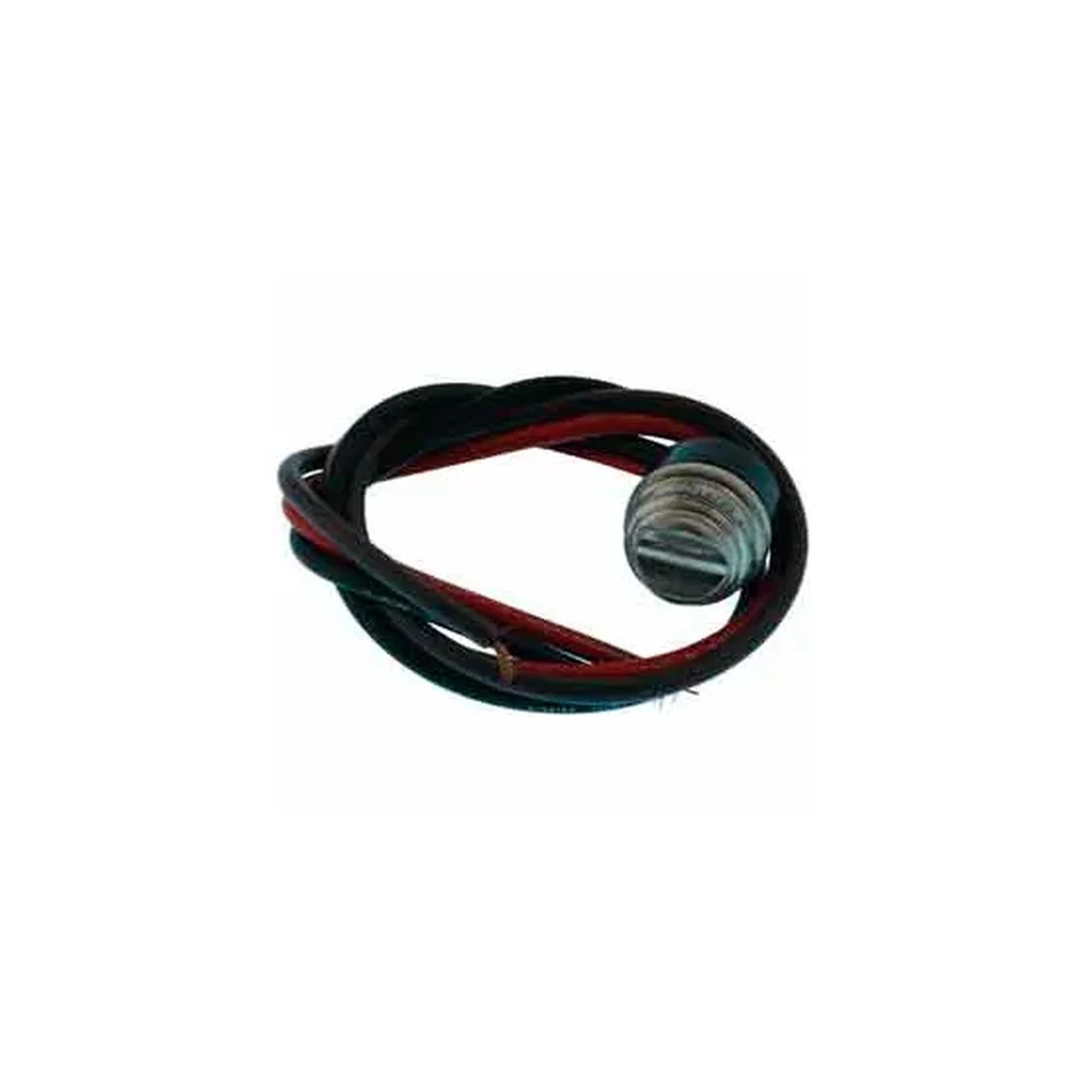
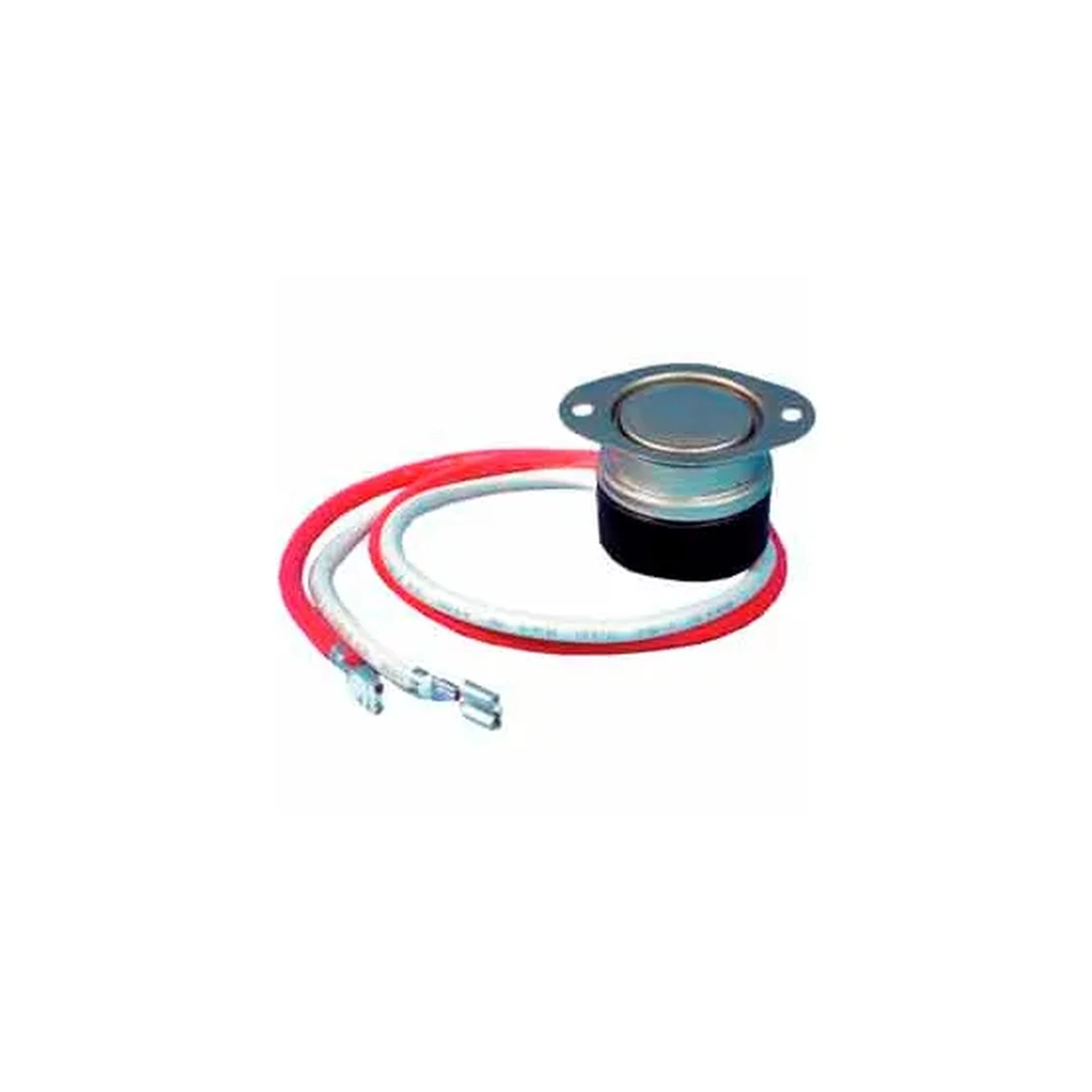
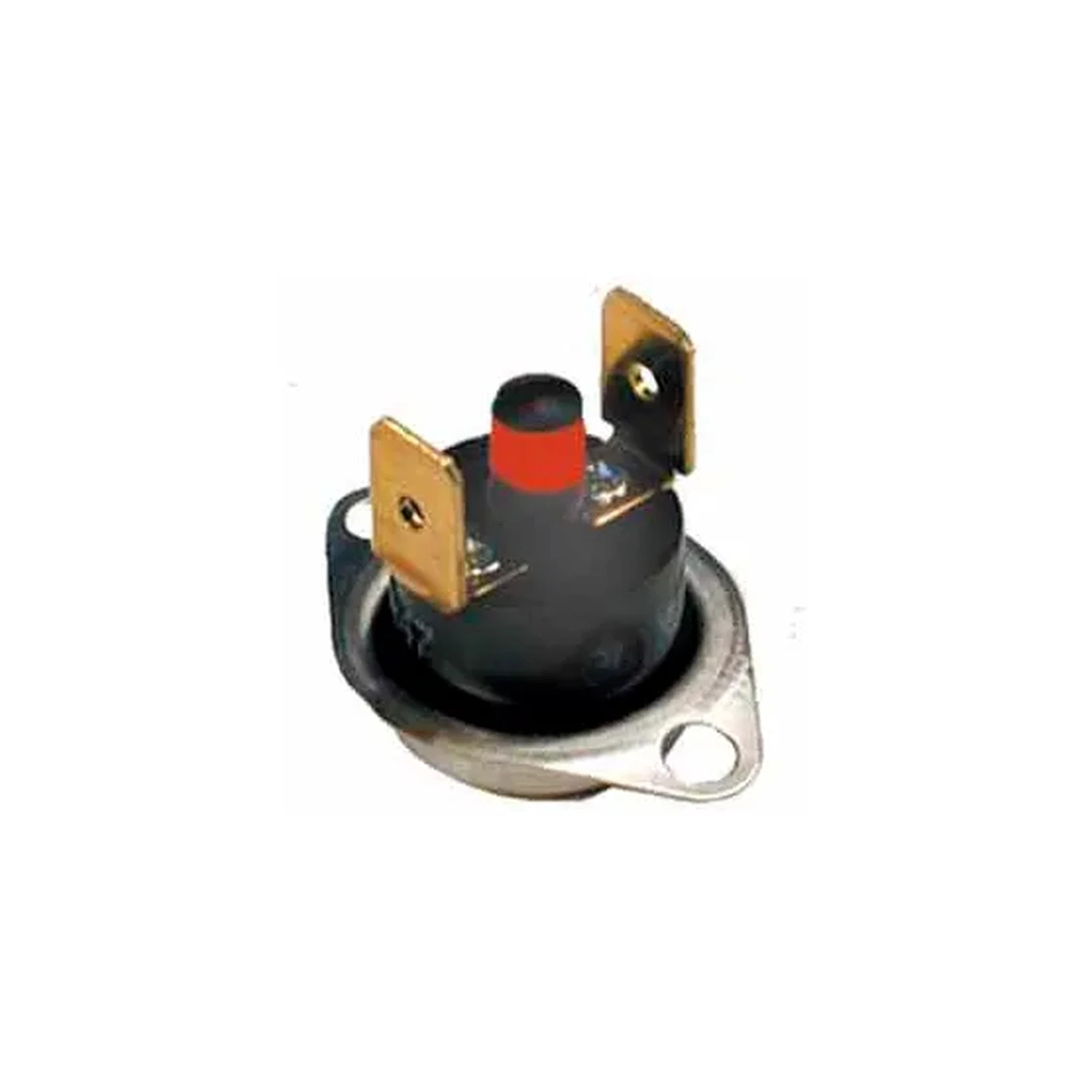
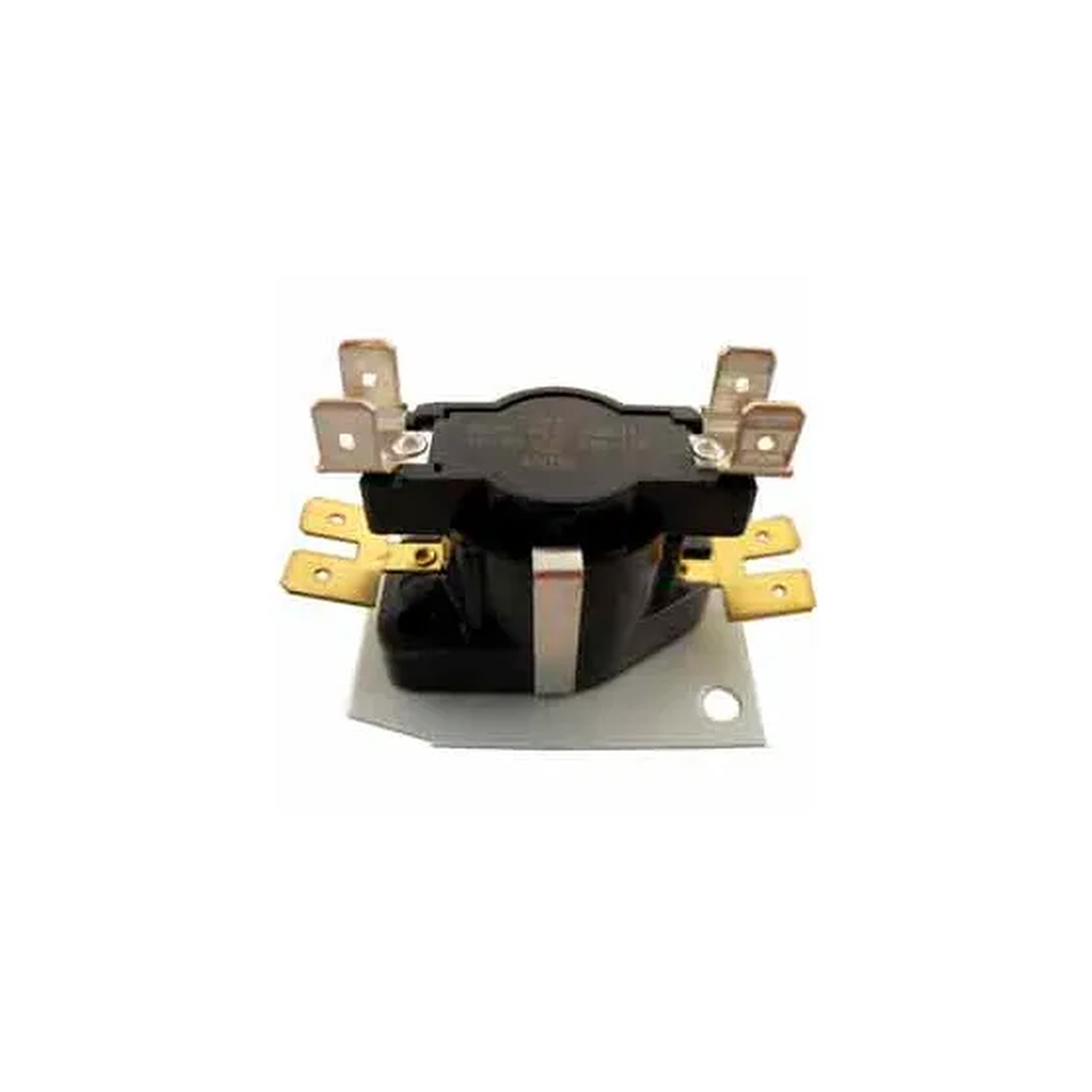
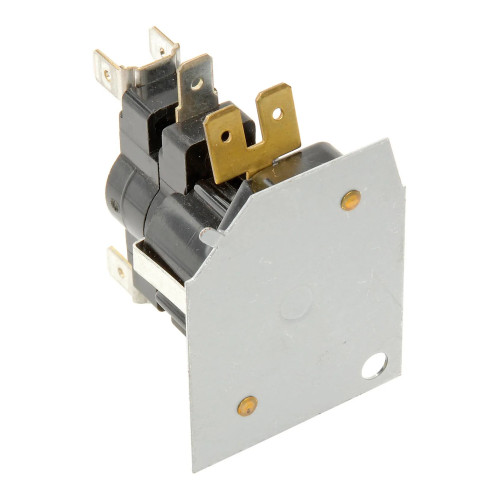 24V Fan and Heat Sequencer for Multi-Stage Electric HeatWBB434638
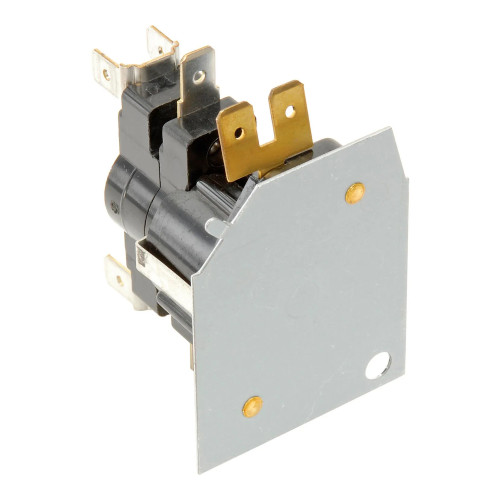 15SH2-Style Fan and Heat SequencerWBB434639
 Manual Rollout Limit Thermostat Cutout, 300WBB434622
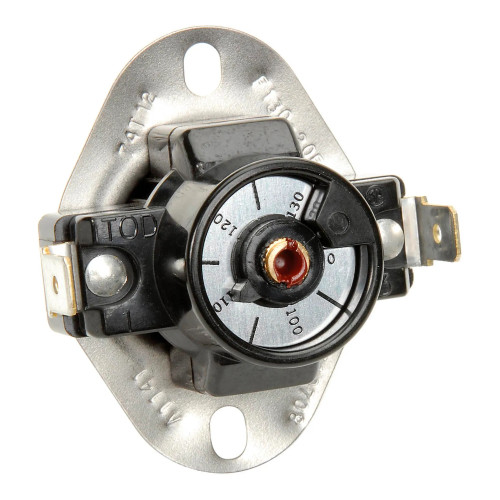 Adjustable Airflow Thermostat, 90°F to 130°FWBB434612
Temperature-Responsive Circuit Control for Heating and Cooling Systems
These controls protect HVAC equipment, electric heaters, and dryers by automatically opening or closing circuits when temperatures reach set thresholds. They prevent overheating, sequence fan and heat stages, and shut down burners or heating elements before damage occurs.
Match the Control Type to the Job Before You Order
Start with the required function: does the circuit need to open or close on temperature rise? Then confirm the trip range, reset method (auto vs. manual), terminal style, mounting dimensions, and whether a CSA listing or specific replacement compatibility is required.
Where Thermostat Limit Switches Are Typically Used
Common installations include forced-air furnaces, electric baseboard heaters, clothes dryers, heat pumps, and packaged HVAC units. Rollout cutouts protect gas furnace burner compartments, while sequencers coordinate staged electric heat strips and blower fan operation.
Installation and Compatibility Details Worth Knowing
Verify terminal configuration and physical dimensions before ordering a replacement. Manual-reset controls require physical access after a trip event. Sequencers must match system voltage (typically 24V) and timing requirements. Always cross-reference the listed replacement compatibility for direct-swap installations.
Adjustable airflow thermostats that close on temperature rise are available across a 90°F to 130°F setting range for fan proving applications.
The upper-tier open-on-rise adjustable thermostat covers 175°F to 215°F, suited for high-temperature limit protection in heating equipment.
The fixed-limit snap disc fan limit control trips at 180°F and is designed for automatic fan cycling in electric heating systems.
The 24V fan and heat sequencer uses M1-M2 timing with a five-second delay to stage heat strips and blower operation in compatible electric heating systems.
Comparing Thermostat Limit Switch Types Side by Side
Use this table to quickly identify which control type fits your specific application and requirements.
| Need | Best Fit | Why It Matters |
|---|---|---|
| Prove airflow before enabling heat in a forced-air system | Adjustable close-on-rise thermostat (90°F–130°F) | Closes the circuit only after air movement raises the sensor temperature, confirming airflow is present |
| High-limit overheat protection with adjustable trip point | Adjustable open-on-rise thermostat (120°–140°F, 135°–175°F, or 175°–215°F) | Opens the circuit when temperature exceeds the set point, cutting power to the heating element or burner |
| Furnace burner compartment rollout safety with manual reset | 300-designation manual rollout cutout | Requires a technician to manually reset after tripping, ensuring the cause is inspected before restart |
| Automatic fan cycling in an electric heating system | 180°F snap disc fan limit control | Auto-resets after cooling, cycling the fan on and off without manual intervention |
| Staged electric heat strip and blower sequencing | 24V fan and heat sequencer with M1-M2 timing and five-second delay | Prevents simultaneous inrush from multiple heat strips and coordinates blower startup for efficient staged heating |
Plan the right fit before choosing
Step 1: Identify the Required Circuit Action and Temperature Range
Determine whether your application needs a control that closes on temperature rise (close-on-rise) or opens on temperature rise (open-on-rise). Adjustable close-on-rise airflow thermostats are available in 90°F to 130°F ranges and are commonly used to prove airflow before enabling heat. Open-on-rise models come in three ranges—120°F to 140°F, 135°F to 175°F, and 175°F to 215°F—and are used as high-limit safeties that cut power when temperatures exceed a safe threshold.
- Close-on-rise: used for fan proving and airflow confirmation in forced-air systems
- Open-on-rise: used as high-limit or overheat protection in heaters and HVAC equipment
- Match the adjustable range to the normal operating temperature of the equipment, leaving headroom for the trip point
Step 2: Choose Between Adjustable, Fixed-Limit, and Sequencer Controls
For fixed-limit protection, compare the 300 temperature-designation manual rollout cutout against the 180°F snap disc fan limit control. The rollout cutout is designed for furnace burner compartment safety and requires a manual reset after tripping, making it suitable where a technician should inspect the cause before restart. The snap disc fan limit control operates automatically and is better suited for fan cycling applications. For electric heat staging, a 24V fan and heat sequencer with M1-M2 timing and a five-second delay coordinates multiple heat strips and the blower in compatible systems.
- Manual-reset rollout cutout: requires physical reset, suited for safety-critical furnace applications
- Snap disc fan limit (180°F): auto-reset, used for fan on/off cycling in electric heat systems
- 24V sequencer with five-second delay: stages electric heat strips and blower motor in sequence to reduce inrush current and improve comfort
Step 3: Confirm Physical and Electrical Compatibility Before Purchase
Before finalizing your selection, verify the terminal style (spade, screw, or push-in), overall dimensions, and mounting configuration against the existing control or equipment cutout. Check whether the replacement is listed as a direct compatible substitute for the part being replaced. Confirm CSA listing if required by local code or equipment specification. For sequencers, verify the system operates on 24V and that M1-M2 timing aligns with the staging requirements of the heating system.
- Measure the existing control or check the equipment manual for mounting hole pattern and body dimensions
- Confirm terminal style matches existing wiring harness or plan for appropriate adapters
- Check listed replacement compatibility to ensure a direct swap without rewiring
Common questions before buying
What is the difference between a close-on-rise and an open-on-rise thermostat limit switch?
A close-on-rise control completes the circuit as temperature increases, typically used to confirm airflow before enabling heat. An open-on-rise control breaks the circuit as temperature rises, used as a high-limit safety to cut power when equipment gets too hot.
When should I choose a manual-reset rollout cutout instead of an auto-reset limit control?
Choose a manual-reset rollout cutout when the application requires a technician to inspect the system before it can restart—such as a furnace burner compartment where a rollout flame event indicates a potentially dangerous condition. Auto-reset controls are better suited for routine fan cycling where no inspection is needed after each trip.
How do I know which open-on-rise temperature range to select?
Match the range to the normal operating temperature of the equipment. The trip point should be set above normal operating temperature but below the threshold that would cause damage. The three available ranges—120°F to 140°F, 135°F to 175°F, and 175°F to 215°F—cover low-, mid-, and high-temperature applications respectively.
What does a heat sequencer do and why is the five-second delay important?
A heat sequencer staggers the activation of multiple electric heat strips and the blower motor rather than turning them all on simultaneously. The five-second delay between stages reduces the inrush current spike that would occur if all elements energized at once, protecting the electrical system and improving overall heating performance.
Choosing the right file folders
FilingSupplies.com carries end-tab folders for open-shelf systems, top-tab folders for drawer filing, and heavy-duty classification folders with dividers and fasteners for multi-section records. Pick letter or legal size, then choose material (11-pt, 14-pt, or 18-pt manila), optional reinforced tabs, color-coding, and expansion capacity to match your volume.
Folder FAQs
End-tab vs. top-tab — what’s the difference?
When should I choose classification folders?
Letter or legal size — how do I pick?
What tab and material options are available?
Can I add fasteners, pockets, or expansion?
Do you offer volume pricing or custom printing?
Outfitting classrooms that work all day
Build a durable, age-appropriate classroom with furniture, early-learning materials, storage bins, learning centers, and presentation tools. Choose adjustable pieces that grow with grades, label friendly bins for quick clean-up, and tech carts that secure, charge, and move easily.
Education FAQs
What safety labels should I look for on school and early-childhood items?
How do I pick classroom furniture across grade levels?
What’s the best way to organize supplies and centers?
How do I choose learning games and manipulatives by age?
What should I consider in a charging/tech cart?
Do you support school POs, bulk pricing, or custom printing?
Choosing the right labels
From color file labels to printable sheets, select the right size, adhesive, and print method to match your filing system and equipment. Decide on sheet vs. roll format, then pick permanent or removable adhesive and your color set.
Labels FAQs
Sheet vs. roll labels — what’s the difference?
Permanent or removable adhesive?
Will these labels work in my printer?
How do I match the label size to folder tabs or binder spines?
Can I get preprinted sequences or color bars?
Do you have templates?
Choosing the right tab dividers
Organize binders with preprinted or blank tabs. Select the number of tabs per set (5, 8, 10, or 12), choose paper with reinforced tabs or durable poly, and match letter or legal size for a clean fit.
Tab Dividers FAQs
What do 5-, 8-, 10-, or 12-tab sets mean?
Paper vs. poly — which should I choose?
Are the tabs printable?
Will they fit my binder?
Can I mix preprinted and blank tabs?
Do you make custom tab sets?
Choosing the right office supplies
From everyday paper and pens to binders, mailers, and desk organizers, pick durable, compatible options that match your equipment and team size. Start with the right paper and labeling, then add organizers that keep work moving.
Office Supplies FAQs
Which paper weight and brightness should I choose?
Round-ring vs. D-ring binders — what’s the difference?
What does “sheet capacity” mean on staplers and hole punches?
Will labels, envelopes, and mailers work with my printer?
How do I choose mailers and shipping boxes?
Do you offer eco-conscious options or bulk pricing?
Choosing the right sports & PE equipment
Equip classes, teams, and rec programs with durable balls, goals, cones, pinnies, storage, and safety gear. Match sizes and materials to age group and whether you play indoors or outdoors.
Sports & Athletics FAQs
What ball sizes should I choose for different ages?
- Basketball: Size 5 (27.5") youth, Size 6 (28.5") intermediate, Size 7 (29.5") official.
- Soccer: Size 3 up to ~8 years, Size 4 ~8–12, Size 5 ~12+.
- Volleyball: Regulation balls for teens/adults; lighter training balls for younger players.
Indoor vs. outdoor — which materials hold up best?
How many pinnies, cones, or markers do I need?
Tips for storage and care?
Are items latex‑free and school‑safe?
Do you support bulk orders or custom printing (team names)?
Choosing the right FireKing fireproof cabinet
FireKing fireproof file cabinets, safes, and storage cabinets are designed to protect important documents, records, and valuables from fire damage while keeping files organized and accessible. When choosing a FireKing cabinet, compare drawer configuration, storage type, fire rating, and overall capacity based on the records or materials you need to protect.
FireKing FAQs
What is the difference between FireKing vertical and lateral file cabinets?
What can I store in a FireKing fireproof file cabinet?
Are FireKing cabinets only for paper records?
How do I choose between a FireKing safe, file cabinet, or storage cabinet?
What sizes are available in FireKing cabinets?
Are FireKing cabinets used in offices, medical facilities, and government records storage?
Can I buy FireKing cabinets in bulk or get help choosing the right model?
Shipping & Policies
Do you offer free shipping?
What are your shipping rates?
- $6.95 for labels-only orders under $40
- $14.95 flat rate for everything else