

-
Ceramic Bathroom Heater, 1500W, Gray
Our Price:$65.94This portable ceramic bathroom heater helps employees and facility users warm chilly bathroom spaces. Its fan-powered heat delivery provides practical spot heating where added warmth is needed.The...
-
Designer Series Ceramic Oscillating Heater with Remote, 1500W, Brown
Our Price:$94.94This portable ceramic heater is designed for commercial buyers who need adjustable warmth in occupied spaces. It provides 1500W heating with oscillation to help distribute warmth, while a remote...
-
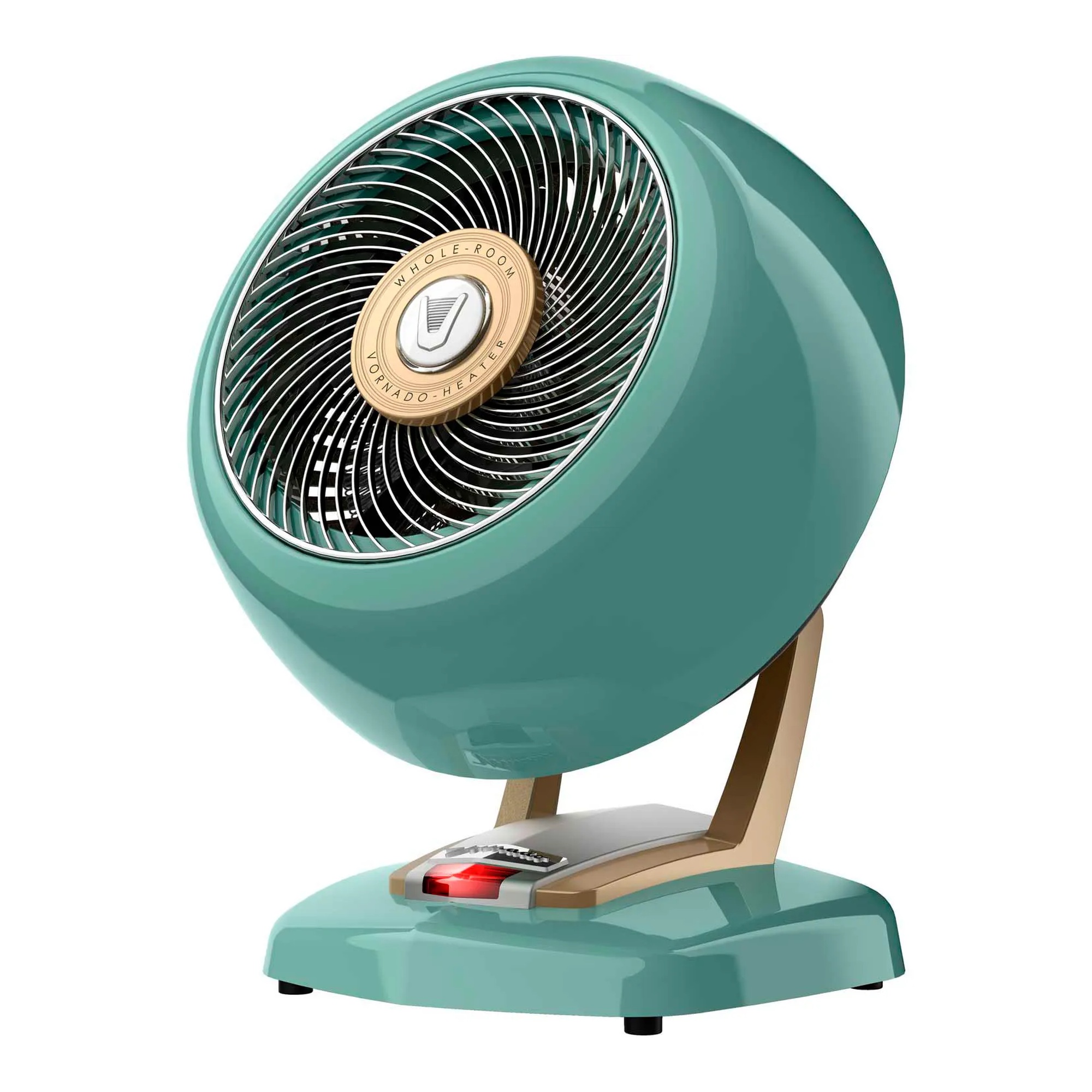
Green Whole Room Portable Electric Heater, 1500W
Our Price:$199.94This portable electric heater is designed for users who need adjustable warmth in a room. It circulates heat throughout the space and lets users direct the heat flow where it is needed.The green...
-
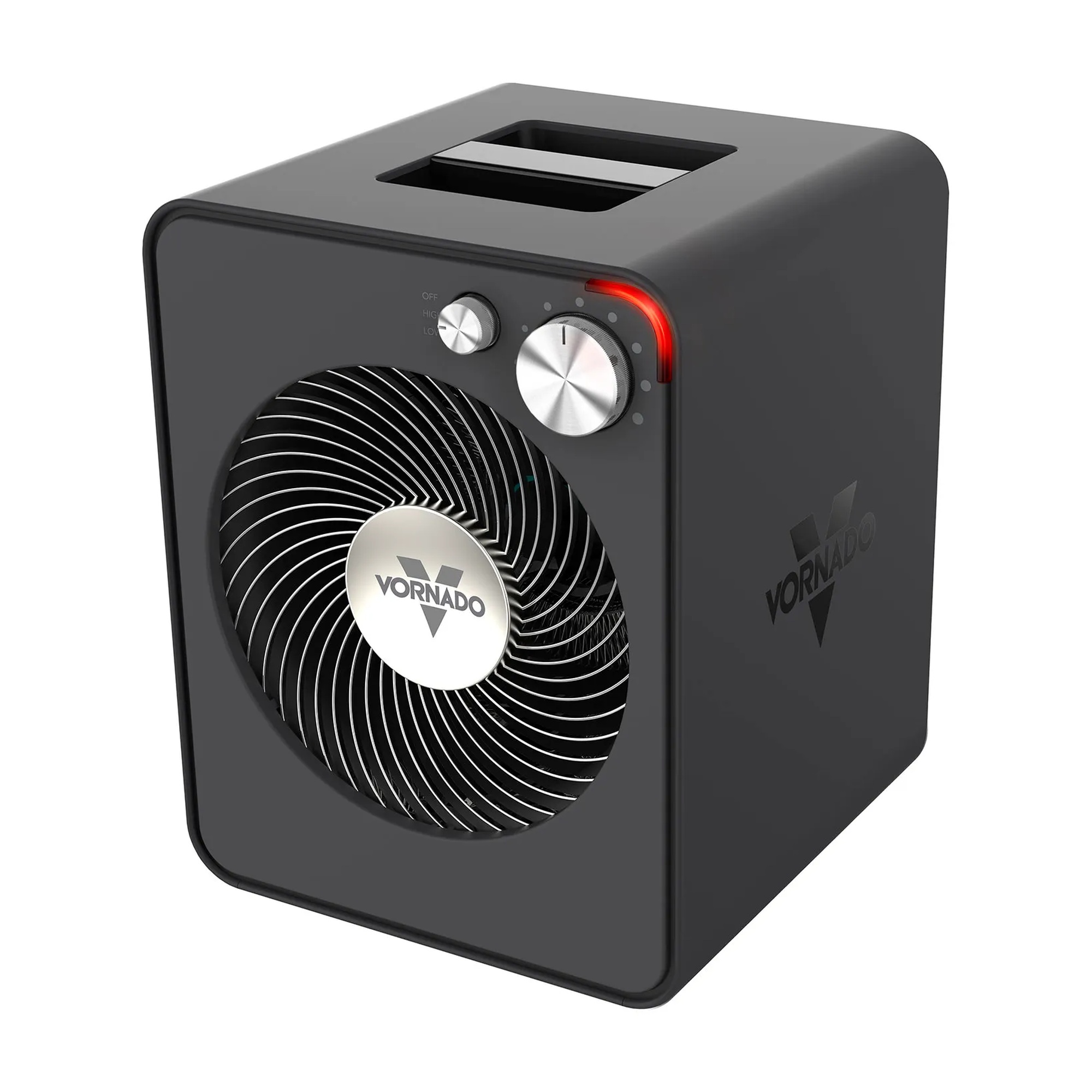
Personal Vortex Heater, 750W, Black
Our Price:$39.94This personal electric heater is designed for individuals who need added warmth in small or personal spaces. Its compact footprint supports placement on or under a tabletop or desktop for focused...
-
Portable 1,500W Electric Forced-Air Heater with Thermostat
Our Price:$359.94This portable electric forced-air heater is for facility teams and other users who need heat along with drying and ventilation. It provides combustion-free electric heating with an integrated...
-
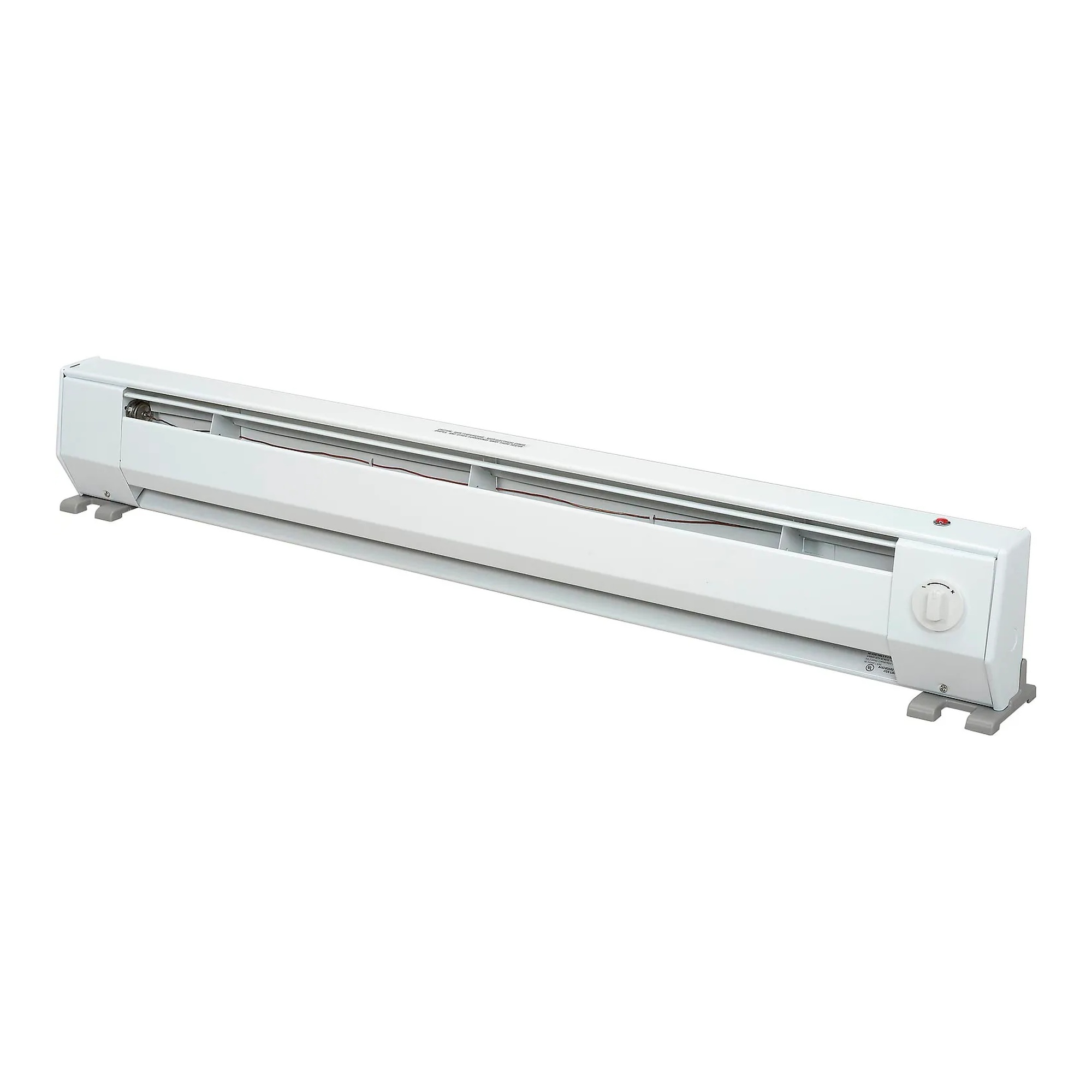
Portable Baseboard Heater, 1000W, 120V, White
Our Price:$375.94This portable electric baseboard heater is designed for commercial buyers who need controllable heat in indoor work areas. Its adjustable thermostat lets users set the temperature for their space.The...
-
Portable Ceramic Heater with Adjustable Thermostat, 1500W, Gray
Our Price:$51.94This portable ceramic heater is designed for people who need added warmth in a room. Manual controls and an adjustable thermostat help users select a comfortable setting, while the carry handle...
-
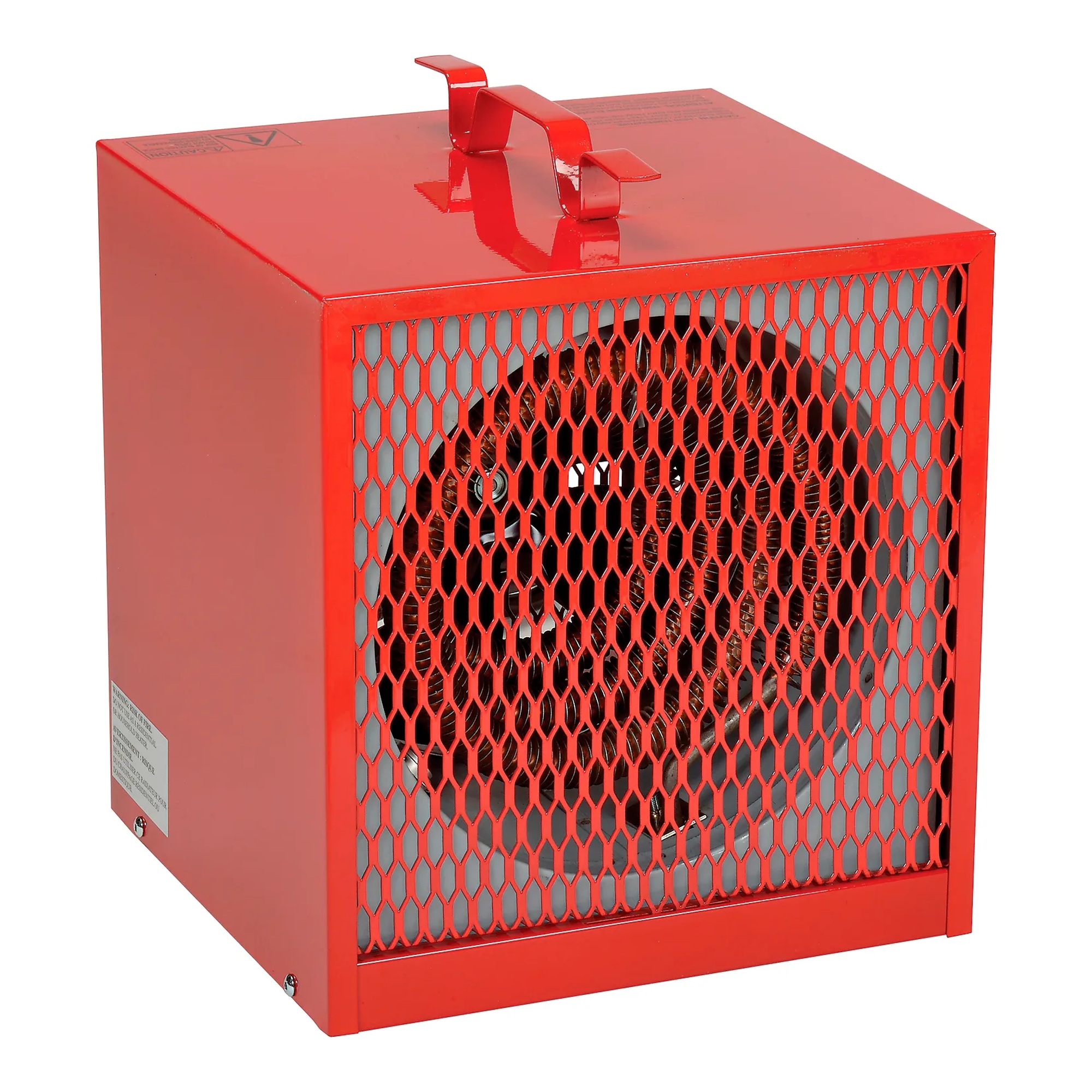
Portable Electric Contractor Heater, 208/240V, 4,200/5,600W
Our Price:$339.94This portable electric contractor heater is designed for contractors who need electric heat in their work area. It provides a practical heating option where 208V or 240V power is available.The red...
-
Portable Electric Contractor Heater, 240V, 4000W
Our Price:$269.94This portable electric contractor heater is designed for contractors who need a compact electric heating unit. It provides portable heat while operating on 240V power.The red steel heater operates at...
-
Portable Electric Heater with Built-In Thermostat, 1,500W, White
Our Price:$395.94This portable electric heater is designed for commercial buyers who need electric heat with built-in temperature control. It provides a 1,500-watt heating option for indoor spaces where a portable...
-
Portable Fan-Forced Electric Heater with Dual Heat Settings
Our Price:$399.94This portable electric heater is designed for commercial buyers who need adjustable electric heat in their work area. Its fan-forced operation helps distribute warmth, while two heat settings let...
-
Portable Fan-Forced Electric Heater, 240V, 4000W
Our Price:$299.94This portable fan-forced electric heater provides electric heat for commercial users who need a movable heating unit. Its handle and solid-leg base support convenient placement and everyday operation...
-
Portable Whole-Room Electric Heater with Remote, 1500W
Our Price:$159.94This portable electric heater is for people who want adjustable warmth throughout an occupied room. It circulates heated air around the room while giving users remote and onboard control of...
-
Rise 12H 900W Desktop Tower Heater, Black
Our Price:$56.94This compact electric tower heater is designed for people who need adjustable warmth at a desk or in a small room. It provides heat circulation and airflow to help make a personal workspace more...
-
Velocity 1 Ceramic Portable Heater, 1500W, 120V, Black
Our Price:$86.94This portable ceramic heater is designed for people who need adjustable warmth in personal or whole-room settings. Its selectable operating modes, tilt adjustment, and airflow design help direct heat...
-
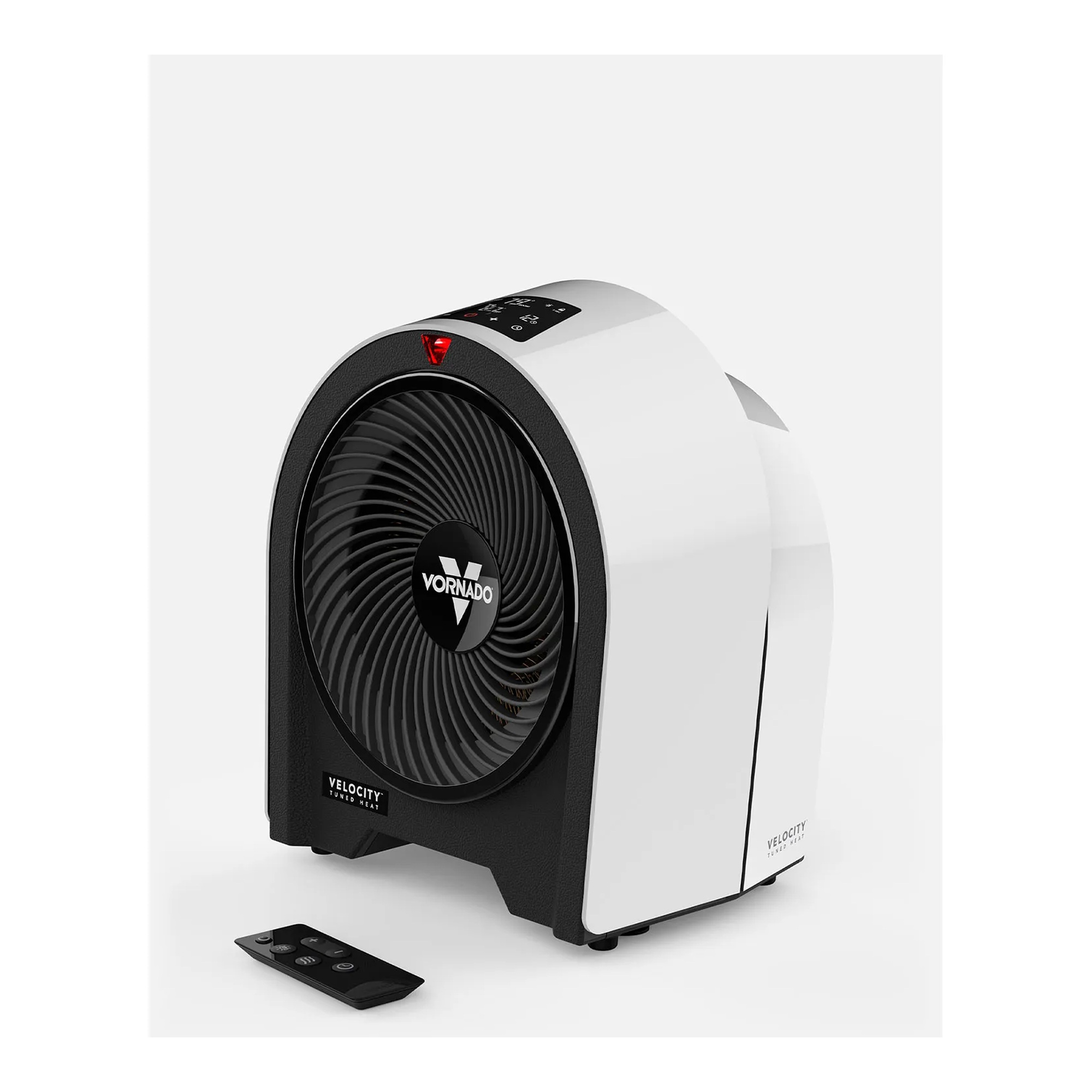
Velocity 5 Whole Room Portable Electric Heater, Black
Our Price:$119.94This portable electric heater is designed for people who need adjustable whole-room warmth in workspaces and other occupied rooms. It provides controlled heating with selectable settings and a...
-
Velocity 5R Whole Room Electric Heater, 1500W, 120V, White
Our Price:$129.94This portable electric heater is designed for people who need added warmth in a whole room. It provides adjustable heating for workspaces and other indoor areas while offering a fan-only setting for...
-
Whole Room Electric Heater with Adjustable Thermostat, White, 1500W
Our Price:$189.94This portable electric heater is for people who need adjustable warmth in a room. It circulates heat throughout the room and lets users direct the heat flow where it is needed.The white 120V,...
-
Whole Room Metal Electric Heater with Mechanical Thermostat, Gray
Our Price:$119.94This portable electric heater is designed for people who need supplemental warmth in a room. Its mechanical thermostat and dial controls provide a straightforward way to operate the heater, while...
-
Whole Room Metal Electric Heater with Thermostat, 1500W, 120V, Black
Our Price:$179.94This portable electric heater provides whole-room heat for workplace users and facility teams seeking adjustable warmth. Its built-in thermostat and two heat settings help users tailor operation to...
-
Whole Room Portable Electric Heater with Digital Thermostat, 120V, 1500W, White
Our Price:$109.94This portable electric heater is designed for people who need adjustable whole-room heat in workspaces and other indoor areas. Its digital thermostat helps users manage room comfort, while the...
-
Whole Room Vortex Heater with Thermostat, 1500W, Black
Our Price:$67.94This portable electric whole-room heater is designed for commercial buyers who need to warm an occupied room with adjustable temperature control. Its thermostat dial lets users select a desired heat...
-
Whole-Room Portable Electric Heater with Digital Thermostat, Silver
Our Price:$189.94This portable electric heater is designed for users who want to warm an entire room with adjustable temperature control. Its digital thermostat, remote control, and cross-room displays help make...
-
Whole-Room Portable Electric Heater with Digital Thermostat, White
Our Price:$149.94This portable electric heater is for people who need adjustable whole-room warmth with straightforward digital controls. It combines a digital thermostat, remote control, and circulation-focused...










How to Choose a Portable Electric Heater
Start with the type of space and task you need to support, then compare heating output, electrical requirements, airflow, temperature controls, and portability features. Available options range from 1,500W heaters for indoor spaces to high-output forced-air and salamander units for commercial work areas.
Popular examples in this category
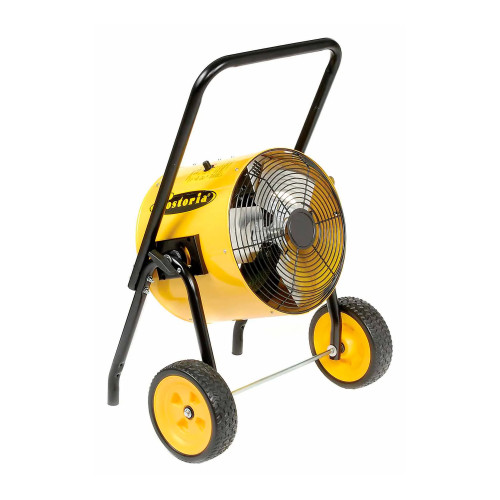 30,000W Portable Electric Salamander Heater with Adjustable ThermostatWBB2102360
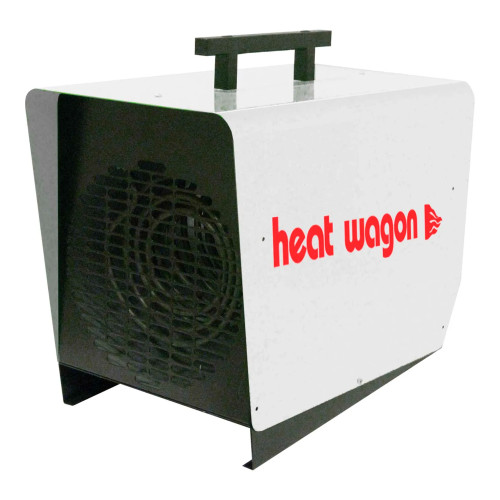 6 kW Portable Electric Heater with Built-In ThermostatWBB1124276
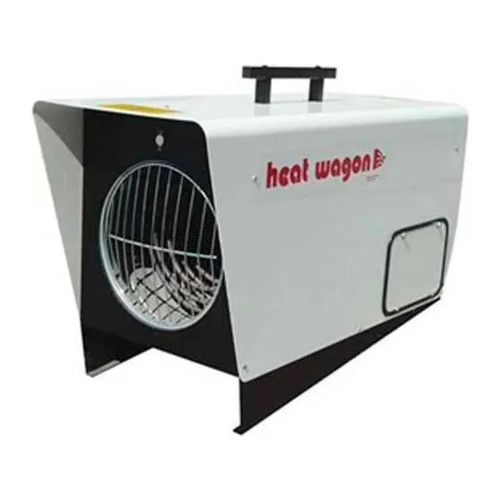 18,000-Watt Portable Electric Heater with Thermostat, 240VWBB586773
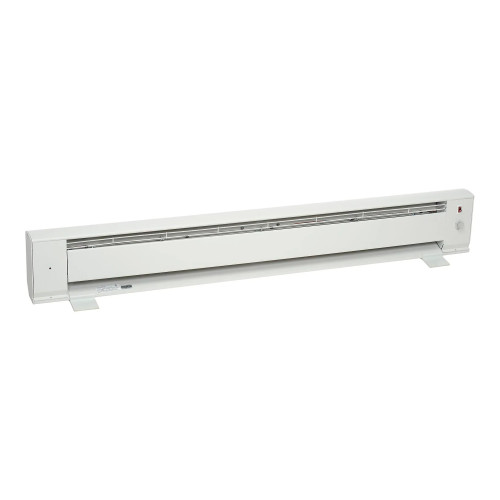 Portable Hydronic Baseboard Heater, 1500W, 120VWBB2023125
Match the heater to the work area
Portable electric heaters can provide supplemental room warmth, temporary work-area heat, and adjustable warmth in enclosed commercial spaces. Forced-air models also support drying and ventilation tasks, while salamander heaters are suited to circulating heat through larger work areas.
Confirm power, output and controls
Compare the listed wattage and voltage with the electrical power available in the intended location. Consider whether you need a built-in or adjustable thermostat, selectable heat settings, fan-only operation, or continuous fan operation.
Choose airflow for the task
For heated air circulation, compare forced-air and salamander designs. Listed airflow ranges from 116 CFM to 590 CFM on select models. A hydronic baseboard heater provides gentle, even heat for supplemental room warmth.
Consider movement and protective features
Choose a carry handle for easier repositioning in a room or a wheeled frame for moving a larger heater between work areas. Available protective features include overheat protection, thermal cutouts, a manual-reset limit control, tip-over shutoff, and screened air openings.
Available products span supplemental room heat through high-output commercial heating.
Select fan-equipped models provide rated airflow within this range.
Products include 120V, 208V, 240V, 208/240V, and 480V electrical requirements.
Select thermostat-equipped models offer adjustment within this listed range.
Portable Electric Heater Types at a Glance
Use this comparison to focus on the operating design and features represented in the available products.
| Heater type | Best-fit uses represented | Features to compare |
|---|---|---|
| Forced-air heater | Commercial heating, drying, and ventilation | Wattage, airflow, voltage, thermostat range, overheat protection |
| Salamander heater | Work areas, shops, assembly areas, and temporary heating | Wattage, electrical phase, wheeled frame, thermostat, fan-only setting, airflow direction |
| Room or hydronic heater | Supplemental warmth in rooms and occupied workspaces | Heat settings, thermostat, carry handle, timer, fan-only mode, tip-over shutoff |
Plan the right fit before choosing
Compare portable heat by operating design
The products represented in this category use several approaches to portable electric heating. Selecting the right design helps align the heater with the space and task at hand.
- Forced-air heaters use a fan to distribute heated air for heating, drying, and ventilation.
- Salamander heaters provide adjustable heat and airflow circulation for commercial work areas; select models have wheeled frames and adjustable or rotating housings.
- Hydronic baseboard heaters provide gentle, even supplemental warmth and use a two-stage thermostat.
- Whole-room heaters offer adjustable comfort settings, including two heat settings and a fan-only mode on select models.
Verify the available voltage before choosing
Portable electric heaters in this category are offered with different electrical requirements. Match the heater's listed voltage and phase to the power available where it will operate.
- Listed options include 120V, 208V, 240V, 208/240V, and 480V operation.
- Some salamander heaters require three-phase power, including 208V and 480V versions.
- A 6 kW heater is listed for 240V single-phase power.
- Output options represented range from 750W and 1,500W settings to 30,000W heating.
Look for the control range and mobility you need
Thermostat and placement features vary by heater. These details can help you choose equipment that fits changing conditions and the intended work area.
- Several models offer adjustable or integrated thermostats with ranges from 32°F to 100°F or 40°F to 100°F.
- Select heaters provide two power settings, two-stage heat selection, fan-only operation, or a timer.
- Larger models may include 10-inch axle-mounted wheels, wheeled steel frames, or an ergonomic handle.
- A tilt-adjustable frame or rotating housing can help direct heated airflow where it is needed.
Common questions before buying
What types of portable electric heaters are available?
This category includes forced-air heaters, salamander heaters, hydronic baseboard heaters, whole-room heaters, contractor heaters, and compact electric heaters with built-in thermostats.
What electrical options are represented?
Listed products include 120V, 208V, 240V, 208/240V, and 480V models. Some salamander heaters use three-phase power, while a listed 6 kW model uses 240V single-phase power.
Are there portable electric heaters for drying and ventilation?
Yes. Select forced-air heaters use a fan to move heated air for heating, drying, and ventilation tasks. Some salamander heaters also offer fan-only operation.
What thermostat ranges are available?
Select models offer adjustable or integrated thermostats from 32°F to 100°F or from 40°F to 100°F. Other products provide built-in temperature control or two-stage heat selection.
How to Choose a Portable Electric Heater
Start with the type of space and task you need to support, then compare heating output, electrical requirements, airflow, temperature controls, and portability features. Available options range from 1,500W heaters for indoor spaces to high-output forced-air and salamander units for commercial work areas.
Popular examples in this category
Match the heater to the work area
Portable electric heaters can provide supplemental room warmth, temporary work-area heat, and adjustable warmth in enclosed commercial spaces. Forced-air models also support drying and ventilation tasks, while salamander heaters are suited to circulating heat through larger work areas.
Confirm power, output and controls
Compare the listed wattage and voltage with the electrical power available in the intended location. Consider whether you need a built-in or adjustable thermostat, selectable heat settings, fan-only operation, or continuous fan operation.
Choose airflow for the task
For heated air circulation, compare forced-air and salamander designs. Listed airflow ranges from 116 CFM to 590 CFM on select models. A hydronic baseboard heater provides gentle, even heat for supplemental room warmth.
Consider movement and protective features
Choose a carry handle for easier repositioning in a room or a wheeled frame for moving a larger heater between work areas. Available protective features include overheat protection, thermal cutouts, a manual-reset limit control, tip-over shutoff, and screened air openings.
Available products span supplemental room heat through high-output commercial heating.
Select fan-equipped models provide rated airflow within this range.
Products include 120V, 208V, 240V, 208/240V, and 480V electrical requirements.
Select thermostat-equipped models offer adjustment within this listed range.
Portable Electric Heater Types at a Glance
Use this comparison to focus on the operating design and features represented in the available products.
| Heater type | Best-fit uses represented | Features to compare |
|---|---|---|
| Forced-air heater | Commercial heating, drying, and ventilation | Wattage, airflow, voltage, thermostat range, overheat protection |
| Salamander heater | Work areas, shops, assembly areas, and temporary heating | Wattage, electrical phase, wheeled frame, thermostat, fan-only setting, airflow direction |
| Room or hydronic heater | Supplemental warmth in rooms and occupied workspaces | Heat settings, thermostat, carry handle, timer, fan-only mode, tip-over shutoff |
Plan the right fit before choosing
Compare portable heat by operating design
The products represented in this category use several approaches to portable electric heating. Selecting the right design helps align the heater with the space and task at hand.
- Forced-air heaters use a fan to distribute heated air for heating, drying, and ventilation.
- Salamander heaters provide adjustable heat and airflow circulation for commercial work areas; select models have wheeled frames and adjustable or rotating housings.
- Hydronic baseboard heaters provide gentle, even supplemental warmth and use a two-stage thermostat.
- Whole-room heaters offer adjustable comfort settings, including two heat settings and a fan-only mode on select models.
Verify the available voltage before choosing
Portable electric heaters in this category are offered with different electrical requirements. Match the heater's listed voltage and phase to the power available where it will operate.
- Listed options include 120V, 208V, 240V, 208/240V, and 480V operation.
- Some salamander heaters require three-phase power, including 208V and 480V versions.
- A 6 kW heater is listed for 240V single-phase power.
- Output options represented range from 750W and 1,500W settings to 30,000W heating.
Look for the control range and mobility you need
Thermostat and placement features vary by heater. These details can help you choose equipment that fits changing conditions and the intended work area.
- Several models offer adjustable or integrated thermostats with ranges from 32°F to 100°F or 40°F to 100°F.
- Select heaters provide two power settings, two-stage heat selection, fan-only operation, or a timer.
- Larger models may include 10-inch axle-mounted wheels, wheeled steel frames, or an ergonomic handle.
- A tilt-adjustable frame or rotating housing can help direct heated airflow where it is needed.
Common questions before buying
What types of portable electric heaters are available?
This category includes forced-air heaters, salamander heaters, hydronic baseboard heaters, whole-room heaters, contractor heaters, and compact electric heaters with built-in thermostats.
What electrical options are represented?
Listed products include 120V, 208V, 240V, 208/240V, and 480V models. Some salamander heaters use three-phase power, while a listed 6 kW model uses 240V single-phase power.
Are there portable electric heaters for drying and ventilation?
Yes. Select forced-air heaters use a fan to move heated air for heating, drying, and ventilation tasks. Some salamander heaters also offer fan-only operation.
What thermostat ranges are available?
Select models offer adjustable or integrated thermostats from 32°F to 100°F or from 40°F to 100°F. Other products provide built-in temperature control or two-stage heat selection.
Choosing the right file folders
FilingSupplies.com carries end-tab folders for open-shelf systems, top-tab folders for drawer filing, and heavy-duty classification folders with dividers and fasteners for multi-section records. Pick letter or legal size, then choose material (11-pt, 14-pt, or 18-pt manila), optional reinforced tabs, color-coding, and expansion capacity to match your volume.
Folder FAQs
End-tab vs. top-tab — what’s the difference?
When should I choose classification folders?
Letter or legal size — how do I pick?
What tab and material options are available?
Can I add fasteners, pockets, or expansion?
Do you offer volume pricing or custom printing?
Outfitting classrooms that work all day
Build a durable, age-appropriate classroom with furniture, early-learning materials, storage bins, learning centers, and presentation tools. Choose adjustable pieces that grow with grades, label friendly bins for quick clean-up, and tech carts that secure, charge, and move easily.
Education FAQs
What safety labels should I look for on school and early-childhood items?
How do I pick classroom furniture across grade levels?
What’s the best way to organize supplies and centers?
How do I choose learning games and manipulatives by age?
What should I consider in a charging/tech cart?
Do you support school POs, bulk pricing, or custom printing?
Choosing the right labels
From color file labels to printable sheets, select the right size, adhesive, and print method to match your filing system and equipment. Decide on sheet vs. roll format, then pick permanent or removable adhesive and your color set.
Labels FAQs
Sheet vs. roll labels — what’s the difference?
Permanent or removable adhesive?
Will these labels work in my printer?
How do I match the label size to folder tabs or binder spines?
Can I get preprinted sequences or color bars?
Do you have templates?
Choosing the right tab dividers
Organize binders with preprinted or blank tabs. Select the number of tabs per set (5, 8, 10, or 12), choose paper with reinforced tabs or durable poly, and match letter or legal size for a clean fit.
Tab Dividers FAQs
What do 5-, 8-, 10-, or 12-tab sets mean?
Paper vs. poly — which should I choose?
Are the tabs printable?
Will they fit my binder?
Can I mix preprinted and blank tabs?
Do you make custom tab sets?
Choosing the right office supplies
From everyday paper and pens to binders, mailers, and desk organizers, pick durable, compatible options that match your equipment and team size. Start with the right paper and labeling, then add organizers that keep work moving.
Office Supplies FAQs
Which paper weight and brightness should I choose?
Round-ring vs. D-ring binders — what’s the difference?
What does “sheet capacity” mean on staplers and hole punches?
Will labels, envelopes, and mailers work with my printer?
How do I choose mailers and shipping boxes?
Do you offer eco-conscious options or bulk pricing?
Choosing the right sports & PE equipment
Equip classes, teams, and rec programs with durable balls, goals, cones, pinnies, storage, and safety gear. Match sizes and materials to age group and whether you play indoors or outdoors.
Sports & Athletics FAQs
What ball sizes should I choose for different ages?
- Basketball: Size 5 (27.5") youth, Size 6 (28.5") intermediate, Size 7 (29.5") official.
- Soccer: Size 3 up to ~8 years, Size 4 ~8–12, Size 5 ~12+.
- Volleyball: Regulation balls for teens/adults; lighter training balls for younger players.
Indoor vs. outdoor — which materials hold up best?
How many pinnies, cones, or markers do I need?
Tips for storage and care?
Are items latex‑free and school‑safe?
Do you support bulk orders or custom printing (team names)?
Choosing the right FireKing fireproof cabinet
FireKing fireproof file cabinets, safes, and storage cabinets are designed to protect important documents, records, and valuables from fire damage while keeping files organized and accessible. When choosing a FireKing cabinet, compare drawer configuration, storage type, fire rating, and overall capacity based on the records or materials you need to protect.
FireKing FAQs
What is the difference between FireKing vertical and lateral file cabinets?
What can I store in a FireKing fireproof file cabinet?
Are FireKing cabinets only for paper records?
How do I choose between a FireKing safe, file cabinet, or storage cabinet?
What sizes are available in FireKing cabinets?
Are FireKing cabinets used in offices, medical facilities, and government records storage?
Can I buy FireKing cabinets in bulk or get help choosing the right model?
Shipping & Policies
Do you offer free shipping?
What are your shipping rates?
- $6.95 for labels-only orders under $40
- $14.95 flat rate for everything else