
-
Emergency Stop Safety Switch, 2NC/1NO, 1/2 NPT
Our Price:$319.94This emergency stop safety switch is designed for industrial machine operators and maintenance teams who need a dedicated means to stop equipment or exposed conveyors in an emergency. Its 2NC/1NO...
-
HLM Safety Limit Switch, 2NC/2NO, 1/2 NPT
Our Price:$109.94This HLM safety limit switch is for equipment builders and maintenance teams that need position sensing on moving machinery. It helps monitor the position of applications such as guard doors,...
-
Safety Limit Switch, 1 NC/1 NO, 1/2 NPT
Our Price:$109.94This safety limit switch is for maintenance and control professionals who need to detect the position of moving equipment. It supports position sensing on applications such as guard doors, conveyors,...
-
Stainless Steel Emergency Stop Safety Switch, 2NO
Our Price:$339.94This emergency stop safety switch is designed for machine and exposed-conveyor applications where operators need a dedicated means to stop equipment in an emergency. It supports emergency-stop...
-
Stainless Steel Emergency Stop Safety Switch, 3 NC, 1/2 NPT
Our Price:$339.94This emergency stop safety switch is used by machine operators and maintenance teams to provide an emergency stop control for machines and exposed conveyors. It supports emergency-stop protection...
-
Stainless Steel Emergency Stop Switch with 2NC/1NO Contacts
Our Price:$339.94This stainless steel emergency stop switch is for machine and exposed conveyor applications where operators need a dedicated control for emergency stopping. It provides an emergency-stop device for...
-
Stainless Steel Emergency Stop Switch with LED, 3NC/1NO, 110V
Our Price:$415.94This stainless steel emergency stop switch is designed for personnel responsible for machine and exposed conveyor safety. It provides an accessible emergency-stop control for stopping equipment when...
-
Stainless Steel Emergency Stop Switch, 1NO, 1/2 NPT
Our Price:$339.94This stainless steel emergency stop switch is designed for industrial teams operating machinery or exposed conveyors. It provides a dedicated emergency-stop control to help stop equipment when needed...
-
Stainless Steel Emergency Stop Switch, 3NC, 1/2 NPT
Our Price:$319.94This emergency stop safety switch is designed for personnel responsible for machine and exposed conveyor safety. It provides a readily accessible stop control for emergency shutdown situations in...
-
Stainless Steel LED Emergency Stop Safety Switch, 2NC/2NO
Our Price:$405.94This stainless steel emergency stop safety switch is for industrial teams operating machines or exposed conveyors. It provides an accessible emergency-stop control to help stop equipment when needed...
-
Stainless Steel LED Emergency Stop Safety Switch, 3NC/1NO
Our Price:$405.94This stainless steel emergency stop safety switch is for machine and exposed-conveyor applications where operators and maintenance teams need a clearly identified stop control. Its LED-equipped...
-
Stainless Steel LED Emergency Stop Switch, 110V
Our Price:$415.94This stainless steel emergency stop switch is for industrial facilities that need emergency-stop protection for machines or exposed conveyors. Its illuminated design supports clearly equipped...
-
Stainless Steel Tongue Interlock Safety Switch with Flat Actuator, 3NC/1NO
Our Price:$305.94This tongue interlock safety switch is for food processing, pharmaceutical, packaging, and petrochemical facilities that need to monitor sliding, hinged, or lift-off machine guards. It helps support...
-
Stainless Steel Tongue Interlock Safety Switch, 3NC/1NO, 1/2 NPT
Our Price:$305.94This tongue interlock safety switch is designed for machine guards in food processing, pharmaceutical, packaging, and petrochemical operations. It mounts at the leading edge of sliding, hinged, or...


Safety Switch Buying Guide
Select a safety switch by first matching the device type to the equipment function: emergency stopping, guard monitoring, or moving-equipment position sensing. Then compare contact arrangement, enclosure and washdown needs, connection or mounting requirements, available space, and indication features where applicable.
Popular examples in this category
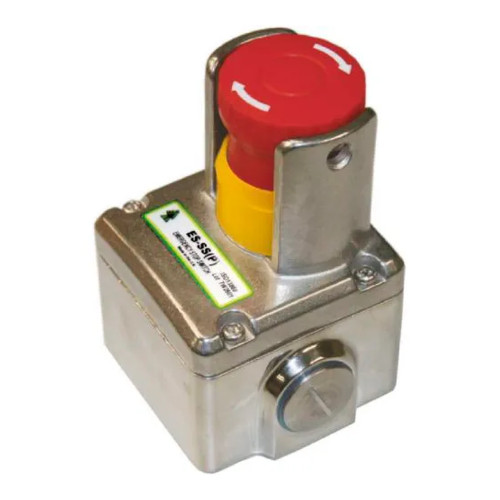 Stainless Steel Emergency Stop Switch with 2NC/1NO ContactsWBB1514190
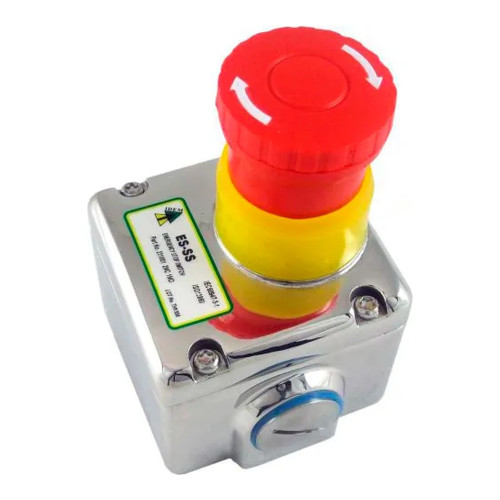 Emergency Stop Safety Switch, 2NC/1NO, 1/2 NPTWBB1514155
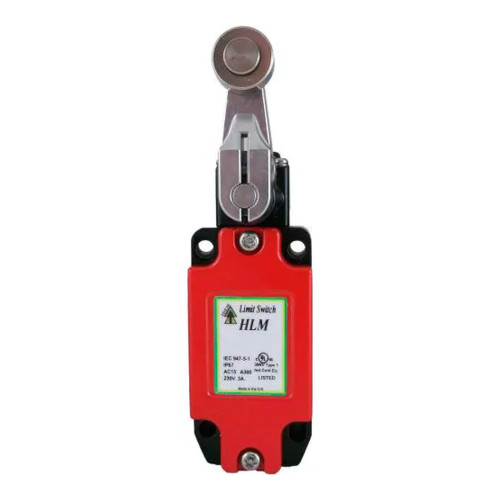 Safety Limit Switch, 1 NC/1 NO, 1/2 NPTWBB1513855
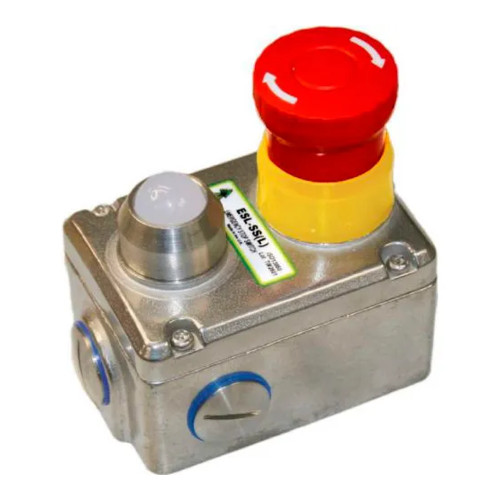 Stainless Steel Emergency Stop Switch with LED, 3NC/1NO, 110VWBB1514375
Match the switch to the safety function
Emergency-stop switches provide accessible controls for machines and exposed conveyors. Tongue interlock switches monitor sliding, hinged, or lift-off guards. Safety limit switches support position sensing for guard doors, conveyors, machine beds, and elevators.
Compare contacts, fit, and installation details
Confirm the contact arrangement required by the compatible control circuit, such as 1NO, 1NC/1NO, 2NC/1NO, 2NC/2NO, or 3NC/1NO. Also review the stated connection, mounting arrangement, enclosure size, and whether LED indication is needed.
Consider the operating environment
Stainless steel models with IP69K enclosure protection are represented for high-pressure detergent washdown at elevated temperatures. Tongue interlocks are represented for food processing, pharmaceutical, packaging, and petrochemical operations.
Review built-in safety-oriented features
Several emergency-stop switches include a lid safety trip that opens safety contacts when the lid is removed. Interlock models include forced safety-contact disconnect when the actuator is removed, adjustable actuator-entry orientation, and anti-tamper mechanisms.
Emergency stop, tongue interlock, and safety limit switch options are represented.
Configurations range from a single normally open contact to 3NC/1NO arrangements.
Select stainless steel models are described for high-pressure detergent cleaning at elevated temperatures.
Represented tongue interlocks allow adjustment of actuator entry direction.
Compare Safety Switch Types
Use this overview to narrow the product type based on the function described for your application.
| Switch type | Primary use | Key selection factors |
|---|---|---|
| Emergency-stop switch | Provides a dedicated emergency control for machines and exposed conveyors. | Contact arrangement, LED indication, stainless steel housing, IP69K protection where stated, 1/2 NPT connection where stated, and enclosure size. |
| Tongue interlock safety switch | Monitors sliding, hinged, or lift-off machine guards when the actuator is removed. | 3NC/1NO contacts where stated, forced safety-contact disconnect, actuator-entry orientation, anti-tamper mechanism, and IP69K stainless steel enclosure protection. |
| Safety limit switch | Detects the position of moving equipment, including guard doors, conveyors, machine beds, and elevators. | 1NC/1NO or 2NC/2NO contacts, positive-opening NC contacts, EN 50041 mounting, die-cast housing, and compact dimensions. |
Plan the right fit before choosing
Start with the equipment condition you need to control or monitor
The product types in this category serve distinct industrial functions. Selecting the correct type helps align the switch with the intended machine, guard, conveyor, or moving-equipment application.
- Choose an emergency-stop switch for a dedicated, accessible emergency control on machinery or exposed conveyors.
- Choose a tongue interlock switch to monitor a sliding, hinged, or lift-off machine guard at its leading edge.
- Choose a safety limit switch to detect the position of moving equipment, including guard doors, conveyors, machine beds, and elevators.
Check circuit needs and physical compatibility
Available models differ in contact arrangements and installation details. Match these stated characteristics to the needs of the compatible control-system design and the available installation space.
- Contact configurations represented include 1NO, 1NC/1NO, 2NC/1NO, 2NC/2NO, 2NC/2NO, 3NC, and 3NC/1NO.
- Some products use a 1/2 NPT connection; safety limit switches are represented with EN 50041 mounting.
- Compact switch options are available for limited-space installations, with stated dimensions on select models.
- LED-equipped emergency-stop models provide visual status indication or an illuminated switch configuration.
Select housing and protective features for the application
For demanding environments, compare the stated housing material and enclosure protection. Also consider features that affect guard orientation, washdown suitability, and resistance to unintended access.
- 316 stainless steel and stainless steel housings are represented for industrial installations; select stainless models are described for washdown environments.
- IP69K-rated models support high-pressure cleaning with detergents at elevated temperatures.
- Lid safety trips on represented emergency-stop switches open safety contacts when the lid is removed.
- Tongue interlock models offer four head positions or a four-position rotating head to adjust actuator entry direction.
Common questions before buying
What types of safety switches are included?
The category includes emergency-stop switches, tongue interlock safety switches, and safety limit switches.
Which switches are used for emergency stopping?
Emergency-stop switches are designed to provide a dedicated control for stopping machines or exposed conveyors when needed.
Which switches can monitor machine guards?
Tongue interlock safety switches are designed for sliding, hinged, or lift-off guards and disconnect safety contacts when the actuator is removed.
Are washdown-ready options represented?
Select stainless steel models have IP69K enclosure protection and are described for high-pressure detergent washdown at elevated temperatures.
Choosing the right file folders
FilingSupplies.com carries end-tab folders for open-shelf systems, top-tab folders for drawer filing, and heavy-duty classification folders with dividers and fasteners for multi-section records. Pick letter or legal size, then choose material (11-pt, 14-pt, or 18-pt manila), optional reinforced tabs, color-coding, and expansion capacity to match your volume.
Folder FAQs
End-tab vs. top-tab — what’s the difference?
When should I choose classification folders?
Letter or legal size — how do I pick?
What tab and material options are available?
Can I add fasteners, pockets, or expansion?
Do you offer volume pricing or custom printing?
Outfitting classrooms that work all day
Build a durable, age-appropriate classroom with furniture, early-learning materials, storage bins, learning centers, and presentation tools. Choose adjustable pieces that grow with grades, label friendly bins for quick clean-up, and tech carts that secure, charge, and move easily.
Education FAQs
What safety labels should I look for on school and early-childhood items?
How do I pick classroom furniture across grade levels?
What’s the best way to organize supplies and centers?
How do I choose learning games and manipulatives by age?
What should I consider in a charging/tech cart?
Do you support school POs, bulk pricing, or custom printing?
Choosing the right labels
From color file labels to printable sheets, select the right size, adhesive, and print method to match your filing system and equipment. Decide on sheet vs. roll format, then pick permanent or removable adhesive and your color set.
Labels FAQs
Sheet vs. roll labels — what’s the difference?
Permanent or removable adhesive?
Will these labels work in my printer?
How do I match the label size to folder tabs or binder spines?
Can I get preprinted sequences or color bars?
Do you have templates?
Choosing the right tab dividers
Organize binders with preprinted or blank tabs. Select the number of tabs per set (5, 8, 10, or 12), choose paper with reinforced tabs or durable poly, and match letter or legal size for a clean fit.
Tab Dividers FAQs
What do 5-, 8-, 10-, or 12-tab sets mean?
Paper vs. poly — which should I choose?
Are the tabs printable?
Will they fit my binder?
Can I mix preprinted and blank tabs?
Do you make custom tab sets?
Choosing the right office supplies
From everyday paper and pens to binders, mailers, and desk organizers, pick durable, compatible options that match your equipment and team size. Start with the right paper and labeling, then add organizers that keep work moving.
Office Supplies FAQs
Which paper weight and brightness should I choose?
Round-ring vs. D-ring binders — what’s the difference?
What does “sheet capacity” mean on staplers and hole punches?
Will labels, envelopes, and mailers work with my printer?
How do I choose mailers and shipping boxes?
Do you offer eco-conscious options or bulk pricing?
Choosing the right sports & PE equipment
Equip classes, teams, and rec programs with durable balls, goals, cones, pinnies, storage, and safety gear. Match sizes and materials to age group and whether you play indoors or outdoors.
Sports & Athletics FAQs
What ball sizes should I choose for different ages?
- Basketball: Size 5 (27.5") youth, Size 6 (28.5") intermediate, Size 7 (29.5") official.
- Soccer: Size 3 up to ~8 years, Size 4 ~8–12, Size 5 ~12+.
- Volleyball: Regulation balls for teens/adults; lighter training balls for younger players.
Indoor vs. outdoor — which materials hold up best?
How many pinnies, cones, or markers do I need?
Tips for storage and care?
Are items latex‑free and school‑safe?
Do you support bulk orders or custom printing (team names)?
Choosing the right FireKing fireproof cabinet
FireKing fireproof file cabinets, safes, and storage cabinets are designed to protect important documents, records, and valuables from fire damage while keeping files organized and accessible. When choosing a FireKing cabinet, compare drawer configuration, storage type, fire rating, and overall capacity based on the records or materials you need to protect.
FireKing FAQs
What is the difference between FireKing vertical and lateral file cabinets?
What can I store in a FireKing fireproof file cabinet?
Are FireKing cabinets only for paper records?
How do I choose between a FireKing safe, file cabinet, or storage cabinet?
What sizes are available in FireKing cabinets?
Are FireKing cabinets used in offices, medical facilities, and government records storage?
Can I buy FireKing cabinets in bulk or get help choosing the right model?
Shipping & Policies
Do you offer free shipping?
What are your shipping rates?
- $6.95 for labels-only orders under $40
- $14.95 flat rate for everything else