
-
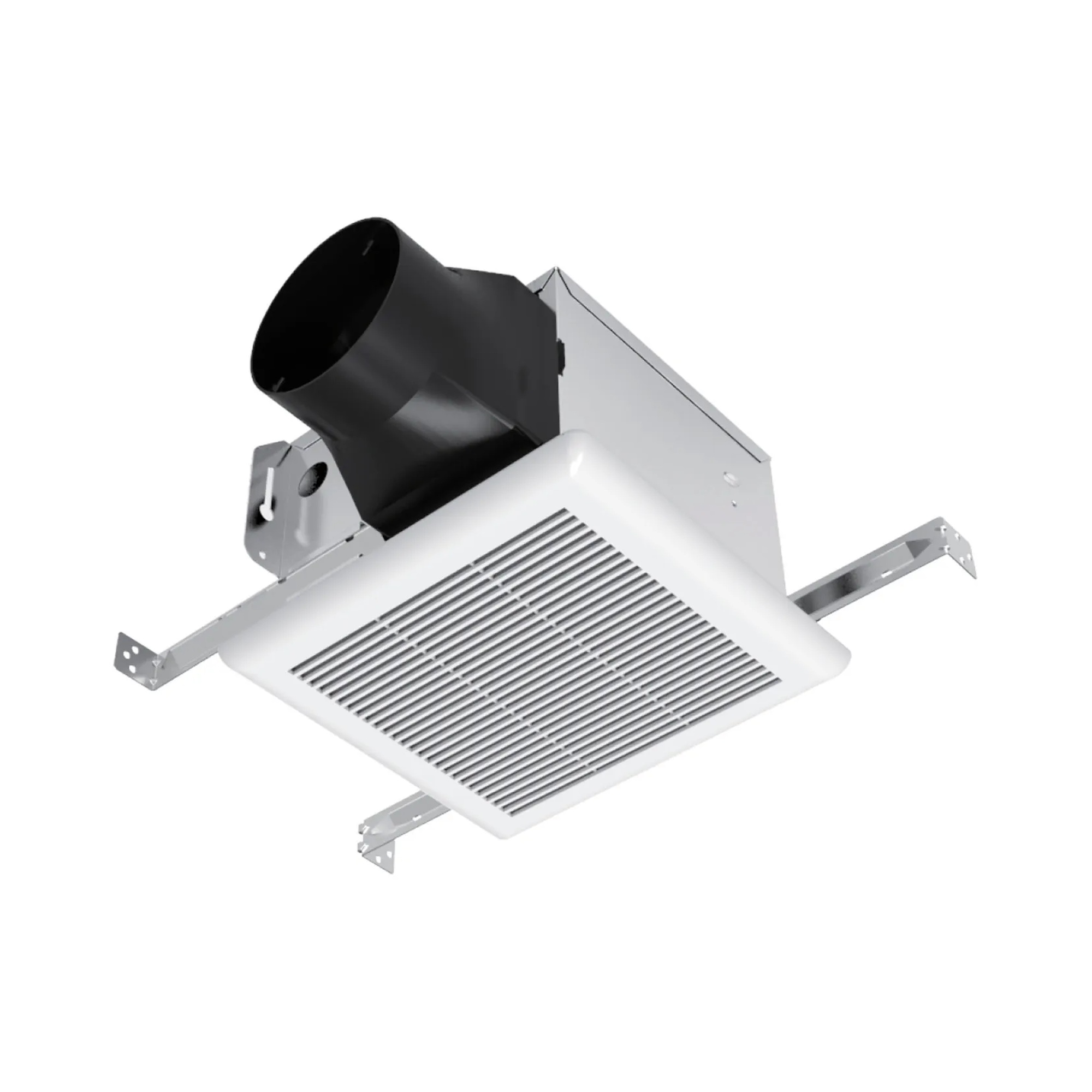
Canarm
100 CFM Two-Speed Bathroom Exhaust Fan, White
Our Price:$109.94This bathroom exhaust fan is designed for commercial buyers who need ventilation in bathroom areas. It moves air at 100 CFM to support everyday exhaust ventilation while maintaining a low-profile...
-
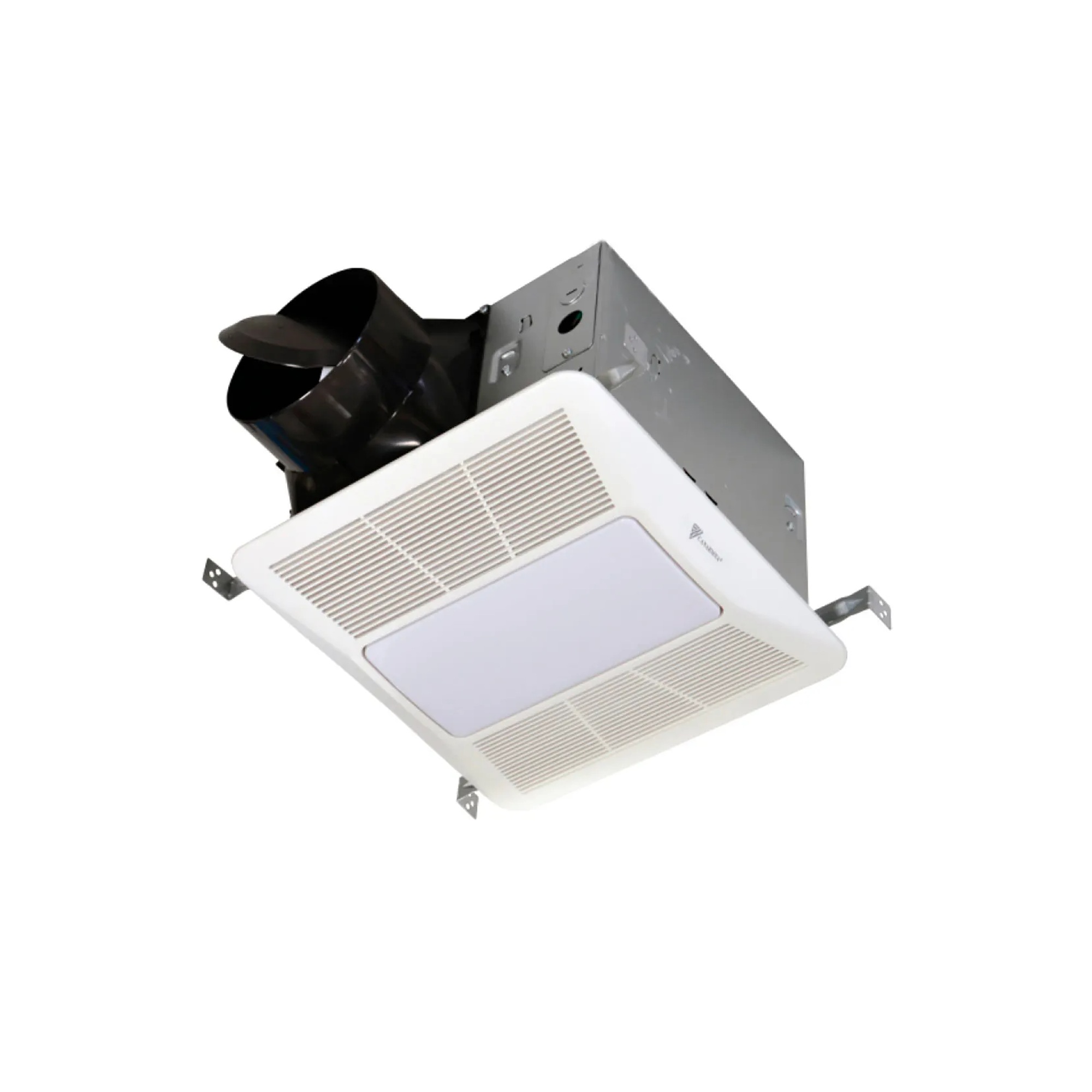
Canarm
100 CFM Ultra-Quiet Bathroom Exhaust Fan, White
Our Price:$68.94This white bathroom exhaust fan is designed for commercial buyers needing ventilation in bathroom spaces. It moves air at 100 CFM to support everyday exhaust ventilation while operating at a low 0...
-
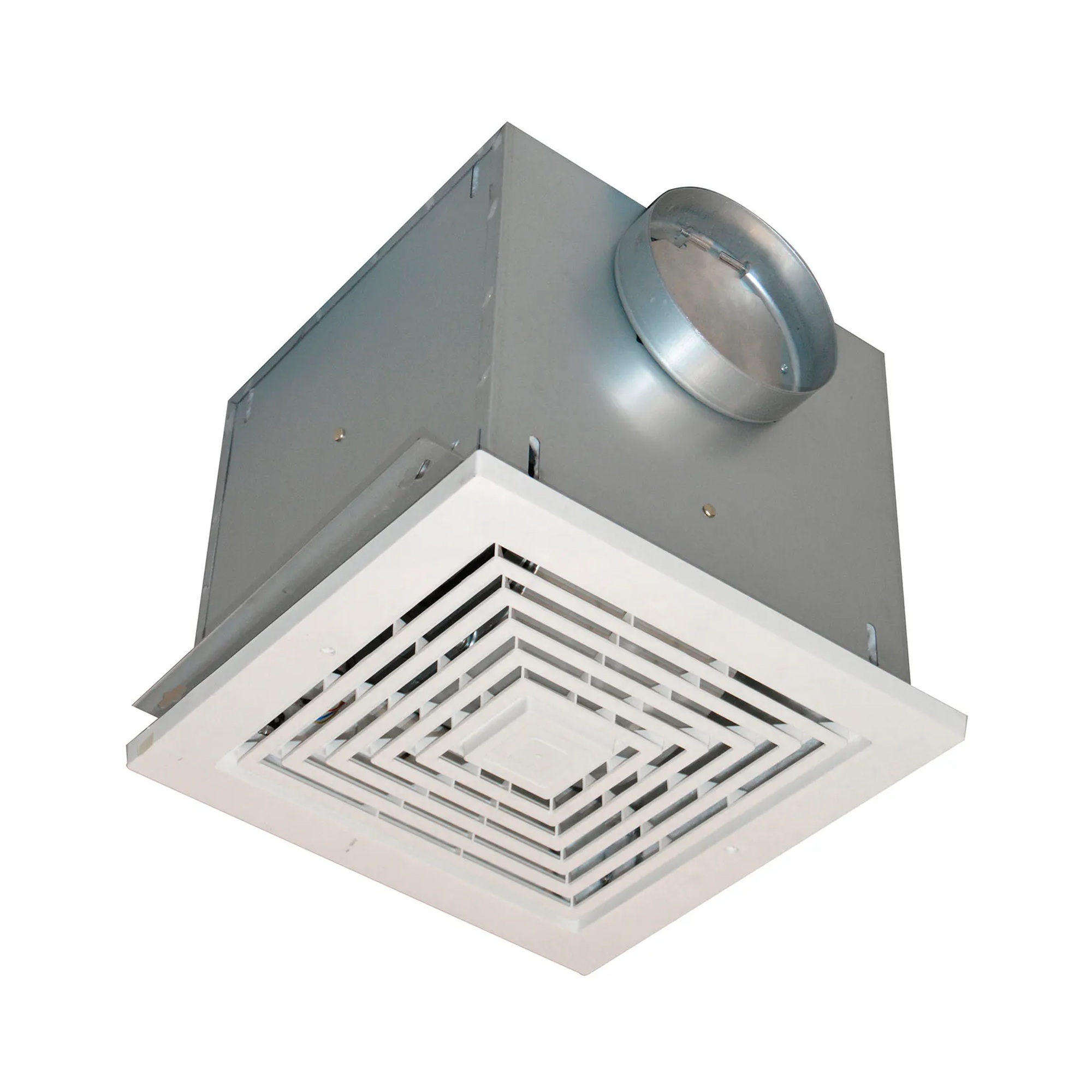
Canarm
110 CFM Bathroom Exhaust Fan with Plastic Grille
Our Price:$335.94This bathroom exhaust fan is designed for builders, contractors, and facility teams that need ventilation for bathrooms up to 105 square feet. It moves air out of the room to support everyday...
-
Fantech
110 CFM Remote-Mount Bathroom Exhaust Fan with LED Light
Our Price:$309.94This bathroom exhaust fan with LED lighting is designed for facilities and property managers who need to ventilate bathrooms while adding overhead illumination. Its remote-mounted fan motor helps...
-
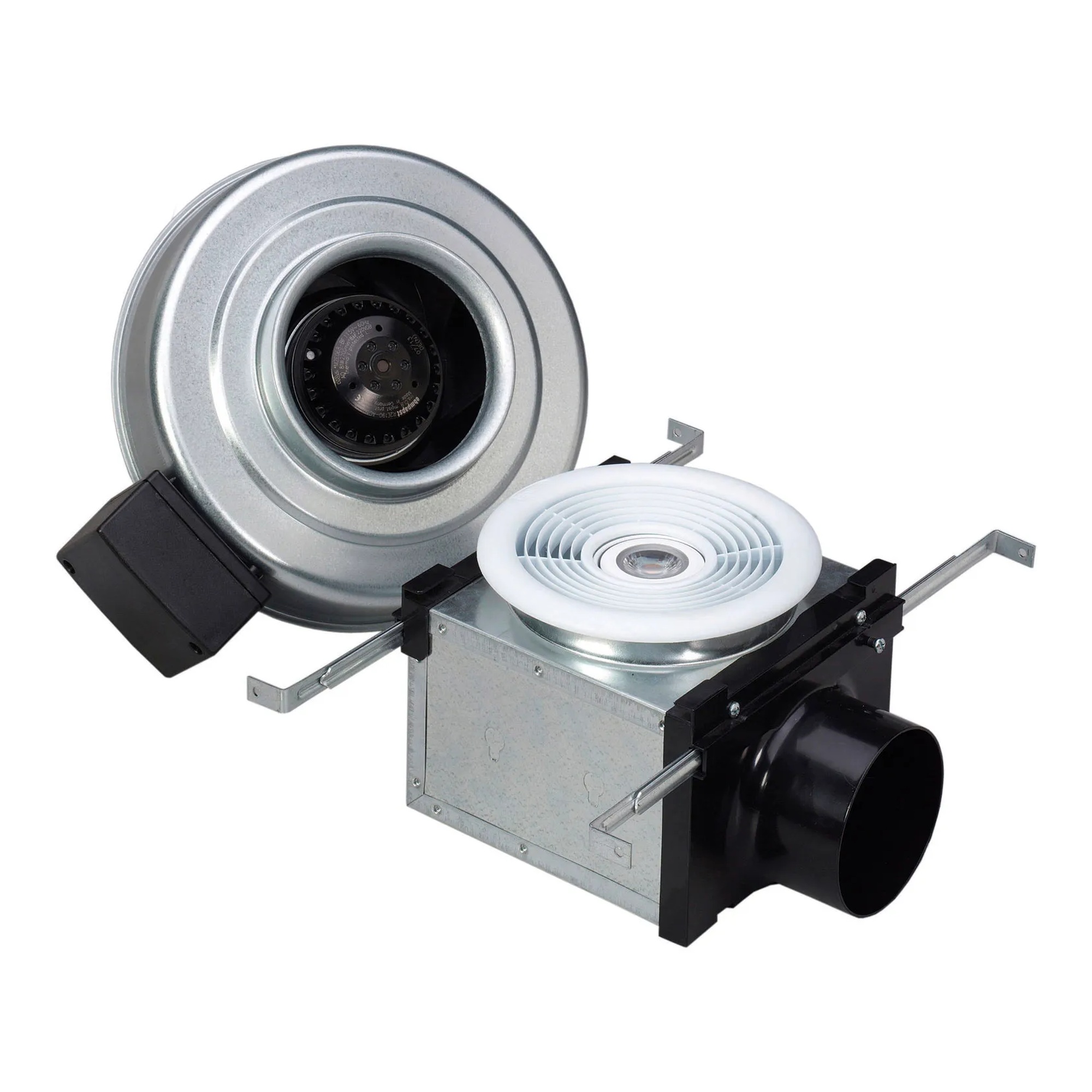
Fantech
110 CFM Remote-Mount Inline Bathroom Exhaust Fan Kit with Ceiling Grille
Our Price:$249.94This inline bathroom exhaust fan kit helps facility managers, contractors, and homeowners ventilate bathrooms by moving air away from the room through ductwork. Its remotely mounted fan motor and...
-
Canarm
50 CFM Bathroom Exhaust Fan, 120V
Our Price:$27.94This 50 CFM bathroom exhaust fan is designed for installers and facility maintenance teams who need to exhaust air from bathrooms. It provides a practical ventilation solution for bathroom...
-
Canarm
50 CFM Quiet Bathroom Exhaust Fan, 120V
Our Price:$55.94This 50 CFM bathroom exhaust fan is designed for commercial buyers who need ventilation for bathroom spaces. It helps move air while operating at a low 0.7-sone sound level.The 120V fan delivers 50...
-
Canarm
70 CFM Bathroom Exhaust Fan with 4-Inch Duct Connection
Our Price:$97.94This bathroom exhaust fan is designed for builders, contractors, and facility maintenance teams that need a low-noise ventilation unit for bathroom installations. It provides 70 CFM airflow through a...
-
Canarm
80 CFM Quiet Bathroom Exhaust Fan with LED Light
Our Price:$105.94This 80 CFM bathroom exhaust fan with an LED light is designed for contractors and facility teams handling bathroom ventilation. It provides exhaust airflow while adding integrated lighting in one...
-
Canarm
80 CFM Quiet Bathroom Exhaust Fan, 120V
Our Price:$60.94This 120V bathroom exhaust fan is designed for maintenance teams, contractors, and facility buyers who need ventilation for commercial restroom spaces. It provides 80 CFM airflow while operating at 1...
-
Canarm
80 CFM Ultra-Quiet Bathroom Exhaust Fan
Our Price:$66.94Facility managers and contractors can use this bathroom exhaust fan to support ventilation in bathroom areas. It delivers 80 CFM of airflow in a compact, ultra-quiet design for 120V installations...
-
Canarm
Adjustable Bathroom Exhaust Fan, 50/80/100 CFM, 1 Sone, 120V
Our Price:$119.94This bathroom exhaust fan is designed for facility managers, contractors, and commercial property teams who need ventilation for bathrooms. Its selectable airflow settings help match the fan’s...
-
Canarm
Commercial Ceiling Exhaust Fan, 185 CFM, 120V
Our Price:$259.94This commercial ceiling exhaust fan is designed for offices, conference rooms, public restrooms, and other spaces that need continuous ventilation. It helps move air out of the room while maintaining...
-
Canarm
Commercial Ceiling Exhaust Fan, 330 CFM, 120V
Our Price:$299.94This commercial ceiling exhaust fan helps offices, conference rooms, public restrooms, and other continuously ventilated spaces move air out of the room. It provides 330 CFM airflow for buyers...
-
Fantech
Dual-Grille Bathroom Exhaust Fan with LED Lights, 270 CFM
Our Price:$449.94This dual-grille bathroom exhaust fan is designed for commercial buyers who need ventilation and lighting at two ceiling locations. It uses one remotely mounted fan to help ventilate separate areas...
-
Fantech
Dual-Grille Bathroom Exhaust Fan, 270 CFM, 120V
Our Price:$359.94This dual-grille bathroom exhaust fan is designed for commercial buyers who need source ventilation across multiple areas of a bathroom or in two separate bathrooms. Its remote-mounted fan supports...
-
Fantech
Remote-Mount Bathroom Exhaust Fan with LED Light, 110 CFM
Our Price:$275.94This bathroom exhaust fan is designed for facility managers, contractors, and building owners who need ventilation and lighting in bathroom spaces. Its ceiling-mounted grille provides airflow and...
-
Canarm
Selectable-Airflow Bathroom Exhaust Fan, 80–140 CFM
Our Price:$439.94This bathroom exhaust fan is for facility managers, contractors, and building maintenance teams that need adjustable ventilation in bathroom spaces. It provides selectable airflow settings to help...
-
Canarm
Ultra-Quiet 110 CFM Ceiling Bathroom Exhaust Fan
Our Price:$139.94This ceiling-mounted bathroom exhaust fan is designed for facility teams and installers who need ventilation for bathroom spaces. It moves 110 CFM of air while operating at 0.3 sones, helping support...
-
Canarm
Ultra-Quiet 150 CFM Ceiling Bathroom Exhaust Fan
Our Price:$169.94This ceiling-mounted bathroom exhaust fan is designed for facility managers, contractors, and commercial property maintenance teams that need ventilation in bathrooms. It moves air at 150 CFM while...









Bathroom Exhaust Fans: Find the Right Ventilation for Any Space
Bathroom exhaust fans remove moisture, odors, and stale air from restrooms and bathrooms of all sizes. Whether you're outfitting a single residential bathroom, a commercial restroom, or a multi-area facility, the right fan depends on airflow capacity, installation type, noise level, and duct configuration. Use this guide to compare options and select the unit that fits your space and application.
Popular examples in this category
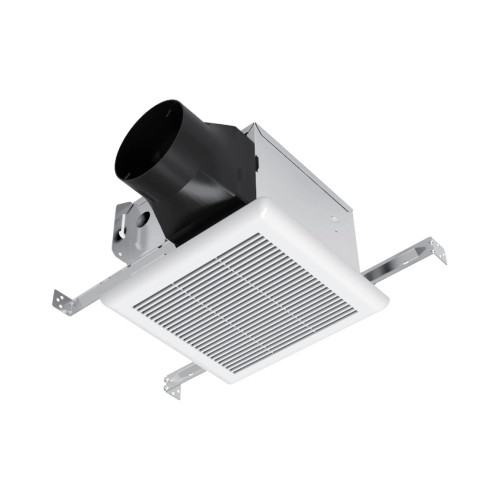 80 CFM Quiet Bathroom Exhaust Fan, 120VWBB3192350
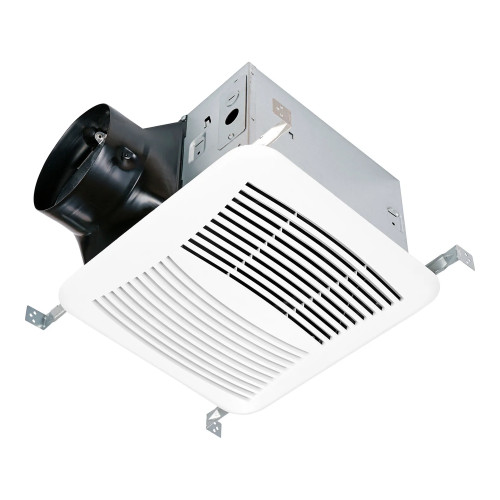 Ultra-Quiet 80 CFM Ceiling Bathroom Exhaust FanWBB2377310
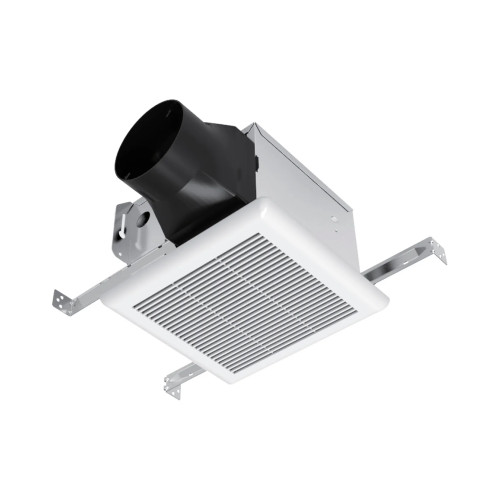 50 CFM Quiet Bathroom Exhaust Fan, 120VWBB3192349
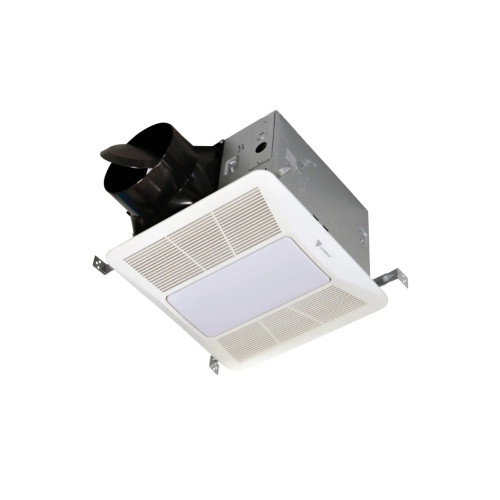 80 CFM Quiet Bathroom Exhaust Fan with LED LightWBB3192351
Core Purpose of Bathroom Exhaust Fans
Bathroom exhaust fans move humid air, steam, and odors out of enclosed spaces. They protect walls, ceilings, and fixtures from moisture damage and maintain air quality in restrooms, bathrooms, locker rooms, and similar spaces used in residential, commercial, and institutional settings.
Key Selection Factors Before You Buy
Start with room size to determine required CFM, then check duct size compatibility—4-inch or 6-inch. Consider sone rating for noise-sensitive areas, mounting style for your ceiling layout, and whether added features like LED lighting, time delays, or speed controls are needed.
Where Bathroom Exhaust Fans Are Typically Used
Common installations include residential bathrooms, commercial restrooms, office and conference room restrooms, public facilities, and multi-stall layouts. Contractors, facility managers, and building maintenance teams use these fans across new construction, renovation, and ongoing facility upkeep projects.
Features That Affect Performance and Installation
Backdraft dampers prevent outside air from entering when the fan is off. Insulated housings reduce condensation in cold climates. Built-in speed controls and continuous-operation settings support spaces that need consistent ventilation rather than on-demand use only.
Models span from 50 CFM for small residential bathrooms to 330 CFM for commercial spaces requiring continuous ventilation.
Most bathroom exhaust fans connect to either 4-inch or 6-inch duct collars—confirm your existing ductwork size before selecting a unit.
Some fans offer selectable airflow settings of 80, 90, 110, or 140 CFM, allowing one unit to serve different room sizes or ventilation demands.
Sone ratings indicate perceived loudness—lower sone values are quieter and better suited for noise-sensitive environments like offices and residential bathrooms.
Bathroom Exhaust Fan Types at a Glance
Match your installation need to the right fan type using this quick reference.
| Need | Best Fit | Why It Matters |
|---|---|---|
| Standard single-bathroom ventilation | Ceiling-mount fan, 50–110 CFM | Direct installation, simple duct connection, widely compatible with residential layouts |
| Quiet operation in offices or residential spaces | Low-sone rated model | Sone rating determines perceived noise—lower values reduce disturbance in occupied areas |
| Ventilating two ceiling locations from one unit | Dual-grille system | One motor serves two outlets, reducing equipment cost and simplifying installation in larger restrooms |
| Motor noise away from occupied space | Remote-mount or inline fan | Motor sits in attic or duct run, keeping the grille area quieter during operation |
| Combined lighting and ventilation | Lighted exhaust fan with LED | Eliminates need for a separate light fixture where ceiling space or wiring is limited |
Plan the right fit before choosing
Step 1: Determine the Airflow You Need
CFM—cubic feet per minute—is the primary sizing metric. A general rule is 1 CFM per square foot of bathroom floor area for standard spaces. Larger or heavily used restrooms may require higher output. Available models range from 50 CFM for small residential bathrooms up to 330 CFM for continuously ventilated commercial spaces, with selectable models offering 80, 90, 110, or 140 CFM settings to match varying needs.
- 50 CFM: Suitable for small standard bathrooms up to 50 square feet
- 80–140 CFM selectable: Flexible output for medium to larger residential or light commercial spaces
- 330 CFM: Designed for commercial restrooms or spaces requiring continuous ventilation
Step 2: Choose the Right Mounting and Duct Configuration
Ceiling-mounted fans are the most common choice and exhaust directly through the ceiling into ductwork. Remote-mount or inline fans position the motor away from the occupied space, which reduces noise at the grille. Dual-grille systems allow one fan motor to serve two ceiling locations, useful in larger restrooms or connected spaces. Confirm your duct collar size—4-inch and 6-inch are the standard options—before purchasing.
- Ceiling-mount: Direct installation above the space, straightforward duct connection
- Remote or inline mount: Motor located in attic or duct run, quieter at the grille
- Dual-grille: One motor serves two ceiling outlets, efficient for multi-area coverage
Step 3: Evaluate Noise, Features, and Code Requirements
Sone ratings measure how loud a fan sounds during operation. Lower sone values indicate quieter performance, which matters in offices, conference room restrooms, and residential settings. Review local building codes for ventilation requirements in commercial spaces. Consider lighted models when the fan location doubles as a light source, and look for time-delay or continuous-operation settings when consistent airflow is required.
- Check sone rating: Lower numbers mean quieter operation
- Lighted models: Combine exhaust and LED illumination in one unit
- Time delay and continuous settings: Useful for high-traffic or always-on ventilation needs
- Backdraft dampers: Prevent reverse airflow when the fan is not running
Common questions before buying
How do I know what CFM rating I need for my bathroom?
A common guideline is 1 CFM per square foot of floor space for standard bathrooms. For example, a 60-square-foot bathroom typically needs at least a 60 CFM fan. Larger or heavily used spaces, such as commercial restrooms, may require 110 CFM or more. Always check local building codes for minimum ventilation requirements.
What is a sone rating and why does it matter?
A sone is a unit that measures how loud a fan sounds during normal operation. Lower sone values mean quieter performance. For residential bathrooms or office restrooms where noise is a concern, look for fans with lower sone ratings. Higher sone ratings are generally acceptable in utility or industrial settings where noise is less of a factor.
What is the difference between a ceiling-mount and a remote-mount exhaust fan?
A ceiling-mount fan has the motor housed directly in the ceiling unit above the bathroom. A remote-mount or inline fan places the motor further away—typically in an attic or duct run—with only a grille visible in the ceiling. Remote-mount designs are quieter at the grille because the motor is not directly overhead in the occupied space.
Do I need a backdraft damper on my exhaust fan?
A backdraft damper prevents outside air, cold drafts, or pests from entering through the duct when the fan is off. Many exhaust fans include a built-in damper, but if yours does not, an inline damper can be added to the duct run. Backdraft dampers are especially important in colder climates or in installations where the duct run is long or exposed.
Choosing the right file folders
FilingSupplies.com carries end-tab folders for open-shelf systems, top-tab folders for drawer filing, and heavy-duty classification folders with dividers and fasteners for multi-section records. Pick letter or legal size, then choose material (11-pt, 14-pt, or 18-pt manila), optional reinforced tabs, color-coding, and expansion capacity to match your volume.
Folder FAQs
End-tab vs. top-tab — what’s the difference?
When should I choose classification folders?
Letter or legal size — how do I pick?
What tab and material options are available?
Can I add fasteners, pockets, or expansion?
Do you offer volume pricing or custom printing?
Outfitting classrooms that work all day
Build a durable, age-appropriate classroom with furniture, early-learning materials, storage bins, learning centers, and presentation tools. Choose adjustable pieces that grow with grades, label friendly bins for quick clean-up, and tech carts that secure, charge, and move easily.
Education FAQs
What safety labels should I look for on school and early-childhood items?
How do I pick classroom furniture across grade levels?
What’s the best way to organize supplies and centers?
How do I choose learning games and manipulatives by age?
What should I consider in a charging/tech cart?
Do you support school POs, bulk pricing, or custom printing?
Choosing the right labels
From color file labels to printable sheets, select the right size, adhesive, and print method to match your filing system and equipment. Decide on sheet vs. roll format, then pick permanent or removable adhesive and your color set.
Labels FAQs
Sheet vs. roll labels — what’s the difference?
Permanent or removable adhesive?
Will these labels work in my printer?
How do I match the label size to folder tabs or binder spines?
Can I get preprinted sequences or color bars?
Do you have templates?
Choosing the right tab dividers
Organize binders with preprinted or blank tabs. Select the number of tabs per set (5, 8, 10, or 12), choose paper with reinforced tabs or durable poly, and match letter or legal size for a clean fit.
Tab Dividers FAQs
What do 5-, 8-, 10-, or 12-tab sets mean?
Paper vs. poly — which should I choose?
Are the tabs printable?
Will they fit my binder?
Can I mix preprinted and blank tabs?
Do you make custom tab sets?
Choosing the right office supplies
From everyday paper and pens to binders, mailers, and desk organizers, pick durable, compatible options that match your equipment and team size. Start with the right paper and labeling, then add organizers that keep work moving.
Office Supplies FAQs
Which paper weight and brightness should I choose?
Round-ring vs. D-ring binders — what’s the difference?
What does “sheet capacity” mean on staplers and hole punches?
Will labels, envelopes, and mailers work with my printer?
How do I choose mailers and shipping boxes?
Do you offer eco-conscious options or bulk pricing?
Choosing the right sports & PE equipment
Equip classes, teams, and rec programs with durable balls, goals, cones, pinnies, storage, and safety gear. Match sizes and materials to age group and whether you play indoors or outdoors.
Sports & Athletics FAQs
What ball sizes should I choose for different ages?
- Basketball: Size 5 (27.5") youth, Size 6 (28.5") intermediate, Size 7 (29.5") official.
- Soccer: Size 3 up to ~8 years, Size 4 ~8–12, Size 5 ~12+.
- Volleyball: Regulation balls for teens/adults; lighter training balls for younger players.
Indoor vs. outdoor — which materials hold up best?
How many pinnies, cones, or markers do I need?
Tips for storage and care?
Are items latex‑free and school‑safe?
Do you support bulk orders or custom printing (team names)?
Choosing the right FireKing fireproof cabinet
FireKing fireproof file cabinets, safes, and storage cabinets are designed to protect important documents, records, and valuables from fire damage while keeping files organized and accessible. When choosing a FireKing cabinet, compare drawer configuration, storage type, fire rating, and overall capacity based on the records or materials you need to protect.
FireKing FAQs
What is the difference between FireKing vertical and lateral file cabinets?
What can I store in a FireKing fireproof file cabinet?
Are FireKing cabinets only for paper records?
How do I choose between a FireKing safe, file cabinet, or storage cabinet?
What sizes are available in FireKing cabinets?
Are FireKing cabinets used in offices, medical facilities, and government records storage?
Can I buy FireKing cabinets in bulk or get help choosing the right model?
Shipping & Policies
Do you offer free shipping?
What are your shipping rates?
- $6.95 for labels-only orders under $40
- $14.95 flat rate for everything else