
-
3M
Aluminum Foil Duct Joint Sealing Tape, 2 in x 100 ft, Silver
Our Price:$64.94This silver aluminum foil tape is designed for contractors and maintenance teams sealing duct joints. Its mastic adhesive helps create a secure seal on duct surfaces while the malleable foil conforms...
-
3M
Black Polypropylene Flex Duct Closure Tape, 2 in x 360 ft
Our Price:$22.99This black flex duct closure tape is designed for maintenance and installation professionals who need to seal and secure duct-related closures. Its hand-tearable construction supports convenient...
-
3M
Black Polypropylene Flex Duct Tape, 3 in x 120 yd - Pack of 16
Our Price:$655.19Sold as a pack of 16. The displayed price is for one complete pack.This black flex duct tape is designed for maintenance teams and trade professionals who need a hand-tearable tape for duct-related...
-
3M
General Purpose Silver Cloth Duct Tape, 2 in x 180 ft
Our Price:$27.94This general-purpose silver cloth duct tape is designed for maintenance teams, contractors, and facility users who need a versatile tape for everyday repair and surface-preparation tasks. Its...
-
Shurtape
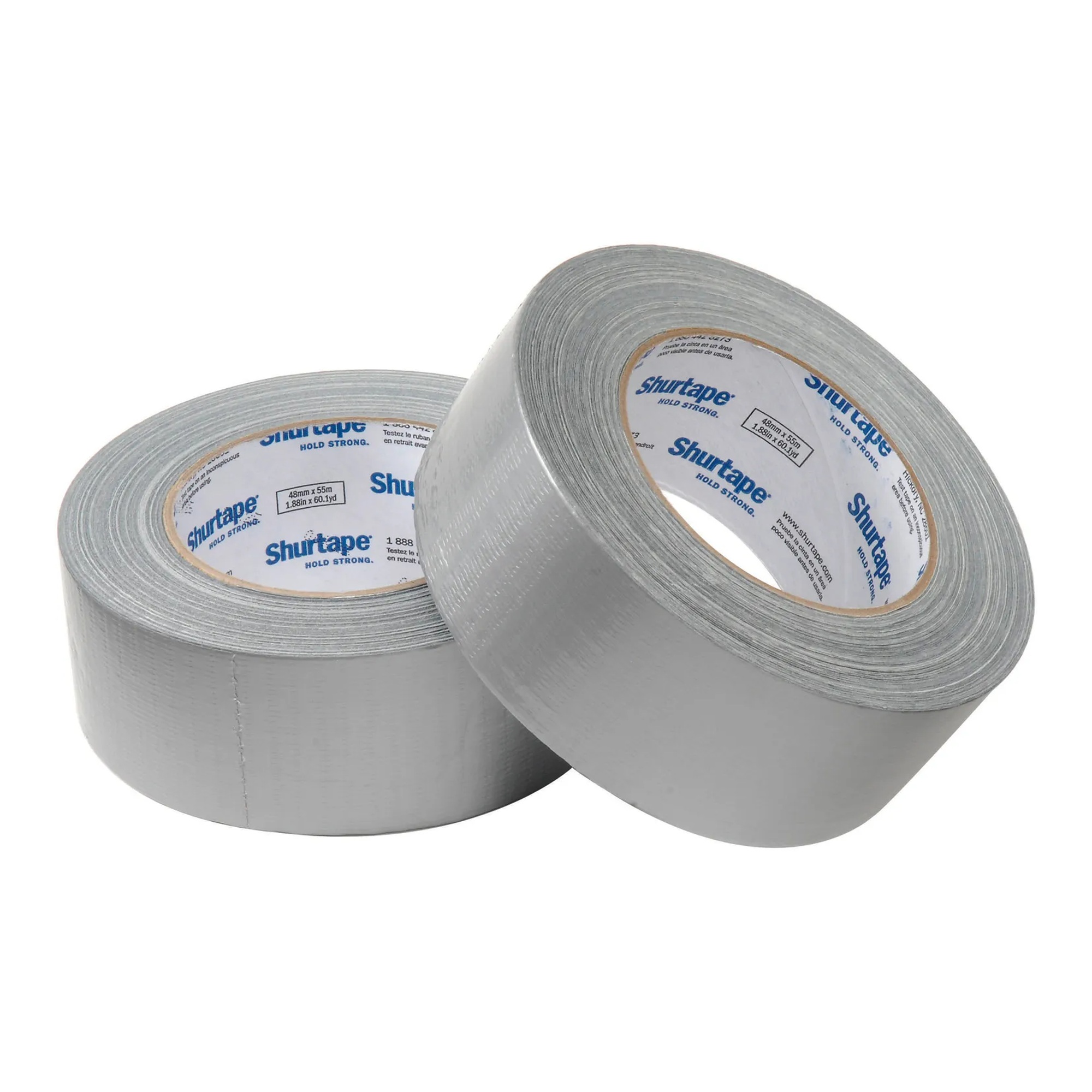
Gray General Purpose Duct Tape, 2 in x 60 yd
Our Price:$15.74This gray general-purpose duct tape is designed for maintenance teams, contractors, and facility staff handling everyday packaging, bundling, sealing, seaming, repair, and holding tasks. Its...
-
3M
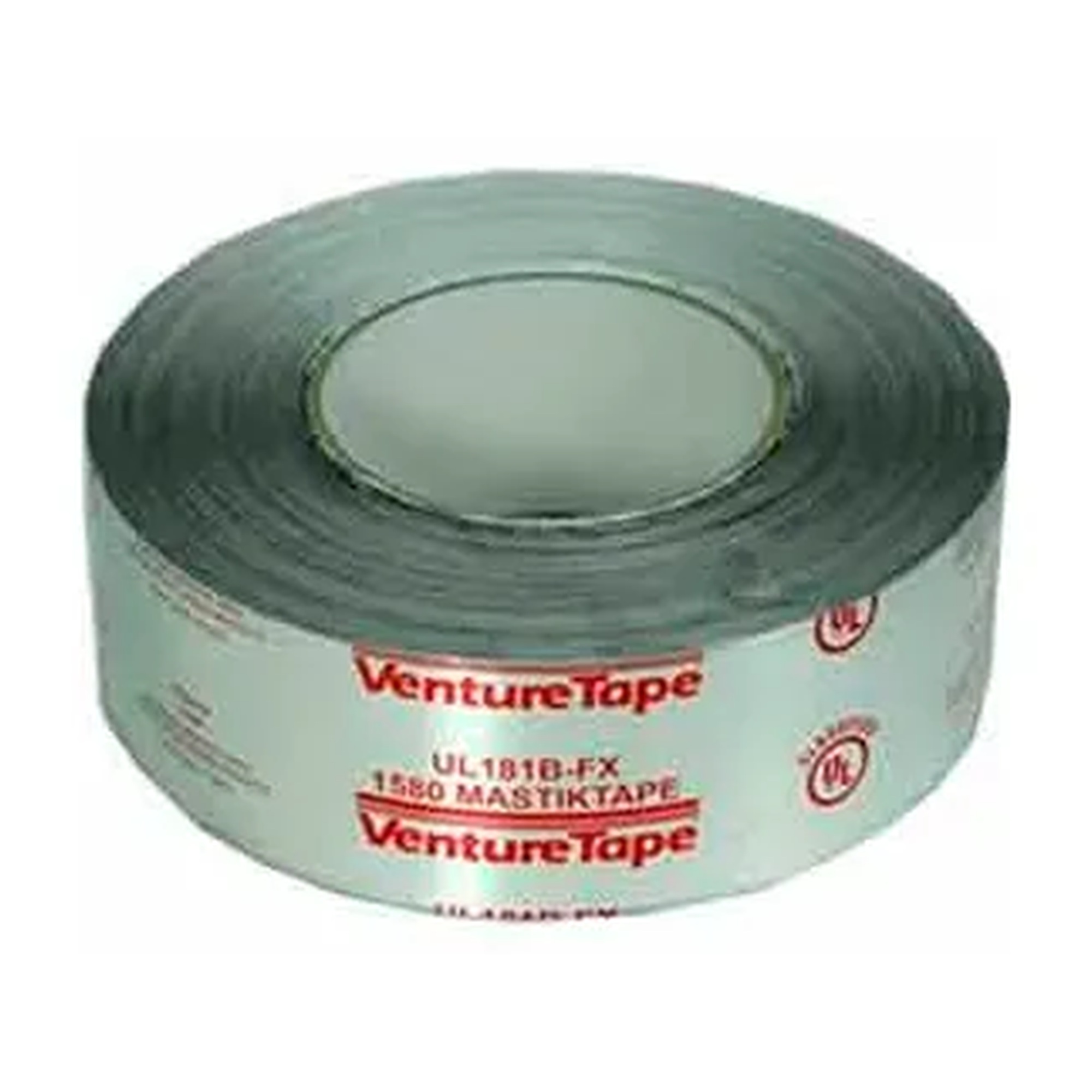
Premium Aluminum Foil Duct Joint Sealing Tape, 3 in x 100 ft
Our Price:$94.94This aluminum foil duct sealing tape is intended for maintenance and HVAC professionals who need to seal joints on fibrous or sheet metal ductwork. Its conformable foil backing helps it follow uneven...
-
3M
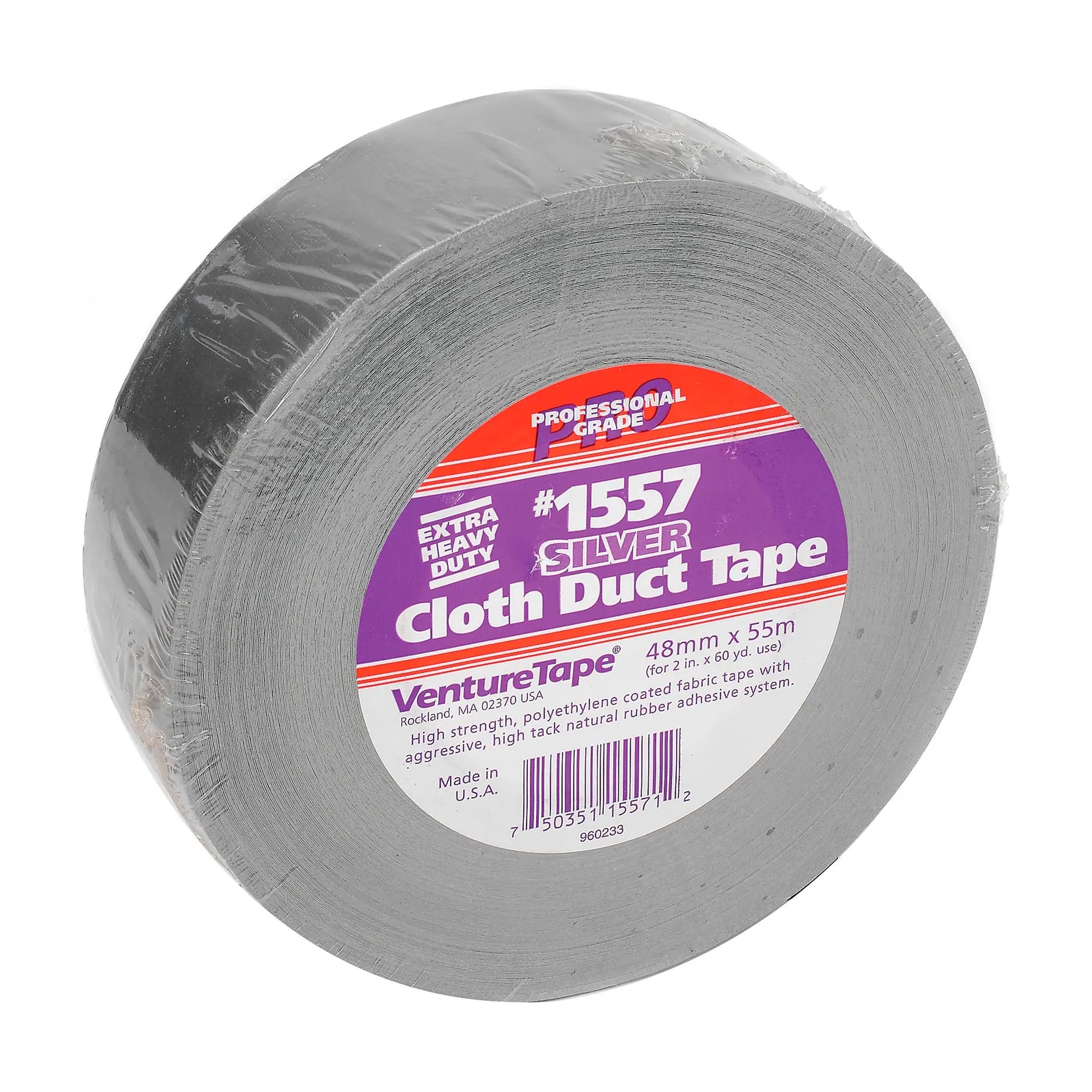
Premium Silver Cloth Duct Tape, 2 in. x 180 ft.
Our Price:$40.94This premium cloth duct tape is designed for maintenance teams and contractors who need a strong tape for sealing sheet metal ductwork and covering irregular surfaces. Its high-tack adhesive helps it...
-
3M
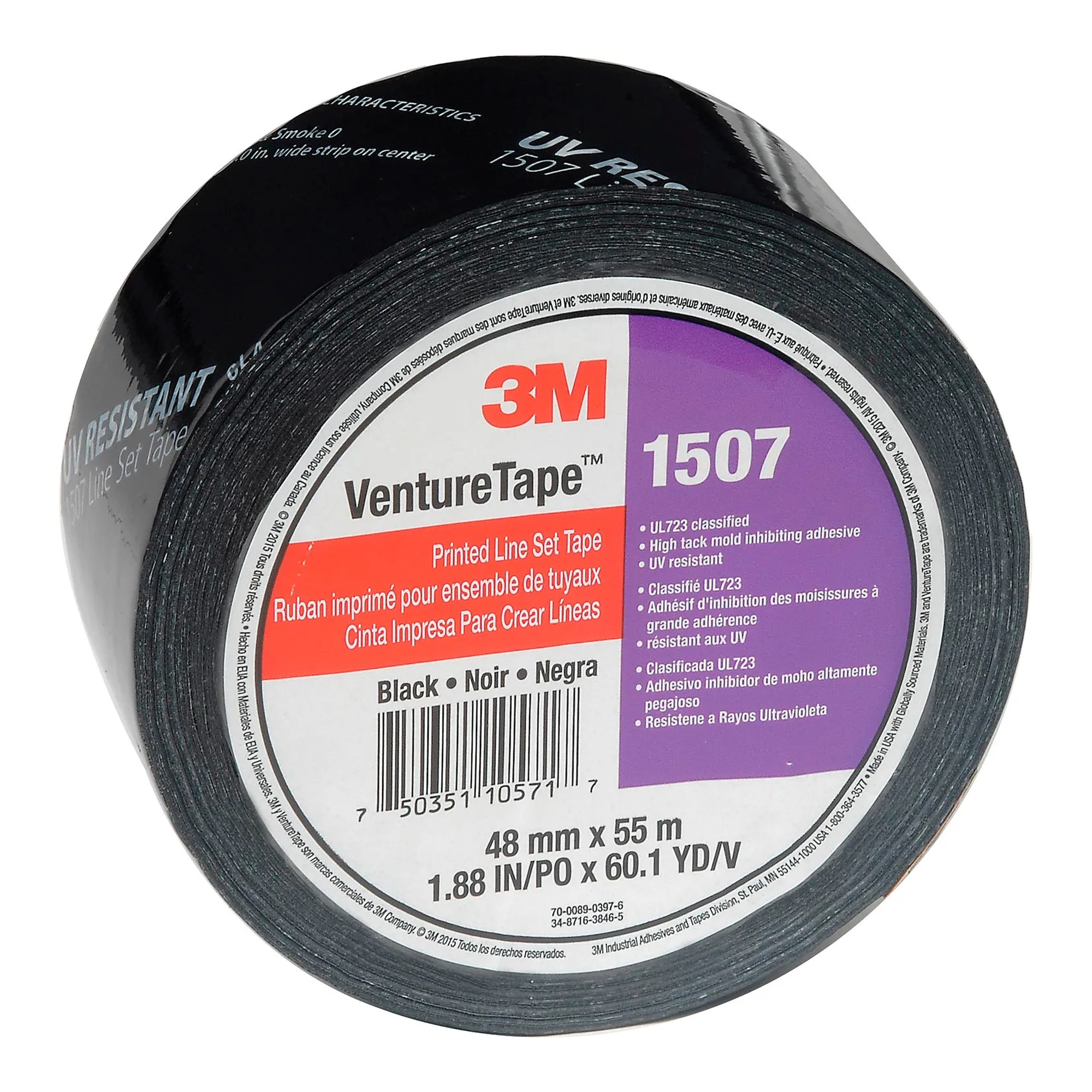
UV-Resistant Black Line Set Tape, 2 in. x 180 ft.
Our Price:$16.74This black line set tape is designed for building maintenance professionals who need a durable tape option for line-set applications. Its UV-resistant construction provides an alternative to black...
-
3M
UV-Resistant Polypropylene Flex Duct Tape, 2 in x 120 yd, Gray
Our Price:$30.94This gray flex duct tape is designed for maintenance teams and contractors who need a hand-tearable tape for flex duct applications. Its polypropylene construction and cold-weather adhesive support...
-
Gorilla
White All-Weather Duct Tape, 2-7/8 in. x 900 in. - Pack of 4
Our Price:$94.99Sold as a pack of 4. The displayed price is for one complete pack.This white duct tape is designed for maintenance teams, contractors, and facility users handling indoor and outdoor repair projects...
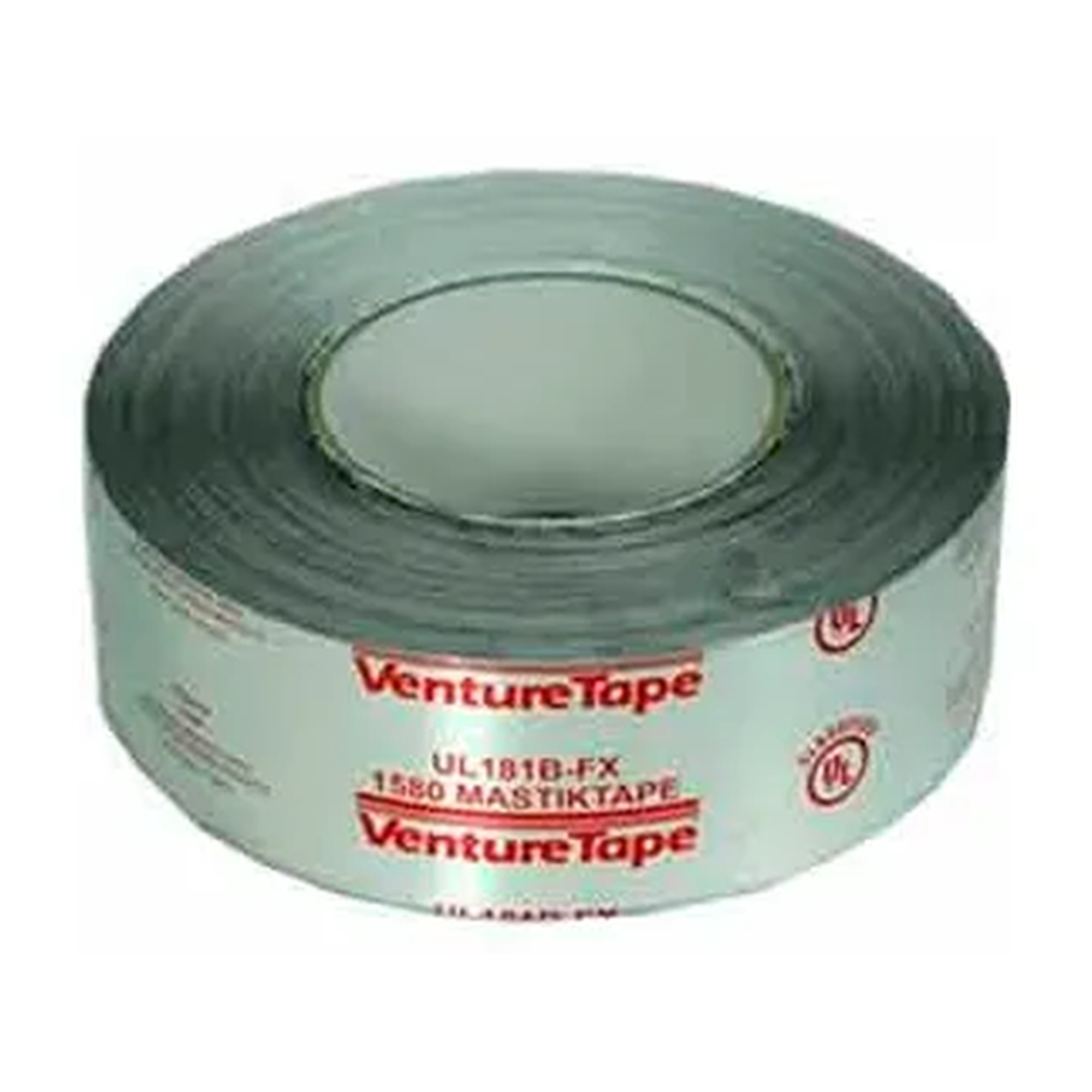
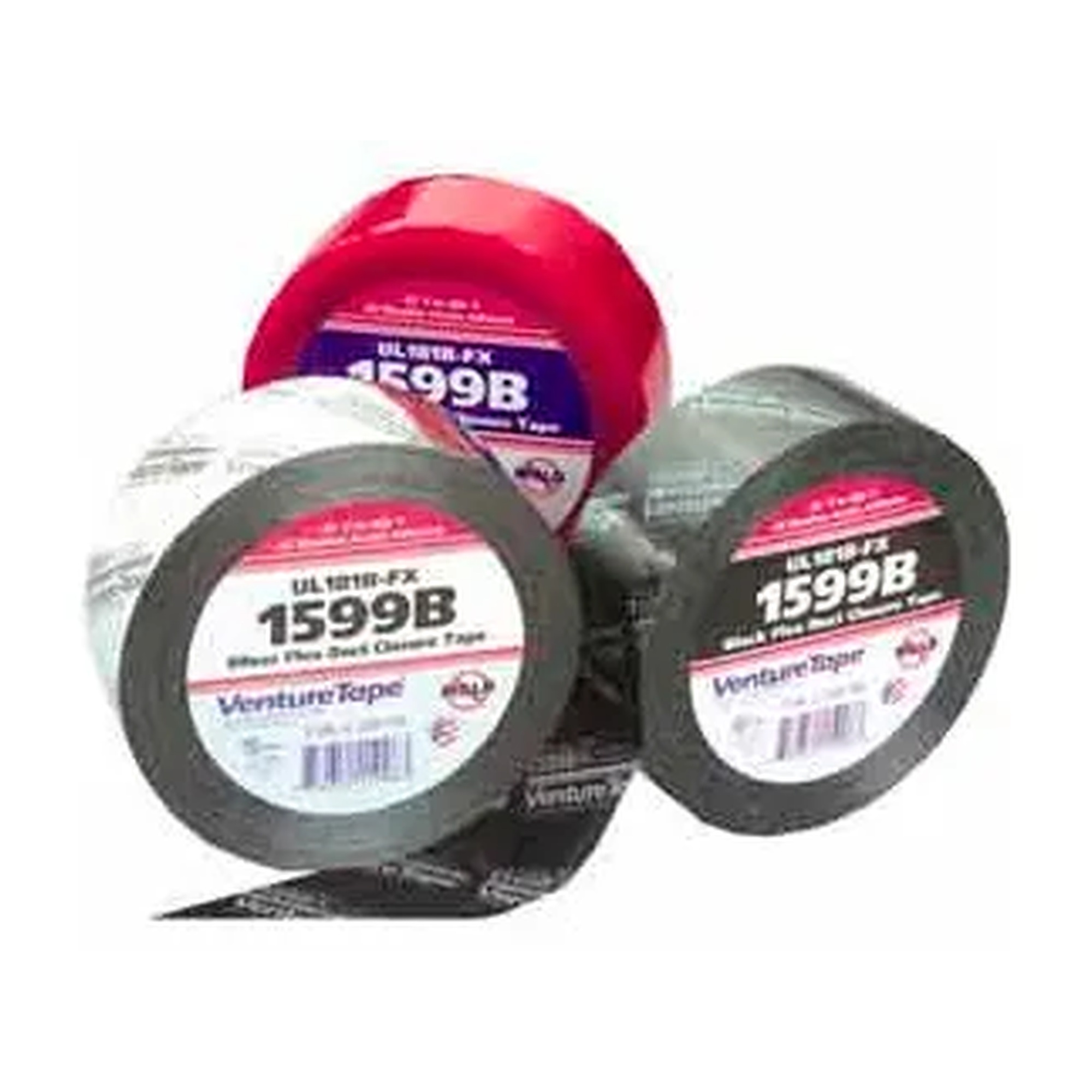
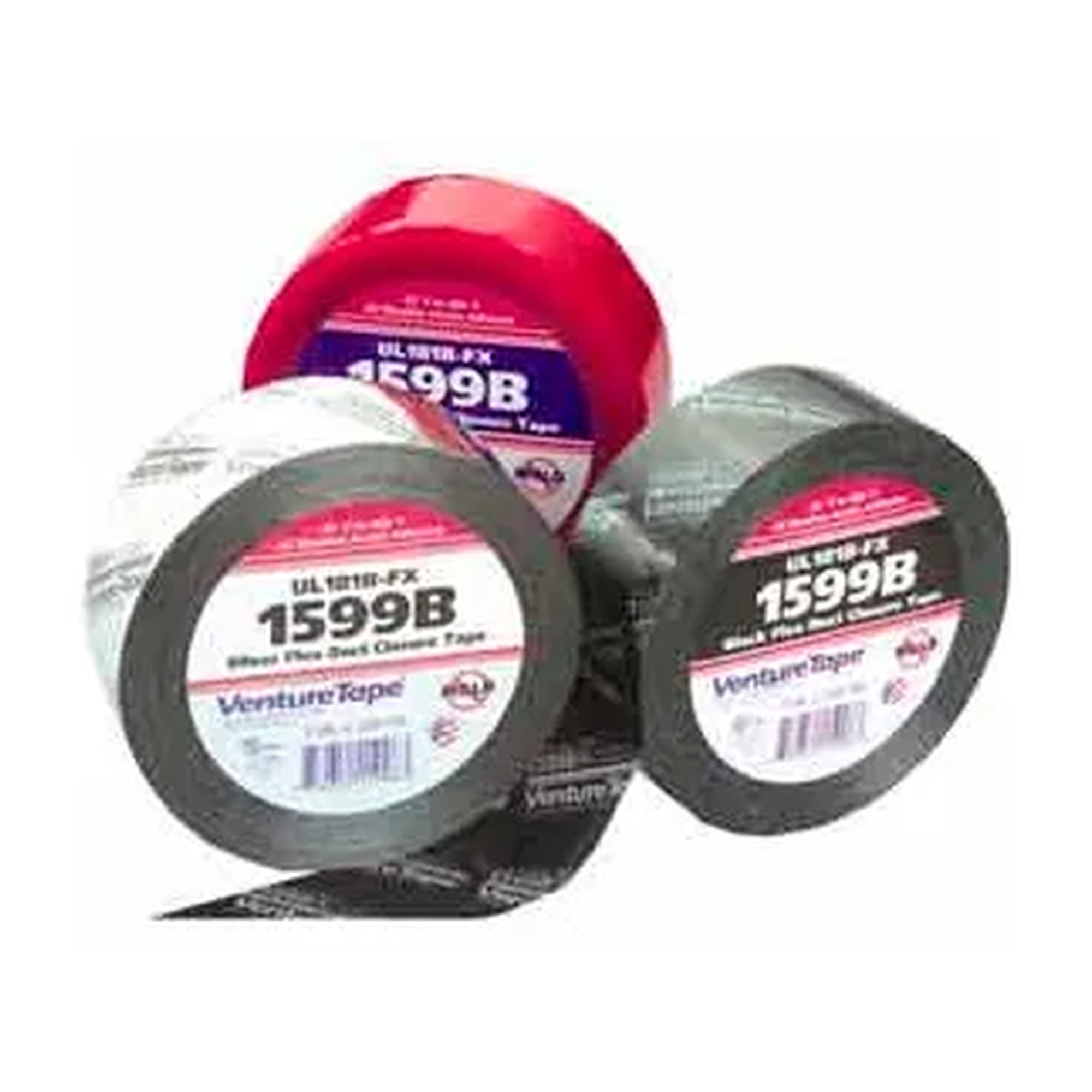
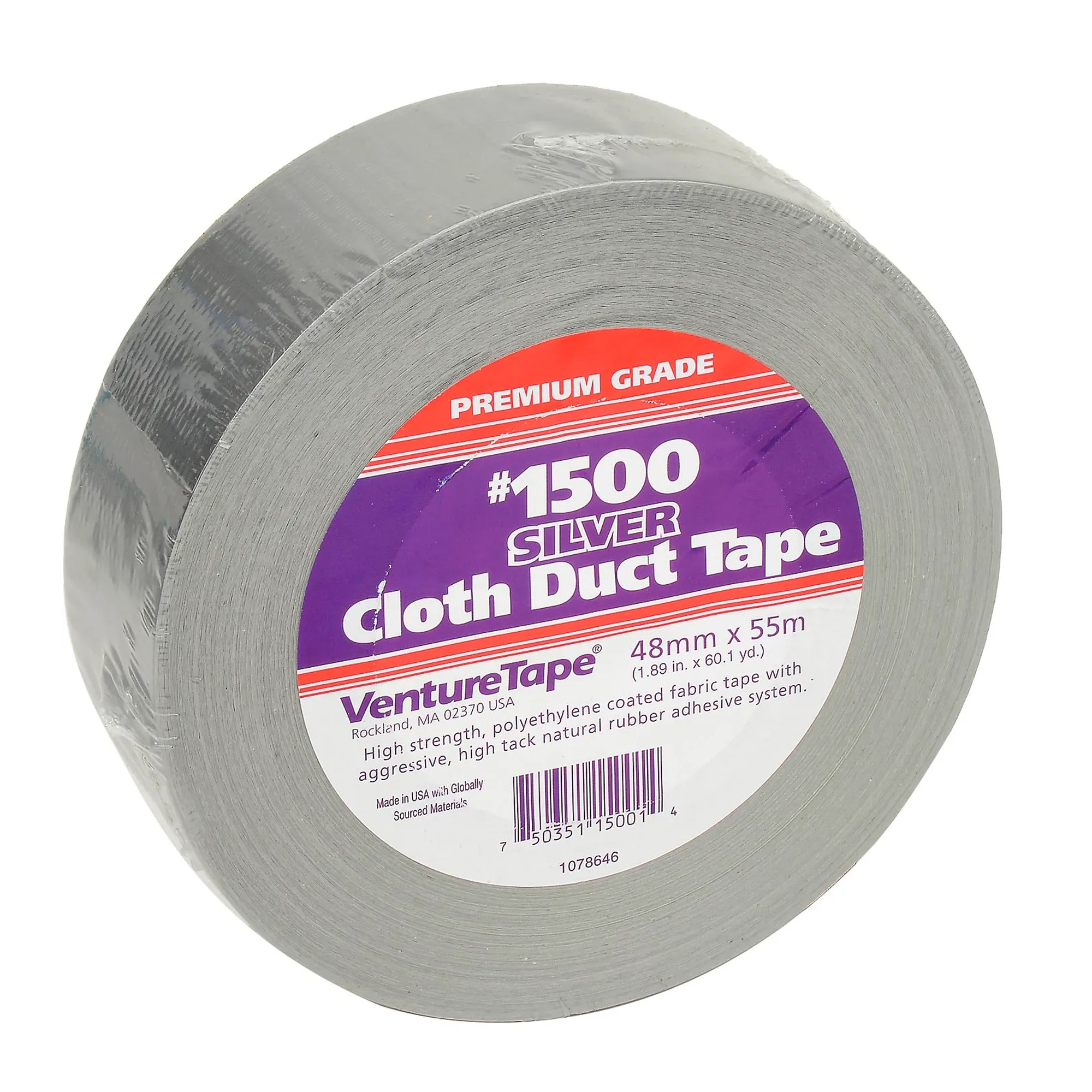
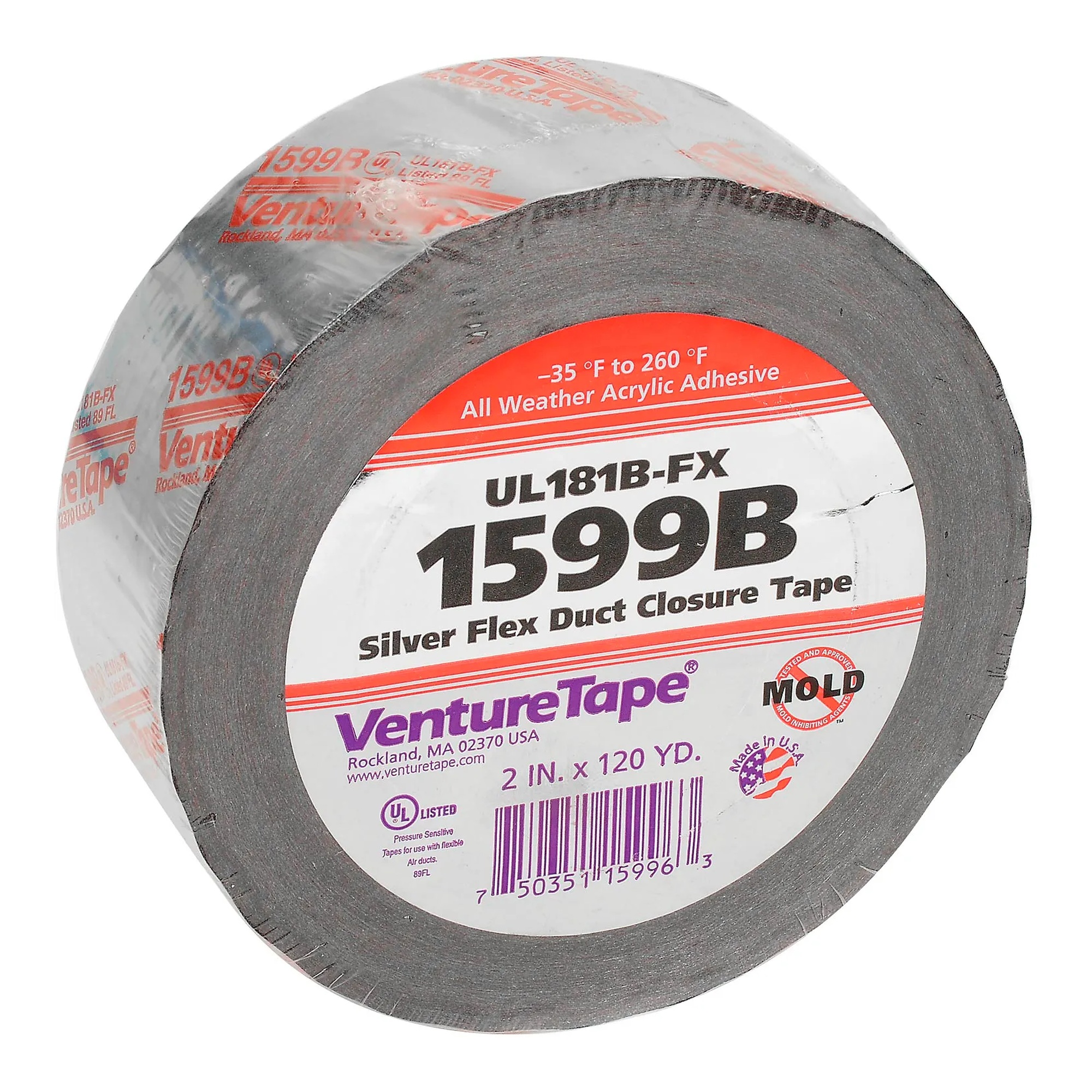
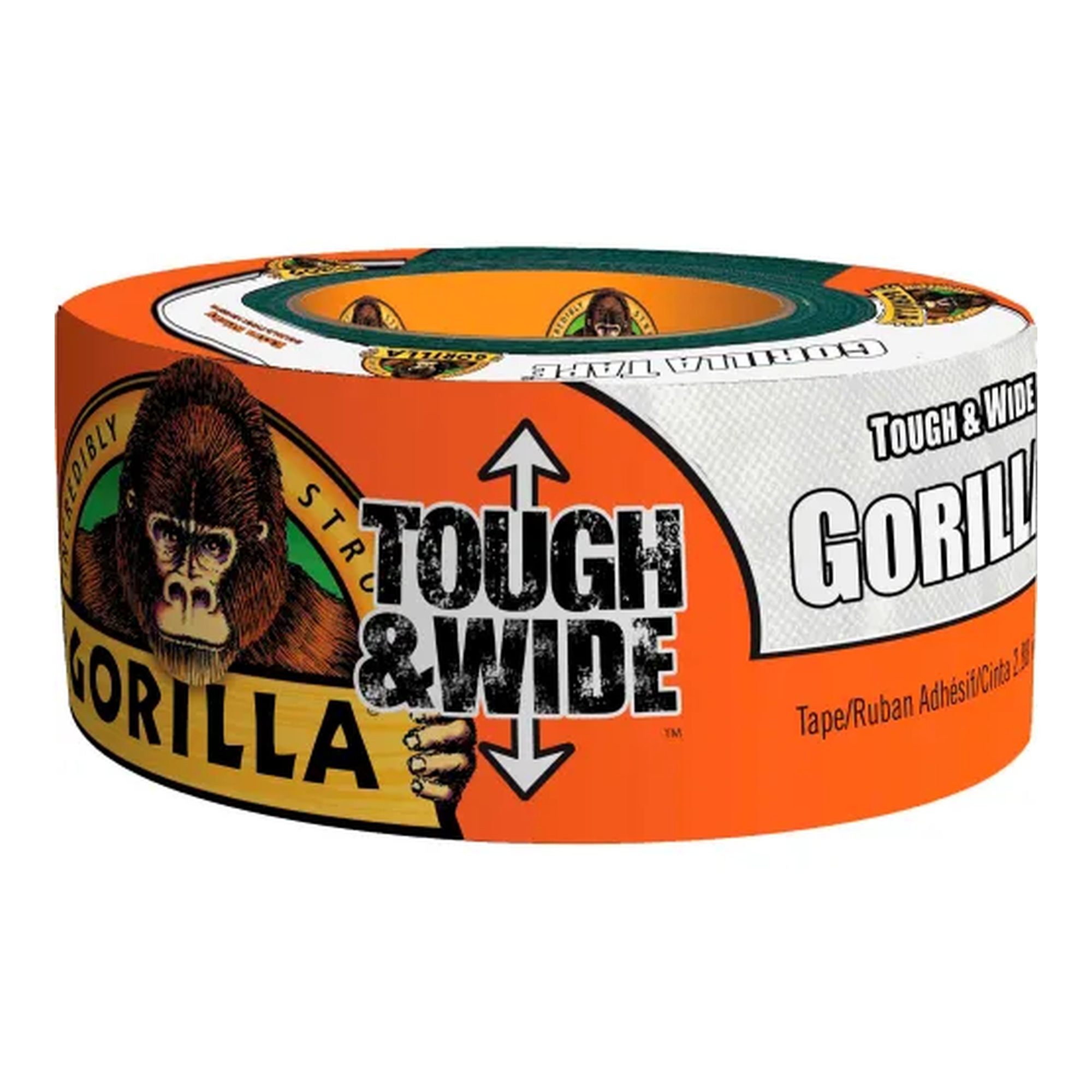
Choose Duct Tape for the Job at Hand
Duct tape options can differ in backing material, adhesive performance, handling, finish, and intended use. Match the tape to the work environment and application rather than relying on a one-size-fits-all choice.
Popular examples in this category
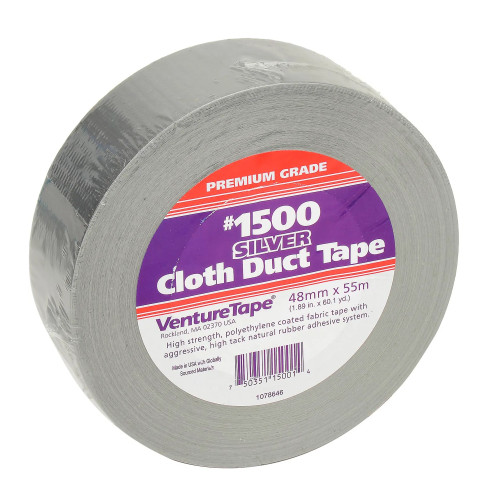 General Purpose Silver Cloth Duct Tape, 2 in x 180 ftFS-GLO-7100043836
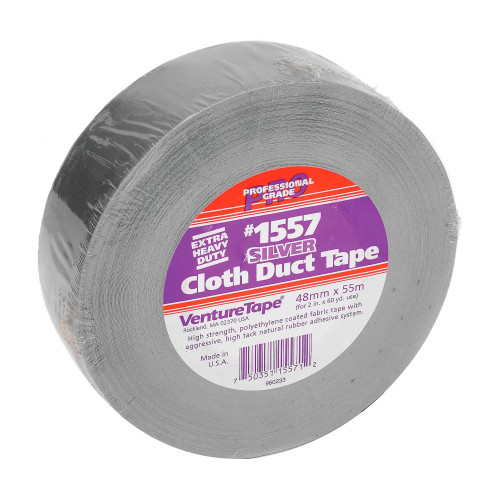 Premium Silver Cloth Duct Tape, 2 in. x 180 ft.FS-GLO-7100043944
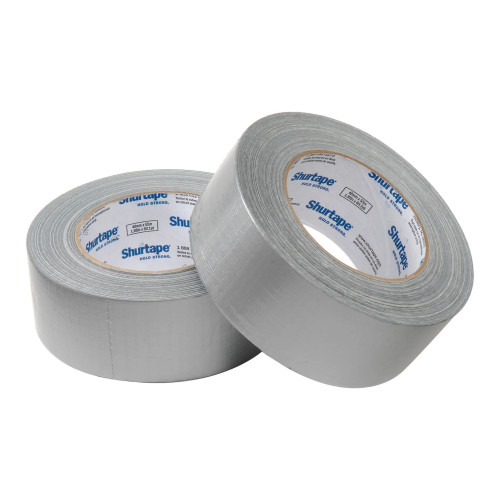 Gray General Purpose Duct Tape, 2 in x 60 ydFS-GLO-PC006
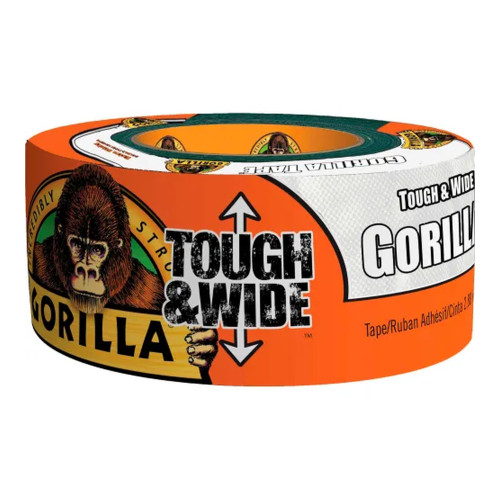 White All-Weather Duct Tape, 2-7/8 in. x 900 in.FS-GLO-6025302
Support routine work and targeted duct tasks
Available examples include everyday repair, packaging, bundling, sealing, seaming, holding, surface preparation, line-set applications, flex duct work, and sheet metal duct sealing.
Match construction to the application
Consider whether the work calls for cloth or polypropylene construction, a conformable backing, high tack or aggressive tack, UV resistance, cold-weather adhesive, or a moisture-resistant tape surface.
Plan for the surface and conditions
Irregular surfaces, corners, uneven areas, sheet metal ductwork, line sets, and flex duct each call for attention to adhesion, conformability, and application conditions.
Consider handling and appearance
For efficient application, look for features such as hand-tearable or straight-tear performance. Black, gray, and silver finishes are represented among the available examples.
Representative polypropylene tapes are described for line-set and flex duct applications.
Some sample tapes support application in lower-temperature conditions.
A flex duct tape example can be torn and applied without a cutting tool.
Representative cloth and general-purpose tapes are designed to follow contours, corners, or uneven areas.
Compare Duct Tape Characteristics
Use this quick comparison to focus on the tape features most relevant to the work. Product-specific details should be reviewed before selection.
| Application focus | Features to consider | Representative construction or handling |
|---|---|---|
| Everyday maintenance and repair | Aggressive tack, conformability, moisture-resistant tape surface | General-purpose construction with waterproof backing is represented |
| Irregular surfaces and sheet metal ductwork | High tack and ability to conform around corners | Polyethylene-coated cloth backing with straight-tear performance is represented |
| Line-set or flex duct work | UV resistance, cold-weather application, thin profile, or tool-free tearing | UV-resistant polypropylene options are represented; a hand-tearable flex duct option is available |
Plan the right fit before choosing
Identify what the tape needs to do
General-purpose duct tape can suit routine maintenance, repair, sealing, packaging, bundling, seaming, and holding. For duct-related work, review whether the tape is described for flex duct, line sets, or sealing sheet metal ductwork.
- Choose general-purpose tape for everyday facility and maintenance tasks.
- Consider cloth tape for conforming around corners and uneven areas.
- Select a tape described for the specific duct or line-set application when applicable.
Balance grip, conformability, and environmental needs
Adhesive and backing details help determine how a tape handles the application. Representative options include aggressive rubber adhesive, high-tack adhesive, cold-weather adhesive, polyethylene-coated cloth, UV-resistant polypropylene, and waterproof backing.
- Use conformable construction where surfaces have contours or irregularities.
- Consider cold-weather adhesive when applying tape in lower-temperature conditions.
- Consider UV-resistant polypropylene where UV resistance is needed.
- Look for waterproof backing when a moisture-resistant tape surface is required.
Select a practical format for the crew
Roll dimensions and handling features can affect day-to-day usability. Sample products include 2-inch-wide formats in different lengths, along with hand-tearable and straight-tear designs for application without relying on a cutting tool or for cleaner unwinding.
- Review roll size in relation to the amount of work planned.
- Choose hand-tearable tape when tool-free tearing is useful.
- Consider straight-tear performance for cleaner handling during unwinding.
Common questions before buying
What is duct tape used for?
Representative uses include maintenance, repair, sealing, seaming, packaging, bundling, holding, surface preparation, and selected duct-related applications.
What tape features help with irregular surfaces?
Conformable tape construction can help the tape follow contours, corners, and uneven areas.
When should I consider UV-resistant tape?
Consider a UV-resistant polypropylene option when the application requires UV resistance, such as represented line-set and flex duct uses.
Can duct tape be applied in colder conditions?
Some representative tapes use cold-weather adhesive to support application in lower-temperature conditions.
Choosing the right file folders
FilingSupplies.com carries end-tab folders for open-shelf systems, top-tab folders for drawer filing, and heavy-duty classification folders with dividers and fasteners for multi-section records. Pick letter or legal size, then choose material (11-pt, 14-pt, or 18-pt manila), optional reinforced tabs, color-coding, and expansion capacity to match your volume.
Folder FAQs
End-tab vs. top-tab — what’s the difference?
When should I choose classification folders?
Letter or legal size — how do I pick?
What tab and material options are available?
Can I add fasteners, pockets, or expansion?
Do you offer volume pricing or custom printing?
Outfitting classrooms that work all day
Build a durable, age-appropriate classroom with furniture, early-learning materials, storage bins, learning centers, and presentation tools. Choose adjustable pieces that grow with grades, label friendly bins for quick clean-up, and tech carts that secure, charge, and move easily.
Education FAQs
What safety labels should I look for on school and early-childhood items?
How do I pick classroom furniture across grade levels?
What’s the best way to organize supplies and centers?
How do I choose learning games and manipulatives by age?
What should I consider in a charging/tech cart?
Do you support school POs, bulk pricing, or custom printing?
Choosing the right labels
From color file labels to printable sheets, select the right size, adhesive, and print method to match your filing system and equipment. Decide on sheet vs. roll format, then pick permanent or removable adhesive and your color set.
Labels FAQs
Sheet vs. roll labels — what’s the difference?
Permanent or removable adhesive?
Will these labels work in my printer?
How do I match the label size to folder tabs or binder spines?
Can I get preprinted sequences or color bars?
Do you have templates?
Choosing the right tab dividers
Organize binders with preprinted or blank tabs. Select the number of tabs per set (5, 8, 10, or 12), choose paper with reinforced tabs or durable poly, and match letter or legal size for a clean fit.
Tab Dividers FAQs
What do 5-, 8-, 10-, or 12-tab sets mean?
Paper vs. poly — which should I choose?
Are the tabs printable?
Will they fit my binder?
Can I mix preprinted and blank tabs?
Do you make custom tab sets?
Choosing the right office supplies
From everyday paper and pens to binders, mailers, and desk organizers, pick durable, compatible options that match your equipment and team size. Start with the right paper and labeling, then add organizers that keep work moving.
Office Supplies FAQs
Which paper weight and brightness should I choose?
Round-ring vs. D-ring binders — what’s the difference?
What does “sheet capacity” mean on staplers and hole punches?
Will labels, envelopes, and mailers work with my printer?
How do I choose mailers and shipping boxes?
Do you offer eco-conscious options or bulk pricing?
Choosing the right sports & PE equipment
Equip classes, teams, and rec programs with durable balls, goals, cones, pinnies, storage, and safety gear. Match sizes and materials to age group and whether you play indoors or outdoors.
Sports & Athletics FAQs
What ball sizes should I choose for different ages?
- Basketball: Size 5 (27.5") youth, Size 6 (28.5") intermediate, Size 7 (29.5") official.
- Soccer: Size 3 up to ~8 years, Size 4 ~8–12, Size 5 ~12+.
- Volleyball: Regulation balls for teens/adults; lighter training balls for younger players.
Indoor vs. outdoor — which materials hold up best?
How many pinnies, cones, or markers do I need?
Tips for storage and care?
Are items latex‑free and school‑safe?
Do you support bulk orders or custom printing (team names)?
Choosing the right FireKing fireproof cabinet
FireKing fireproof file cabinets, safes, and storage cabinets are designed to protect important documents, records, and valuables from fire damage while keeping files organized and accessible. When choosing a FireKing cabinet, compare drawer configuration, storage type, fire rating, and overall capacity based on the records or materials you need to protect.
FireKing FAQs
What is the difference between FireKing vertical and lateral file cabinets?
What can I store in a FireKing fireproof file cabinet?
Are FireKing cabinets only for paper records?
How do I choose between a FireKing safe, file cabinet, or storage cabinet?
What sizes are available in FireKing cabinets?
Are FireKing cabinets used in offices, medical facilities, and government records storage?
Can I buy FireKing cabinets in bulk or get help choosing the right model?
Shipping & Policies
Do you offer free shipping?
What are your shipping rates?
- $6.95 for labels-only orders under $40
- $14.95 flat rate for everything else