
-
Global Industrial
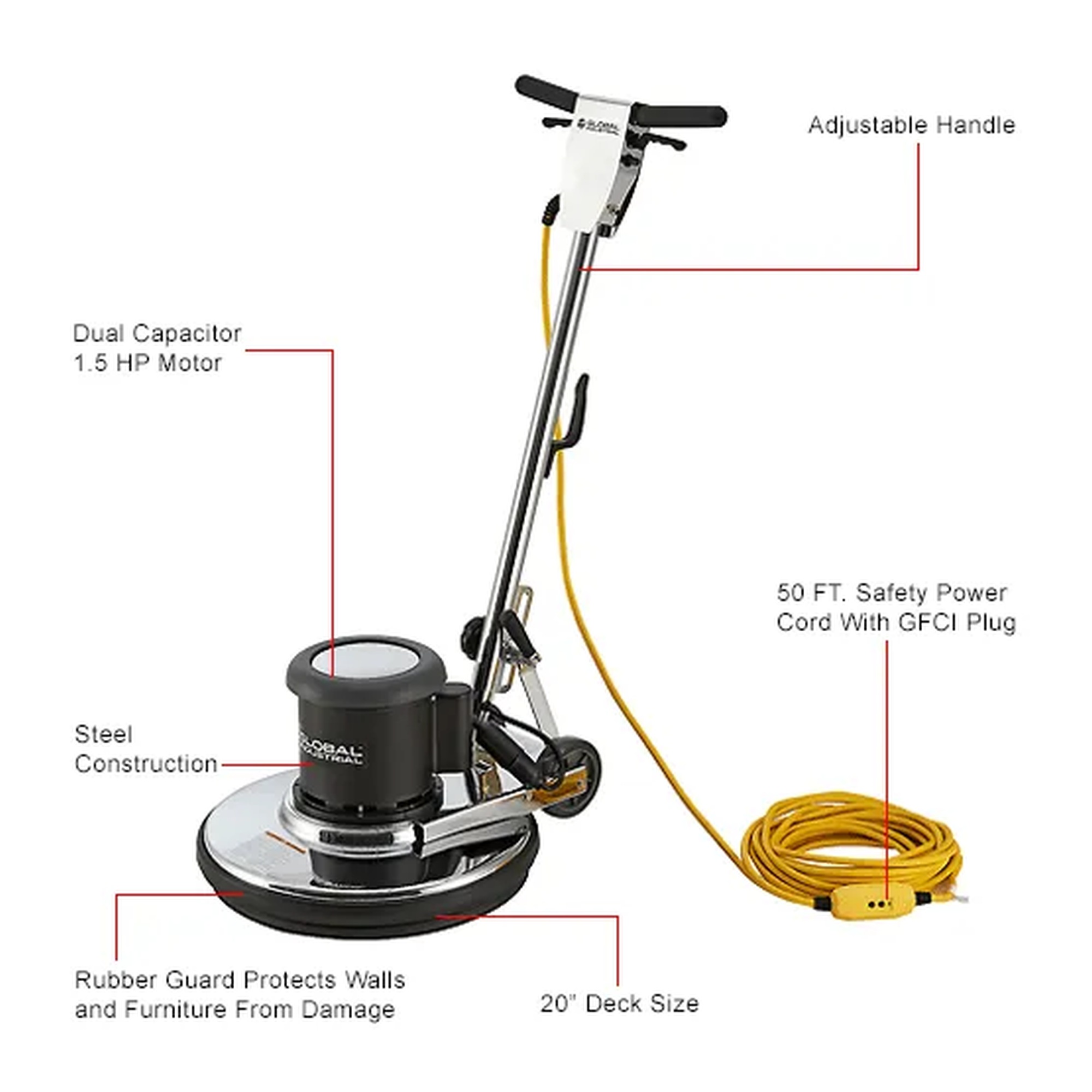
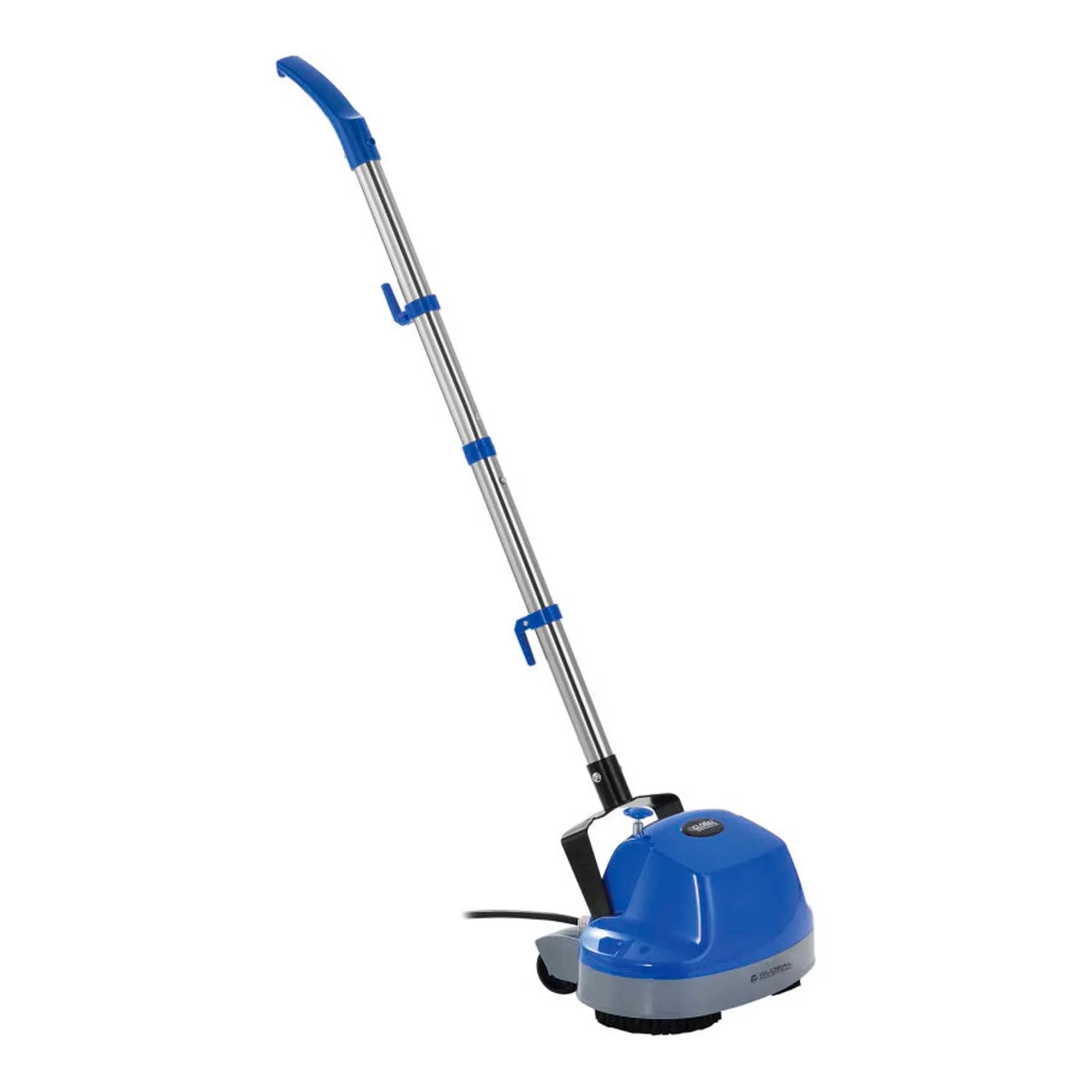
20-Inch Low-Speed Floor Machine
Our Price:$998.99This low-speed floor machine helps facility cleaning teams maintain hard floors and tile. Its 20-inch cleaning path supports efficient coverage for scrubbing, stripping, buffing, and polishing tasks...
-
Cat
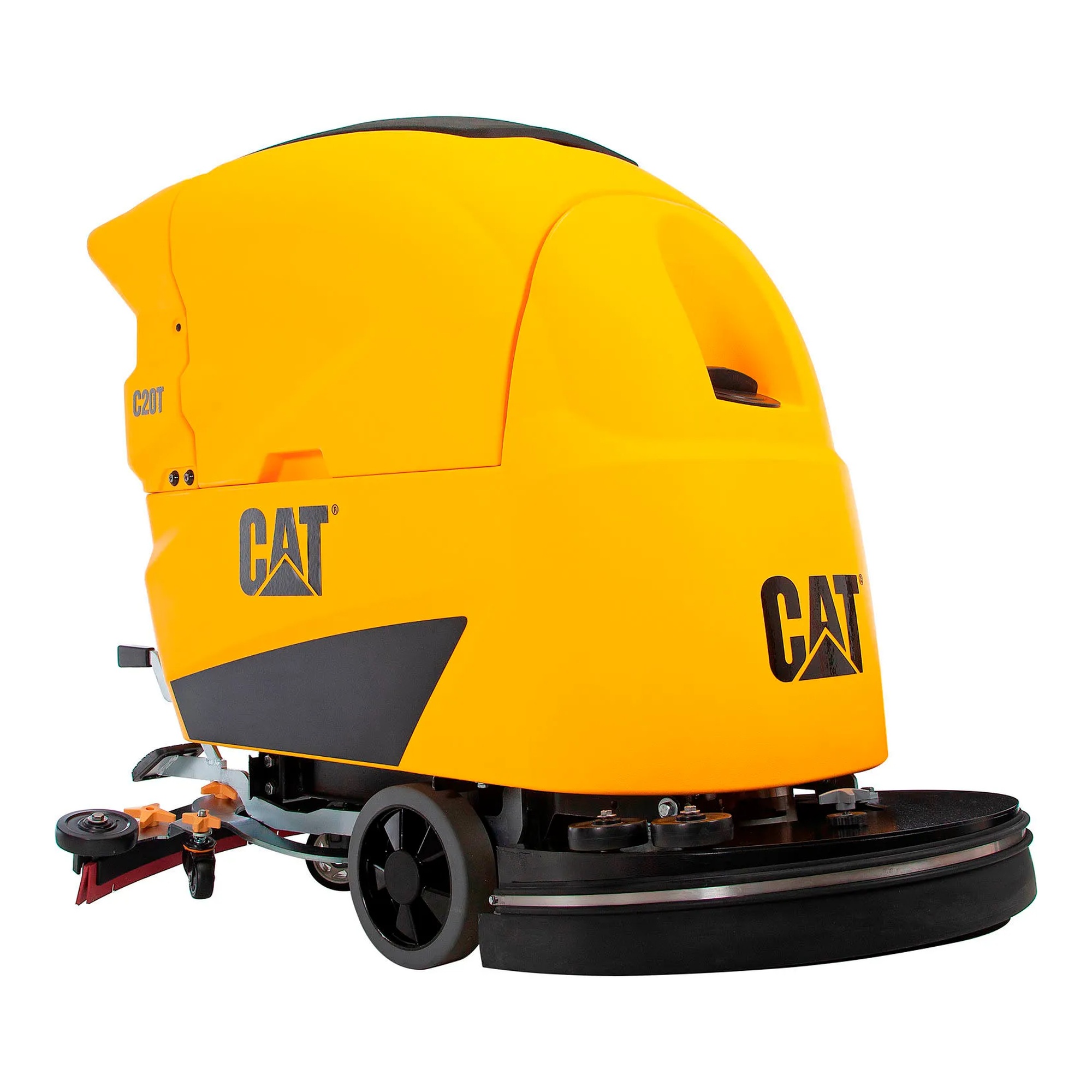
20-Inch Traction-Drive Walk-Behind Floor Scrubber
Our Price:$5,998.99This walk-behind automatic floor scrubber is designed for commercial cleaning operators who need to clean indoor hard floors in warehouses, schools, hospitals, and similar facilities. Its...
-
Global Industrial
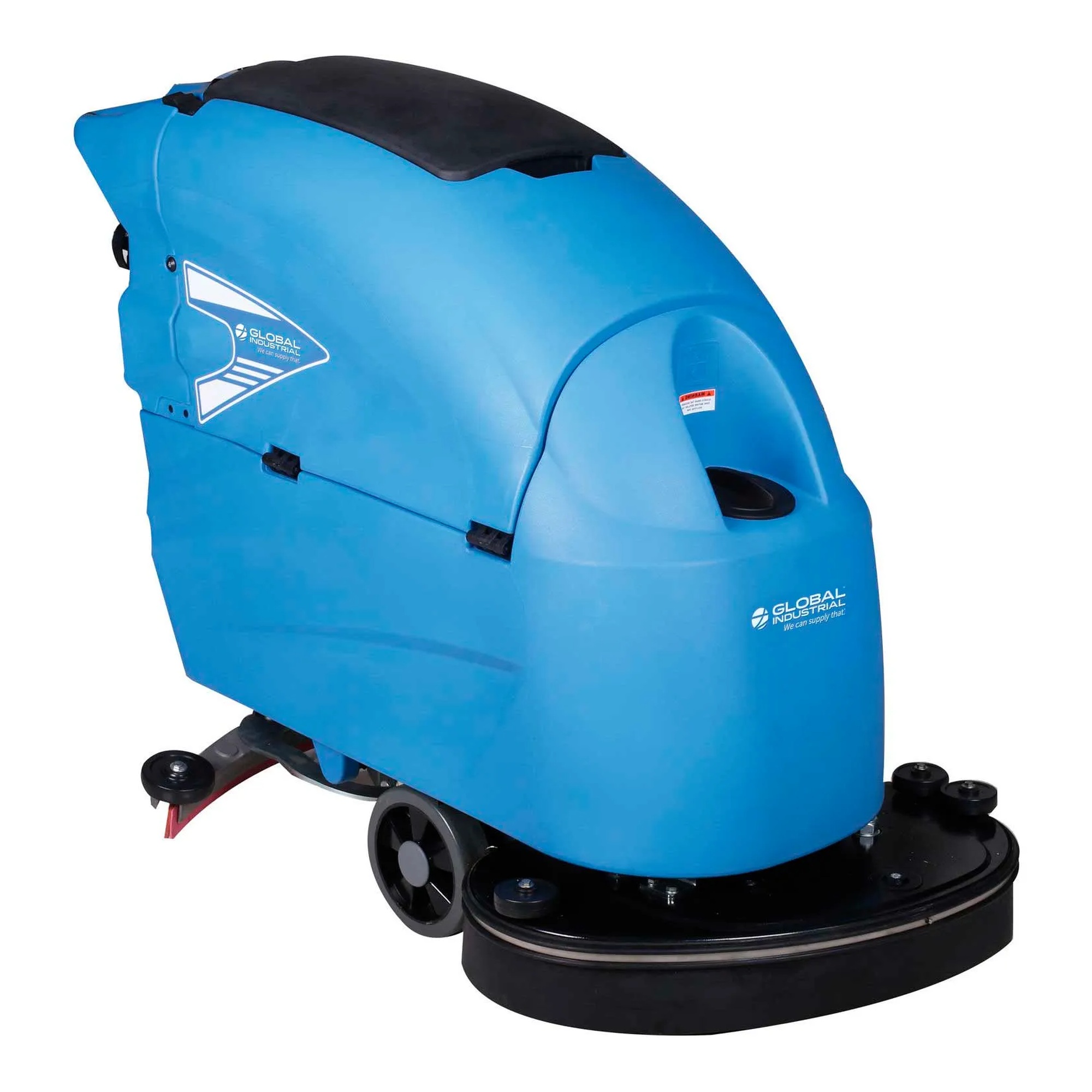
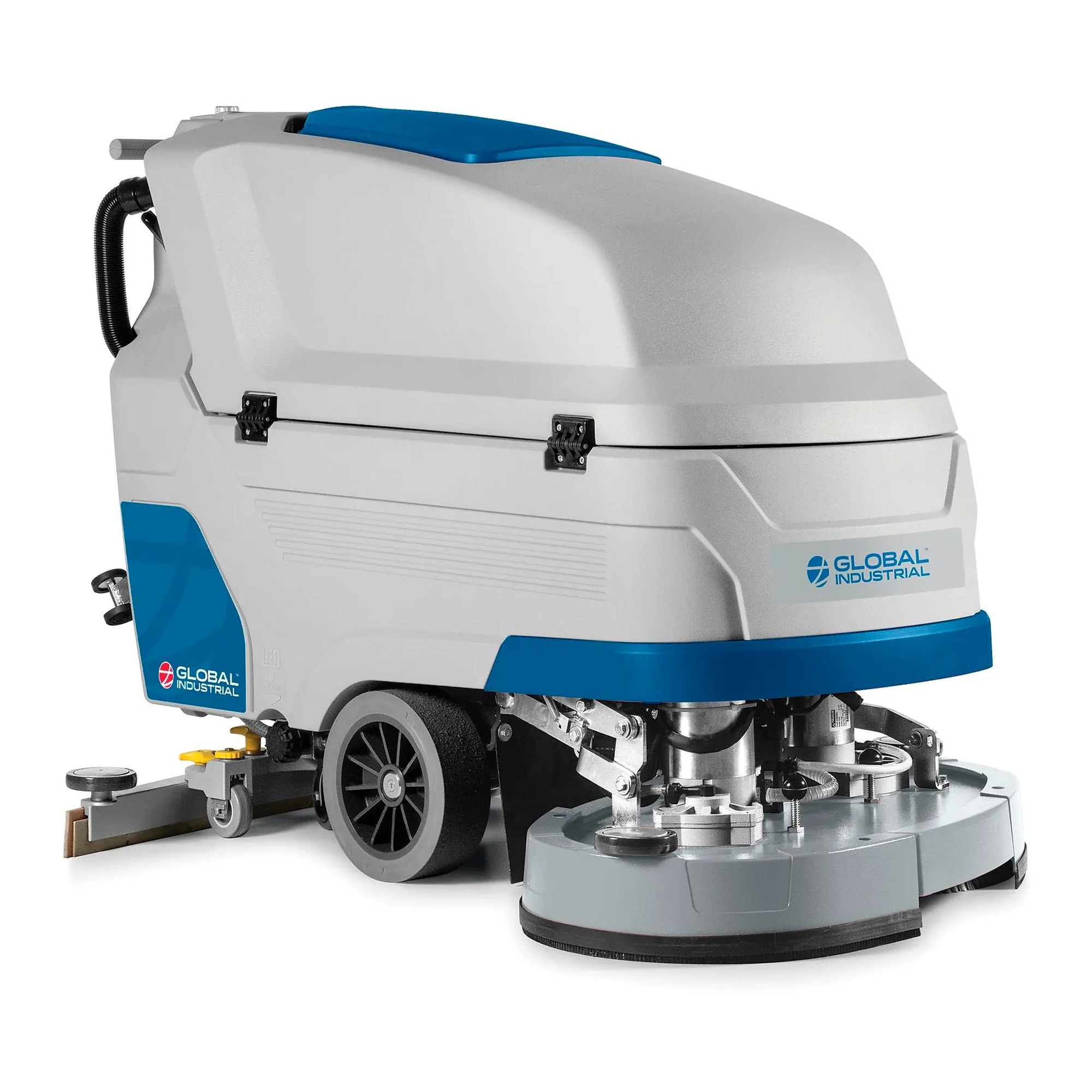
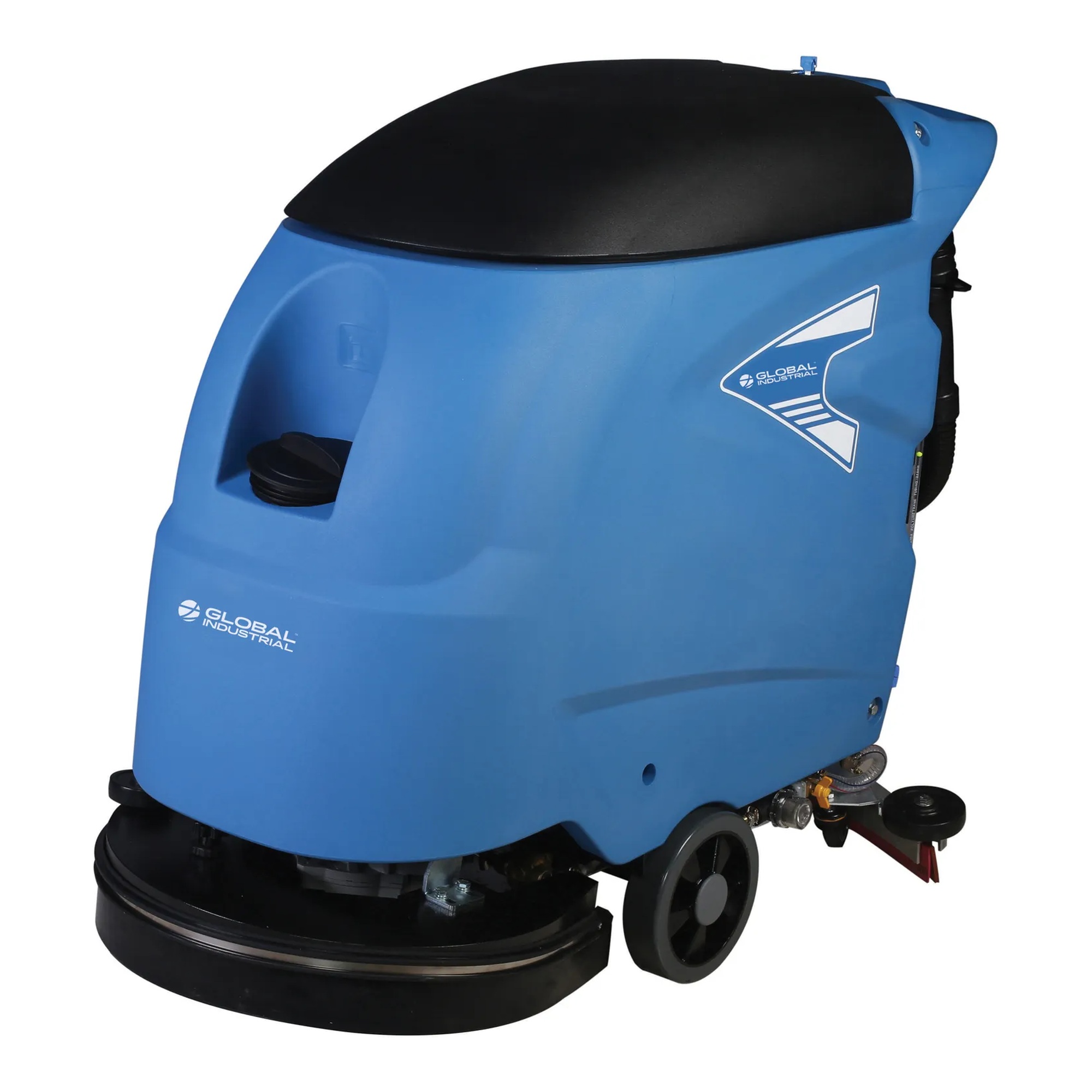
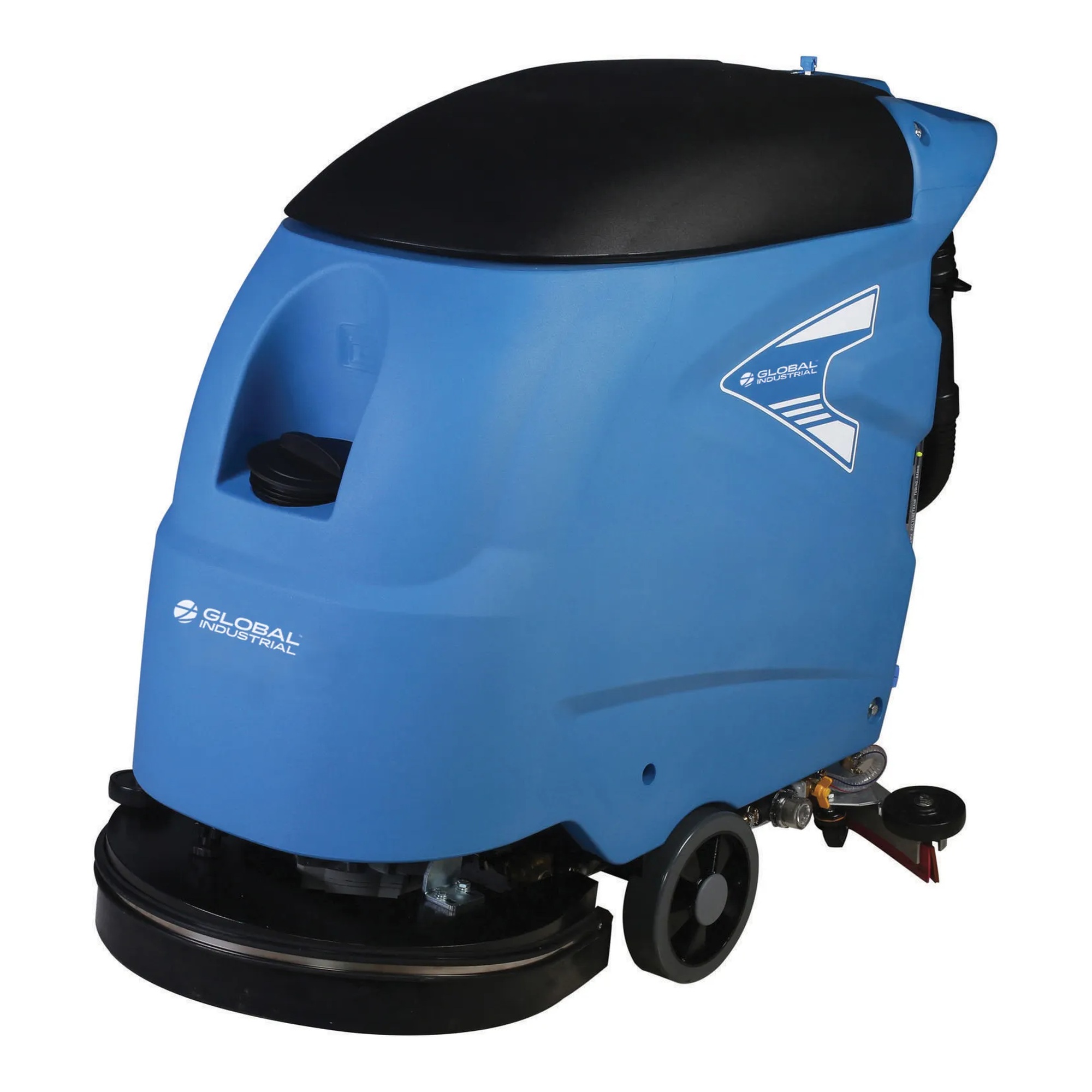
26-Inch Traction Drive Walk-Behind Automatic Floor Scrubber
Our Price:$6,834.99This battery-powered walk-behind automatic floor scrubber helps facility cleaning teams maintain large, heavily soiled floor areas with less manual effort. Its traction drive moves the machine...
-
Global Industrial
34-Inch Cylindrical Brush Traction Drive Floor Scrubber
Our Price:$14,998.99This walk-behind automatic floor scrubber is built for facility teams cleaning concrete and stone floors in warehouses, manufacturing areas, and industrial spaces. Its cylindrical brush system scrubs...
-
Global Industrial
34-Inch Orbital Walk-Behind Floor Scrubber with Traction Drive
Our Price:$13,748.99This walk-behind automatic floor scrubber is designed for facility cleaning teams in healthcare, hospitality, and education settings. Its orbital scrub head and traction drive support routine...
-
Global Industrial
34-Inch Traction-Drive Walk-Behind Automatic Floor Scrubber
Our Price:$13,248.99This walk-behind automatic floor scrubber is designed for facility teams cleaning hard floors in healthcare, hospitality, and education settings. Its 34-inch cleaning path and traction drive help...
-
Global Industrial
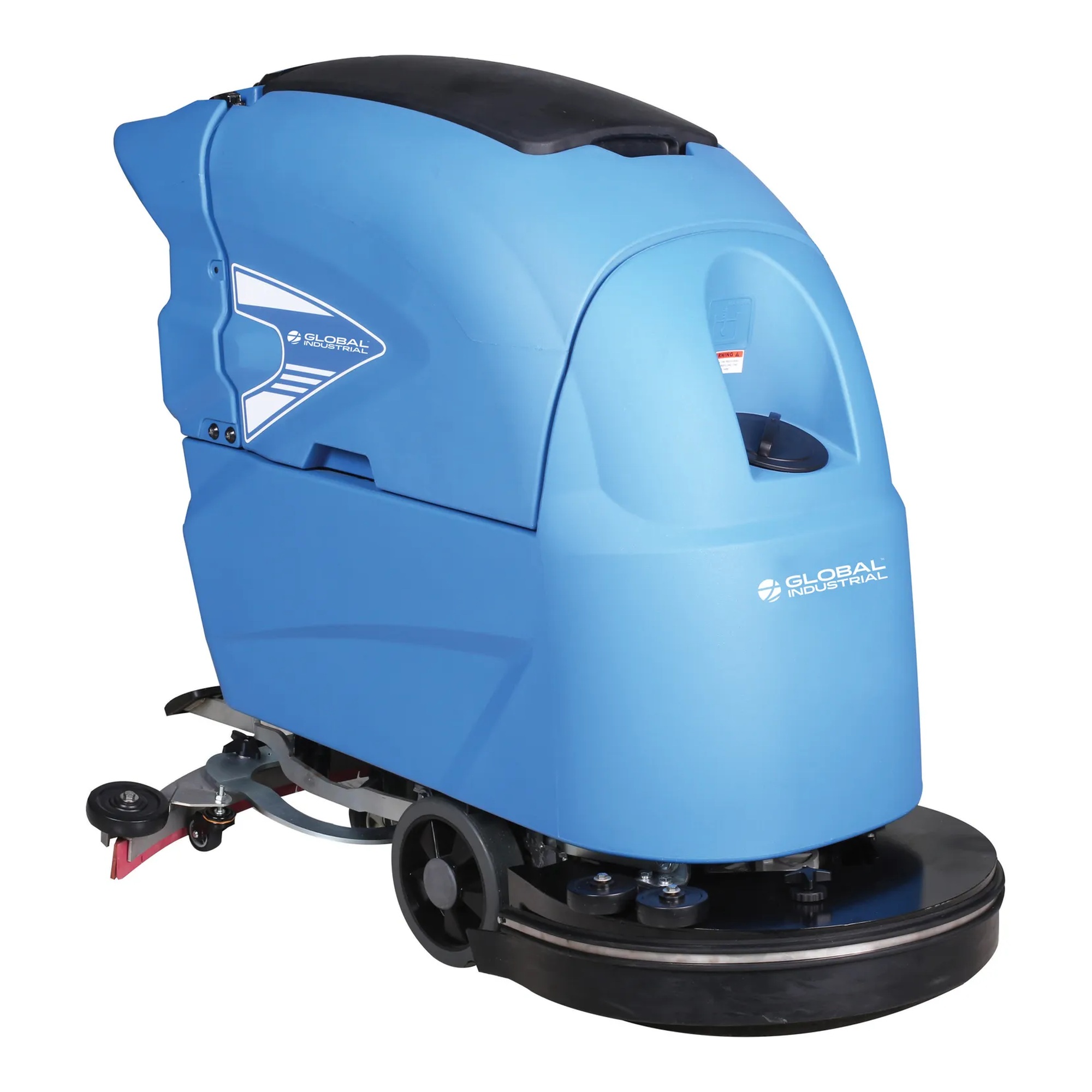
Auto Walk-Behind Floor Scrubber, 20 in. Cleaning Path
Our Price:$3,874.99This battery-powered walk-behind floor scrubber helps facility managers and building service contractors clean large hard-floor areas in warehouses, schools, hospitals, and similar commercial spaces...
-
Global Industrial
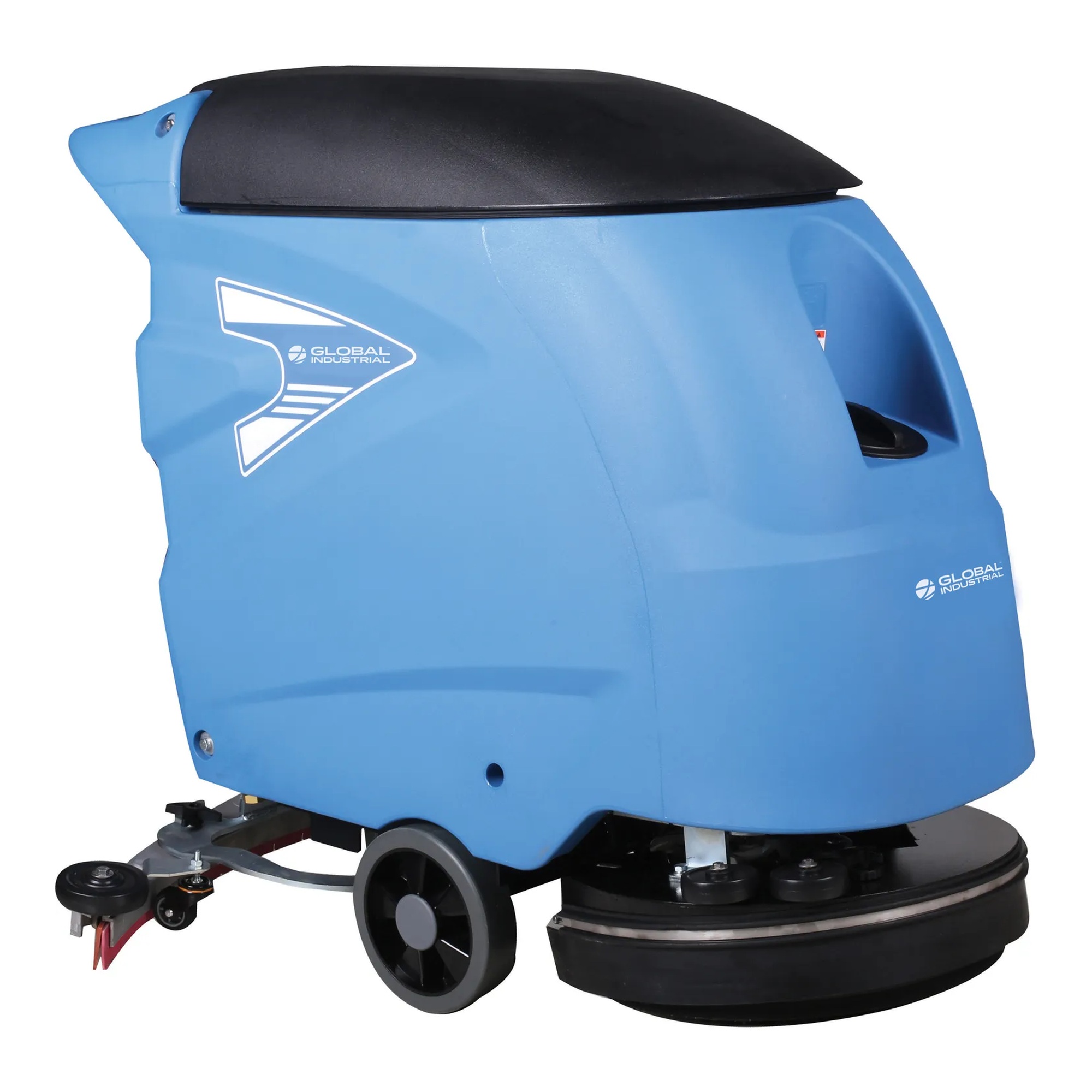
Automatic Walk-Behind Floor Scrubber, 18 in Cleaning Path
Our Price:$3,928.99This automatic walk-behind floor scrubber helps facility teams clean large hard-floor areas with a battery-powered, pad-assist machine. Its 18-inch cleaning path supports routine floor maintenance in...
-
Global Industrial
Compact 11-Inch Corded Floor Scrubber with Pads
Our Price:$249.94This compact walk-behind floor scrubber helps facility teams clean and polish hard floors in tight spaces around fixtures and obstacles. It is designed for tile, wood, marble, and other hard...
-
Global Industrial
Corded Walk-Behind Auto Floor Scrubber, 20 in. Cleaning Path
Our Price:$2,338.99This corded walk-behind auto floor scrubber helps facility teams clean hard floors in busy commercial environments. Its 20-inch cleaning path and solution-recovery system support routine floor...
-
Cat
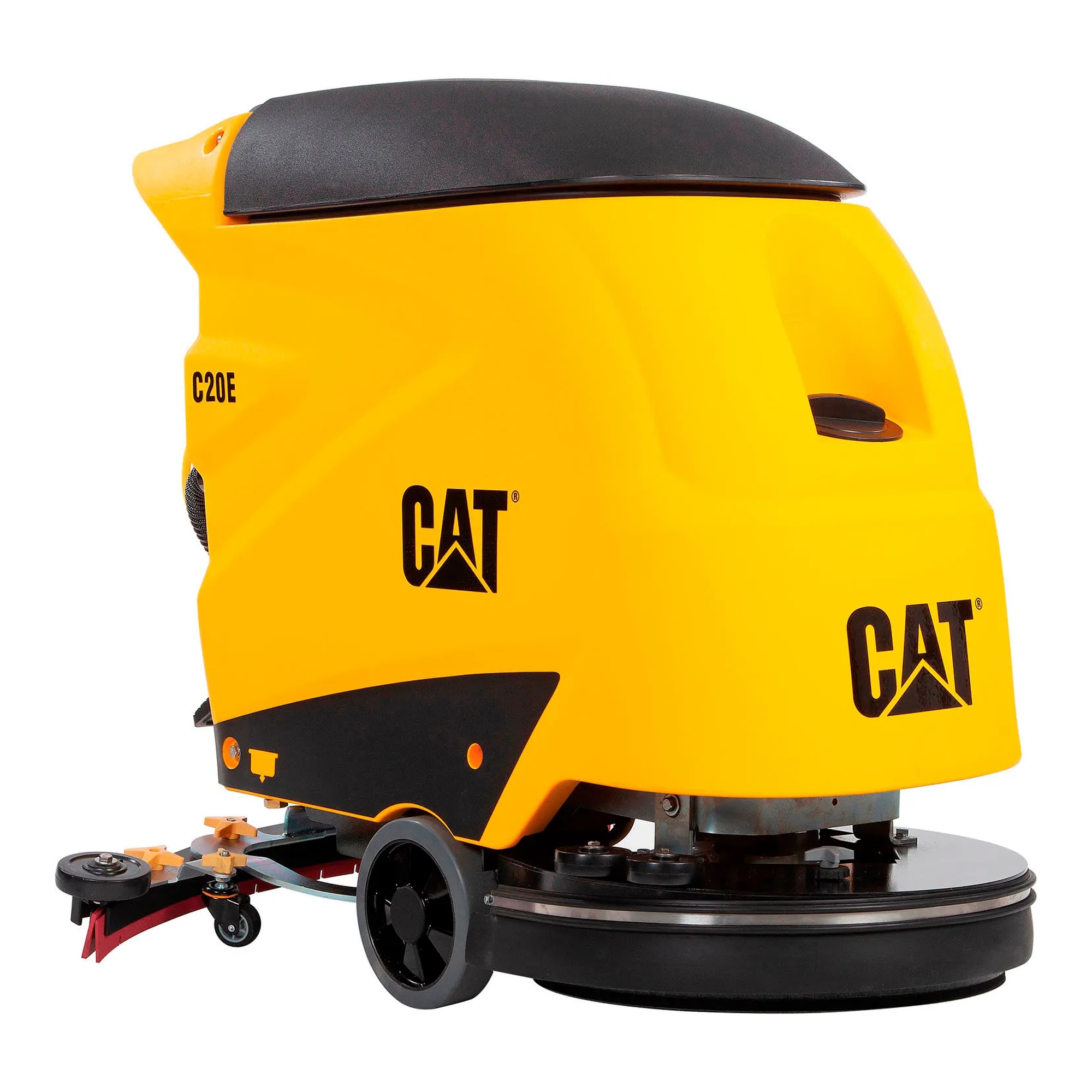
Corded Walk-Behind Automatic Floor Scrubber, 20 in. Cleaning Path
Our Price:$3,058.99This corded walk-behind automatic floor scrubber helps facility cleaning teams maintain hard floors in commercial spaces. Its 20 in. cleaning path is suited for concrete, ceramic tile, and marble...
-
Global Industrial
Corded Walk-Behind Floor Scrubber with 17 in Cleaning Path
Our Price:$2,294.99This corded walk-behind floor scrubber helps commercial cleaning teams maintain hard floors in schools, gymnasiums, sports facilities, and other properties. Its compact housing is designed to support...
-
Global Industrial
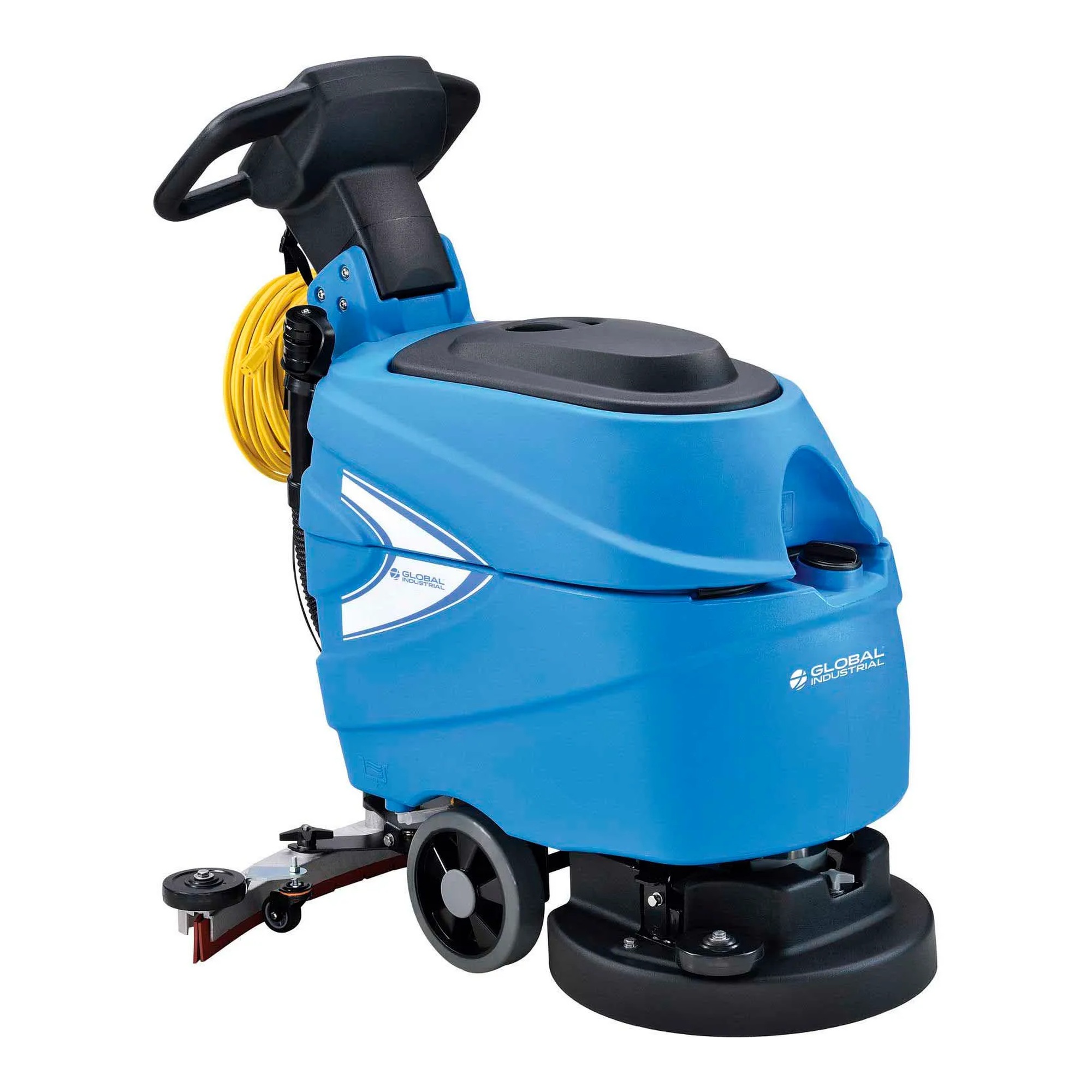
Corded Walk-Behind Floor Scrubber with 18 in Cleaning Path
Our Price:$2,498.99This corded walk-behind floor scrubber helps facility teams clean hard floors in commercial spaces. It combines solution application, scrubbing, and recovery to support routine removal of dirt and...
-
Global Industrial
Recirculating Water Ride-On Floor Scrubber, 34 in. Cleaning Path
Our Price:$39,998.99This ride-on automatic floor scrubber is designed for commercial and industrial cleaning teams that need to clean large floor areas efficiently. Its recirculating water system reuses water during...
-
Cat
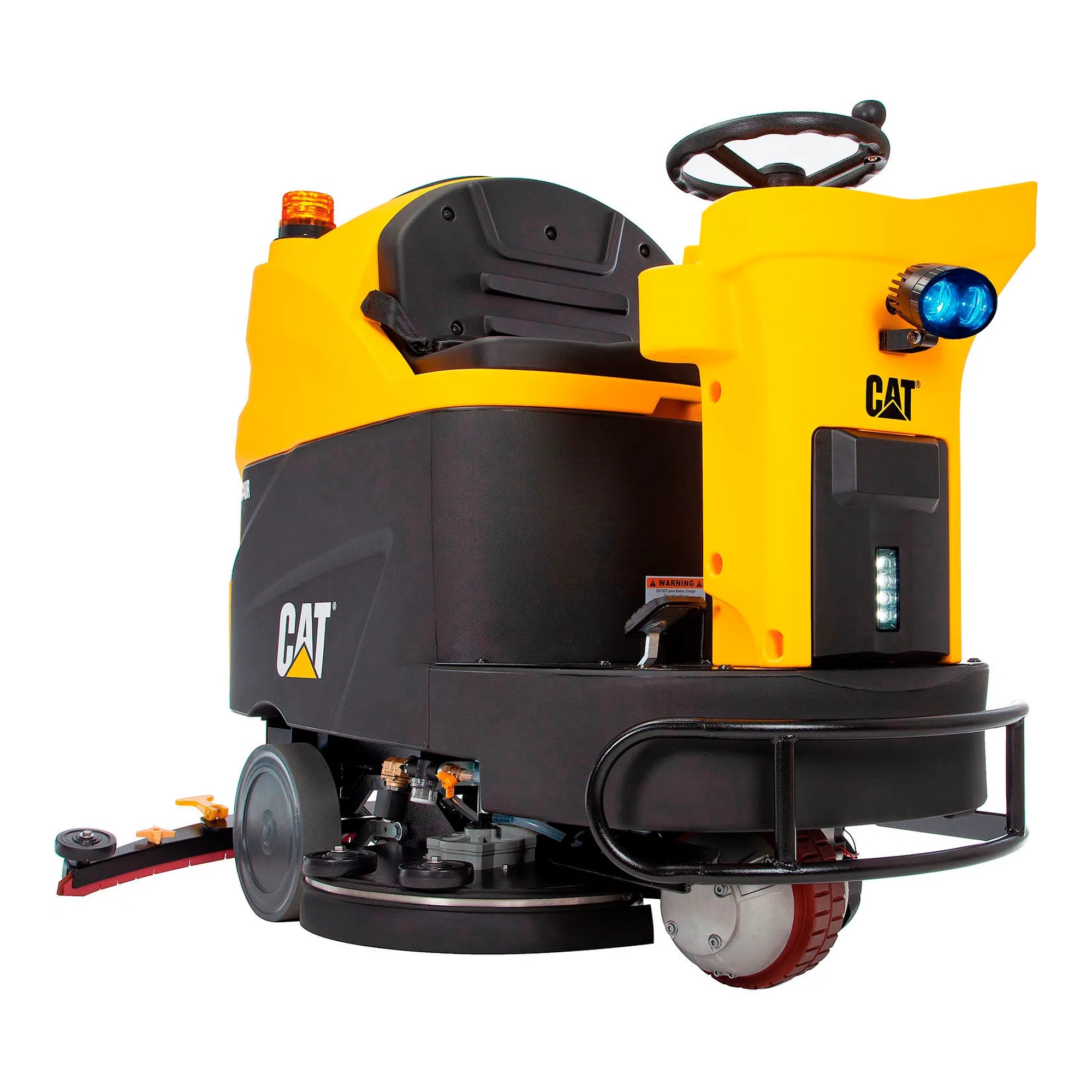
Ride-On Automatic Battery Floor Scrubber, 40 in Cleaning Width
Our Price:$18,998.99This ride-on automatic floor scrubber is designed for commercial and industrial cleaning teams that need to wash large indoor floor areas efficiently. Its operator seat and traction drive support...
-
Global Industrial
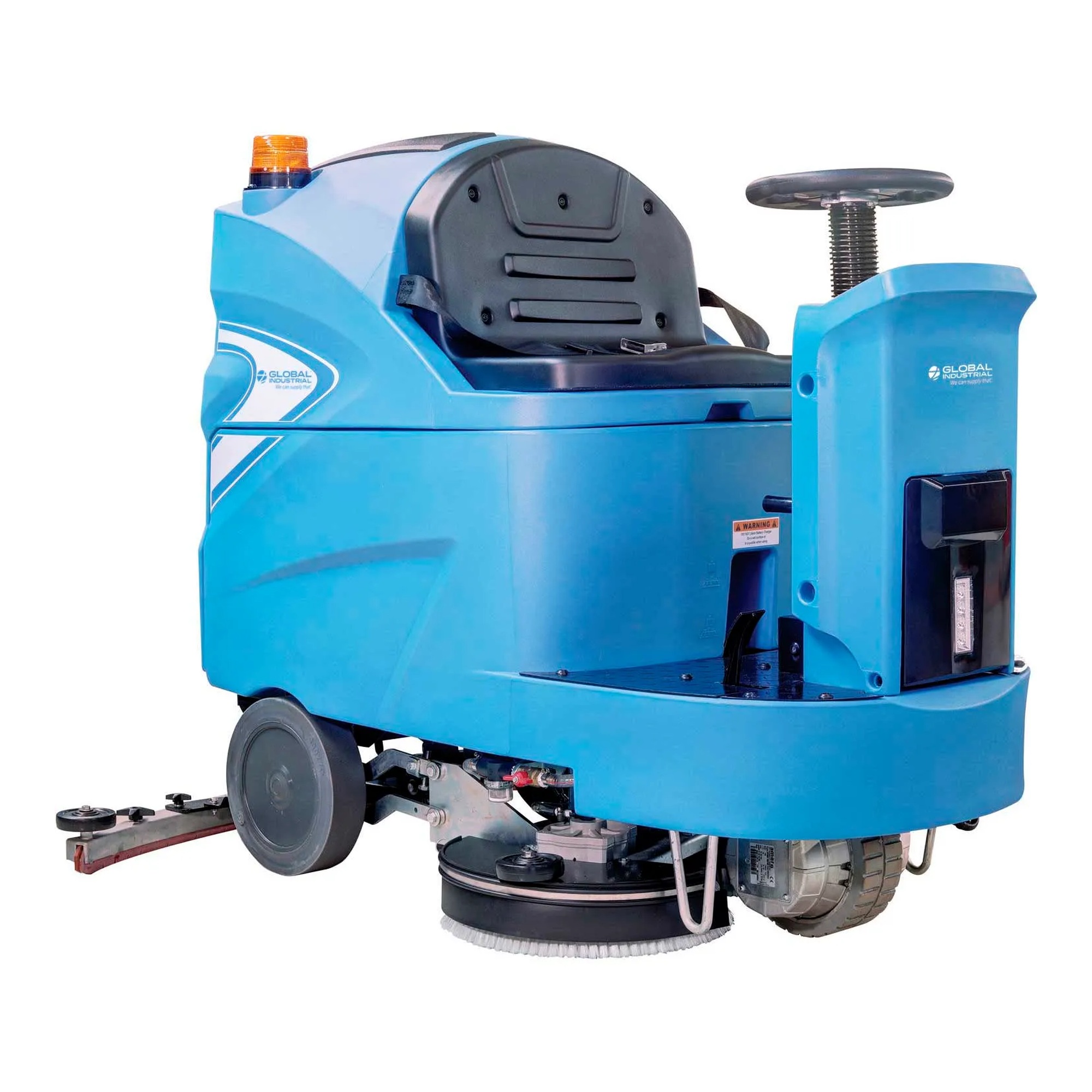
Ride-On Automatic Floor Scrubber with 40 in Cleaning Path
Our Price:$14,278.99This ride-on automatic floor scrubber helps facility cleaning teams maintain large hard-floor areas efficiently. It is designed for commercial environments where operators need to scrub and recover...
-
Global Industrial
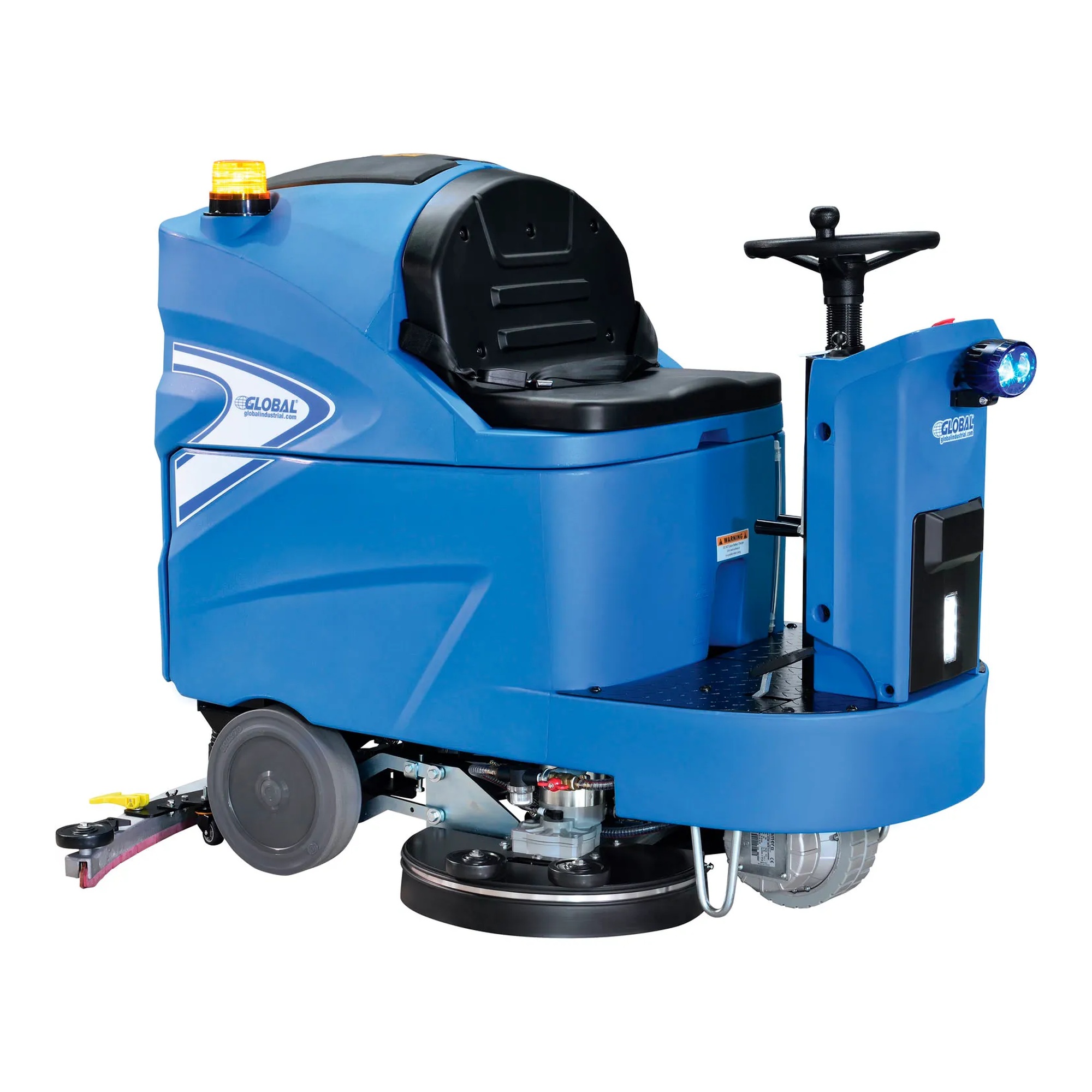
Ride-On Battery Floor Scrubber, 34-Inch Cleaning Path
Our Price:$12,998.99This ride-on battery floor scrubber helps commercial and industrial cleaning teams maintain large hard-floor areas with less manual effort. Its 34-inch cleaning path and traction drive support...
-
Global Industrial
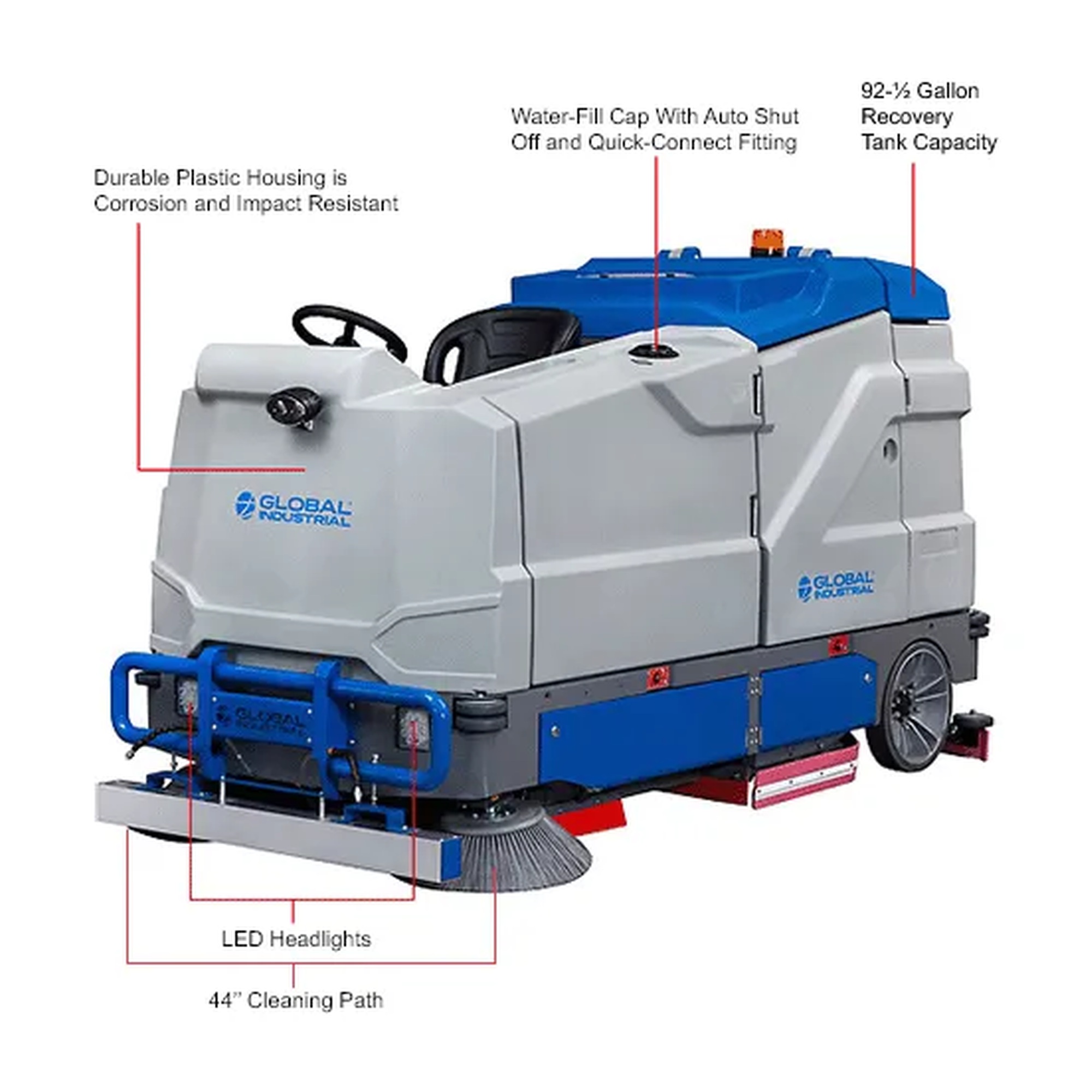
Ride-On Floor Sweeper Scrubber with 44 in Cleaning Path
Our Price:$39,998.99This ride-on floor sweeper scrubber combines sweeping and floor-scrubbing functions in one battery-powered machine. It is designed for facility teams cleaning large warehouse, distribution, and...
-
EDIC
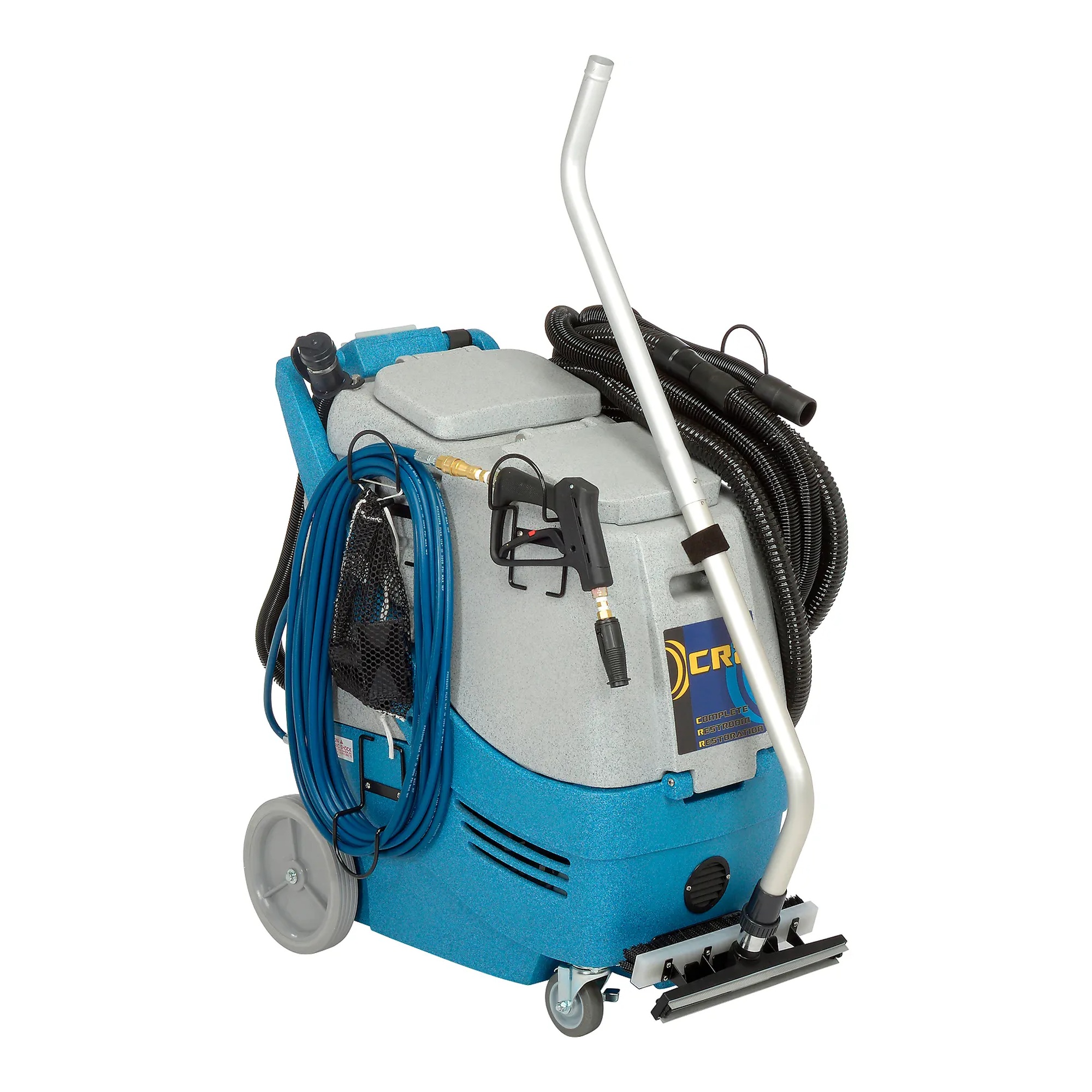
Touch-Free Restroom Cleaning System
Our Price:$5,854.99This touch-free restroom cleaning system is designed for facility teams responsible for public restrooms, locker rooms, and similar washroom spaces. It combines pressurized cleaning with vacuum...
-
Global Industrial
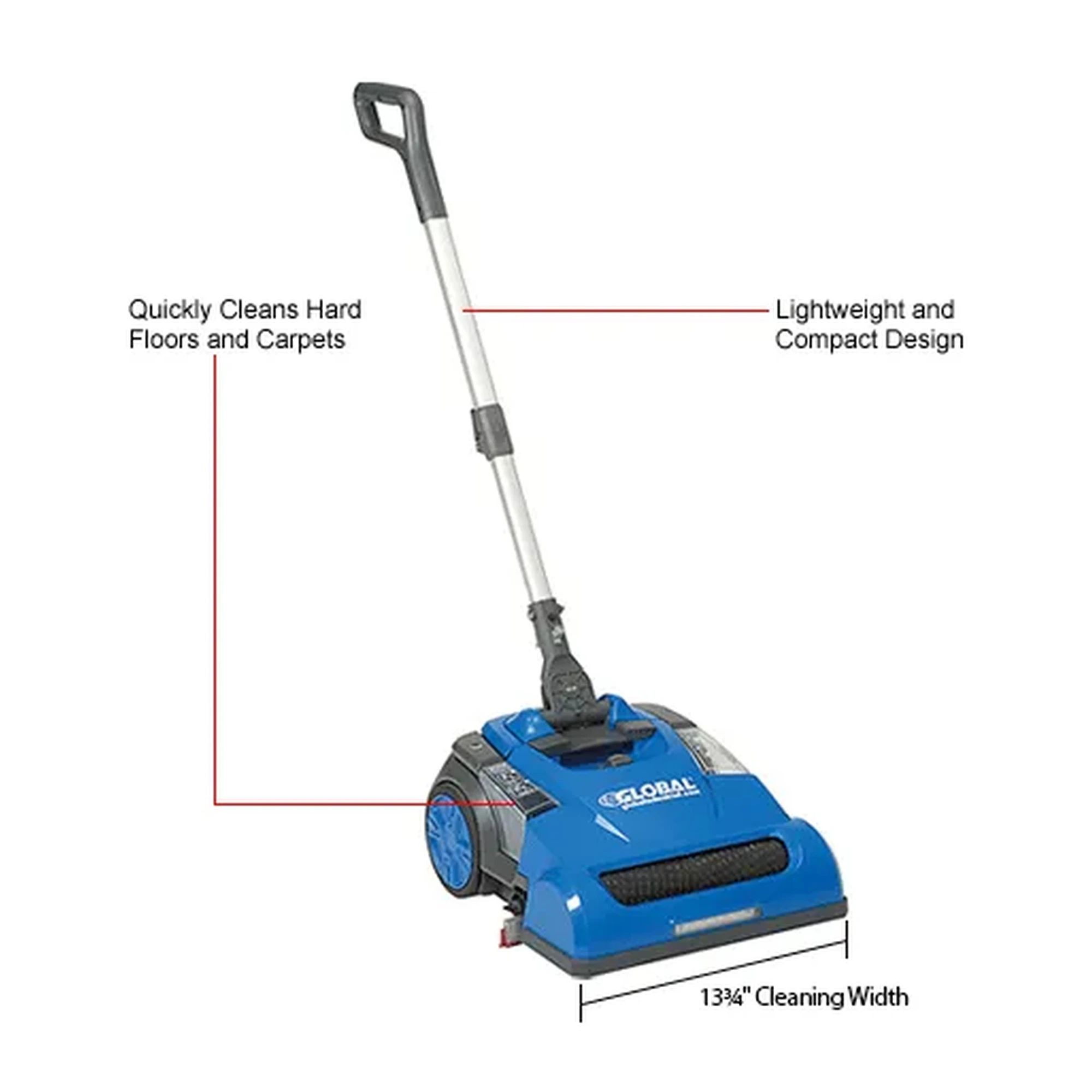
Walk-Behind Automatic Battery Floor Scrubber, 13-3/4-Inch Cleaning Path
Our Price:$1,318.99This walk-behind automatic floor scrubber helps facility maintenance teams clean hard floors and carpets in commercial properties, gyms, schools, and similar spaces. Its compact, low-profile design...
Choose floor-cleaning equipment for your facility routine
The right machine should match the floor area, access conditions, cleaning workflow, and operator needs. Review how the equipment applies solution, scrubs, and recovers water, then consider the cleaning path, onboard capacity, power arrangement, and included or separately selected components.
Popular examples in this category
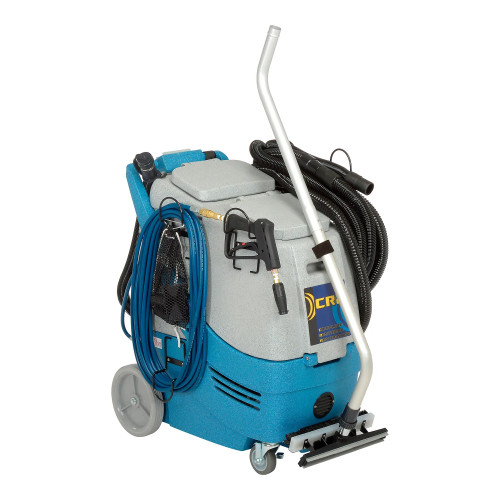 Touch-Free Restroom Cleaning SystemFS-GLO-2700RC
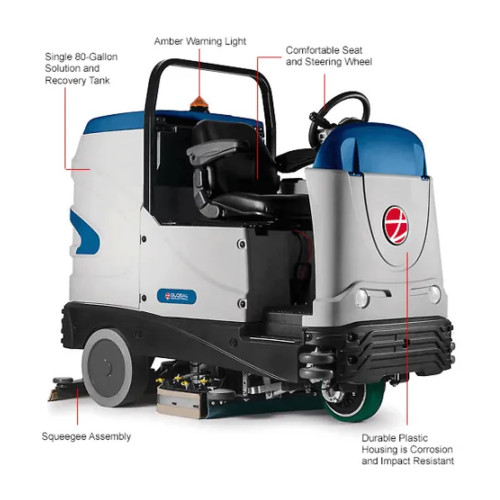 Recirculating Water Ride-On Floor Scrubber, 34 in. Cleaning PathFS-GLO-641870
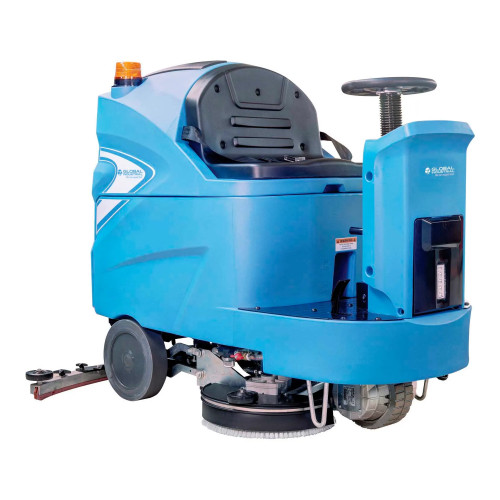 Ride-On Battery Floor Scrubber, 34-Inch Cleaning PathFS-GLO-641245
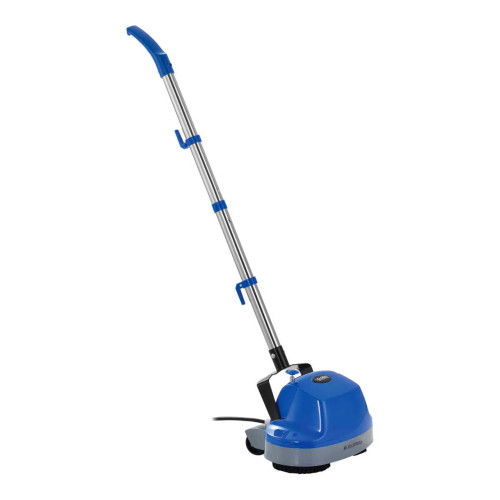 Compact 11-Inch Corded Floor Scrubber with PadsFS-GLO-641375
Match the machine to the cleaning task
Use touch-free cleaning systems for public restrooms, locker rooms, fixtures, porous surfaces, floors, and difficult-to-reach washroom areas. Use floor scrubbers for routine hard-floor care in commercial and industrial spaces.
Start with area size and access
Compact walk-behind equipment can help around fixtures and obstacles. Walk-behind scrubbers suit many commercial hard-floor routes, while ride-on machines support work across expansive indoor floor areas.
Consider floor and facility conditions
Representative machines are intended for hard floors including concrete, ceramic tile, marble, tile, wood, and other hard flooring. Some are used in warehouses, schools, hospitals, healthcare, hospitality, and education settings.
Plan for recovery and cleaning components
Solution and recovery tanks support longer work intervals, while squeegees recover liquid from the floor. Review what is included, because certain models include pad drivers or squeegees and some require separately selected brushes and pads.
Pressurized cleaning and vacuum recovery help address fixtures, floors, and hard-to-reach washroom areas.
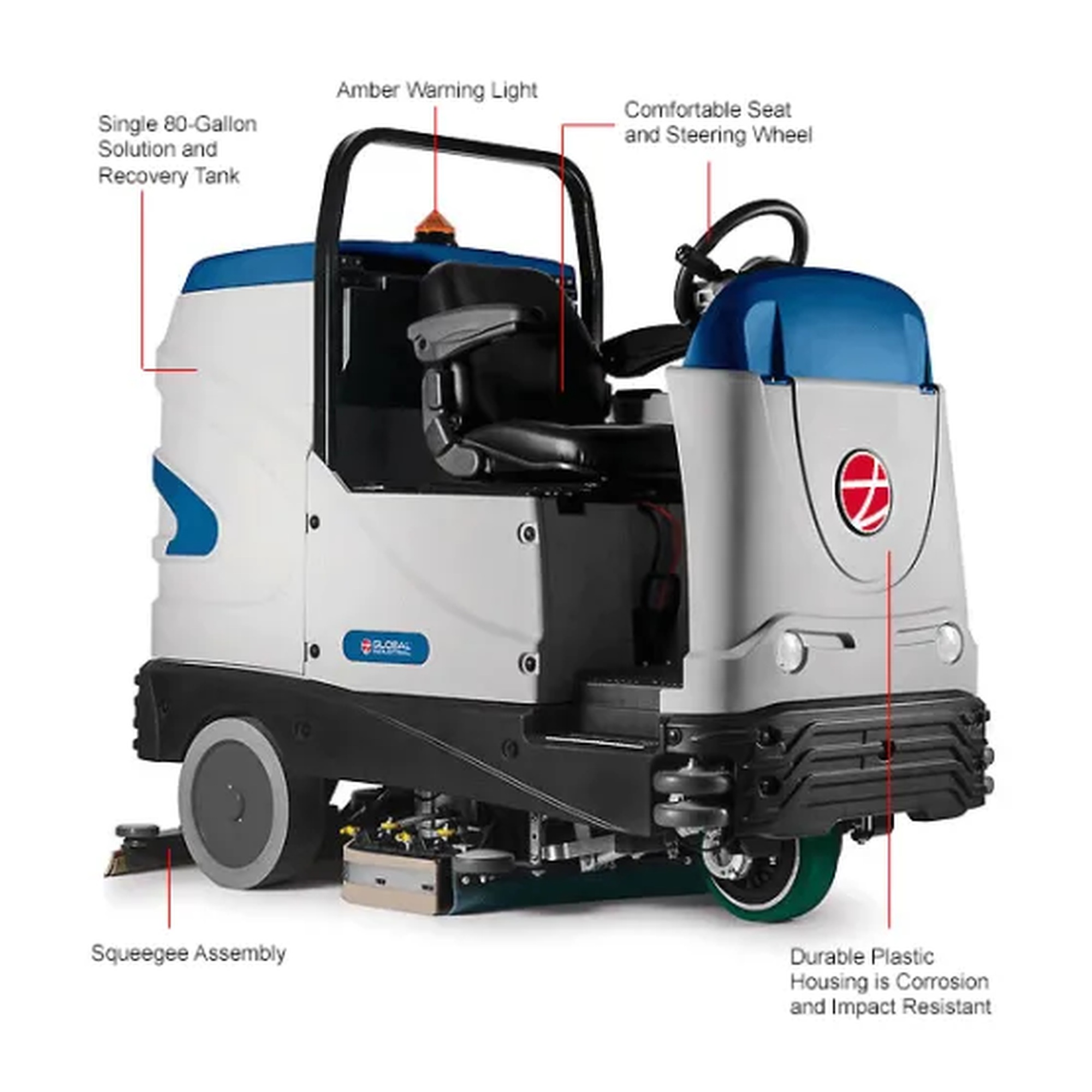
Seated operation and broad cleaning paths support work across expansive indoor floors.
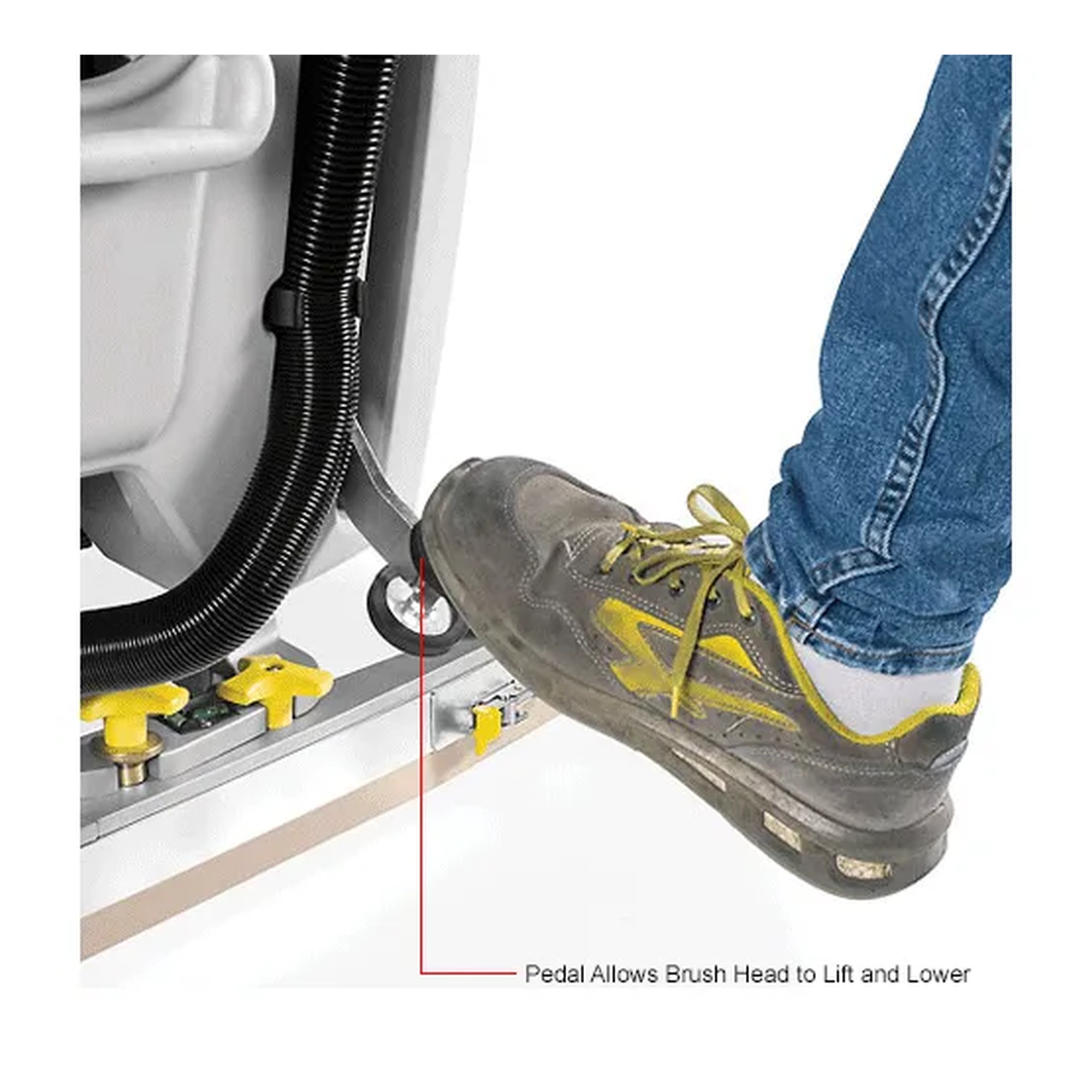
Available on select machines to support movement during floor-cleaning tasks.
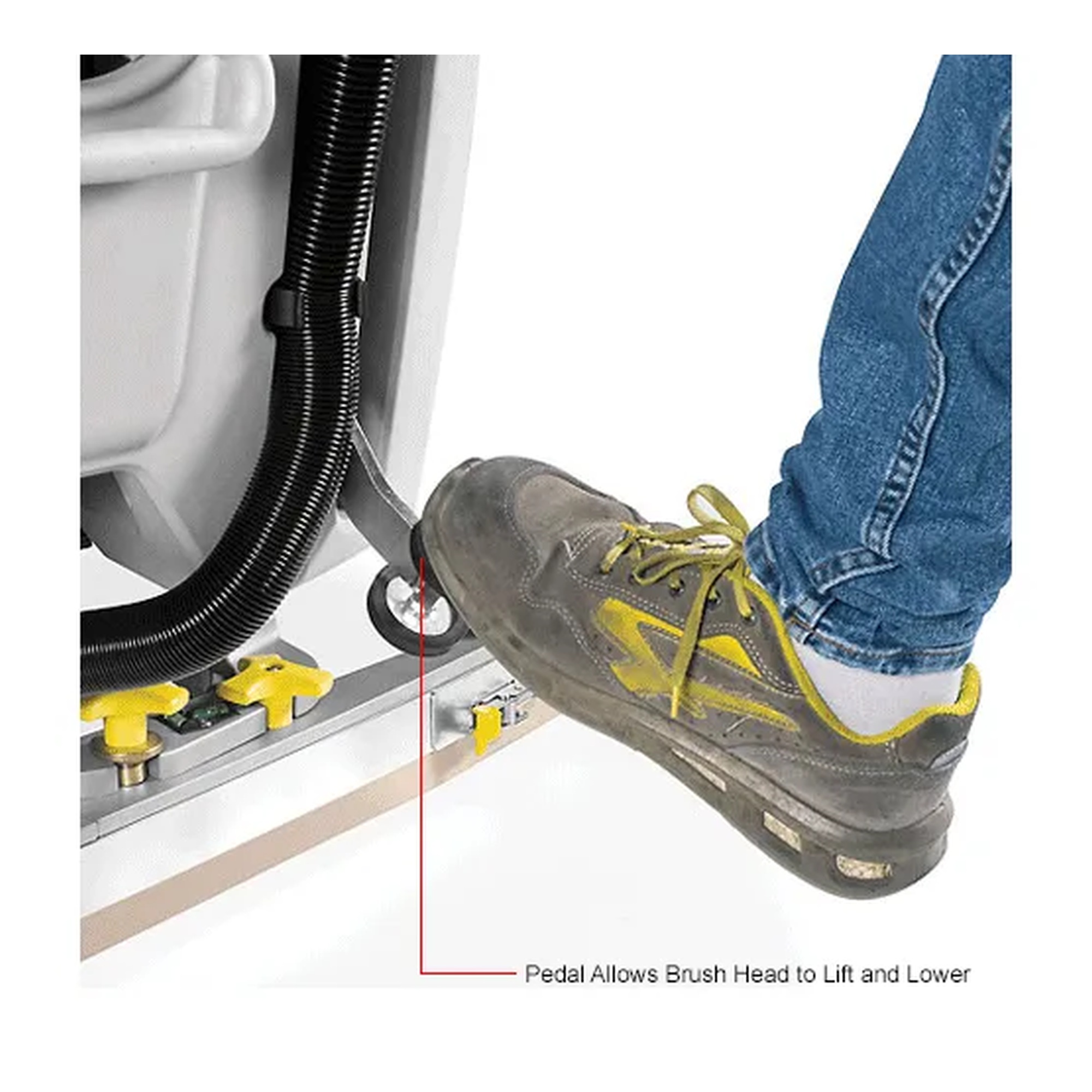
Squeegee and vacuum recovery systems collect water and loosened soil during cleaning.
Compare common machine formats
Select a format based on the space, the cleaning route, and how much operator support is useful for the task.
| Machine format | Best suited for | What to consider |
|---|---|---|
| Touch-free restroom cleaning system | Public restrooms, locker rooms, and similar washroom spaces | Pressurized cleaning and vacuum recovery; fixture, floor, porous-surface, and hard-to-reach cleaning needs. |
| Walk-behind floor scrubber | Routine hard-floor cleaning in commercial spaces | Cleaning-path size, maneuverability, corded or battery operation, drive assistance, tank capacity, and included components. |
| Ride-on floor scrubber | Large commercial and industrial indoor floor areas | Broad cleaning coverage, seated operation, traction drive, solution and recovery capacity, and available pad pressure. |
Plan the right fit before choosing
Balance coverage with maneuverability
A wider cleaning path can help crews cover broad floor sections with fewer passes. For confined areas, obstacles, walls, and corners, consider a compact format or a scrub head designed to work closer to edges. Ride-on operation can reduce time spent walking behind equipment on large indoor floors.
- Use compact walk-behind machines around fixtures and obstacles.
- Choose walk-behind equipment for many routine commercial floor routes.
- Consider ride-on models for large, expansive indoor areas.
- Consider orbital cleaning where work near walls and corners is important.
Fit operation to the work schedule
Corded machines can support indoor cleaning routes where outlet access is available, with some models offering GFCI-equipped cords. Battery-powered models support cleaning without a cord during operation. Traction drive provides powered travel, while pad-assist systems use pad contact to help move the machine forward.
- Select corded power when the cleaning route works with outlet access.
- Consider battery-powered operation for cord-free cleaning runs.
- Choose traction drive to support powered forward and reverse travel where offered.
- Consider pad-assist drive for help moving the scrubber during operation.
Support consistent scrubbing and recovery
Floor scrubbers can combine solution application, scrubbing, and liquid recovery in one machine. Tank capacities affect how long crews can work between refilling solution and emptying recovered liquid. In restroom cleaning, pressurized cleaning and vacuum recovery can help remove soil and recover water after washing.
- Compare solution and recovery tank capacities for the expected cleaning interval.
- Look for squeegee components to collect cleaning solution from the floor.
- Confirm whether pad drivers, squeegees, pads, or brushes are included.
- Consider recirculating water filtration when water reuse during cleaning is a priority.
Common questions before buying
What are scrubbers and floor machines used for?
They are used to clean commercial restroom areas and hard floors by applying solution, scrubbing surfaces, and, on applicable machines, recovering liquid.
When should I choose a walk-behind scrubber?
Walk-behind scrubbers are useful for routine hard-floor cleaning in commercial spaces and can offer a balance of coverage and maneuverability.
What is the benefit of a ride-on floor scrubber?
Ride-on scrubbers allow seated operation and are designed to support efficient cleaning of large indoor floor areas.
Are pads, brushes, and squeegees included?
Included components vary by model. Some machines include pad drivers and squeegees, while certain options require brushes and pads to be selected separately.
Choosing the right file folders
FilingSupplies.com carries end-tab folders for open-shelf systems, top-tab folders for drawer filing, and heavy-duty classification folders with dividers and fasteners for multi-section records. Pick letter or legal size, then choose material (11-pt, 14-pt, or 18-pt manila), optional reinforced tabs, color-coding, and expansion capacity to match your volume.
Folder FAQs
End-tab vs. top-tab — what’s the difference?
When should I choose classification folders?
Letter or legal size — how do I pick?
What tab and material options are available?
Can I add fasteners, pockets, or expansion?
Do you offer volume pricing or custom printing?
Outfitting classrooms that work all day
Build a durable, age-appropriate classroom with furniture, early-learning materials, storage bins, learning centers, and presentation tools. Choose adjustable pieces that grow with grades, label friendly bins for quick clean-up, and tech carts that secure, charge, and move easily.
Education FAQs
What safety labels should I look for on school and early-childhood items?
How do I pick classroom furniture across grade levels?
What’s the best way to organize supplies and centers?
How do I choose learning games and manipulatives by age?
What should I consider in a charging/tech cart?
Do you support school POs, bulk pricing, or custom printing?
Choosing the right labels
From color file labels to printable sheets, select the right size, adhesive, and print method to match your filing system and equipment. Decide on sheet vs. roll format, then pick permanent or removable adhesive and your color set.
Labels FAQs
Sheet vs. roll labels — what’s the difference?
Permanent or removable adhesive?
Will these labels work in my printer?
How do I match the label size to folder tabs or binder spines?
Can I get preprinted sequences or color bars?
Do you have templates?
Choosing the right tab dividers
Organize binders with preprinted or blank tabs. Select the number of tabs per set (5, 8, 10, or 12), choose paper with reinforced tabs or durable poly, and match letter or legal size for a clean fit.
Tab Dividers FAQs
What do 5-, 8-, 10-, or 12-tab sets mean?
Paper vs. poly — which should I choose?
Are the tabs printable?
Will they fit my binder?
Can I mix preprinted and blank tabs?
Do you make custom tab sets?
Choosing the right office supplies
From everyday paper and pens to binders, mailers, and desk organizers, pick durable, compatible options that match your equipment and team size. Start with the right paper and labeling, then add organizers that keep work moving.
Office Supplies FAQs
Which paper weight and brightness should I choose?
Round-ring vs. D-ring binders — what’s the difference?
What does “sheet capacity” mean on staplers and hole punches?
Will labels, envelopes, and mailers work with my printer?
How do I choose mailers and shipping boxes?
Do you offer eco-conscious options or bulk pricing?
Choosing the right sports & PE equipment
Equip classes, teams, and rec programs with durable balls, goals, cones, pinnies, storage, and safety gear. Match sizes and materials to age group and whether you play indoors or outdoors.
Sports & Athletics FAQs
What ball sizes should I choose for different ages?
- Basketball: Size 5 (27.5") youth, Size 6 (28.5") intermediate, Size 7 (29.5") official.
- Soccer: Size 3 up to ~8 years, Size 4 ~8–12, Size 5 ~12+.
- Volleyball: Regulation balls for teens/adults; lighter training balls for younger players.
Indoor vs. outdoor — which materials hold up best?
How many pinnies, cones, or markers do I need?
Tips for storage and care?
Are items latex‑free and school‑safe?
Do you support bulk orders or custom printing (team names)?
Choosing the right FireKing fireproof cabinet
FireKing fireproof file cabinets, safes, and storage cabinets are designed to protect important documents, records, and valuables from fire damage while keeping files organized and accessible. When choosing a FireKing cabinet, compare drawer configuration, storage type, fire rating, and overall capacity based on the records or materials you need to protect.
FireKing FAQs
What is the difference between FireKing vertical and lateral file cabinets?
What can I store in a FireKing fireproof file cabinet?
Are FireKing cabinets only for paper records?
How do I choose between a FireKing safe, file cabinet, or storage cabinet?
What sizes are available in FireKing cabinets?
Are FireKing cabinets used in offices, medical facilities, and government records storage?
Can I buy FireKing cabinets in bulk or get help choosing the right model?
Shipping & Policies
Do you offer free shipping?
What are your shipping rates?
- $6.95 for labels-only orders under $40
- $14.95 flat rate for everything else