
-
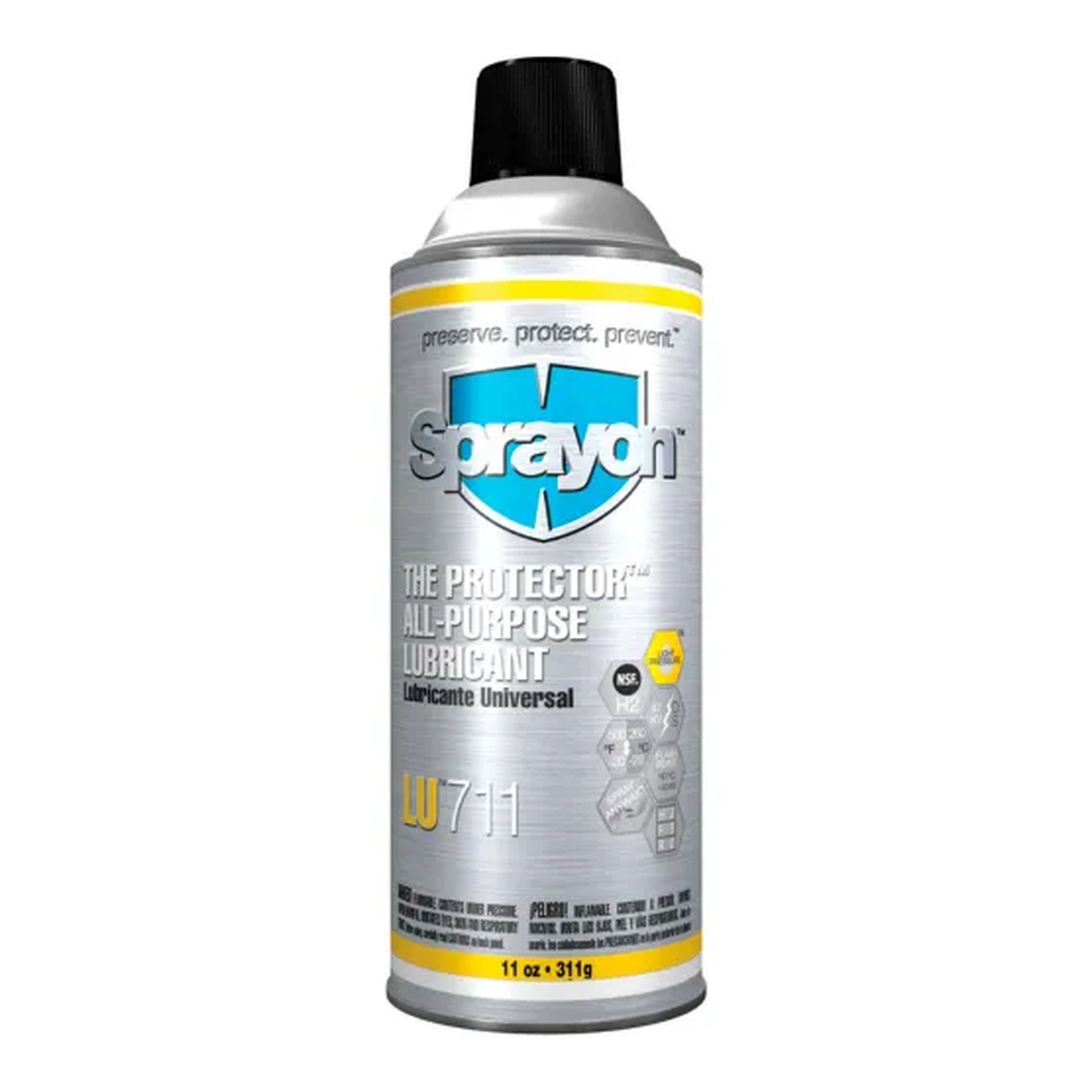
Sprayon
All-Purpose Lubricant, 11 oz Aerosol Can - Pack of 12
Our Price:$113.99Sold as a pack of 12. The displayed price is for one complete pack.This all-purpose lubricant is an aerosol maintenance product for facility and maintenance teams that need to loosen stuck parts,...
-
Sprayon
All-Purpose Silicone Lubricant, 10 oz Aerosol Can - Pack of 12
Our Price:$137.99Sold as a pack of 12. The displayed price is for one complete pack.This all-purpose silicone lubricant is supplied in a 10 oz aerosol can for maintenance teams and production operations that need to...
-
Chase Products
Galvanization Deposit Remover and Synthetic Lubricant, 12 oz Aerosol Can
Our Price:$155.94This aerosol product is for maintenance teams servicing rollers and dies affected by galvanization buildup. It helps soften deposits so they can flake away while providing lubrication and protection...
-
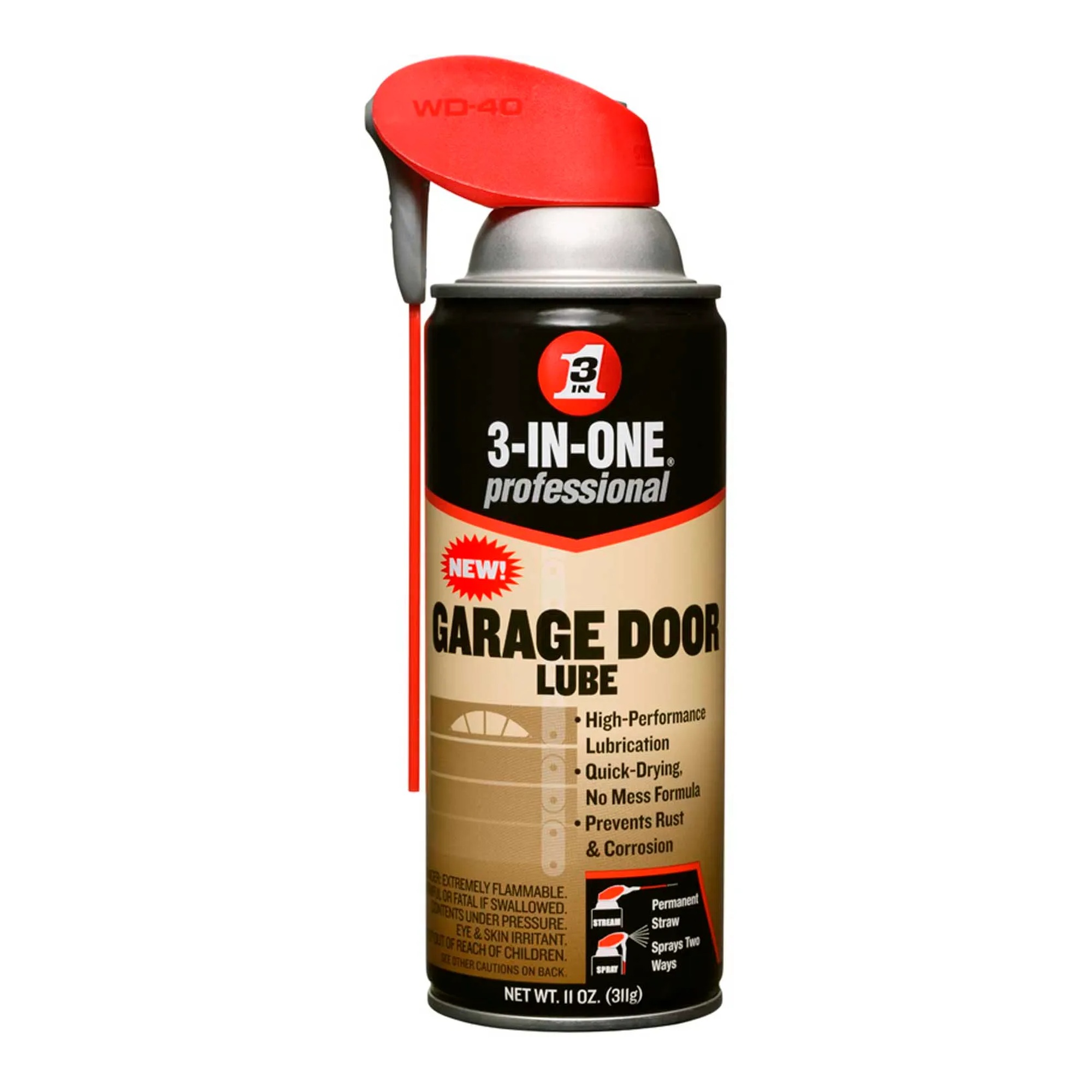
3-In-One
Garage Door Lubricant, 11 oz Aerosol Can, 6-Can Case
Our Price:$57.59Sold as a pack of 6. The displayed price is for one complete pack.This clear garage door lubricant is supplied in 11 oz aerosol cans for facility teams and property maintenance professionals...
-
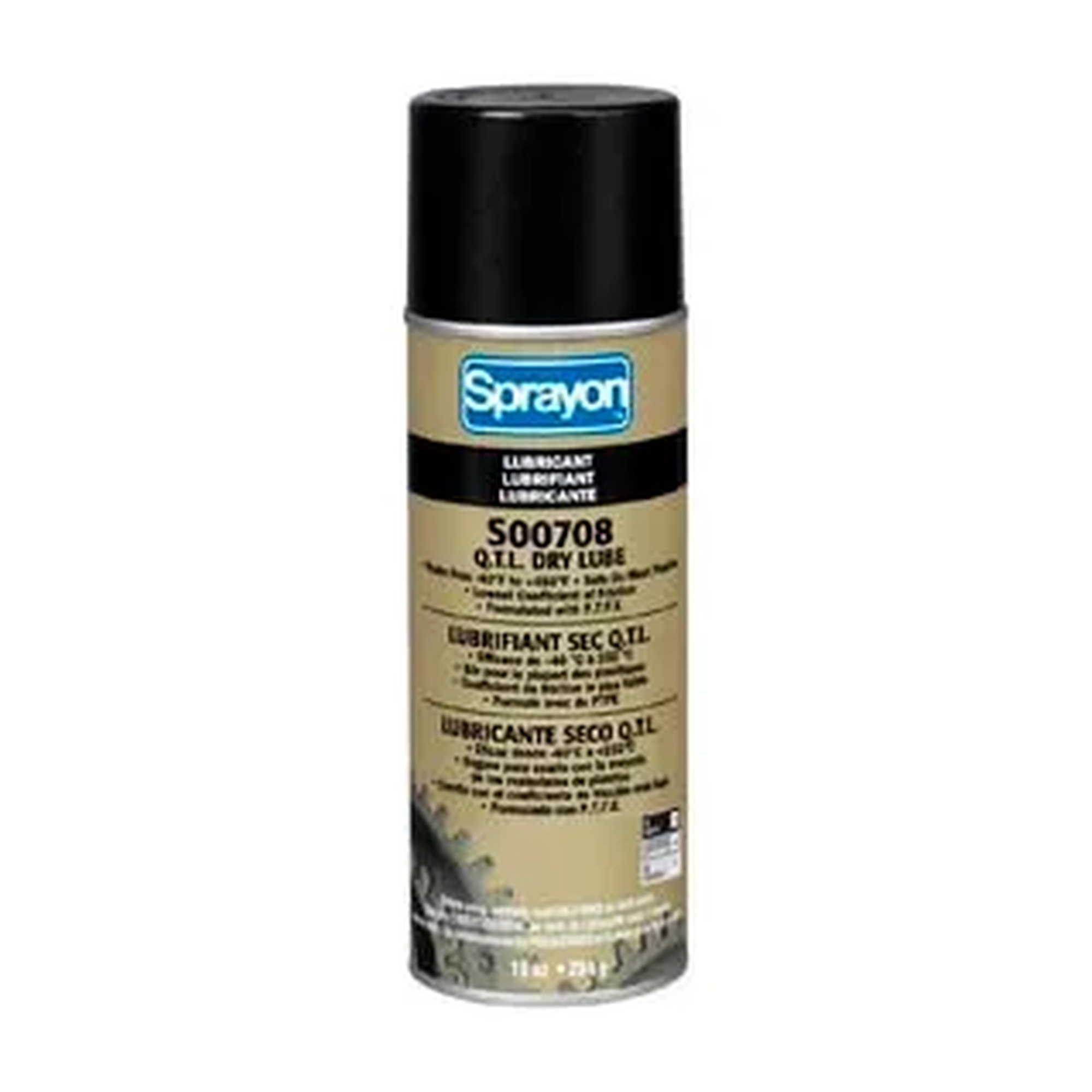
Sprayon
High-Performance Dry Lubricant, 10 oz Aerosol Can, 12-Pack
Our Price:$179.99Sold as a pack of 12. The displayed price is for one complete pack.This high-performance dry lubricant is supplied in 10 oz aerosol cans for maintenance teams that need a clean lubricating film on...
-
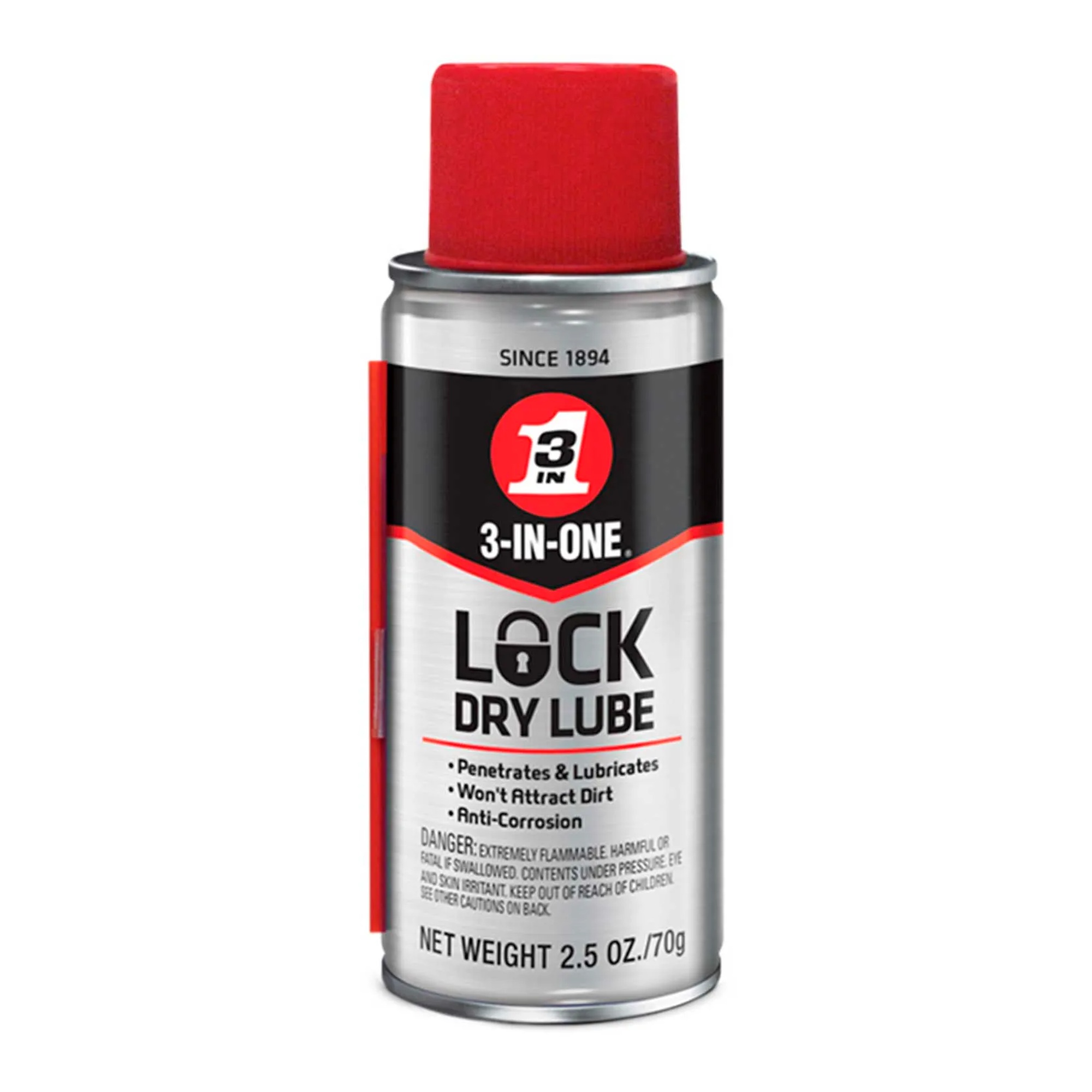
3-In-One
Lock Dry Lubricant Aerosol Can - Pack of 12
Our Price:$80.39Sold as a pack of 12. The displayed price is for one complete pack.This dry lubricant aerosol is designed for facility teams, maintenance staff, and commercial users who need to loosen, lubricate,...
-
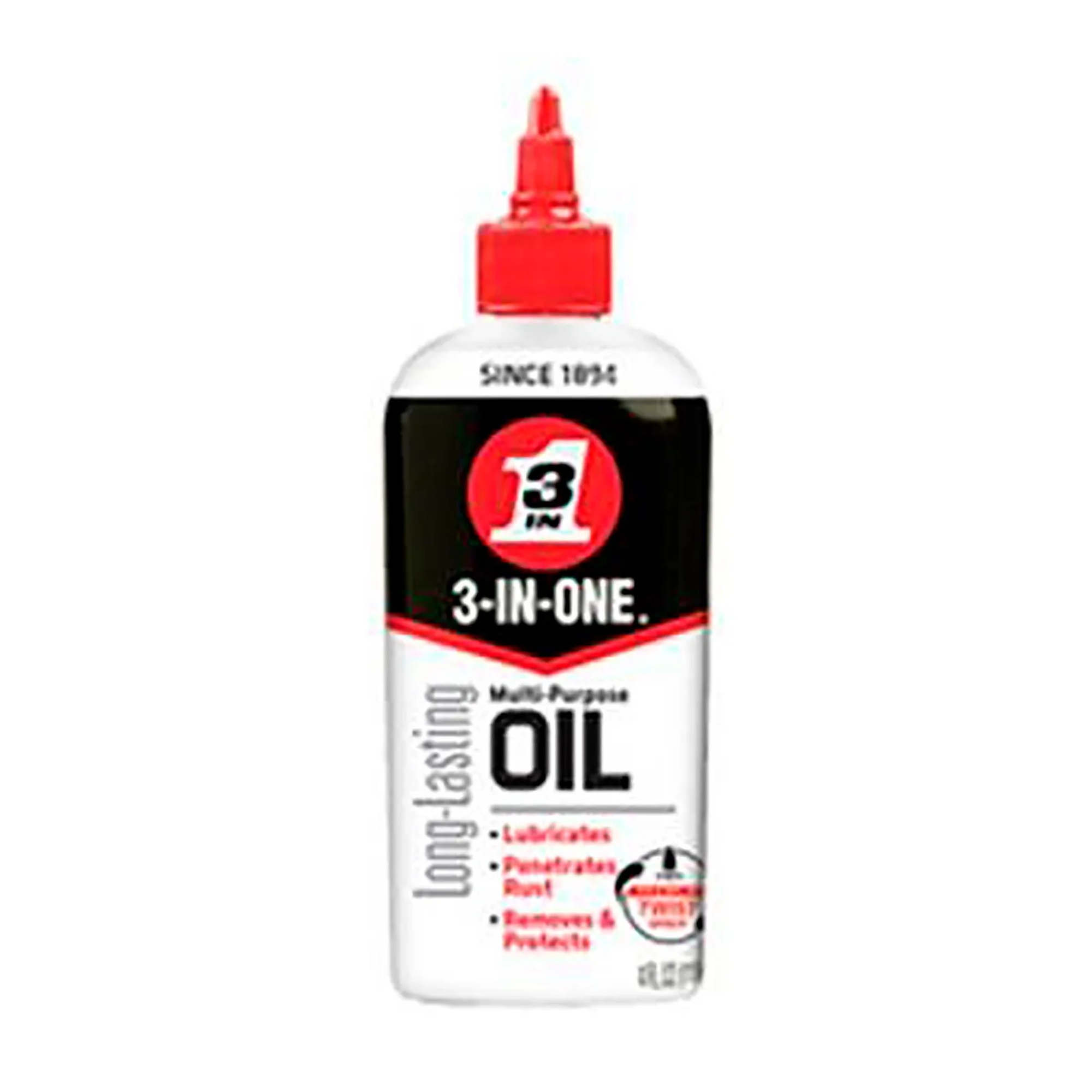
3-In-One
Multi-Purpose Synthetic Lubricating Oil, 4 oz Bottles, 12/Case
Our Price:$56.39Sold as a pack of 12. The displayed price is for one complete pack.This clear multi-purpose lubricating oil is supplied in 4 oz bottles for maintenance teams and commercial buyers who need...
-
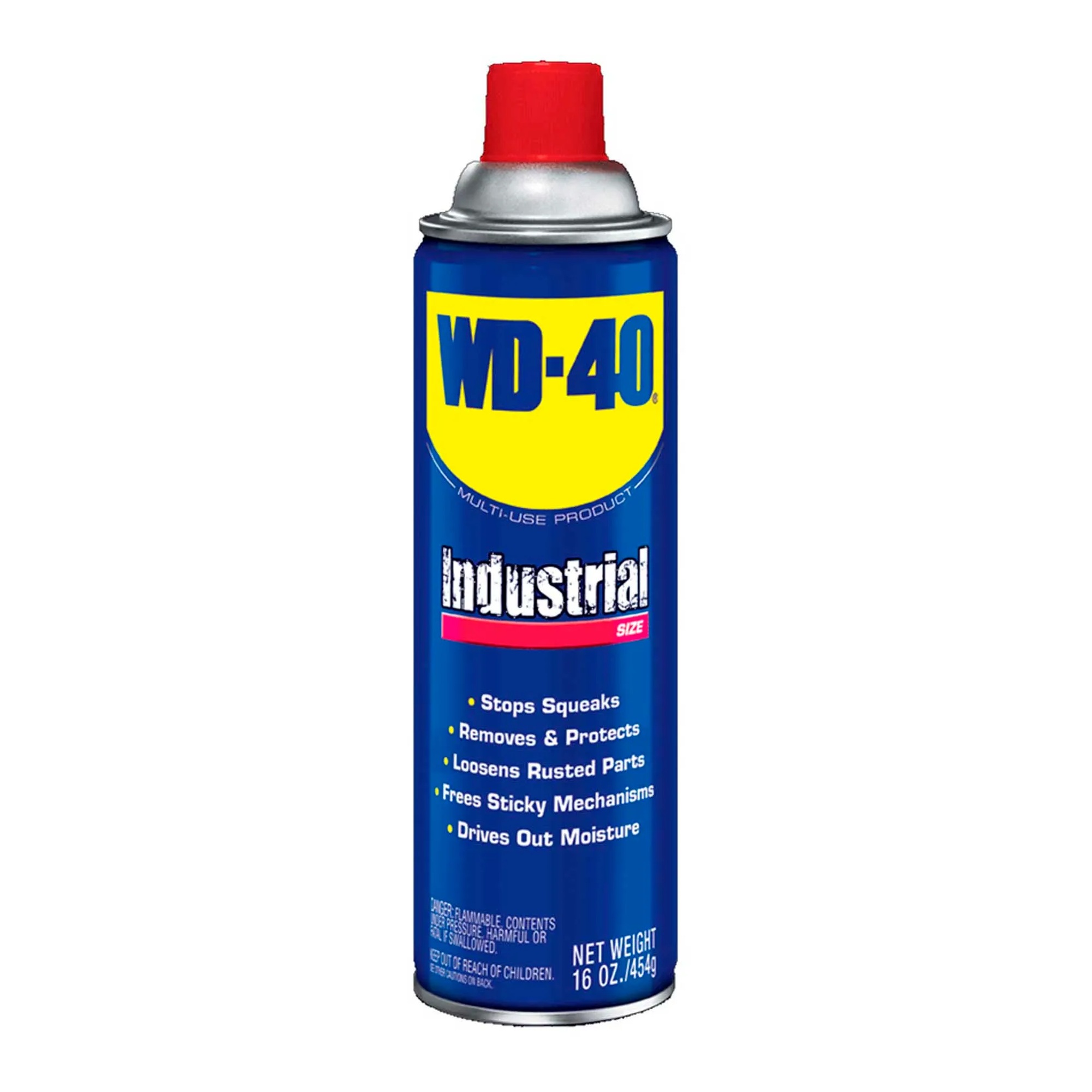
WD-40
Multi-Use Lubricant, 16 oz Aerosol Can - Pack of 12
Our Price:$134.99Sold as a pack of 12. The displayed price is for one complete pack.This 16 oz multi-use aerosol lubricant is designed for maintenance and repair professionals who need to lubricate moving parts, help...
-
WD-40
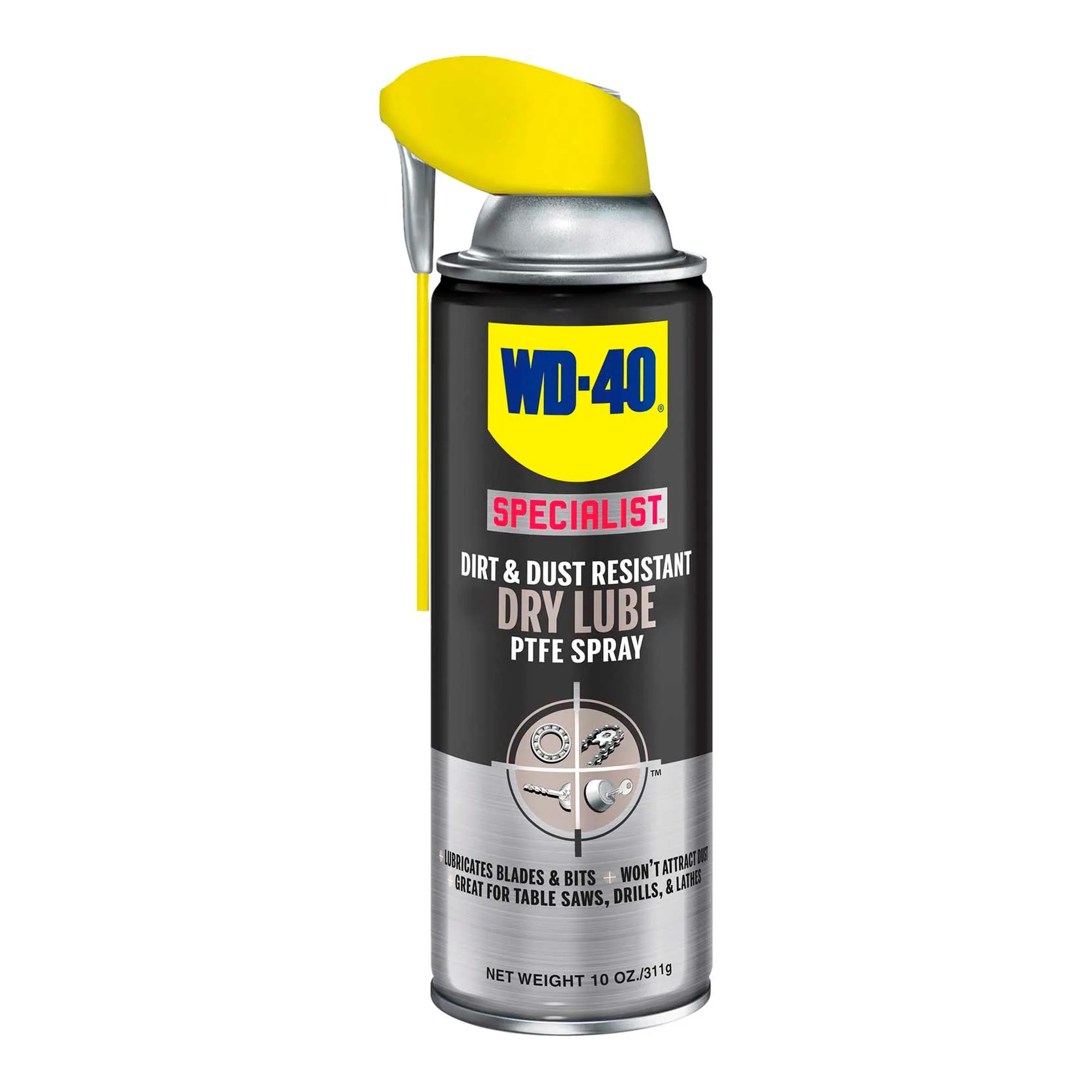
PTFE Dry Lubricant Spray, 10 oz - Pack of 6
Our Price:$55.79Sold as a pack of 6. The displayed price is for one complete pack.This PTFE dry lubricant spray is designed for maintenance teams and commercial buyers who need to reduce friction and help protect...
-
WD-40
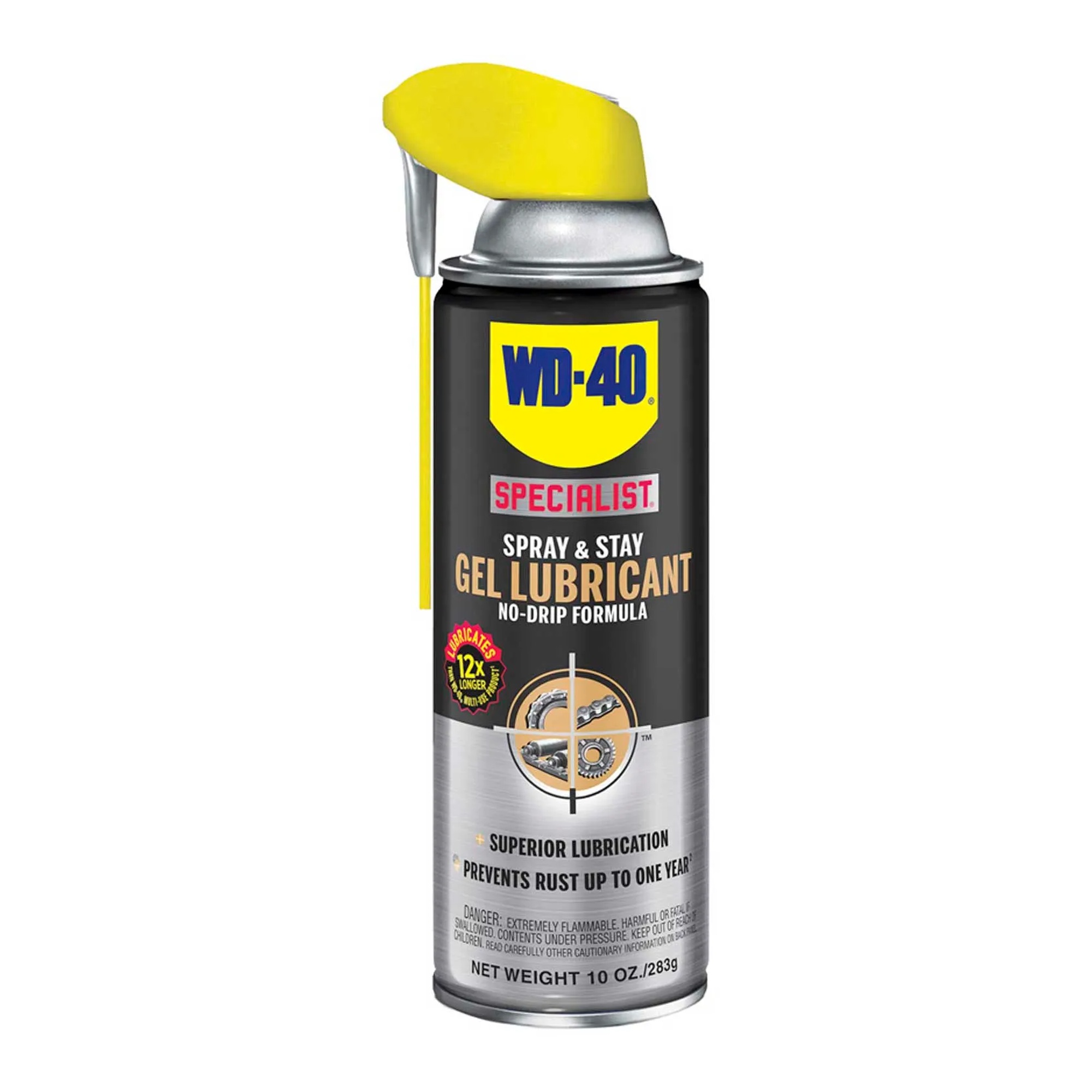
Spray-n-Stay Gel Lubricant, 10 oz Aerosol Can, 6/Case
Our Price:$82.49Sold as a pack of 6. The displayed price is for one complete pack.This synthetic gel lubricant is designed for facility maintenance teams and other commercial users who need to lubricate moving parts...
-
Sprayon
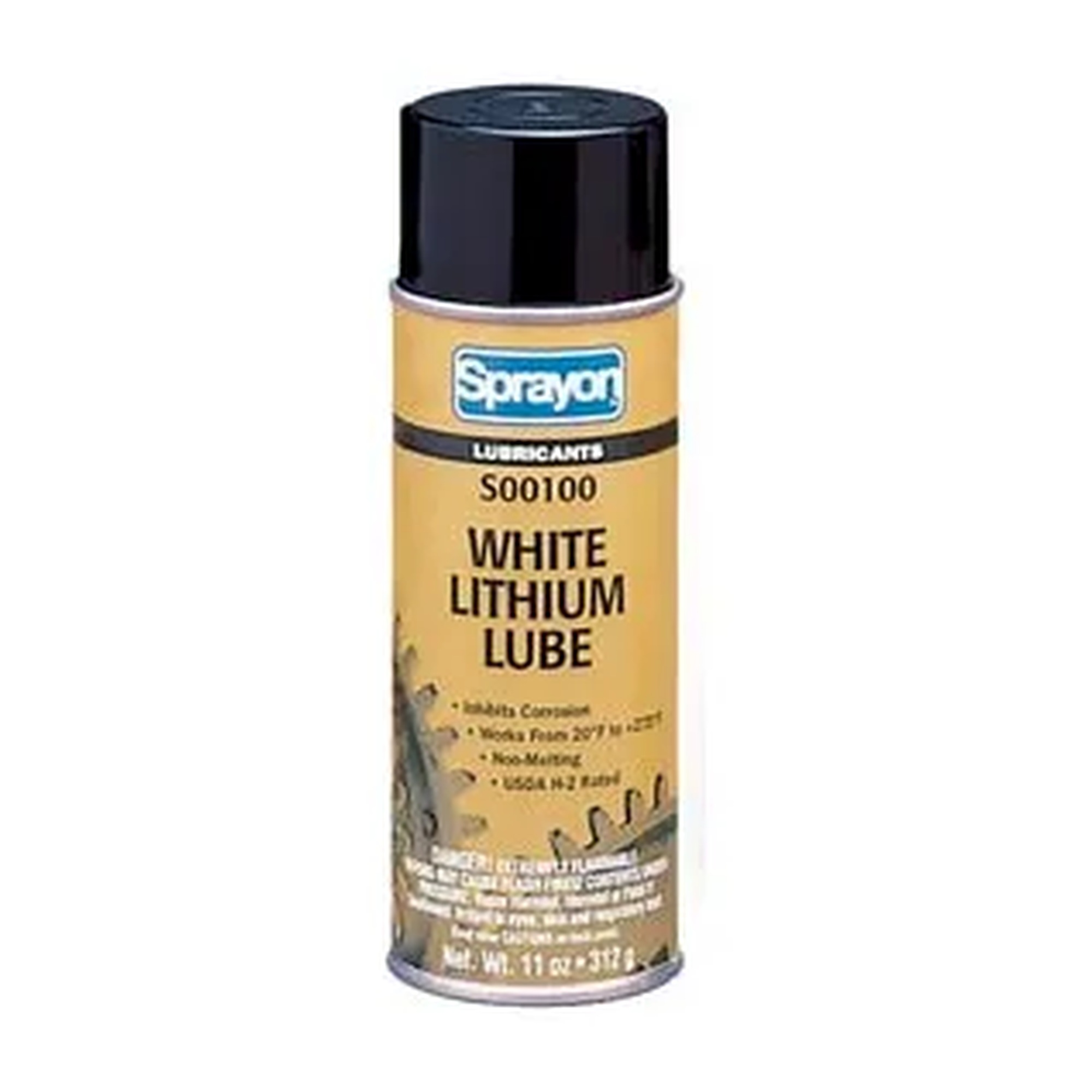
White Lithium Grease, 11 oz Aerosol Can - Pack of 12
Our Price:$125.99Sold as a pack of 12. The displayed price is for one complete pack.This white lithium grease is an aerosol lubricant for maintenance teams and commercial users who need to lubricate metal-to-metal...
Choose a lubricant that fits the maintenance task
General purpose lubricants are available in several formats and formulas for different maintenance needs. Start with the component and environment: consider whether you need a penetrating spray for stuck parts, a dry film that avoids oily residue, a gel or grease that stays in place, or a general-use oil for routine moving-part lubrication.
Popular examples in this category
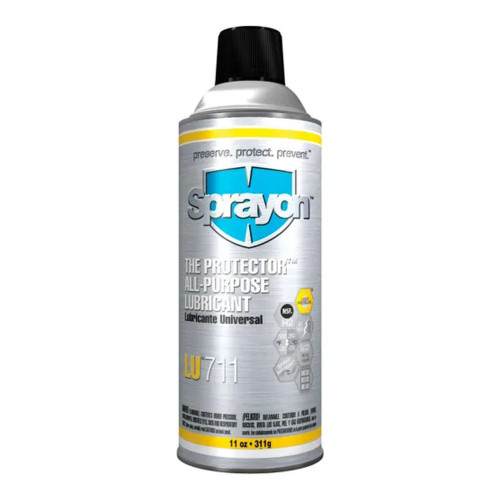 All-Purpose Lubricant, 11 oz Aerosol Can - Pack of 12FS-GLO-SC0711000
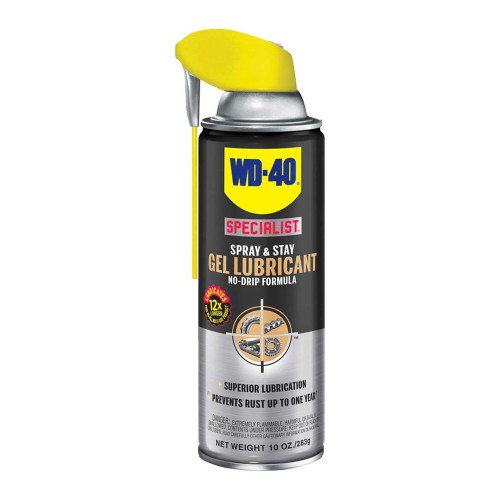 Spray-n-Stay Gel Lubricant, 10 oz Aerosol Can, 6/CaseFS-GLO-300103
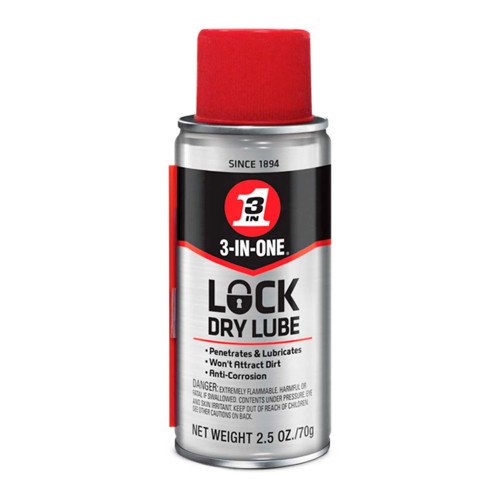 Lock Dry Lubricant Aerosol Can - Pack of 12FS-GLO-120077
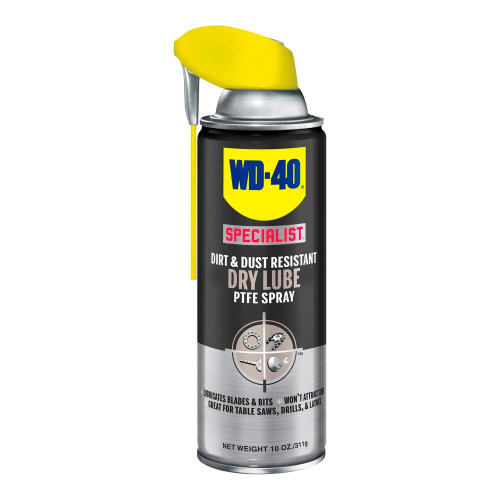 PTFE Dry Lubricant Spray, 10 oz - Pack of 6FS-GLO-300059
Support everyday maintenance work
Use general purpose lubricants on moving parts such as hinges, chains, gears, rollers, bearings, cables, tools, wheels, fans, nuts and bolts, and garage door components. Certain options are also intended for lock mechanisms, blades, slides, conveyor belts, rollers and equipment components.
Match the formula to the job
Select aerosol products for spray application and targeted access, including options with an extension tube or straw. Consider dry lubricants where a non-oily finish is preferred, gel or grease for vertical or overhead areas, and bottled oil for compact handling during routine maintenance.
Consider the surface and operating conditions
Review the intended surfaces and conditions before use. Available products include options for metal, plastic, rubber, wood and other materials, while selected lubricants are designed to withstand stated temperature ranges or help repel moisture and protect metal from corrosion.
Plan for finish and stocking needs
Finishes can be clear, dry, visible white, or grease-like depending on the product. Packaging may be single aerosol cans, multi-can packs, cases, or bottled oil, and some items have stated minimum-order quantities.
Selected dry lubricants help reduce friction without an oily residue that can attract dirt and dust.
Gel and high-solids grease options help maintain coverage on vertical, overhead, and moving components.
Attached straws and extension tubes help direct aerosol lubricant into narrow or tight areas.
Selected formulas displace water, repel moisture, or help protect treated metal from corrosion.
Compare lubricant approaches
Use this overview to narrow the formula and application style that best fits the component being maintained.
| Lubricant approach | Best suited for | Key selection consideration |
|---|---|---|
| Multi-use and penetrating sprays | General moving parts, stuck components, moisture displacement, and rust-prevention tasks | Choose for broad maintenance needs and aerosol application. |
| Dry lubricants | Locks, slides, rollers, blades, conveyor belts, and low-speed light-load applications | Choose when a dry, non-oily finish is preferred. |
| Gel, grease, and silicone lubricants | Vertical surfaces, metal-to-metal contact points, garage door components, and surfaces where reduced sticking is needed | Choose based on stay-in-place needs, desired finish, and surface compatibility. |
Plan the right fit before choosing
Pick a format and finish suited to the component
Aerosol lubricants help direct product onto equipment parts and into difficult-to-access areas. Some include a straw or extension tube for more precise application. Bottled lubricating oil offers a compact format for general upkeep of items such as tools, hinges, wheels and fans.
- Choose penetrating, multi-use formulas for general lubrication, water displacement, rust prevention, or loosening stuck parts.
- Choose dry lubricants for moving parts or release surfaces where avoiding a sticky or oily film is important.
- Choose gel lubricants or white lithium grease when a product needs to remain on vertical, overhead, or moving components.
- Choose silicone lubricant where petroleum-based lubricants are not preferred.
Match the lubricant to the maintenance environment
The right selection depends on the component, its material, the desired finish, and operating conditions. For example, lock-specific dry lubricant is intended for lock mechanisms, while garage door lubricant is intended for hinges, tracks, chains, pulleys and latches in garage door systems. A product for rollers and dies can also help soften galvanization buildup while lubricating treated components.
- Confirm the product is intended for the materials being treated, such as metal, plastic, rubber, wood, glass, fabric, leather, or most plastics where stated.
- Consider temperature requirements when the application operates in hot or cold conditions.
- Use targeted applicators for narrow areas and wider spray coverage when treating more of an assembly.
- Consider clear, quick-drying, dry, or visible white finishes based on the maintenance task.
Review packaging before ordering
Maintenance teams can choose from aerosol cans, packs, cases, and bottled oil. Review the listed package quantity and any stated minimum order so the format aligns with planned maintenance stocking needs.
- Aerosol formats support direct spray application to components.
- Multi-can packs and cases can support ongoing maintenance inventory.
- Compact bottled oil can be useful for storage and handling during routine upkeep.
- Some products are available from a single unit, while others have a stated minimum order.
Common questions before buying
What are general purpose lubricants used for?
They are used for routine maintenance of moving components, including hinges, chains, gears, rollers, locks, tools, garage door parts, and other equipment components.
When should I choose a dry lubricant?
Choose a dry lubricant when you need to reduce friction without leaving an oily or sticky film that can attract dirt and dust.
Why choose an aerosol lubricant?
Aerosol formats support direct application to components, and some include a straw or extension tube for more precise access to narrow or tight areas.
What should I check before selecting a lubricant?
Check the intended component, compatible surfaces, desired finish, application format, stated temperature needs, package quantity, and any listed minimum order.
Choosing the right file folders
FilingSupplies.com carries end-tab folders for open-shelf systems, top-tab folders for drawer filing, and heavy-duty classification folders with dividers and fasteners for multi-section records. Pick letter or legal size, then choose material (11-pt, 14-pt, or 18-pt manila), optional reinforced tabs, color-coding, and expansion capacity to match your volume.
Folder FAQs
End-tab vs. top-tab — what’s the difference?
When should I choose classification folders?
Letter or legal size — how do I pick?
What tab and material options are available?
Can I add fasteners, pockets, or expansion?
Do you offer volume pricing or custom printing?
Outfitting classrooms that work all day
Build a durable, age-appropriate classroom with furniture, early-learning materials, storage bins, learning centers, and presentation tools. Choose adjustable pieces that grow with grades, label friendly bins for quick clean-up, and tech carts that secure, charge, and move easily.
Education FAQs
What safety labels should I look for on school and early-childhood items?
How do I pick classroom furniture across grade levels?
What’s the best way to organize supplies and centers?
How do I choose learning games and manipulatives by age?
What should I consider in a charging/tech cart?
Do you support school POs, bulk pricing, or custom printing?
Choosing the right labels
From color file labels to printable sheets, select the right size, adhesive, and print method to match your filing system and equipment. Decide on sheet vs. roll format, then pick permanent or removable adhesive and your color set.
Labels FAQs
Sheet vs. roll labels — what’s the difference?
Permanent or removable adhesive?
Will these labels work in my printer?
How do I match the label size to folder tabs or binder spines?
Can I get preprinted sequences or color bars?
Do you have templates?
Choosing the right tab dividers
Organize binders with preprinted or blank tabs. Select the number of tabs per set (5, 8, 10, or 12), choose paper with reinforced tabs or durable poly, and match letter or legal size for a clean fit.
Tab Dividers FAQs
What do 5-, 8-, 10-, or 12-tab sets mean?
Paper vs. poly — which should I choose?
Are the tabs printable?
Will they fit my binder?
Can I mix preprinted and blank tabs?
Do you make custom tab sets?
Choosing the right office supplies
From everyday paper and pens to binders, mailers, and desk organizers, pick durable, compatible options that match your equipment and team size. Start with the right paper and labeling, then add organizers that keep work moving.
Office Supplies FAQs
Which paper weight and brightness should I choose?
Round-ring vs. D-ring binders — what’s the difference?
What does “sheet capacity” mean on staplers and hole punches?
Will labels, envelopes, and mailers work with my printer?
How do I choose mailers and shipping boxes?
Do you offer eco-conscious options or bulk pricing?
Choosing the right sports & PE equipment
Equip classes, teams, and rec programs with durable balls, goals, cones, pinnies, storage, and safety gear. Match sizes and materials to age group and whether you play indoors or outdoors.
Sports & Athletics FAQs
What ball sizes should I choose for different ages?
- Basketball: Size 5 (27.5") youth, Size 6 (28.5") intermediate, Size 7 (29.5") official.
- Soccer: Size 3 up to ~8 years, Size 4 ~8–12, Size 5 ~12+.
- Volleyball: Regulation balls for teens/adults; lighter training balls for younger players.
Indoor vs. outdoor — which materials hold up best?
How many pinnies, cones, or markers do I need?
Tips for storage and care?
Are items latex‑free and school‑safe?
Do you support bulk orders or custom printing (team names)?
Choosing the right FireKing fireproof cabinet
FireKing fireproof file cabinets, safes, and storage cabinets are designed to protect important documents, records, and valuables from fire damage while keeping files organized and accessible. When choosing a FireKing cabinet, compare drawer configuration, storage type, fire rating, and overall capacity based on the records or materials you need to protect.
FireKing FAQs
What is the difference between FireKing vertical and lateral file cabinets?
What can I store in a FireKing fireproof file cabinet?
Are FireKing cabinets only for paper records?
How do I choose between a FireKing safe, file cabinet, or storage cabinet?
What sizes are available in FireKing cabinets?
Are FireKing cabinets used in offices, medical facilities, and government records storage?
Can I buy FireKing cabinets in bulk or get help choosing the right model?
Shipping & Policies
Do you offer free shipping?
What are your shipping rates?
- $6.95 for labels-only orders under $40
- $14.95 flat rate for everything else