
-
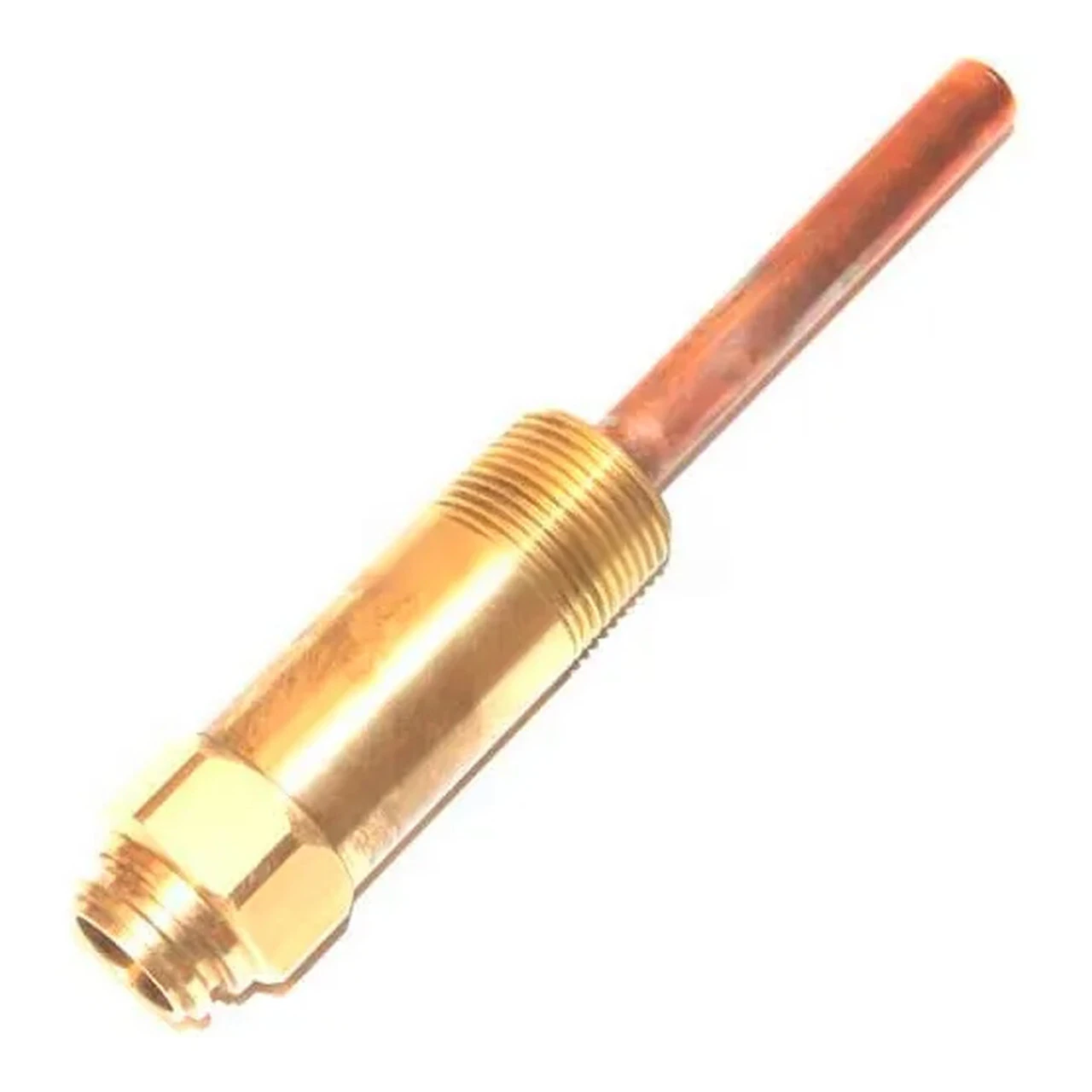
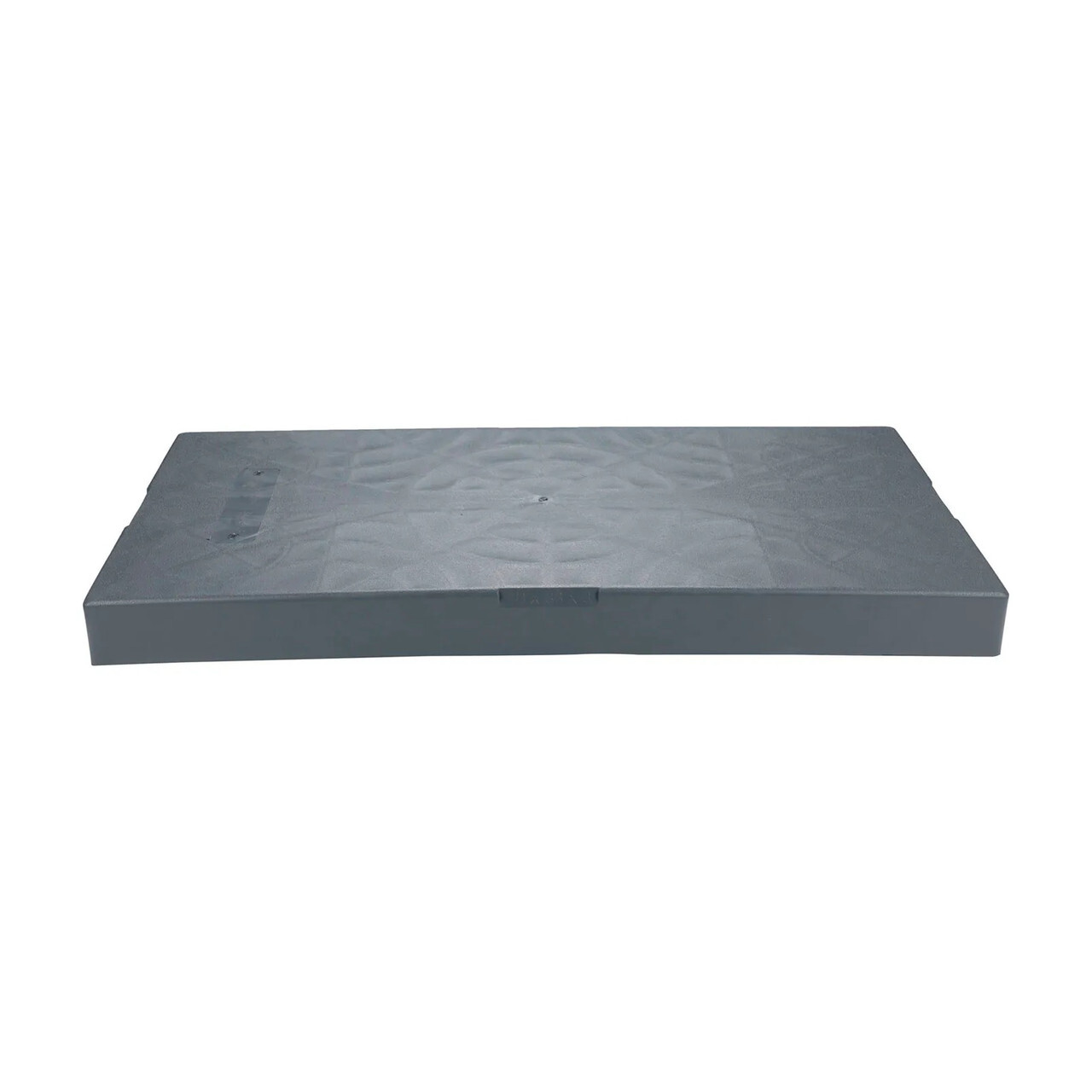
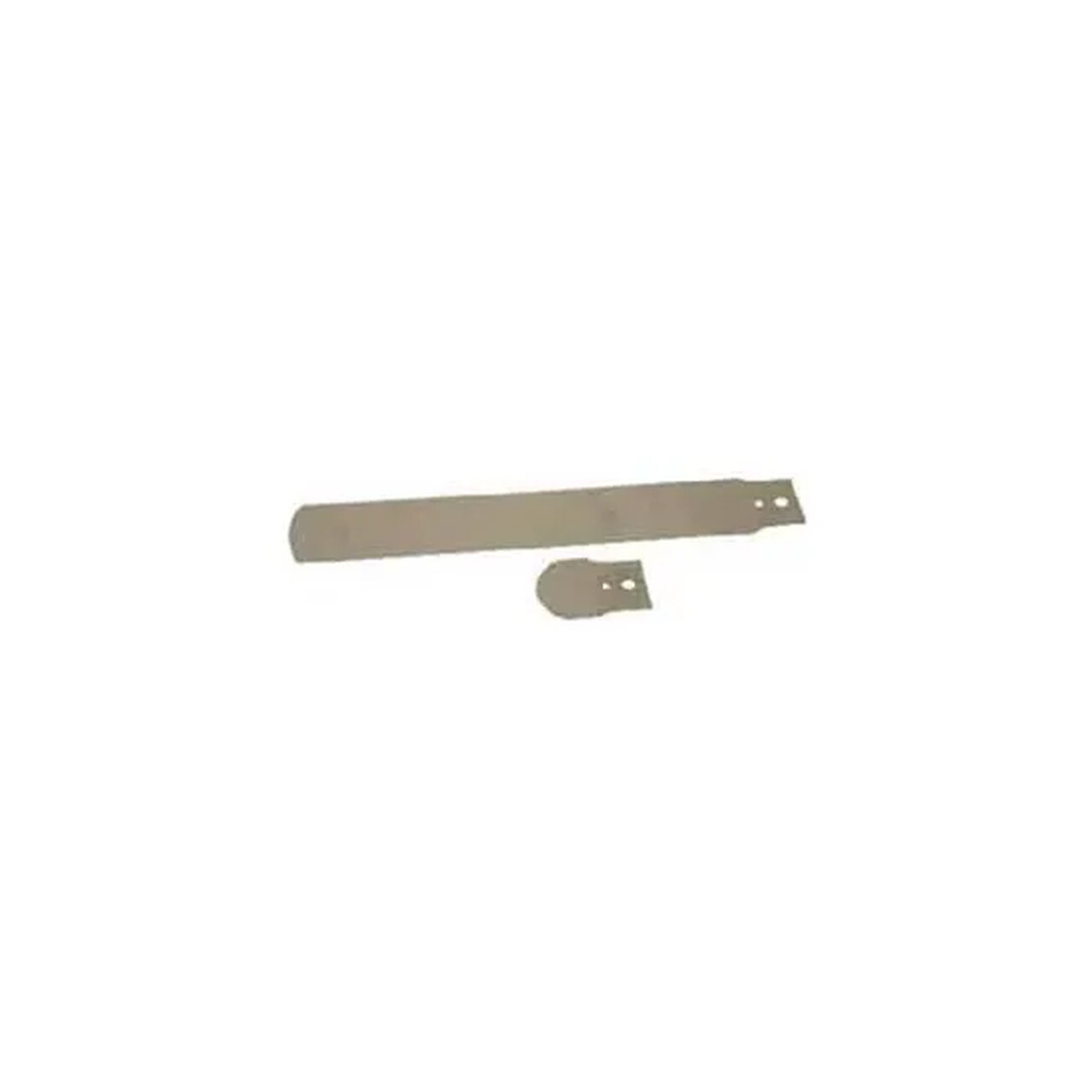
Clear Plastic Thermostat Guard
Our Price:$60.94This clear plastic thermostat guard is for customers who need to cover a thermostat while keeping it visible. It provides a dedicated enclosure around thermostats with the specified opening size.The...
-
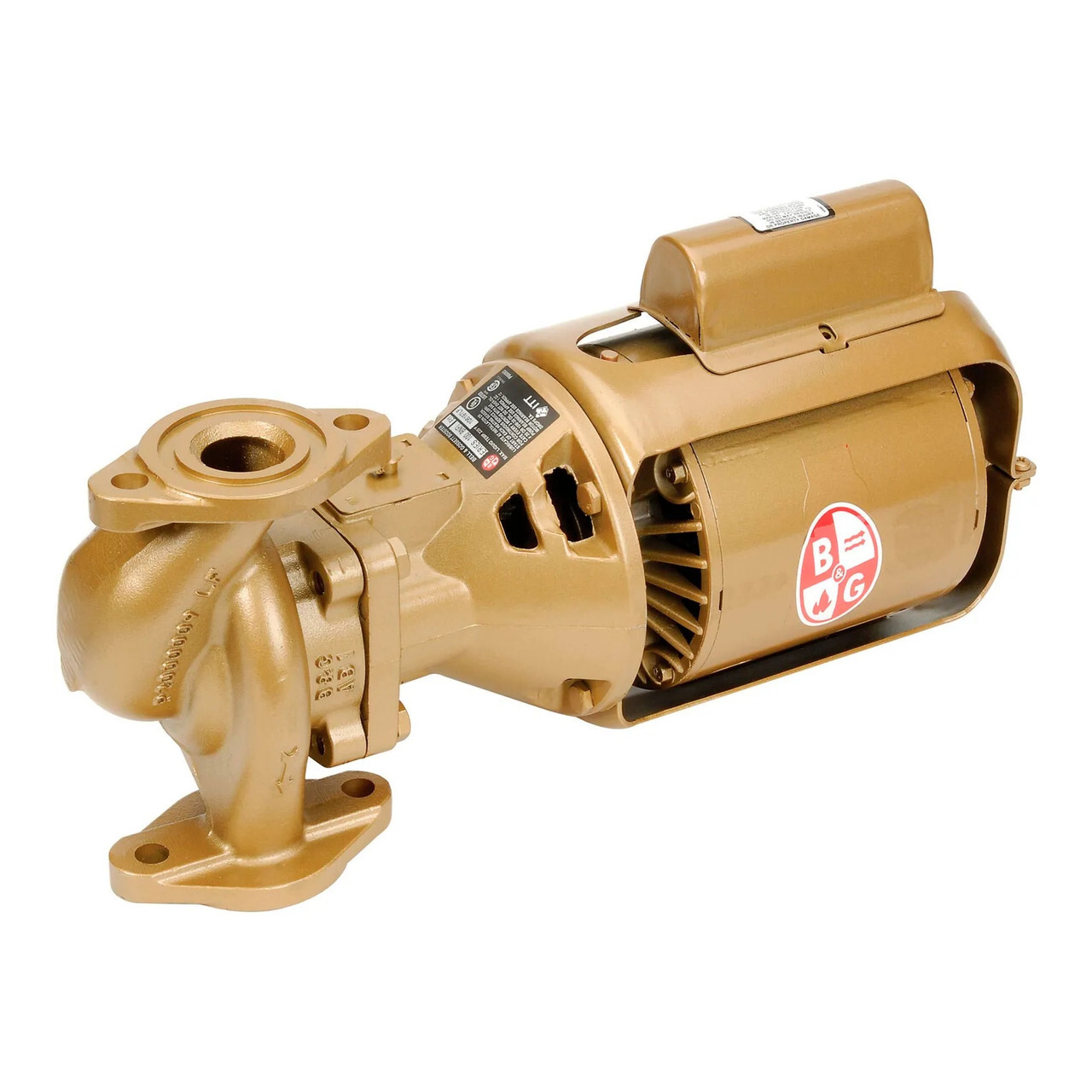
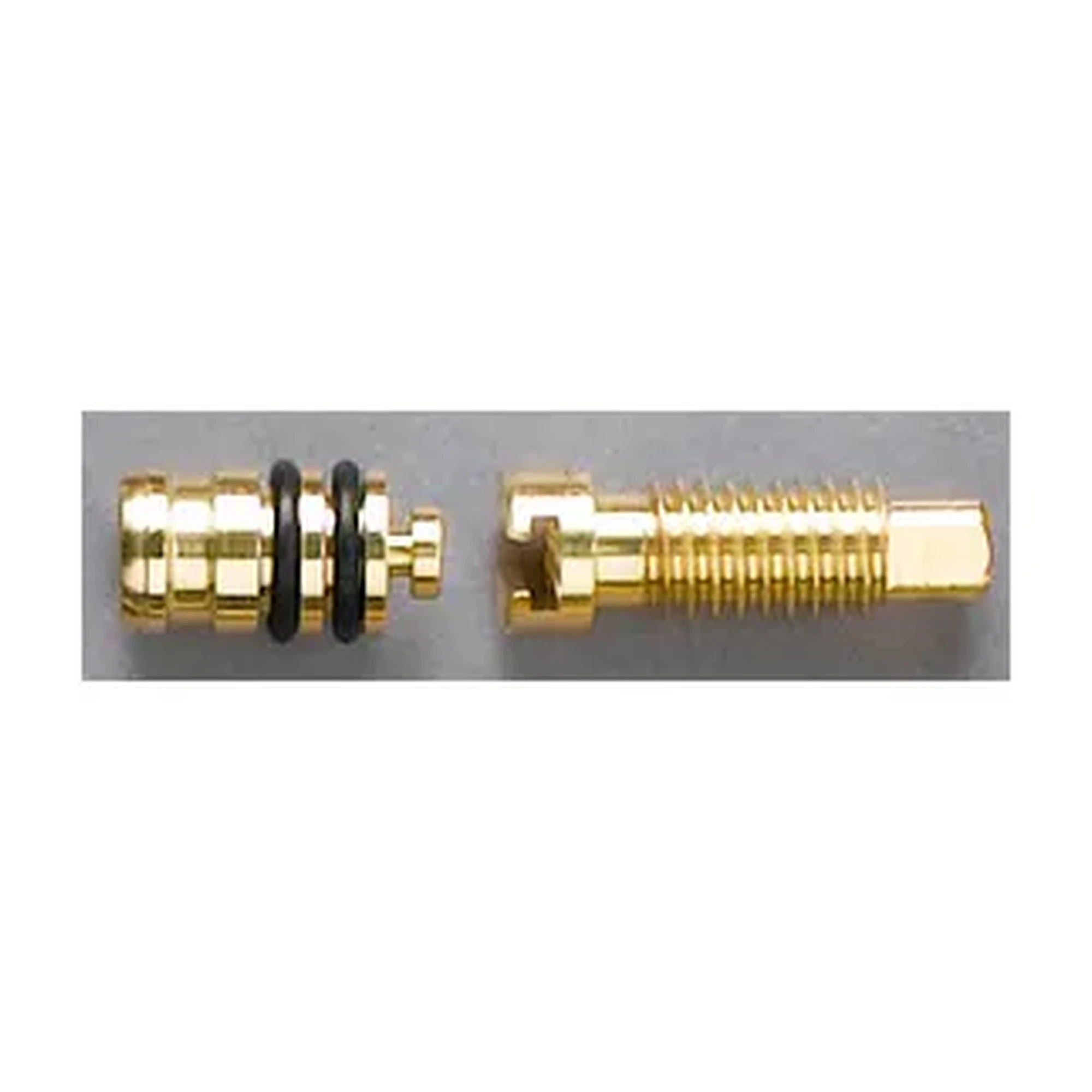
1 in. Bronze Flange Set for Compatible Circulator Pumps
Our Price:$135.94This 1 in. bronze flange set is a circulator pump accessory for HVAC professionals and maintenance teams working with compatible pump models. It provides the specified flange set for use with UP15,...
-
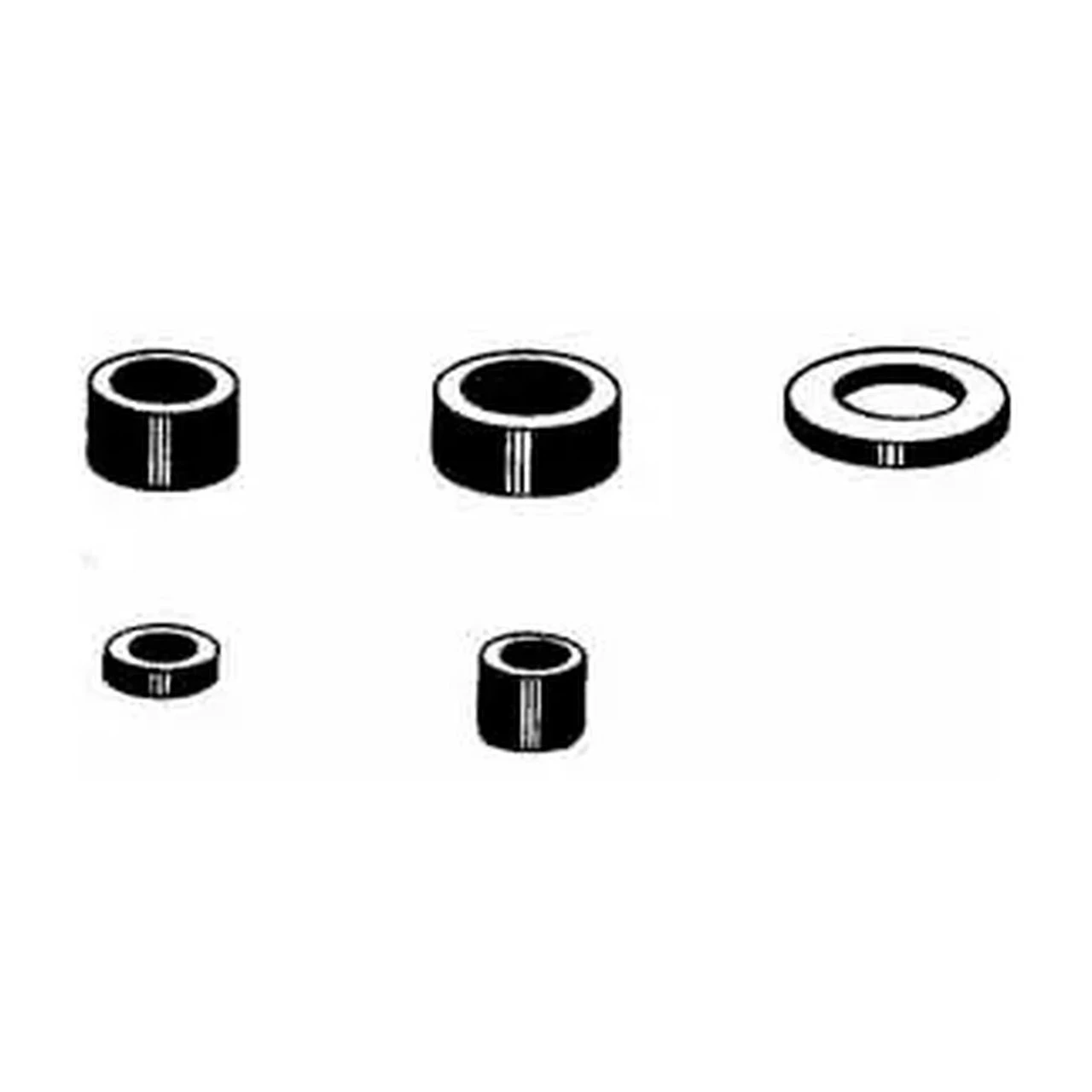
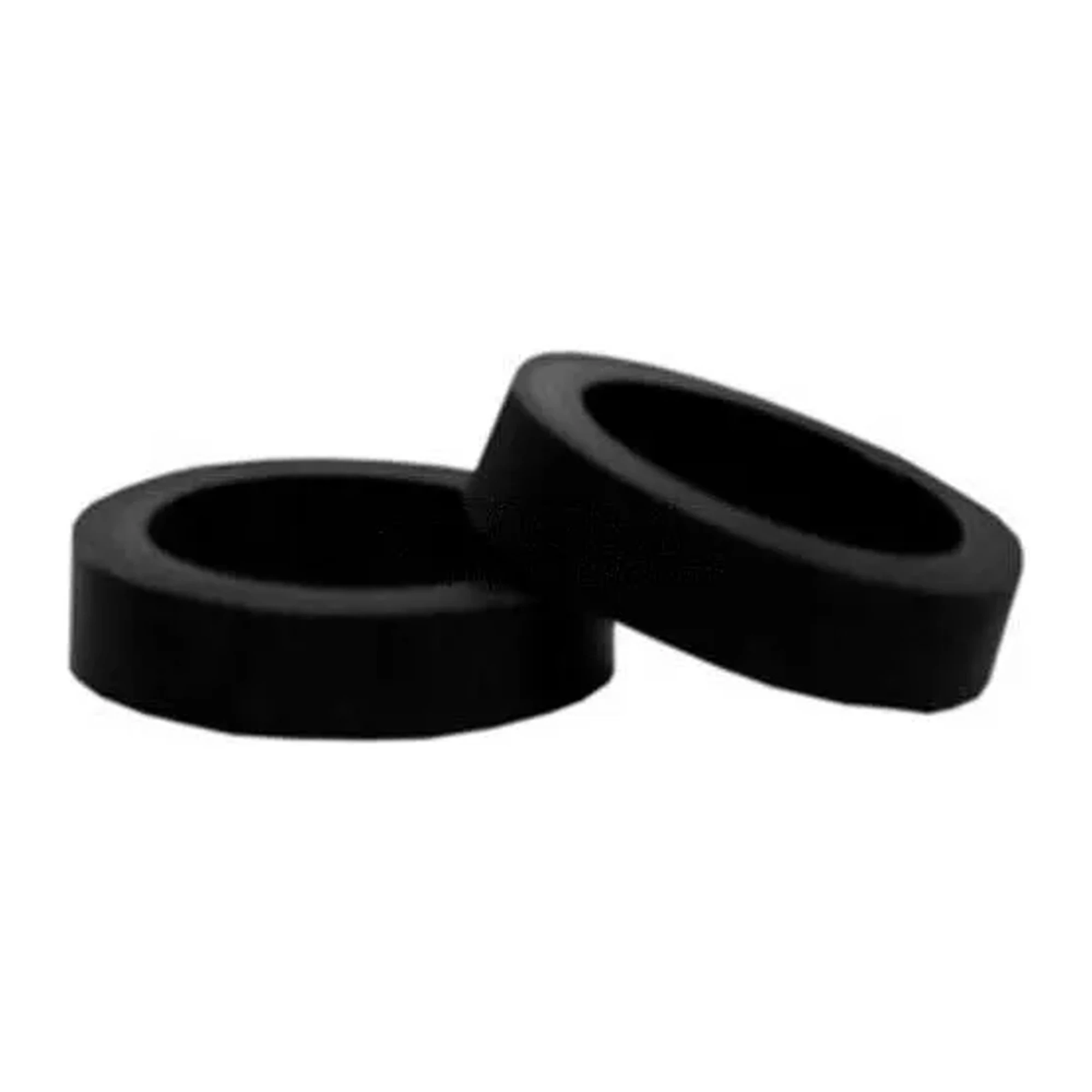
1 in. Shaft Thrust Collars, 2-Pack
Our Price:$40.94These thrust collars are designed for buyers servicing equipment with 1 in. shafts. Supplied as a two-pack, they help position components along a shaft in truck, generator, and construction machinery...
-
1-1/2 in. Bronze-Finish Flange Set for UPS Circulator Pumps
Our Price:$129.94This 1-1/2 in. flange set is a circulator pump accessory for HVAC professionals servicing compatible UPS pumps. It provides the specified flange set for use with UPS40, UP43, and UPS43 pump models...
-
1-1/2 in. Cast Iron Circulator Pump Flange Set
Our Price:$35.94This 1-1/2 in. cast iron flange set is a circulator pump accessory for HVAC service professionals and maintenance teams. It is used with compatible pumps to support pump installation or replacement...
-
1-Inch NPT Flow Switch with Stainless Steel Paddles
Our Price:$439.94This 1-inch NPT flow switch is for HVAC and equipment-control professionals who need to start or stop electrically operated devices in response to water flow. It can be used to control equipment such...
-
1-Inch Shaft Thrust Collars, 12-Pack
Our Price:$19.74These 1-inch shaft thrust collars are for users servicing trucks, generators, and construction machinery. They provide a collar component for shaft-related applications where a thrust spacer and...
-
1/2-Inch Sweat Union Set for UP Model Circulators
Our Price:$83.94This 1/2-inch sweat union set is a circulator pump accessory for buyers servicing compatible UP model circulators. It provides the connection components needed for the circulator installation.The...
-
1/4 in. Piston for Series 41 and Titan Manifolds
Our Price:$7.69This 1/4 in. piston is a replacement manifold component for HVAC service professionals using compatible Series 41 and Titan manifolds. It supports maintenance of those manifold assemblies.The piston...
-
1/4-Inch Replacement Gaskets, Pack of 10
Our Price:$8.79These 1/4-inch replacement gaskets are for HVAC service professionals who need to replace gaskets in compatible charging-hose connections. The 10-pack provides replacement parts for servicing hose...
-
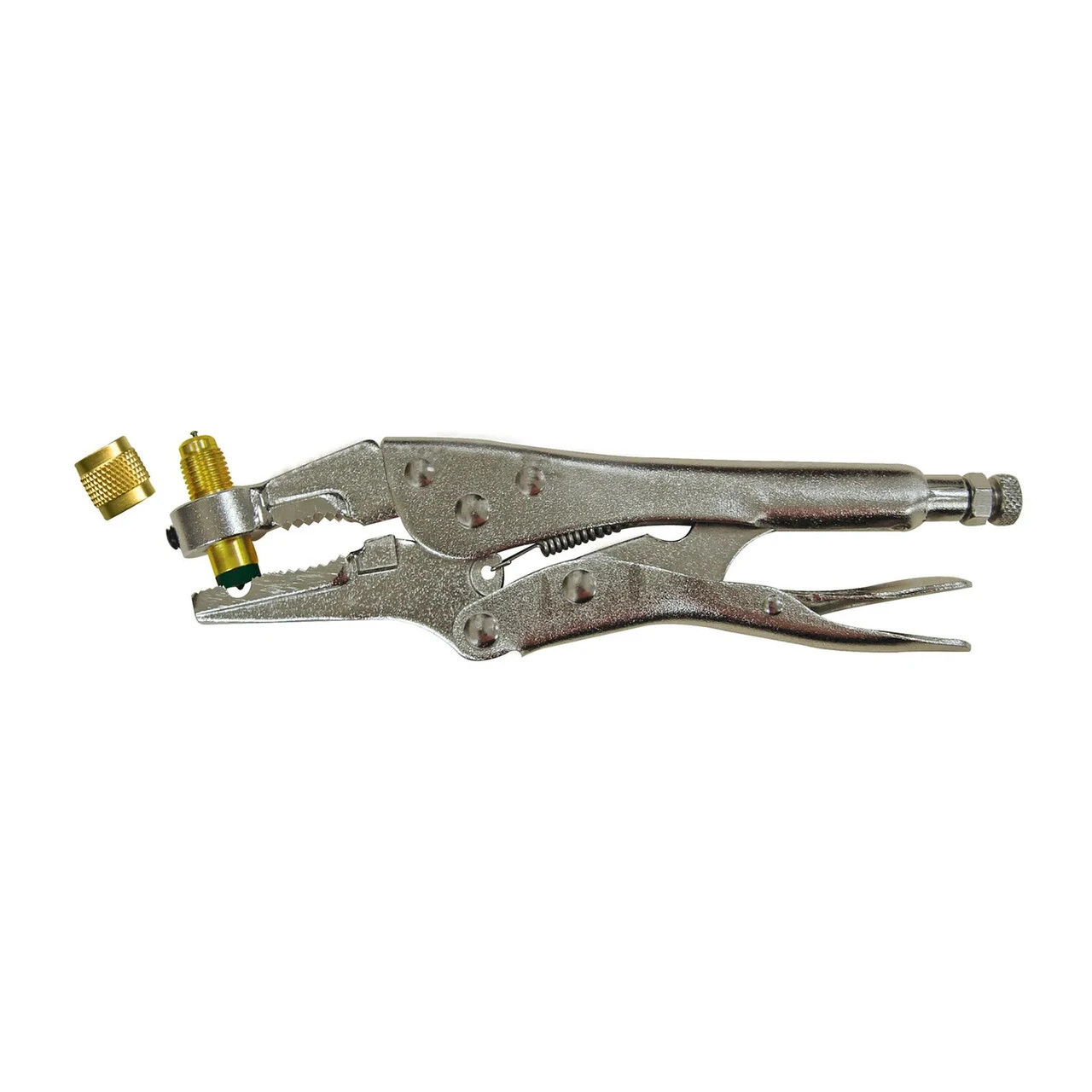
1/4-Inch Tube Piercing Pliers
Our Price:$37.94These 1/4-inch tube piercing pliers are an HVAC installation and maintenance tool for service professionals who need to pierce compatible tubing during HVAC work.The pliers are designed for 1/4-inch...
-
10 MFD 370/440V Oval Run Capacitor
Our Price:$15.99This oval run capacitor is for HVAC technicians and maintenance professionals servicing compatible HVAC equipment. It provides 10 MFD capacitance with a 370/440V rating for 50/60 Hz operation.The...
-
10 MFD 440V Oval Run Capacitor
Our Price:$5.59This oval motor run capacitor is for HVAC service professionals and maintenance teams replacing a compatible capacitor in motor-operated equipment. It provides 10 MFD capacitance at 440V to support...
-
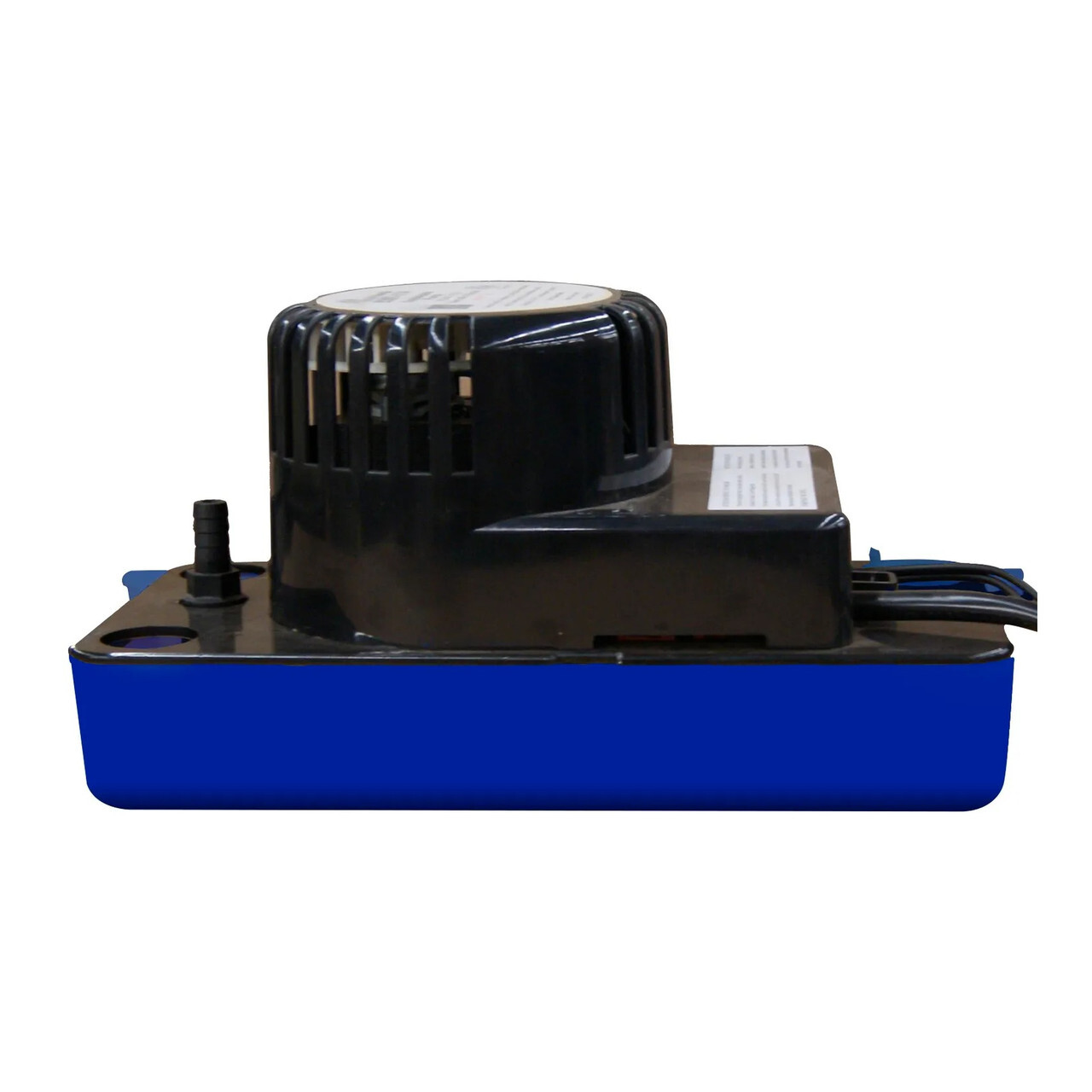
115V Condensate Removal Pump with Safety Switch
Our Price:$119.94This condensate removal pump helps HVAC professionals and facility maintenance teams move collected condensate away from air conditioners, high-efficiency gas furnaces, and condensing boilers. Its...
-
115V Condensate Removal Pump, 65 GPH
Our Price:$109.94This 115V condensate removal pump is for commercial HVAC buyers who need to move collected condensate away from air conditioners, high-efficiency gas furnaces, and condensing boilers.The pump...
-
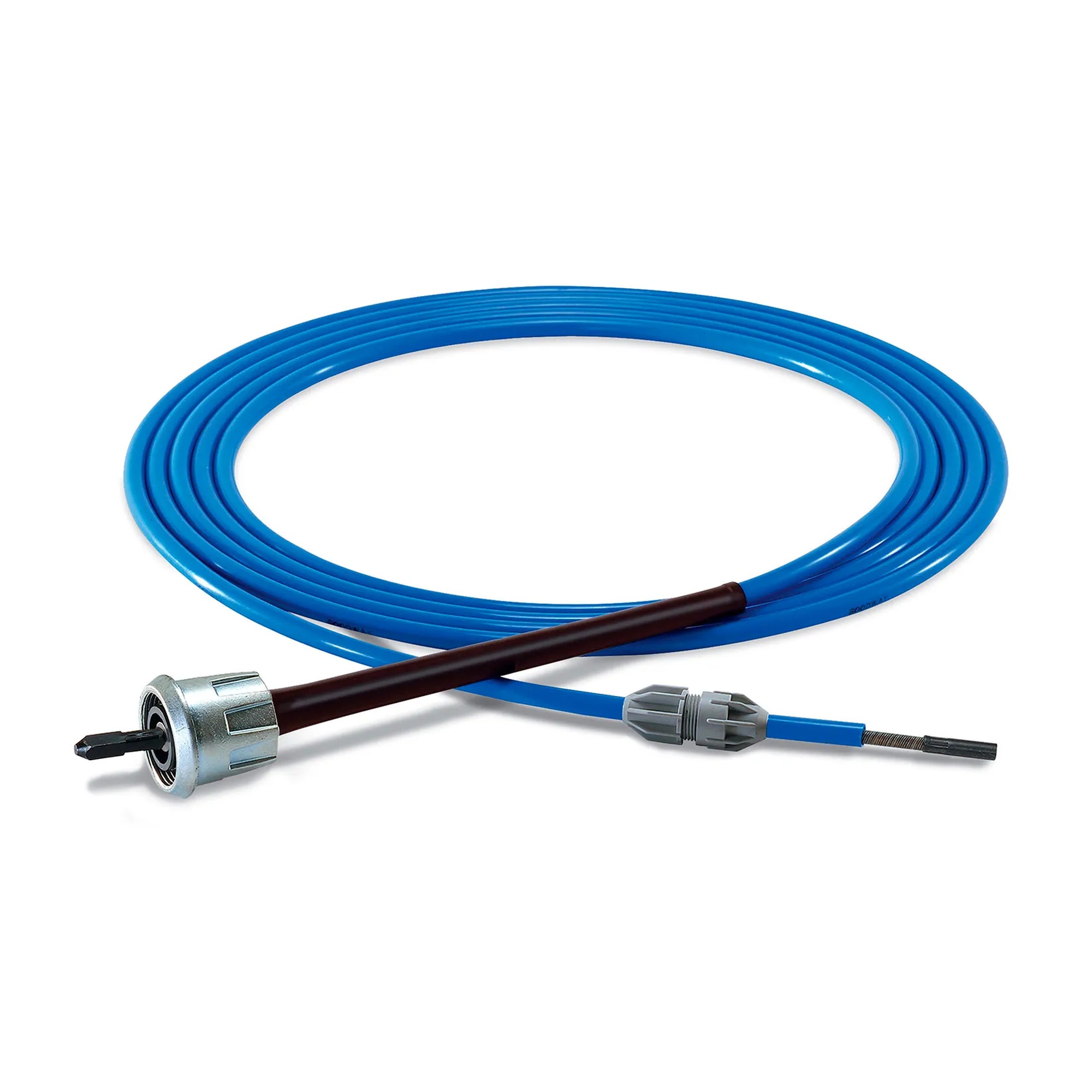
12 ft Flexible Tube Cleaning Shaft for 1/4 in. to 3/8 in. ID Tubes
Our Price:$319.94This flexible tube cleaning shaft is for HVAC service professionals performing wet cleaning of small-diameter tubes. It helps guide a compatible cleaning brush through tube interiors to support...
-
12 ft Flexible Tube Cleaning Shaft for 11/16 in to 1 in ID Tubes
Our Price:$469.94This flexible tube-cleaning shaft is for HVAC service professionals cleaning wet tubes with inside diameters from 11/16 in to 1 in. It provides the reach and flexibility needed to drive a compatible...
-
12 ft Flexible Tube Cleaning Shaft for 7/16 to 1/2 in. ID Tubes
Our Price:$349.94This flexible tube cleaning shaft is for HVAC maintenance professionals performing wet cleaning in tubes with 7/16 to 1/2 in. inside diameters. It provides the reach and flexibility needed to drive a...
-
12 ft Flexible Tube Cleaning Shaft for 9/16 in. to 1 in. ID Tubes
Our Price:$365.94This flexible tube cleaning shaft is used by HVAC service professionals for wet cleaning of tubes with inside diameters from 9/16 in. to 1 in. Its flexible design helps carry a cleaning brush through...
-
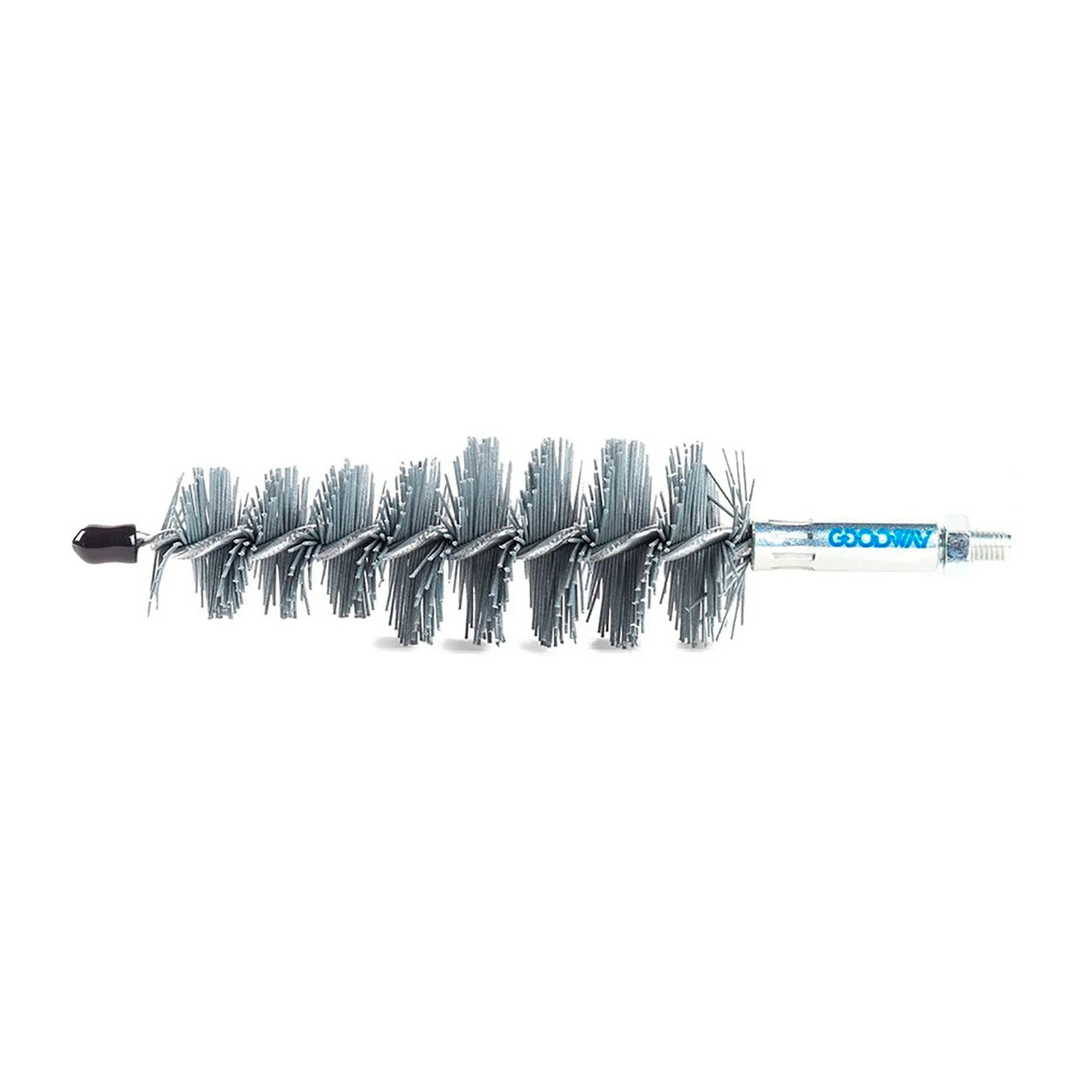
12 ft Flexible Tube Cleaning Shaft for Quick-Connect Brushes
Our Price:$355.94This flexible tube cleaning shaft is for HVAC service professionals cleaning wet tube applications. It connects with a quick-connect brush to help reach and clean tubes with inside diameters from...







HVAC Controls, Parts & Service: Everything You Need to Keep Your System Running
Whether you're replacing a worn component, upgrading system controls, or performing routine maintenance, this category covers the essential parts and equipment that keep heating and cooling systems operating efficiently. Use the subcategory paths below to find exactly what your job requires.
Choose your starting point
Popular examples in this category
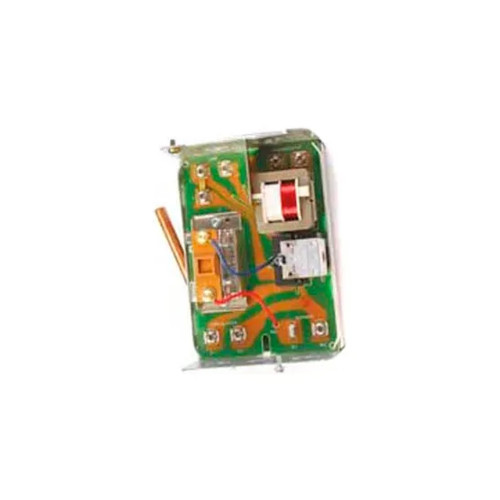 High-Limit Oil Aquastat Relay, 120VWBB394547
 Bluetooth Circulator Pump Communication ModuleWBB1529849
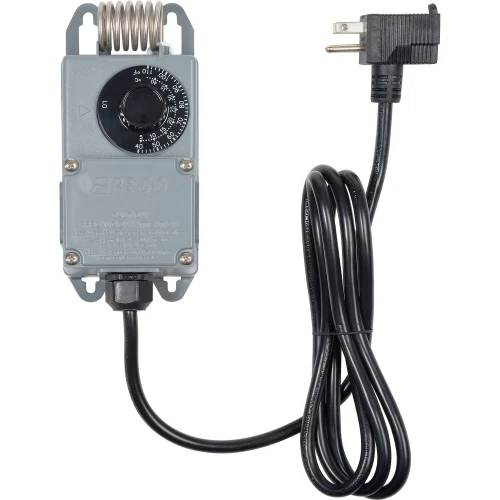 Industrial Plug-In Temperature Controller with Power Cord, 40° to 110°FWBB970415
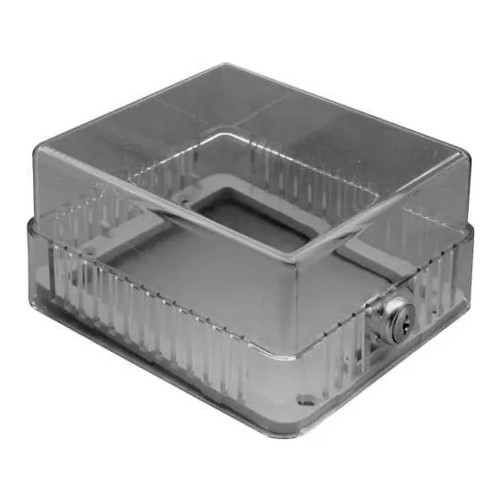 Clear Plastic Thermostat GuardWBB860061
Keeping HVAC Systems Operational and Efficient
These products support repair, maintenance, and replacement tasks across residential and commercial HVAC systems. From failed capacitors to worn pump bearings, having the right part on hand reduces downtime, restores comfort, and extends the working life of heating and cooling equipment.
Start With the System and the Problem
Identify the system type (hydronic, forced air, refrigeration), the failing or worn component, and the specifications required—voltage, flow rate, pressure rating, or physical dimensions. Matching specs precisely prevents compatibility issues and callbacks on completed jobs.
Where These Parts and Controls Are Used
Common applications include boiler and hydronic heating systems, split and packaged air conditioning units, commercial refrigeration, and ventilation systems. Parts like circulator pumps, capacitors, and aquastats are used in both new installations and service replacement scenarios.
Sourcing Tips and Service Considerations
Always verify OEM specifications or cross-reference part numbers before ordering. For service work, stocking common failure items—capacitors, condensate pumps, and bearings—reduces truck rolls and speeds up repairs. Cleaning equipment supports preventive maintenance programs that lower long-term service costs.
Which Subcategory Do You Need? A Quick Reference
Match your service need to the right subcategory path using this guide.
| Need | Best Fit Subcategory | Why It Matters |
|---|---|---|
| Control boiler water temperature | Aquastats | Aquastats regulate when the boiler fires based on water temperature setpoints, protecting the system and maintaining efficiency |
| Replace a failed motor or pump component | Bearings or Circulator Pump Accessories | Bearings and accessories allow targeted repair without full pump replacement, saving cost and labor time |
| Restore circulation in a hydronic system | Circulator Pumps | The right pump must match system flow rate and head pressure to maintain proper heat distribution |
| Fix a non-starting AC or refrigeration unit | Capacitors or Compressors | Capacitors are a common low-cost fix; if the compressor itself has failed, replacement is required |
| Remove standing water from drain pans | Condensate Pumps | Condensate pumps prevent water damage and mold by actively removing condensate when gravity drainage isn't available |
| Perform seasonal system cleaning | HVAC Cleaning Equipment | Regular coil and drain cleaning maintains airflow, efficiency, and indoor air quality across all system types |
Plan the right fit before choosing
Step 1: Identify the System and Failure Point
Before selecting any part or control, confirm the system type and the specific component that needs attention. Hydronic systems rely heavily on circulator pumps, aquastats, and bearings, while refrigerant-based systems commonly require capacitors and compressors.
- Note the system voltage, BTU capacity, and fluid or refrigerant type
- Check whether the failure is electrical, mechanical, or related to flow and pressure
- Confirm whether you need an exact replacement or an equivalent cross-reference
Step 2: Match Specifications to the Application
Each subcategory has critical spec requirements. Capacitors must match microfarad and voltage ratings. Circulator pumps require correct flow rate and head pressure. Aquastats need the right temperature range for the system they control.
- Use the existing part number or equipment nameplate data as your starting point
- For pumps and compressors, verify flange size, port configuration, and mounting style
- For controls like aquastats, confirm setpoint range and differential settings
Step 3: Plan for Preventive Maintenance
Many service calls can be reduced by stocking high-failure-rate components and scheduling regular cleaning and inspection. HVAC cleaning equipment and condensate pump maintenance are often overlooked until a system failure occurs.
- Stock capacitors and condensate pumps as common wear items for service vans
- Schedule coil and drain line cleaning seasonally to prevent efficiency loss
- Inspect bearings and pump accessories annually in hydronic systems
From aquastats to compressors, each subcategory focuses on a specific part or function so you can navigate directly to what you need.
Most HVAC service calls involve either an electrical component failure (capacitor, control) or a mechanical one (bearing, pump, compressor), and this category covers both.
Parts and controls in this category are used across light residential systems, large commercial HVAC installations, and industrial climate control applications.
Whether you're responding to a breakdown or running a scheduled maintenance program, this category includes parts and equipment for both approaches.
Common questions before buying
How do I know if I need a capacitor or a compressor replacement?
Start with the capacitor—it's a common, low-cost failure point that can prevent a compressor from starting. Test the capacitor first. If it checks out and the compressor still won't run, further diagnosis of the compressor is warranted.
What specifications do I need to replace a circulator pump?
You'll need the flow rate (GPM), head pressure (feet of head), pipe connection size, and voltage. Check the nameplate on the existing pump or the system design documents to confirm these values before ordering.
Can I use HVAC cleaning equipment on both residential and commercial systems?
Yes, but verify that the equipment capacity and chemical compatibility match the system size and coil material. Some commercial systems require higher-pressure coil cleaning tools than those used in residential applications.
What is an aquastat and when does it need to be replaced?
An aquastat is a temperature control device used in hydronic heating systems to regulate boiler operation. It may need replacement if the system short-cycles, fails to reach setpoint, or if the control shows signs of electrical failure during testing.
Choosing the right file folders
FilingSupplies.com carries end-tab folders for open-shelf systems, top-tab folders for drawer filing, and heavy-duty classification folders with dividers and fasteners for multi-section records. Pick letter or legal size, then choose material (11-pt, 14-pt, or 18-pt manila), optional reinforced tabs, color-coding, and expansion capacity to match your volume.
Folder FAQs
End-tab vs. top-tab — what’s the difference?
When should I choose classification folders?
Letter or legal size — how do I pick?
What tab and material options are available?
Can I add fasteners, pockets, or expansion?
Do you offer volume pricing or custom printing?
Outfitting classrooms that work all day
Build a durable, age-appropriate classroom with furniture, early-learning materials, storage bins, learning centers, and presentation tools. Choose adjustable pieces that grow with grades, label friendly bins for quick clean-up, and tech carts that secure, charge, and move easily.
Education FAQs
What safety labels should I look for on school and early-childhood items?
How do I pick classroom furniture across grade levels?
What’s the best way to organize supplies and centers?
How do I choose learning games and manipulatives by age?
What should I consider in a charging/tech cart?
Do you support school POs, bulk pricing, or custom printing?
Choosing the right labels
From color file labels to printable sheets, select the right size, adhesive, and print method to match your filing system and equipment. Decide on sheet vs. roll format, then pick permanent or removable adhesive and your color set.
Labels FAQs
Sheet vs. roll labels — what’s the difference?
Permanent or removable adhesive?
Will these labels work in my printer?
How do I match the label size to folder tabs or binder spines?
Can I get preprinted sequences or color bars?
Do you have templates?
Choosing the right tab dividers
Organize binders with preprinted or blank tabs. Select the number of tabs per set (5, 8, 10, or 12), choose paper with reinforced tabs or durable poly, and match letter or legal size for a clean fit.
Tab Dividers FAQs
What do 5-, 8-, 10-, or 12-tab sets mean?
Paper vs. poly — which should I choose?
Are the tabs printable?
Will they fit my binder?
Can I mix preprinted and blank tabs?
Do you make custom tab sets?
Choosing the right office supplies
From everyday paper and pens to binders, mailers, and desk organizers, pick durable, compatible options that match your equipment and team size. Start with the right paper and labeling, then add organizers that keep work moving.
Office Supplies FAQs
Which paper weight and brightness should I choose?
Round-ring vs. D-ring binders — what’s the difference?
What does “sheet capacity” mean on staplers and hole punches?
Will labels, envelopes, and mailers work with my printer?
How do I choose mailers and shipping boxes?
Do you offer eco-conscious options or bulk pricing?
Choosing the right sports & PE equipment
Equip classes, teams, and rec programs with durable balls, goals, cones, pinnies, storage, and safety gear. Match sizes and materials to age group and whether you play indoors or outdoors.
Sports & Athletics FAQs
What ball sizes should I choose for different ages?
- Basketball: Size 5 (27.5") youth, Size 6 (28.5") intermediate, Size 7 (29.5") official.
- Soccer: Size 3 up to ~8 years, Size 4 ~8–12, Size 5 ~12+.
- Volleyball: Regulation balls for teens/adults; lighter training balls for younger players.
Indoor vs. outdoor — which materials hold up best?
How many pinnies, cones, or markers do I need?
Tips for storage and care?
Are items latex‑free and school‑safe?
Do you support bulk orders or custom printing (team names)?
Choosing the right FireKing fireproof cabinet
FireKing fireproof file cabinets, safes, and storage cabinets are designed to protect important documents, records, and valuables from fire damage while keeping files organized and accessible. When choosing a FireKing cabinet, compare drawer configuration, storage type, fire rating, and overall capacity based on the records or materials you need to protect.
FireKing FAQs
What is the difference between FireKing vertical and lateral file cabinets?
What can I store in a FireKing fireproof file cabinet?
Are FireKing cabinets only for paper records?
How do I choose between a FireKing safe, file cabinet, or storage cabinet?
What sizes are available in FireKing cabinets?
Are FireKing cabinets used in offices, medical facilities, and government records storage?
Can I buy FireKing cabinets in bulk or get help choosing the right model?
Shipping & Policies
Do you offer free shipping?
What are your shipping rates?
- $6.95 for labels-only orders under $40
- $14.95 flat rate for everything else