
-
Extech
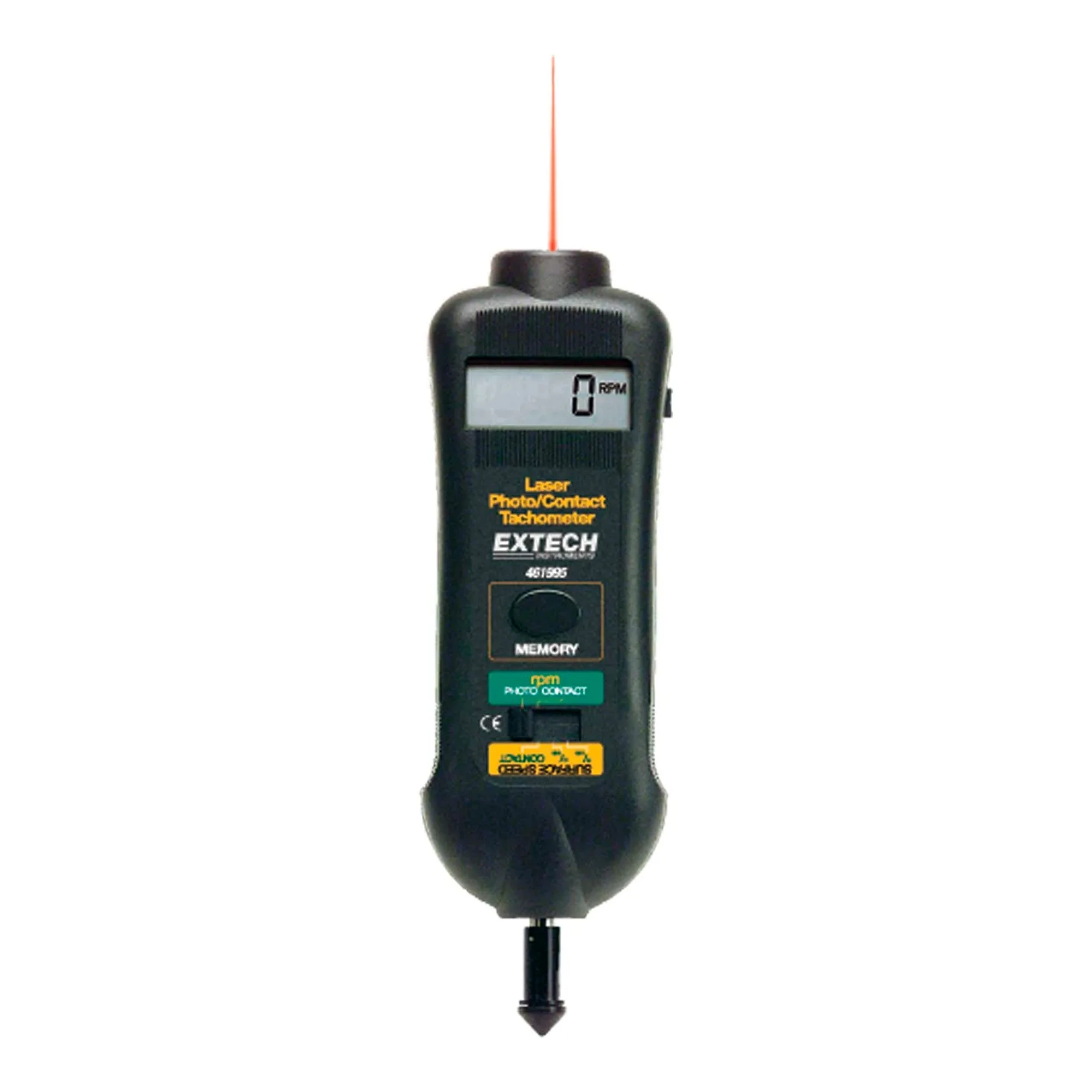
Combination Contact and Laser Photo Tachometer
Our Price:$469.94This combination contact and laser photo tachometer helps maintenance and inspection professionals measure rotational speed and linear surface speed. It supports both contact and non-contact RPM...
-
Extech
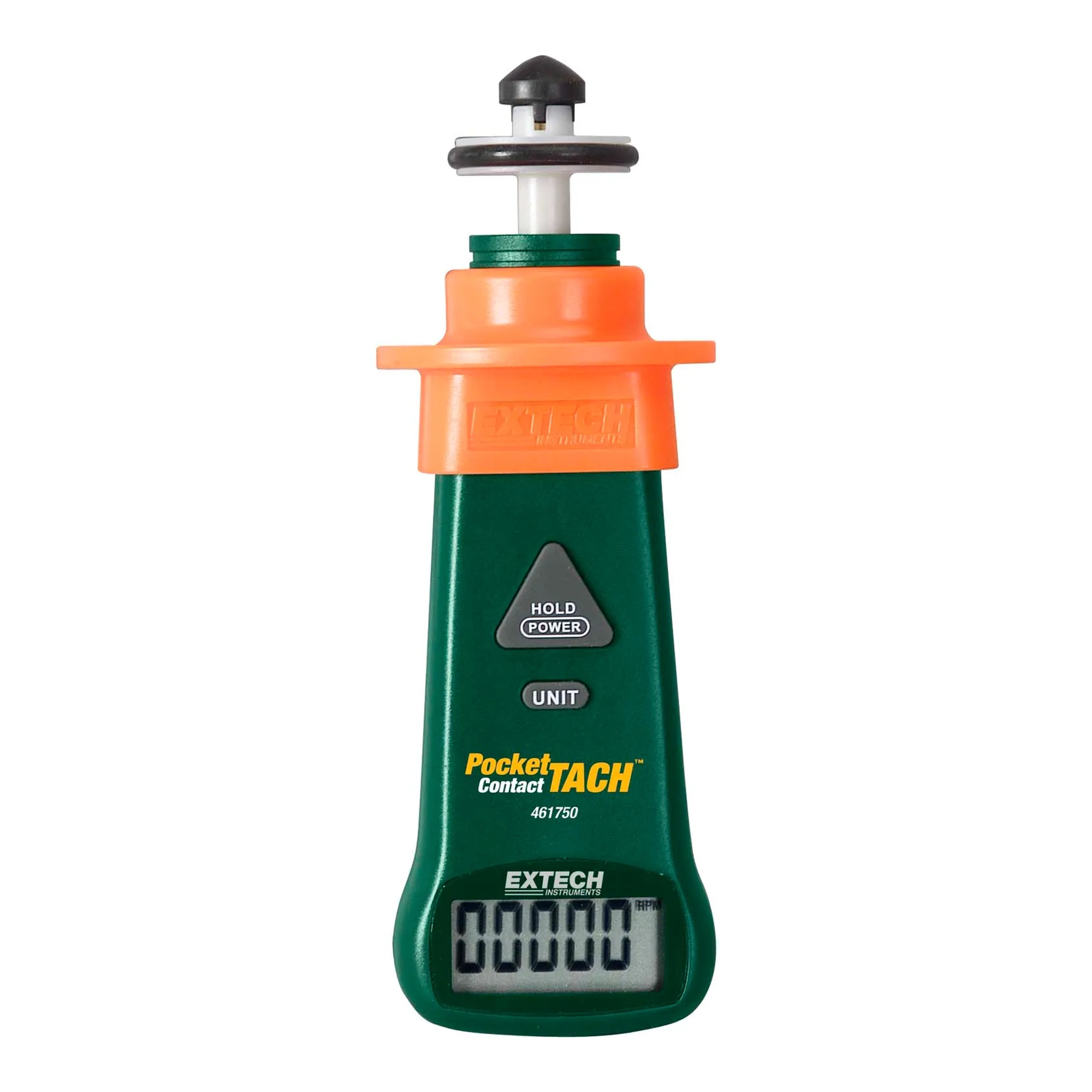
Mini Contact Tachometer
Our Price:$259.94This mini contact tachometer helps maintenance and inspection professionals check rotating speed and surface speed. It is designed for contact-based measurements when verifying equipment operation...
-
Extech
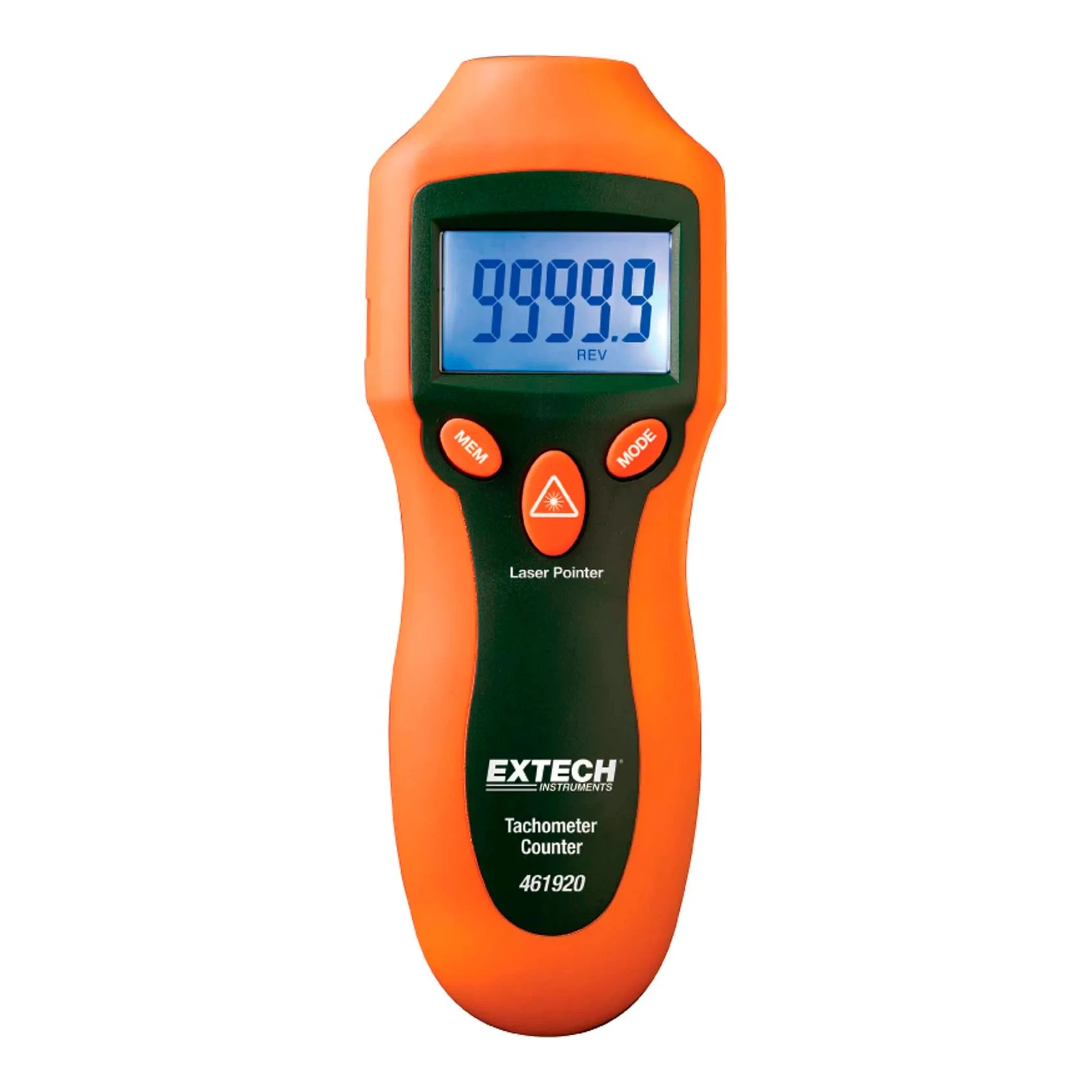
Mini Laser Photo Tachometer and Counter with NIST Certificate
Our Price:$359.94This mini laser photo tachometer and counter helps maintenance and inspection professionals measure the rotational speed of moving equipment. It provides RPM readings and revolution counts for...
-
Extech
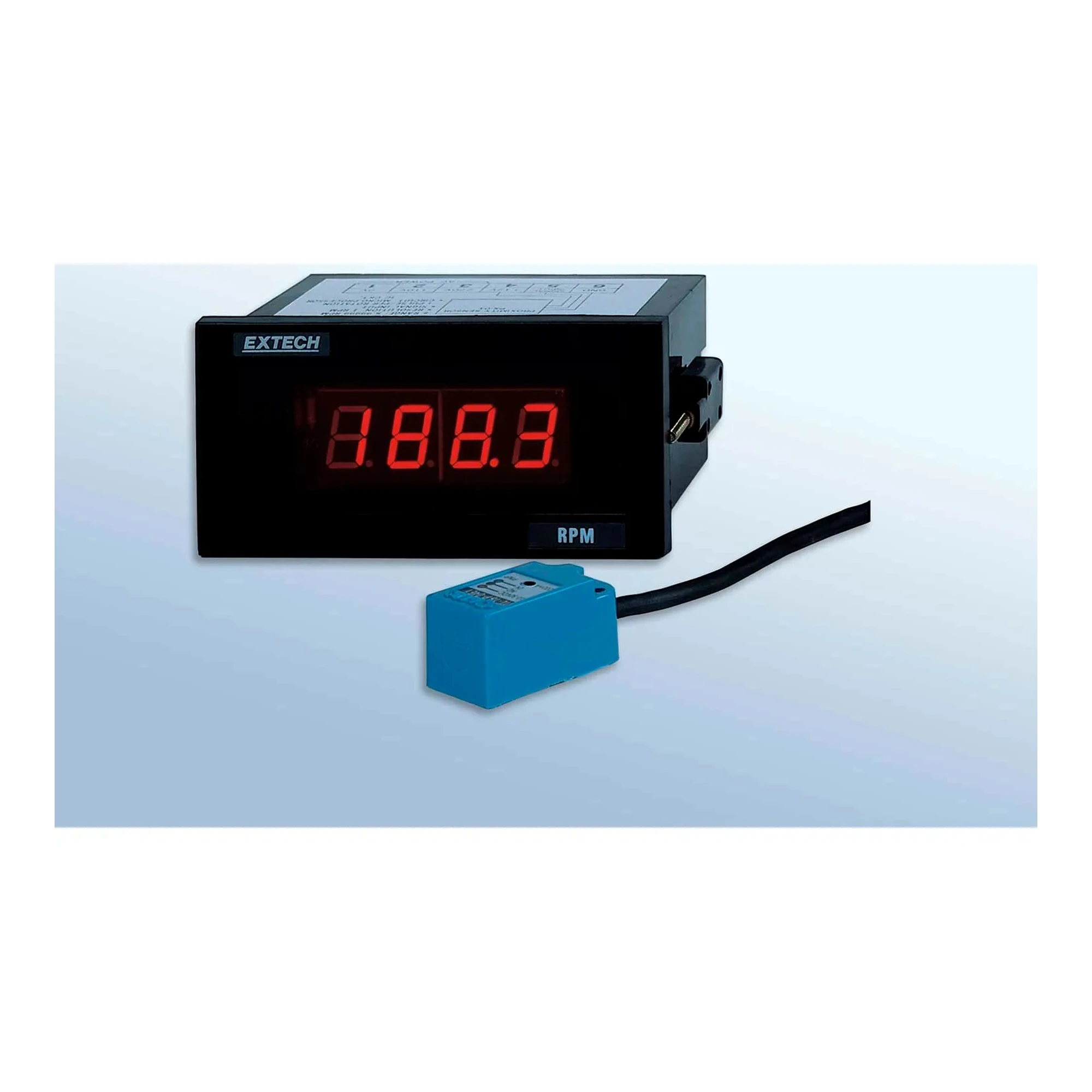
Panel-Mount Tachometer, 5 to 99,990 RPM
Our Price:$259.94This panel-mount tachometer helps maintenance and equipment professionals monitor rotational speed. It is designed for measuring RPM on motors, fans, pumps, gears, propeller-driven devices, and other...
-
REED
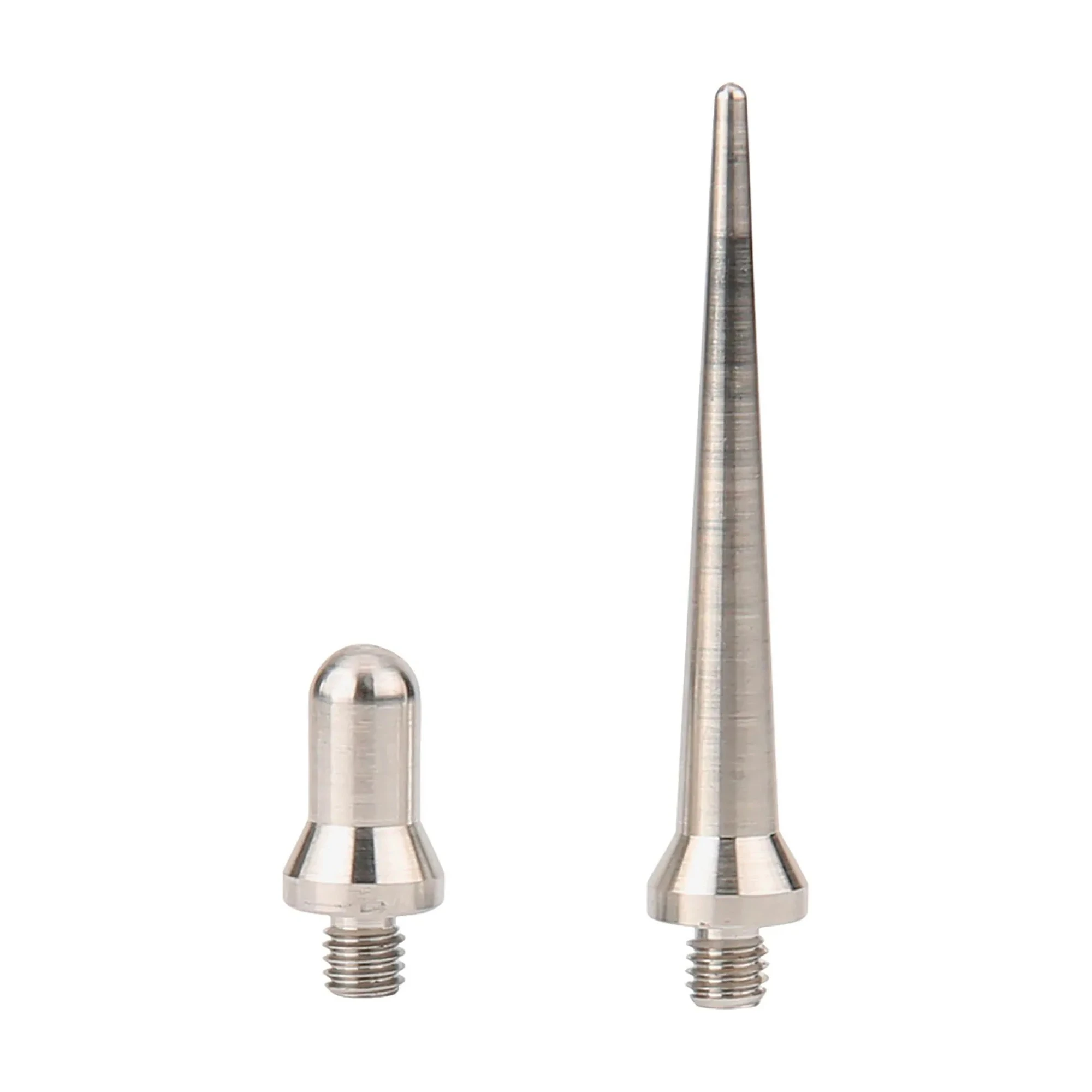
Replacement Probes for R7010 Vibration Meter
Our Price:$37.94Keep an R7010 vibration meter ready for testing with replacement probes made for that meter. These replacement components are intended for users who need to replace probe parts used during vibration...
Choose a force gauge for the measurement task
Start by identifying whether the work requires tension, compression, or both, then compare the needed capacity, reading and recording features, display format, accessories, and data connections. The available products range from compact handheld force gauges to models with data logging, PC interfaces, programmable pass/fail limits, and mounting capability for compatible test stands.
Popular examples in this category
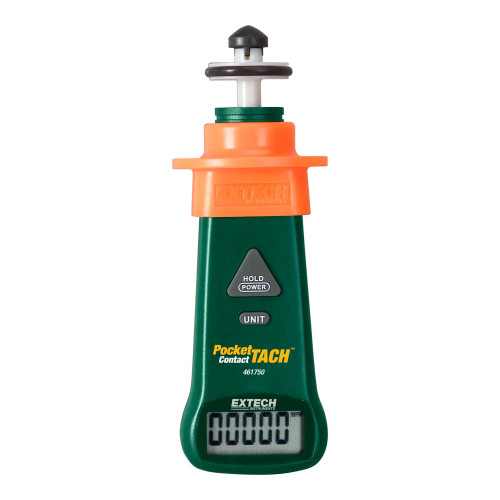 Mini Contact TachometerWBB1642109
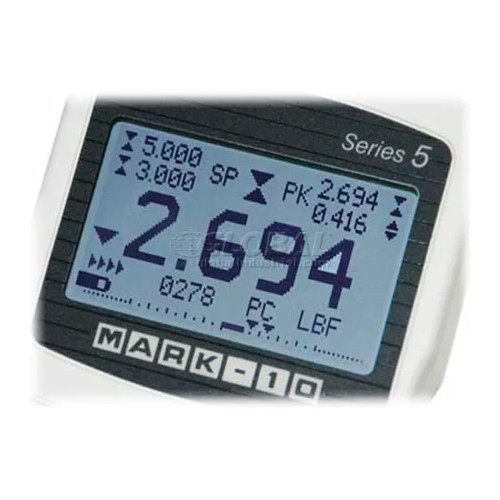 Advanced Digital Force Gauge, 200 lbf CapacityWBB937243
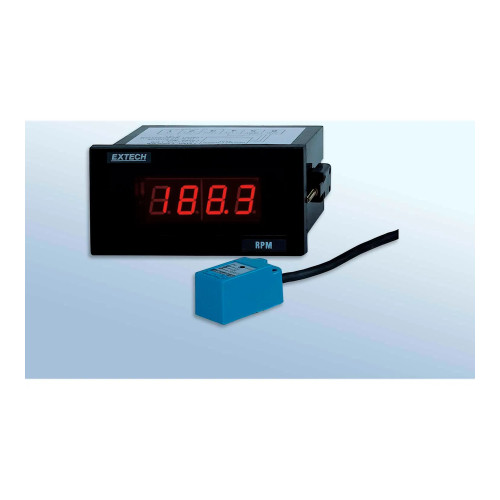 Panel-Mount Tachometer, 5 to 99,990 RPMWBB1642097
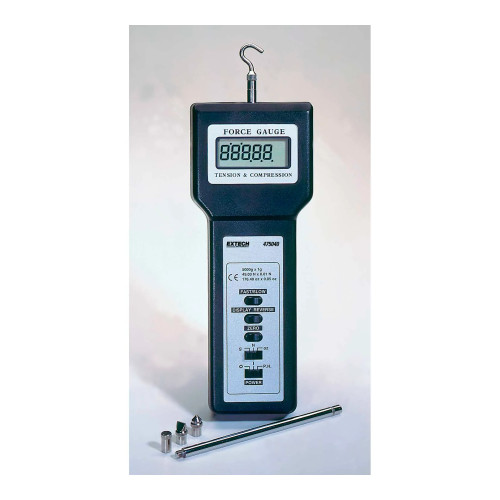 Digital Force Gauge with Tension HookWBB1642265
Measure push, pull, tension, and compression
Force gauges support inspection, testing, quality, production, maintenance, and product-evaluation work. Select tension-capable models for pulling applications, compression-capable models for pushing applications, or gauges that support both measurement directions.
Match capacity and test method
Compare the force range with the expected load, from 20 lbF and 20 kg options through 100 kg, 200 lbf, and 220 lb models. Also consider peak hold, normal measurement mode, sampling rate, display visibility, included adapters, and whether handheld or compatible test-stand use fits the task.
Support inspection beyond force checks
For rotating equipment, tachometers measure RPM and, on select models, surface speed or revolution counts. Vibration meters measure velocity and acceleration to support machinery condition checks and preventive maintenance.
Plan for records and result review
Choose USB, RS-232, Digimatic, analog, or SD-card logging when results need to be collected or reviewed. Some models provide configurable or programmable pass/fail set points, while data-logging gauges can create Excel files without software.
Available on a digital gauge for tension and compression testing.
Available for tension and compression force measurements.
Available for capturing force data during quick-action tests.
Available memory for review and statistical calculations on one advanced model.
Compare the available force gauge types
Use this overview to narrow options by capacity, recording needs, and setup features.
| Force gauge type | Measurement and capacity | Notable features |
|---|---|---|
| Digital force gauge | Tension or compression, depending on model; available capacities include 20 lbF and 200 lbf | Backlit graphic displays, peak values, load bars, pass/fail set points, and USB output are available on select models. |
| Data-logging force gauge | Push/pull, tension, and compression; available in 20 kg and 100 kg capacities | SD-card recording, selectable logging intervals on the 100 kg model, Excel file generation without software, peak hold, and reversible backlit displays. |
| High-capacity force gauge | Tension and compression up to 100 kg, 220 lb, or 980 N | Peak hold, zero function, backlit LCD, RS-232 interface, included adapters and case, and a documented NIST certificate. |
Plan the right fit before choosing
Select the range that fits the force being measured
Available force gauges cover routine and higher-force testing. Confirm that the gauge supports the direction of force required for the application and that its capacity fits the expected test load.
- A 20 lbF digital force gauge supports routine tension and compression checks.
- 20 kg and 100 kg data-logging gauges measure push and pull force for tension and compression work.
- A high-capacity model measures up to 100 kg, 220 lb, or 980 N.
- An advanced digital model measures tension and compression force up to 200 lbf.
Choose the features needed during and after testing
Digital displays, peak functions, sampling speed, memory, and output options affect how a team captures and evaluates force readings. Consider whether the work calls for a single visible reading, a retained peak value, logged records, or connected data collection.
- Peak hold is available on several force gauges for retaining maximum force values.
- Sampling rates of 2,000 Hz and 7,000 Hz are available for quick-action tests.
- One advanced gauge stores 1,000 readings for review and statistical calculations.
- Data-logging gauges record to an SD card and create Excel files without software.
Consider handling, mounting, and contact attachments
Handheld gauges provide portable measurement, while one reversible-housing model can also mount to a compatible test stand. Included accessories vary by model and can support different contact, tension, and compression setups.
- Available attachments include chisel, cone, V-groove, hook, flat, and extension rod accessories.
- Some gauges include tension and compression adapters plus a storage case.
- Backlit and reversible displays help keep readings visible in different working orientations.
- A tension-hook model includes common contact and tension accessories for transport between work areas.
Common questions before buying
What is the difference between tension and compression measurement?
Tension measures pulling force, while compression measures pushing force. Several gauges in this category support both directions.
Which force gauges can record measurements?
The 20 kg and 100 kg data-logging force gauges record measurements to an SD card. The advanced digital gauge stores up to 1,000 readings, and select models provide USB or RS-232 data connections.
Are accessories included with force gauges?
Some models include adapters such as hooks, flat, cone, chisel, V-groove, and extension rod attachments. Included accessories vary by model.
What capacity should I choose?
Choose a capacity that fits the expected test force. Available examples include 20 lbF, 20 kg, 100 kg or 220 lb, and 200 lbf models.
Choose a force gauge for the measurement task
Start by identifying whether the work requires tension, compression, or both, then compare the needed capacity, reading and recording features, display format, accessories, and data connections. The available products range from compact handheld force gauges to models with data logging, PC interfaces, programmable pass/fail limits, and mounting capability for compatible test stands.
Popular examples in this category
Measure push, pull, tension, and compression
Force gauges support inspection, testing, quality, production, maintenance, and product-evaluation work. Select tension-capable models for pulling applications, compression-capable models for pushing applications, or gauges that support both measurement directions.
Match capacity and test method
Compare the force range with the expected load, from 20 lbF and 20 kg options through 100 kg, 200 lbf, and 220 lb models. Also consider peak hold, normal measurement mode, sampling rate, display visibility, included adapters, and whether handheld or compatible test-stand use fits the task.
Support inspection beyond force checks
For rotating equipment, tachometers measure RPM and, on select models, surface speed or revolution counts. Vibration meters measure velocity and acceleration to support machinery condition checks and preventive maintenance.
Plan for records and result review
Choose USB, RS-232, Digimatic, analog, or SD-card logging when results need to be collected or reviewed. Some models provide configurable or programmable pass/fail set points, while data-logging gauges can create Excel files without software.
Available on a digital gauge for tension and compression testing.
Available for tension and compression force measurements.
Available for capturing force data during quick-action tests.
Available memory for review and statistical calculations on one advanced model.
Compare the available force gauge types
Use this overview to narrow options by capacity, recording needs, and setup features.
| Force gauge type | Measurement and capacity | Notable features |
|---|---|---|
| Digital force gauge | Tension or compression, depending on model; available capacities include 20 lbF and 200 lbf | Backlit graphic displays, peak values, load bars, pass/fail set points, and USB output are available on select models. |
| Data-logging force gauge | Push/pull, tension, and compression; available in 20 kg and 100 kg capacities | SD-card recording, selectable logging intervals on the 100 kg model, Excel file generation without software, peak hold, and reversible backlit displays. |
| High-capacity force gauge | Tension and compression up to 100 kg, 220 lb, or 980 N | Peak hold, zero function, backlit LCD, RS-232 interface, included adapters and case, and a documented NIST certificate. |
Plan the right fit before choosing
Select the range that fits the force being measured
Available force gauges cover routine and higher-force testing. Confirm that the gauge supports the direction of force required for the application and that its capacity fits the expected test load.
- A 20 lbF digital force gauge supports routine tension and compression checks.
- 20 kg and 100 kg data-logging gauges measure push and pull force for tension and compression work.
- A high-capacity model measures up to 100 kg, 220 lb, or 980 N.
- An advanced digital model measures tension and compression force up to 200 lbf.
Choose the features needed during and after testing
Digital displays, peak functions, sampling speed, memory, and output options affect how a team captures and evaluates force readings. Consider whether the work calls for a single visible reading, a retained peak value, logged records, or connected data collection.
- Peak hold is available on several force gauges for retaining maximum force values.
- Sampling rates of 2,000 Hz and 7,000 Hz are available for quick-action tests.
- One advanced gauge stores 1,000 readings for review and statistical calculations.
- Data-logging gauges record to an SD card and create Excel files without software.
Consider handling, mounting, and contact attachments
Handheld gauges provide portable measurement, while one reversible-housing model can also mount to a compatible test stand. Included accessories vary by model and can support different contact, tension, and compression setups.
- Available attachments include chisel, cone, V-groove, hook, flat, and extension rod accessories.
- Some gauges include tension and compression adapters plus a storage case.
- Backlit and reversible displays help keep readings visible in different working orientations.
- A tension-hook model includes common contact and tension accessories for transport between work areas.
Common questions before buying
What is the difference between tension and compression measurement?
Tension measures pulling force, while compression measures pushing force. Several gauges in this category support both directions.
Which force gauges can record measurements?
The 20 kg and 100 kg data-logging force gauges record measurements to an SD card. The advanced digital gauge stores up to 1,000 readings, and select models provide USB or RS-232 data connections.
Are accessories included with force gauges?
Some models include adapters such as hooks, flat, cone, chisel, V-groove, and extension rod attachments. Included accessories vary by model.
What capacity should I choose?
Choose a capacity that fits the expected test force. Available examples include 20 lbF, 20 kg, 100 kg or 220 lb, and 200 lbf models.
Choosing the right file folders
FilingSupplies.com carries end-tab folders for open-shelf systems, top-tab folders for drawer filing, and heavy-duty classification folders with dividers and fasteners for multi-section records. Pick letter or legal size, then choose material (11-pt, 14-pt, or 18-pt manila), optional reinforced tabs, color-coding, and expansion capacity to match your volume.
Folder FAQs
End-tab vs. top-tab — what’s the difference?
When should I choose classification folders?
Letter or legal size — how do I pick?
What tab and material options are available?
Can I add fasteners, pockets, or expansion?
Do you offer volume pricing or custom printing?
Outfitting classrooms that work all day
Build a durable, age-appropriate classroom with furniture, early-learning materials, storage bins, learning centers, and presentation tools. Choose adjustable pieces that grow with grades, label friendly bins for quick clean-up, and tech carts that secure, charge, and move easily.
Education FAQs
What safety labels should I look for on school and early-childhood items?
How do I pick classroom furniture across grade levels?
What’s the best way to organize supplies and centers?
How do I choose learning games and manipulatives by age?
What should I consider in a charging/tech cart?
Do you support school POs, bulk pricing, or custom printing?
Choosing the right labels
From color file labels to printable sheets, select the right size, adhesive, and print method to match your filing system and equipment. Decide on sheet vs. roll format, then pick permanent or removable adhesive and your color set.
Labels FAQs
Sheet vs. roll labels — what’s the difference?
Permanent or removable adhesive?
Will these labels work in my printer?
How do I match the label size to folder tabs or binder spines?
Can I get preprinted sequences or color bars?
Do you have templates?
Choosing the right tab dividers
Organize binders with preprinted or blank tabs. Select the number of tabs per set (5, 8, 10, or 12), choose paper with reinforced tabs or durable poly, and match letter or legal size for a clean fit.
Tab Dividers FAQs
What do 5-, 8-, 10-, or 12-tab sets mean?
Paper vs. poly — which should I choose?
Are the tabs printable?
Will they fit my binder?
Can I mix preprinted and blank tabs?
Do you make custom tab sets?
Choosing the right office supplies
From everyday paper and pens to binders, mailers, and desk organizers, pick durable, compatible options that match your equipment and team size. Start with the right paper and labeling, then add organizers that keep work moving.
Office Supplies FAQs
Which paper weight and brightness should I choose?
Round-ring vs. D-ring binders — what’s the difference?
What does “sheet capacity” mean on staplers and hole punches?
Will labels, envelopes, and mailers work with my printer?
How do I choose mailers and shipping boxes?
Do you offer eco-conscious options or bulk pricing?
Choosing the right sports & PE equipment
Equip classes, teams, and rec programs with durable balls, goals, cones, pinnies, storage, and safety gear. Match sizes and materials to age group and whether you play indoors or outdoors.
Sports & Athletics FAQs
What ball sizes should I choose for different ages?
- Basketball: Size 5 (27.5") youth, Size 6 (28.5") intermediate, Size 7 (29.5") official.
- Soccer: Size 3 up to ~8 years, Size 4 ~8–12, Size 5 ~12+.
- Volleyball: Regulation balls for teens/adults; lighter training balls for younger players.
Indoor vs. outdoor — which materials hold up best?
How many pinnies, cones, or markers do I need?
Tips for storage and care?
Are items latex‑free and school‑safe?
Do you support bulk orders or custom printing (team names)?
Choosing the right FireKing fireproof cabinet
FireKing fireproof file cabinets, safes, and storage cabinets are designed to protect important documents, records, and valuables from fire damage while keeping files organized and accessible. When choosing a FireKing cabinet, compare drawer configuration, storage type, fire rating, and overall capacity based on the records or materials you need to protect.
FireKing FAQs
What is the difference between FireKing vertical and lateral file cabinets?
What can I store in a FireKing fireproof file cabinet?
Are FireKing cabinets only for paper records?
How do I choose between a FireKing safe, file cabinet, or storage cabinet?
What sizes are available in FireKing cabinets?
Are FireKing cabinets used in offices, medical facilities, and government records storage?
Can I buy FireKing cabinets in bulk or get help choosing the right model?
Shipping & Policies
Do you offer free shipping?
What are your shipping rates?
- $6.95 for labels-only orders under $40
- $14.95 flat rate for everything else