
-
Jameson Tools
1000V Insulated Wire Stripping Pliers, 6-1/4 in.
Our Price:$129.94These insulated wire stripping pliers help utility electrical and telecommunications professionals remove insulation from solid and stranded wire. They are designed for work on or near live parts at...
-
Tripplet
2-Level Radial Coax Cable Stripper
Our Price:$24.74This 2-level radial coax cable stripper is designed for technicians and installers preparing compatible coaxial cable for connections. It helps create consistent cable preparation on RG6, RG58, RG59,...
-
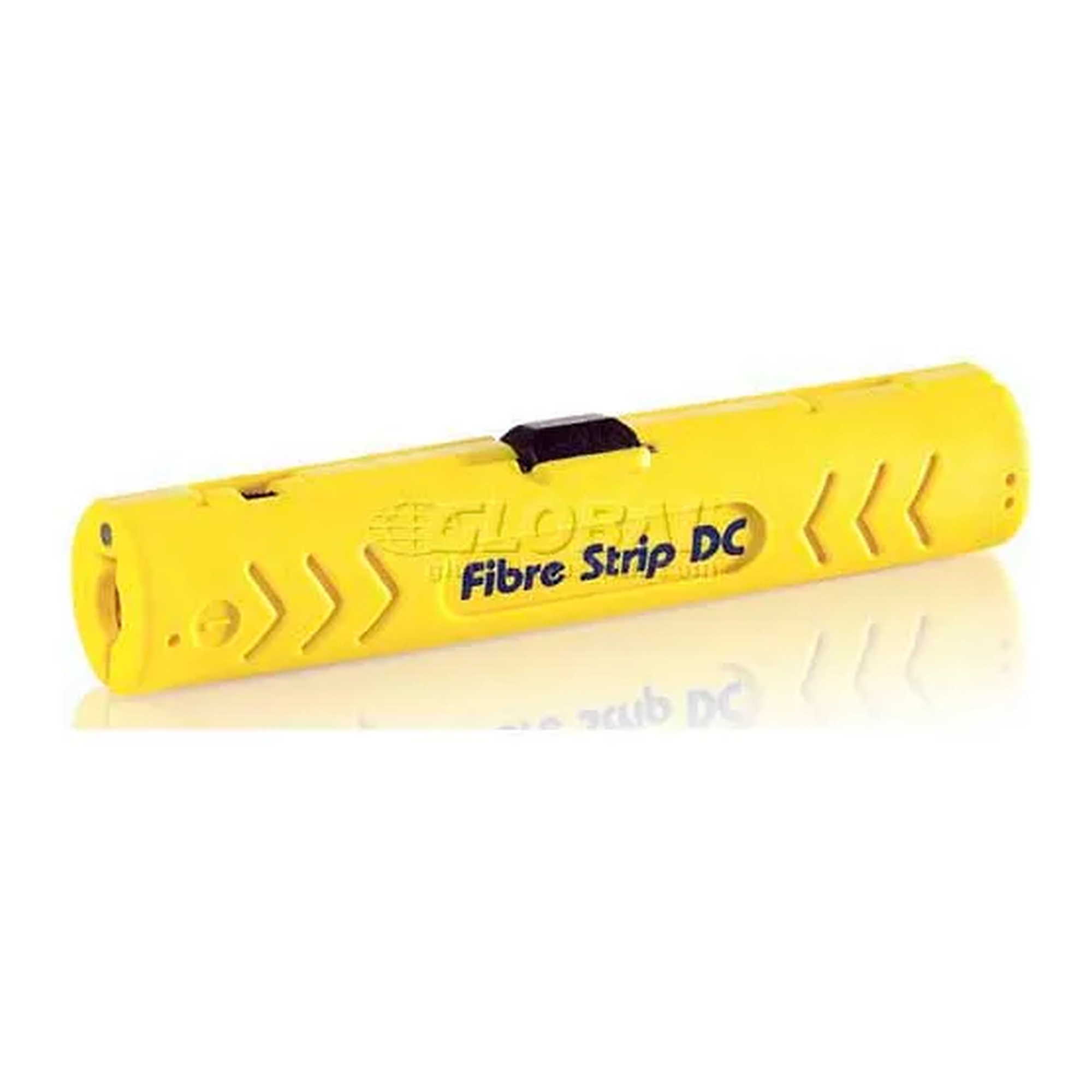
5.9 mm Fiber Optic Cable Stripper
Our Price:$38.94This fiber optic cable stripper is designed for professionals preparing 5.9 mm direct-access fiber optic cable. It helps users strip cable efficiently during fiber cable work.The tool is intended for...
-
Williams
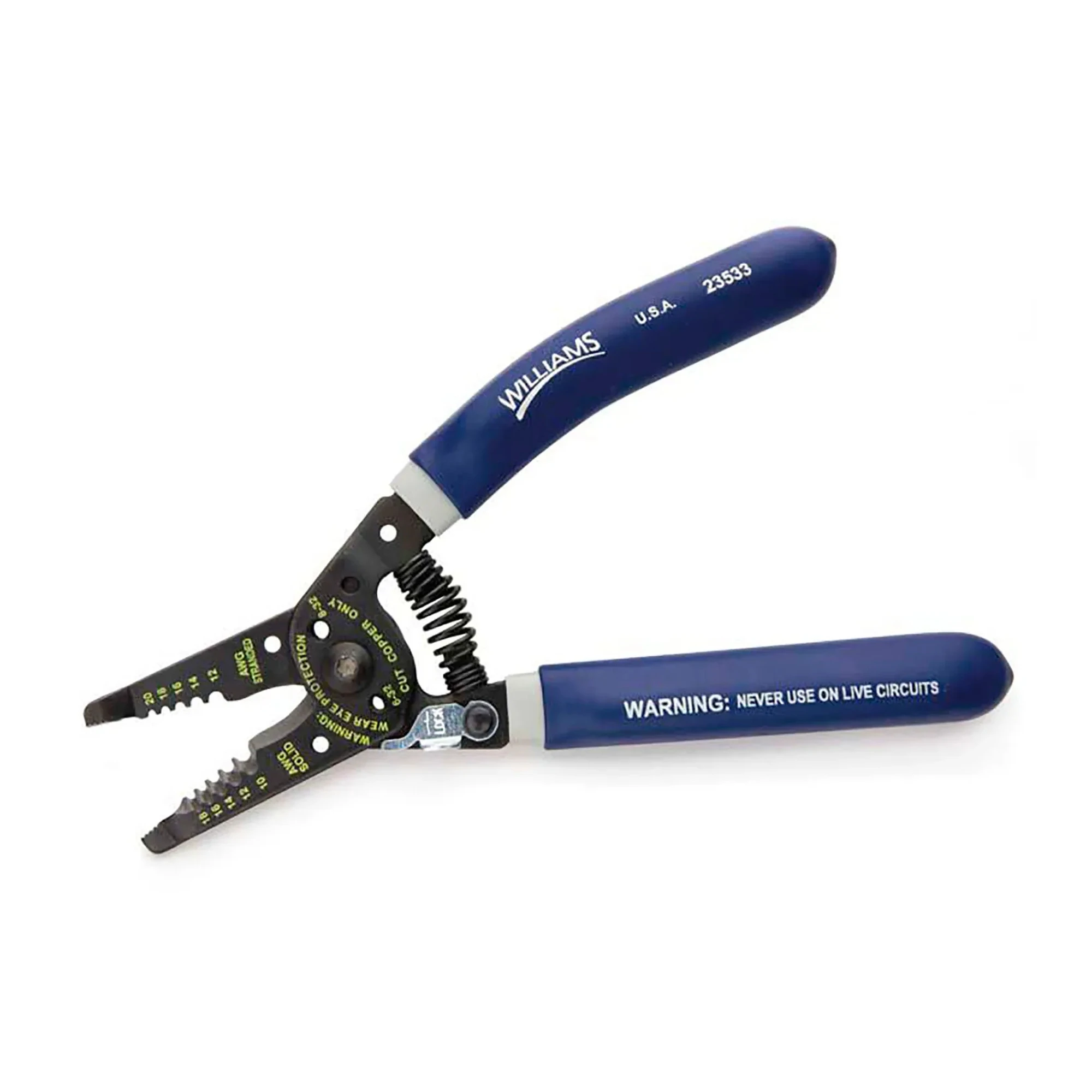
6-1/4-Inch Side-Cutting Combination Pliers with Bi-Molded Grip
Our Price:$38.94These side-cutting combination pliers are designed for technicians and maintenance professionals who need a hand tool for gripping and cutting tasks. Bi-molded handles provide a secure, comfortable...
-
Tripplet
6-in-1 Long-Nose Wire Stripping Pliers
Our Price:$51.94These long-nose multifunction pliers help electrical professionals grip, loop, strip, cut, crimp, shear screws, and extract screws with one hand tool. They are suited for wire-preparation and...
-
IRWIN Tools
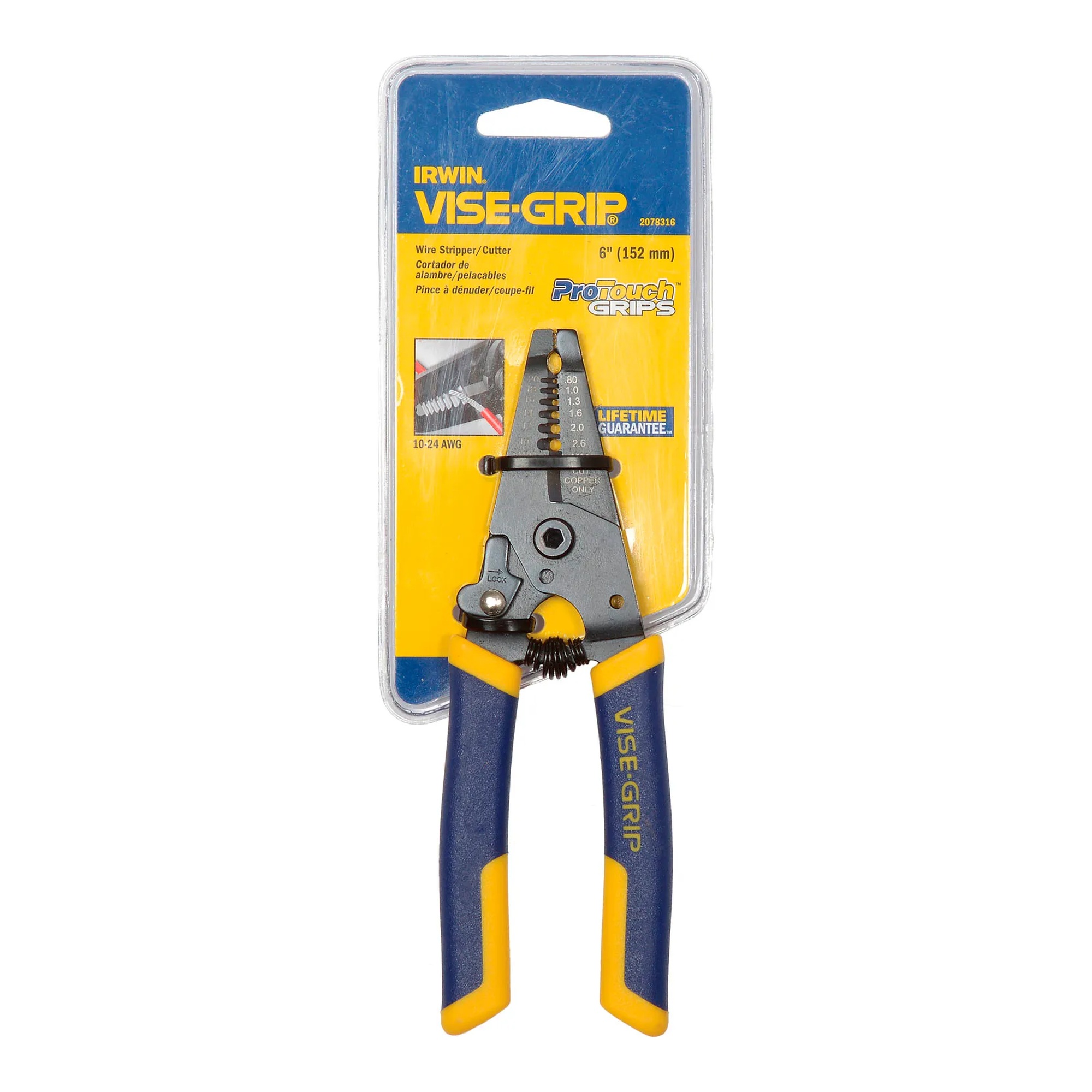
6-Inch Wire Stripper and Cutter Pliers with Comfort Grips
Our Price:$20.49These wire stripper and cutter pliers help electricians, maintenance teams, and other commercial users prepare and cut electrical wire. The tool provides selectable stripping stations along with a...
-
Williams
7-1/4-Inch Front-End Wire Stripping Pliers with Bolt Cutters
Our Price:$22.24These front-end wire stripping pliers help electricians, maintenance teams, and shop users strip wire, grip components, and cut common machine screws with one hand tool. The comfort-grip handles...
-
Williams
7-Inch Side-Cutting Combination Pliers with Bi-Molded Grip
Our Price:$42.94These 7-inch side-cutting combination pliers are designed for professionals and maintenance teams who need a hand tool for gripping and cutting tasks. The bi-molded handles provide a comfortable,...
-
IRWIN Tools
8-Inch Multi-Tool Wire Stripper, Cutter and Crimper
Our Price:$22.99This 8-inch multi-tool wire stripper, cutter and crimper is designed for electricians and maintenance professionals who need to prepare wire, cut bolts, and crimp terminals with one hand tool. Its...
-
Eclipse
8-Inch Precision Wire Stripper/Cutter with Spring Return
Our Price:$5.09This precision wire stripper/cutter is a hand tool for technicians and shop users who need to strip wire insulation and cut wire during electrical work. Its spring-return action supports repeated...
-
Adjustable Slide Stop Wire Stripper/Cutter, 10–26 AWG
Our Price:$8.49This adjustable wire stripper and cutter is for maintenance professionals and other users preparing electrical wire. It cuts and strips wire in the 10–26 AWG range, helping support routine...
-
Adjustable-Blade Cable Stripping Tool, 5-1/2 in.
Our Price:$75.94This cable stripping tool helps electricians and maintenance professionals remove outer cable jackets or wire insulation. Its adjustable blade supports controlled preparation of cable and wire for...
-
Automatic Wire Stripper for 10 to 5 AWG Conductors
Our Price:$119.94This automatic wire stripper is designed for electricians, panel builders, and industrial maintenance teams preparing conductor cables. It strips insulation from 10 to 5 AWG conductors and supports...
-
Automatic Wire Stripper for 24-10 AWG Wire
Our Price:$37.94This automatic wire stripper is designed for electrical professionals and industrial users who need to remove insulation from compatible wire during wiring, panel-building, and cabling work. It helps...
-
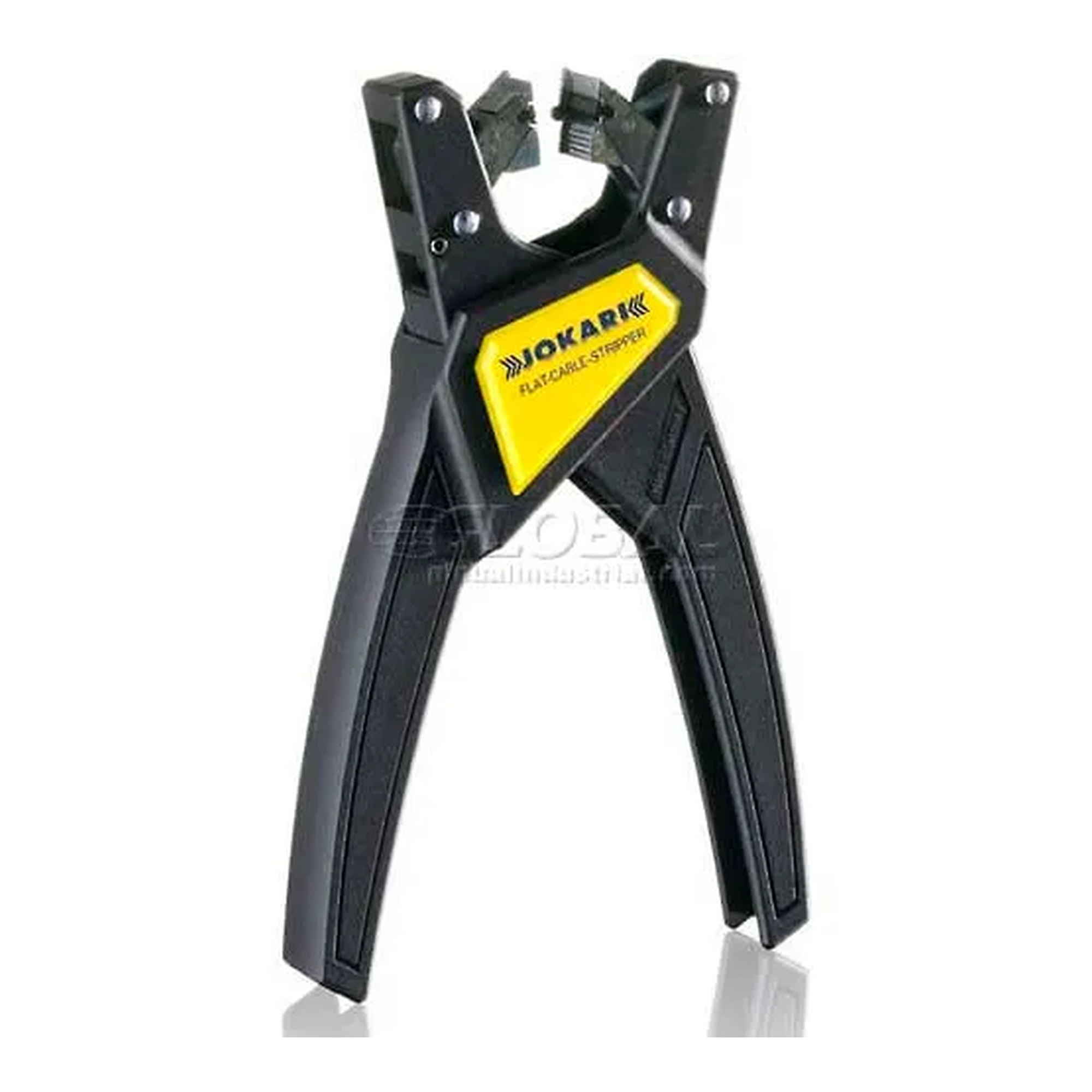
Automatic Wire Stripper for PVC-Insulated Flat Cables
Our Price:$83.94This automatic wire stripper is designed for electricians, panel builders, and industrial cable installers working with PVC-insulated flat cables. It removes outer sheathing and internal insulation...
-
Automatic-Return Safety Wire Twisting Pliers
Our Price:$86.94These wire twisting pliers help automotive, motorcycle, and aviation technicians secure fasteners with twisted safety wire. Their twirling action tightens paired wires to help keep them from...
-
Black End Sleeves for Quadro Wire Tool, 1.5 mm²
Our Price:$55.94These black end sleeves are replacement ferrules for electrical professionals using a Quadro automatic wire stripping tool. They support wire-preparation work in switchboard construction, industrial...
-
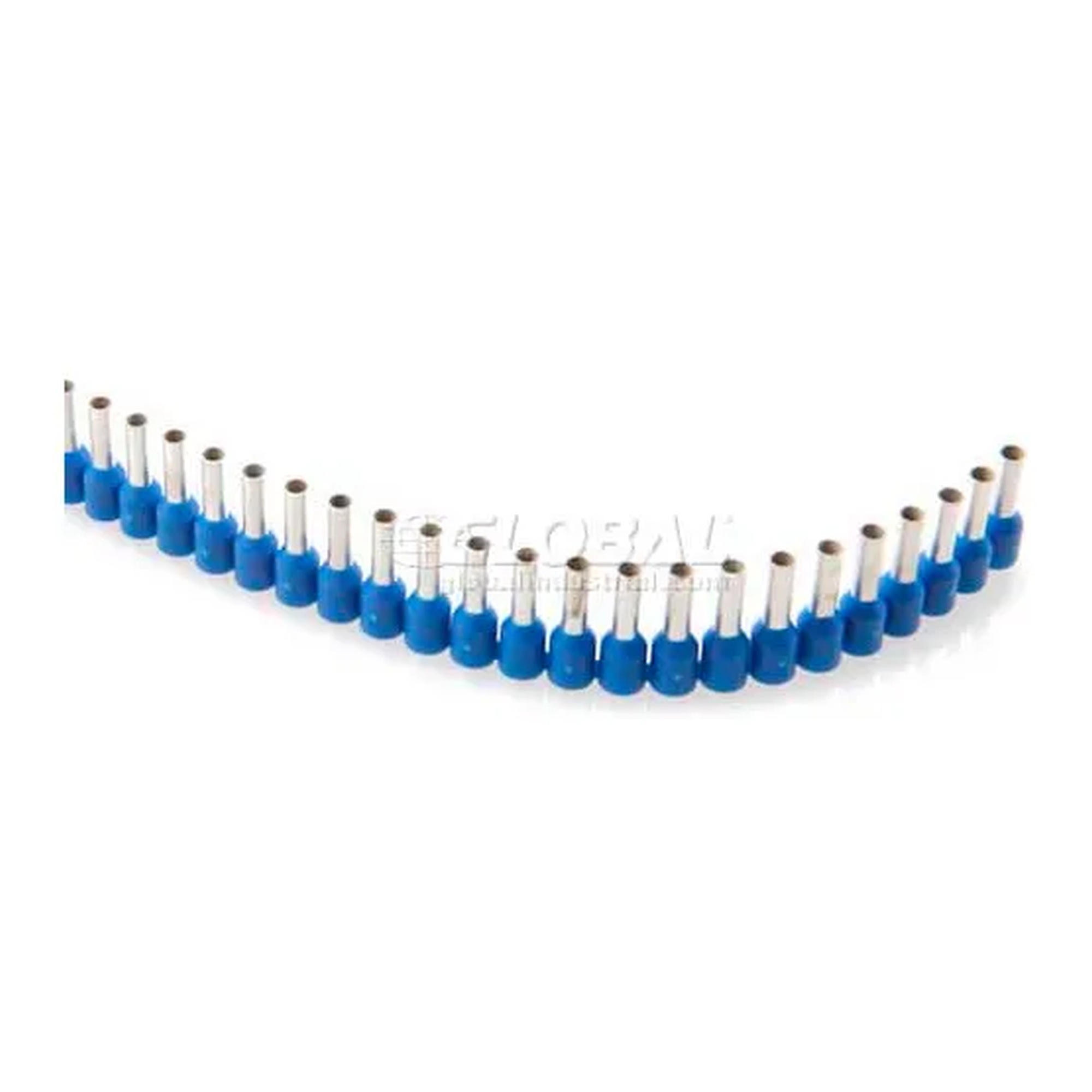
Blue Wire End Sleeves for Quadro Wire Tool, 2.5 mm²
Our Price:$60.94These blue wire end sleeves are replacement ferrules for users of the Quadro automatic wire stripping tool. They are designed to support wire termination work by fitting into the tool's magazine for...
-
Tripplet
BNC Crimp Tool
Our Price:$50.94This BNC crimp tool is designed for technicians and electronics professionals working with BNC crimp-crimp connectors. It provides a dedicated hand-tool option for connector crimping tasks.The tool...
-
Cable Stripper for 8-15 mm Round Cables
Our Price:$29.94This cable stripper is designed for electrical professionals working with common round building-installation and industrial cables. It helps prepare cable jackets and inner conductors for...










Choose a wire stripping tool for the cable or conductor in front of you
The right tool starts with the material being prepared. Compare the stated wire gauge or cable diameter first, then select the operating style and added functions that fit the work, such as cutting, repeatable strip-length settings, cable guidance, or crimping.
Popular examples in this category
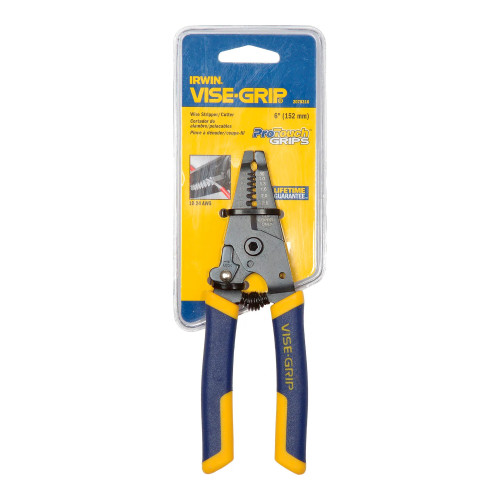 6-Inch Wire Stripper and Cutter Pliers with Comfort GripsWBB223815
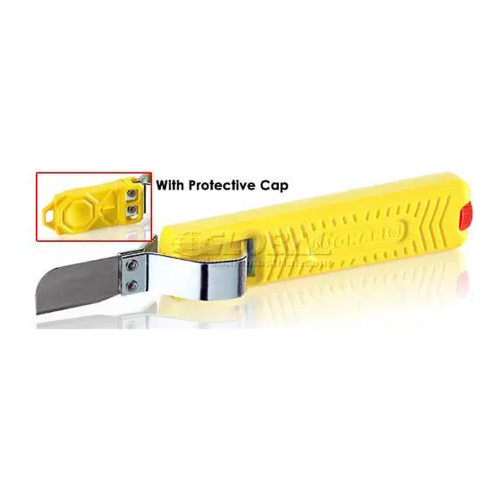 Cable Stripping Knife for 8–28 mm Round Cables with Straight BladeWBB985482
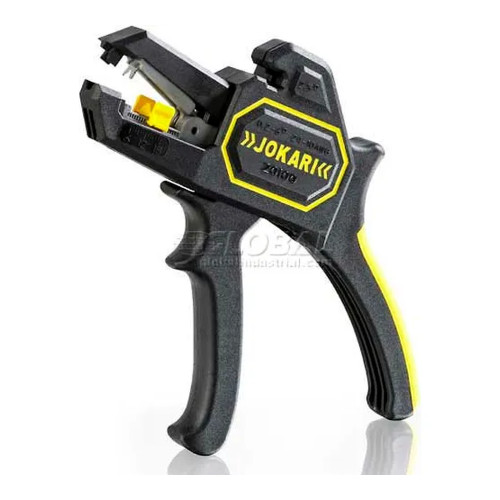 Soft-Grip Automatic Wire Stripper for 24–10 AWG WireWBB985425
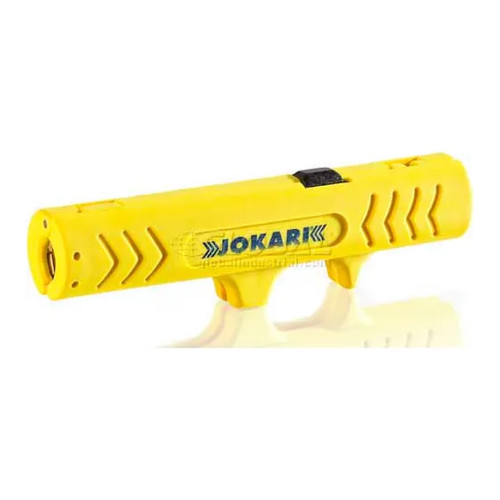 Universal Cable Stripper for 8–13 mm Round CablesWBB985443
Match the tool to the task
Use stripping pliers for selectable wire sizes and routine cutting, automatic strippers for repeated conductor preparation, and dedicated cable strippers for round, sensor, coaxial, or fine-wire applications.
Start with the stated range
Check AWG, mm², wire diameter, or round-cable diameter against the compatible range shown for each tool. Also consider whether the wire is solid or stranded and whether a particular insulation type is specified.
Support installation and detailed wiring
Options in this category are suited to electrical installation, maintenance, panel building, industrial cabling, electronics, telecommunications, IT work, and RJ45 twisted-pair termination.
Compare built-in workflow features
Useful differences include integrated cutters, adjustable length stops, no-adjustment stripping action, cable ducts for longitudinal cuts, spare or exchangeable blades, locking features, grips, and multifunction plier functions.
Micro precision options support detailed work with fine solid and stranded conductors.
A pliers-style stripper and cutter supports selectable wire sizes in this range.
A cable stripping knife accommodates common round cables across this stated diameter range.
A high-strip automatic model allows stripping lengths within this stated range.
Compare the main tool types
Use the product style and compatibility range to narrow the category to the tool that best fits the job.
| Tool type | Best suited for | What to compare |
|---|---|---|
| Wire stripping pliers and multifunction pliers | Routine wire stripping, cutting, gripping, looping, crimping, and related installation tasks | Supported solid or stranded wire ranges, cutting capacity, stripping stations, and additional functions |
| Automatic and micro precision wire strippers | Repeated conductor preparation or delicate fine-wire work | Supported AWG, mm², or wire-diameter range; adjustable length stop; cutter capacity; and insulation compatibility where stated |
| Cable strippers, cable knives, and connector tools | Round cable, sensor cable, coaxial cable, or CAT5/6 RJ45 pass-through termination | Cable diameter, cable type, blade or cable-duct features, conductor and shield protection, and termination function |
Plan the right fit before choosing
Choose a range designed for your wiring
Different tools address different material sizes and cable formats. Wire strippers are offered for selectable 10–24 AWG wire, 24–10 AWG wire, 20–11 AWG conductors, and fine conductors from 0.12–0.40 mm or 0.30–1.00 mm. Round-cable tools cover stated ranges such as 4.4–7.0 mm, 4.8–7.5 mm, 8–13 mm, and 8–28 mm.
- For solid and stranded wire, confirm the listed gauge, diameter, or mm² range.
- For round cable, compare the outside cable diameter with the tool's stated cable range.
- Choose a dedicated sensor-cable or coaxial stripper when preparing those specific cable types.
- For CAT5/6 RJ45 pass-through connectors, choose a connector tool designed to crimp and cut during termination.
Consider stripping action, control, and handling
Automatic stripping tools can remove insulation without manual diameter adjustments on their supported ranges. Adjustable length stops help maintain consistent strip lengths during repeated preparation, while cable ducts can guide continuous stripping or straight longitudinal cuts. Grips and locks add practical handling features for everyday work.
- Use an adjustable length stop when consistent preparation lengths matter.
- Consider automatic stripping action for repeated compatible conductor work.
- Choose no-depth-adjustment cable strippers for simpler setup on compatible round cables.
- Look for a locking mechanism or quick-release lock when storage protection or controlled closure is important.
Reduce tool changes where the work calls for it
Some models combine stripping with cutting, gripping, looping, crimping, screw shearing, or screw extraction. Others focus on controlled cable preparation, including protection of internal conductors and shielding or a visual wire-order check before RJ45 termination.
- Integrated cutters can handle supported wire sizes without switching tools.
- Long-nose multifunction pliers combine wire preparation, fastening-related tasks, and gripping functions.
- Sensor-cable tools are designed to help protect internal conductors and shielding during stripping.
- Pass-through RJ45 tools allow wire order to be checked visually before crimping.
Common questions before buying
What should I check before choosing a wire stripper?
Match the tool's stated AWG, mm², wire diameter, or cable diameter range to the material you need to prepare.
When is an automatic wire stripper useful?
Automatic models support insulation removal without manual diameter adjustment on compatible wire ranges and can include adjustable length stops for repeated work.
Are there options for fine conductors?
Yes. Micro precision models support fine solid and stranded conductors in stated ranges of 0.12–0.40 mm and 0.30–1.00 mm.
Can these tools do more than strip insulation?
Some include wire cutters, while multifunction long-nose pliers can also grip, loop, crimp, shear screws, and extract screws. A CAT5/6 tool crimps pass-through connectors and trims extending wires.
Choose a wire stripping tool for the cable or conductor in front of you
The right tool starts with the material being prepared. Compare the stated wire gauge or cable diameter first, then select the operating style and added functions that fit the work, such as cutting, repeatable strip-length settings, cable guidance, or crimping.
Popular examples in this category
Match the tool to the task
Use stripping pliers for selectable wire sizes and routine cutting, automatic strippers for repeated conductor preparation, and dedicated cable strippers for round, sensor, coaxial, or fine-wire applications.
Start with the stated range
Check AWG, mm², wire diameter, or round-cable diameter against the compatible range shown for each tool. Also consider whether the wire is solid or stranded and whether a particular insulation type is specified.
Support installation and detailed wiring
Options in this category are suited to electrical installation, maintenance, panel building, industrial cabling, electronics, telecommunications, IT work, and RJ45 twisted-pair termination.
Compare built-in workflow features
Useful differences include integrated cutters, adjustable length stops, no-adjustment stripping action, cable ducts for longitudinal cuts, spare or exchangeable blades, locking features, grips, and multifunction plier functions.
Micro precision options support detailed work with fine solid and stranded conductors.
A pliers-style stripper and cutter supports selectable wire sizes in this range.
A cable stripping knife accommodates common round cables across this stated diameter range.
A high-strip automatic model allows stripping lengths within this stated range.
Compare the main tool types
Use the product style and compatibility range to narrow the category to the tool that best fits the job.
| Tool type | Best suited for | What to compare |
|---|---|---|
| Wire stripping pliers and multifunction pliers | Routine wire stripping, cutting, gripping, looping, crimping, and related installation tasks | Supported solid or stranded wire ranges, cutting capacity, stripping stations, and additional functions |
| Automatic and micro precision wire strippers | Repeated conductor preparation or delicate fine-wire work | Supported AWG, mm², or wire-diameter range; adjustable length stop; cutter capacity; and insulation compatibility where stated |
| Cable strippers, cable knives, and connector tools | Round cable, sensor cable, coaxial cable, or CAT5/6 RJ45 pass-through termination | Cable diameter, cable type, blade or cable-duct features, conductor and shield protection, and termination function |
Plan the right fit before choosing
Choose a range designed for your wiring
Different tools address different material sizes and cable formats. Wire strippers are offered for selectable 10–24 AWG wire, 24–10 AWG wire, 20–11 AWG conductors, and fine conductors from 0.12–0.40 mm or 0.30–1.00 mm. Round-cable tools cover stated ranges such as 4.4–7.0 mm, 4.8–7.5 mm, 8–13 mm, and 8–28 mm.
- For solid and stranded wire, confirm the listed gauge, diameter, or mm² range.
- For round cable, compare the outside cable diameter with the tool's stated cable range.
- Choose a dedicated sensor-cable or coaxial stripper when preparing those specific cable types.
- For CAT5/6 RJ45 pass-through connectors, choose a connector tool designed to crimp and cut during termination.
Consider stripping action, control, and handling
Automatic stripping tools can remove insulation without manual diameter adjustments on their supported ranges. Adjustable length stops help maintain consistent strip lengths during repeated preparation, while cable ducts can guide continuous stripping or straight longitudinal cuts. Grips and locks add practical handling features for everyday work.
- Use an adjustable length stop when consistent preparation lengths matter.
- Consider automatic stripping action for repeated compatible conductor work.
- Choose no-depth-adjustment cable strippers for simpler setup on compatible round cables.
- Look for a locking mechanism or quick-release lock when storage protection or controlled closure is important.
Reduce tool changes where the work calls for it
Some models combine stripping with cutting, gripping, looping, crimping, screw shearing, or screw extraction. Others focus on controlled cable preparation, including protection of internal conductors and shielding or a visual wire-order check before RJ45 termination.
- Integrated cutters can handle supported wire sizes without switching tools.
- Long-nose multifunction pliers combine wire preparation, fastening-related tasks, and gripping functions.
- Sensor-cable tools are designed to help protect internal conductors and shielding during stripping.
- Pass-through RJ45 tools allow wire order to be checked visually before crimping.
Common questions before buying
What should I check before choosing a wire stripper?
Match the tool's stated AWG, mm², wire diameter, or cable diameter range to the material you need to prepare.
When is an automatic wire stripper useful?
Automatic models support insulation removal without manual diameter adjustment on compatible wire ranges and can include adjustable length stops for repeated work.
Are there options for fine conductors?
Yes. Micro precision models support fine solid and stranded conductors in stated ranges of 0.12–0.40 mm and 0.30–1.00 mm.
Can these tools do more than strip insulation?
Some include wire cutters, while multifunction long-nose pliers can also grip, loop, crimp, shear screws, and extract screws. A CAT5/6 tool crimps pass-through connectors and trims extending wires.
Choosing the right file folders
FilingSupplies.com carries end-tab folders for open-shelf systems, top-tab folders for drawer filing, and heavy-duty classification folders with dividers and fasteners for multi-section records. Pick letter or legal size, then choose material (11-pt, 14-pt, or 18-pt manila), optional reinforced tabs, color-coding, and expansion capacity to match your volume.
Folder FAQs
End-tab vs. top-tab — what’s the difference?
When should I choose classification folders?
Letter or legal size — how do I pick?
What tab and material options are available?
Can I add fasteners, pockets, or expansion?
Do you offer volume pricing or custom printing?
Outfitting classrooms that work all day
Build a durable, age-appropriate classroom with furniture, early-learning materials, storage bins, learning centers, and presentation tools. Choose adjustable pieces that grow with grades, label friendly bins for quick clean-up, and tech carts that secure, charge, and move easily.
Education FAQs
What safety labels should I look for on school and early-childhood items?
How do I pick classroom furniture across grade levels?
What’s the best way to organize supplies and centers?
How do I choose learning games and manipulatives by age?
What should I consider in a charging/tech cart?
Do you support school POs, bulk pricing, or custom printing?
Choosing the right labels
From color file labels to printable sheets, select the right size, adhesive, and print method to match your filing system and equipment. Decide on sheet vs. roll format, then pick permanent or removable adhesive and your color set.
Labels FAQs
Sheet vs. roll labels — what’s the difference?
Permanent or removable adhesive?
Will these labels work in my printer?
How do I match the label size to folder tabs or binder spines?
Can I get preprinted sequences or color bars?
Do you have templates?
Choosing the right tab dividers
Organize binders with preprinted or blank tabs. Select the number of tabs per set (5, 8, 10, or 12), choose paper with reinforced tabs or durable poly, and match letter or legal size for a clean fit.
Tab Dividers FAQs
What do 5-, 8-, 10-, or 12-tab sets mean?
Paper vs. poly — which should I choose?
Are the tabs printable?
Will they fit my binder?
Can I mix preprinted and blank tabs?
Do you make custom tab sets?
Choosing the right office supplies
From everyday paper and pens to binders, mailers, and desk organizers, pick durable, compatible options that match your equipment and team size. Start with the right paper and labeling, then add organizers that keep work moving.
Office Supplies FAQs
Which paper weight and brightness should I choose?
Round-ring vs. D-ring binders — what’s the difference?
What does “sheet capacity” mean on staplers and hole punches?
Will labels, envelopes, and mailers work with my printer?
How do I choose mailers and shipping boxes?
Do you offer eco-conscious options or bulk pricing?
Choosing the right sports & PE equipment
Equip classes, teams, and rec programs with durable balls, goals, cones, pinnies, storage, and safety gear. Match sizes and materials to age group and whether you play indoors or outdoors.
Sports & Athletics FAQs
What ball sizes should I choose for different ages?
- Basketball: Size 5 (27.5") youth, Size 6 (28.5") intermediate, Size 7 (29.5") official.
- Soccer: Size 3 up to ~8 years, Size 4 ~8–12, Size 5 ~12+.
- Volleyball: Regulation balls for teens/adults; lighter training balls for younger players.
Indoor vs. outdoor — which materials hold up best?
How many pinnies, cones, or markers do I need?
Tips for storage and care?
Are items latex‑free and school‑safe?
Do you support bulk orders or custom printing (team names)?
Choosing the right FireKing fireproof cabinet
FireKing fireproof file cabinets, safes, and storage cabinets are designed to protect important documents, records, and valuables from fire damage while keeping files organized and accessible. When choosing a FireKing cabinet, compare drawer configuration, storage type, fire rating, and overall capacity based on the records or materials you need to protect.
FireKing FAQs
What is the difference between FireKing vertical and lateral file cabinets?
What can I store in a FireKing fireproof file cabinet?
Are FireKing cabinets only for paper records?
How do I choose between a FireKing safe, file cabinet, or storage cabinet?
What sizes are available in FireKing cabinets?
Are FireKing cabinets used in offices, medical facilities, and government records storage?
Can I buy FireKing cabinets in bulk or get help choosing the right model?
Shipping & Policies
Do you offer free shipping?
What are your shipping rates?
- $6.95 for labels-only orders under $40
- $14.95 flat rate for everything else