
-
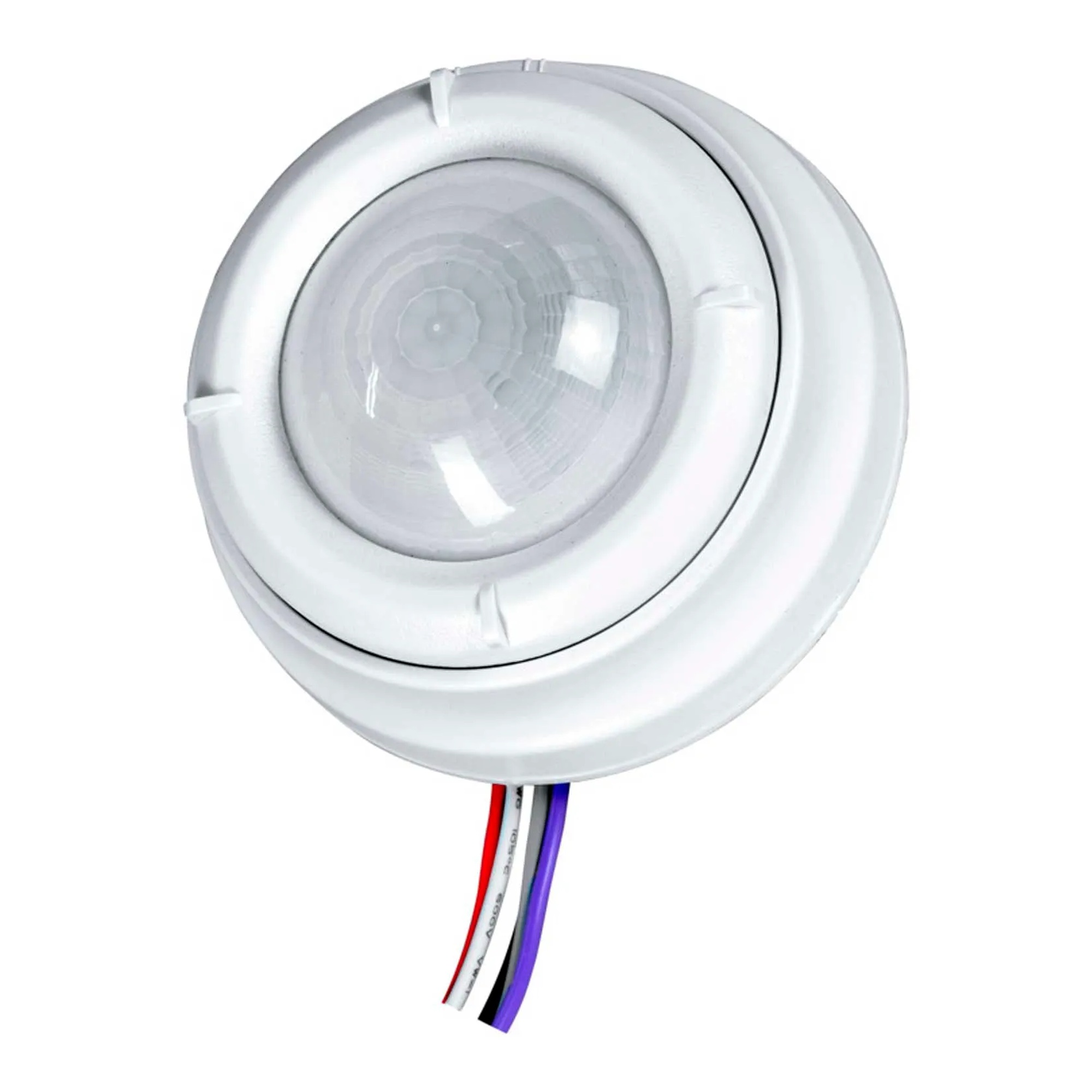
24VDC Fixture-Mount Bluetooth Occupancy Sensor, White
Our Price:$129.94This 24VDC fixture-mount Bluetooth occupancy sensor is designed for facility and lighting professionals who need occupancy-based lighting control. It mounts to a light fixture or junction box to...
-
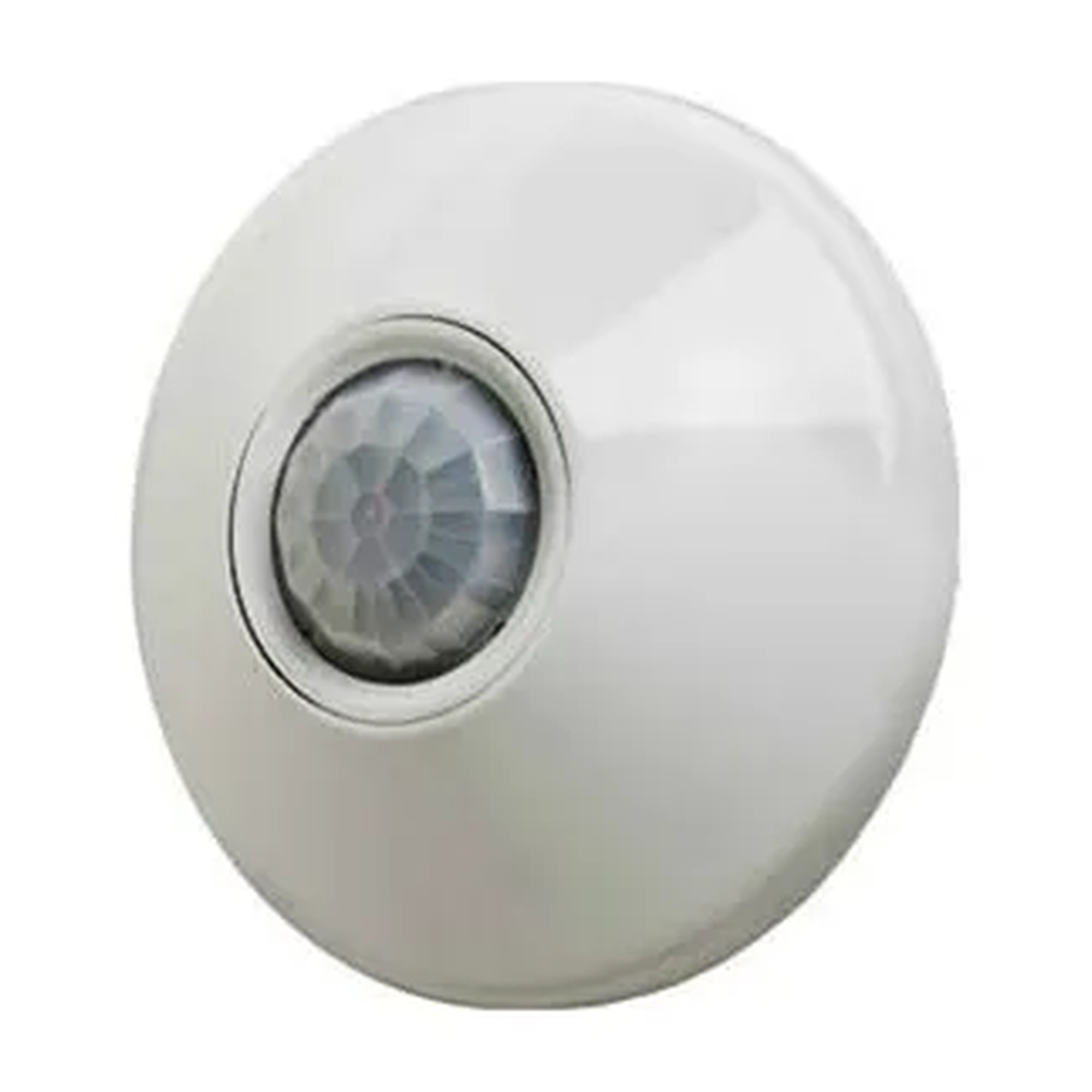
360° Ceiling-Mount PIR Occupancy Sensor
Our Price:$93.94Facility teams can use this ceiling-mount PIR occupancy sensor to detect movement within its field of view. It provides 360° occupancy detection for applications where occupancy-based control is...
-
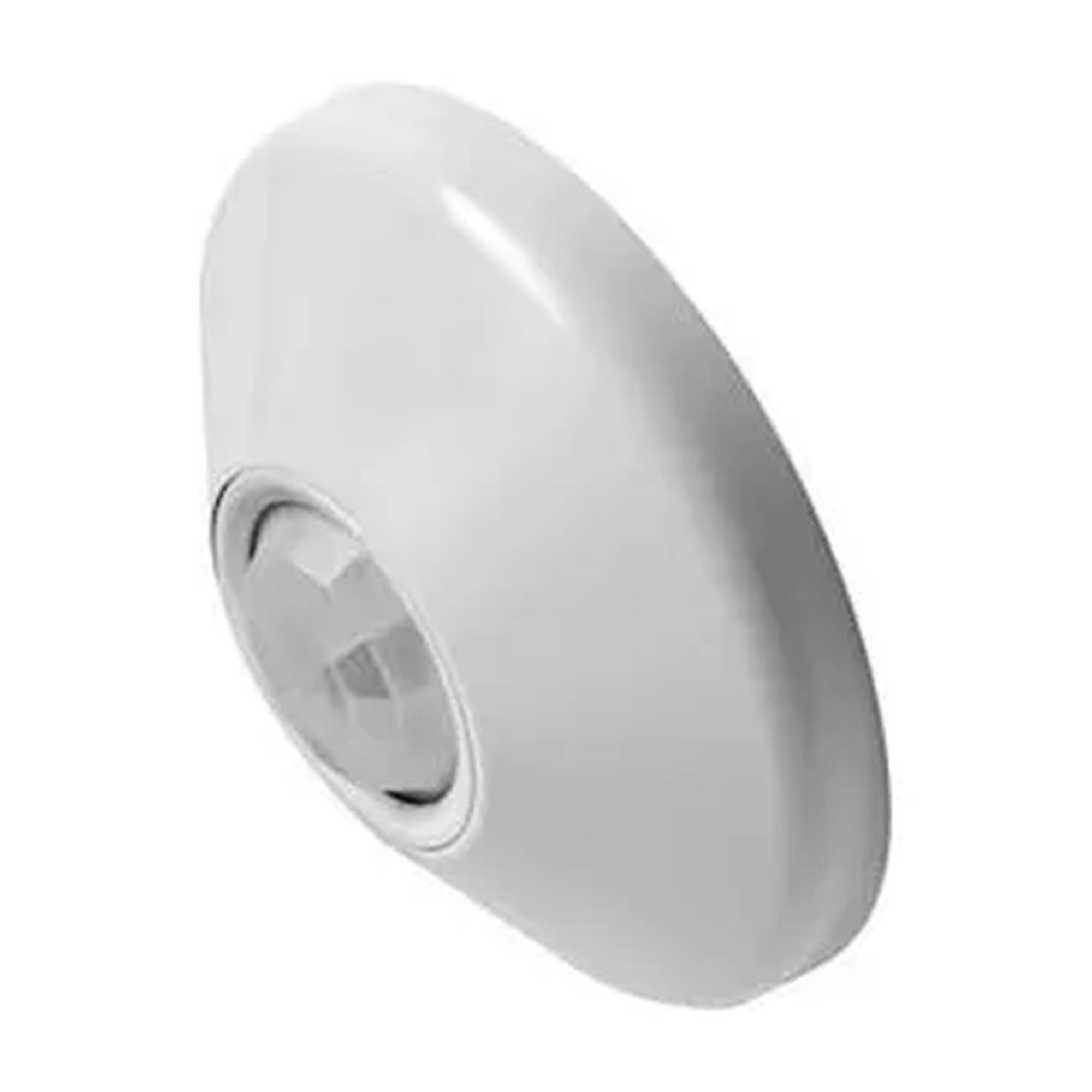
Ceiling-Mount 360° Dual-Technology Occupancy Sensor
Our Price:$91.94This ceiling-mount occupancy sensor is designed for electrical and facility professionals who need to control line-voltage lighting based on occupancy. Its 360° detection helps automate switching...
-
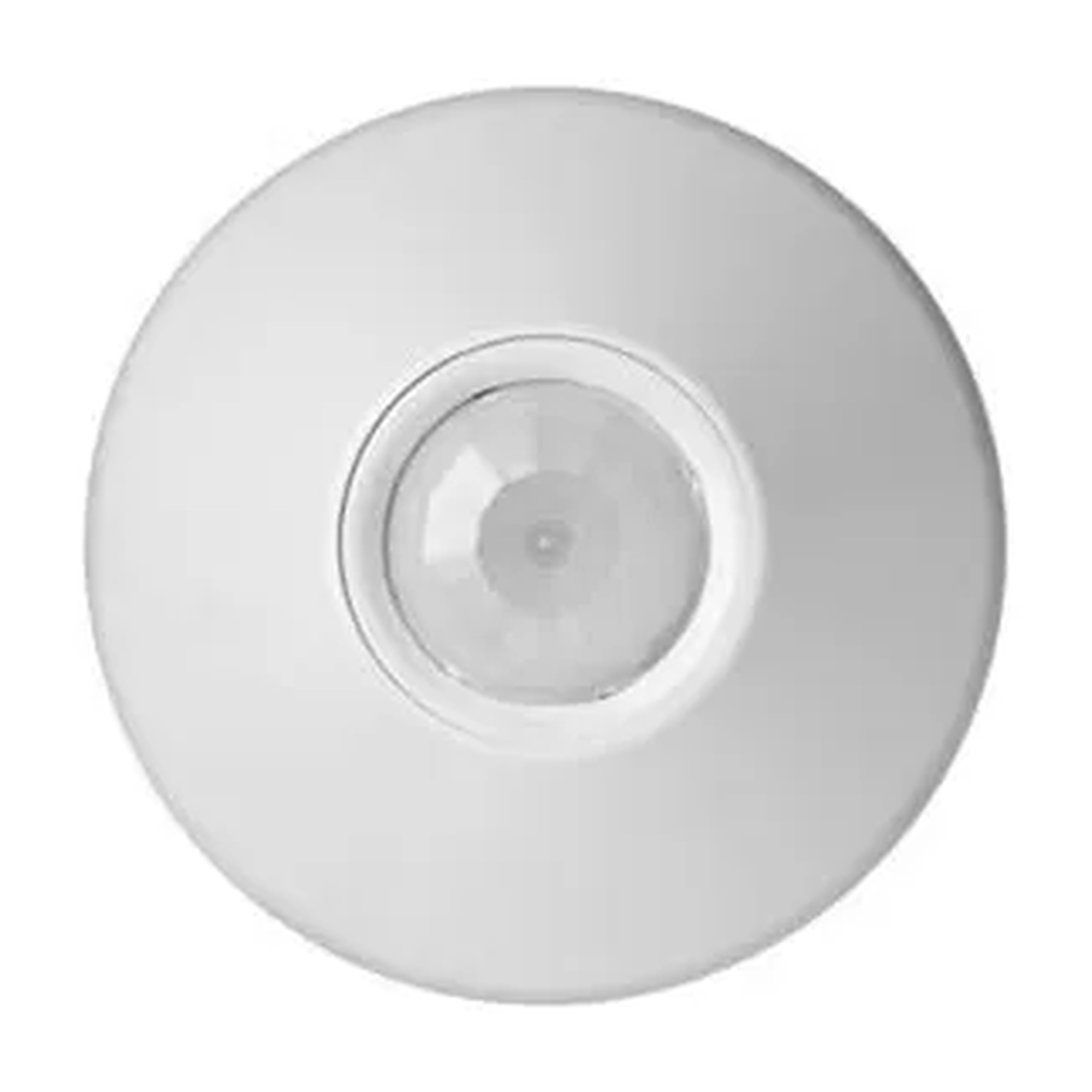
Ceiling-Mount 360° PIR Occupancy Sensor - Model CMR 9
Our Price:$83.94This ceiling-mount occupancy sensor is designed for facility and electrical professionals who need automatic occupancy detection in a room. It senses occupant movement to support lighting control...
-
Ceiling-Mount 360° PIR Occupancy Sensor for Small Rooms
Our Price:$99.94This ceiling-mount passive infrared (PIR) occupancy sensor is designed for facility and electrical professionals who need occupancy detection for small rooms. It provides 360° coverage to support...
-
Ceiling-Mount Dual-Technology Occupancy Sensor
Our Price:$145.94This ceiling-mount dual-technology occupancy sensor helps facility and electrical professionals control lighting based on room occupancy. It combines motion and microphonics detection to sense...
-
Extended-Range 360° Ceiling-Mount Dual-Technology Motion Sensor
Our Price:$145.94This ceiling-mount motion sensor is designed for facility and electrical professionals who need occupancy-based lighting control in enclosed rooms. It detects motion and ongoing human activity to...
-
Extended-Range 360° Ceiling-Mount PIR Occupancy Sensor
Our Price:$101.94This ceiling-mount passive infrared occupancy sensor is for commercial users who need occupancy-based lighting control. It detects movement from occupants within its field of view to support...
-
Fixture-Mount Occupancy Sensor Module, White
Our Price:$76.94This white fixture-mount occupancy sensor module is for facility teams and electrical professionals installing occupancy sensing on compatible lighting fixtures or J-boxes. It provides a...
-
Fixture-Mount PIR Occupancy Sensor with Interchangeable Lenses
Our Price:$60.94This fixture-mount occupancy sensor helps commercial and industrial lighting users control lights based on occupancy. It uses passive infrared detection to support lighting control in low- and...
-
High Bay 360° Fixture-Mount PIR Occupancy Sensor
Our Price:$73.94This high-bay occupancy sensor is for facility teams managing individual on/off control of T5 and T8 fluorescent lighting. It detects occupancy through passive infrared sensing to help automate...
-
High-Bay Fixture-Mount PIR Motion Sensor with Daylight Harvesting
Our Price:$75.94This fixture-mount motion sensor helps facility lighting users control connected lights based on occupancy and available daylight. It is designed for high-bay and low-bay lighting applications,...
-
High-Bay Fixture-Mount PIR Occupancy Sensor
Our Price:$66.94This fixture-mount passive infrared (PIR) occupancy sensor is for facilities with high-mounted lighting, including warehouses and manufacturing areas. It detects occupancy within its coverage zone to...
-
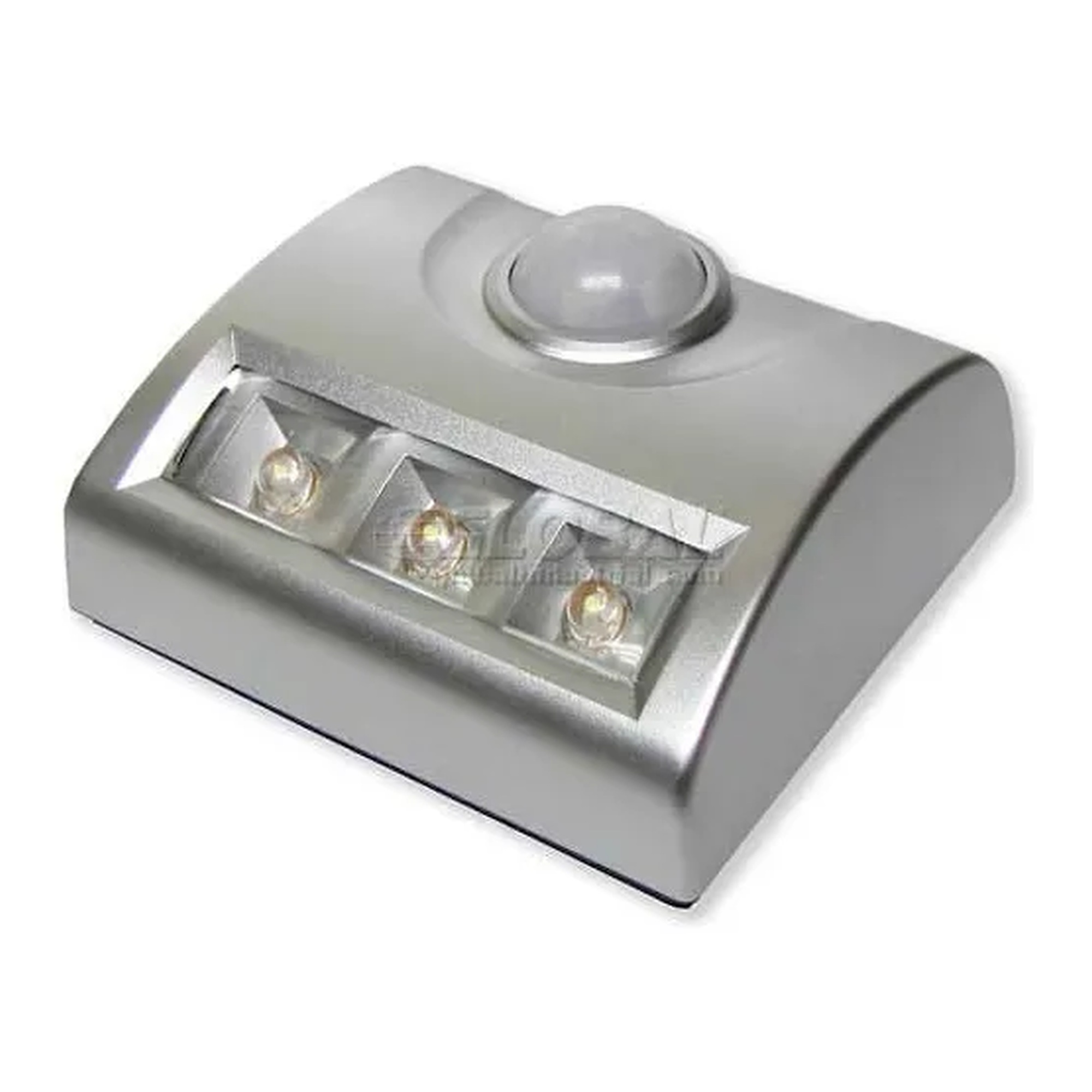
Motion-Activated LED Sensor Light
Our Price:$13.99This motion-activated LED sensor light is for anyone who needs automatic illumination in areas such as attics, bathrooms, and closets. It detects nearby movement and turns its three LEDs into a...
-
Watertight Fixture-Mount Occupancy Sensor Module, White
Our Price:$99.94This white fixture-mount occupancy sensor module is for facility professionals and electrical installers who need occupancy sensing on a lighting fixture or junction box. It provides a practical...
-
White End-Fixture-Mount Occupancy Sensor Module
Our Price:$98.94This white end-fixture-mount occupancy sensor module is for facility teams in gyms, cold-storage areas, garages, parking lots, manufacturing floors, site and area locations, and warehouses. It mounts...



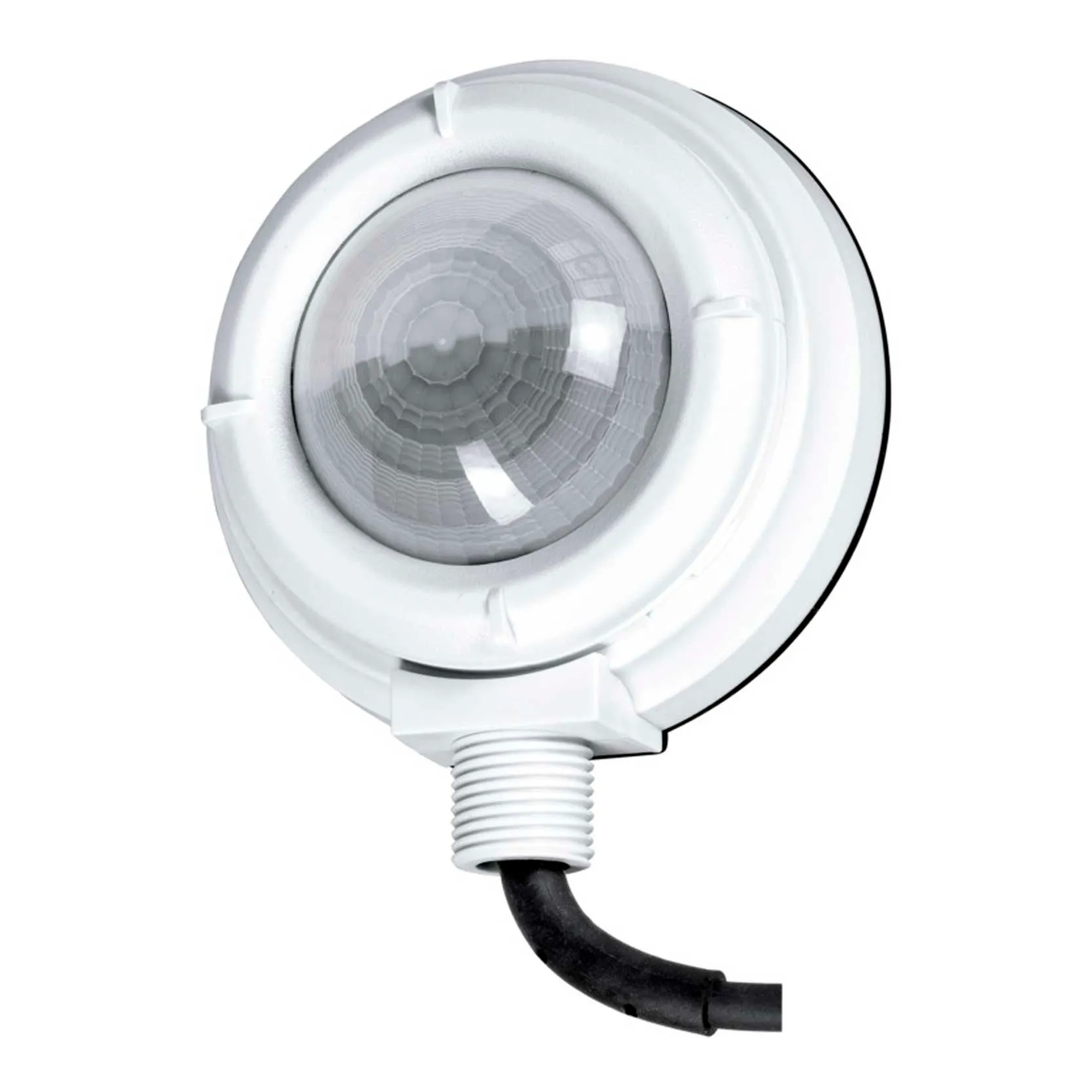
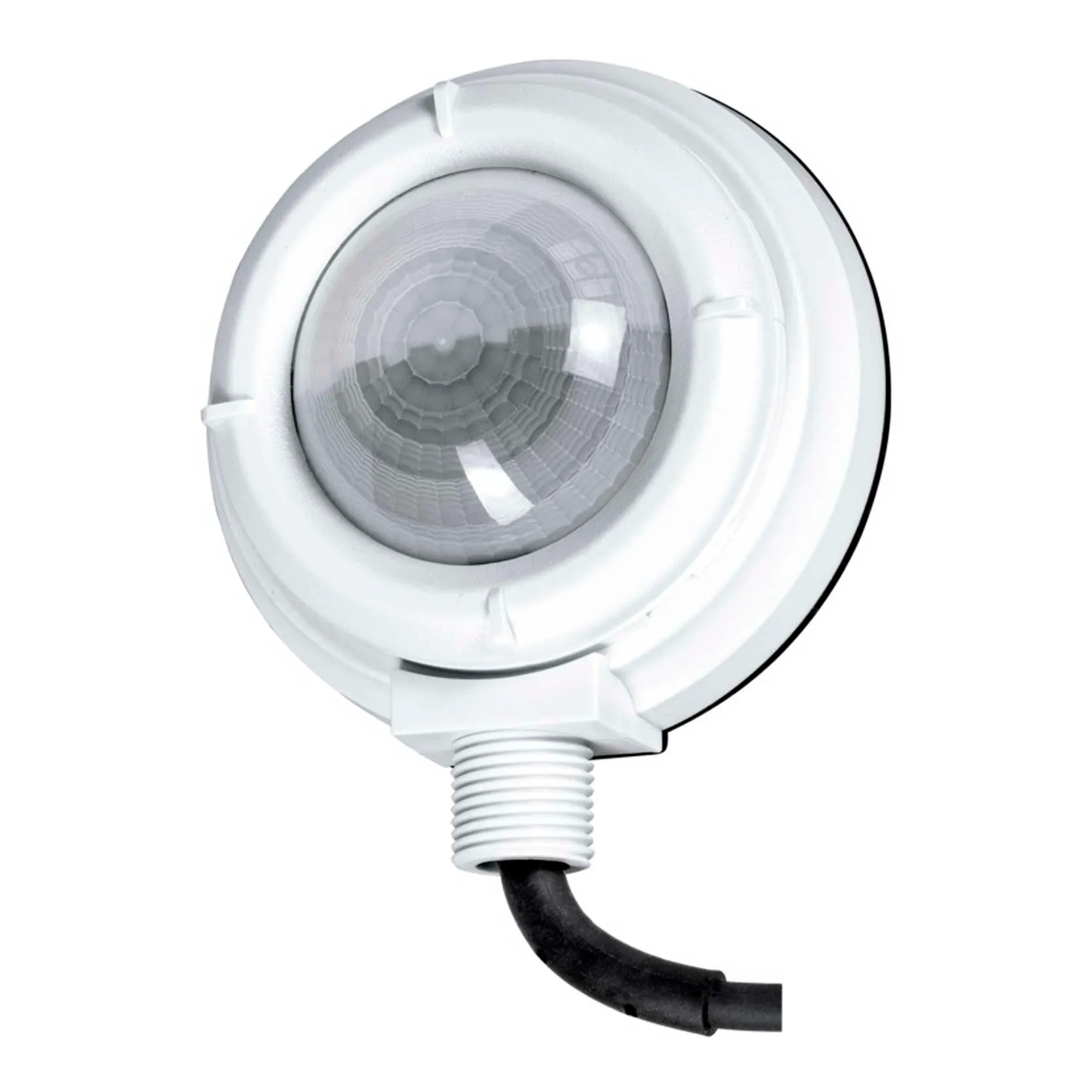
Motion Sensor Buying Guide
Choose a motion sensor by first matching its mounting location, sensing technology, electrical arrangement, and coverage needs to the lighting application. This category includes ceiling-mounted room sensors, fixture- and junction-box-mounted modules, high-bay sensors, and compact motion-activated LED lights.
Popular examples in this category
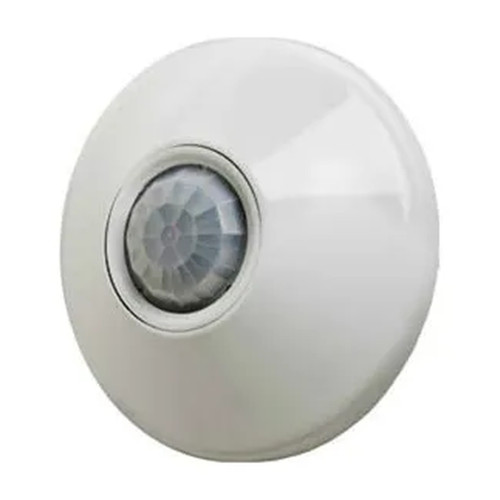 Ceiling-Mount 360° PIR Occupancy Sensor - Model CMR 9WBB442361
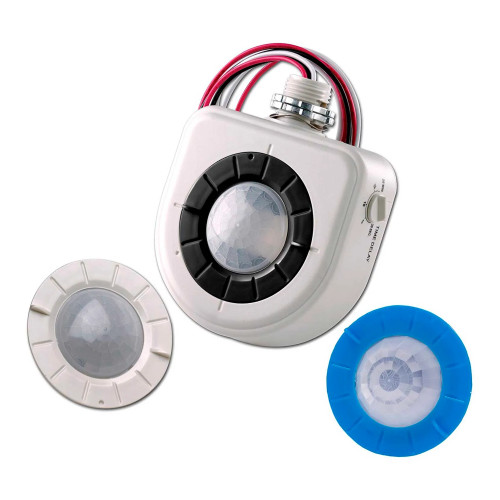 High-Bay Fixture-Mount PIR Occupancy SensorWB501723
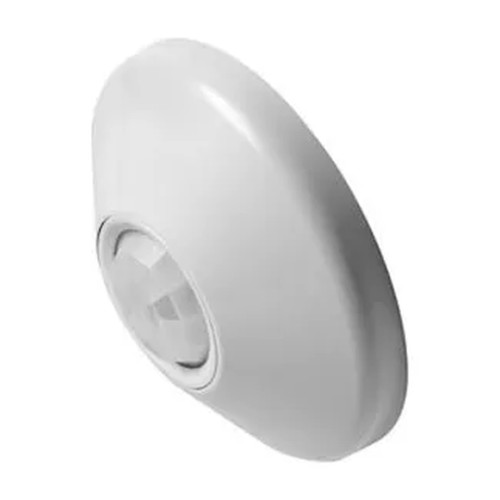 Extended-Range 360° Ceiling-Mount PIR Occupancy SensorWBB442338
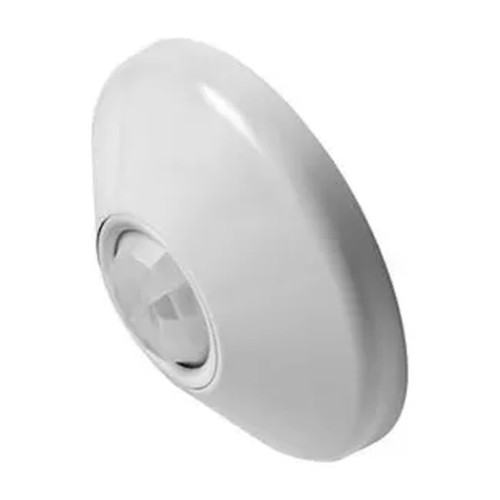 Extended-Range 360° Ceiling-Mount Dual-Technology Motion SensorWBB442358
Match the sensor to the space
Ceiling-mounted 360° sensors suit rooms and cubicle spaces. High-bay and fixture-mounted models fit warehouses, manufacturing areas, garages, parking lots, gyms, cold storage, and site or area locations. Compact LED sensor lights are intended for attics, bathrooms, and closets.
Start with mounting and power
Compare ceiling, grid, fixture-end, fixture, and junction-box mounting options. Then confirm whether the installation needs line-voltage switching, multi-voltage operation, 24VDC operation, or compatible low-voltage power arrangements and power packs.
Select coverage for the lighting layout
Look for 360° sensing where all-around room or fixture coverage is needed. For high-mounted lighting, compare stated high-mount capabilities, including options for installation heights up to 40 ft or coverage up to 45 ft. Interchangeable lenses can support general-area or aisleway-focused coverage.
Compare control and environmental features
Available features include adjustable time delays, push-button programming, self-contained relays, daylight sensing, selectable operating modes, lamp burn-in timers, and indoor or outdoor placement. Temperature range, housing construction, and separately selected lenses also vary by model.
Available on ceiling-mounted and fixture-mounted occupancy sensor options.
Available on a high-bay fixture-mount PIR sensor.
Supported by selected ceiling-mounted sensor models.
Included in the motion-activated LED sensor light.
Compare Motion Sensor Types
Use this overview to identify the sensor style that best aligns with the represented applications and installation requirements.
| Sensor type | Best-fit applications | Key selection factors |
|---|---|---|
| Ceiling-mount PIR and dual-technology sensors | Rooms, small rooms, cubicle spaces, and enclosed areas | Compare PIR or dual technology, 360° coverage, line-voltage or low-voltage operation, time delay, and burn-in timer availability. |
| Fixture-mount and high-bay sensors | Warehouses, manufacturing areas, garages, parking lots, gyms, cold storage, and high-mounted lighting | Compare fixture or junction-box mounting, mounting height or coverage, voltage, lens choices, daylight sensing, and indoor/outdoor use. |
| Motion-activated LED sensor light | Attics, bathrooms, and closets | Compare nearby movement detection range, three-LED illumination, adhesive mounting, and compact dimensions. |
Plan the right fit before choosing
Select mounting that fits the lighting installation
Ceiling-mount sensors provide room coverage from above and include options for drop ceilings or ceiling grids. Fixture-mount and end-fixture-mount modules install directly at compatible fixtures, while some also mount at a compatible junction box. High-bay fixture sensors are designed for high-mounted lighting applications.
- Ceiling-mounted options for enclosed rooms, small rooms, and cubicle spaces
- Fixture and junction-box mounting for compatible lighting installations
- Fixture-end mounting through an extended 1/2 in. chase nipple
- High-bay options for individual fixture control
Match detection technology to the activity in the area
PIR sensors respond to infrared-energy changes as occupants move. Dual-technology models combine PIR with microphonics to help recognize continued occupancy and may include automatic gain control to filter steady background noise. Time-delay adjustment is offered across several sensor types, while certain models add direct line-voltage switching or require compatible power arrangements.
- PIR detection for movement-based occupancy sensing
- Dual technology for motion and ongoing human activity detection
- Adjustable shutoff delays, including a 30-second to 20-minute range on one high-bay option
- Self-contained relay options that avoid a separate power pack
Review daylight, temperature, and lighting-control details
For indoor or outdoor fixture applications, compare voltage compatibility, operating temperature range, and housing construction. Some fixture-mounted modules offer upward- and downward-looking daylight sensing, while another provides a separate downward-looking daylight lens option. Selected ceiling sensors include a 100-hour lamp burn-in timer.
- 120, 277, or 347 VAC options at 60 Hz on selected modules
- 24VDC option for compatible low-voltage systems
- Operating ranges represented from -40 to 149°F and 32 to 149°F
- Impact-resistant or high-impact plastic housings on selected modules
Common questions before buying
What is the difference between PIR and dual-technology motion sensors?
PIR sensors respond to movement through changes in infrared energy. Dual-technology models combine PIR with microphonics to help identify motion and continued human activity.
Are there motion sensors for high-bay lighting?
Yes. High-bay fixture-mount PIR options are represented for high-mounted lighting, with stated capabilities including installation heights up to 40 ft or coverage up to 45 ft, depending on the model.
Can these sensors be installed on a fixture or junction box?
Selected occupancy sensor modules support direct fixture or compatible junction-box installation. Some high-bay models install through a 1/2-inch fixture or junction-box knockout.
Which motion sensor options support outdoor locations?
Selected fixture-mount modules support indoor or outdoor, low- or high-mount installations. Review each model's voltage, temperature range, lens options, and mounting requirements for the specific location.
Choosing the right file folders
FilingSupplies.com carries end-tab folders for open-shelf systems, top-tab folders for drawer filing, and heavy-duty classification folders with dividers and fasteners for multi-section records. Pick letter or legal size, then choose material (11-pt, 14-pt, or 18-pt manila), optional reinforced tabs, color-coding, and expansion capacity to match your volume.
Folder FAQs
End-tab vs. top-tab — what’s the difference?
When should I choose classification folders?
Letter or legal size — how do I pick?
What tab and material options are available?
Can I add fasteners, pockets, or expansion?
Do you offer volume pricing or custom printing?
Outfitting classrooms that work all day
Build a durable, age-appropriate classroom with furniture, early-learning materials, storage bins, learning centers, and presentation tools. Choose adjustable pieces that grow with grades, label friendly bins for quick clean-up, and tech carts that secure, charge, and move easily.
Education FAQs
What safety labels should I look for on school and early-childhood items?
How do I pick classroom furniture across grade levels?
What’s the best way to organize supplies and centers?
How do I choose learning games and manipulatives by age?
What should I consider in a charging/tech cart?
Do you support school POs, bulk pricing, or custom printing?
Choosing the right labels
From color file labels to printable sheets, select the right size, adhesive, and print method to match your filing system and equipment. Decide on sheet vs. roll format, then pick permanent or removable adhesive and your color set.
Labels FAQs
Sheet vs. roll labels — what’s the difference?
Permanent or removable adhesive?
Will these labels work in my printer?
How do I match the label size to folder tabs or binder spines?
Can I get preprinted sequences or color bars?
Do you have templates?
Choosing the right tab dividers
Organize binders with preprinted or blank tabs. Select the number of tabs per set (5, 8, 10, or 12), choose paper with reinforced tabs or durable poly, and match letter or legal size for a clean fit.
Tab Dividers FAQs
What do 5-, 8-, 10-, or 12-tab sets mean?
Paper vs. poly — which should I choose?
Are the tabs printable?
Will they fit my binder?
Can I mix preprinted and blank tabs?
Do you make custom tab sets?
Choosing the right office supplies
From everyday paper and pens to binders, mailers, and desk organizers, pick durable, compatible options that match your equipment and team size. Start with the right paper and labeling, then add organizers that keep work moving.
Office Supplies FAQs
Which paper weight and brightness should I choose?
Round-ring vs. D-ring binders — what’s the difference?
What does “sheet capacity” mean on staplers and hole punches?
Will labels, envelopes, and mailers work with my printer?
How do I choose mailers and shipping boxes?
Do you offer eco-conscious options or bulk pricing?
Choosing the right sports & PE equipment
Equip classes, teams, and rec programs with durable balls, goals, cones, pinnies, storage, and safety gear. Match sizes and materials to age group and whether you play indoors or outdoors.
Sports & Athletics FAQs
What ball sizes should I choose for different ages?
- Basketball: Size 5 (27.5") youth, Size 6 (28.5") intermediate, Size 7 (29.5") official.
- Soccer: Size 3 up to ~8 years, Size 4 ~8–12, Size 5 ~12+.
- Volleyball: Regulation balls for teens/adults; lighter training balls for younger players.
Indoor vs. outdoor — which materials hold up best?
How many pinnies, cones, or markers do I need?
Tips for storage and care?
Are items latex‑free and school‑safe?
Do you support bulk orders or custom printing (team names)?
Choosing the right FireKing fireproof cabinet
FireKing fireproof file cabinets, safes, and storage cabinets are designed to protect important documents, records, and valuables from fire damage while keeping files organized and accessible. When choosing a FireKing cabinet, compare drawer configuration, storage type, fire rating, and overall capacity based on the records or materials you need to protect.
FireKing FAQs
What is the difference between FireKing vertical and lateral file cabinets?
What can I store in a FireKing fireproof file cabinet?
Are FireKing cabinets only for paper records?
How do I choose between a FireKing safe, file cabinet, or storage cabinet?
What sizes are available in FireKing cabinets?
Are FireKing cabinets used in offices, medical facilities, and government records storage?
Can I buy FireKing cabinets in bulk or get help choosing the right model?
Shipping & Policies
Do you offer free shipping?
What are your shipping rates?
- $6.95 for labels-only orders under $40
- $14.95 flat rate for everything else