
-
12.5 mm Medium-Duty Auto-Lock Utility Knife
Our Price:$9.39This medium-duty utility knife is for professionals and maintenance teams who need controlled cutting for packaging, wallpaper, and detailed trimming. Its compact format provides a balance of...
-
12.5mm Black Snap-Off Replacement Blades, 10-Pack
Our Price:$8.29These 12.5mm black snap-off replacement blades are for users who need clean, controlled cuts in packaging, wallpaper, and detailed trimming work. The 10-pack keeps replacement blades available for...
-
18mm Wood Composite Auto-Lock Utility Knife, Brown
Our Price:$14.99This 18mm utility knife is for workers who need a hand cutter with a secure hold and adjustable blade control. Its textured wood-composite handle helps support a non-slip grip when hands are wet or...
-
9 mm Metal Precision Knife with Snap Blade, Black
Our Price:$4.46This compact 9 mm precision knife is designed for tradespeople who need controlled, detailed cuts in tight spaces. Its slim format helps users handle precision cutting tasks while keeping a fresh...
-
9mm Solid Replacement Blades, 10-Pack
Our Price:$5.69These 9mm solid replacement blades are for workers who use compatible utility knives to make deeper cuts through thicker materials. Their long blade design helps users reach farther into foam board...
-
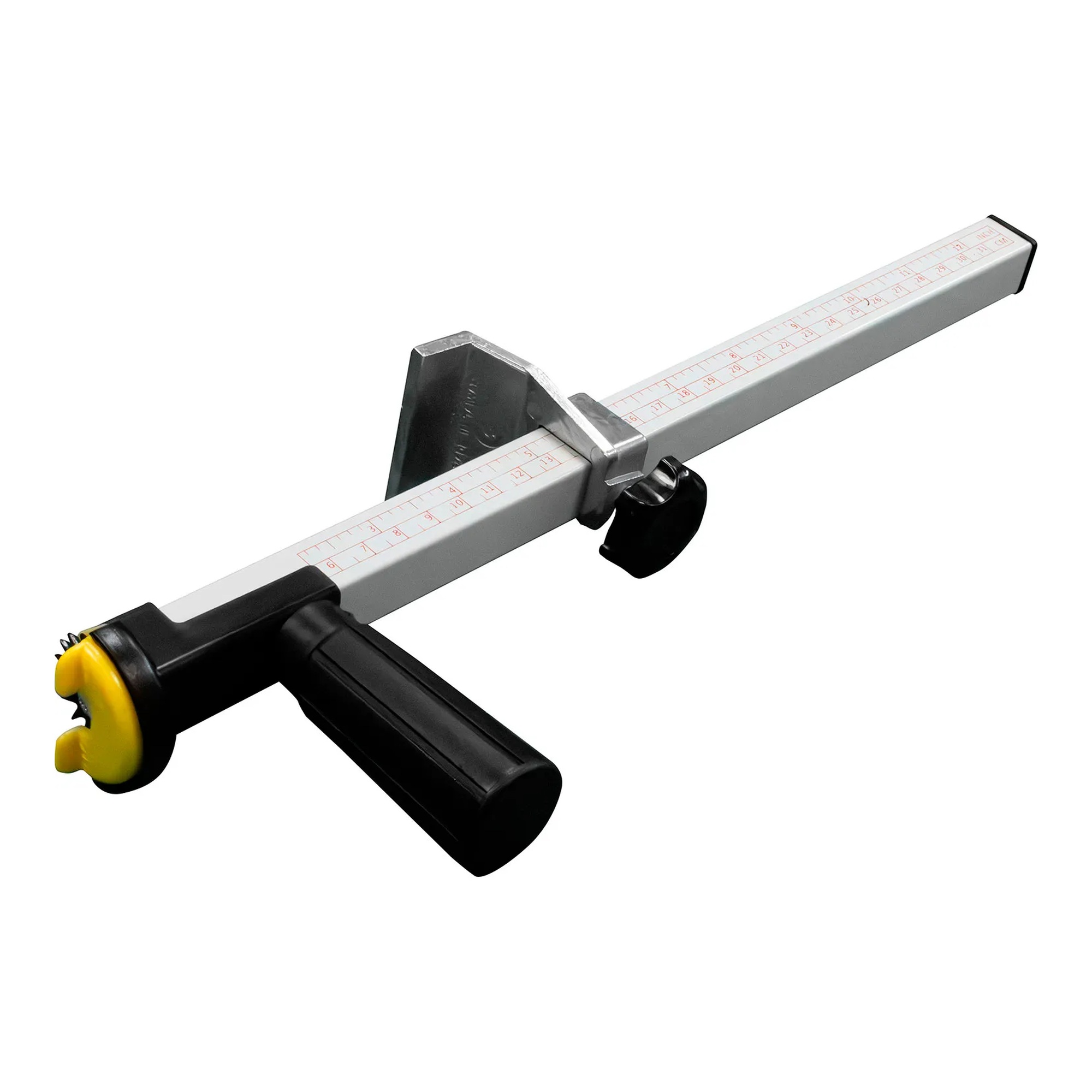
Adjustable Carton Sizer for Cardboard Boxes
Our Price:$18.49This adjustable carton sizer helps packing and shipping teams resize cardboard boxes to the needed height. It creates a consistent cut line so users can reduce excess carton space when preparing...
-
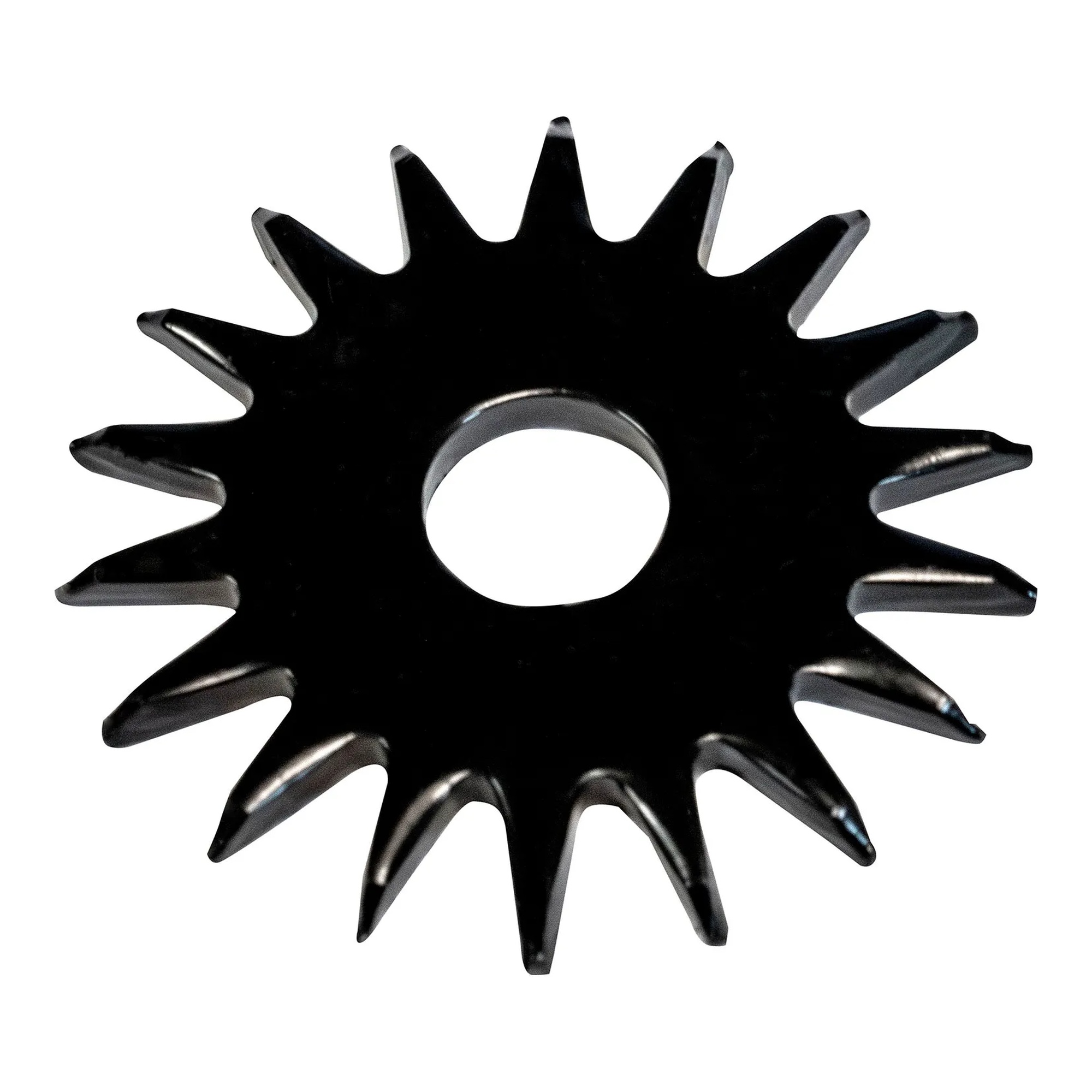
Carton Sizer Replacement Rotary Blade
Our Price:$5.39This replacement rotary blade is for teams that use an EP-299 carton sizer to work with cardboard boxes. Keeping a spare blade available helps maintain the tool’s cutting function when a replacement...
-
Plastic and Laminate Cutter Replacement Blades, 3-Pack
Our Price:$6.19These replacement blades are for users who cut plastic and laminate materials with a compatible cutter. They create a score line that helps make snapping these materials cleaner and more controlled...
-
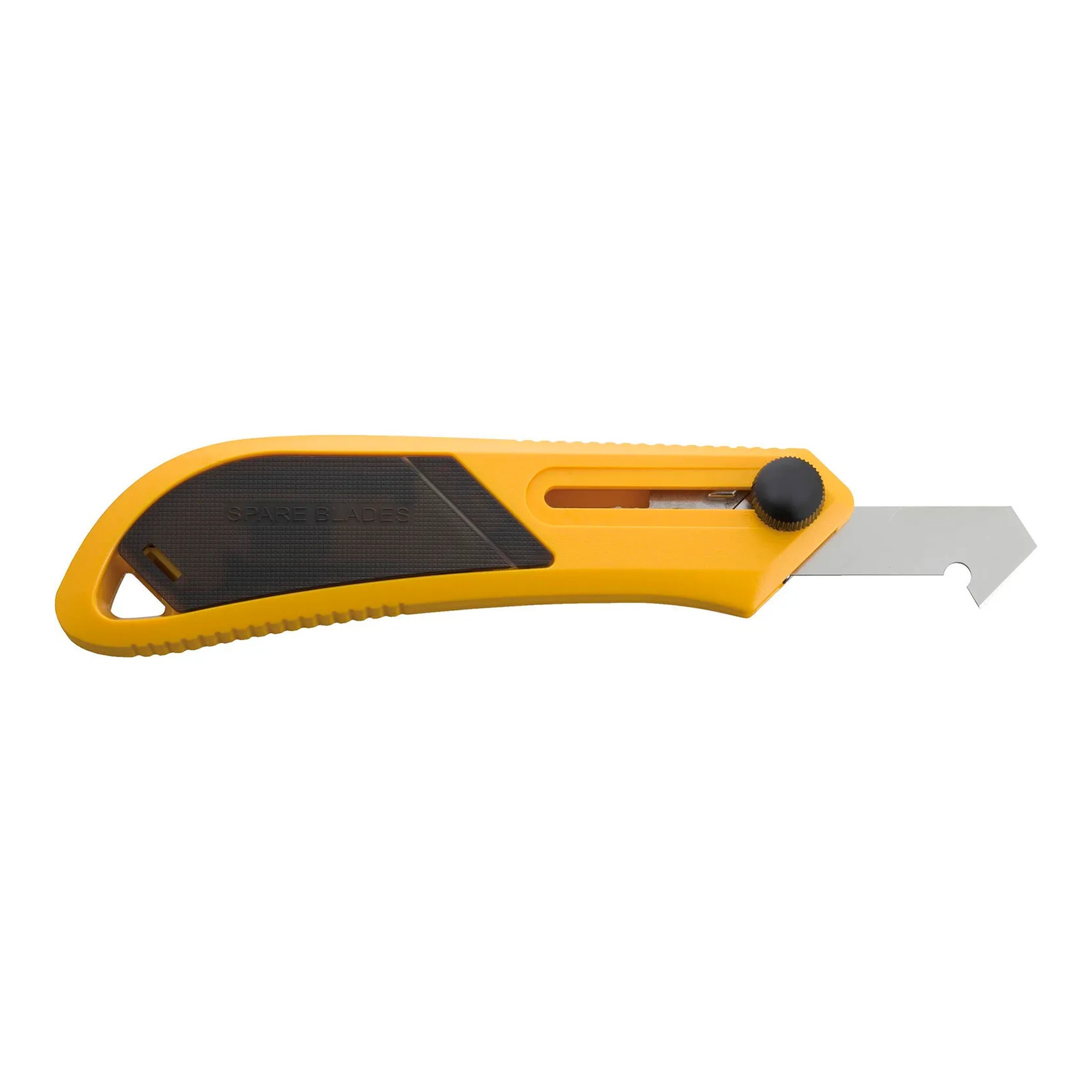
Plastic and Laminate Scoring Cutter, Yellow
Our Price:$13.74This plastic and laminate scoring cutter is for tradespeople and facility teams who need to score sheet materials for clean, controlled breaks. Its fine scoring action helps users make precise cut...
-
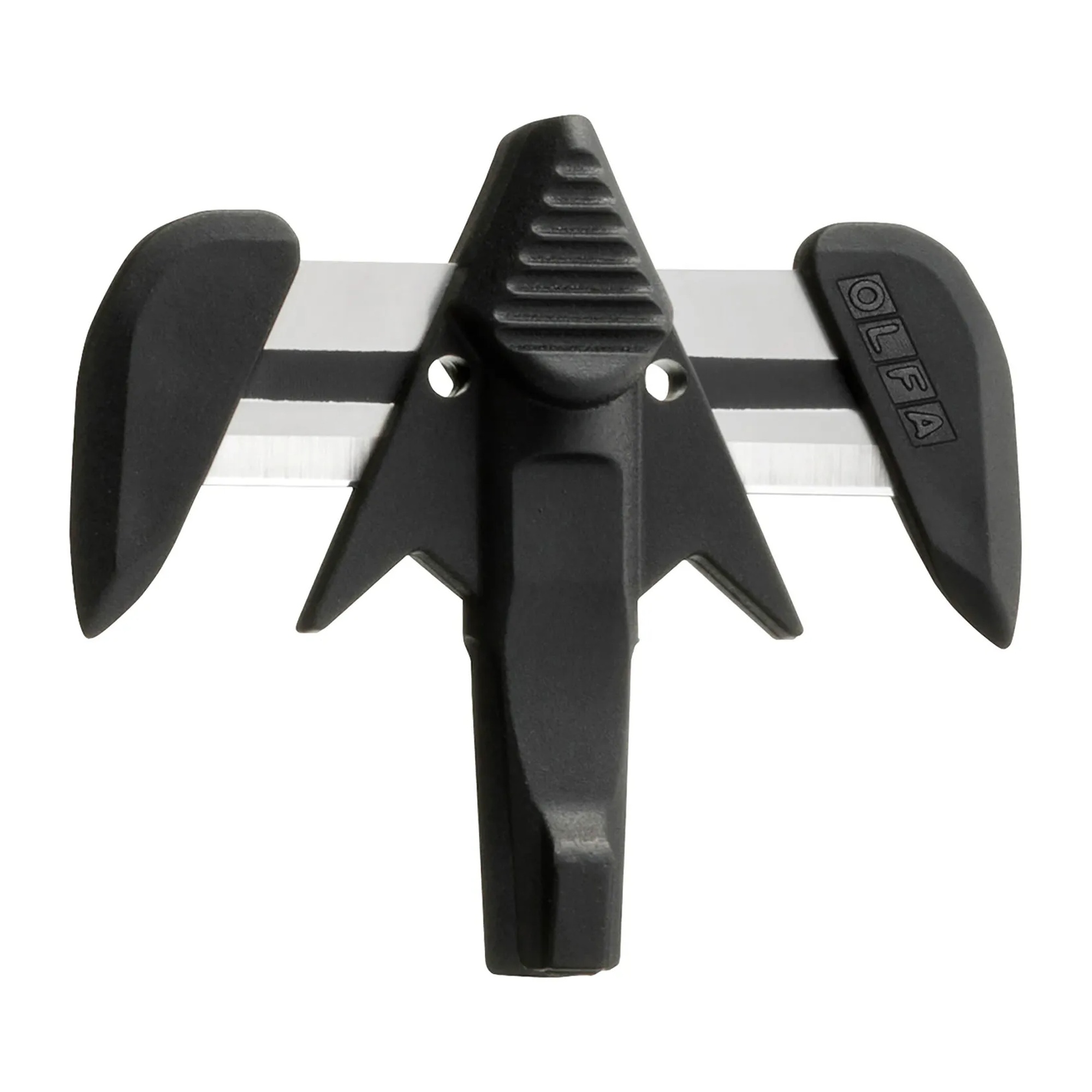
Quick-Change Concealed Blade Replacement Heads, 10-Pack
Our Price:$24.74These quick-change concealed blade replacement heads are for users of the compatible SK-16 concealed blade safety cutter. The 10-pack helps keep the cutter ready for routine material cutting while...
-
Quick-Change Concealed Blade Safety Knife
Our Price:$14.74This concealed-blade safety knife is for warehouse, receiving, and packing teams that need to open cartons and other cutting materials while helping protect the contents inside. Its touch-safe design...
-
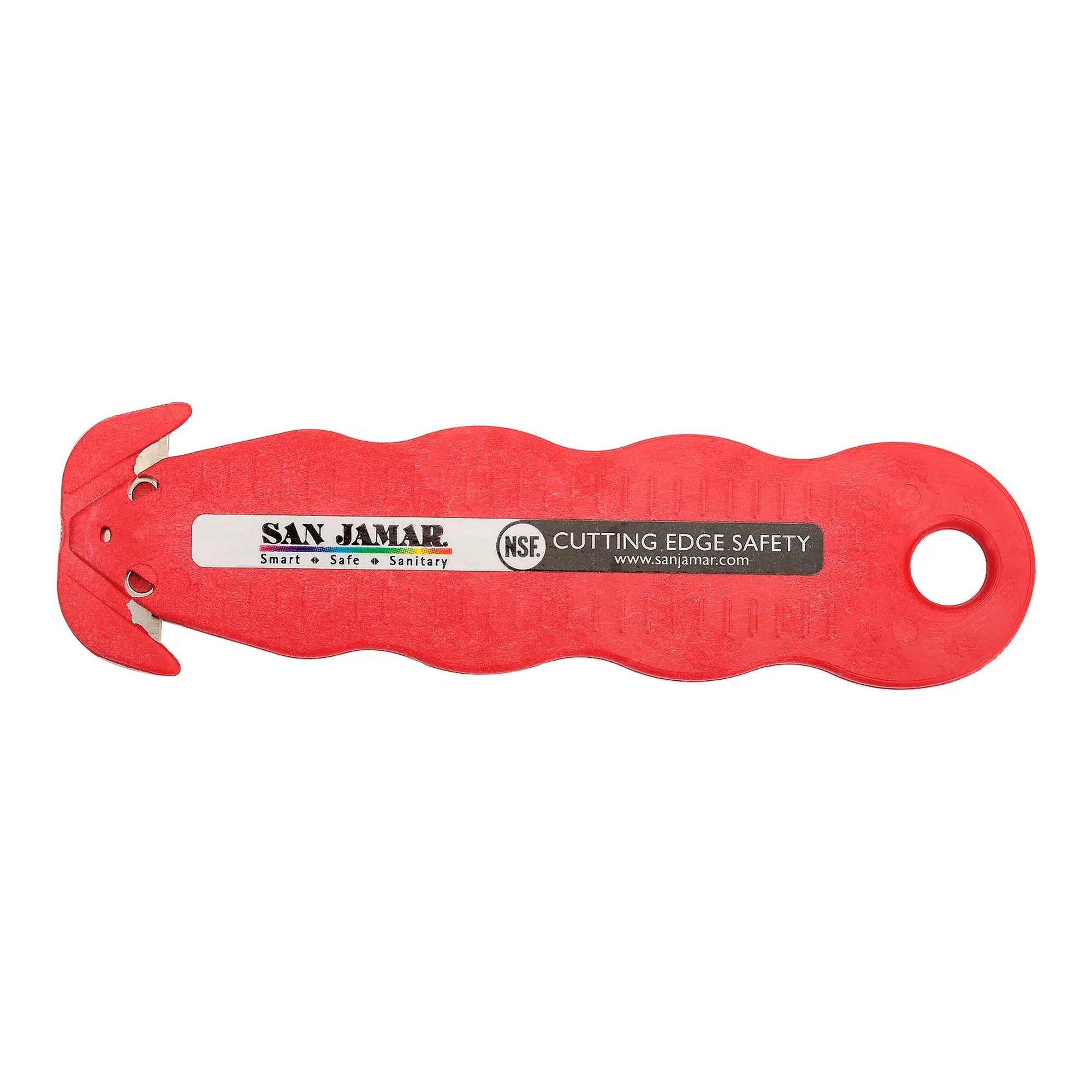
Red Recessed-Blade Box Cutter, 3-Pack
Our Price:$20.99This 3-pack of red box cutters is designed for teams that open cartons and need to help limit cuts to carton contents. Its recessed-blade design exposes only a minimal portion of the blade for...




Choose a Box Cutter for the Material and the Cut
The right hand cutter depends on whether the job calls for detailed trimming, carton opening, cardboard resizing, or scoring sheet material. Compare blade exposure, blade style, compatibility, grip features, and the type of material being cut before selecting a tool or replacement blade.
Popular examples in this category
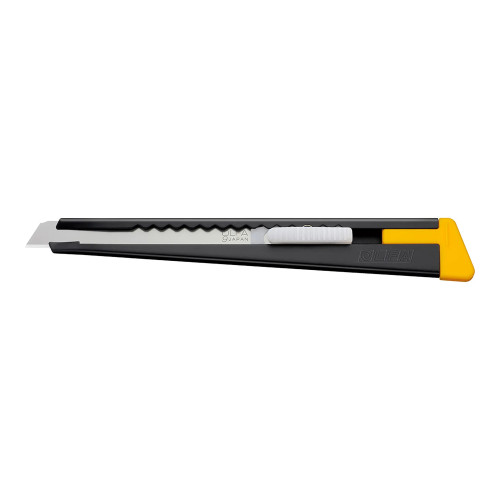 9 mm Metal Precision Knife with Snap Blade, BlackWBB3191022
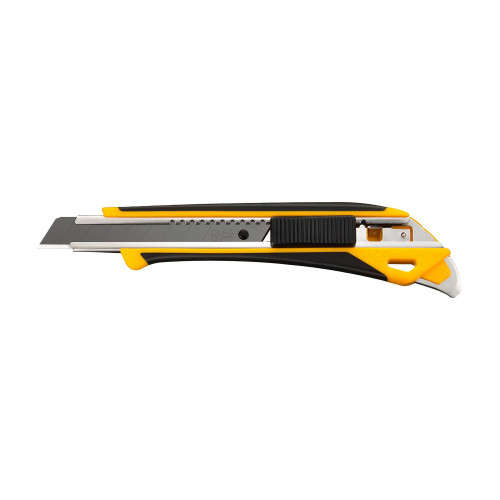 12.5 mm Medium-Duty Auto-Lock Utility KnifeWBB3191024
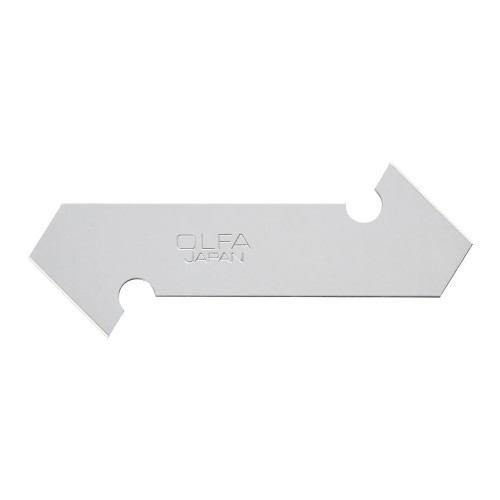 Plastic and Laminate Cutter Replacement Blades, 3-PackWBB3191025
 12.5mm Black Snap-Off Replacement Blades, 10-PackWBB3191028
Match the tool to the task
Use precision and utility knives for controlled trimming and detailed cuts. Choose recessed or concealed-blade cutters for carton opening, carton sizers for reducing box height, and scoring cutters for plastic, laminate, and lighted ceiling tile.
Compare blade control and handling
Consider the needed blade width, cutting depth, locking method, grip, and whether a snap-off edge or quick-change head suits the work. For carton-opening tasks, limited blade exposure can help reduce contact with contents.
Support packing, maintenance, and trade work
These tools are represented for warehouse receiving, packing, shipping, maintenance, packaging, wallpaper, detailed trimming, and sheet-material scoring applications.
Confirm replacement compatibility
Replacement options include 9 mm solid blades, 12.5 mm snap-off blades, plastic and laminate cutter blades, and concealed-blade replacement heads. Check the cutter model or stated blade size before buying replacements.
Compact knife and replacement-blade options support detailed cutting and tight-space work.
Snap-off knife and replacement-blade options are represented for packaging, wallpaper, and trimming.
The larger utility knife format includes eight snap-off blade segments.
The adjustable carton sizer supports resizing cardboard boxes to the needed height.
Compare Box Cutter Types
Use this overview to narrow the choice by task, cutting approach, and notable selection considerations.
| Tool Type | Best-Fit Tasks | Key Selection Considerations |
|---|---|---|
| Precision and utility knives | Detailed trimming, packaging, wallpaper, and controlled cuts | Compare 9 mm, 12.5 mm, or 18 mm formats; auto-lock operation; grip; snap-off segments; and tool-free blade changes. |
| Recessed and concealed-blade cutters | Opening cartons and routine material cutting | Choose limited blade exposure when helping protect carton contents; compare no-change cutter designs with quick-change replacement heads. |
| Carton sizers and scoring cutters | Resizing cardboard boxes or scoring plastic, laminate, and lighted ceiling tile | Choose adjustable cutting height and an integrated ruler for box resizing; choose a scoring cutter with adjustable blade depth for sheet materials. |
Plan the right fit before choosing
Select a cutter based on material and required control
Compact 9 mm and 12.5 mm knives support precision cutting, packaging, wallpaper, and detailed trimming. An 18 mm utility knife offers adjustable blade control with a textured handle and snap-off segments. For cardboard boxes, an adjustable carton sizer creates a consistent cut line at the selected height. For plastics, laminates, and lighted ceiling tile, a scoring cutter makes a fine line to support controlled breaking.
- Choose a compact knife for tight spaces and detailed cutting.
- Choose a carton sizer when reducing cardboard box height.
- Choose a scoring cutter for sheet materials that need a score line before snapping.
- Choose an 18 mm utility knife when adjustable blade positioning and a secure grip are priorities.
Balance carton protection with blade-refresh options
Recessed and concealed-blade designs limit blade exposure for carton-opening work. A recessed-blade cutter uses a minimally exposed blade, while a concealed-blade safety knife cuts through a channel and can use a quick-change replacement head. For conventional utility knives, snap-off blade segments provide a fresh edge, and tool-free blade changes are available on select knife styles.
- Recessed blades are intended for controlled carton opening with minimal penetration.
- Concealed cutting channels help direct blade contact to the cutting material.
- Snap-off blades let users refresh a worn edge by removing a segment.
- Quick-change replacement heads maintain a compatible concealed-blade cutter.
Confirm compatibility before ordering replacement blades
Blade replacements are designed for specific cutter formats. The 12.5 mm snap-off blades are for compatible 12.5 mm applications, plastic and laminate replacement blades fit the compatible PC-L cutter, and concealed-blade heads fit the compatible SK-16 safety cutter. Long 9 mm solid blades are compatible with most 9 mm utility knives and support deeper cuts into foam board and flexible plastics.
- Match replacement blade width to the compatible knife format.
- Verify model-specific compatibility for scoring-cutter blades and concealed-blade heads.
- Consider a storage case when transporting or storing replacement blades.
- Look for locking, grip, or ambidextrous features that fit the work environment.
Common questions before buying
What box cutter is suited to opening cartons?
Recessed-blade and concealed-blade cutters are designed for carton-opening work with limited blade exposure. Their designs help direct cutting action to the material while helping protect carton contents.
What is the difference between a utility knife and a scoring cutter?
Utility knives are represented for cutting, trimming, packaging, and wallpaper tasks. A scoring cutter creates a fine score line on plastic, laminate, and lighted ceiling tile to support controlled breaking.
How do snap-off blades work?
Snap-off blades have segmented cutting edges. When a segment is used, it can be snapped off to expose a fresh edge.
How do I choose replacement blades?
Match the replacement to the cutter's stated blade size or compatible model. Options shown include 9 mm solid blades, 12.5 mm snap-off blades, PC-L-compatible scoring blades, and SK-16-compatible concealed-blade replacement heads.}]},
Choosing the right file folders
FilingSupplies.com carries end-tab folders for open-shelf systems, top-tab folders for drawer filing, and heavy-duty classification folders with dividers and fasteners for multi-section records. Pick letter or legal size, then choose material (11-pt, 14-pt, or 18-pt manila), optional reinforced tabs, color-coding, and expansion capacity to match your volume.
Folder FAQs
End-tab vs. top-tab — what’s the difference?
When should I choose classification folders?
Letter or legal size — how do I pick?
What tab and material options are available?
Can I add fasteners, pockets, or expansion?
Do you offer volume pricing or custom printing?
Outfitting classrooms that work all day
Build a durable, age-appropriate classroom with furniture, early-learning materials, storage bins, learning centers, and presentation tools. Choose adjustable pieces that grow with grades, label friendly bins for quick clean-up, and tech carts that secure, charge, and move easily.
Education FAQs
What safety labels should I look for on school and early-childhood items?
How do I pick classroom furniture across grade levels?
What’s the best way to organize supplies and centers?
How do I choose learning games and manipulatives by age?
What should I consider in a charging/tech cart?
Do you support school POs, bulk pricing, or custom printing?
Choosing the right labels
From color file labels to printable sheets, select the right size, adhesive, and print method to match your filing system and equipment. Decide on sheet vs. roll format, then pick permanent or removable adhesive and your color set.
Labels FAQs
Sheet vs. roll labels — what’s the difference?
Permanent or removable adhesive?
Will these labels work in my printer?
How do I match the label size to folder tabs or binder spines?
Can I get preprinted sequences or color bars?
Do you have templates?
Choosing the right tab dividers
Organize binders with preprinted or blank tabs. Select the number of tabs per set (5, 8, 10, or 12), choose paper with reinforced tabs or durable poly, and match letter or legal size for a clean fit.
Tab Dividers FAQs
What do 5-, 8-, 10-, or 12-tab sets mean?
Paper vs. poly — which should I choose?
Are the tabs printable?
Will they fit my binder?
Can I mix preprinted and blank tabs?
Do you make custom tab sets?
Choosing the right office supplies
From everyday paper and pens to binders, mailers, and desk organizers, pick durable, compatible options that match your equipment and team size. Start with the right paper and labeling, then add organizers that keep work moving.
Office Supplies FAQs
Which paper weight and brightness should I choose?
Round-ring vs. D-ring binders — what’s the difference?
What does “sheet capacity” mean on staplers and hole punches?
Will labels, envelopes, and mailers work with my printer?
How do I choose mailers and shipping boxes?
Do you offer eco-conscious options or bulk pricing?
Choosing the right sports & PE equipment
Equip classes, teams, and rec programs with durable balls, goals, cones, pinnies, storage, and safety gear. Match sizes and materials to age group and whether you play indoors or outdoors.
Sports & Athletics FAQs
What ball sizes should I choose for different ages?
- Basketball: Size 5 (27.5") youth, Size 6 (28.5") intermediate, Size 7 (29.5") official.
- Soccer: Size 3 up to ~8 years, Size 4 ~8–12, Size 5 ~12+.
- Volleyball: Regulation balls for teens/adults; lighter training balls for younger players.
Indoor vs. outdoor — which materials hold up best?
How many pinnies, cones, or markers do I need?
Tips for storage and care?
Are items latex‑free and school‑safe?
Do you support bulk orders or custom printing (team names)?
Choosing the right FireKing fireproof cabinet
FireKing fireproof file cabinets, safes, and storage cabinets are designed to protect important documents, records, and valuables from fire damage while keeping files organized and accessible. When choosing a FireKing cabinet, compare drawer configuration, storage type, fire rating, and overall capacity based on the records or materials you need to protect.
FireKing FAQs
What is the difference between FireKing vertical and lateral file cabinets?
What can I store in a FireKing fireproof file cabinet?
Are FireKing cabinets only for paper records?
How do I choose between a FireKing safe, file cabinet, or storage cabinet?
What sizes are available in FireKing cabinets?
Are FireKing cabinets used in offices, medical facilities, and government records storage?
Can I buy FireKing cabinets in bulk or get help choosing the right model?
Shipping & Policies
Do you offer free shipping?
What are your shipping rates?
- $6.95 for labels-only orders under $40
- $14.95 flat rate for everything else