
-
Western Enterprises
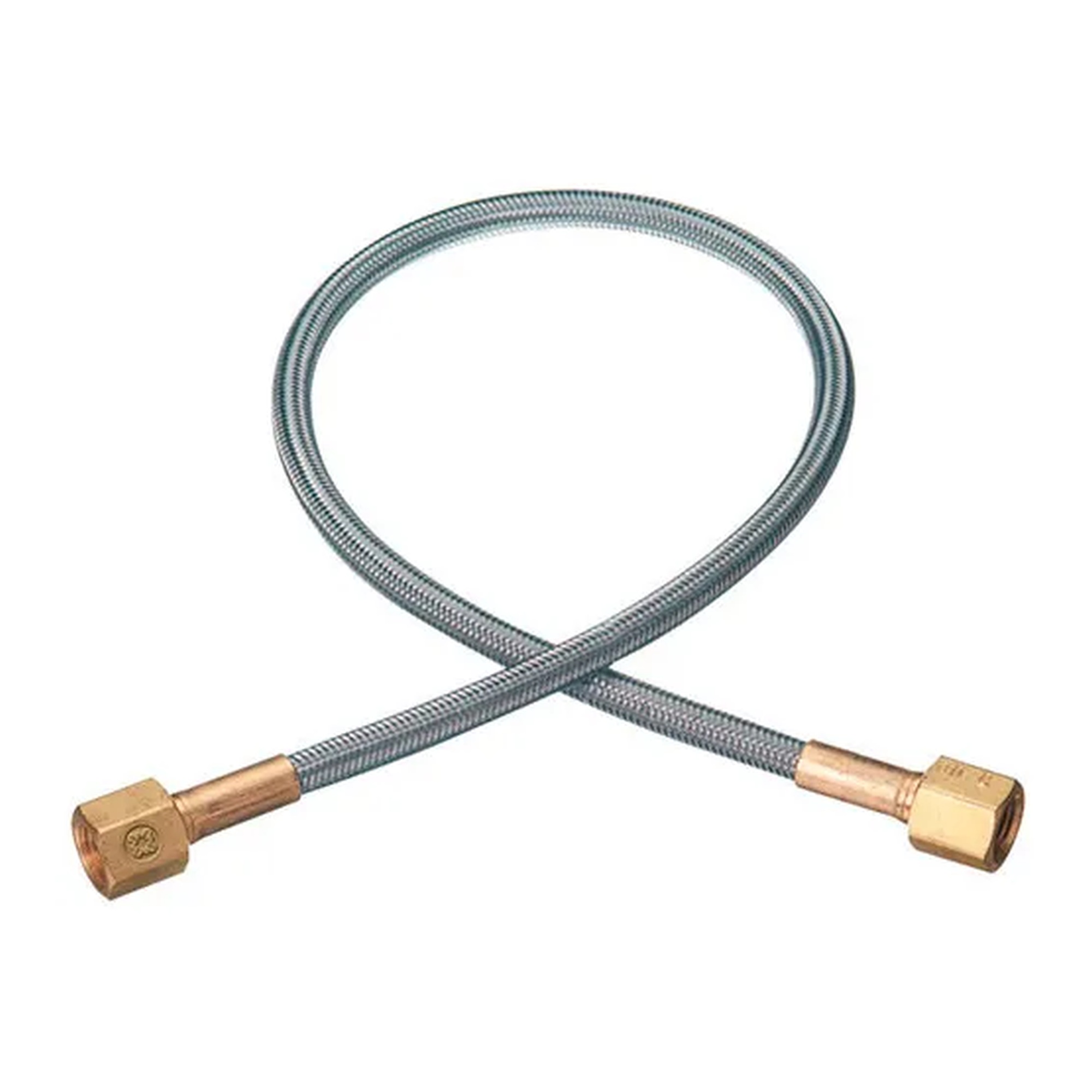
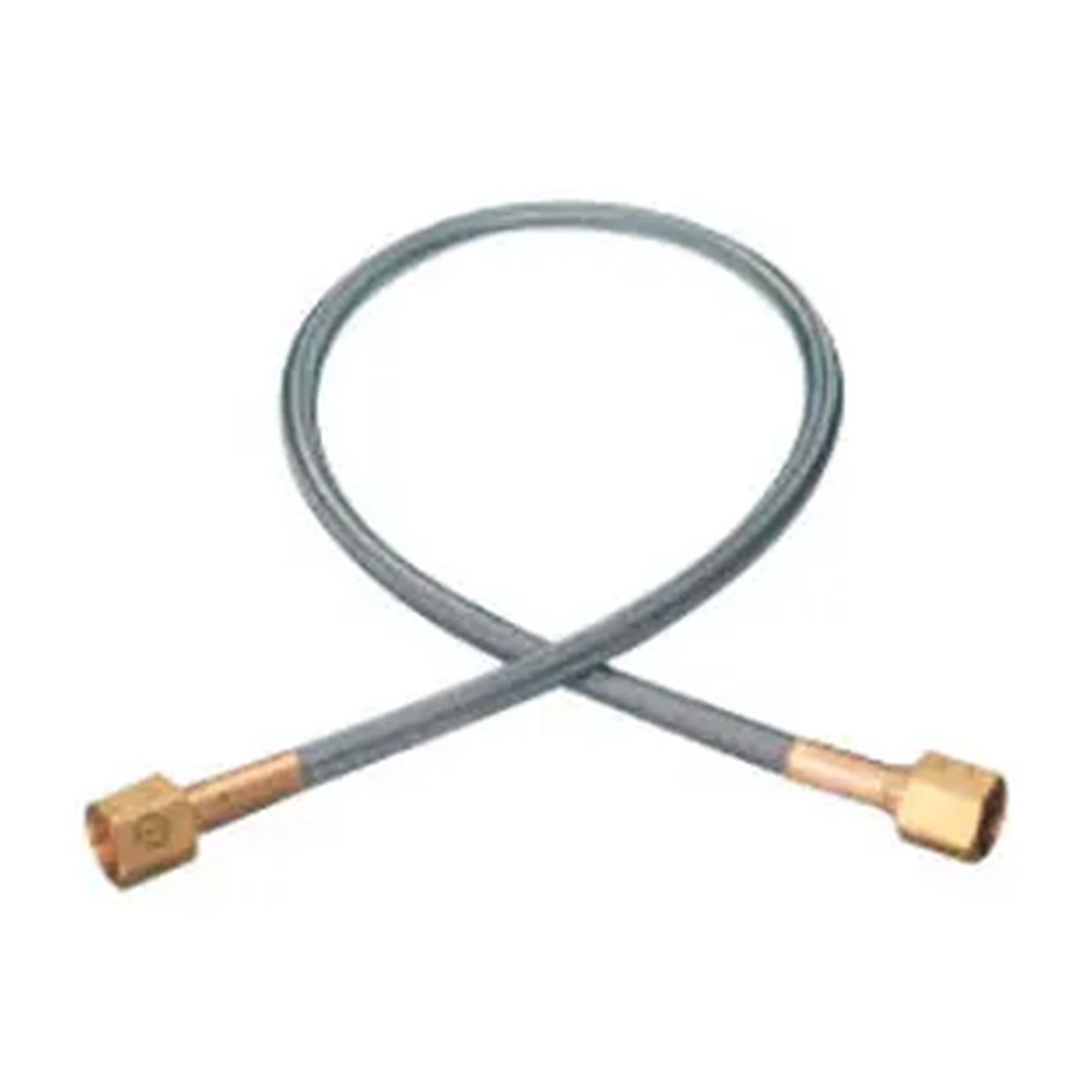
24 in. Flexible Brass Female Pigtail, 3,000 PSI
Our Price:$195.94This flexible brass female pigtail is for gas welding professionals assembling or adapting oxygen-service equipment configurations. Its 24-inch length helps provide a flexible connection component...
-
Western Enterprises
24-Inch Stainless Steel Flexible Pigtail, 3000 PSIG
Our Price:$76.94This 24-inch stainless steel flexible pigtail is designed for gas welding professionals who need a flexible connection for oxygen-service equipment. Its tested and cleaned condition supports use...
-
Western Enterprises
3/8 in. NPT Female Phase Separator
Our Price:$325.94This phase separator is designed for operators using cryogenic transfer hoses. It helps speed filling while controlling splashing during transfer work.The separator has a 3/8 in. NPT female...
-
Powerweld
Argon Flowmeter with 10-Foot Inert Gas Hose
Our Price:$77.94This argon flowmeter helps MIG and TIG welders regulate shielding-gas flow during welding work. Its easy-to-read flow indication supports setup and adjustment for argon gas applications.The compact...
-
Industrial Pro
CGA-580 Nitrogen Regulator
Our Price:$109.99This CGA-580 nitrogen regulator is designed for welding professionals and shop users who need to manage nitrogen gas in medium-duty applications. It provides a dependable connection point for...
-
Forney
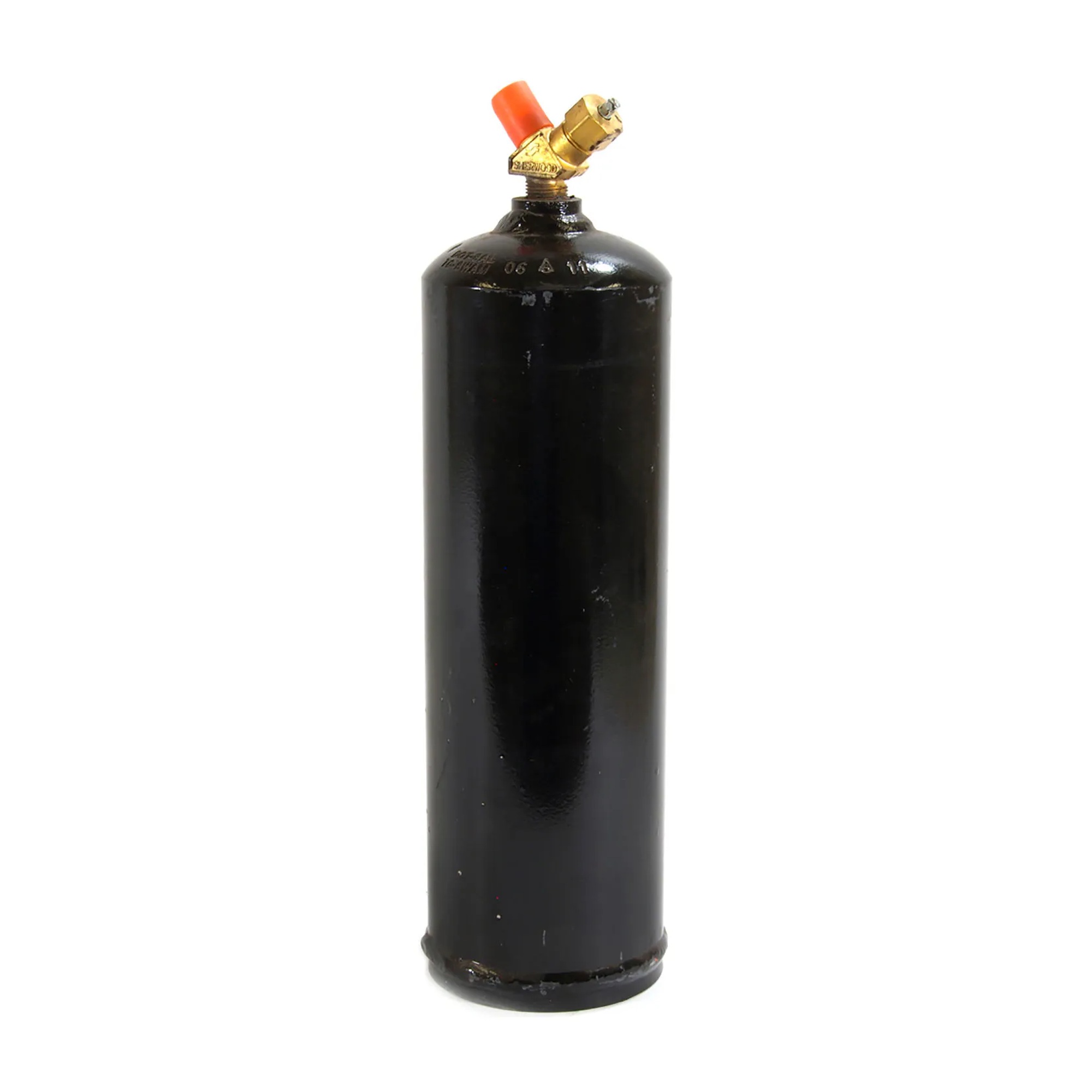
Empty MC Acetylene Cylinder, 10 Cu. Ft. Capacity
Our Price:$129.94This empty MC-size acetylene cylinder is designed for welding professionals and maintenance teams using portable, light-demand torch equipment. It provides a 10 cu. ft. acetylene capacity format for...
-
Western Enterprises
HVAC Nitrogen Purge Regulator and Flowmeter, 35 CFH, CGA-580
Our Price:$399.94This HVAC nitrogen purge regulator and flowmeter helps technicians manage nitrogen flow during HVAC service work. Its combined regulator and flowmeter design supports controlled purging from a...
-
Powerweld
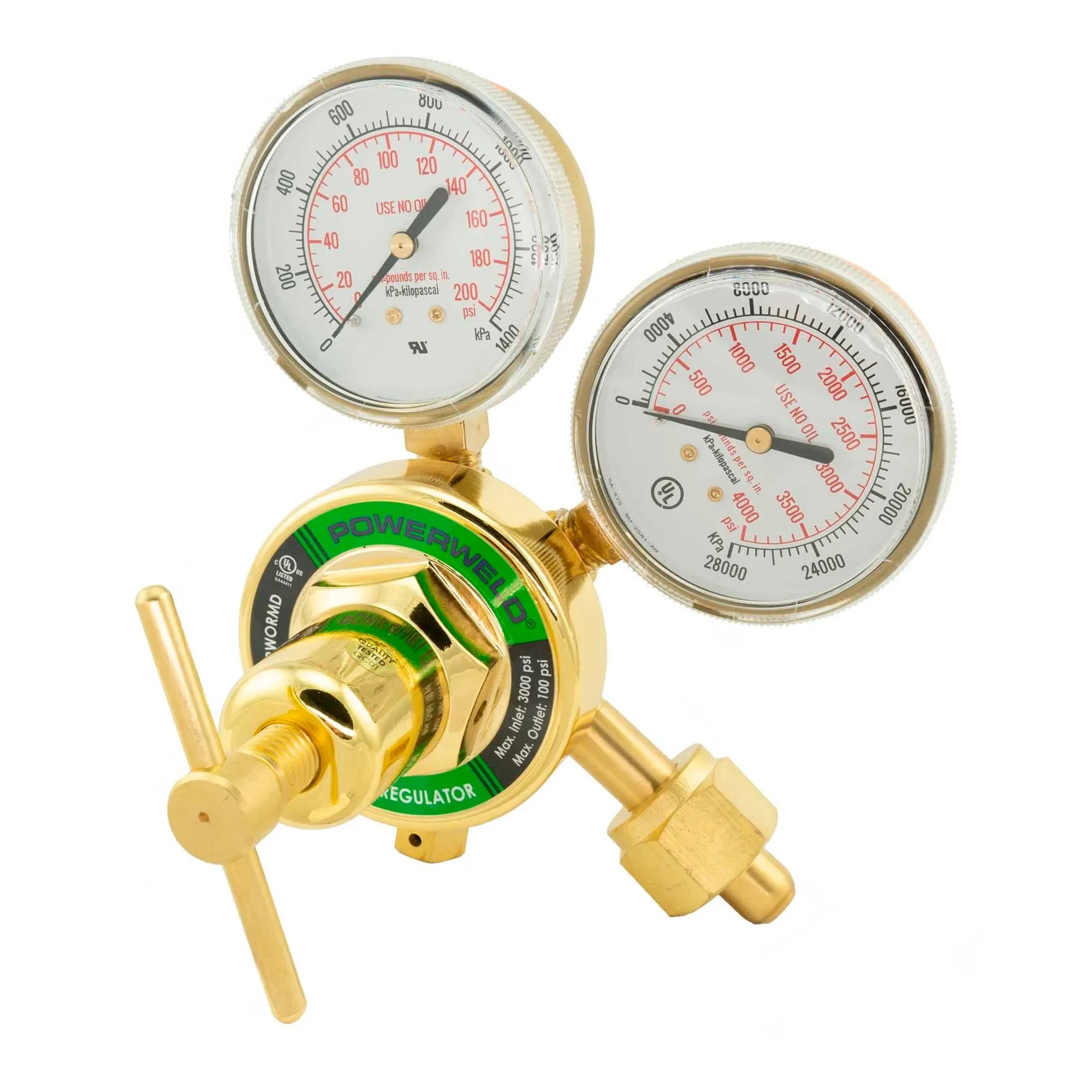
Medium-Duty Acetylene Regulator
Our Price:$86.94This medium-duty acetylene regulator is designed for industrial gas-welding work where controlled acetylene pressure and flow are needed. Welding professionals can use it to connect to compatible...
-
Powerweld
Medium-Duty Oxygen Regulator
Our Price:$109.94This medium-duty oxygen regulator is designed for industrial welding professionals who need to manage oxygen delivery during gas welding work. It connects to oxygen equipment through a CGA-540 inlet...
-
Victor
Medium-Duty Oxygen Regulator with CGA 540 Connection
Our Price:$299.94This medium-duty oxygen regulator is designed for gas welding users who need to control oxygen pressure during welding and soldering work. High-contrast gauges support clear readings, while...
-
Goss
Propane Regulator, 5–60 PSI, 1/4 in. NPT with POL Inlet
Our Price:$215.94This propane regulator is designed for professionals using propane torches and furnaces. It helps control propane pressure from compatible vapor-withdrawal cylinders for gas-welding operations.The...
-
Forney
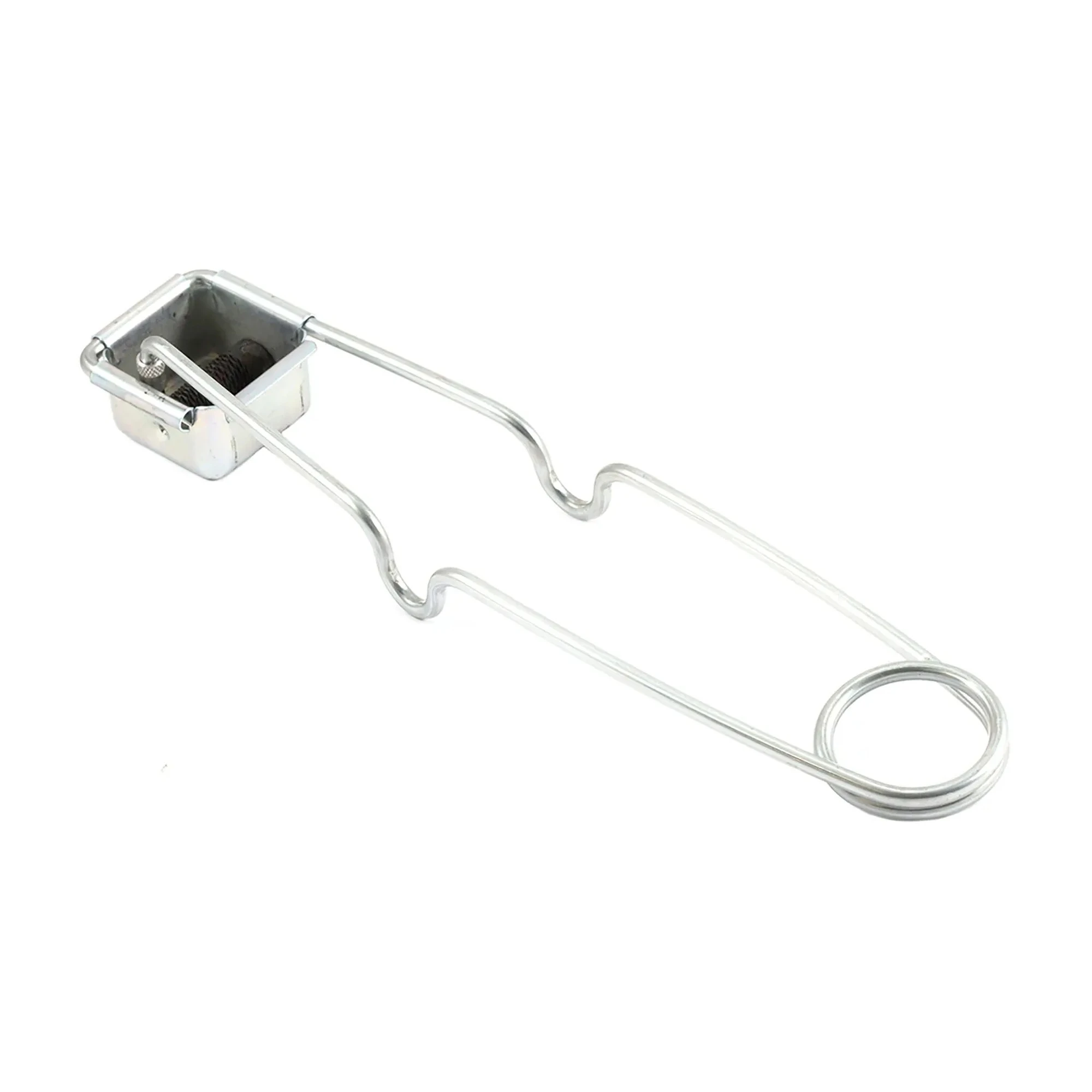
Single-Flint Welding Torch Striker
Our Price:$6.59This single-flint striker is a hand tool for welding professionals who need to ignite welding torches. Its squeeze-operated design helps users create a spark for torch lighting.The striker has a...
-
Western Enterprises
Stainless Steel Flexible Gas Welding Pigtail, 36 in., 3000 PSIG
Our Price:$119.94This stainless steel flexible pigtail is designed for gas welding users who need a flexible connection in oxygen-related welding setups. Its 36-inch length supports equipment arrangements where a...
-
Forney
Triple-Flint Torch Striker
Our Price:$8.59This triple-flint torch striker is a hand tool for welders and shop users who need to ignite gas torches. Its rotating flint design helps keep a fresh flint ready for lighting tasks.The striker has a...







Choose Gas Welding Equipment for Your Setup
Start with the gas being used and the connection required by the existing cylinder and equipment. Then compare whether the job calls for pressure control, flow monitoring, a flexible connection, torch ignition, or a coordinated cutting and welding outfit.
Popular examples in this category
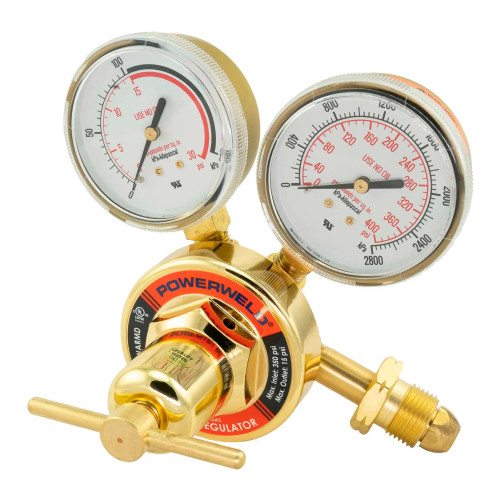 Medium-Duty Acetylene RegulatorWBB2825374
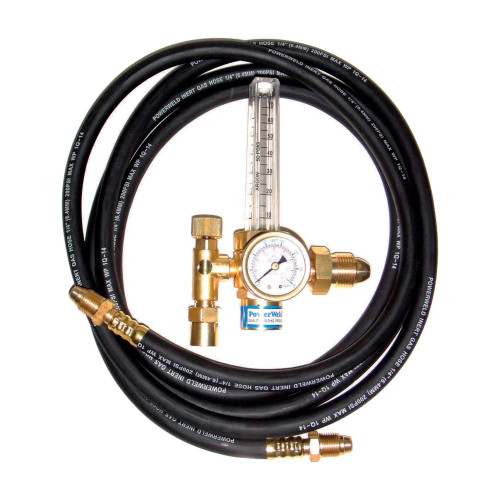 Argon Flowmeter with 10-Foot Inert Gas HoseWBB2825378
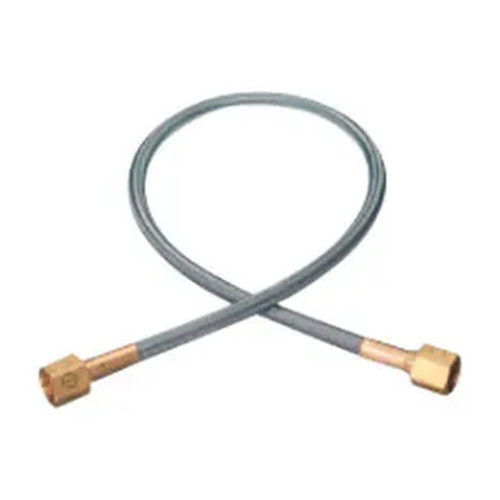 Stainless Steel Flexible Gas Welding Pigtail, 36 in., 3000 PSIGWBB2248725
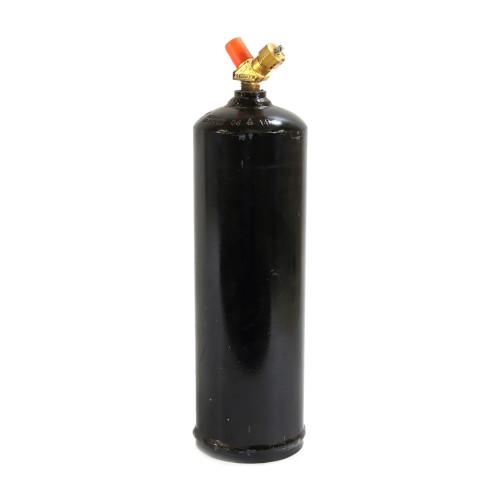 Empty MC Acetylene Cylinder, 10 Cu. Ft. CapacityWBB3159934
Match the equipment to the task
Use oxygen and acetylene regulators for compatible gas-welding setups, an argon flowmeter for MIG and TIG shielding-gas adjustment, and a nitrogen regulator or purge regulator and flowmeter for nitrogen work. Cutting and welding outfits combine torch components for both types of work.
Check gas type, connection, and range
Match the product to the required gas and connection, such as CGA-510 for acetylene, CGA-540 for oxygen, or CGA-580 for argon and nitrogen applications. Review stated delivery-pressure or flow ranges, hose or pigtail length, and the connection configuration needed.
Support shop, maintenance, and service work
The category includes equipment for industrial gas welding, welding and soldering, portable light-demand torch setups, HVAC nitrogen purging, and nitrogen or argon transfer applications. Torch strikers provide hand-operated ignition for compatible gas torches.
Compare assembly details
Flexible pigtails are available in 24-inch and 36-inch lengths, while a transfer hose is 72 inches long. Certain connection products are tested and cleaned for oxygen or prepared for oxygen service; compare that preparation with the application requirements.
The medium-duty acetylene regulator allows adjustment within this stated delivery-pressure range.
The argon flowmeter provides an adjustable range for argon gas applications.
The combined nitrogen purge regulator and flowmeter provides this stated flow capacity.
Represented flexible pigtails and transfer hose range from 24 inches to 72 inches in length.
Compare Gas Welding Product Types
Use this overview to distinguish the product functions represented in the category before selecting components for a compatible setup.
| Product type | Primary role | Key comparison points |
|---|---|---|
| Regulators and flowmeters | Manage pressure, flow, or both for specified gases | Gas type, CGA connection, delivery-pressure or flow range, gauge or flow indication |
| Pigtails and transfer hoses | Provide a flexible equipment connection or gas-transfer path | Length, construction, pressure rating where stated, connection configuration, and oxygen-service preparation where stated |
| Torch tools and coordinated outfits | Ignite compatible torches or support cutting and welding work | Single- or triple-flint design, included torch-system components, and cutting or welding capability |
Plan the right fit before choosing
Begin with compatibility
Regulators and flow-control products are designed around specific gas applications and inlet connections. An acetylene regulator uses a CGA-510 inlet and offers a 2–15 PSI delivery range. The oxygen regulator uses a CGA 540 connection. Argon and nitrogen products represented here use CGA-580 connections.
- Choose acetylene equipment for compatible acetylene cylinder setups.
- Choose oxygen equipment for CGA 540 oxygen setups.
- Choose argon or nitrogen equipment when a CGA-580 connection is required.
- Confirm that the component matches the existing equipment configuration.
Control pressure, monitor flow, connect equipment, or ignite the torch
A regulator manages gas pressure, while a flowmeter helps users view and adjust gas flow. Combination nitrogen purge products bring regulation and flow monitoring together. Pigtails and hoses provide flexible connections, and strikers create sparks for torch lighting. A complete oxygen-acetylene outfit includes coordinated torch, regulator, cutting, and welding components.
- Use a flowmeter for stated argon flow adjustment up to 60 SCFH.
- Use the nitrogen purge regulator and flowmeter for a stated 35 CFH flow capacity.
- Compare flexible connection length when arranging equipment.
- Choose a single-flint or triple-flint striker based on the preferred ignition design.
Compare the details that affect the installation
Construction and setup features vary by product. Examples include forged or drop-forged brass regulator bodies, stainless steel flexible connections, an internal or sintered inlet filter, color-coded controls, high-contrast gauges, and hose assemblies. Some items have an effective minimum order quantity of one.
- The 36-inch stainless steel pigtail has a 3000 PSIG rating.
- The 24-inch brass female pigtail is tested and cleaned for oxygen service.
- The 72-inch transfer hose has 316 stainless wetted parts and machined CGA connections.
- The oxygen-acetylene outfit includes flashback arrestors and check valves on the torch handle.
Common questions before buying
What connection does the acetylene regulator use?
The medium-duty acetylene regulator has a CGA-510 inlet.
What is the stated argon flowmeter range?
The argon flowmeter has an adjustable 0–60 SCFH range.
Which products are prepared for oxygen-related use?
The 36-inch stainless steel pigtail is tested and cleaned for oxygen, the 24-inch brass female pigtail is tested and cleaned for oxygen service, and the 72-inch transfer hose is oxygen-service cleaned.
What does the oxygen-acetylene cutting and welding outfit include?
It includes torch components, regulators, a cutting attachment, tips, a welding nozzle, and flashback arrestors and check valves on the torch handle.
Choose Gas Welding Equipment for Your Setup
Start with the gas being used and the connection required by the existing cylinder and equipment. Then compare whether the job calls for pressure control, flow monitoring, a flexible connection, torch ignition, or a coordinated cutting and welding outfit.
Popular examples in this category
Match the equipment to the task
Use oxygen and acetylene regulators for compatible gas-welding setups, an argon flowmeter for MIG and TIG shielding-gas adjustment, and a nitrogen regulator or purge regulator and flowmeter for nitrogen work. Cutting and welding outfits combine torch components for both types of work.
Check gas type, connection, and range
Match the product to the required gas and connection, such as CGA-510 for acetylene, CGA-540 for oxygen, or CGA-580 for argon and nitrogen applications. Review stated delivery-pressure or flow ranges, hose or pigtail length, and the connection configuration needed.
Support shop, maintenance, and service work
The category includes equipment for industrial gas welding, welding and soldering, portable light-demand torch setups, HVAC nitrogen purging, and nitrogen or argon transfer applications. Torch strikers provide hand-operated ignition for compatible gas torches.
Compare assembly details
Flexible pigtails are available in 24-inch and 36-inch lengths, while a transfer hose is 72 inches long. Certain connection products are tested and cleaned for oxygen or prepared for oxygen service; compare that preparation with the application requirements.
The medium-duty acetylene regulator allows adjustment within this stated delivery-pressure range.
The argon flowmeter provides an adjustable range for argon gas applications.
The combined nitrogen purge regulator and flowmeter provides this stated flow capacity.
Represented flexible pigtails and transfer hose range from 24 inches to 72 inches in length.
Compare Gas Welding Product Types
Use this overview to distinguish the product functions represented in the category before selecting components for a compatible setup.
| Product type | Primary role | Key comparison points |
|---|---|---|
| Regulators and flowmeters | Manage pressure, flow, or both for specified gases | Gas type, CGA connection, delivery-pressure or flow range, gauge or flow indication |
| Pigtails and transfer hoses | Provide a flexible equipment connection or gas-transfer path | Length, construction, pressure rating where stated, connection configuration, and oxygen-service preparation where stated |
| Torch tools and coordinated outfits | Ignite compatible torches or support cutting and welding work | Single- or triple-flint design, included torch-system components, and cutting or welding capability |
Plan the right fit before choosing
Begin with compatibility
Regulators and flow-control products are designed around specific gas applications and inlet connections. An acetylene regulator uses a CGA-510 inlet and offers a 2–15 PSI delivery range. The oxygen regulator uses a CGA 540 connection. Argon and nitrogen products represented here use CGA-580 connections.
- Choose acetylene equipment for compatible acetylene cylinder setups.
- Choose oxygen equipment for CGA 540 oxygen setups.
- Choose argon or nitrogen equipment when a CGA-580 connection is required.
- Confirm that the component matches the existing equipment configuration.
Control pressure, monitor flow, connect equipment, or ignite the torch
A regulator manages gas pressure, while a flowmeter helps users view and adjust gas flow. Combination nitrogen purge products bring regulation and flow monitoring together. Pigtails and hoses provide flexible connections, and strikers create sparks for torch lighting. A complete oxygen-acetylene outfit includes coordinated torch, regulator, cutting, and welding components.
- Use a flowmeter for stated argon flow adjustment up to 60 SCFH.
- Use the nitrogen purge regulator and flowmeter for a stated 35 CFH flow capacity.
- Compare flexible connection length when arranging equipment.
- Choose a single-flint or triple-flint striker based on the preferred ignition design.
Compare the details that affect the installation
Construction and setup features vary by product. Examples include forged or drop-forged brass regulator bodies, stainless steel flexible connections, an internal or sintered inlet filter, color-coded controls, high-contrast gauges, and hose assemblies. Some items have an effective minimum order quantity of one.
- The 36-inch stainless steel pigtail has a 3000 PSIG rating.
- The 24-inch brass female pigtail is tested and cleaned for oxygen service.
- The 72-inch transfer hose has 316 stainless wetted parts and machined CGA connections.
- The oxygen-acetylene outfit includes flashback arrestors and check valves on the torch handle.
Common questions before buying
What connection does the acetylene regulator use?
The medium-duty acetylene regulator has a CGA-510 inlet.
What is the stated argon flowmeter range?
The argon flowmeter has an adjustable 0–60 SCFH range.
Which products are prepared for oxygen-related use?
The 36-inch stainless steel pigtail is tested and cleaned for oxygen, the 24-inch brass female pigtail is tested and cleaned for oxygen service, and the 72-inch transfer hose is oxygen-service cleaned.
What does the oxygen-acetylene cutting and welding outfit include?
It includes torch components, regulators, a cutting attachment, tips, a welding nozzle, and flashback arrestors and check valves on the torch handle.
Choosing the right file folders
FilingSupplies.com carries end-tab folders for open-shelf systems, top-tab folders for drawer filing, and heavy-duty classification folders with dividers and fasteners for multi-section records. Pick letter or legal size, then choose material (11-pt, 14-pt, or 18-pt manila), optional reinforced tabs, color-coding, and expansion capacity to match your volume.
Folder FAQs
End-tab vs. top-tab — what’s the difference?
When should I choose classification folders?
Letter or legal size — how do I pick?
What tab and material options are available?
Can I add fasteners, pockets, or expansion?
Do you offer volume pricing or custom printing?
Outfitting classrooms that work all day
Build a durable, age-appropriate classroom with furniture, early-learning materials, storage bins, learning centers, and presentation tools. Choose adjustable pieces that grow with grades, label friendly bins for quick clean-up, and tech carts that secure, charge, and move easily.
Education FAQs
What safety labels should I look for on school and early-childhood items?
How do I pick classroom furniture across grade levels?
What’s the best way to organize supplies and centers?
How do I choose learning games and manipulatives by age?
What should I consider in a charging/tech cart?
Do you support school POs, bulk pricing, or custom printing?
Choosing the right labels
From color file labels to printable sheets, select the right size, adhesive, and print method to match your filing system and equipment. Decide on sheet vs. roll format, then pick permanent or removable adhesive and your color set.
Labels FAQs
Sheet vs. roll labels — what’s the difference?
Permanent or removable adhesive?
Will these labels work in my printer?
How do I match the label size to folder tabs or binder spines?
Can I get preprinted sequences or color bars?
Do you have templates?
Choosing the right tab dividers
Organize binders with preprinted or blank tabs. Select the number of tabs per set (5, 8, 10, or 12), choose paper with reinforced tabs or durable poly, and match letter or legal size for a clean fit.
Tab Dividers FAQs
What do 5-, 8-, 10-, or 12-tab sets mean?
Paper vs. poly — which should I choose?
Are the tabs printable?
Will they fit my binder?
Can I mix preprinted and blank tabs?
Do you make custom tab sets?
Choosing the right office supplies
From everyday paper and pens to binders, mailers, and desk organizers, pick durable, compatible options that match your equipment and team size. Start with the right paper and labeling, then add organizers that keep work moving.
Office Supplies FAQs
Which paper weight and brightness should I choose?
Round-ring vs. D-ring binders — what’s the difference?
What does “sheet capacity” mean on staplers and hole punches?
Will labels, envelopes, and mailers work with my printer?
How do I choose mailers and shipping boxes?
Do you offer eco-conscious options or bulk pricing?
Choosing the right sports & PE equipment
Equip classes, teams, and rec programs with durable balls, goals, cones, pinnies, storage, and safety gear. Match sizes and materials to age group and whether you play indoors or outdoors.
Sports & Athletics FAQs
What ball sizes should I choose for different ages?
- Basketball: Size 5 (27.5") youth, Size 6 (28.5") intermediate, Size 7 (29.5") official.
- Soccer: Size 3 up to ~8 years, Size 4 ~8–12, Size 5 ~12+.
- Volleyball: Regulation balls for teens/adults; lighter training balls for younger players.
Indoor vs. outdoor — which materials hold up best?
How many pinnies, cones, or markers do I need?
Tips for storage and care?
Are items latex‑free and school‑safe?
Do you support bulk orders or custom printing (team names)?
Choosing the right FireKing fireproof cabinet
FireKing fireproof file cabinets, safes, and storage cabinets are designed to protect important documents, records, and valuables from fire damage while keeping files organized and accessible. When choosing a FireKing cabinet, compare drawer configuration, storage type, fire rating, and overall capacity based on the records or materials you need to protect.
FireKing FAQs
What is the difference between FireKing vertical and lateral file cabinets?
What can I store in a FireKing fireproof file cabinet?
Are FireKing cabinets only for paper records?
How do I choose between a FireKing safe, file cabinet, or storage cabinet?
What sizes are available in FireKing cabinets?
Are FireKing cabinets used in offices, medical facilities, and government records storage?
Can I buy FireKing cabinets in bulk or get help choosing the right model?
Shipping & Policies
Do you offer free shipping?
What are your shipping rates?
- $6.95 for labels-only orders under $40
- $14.95 flat rate for everything else