
-
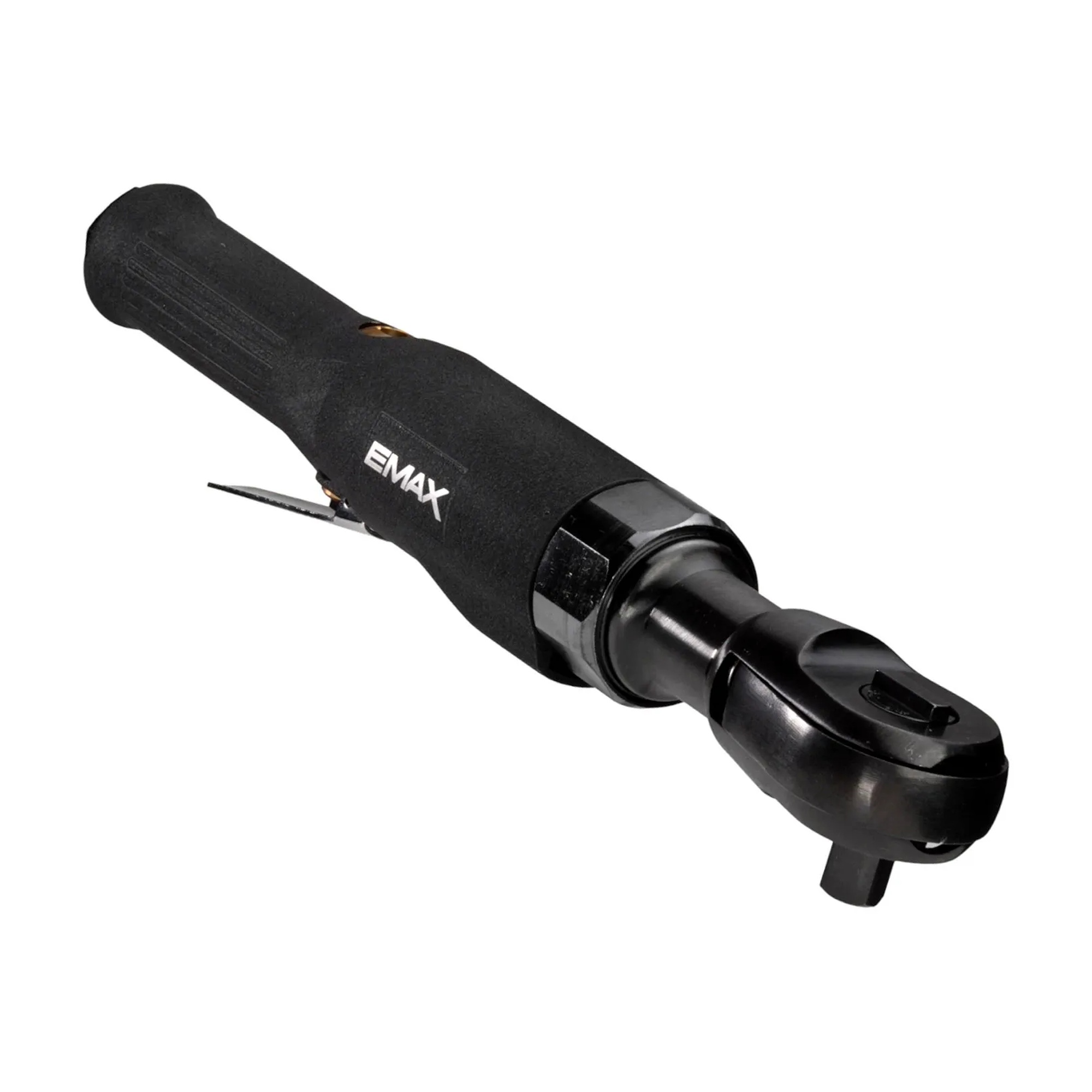
EMAX
1/2-Inch Drive Industrial Air Ratchet
Our Price:$130.74This industrial air ratchet is designed for mechanics and maintenance professionals who need to remove or tighten fasteners during tire, brake, frame, and general repair work. Its 1/2-inch drive...
-
Universal Tool
1/2-Inch Square Drive Steel Ratchet
Our Price:$289.94This motor-driven ratchet is designed for maintenance and vehicle service professionals who need to work on higher-torque fasteners in confined areas. Its extended length helps users reach fastening...
-
Universal Tool
1/4 in. Square Drive Mini Ratchet
Our Price:$109.94This compact 1/4 in. square drive mini ratchet is designed for maintenance and vehicle service professionals who need controlled fastening access in tight work areas. Its ergonomic compact grip...
-
Sioux Tools
1/4-20 Clinch Nut Head
Our Price:$195.94This clinch nut head assembly is for tool users performing work with 1/4-20 size clinch nuts. It provides a dedicated head component for clinch nut applications.The assembly is specified for a 1/4-20...
-
JET
1/4-Inch Hex Air Screwdriver, 800 RPM
Our Price:$229.94This pneumatic screwdriver is designed for maintenance and assembly professionals who need controlled screwdriving in demanding work environments. Its variable-speed trigger helps users match tool...
-
Fpxair
3/8 in. Drive Air Ratchet Wrench, 160 RPM
Our Price:$63.94This 3/8 in. drive air ratchet wrench is designed for garage, shop, household, and light industrial users who need to tighten or loosen nuts and bolts efficiently. Its pneumatic operation supports...
-
Sunex
3/8-Inch Air Ratchet with 1/4-Inch NPT Connection
Our Price:$129.94This 3/8-inch air ratchet is designed for technicians and maintenance crews who need a pneumatic tool for routine ratcheting work. It provides a practical option for completing fastening tasks...
-
Aircat
3/8-Inch Composite Twin-Pawl Ratchet, Red
Our Price:$159.94This 3/8-inch composite twin-pawl ratchet is designed for maintenance and repair professionals who need controlled fastener removal and rundown work. Its feather trigger helps users regulate...
-
Eagle
3/8-Inch Mini Air Ratchet Wrench
Our Price:$149.94This mini air ratchet wrench is designed for technicians and assembly professionals who need to fasten or loosen hardware in confined work areas. Its compact form helps users access tight locations...
-
Universal Tool
3/8-Inch Square Drive Mini Ratchet
Our Price:$99.94This compact 3/8-inch square drive mini ratchet is designed for maintenance and vehicle service professionals who need to turn fasteners where access is limited. Its compact form helps users work in...
-
Universal Tool
3/8-Inch Square Drive Steel Ratchet
Our Price:$139.94This 3/8-inch square drive ratchet is designed for maintenance, repair, and vehicle service professionals who need a dependable hand tool for intermittent fastening work. Its ratcheting action helps...
-
Universal Tool
Adjustable Clutch Screwdriver for Self-Tapping Fasteners
Our Price:$269.94This adjustable clutch screwdriver is designed for light-production users installing self-tapping fasteners. It helps operators drive fasteners with adjustable torque control and convenient direction...
-
Universal Tool
Adjustable Clutch Screwdriver with 145 Maximum Torque
Our Price:$259.94This adjustable clutch screwdriver is designed for light-production users installing self-tapping fasteners. It provides controlled fastening with a thumb-operated forward/reverse control for...
-
Compact Reversible 1/4-Inch Drive Ratchet with Metal Handle
Our Price:$74.94This compact reversible ratchet is designed for technicians and maintenance professionals who need to turn compatible sockets in confined work areas. Its one-hand reversing control helps users...
-
Universal Tool
Direct Drive Screwdriver, 125 Max Torque
Our Price:$409.94This direct drive screwdriver is intended for assembly teams handling non-critical fasteners in high-volume work. Its pistol-grip format supports controlled fastening during repeated assembly tasks...
-
EMAX
Extreme-Duty 1/2-Inch Drive Air Ratchet with Extended Handle
Our Price:$169.94This 1/2-inch drive air ratchet is designed for mechanics and maintenance professionals who need controlled fastening and removal for lug, frame, and brake work. Its extended handle helps provide...
-
Chicago Pneumatic
Heavy-Duty 1/2-Inch Air Ratchet, 150 RPM
Our Price:$209.94This heavy-duty air ratchet is designed for maintenance professionals who need powered fastening and removal support for routine service work. Its 1/2-inch standard ratchet configuration helps users...
-
Chicago Pneumatic
Heavy-Duty 3/8-Inch Air Ratchet
Our Price:$239.94This heavy-duty 3/8-inch air ratchet is designed for maintenance professionals who need powered fastening and removal support during general service work. Its pneumatic operation helps users work...
-
Urrea
Heavy-Duty 3/8-Inch Drive Ratchet Wrench
Our Price:$88.94This heavy-duty ratchet wrench is designed for technicians and maintenance professionals who need to install or remove components such as spark plugs, radiators, water pumps, and exhaust-system...
-
Urrea
Heavy-Duty 3/8-Inch Drive Ratchet Wrench Set, 17 Pieces
Our Price:$119.94This heavy-duty 3/8-inch drive ratchet wrench set is designed for technicians and maintenance professionals working on components such as spark plugs, radiators, water pumps, and exhaust systems. Its...







Choose Ratchets and Screwdrivers for the Work at Hand
Start with the fastener type, compatible drive size or head, workspace clearance, and the level of control needed. The available tools range from compact manual ratchets to powered fastening tools with adjustable clutches, reversing controls, and suspension-ready designs for assembly work.
Popular examples in this category
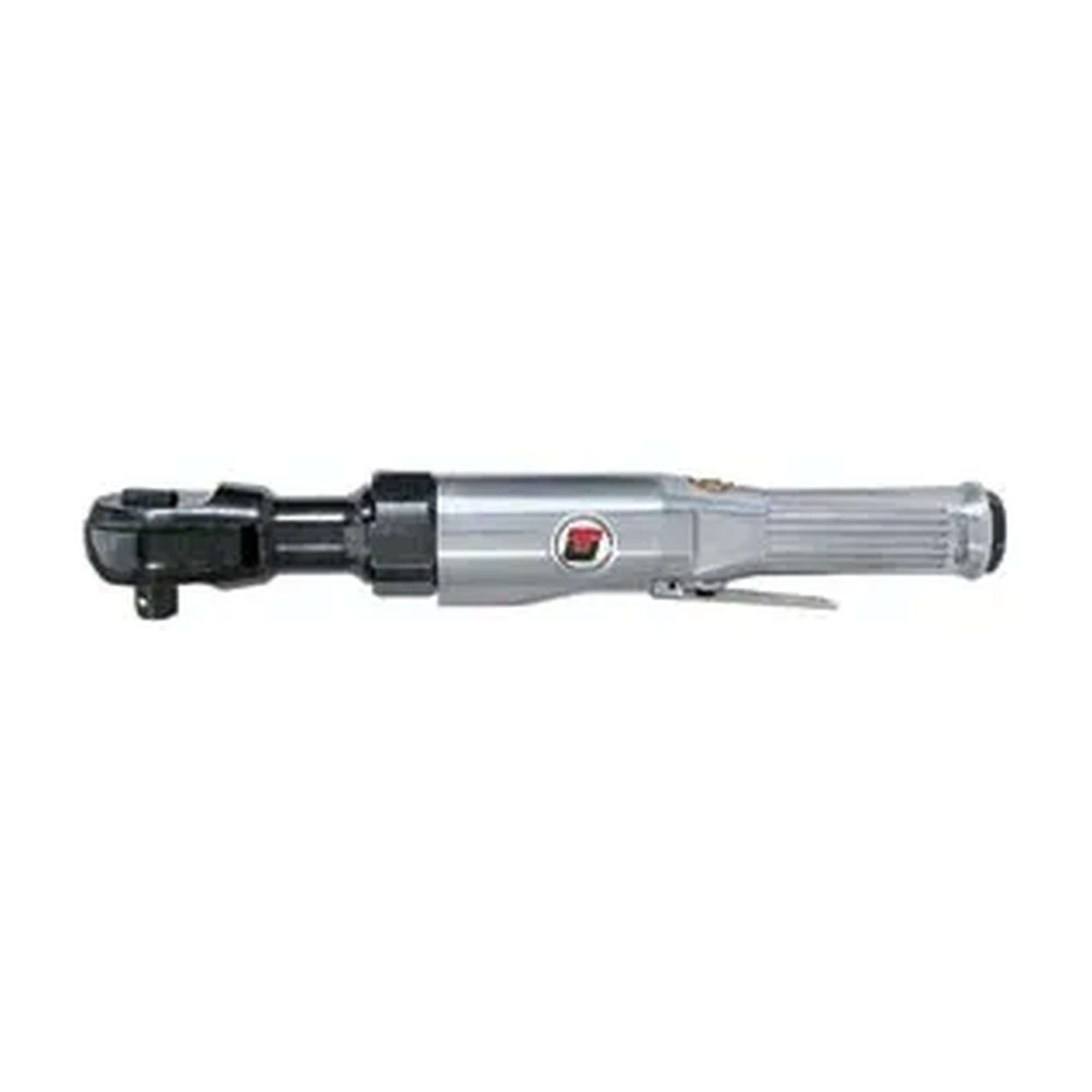
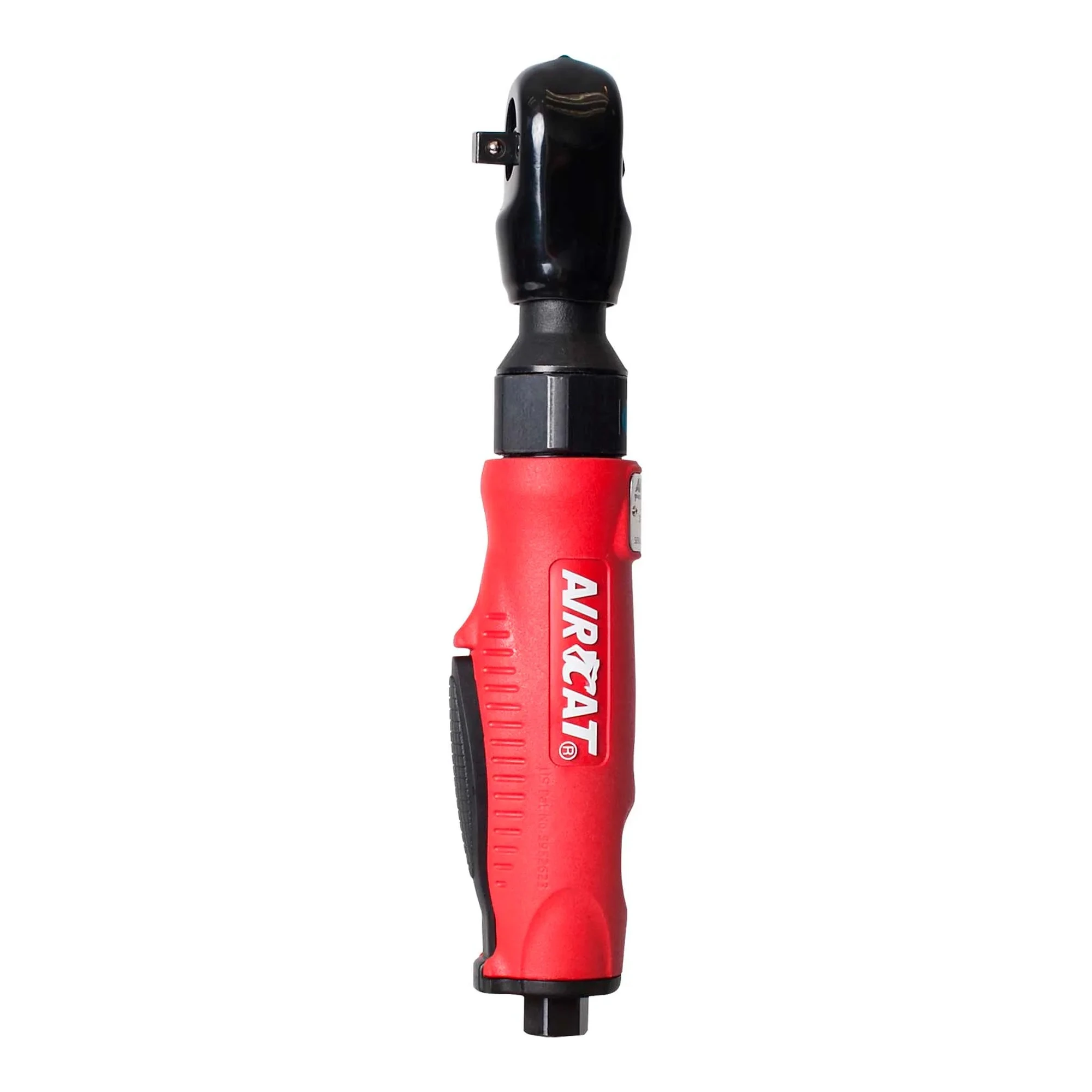
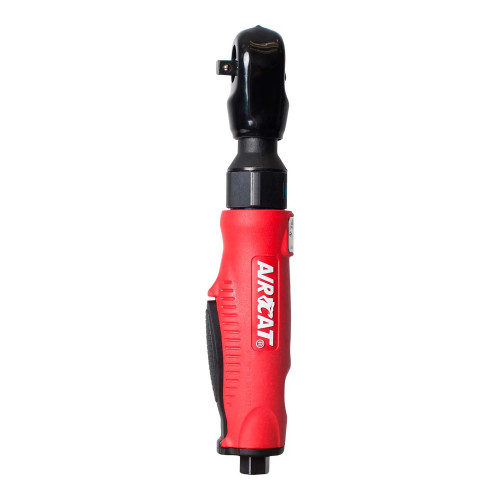 3/8-Inch Composite Twin-Pawl Ratchet, RedWBB1319591
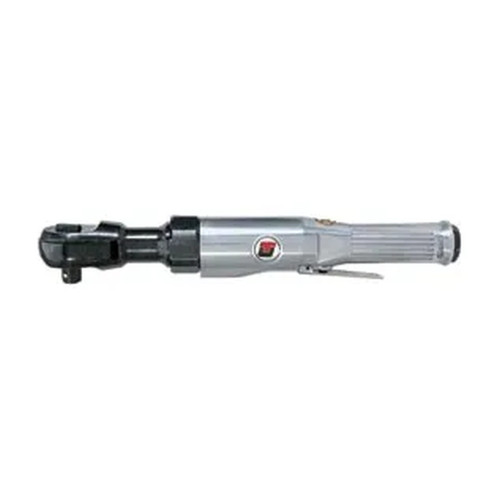 1/2-Inch Square Drive Steel RatchetWBB236345
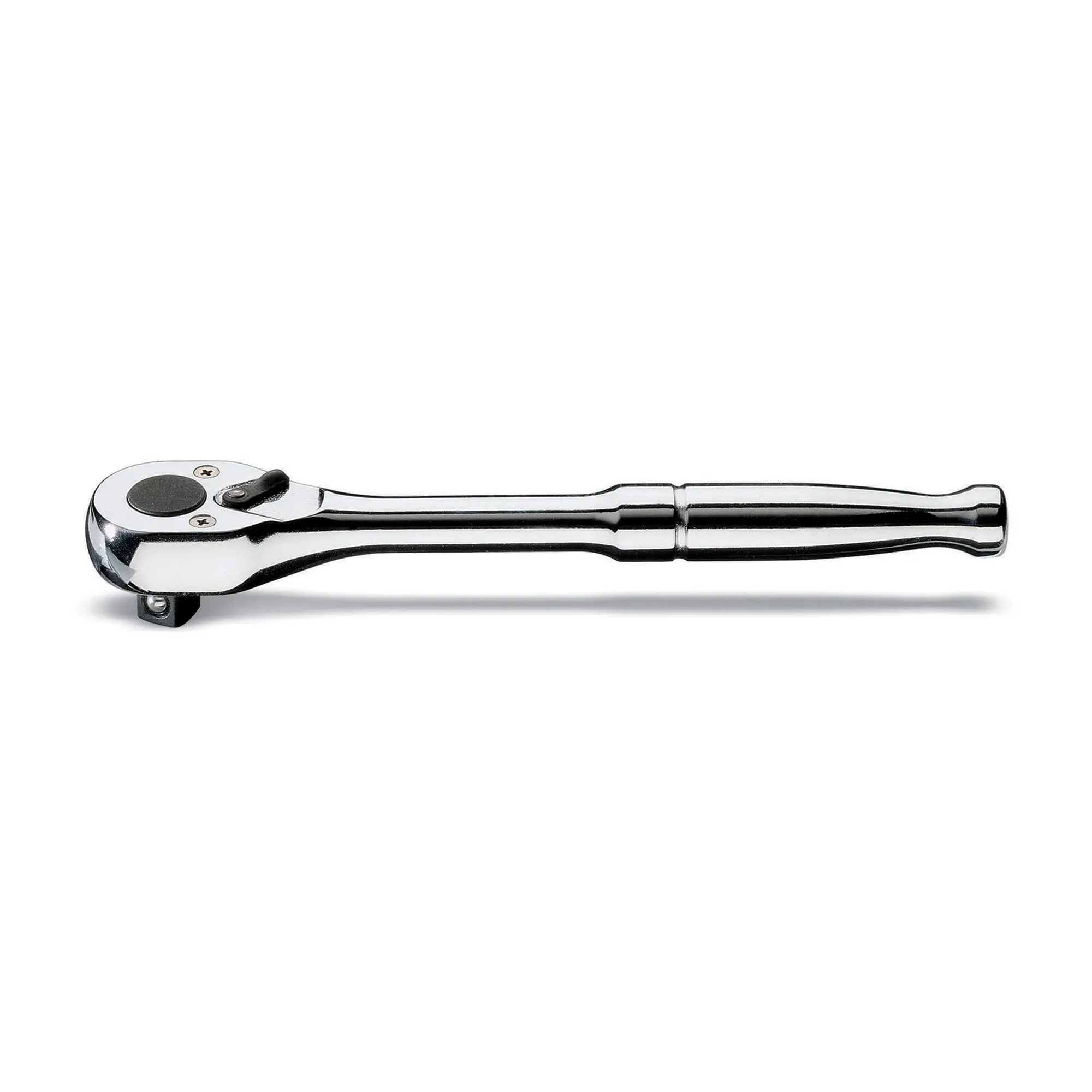
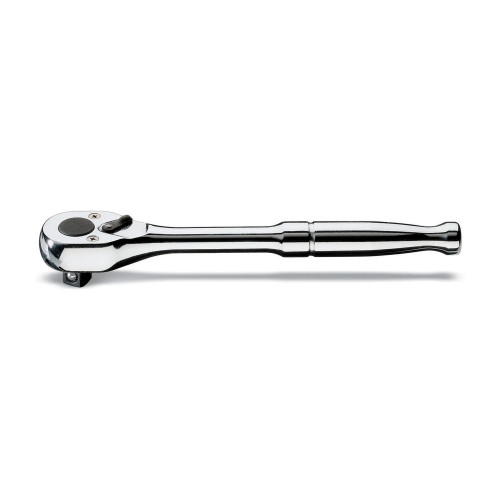 Compact Reversible 1/4-Inch Drive Ratchet with Metal HandleWBB3196451
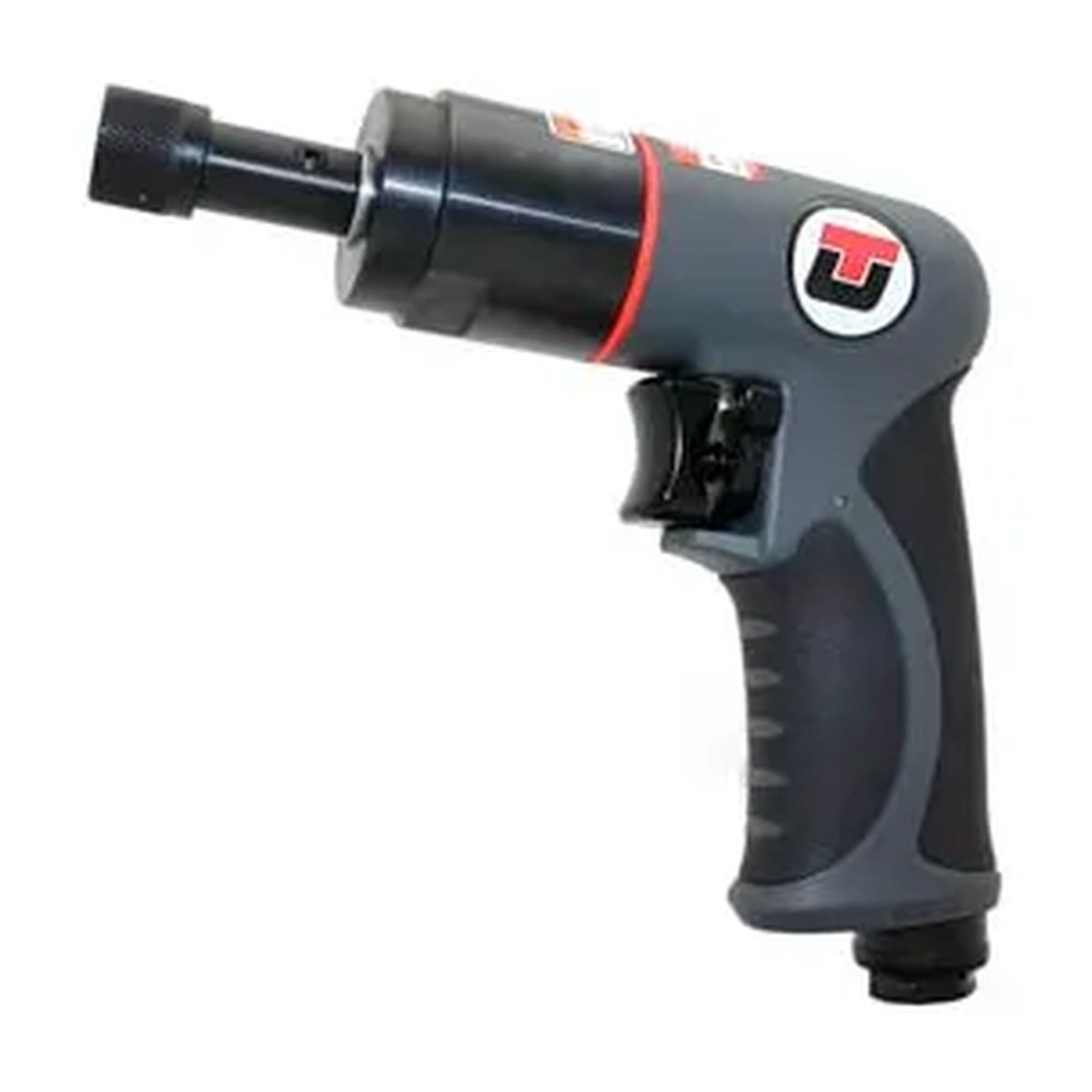
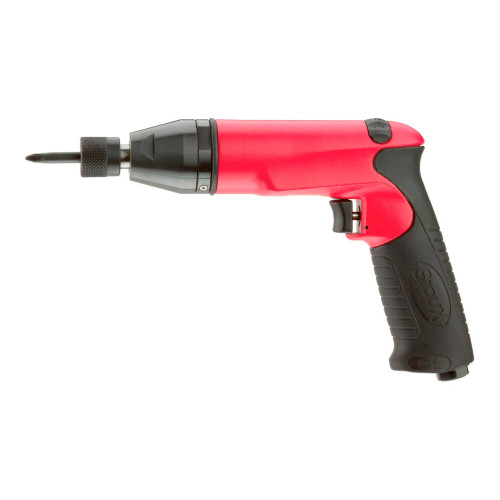 Pistol-Grip Positive-Clutch Air Screwdriver, 1.0 HPWBB2680297
Match the tool to the fastening job
Use compact ratchets for compatible sockets in confined spaces, larger-drive air ratchets for mechanical repair, and clutch screwdrivers for repetitive assembly fastening. Clinch nut and rivet nut tools address dedicated nut-installation applications.
Compare drive, speed, torque, and control
Check the required square drive or fastening head first. Then compare stated torque and RPM, along with features such as adjustable or positive clutches, reversible operation, variable-speed triggers, and extended or flexible heads.
Support shop, service, and assembly tasks
Representative applications include tire, brake, frame, and general repair work; work on spark plugs, radiators, water pumps, and exhaust systems; high-volume assembly; and clinch nut or rivet nut installation.
Plan for setup-specific components
Some specialty tools use dedicated components. The clinch nut power unit does not include a nose cone and tip, while the clinch nut head and rivet nut tool are designed around 1/4-20 fastening applications.
Representative ratchets support 1/4-inch, 3/8-inch, or 1/2-inch square-drive tooling.
Examples include 50 ft-lb, 75 ft-lb, and 90 ft-lb loosening torque.
Published speeds vary by ratchet, screwdriver, and specialty fastening tool.
The clinch nut head and rivet nut tool are represented with 1/4-20 heads or applications.
Compare the Main Tool Types
Use this overview to identify the product type that best aligns with your compatible tooling, access requirements, and fastening process.
| Tool Type | Best-Fit Work | Features to Compare |
|---|---|---|
| Manual and air ratchets | Socket-based maintenance, vehicle service, and repair | Square-drive size, torque, RPM, head access, reversing control, and trigger style |
| Clutch screwdrivers | Controlled, repetitive, or high-volume assembly fastening | Clutch type, stated speed, reverse control, grip, exhaust direction, and suspension options |
| Clinch nut and rivet nut tools | Dedicated clinch nut or rivet nut installation work | Required head size, 300 RPM operation, directional control, and separately planned components |
Plan the right fit before choosing
Choose between socket ratchets, screwdrivers, and specialty fastening tools
Ratchets are suited to compatible sockets and fasteners, while screwdrivers are designed for screwdriving work. Specialty clinch nut and rivet nut tools are intended for their respective fastening operations.
- Choose 1/4-inch, 3/8-inch, or 1/2-inch square drive based on compatible sockets and accessories.
- Consider compact, extended, or flexible-head ratchet designs when clearance or access is limited.
- Select a screwdriver with a positive, adjustable, or auto shut-off clutch when controlled fastening is important.
- Use a dedicated 1/4-20 clinch nut head or rivet nut head for matching applications.
Look for features that fit the pace and position of the job
Fastening tasks can call for quick direction changes, controlled speed, or a comfortable setup for repeated use. Available designs include toggle and thumb-operated reverse controls, paddle forward/reverse triggers, variable-speed triggers, soft-touch grips, and suspension bails.
- A feather trigger or variable-speed trigger can help regulate operation during fastening and removal.
- Auto shut-off and adjustable clutch designs support controlled, repetitive assembly work.
- Air-on-top and suspension-bail features support vertical hanging setups.
- Rear, through-handle, bottom-handle, forward-deflector, and quiet-tuned exhaust arrangements vary by tool.
Use stated RPM and torque figures to narrow the options
The tools represented have different stated operating speeds, torque capacities, and motor outputs. Compare those published details with the demands of the intended fastening task rather than treating one tool type as a substitute for another.
- Stated ratchet performance ranges from 50 ft-lb and 150 RPM on a 3/8-inch drive set to 90 ft-lb loosening torque and 280 RPM on a composite ratchet.
- The 1/2-inch square-drive steel ratchet is listed with 75 ft-lb torque.
- Screwdriver speeds include 550 RPM, 1,100 RPM, and 2,000 RPM on different models.
- Specialty nut-installation tools are listed at 300 RPM for clinch nut or rivet nut work.
Common questions before buying
What ratchet drive sizes are represented?
The category includes 1/4-inch, 3/8-inch, and 1/2-inch square-drive ratchet options.
Which tools are intended for confined work areas?
Compact ratchets, a flexible-head 3/8-inch drive set, and an extended-length 1/2-inch ratchet are designed to help reach limited-access fastening points.
What screwdriver features help with controlled assembly fastening?
Available features include adjustable clutches, positive clutches, auto shut-off operation, thumb-operated reverse, and soft-touch grips.
Does the clinch nut power unit include its nose cone and tip?
No. The clinch nut power unit is listed without a nose cone and tip, so those components should be planned separately.
Choose Ratchets and Screwdrivers for the Work at Hand
Start with the fastener type, compatible drive size or head, workspace clearance, and the level of control needed. The available tools range from compact manual ratchets to powered fastening tools with adjustable clutches, reversing controls, and suspension-ready designs for assembly work.
Popular examples in this category
Match the tool to the fastening job
Use compact ratchets for compatible sockets in confined spaces, larger-drive air ratchets for mechanical repair, and clutch screwdrivers for repetitive assembly fastening. Clinch nut and rivet nut tools address dedicated nut-installation applications.
Compare drive, speed, torque, and control
Check the required square drive or fastening head first. Then compare stated torque and RPM, along with features such as adjustable or positive clutches, reversible operation, variable-speed triggers, and extended or flexible heads.
Support shop, service, and assembly tasks
Representative applications include tire, brake, frame, and general repair work; work on spark plugs, radiators, water pumps, and exhaust systems; high-volume assembly; and clinch nut or rivet nut installation.
Plan for setup-specific components
Some specialty tools use dedicated components. The clinch nut power unit does not include a nose cone and tip, while the clinch nut head and rivet nut tool are designed around 1/4-20 fastening applications.
Representative ratchets support 1/4-inch, 3/8-inch, or 1/2-inch square-drive tooling.
Examples include 50 ft-lb, 75 ft-lb, and 90 ft-lb loosening torque.
Published speeds vary by ratchet, screwdriver, and specialty fastening tool.
The clinch nut head and rivet nut tool are represented with 1/4-20 heads or applications.
Compare the Main Tool Types
Use this overview to identify the product type that best aligns with your compatible tooling, access requirements, and fastening process.
| Tool Type | Best-Fit Work | Features to Compare |
|---|---|---|
| Manual and air ratchets | Socket-based maintenance, vehicle service, and repair | Square-drive size, torque, RPM, head access, reversing control, and trigger style |
| Clutch screwdrivers | Controlled, repetitive, or high-volume assembly fastening | Clutch type, stated speed, reverse control, grip, exhaust direction, and suspension options |
| Clinch nut and rivet nut tools | Dedicated clinch nut or rivet nut installation work | Required head size, 300 RPM operation, directional control, and separately planned components |
Plan the right fit before choosing
Choose between socket ratchets, screwdrivers, and specialty fastening tools
Ratchets are suited to compatible sockets and fasteners, while screwdrivers are designed for screwdriving work. Specialty clinch nut and rivet nut tools are intended for their respective fastening operations.
- Choose 1/4-inch, 3/8-inch, or 1/2-inch square drive based on compatible sockets and accessories.
- Consider compact, extended, or flexible-head ratchet designs when clearance or access is limited.
- Select a screwdriver with a positive, adjustable, or auto shut-off clutch when controlled fastening is important.
- Use a dedicated 1/4-20 clinch nut head or rivet nut head for matching applications.
Look for features that fit the pace and position of the job
Fastening tasks can call for quick direction changes, controlled speed, or a comfortable setup for repeated use. Available designs include toggle and thumb-operated reverse controls, paddle forward/reverse triggers, variable-speed triggers, soft-touch grips, and suspension bails.
- A feather trigger or variable-speed trigger can help regulate operation during fastening and removal.
- Auto shut-off and adjustable clutch designs support controlled, repetitive assembly work.
- Air-on-top and suspension-bail features support vertical hanging setups.
- Rear, through-handle, bottom-handle, forward-deflector, and quiet-tuned exhaust arrangements vary by tool.
Use stated RPM and torque figures to narrow the options
The tools represented have different stated operating speeds, torque capacities, and motor outputs. Compare those published details with the demands of the intended fastening task rather than treating one tool type as a substitute for another.
- Stated ratchet performance ranges from 50 ft-lb and 150 RPM on a 3/8-inch drive set to 90 ft-lb loosening torque and 280 RPM on a composite ratchet.
- The 1/2-inch square-drive steel ratchet is listed with 75 ft-lb torque.
- Screwdriver speeds include 550 RPM, 1,100 RPM, and 2,000 RPM on different models.
- Specialty nut-installation tools are listed at 300 RPM for clinch nut or rivet nut work.
Common questions before buying
What ratchet drive sizes are represented?
The category includes 1/4-inch, 3/8-inch, and 1/2-inch square-drive ratchet options.
Which tools are intended for confined work areas?
Compact ratchets, a flexible-head 3/8-inch drive set, and an extended-length 1/2-inch ratchet are designed to help reach limited-access fastening points.
What screwdriver features help with controlled assembly fastening?
Available features include adjustable clutches, positive clutches, auto shut-off operation, thumb-operated reverse, and soft-touch grips.
Does the clinch nut power unit include its nose cone and tip?
No. The clinch nut power unit is listed without a nose cone and tip, so those components should be planned separately.
Choosing the right file folders
FilingSupplies.com carries end-tab folders for open-shelf systems, top-tab folders for drawer filing, and heavy-duty classification folders with dividers and fasteners for multi-section records. Pick letter or legal size, then choose material (11-pt, 14-pt, or 18-pt manila), optional reinforced tabs, color-coding, and expansion capacity to match your volume.
Folder FAQs
End-tab vs. top-tab — what’s the difference?
When should I choose classification folders?
Letter or legal size — how do I pick?
What tab and material options are available?
Can I add fasteners, pockets, or expansion?
Do you offer volume pricing or custom printing?
Outfitting classrooms that work all day
Build a durable, age-appropriate classroom with furniture, early-learning materials, storage bins, learning centers, and presentation tools. Choose adjustable pieces that grow with grades, label friendly bins for quick clean-up, and tech carts that secure, charge, and move easily.
Education FAQs
What safety labels should I look for on school and early-childhood items?
How do I pick classroom furniture across grade levels?
What’s the best way to organize supplies and centers?
How do I choose learning games and manipulatives by age?
What should I consider in a charging/tech cart?
Do you support school POs, bulk pricing, or custom printing?
Choosing the right labels
From color file labels to printable sheets, select the right size, adhesive, and print method to match your filing system and equipment. Decide on sheet vs. roll format, then pick permanent or removable adhesive and your color set.
Labels FAQs
Sheet vs. roll labels — what’s the difference?
Permanent or removable adhesive?
Will these labels work in my printer?
How do I match the label size to folder tabs or binder spines?
Can I get preprinted sequences or color bars?
Do you have templates?
Choosing the right tab dividers
Organize binders with preprinted or blank tabs. Select the number of tabs per set (5, 8, 10, or 12), choose paper with reinforced tabs or durable poly, and match letter or legal size for a clean fit.
Tab Dividers FAQs
What do 5-, 8-, 10-, or 12-tab sets mean?
Paper vs. poly — which should I choose?
Are the tabs printable?
Will they fit my binder?
Can I mix preprinted and blank tabs?
Do you make custom tab sets?
Choosing the right office supplies
From everyday paper and pens to binders, mailers, and desk organizers, pick durable, compatible options that match your equipment and team size. Start with the right paper and labeling, then add organizers that keep work moving.
Office Supplies FAQs
Which paper weight and brightness should I choose?
Round-ring vs. D-ring binders — what’s the difference?
What does “sheet capacity” mean on staplers and hole punches?
Will labels, envelopes, and mailers work with my printer?
How do I choose mailers and shipping boxes?
Do you offer eco-conscious options or bulk pricing?
Choosing the right sports & PE equipment
Equip classes, teams, and rec programs with durable balls, goals, cones, pinnies, storage, and safety gear. Match sizes and materials to age group and whether you play indoors or outdoors.
Sports & Athletics FAQs
What ball sizes should I choose for different ages?
- Basketball: Size 5 (27.5") youth, Size 6 (28.5") intermediate, Size 7 (29.5") official.
- Soccer: Size 3 up to ~8 years, Size 4 ~8–12, Size 5 ~12+.
- Volleyball: Regulation balls for teens/adults; lighter training balls for younger players.
Indoor vs. outdoor — which materials hold up best?
How many pinnies, cones, or markers do I need?
Tips for storage and care?
Are items latex‑free and school‑safe?
Do you support bulk orders or custom printing (team names)?
Choosing the right FireKing fireproof cabinet
FireKing fireproof file cabinets, safes, and storage cabinets are designed to protect important documents, records, and valuables from fire damage while keeping files organized and accessible. When choosing a FireKing cabinet, compare drawer configuration, storage type, fire rating, and overall capacity based on the records or materials you need to protect.
FireKing FAQs
What is the difference between FireKing vertical and lateral file cabinets?
What can I store in a FireKing fireproof file cabinet?
Are FireKing cabinets only for paper records?
How do I choose between a FireKing safe, file cabinet, or storage cabinet?
What sizes are available in FireKing cabinets?
Are FireKing cabinets used in offices, medical facilities, and government records storage?
Can I buy FireKing cabinets in bulk or get help choosing the right model?
Shipping & Policies
Do you offer free shipping?
What are your shipping rates?
- $6.95 for labels-only orders under $40
- $14.95 flat rate for everything else