
-
AJC Battery
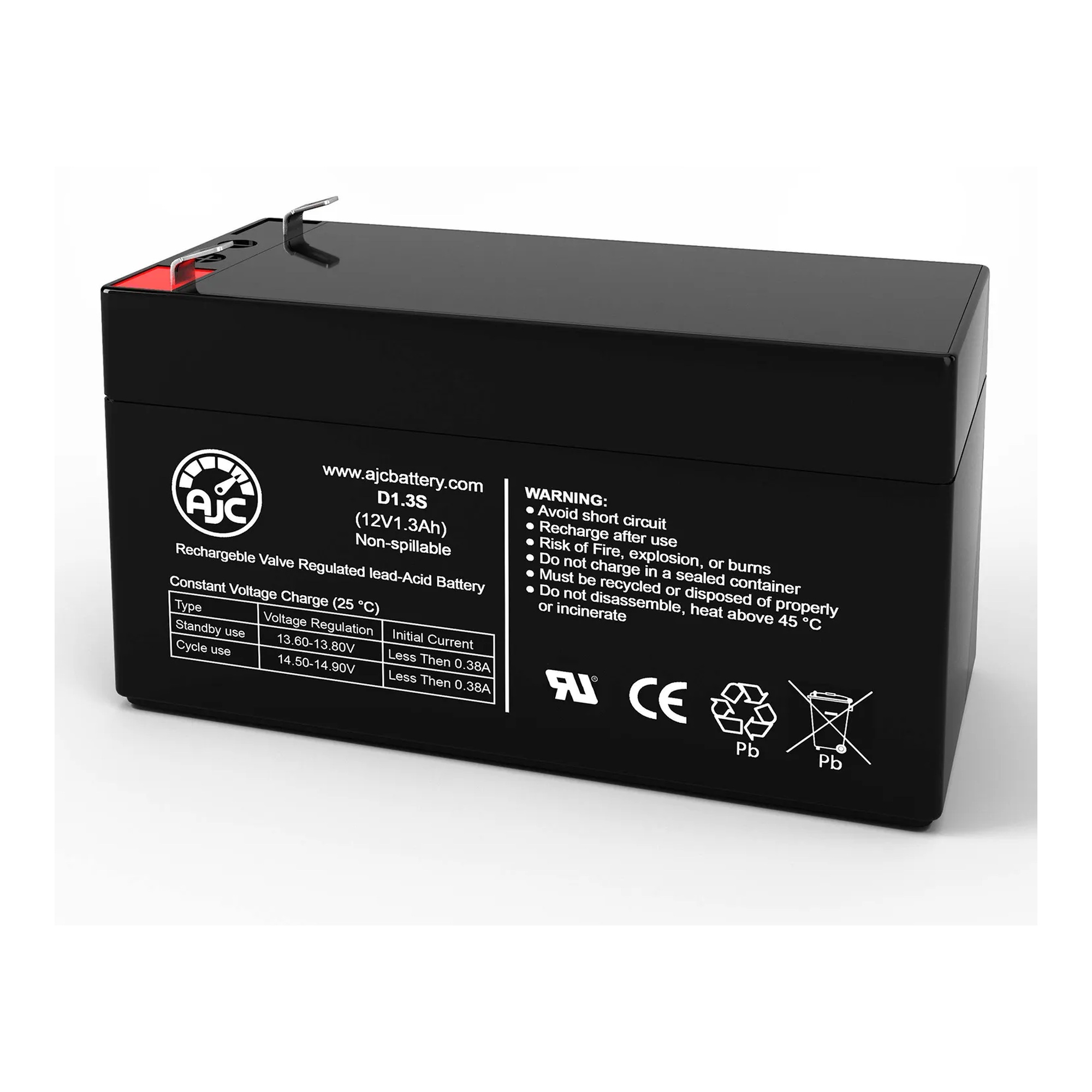
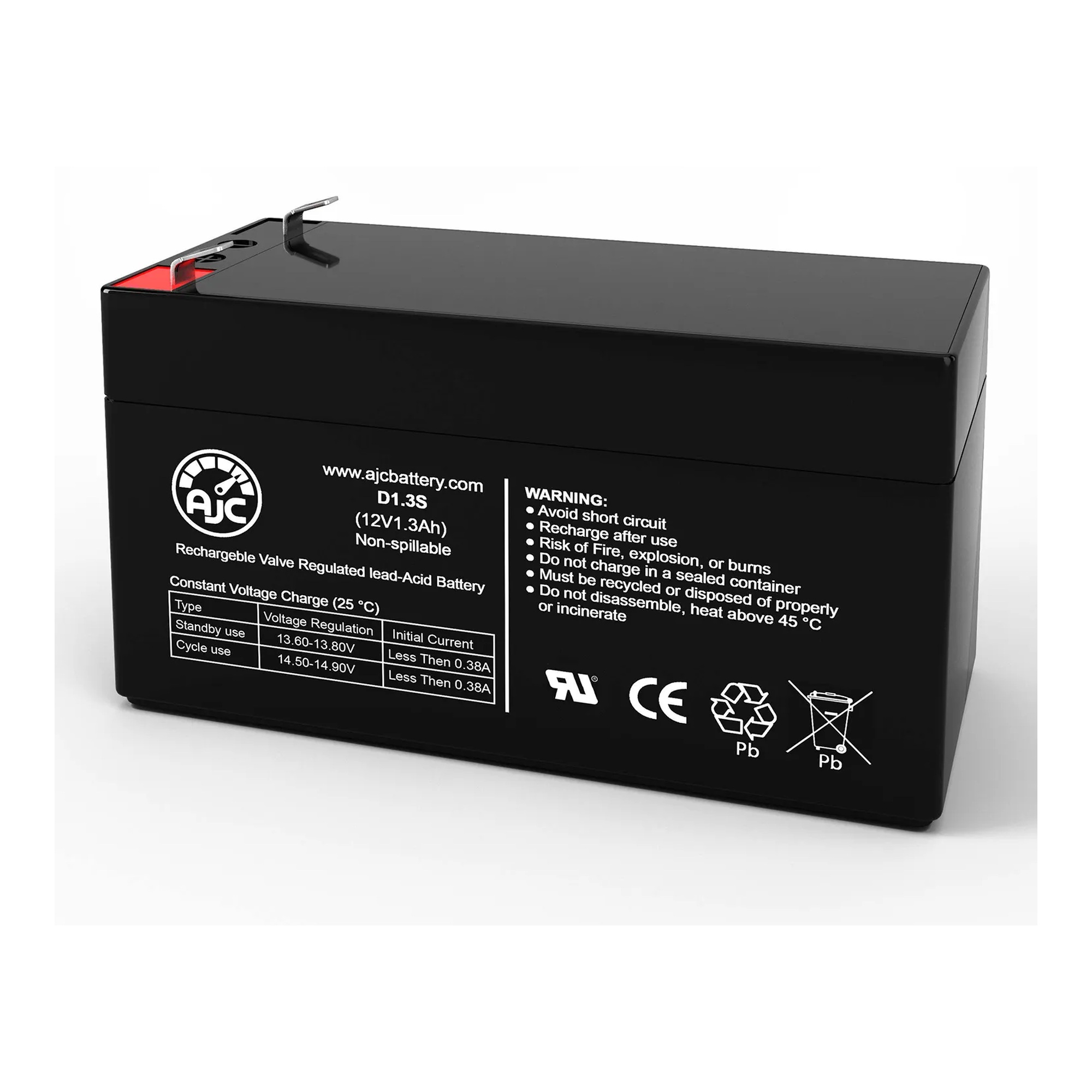
12V 1.3Ah AGM Alarm Replacement Battery, F1
Our Price:$13.99This 12V alarm replacement battery is for alarm system owners and service technicians replacing a compatible existing battery. It provides 1.3Ah capacity to restore battery power in systems that use...
-
AJC Battery
12V 1.3Ah AGM Replacement Battery for MA1000E Alarm Systems
Our Price:$13.99This 12V replacement battery is for users maintaining compatible MA1000E alarm systems. It provides a replacement power source when the existing alarm battery needs to be changed.The battery has a 1...
-
AJC Battery
12V 1.3Ah F1 AGM Alarm Replacement Battery
Our Price:$13.99This 12V alarm replacement battery is for facility maintenance teams and alarm-system service personnel replacing a matching battery in an alarm unit. It provides a maintenance-free power replacement...
-
AJC Battery
12V 1.3Ah F1 Alarm System Replacement Battery - Model AJC-D1.2S-A-1-117036
Our Price:$13.99This 12V replacement battery is for alarm system users replacing the battery in a compatible MA1000E PAK alarm unit. It provides backup power support while allowing the existing cabling and hardware...
-
AJC Battery
12V 1.3Ah F1 Alarm System Replacement Battery - Model AJC-D1.2S-A-1-117037
Our Price:$13.99This 12V replacement battery is for alarm system users replacing a compatible existing battery. It provides a maintenance-free power replacement for units that use the specified battery configuration...
-
AJC Battery
12V 1.3Ah F1 Alarm System Replacement Battery - Model AJC-D1.3S-J-0-186286
Our Price:$13.99This 12V replacement battery is for users maintaining compatible alarm systems that require a 1.3Ah F1 battery. It provides replacement power for units using this battery configuration.This...
-
AJC Battery
12V 1.3Ah F1 Alarm System Replacement Battery - Model AJC-D1.3S-J-0-186363
Our Price:$13.99This 12V replacement battery is for alarm system users replacing a compatible RBAT1.2 battery. It provides backup battery power for the existing alarm unit and is designed to fit with the unit’s...
-
AJC Battery
12V 1.3Ah F1 Alarm System Replacement Battery - Model AJC-D1.3S-R-0-180287
Our Price:$13.99This 12V replacement battery is designed for alarm system users who need to replace a compatible battery in their existing unit. It provides 1.3Ah capacity for compatible alarm battery applications...
-
AJC Battery
12V 1.3Ah F1 Alarm System Replacement Battery - Model AJC-D1.3S-V-0-186178
Our Price:$13.99This 12V replacement battery is for facility teams and alarm technicians servicing compatible alarm systems. It provides replacement power for an existing alarm battery installation and is intended...
-
AJC Battery
12V 1.3Ah F1 Alarm System Replacement Battery - Model AJC-D1.3S-V-0-186262
Our Price:$13.99This 12V replacement battery is for alarm system users replacing a compatible existing battery. It provides backup power support for units that require a 1.3Ah, F1 battery configuration.The...
-
AJC Battery
12V 1.3Ah F1 Replacement Battery for Ademco 484 Alarm Systems
Our Price:$13.99This 12V replacement battery is designed for users maintaining Ademco 484 alarm systems. It provides replacement power for the existing alarm battery and is intended to fit the specified unit when...
-
AJC Battery
12V 1.3Ah F1 Replacement Battery for MA1000E PAK Alarm Systems
Our Price:$13.99This 12V replacement battery is designed for users maintaining compatible MA1000E PAK alarm systems. It provides a replacement power source for an existing alarm battery and is intended to be...
-
AJC Battery
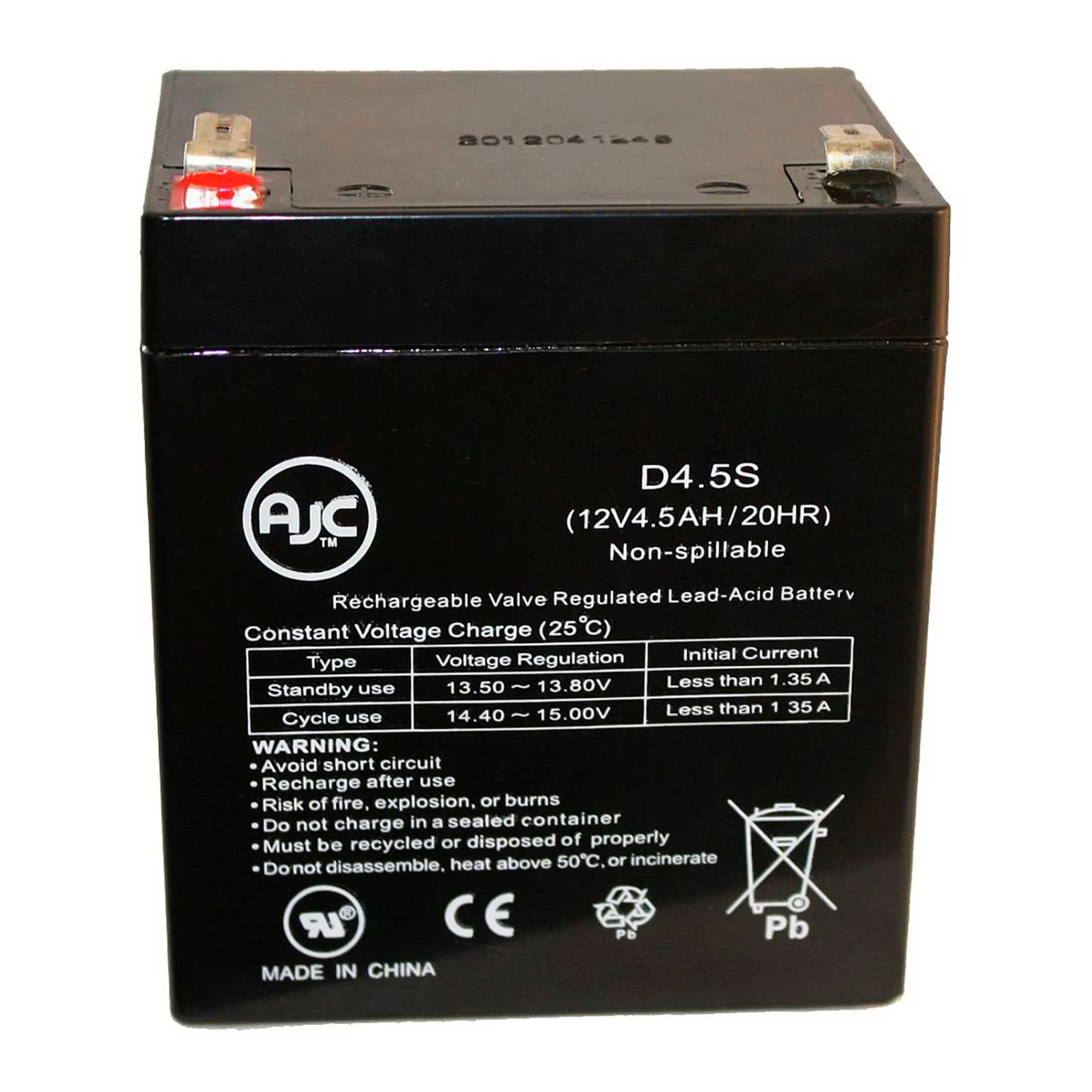
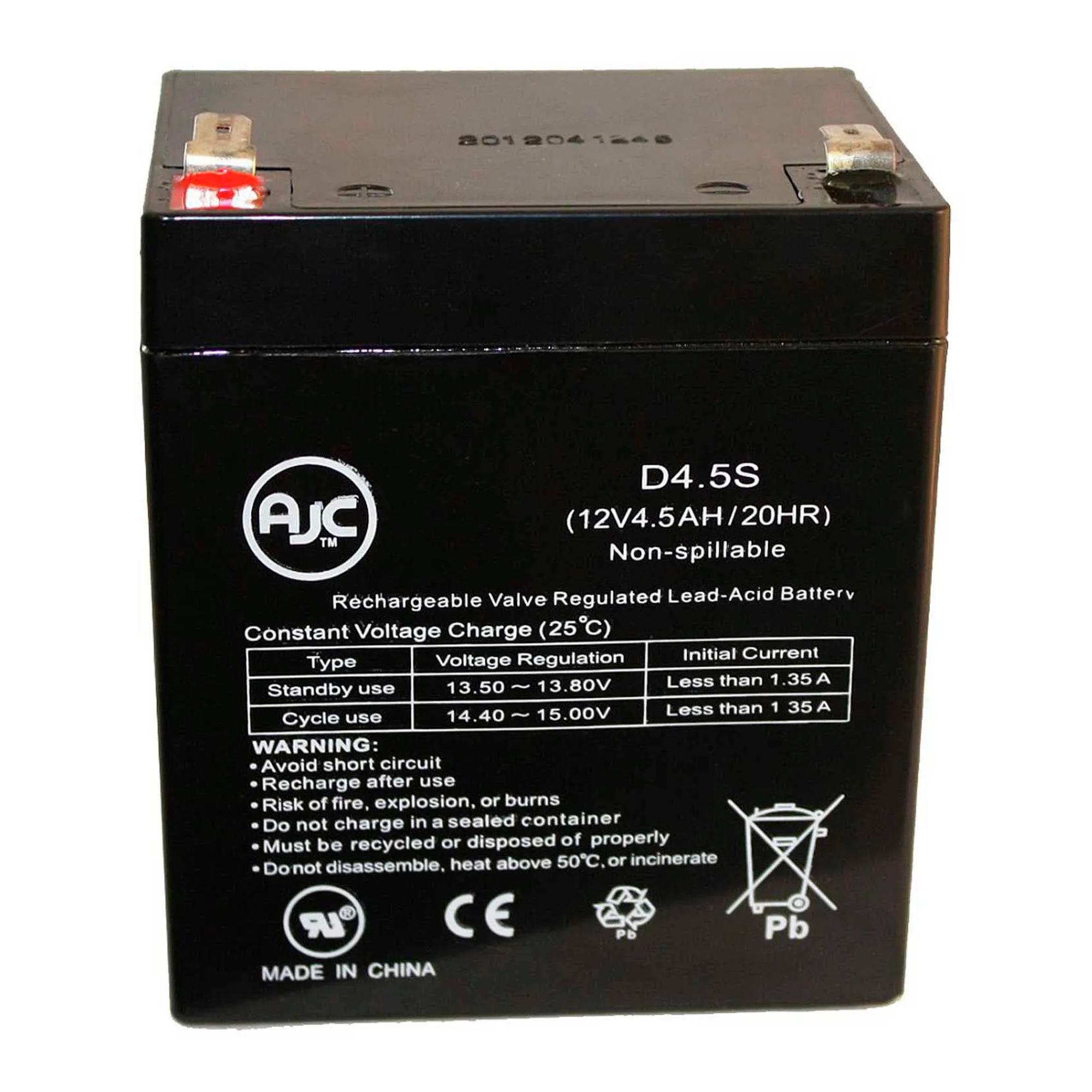
12V 4.5 Ah F1 AGM Alarm System Replacement Battery
Our Price:$28.94This 12V 4.5 Ah replacement battery is for alarm system users replacing an existing compatible battery. It provides the required backup power component for a system that uses this battery...
-
AJC Battery
12V 4.5Ah AGM Alarm Replacement Battery with F1 Terminal
Our Price:$23.99This 12V replacement battery is for alarm system users who need to restore backup power in compatible Power832 Option 1 alarm units. It provides a maintenance-free replacement option for replacing an...
-
AJC Battery
12V 4.5Ah AGM Alarm System Replacement Battery - 2.76 in W x 3.98 in H x 3.54 D
Our Price:$23.99This 12V 4.5Ah replacement battery is for alarm system users replacing a compatible battery in their existing equipment. It provides backup power support while allowing the system’s existing cabling...
-
AJC Battery
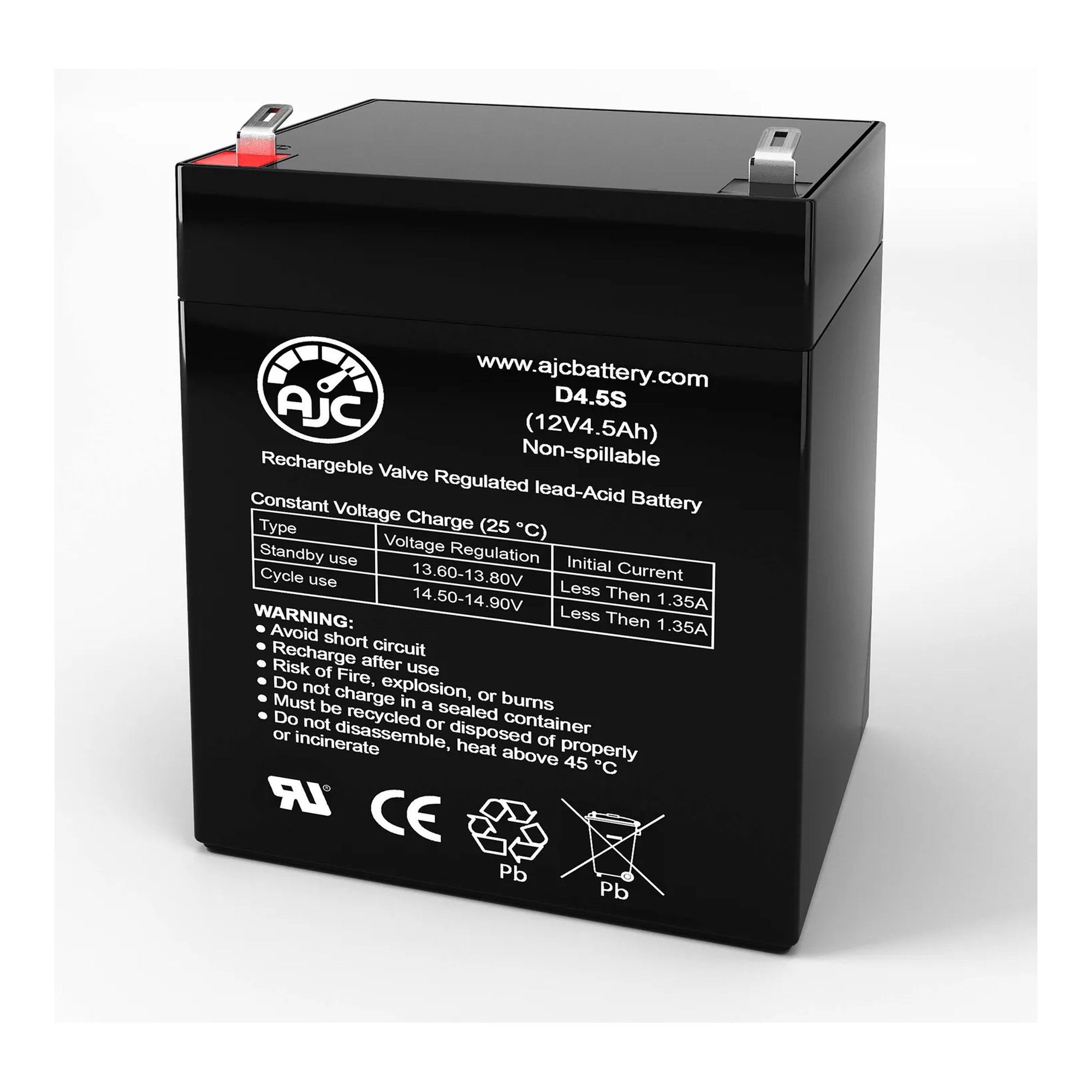
12V 4.5Ah AGM Alarm System Replacement Battery - 2.8 in W x 3.9 in H x 3.5 D
Our Price:$23.74This 12V 4.5Ah replacement battery is for alarm system users replacing a compatible existing battery. It provides replacement power for units that use this battery configuration.The sealed lead-acid...
-
AJC Battery
12V 4.5Ah AGM Alarm System Replacement Battery, F1
Our Price:$23.99This 12V replacement battery is for facilities teams and alarm-system service personnel maintaining compatible alarm equipment. It provides a replacement power source when the existing alarm battery...
-
AJC Battery
12V 4.5Ah AGM Replacement Battery for NetworX NX-4 Alarm Systems
Our Price:$23.99This 12V 4.5Ah replacement battery is for facilities and security-system users maintaining compatible NetworX NX-4 alarm systems. It restores backup power capability when the existing alarm battery...
-
AJC Battery
12V 4.5Ah Alarm System Replacement Battery - 2.8 in W x 3.9 in H x 3.5 D
Our Price:$28.94This 12V 4.5Ah replacement battery is designed for users maintaining compatible alarm systems. It provides a replacement power source when the existing alarm battery needs to be changed.The battery...
-
AJC Battery
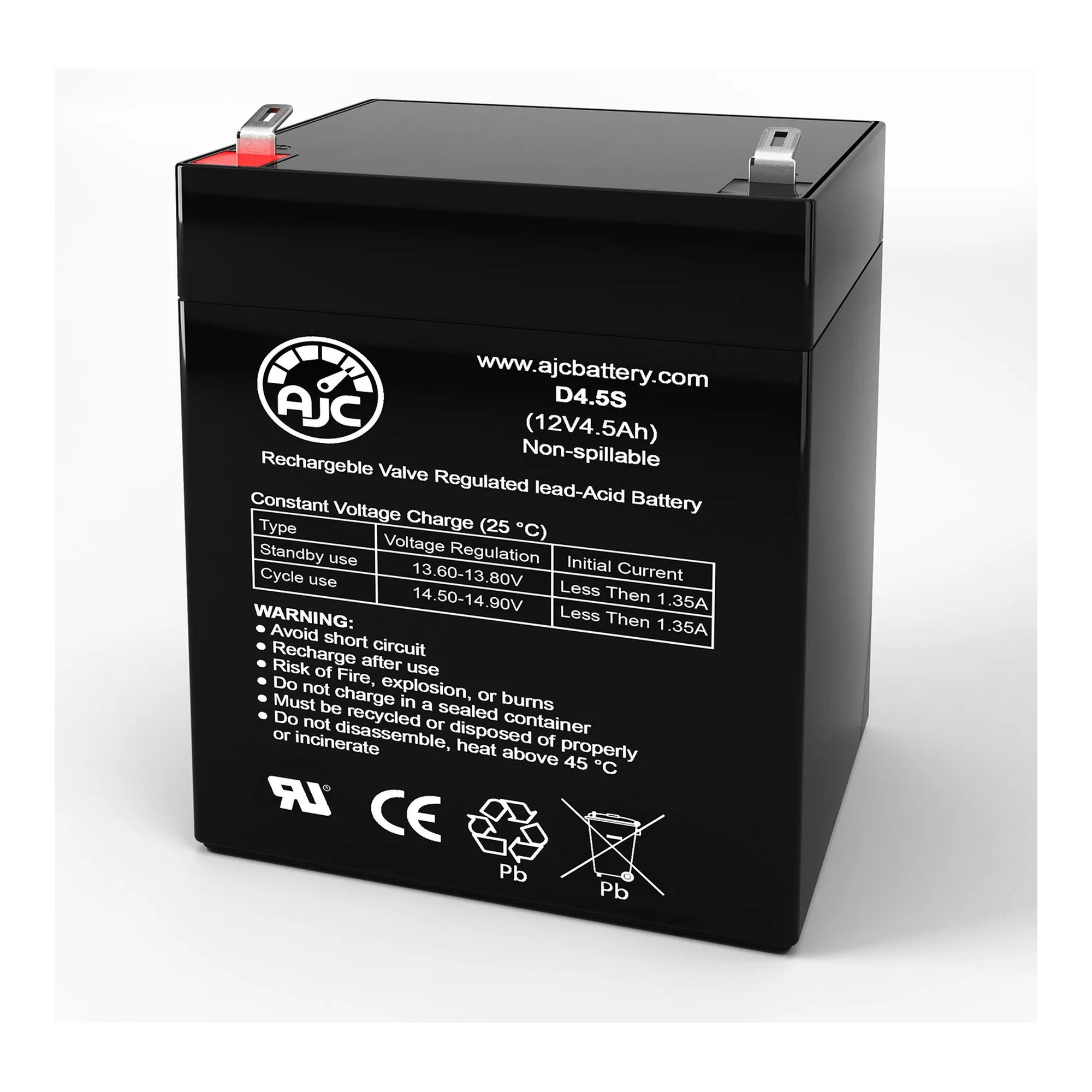
12V 4.5Ah F1 Alarm Replacement Battery
Our Price:$23.99This 12V 4.5Ah replacement battery is for alarm system users replacing a compatible existing battery in their equipment. It provides backup power support for systems that use this battery...









Batteries & Charging: Power the Right Device the Right Way
From everyday AA cells in remote controls to specialized alarm system batteries and smart chargers, this category covers every power need across home, office, and facility environments. Use the subcategory paths below to find the right battery size, chemistry, or charging solution for your specific application.
Choose your starting point
Popular examples in this category
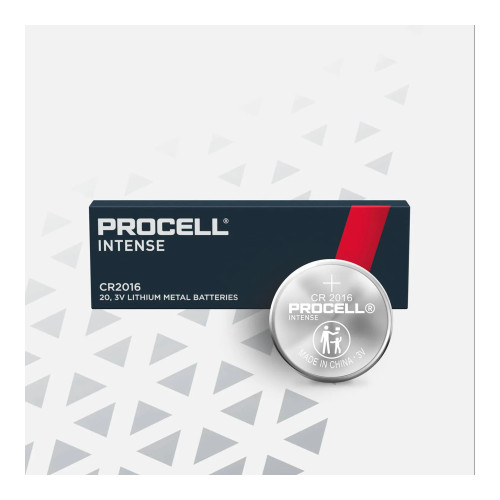 3V CR2016 Lithium Coin Batteries, 5-PackWBB3170572
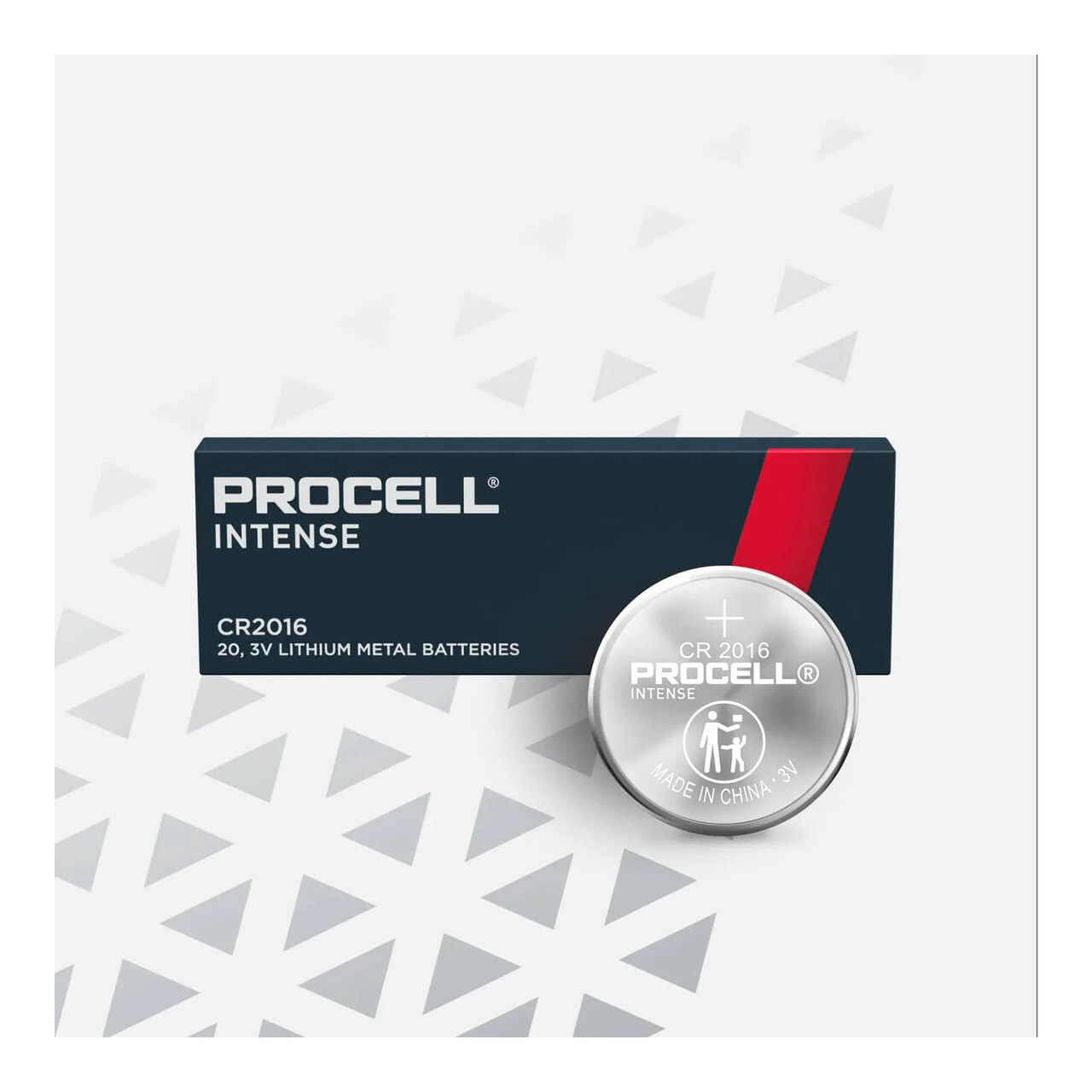 3V Batteries
Keeping Devices and Systems Running
Batteries and chargers power everything from handheld tools and office equipment to security panels and emergency lighting. Whether you need disposable cells for daily use or rechargeable options for high-drain devices, this category covers both routine replacements and planned power setups.
Match the Battery to the Device and Demand
Start with the battery size your device requires, then consider how often it runs and how critical uptime is. High-drain devices benefit from lithium chemistry. Frequent replacements justify rechargeable options. Alarm and backup systems often require specific voltages—check your equipment manual before ordering.
Where These Products Get Used
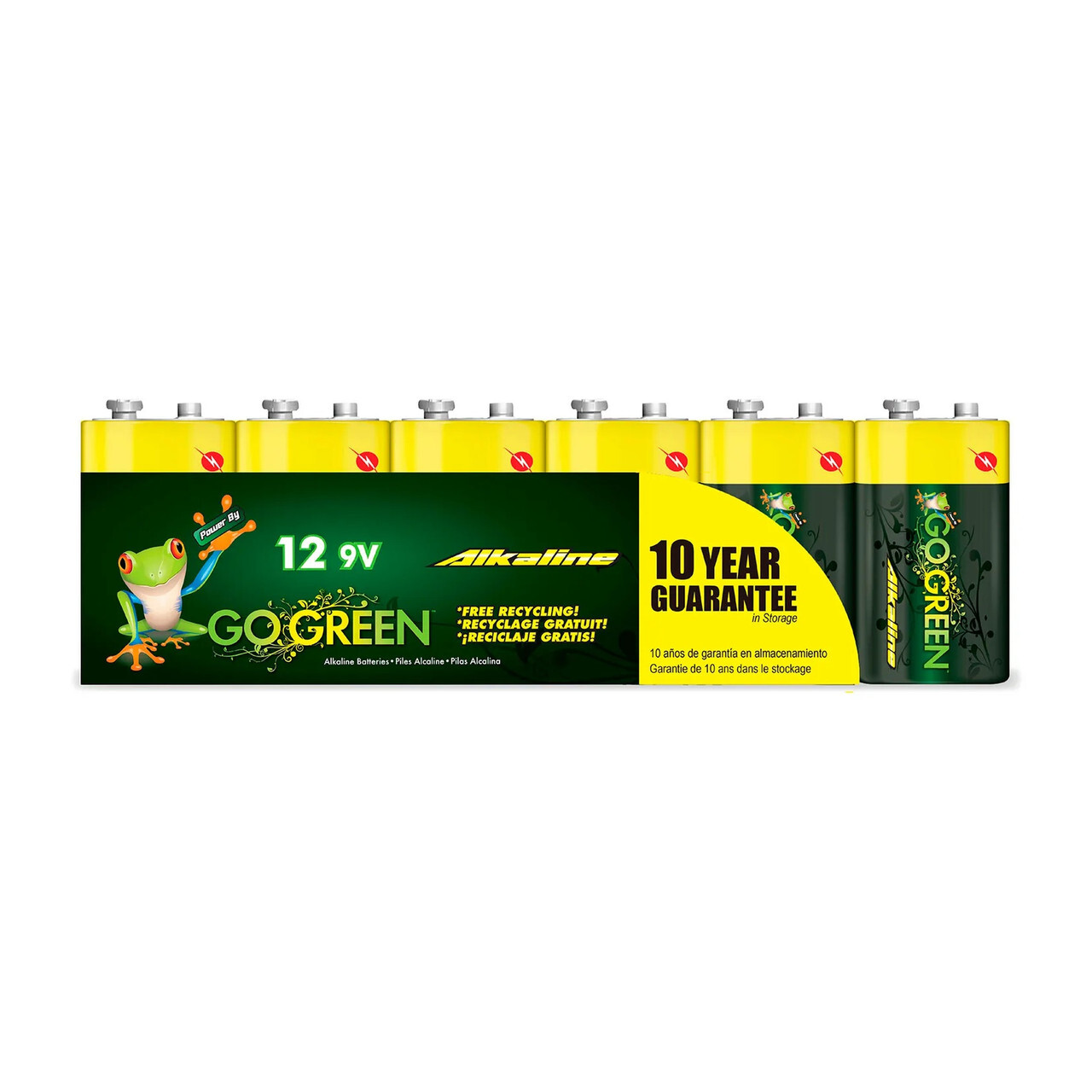
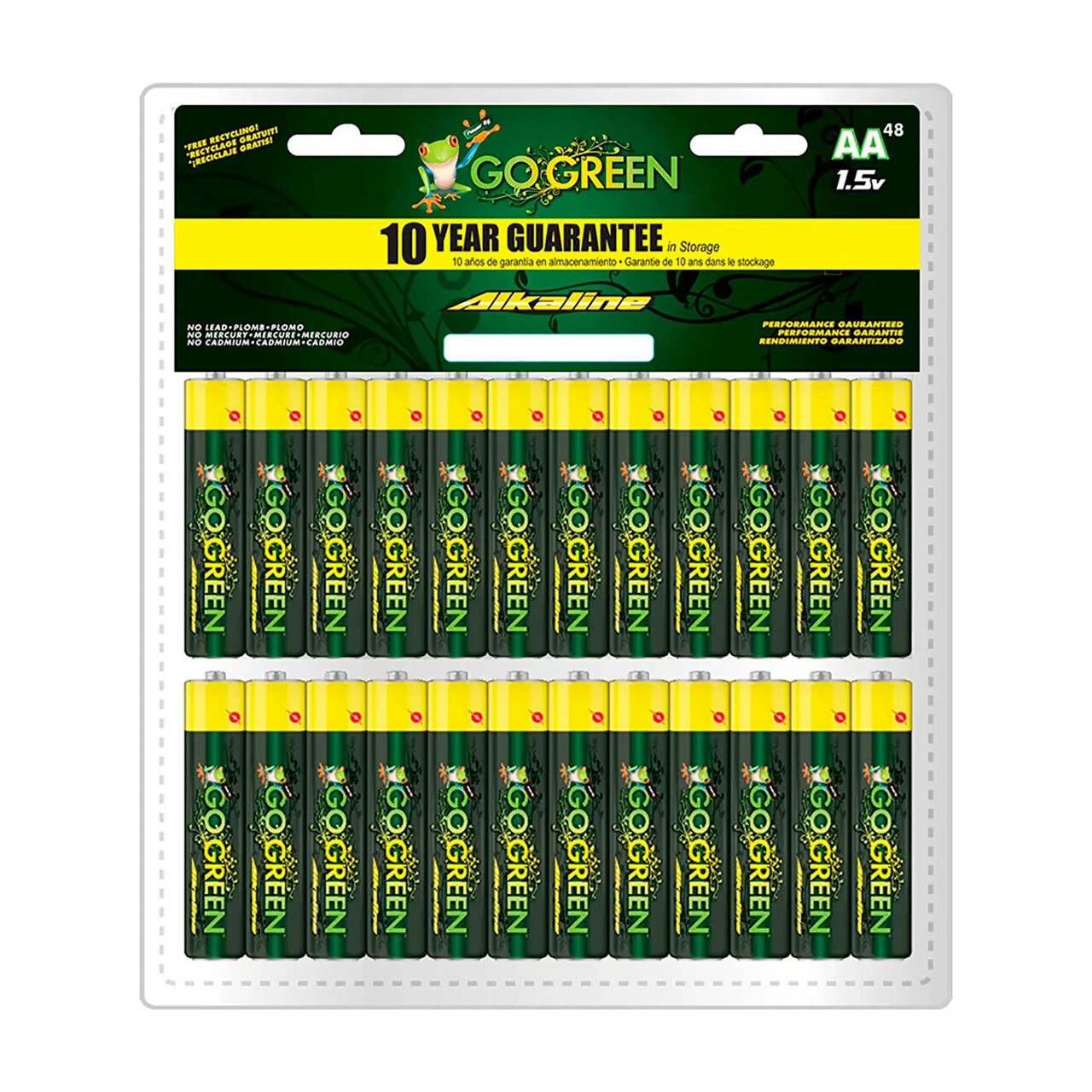
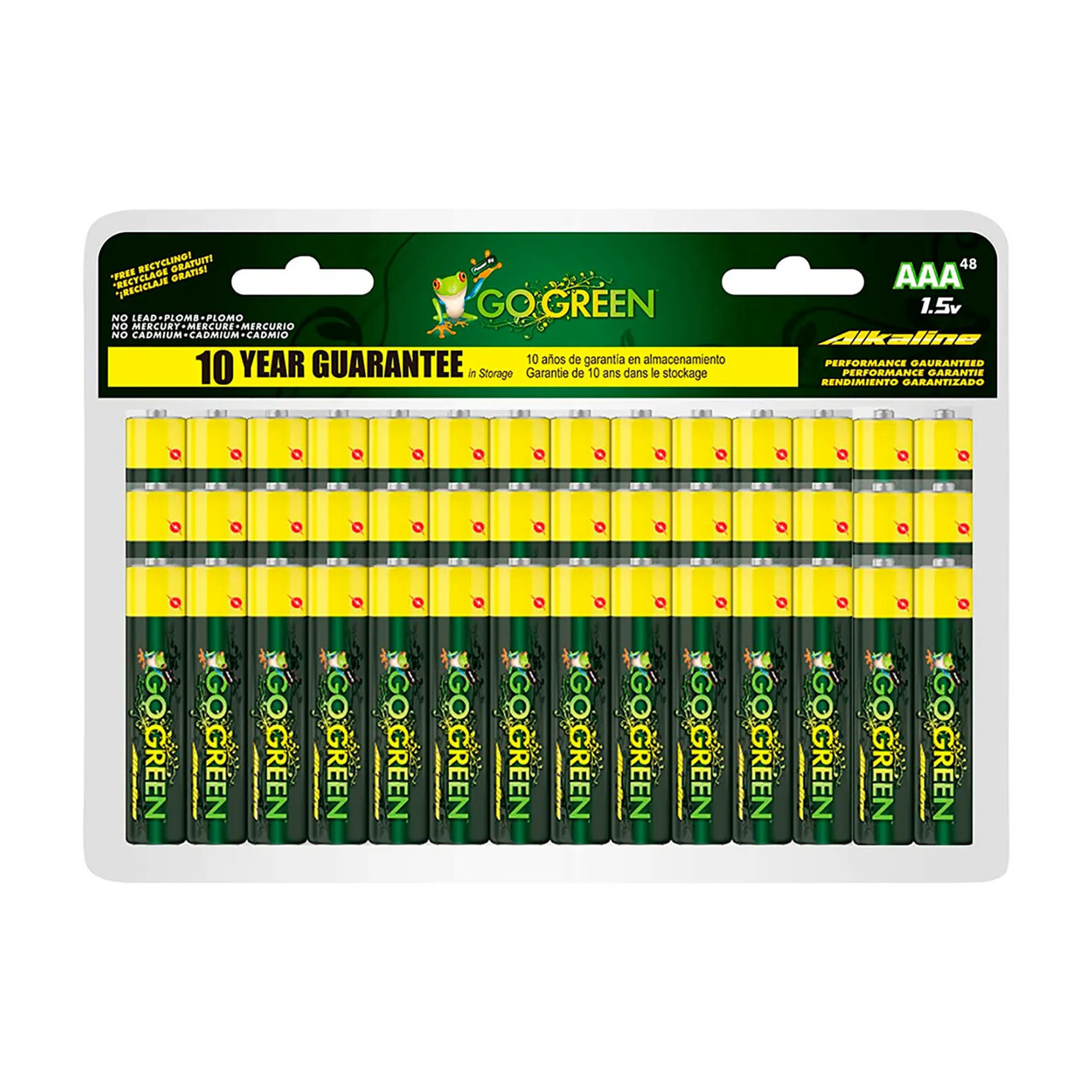
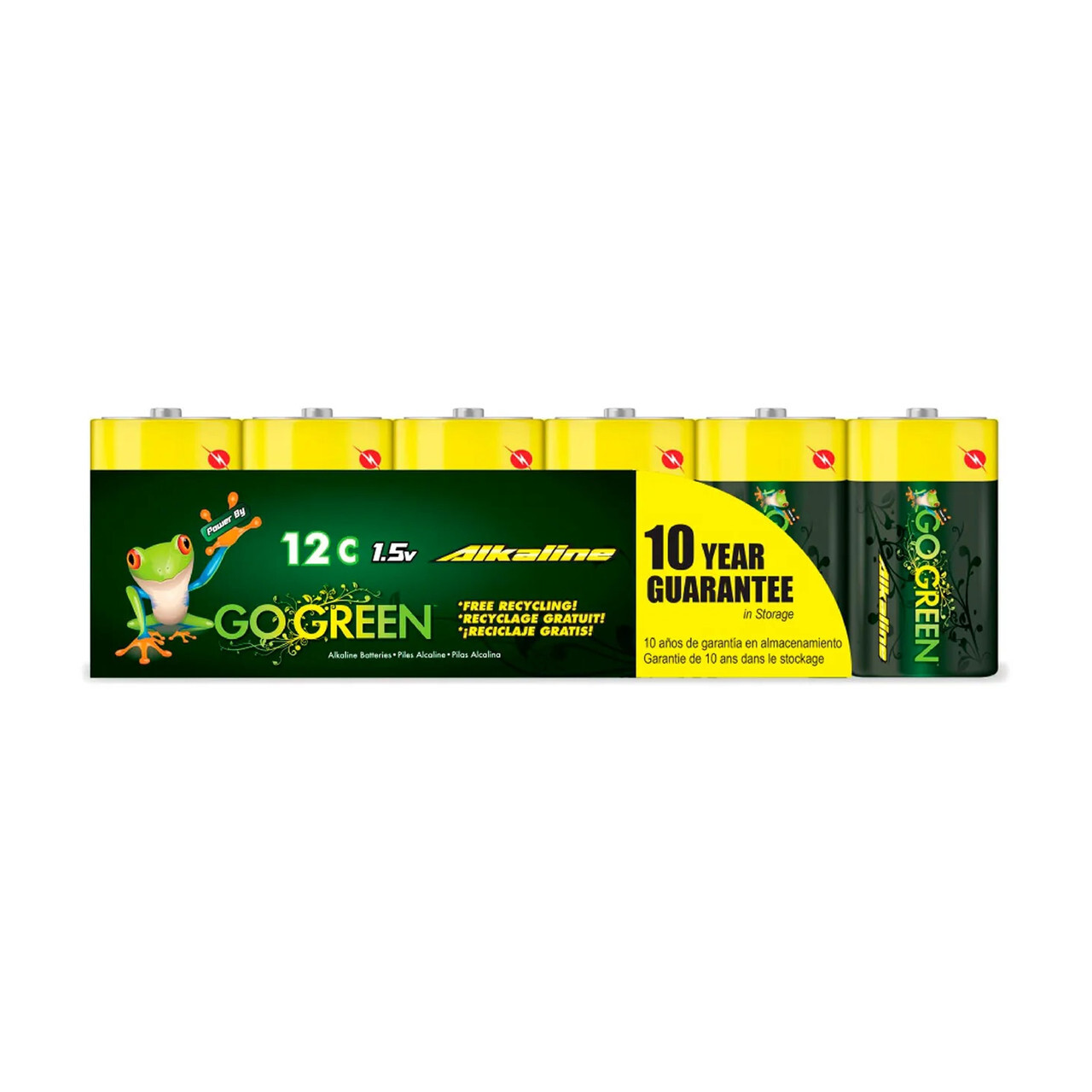
AA and AAA batteries cover most office and facility devices. C and D cells handle high-capacity needs like flashlights and radios. 9V batteries are standard in smoke detectors and test equipment. 3V batteries power remotes and sensors. Alarm system batteries keep security panels live during outages.
Storage, Shelf Life, and Safety Basics
Store batteries in a cool, dry place away from metal objects. Most alkaline batteries carry a shelf life of 5–10 years when stored properly. Never mix old and new batteries in the same device. Rechargeable batteries should be cycled regularly and stored at partial charge to extend lifespan.
Which Subcategory Do You Need?
Use this table to match your power need to the right starting point.
| Need | Best Fit | Why It Matters |
|---|---|---|
| Everyday office and facility devices (remotes, clocks, keyboards) | AA or AAA Batteries | The most common sizes; wide device compatibility and easy bulk stocking |
| High-capacity devices like flashlights, lanterns, or radios | C or D Batteries | Larger cell size delivers more capacity for high-drain or extended-use equipment |
| Smoke detectors, carbon monoxide alarms, or test meters | 9V Batteries | Standard voltage for most detector and meter applications; critical for safety device uptime |
| Sensors, key fobs, remotes, and small electronics | 3V Batteries | Compact lithium cells designed for low-drain devices with long standby requirements |
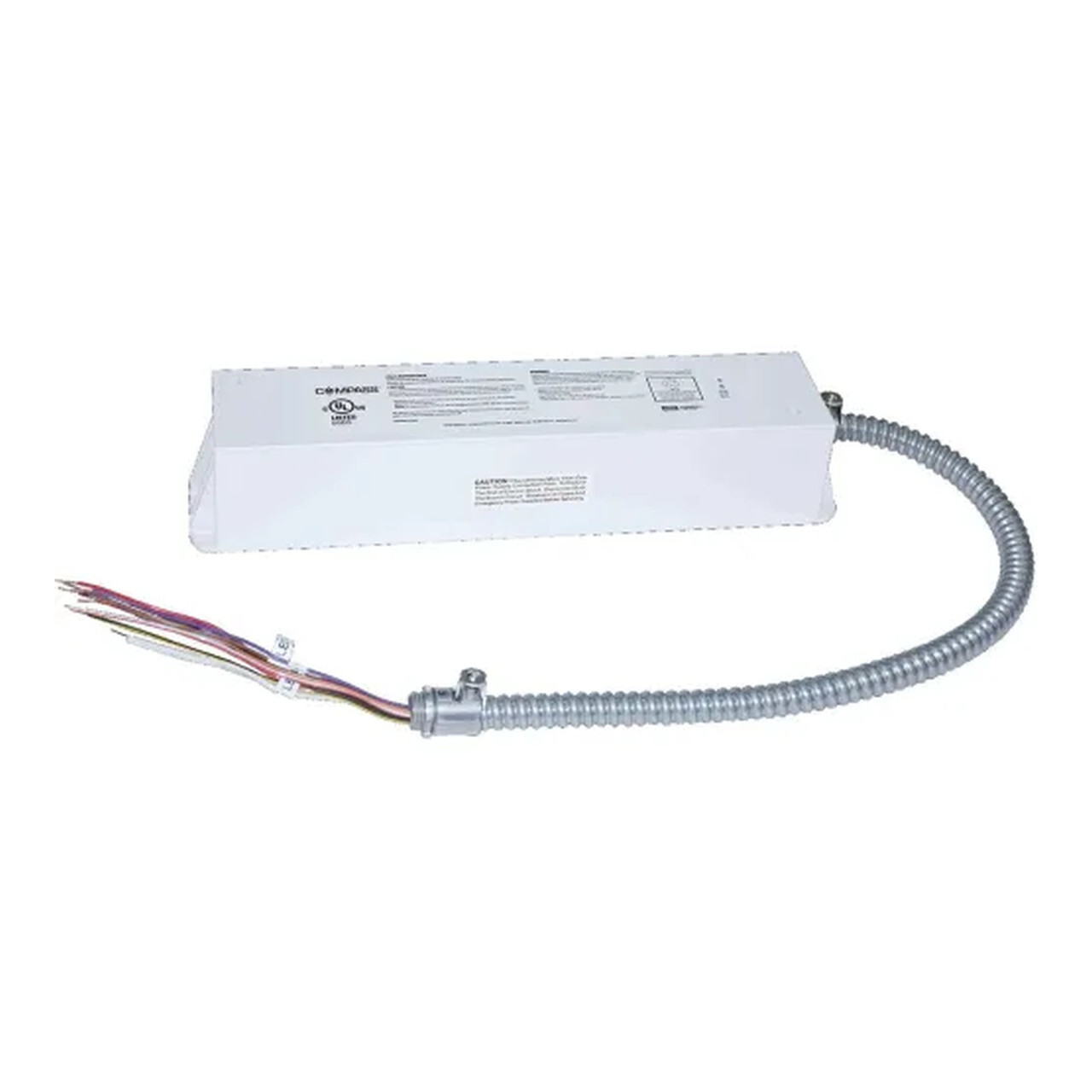
| Security panels, alarm systems, or backup power units | Alarm System Batteries | Sized and rated specifically for panel backup; check your system specs before ordering |
| Reducing disposable battery costs across many devices | Battery Chargers | Pairs with rechargeable cells to lower long-term cost and reduce replacement frequency |
Plan the right fit before choosing
Step 1: Identify Your Device Requirements
Before purchasing, confirm the battery size, voltage, and quantity your device requires. Check the battery compartment label or equipment manual. Mixing sizes or voltages can damage equipment or reduce performance.
- Note the exact battery size printed in the device compartment (AA, AAA, C, D, 9V, 3V, etc.)
- Check whether the device requires alkaline, lithium, or a specific rechargeable chemistry
- Confirm voltage requirements for alarm panels and backup systems before substituting battery types
Step 2: Estimate Volume and Replacement Frequency
High-use environments like warehouses, schools, or facilities with many devices benefit from bulk purchasing and a battery charger program. Calculate how many devices you maintain and how often batteries are replaced to determine the right stocking quantity.
- Inventory all battery-powered devices by size to consolidate orders
- Consider rechargeable batteries and a quality charger for devices replaced more than once a month
- Keep a small reserve stock of alarm system batteries for emergency replacements
Step 3: Choose Disposable or Rechargeable
Disposable batteries are convenient for low-drain or infrequently used devices. Rechargeable batteries reduce long-term cost and waste for high-drain or frequently used equipment. A battery charger compatible with your battery chemistry is essential for any rechargeable program.
- Use disposable alkaline or lithium for smoke detectors, remotes, and backup devices
- Use rechargeable NiMH batteries for cameras, handheld scanners, and other high-drain tools
- Select a charger that matches your battery chemistry and supports the cell sizes you use most
This category covers eight distinct subcategories spanning common consumer sizes, specialty voltages, alarm system batteries, and battery chargers.
Available subcategories span from 3V coin and lithium cells used in sensors and remotes up to 9V batteries standard in detectors and test equipment.
Most alkaline batteries retain usable charge for 5 to 10 years when stored in cool, dry conditions, making bulk stocking practical for facilities.
A single battery charger paired with rechargeable cells can offset the cost of hundreds of disposable batteries over its usable life.
Common questions before buying
What is the difference between alkaline and lithium batteries?
Alkaline batteries are the standard choice for most everyday devices and offer a good balance of cost and performance. Lithium batteries last longer in high-drain devices, perform better in extreme temperatures, and have a longer shelf life, making them a better fit for critical or outdoor applications.
Can I use rechargeable batteries in any device that takes standard AA or AAA cells?
Most devices that accept AA or AAA batteries will work with rechargeable NiMH cells. However, rechargeable batteries typically output 1.2V versus 1.5V for alkaline, which can affect performance in some devices. Check your equipment documentation if you are unsure.
How do I know which battery my alarm system or security panel needs?
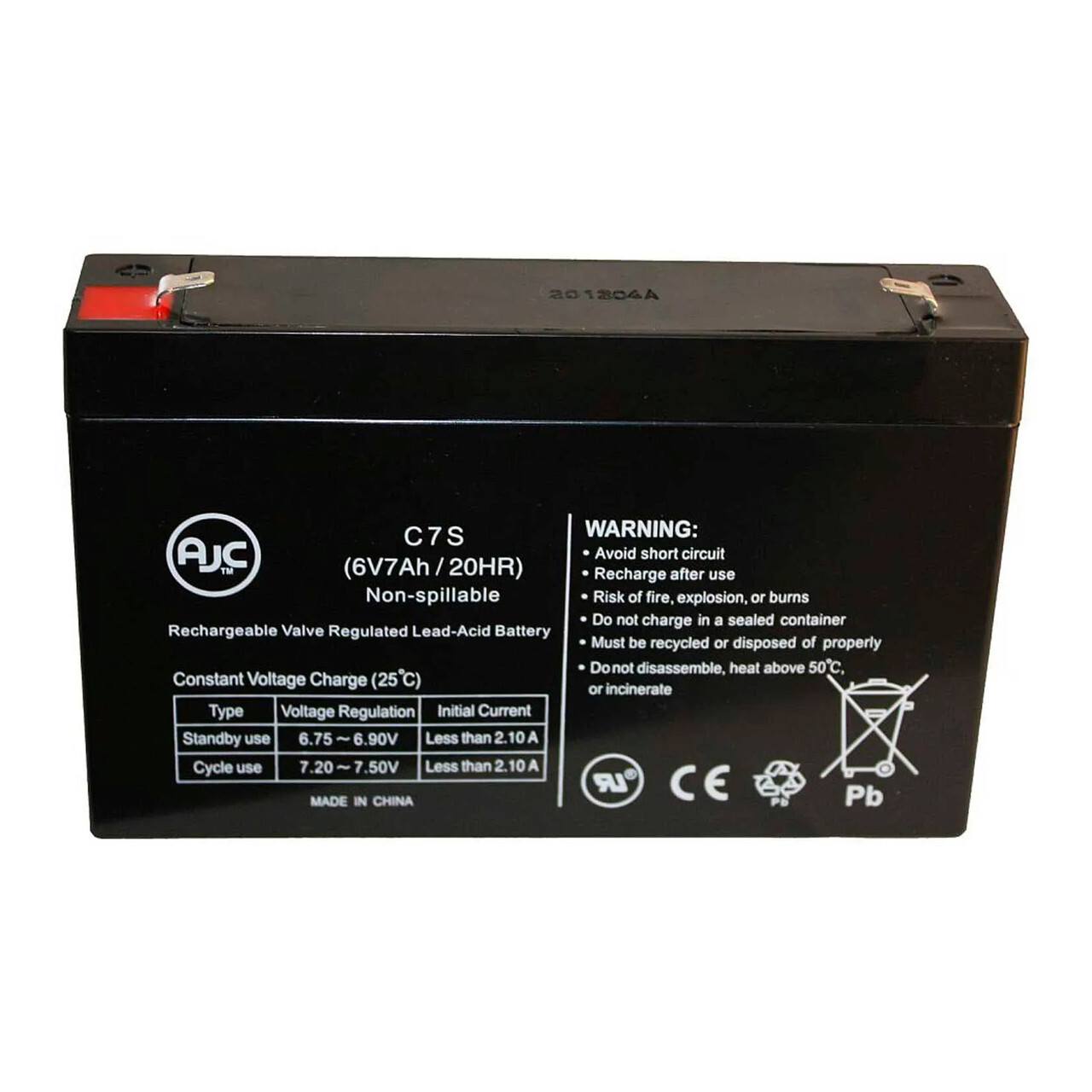
Refer to your alarm panel's user manual or the label inside the panel housing. Alarm system batteries are typically sealed lead-acid or specific lithium packs rated for backup power. Using the wrong type can affect system reliability and may void equipment warranties.
What should I look for in a battery charger?
Choose a charger that is compatible with the battery chemistry you use (NiMH, NiCd, lithium-ion) and supports the cell sizes in your inventory. Features like individual cell charging, overcharge protection, and charge status indicators help extend battery life and prevent damage.
Choosing the right file folders
FilingSupplies.com carries end-tab folders for open-shelf systems, top-tab folders for drawer filing, and heavy-duty classification folders with dividers and fasteners for multi-section records. Pick letter or legal size, then choose material (11-pt, 14-pt, or 18-pt manila), optional reinforced tabs, color-coding, and expansion capacity to match your volume.
Folder FAQs
End-tab vs. top-tab — what’s the difference?
When should I choose classification folders?
Letter or legal size — how do I pick?
What tab and material options are available?
Can I add fasteners, pockets, or expansion?
Do you offer volume pricing or custom printing?
Outfitting classrooms that work all day
Build a durable, age-appropriate classroom with furniture, early-learning materials, storage bins, learning centers, and presentation tools. Choose adjustable pieces that grow with grades, label friendly bins for quick clean-up, and tech carts that secure, charge, and move easily.
Education FAQs
What safety labels should I look for on school and early-childhood items?
How do I pick classroom furniture across grade levels?
What’s the best way to organize supplies and centers?
How do I choose learning games and manipulatives by age?
What should I consider in a charging/tech cart?
Do you support school POs, bulk pricing, or custom printing?
Choosing the right labels
From color file labels to printable sheets, select the right size, adhesive, and print method to match your filing system and equipment. Decide on sheet vs. roll format, then pick permanent or removable adhesive and your color set.
Labels FAQs
Sheet vs. roll labels — what’s the difference?
Permanent or removable adhesive?
Will these labels work in my printer?
How do I match the label size to folder tabs or binder spines?
Can I get preprinted sequences or color bars?
Do you have templates?
Choosing the right tab dividers
Organize binders with preprinted or blank tabs. Select the number of tabs per set (5, 8, 10, or 12), choose paper with reinforced tabs or durable poly, and match letter or legal size for a clean fit.
Tab Dividers FAQs
What do 5-, 8-, 10-, or 12-tab sets mean?
Paper vs. poly — which should I choose?
Are the tabs printable?
Will they fit my binder?
Can I mix preprinted and blank tabs?
Do you make custom tab sets?
Choosing the right office supplies
From everyday paper and pens to binders, mailers, and desk organizers, pick durable, compatible options that match your equipment and team size. Start with the right paper and labeling, then add organizers that keep work moving.
Office Supplies FAQs
Which paper weight and brightness should I choose?
Round-ring vs. D-ring binders — what’s the difference?
What does “sheet capacity” mean on staplers and hole punches?
Will labels, envelopes, and mailers work with my printer?
How do I choose mailers and shipping boxes?
Do you offer eco-conscious options or bulk pricing?
Choosing the right sports & PE equipment
Equip classes, teams, and rec programs with durable balls, goals, cones, pinnies, storage, and safety gear. Match sizes and materials to age group and whether you play indoors or outdoors.
Sports & Athletics FAQs
What ball sizes should I choose for different ages?
- Basketball: Size 5 (27.5") youth, Size 6 (28.5") intermediate, Size 7 (29.5") official.
- Soccer: Size 3 up to ~8 years, Size 4 ~8–12, Size 5 ~12+.
- Volleyball: Regulation balls for teens/adults; lighter training balls for younger players.
Indoor vs. outdoor — which materials hold up best?
How many pinnies, cones, or markers do I need?
Tips for storage and care?
Are items latex‑free and school‑safe?
Do you support bulk orders or custom printing (team names)?
Choosing the right FireKing fireproof cabinet
FireKing fireproof file cabinets, safes, and storage cabinets are designed to protect important documents, records, and valuables from fire damage while keeping files organized and accessible. When choosing a FireKing cabinet, compare drawer configuration, storage type, fire rating, and overall capacity based on the records or materials you need to protect.
FireKing FAQs
What is the difference between FireKing vertical and lateral file cabinets?
What can I store in a FireKing fireproof file cabinet?
Are FireKing cabinets only for paper records?
How do I choose between a FireKing safe, file cabinet, or storage cabinet?
What sizes are available in FireKing cabinets?
Are FireKing cabinets used in offices, medical facilities, and government records storage?
Can I buy FireKing cabinets in bulk or get help choosing the right model?
Shipping & Policies
Do you offer free shipping?
What are your shipping rates?
- $6.95 for labels-only orders under $40
- $14.95 flat rate for everything else