
-
Fowler
12-Inch Combination Square Set with Double-Indexed Protractor
Our Price:$319.94This 12-inch combination square set helps professionals check angles, make layout marks, and take measurements during inspection and layout work. Its square head, protractor, and graduated blade...
-
Stanley
12-Inch Combination Square with Die-Cast Handle
Our Price:$26.94This 12-inch combination square helps tradespeople and shop users check and mark workpieces during layout tasks. Its built-in scriber supports surface marking, while the vial provides an easy-to-read...
-
iGAGING
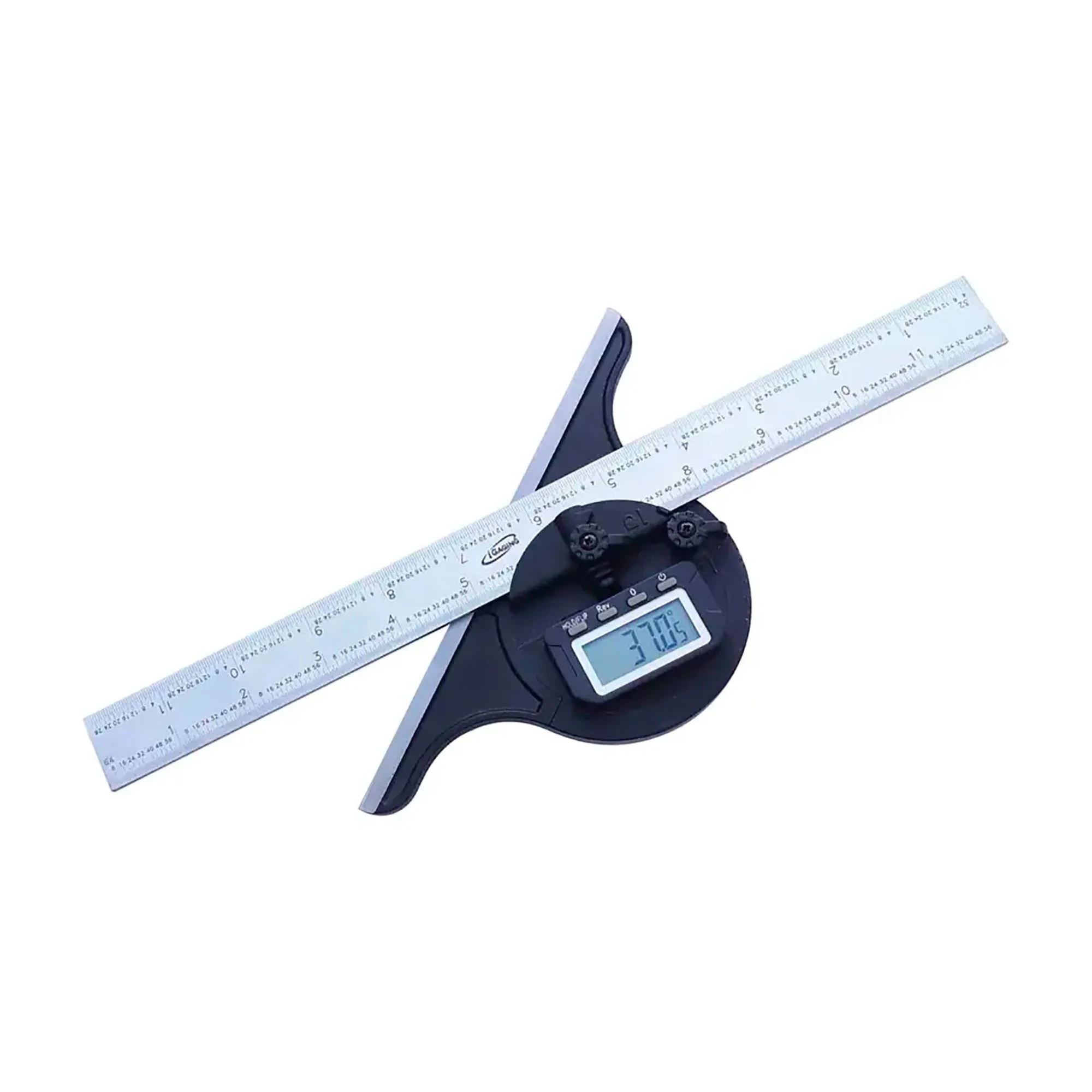
12-Inch Electronic Digital Combination Square with Protractor and Blade
Our Price:$69.94This electronic digital combination square is designed for tradespeople and shop users who need to measure, set, and check angles during layout and inspection work. Its integrated protractor and...
-
InSize
12-Inch Electronic Protractor
Our Price:$85.94This electronic protractor helps inspectors, machinists, and trade professionals measure and set angles from 0° to 360°. Its digital readout supports practical angle checking and layout work where...
-
Stanley
16-Inch Die-Cast Handle Combination Square
Our Price:$46.94This 16-inch combination square helps tradespeople and shop users measure, check layouts, and mark work surfaces. Its built-in scriber supports convenient surface marking during setup and fabrication...
-
iGAGING
360° Magnetic Dial Protractor with Center Punch
Our Price:$59.94This magnetic dial protractor helps pipefitters, fabricators, and maintenance teams measure angles and mark workpieces during layout tasks. Its magnetic legs and center punch support positioning and...
-
iGAGING
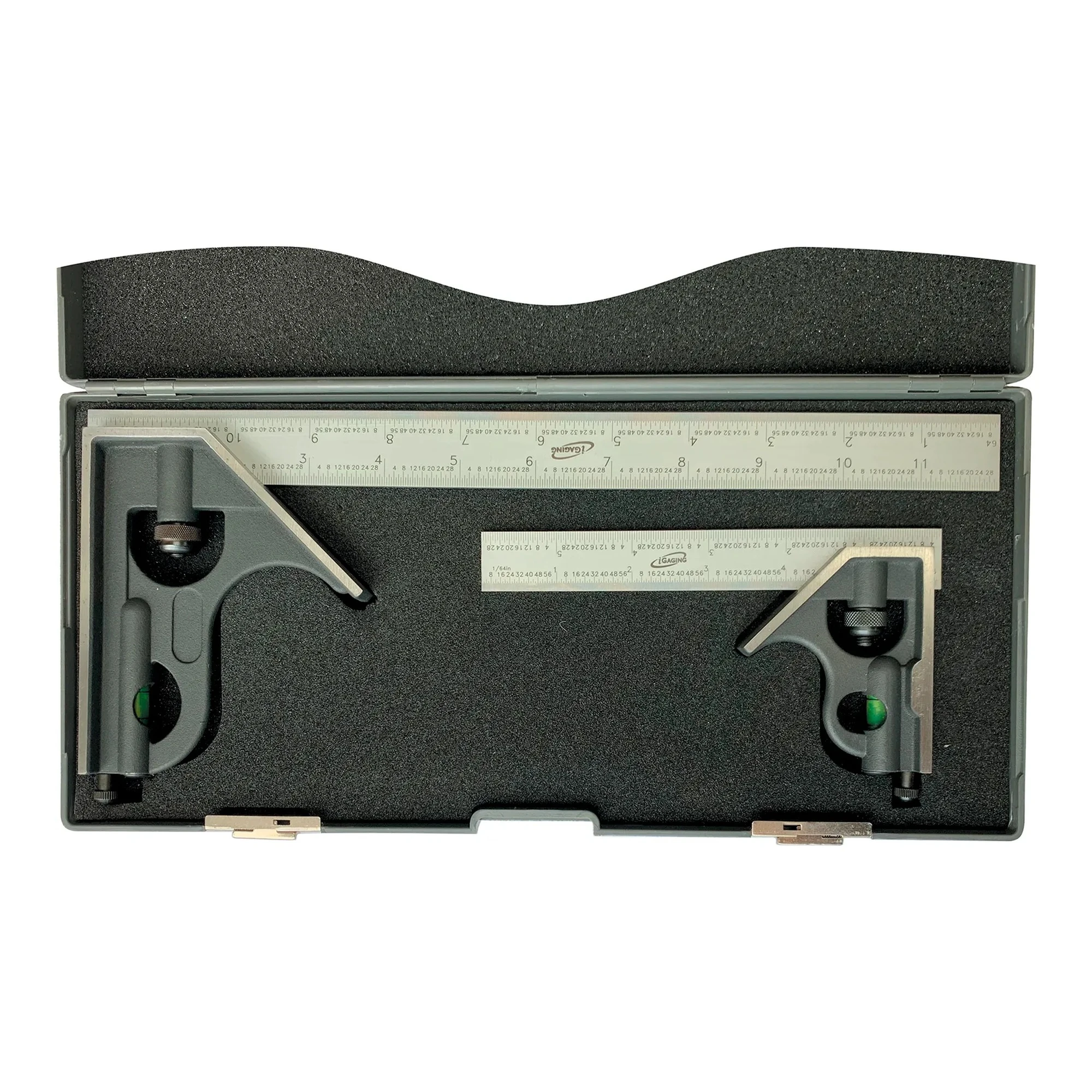
6-Inch and 12-Inch Combination Square Set
Our Price:$87.94This combination square set gives layout and inspection professionals two square sizes for measuring, marking, and checking workpieces. It combines 6-inch and 12-inch blades with square heads to...
-
iGAGING
6-Inch Combination Square and 4-Inch Double Square Set
Our Price:$44.94This square set gives tradespeople and shop users tools for checking angles, marking workpieces, and making layout measurements. It combines a 6-inch combination square with a 4-inch double square...
-
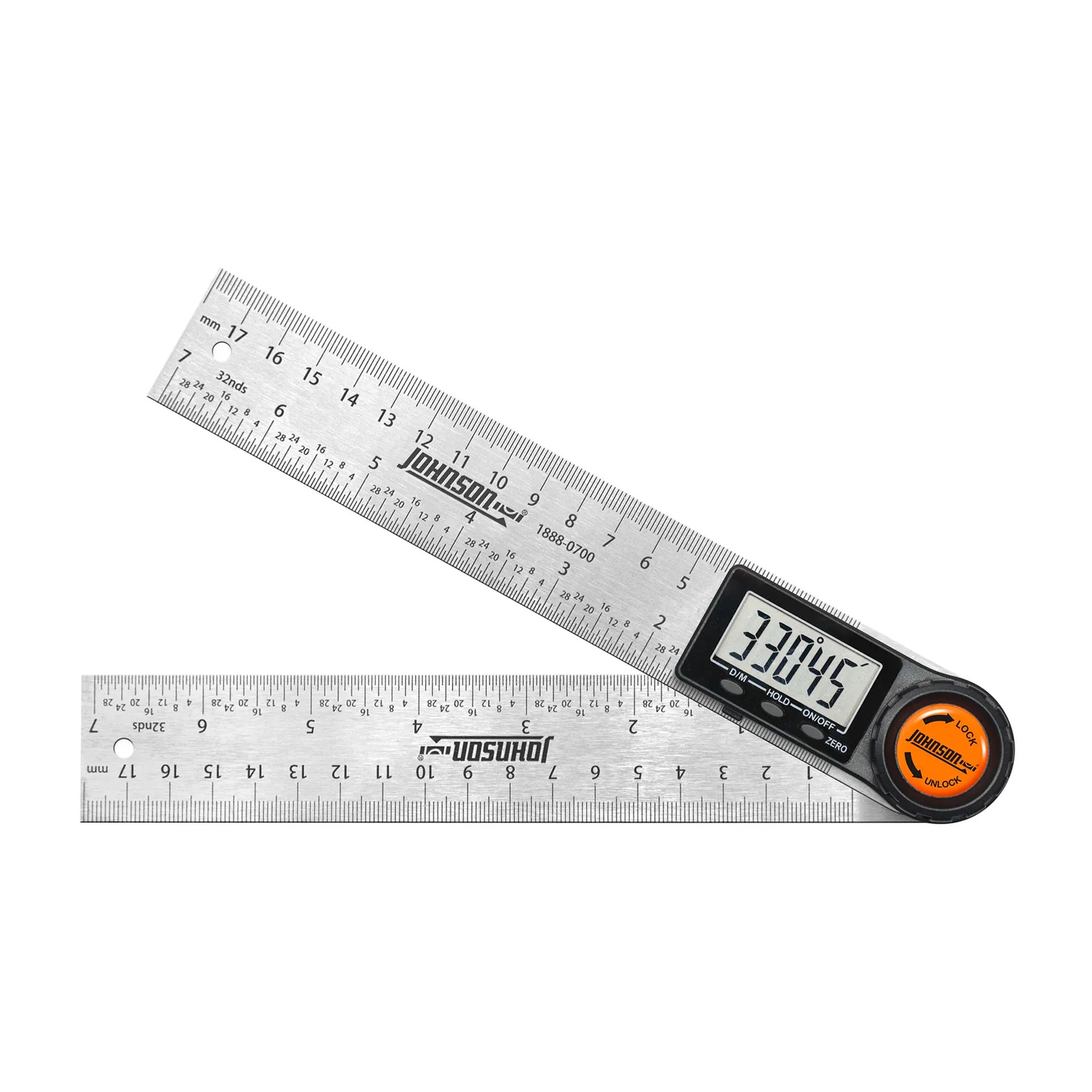
7-Inch Digital Angle Locator and Ruler
Our Price:$43.94This digital angle locator and ruler helps tradespeople and shop users measure and set angles during layout and fitting work. Its digital readout presents angle measurements in degrees for...
-
Stanley
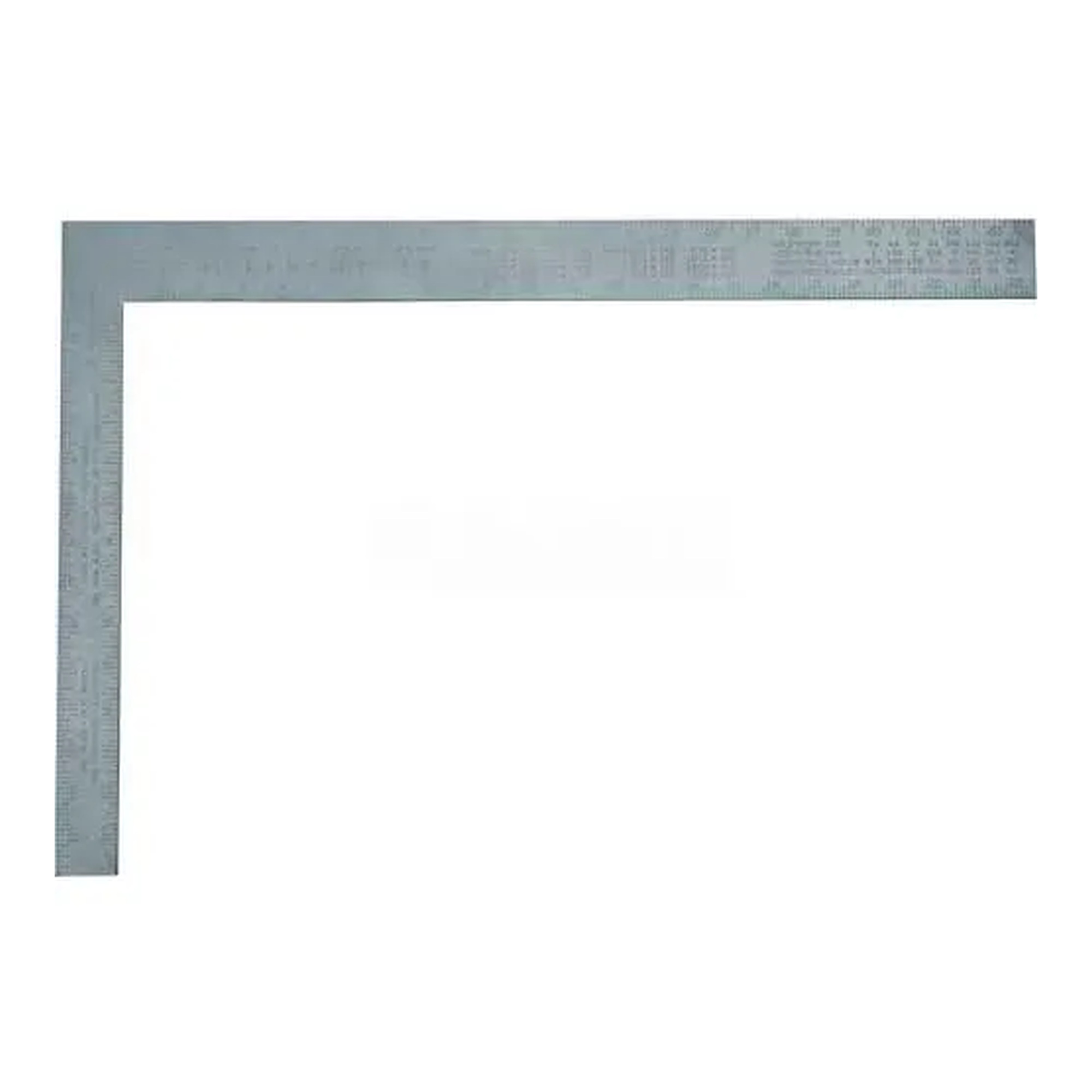
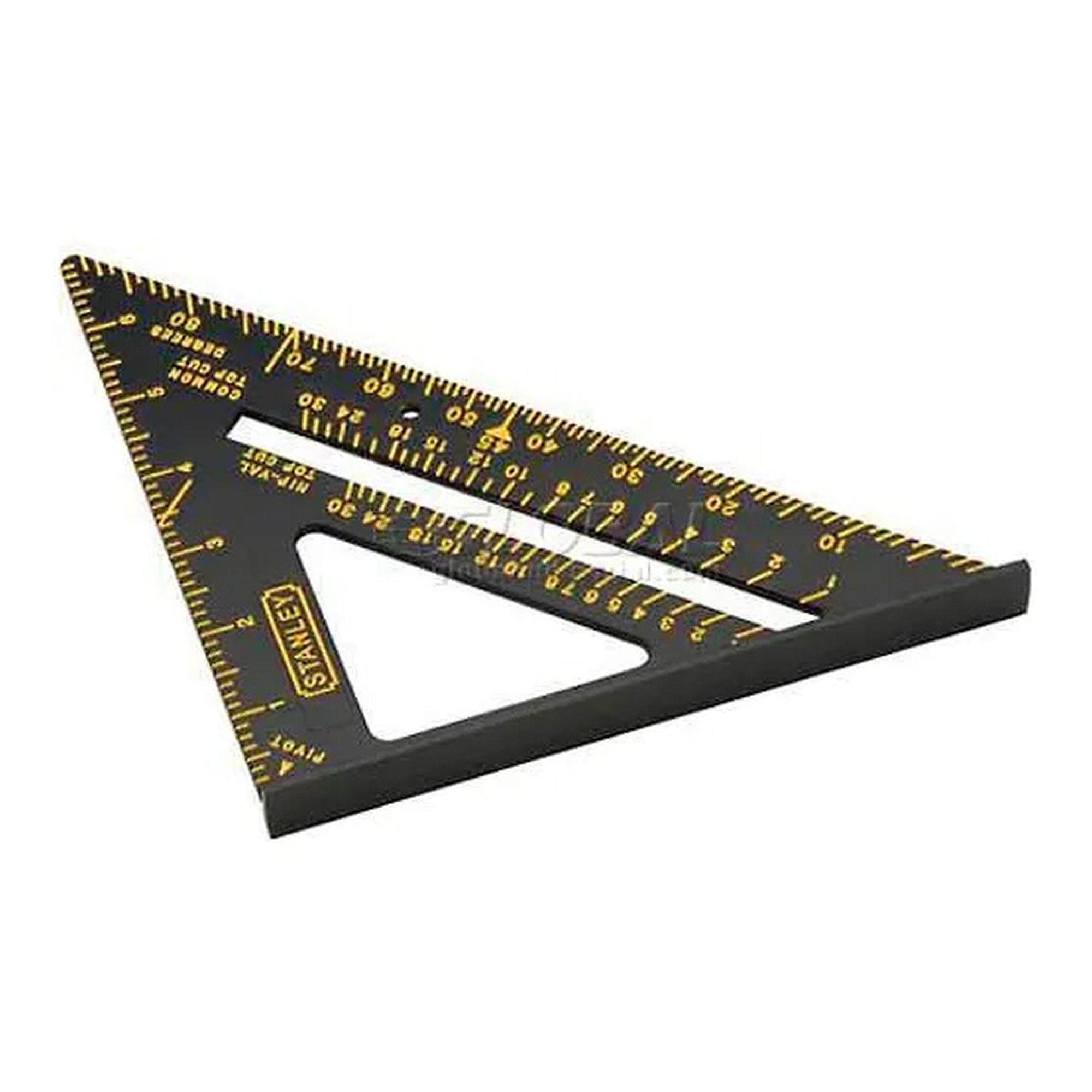
Aluminum Carpenter's Square, 16 in. x 24 in.
Our Price:$15.99This aluminum carpenter's square helps carpenters and other trade professionals check and mark common angles while keeping useful reference information close at hand. Its 16 in. x 24 in. format...
-
Stanley
Aluminum Layout Square, 6-3/4 in.
Our Price:$13.74This aluminum layout square helps tradespeople and shop users mark and check angles during cutting and layout work. Its multipurpose design supports measuring, guiding saw cuts, and using the tool as...
-
Stanley
Aluminum Quick Square Layout Tool, 6-7/8 in.
Our Price:$15.99This quick square layout tool helps professionals and DIY users mark and check angles during layout work. It also serves as a saw guide for making guided cuts.The tool has an aluminum construction...
-
Fowler
Bevel Protractor with 6 in. and 12 in. Blades
Our Price:$305.94This bevel protractor helps machinists, inspectors, and layout professionals measure and set angles for precision work. It includes interchangeable 6 in. and 12 in. blades plus an angle attachment...
-
iGAGING
Blue Anodized Aluminum Bench Squares, 3 in. and 6 in.
Our Price:$61.94These bench squares help woodworkers, machinists, and layout professionals mark and check angles during measuring and layout work. The 3 in. and 6 in. squares provide graduated references for precise...
-
iGAGING
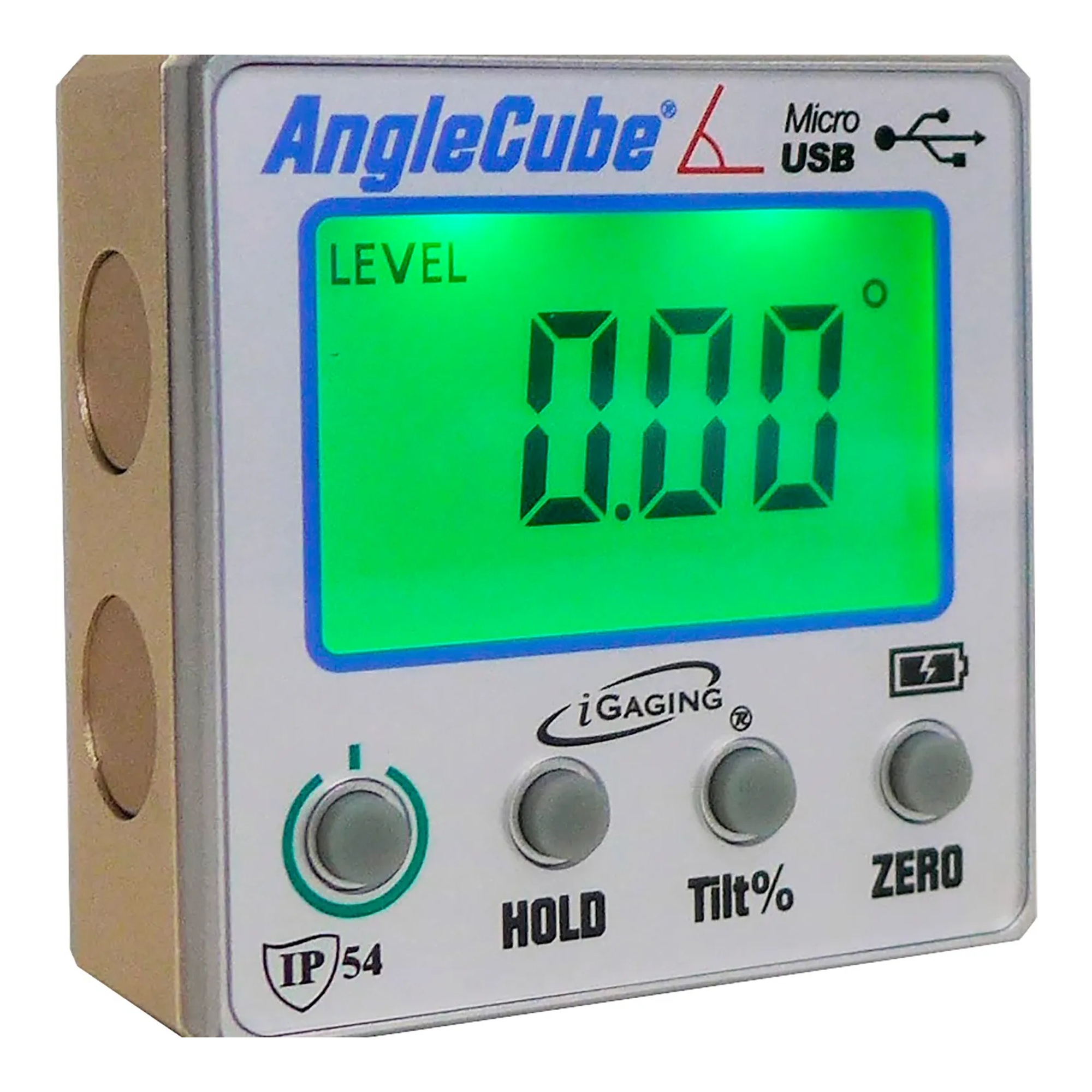
Blue Digital Level Sensor
Our Price:$46.94This blue digital level sensor helps trade professionals and maintenance teams check level and angle readings during layout, alignment, and inspection work. Its compact form and LCD display support...
-
iGAGING
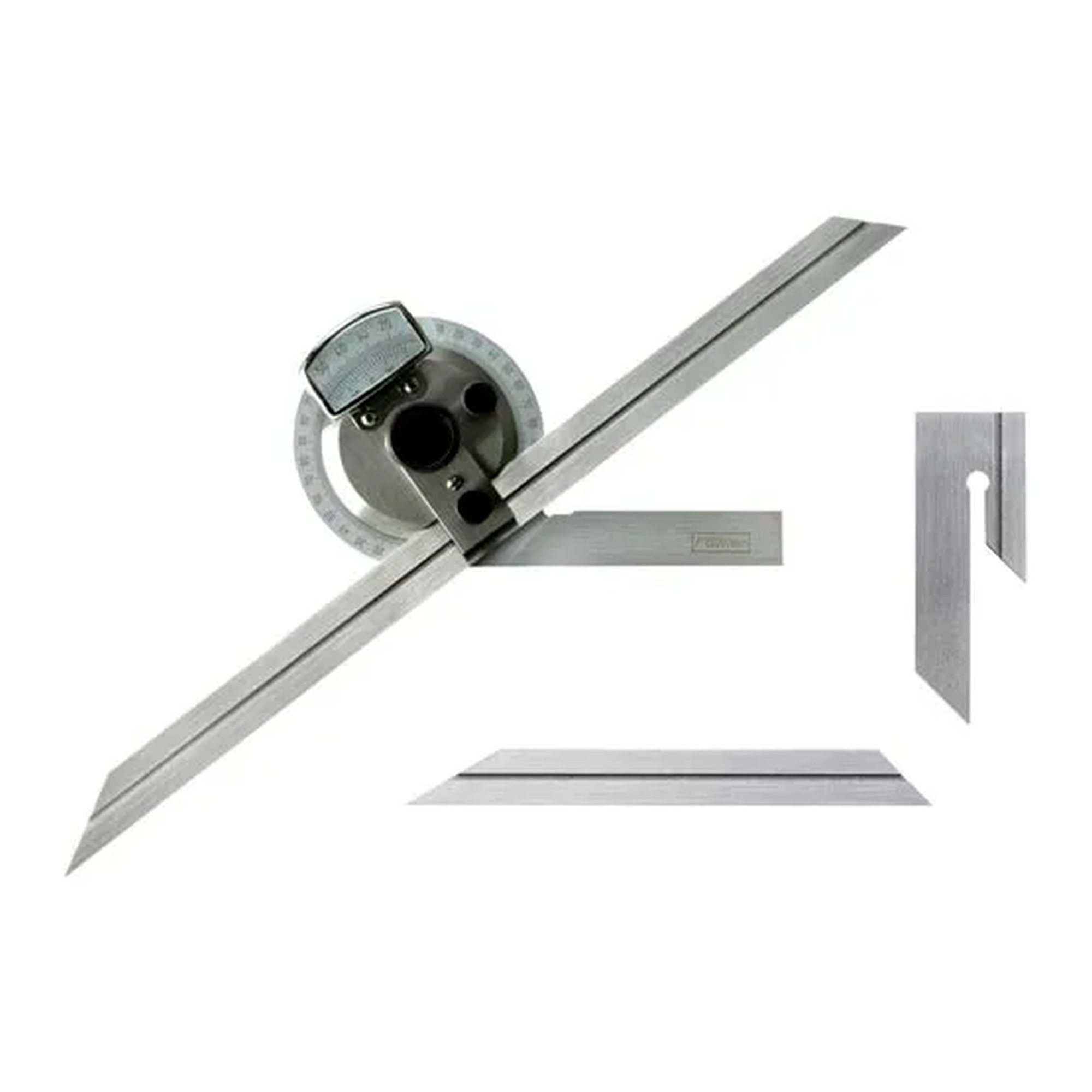
Dial-Reading Stainless Steel Bevel Protractor with 6 in. and 12 in. Blades
Our Price:$99.94This dial-reading bevel protractor helps machinists, inspectors, and layout professionals measure and set angles during measurement and alignment work. It includes interchangeable 6 in. and 12 in...
-
Fowler
Digi-Pro Electronic Protractor
Our Price:$169.94The Digi-Pro electronic protractor helps inspectors, machinists, fabricators, and maintenance teams measure angles quickly during layout, setup, and alignment work. Its digital functions support...
-
iGAGING
Digital Angle Protractor with Stainless Steel Blades
Our Price:$22.99This digital angle protractor is a measurement tool for professionals who need to check and set inside or outside angles. Its digital display shows degree readings for layout, inspection, and...
-
iGAGING
Digital Electronic Protractor with 12-Inch Stainless Steel Blade
Our Price:$31.94This digital electronic protractor helps tradespeople, inspectors, and workshop users set and measure angles while also checking linear measurements. Its large LCD provides an easy-to-read angle...
-
iGAGING
Digital Electronic Protractor with 8-Inch Stainless Steel Blade
Our Price:$41.94This digital electronic protractor helps tradespeople, inspectors, and shop users set and check angles while also providing quick linear measurements. Its electronic display supports clear angle...









Choose protractors and squares for the way you measure and mark
This category includes traditional squares for right-angle layout, adjustable combination squares, manual bevel protractors, magnetic dial tools, and digital instruments. Start with the angle or measurement task, then compare blade reach, reading style, surface compatibility, graduation detail, and features that support positioning or marking.
Popular examples in this category
 Blue Digital Level SensorWBB3126695
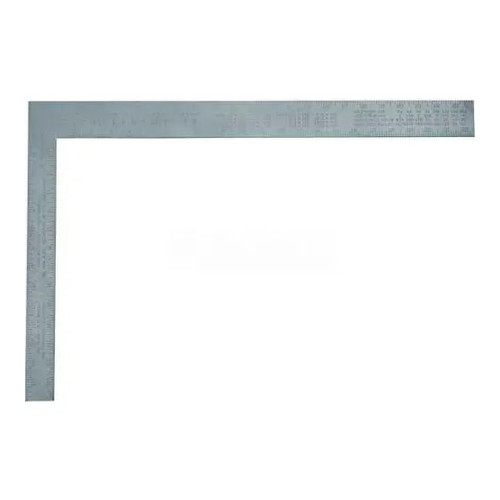 Aluminum Carpenter's Square, 16 in. x 24 in.WBB983589
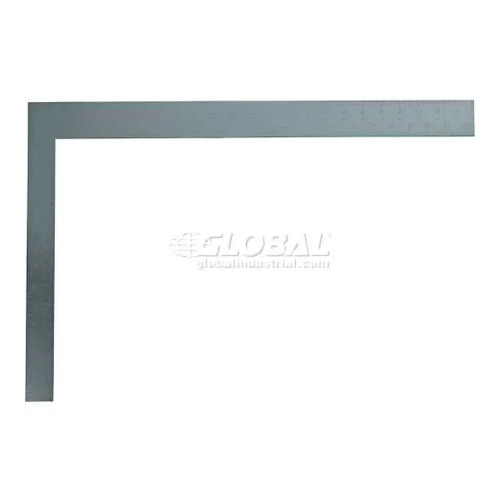 Steel Carpenter's Square, 16 x 24 in.WBB983590
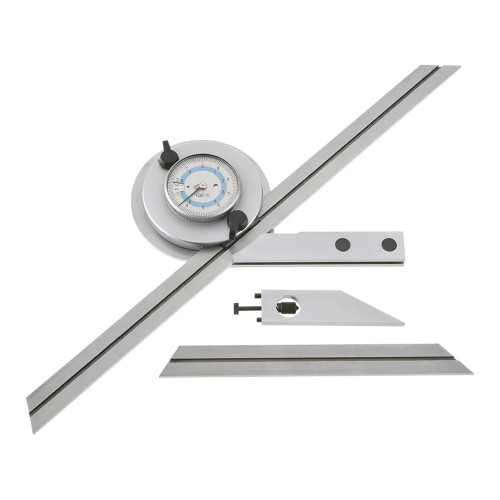 Dial-Reading Stainless Steel Bevel Protractor with 6 in. and 12 in. BladesWBB3126701
Match the tool to the measurement task
Use carpenter's squares for everyday measuring and layout, combination squares for adjustable 45° and 90° checks, and bevel protractors for setting and measuring angles. Digital tools provide electronic angle or level readings for setup, alignment, and inspection.
Compare reach, readings, and adjustment
Consider whether you need a fixed square, an adjustable head, interchangeable 6 in. and 12 in. blades, or a longer 12 in. or 24 in. blade. For detailed work, compare graduation formats, vernier or dial readings, and digital resolution.
Support work in the shop or field
Represented applications include woodworking, construction, machining, inspection, fabrication, maintenance, pipefitting, and general layout. Magnetic features can help position compatible tools on metal surfaces, while V-openings support contact on round work.
Look for useful handling features
Depending on the tool, available features include LCD or invertible displays, locking clamps, zero and hold functions, scribers, spirit levels, reference tables, protective finishes, and fitted or padded storage cases.
Available on the electronic protractor for full-rotation angle measurement.
Provided by the electronic protractor for detailed angle readings.
Represented in both aluminum and steel carpenter's squares.
Included within the 4R graduation format on select combination squares.
Compare the represented tool types
Use this overview to narrow the category by task and the features most relevant to your work.
| Tool type | Best suited for | Represented features to compare |
|---|---|---|
| Carpenter's and bench squares | General layout, marking, woodworking, and angle checks | Fixed square formats; common angle markings; engraved or embossed graduations; reference tables or angle-marking holes |
| Combination squares | Adjustable layout, 45° and 90° checking, and measured marking | Adjustable locking heads; 4R graduations; 6 in., 12 in., or 24 in. blades; select spirit levels and scribers |
| Bevel and dial protractors | Angle measurement, setup, alignment, and inspection | Dial or vernier readings; magnifiers; 6 in. and 12 in. blades; locking clamps; angle attachments |
| Magnetic and electronic angle tools | Metal-surface positioning, alignment, level checks, and digital angle readings | Magnets; LCD or invertible displays; zero and hold functions; V-opening; center punch; rechargeable power on select tools |
Plan the right fit before choosing
Select a square or protractor based on your primary work
Squares are suited to measuring, marking, and checking common angles, while protractors focus on measuring and setting a broader range of angles. Digital level sensors and electronic protractors add electronic displays for quick reference.
- Carpenter's squares provide 16 in. x 24 in. formats for measuring and layout work.
- Combination squares offer adjustable heads and 45° and 90° faces for common square and miter checks.
- Bevel protractors use dial or vernier scales for detailed angle measurement and setup.
- Magnetic dial protractors support positioning on applicable metal surfaces and work with piping or other cylindrical objects.
- Electronic tools offer functions such as zero, hold, invertible displays, and full-rotation measurement.
Compare reading styles and marking capabilities
Choose a reading system that fits the level of detail and the working position required. Some tools provide fractional-inch graduations for layout, while others provide dial, vernier, or digital angle readings.
- 4R graduations offer 1/8, 1/16, 1/32, and 1/64-inch markings.
- One dial-reading bevel protractor has 1° dial graduations and 5-minute vernier graduations.
- A digital protractor provides 0.05° resolution and a 360° measuring range.
- Bench squares include laser-engraved graduations, angle-marking holes, and offset blade positioning.
- A magnetic dial protractor includes a center punch for precise layout marking.
Plan around workpiece size and working conditions
Tool length and construction can affect how a tool fits the work. The represented range includes compact 3 in. and 6 in. bench squares, 6 in. and 12 in. protractor blades, and 12 in. or 24 in. combination-square blades.
- Interchangeable 6 in. and 12 in. blades accommodate different workpiece sizes.
- 24 in. combination-square blades provide reach for longer or larger workpieces.
- Aluminum, hardened steel, stainless steel, cast iron, and anodized aluminum constructions are represented.
- Protective finishes help resist corrosion, rust, or scratching on select tools.
- Cases are included with select protractors and combination squares for storage or transport.
Common questions before buying
What is the difference between a carpenter's square and a combination square?
Carpenter's squares provide a fixed format for measuring and layout. Combination squares use an adjustable head along a blade and include 45° and 90° faces.
Which tools can measure angles beyond common square or miter angles?
Bevel protractors, magnetic dial protractors, and electronic protractors are designed for angle measurement. The electronic protractor has a 360° measuring range.
Are magnetic options available?
Yes. The digital level sensor, magnetic dial protractor, and electronic protractor include magnetic features for compatible metal surfaces.
What blade lengths are represented for precision measurement tools?
Represented options include 6 in. and 12 in. interchangeable protractor blades and 12 in. or 24 in. combination-square blades.
Choosing the right file folders
FilingSupplies.com carries end-tab folders for open-shelf systems, top-tab folders for drawer filing, and heavy-duty classification folders with dividers and fasteners for multi-section records. Pick letter or legal size, then choose material (11-pt, 14-pt, or 18-pt manila), optional reinforced tabs, color-coding, and expansion capacity to match your volume.
Folder FAQs
End-tab vs. top-tab — what’s the difference?
When should I choose classification folders?
Letter or legal size — how do I pick?
What tab and material options are available?
Can I add fasteners, pockets, or expansion?
Do you offer volume pricing or custom printing?
Outfitting classrooms that work all day
Build a durable, age-appropriate classroom with furniture, early-learning materials, storage bins, learning centers, and presentation tools. Choose adjustable pieces that grow with grades, label friendly bins for quick clean-up, and tech carts that secure, charge, and move easily.
Education FAQs
What safety labels should I look for on school and early-childhood items?
How do I pick classroom furniture across grade levels?
What’s the best way to organize supplies and centers?
How do I choose learning games and manipulatives by age?
What should I consider in a charging/tech cart?
Do you support school POs, bulk pricing, or custom printing?
Choosing the right labels
From color file labels to printable sheets, select the right size, adhesive, and print method to match your filing system and equipment. Decide on sheet vs. roll format, then pick permanent or removable adhesive and your color set.
Labels FAQs
Sheet vs. roll labels — what’s the difference?
Permanent or removable adhesive?
Will these labels work in my printer?
How do I match the label size to folder tabs or binder spines?
Can I get preprinted sequences or color bars?
Do you have templates?
Choosing the right tab dividers
Organize binders with preprinted or blank tabs. Select the number of tabs per set (5, 8, 10, or 12), choose paper with reinforced tabs or durable poly, and match letter or legal size for a clean fit.
Tab Dividers FAQs
What do 5-, 8-, 10-, or 12-tab sets mean?
Paper vs. poly — which should I choose?
Are the tabs printable?
Will they fit my binder?
Can I mix preprinted and blank tabs?
Do you make custom tab sets?
Choosing the right office supplies
From everyday paper and pens to binders, mailers, and desk organizers, pick durable, compatible options that match your equipment and team size. Start with the right paper and labeling, then add organizers that keep work moving.
Office Supplies FAQs
Which paper weight and brightness should I choose?
Round-ring vs. D-ring binders — what’s the difference?
What does “sheet capacity” mean on staplers and hole punches?
Will labels, envelopes, and mailers work with my printer?
How do I choose mailers and shipping boxes?
Do you offer eco-conscious options or bulk pricing?
Choosing the right sports & PE equipment
Equip classes, teams, and rec programs with durable balls, goals, cones, pinnies, storage, and safety gear. Match sizes and materials to age group and whether you play indoors or outdoors.
Sports & Athletics FAQs
What ball sizes should I choose for different ages?
- Basketball: Size 5 (27.5") youth, Size 6 (28.5") intermediate, Size 7 (29.5") official.
- Soccer: Size 3 up to ~8 years, Size 4 ~8–12, Size 5 ~12+.
- Volleyball: Regulation balls for teens/adults; lighter training balls for younger players.
Indoor vs. outdoor — which materials hold up best?
How many pinnies, cones, or markers do I need?
Tips for storage and care?
Are items latex‑free and school‑safe?
Do you support bulk orders or custom printing (team names)?
Choosing the right FireKing fireproof cabinet
FireKing fireproof file cabinets, safes, and storage cabinets are designed to protect important documents, records, and valuables from fire damage while keeping files organized and accessible. When choosing a FireKing cabinet, compare drawer configuration, storage type, fire rating, and overall capacity based on the records or materials you need to protect.
FireKing FAQs
What is the difference between FireKing vertical and lateral file cabinets?
What can I store in a FireKing fireproof file cabinet?
Are FireKing cabinets only for paper records?
How do I choose between a FireKing safe, file cabinet, or storage cabinet?
What sizes are available in FireKing cabinets?
Are FireKing cabinets used in offices, medical facilities, and government records storage?
Can I buy FireKing cabinets in bulk or get help choosing the right model?
Shipping & Policies
Do you offer free shipping?
What are your shipping rates?
- $6.95 for labels-only orders under $40
- $14.95 flat rate for everything else