
-
Rice Lake
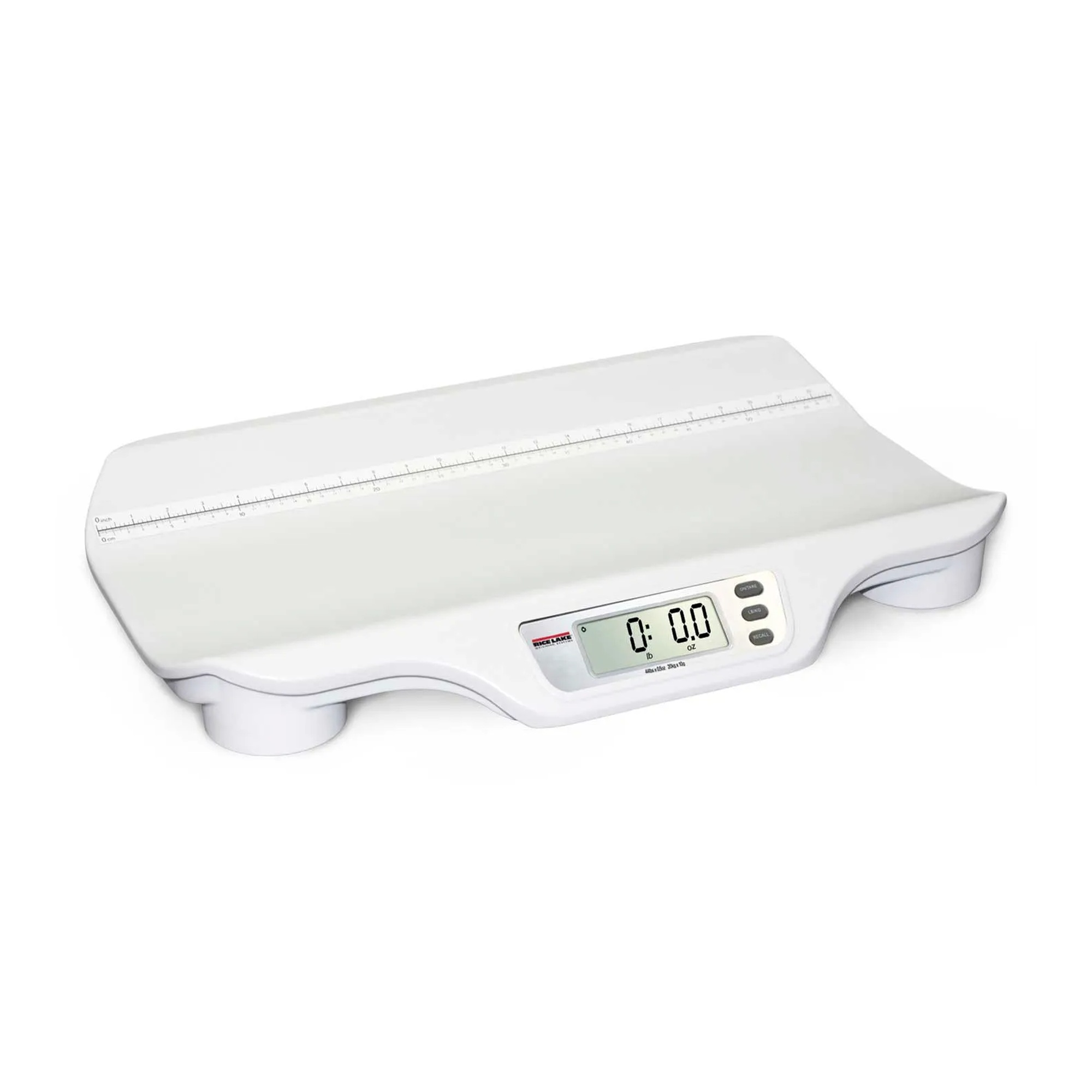
230V Digital Dual-Range Baby Scale
Our Price:$279.94This digital baby scale helps healthcare professionals weigh infants and young children up to 44 lb. Its dual-range operation supports more precise low-weight measurements, while the recall function...
-
Rice Lake
Digital Baby Scale with Built-In Measuring Tape, 44 lb Capacity
Our Price:$325.94This digital baby scale helps healthcare professionals and caregivers record infant weight and length during routine assessments. Its integrated measuring tape supports two key measurements in one...
-
Rice Lake
Digital Baby Scale with Built-In Measuring Tape, 44 lb x 0.5 oz
Our Price:$349.94This digital baby scale helps healthcare professionals weigh and measure infants during routine assessments. It combines weight measurement with an integrated measuring tape to support efficient...
-
Rice Lake
Digital Dual-Range Baby Scale, 44 lb Capacity
Our Price:$349.94This digital baby scale helps healthcare staff and caregivers weigh infants and track their measurements. Its dual-range design provides finer weight readings for smaller babies, while the recall...
-
Health O Meter
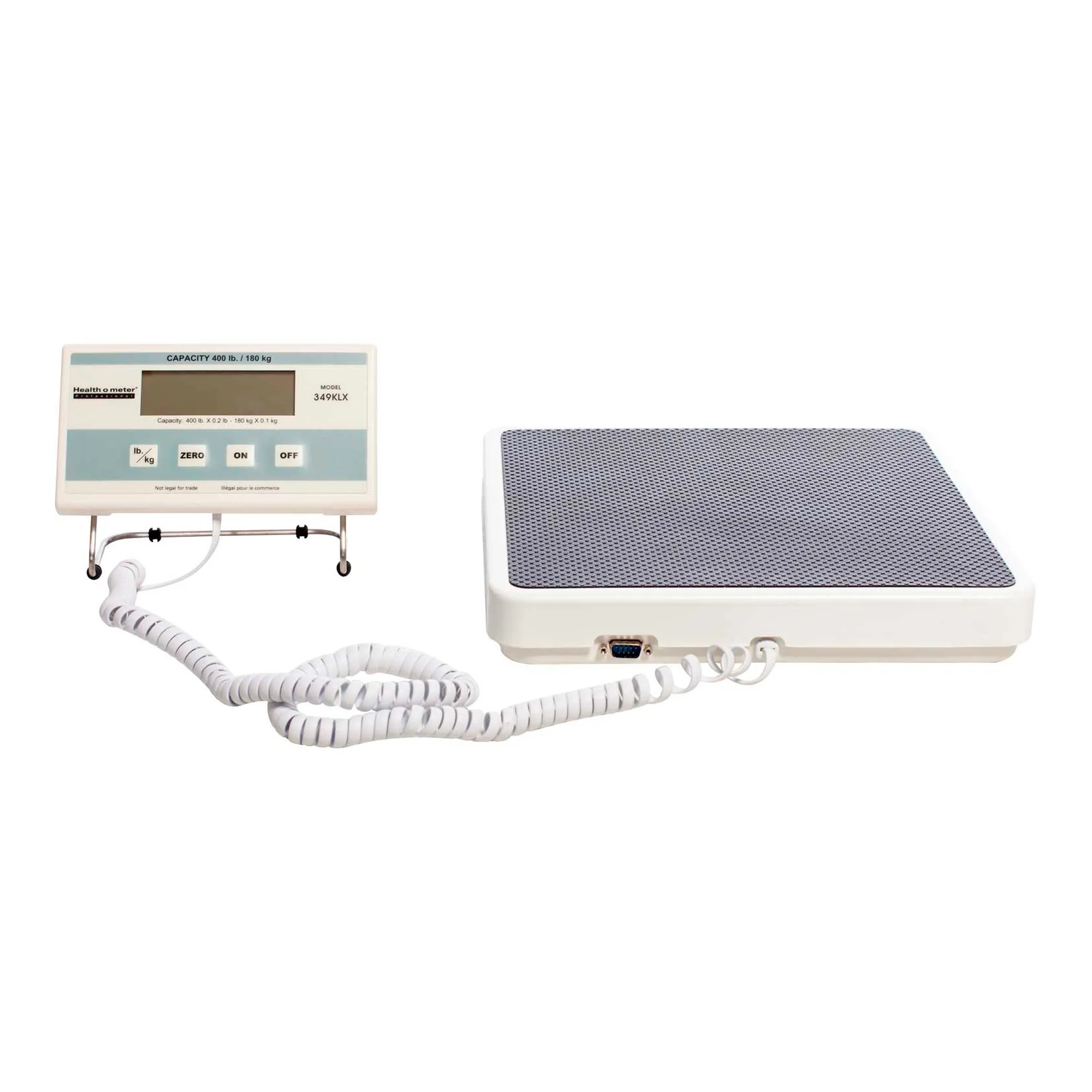
Digital Medical Floor Scale with Remote Display
Our Price:$299.94This digital medical floor scale helps healthcare staff obtain patient weight readings during routine assessments and vital-sign checks. Its low-profile platform supports step-on weighing, while the...
-
Detecto
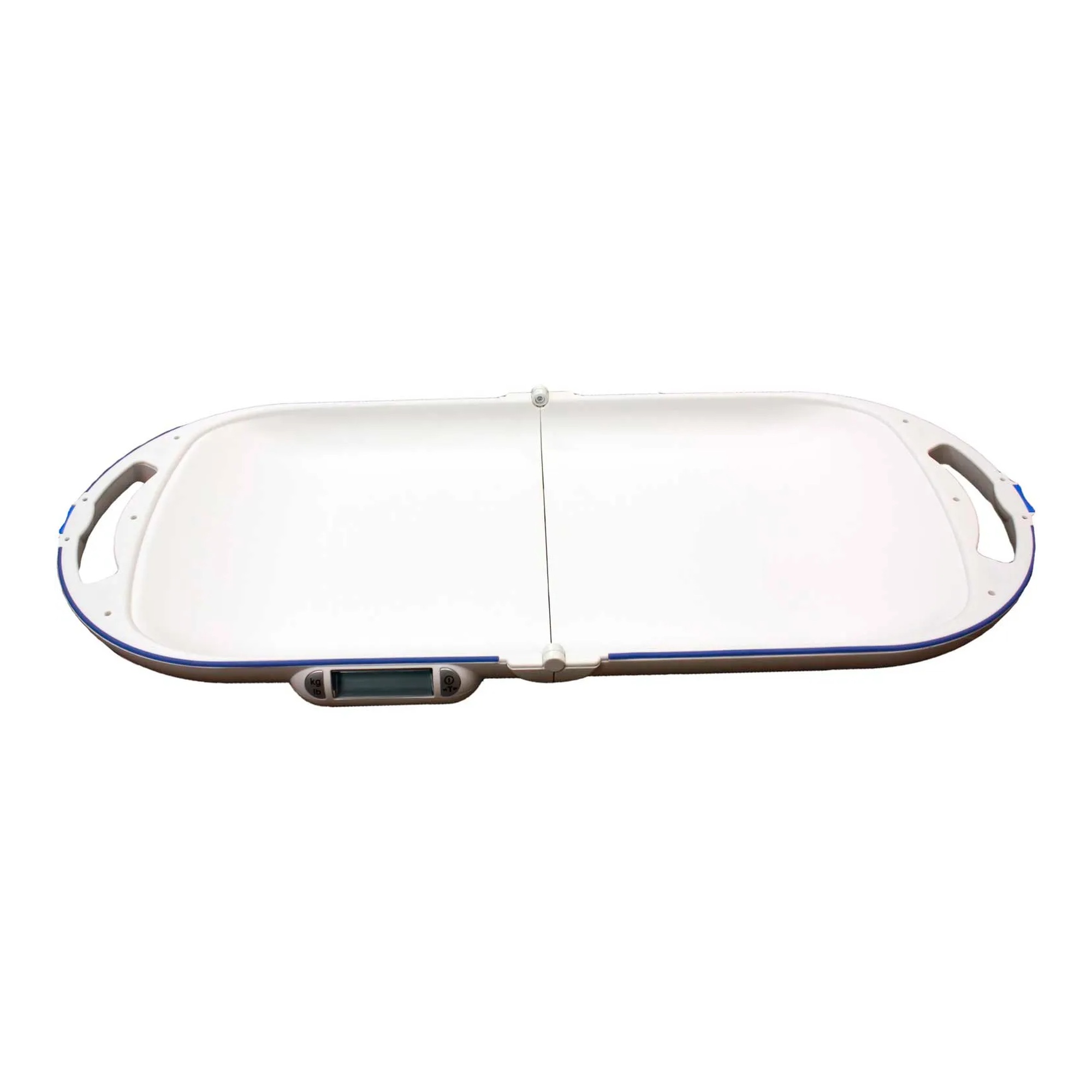
Digital Pediatric Scale with Collapsible Tray, 44 lb Capacity
Our Price:$299.94This digital pediatric scale is designed for healthcare professionals and home healthcare caregivers who need to weigh babies and standing toddlers. Its collapsible tray helps support routine...
-
Health O Meter
Digital Pediatric Tray Scale with Folding Design
Our Price:$305.94This digital pediatric tray scale is designed for nursing services and smaller healthcare facilities that need to weigh pediatric patients. Its portable, foldable design helps support routine...
-
Health O Meter
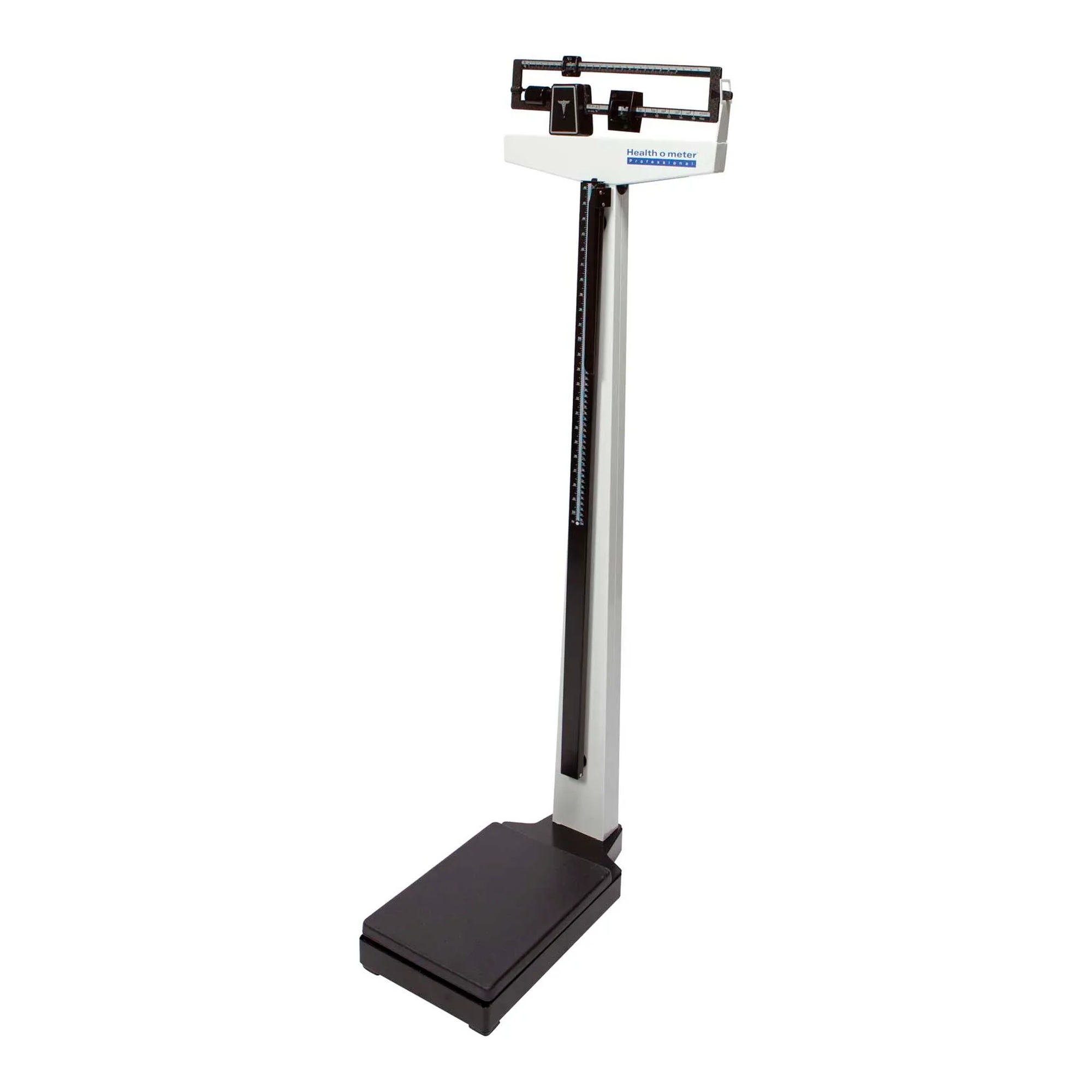
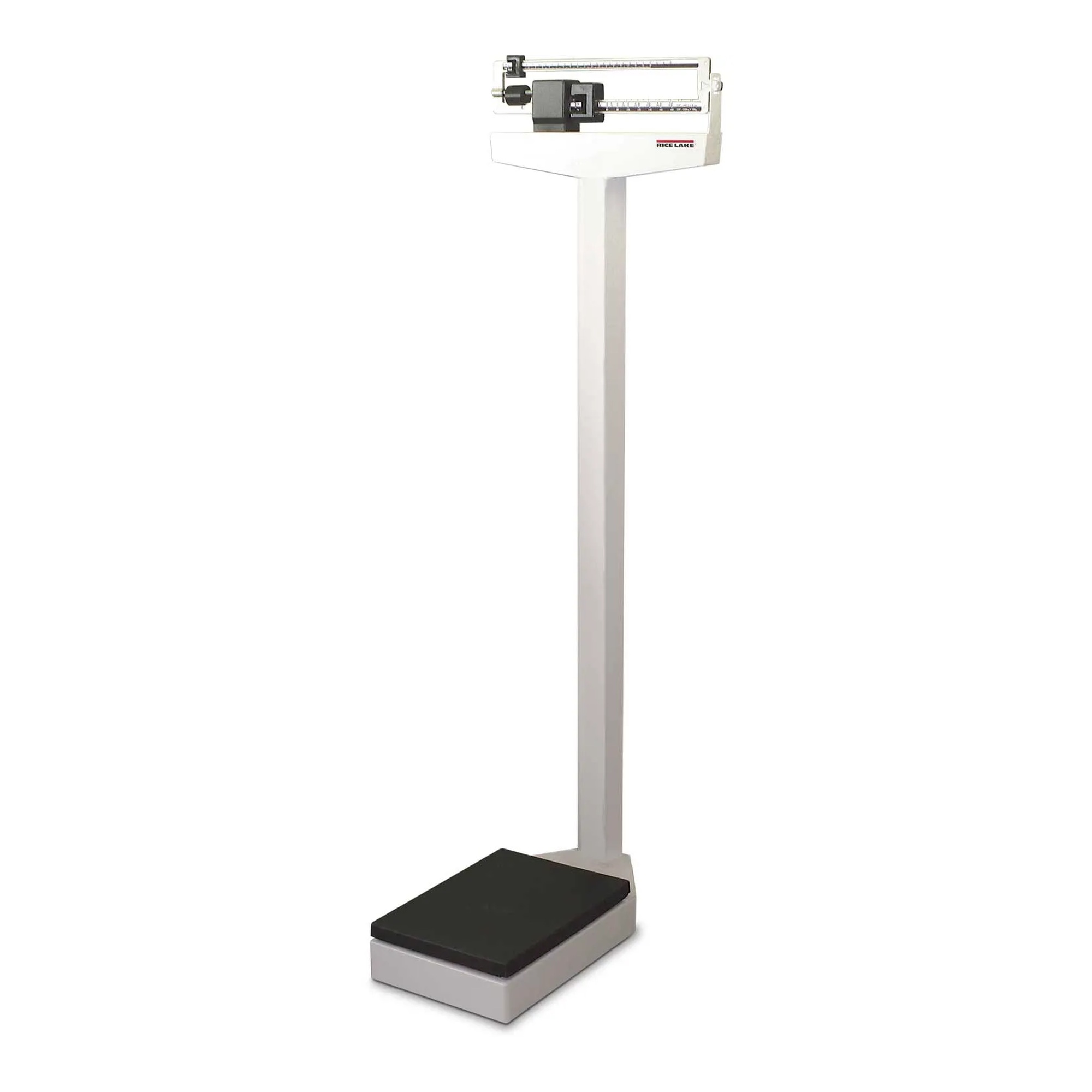
Eye-Level Mechanical Physician Scale with Height Rod
Our Price:$295.94This mechanical physician scale is designed for healthcare professionals who need to measure patient weight and height during routine assessments. Its eye-level beam display and integrated height rod...
-
Rice Lake
Mechanical Physician Scale with Height Rod, 180 kg x 100 g
Our Price:$439.94This mechanical physician scale helps healthcare staff weigh patients and measure height in kilograms and centimeters. Its handpost provides support during weighing, while the height rod adds a...
-
Rice Lake
Mechanical Physician Scale with Painted Beam, 440 lb Capacity
Our Price:$495.94This mechanical physician scale is designed for healthcare professionals who need to weigh patients. Its painted beam and sliding weights provide a straightforward manual weighing method for routine...
-
Health O Meter
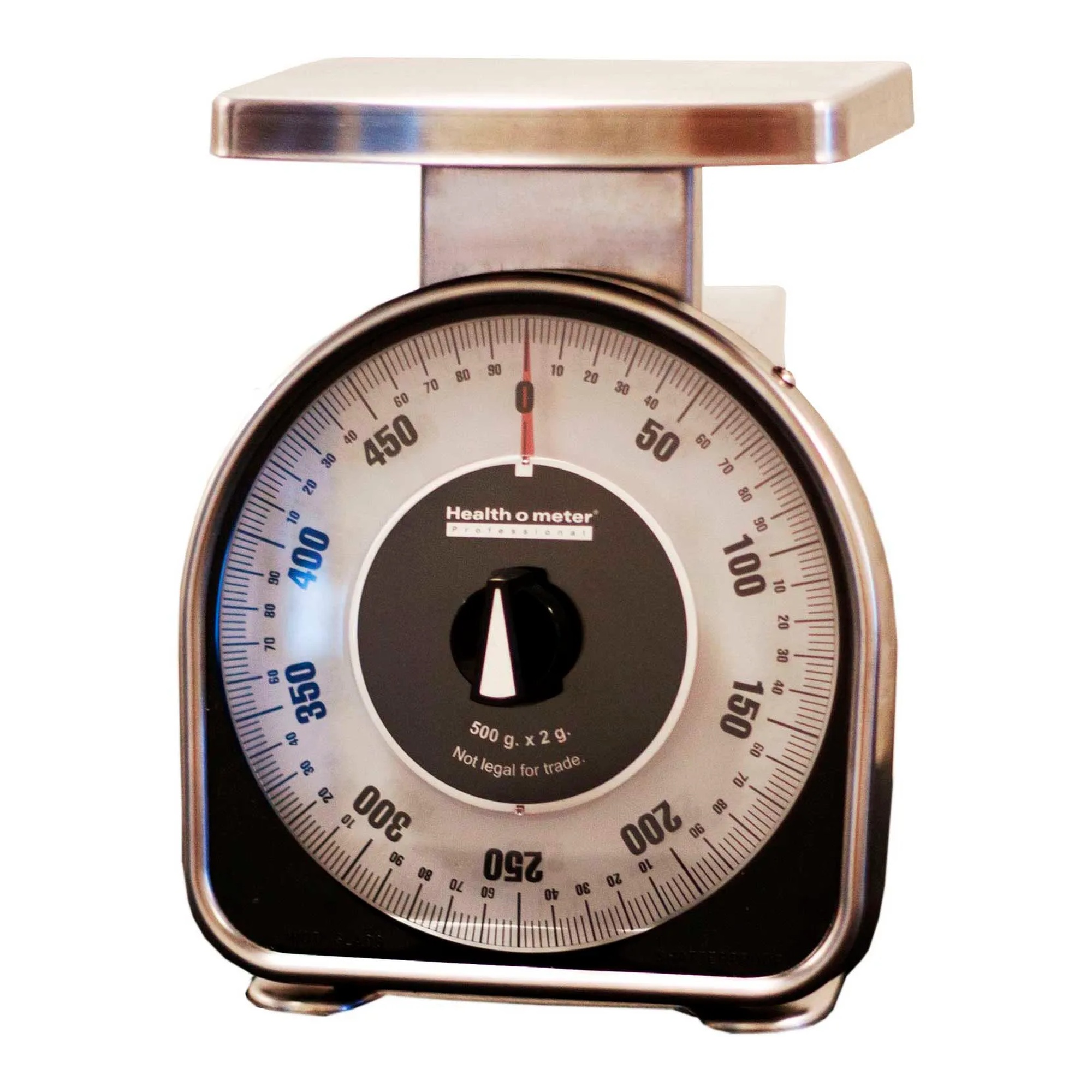
Mechanical Top-Load Diaper Scale, 500 g Capacity
Our Price:$129.94This mechanical top-load scale helps healthcare staff and caregivers weigh diapers and other small items where low-weight measurement is needed. Its compact platform supports straightforward routine...
-
Health O Meter
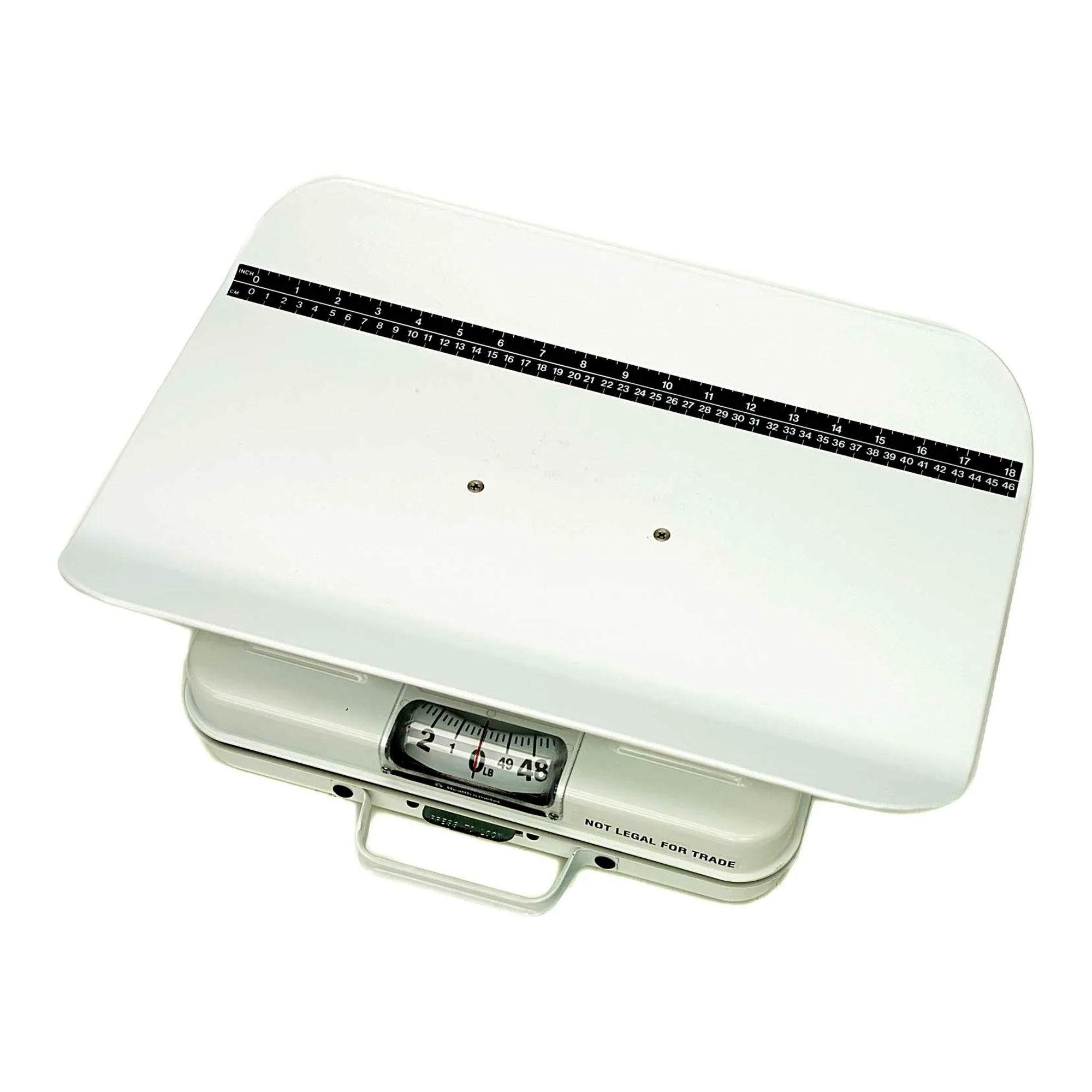
Mechanical Tray Scale with Measuring Tape
Our Price:$289.94This mechanical tray scale is designed for healthcare professionals who need a portable way to weigh patients or items on a tray surface. Its carrying handle supports convenient transport between...
-
Detecto
Sonar Stadiometer
Our Price:$485.94This sonar stadiometer gives healthcare staff and school health personnel a touchless way to measure patient height. It provides an instant digital readout for measuring children and adults in mobile...
-
Health O Meter
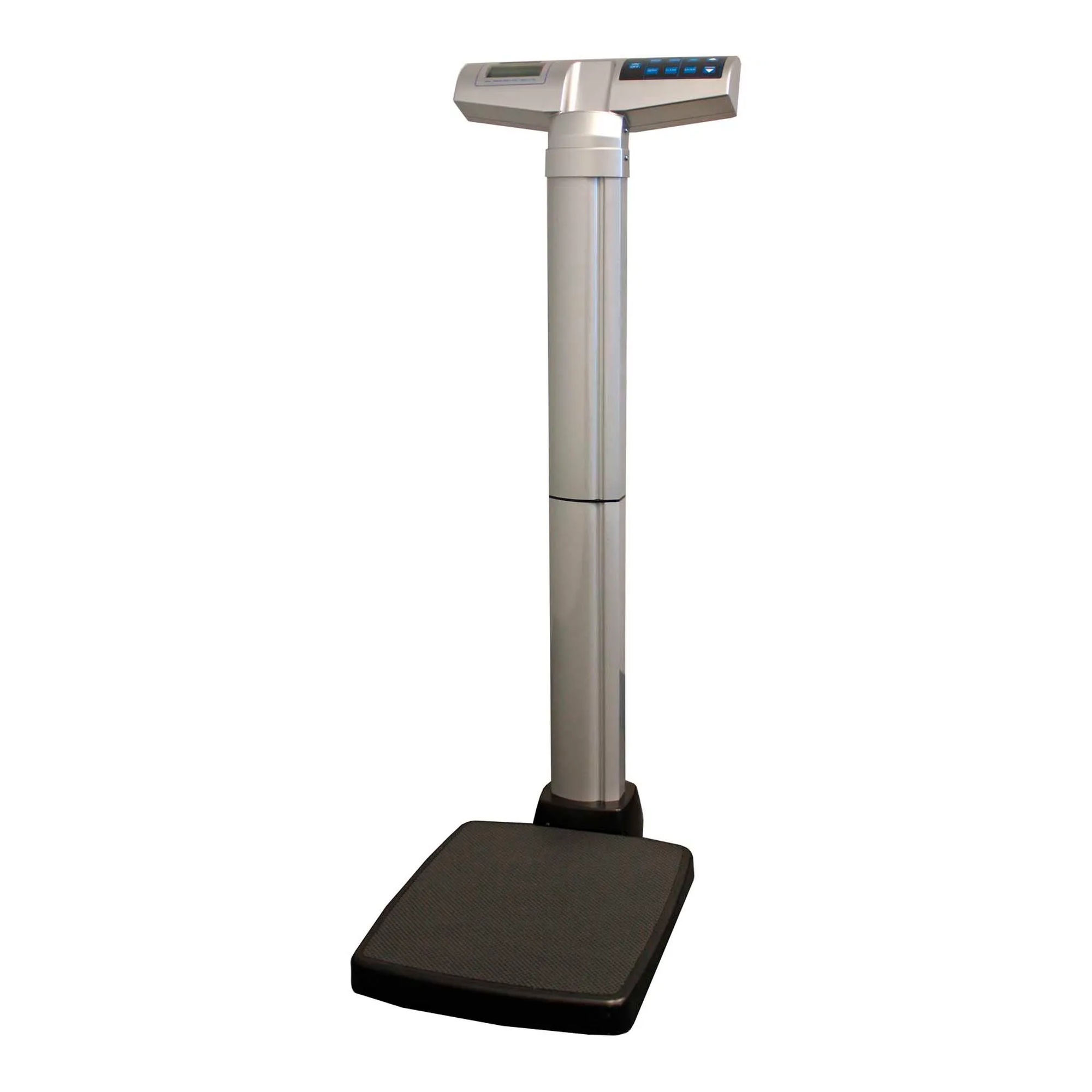
Waist-High Digital Medical Scale, Kilogram Measurements
Our Price:$405.94This waist-high digital medical scale is designed for healthcare professionals who need to weigh patients and calculate body mass index (BMI). Its low-profile platform helps reduce the step up for...
-
Health O Meter
Waist-High Digital Physician Scale with Wheels
Our Price:$419.94This waist-high digital physician scale helps clinical staff measure patient weight during routine assessments. Its raised display position supports convenient reading, while two wheels help move the...







Choose a medical scale for the way patients are weighed
Start with the patient position and access needs in your care area. The available models range from mechanical beam and tray scales to digital standing, chair, wheelchair, bariatric, and supported platform scales. Then compare capacity, height-measurement needs, platform or seat design, mobility, display features, and available connectivity.
Popular examples in this category
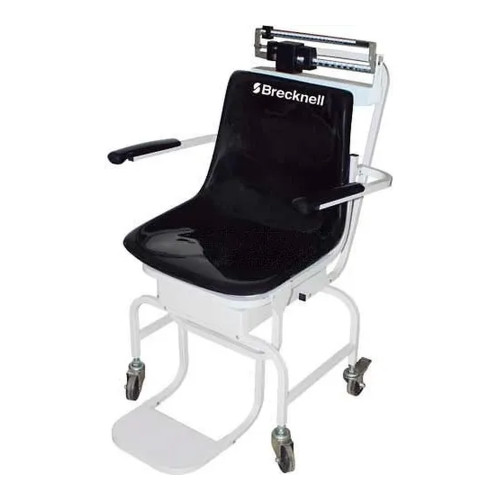 Mechanical Chair Scale, 440 lb Capacity, 0.2 lb GraduationsWB423020
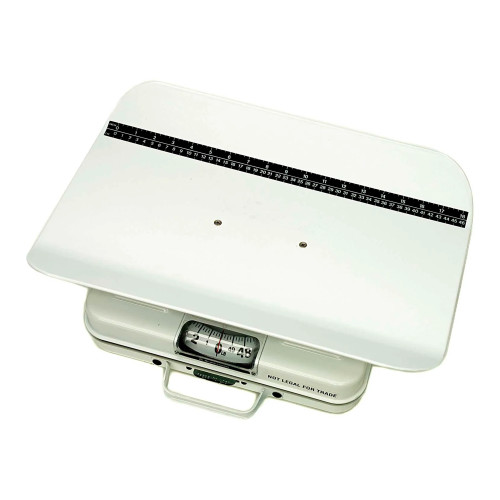 Mechanical Tray Scale with Measuring TapeWBB770097
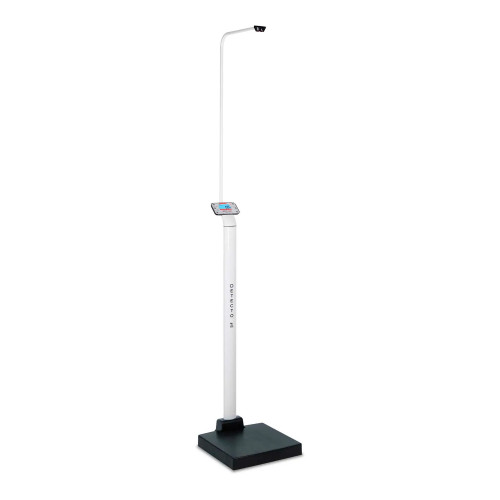 Digital Clinical Scale with Touchless Height Measurement, 600 lb CapacityWBB2348308
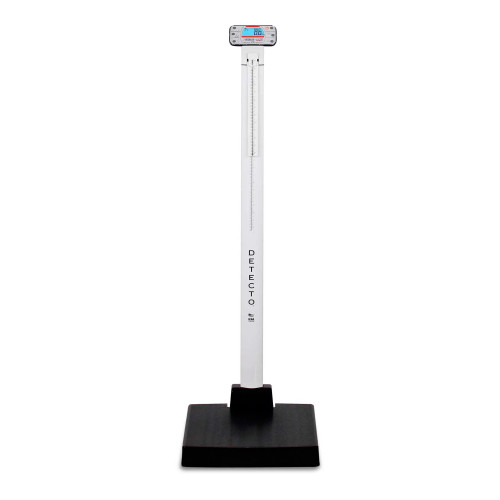 Digital Clinical Scale with Mechanical Height Rod, 600 lb CapacityWBB2348307
Match the scale to the patient position
Standing clinical scales suit routine weigh-ins, while chair scales support patients who have difficulty standing or cannot stand. Wheelchair scales allow patients to remain seated in a wheelchair, and a tray scale provides a portable weighing option with an 18-inch measuring tape.
Compare access, capacity, and measurement workflow
Consider whether the scale needs a low-profile platform, handrails, ramps, a chair seat, or adjustable wheelchair rails. Review the stated capacity and decide whether integrated height measurement, BMI calculation, unit selection, tare, hold, or zero functions are useful for your workflow.
Support routine clinical assessments
These scales are designed for patient weight and height measurement in healthcare settings. Selected models support standing, seated, wheelchair, or bariatric weigh-ins, helping staff use an appropriate measurement position for the patient.
Consider movement, readout, and data needs
For use across care areas, compare built-in wheels, folding or collapsible designs, carrying handles, and display placement. Digital options may also offer RS-232, micro USB-B, USB, Bluetooth BLE 4.0, or compatible EMR/EHR connectivity.
Mechanical chair and physician scale models are available with a stated 440 lb capacity.
Digital clinical standing models are available with a stated 600 lb capacity and 0.2 lb resolution.
Selected wheelchair and medical platform models have stated capacities from 800 lb to 1,000 lb.
One portable wheelchair scale adjusts its rails from 26 to 50 inches for standard and bariatric wheelchair wheelbases.
Compare medical and physician scale types
Use this overview to narrow the category by patient position and the features represented by each scale type.
| Scale type | Best fit | Features represented |
|---|---|---|
| Mechanical physician, chair, or tray scale | Routine mechanical weighing, seated weighing, or portable tray use | Beam or dial operation; selected models include height rods, lift-away armrests, weight lock, measuring tape, carrying handles, wheels, and easy-clean surfaces. |
| Digital standing or supported platform scale | Standing assessments, height and BMI workflows, or patients needing added stability | Selected models include height rods, touchless height measurement, BMI, low-profile platforms, handrails, unit options, displays, wheels, and data ports. |
| Digital wheelchair or multi-position scale | Wheelchair weigh-ins or settings needing seated and standing options | Selected models include ramps, adjustable rails, tare functions, folding or collapsible designs, flexible display placement, USB connectivity, and capacities up to 1,000 lb. |
Plan the right fit before choosing
Choose the patient-access design that fits the setting
The right format depends on whether patients can stand independently, need stability while standing, or need to remain seated during measurement.
- Standing physician and clinical scales pair patient weight measurement with integrated mechanical, digital, or touchless height measurement on selected models.
- Chair scales provide seated weighing, with features such as armrests, swing-up arms, footrests, and wheeled movement on selected designs.
- Wheelchair scales use ramps or adjustable rails to support access while the patient remains in a wheelchair.
- A wheelchair, seated, and standing model combines three weighing modes, including a fold-up seat and two-way ramps.
- Bariatric and supported platform models provide higher stated capacities and may include handrails, non-skid surfaces, or low-profile access.
Compare mechanical and digital features
Mechanical scales offer beam, dial, or tray-based operation without electronic controls. Digital scales add different combinations of automatic measurement, height measurement, BMI calculation, unit selection, data functions, and display options.
- Mechanical physician scales offer pound-based readings and may include a height rod and access to readouts from the front and rear.
- Digital clinical scales are available with a mechanical height rod or a touchless sonar height rod; selected models automatically capture weight and height.
- BMI is available on selected digital standing, bariatric, wheelchair, and chair-related measurement workflows.
- Selected scales offer pounds and kilograms, including models with a unit-lock option.
- Tare, hold, live weight, reweigh, zero, and display-adjustment functions vary by digital wheelchair model.
Look for features that support daily use
Consider where the scale will be used and whether staff need to transport it, clean it routinely, or position its display separately from the platform.
- Wheels, handles, folding frames, collapsible columns, and carrying handles support movement or storage on selected models.
- Platform dimensions vary, including 17 x 17 inch standing surfaces, a 24 inch square bariatric platform, and a 32 x 36 inch wheelchair, seated, and standing platform.
- Easy-clean plastic seating, sanitary plastic tray surfaces, and a removable slip-resistant base cover support routine cleaning on specified mechanical models.
- One digital platform scale uses antimicrobial powder coating with silver ionic technology to suppress bacterial growth and help protect against cross-contamination.
Common questions before buying
What types of medical scales are available?
The category includes mechanical physician, chair, and tray scales; digital clinical standing scales; digital chair scales; wheelchair scales; bariatric scales; supported platform scales; and a model for wheelchair, seated, and standing weigh-ins.
Which scales can measure height as well as weight?
Selected standing, physician, bariatric, and platform models include integrated mechanical, digital, or touchless height rods. The mechanical tray scale includes an 18-inch measuring tape.
Are there scales for patients who cannot stand?
Yes. Chair scales are designed for seated weighing, while wheelchair scales let patients remain in a wheelchair. One adaptable model also provides wheelchair, seated, and standing weighing modes.
What connectivity options are represented?
Selected digital models offer RS-232, micro USB-B, USB, Bluetooth BLE 4.0, or connection capability for compatible EMR/EHR workflows.
Choosing the right file folders
FilingSupplies.com carries end-tab folders for open-shelf systems, top-tab folders for drawer filing, and heavy-duty classification folders with dividers and fasteners for multi-section records. Pick letter or legal size, then choose material (11-pt, 14-pt, or 18-pt manila), optional reinforced tabs, color-coding, and expansion capacity to match your volume.
Folder FAQs
End-tab vs. top-tab — what’s the difference?
When should I choose classification folders?
Letter or legal size — how do I pick?
What tab and material options are available?
Can I add fasteners, pockets, or expansion?
Do you offer volume pricing or custom printing?
Outfitting classrooms that work all day
Build a durable, age-appropriate classroom with furniture, early-learning materials, storage bins, learning centers, and presentation tools. Choose adjustable pieces that grow with grades, label friendly bins for quick clean-up, and tech carts that secure, charge, and move easily.
Education FAQs
What safety labels should I look for on school and early-childhood items?
How do I pick classroom furniture across grade levels?
What’s the best way to organize supplies and centers?
How do I choose learning games and manipulatives by age?
What should I consider in a charging/tech cart?
Do you support school POs, bulk pricing, or custom printing?
Choosing the right labels
From color file labels to printable sheets, select the right size, adhesive, and print method to match your filing system and equipment. Decide on sheet vs. roll format, then pick permanent or removable adhesive and your color set.
Labels FAQs
Sheet vs. roll labels — what’s the difference?
Permanent or removable adhesive?
Will these labels work in my printer?
How do I match the label size to folder tabs or binder spines?
Can I get preprinted sequences or color bars?
Do you have templates?
Choosing the right tab dividers
Organize binders with preprinted or blank tabs. Select the number of tabs per set (5, 8, 10, or 12), choose paper with reinforced tabs or durable poly, and match letter or legal size for a clean fit.
Tab Dividers FAQs
What do 5-, 8-, 10-, or 12-tab sets mean?
Paper vs. poly — which should I choose?
Are the tabs printable?
Will they fit my binder?
Can I mix preprinted and blank tabs?
Do you make custom tab sets?
Choosing the right office supplies
From everyday paper and pens to binders, mailers, and desk organizers, pick durable, compatible options that match your equipment and team size. Start with the right paper and labeling, then add organizers that keep work moving.
Office Supplies FAQs
Which paper weight and brightness should I choose?
Round-ring vs. D-ring binders — what’s the difference?
What does “sheet capacity” mean on staplers and hole punches?
Will labels, envelopes, and mailers work with my printer?
How do I choose mailers and shipping boxes?
Do you offer eco-conscious options or bulk pricing?
Choosing the right sports & PE equipment
Equip classes, teams, and rec programs with durable balls, goals, cones, pinnies, storage, and safety gear. Match sizes and materials to age group and whether you play indoors or outdoors.
Sports & Athletics FAQs
What ball sizes should I choose for different ages?
- Basketball: Size 5 (27.5") youth, Size 6 (28.5") intermediate, Size 7 (29.5") official.
- Soccer: Size 3 up to ~8 years, Size 4 ~8–12, Size 5 ~12+.
- Volleyball: Regulation balls for teens/adults; lighter training balls for younger players.
Indoor vs. outdoor — which materials hold up best?
How many pinnies, cones, or markers do I need?
Tips for storage and care?
Are items latex‑free and school‑safe?
Do you support bulk orders or custom printing (team names)?
Choosing the right FireKing fireproof cabinet
FireKing fireproof file cabinets, safes, and storage cabinets are designed to protect important documents, records, and valuables from fire damage while keeping files organized and accessible. When choosing a FireKing cabinet, compare drawer configuration, storage type, fire rating, and overall capacity based on the records or materials you need to protect.
FireKing FAQs
What is the difference between FireKing vertical and lateral file cabinets?
What can I store in a FireKing fireproof file cabinet?
Are FireKing cabinets only for paper records?
How do I choose between a FireKing safe, file cabinet, or storage cabinet?
What sizes are available in FireKing cabinets?
Are FireKing cabinets used in offices, medical facilities, and government records storage?
Can I buy FireKing cabinets in bulk or get help choosing the right model?
Shipping & Policies
Do you offer free shipping?
What are your shipping rates?
- $6.95 for labels-only orders under $40
- $14.95 flat rate for everything else