

-
Tempco
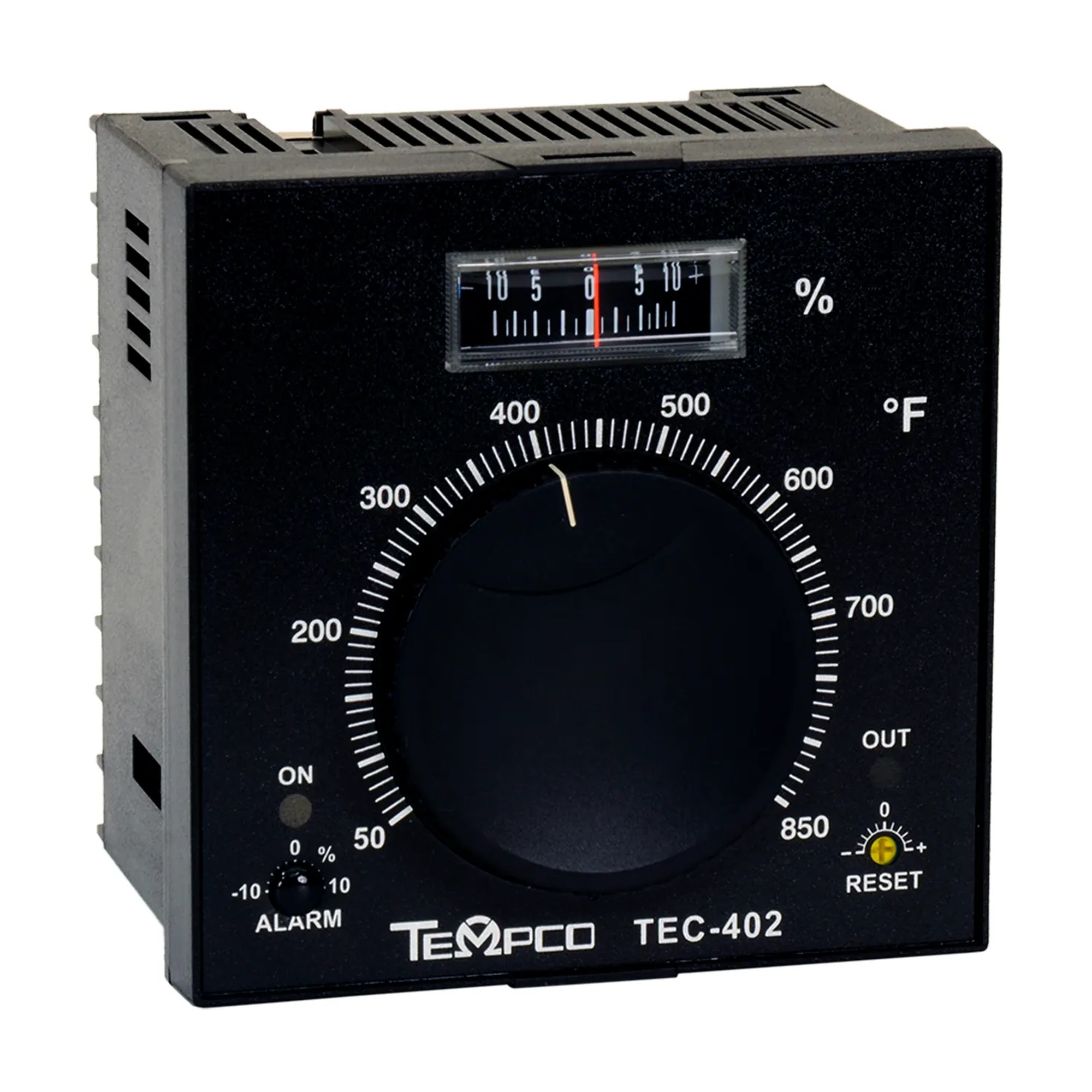
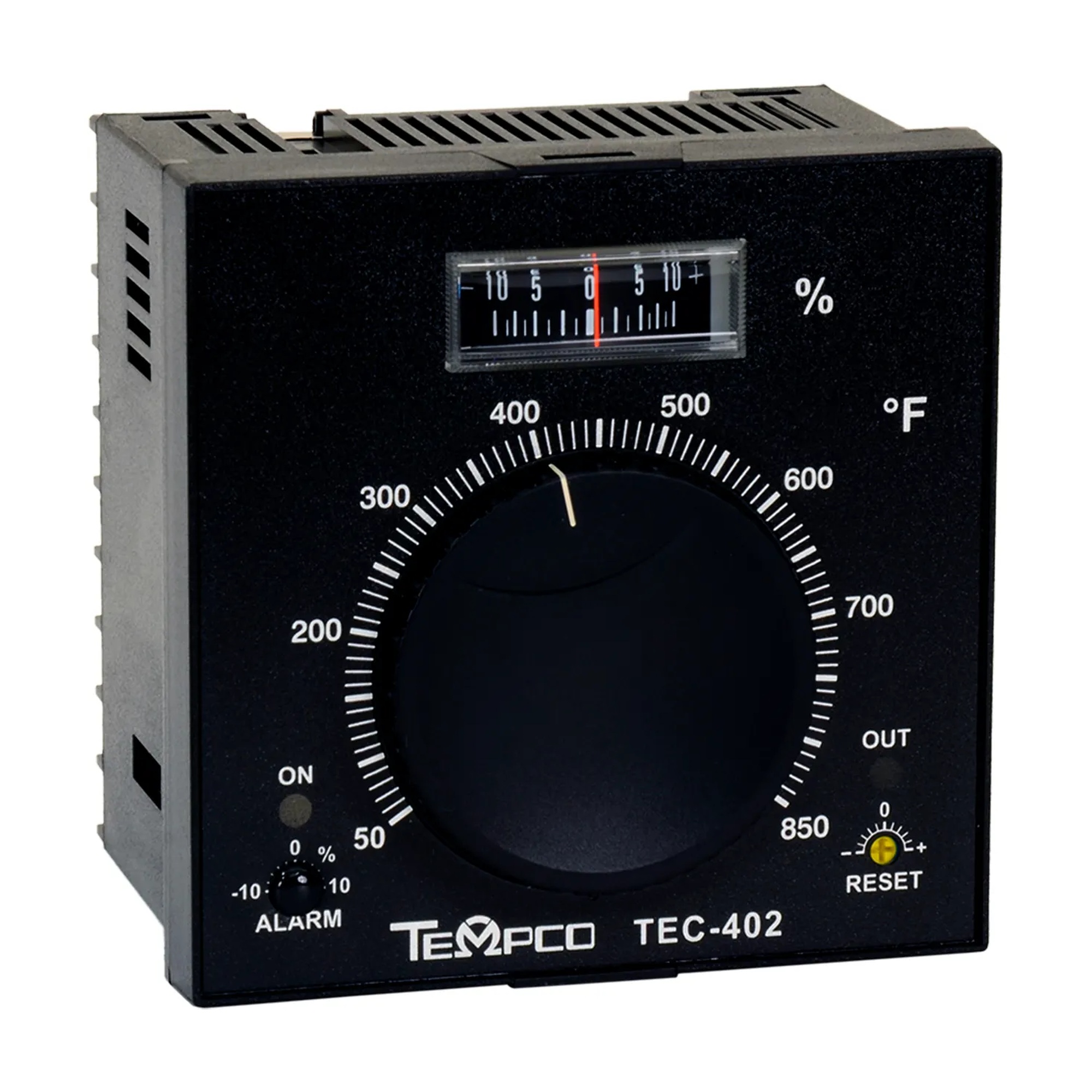
Analog J Process Heater Temperature Controller, 120/240V
Our Price:$159.94This analog temperature controller is designed for personnel managing process heating equipment. It helps users set and regulate temperature for dependable heater control in panel-mounted...
-
Tempco
Analog K Temperature Controller, 120/240V
Our Price:$159.94This analog temperature controller is designed for process-heating users who need to monitor and regulate temperature from a panel-mounted control. It provides an adjustable setpoint and operating...
-
Tempco
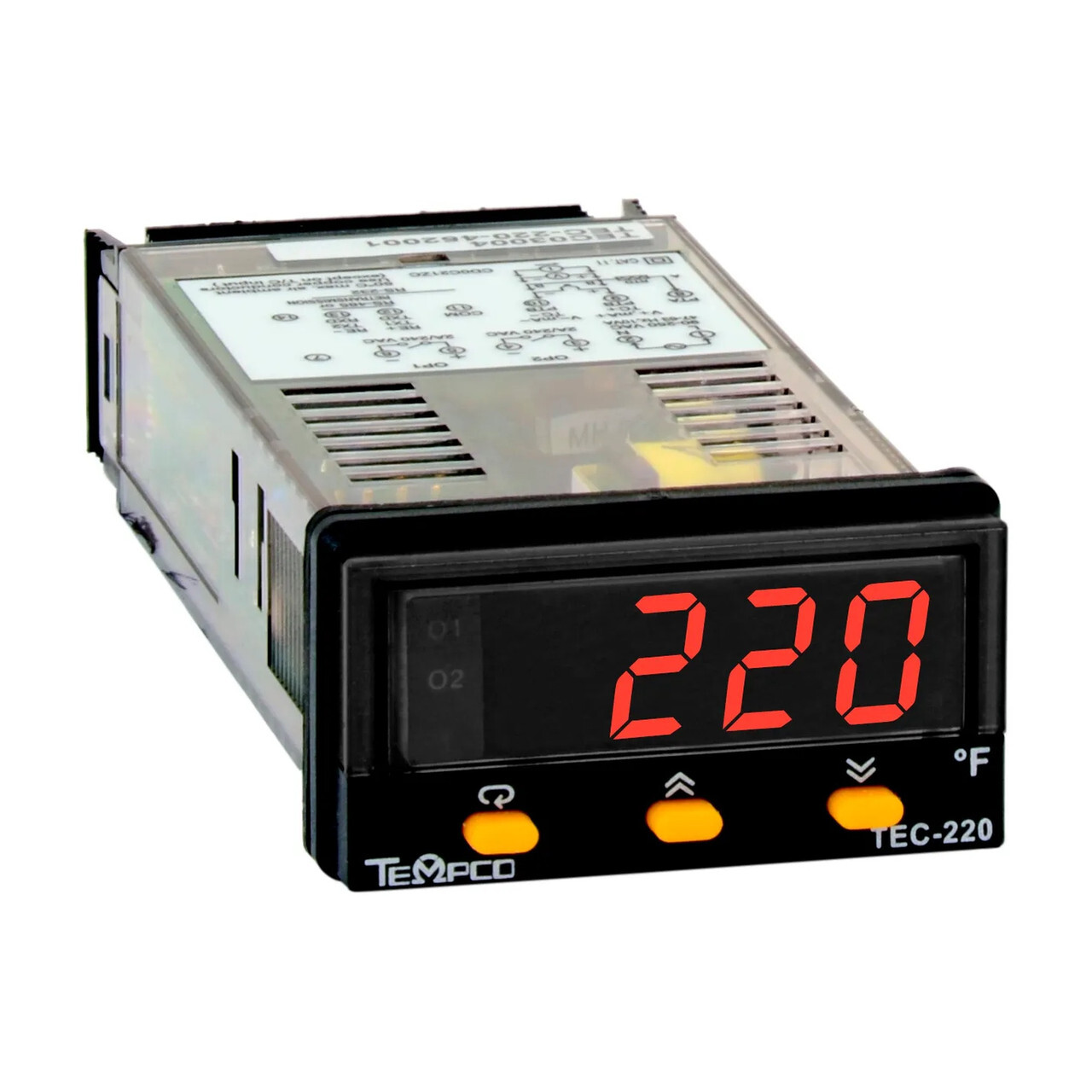
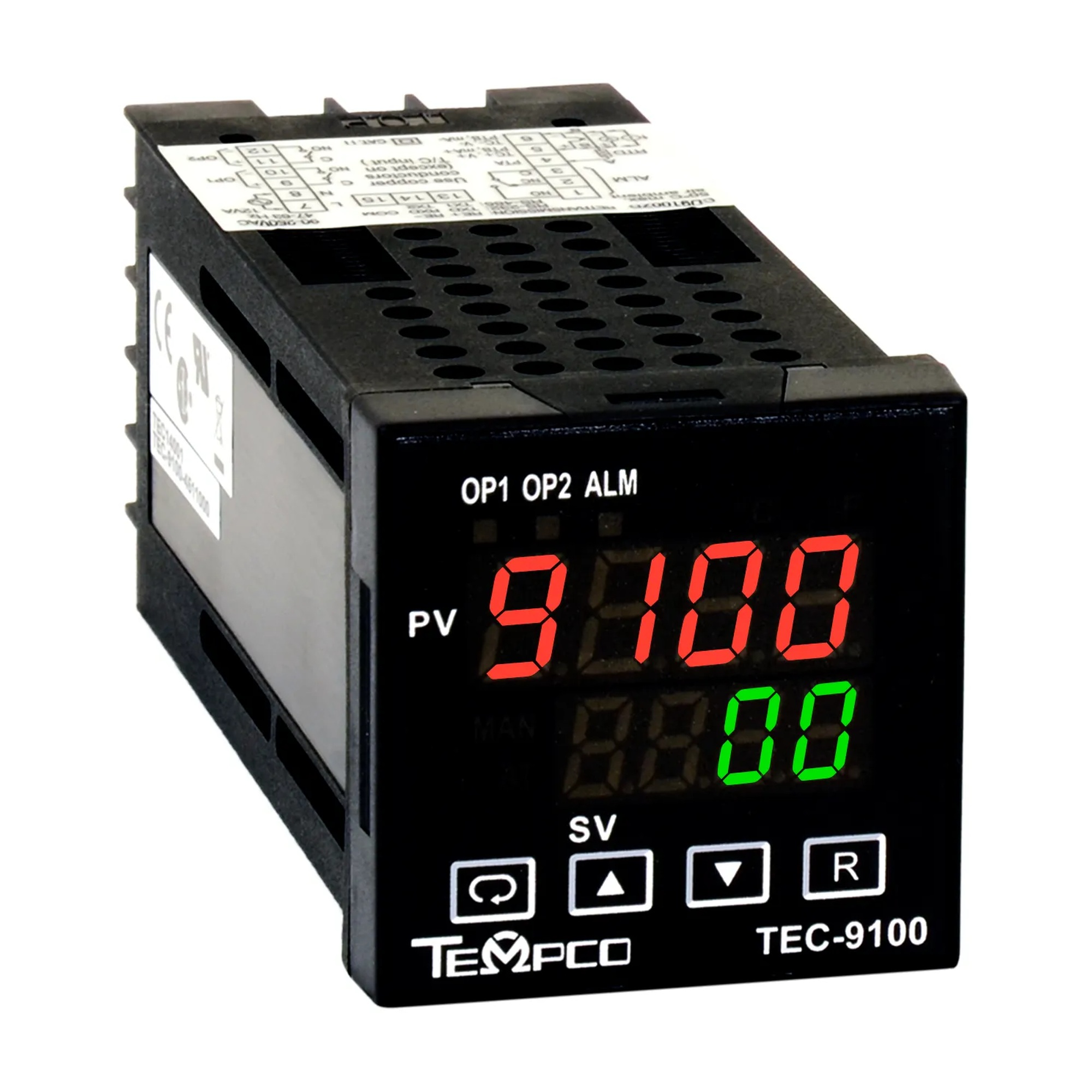
Programmable PID Process Heater Temperature Controller
Our Price:$259.94This programmable PID temperature controller is for commercial and industrial users who need to manage heating and cooling processes. It provides automatic temperature control for process heater...
-
Tempco
Programmable PID Process Temperature Controller
Our Price:$279.94This programmable PID temperature controller is for operators and maintenance teams managing process heating and cooling equipment. It monitors a compatible sensor input and helps maintain a selected...
-
Tempco
Programmable PID Temperature Controller with 2A Relay
Our Price:$239.94This programmable PID temperature controller helps process heating operators and maintenance teams monitor and regulate heat and cool processes. It provides automatic temperature-control functions...

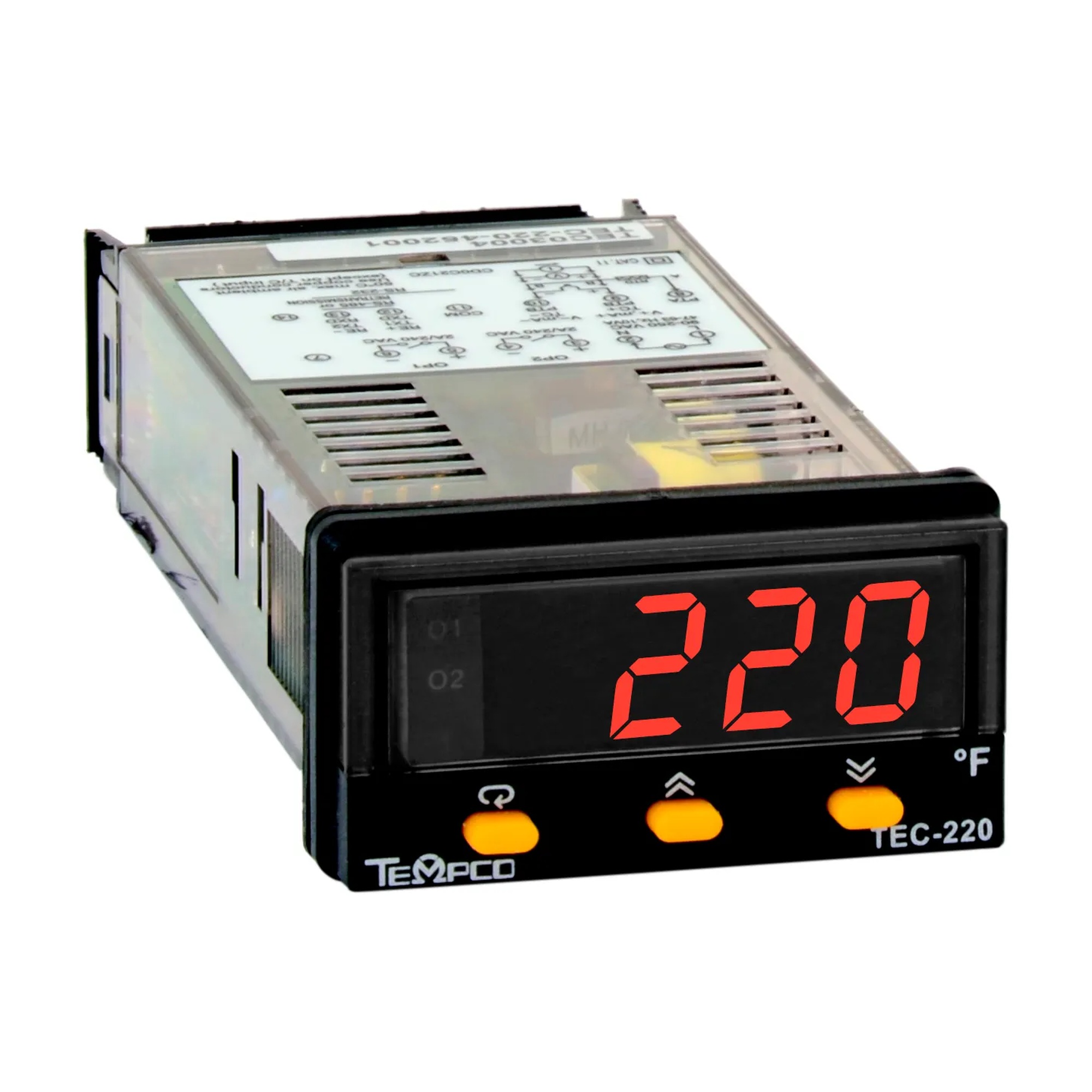
Choose a Process Heater Temperature Controller for Your Control Approach
The products represented in this category include programmable PID controllers and analog panel-mounted controllers. Compare how you want to set and monitor temperature, the sensor-input and power needs of the application, available panel space, and whether the process calls for heating only or heating and cooling control.
Popular examples in this category
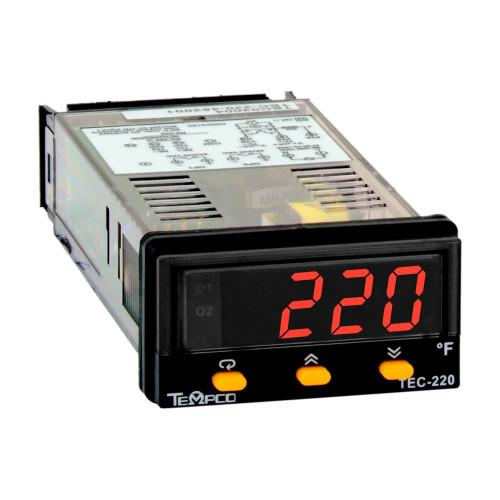 Programmable PID Temperature Controller with 2A RelayWBB383101
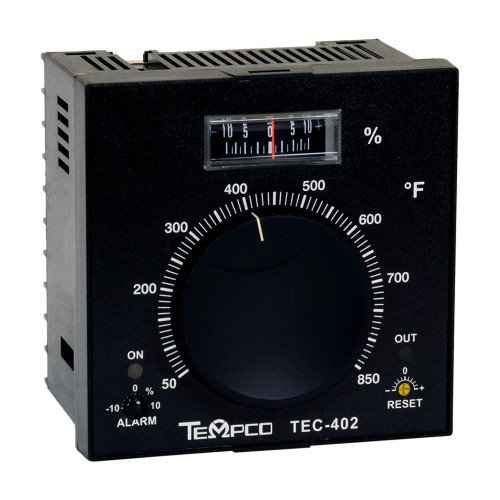 Analog J Process Heater Temperature Controller, 120/240VWBB383097
 Programmable PID Process Heater Temperature ControllerWBB383109
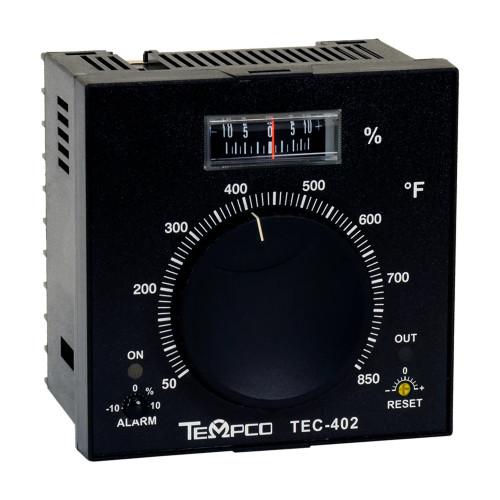 Analog K Temperature Controller, 120/240VWBB383098
Manage process heating and cooling
Programmable PID models provide automatic temperature control for process heating and cooling applications. Analog models provide adjustable temperature regulation for panel-mounted heating controls.
Match the controller to the control method
Choose PID control with auto-tuning for automatic, responsive regulation. Choose analog control when a potentiometer-adjusted setpoint and selectable on-off or time-proportional control fit the application.
Plan around the control panel
Analog controllers use a 1/4 DIN, 96 mm x 96 mm format and require 2 in. of panel depth. Consider panel opening and enclosure space before selecting a panel-mounted controller.
Review monitoring and protection features
Available features include dual LED process-value and setpoint displays, deviation meters, sensor-break protection, manual-mode transfer during sensor failure, configurable second outputs, and serial communication options.
Available with auto-tuning for cold or warm starts.
Required by the represented analog panel-mounted controllers.
The 1/4 DIN analog controller format.
Applicable models can use Output 2 for control or alarm duty.
Compare the Available Controller Styles
Use this overview to compare the represented programmable PID and analog controller options.
| Selection factor | Programmable PID controllers | Analog controllers |
|---|---|---|
| Control approach | Automatic PID control; applicable models support heating and cooling control. | Selectable on-off or time-proportional control. |
| Temperature setup | Auto-tuning for cold or warm starts; programmable sensor input. | Potentiometer-adjusted setpoint. |
| Monitoring | Applicable models offer separate LED process-value and setpoint displays. | Deviation meter helps monitor temperature deviation. |
| Panel and operating details | Applicable models offer configurable second output; some include serial communication or stated universal power input. | 1/4 DIN, 96 mm x 96 mm format; 2 in. panel depth; 120/240V models represented. |
Plan the right fit before choosing
Select programmable PID or analog temperature control
Programmable PID controllers automatically manage temperature and include auto-tuning from cold or warm starts. They support programmable sensor-input selection and may support heating and cooling control. Analog controllers provide direct setpoint adjustment through a potentiometer and allow on-off or time-proportional control selection.
- Use PID auto-tuning to establish control settings during cold or warm starts.
- Use analog control for direct potentiometer setpoint adjustment.
- Choose on-off or time-proportional operation when offered by the analog controller.
Confirm compatibility with the application setup
PID models feature universal sensor input for supported programmable sensor-input requirements. On applicable models, a second output can be configured for control or alarm duty. One programmable PID model operates on 90-250 VAC or 11-26 VAC/VDC input power, while analog models are identified for 120/240V power.
- Verify the compatible sensor input needed for the process.
- Consider whether Output 2 is needed for control or alarm use.
- Match available controller power input to the application.
Consider the information and response features operators need
Dual LED displays on applicable PID controllers show the process value and setpoint separately for quick monitoring. Analog models include a deviation meter. Sensor-break protection is available on analog models, while applicable PID models provide a bumpless transfer to manual mode if a sensor fails.
- Choose dual displays for separate process-value and setpoint viewing.
- Use a deviation meter to monitor temperature deviation.
- Consider sensor-break protection or manual-mode transfer for sensor-failure response.
Common questions before buying
What is the difference between PID and analog temperature controllers?
Programmable PID controllers provide automatic temperature control with auto-tuning, while analog controllers use a potentiometer setpoint and offer on-off or time-proportional control.
Can these controllers manage heating and cooling?
Applicable programmable PID models support automatic heating and cooling control. The analog models represented are described for process-heating applications.
What panel space do the analog controllers require?
The represented analog controllers use a 1/4 DIN 96 mm x 96 mm panel opening and require 2 in. of panel depth.
What happens if a sensor fails?
The analog controllers include sensor-break protection. Applicable PID models support a bumpless transfer to manual mode during sensor failure.
Choosing the right file folders
FilingSupplies.com carries end-tab folders for open-shelf systems, top-tab folders for drawer filing, and heavy-duty classification folders with dividers and fasteners for multi-section records. Pick letter or legal size, then choose material (11-pt, 14-pt, or 18-pt manila), optional reinforced tabs, color-coding, and expansion capacity to match your volume.
Folder FAQs
End-tab vs. top-tab — what’s the difference?
When should I choose classification folders?
Letter or legal size — how do I pick?
What tab and material options are available?
Can I add fasteners, pockets, or expansion?
Do you offer volume pricing or custom printing?
Outfitting classrooms that work all day
Build a durable, age-appropriate classroom with furniture, early-learning materials, storage bins, learning centers, and presentation tools. Choose adjustable pieces that grow with grades, label friendly bins for quick clean-up, and tech carts that secure, charge, and move easily.
Education FAQs
What safety labels should I look for on school and early-childhood items?
How do I pick classroom furniture across grade levels?
What’s the best way to organize supplies and centers?
How do I choose learning games and manipulatives by age?
What should I consider in a charging/tech cart?
Do you support school POs, bulk pricing, or custom printing?
Choosing the right labels
From color file labels to printable sheets, select the right size, adhesive, and print method to match your filing system and equipment. Decide on sheet vs. roll format, then pick permanent or removable adhesive and your color set.
Labels FAQs
Sheet vs. roll labels — what’s the difference?
Permanent or removable adhesive?
Will these labels work in my printer?
How do I match the label size to folder tabs or binder spines?
Can I get preprinted sequences or color bars?
Do you have templates?
Choosing the right tab dividers
Organize binders with preprinted or blank tabs. Select the number of tabs per set (5, 8, 10, or 12), choose paper with reinforced tabs or durable poly, and match letter or legal size for a clean fit.
Tab Dividers FAQs
What do 5-, 8-, 10-, or 12-tab sets mean?
Paper vs. poly — which should I choose?
Are the tabs printable?
Will they fit my binder?
Can I mix preprinted and blank tabs?
Do you make custom tab sets?
Choosing the right office supplies
From everyday paper and pens to binders, mailers, and desk organizers, pick durable, compatible options that match your equipment and team size. Start with the right paper and labeling, then add organizers that keep work moving.
Office Supplies FAQs
Which paper weight and brightness should I choose?
Round-ring vs. D-ring binders — what’s the difference?
What does “sheet capacity” mean on staplers and hole punches?
Will labels, envelopes, and mailers work with my printer?
How do I choose mailers and shipping boxes?
Do you offer eco-conscious options or bulk pricing?
Choosing the right sports & PE equipment
Equip classes, teams, and rec programs with durable balls, goals, cones, pinnies, storage, and safety gear. Match sizes and materials to age group and whether you play indoors or outdoors.
Sports & Athletics FAQs
What ball sizes should I choose for different ages?
- Basketball: Size 5 (27.5") youth, Size 6 (28.5") intermediate, Size 7 (29.5") official.
- Soccer: Size 3 up to ~8 years, Size 4 ~8–12, Size 5 ~12+.
- Volleyball: Regulation balls for teens/adults; lighter training balls for younger players.
Indoor vs. outdoor — which materials hold up best?
How many pinnies, cones, or markers do I need?
Tips for storage and care?
Are items latex‑free and school‑safe?
Do you support bulk orders or custom printing (team names)?
Choosing the right FireKing fireproof cabinet
FireKing fireproof file cabinets, safes, and storage cabinets are designed to protect important documents, records, and valuables from fire damage while keeping files organized and accessible. When choosing a FireKing cabinet, compare drawer configuration, storage type, fire rating, and overall capacity based on the records or materials you need to protect.
FireKing FAQs
What is the difference between FireKing vertical and lateral file cabinets?
What can I store in a FireKing fireproof file cabinet?
Are FireKing cabinets only for paper records?
How do I choose between a FireKing safe, file cabinet, or storage cabinet?
What sizes are available in FireKing cabinets?
Are FireKing cabinets used in offices, medical facilities, and government records storage?
Can I buy FireKing cabinets in bulk or get help choosing the right model?
Shipping & Policies
Do you offer free shipping?
What are your shipping rates?
- $6.95 for labels-only orders under $40
- $14.95 flat rate for everything else