
-
McDonnell & Miller
1-Inch NPT Flow Switch with Stainless Steel Paddles
Our Price:$439.94This 1-inch NPT flow switch is for HVAC and equipment-control professionals who need to start or stop electrically operated devices in response to water flow. It can be used to control equipment such...
-
Hoffman Specialty
3/4 in. NPT Water Main Vent Valve
Our Price:$399.94This water main vent valve is designed for operators of hot- or cold-water mains, glycol mains, and process applications. It helps discharge moisture through a safety drain connection while providing...
-
McDonnell & Miller
General Purpose Water Flow Switch - 3 in W x 8-7/16 in H x 3.175 D
Our Price:$365.94This general-purpose water flow switch helps HVAC and facility maintenance professionals start or stop electrically operated equipment in response to water flow. It can be used to control connected...
-
McDonnell & Miller
General Purpose Water Flow Switch - 3-1/4 in W x 8-3/8 in H x 3.25 D
Our Price:$469.94This general-purpose water flow switch is for HVAC technicians and facility maintenance teams that need a switch for water-flow applications, including installations exposed to environmental...
-
McDonnell & Miller
Stainless Steel Paddle Kit for Series FS4-3
Our Price:$31.94This stainless steel paddle kit is a replacement component for HVAC professionals and facility maintenance teams servicing compatible Series FS4-3 water flow switches. It provides the paddle...


Water Flow Valves & Switches: A Buyer's Guide
Water flow valves and switches give commercial and industrial teams precise control over liquid movement—whether you need to detect flow, trigger equipment automatically, or safely vent a water or glycol main. Use this guide to match the right product type, connection size, and enclosure rating to your specific installation.
Popular examples in this category
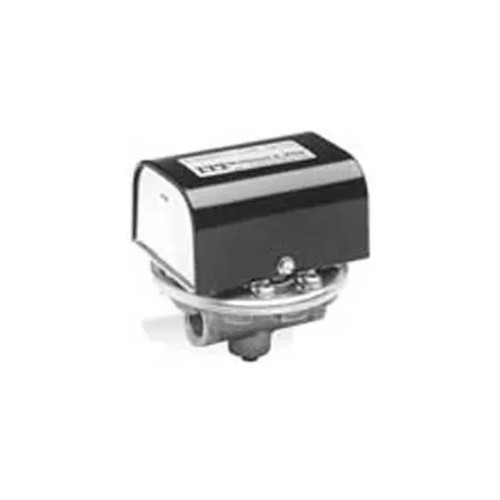 High-Sensitivity Liquid Flow Switch, 1/2 in. NPTWBB916140
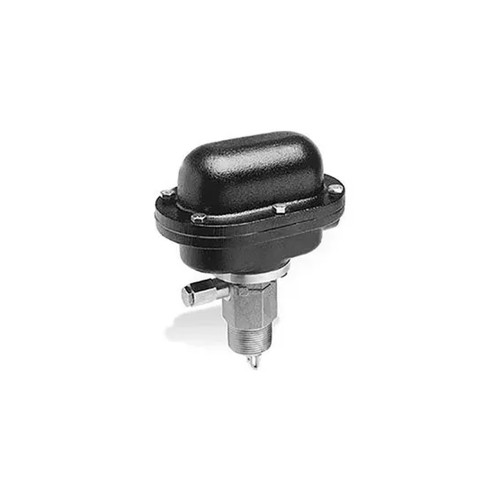 1-1/4 in. NPT Flow Switch with Stainless Steel PaddlesWBB360383
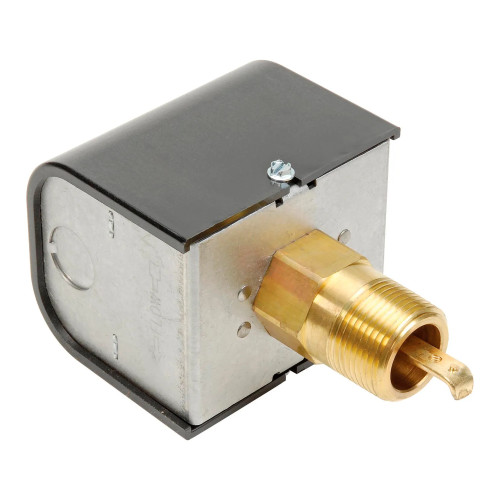 General Purpose Water Flow Switch - 3 in W x 8-7/16 in H x 3.175 DWBB46865
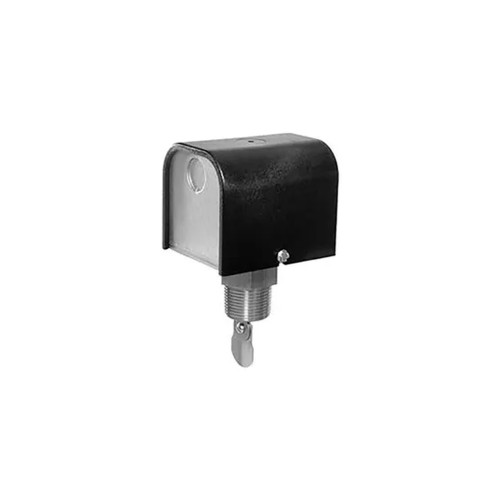 1-Inch NPT Flow Switch with Stainless Steel PaddlesWBB360384
Monitoring and Controlling Liquid Flow in Commercial Systems
These products detect or respond to liquid movement in pipes and mains. Flow switches trigger alarms, motors, signal lights, or burners when flow starts or stops. Vent valves safely release pressure from hot or cold water, glycol, or process mains with a built-in safety drain connection.
Start With Function, Then Match the Specs to Your Installation
First decide: do you need a flow switch to detect or respond to liquid movement, or a vent valve to manage pressure on a compatible main? From there, narrow by pipe connection size, paddle length, enclosure rating, and whether adjustable sensitivity or SPDT switching is required.
Where These Products Are Typically Installed
Common installations include HVAC air handlers, hydronic heating loops, chilled-water systems, refrigeration circuits, boiler controls, and facility water mains. Flow switches are also used to protect pumps, activate metering devices, and interlock automatic burners in process and industrial settings.
Enclosures, Switching, and Pressure Ratings Matter
Check the enclosure rating—NEMA 4 and NEMA 4X housings resist water and corrosion for wet or outdoor locations. SPDT switching allows both normally open and normally closed control circuits from one device. Sealed bellows designs add durability in high-cycle or high-pressure applications.
Flow switches are available in 1/2 in., 1 in., and 1-1/4 in. NPT connections to fit standard commercial and industrial pipe configurations.
Paddle-style flow switches offer 1, 2, 3, and 6 in. stainless steel paddles so you can match paddle reach to your pipe diameter for reliable actuation.
Select models carry NEMA 4 or NEMA 4X ratings, providing protection against water ingress and corrosion in wet, washdown, or outdoor locations.
SPDT (single-pole double-throw) switching gives installers both normally open and normally closed contacts in one device, supporting a wider range of control circuit designs.
Flow Switch vs. Vent Valve: Which Do You Need?
Use this table to quickly match your installation requirement to the right product type.
| Need | Best Fit | Why It Matters |
|---|---|---|
| Detect liquid movement and trigger equipment | Flow Switch | Closes or opens an electrical circuit when flow starts or stops, enabling automatic control of alarms, motors, burners, or lights. |
| Relieve trapped air or pressure from a water or glycol main | Water Main Vent Valve | Provides a passive venting solution with a safety drain connection—no electrical components required. |
| Control both N.O. and N.C. circuits from one device | Flow Switch with SPDT Switching | A single SPDT switch handles energize-on-flow and de-energize-on-flow logic without adding a second device. |
| Install in a wet, washdown, or corrosive environment | Flow Switch with NEMA 4X Enclosure | NEMA 4X housing resists water ingress and corrosion, protecting internal components in harsh locations. |
| Adjust sensitivity to match low- or high-flow conditions | Flow Switch with Adjustable Sensitivity | Adjustable models let you set the flow threshold that triggers switching, reducing nuisance trips or missed detections. |
Plan the right fit before choosing
Step 1: Identify Your Product Type
Determine whether you need a flow switch or a water main vent valve before comparing any other specifications. Flow switches are active sensing devices that open or close an electrical circuit in response to liquid movement. Vent valves are passive pressure-management fittings that release trapped air or pressure with a safety drain connection for compatible water, glycol, or process mains.
- Flow switch: use when you need to start, stop, or signal equipment based on whether liquid is moving through a pipe.
- Vent valve: use when you need to purge air or relieve pressure from a hot- or cold-water, glycol, or process main.
Step 2: Match Connection Size and Paddle to Your Pipe
Flow switches are available in NPT connection sizes including 1/2 in., 1 in., and 1-1/4 in. Confirm the pipe thread size at your installation point before ordering. For paddle-style switches, select a paddle length that spans enough of the pipe interior to reliably detect flow—common stainless steel paddle options include 1, 2, 3, and 6 in. lengths. Inline designs without paddles suit smaller-diameter or tighter installations.
- Measure the NPT thread size on your existing pipe fitting or tee before selecting a switch.
- Choose a longer paddle for larger-diameter pipes where a short paddle may not intercept enough flow to actuate reliably.
- Confirm the paddle material is compatible with your fluid—stainless steel paddles suit most water and glycol applications.
Step 3: Verify Electrical and Environmental Requirements
Check the switching configuration your control circuit requires. SPDT switches provide both a normally open and a normally closed contact, giving you flexibility to wire for energize-on-flow or de-energize-on-flow logic. Count the number of conduit entries needed and confirm whether dual electrical knockouts are required. For installations exposed to moisture, washdown, or outdoor conditions, select a NEMA 4 or NEMA 4X enclosure. Verify the pressure and temperature ratings of the switch against your system's operating conditions before finalizing your selection.
- SPDT switching supports both N.O. and N.C. control wiring from a single device.
- Dual electrical knockouts allow conduit entry from two directions, simplifying field wiring.
- NEMA 4X enclosures add corrosion resistance beyond standard NEMA 4—useful in chemical or coastal environments.
Common questions before buying
What is the difference between a flow switch and a vent valve?
A flow switch is an electrical sensing device that detects liquid movement in a pipe and opens or closes a circuit to control connected equipment. A vent valve is a mechanical fitting that releases trapped air or pressure from a water, glycol, or process main and includes a safety drain connection. They serve different functions and are not interchangeable.
How do I choose the right paddle length for a flow switch?
Select a paddle long enough to extend into the flow stream and reliably deflect when liquid moves through the pipe. For larger-diameter pipes, a longer paddle—such as a 3 in. or 6 in. stainless steel option—ensures consistent actuation. For smaller pipes or tight installations, a shorter paddle or an inline design without a paddle may be more appropriate.
Can a flow switch be used with glycol or process fluids, not just water?
Many flow switches are compatible with water and glycol mixtures commonly used in HVAC and hydronic systems. Always verify the fluid compatibility listed in the product specifications, including the paddle and seal materials, before installing in a glycol or process fluid application.
What does NEMA 4X mean, and when do I need it?
NEMA 4X is an enclosure rating indicating protection against water ingress, dust, and corrosion—going beyond standard NEMA 4 by adding resistance to corrosive agents. Choose a NEMA 4X-rated flow switch for installations in outdoor locations, chemical environments, coastal areas, or anywhere the housing may be exposed to corrosive substances or frequent washdown.
Choosing the right file folders
FilingSupplies.com carries end-tab folders for open-shelf systems, top-tab folders for drawer filing, and heavy-duty classification folders with dividers and fasteners for multi-section records. Pick letter or legal size, then choose material (11-pt, 14-pt, or 18-pt manila), optional reinforced tabs, color-coding, and expansion capacity to match your volume.
Folder FAQs
End-tab vs. top-tab — what’s the difference?
When should I choose classification folders?
Letter or legal size — how do I pick?
What tab and material options are available?
Can I add fasteners, pockets, or expansion?
Do you offer volume pricing or custom printing?
Outfitting classrooms that work all day
Build a durable, age-appropriate classroom with furniture, early-learning materials, storage bins, learning centers, and presentation tools. Choose adjustable pieces that grow with grades, label friendly bins for quick clean-up, and tech carts that secure, charge, and move easily.
Education FAQs
What safety labels should I look for on school and early-childhood items?
How do I pick classroom furniture across grade levels?
What’s the best way to organize supplies and centers?
How do I choose learning games and manipulatives by age?
What should I consider in a charging/tech cart?
Do you support school POs, bulk pricing, or custom printing?
Choosing the right labels
From color file labels to printable sheets, select the right size, adhesive, and print method to match your filing system and equipment. Decide on sheet vs. roll format, then pick permanent or removable adhesive and your color set.
Labels FAQs
Sheet vs. roll labels — what’s the difference?
Permanent or removable adhesive?
Will these labels work in my printer?
How do I match the label size to folder tabs or binder spines?
Can I get preprinted sequences or color bars?
Do you have templates?
Choosing the right tab dividers
Organize binders with preprinted or blank tabs. Select the number of tabs per set (5, 8, 10, or 12), choose paper with reinforced tabs or durable poly, and match letter or legal size for a clean fit.
Tab Dividers FAQs
What do 5-, 8-, 10-, or 12-tab sets mean?
Paper vs. poly — which should I choose?
Are the tabs printable?
Will they fit my binder?
Can I mix preprinted and blank tabs?
Do you make custom tab sets?
Choosing the right office supplies
From everyday paper and pens to binders, mailers, and desk organizers, pick durable, compatible options that match your equipment and team size. Start with the right paper and labeling, then add organizers that keep work moving.
Office Supplies FAQs
Which paper weight and brightness should I choose?
Round-ring vs. D-ring binders — what’s the difference?
What does “sheet capacity” mean on staplers and hole punches?
Will labels, envelopes, and mailers work with my printer?
How do I choose mailers and shipping boxes?
Do you offer eco-conscious options or bulk pricing?
Choosing the right sports & PE equipment
Equip classes, teams, and rec programs with durable balls, goals, cones, pinnies, storage, and safety gear. Match sizes and materials to age group and whether you play indoors or outdoors.
Sports & Athletics FAQs
What ball sizes should I choose for different ages?
- Basketball: Size 5 (27.5") youth, Size 6 (28.5") intermediate, Size 7 (29.5") official.
- Soccer: Size 3 up to ~8 years, Size 4 ~8–12, Size 5 ~12+.
- Volleyball: Regulation balls for teens/adults; lighter training balls for younger players.
Indoor vs. outdoor — which materials hold up best?
How many pinnies, cones, or markers do I need?
Tips for storage and care?
Are items latex‑free and school‑safe?
Do you support bulk orders or custom printing (team names)?
Choosing the right FireKing fireproof cabinet
FireKing fireproof file cabinets, safes, and storage cabinets are designed to protect important documents, records, and valuables from fire damage while keeping files organized and accessible. When choosing a FireKing cabinet, compare drawer configuration, storage type, fire rating, and overall capacity based on the records or materials you need to protect.
FireKing FAQs
What is the difference between FireKing vertical and lateral file cabinets?
What can I store in a FireKing fireproof file cabinet?
Are FireKing cabinets only for paper records?
How do I choose between a FireKing safe, file cabinet, or storage cabinet?
What sizes are available in FireKing cabinets?
Are FireKing cabinets used in offices, medical facilities, and government records storage?
Can I buy FireKing cabinets in bulk or get help choosing the right model?
Shipping & Policies
Do you offer free shipping?
What are your shipping rates?
- $6.95 for labels-only orders under $40
- $14.95 flat rate for everything else