
-
Johnson Level & Tool
12-Inch Diameter Measuring Wheel with Telescoping Handle
Our Price:$129.94This measuring wheel helps surveyors, contractors, estimators, and facility professionals measure long distances across indoor or outdoor work areas. Roll it along the surface to measure layouts,...
-
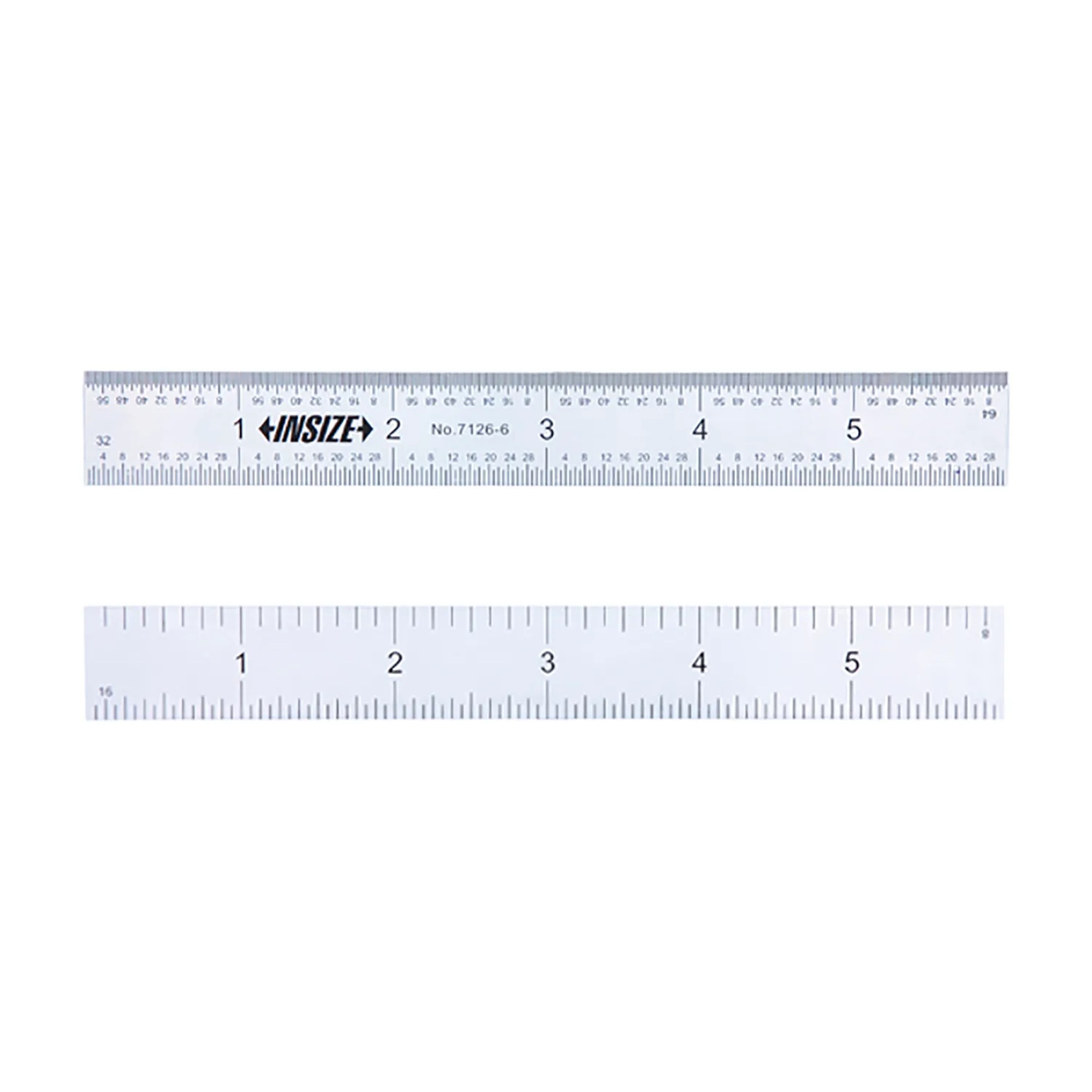
InSize
12-Inch Stainless Steel Rigid Ruler
Our Price:$5.59This 12-inch rigid ruler helps professionals and shop users measure and mark work accurately. It provides multiple inch graduations for layout, inspection, and general measurement tasks.Made of...
-
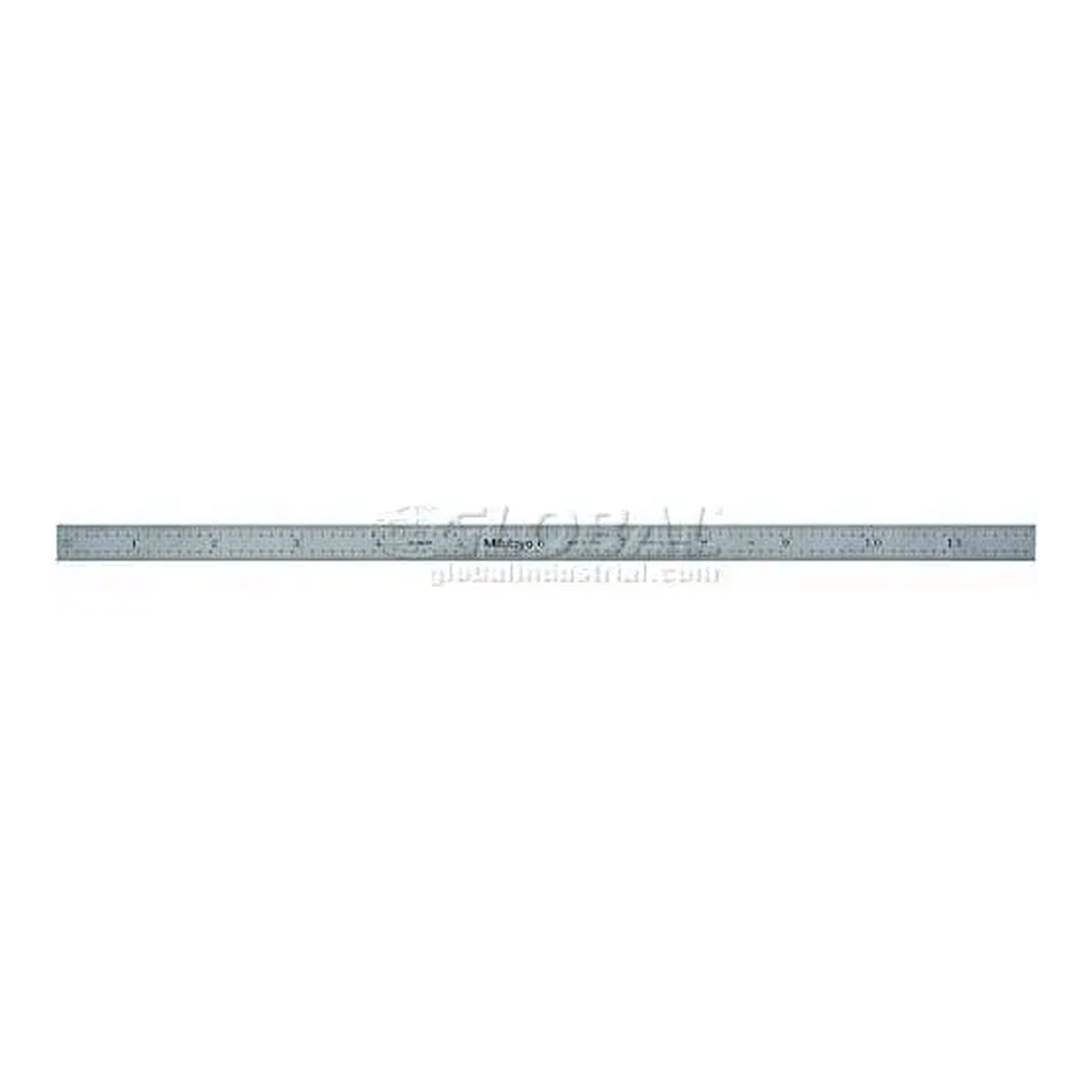
Mitutoyo
12-Inch/300 mm Stainless Steel Rule
Our Price:$35.94This stainless steel rule is a measuring tool for professionals who need to check and mark linear measurements. Its dual 12-inch and 300 mm scale supports work that calls for inch and metric...
-
InSize
24-Inch Stainless Steel Rigid Ruler
Our Price:$12.74This rigid ruler is a measuring tool for shop, inspection, and layout work. It gives professionals a straightforward way to check and mark measurements across longer workpieces.The ruler has a...
-
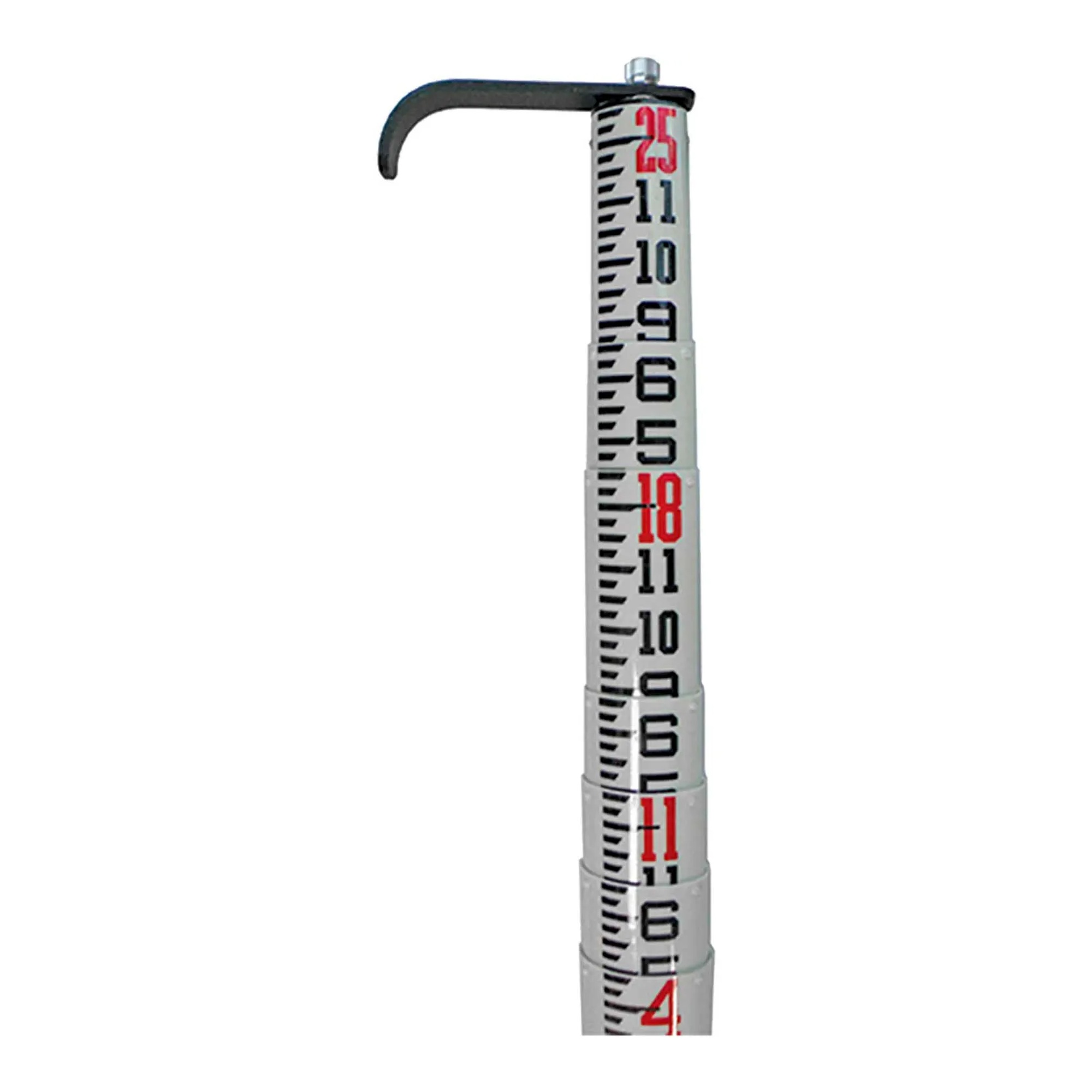
Jameson Tools
25-Foot Oval Telescoping Measuring Pole
Our Price:$489.94This telescoping measuring pole helps field crews and maintenance professionals measure vertical distances up to 25 feet without using a ladder. Its extendable design supports convenient overhead...
-
SpeedPress
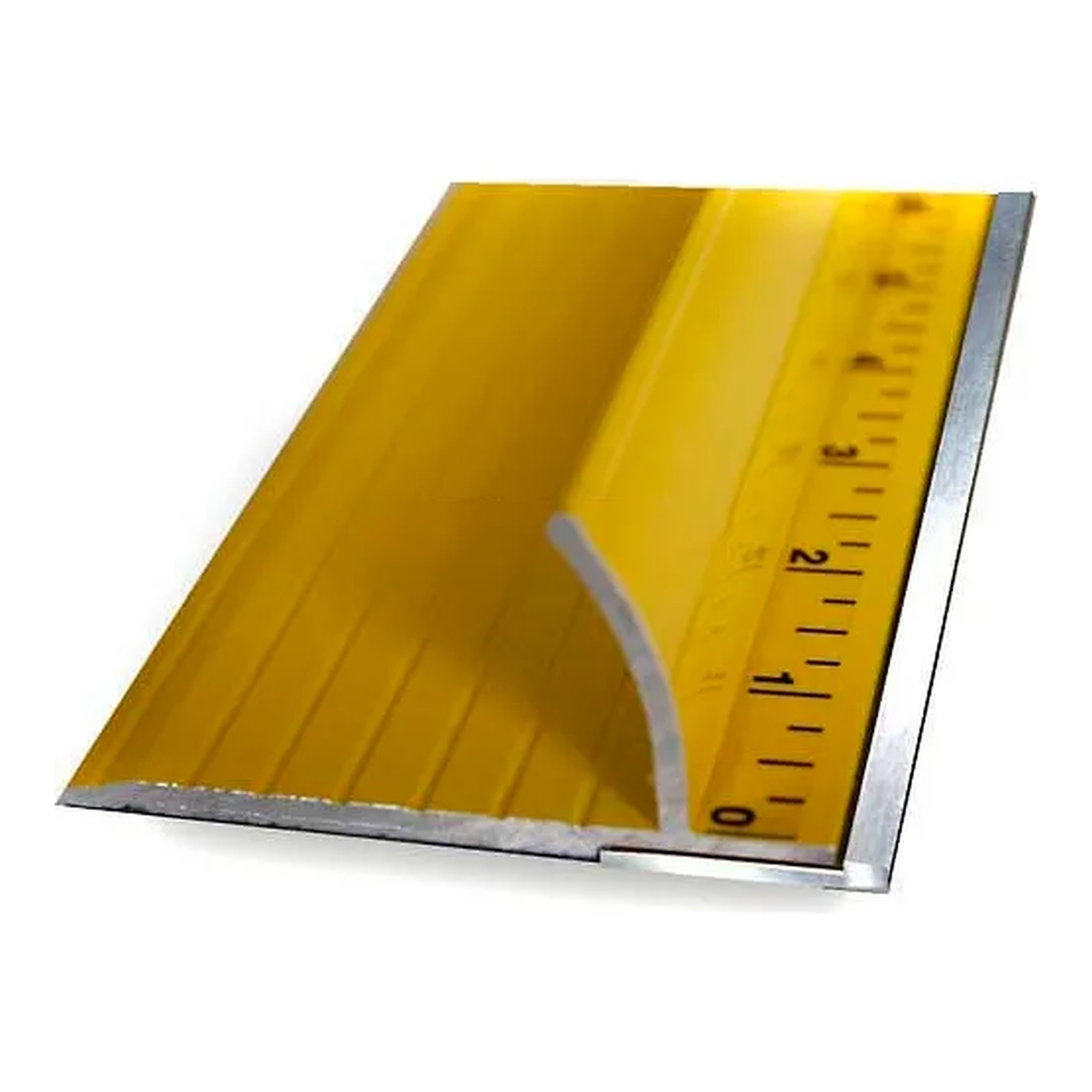
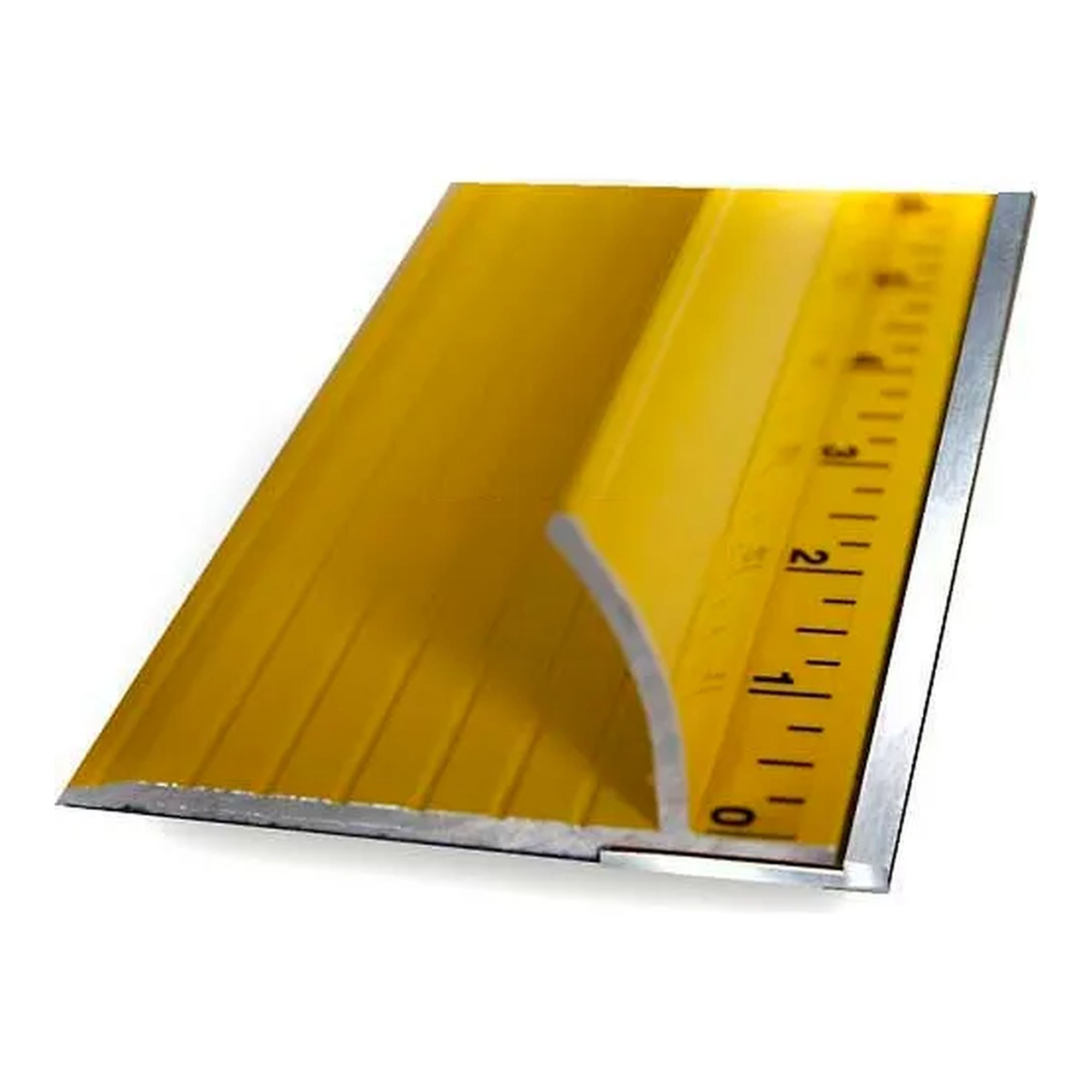
28-Inch Steel-Edge Guarded Ruler
Our Price:$135.94This 28-inch steel-edge ruler is a measuring tool for users who work with knives or razors. Its built-in guard helps protect against accidental slicing when cutting alongside the ruler.The ruler has...
-
Johnson Level & Tool
36-Inch Aluminum Measuring Yardstick
Our Price:$7.39This aluminum yardstick helps professionals and facility teams measure and mark lengths up to 36 inches. Its clearly printed scale supports everyday layout and measurement tasks where a long,...
-
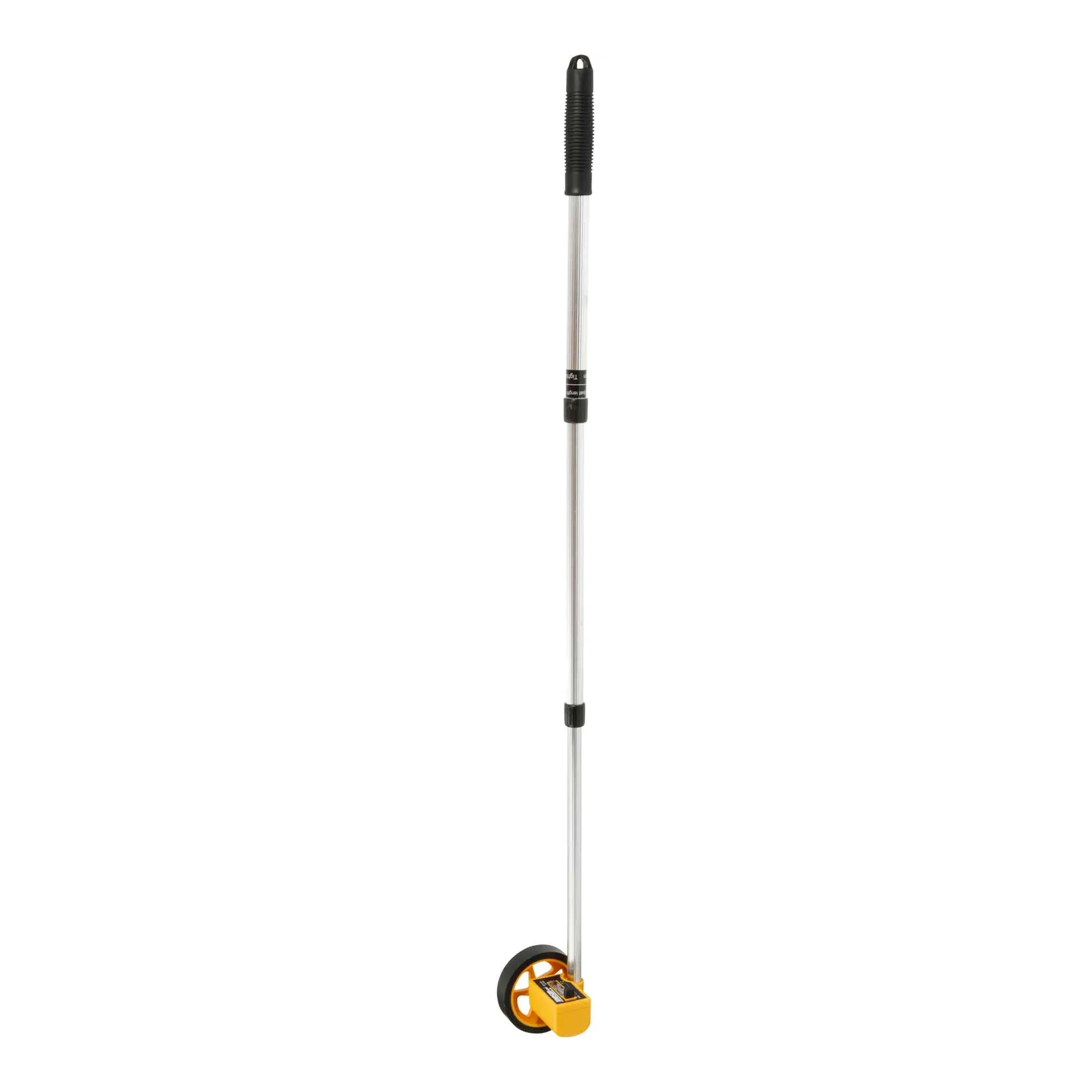
Johnson Level & Tool
4-Inch Diameter Measuring Wheel with Telescoping Handle
Our Price:$73.94This measuring wheel helps surveyors, estimators, paving crews, and other professionals measure long distances across indoor or outdoor work areas. Roll it along the intended path to measure spaces...
-
Johnson Level & Tool
48-Inch Heavy-Duty Aluminum Straightedge
Our Price:$16.49This 48-inch aluminum straightedge helps commercial users measure and mark straight reference lines for layout and inspection tasks. Its bold graduations support clear reading during everyday...
-
SpeedPress
52-Inch Ultimate Steel Safety Ruler
Our Price:$199.94This 52-inch steel safety ruler is for users who need a reliable straightedge for trimming tasks. Its raised steel edge guides a blade along a straight cutting line.The ruler has a low, flat...
-
Fowler
6 in. / 150 mm Pocket Steel Rule
Our Price:$11.74This pocket steel rule is a compact measuring tool for professionals who need to check short lengths in inch or metric units. Its rounded edge is designed to help protect a shirt pocket during...
-
General Tools
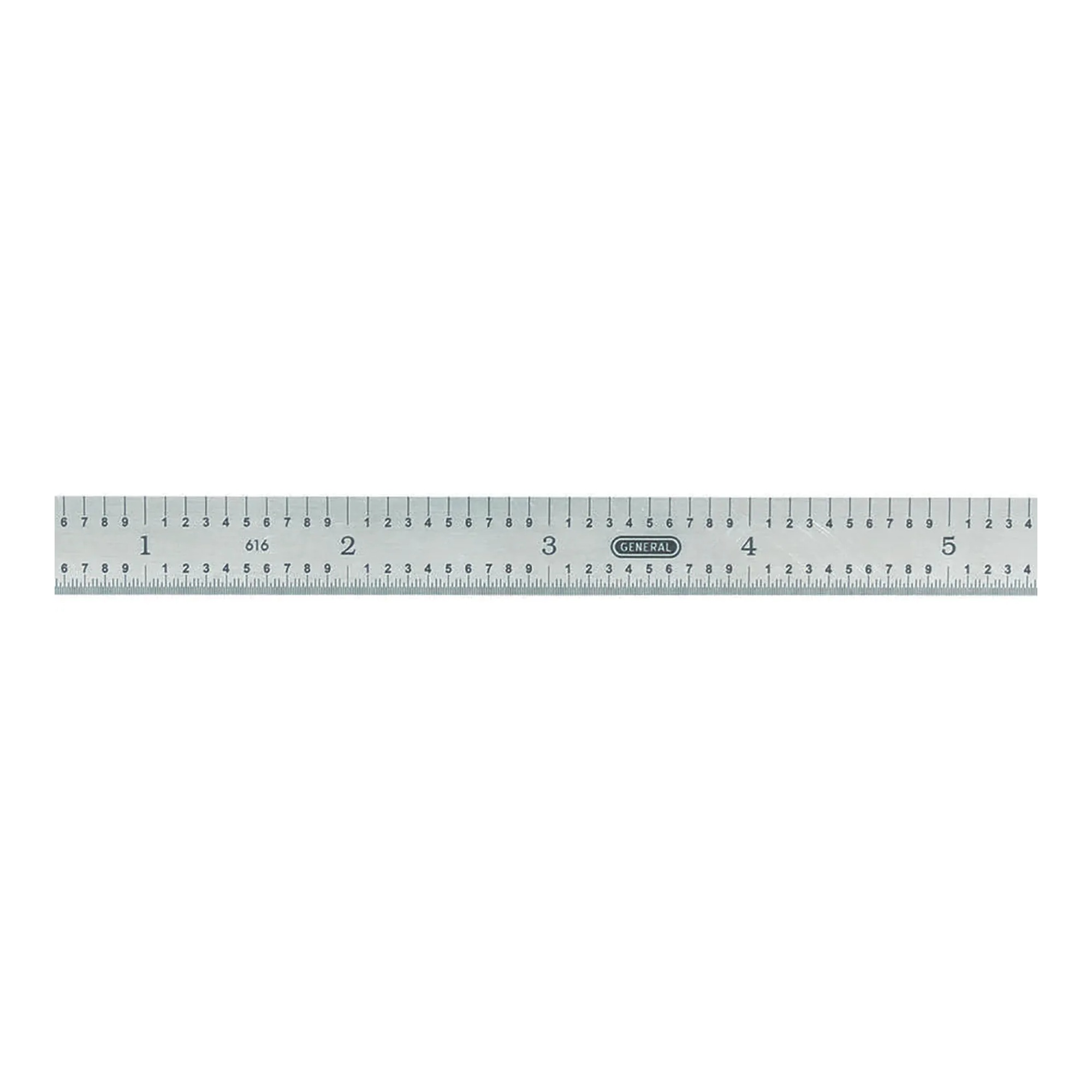
6-Inch Flexible Stainless Steel Ruler with 5R Graduations
Our Price:$7.39This 6-inch flexible stainless steel ruler is designed for users who need to measure and mark work accurately in school, home, or commercial settings. Its compact format supports everyday layout and...
-
Johnson Level & Tool
72-Inch Heavy-Duty Aluminum Straightedge
Our Price:$33.94This 72-inch heavy-duty aluminum straightedge helps contractors, maintenance teams, and shop professionals draw straight lines and check alignment during measuring and layout work.The straightedge is...
-
SpeedPress
76-Inch Ultimate Steel Safety Ruler
Our Price:$275.94This 76-inch steel safety ruler is designed for users who need a dependable guide for straight trimming. Its raised steel edge helps keep a blade aligned for accurate cutting work.The ruler has a...
-
Calculated Industries
Advanced Residential Real Estate Finance Calculator
Our Price:$74.94This advanced residential real estate finance calculator helps real estate professionals and lenders evaluate buyer qualification and loan payment scenarios. It supports clear comparisons for common...
-
InSize
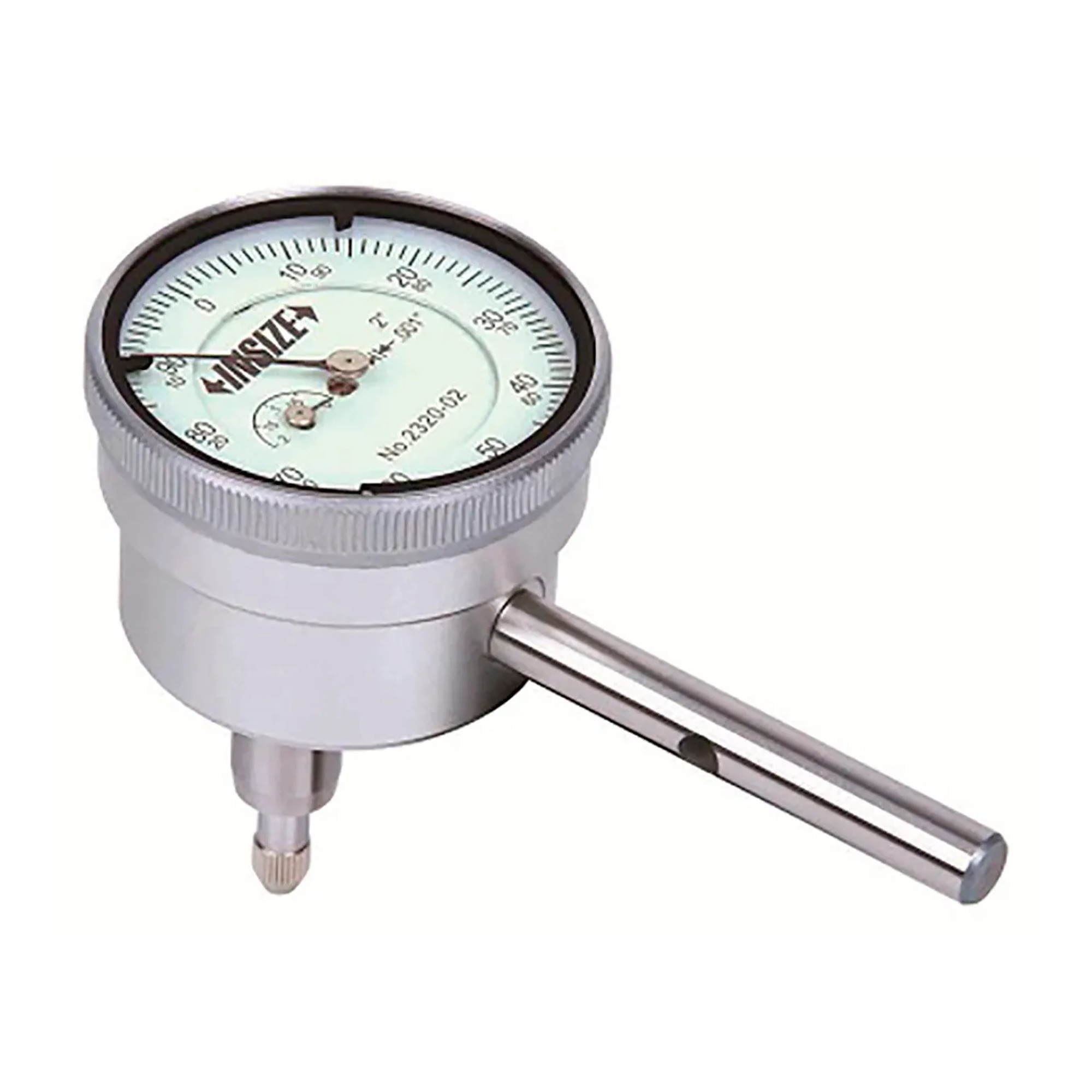
Back Plunger Dial Indicator with Lug Back, 3/16 in. Range
Our Price:$149.94This back plunger dial indicator is a measuring tool for inspectors and shop professionals who need to observe small movement during measurement and setup work. Its lug back provides a...
-
InSize
Carbon Steel Outside Spring Caliper, 0 to 12-5/8 in. Range
Our Price:$35.94This outside spring caliper is a measuring tool for machinists, inspectors, and shop personnel who need to check outside dimensions of workpieces. It helps users compare the external size of round,...
-
Calculated Industries
Construction Math Calculator with Feet-Inch-Fraction and Metric Modes
Our Price:$90.94This construction math calculator helps construction professionals complete common building calculations for estimating, layout, and measurement work. It supports feet-inch-fraction entries as well...
-
InSize
Dial Test Indicator Holder with 4-1/2 in. Stem
Our Price:$29.94This dial test indicator holder is designed for machinists and inspection personnel who need to position a dial test indicator during measurement and inspection work. It provides a dedicated holder...
-
REED Instruments
Digital Measuring Distance Wheel
Our Price:$99.94This digital measuring distance wheel helps construction and roadwork professionals measure travel distance across job sites and along routes. Its rolling wheel design provides a practical way to...










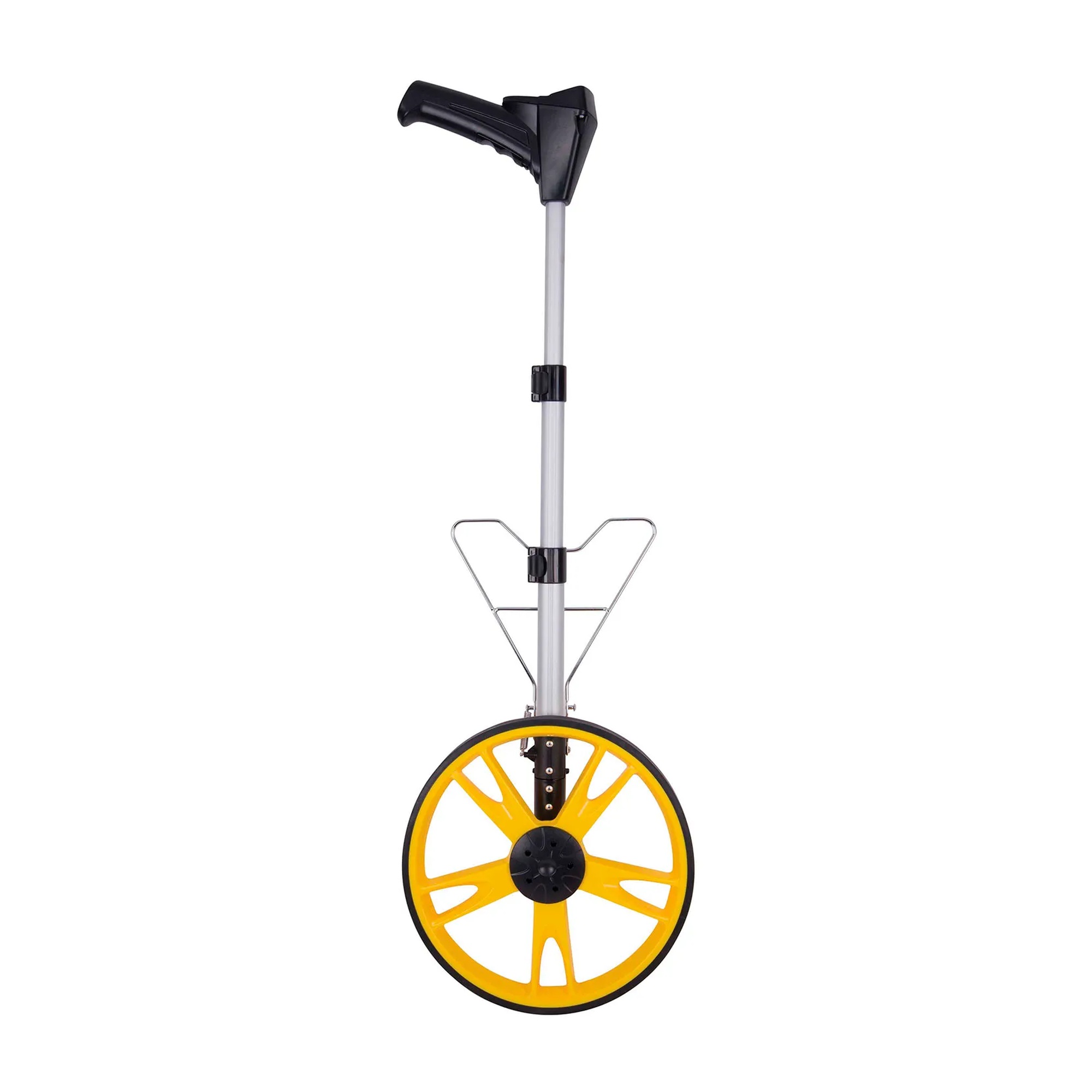
Choose Measuring Tools for the Work at Hand
The right measuring tool depends on what is being measured, the size of the work area or workpiece, and how the reading will be used. Compare tools by application, measurement range, display or graduation style, portability, and features that support the specific task.
Popular examples in this category
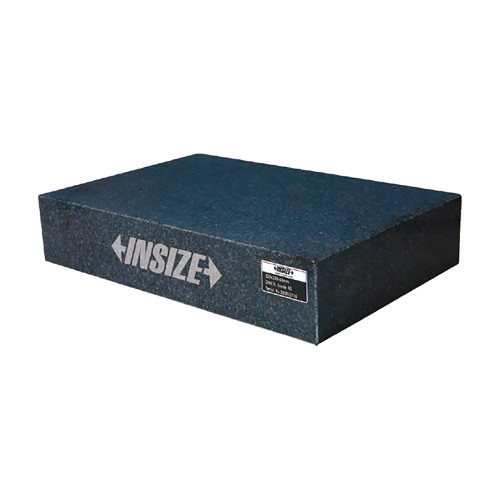 Grade A Granite Surface Plate, 24 in. x 18 in. x 3 in.WBB3127540
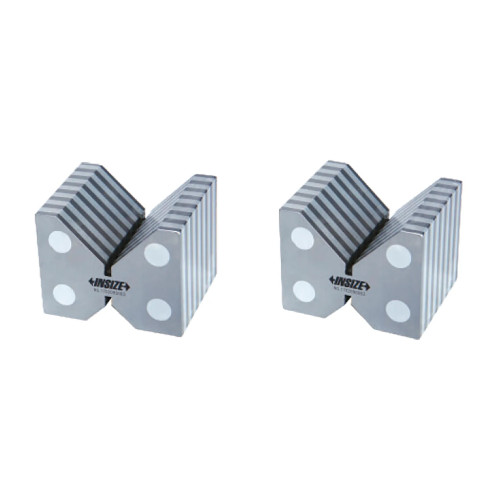 Magnetic Induction V-Block SetWBB3127564
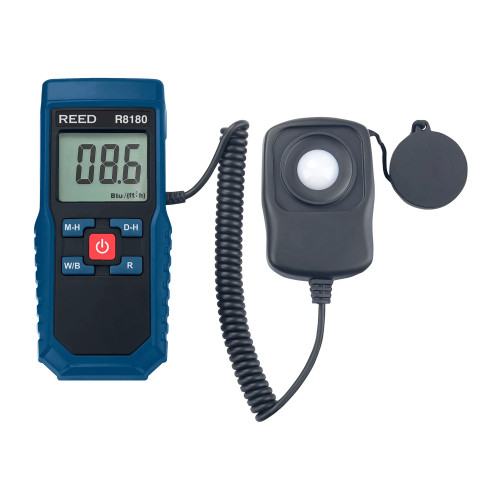 Digital Solar Power MeterWBB3161520
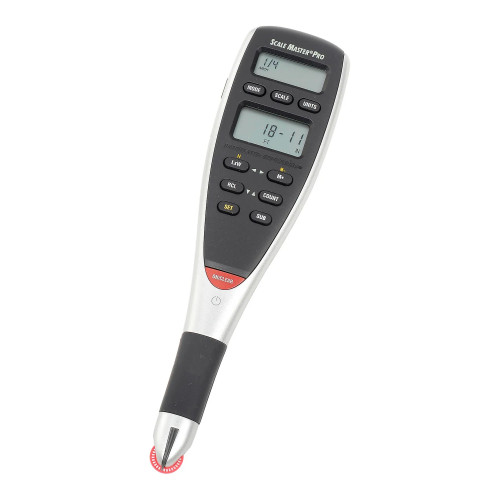 Digital Plan Measure with Built-In ScalesWBB588650
Match the tool to the measurement
Use surface plates, calipers, and dial test indicators for shop inspection and dimensional work. Choose rulers and yardsticks for marking and layout, wheels for rolling distance measurements, and plan measures for drawing takeoffs.
Start with range and reading needs
Consider whether you need to measure a small workpiece, a larger part, a long path, a vertical distance, or a drawing. Then compare available graduations, digital readings, inch and metric options, and task-specific functions.
Support work across commercial settings
These tools are represented for machining, quality control, construction estimating, surveying, paving, facility work, solar panel checks, maintenance, and straight trimming.
Look for handling and setup features
Telescoping handles and poles can help with reach and storage. Protective cases, carrying bags, clamps, remote sensors, and data hold functions can support convenient use in the appropriate application.
Measures up to 24 inches or 600 mm.
Measures vertical distances up to 25 feet.
Provides imperial and metric scale options.
Shown on the five-digit distance counter.
Compare Common Measuring Tool Types
Use this overview to narrow the category by the kind of work you need to complete.
| Tool type | Best suited for | Selection factors represented |
|---|---|---|
| Inspection and dimensional tools | Inspection, layout, machining, and workpiece measurement | Reference surface, workpiece size, fine graduations, measuring direction, clamps, inch/metric display |
| Distance and field tools | Plan takeoffs, long paths, vertical distances, and solar panel checks | Scale options, rolling operation, reach, handle adjustment, counter display, remote sensor, unit selection |
| Rulers and straightedges | Everyday marking, measurement, and straight trimming | Length, fractional or decimal graduations, flexible or rigid construction, readable markings, blade-guiding edge |
Plan the right fit before choosing
Identify what you need to measure
Start by defining the task. Flatness reference and comparative movement checks call for inspection-focused tools, while part dimensions may call for a caliper. Long runs, drawings, overhead distances, solar energy, and trimming lines each require a different tool type.
- For inspection and layout on a stable surface, consider a granite surface plate.
- For cylindrical workpieces on magnetic chucks, use V-blocks designed to support shafts and similar round parts.
- For dimensions on larger workpieces, compare the 24 in./600 mm electronic caliper range with the needs of the job.
- For long paths, choose a rolling measuring wheel; for vertical reach, consider a telescoping measuring pole.
Choose features that fit your workflow
Digital tools can provide displayed readings and functions such as selectable units, max/min review, data hold, calculations, or optional data transfer. Straightedges and rulers provide visible graduations for direct measuring, marking, and trimming guidance.
- A digital plan measure offers 72 built-in scales, custom scale capability, and rectangular area and volume calculations.
- The solar power meter reads in W/m² or BTU/(ft² x h) and includes max/min and data hold functions.
- A dial test indicator has 0.0005 in. graduations, a centered 0-15-0 dial, and two measuring directions.
- For trimming, compare the 52-inch and 76-inch safety rulers by the length of the cut line.
Balance coverage with convenient handling
Select a compact tool for everyday close-up work or a longer tool when the task demands greater reach. Construction and included accessories vary by product and can influence handling, transport, storage, and use.
- The 4-inch measuring wheel has a telescoping handle that adjusts from 17 to 42 inches.
- The 25-foot measuring pole retracts to 58 inches and includes a hook and carry bag.
- The 6-inch ruler uses flexible stainless steel and has fractional-inch and decimal-inch markings.
- The 36-inch yardstick has an extruded aluminum rule with 1/8-inch and 1/16-inch graduations.
Common questions before buying
Which tools are suited to shop inspection work?
The category includes a granite surface plate, magnetic induction V-block set, dial test indicator, and electronic caliper for inspection and measurement tasks.
What can a digital plan measure do?
It measures traced plan lines, provides 72 built-in scales and custom scale capability, and supports rectangular area and volume calculations from entered values.
What is the measuring wheel designed to measure?
It is designed for long distances along indoor or outdoor paths, including rooms, hallways, lots, driveways, and construction layouts.
Which tools support straight trimming?
The 52-inch and 76-inch steel safety rulers provide raised steel edges that guide a blade along a straight cutting line.
Choosing the right file folders
FilingSupplies.com carries end-tab folders for open-shelf systems, top-tab folders for drawer filing, and heavy-duty classification folders with dividers and fasteners for multi-section records. Pick letter or legal size, then choose material (11-pt, 14-pt, or 18-pt manila), optional reinforced tabs, color-coding, and expansion capacity to match your volume.
Folder FAQs
End-tab vs. top-tab — what’s the difference?
When should I choose classification folders?
Letter or legal size — how do I pick?
What tab and material options are available?
Can I add fasteners, pockets, or expansion?
Do you offer volume pricing or custom printing?
Outfitting classrooms that work all day
Build a durable, age-appropriate classroom with furniture, early-learning materials, storage bins, learning centers, and presentation tools. Choose adjustable pieces that grow with grades, label friendly bins for quick clean-up, and tech carts that secure, charge, and move easily.
Education FAQs
What safety labels should I look for on school and early-childhood items?
How do I pick classroom furniture across grade levels?
What’s the best way to organize supplies and centers?
How do I choose learning games and manipulatives by age?
What should I consider in a charging/tech cart?
Do you support school POs, bulk pricing, or custom printing?
Choosing the right labels
From color file labels to printable sheets, select the right size, adhesive, and print method to match your filing system and equipment. Decide on sheet vs. roll format, then pick permanent or removable adhesive and your color set.
Labels FAQs
Sheet vs. roll labels — what’s the difference?
Permanent or removable adhesive?
Will these labels work in my printer?
How do I match the label size to folder tabs or binder spines?
Can I get preprinted sequences or color bars?
Do you have templates?
Choosing the right tab dividers
Organize binders with preprinted or blank tabs. Select the number of tabs per set (5, 8, 10, or 12), choose paper with reinforced tabs or durable poly, and match letter or legal size for a clean fit.
Tab Dividers FAQs
What do 5-, 8-, 10-, or 12-tab sets mean?
Paper vs. poly — which should I choose?
Are the tabs printable?
Will they fit my binder?
Can I mix preprinted and blank tabs?
Do you make custom tab sets?
Choosing the right office supplies
From everyday paper and pens to binders, mailers, and desk organizers, pick durable, compatible options that match your equipment and team size. Start with the right paper and labeling, then add organizers that keep work moving.
Office Supplies FAQs
Which paper weight and brightness should I choose?
Round-ring vs. D-ring binders — what’s the difference?
What does “sheet capacity” mean on staplers and hole punches?
Will labels, envelopes, and mailers work with my printer?
How do I choose mailers and shipping boxes?
Do you offer eco-conscious options or bulk pricing?
Choosing the right sports & PE equipment
Equip classes, teams, and rec programs with durable balls, goals, cones, pinnies, storage, and safety gear. Match sizes and materials to age group and whether you play indoors or outdoors.
Sports & Athletics FAQs
What ball sizes should I choose for different ages?
- Basketball: Size 5 (27.5") youth, Size 6 (28.5") intermediate, Size 7 (29.5") official.
- Soccer: Size 3 up to ~8 years, Size 4 ~8–12, Size 5 ~12+.
- Volleyball: Regulation balls for teens/adults; lighter training balls for younger players.
Indoor vs. outdoor — which materials hold up best?
How many pinnies, cones, or markers do I need?
Tips for storage and care?
Are items latex‑free and school‑safe?
Do you support bulk orders or custom printing (team names)?
Choosing the right FireKing fireproof cabinet
FireKing fireproof file cabinets, safes, and storage cabinets are designed to protect important documents, records, and valuables from fire damage while keeping files organized and accessible. When choosing a FireKing cabinet, compare drawer configuration, storage type, fire rating, and overall capacity based on the records or materials you need to protect.
FireKing FAQs
What is the difference between FireKing vertical and lateral file cabinets?
What can I store in a FireKing fireproof file cabinet?
Are FireKing cabinets only for paper records?
How do I choose between a FireKing safe, file cabinet, or storage cabinet?
What sizes are available in FireKing cabinets?
Are FireKing cabinets used in offices, medical facilities, and government records storage?
Can I buy FireKing cabinets in bulk or get help choosing the right model?
Shipping & Policies
Do you offer free shipping?
What are your shipping rates?
- $6.95 for labels-only orders under $40
- $14.95 flat rate for everything else