
-
Concrete Mounting Kit for Stadium Bike Racks, Pack of 6
Our Price:$7.39This concrete mounting kit is for facilities teams and property managers installing stadium bike racks on existing concrete. It provides the hardware needed to permanently secure compatible bike...

Bike Racks: Store, Display, and Organize Bicycles Efficiently
Whether you're outfitting a garage, a retail shop, a school, or a commercial facility, bike racks keep bicycles organized, protected, and easy to access. Browse our selection to find the right style and capacity for your space and usage needs.
Popular examples in this category
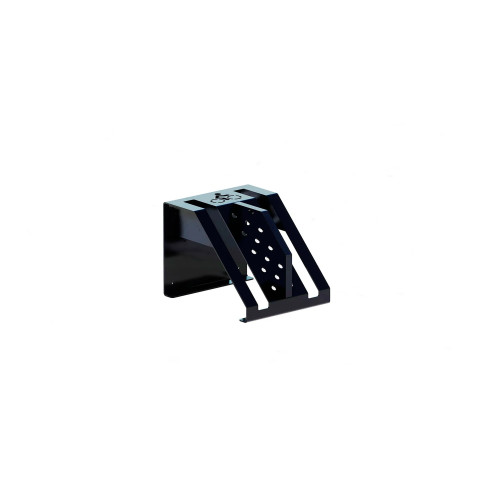 Pasadena 2-Bike Surface-Mount Bicycle Parking Rack, BlackWBB3162605
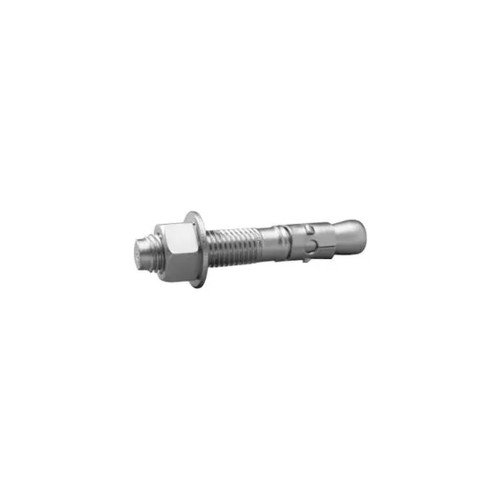 Concrete Mounting Kit for Stadium Bike Racks, Pack of 6WB269371
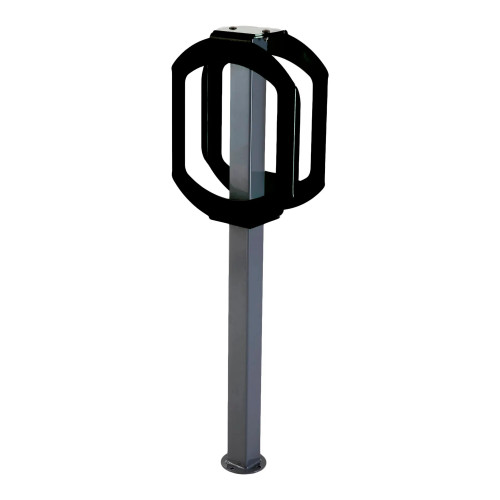 Double Ring Bike Rack, Black, 6 x 14 x 38 in.WBB973494
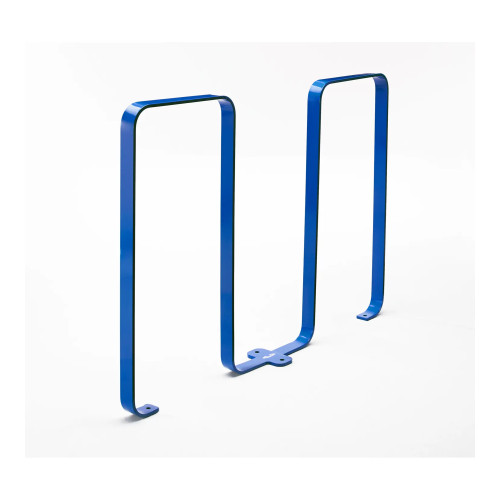 Linguini 5-Bike Steel Bike Rack, BlueWBB973498
Keeping Bikes Organized and Secure
Bike racks are designed to hold bicycles upright, off the floor, or in compact arrangements. They're used in homes, schools, offices, parks, and retail environments to prevent clutter, reduce damage, and make bikes easy to grab and go.
Matching the Rack to Your Space and Volume
Start with how many bikes you need to store, then consider your floor space versus vertical space. Factor in whether bikes need to be locked, whether users are staff or the public, and whether the rack will live indoors or outdoors in weather.
Where Bike Racks Are Commonly Used
Common settings include apartment complexes, school campuses, corporate offices, parks and trails, retail storefronts, and warehouses. Each environment has different demands for capacity, security compatibility, durability, and ease of use.
Installation, Materials, and Maintenance
Most bike racks are made from powder-coated steel or galvanized metal for corrosion resistance. Some mount to walls or floors while others are freestanding. Minimal maintenance is typically required beyond occasional cleaning and hardware checks.
Two-tier bike racks can store roughly twice as many bikes in the same floor footprint compared to single-level racks.
Outdoor bike racks should be made from galvanized steel or powder-coated metal to withstand moisture, UV exposure, and temperature changes.
Anchored racks are significantly harder to move or tip, making them the preferred choice for public-facing or unsupervised locations.
Inverted-U and staple-style racks allow users to lock both the frame and at least one wheel, which is the recommended minimum for bike security.
Which Bike Rack Style Fits Your Situation?
Use this table to quickly match your storage need to the right rack type.
| Need | Best Fit | Why It Matters |
|---|---|---|
| Maximize bikes in a small room | Two-tier vertical rack | Stacks bikes on two levels to double capacity without expanding the footprint |
| Easy access for all users | Single-tier floor rack or inverted-U | Low entry point and simple operation work for all ages and ability levels |
| Outdoor public bike parking | Inverted-U or staple rack (anchored) | Supports frame locking and resists vandalism when bolted to concrete |
| Personal or home garage storage | Wall-mounted hook or freestanding floor rack | Compact, affordable, and easy to install without professional help |
| Retail or display use | Freestanding floor rack | Portable and repositionable to suit changing floor layouts or seasonal needs |
Plan the right fit before choosing
Step 1: Determine Capacity and Space
Count the maximum number of bikes you expect to store at one time, then add a buffer of 20–30% for growth. Measure your available floor footprint and ceiling height. Vertical or wall-mounted racks work well in tight spaces, while floor-standing racks suit open areas with higher traffic.
- Count peak-use bikes, not just average daily use
- Measure width, depth, and ceiling clearance before ordering
- Consider aisle space needed for users to maneuver bikes in and out
Step 2: Choose the Right Rack Style
Bike rack styles vary by how they hold the bike—by the wheel, the frame, or a hook. Two-tier racks maximize density in small footprints. Horizontal floor racks are easiest for casual users. Wall-mounted hooks work well for personal or small-group storage. Inverted-U or staple racks are popular for public outdoor use.
- Two-tier racks double capacity in the same floor space
- Inverted-U racks support locking at the frame and wheel
- Wall hooks are best for individual or low-traffic storage
Step 3: Plan for Installation and Anchoring
Decide whether you need a freestanding unit or a fixed installation. Anchored racks resist theft and tipping but require drilling into concrete or a wall. Freestanding racks offer flexibility for rearranging. For outdoor installations, confirm the rack material is rated for weather exposure.
- Anchored racks are recommended for public or high-theft-risk areas
- Freestanding racks are easier to reposition as needs change
- Outdoor racks should be galvanized or powder-coated for rust resistance
Common questions before buying
What is the difference between a freestanding and an anchored bike rack?
Freestanding racks stand on their own without hardware and can be moved easily. Anchored racks are bolted to the floor or wall, making them more stable and resistant to tipping or theft. Anchored racks are recommended for public or outdoor locations.
How many bikes can a typical bike rack hold?
Capacity varies widely by style. Single-sided floor racks often hold 4–10 bikes. Two-tier racks can hold 10–20 or more in the same footprint. Always check the listed capacity for the specific model before purchasing.
Can bike racks be used outdoors year-round?
Yes, but only if the rack is made from weather-resistant materials such as galvanized steel or powder-coated metal. Check the product specifications to confirm outdoor suitability before installing in an exposed location.
Do bike racks work with all bicycle types, including e-bikes and cargo bikes?
Standard bike racks are designed for traditional bicycle widths and weights. E-bikes and cargo bikes are often heavier and wider, so check the rack's listed weight capacity and tire width clearance to confirm compatibility before ordering.
Choosing the right file folders
FilingSupplies.com carries end-tab folders for open-shelf systems, top-tab folders for drawer filing, and heavy-duty classification folders with dividers and fasteners for multi-section records. Pick letter or legal size, then choose material (11-pt, 14-pt, or 18-pt manila), optional reinforced tabs, color-coding, and expansion capacity to match your volume.
Folder FAQs
End-tab vs. top-tab — what’s the difference?
When should I choose classification folders?
Letter or legal size — how do I pick?
What tab and material options are available?
Can I add fasteners, pockets, or expansion?
Do you offer volume pricing or custom printing?
Outfitting classrooms that work all day
Build a durable, age-appropriate classroom with furniture, early-learning materials, storage bins, learning centers, and presentation tools. Choose adjustable pieces that grow with grades, label friendly bins for quick clean-up, and tech carts that secure, charge, and move easily.
Education FAQs
What safety labels should I look for on school and early-childhood items?
How do I pick classroom furniture across grade levels?
What’s the best way to organize supplies and centers?
How do I choose learning games and manipulatives by age?
What should I consider in a charging/tech cart?
Do you support school POs, bulk pricing, or custom printing?
Choosing the right labels
From color file labels to printable sheets, select the right size, adhesive, and print method to match your filing system and equipment. Decide on sheet vs. roll format, then pick permanent or removable adhesive and your color set.
Labels FAQs
Sheet vs. roll labels — what’s the difference?
Permanent or removable adhesive?
Will these labels work in my printer?
How do I match the label size to folder tabs or binder spines?
Can I get preprinted sequences or color bars?
Do you have templates?
Choosing the right tab dividers
Organize binders with preprinted or blank tabs. Select the number of tabs per set (5, 8, 10, or 12), choose paper with reinforced tabs or durable poly, and match letter or legal size for a clean fit.
Tab Dividers FAQs
What do 5-, 8-, 10-, or 12-tab sets mean?
Paper vs. poly — which should I choose?
Are the tabs printable?
Will they fit my binder?
Can I mix preprinted and blank tabs?
Do you make custom tab sets?
Choosing the right office supplies
From everyday paper and pens to binders, mailers, and desk organizers, pick durable, compatible options that match your equipment and team size. Start with the right paper and labeling, then add organizers that keep work moving.
Office Supplies FAQs
Which paper weight and brightness should I choose?
Round-ring vs. D-ring binders — what’s the difference?
What does “sheet capacity” mean on staplers and hole punches?
Will labels, envelopes, and mailers work with my printer?
How do I choose mailers and shipping boxes?
Do you offer eco-conscious options or bulk pricing?
Choosing the right sports & PE equipment
Equip classes, teams, and rec programs with durable balls, goals, cones, pinnies, storage, and safety gear. Match sizes and materials to age group and whether you play indoors or outdoors.
Sports & Athletics FAQs
What ball sizes should I choose for different ages?
- Basketball: Size 5 (27.5") youth, Size 6 (28.5") intermediate, Size 7 (29.5") official.
- Soccer: Size 3 up to ~8 years, Size 4 ~8–12, Size 5 ~12+.
- Volleyball: Regulation balls for teens/adults; lighter training balls for younger players.
Indoor vs. outdoor — which materials hold up best?
How many pinnies, cones, or markers do I need?
Tips for storage and care?
Are items latex‑free and school‑safe?
Do you support bulk orders or custom printing (team names)?
Choosing the right FireKing fireproof cabinet
FireKing fireproof file cabinets, safes, and storage cabinets are designed to protect important documents, records, and valuables from fire damage while keeping files organized and accessible. When choosing a FireKing cabinet, compare drawer configuration, storage type, fire rating, and overall capacity based on the records or materials you need to protect.
FireKing FAQs
What is the difference between FireKing vertical and lateral file cabinets?
What can I store in a FireKing fireproof file cabinet?
Are FireKing cabinets only for paper records?
How do I choose between a FireKing safe, file cabinet, or storage cabinet?
What sizes are available in FireKing cabinets?
Are FireKing cabinets used in offices, medical facilities, and government records storage?
Can I buy FireKing cabinets in bulk or get help choosing the right model?
Shipping & Policies
Do you offer free shipping?
What are your shipping rates?
- $6.95 for labels-only orders under $40
- $14.95 flat rate for everything else