
-
Williams
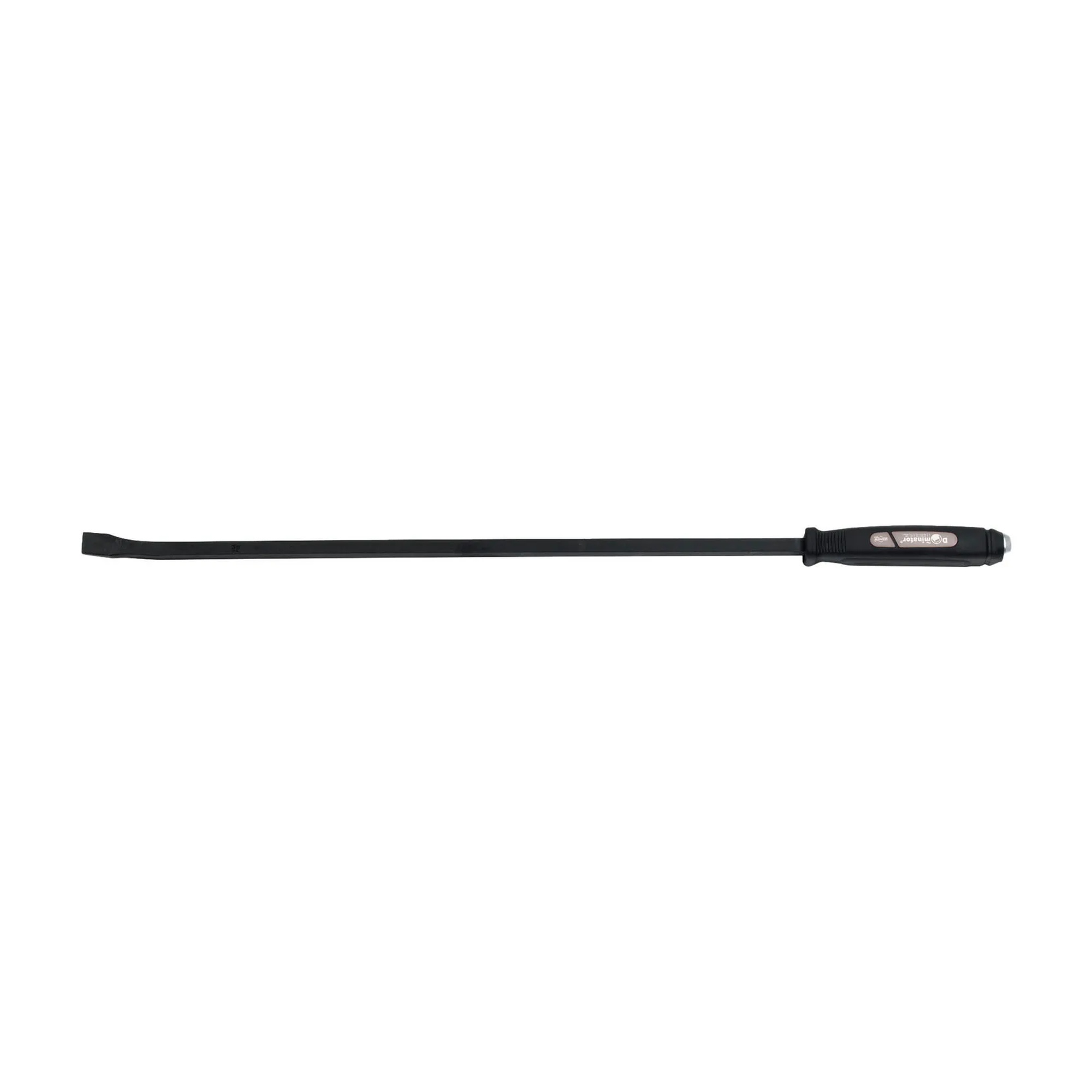
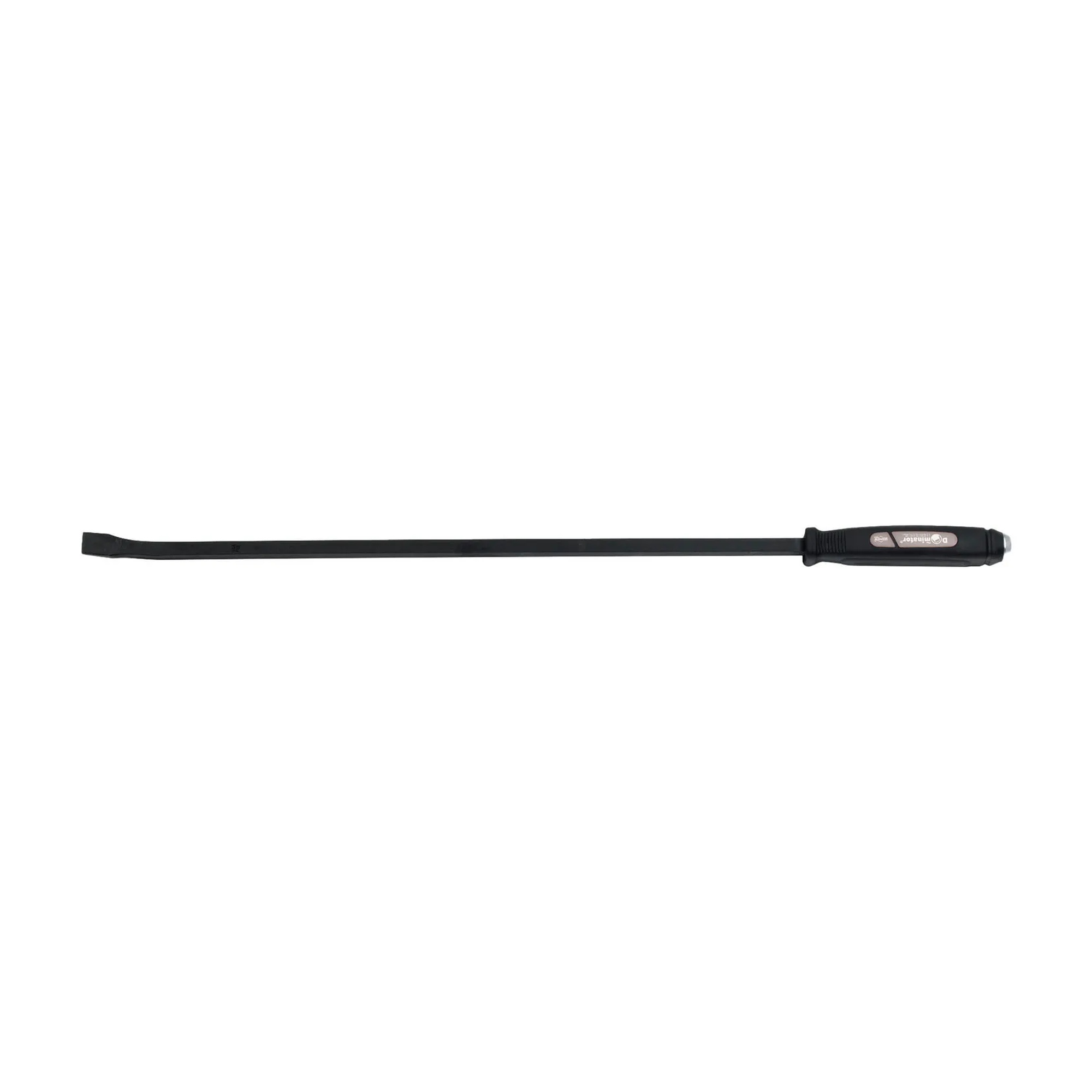
17-Inch Curved Screwdriver-Style Pry Bar
Our Price:$36.94This curved screwdriver-style pry bar is a hand tool for maintenance and shop professionals who need leverage for prying tasks. Its curved blade helps users apply extra leverage, while the handle is...
-
Stanley
21.5-Inch One-Piece Steel Pry Bar
Our Price:$20.74This pry bar is a hand tool for maintenance crews, contractors, and shop users who need to pull nails and apply prying force during repair and teardown work.The bar is made from forged, heat-treated,...
-
True Temper
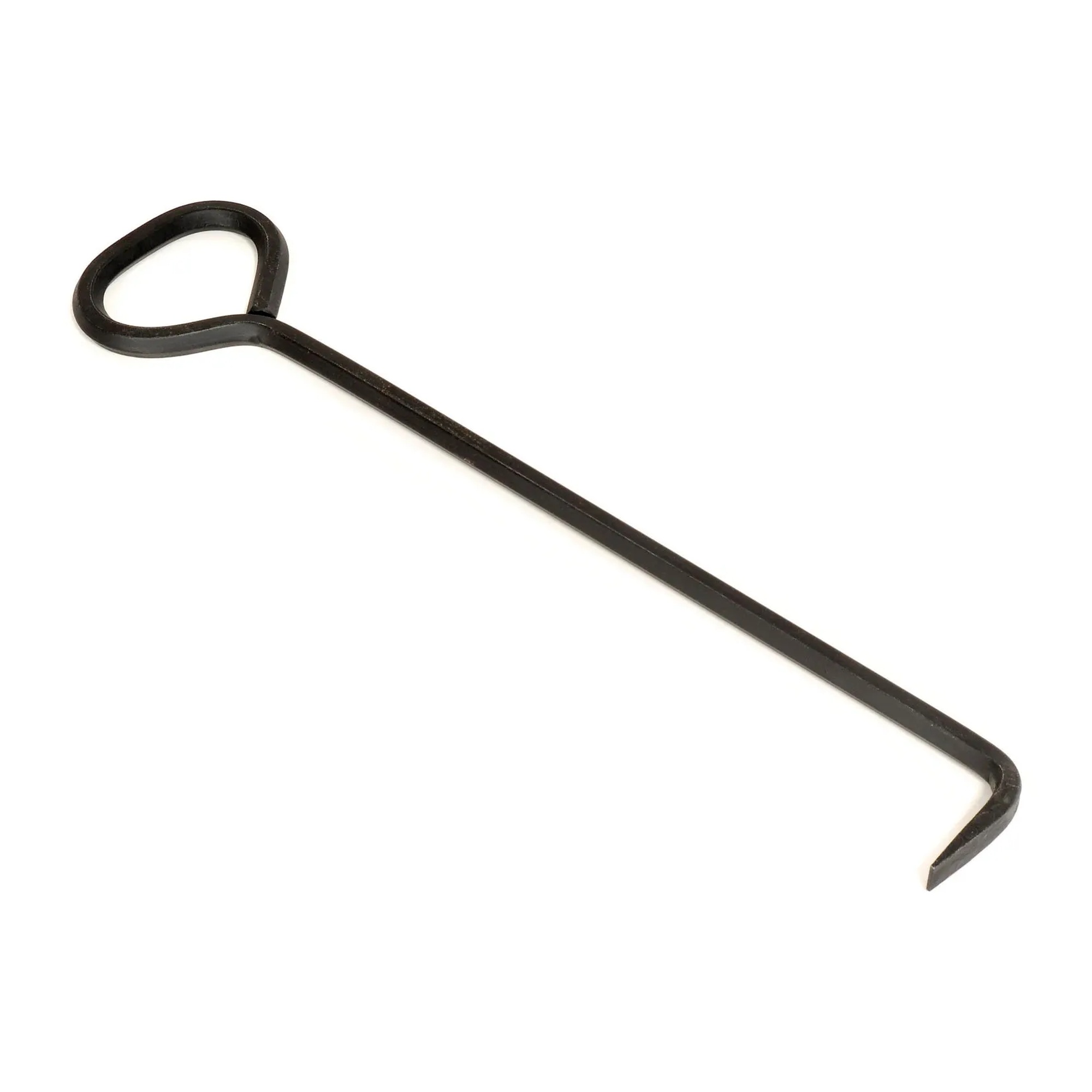
24-Inch Manhole Cover Bar
Our Price:$19.99This manhole cover bar is a hand tool for maintenance crews and utility workers who need to pry loose conventional manhole covers. Its compact length provides a direct leverage option for...
-
Proto
30-Inch Aligning Pry Bar
Our Price:$63.94This 30-inch aligning pry bar is a hand tool for professionals who need to pry, position, and align components during assembly, maintenance, or repair work.The pry bar measures 30 inches in length...
-
Stanley
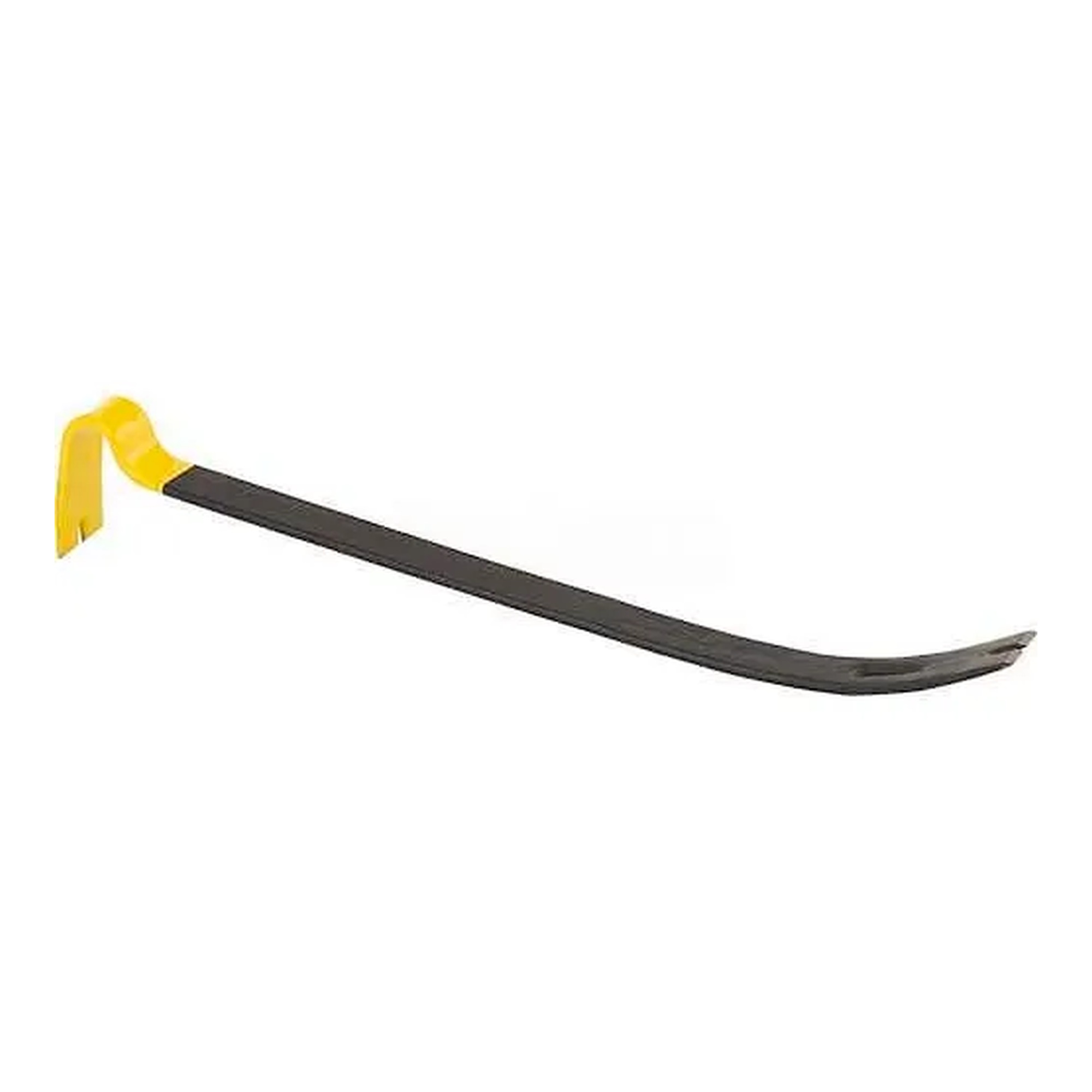
36-Inch Yellow Steel Wrecking Bar
Our Price:$21.24This 36-inch wrecking bar is a hand tool for trade professionals and maintenance teams who need to pry materials apart and pull nails during repair, removal, and demolition work.The bar is made from...
-
K-Tool International
4-Piece Bent-End Pry Bar Set
Our Price:$62.94This bent-end pry bar set gives maintenance technicians and shop professionals a selection of bar lengths for prying and positioning tasks. Square handles provide a smooth, comfortable grip during...
-
Bon Tool
56-Inch Handle Pry Bar with V-Notch Blade
Our Price:$149.94This long-handled pry bar is a multipurpose hand tool for construction professionals who need leverage for moving, positioning, and removing materials. It is suited for prying forms, aligning walls...
-
Surtek
69-Inch Hexagonal Crow Bar with Anti-Slip Handle
Our Price:$40.94This hexagonal crow bar is a hand tool for trade professionals and maintenance teams who need leverage for prying and positioning tasks. Its long profile helps users apply controlled force while the...
-
Williams
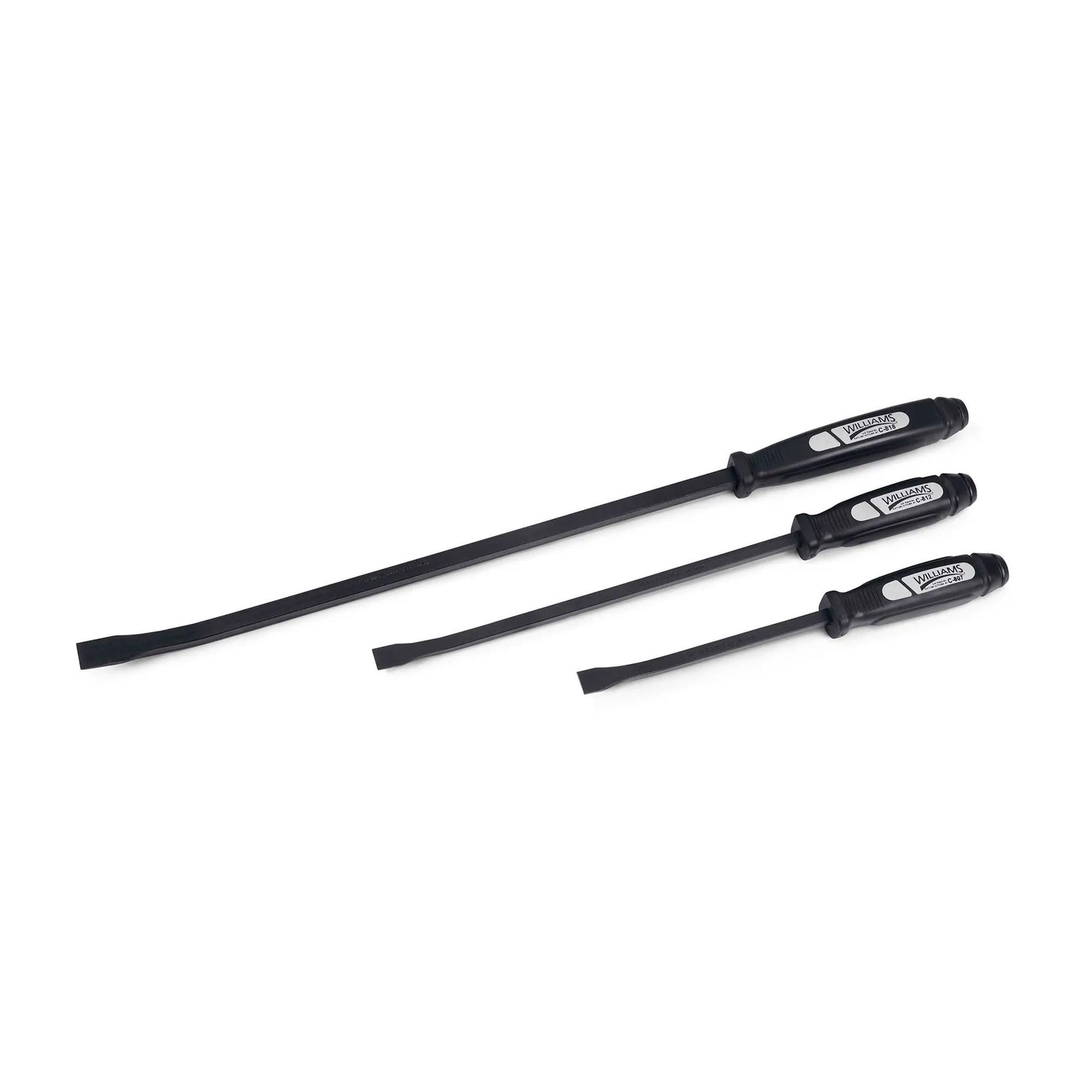
Curved Screwdriver-Style Pry Bar Set, 12 in., 17 in. and 25 in.
Our Price:$139.94This curved pry bar set gives maintenance professionals and shop users three leverage tool lengths for prying, positioning, and general service tasks. The screwdriver-style handles provide a...
-
Williams
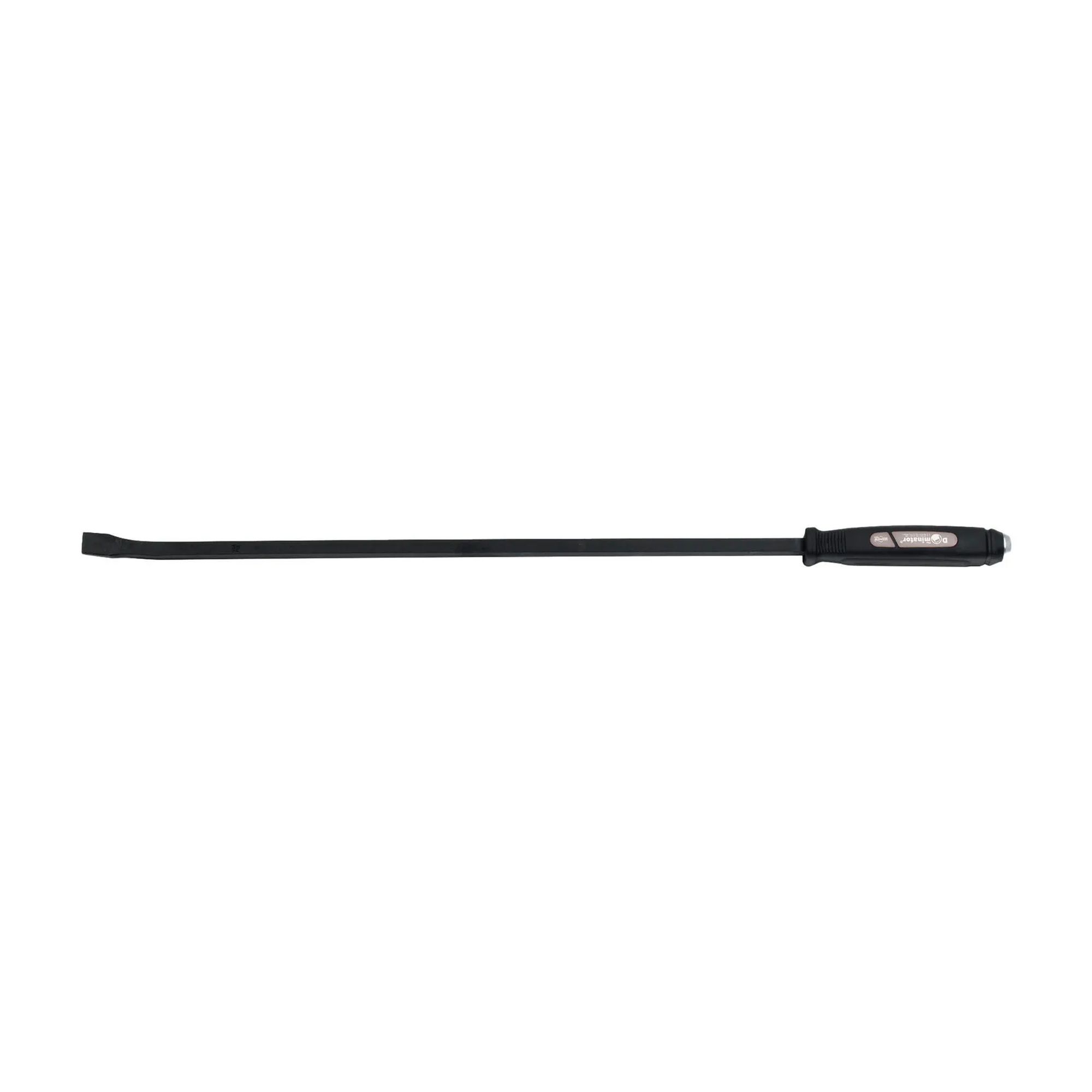
Curved Screwdriver-Style Pry Bar, 25 in.
Our Price:$52.94This curved screwdriver-style pry bar is a hand tool for maintenance and shop professionals who need leverage for prying and repositioning work. Its curved blade design helps users apply added...
-
Williams
Curved Screwdriver-Style Pry Bar, 31 in. Long
Our Price:$65.94This curved screwdriver-style pry bar is a hand tool for maintenance and shop users who need added leverage for prying tasks. Its long profile and curved blade help users apply leverage where a...
-
Williams
Curved Screwdriver-Style Pry Bar, 42 in.
Our Price:$125.94This curved screwdriver-style pry bar is a hand tool for maintenance and repair professionals who need leverage for prying and positioning tasks. Its curved blade helps users apply added leverage...
-
Williams
Curved Screwdriver-Type Pry Bar
Our Price:$209.94This curved screwdriver-type pry bar is a hand tool for maintenance and shop professionals who need leverage for prying tasks. Its curved blade helps direct force where needed, while the handle is...
-
Williams
Curved Screwdriver-Type Pry Bar, 12 in. Long
Our Price:$30.94This curved screwdriver-type pry bar is a hand tool for maintenance and repair professionals who need leverage for prying tasks. Its curved blade helps users apply added leverage when working in...
-
Williams
Curved Screwdriver-Type Pry Bar, 36 in. Long
Our Price:$109.94This curved screwdriver-type pry bar is a hand tool for maintenance and repair professionals who need added leverage for prying tasks. Its ergonomic handle is designed to provide a comfortable,...
-
Williams
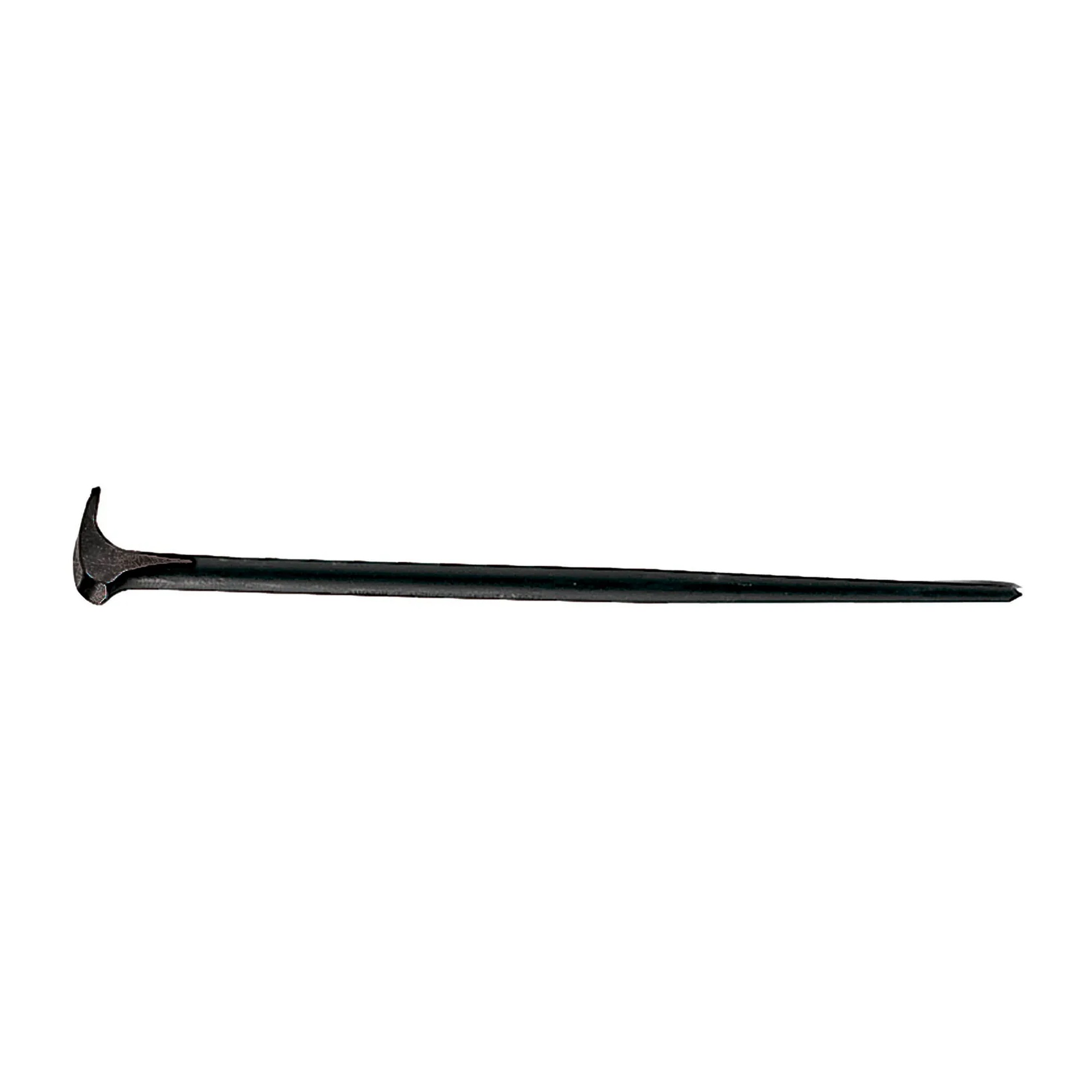
Flat Curved-End Ladyfoot Pry Bar, 12 in. Long
Our Price:$52.94This flat curved-end ladyfoot pry bar is a hand tool for tradespeople and maintenance crews who need leverage in tight work areas and a way to align workpieces during setup or repair tasks.The black...
-
Williams
Flat Curved-End Ladyfoot Pry Bar, 16 in. L x 9/16 in. W
Our Price:$57.94This flat curved-end ladyfoot pry bar is a hand tool for maintenance and repair professionals who need leverage in confined work areas. Its curved end helps users apply force where space is limited,...
-
Williams
Flat Curved-End Ladyfoot Pry Bar, 21 in. L x 11/16 in. W
Our Price:$71.94This ladyfoot pry bar is a hand tool for maintenance and construction professionals who need leverage in confined work areas and a way to align workpieces.The black pry bar has a flat profile with a...
-
Williams
Flat Curved-End Pinch Bar, 14 in. x 5/8 in.
Our Price:$22.74This flat curved-end pinch bar is a hand tool for workers who need to align, pry, or position components during maintenance, assembly, and shop tasks.The bar measures 14 inches long by 5/8 inch wide...
-
Williams
Flat Curved-End Pinch Bar, 16 in. L x 3/4 in. W
Our Price:$25.94This flat curved-end pinch bar helps maintenance and shop professionals align, pry, and position components during hands-on work.The bar measures 16 inches long by 3/4 inch wide and has a flat,...









Choose a pry bar for the work at hand
The right pry bar depends on the task, available working space, desired reach and the working-end style needed. Compare compact flat bars for controlled alignment with longer wrecking, crow and ripping bars for extended leverage and removal work. For recurring prying in challenging positions, consider curved screwdriver-style designs with a handle and capped striking end.
Popular examples in this category
 Flat Curved-End Ladyfoot Pry Bar, 12 in. LongWBB3191456
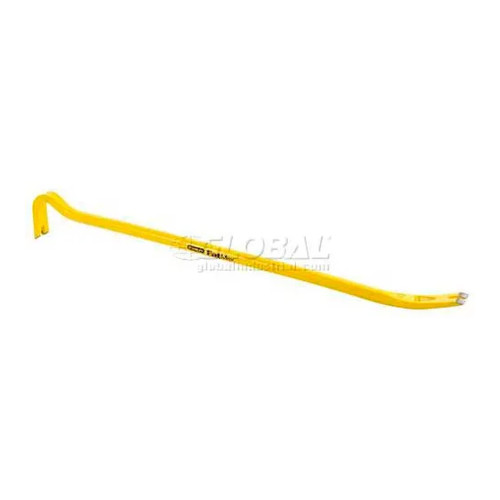 36-Inch Yellow Steel Wrecking BarWBB983474
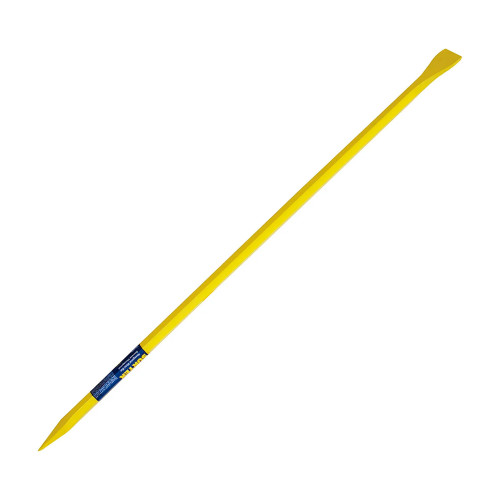 69-Inch Hexagonal Crow Bar with Anti-Slip HandleWBB3152680
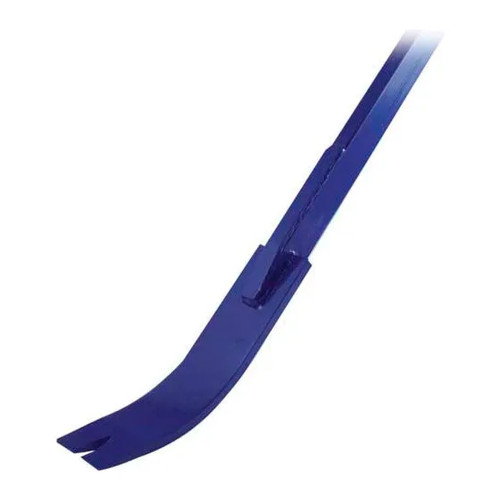 56-Inch Handle Pry Bar with V-Notch BladeWBB607714
Apply leverage where it is needed
Use pry bars to separate materials, align components, position workpieces and assist with removal tasks. Available designs support close-range shop work through extended-reach construction and maintenance applications.
Match length and end style to the job
Choose compact 12-, 14-, 16- or 18-inch bars for controlled work in tighter areas. Select 31-, 36-, 42-, 56- or 69-inch options when added reach and leverage are important. Compare curved, chisel, claw, V-notch and rolling-head configurations based on how the tool will engage the material.
Support repair, removal and positioning work
Representative applications include pulling nails, prying forms, aligning walls during tilt-up work, removing shingles or flooring, rolling or aligning large pipe, and positioning components during maintenance and shop tasks.
Consider grip, profile and visibility features
Flat profiles support controlled placement between components, while hexagonal and tri-lobe bodies add resistance or strength to the bar design. Certain options include ergonomic or anti-slip handles, forged grip recesses, yellow finishes for visibility, and powder coating that helps resist corrosion.
A close-range size represented for leverage and alignment tasks.
Available on wrecking and ripping bar designs for prying and nail pulling.
Used on a V-notch pry bar for demanding prying and alignment tasks.
Available on a hexagonal crow bar with an anti-slip handle.
Compare pry bar types
Use this overview to distinguish the real configurations represented in the category.
| Pry bar type | Representative features | Typical tasks described |
|---|---|---|
| Flat curved-end bars | Compact or extended lengths; flat profile; curved working end | Aligning, prying and positioning components in maintenance, assembly and shop work |
| Wrecking, ripping and crow bars | Longer profiles; forged construction; chisel or claw ends; nail slots on selected designs | Prying materials apart, pulling nails, removal and demolition work |
| Handled specialty pry bars | Curved blade or rolling head; ergonomic or anti-slip handle on selected designs; capped striking end on screwdriver-style models | Controlled positioning, added leverage in challenging positions, and prying or alignment work |
Plan the right fit before choosing
Select a working end that fits the material and motion
Working-end geometry affects how a pry bar approaches prying, alignment and removal work. Curved ends are represented across ladyfoot and pinch-bar options for leverage, positioning and alignment. Curved-blade screwdriver-style bars provide extra leverage, while chisel and claw ends support prying and nail pulling. A tapered V-notch edge is available for engaging materials during removal work.
- Use claw-end nail slots when nail pulling is part of the task.
- Choose a flat curved-end bar for controlled alignment and positioning.
- Consider a V-notch blade for form, shingle or flooring removal applications.
- Use a rolling-head configuration when controlled positioning is the priority.
Balance access, leverage and control
Shorter options are suited to close-range leverage, routine maintenance and compact shop use. Longer bars provide extended reach for prying, positioning, removal and alignment tasks. Handled designs add grip-focused features for users working in challenging positions or applying controlled force.
- A 12-inch ladyfoot bar is intended for close-range leverage and alignment.
- 14-, 16- and 18-inch pinch and roll-bar options suit routine positioning and shop work.
- 31-, 36- and 42-inch bars extend reach for prying, removal and component work.
- 56- and 69-inch designs provide extended reach and leverage for demanding tasks.
Review bar profile and user-focused features
The category includes flat, hexagonal, tri-lobe and tapered body profiles. Forged steel, alloy-steel and high-carbon-steel constructions are represented, along with heat-treated working ends or blades on selected tools. Grip choices include an ergonomic handle, anti-slip handle and forged grip recesses; some handled bars also have a capped striking end.
- Flat profiles support controlled tool placement between components.
- Hexagonal bodies offer greater resistance during use.
- Forged one-piece constructions provide a unified bar construction for prying work.
- Yellow finishes can make designated ends easier to spot in the work area.
Common questions before buying
What pry bar length should I choose?
Choose a compact length for close-range, controlled work, or a longer bar when the task calls for extended reach and leverage. The represented options range from 12 to 69 inches.
Which pry bars can pull nails?
The wrecking bar and forged ripping bar include claw ends with beveled nail slots for nail pulling as well as prying.
What is a flat curved-end pinch bar used for?
Flat curved-end pinch bars are used to align, pry and position components during maintenance, repair, assembly and shop work.
Are there pry bars with grip-focused handles?
Yes. Represented options include ergonomic handles, an anti-slip handle and forged grip recesses. Some curved screwdriver-style bars also include a capped striking end.}]},
Choose a pry bar for the work at hand
The right pry bar depends on the task, available working space, desired reach and the working-end style needed. Compare compact flat bars for controlled alignment with longer wrecking, crow and ripping bars for extended leverage and removal work. For recurring prying in challenging positions, consider curved screwdriver-style designs with a handle and capped striking end.
Popular examples in this category
Apply leverage where it is needed
Use pry bars to separate materials, align components, position workpieces and assist with removal tasks. Available designs support close-range shop work through extended-reach construction and maintenance applications.
Match length and end style to the job
Choose compact 12-, 14-, 16- or 18-inch bars for controlled work in tighter areas. Select 31-, 36-, 42-, 56- or 69-inch options when added reach and leverage are important. Compare curved, chisel, claw, V-notch and rolling-head configurations based on how the tool will engage the material.
Support repair, removal and positioning work
Representative applications include pulling nails, prying forms, aligning walls during tilt-up work, removing shingles or flooring, rolling or aligning large pipe, and positioning components during maintenance and shop tasks.
Consider grip, profile and visibility features
Flat profiles support controlled placement between components, while hexagonal and tri-lobe bodies add resistance or strength to the bar design. Certain options include ergonomic or anti-slip handles, forged grip recesses, yellow finishes for visibility, and powder coating that helps resist corrosion.
A close-range size represented for leverage and alignment tasks.
Available on wrecking and ripping bar designs for prying and nail pulling.
Used on a V-notch pry bar for demanding prying and alignment tasks.
Available on a hexagonal crow bar with an anti-slip handle.
Compare pry bar types
Use this overview to distinguish the real configurations represented in the category.
| Pry bar type | Representative features | Typical tasks described |
|---|---|---|
| Flat curved-end bars | Compact or extended lengths; flat profile; curved working end | Aligning, prying and positioning components in maintenance, assembly and shop work |
| Wrecking, ripping and crow bars | Longer profiles; forged construction; chisel or claw ends; nail slots on selected designs | Prying materials apart, pulling nails, removal and demolition work |
| Handled specialty pry bars | Curved blade or rolling head; ergonomic or anti-slip handle on selected designs; capped striking end on screwdriver-style models | Controlled positioning, added leverage in challenging positions, and prying or alignment work |
Plan the right fit before choosing
Select a working end that fits the material and motion
Working-end geometry affects how a pry bar approaches prying, alignment and removal work. Curved ends are represented across ladyfoot and pinch-bar options for leverage, positioning and alignment. Curved-blade screwdriver-style bars provide extra leverage, while chisel and claw ends support prying and nail pulling. A tapered V-notch edge is available for engaging materials during removal work.
- Use claw-end nail slots when nail pulling is part of the task.
- Choose a flat curved-end bar for controlled alignment and positioning.
- Consider a V-notch blade for form, shingle or flooring removal applications.
- Use a rolling-head configuration when controlled positioning is the priority.
Balance access, leverage and control
Shorter options are suited to close-range leverage, routine maintenance and compact shop use. Longer bars provide extended reach for prying, positioning, removal and alignment tasks. Handled designs add grip-focused features for users working in challenging positions or applying controlled force.
- A 12-inch ladyfoot bar is intended for close-range leverage and alignment.
- 14-, 16- and 18-inch pinch and roll-bar options suit routine positioning and shop work.
- 31-, 36- and 42-inch bars extend reach for prying, removal and component work.
- 56- and 69-inch designs provide extended reach and leverage for demanding tasks.
Review bar profile and user-focused features
The category includes flat, hexagonal, tri-lobe and tapered body profiles. Forged steel, alloy-steel and high-carbon-steel constructions are represented, along with heat-treated working ends or blades on selected tools. Grip choices include an ergonomic handle, anti-slip handle and forged grip recesses; some handled bars also have a capped striking end.
- Flat profiles support controlled tool placement between components.
- Hexagonal bodies offer greater resistance during use.
- Forged one-piece constructions provide a unified bar construction for prying work.
- Yellow finishes can make designated ends easier to spot in the work area.
Common questions before buying
What pry bar length should I choose?
Choose a compact length for close-range, controlled work, or a longer bar when the task calls for extended reach and leverage. The represented options range from 12 to 69 inches.
Which pry bars can pull nails?
The wrecking bar and forged ripping bar include claw ends with beveled nail slots for nail pulling as well as prying.
What is a flat curved-end pinch bar used for?
Flat curved-end pinch bars are used to align, pry and position components during maintenance, repair, assembly and shop work.
Are there pry bars with grip-focused handles?
Yes. Represented options include ergonomic handles, an anti-slip handle and forged grip recesses. Some curved screwdriver-style bars also include a capped striking end.}]},
Choosing the right file folders
FilingSupplies.com carries end-tab folders for open-shelf systems, top-tab folders for drawer filing, and heavy-duty classification folders with dividers and fasteners for multi-section records. Pick letter or legal size, then choose material (11-pt, 14-pt, or 18-pt manila), optional reinforced tabs, color-coding, and expansion capacity to match your volume.
Folder FAQs
End-tab vs. top-tab — what’s the difference?
When should I choose classification folders?
Letter or legal size — how do I pick?
What tab and material options are available?
Can I add fasteners, pockets, or expansion?
Do you offer volume pricing or custom printing?
Outfitting classrooms that work all day
Build a durable, age-appropriate classroom with furniture, early-learning materials, storage bins, learning centers, and presentation tools. Choose adjustable pieces that grow with grades, label friendly bins for quick clean-up, and tech carts that secure, charge, and move easily.
Education FAQs
What safety labels should I look for on school and early-childhood items?
How do I pick classroom furniture across grade levels?
What’s the best way to organize supplies and centers?
How do I choose learning games and manipulatives by age?
What should I consider in a charging/tech cart?
Do you support school POs, bulk pricing, or custom printing?
Choosing the right labels
From color file labels to printable sheets, select the right size, adhesive, and print method to match your filing system and equipment. Decide on sheet vs. roll format, then pick permanent or removable adhesive and your color set.
Labels FAQs
Sheet vs. roll labels — what’s the difference?
Permanent or removable adhesive?
Will these labels work in my printer?
How do I match the label size to folder tabs or binder spines?
Can I get preprinted sequences or color bars?
Do you have templates?
Choosing the right tab dividers
Organize binders with preprinted or blank tabs. Select the number of tabs per set (5, 8, 10, or 12), choose paper with reinforced tabs or durable poly, and match letter or legal size for a clean fit.
Tab Dividers FAQs
What do 5-, 8-, 10-, or 12-tab sets mean?
Paper vs. poly — which should I choose?
Are the tabs printable?
Will they fit my binder?
Can I mix preprinted and blank tabs?
Do you make custom tab sets?
Choosing the right office supplies
From everyday paper and pens to binders, mailers, and desk organizers, pick durable, compatible options that match your equipment and team size. Start with the right paper and labeling, then add organizers that keep work moving.
Office Supplies FAQs
Which paper weight and brightness should I choose?
Round-ring vs. D-ring binders — what’s the difference?
What does “sheet capacity” mean on staplers and hole punches?
Will labels, envelopes, and mailers work with my printer?
How do I choose mailers and shipping boxes?
Do you offer eco-conscious options or bulk pricing?
Choosing the right sports & PE equipment
Equip classes, teams, and rec programs with durable balls, goals, cones, pinnies, storage, and safety gear. Match sizes and materials to age group and whether you play indoors or outdoors.
Sports & Athletics FAQs
What ball sizes should I choose for different ages?
- Basketball: Size 5 (27.5") youth, Size 6 (28.5") intermediate, Size 7 (29.5") official.
- Soccer: Size 3 up to ~8 years, Size 4 ~8–12, Size 5 ~12+.
- Volleyball: Regulation balls for teens/adults; lighter training balls for younger players.
Indoor vs. outdoor — which materials hold up best?
How many pinnies, cones, or markers do I need?
Tips for storage and care?
Are items latex‑free and school‑safe?
Do you support bulk orders or custom printing (team names)?
Choosing the right FireKing fireproof cabinet
FireKing fireproof file cabinets, safes, and storage cabinets are designed to protect important documents, records, and valuables from fire damage while keeping files organized and accessible. When choosing a FireKing cabinet, compare drawer configuration, storage type, fire rating, and overall capacity based on the records or materials you need to protect.
FireKing FAQs
What is the difference between FireKing vertical and lateral file cabinets?
What can I store in a FireKing fireproof file cabinet?
Are FireKing cabinets only for paper records?
How do I choose between a FireKing safe, file cabinet, or storage cabinet?
What sizes are available in FireKing cabinets?
Are FireKing cabinets used in offices, medical facilities, and government records storage?
Can I buy FireKing cabinets in bulk or get help choosing the right model?
Shipping & Policies
Do you offer free shipping?
What are your shipping rates?
- $6.95 for labels-only orders under $40
- $14.95 flat rate for everything else