
-
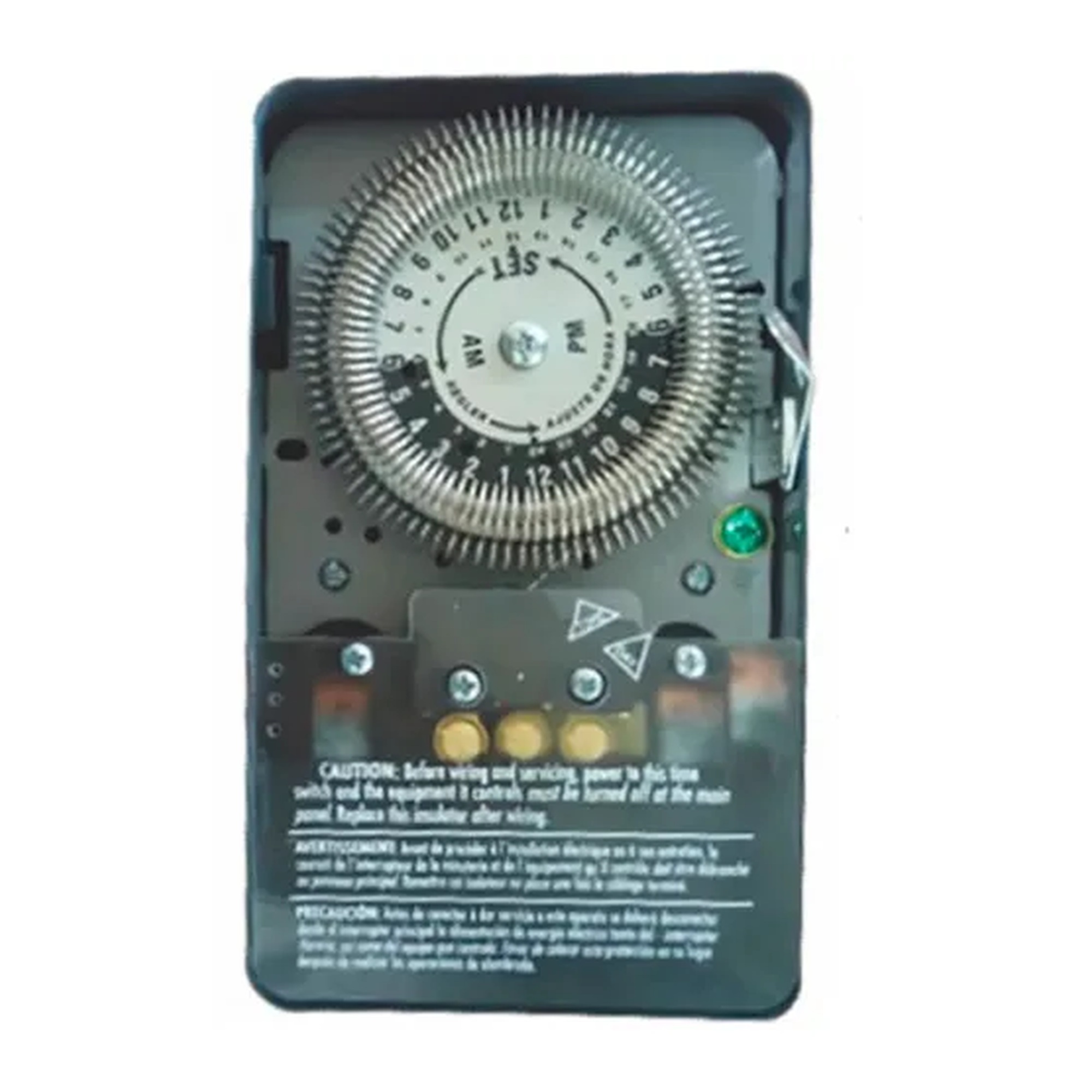
24-Hour 20A 120V SPDT Cycle Timer
Our Price:$389.94This electromechanical cycle timer is for users who need to schedule multiple on/off operations throughout a 24-hour period. It supports duty-cycling applications such as pumping, process control,...
-
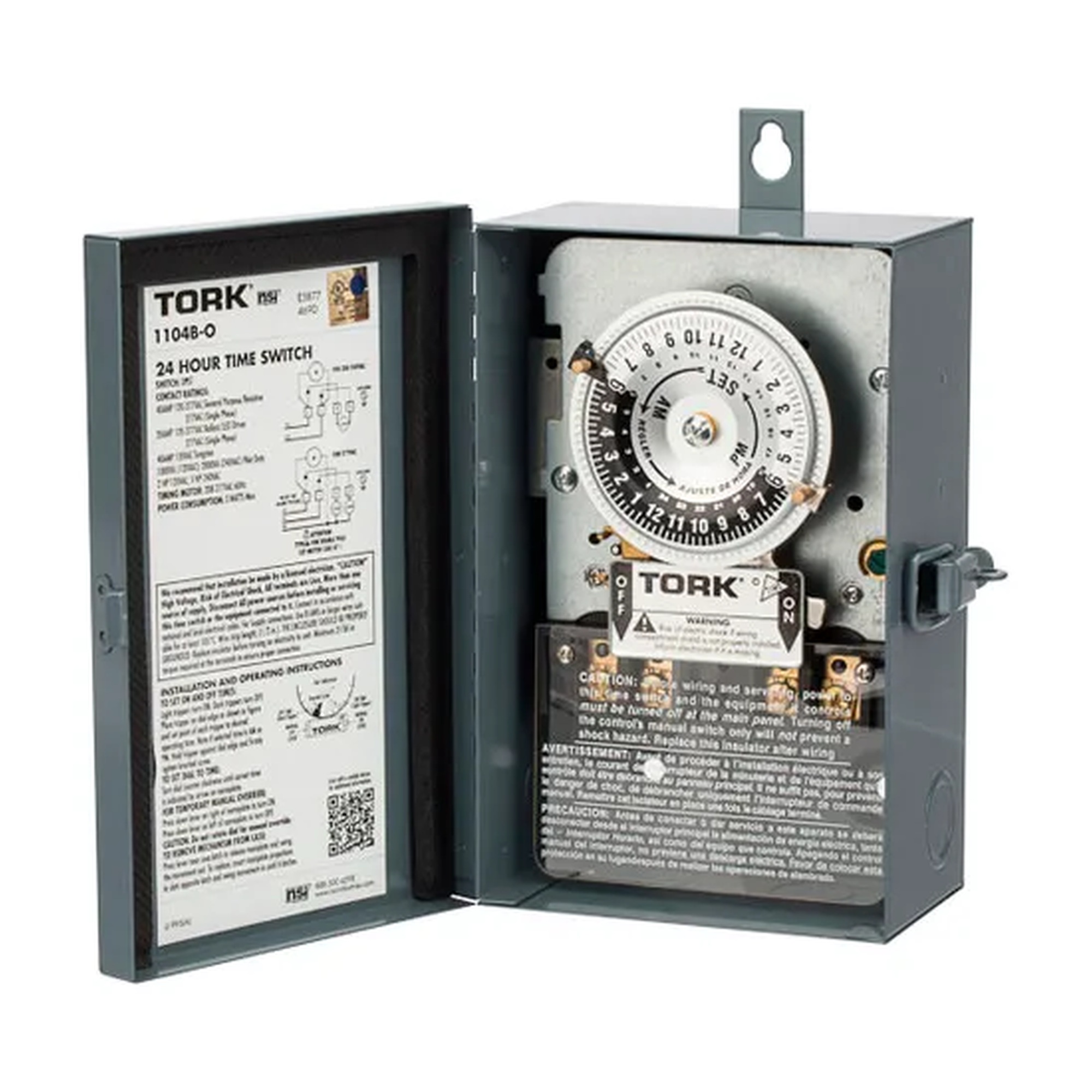
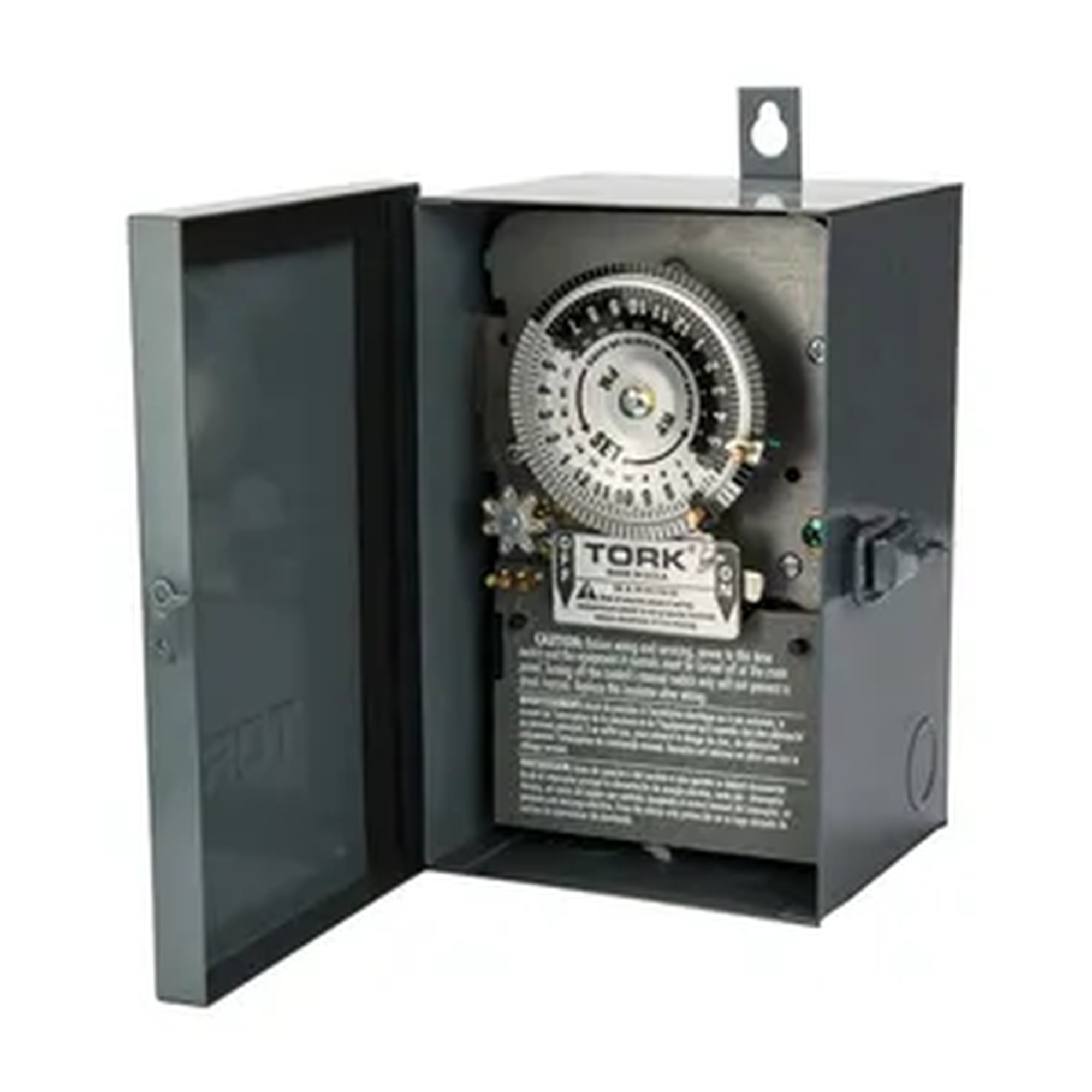
24-Hour 40A 120V DPST Time Switch with Metal Enclosure
Our Price:$229.94This 24-hour time switch gives electrical professionals and facility teams automatic on-off control when equipment needs to operate at the same time each day, seven days a week. It helps maintain a...
-
24-Hour Dial On/Off Tripper Pair
Our Price:$8.09Facilities and electrical maintenance teams use this pair of screw-on trippers to establish on and off points on compatible 24-hour dial timers.The set includes two standard screw-on trippers and...
-
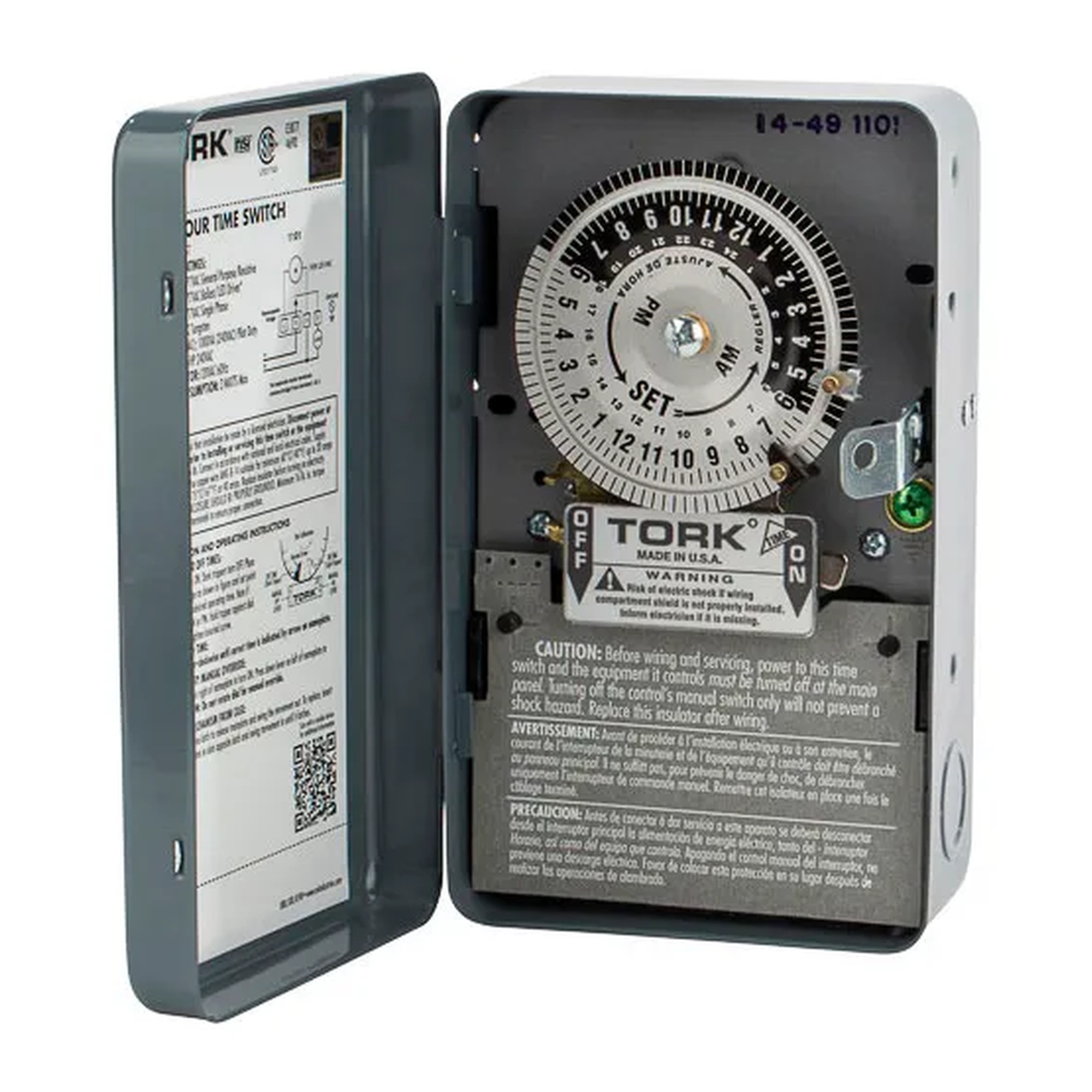
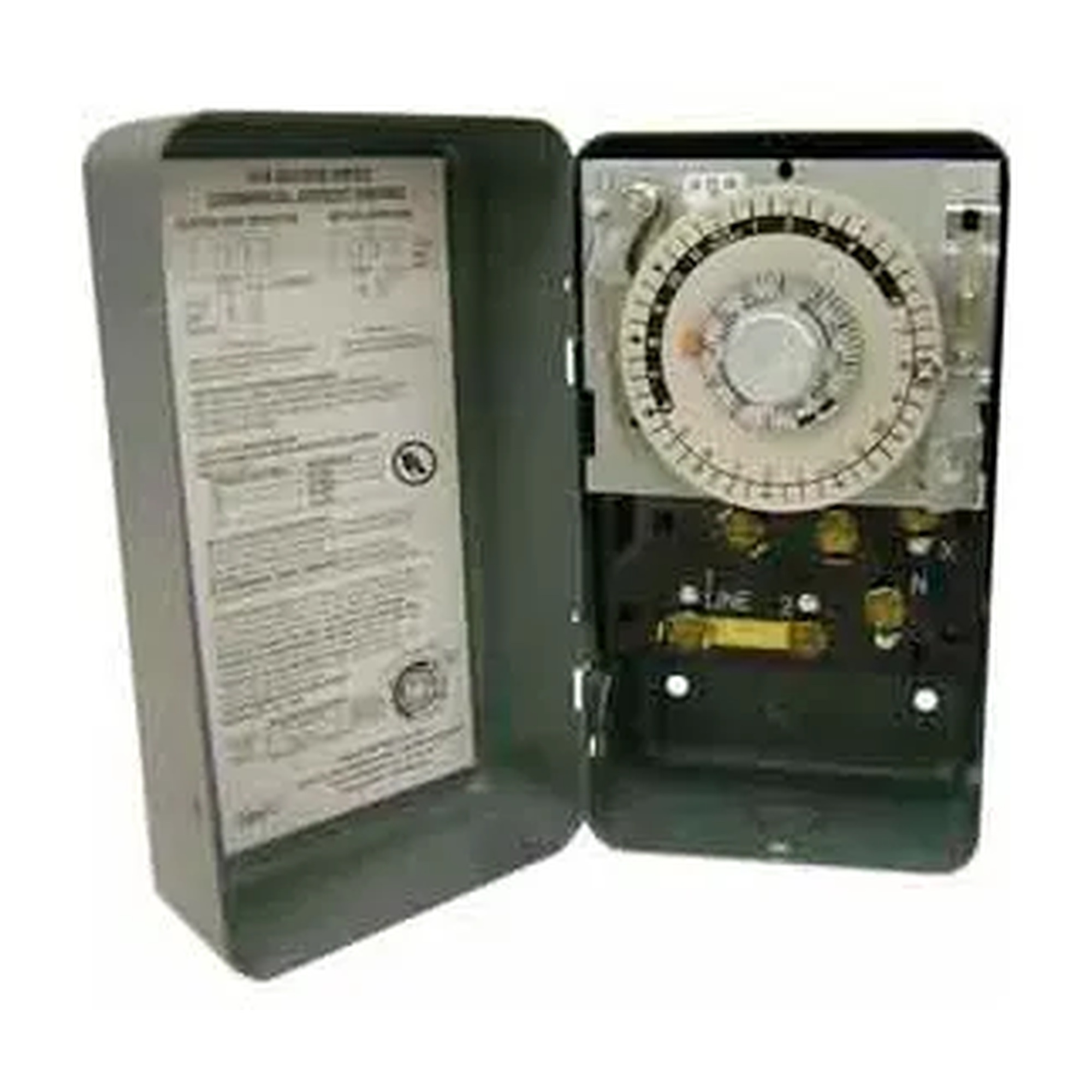
24-Hour Heavy-Duty Electromechanical Time Switch
Our Price:$285.94This 24-hour heavy-duty electromechanical time switch is for electrical users who need to schedule one or multiple daily on/off operations. It provides timed control for connected electrical circuits...
-
24-Hour Indoor Electromechanical Time Switch, 40A, 120V
Our Price:$185.94This 24-hour electromechanical time switch is for facility and commercial users who need to automatically turn a connected circuit on and off at the same time each day. It provides scheduled daily...
-
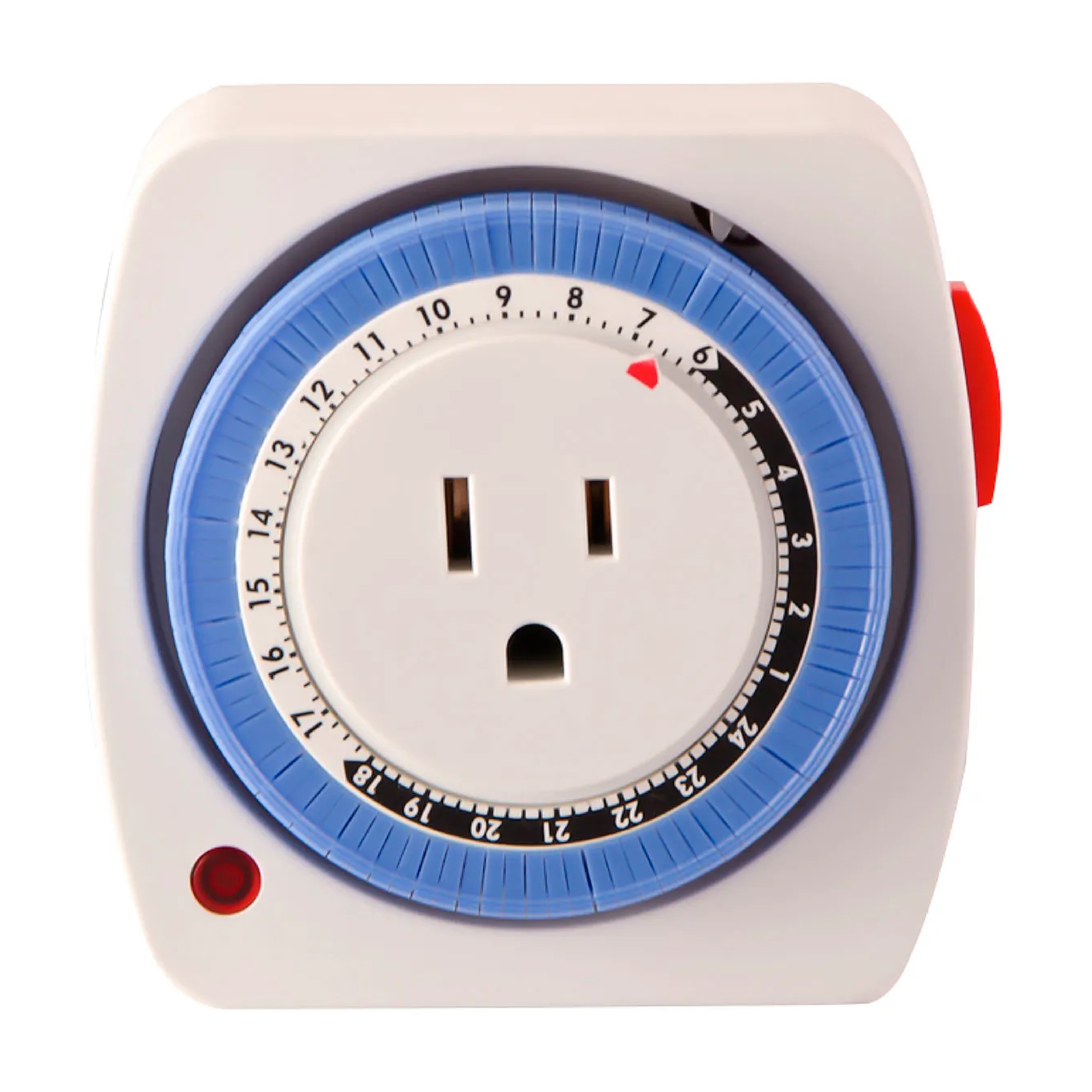
24-Hour Indoor Plug-In Timer with Grounded Outlet
Our Price:$29.94This indoor plug-in timer helps facility staff and other commercial users schedule connected appliances and devices to turn on and off automatically. It provides a practical way to manage timed...
-
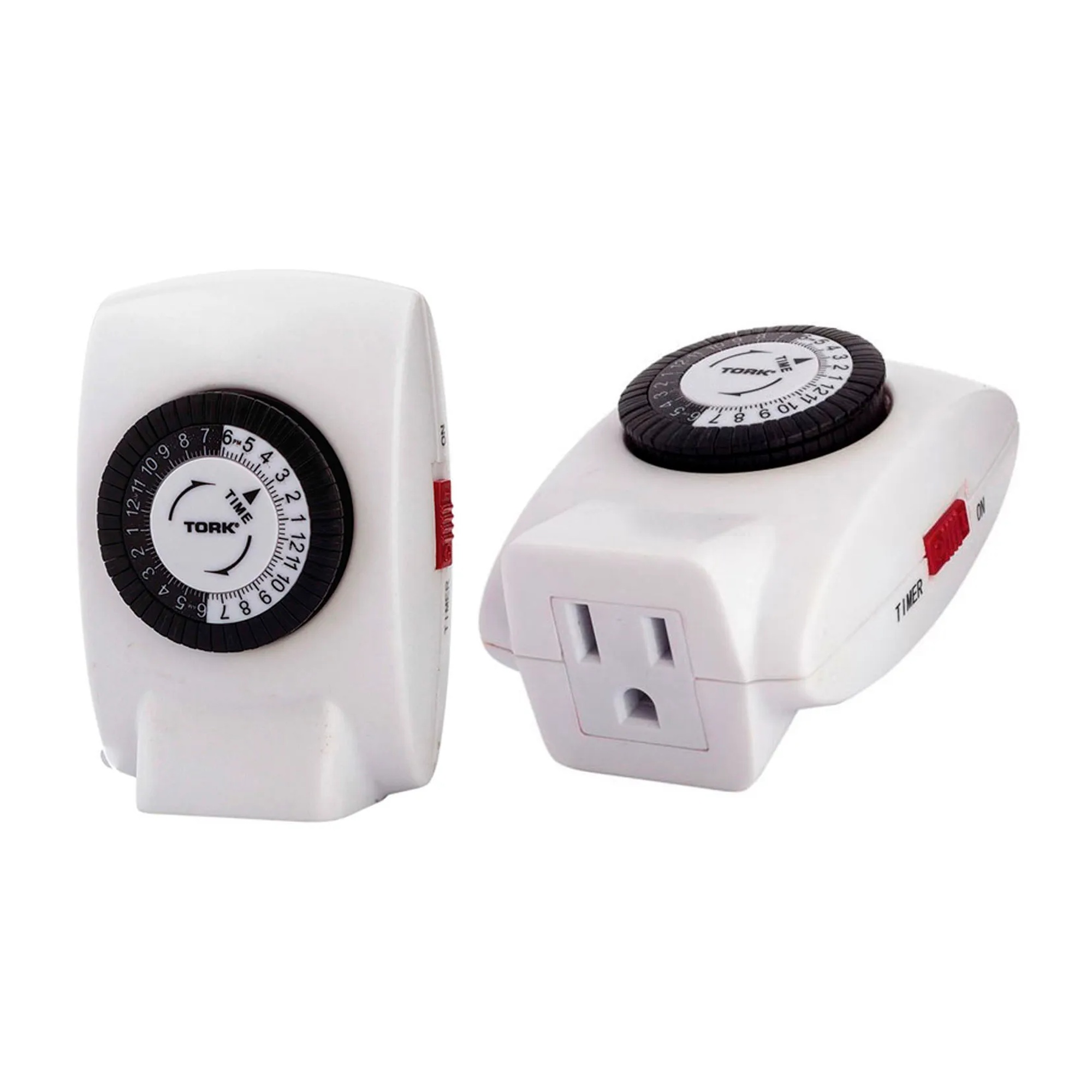
24-Hour Outdoor Plug-In Timer with Two Grounded Outlets
Our Price:$44.94This 24-hour plug-in timer is for facilities and other users who need to schedule connected 125V devices throughout the day. It provides timed control through two grounded outlets and supports...
-
24-Hour Plug-In Timer, White
Our Price:$10.74This 24-hour plug-in timer helps users automate on/off schedules for lamps and other electrical devices. It is a practical option for controlling indoor lamps and seasonal lighting on a daily...
-
24-Hour Skip-Day Time Switch, 40A, 120V, 3PST
Our Price:$489.94This electromechanical time switch provides automatic on-off control for users who need operation to begin and end at the same time each day. Its skip-day function supports schedules that omit...
-
Screw-On Reversible Timer Trippers for 7-Day Dials, 7 Pairs
Our Price:$52.94These screw-on timer trippers are for users of compatible 7-day timer dials who need to set on and off switching points. They help configure timed operation on eligible electromechanical timers.The...
-
Special On Tripper for 7000 & 1800 Series Timers
Our Price:$7.29This special on tripper is for users of compatible 7000 and 1800 Series electromechanical timers. It provides an on tripper function and, on 7000 Series timers, also advances the day-omitting wheel...
-
Temperature or Pressure Terminated Defrost Control - Model S814100
Our Price:$139.94This electromechanical defrost control is used by commercial refrigeration technicians and facility teams to schedule and manage defrost cycles on refrigeration equipment. It supports temperature- or...
-
Temperature or Pressure Terminated Defrost Control - Model S814500
Our Price:$139.94This electromechanical defrost control is for commercial refrigeration equipment users who need to schedule defrost cycles. It helps manage defrost operation on walk-in boxes, reach-in boxes,...
-
Time-Initiated Defrost Control
Our Price:$109.94This time-initiated defrost control helps users manage scheduled defrost cycles in systems that terminate by temperature or pressure. It provides adjustable timing for setting defrost frequency and...
-
Time-Initiated, Time-Terminated Defrost Control
Our Price:$99.94This electromechanical defrost control is for refrigeration professionals who need to schedule and end defrost cycles. It supports adjustable timing for electric heat, hot gas, or off-cycle defrost...







Choose an Electromechanical Timer for the Schedule and Equipment You Need to Control
This category includes enclosed time switches, plug-in timers, defrost controls, and replacement trippers for compatible timer dials. Start by identifying whether you need daily device scheduling, circuit switching, refrigeration defrost management, or components to set switching points on an existing timer.
Popular examples in this category
 24-Hour Skip-Day Time Switch, 40A, 120V, 3PSTWBB434455
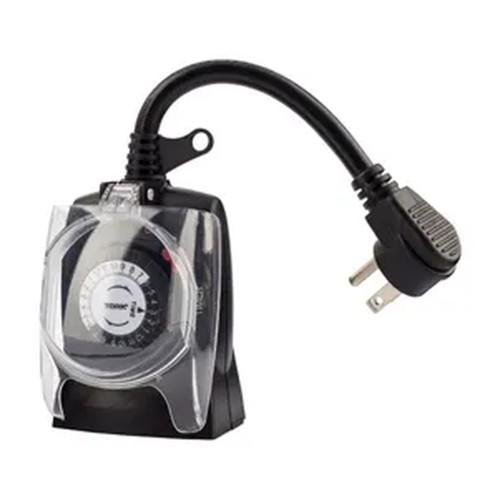 24-Hour Outdoor Plug-In Timer with Two Grounded OutletsWBB434313
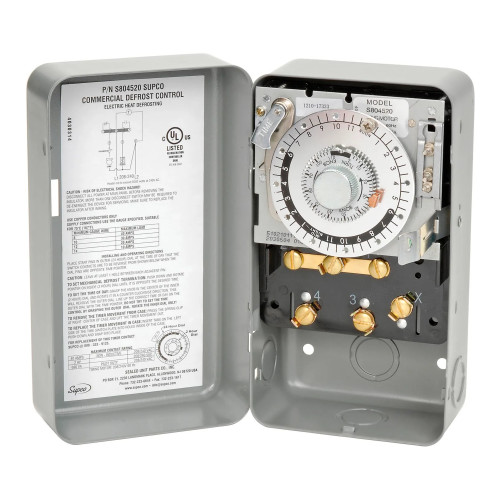 Time-Initiated, Time-Terminated Defrost ControlWBB434628
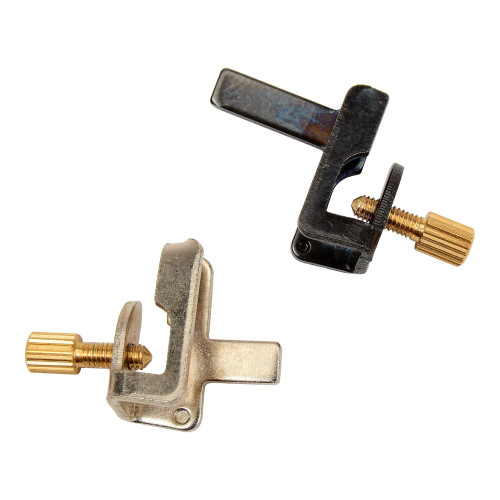 24-Hour Dial On/Off Tripper PairWBB434365
Automate recurring daily operation
Use 24-hour time switches and cycle timers for applications that need scheduled on/off operation, including pumping, process control, ventilating fans, irrigation, laboratory experiments, lamps, and seasonal lighting.
Match schedule, electrical requirements, and switching configuration
Compare the required timing pattern, voltage and amperage, pole configuration, enclosure style, and whether the application needs a plug-in timer, enclosed switch, or refrigeration-specific defrost control.
Select defrost controls for refrigeration equipment
Defrost controls support scheduled defrost operation for walk-in boxes, reach-in boxes, refrigerated cases, and condensing units. Available arrangements include electric heat, hot gas, and off-cycle defrost.
Use compatible trippers to configure dial timers
Trippers establish on and off points on eligible timer dials. Check the timer series or dial type before selecting 24-hour tripper pairs, special on trippers, or reversible trippers for 7-day dials.
Daily timing is available across time switches, cycle timers, and plug-in timers.
A plug-in timer with 96 captive tabs provides 15-minute intervals.
Defrost controls can be set to initiate from one to six times daily.
Defrost cycle duration is adjustable in 2-minute increments.
Compare Electromechanical Timer Types
Use the product type and control requirements to narrow the selection.
| Product type | Scheduling and control | Selection considerations |
|---|---|---|
| Enclosed time switch | Repeating 24-hour on/off control; some models support skip-day scheduling or multiple daily operations. | Compare voltage, amperage, switching configuration, enclosure, and whether indoor or outdoor installation is needed. |
| Plug-in timer | Daily scheduling for connected devices; one outdoor model has two grounded outlets, 96 captive tabs, and a manual on/timer switch. | Confirm the device connection needs, desired scheduling increments, and whether one or two grounded outlets are required. |
| Defrost control | Initiates defrost one to six times per day with a selectable 4- to 110-minute duration. | Match the defrost arrangement: electric heat, hot gas, or off-cycle; consider temperature- or pressure-terminated operation where specified. |
| Timer trippers | Set on and off points on compatible 24-hour or 7-day dial timers. | Verify timer series compatibility or the required 6-1/2-inch diameter 7-day dial. |
Plan the right fit before choosing
Choose the control format that fits the installation
Plug-in timers add daily timed control to connected devices, while enclosed time switches and cycle timers provide scheduled circuit control. Defrost controls are designed for refrigeration applications, and trippers are accessories for compatible dial timers.
- Choose plug-in models for connected lamps, seasonal lighting, and other compatible electrical devices.
- Choose enclosed time switches for automatic daily switching of electrical circuits.
- Choose defrost controls when scheduling refrigeration defrost cycles.
- Choose trippers only after confirming the compatible timer series or dial size.
Compare daily timing needs and adjustment ranges
Several options provide 24-hour recurring schedules. A skip-day time switch can omit operation for one to six days, while defrost controls can initiate cycles one to six times per day and provide adjustable durations.
- 24-hour timers support repeating daily on/off schedules.
- A plug-in timer with 96 captive tabs offers 15-minute scheduling intervals.
- Defrost controls offer 4- to 110-minute cycles in 2-minute increments.
- 7-day dial trippers support configuring switching points on eligible 7-day timers.
Check ratings, poles, enclosures, and compatibility before purchase
Time switches and cycle timers vary by electrical rating and switching configuration. Review the stated voltage, amperage, poles, enclosure, and operating conditions for the specific application. For tripper accessories, confirm the listed timer series or dial compatibility.
- Available configurations include SPDT, DPST, and 3PST.
- Listed time-switch ratings include 20A and 40A options.
- Enclosure choices represented include plastic, metal, steel, NEMA 1 metal, and NEMA 3 metal.
- One enclosed 24-hour DPST switch operates from -40 to 165 degrees F.
Common questions before buying
What are electromechanical timers used for?
They provide scheduled on/off control for electrical circuits and connected devices. Listed uses include pumping, process control, ventilating fans, irrigation, laboratory experiments, lamps, seasonal lighting, and refrigeration defrost cycles.
What is the difference between a time switch and a plug-in timer?
An enclosed time switch controls compatible electrical circuits, while a plug-in timer adds timed control to connected devices. Plug-in models in this category include options with push-down programming pins or two grounded outlets.
How often can the defrost controls run?
The defrost controls can be adjusted to initiate defrost from one to six times per day. Their cycle duration can be set from 4 to 110 minutes in 2-minute increments.
How do I select timer trippers?
Match the tripper to the compatible timer. Options shown include trippers for specified 1100, 7000, and 1800 Series models, special on trippers for 7000 and 1800 Series timers, and reversible trippers for eligible 6-1/2-inch diameter 7-day dials.
Choose an Electromechanical Timer for the Schedule and Equipment You Need to Control
This category includes enclosed time switches, plug-in timers, defrost controls, and replacement trippers for compatible timer dials. Start by identifying whether you need daily device scheduling, circuit switching, refrigeration defrost management, or components to set switching points on an existing timer.
Popular examples in this category
Automate recurring daily operation
Use 24-hour time switches and cycle timers for applications that need scheduled on/off operation, including pumping, process control, ventilating fans, irrigation, laboratory experiments, lamps, and seasonal lighting.
Match schedule, electrical requirements, and switching configuration
Compare the required timing pattern, voltage and amperage, pole configuration, enclosure style, and whether the application needs a plug-in timer, enclosed switch, or refrigeration-specific defrost control.
Select defrost controls for refrigeration equipment
Defrost controls support scheduled defrost operation for walk-in boxes, reach-in boxes, refrigerated cases, and condensing units. Available arrangements include electric heat, hot gas, and off-cycle defrost.
Use compatible trippers to configure dial timers
Trippers establish on and off points on eligible timer dials. Check the timer series or dial type before selecting 24-hour tripper pairs, special on trippers, or reversible trippers for 7-day dials.
Daily timing is available across time switches, cycle timers, and plug-in timers.
A plug-in timer with 96 captive tabs provides 15-minute intervals.
Defrost controls can be set to initiate from one to six times daily.
Defrost cycle duration is adjustable in 2-minute increments.
Compare Electromechanical Timer Types
Use the product type and control requirements to narrow the selection.
| Product type | Scheduling and control | Selection considerations |
|---|---|---|
| Enclosed time switch | Repeating 24-hour on/off control; some models support skip-day scheduling or multiple daily operations. | Compare voltage, amperage, switching configuration, enclosure, and whether indoor or outdoor installation is needed. |
| Plug-in timer | Daily scheduling for connected devices; one outdoor model has two grounded outlets, 96 captive tabs, and a manual on/timer switch. | Confirm the device connection needs, desired scheduling increments, and whether one or two grounded outlets are required. |
| Defrost control | Initiates defrost one to six times per day with a selectable 4- to 110-minute duration. | Match the defrost arrangement: electric heat, hot gas, or off-cycle; consider temperature- or pressure-terminated operation where specified. |
| Timer trippers | Set on and off points on compatible 24-hour or 7-day dial timers. | Verify timer series compatibility or the required 6-1/2-inch diameter 7-day dial. |
Plan the right fit before choosing
Choose the control format that fits the installation
Plug-in timers add daily timed control to connected devices, while enclosed time switches and cycle timers provide scheduled circuit control. Defrost controls are designed for refrigeration applications, and trippers are accessories for compatible dial timers.
- Choose plug-in models for connected lamps, seasonal lighting, and other compatible electrical devices.
- Choose enclosed time switches for automatic daily switching of electrical circuits.
- Choose defrost controls when scheduling refrigeration defrost cycles.
- Choose trippers only after confirming the compatible timer series or dial size.
Compare daily timing needs and adjustment ranges
Several options provide 24-hour recurring schedules. A skip-day time switch can omit operation for one to six days, while defrost controls can initiate cycles one to six times per day and provide adjustable durations.
- 24-hour timers support repeating daily on/off schedules.
- A plug-in timer with 96 captive tabs offers 15-minute scheduling intervals.
- Defrost controls offer 4- to 110-minute cycles in 2-minute increments.
- 7-day dial trippers support configuring switching points on eligible 7-day timers.
Check ratings, poles, enclosures, and compatibility before purchase
Time switches and cycle timers vary by electrical rating and switching configuration. Review the stated voltage, amperage, poles, enclosure, and operating conditions for the specific application. For tripper accessories, confirm the listed timer series or dial compatibility.
- Available configurations include SPDT, DPST, and 3PST.
- Listed time-switch ratings include 20A and 40A options.
- Enclosure choices represented include plastic, metal, steel, NEMA 1 metal, and NEMA 3 metal.
- One enclosed 24-hour DPST switch operates from -40 to 165 degrees F.
Common questions before buying
What are electromechanical timers used for?
They provide scheduled on/off control for electrical circuits and connected devices. Listed uses include pumping, process control, ventilating fans, irrigation, laboratory experiments, lamps, seasonal lighting, and refrigeration defrost cycles.
What is the difference between a time switch and a plug-in timer?
An enclosed time switch controls compatible electrical circuits, while a plug-in timer adds timed control to connected devices. Plug-in models in this category include options with push-down programming pins or two grounded outlets.
How often can the defrost controls run?
The defrost controls can be adjusted to initiate defrost from one to six times per day. Their cycle duration can be set from 4 to 110 minutes in 2-minute increments.
How do I select timer trippers?
Match the tripper to the compatible timer. Options shown include trippers for specified 1100, 7000, and 1800 Series models, special on trippers for 7000 and 1800 Series timers, and reversible trippers for eligible 6-1/2-inch diameter 7-day dials.
Choosing the right file folders
FilingSupplies.com carries end-tab folders for open-shelf systems, top-tab folders for drawer filing, and heavy-duty classification folders with dividers and fasteners for multi-section records. Pick letter or legal size, then choose material (11-pt, 14-pt, or 18-pt manila), optional reinforced tabs, color-coding, and expansion capacity to match your volume.
Folder FAQs
End-tab vs. top-tab — what’s the difference?
When should I choose classification folders?
Letter or legal size — how do I pick?
What tab and material options are available?
Can I add fasteners, pockets, or expansion?
Do you offer volume pricing or custom printing?
Outfitting classrooms that work all day
Build a durable, age-appropriate classroom with furniture, early-learning materials, storage bins, learning centers, and presentation tools. Choose adjustable pieces that grow with grades, label friendly bins for quick clean-up, and tech carts that secure, charge, and move easily.
Education FAQs
What safety labels should I look for on school and early-childhood items?
How do I pick classroom furniture across grade levels?
What’s the best way to organize supplies and centers?
How do I choose learning games and manipulatives by age?
What should I consider in a charging/tech cart?
Do you support school POs, bulk pricing, or custom printing?
Choosing the right labels
From color file labels to printable sheets, select the right size, adhesive, and print method to match your filing system and equipment. Decide on sheet vs. roll format, then pick permanent or removable adhesive and your color set.
Labels FAQs
Sheet vs. roll labels — what’s the difference?
Permanent or removable adhesive?
Will these labels work in my printer?
How do I match the label size to folder tabs or binder spines?
Can I get preprinted sequences or color bars?
Do you have templates?
Choosing the right tab dividers
Organize binders with preprinted or blank tabs. Select the number of tabs per set (5, 8, 10, or 12), choose paper with reinforced tabs or durable poly, and match letter or legal size for a clean fit.
Tab Dividers FAQs
What do 5-, 8-, 10-, or 12-tab sets mean?
Paper vs. poly — which should I choose?
Are the tabs printable?
Will they fit my binder?
Can I mix preprinted and blank tabs?
Do you make custom tab sets?
Choosing the right office supplies
From everyday paper and pens to binders, mailers, and desk organizers, pick durable, compatible options that match your equipment and team size. Start with the right paper and labeling, then add organizers that keep work moving.
Office Supplies FAQs
Which paper weight and brightness should I choose?
Round-ring vs. D-ring binders — what’s the difference?
What does “sheet capacity” mean on staplers and hole punches?
Will labels, envelopes, and mailers work with my printer?
How do I choose mailers and shipping boxes?
Do you offer eco-conscious options or bulk pricing?
Choosing the right sports & PE equipment
Equip classes, teams, and rec programs with durable balls, goals, cones, pinnies, storage, and safety gear. Match sizes and materials to age group and whether you play indoors or outdoors.
Sports & Athletics FAQs
What ball sizes should I choose for different ages?
- Basketball: Size 5 (27.5") youth, Size 6 (28.5") intermediate, Size 7 (29.5") official.
- Soccer: Size 3 up to ~8 years, Size 4 ~8–12, Size 5 ~12+.
- Volleyball: Regulation balls for teens/adults; lighter training balls for younger players.
Indoor vs. outdoor — which materials hold up best?
How many pinnies, cones, or markers do I need?
Tips for storage and care?
Are items latex‑free and school‑safe?
Do you support bulk orders or custom printing (team names)?
Choosing the right FireKing fireproof cabinet
FireKing fireproof file cabinets, safes, and storage cabinets are designed to protect important documents, records, and valuables from fire damage while keeping files organized and accessible. When choosing a FireKing cabinet, compare drawer configuration, storage type, fire rating, and overall capacity based on the records or materials you need to protect.
FireKing FAQs
What is the difference between FireKing vertical and lateral file cabinets?
What can I store in a FireKing fireproof file cabinet?
Are FireKing cabinets only for paper records?
How do I choose between a FireKing safe, file cabinet, or storage cabinet?
What sizes are available in FireKing cabinets?
Are FireKing cabinets used in offices, medical facilities, and government records storage?
Can I buy FireKing cabinets in bulk or get help choosing the right model?
Shipping & Policies
Do you offer free shipping?
What are your shipping rates?
- $6.95 for labels-only orders under $40
- $14.95 flat rate for everything else