


-
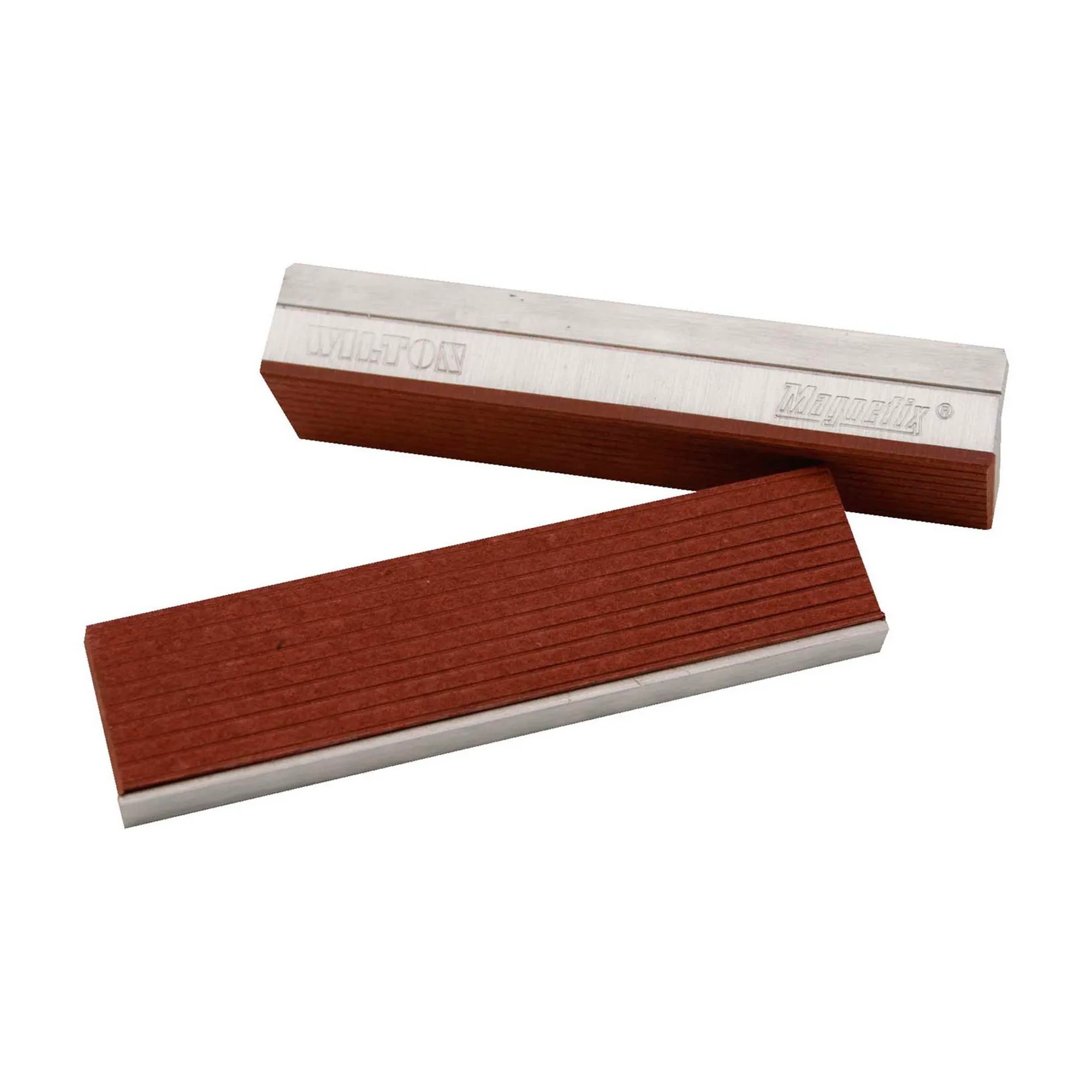
Wilton
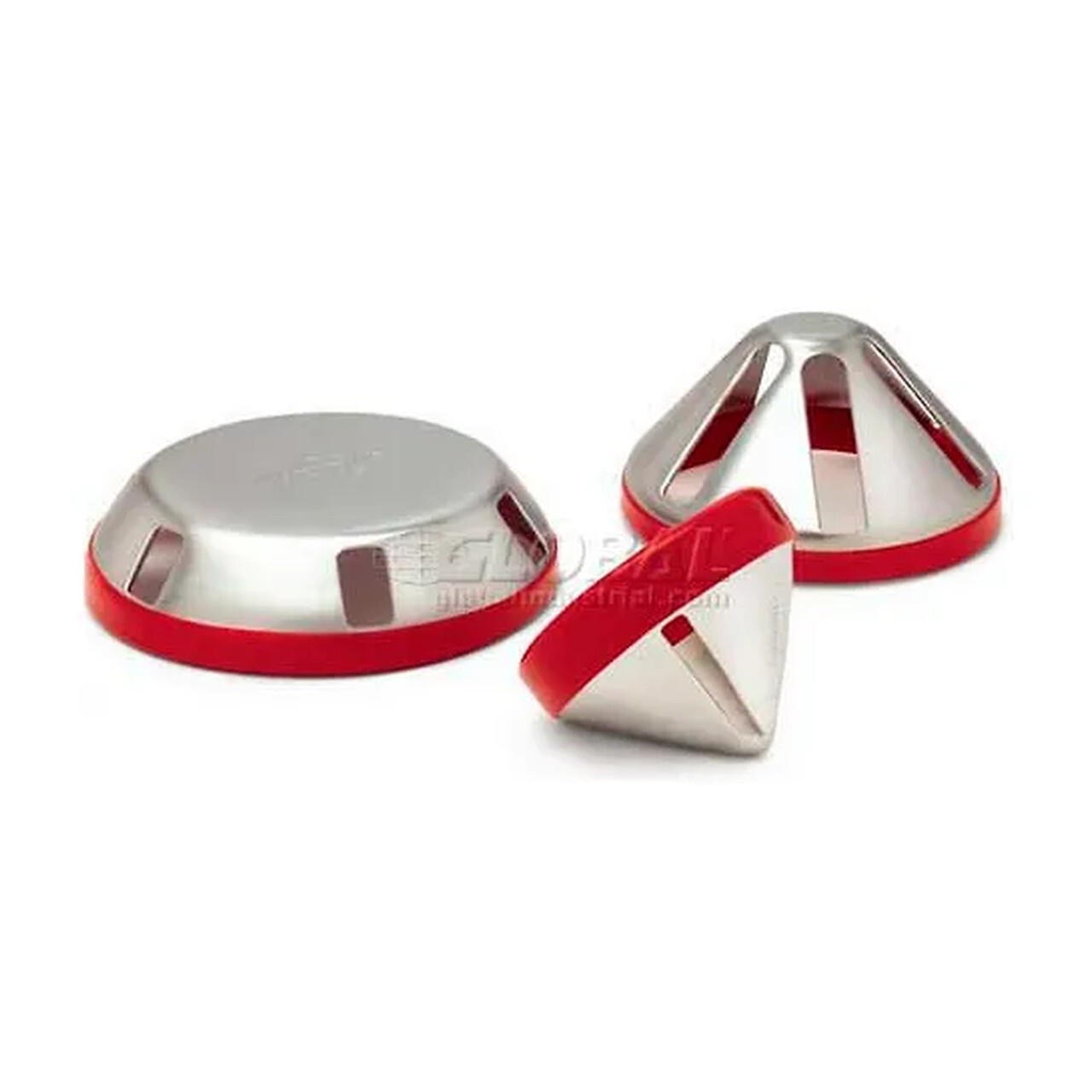
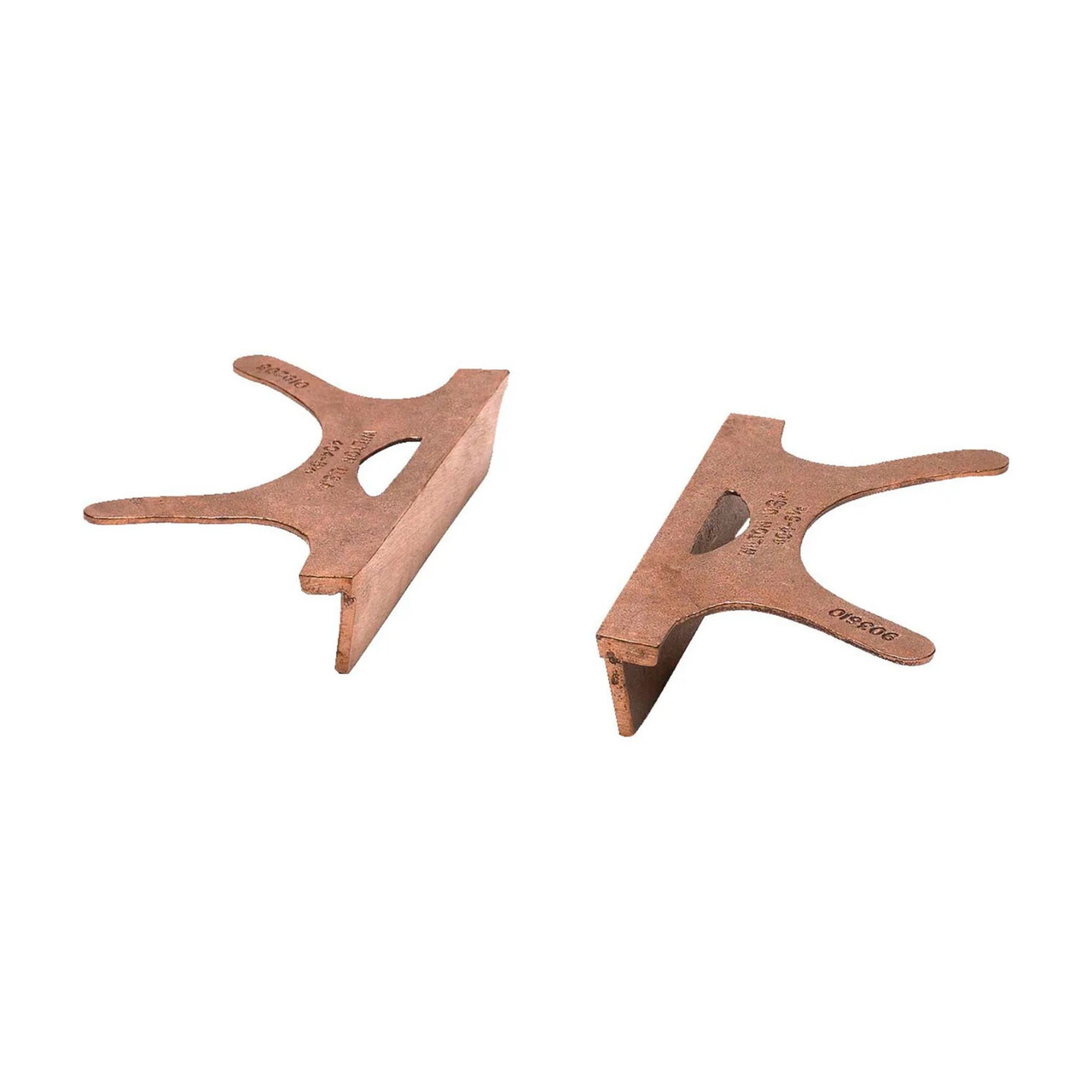
Fiber-Faced Magnetic Jaw Caps for 4 in. Vise Jaws
Our Price:$69.94These fiber-faced magnetic jaw caps are used by machinists and maintenance professionals to cover vise jaws during clamping. They help protect workpiece surfaces from marring and help reduce...
-
L.H.Dottie
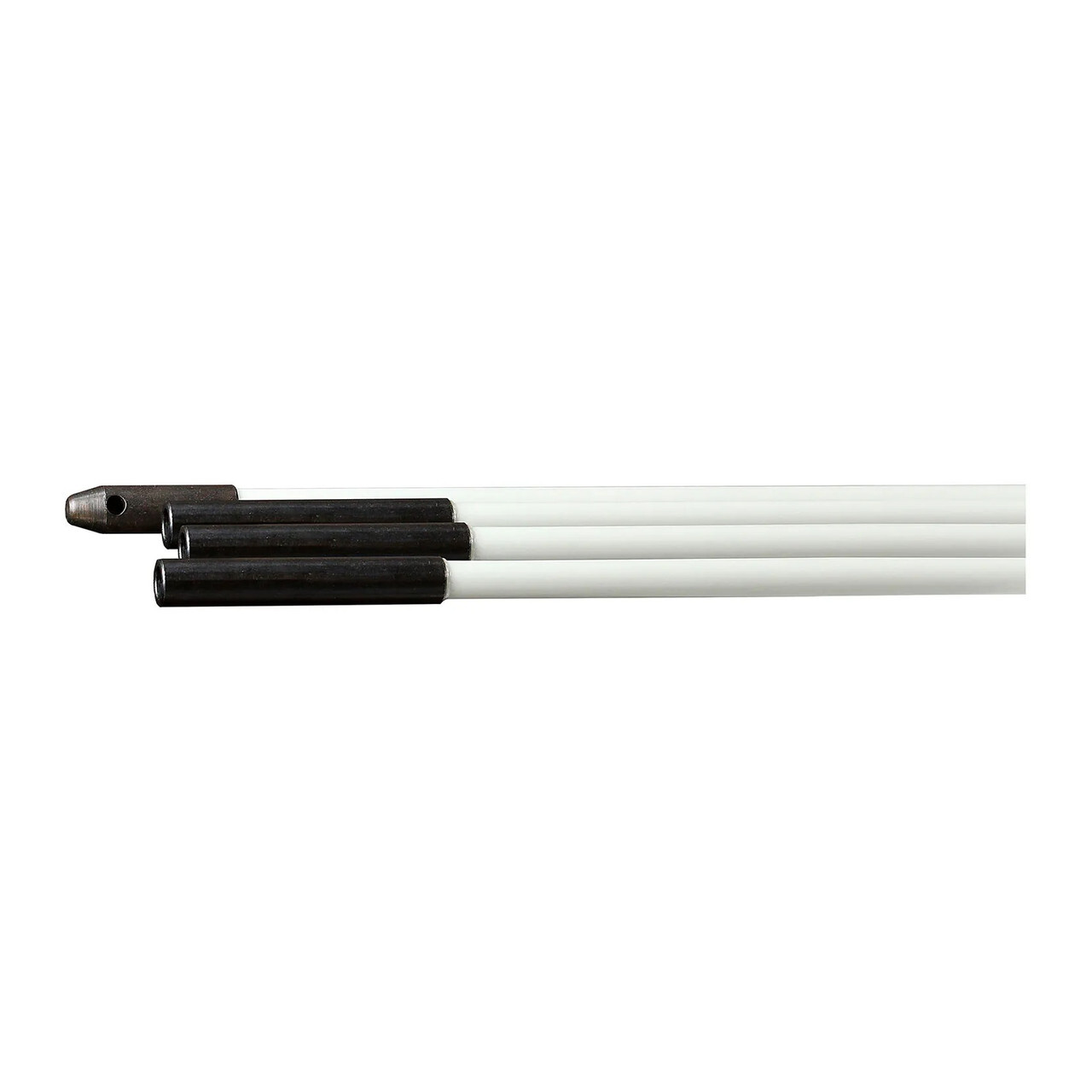
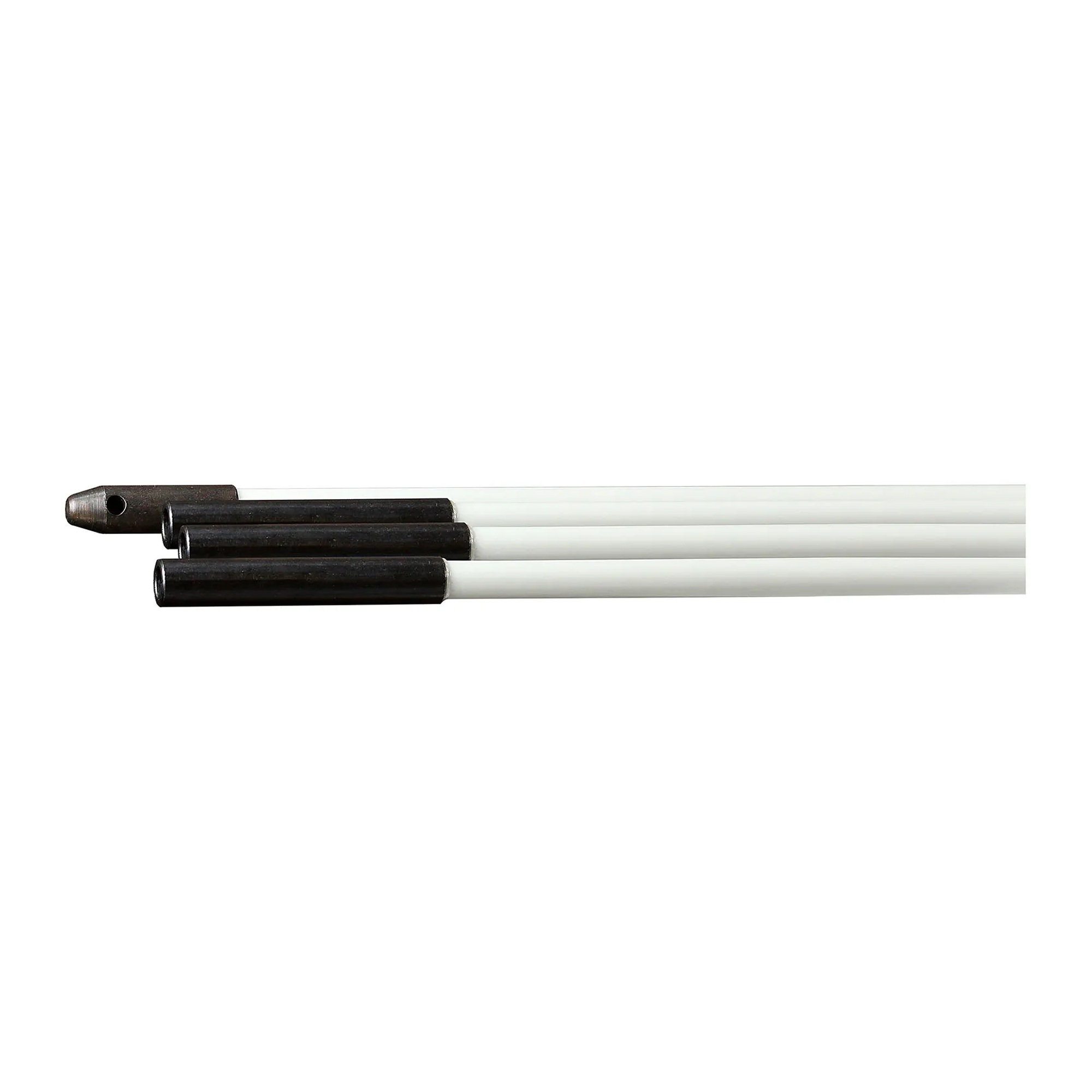
Fiberglass Fish Stick Rod with Eye and Hook, 1/4 in. x 12 ft. - 1/4 in W x 1 H x 49 D
Our Price:$109.94This fiberglass fish stick rod helps electrical and low-voltage installers route voice, data, and video wire through drop ceilings, insulated walls, under floors, and other confined spaces. Its eye...
-
L.H.Dottie
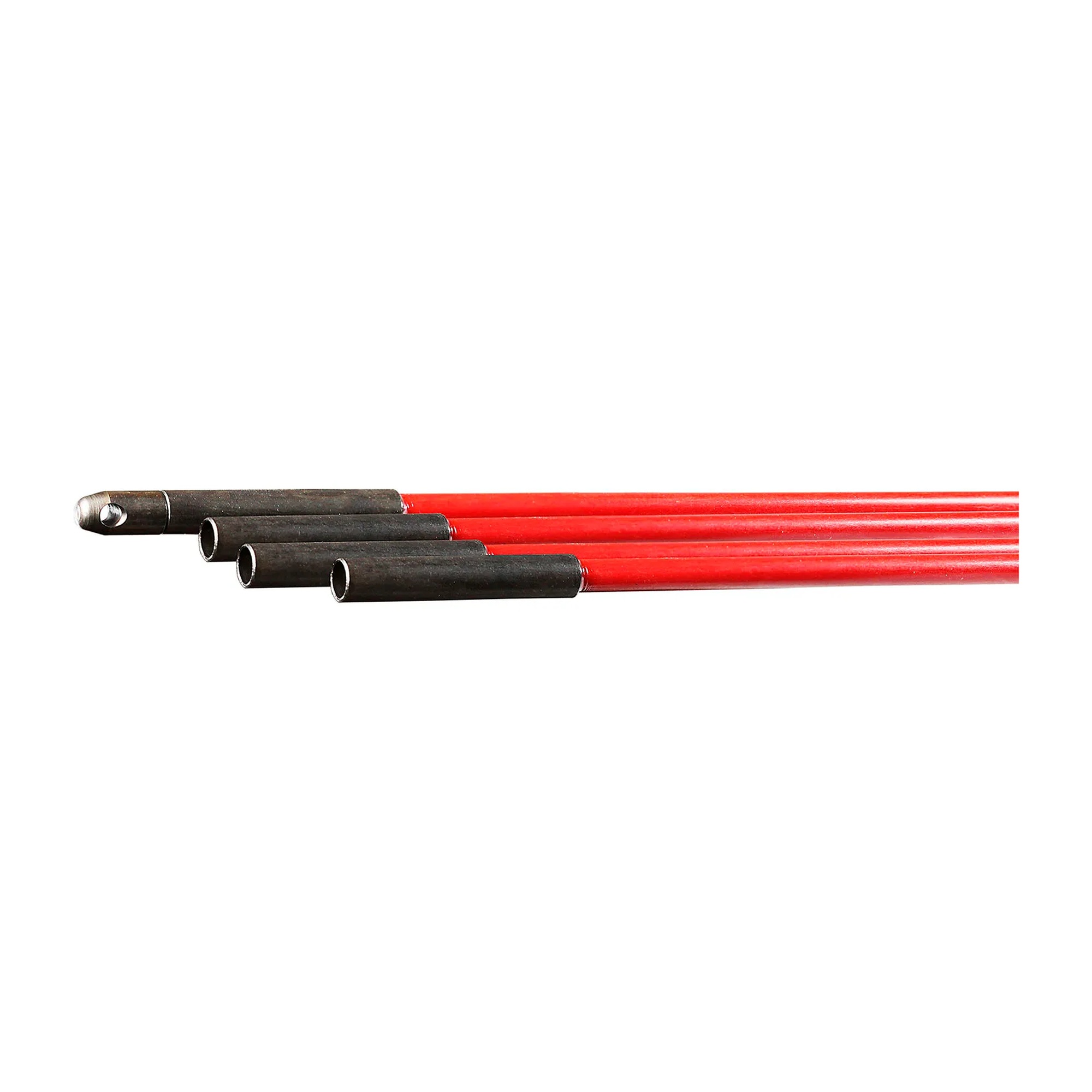
Fiberglass Fish Stick Rod with Eye and Hook, 1/4 in. x 24 ft.
Our Price:$159.94This fiberglass fish stick rod is used by voice, data, and video wire installers to guide wire through drop ceilings, insulated walls, beneath floors, and other confined spaces.The rod is made of...
-
L.H.Dottie
Fiberglass Fish Stick Rod with Eye and Hook, 12 ft.
Our Price:$109.94This fiberglass fish stick rod helps electricians and low-voltage installers guide voice, data, and video wire through hard-to-reach spaces. Its eye and hook ends support wire routing above drop...
-
L.H.Dottie
Fiberglass Fish Stick Rod with Eye and Hook, 3/16 in. x 12 ft. - 3/16 in W x 1.5 H x 49.25 D
Our Price:$109.94This fiberglass fish stick rod helps electrical and low-voltage installers guide voice, data, and video wire through concealed spaces. It is designed for routing wire above drop ceilings, through...
-
L.H.Dottie
Fiberglass Fish Stick Rod with Eye and Hook, 3/16 in. x 12 ft. - 3/16 in W x 4 H x 42 D
Our Price:$109.94This fiberglass fish stick rod helps installers route voice, data, and video wire through hard-to-reach spaces. Its eye and hook ends support wire fishing above drop ceilings, through insulated...
-
L.H.Dottie
Fiberglass Fish Stick Rod with Eye and Hook, 3/16 in. x 30 ft.
Our Price:$159.94This fiberglass fish stick rod helps voice, data, and video wire installers guide cable through concealed and hard-to-reach spaces. Its eye and hook support wire fishing over drop ceilings, through...
-
OLFA
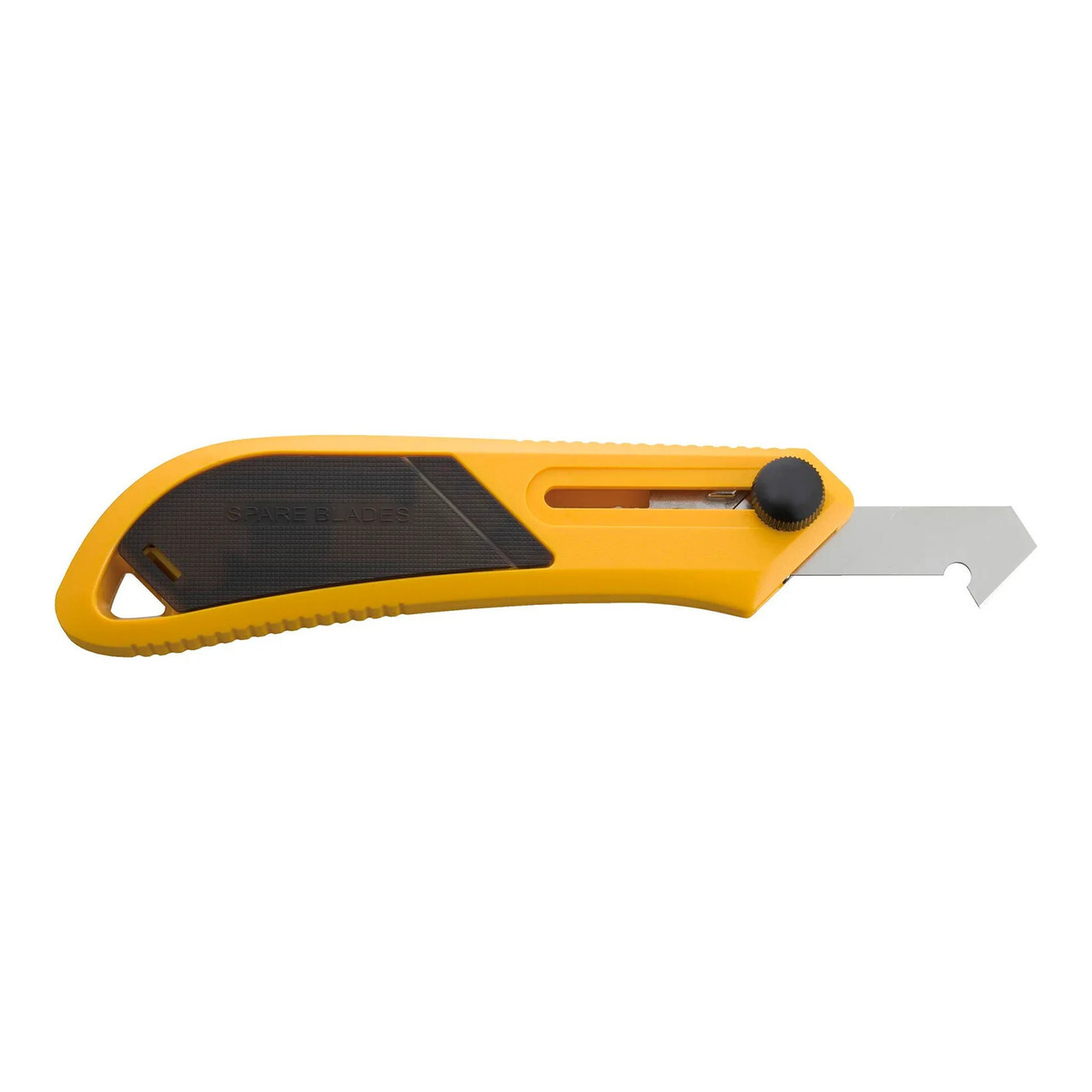
Fiberglass Rubber Grip Utility Knife, Black/Yellow
Our Price:$12.24This snap-off utility knife is designed for commercial users who need a dependable hand tool for cutting tasks. Its anti-slip grip helps provide controlled handling, while the built-in metal pick...
-
Fibre Optic Cable Outer-Sheath Stripper for 8.2 mm Cables
Our Price:$58.94This cable stripping tool is designed for technicians preparing 8.2 mm fibre optic distribution cables. It opens the outer sheath to support cable preparation work.The tool is intended for I-VHH 24 x...
-
J.W. Winco
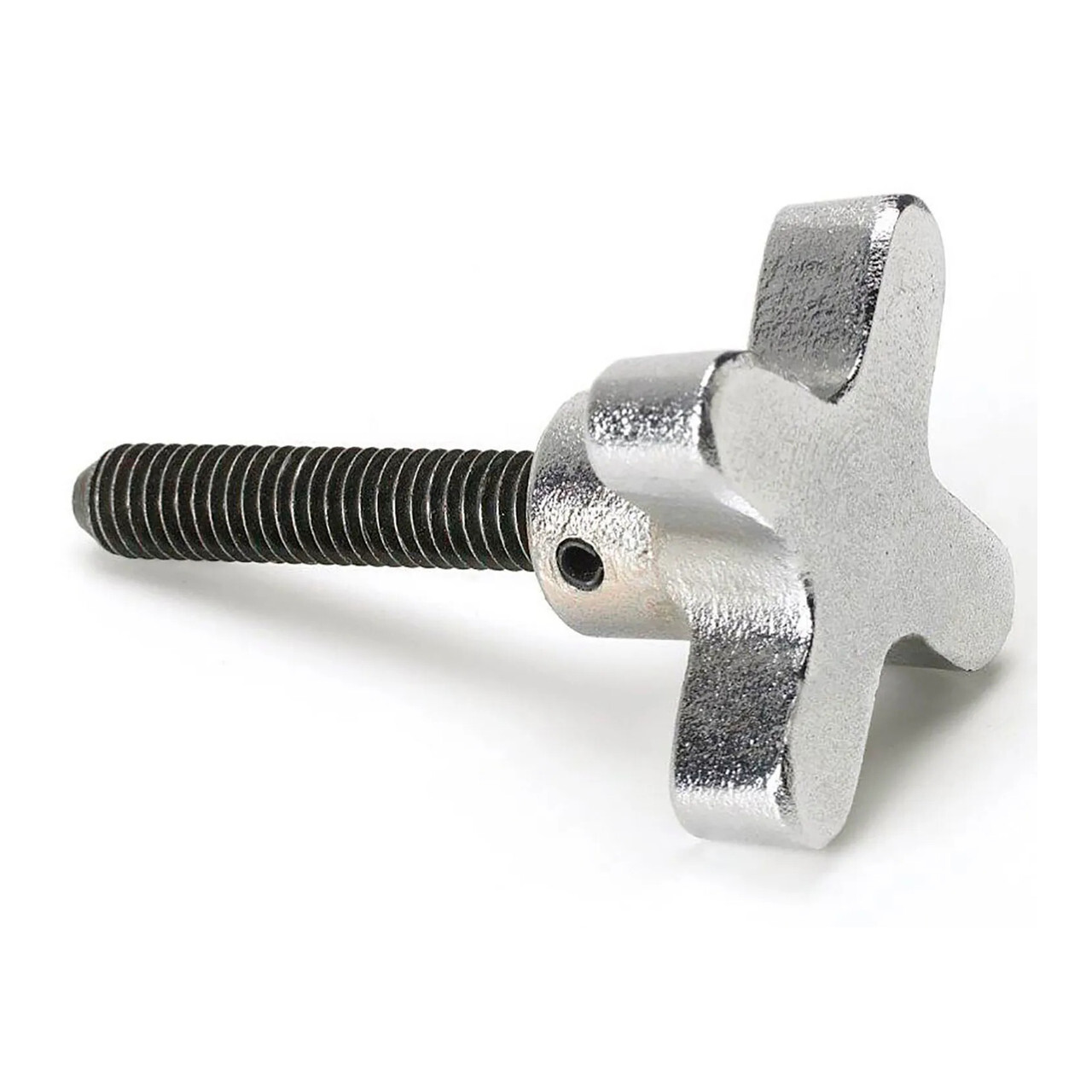
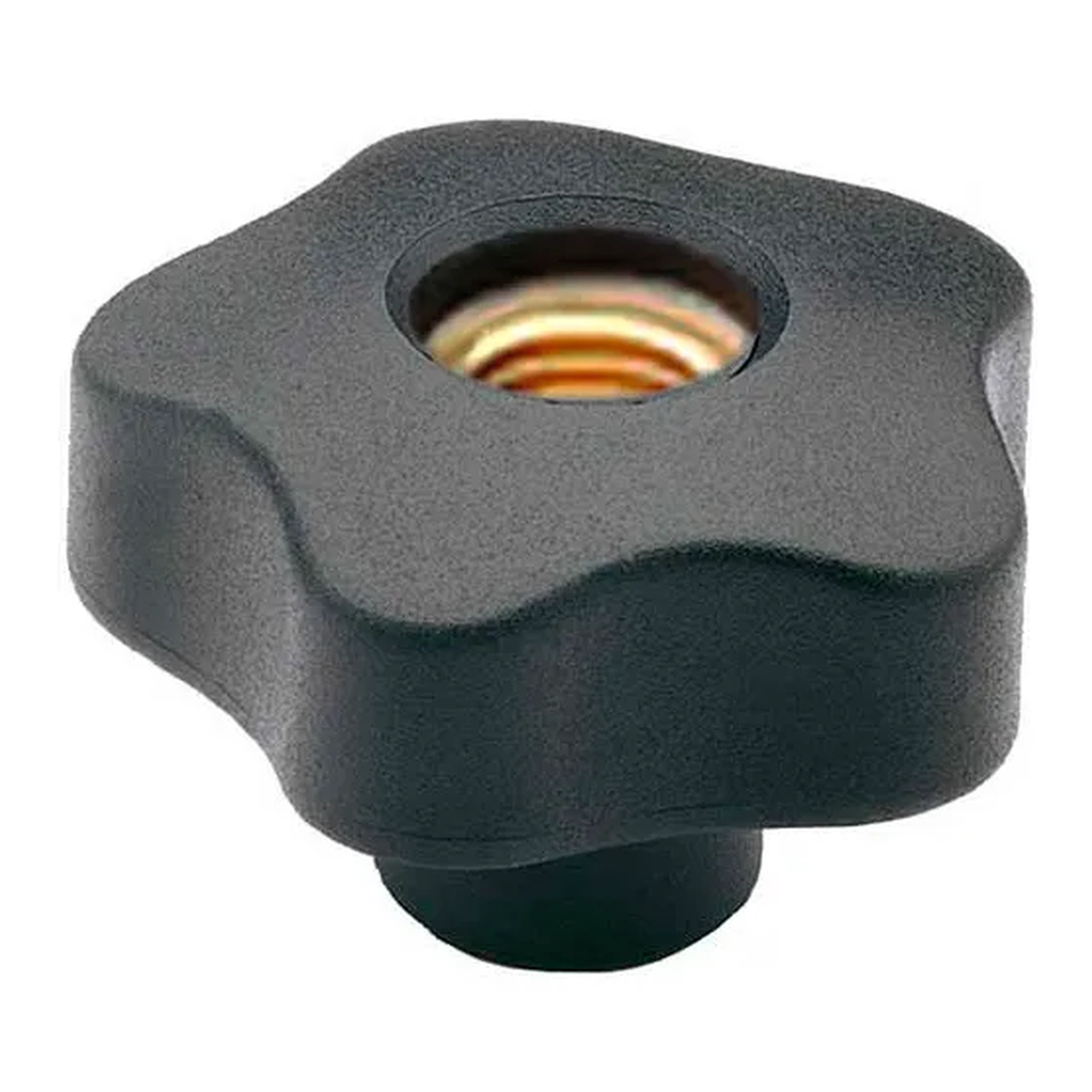
Five-Lobed Plastic Knob with 1/4-20 Thread, 1.26 in
Our Price:$5.29This five-lobed plastic knob is a hand-operated clamping knob for users who need a comfortable grip when adjusting or securing equipment components. Its lobed profile helps provide control for manual...
-
J.W. Winco
Five-Lobed Plastic Knob, 3/8-16 Thread
Our Price:$12.24This five-lobed knob is a hand-operated clamping component for equipment operators and maintenance teams. Its shaped grip helps users apply turning force comfortably when adjusting or securing...
-
J.W. Winco
Five-Lobed Technopolymer Clamping Knob
Our Price:$9.89This five-lobed clamping knob is designed for operators who need a comfortable hand grip for manual adjustment and clamping tasks. Its shaped lobes support a secure hold while tightening or loosening...
-
J.W. Winco
Five-Lobed Technopolymer Clamping Knob, M8 x 1.25
Our Price:$6.69This five-lobed clamping knob is designed for operators who need a comfortable hand grip for tightening and adjustment tasks. Its lobed shape supports a secure hold for applying manual clamping force...
-
Moody Tools
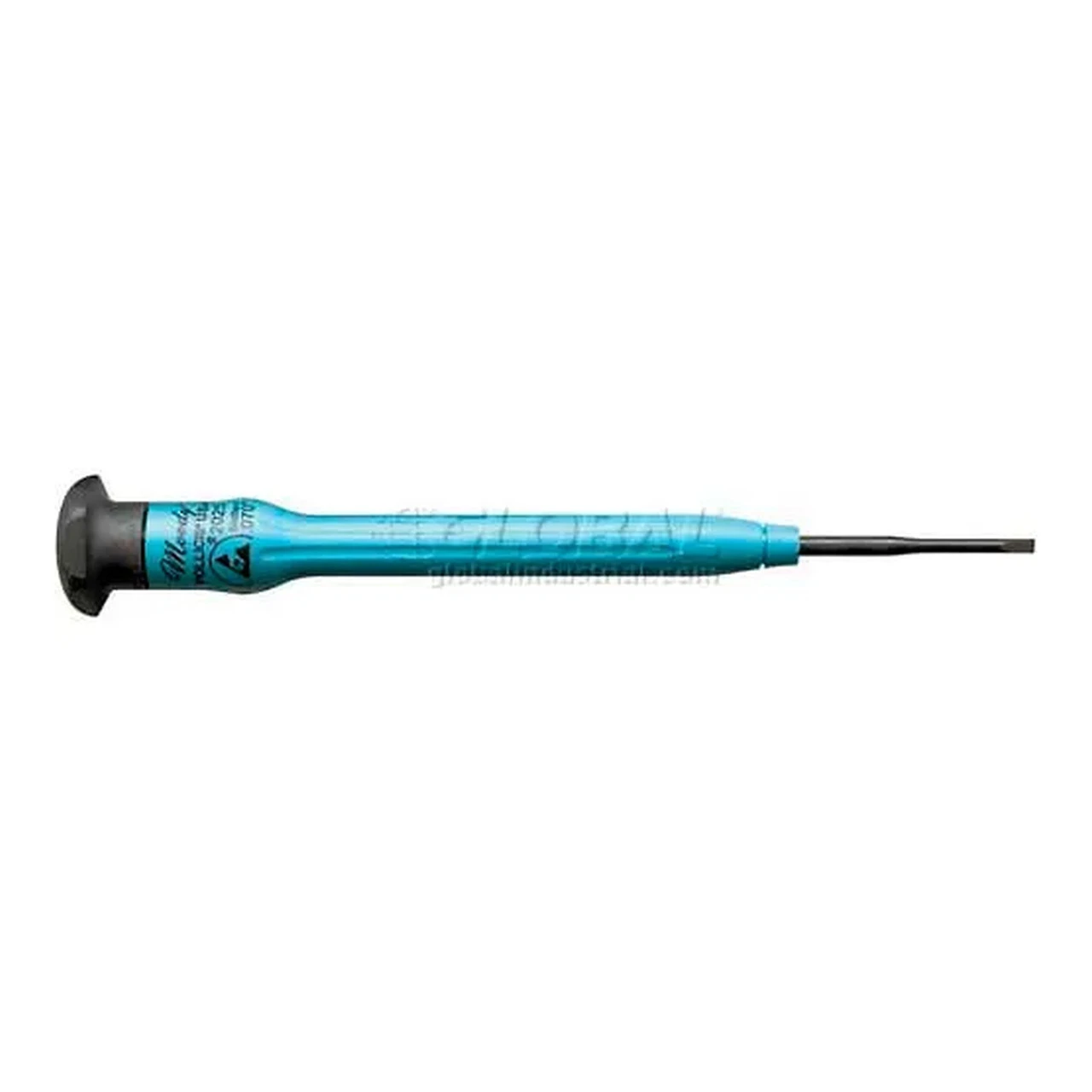
Five-Piece ESD-Safe Slotted and Phillips Precision Screwdriver Set
Our Price:$33.09This precision screwdriver set gives electronics technicians and other detail-oriented users a selection of slotted and Phillips drivers for small fasteners. Fixed long handles support controlled...
-
K-Tool International
Five-Piece File Set
Our Price:$17.99This five-piece hand file set helps maintenance and repair users sharpen trimmer, edger, and blade edges while also enlarging holes and smoothing curved surfaces.The set includes 6-inch and 10-inch...
-
Stanley
Five-Piece Hand File Set with Interchangeable Handle
Our Price:$32.94This hand file set supports sharpening and material-removal work for maintenance, repair, and shop users. Its range of file profiles helps users work on flat surfaces, round openings, and angles...
-
IRWIN Tools
Five-Tool Pliers and Adjustable Wrench Set with Storage Bag
Our Price:$109.94This hand tool set gives maintenance professionals, technicians, and shop teams a practical selection of pliers and an adjustable wrench for gripping, cutting, turning, and handling a range of...
-
Fixed-Hook Spanner Wrench with Square Nose, 135–145 mm
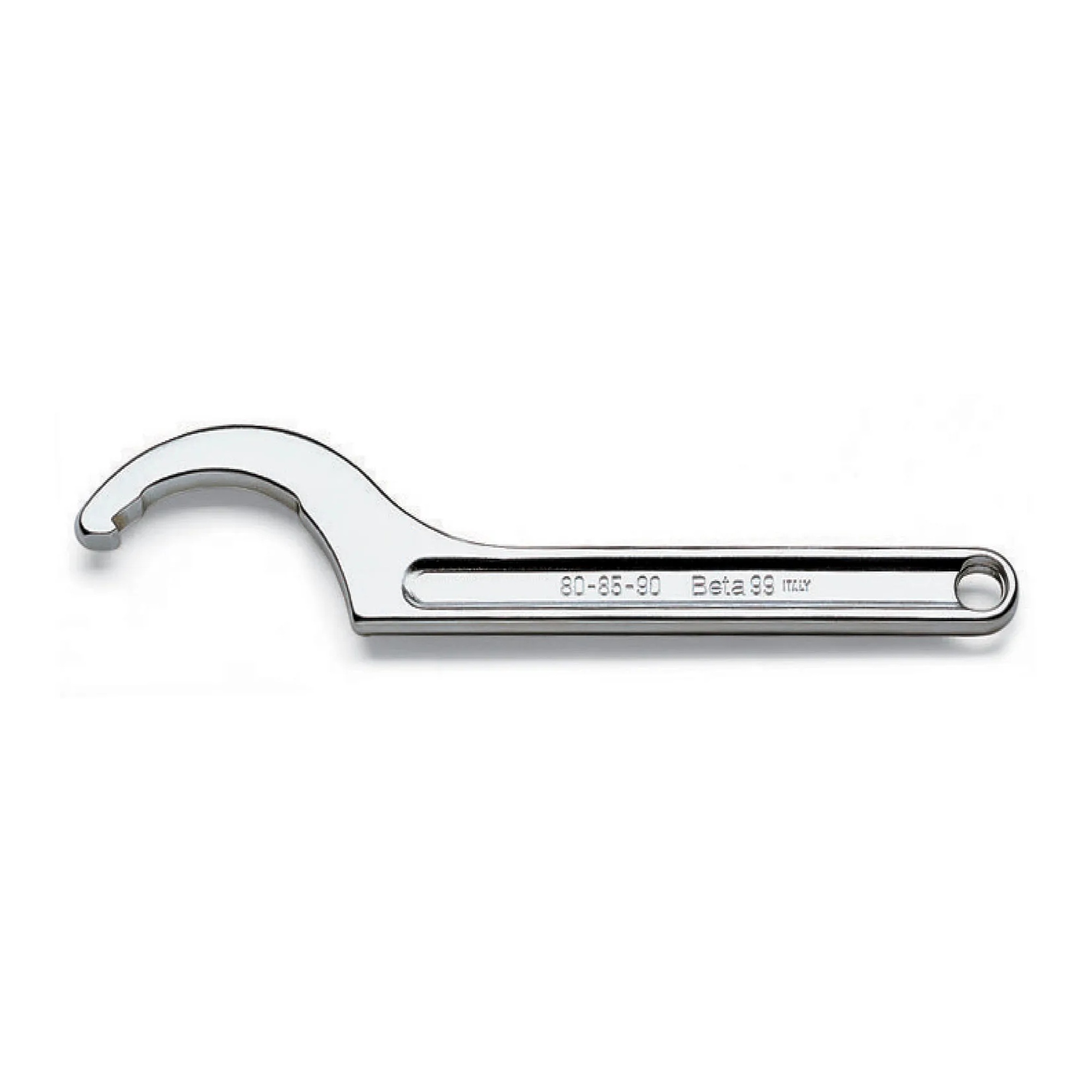
Our Price:$119.94This fixed-hook spanner wrench is for maintenance professionals who need to engage and turn compatible ring nuts. Its square nose is designed to fit the notches on UNI/ISO 2982 and 2983 ring nuts in...
-
Fixed-Hook Square-Nose Spanner Wrench for 45 mm and 50 mm Ring Nuts
Our Price:$35.94This fixed-hook spanner wrench is designed for maintenance professionals who need to engage and turn 45 mm or 50 mm ring nuts. Its square nose reaches the nut notches to support controlled adjustment...
-
Fixed-Hook Square-Nose Spanner Wrench, 12 mm to 14 mm
Our Price:$16.49This fixed-hook spanner wrench is for technicians and maintenance professionals who need to turn 12 mm and 14 mm ring nuts. Its square nose engages compatible ring-nut notches for adjustment and...









Choose Hand Tools for the Work in Front of You
The right hand tool helps workers approach routine shop, maintenance, and packaging tasks with the appropriate format and features. Start with the material and operation, then review handling, workholding, cutting, or finishing details that suit the job.
Popular examples in this category
 Universal Control Cabinet Key with Reversible BitFS-GLO-00 11 01
Match the tool to the task
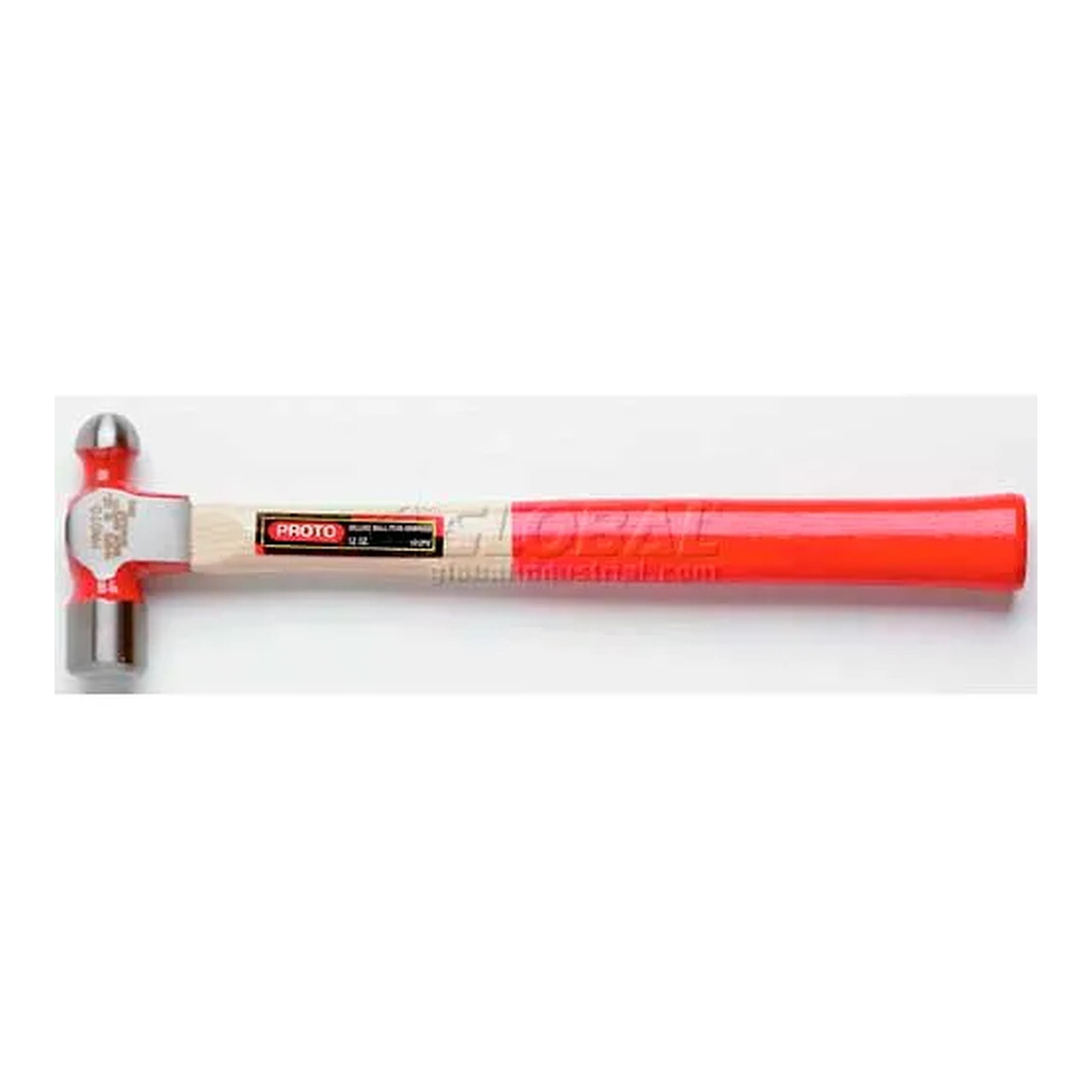
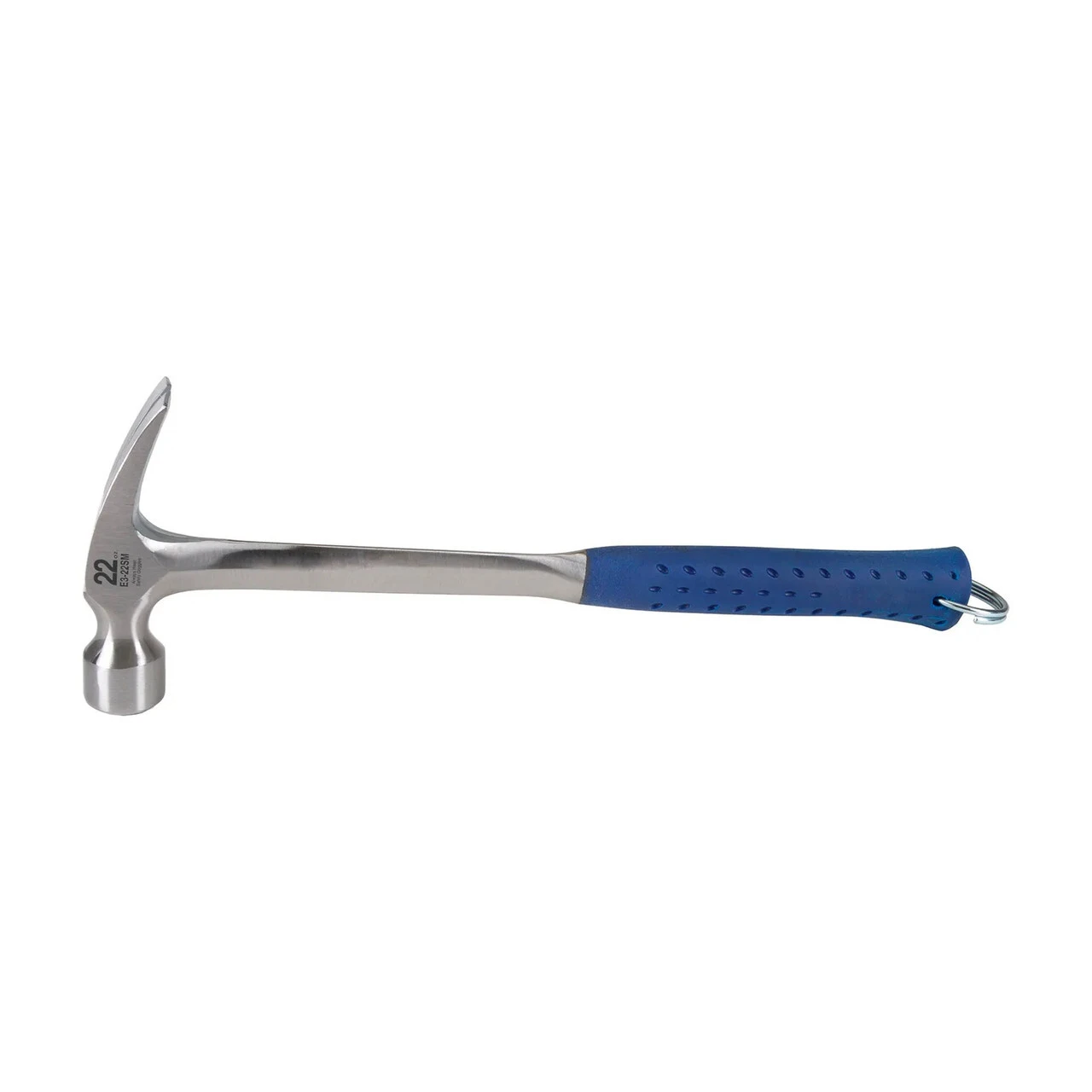
Use a ball pein hammer for shaping, riveting, and general shop striking. Select a bench and pipe vise to hold flat stock or pipe for repair, assembly, and fabrication. Choose a carton sizer replacement blade for worn carton-sizer blades, and use a flat file for material removal, sharpening, smoothing, and finishing.
Focus on function and control
Consider whether the work calls for striking, clamping, cutting, or filing. For hand-held tools, review the handle style and grip. For a vise, consider workpiece type and access needs. For replacement blades, confirm the required application and blade size.
Support routine commercial work
These tools are suited to commercial maintenance, metalworking, repair, shop work, packaging, shipping, assembly, and fabrication applications. A single workbench may use workholding, striking, and filing tools together as tasks change.
Review product-specific details
Features vary by tool. Examples include a drop-forged steel hammer head, a 360° swivel vise base with double lockdowns, a steel carton-sizer blade with a black finish, and a single-cut flat file with a slip-resistant ergonomic handle.
A swivel base allows the vise to be positioned for improved workpiece access.
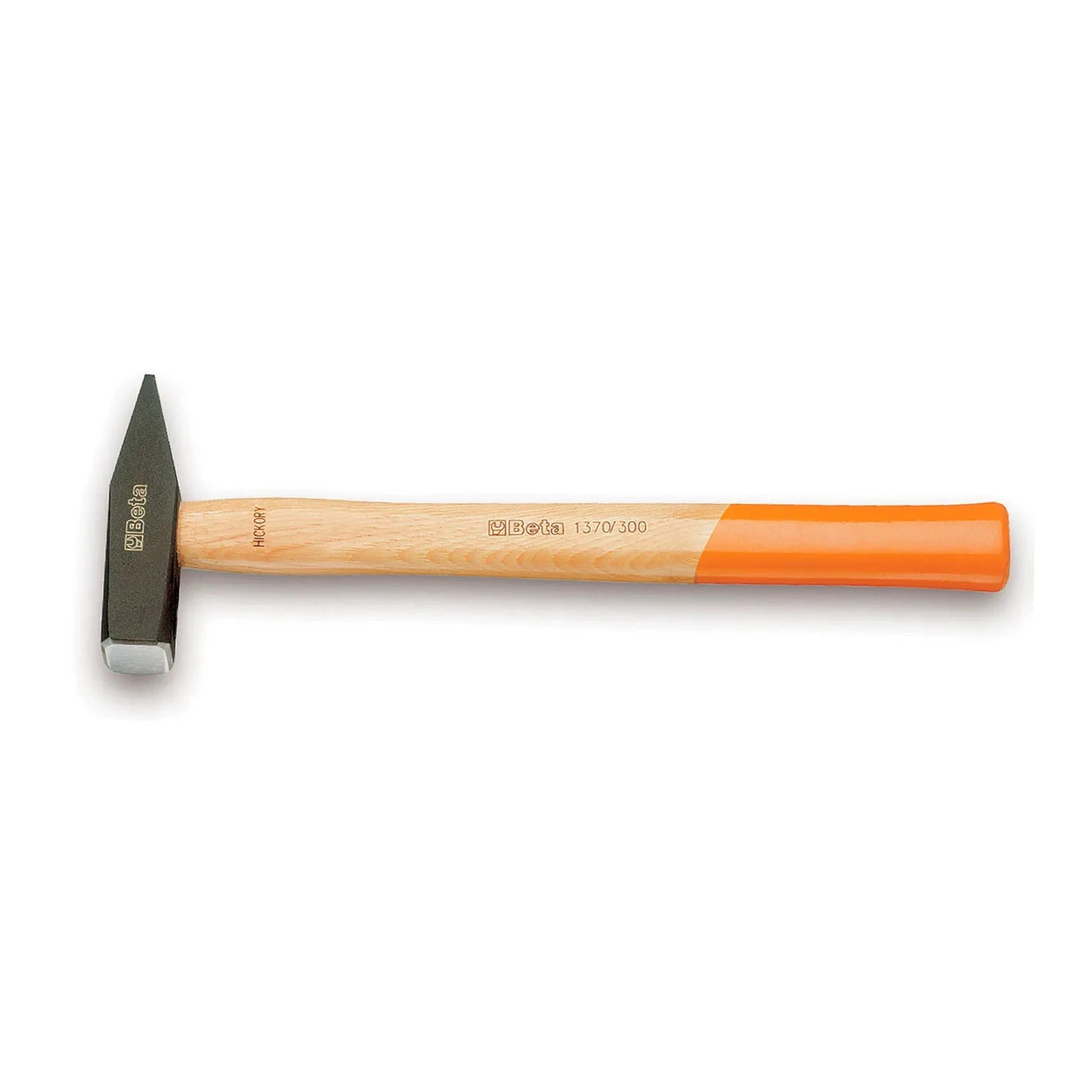
The representative ball pein hammer has a 4 oz head.
The representative flat handy file is 8 inches long.
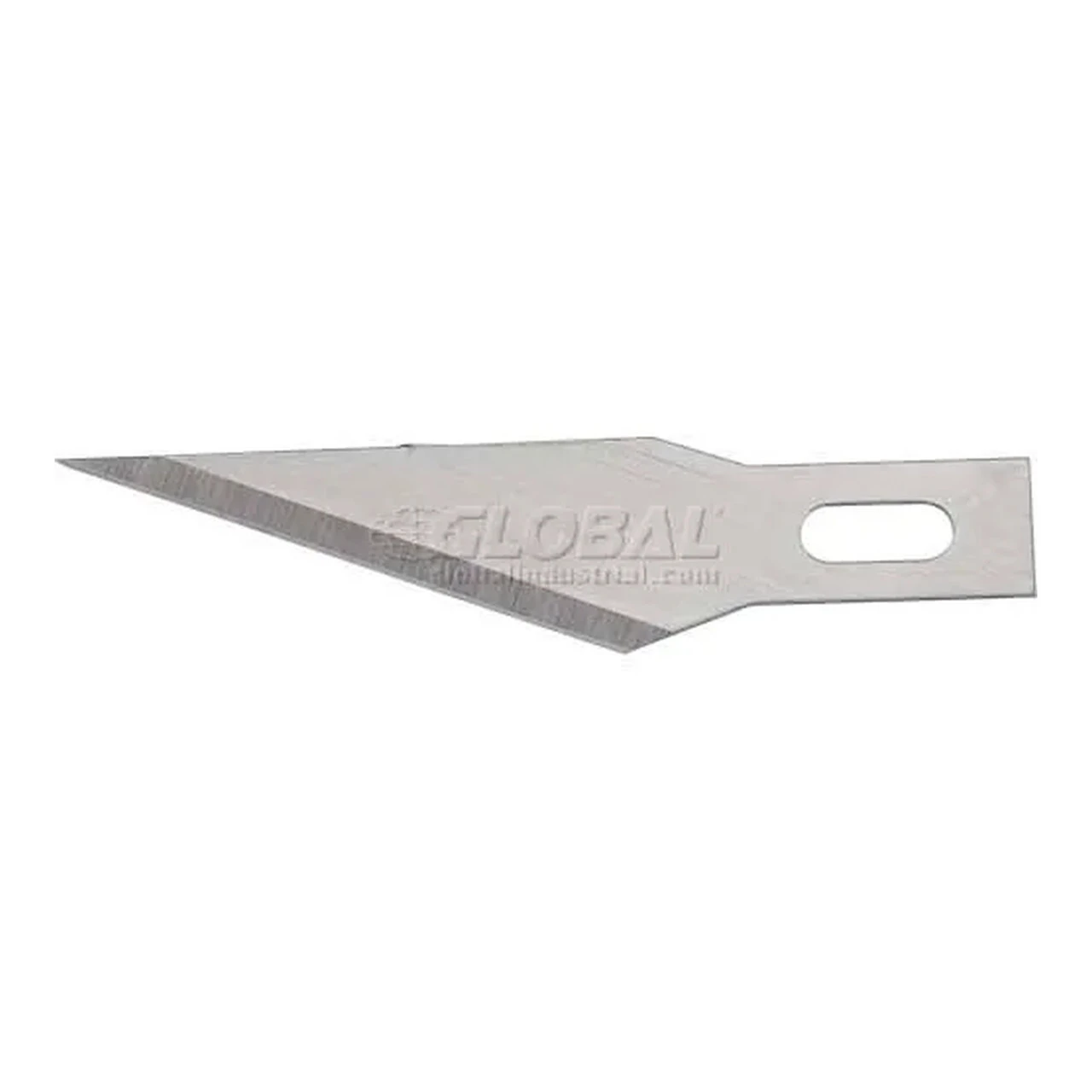
The representative replacement blade fits the stated compact blade application.
Compare Hand Tool Types by Primary Task
Use this overview to narrow the tool type that best matches the work being performed.
| Tool Type | Primary Use | Selection Considerations |
|---|---|---|
| Ball pein hammer | Shaping, riveting, and general shop striking | Consider head construction, hardened striking surfaces, and handle format. |
| Bench and pipe vise | Holding flat stock or pipe during repair, assembly, and fabrication | Consider workpiece type, jaw requirements, swivel positioning, and locking features. |
| Carton sizer replacement blade | Replacing a worn blade in a carton sizer | Confirm carton-sizer use and the required replacement blade dimensions. |
| Flat handy file | Material removal, sharpening, smoothing, and finishing | Consider profile, cut pattern, teeth, and handle grip. |
Plan the right fit before choosing
Identify the operation before selecting a tool
A clear task definition makes selection easier. Workholding tools keep material in position, striking tools support shaping and riveting, cutting components restore a carton sizer's cutting performance, and files provide controlled hand filing for removal and smoothing.
- For flat stock or pipe, consider a bench and pipe vise.
- For shaping or riveting, consider a compact ball pein hammer.
- For carton-sizing equipment, select a compatible replacement blade.
- For light material removal and finishing, consider a single-cut flat file.
Look for features that support the way work is performed
Tool construction and control features can influence routine use. A contoured wood handle provides a traditional hand-held format on the hammer, while the file's ergonomic handle is designed to help maintain a secure grip. On a vise, a swivel base can help position the workpiece for access, and double lockdowns help secure the selected position.
- Choose hand-held formats that suit the needed level of control.
- Consider a vise with positioning features when bench access matters.
- Review jaw and workpiece requirements for holding applications.
- Use replacement components only where their stated application and dimensions fit.
Select surfaces suited to the intended operation
Different tasks rely on different working surfaces. The hammer's hardened face and pein support controlled striking and shaping. The vise includes an integrated anvil surface for bench striking tasks. The file's single-cut mill pattern and bastard teeth support general-purpose sharpening and smoothing, while the steel blade is intended for carton-sizing use.
- Use hardened striking surfaces for controlled hammer work.
- Use an integrated anvil surface for workbench striking tasks.
- Choose file cut and profile based on the desired removal and finish work.
- Replace worn carton-sizer blades to support consistent carton cutting.
Common questions before buying
What hand tool should I use for shaping or riveting?
A ball pein hammer is designed for shaping, riveting, and general shop tasks.
When is a bench and pipe vise useful?
A bench and pipe vise is used to hold flat stock or pipe during repair, assembly, and fabrication work.
What should I check before choosing a carton sizer replacement blade?
Confirm that it is intended for the carton sizer application and that the required blade size matches.
What is a flat handy file used for?
A flat handy file can be used for general material removal, tool sharpening, surface smoothing, and finishing tasks.