
-
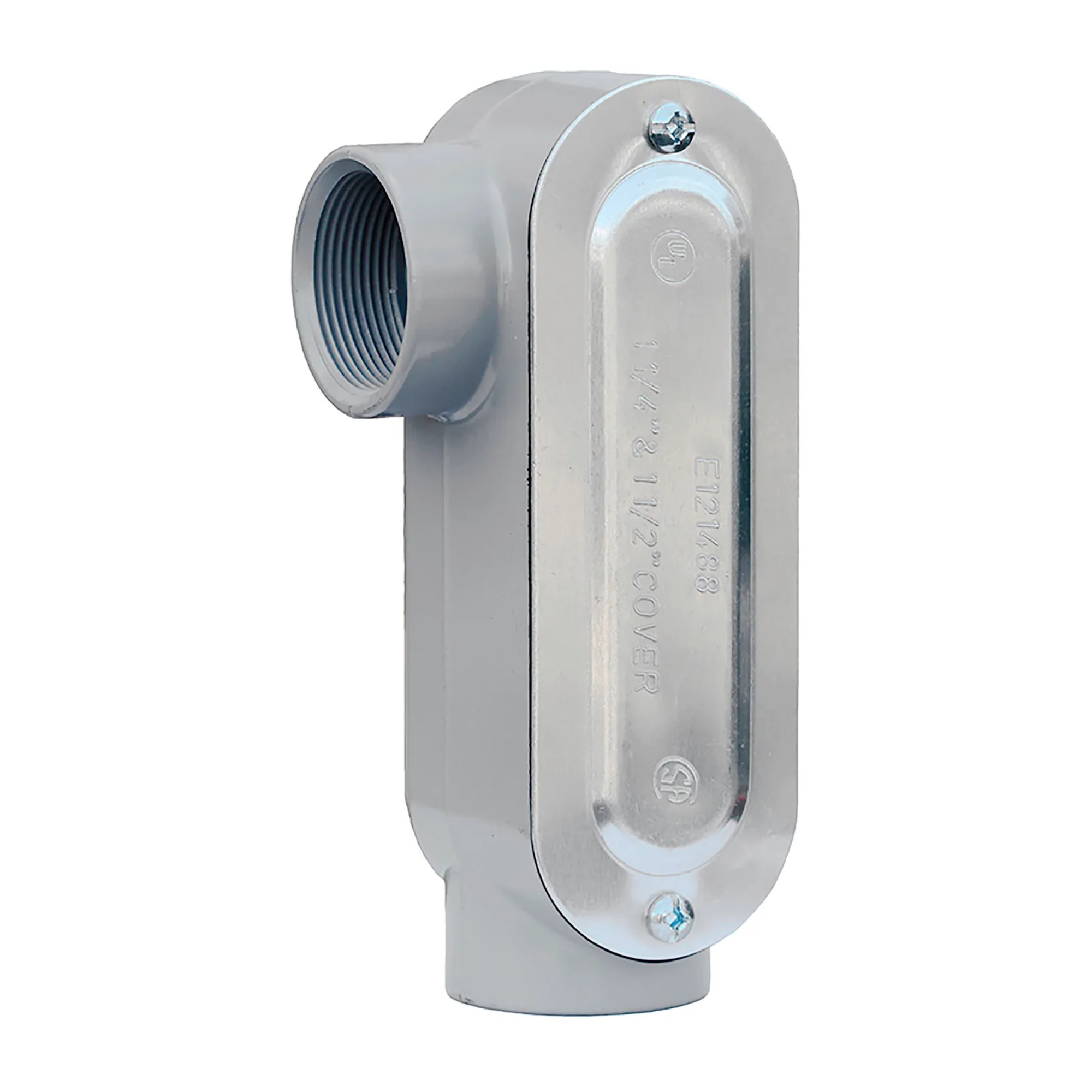
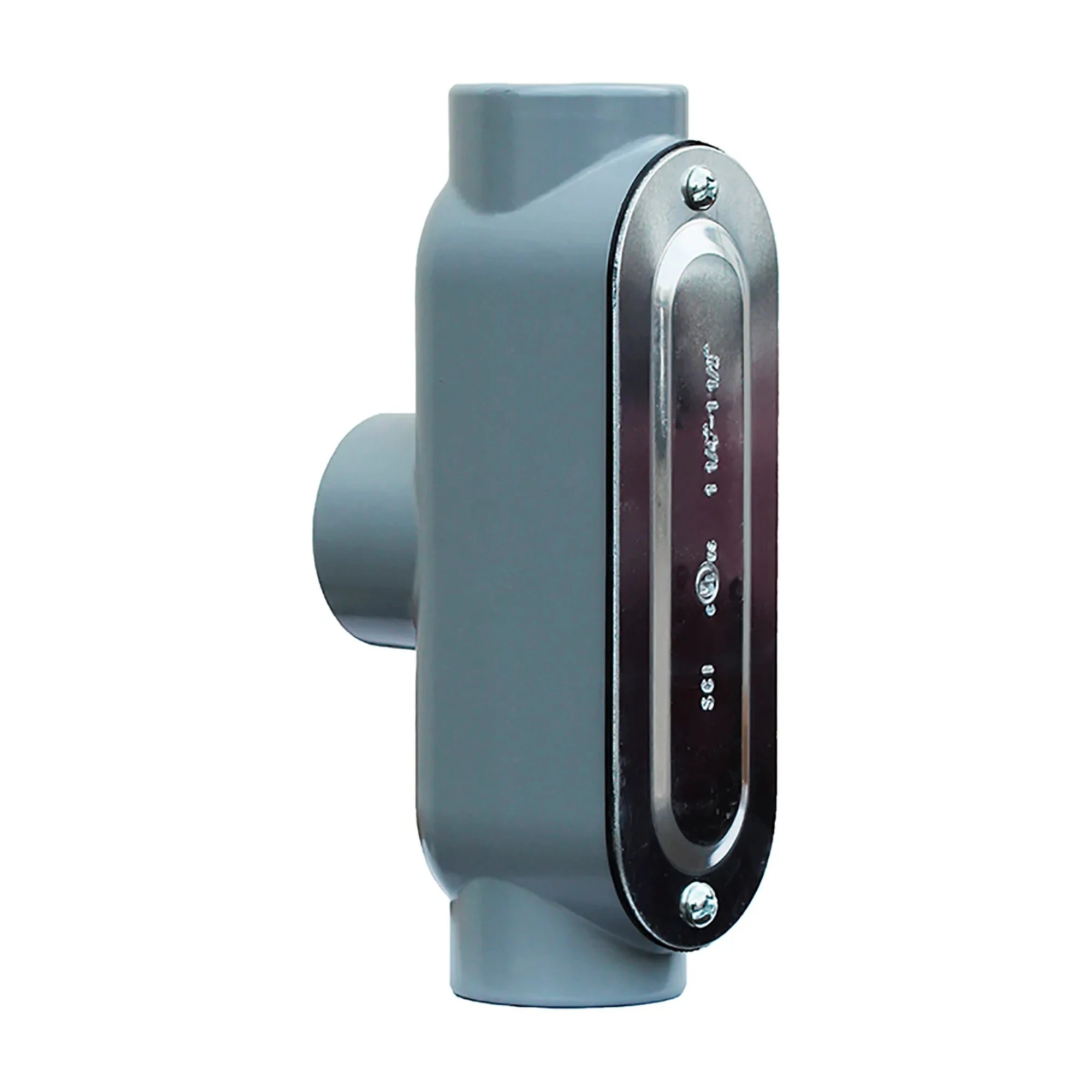
LR Threaded Conduit Body with Cover and Gasket, 1-1/2 in., 2-Pack
Our Price:$149.94This LR threaded conduit body is for electricians and maintenance teams working with conduit systems. It provides access to the conduit interior for wire pulling, splicing, and maintenance tasks...
-
Nitrile Conduit Body Gasket for 1-1/4 in. to 1-1/2 in. Bodies
Our Price:$289.94This nitrile conduit body gasket is for electricians and maintenance professionals sealing metallic conduit bodies with a cover. It helps create a dust-tight seal while helping keep moisture out to...
-
Nitrile Conduit Body Gasket for 2-1/2 in. to 3 in. Bodies
Our Price:$279.94This nitrile gasket is for electricians and maintenance professionals sealing metallic conduit bodies with a cover. It helps create a dust-tight seal while helping keep moisture out to support...
-
Nitrile Conduit Body Gasket for 3-1/2 in. to 4 in. Bodies
Our Price:$355.94This nitrile conduit body gasket is for electrical installers sealing metallic conduit bodies with a cover. It helps create a dust-tight seal while supporting protection against moisture entry and...
-
Nitrile Conduit Body Gasket, 1 in.
Our Price:$199.94This 1 in. nitrile conduit body gasket is for electrical professionals sealing metallic conduit bodies with a cover. It helps create a dust-tight seal while helping keep moisture out of the enclosure...
-
Offset Nipple, 1-1/2 in., 2-Pack
Our Price:$23.24This 1-1/2 in. offset nipple is for electrical professionals connecting two boxes or panels when the raceway axes need to be offset. It helps align the connection between raceways rather than...
-
Rigid Service Entrance Elbow, 1-1/4 in., 5-Pack
Our Price:$199.94This 1-1/4 in. rigid service entrance elbow is for electrical contractors and maintenance teams working with conduit systems. It connects with threaded rigid conduit or IMC and provides interior...
-
Solid Copper Crimp Sleeves for 18-10 AWG Wire, 500 Pack
Our Price:$95.94These solid copper crimp sleeves help electricians and wiring professionals group and terminate uninsulated copper wire. Designed for 18-10 AWG solid or stranded copper conductors, they provide a...
-
Stainless Steel 1/2-Inch Conduit Hanger with Hex Nut and Bolt, 10-Pack
Our Price:$45.94This 1/2-inch stainless steel conduit hanger helps electricians and contractors secure and suspend EMT, PVC, or rigid conduit in overhead installations. It provides an assembled fastening option for...
-
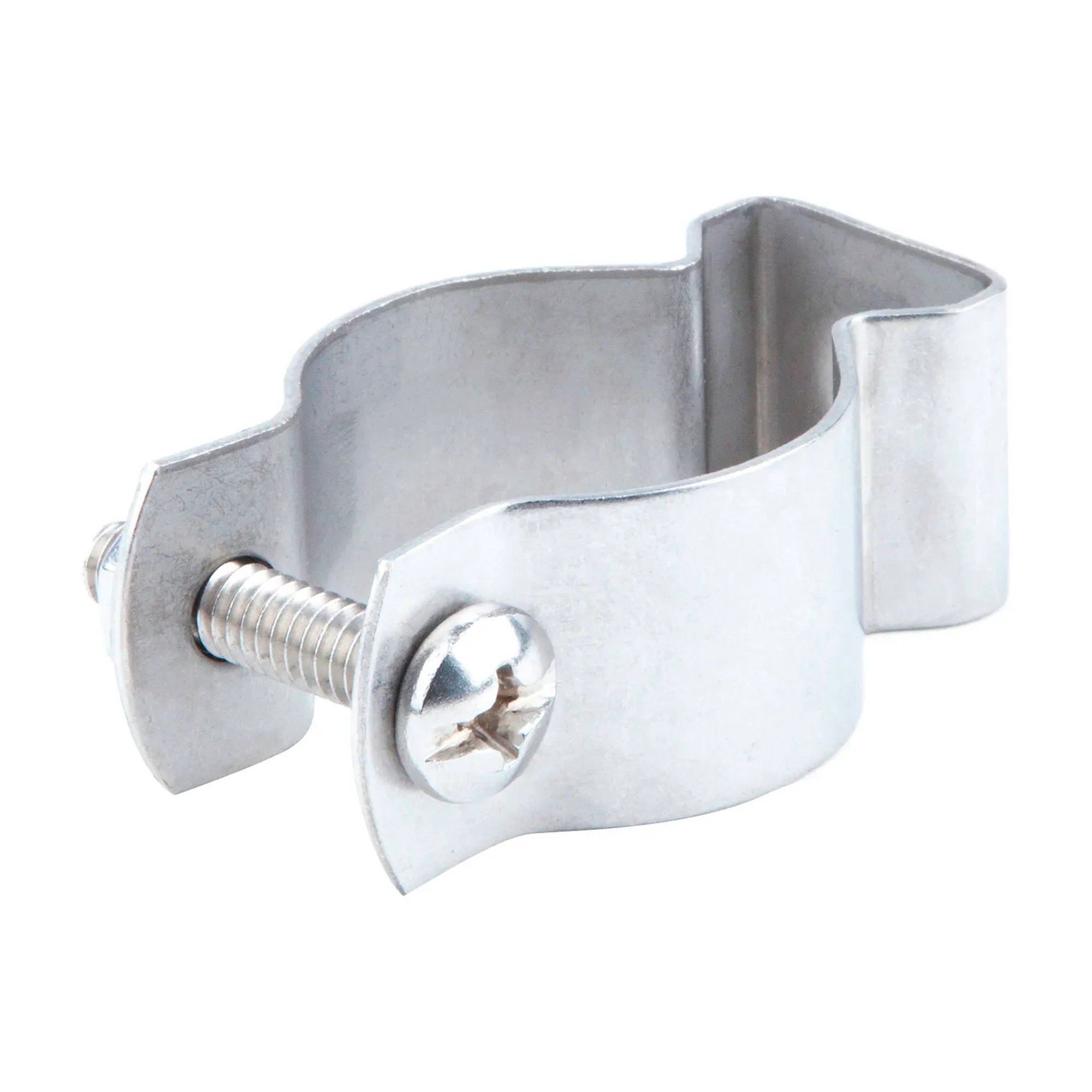
Stainless Steel Conduit Hanger with Hex Nut and Bolt, 1-1/2 in., 2-Pack
Our Price:$16.49This stainless steel conduit hanger is designed for electricians and contractors who need to secure and suspend conduit in overhead installations. It supports EMT, PVC, or rigid conduit to help...
-
Stainless Steel Conduit Hanger with Hex Nut and Bolt, 1-1/4 in., 2-Pack
Our Price:$12.99This stainless steel conduit hanger is designed for electricians and contractors who need to secure and suspend conduit in overhead installations. It supports EMT, PVC, or rigid conduit and helps...
-
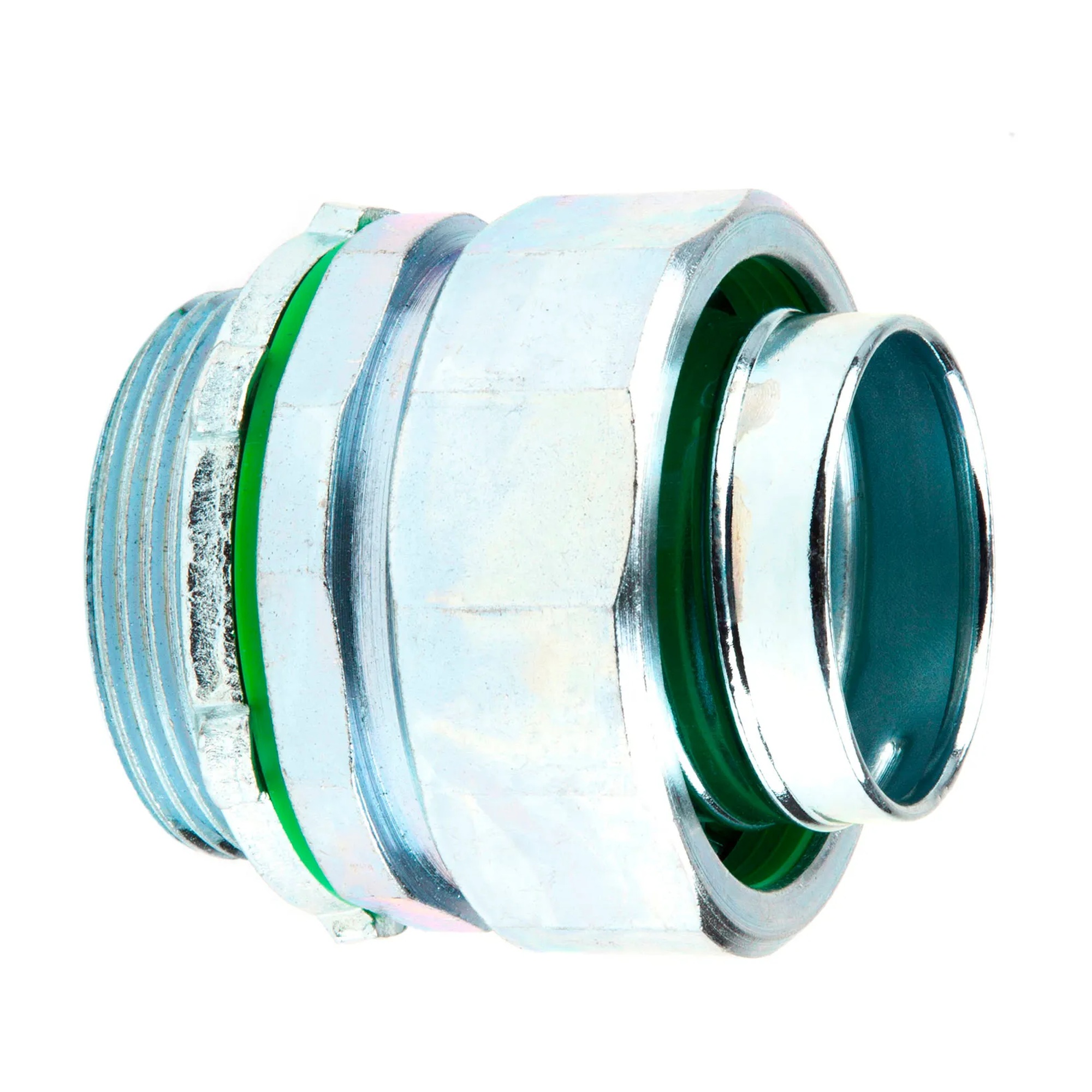
Straight Insulated Liquid-Tight Steel Connector, 1-1/2 in., 5-Pack
Our Price:$209.94These straight insulated liquid-tight connectors are for electrical professionals connecting liquid-tight conduit to an enclosure. They provide a practical conduit entry point while helping seal the...
-
Straight Liquid-Tight Connector, Alloy Steel, 1-1/2 in., 5-Pack
Our Price:$175.94This straight liquid-tight connector is used by electrical installers to connect liquid-tight conduit to an enclosure. It provides the fitting needed to bring conduit into an enclosure in electrical...
-
Straight PVC Liquid-Tight Connector, 1-1/4 in., 5-Pack
Our Price:$79.94These straight liquid-tight connectors are for electrical installers connecting non-metallic liquid-tight conduit or flexible non-metallic tubing to enclosures. The five-pack provides fittings for...
-
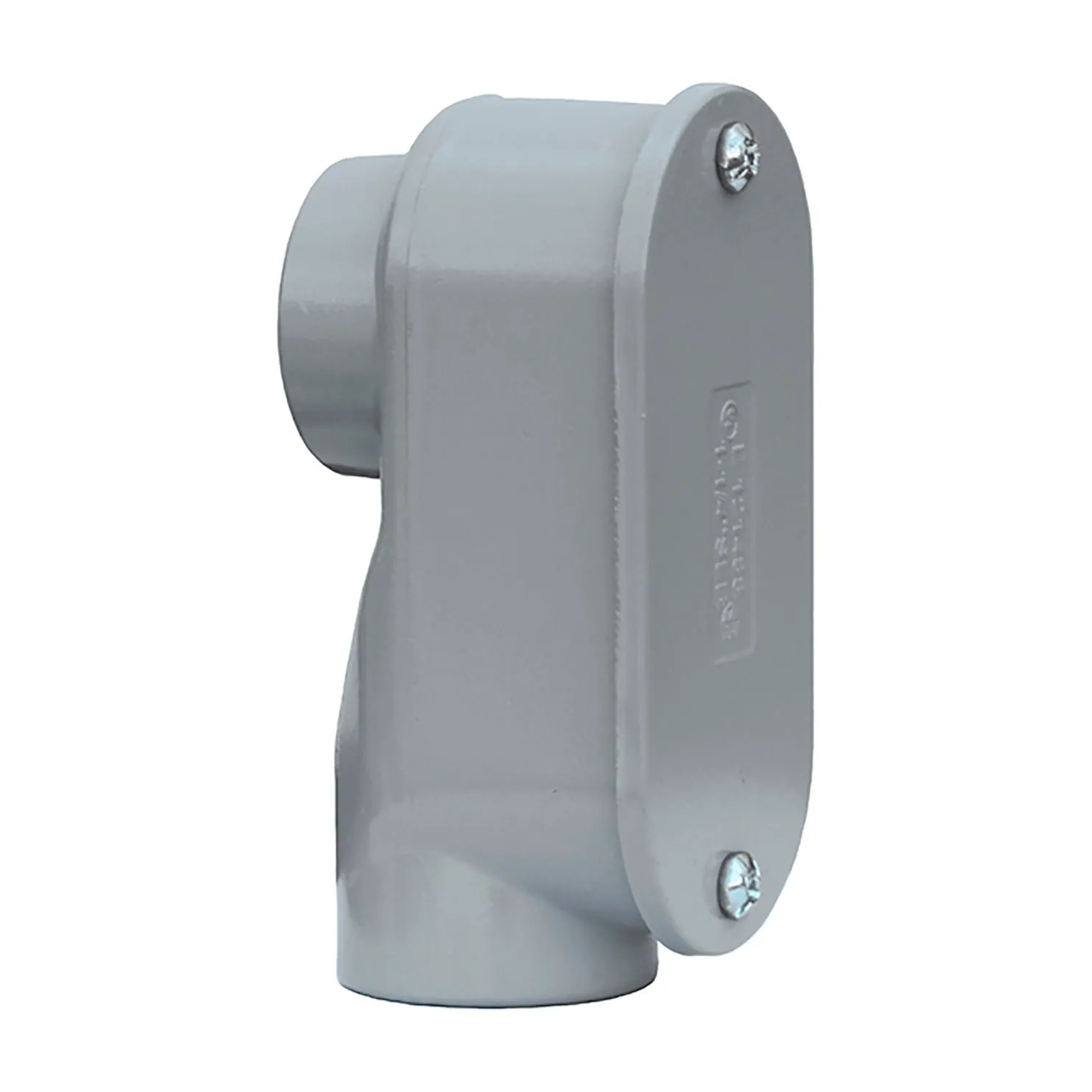
TB Threaded Conduit Body with Cover and Gasket, 1-1/2 in., 2-Pack
Our Price:$159.94This two-pack of TB threaded conduit bodies gives electrical installers access points within conduit runs for pulling wire and making splices. It is designed for use with 1-1/2 in. IMC and rigid...
-
Thread-Cutting Ground Screws, #10-32 x 3/8 in., 500-Pack
Our Price:$50.94These ground screws are for electricians and electrical contractors who need to secure grounding wires in electrical junction boxes. They also support pigtail grounding connections, providing a...
-
Zinc Alloy Rigid Conduit Pulling Elbow, 3/4 in., 10-Pack
Our Price:$119.94This 10-pack of 3/4 in. rigid conduit pulling elbows is for users routing threaded rigid conduit or IMC through a 90-degree change in direction. Each elbow provides access for wire pulling and can...








Choose Conduit Fittings for the Connection, Access, or Support You Need
Conduit fittings serve different jobs within an electrical installation. Start by identifying whether the work calls for an access point, a cover seal, an enclosure connection, an overhead support, cable-edge protection, or a turn into an enclosure. Then compare the listed size, conduit or cable compatibility, body style, material, and pack quantity.
Popular examples in this category
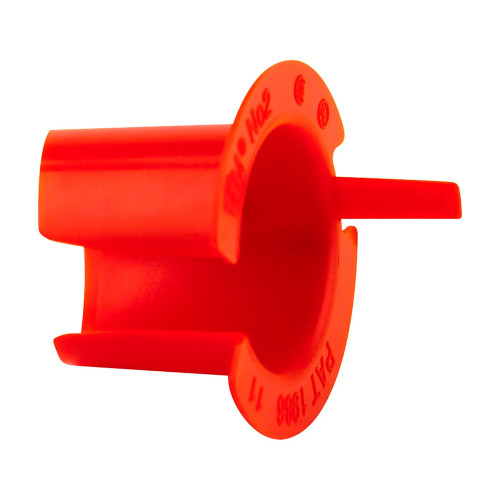 3/4 in. Polyethylene Anti-Short Bushings, Black, 500-PackWBB3147540
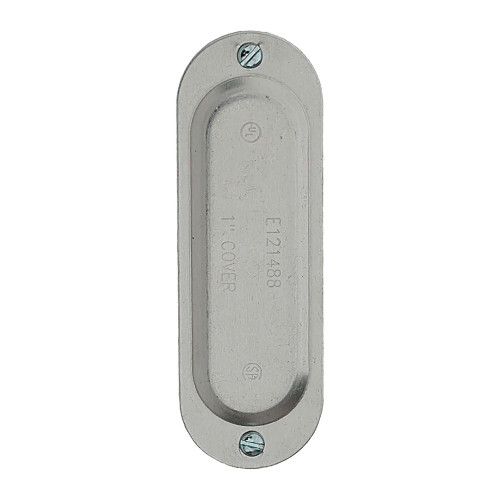 1/2-Inch Aluminum Conduit Body CoverWBB3147666
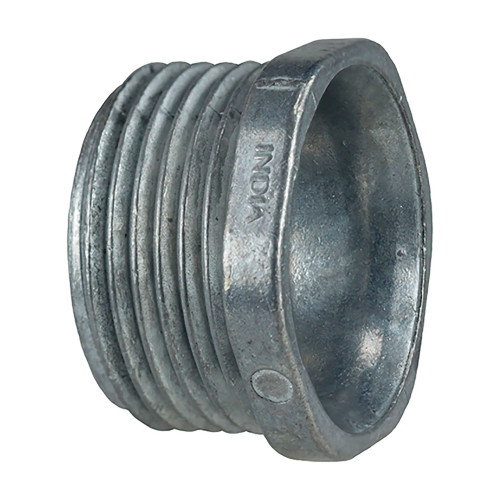 3-1/2 in. Conduit Nipple, 5-PackWBB3147715
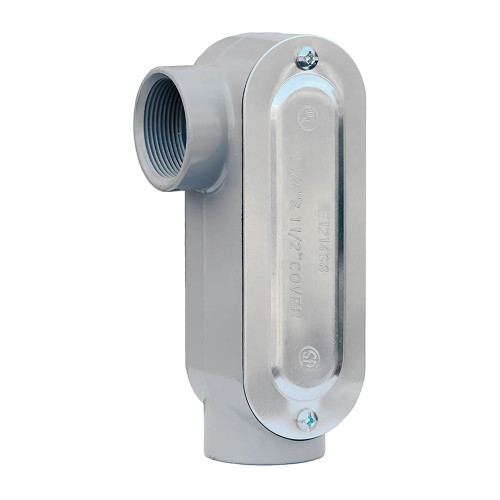 1/2 in. LR Threaded Conduit Body with Cover and Gasket, 10-PackWBB3147724
Match the fitting to the task
Use conduit bodies for wire pulling, splicing, and service access; gaskets to seal covered metallic conduit bodies; nipples and connectors at enclosure entries; hangers for overhead support; and anti-short bushings to help protect conductor sheathing.
Confirm size and compatibility first
Compare the stated fitting size with the conduit body, conduit, cable, or enclosure application. Also check whether the item is intended for IMC, rigid conduit, EMT, PVC, liquid-tight conduit, or FMC, AC, BX, and MC cable.
Plan around the conduit run
LR and LL threaded conduit bodies provide accessible points in conduit runs. A 90-degree liquid-tight connector accommodates a turn before entering an enclosure, while conduit hangers secure and suspend runs where overhead routing is needed.
Consider material and package quantity
Available materials include polyethylene, aluminum, nitrile, zinc alloy, alloy steel, and 304 stainless steel. Pack options range from individual fittings to 2-packs, 5-packs, 10-packs, and a 500-pack of bushings.
Listed conduit body and related fitting sizes cover multiple installation needs.
Threaded conduit body styles provide access inside compatible conduit runs.
Products are identified for IMC, rigid conduit, EMT, PVC, liquid-tight conduit, and FMC, AC, BX, and MC cable applications.
Available quantities include 2-packs, 5-packs, 10-packs, and a 500-pack.
Compare Common Conduit Fitting Types
Use the fitting type and stated compatibility to narrow options for the installation task.
| Fitting type | Primary use | Key selection factors |
|---|---|---|
| Threaded conduit body | Access for wire pulling, splicing, and maintenance | Choose LR or LL style, size, and compatible IMC or rigid conduit system. |
| Gasket or cover | Seal a metallic conduit body with a cover | Match the conduit body size; nitrile gaskets help support dust-tight and moisture sealing. |
| Nipple, connector, hanger, or bushing | Connect, route, support, or protect a run | Match the listed conduit or cable compatibility, size, material, and pack quantity. |
Plan the right fit before choosing
Select by the job the fitting performs
Different fittings address distinct parts of a conduit installation. Threaded LR and LL conduit bodies provide access to the conduit interior for pulling wire, making splices, and maintenance work. Conduit nipples connect threaded conduit to enclosure knockouts when used with a locknut, while 90-degree liquid-tight connectors route liquid-tight conduit into enclosures.
- Choose LR or LL conduit bodies when the run needs an access point.
- Choose a conduit nipple for a short raceway between boxes and enclosures or a connection at an enclosure.
- Choose a 90-degree liquid-tight connector where the conduit must turn before entering an enclosure.
- Choose anti-short bushings to help protect conductor sheathing from sharp cable edges.
Compare the stated size, style, and conduit type
Sizes represented range from 1/2 inch components to 4-inch conduit bodies, with gaskets available for 1/2-inch bodies and for 1-1/4 inch to 1-1/2 inch bodies. Threaded conduit bodies are identified for compatible IMC or rigid conduit systems. Hangers are designed for EMT, PVC, or rigid conduit, while anti-short bushings are intended for FMC, AC, BX, and MC cable.
- Match conduit body covers and gaskets to the compatible body size.
- Select the LR or LL body style specified for the installation.
- Verify that the conduit type aligns with the fitting's stated compatibility.
- For hangers, match the hanger size to the conduit size being secured.
Choose features that align with installation conditions
Conduit body covers and nitrile gaskets help seal covered metallic conduit bodies against dust and help limit moisture entry to support corrosion prevention. Stainless steel hangers provide corrosion-resistant construction for supporting overhead conduit, and aluminum conduit bodies and covers provide lightweight aluminum options. Preassembled hanger hardware includes combo round-head screws and hex nuts.
- Use a nitrile gasket with a cover where dust-tight and moisture-sealing support is needed.
- Use conduit hangers to secure and suspend compatible conduit runs overhead.
- Compare pack quantities when the project requires multiple fittings or support points.
Common questions before buying
What are conduit bodies used for?
LR and LL threaded conduit bodies provide access to a conduit run for pulling wire, making splices, and maintenance work.
What is a conduit body gasket for?
A nitrile conduit body gasket helps seal a covered metallic conduit body against dust and helps limit moisture entry.
Which conduit types can the hangers support?
The listed stainless steel conduit hangers are designed to secure and suspend EMT, PVC, or rigid conduit.
What do anti-short bushings do?
Anti-short bushings help provide a protective barrier between conductor sheathing and sharp cable edges for FMC, AC, BX, and MC cable applications.