
-
7" Green Silicon Carbide Vitrified Bench Grinding Wheel, 120 Grit
Our Price:$79.94This 120-grit bench grinding wheel is for shop and maintenance users working with carbide-tipped tools and cast iron. It provides a sharp abrasive surface for burr-free cutting and finishing tasks...
-
8 in. Aluminum Oxide Bench and Pedestal Grinding Wheel, 36 Grit
Our Price:$64.94This 36-grit aluminum oxide grinding wheel is designed for commercial shops and maintenance teams using bench or pedestal grinders. It supports offhand grinding tasks for medium to light stock...
-
8 in. Silicon Carbide Bench and Pedestal Grinding Wheel, 80 Grit
Our Price:$125.94This 8-inch silicon carbide grinding wheel is for shop users performing offhand grinding on carbide tooling and nonferrous materials. Its fine 80-grit abrasive supports shaping and sharpening tasks...
-
8 in. Vitrified Aluminum Oxide Bench Grinding Wheel, 60 Grit
Our Price:$59.94This 60-grit bench grinding wheel is for shop users who need a general-purpose abrasive for sharpening tools and light stock removal. It helps maintain tool edges and handle routine grinding tasks at...
-
8 in. Vitrified Aluminum Oxide Bench Grinding Wheel, 80 Grit
Our Price:$58.94This 80-grit bench grinding wheel is for users sharpening tools and performing light stock removal. Its aluminum oxide abrasive supports general-purpose grinding tasks.The wheel has aluminum oxide...
-
8 in. Vitrified Silicon Carbide Bench Grinding Wheel, 120 Grit
Our Price:$90.94This 120-grit silicon carbide bench grinding wheel is for shop personnel working with carbide-tipped tools and cast iron. It supports grinding work where a sharp abrasive grain helps produce...
-
8 in. x 1 in. x 1 in. 60-Grit Silicon Carbide Bench and Pedestal Grinding Wheel
Our Price:$99.94This silicon carbide grinding wheel is for operators performing offhand grinding on carbide tooling and nonferrous materials. It supports light stock removal, deburring, shaping, and sharpening tasks...
-
8-Inch 36-Grit Aluminum Oxide Bench Grinding Wheel
Our Price:$26.94This 8-inch bench grinding wheel is for shop users working with ferrous metals on standard benchtop grinders. Its 36-grit abrasive surface supports material removal during grinding tasks.The wheel is...
-
8-Inch Aluminum Oxide Bench Grinding Wheel, 60 Grit
Our Price:$27.94This 8-inch bench grinding wheel is for shop users working with ferrous metals on standard benchtop grinders. It supports material removal tasks while providing a universal arbor fit for compatible...
-
8-Inch Aluminum Oxide Vitrified Bench Grinding Wheel, 36 Grit
Our Price:$59.94This vitrified bench grinding wheel is for shop personnel and maintenance teams who sharpen tools and perform light stock removal. Its 36-grit abrasive surface supports general-purpose grinding tasks...
-
Bench and Pedestal Grinding Wheel, 8 in. x 3/4 in. x 1 in., 100 Grit Aluminum Oxide
Our Price:$58.94This bench and pedestal grinding wheel is for shop professionals performing offhand grinding tasks. It provides a 100-grit abrasive surface for metalworking and sharpening work on compatible bench or...
-
Silicon Carbide Bench and Pedestal Grinding Wheel, 12 in. x 2 in. x 1-1/4 in., 80 Grit
Our Price:$335.94This silicon carbide grinding wheel is designed for operators using bench or pedestal grinders to shape and sharpen carbide tooling and nonferrous materials. Its fine 80-grit abrasive supports...
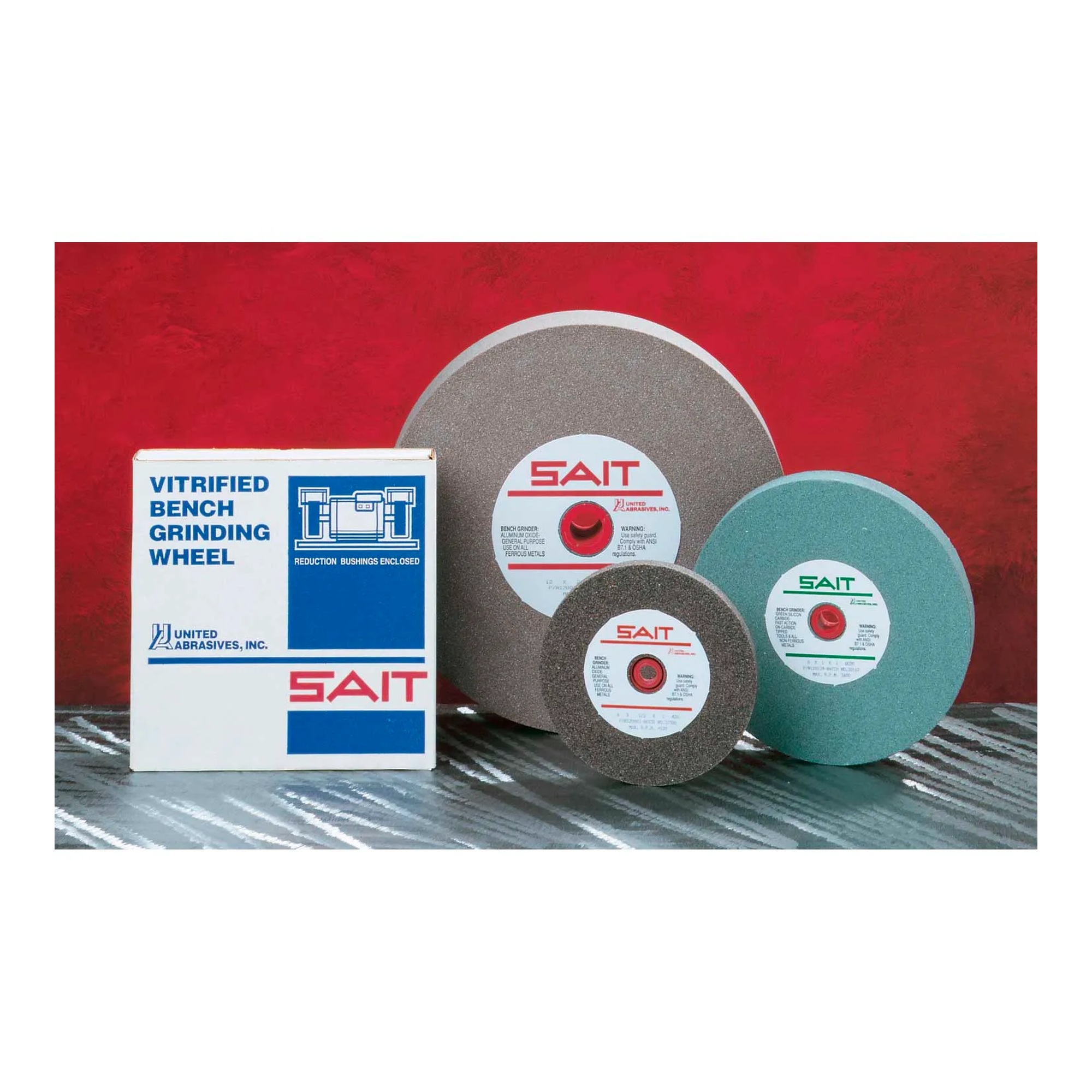
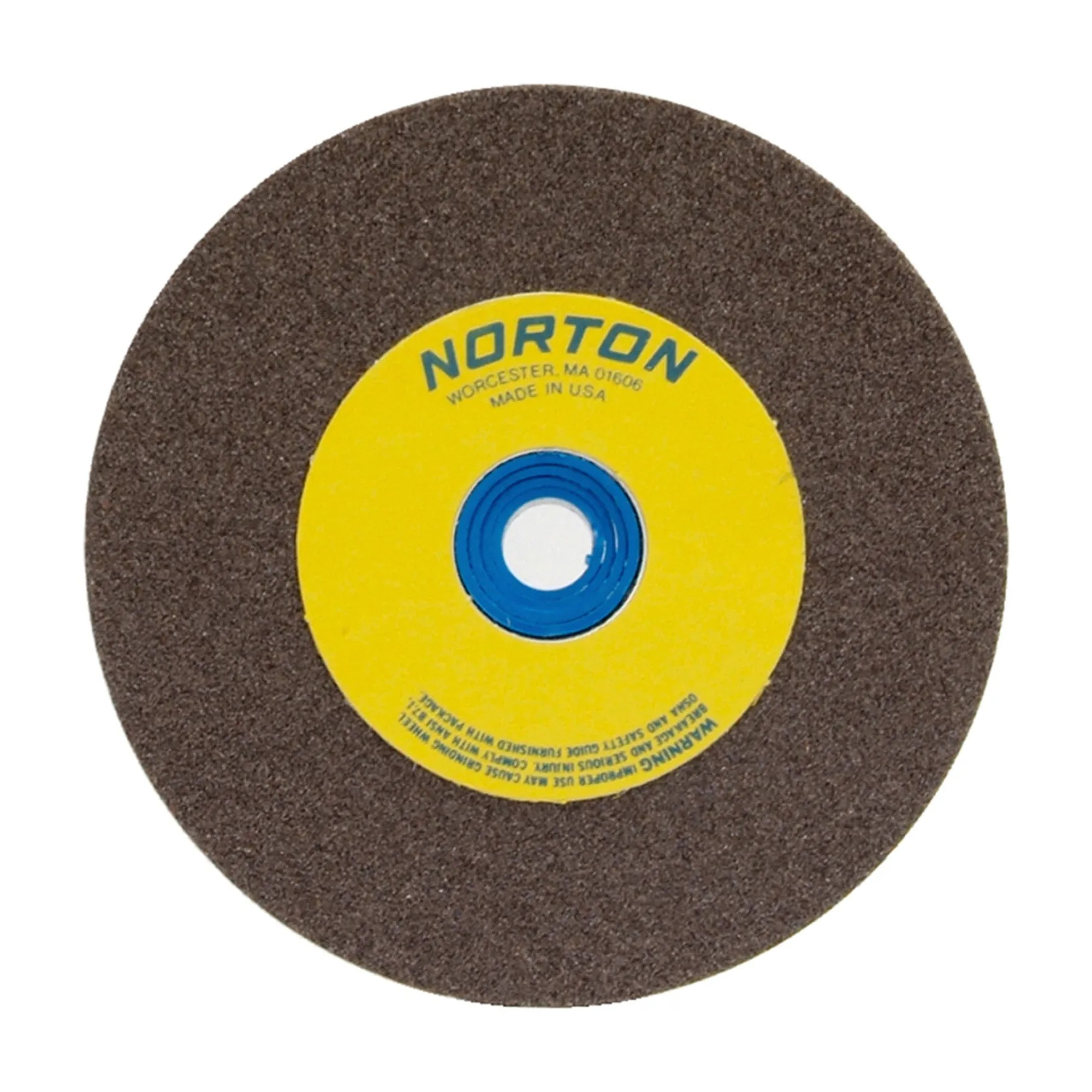


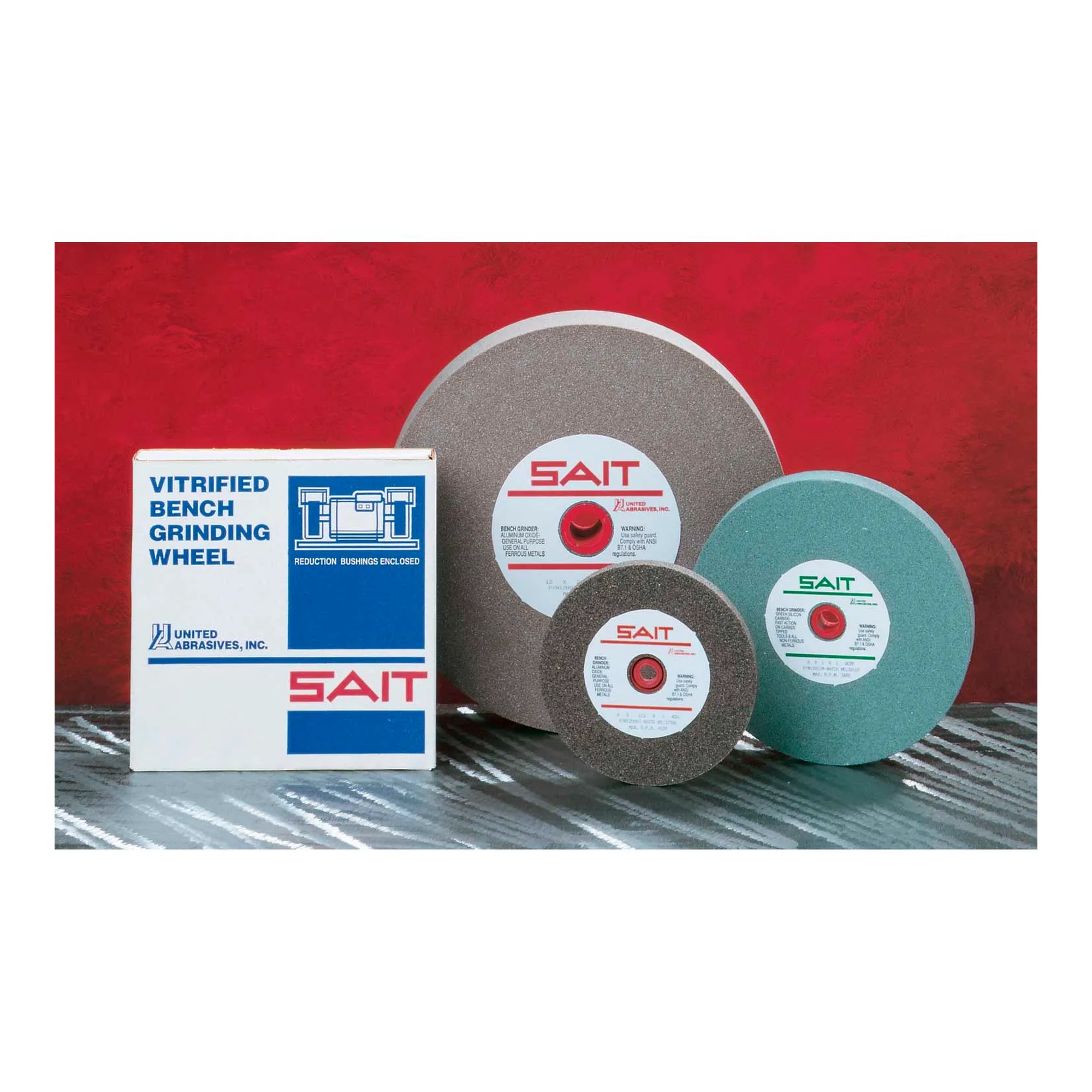


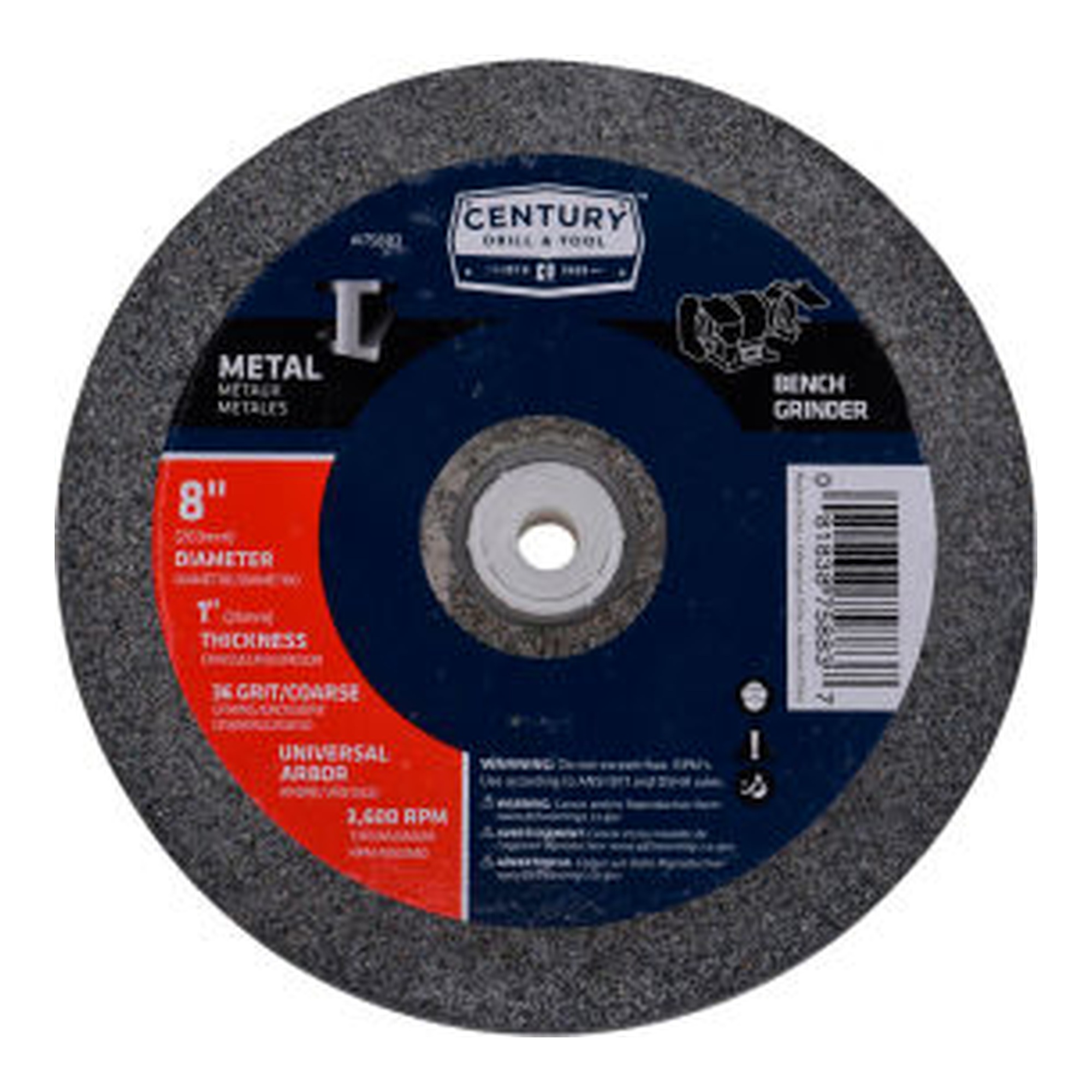
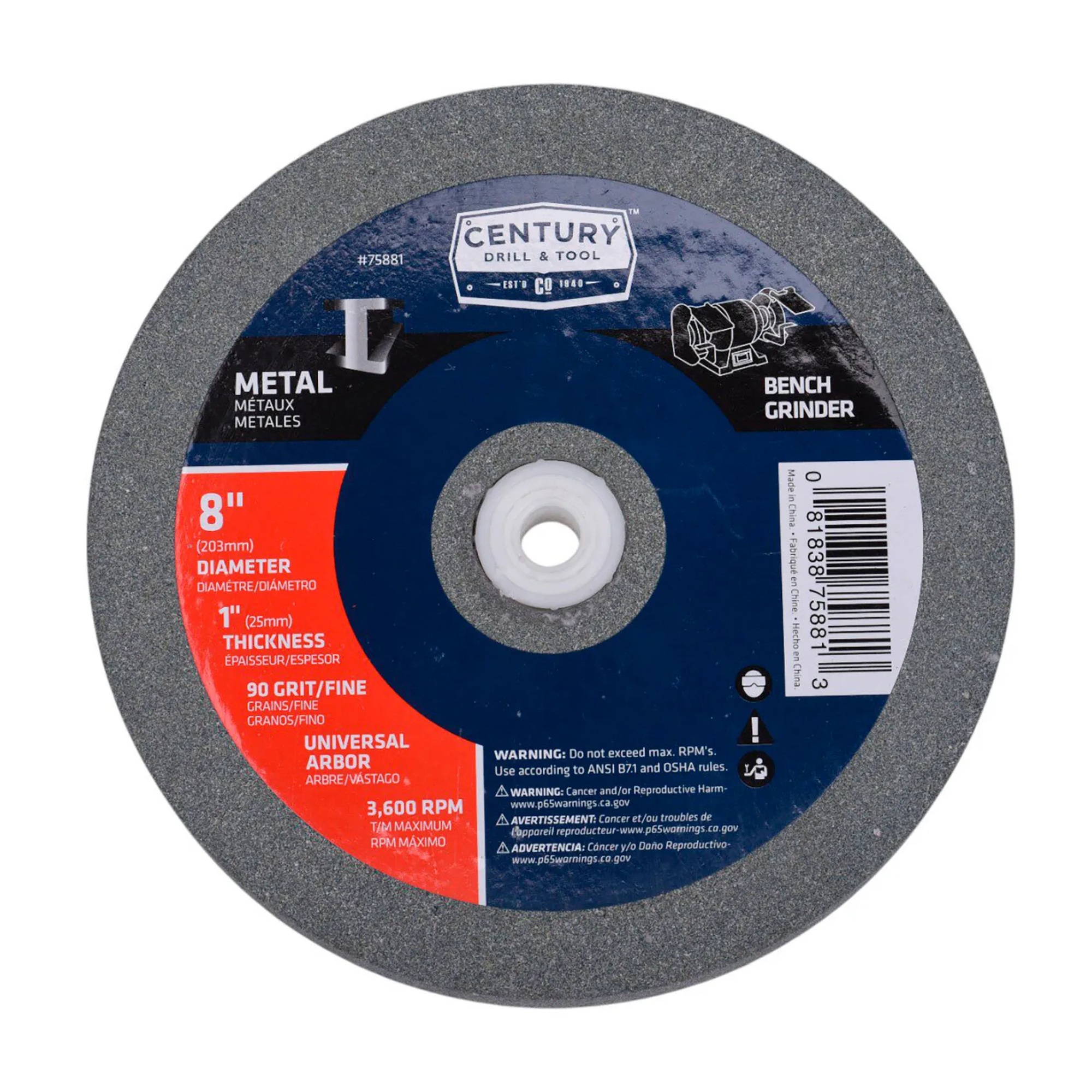
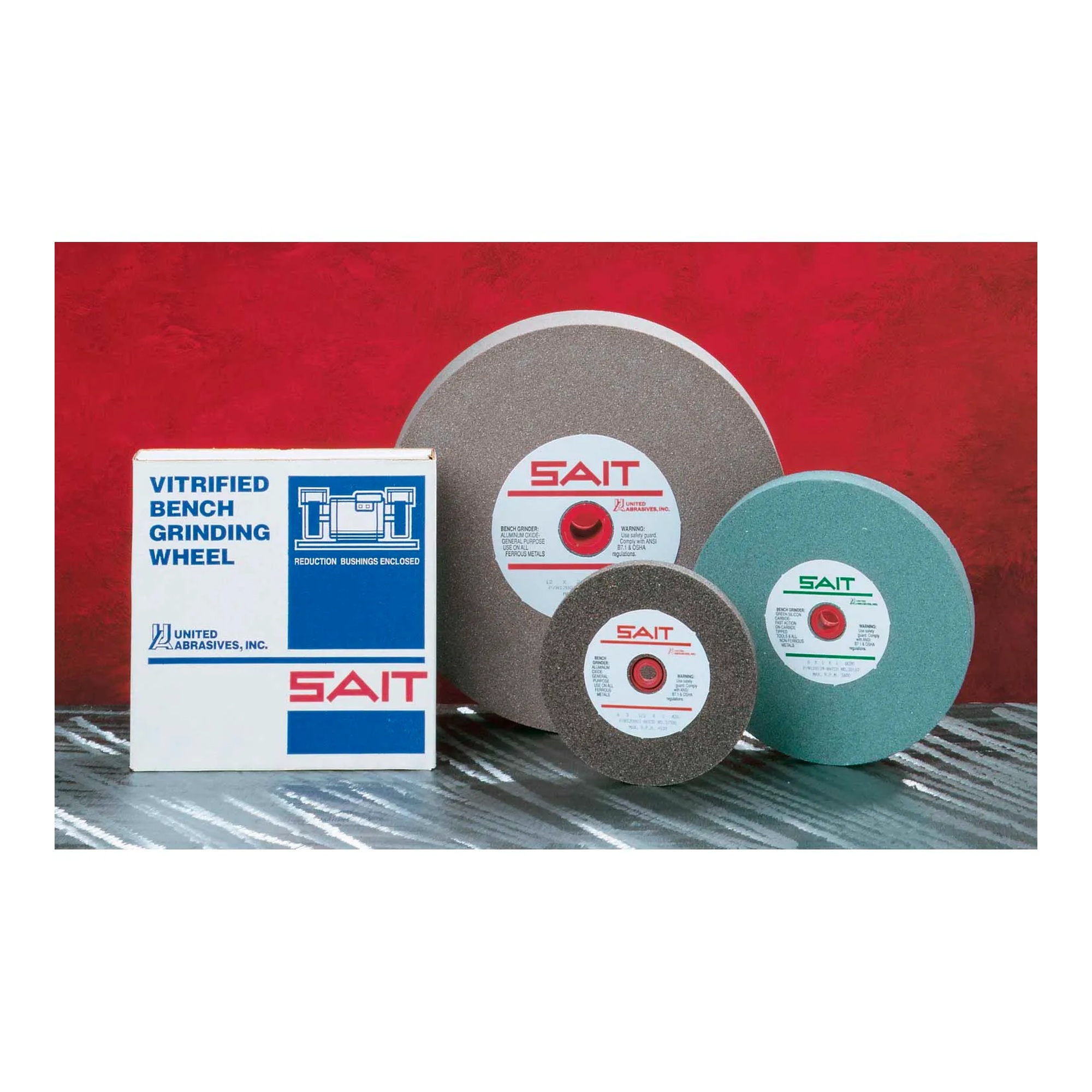


Choose a Grinding Wheel for Your Bench or Pedestal Setup
Start by matching the wheel diameter, thickness, and arbor hole to the grinder. Then compare abrasive material and grit according to the material and type of grinding work you need to perform.
Popular examples in this category
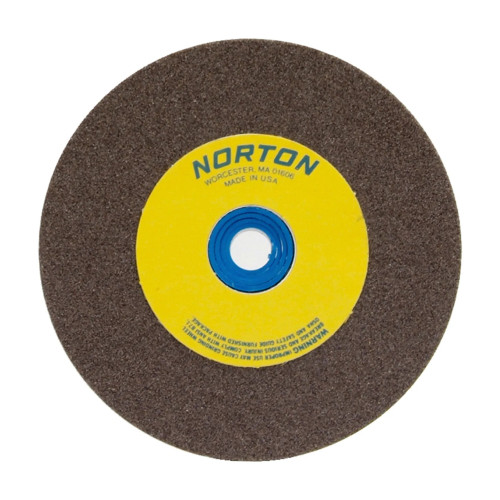 12-Inch Aluminum Oxide Bench and Pedestal Grinding Wheel, 36 GritWBB2202969
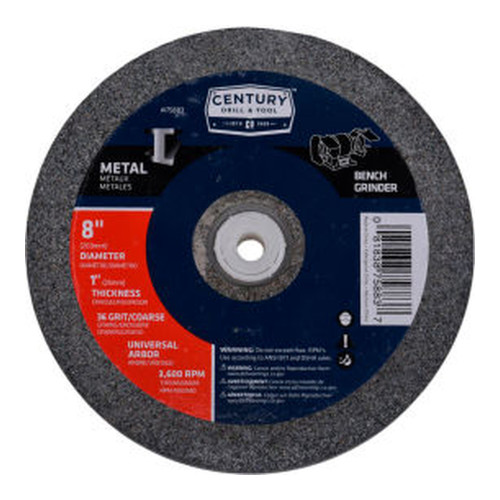 8-Inch 36-Grit Aluminum Oxide Bench Grinding WheelWBB2139923
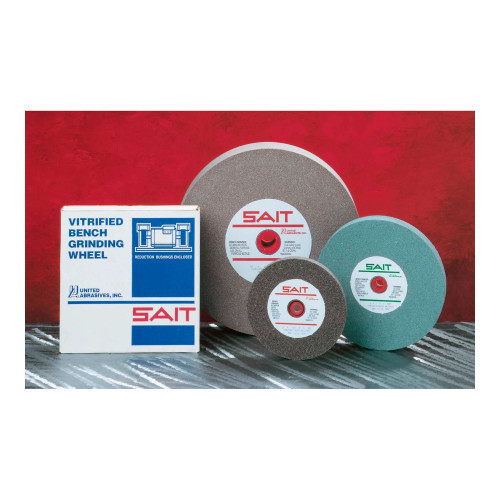 6-Inch Aluminum Oxide Vitrified Bench Grinding Wheel, 36 GritWBB2233072
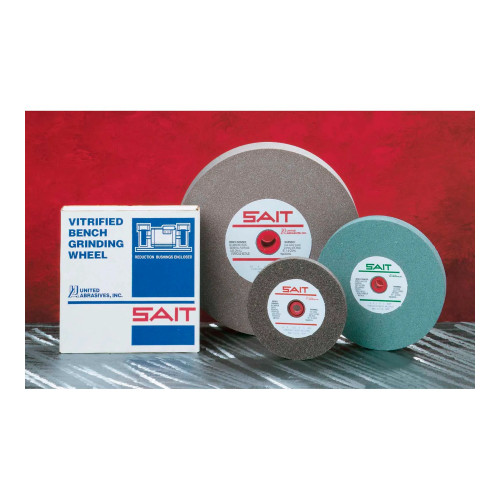 10-Inch 60-Grit Aluminum Oxide Vitrified Bench Grinding WheelWBB2233476
Support routine grinding tasks
These wheels are represented for sharpening tools, light stock removal, deburring, shaping, metal removal, and controlled grinding. Bench and pedestal formats support offhand grinding applications.
Match the wheel to the equipment and work
Confirm the required wheel diameter, thickness, and arbor-hole size first. Next, select aluminum oxide for the listed steel, ferrous-metal, and general-purpose applications, or silicon carbide for the listed carbide-tooling and nonferrous-material work.
Compare abrasive and grit options
Aluminum oxide options range from 36 to 100 grit in the represented selection. A 36-grit wheel is listed for medium to light stock removal, while 60-grit wheels support light removal, deburring, shaping, and sharpening; the 100-grit option is listed for controlled grinding and sharpening.
Review mounting details closely
Listed arbor options include fixed 1-inch, 1-1/4-inch, and 1-1/2-inch holes, plus nested-bushing options that fit 1/2-inch, 5/8-inch, 3/4-inch, and 1-inch arbor mounts. Several aluminum oxide wheels have a vitrified bond intended to support long service life.
Represented wheel diameters span 6, 7, 8, 10, and 12 inches.
Available represented grit options run from 36 through 100.
Choose from aluminum oxide and silicon carbide options.
Certain wheels fit 1/2-inch, 5/8-inch, 3/4-inch, and 1-inch arbors.
Compare the represented wheel options
Use this overview to narrow the selection by abrasive material, grit, and the applications stated for each wheel type.
| Wheel option | Available represented details | Listed applications |
|---|---|---|
| Aluminum oxide, 36 grit | 6-, 8-, and 12-inch wheel options; selected 8-inch options include nested bushings | Medium to light stock removal, material removal, sharpening, and general-purpose grinding |
| Aluminum oxide, 46 to 100 grit | 46-, 60-, 80-, 90-, and 100-grit options across 6-, 7-, 8-, 10-, and 12-inch sizes | Routine sharpening, light stock removal, deburring, shaping, and controlled grinding |
| Silicon carbide, 60 grit | 12-inch by 2-inch wheel format | Offhand grinding on carbide tooling and nonferrous materials; light stock removal, deburring, shaping, and sharpening |
Plan the right fit before choosing
Confirm wheel size and arbor compatibility
Choose a wheel that matches the grinder’s required format. The represented wheel diameters are 6, 7, 8, 10, and 12 inches, with multiple thicknesses and arbor-hole sizes available.
- 6-inch wheels include 1-inch-arbor and nested-bushing options.
- 8-inch wheels include 3/4-inch-thick and 1-inch-thick formats, as well as nested-bushing options.
- 10-inch wheels are represented with 1-1/4-inch arbor holes.
- 12-inch wheels include 1-1/2-inch arbor-hole options and 2-inch-thick formats.
Select the abrasive for the material
The category includes aluminum oxide and silicon carbide abrasive wheels. Aluminum oxide is represented for general-purpose grinding work on steel, ferrous metals, sharpening, and light stock removal. Silicon carbide is represented for carbide tooling and nonferrous materials.
- Choose aluminum oxide for the listed steel and ferrous-metal applications.
- Choose silicon carbide for the listed carbide-tooling and nonferrous-material applications.
- Vitrified aluminum oxide options are represented for general bench grinding and routine sharpening.
Align grit with the task
Grit choices represented in this category include 36, 46, 60, 80, 90, and 100 grit. Product summaries identify different uses across the range, from stock removal and general-purpose work to controlled grinding and sharpening.
- 36 grit is listed for coarse grinding and medium to light stock removal.
- 46 grit is listed for routine sharpening and general grinding.
- 60 grit is listed for light stock removal, deburring, shaping, and sharpening.
- 100 grit is listed for controlled grinding and sharpening.
Common questions before buying
What wheel diameters are represented in this category?
The represented products include 6-inch, 7-inch, 8-inch, 10-inch, and 12-inch wheel diameters.
When should I consider aluminum oxide?
The aluminum oxide wheels are represented for general-purpose grinding on steel and ferrous metals, as well as tool sharpening and light stock removal.
What is the silicon carbide wheel listed for?
The 60-grit silicon carbide wheel is listed for offhand grinding on carbide tooling and nonferrous materials.
Which arbor sizes are available?
Listed fixed arbor-hole sizes include 1 inch, 1-1/4 inches, and 1-1/2 inches. Some wheels use nested bushings for 1/2-inch, 5/8-inch, 3/4-inch, and 1-inch mounts.