
-
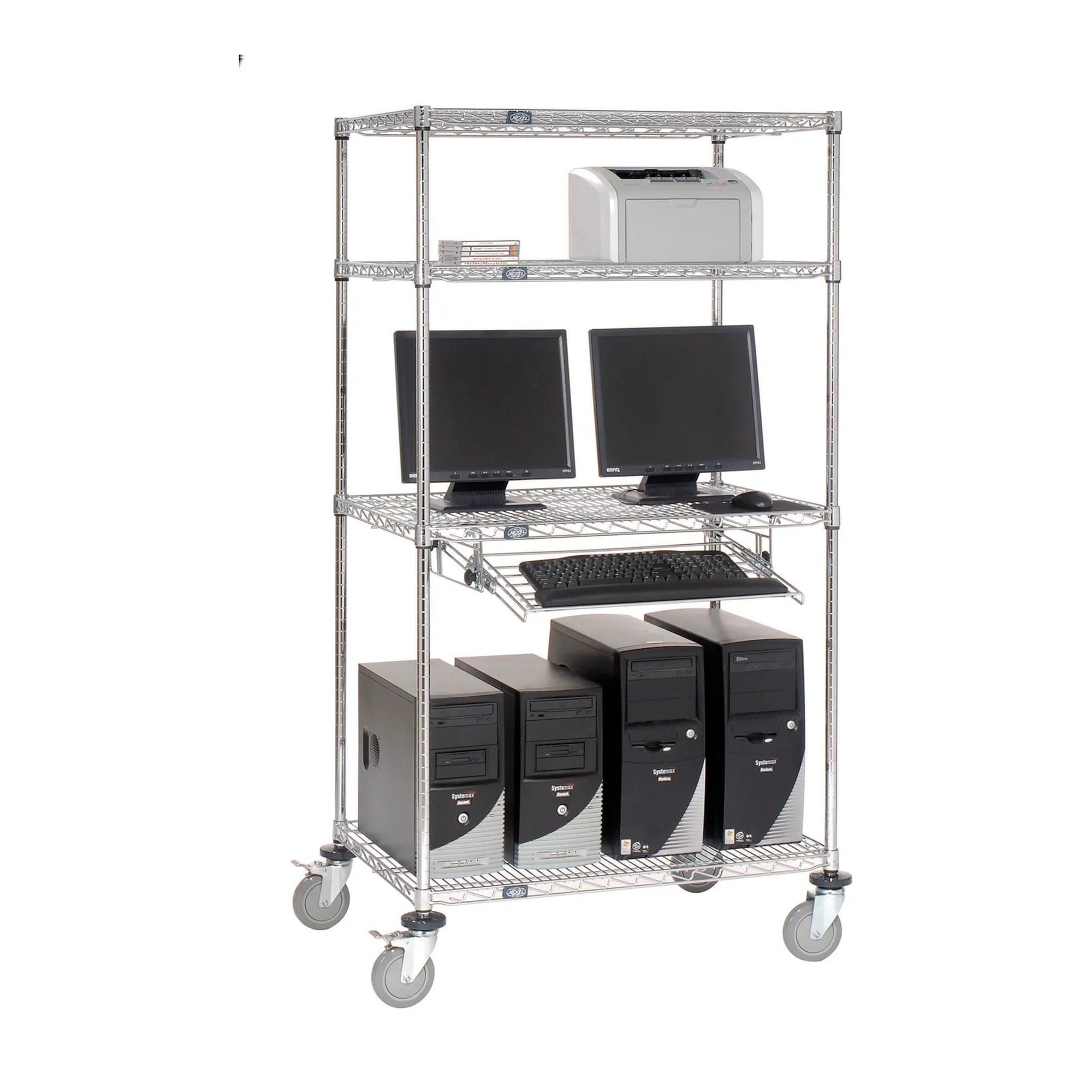
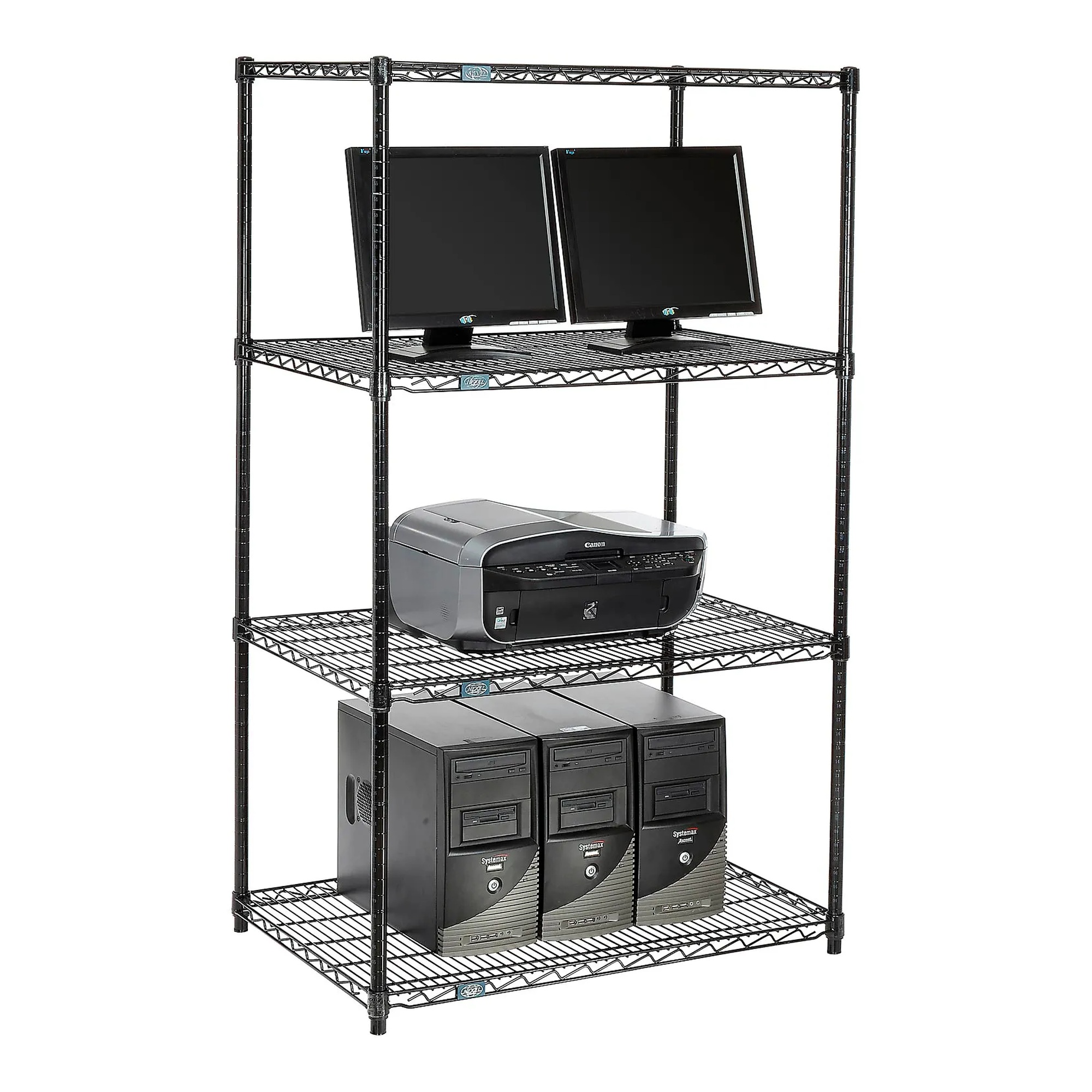
Nexel
4-Shelf Mobile Wire Computer LAN Workstation, Black - 48 in. W x 24 in. D x 69 in. H
Our Price:$425.94This mobile wire computer LAN workstation gives IT teams and commercial facilities a centralized place to organize and work with multiple computers or servers. Its open shelving and rolling design...
-
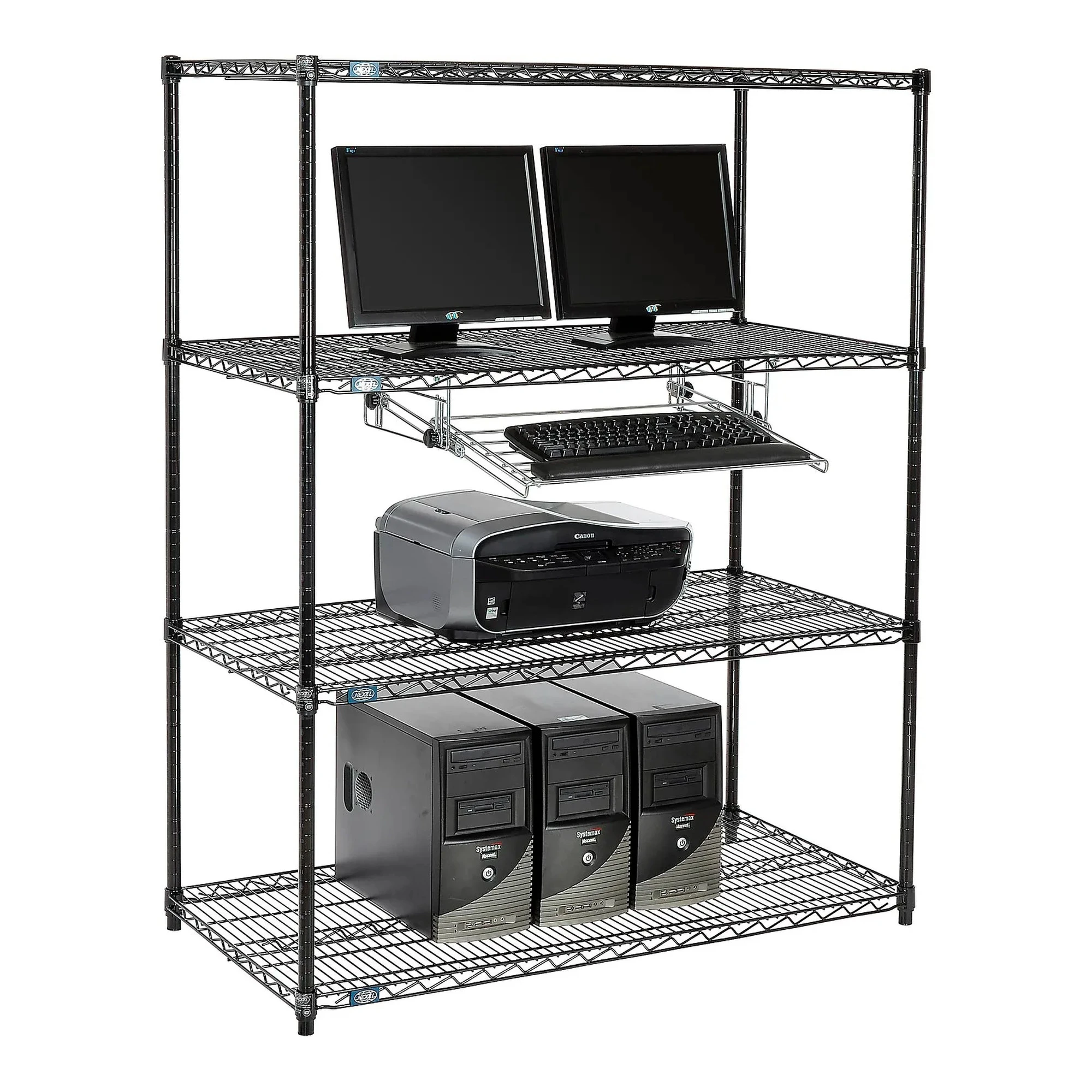
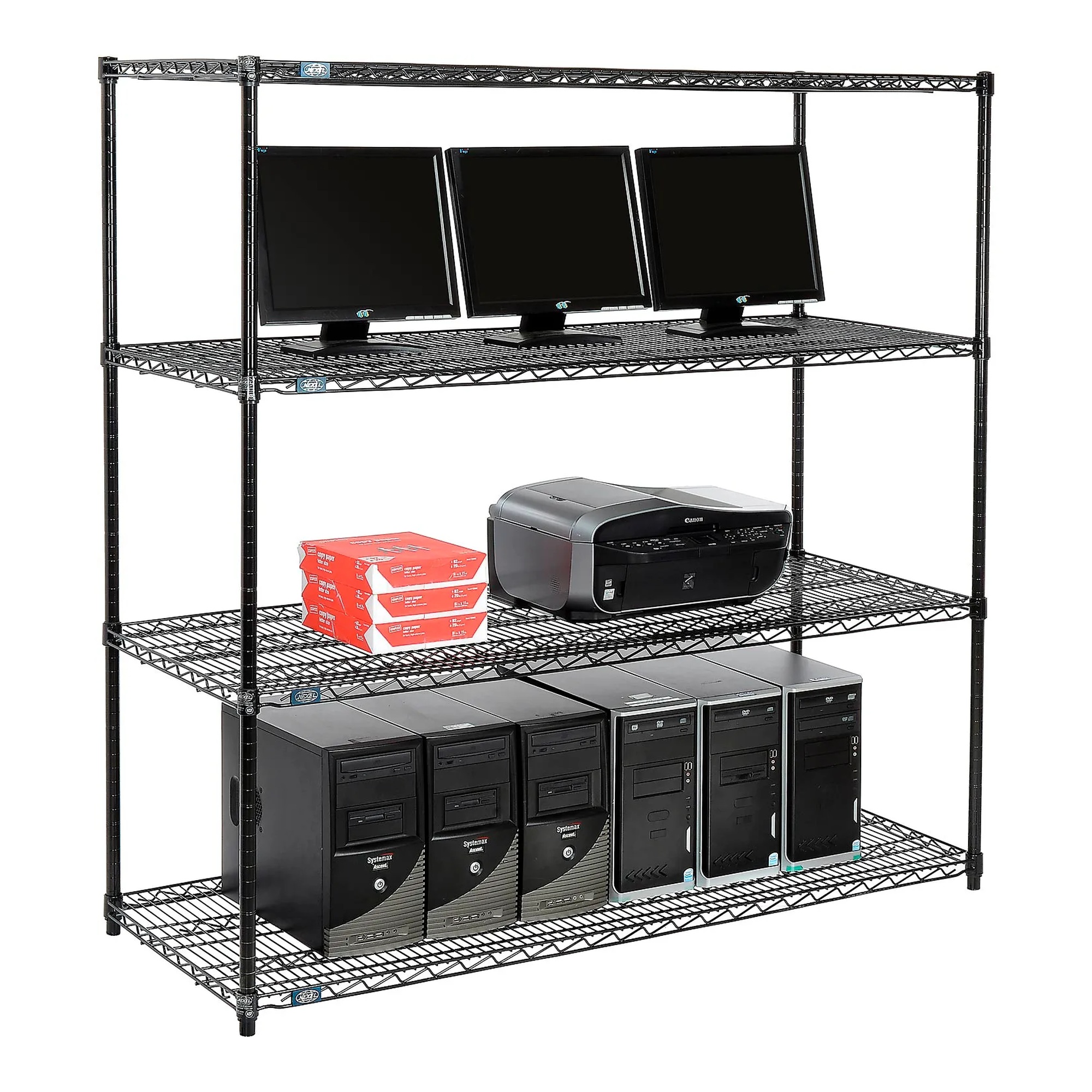
Nexel
4-Shelf Mobile Wire Computer LAN Workstation, Black - 60 in. W x 24 in. D x 69 in. H
Our Price:$379.94This mobile wire computer LAN workstation provides a centralized place for IT teams and facility staff to organize and access multiple servers or computers. Its open shelving and rolling design...
-
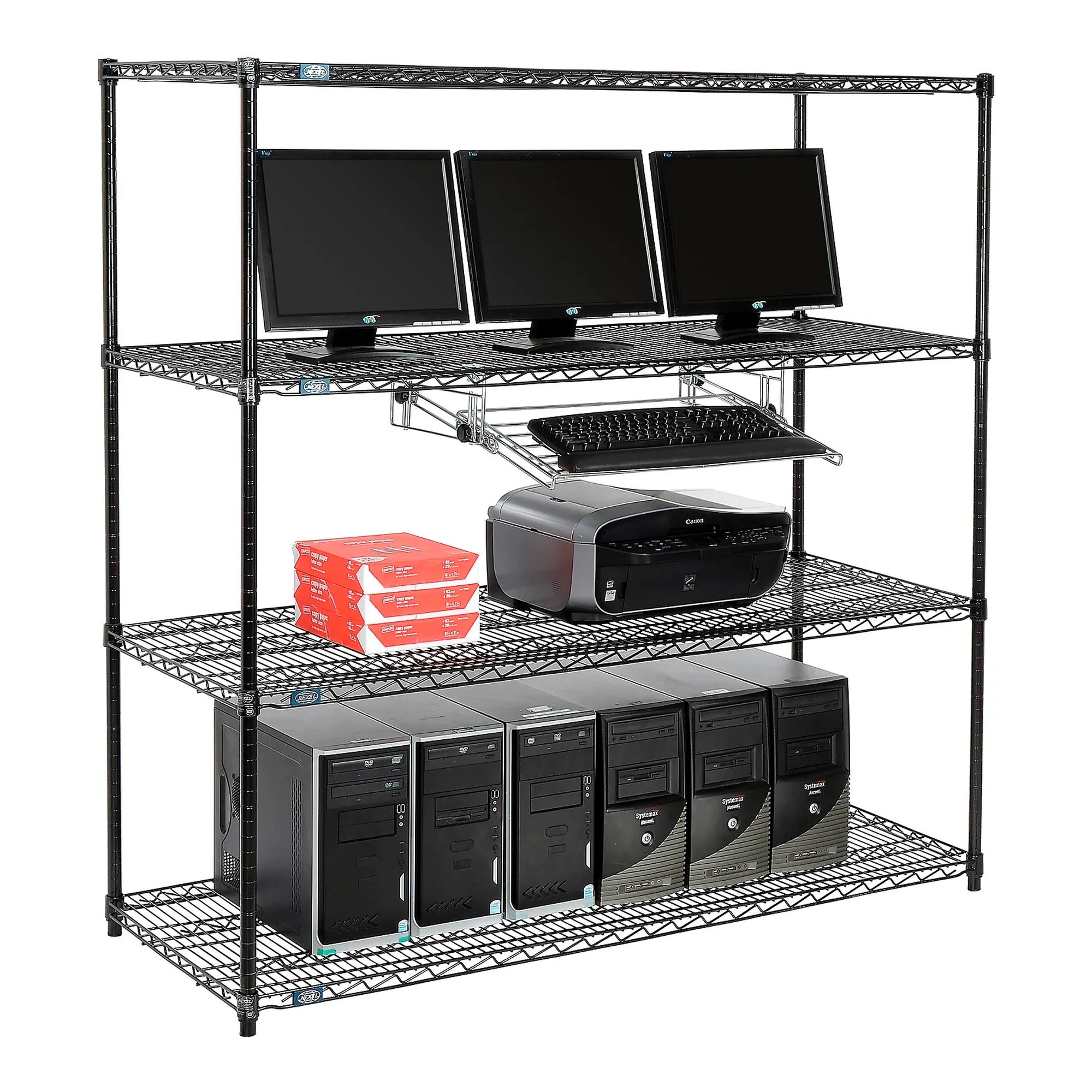
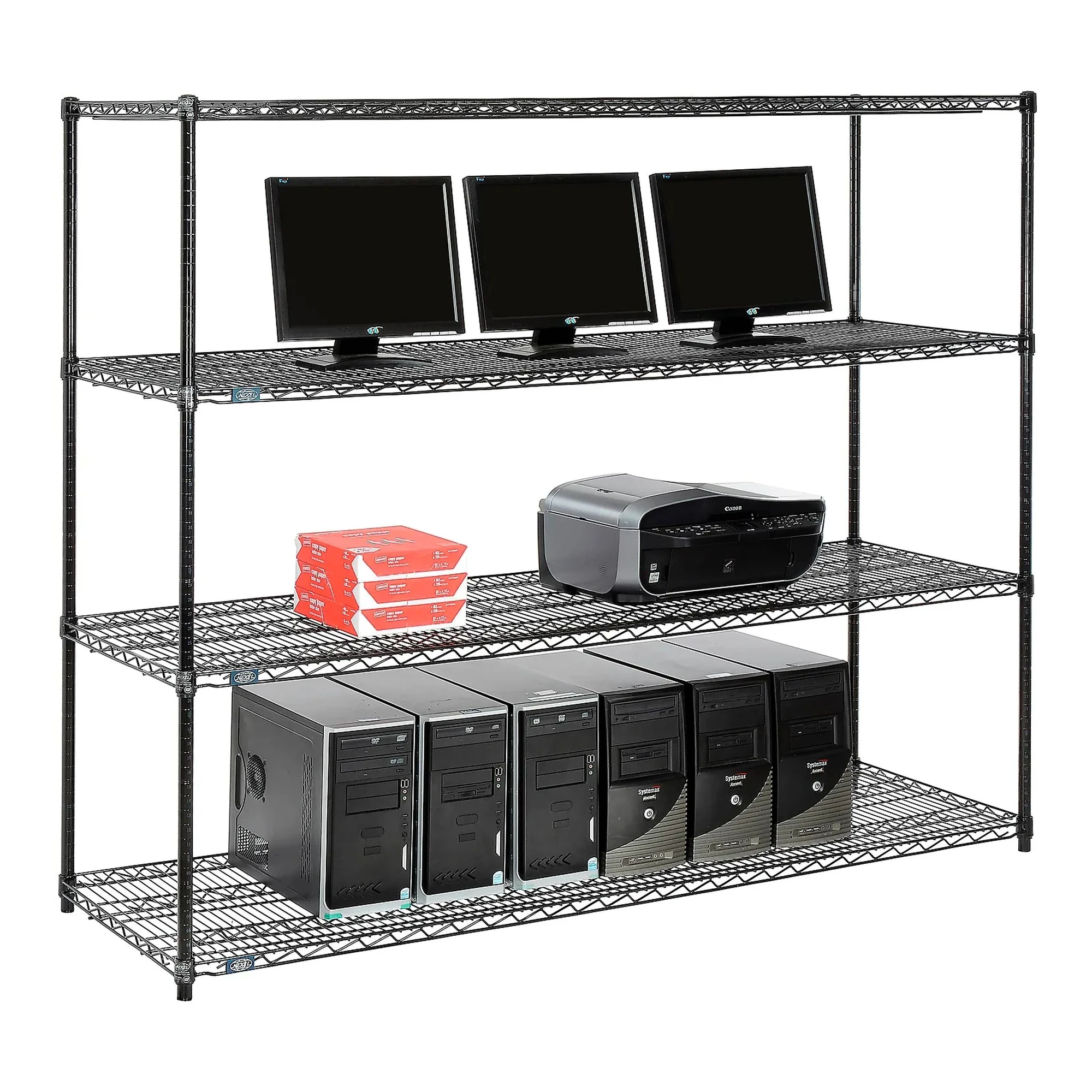
Nexel
4-Shelf Mobile Wire Computer LAN Workstation, Black - 72 in. W x 24 in. D x 69 in. H
Our Price:$439.94This mobile wire computer LAN workstation provides an organized platform for commercial users working with multiple servers or computers. Its four adjustable shelves and rolling design help keep...
-
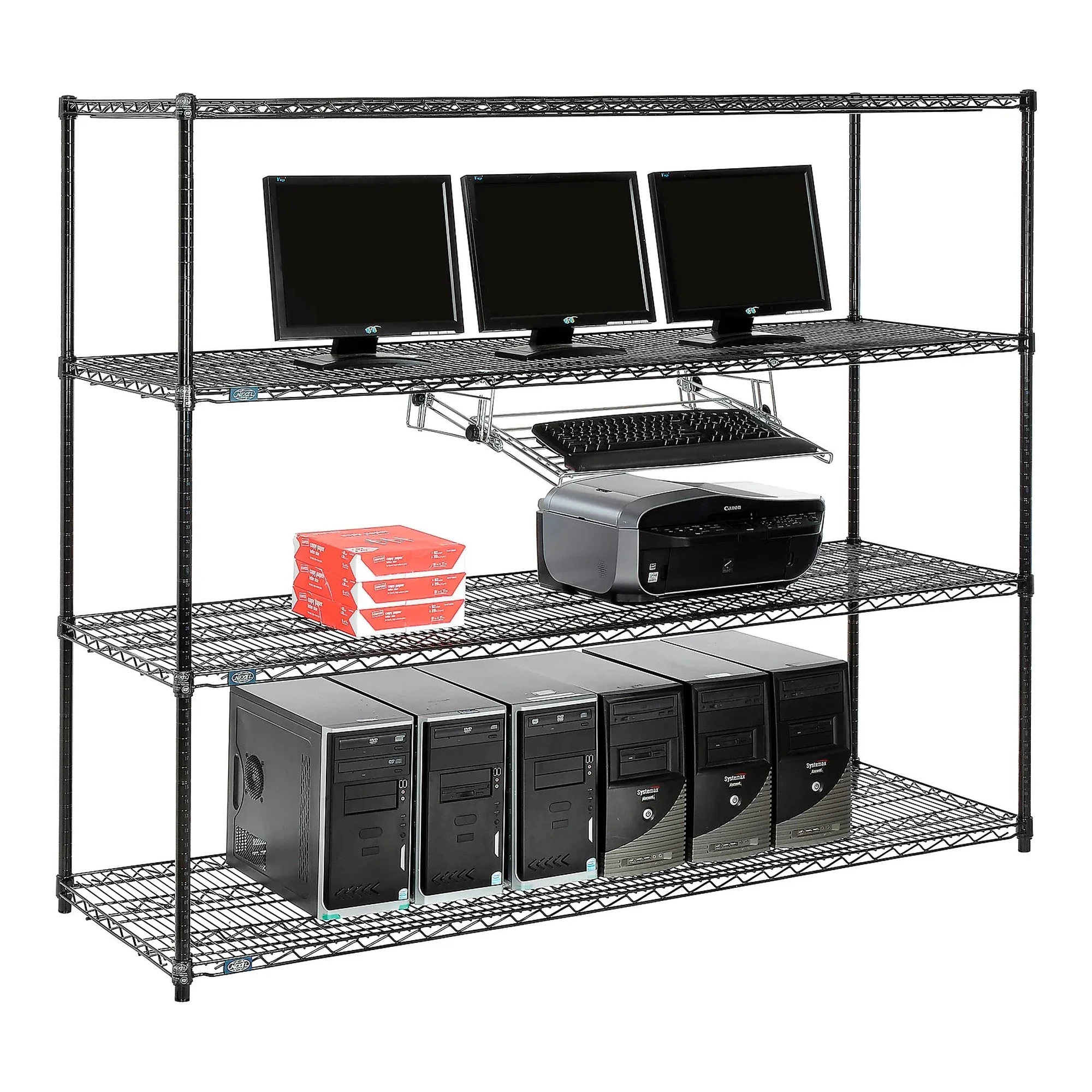
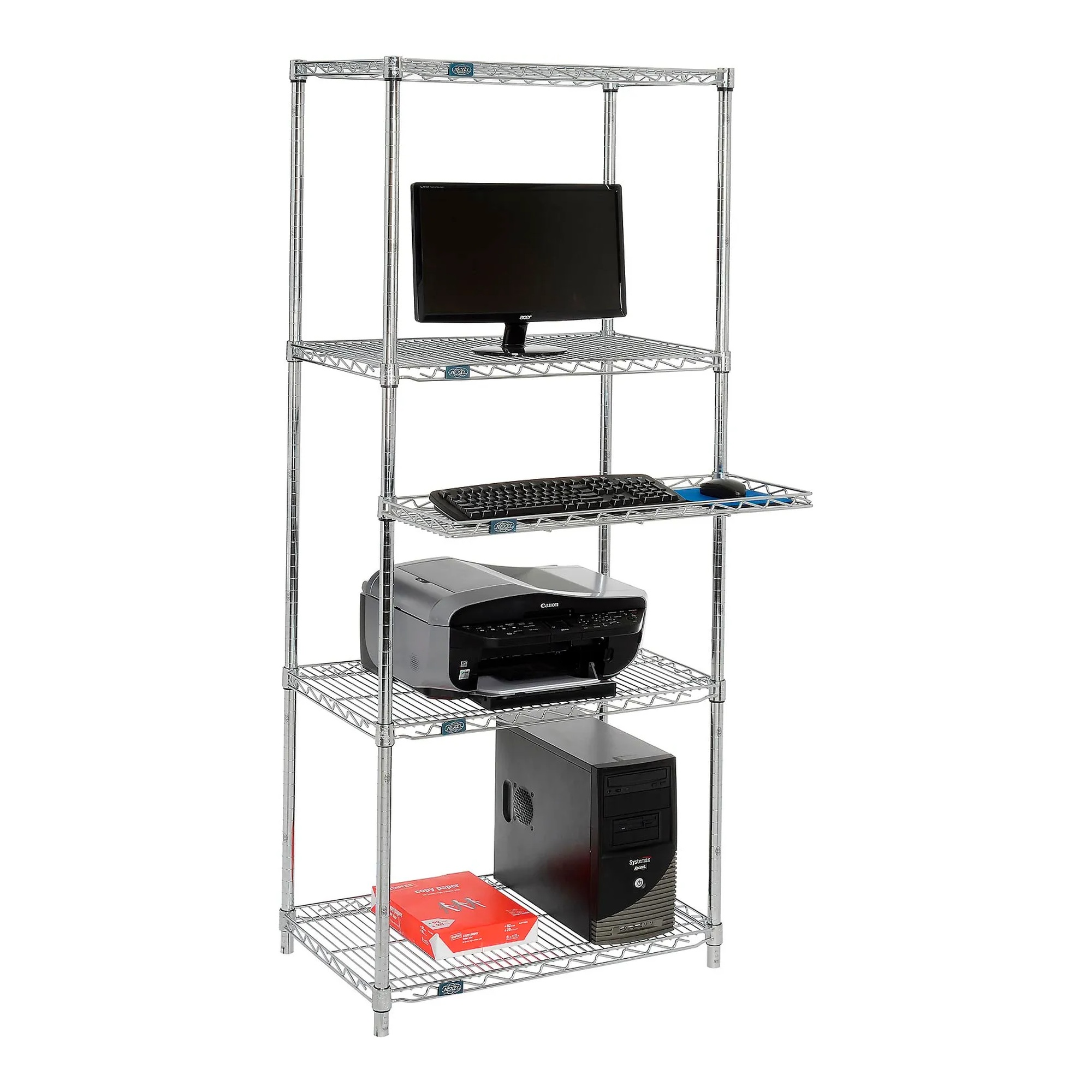
Nexel
4-Shelf Mobile Wire LAN Workstation with Keyboard Tray - 36 in. W x 24 in. D x 69 in. H
Our Price:$289.94This mobile wire LAN workstation gives IT teams, network administrators, and commercial facilities a centralized place to organize computer and LAN equipment. Its integrated keyboard tray supports...
-
Nexel
4-Shelf Mobile Wire LAN Workstation with Keyboard Tray, Silver - 72 in. W x 24 in. D x 69 in. H
Our Price:$548.99Organize LAN equipment and computer accessories in one mobile work center with this 4-shelf wire workstation. IT teams, network administrators, and facility staff can use it to keep equipment,...
-
Nexel
4-Shelf Wire Computer LAN Workstation with Keyboard Tray, Black - 36 in. W x 24 in. D x 63 in. H
Our Price:$319.94This wire computer LAN workstation gives IT teams and technical work areas a centralized place to organize and operate multiple computers or servers. Its integrated keyboard tray supports hands-on...
-
Nexel
4-Shelf Wire Computer LAN Workstation with Keyboard Tray, Black - 48 in. W x 24 in. D x 63 in. H
Our Price:$355.94This wire computer LAN workstation provides an organized work area for teams managing multiple computers or servers. Its four-shelf layout and integrated keyboard tray help keep equipment and input...
-
Nexel
4-Shelf Wire Computer LAN Workstation with Keyboard Tray, Black - 60 in. W x 24 in. D x 63 in. H
Our Price:$495.94This wire computer LAN workstation gives IT teams and technical work areas an organized location for multiple servers or computers. Its integrated keyboard tray supports hands-on computer access...
-
Nexel
4-Shelf Wire Computer LAN Workstation with Keyboard Tray, Black - 72 in. W x 24 in. D x 63 in. H
Our Price:$534.99This wire computer LAN workstation provides an organized workspace for teams managing multiple computers or servers. Its four-shelf layout and keyboard tray help keep equipment and input devices...
-
Nexel
4-Shelf Wire Computer LAN Workstation, Black - 36 in. W x 24 in. D x 63 in. H
Our Price:$269.94This four-shelf wire computer LAN workstation gives IT teams and facilities staff a dedicated place to organize multiple computers or servers in one workspace. Its open shelving layout supports...
-
Nexel
4-Shelf Wire Computer LAN Workstation, Black - 60 in. W x 24 in. D x 63 in. H
Our Price:$475.94This four-shelf wire computer LAN workstation provides a centralized setup for commercial users working with multiple servers or computers. Its open design helps organize equipment in one dedicated...
-
Nexel
4-Shelf Wire Computer LAN Workstation, Black - 72 in. W x 24 in. D x 63 in. H
Our Price:$495.94This wire computer LAN workstation provides a centralized setup for teams managing multiple servers or computers. Its four-shelf layout helps organize equipment in one work area while maintaining...
-
Nexel
4-Shelf Wire LAN Workstation with Cantilever Keyboard Tray, Silver - 30 in. W x 18 in. D x 74 in. H
Our Price:$239.94This wire LAN workstation creates a centralized location for computer and network equipment, printed materials, and keyboard access. It is suited to offices, IT areas, and workspaces that need...
-
Nexel
4-Shelf Wire LAN Workstation with Keyboard Tray - 30 in. W x 18 in. D x 74 in. H
Our Price:$269.94This wire LAN workstation provides a centralized work area for teams managing network equipment, printouts, and related information. Its vertical shelving layout helps keep essential equipment and...
-
Nexel
4-Shelf Wire LAN Workstation with Laminated Work Surface - 60 in. W x 30 in. D x 74 in. H
Our Price:$435.94This LAN workstation gives IT teams and office staff a centralized place to organize networked computer equipment. Its deep work surface and elevated shelving help keep equipment and work materials...
-
Global Industrial
40 in. Mobile Steel Center Post with Caster Base, Black - 24 in. W x 24-1/2 in. D x 40 in. H
Our Price:$269.94This mobile steel center post is designed for facilities teams and workstation planners building a custom computer workstation. Its caster base provides a movable foundation for adding compatible...
-
Global Industrial
40 in. Mobile Steel Post with Caster Base, Beige - 24 in. W x 24-1/2 in. D x 40 in. H
Our Price:$269.94This mobile steel post provides a movable foundation for building a custom computer workstation. It is suited for commercial users who need to position compatible workstation components and move the...
-
Interion by Global Industrial
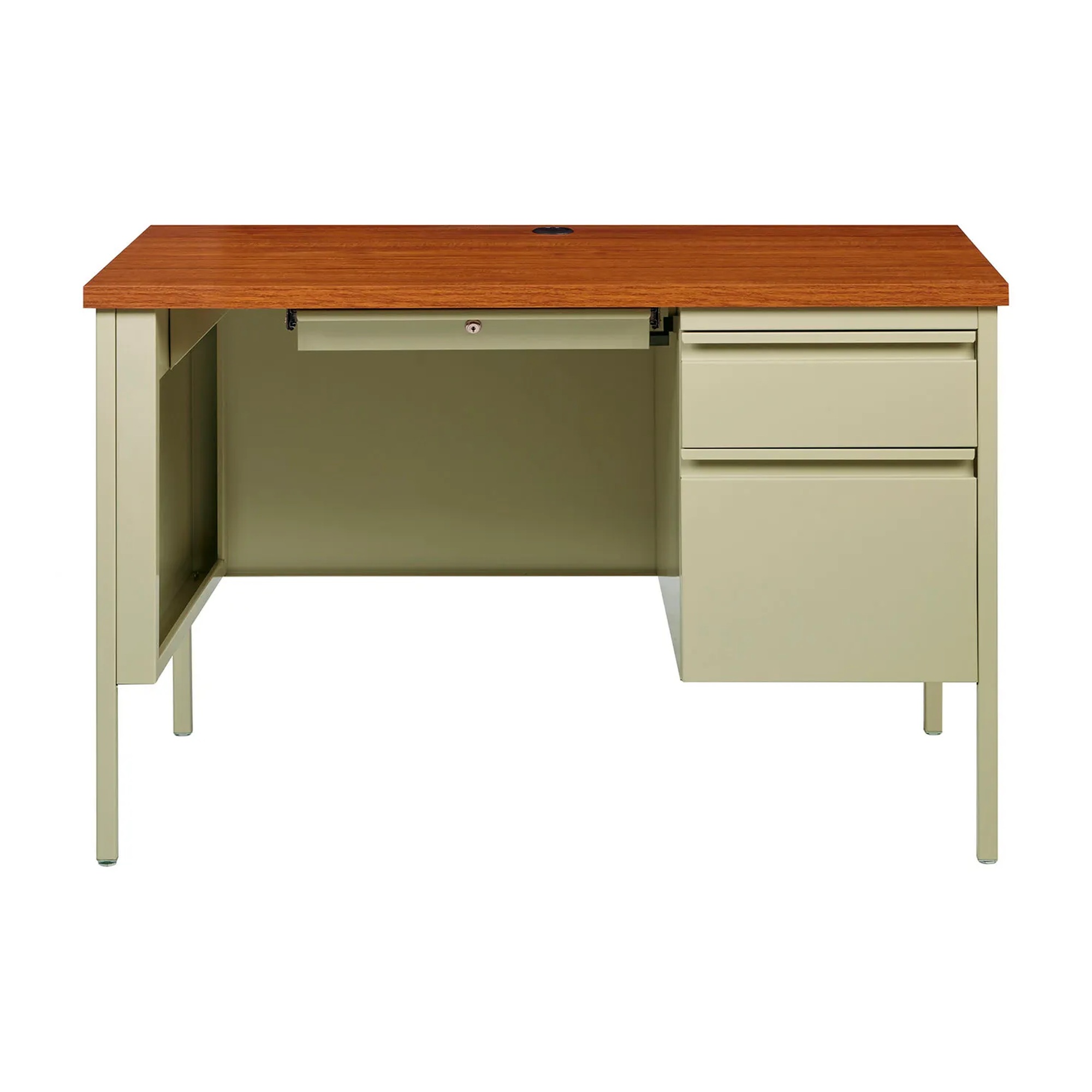
45-Inch Right-Pedestal Steel Desk with Oak Laminate Top - 45 in. W x 24 in. D x 29-1/2 in. H
Our Price:$475.94This steel pedestal desk provides a practical workspace for offices and classrooms. Its right-side storage pedestal helps users keep documents and personal items organized while maintaining an...
-
Interion by Global Industrial
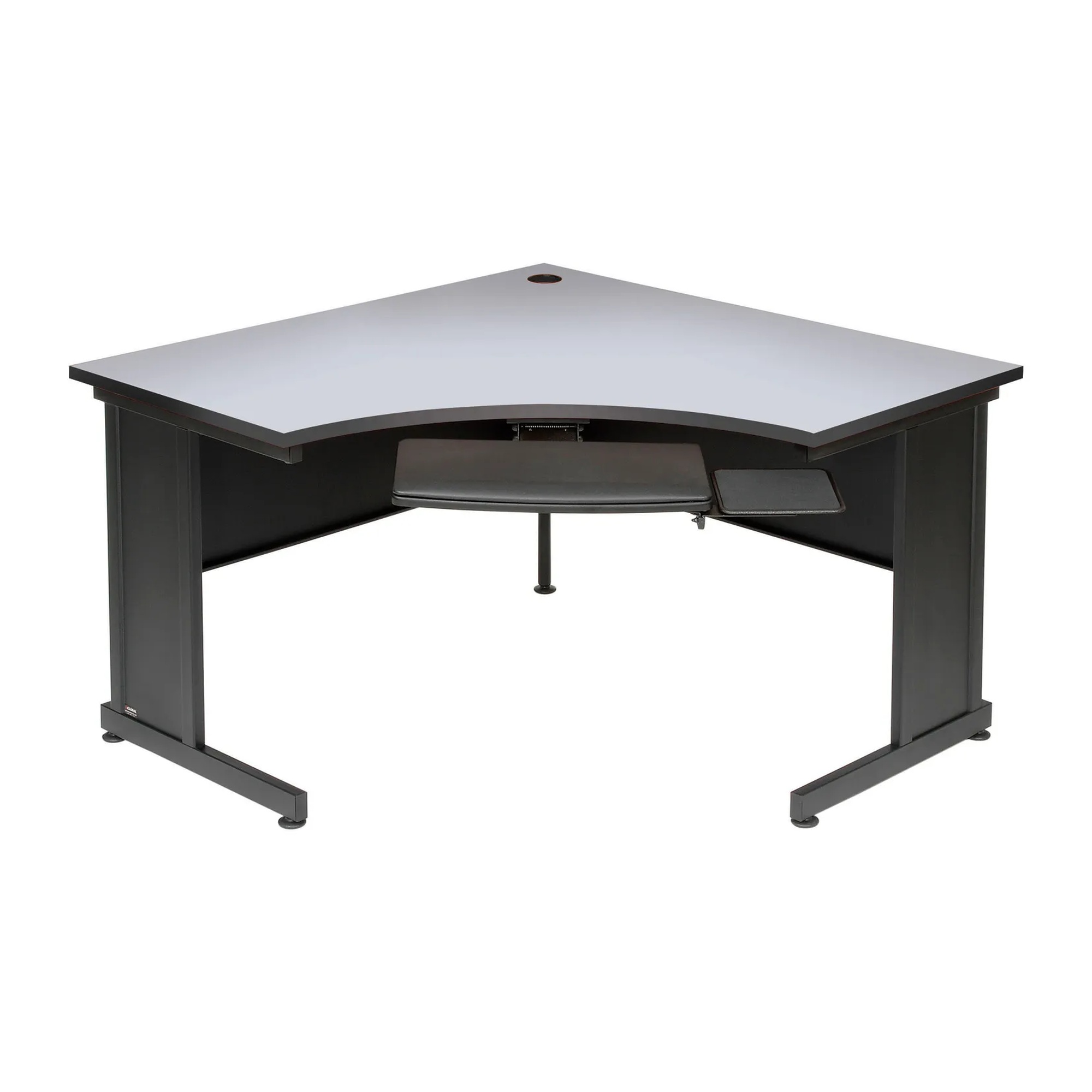
48 in Curved Corner Office Desk, Gray - 48 in. W x 48 in. D x 30 in. H
Our Price:$345.94This curved corner office desk is designed for professionals furnishing partitioned workspaces and corner desk areas. Its 48-inch work surface helps create a comfortable workstation while making...
-
Global Industrial
48 in Gray Computer LAN Workstation - 48 in. W x 30 in. D x 74 in. H
Our Price:$808.99This computer LAN workstation provides an organized work area for IT teams and commercial facilities setting up computer equipment. Its work surface and shelf arrangement help keep monitors,...







Choose Furniture That Fits the Workspace and the Work
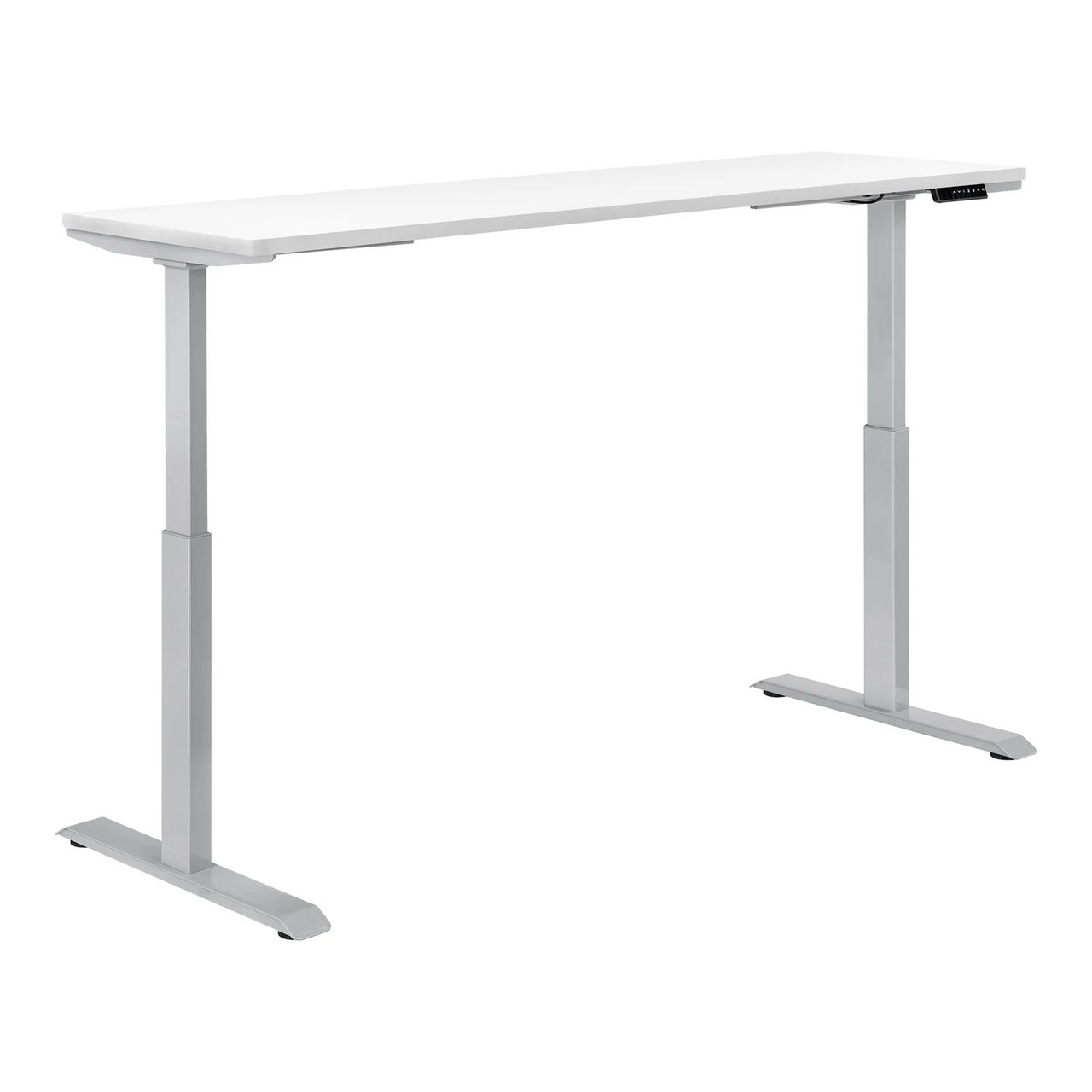
A productive workspace starts with a surface and layout suited to daily tasks. Options represented in this category include electric adjustable-height desks, an adjustable platform for compatible computer workstations, and traditional office desks. Compare the workspace shape, adjustment needs, support features, and compatibility details before choosing.
Popular examples in this category
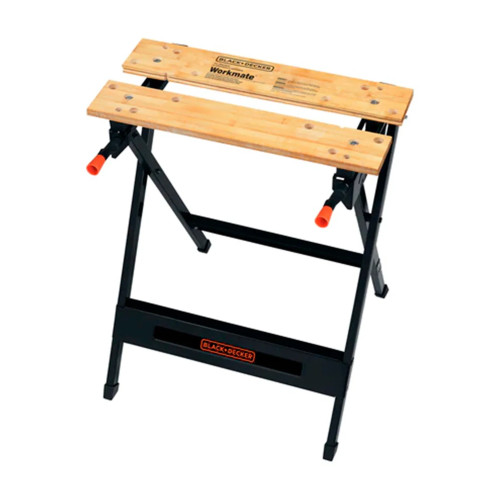 Portable Folding Workbench with Vise, 350 lb. Capacity - 33-3/8 in. W x 4-1/2 in. D x 23-13/16 in. HFS-GLO-WM125
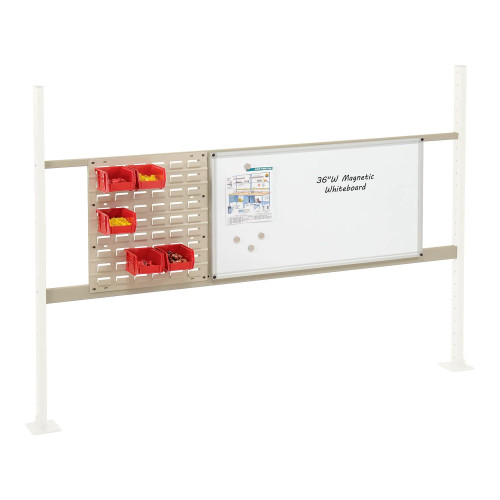 Tan Louver and Whiteboard Panel Mounting Kit for 72-Inch WorkbenchesFS-GLO-319173TN
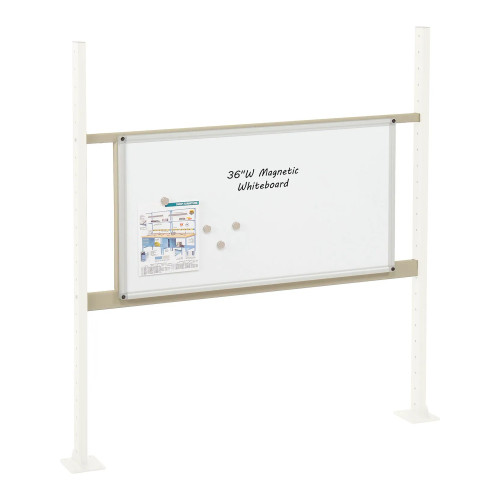 Tan Whiteboard Panel Kit for 48 in WorkbenchesFS-GLO-319178TN
Support daily desk-based work
Choose a dedicated work surface for computer tasks, paperwork, individual workstations, shared spaces, and multi-monitor setups. Adjustable-height options support transitions between seated and standing positions.
Start with layout and work style
Consider whether a rectangular, L-shaped, or expandable workstation layout fits the area. Decide if electric height adjustment, saved height settings, cable routing, or an open under-desk area is important for the user.
Fit office and learning environments
These workspace options are represented for office teams, home-office users, school workspaces, partitioned office areas, and shared computer workstation settings.
Check setup details
Review listed capacity where provided, confirm compatibility for workstation accessories, and consider leveling feet or glides when floors are uneven. Some desks can support expanded corner, L-shaped, or U-shaped configurations with compatible components.
Selected electric desks include four saved height positions or settings.
One L-shaped electric desk lists a 265 lb. capacity for monitors and other desktop equipment.
One adjustable desk allows right- or left-hand return placement.
Representative products list an effective minimum order quantity of one.
Compare Workspace Approaches
Use this overview to identify the represented option type that best matches the planned workspace.
| Consideration | Electric adjustable desk | Traditional desk or compatible platform accessory |
|---|---|---|
| Working position | Supports seated and standing work through electric height adjustment. | Traditional desk provides a dedicated fixed work surface; the platform accessory adjusts a compatible workstation surface. |
| Layout | Represented in rectangular and reversible L-shaped configurations. | Traditional desk supports modular expansion with compatible return or corner desks; platform accessory is for specified compatible workstations. |
| Useful details | Selected models include memory settings, steel T-leg frames, leveling feet, and a listed capacity on one L-shaped model. | Traditional desk includes a cable-management grommet, modesty panel, and adjustable leveling glides; platform accessory has steel construction and quiet operation. |
Plan the right fit before choosing
Match the desk shape to the available area
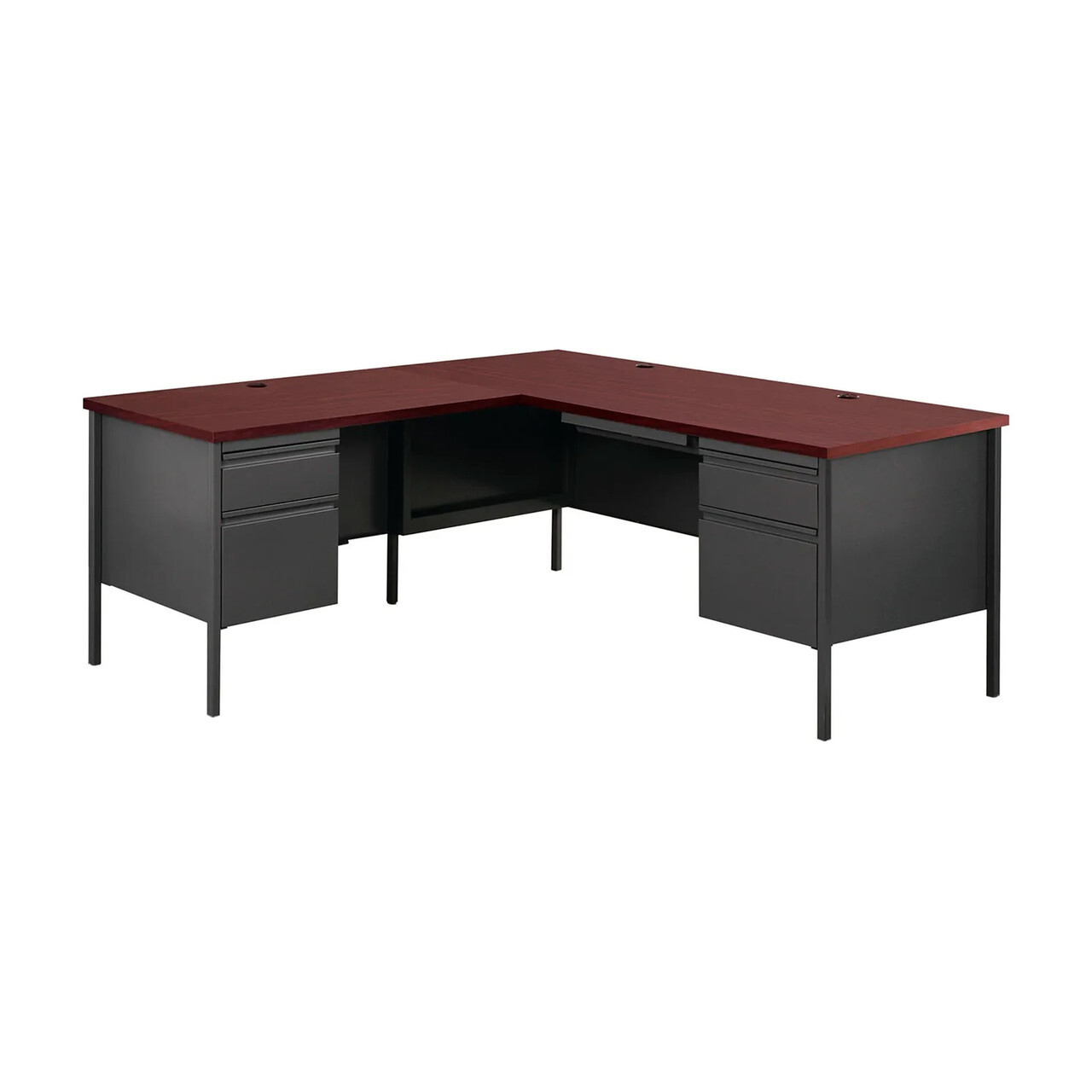
A broad rectangular work surface can provide room for everyday office tasks. An L-shaped desk can help use corner-friendly, angled, or compact areas while providing space for multi-monitor work. For a partitioned workstation, a traditional desk can serve as a compact dedicated surface, with compatible return or corner desks available for expanded layouts.
- Use an L-shaped configuration where a corner layout is helpful.
- Choose a traditional desk for a dedicated computer and paperwork area.
- Consider compatible returns or corner desks when planning an expanded workstation.
Consider how users will work at the surface
Electric adjustable-height desks help users move between seated and standing positions with easy-touch controls. Select models include four memory positions or settings for returning to preferred heights. A compatible electric platform height adjuster can provide height adjustment for specified computer workstations, while quiet operation can help limit disruption in shared work areas.
- Choose electric adjustment for changing work positions.
- Use memory settings when repeatable preferred heights are useful.
- Confirm that a platform adjuster is designed for the intended compatible workstation.
Look for features that help keep the workstation usable
Construction and setup features vary by item. Represented options include laminate work surfaces with steel T-leg frames, steel construction for a workstation accessory, cable-management grommets, modesty panels, and leveling feet or adjustable leveling glides. Review the product listing for the details relevant to the intended workspace.
- Leveling feet or glides can help position furniture on uneven floors.
- Cable-management grommets can help route desktop cables.
- A steel T-leg frame can provide open space beneath the desk for legroom and movement.
Common questions before buying
What workspaces can adjustable-height desks support?
They are represented for office teams, individual workspaces, home offices, school workspaces, and shared work areas where seated and standing tasks are desired.
Can an L-shaped adjustable desk fit different room layouts?
The represented L-shaped desk has a reversible configuration that allows right- or left-hand return placement.
How can a desk help with uneven floors?
Selected desks include leveling feet or adjustable leveling glides to help position or stabilize the desk on uneven floors.
Is the electric platform height adjuster a standalone workstation?
It is described as an accessory designed for use with specified compatible Orbit computer workstations.