
-
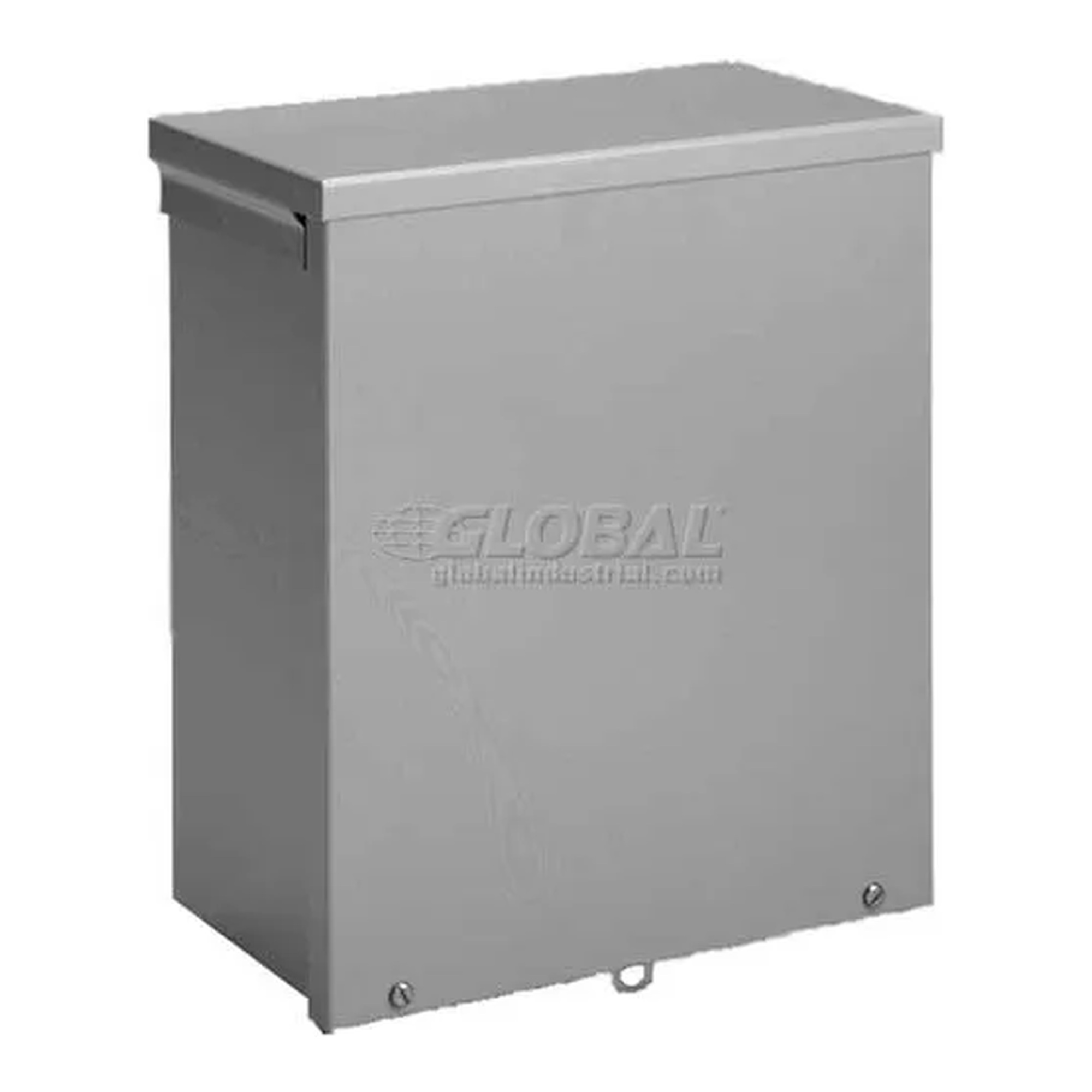
Steel Pull Box with Screw Cover, Gray, 18 x 18 x 8 in.
Our Price:$189.94This gray steel pull box is designed for commercial and general industrial users who need a junction or pull box for electrical wiring. Its screw cover provides enclosed access for wire pulling and...
-
Type 1 Gray Steel Electrical Enclosure
Our Price:$215.94This Type 1 steel electrical enclosure is for electrical professionals and facility teams who need a basic housing for electrical components in applications that do not require oil-tight or...
-
Type 1 Steel Electrical Enclosure, Gray, 10 x 10 x 4 in.
Our Price:$135.94This Type 1 steel electrical enclosure is designed for electrical professionals and commercial buyers who need a compact housing for electrical components. It provides basic enclosure functionality...
-
Type 1 Steel Enclosure, Gray, 12 x 12 x 4 in.
Our Price:$169.94This gray Type 1 steel enclosure is designed for electrical professionals who need a compact enclosure for basic electrical box and wiring applications. It provides a straightforward housing option...
-
Type 12 Gray Steel Continuous-Hinge Enclosure with Screw Clamps
Our Price:$155.94This gray steel enclosure is for electrical installers and maintenance teams that need a wall-mountable housing for electrical components. Its continuous-hinge door and screw-down clamps provide a...
-
Type 12 Steel Screw-Cover Enclosure, Gray
Our Price:$205.94This gray steel screw-cover enclosure is for electrical professionals who need a protected housing for wiring and electrical components. Its removable cover supports access when modifications are...
-
Type 3R Hinged-Cover Steel Enclosure, Gray, 6.25 in. W x 8.5 in. D x 12 in. H
Our Price:$155.94This Type 3R steel enclosure is for electrical professionals who need to house electrical components in locations requiring protection from rain, sleet, snow, or dripping water. Its hinged cover...
-
Type 3R Screw-Cover Steel Wiring Enclosure with Knockouts, 10 x 10 x 4 in.
Our Price:$88.94This Type 3R steel enclosure is a wiring or junction box for electrical installers and maintenance teams working in outdoor applications. Its screw-on cover helps enclose wiring connections, and it...
-
Type 3R Screw-Cover Steel Wiring Enclosure, 12.75 x 12.75 x 8.75 in.
Our Price:$155.94This Type 3R screw-cover steel enclosure is for electrical professionals who need a wiring or junction box for outdoor applications. It provides a protected location for wiring connections and can be...
-
Type 3R Screw-Cover Steel Wiring Enclosure, Gray - 12.75 W x 7 H x 16.75 D
Our Price:$179.94This gray steel enclosure is used by electrical contractors and maintenance teams as an outdoor wiring or junction box. It provides a protected location for electrical wiring connections and can be...
-
Type 3R Screw-Cover Steel Wiring Enclosure, Gray - 4.3 W x 6.2 H x 6.2 D
Our Price:$52.94This gray steel enclosure is for electrical professionals setting up outdoor wiring or junction box installations. Its screw-cover design provides an enclosed location for wiring connections, with...
-
Type 4 Clamp-Cover Steel J Box, Gray
Our Price:$169.94This gray steel J box is designed for electrical installers and maintenance teams who need to enclose and access electrical components. Its clamp-cover design helps keep components protected while...
-
Type 4 Hinged-Cover Steel Junction Box, Gray
Our Price:$299.94Electrical installers and maintenance teams use this gray steel junction box to enclose electrical connections in indoor or outdoor applications. Its hinged cover provides repeatable access while...
-
Type 4 Hinged-Door Electrical Enclosure
Our Price:$215.94This Type 4 hinged-door electrical enclosure is for commercial buyers who need a protected housing with convenient access through a hinged door. Its outward-formed flange helps limit contaminants...
-
Type 4 Hinged-Door Electrical Enclosure, Gray, 10.25 x 12.5 x 6.75 in.
Our Price:$195.94This gray hinged-door electrical enclosure is for electrical installers and maintenance teams that need to house and access electrical components. Its hinged door provides a practical enclosure...
-
Type 4 Hinged-Door Electrical Enclosure, Gray, 6.25 x 6.25 x 5.5 in.
Our Price:$115.94This gray hinged-door electrical enclosure is for electrical professionals and panel builders who need to house panel or conductor components. Its hinged access door supports routine access while...
-
White Steel Panel for 306 x 306 mm Enclosures
Our Price:$34.94This steel panel is for electrical enclosure installers and maintenance teams who need a fitted internal panel for a compatible enclosure. It provides a dedicated surface for arranging enclosure...


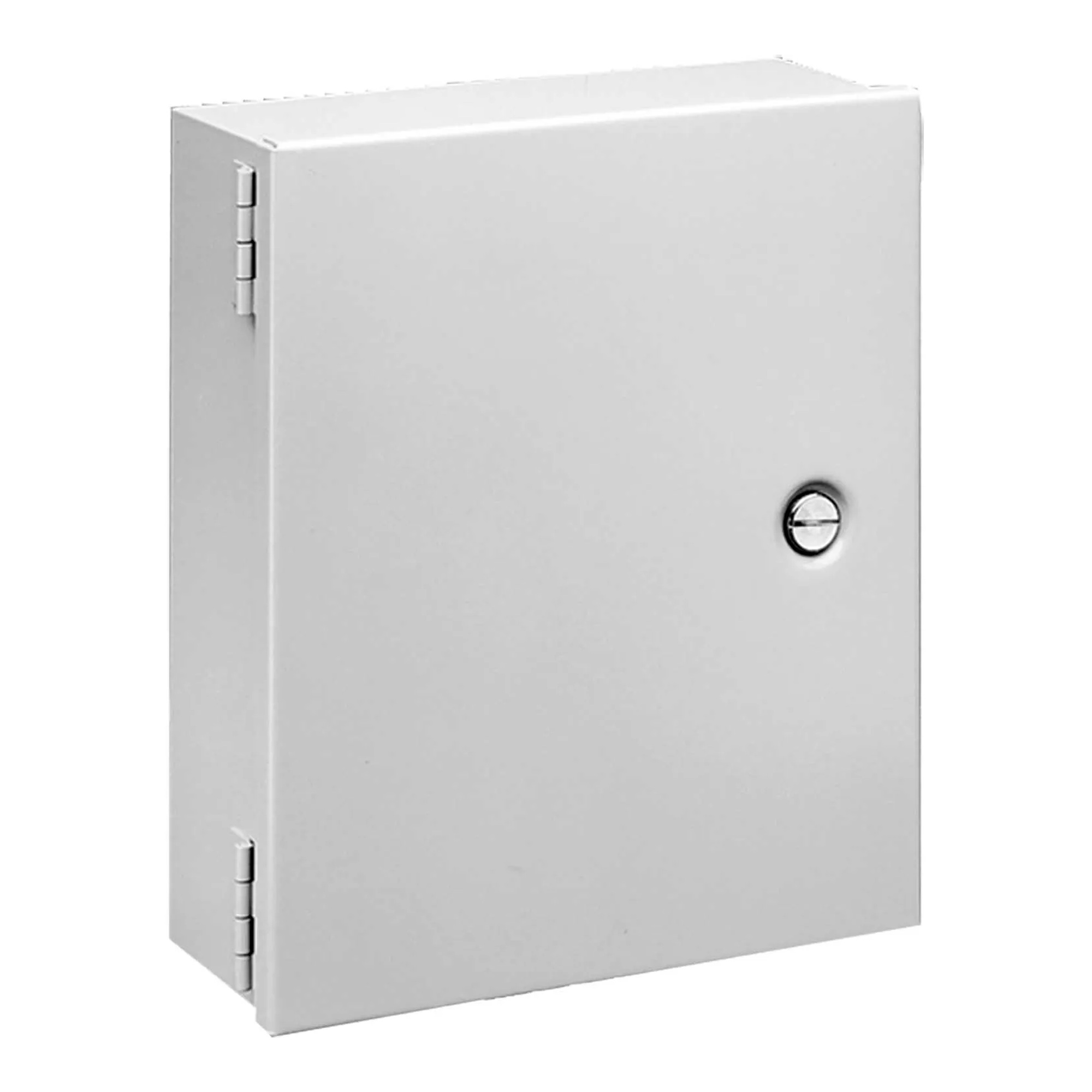




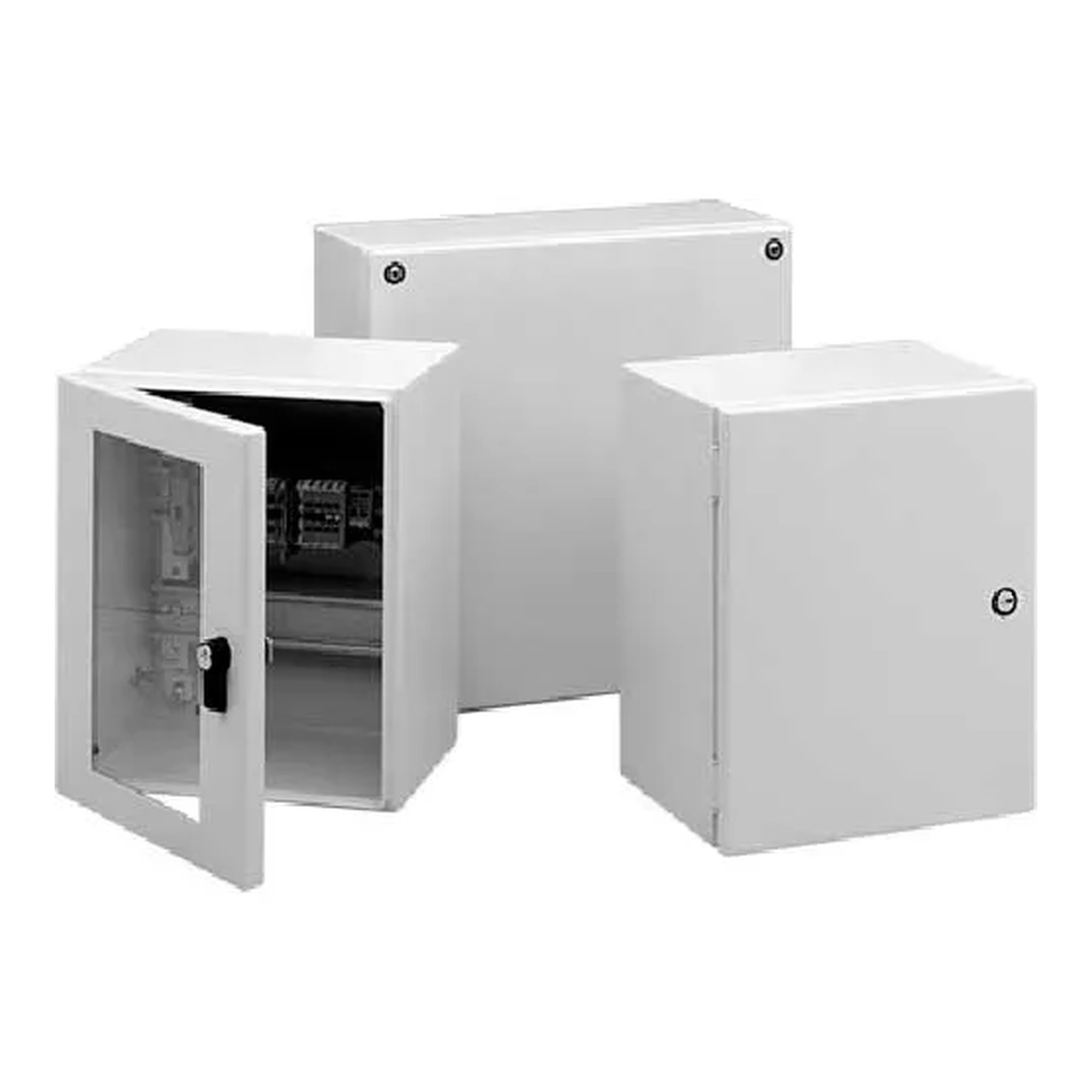


Choose a Steel Box for Your Electrical Installation
Steel boxes in this category range from compact surface-mount enclosures and pull boxes to stainless steel Type 4X enclosures and large two-door floor-standing cabinets. Compare the intended enclosure type, mounting arrangement, available interior space, access style, closure features, and material construction to match the box to your component layout and service needs.
Popular examples in this category
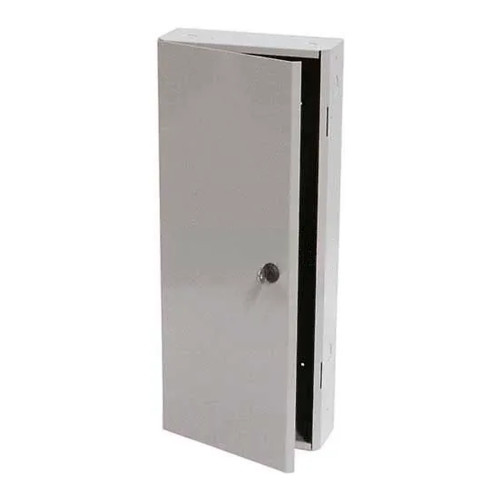 NEMA 1 Steel Enclosure with 4 x 24 in. TrackWBB1034687
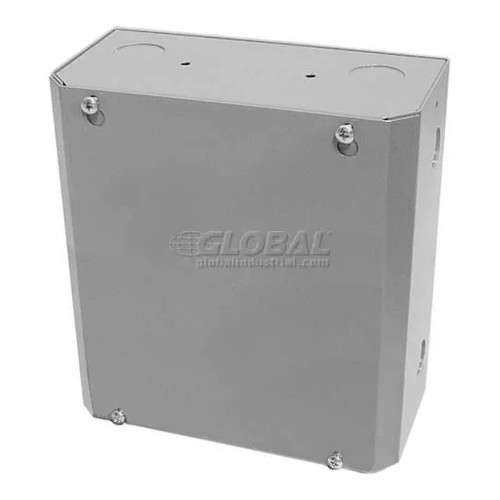 NEMA 1 Steel Surface-Mount Enclosure, 8.5 in. H x 7.7 in. W x 3.9 in. DWBB1034338
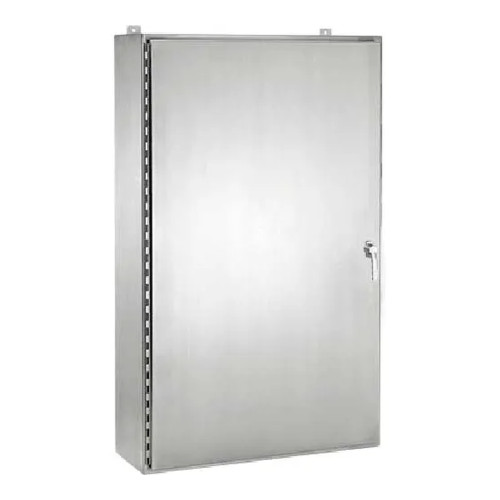 Type 4X Stainless Steel Electrical Enclosure with 3-Point Latch, 60 x 36 x 16 in.WBB1612068
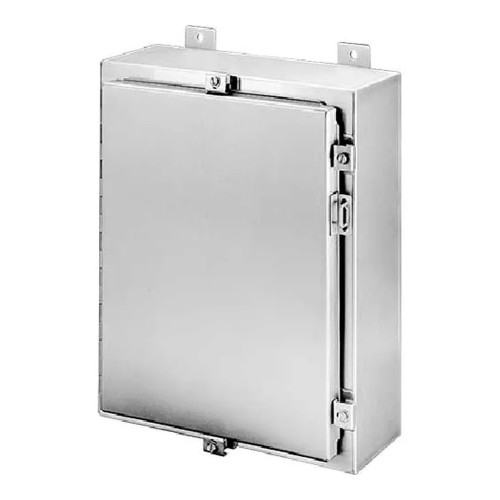 316L Stainless Steel Hinged Electrical Enclosure, 30 x 20 x 8 in.WBB1612092
House components, connections, and controls
Use steel boxes to create an enclosed location for electrical components, wiring connections, controls, instrumentation, motor starters, drives, contactors, and PLCs. Pull boxes and junction boxes support wiring layouts, while larger cabinets accommodate more complex mounting arrangements.
Start with mounting, size, and access
Choose between surface-mount, wall-mount, and floor-standing configurations. Confirm the enclosure dimensions and consider whether a landscape layout, interior track, mounting channels, or panel mounting provisions fit the installation. Then select a hinged door, lift-off cover, screw cover, or two-door design based on access needs.
Match the box to the installation layout
Compact NEMA 1 enclosures suit contained electrical-component installations. Junction and pull boxes provide access to wiring connections. Stainless steel and gasketed enclosures offer protected component placement, while floor-standing two-door enclosures provide a broad opening for panel installation and removal.
Review closure and installation details
Available details include multiple knockouts, welded seams, gaskets, screw clamps, three-point latches, continuous hinges, grounding provisions, mounting hardware, and cover or door bonding provisions. Some enclosures also include tracks, mounting brackets, interior channels, or hardware for panel mounting.
Available on steel enclosures for NEMA 1 requirements.
Represented in stainless steel hinged and continuous-hinge enclosure designs.
Available on several hinged enclosure models for broad interior access.
Available on a floor-standing steel enclosure with a centerpost-free opening.
Compare Steel Box Types
Use the enclosure format and access arrangement to narrow the selection for your electrical layout.
| Product type | Best suited for | Features to compare |
|---|---|---|
| NEMA 1 surface-mount enclosure | Contained electrical-component installations mounted directly on a surface | 18-gauge steel, integrated track, multiple knockouts on one model, enclosure dimensions |
| Junction box or pull box | Wiring connections, junction layouts, and wiring access | Hinged, screw, or lift-off cover; clamps; gasket; mounting provisions; box size |
| Stainless steel or floor-standing enclosure | Larger components, panel arrangements, and protected equipment housings | Type 4 or Type 4X configuration, door and latch style, mounting channels or panel provisions, dimensions, floor stands |
Plan the right fit before choosing
Select a box that supports the equipment inside
Begin with the components and wiring that need to be housed. Smaller surface-mount enclosures include integrated tracks, while other models offer interior mounting channels, full-width mounting brackets, or provisions for optional panels. For wider component arrangements, a landscape enclosure provides mounting space across the enclosure width. For larger panel layouts, consider a two-door enclosure with a centerpost-free opening.
- Compare enclosure dimensions with the required component layout.
- Look for tracks, channels, brackets, or panel mounting provisions as needed.
- Consider a pull box or junction box for wiring connections and access.
- Choose a floor-standing enclosure when elevated access beneath the unit is useful for cleaning.
Compare steel and stainless steel options
The category includes 18-gauge steel enclosures, gray steel boxes, and stainless steel enclosure designs. NEMA 1 enclosures provide an option for NEMA 1 requirements. Type 4 and Type 4X configurations are represented by models with welded construction, gaskets, and secured closures. Stainless steel options include Type 304 and Type 316L construction.
- Choose NEMA 1 models for projects requiring a NEMA 1 enclosure option.
- Consider Type 4 or Type 4X configurations where the project calls for those enclosure types.
- Compare gray steel construction with Type 304 or Type 316L stainless steel construction.
- Review welded seams, formed flanges, and gasket details for the enclosure design.
Make routine access more practical
Access styles vary by enclosure. Hinged and continuous-hinge doors can open 180 degrees for broad interior access. Screw covers and lift-off covers provide another approach, with a retaining chain on one lift-off cover design to keep the cover attached during service. Closure options include external screw clamps, three-sided stainless steel clamps, quarter-turn latches, and three-point key-lock latches.
- Choose a hinged door for repeatable access to enclosed components.
- Consider continuous hinges for support along the door length.
- Select a lift-off or screw cover where that access style fits the installation.
- Check for grounding hardware, grounding studs, and door or cover bonding provisions.
Common questions before buying
What are steel boxes used for?
They provide enclosed locations for electrical components, wiring connections, controls, instrumentation, and panel arrangements.
What is the difference between a pull box and an electrical enclosure?
A pull box provides an enclosed location for organizing and accessing wiring connections, while electrical enclosures house electrical components and equipment.
Which access styles are available?
Products represented include hinged doors, continuous-hinge doors, screw covers, lift-off covers, and two-door configurations.
What mounting options are represented?
The category includes surface-mount, wall-mount, and floor-standing designs, plus models with tracks, brackets, mounting channels, or panel mounting provisions.
Choose a Steel Box for Your Electrical Installation
Steel boxes in this category range from compact surface-mount enclosures and pull boxes to stainless steel Type 4X enclosures and large two-door floor-standing cabinets. Compare the intended enclosure type, mounting arrangement, available interior space, access style, closure features, and material construction to match the box to your component layout and service needs.
Popular examples in this category
NEMA 1 Steel Enclosure with 4 x 24 in. TrackWBB1034687NEMA 1 Steel Surface-Mount Enclosure, 8.5 in. H x 7.7 in. W x 3.9 in. DWBB1034338Type 4X Stainless Steel Electrical Enclosure with 3-Point Latch, 60 x 36 x 16 in.WBB1612068316L Stainless Steel Hinged Electrical Enclosure, 30 x 20 x 8 in.WBB1612092
House components, connections, and controls
Use steel boxes to create an enclosed location for electrical components, wiring connections, controls, instrumentation, motor starters, drives, contactors, and PLCs. Pull boxes and junction boxes support wiring layouts, while larger cabinets accommodate more complex mounting arrangements.
Start with mounting, size, and access
Choose between surface-mount, wall-mount, and floor-standing configurations. Confirm the enclosure dimensions and consider whether a landscape layout, interior track, mounting channels, or panel mounting provisions fit the installation. Then select a hinged door, lift-off cover, screw cover, or two-door design based on access needs.
Match the box to the installation layout
Compact NEMA 1 enclosures suit contained electrical-component installations. Junction and pull boxes provide access to wiring connections. Stainless steel and gasketed enclosures offer protected component placement, while floor-standing two-door enclosures provide a broad opening for panel installation and removal.
Review closure and installation details
Available details include multiple knockouts, welded seams, gaskets, screw clamps, three-point latches, continuous hinges, grounding provisions, mounting hardware, and cover or door bonding provisions. Some enclosures also include tracks, mounting brackets, interior channels, or hardware for panel mounting.
Available on steel enclosures for NEMA 1 requirements.
Represented in stainless steel hinged and continuous-hinge enclosure designs.
Available on several hinged enclosure models for broad interior access.
Available on a floor-standing steel enclosure with a centerpost-free opening.
Compare Steel Box Types
Use the enclosure format and access arrangement to narrow the selection for your electrical layout.
| Product type | Best suited for | Features to compare |
|---|---|---|
| NEMA 1 surface-mount enclosure | Contained electrical-component installations mounted directly on a surface | 18-gauge steel, integrated track, multiple knockouts on one model, enclosure dimensions |
| Junction box or pull box | Wiring connections, junction layouts, and wiring access | Hinged, screw, or lift-off cover; clamps; gasket; mounting provisions; box size |
| Stainless steel or floor-standing enclosure | Larger components, panel arrangements, and protected equipment housings | Type 4 or Type 4X configuration, door and latch style, mounting channels or panel provisions, dimensions, floor stands |
Plan the right fit before choosing
Select a box that supports the equipment inside
Begin with the components and wiring that need to be housed. Smaller surface-mount enclosures include integrated tracks, while other models offer interior mounting channels, full-width mounting brackets, or provisions for optional panels. For wider component arrangements, a landscape enclosure provides mounting space across the enclosure width. For larger panel layouts, consider a two-door enclosure with a centerpost-free opening.
- Compare enclosure dimensions with the required component layout.
- Look for tracks, channels, brackets, or panel mounting provisions as needed.
- Consider a pull box or junction box for wiring connections and access.
- Choose a floor-standing enclosure when elevated access beneath the unit is useful for cleaning.
Compare steel and stainless steel options
The category includes 18-gauge steel enclosures, gray steel boxes, and stainless steel enclosure designs. NEMA 1 enclosures provide an option for NEMA 1 requirements. Type 4 and Type 4X configurations are represented by models with welded construction, gaskets, and secured closures. Stainless steel options include Type 304 and Type 316L construction.
- Choose NEMA 1 models for projects requiring a NEMA 1 enclosure option.
- Consider Type 4 or Type 4X configurations where the project calls for those enclosure types.
- Compare gray steel construction with Type 304 or Type 316L stainless steel construction.
- Review welded seams, formed flanges, and gasket details for the enclosure design.
Make routine access more practical
Access styles vary by enclosure. Hinged and continuous-hinge doors can open 180 degrees for broad interior access. Screw covers and lift-off covers provide another approach, with a retaining chain on one lift-off cover design to keep the cover attached during service. Closure options include external screw clamps, three-sided stainless steel clamps, quarter-turn latches, and three-point key-lock latches.
- Choose a hinged door for repeatable access to enclosed components.
- Consider continuous hinges for support along the door length.
- Select a lift-off or screw cover where that access style fits the installation.
- Check for grounding hardware, grounding studs, and door or cover bonding provisions.
Common questions before buying
What are steel boxes used for?
They provide enclosed locations for electrical components, wiring connections, controls, instrumentation, and panel arrangements.
What is the difference between a pull box and an electrical enclosure?
A pull box provides an enclosed location for organizing and accessing wiring connections, while electrical enclosures house electrical components and equipment.
Which access styles are available?
Products represented include hinged doors, continuous-hinge doors, screw covers, lift-off covers, and two-door configurations.
What mounting options are represented?
The category includes surface-mount, wall-mount, and floor-standing designs, plus models with tracks, brackets, mounting channels, or panel mounting provisions.