

-
Nord-Lock
M6 Large OD Wedge Locking Washer, Carbon Steel, 200-Pack
Our Price:$199.94These M6 large outside-diameter wedge locking washers are for commercial buyers working with bolted joints. They help secure bolted connections by using tension rather than friction.Each washer is...
-
Nord-Lock
M6 Wedge Locking Washers, Carbon Steel, Zinc Flake Coated, 200-Pack
Our Price:$179.94These M6 wedge locking washers are for assembly and maintenance teams working with M6 fastened connections. They provide a wedge locking washer option for securing hardware and are supplied in a...
-
Nord-Lock
M8 (5/16 in.) Carbon Steel Wedge Locking Washers, Zinc Flake Coated, 200-Pack
Our Price:$219.94These M8 (5/16 in.) wedge locking washers are fasteners for maintenance, assembly, and repair teams that need to help keep bolted connections secure. They are supplied in a 200-piece pack for...
-
Nord-Lock
M8 (5/16 in.) Large O.D. Zinc-Coated Carbon Steel Wedge Locking Washers, Pack of 200
Our Price:$209.94These wedge locking washers are for maintenance and assembly teams using M8 (5/16 in.) fasteners. They provide a locking-washer option for fastened connections and come in a 200-piece pack for...
-
Titan Fasteners
No. 8 External Tooth Countersunk Lock Washers, Steel, Zinc, Grade 2, 100 Pack
Our Price:$19.49These No. 8 external tooth countersunk lock washers are for buyers who need to secure bolt heads or nuts in fastening assemblies. The external teeth help the washer increase bearing area while...


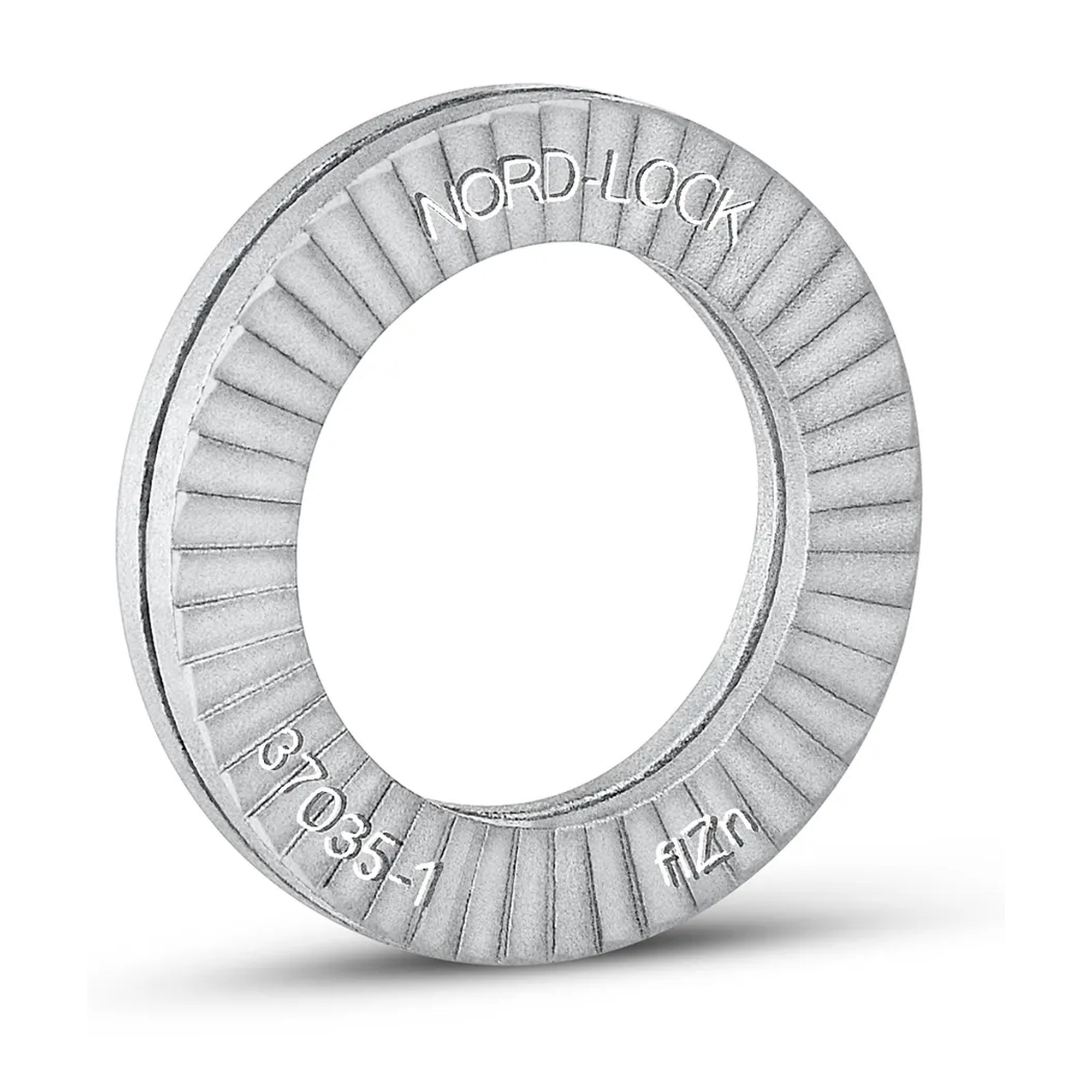

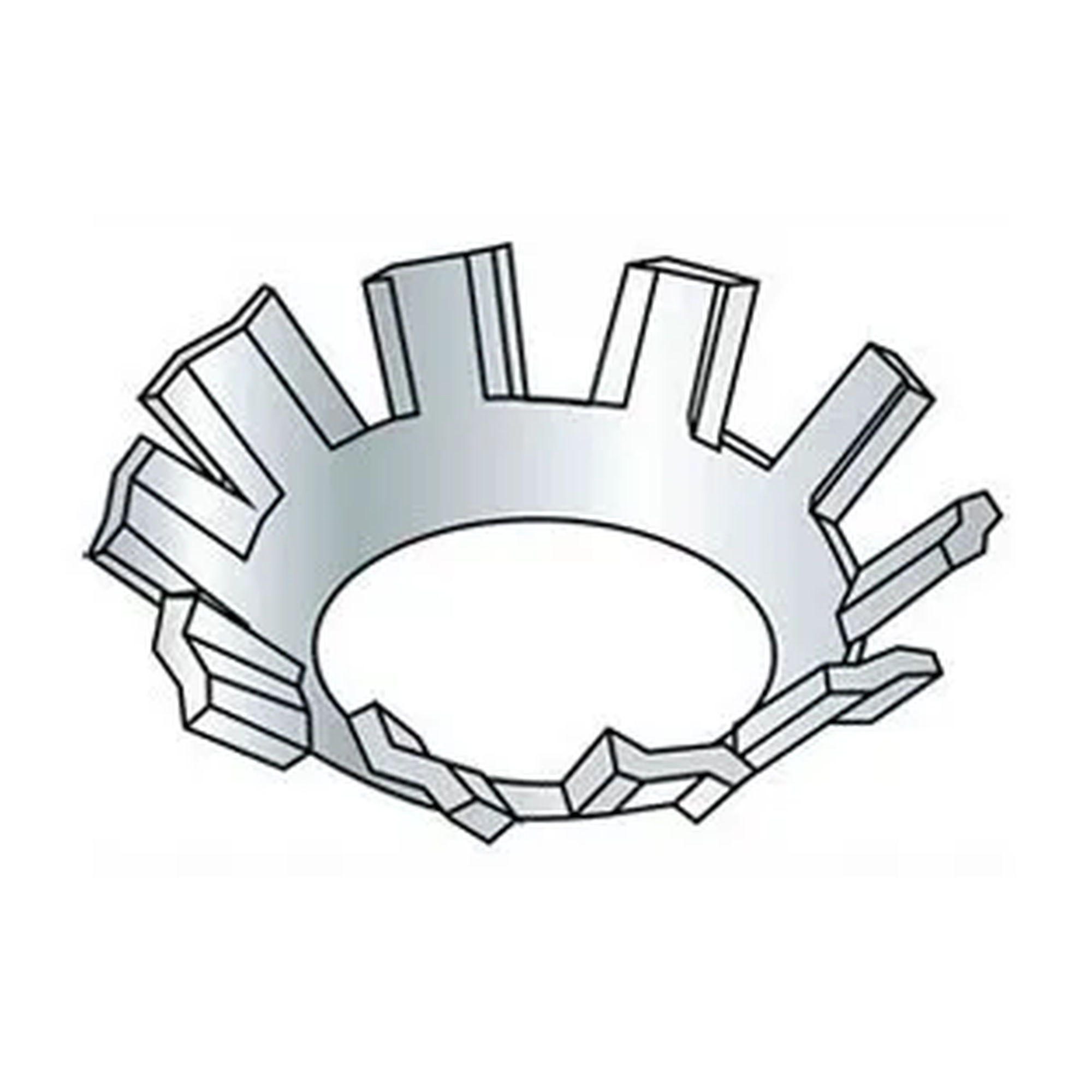
Choose Lock Washers for Secure Commercial Fastening
Lock washers help support fastening work where limiting backoff rotation is an important consideration. Review the washer’s size, design, construction, finish, and pack quantity alongside the fastener and assembly requirements.
Popular examples in this category
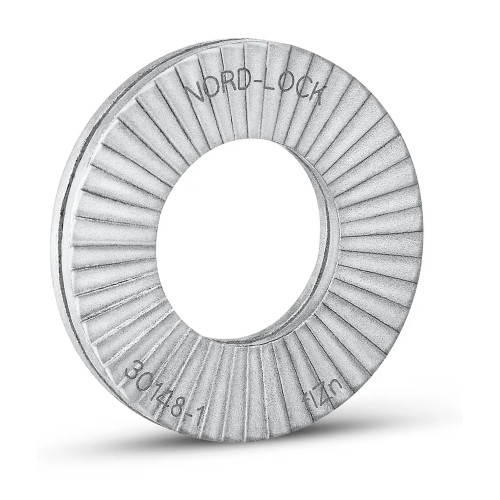 M8 (5/16 in.) Large O.D. Zinc-Coated Carbon Steel Wedge Locking Washers, Pack of 200FS-GLO-1236
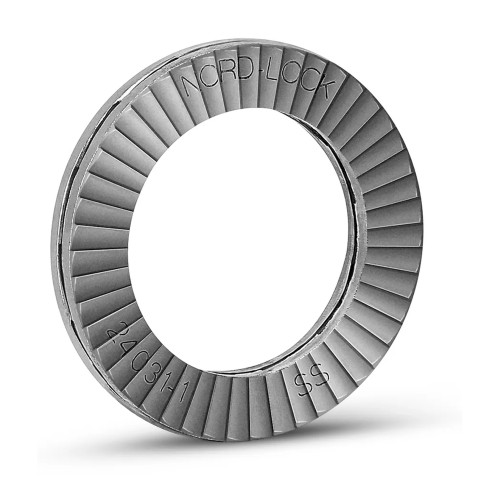 M11 316 Stainless Steel Wedge Locking Washers, 200-PackFS-GLO-1101******
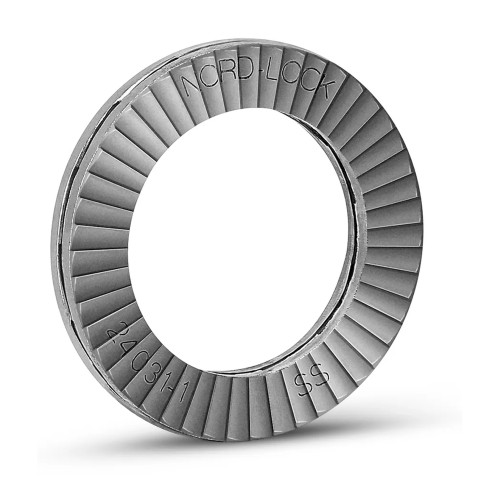 316 Stainless Steel 3/4-Inch Wedge Locking Washers, 100-PackFS-GLO-1121******
 M16 Large Outside Diameter Zinc-Plated Carbon Steel Wedge Locking Washers, 100-PackFS-GLO-2705
Support maintenance and assembly work
Lock washers are used in commercial maintenance and assembly applications where fasteners need added resistance to loosening.
Match the washer to the fastener
Confirm the washer size and consider how its design will engage the bolt head or nut. For example, a #6 washer is intended for #6 fastener applications.
Consider smaller-head screws
Internal tooth lock washers engage the fastener head or nut and can be particularly useful with smaller-head screws, including fillister-head screws.
Plan for recurring work
For repeated fastening tasks, pack quantity can help support stocking needs. Steel construction and a zinc finish are additional product details to review.
A documented size for compatible #6 fastener applications.
Teeth engage the bolt head or nut to help resist rotation.
A durable hardware construction detail.
A documented quantity for recurring fastening work.
Compare Key Lock Washer Selection Points
Use the product details below to evaluate whether a documented internal tooth washer option fits the fastening task.
| Selection factor | Documented internal tooth option | What to review |
|---|---|---|
| Washer design | Internal teeth | How the washer engages the bolt head or nut |
| Fastener fit | #6 size | Compatibility with the required fastener application |
| Material and quantity | Steel with zinc finish; pack of 500 | Construction, finish, and stocking needs |
Plan the right fit before choosing
Understand how internal teeth help resist loosening
An internal tooth lock washer uses teeth that engage against the bolt head or nut. This grip helps limit rotational backoff of the fastener during assembly and maintenance work.
- Internal teeth engage the fastener head or nut.
- The design helps resist rotational loosening.
- Consider the fastener head shape when selecting a washer.
Confirm size and construction details
Select a lock washer that is compatible with the fastener application. Review the stated size, construction, and finish before ordering for a specific job.
- Match the washer to the applicable fastener size.
- Steel construction provides a durable hardware component.
- A zinc finish is a specified washer surface option.
Choose quantities that fit recurring fastening needs
Maintenance and assembly teams may benefit from pack quantities that align with the frequency of their fastening work. A pack of 500 can support recurring work where #6 internal tooth washers are required.
- Review pack quantity for the planned workload.
- Keep compatible washer sizes available for repeat tasks.
- Use product details to support purchasing decisions.
Common questions before buying
What does an internal tooth lock washer do?
Its internal teeth engage the bolt head or nut to help resist rotational loosening.
What fasteners are #6 lock washers intended for?
They provide a locking-washer option for #6 fastener applications.
When can internal tooth washers be useful?
They can be particularly useful with smaller-head screws, such as fillister-head screws.
Why consider pack quantity when buying lock washers?
Pack quantity can support stocking for recurring maintenance and assembly fastening work.