
-
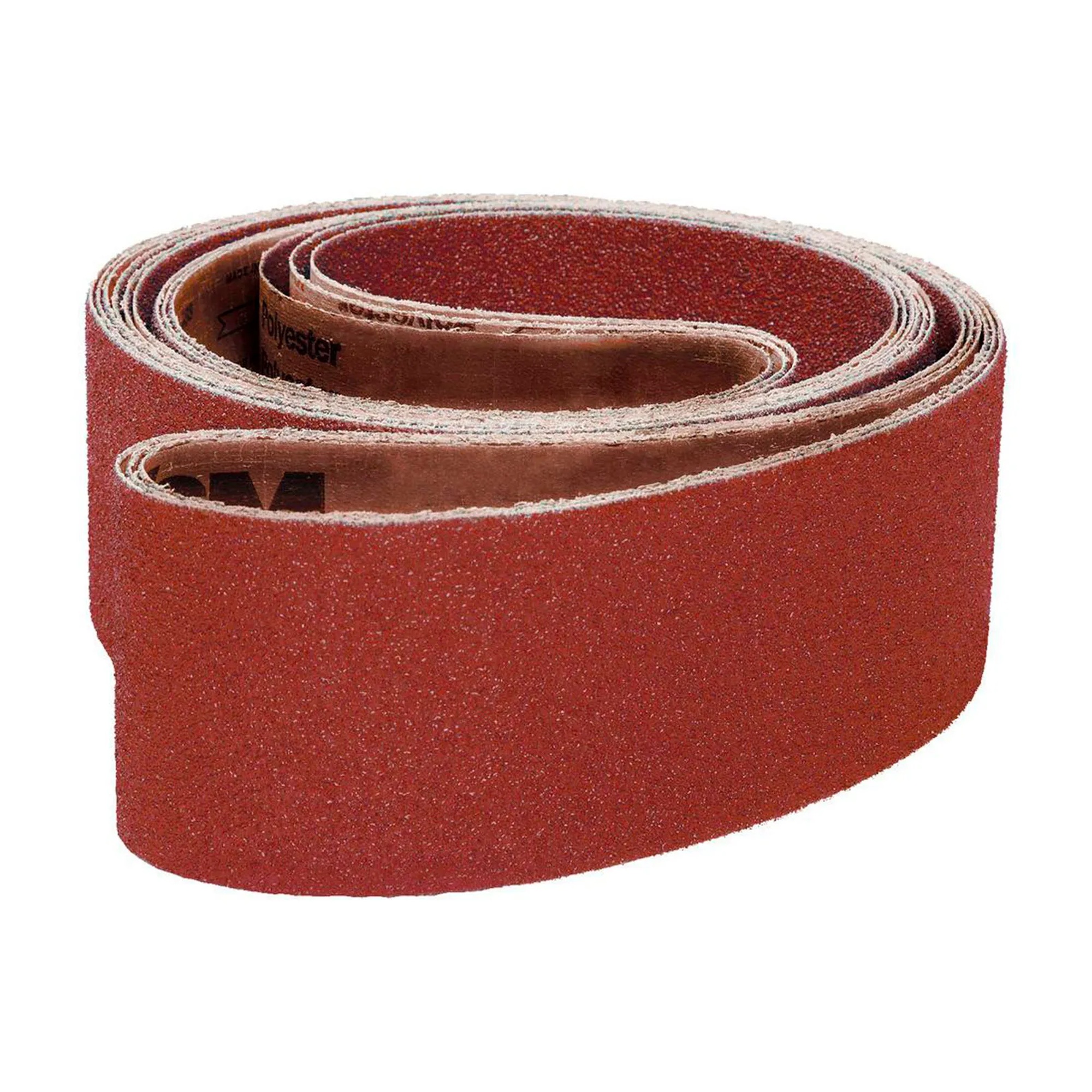
Aluminum Oxide Abrasive Belt, 2 in. x 60 in., 60 Grit, Brown, 10-Pack
Our Price:$3.86This aluminum oxide abrasive belt is designed for commercial users performing a range of sanding tasks. Its 60-grit abrasive surface supports material removal and surface preparation, while the 2 in...
-
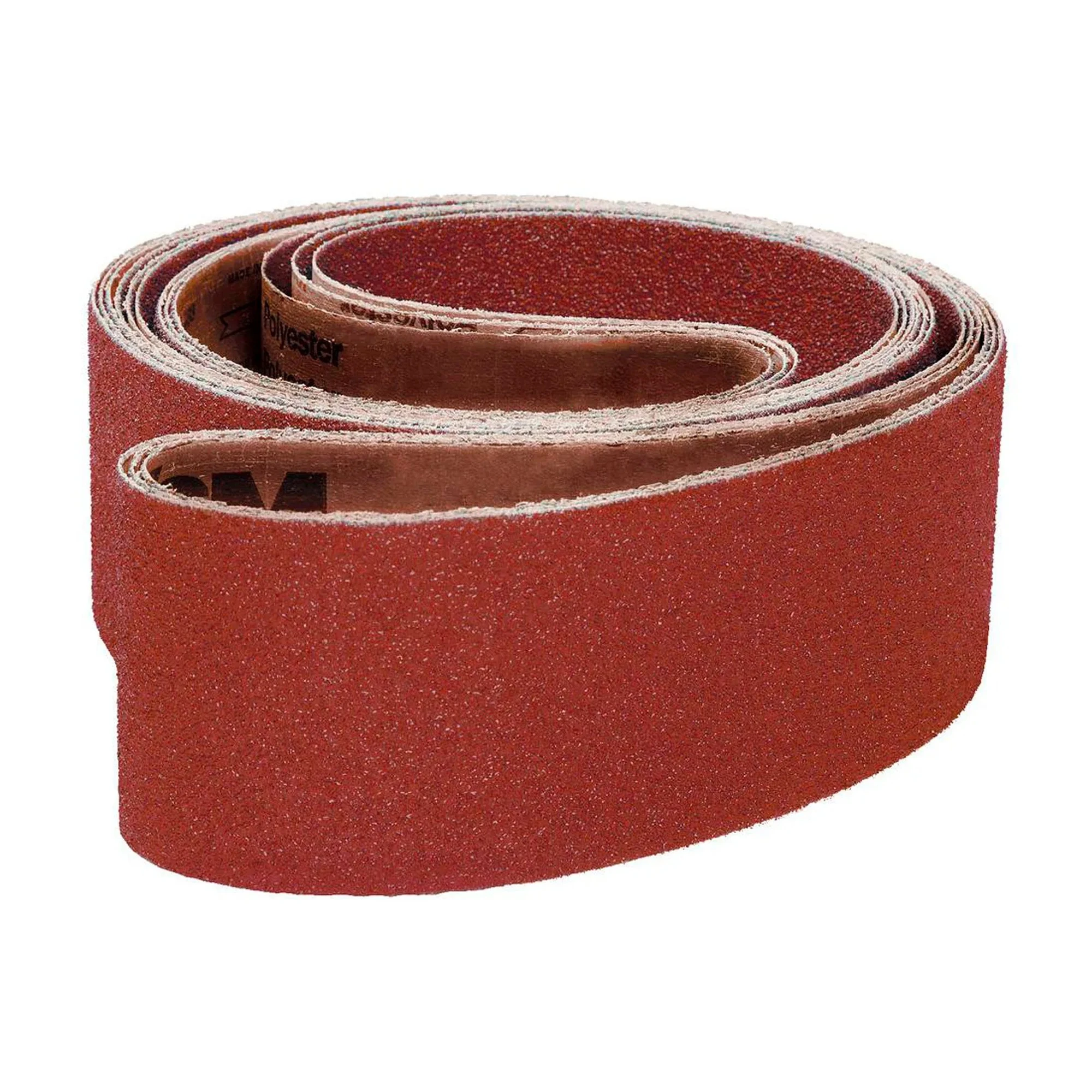
Aluminum Oxide Abrasive Belt, 2 in. x 72 in., 220 Grit
Our Price:$3.92This aluminum oxide abrasive belt is a 2 in. x 72 in. sanding belt for shop and maintenance users who need a 220-grit abrasive for general sanding work.The brown belt measures 2 in. wide by 72 in...
-
Aluminum Oxide Abrasive Belt, 2-1/2 in. x 60 in., 60 Grit
Our Price:$4.26This aluminum oxide abrasive belt is for shop users and commercial buyers who need an economical belt for sanding applications. Its 60-grit abrasive surface helps support everyday sanding work.The...
-
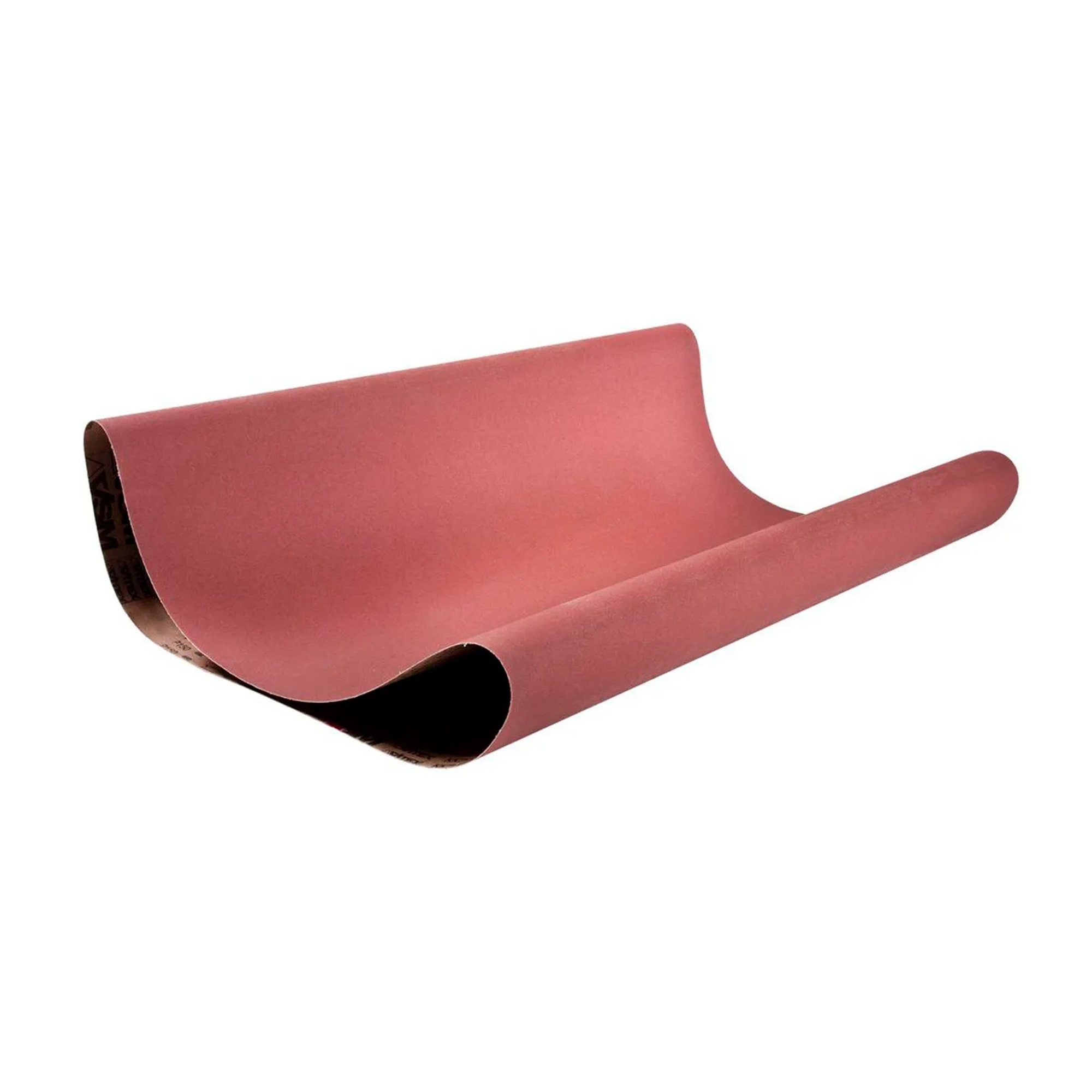
Aluminum Oxide Abrasive Belt, 25 in. x 48 in., 120 Grit
Our Price:$41.94This 120-grit aluminum oxide abrasive belt is for commercial users who need an economical abrasive for sanding work. Its belt format supports use across a variety of sanding applications.The brown...
-
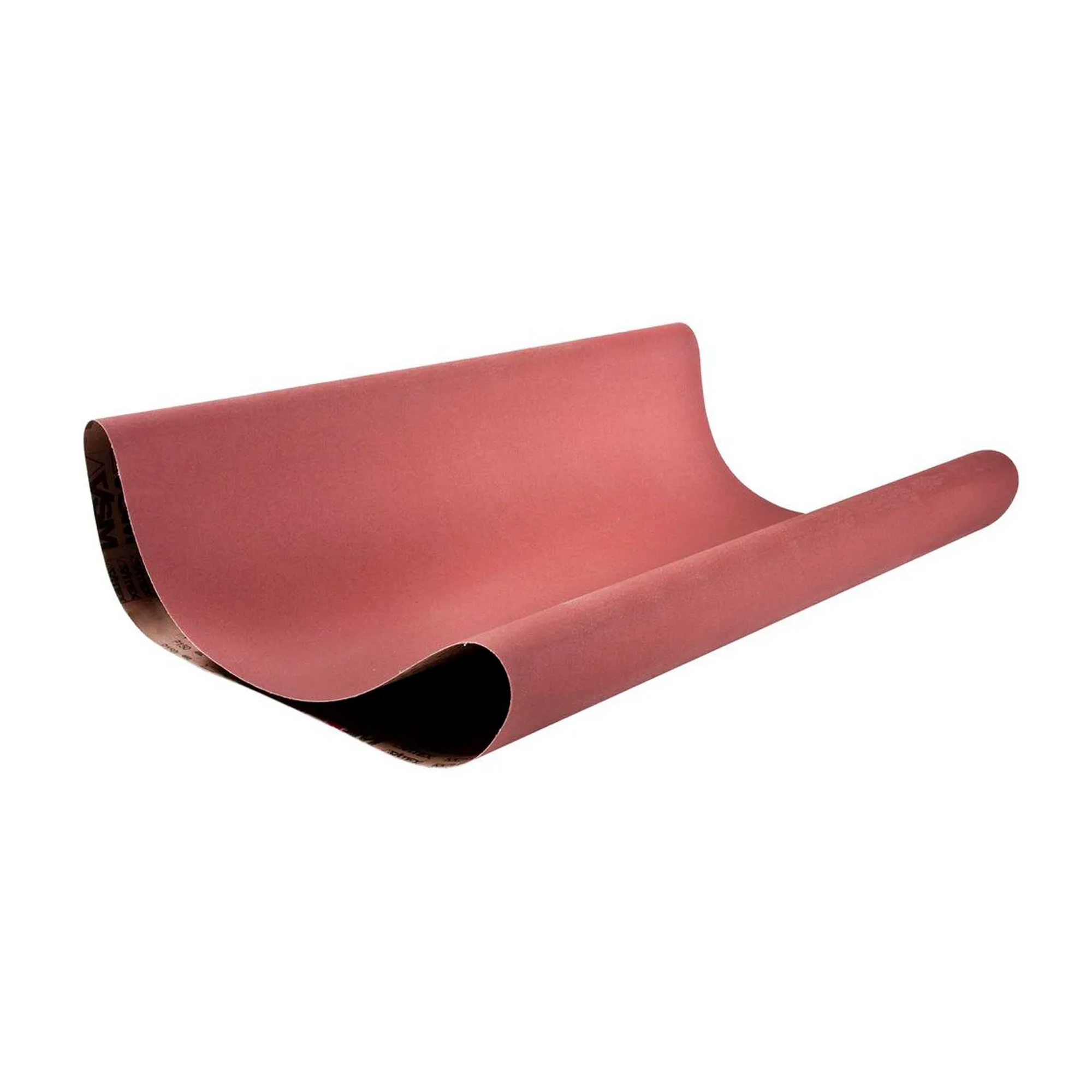
Aluminum Oxide Abrasive Belt, 25 in. x 60 in., 100 Grit
Our Price:$50.94This 100-grit aluminum oxide abrasive belt is for shop users performing sanding tasks. Its 25 in. x 60 in. size provides a belt-format abrasive for practical surface sanding work.The brown abrasive...
-
Aluminum Oxide Abrasive Belt, 25 in. x 60 in., 180 Grit
Our Price:$50.94This aluminum oxide abrasive belt is for users performing sanding applications. Its 180-grit abrasive surface supports controlled sanding, while the belt format is designed for compatible...
-
Aluminum Oxide Abrasive Belt, 25 in. x 60 in., 220 Grit
Our Price:$50.94This aluminum oxide abrasive belt is for users handling sanding applications. Its 220-grit abrasive surface helps buyers select a belt suited to their finishing process.The brown belt measures 25 in...
-
Aluminum Oxide Abrasive Belt, 25 in. x 60 in., 320 Grit
Our Price:$50.94This aluminum oxide abrasive belt is for shop and commercial users who need a fine-grit belt for sanding work. Its 25 in. x 60 in. size fits compatible belt-sanding equipment and supports...
-
Aluminum Oxide Abrasive Belt, 25 in. x 75 in., 80 Grit
Our Price:$55.94This 80-grit aluminum oxide abrasive belt is designed for commercial users who need a dependable belt for a range of sanding tasks. It provides an economical abrasive option for routine finishing...
-
Aluminum Oxide Abrasive Belt, 3 in. x 18 in., 24 Grit
Our Price:$2.77This 3 in. x 18 in. aluminum oxide abrasive belt is for shop and maintenance users who need an economical belt for sanding work. Its 24-grit abrasive surface supports sanding applications that call...
-
Aluminum Oxide Abrasive Belt, 3 in. x 18 in., 60 Grit
Our Price:$2.22This 3 x 18 in. aluminum oxide abrasive belt is for shop and maintenance teams performing sanding work. Its 60-grit abrasive surface helps users prepare workpieces across a range of sanding...
-
Aluminum Oxide Abrasive Belt, 3-1/2 in. x 15-1/2 in., 220 Grit
Our Price:$2.17This aluminum oxide abrasive belt is designed for shop users who need a belt abrasive for sanding tasks. Its 220-grit surface supports fine sanding work, while the belt format fits compatible...
-
Aluminum Oxide Abrasive Belt, 3-1/2 in. x 15-1/2 in., 80 Grit
Our Price:$2.23This aluminum oxide abrasive belt is for maintenance and shop professionals who need an economical option for sanding work. Its 80-grit abrasive surface helps support a range of general sanding...
-
Aluminum Oxide Abrasive Belt, 3/4 in. x 18 in., 100 Grit
Our Price:$91.99This aluminum oxide abrasive belt is for users performing sanding applications. Its 100-grit abrasive surface helps provide a practical option for general sanding work.The brown belt measures 3/4...
-
Aluminum Oxide Abrasive Belt, 3/4 in. x 20-1/2 in., 80 Grit, Brown
Our Price:$94.99This aluminum oxide abrasive belt is for shop and maintenance users performing sanding work. Its narrow belt profile provides an 80-grit abrasive option for a range of sanding applications.The brown...
-
Aluminum Oxide Abrasive Belt, 3/8 in. x 13 in., 100 Grit
Our Price:$77.99This aluminum oxide abrasive belt is designed for users performing sanding work who need a narrow belt for surface-finishing tasks. Its 100-grit abrasive surface provides an economical option for a...
-
Aluminum Oxide Abrasive Belt, 3/8 in. x 13 in., 120 Grit
Our Price:$77.99This 120-grit aluminum oxide abrasive belt is for shop users who need a narrow belt for sanding tasks. It provides an economical abrasive option for a range of sanding applications.The brown belt...
-
Aluminum Oxide Abrasive Belt, 3/8 in. x 13 in., 24 Grit
Our Price:$80.99This aluminum oxide abrasive belt is for shop users who need a narrow belt for sanding tasks. Its 24-grit abrasive surface supports economical sanding across a range of applications.The brown belt...
-
Aluminum Oxide Abrasive Belt, 3/8 in. x 13 in., 40 Grit
Our Price:$78.99This aluminum oxide abrasive belt is for workers performing sanding tasks. Its 40-grit abrasive surface supports material removal in a compact 3/8 in. x 13 in. belt format.The brown belt measures 3/8...
-
Aluminum Oxide Abrasive Belt, 3/8 in. x 13 in., 50 Grit
Our Price:$78.99This aluminum oxide abrasive belt is for maintenance and shop users who need a narrow belt for sanding applications. Its 50-grit abrasive surface supports material removal during sanding work.The...




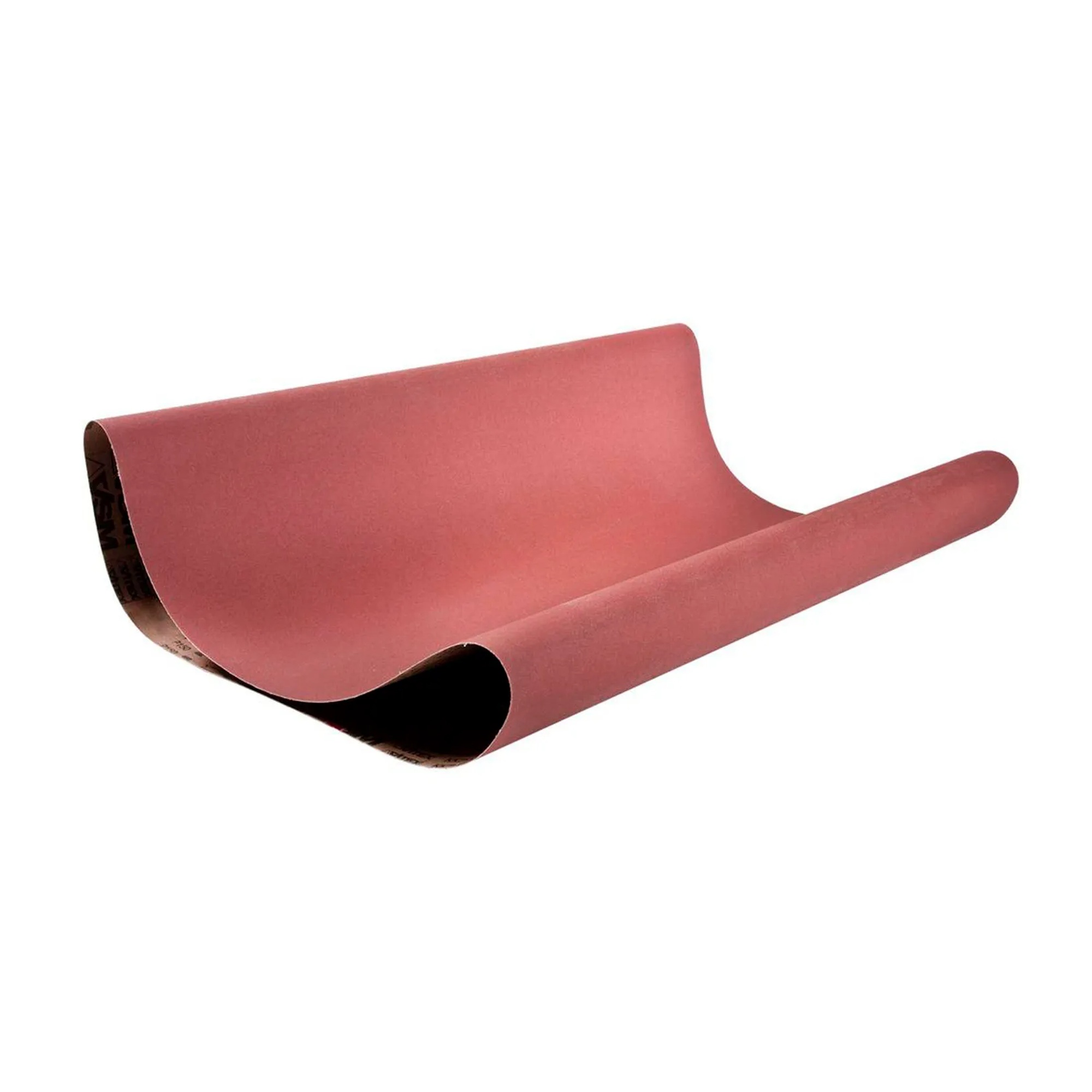


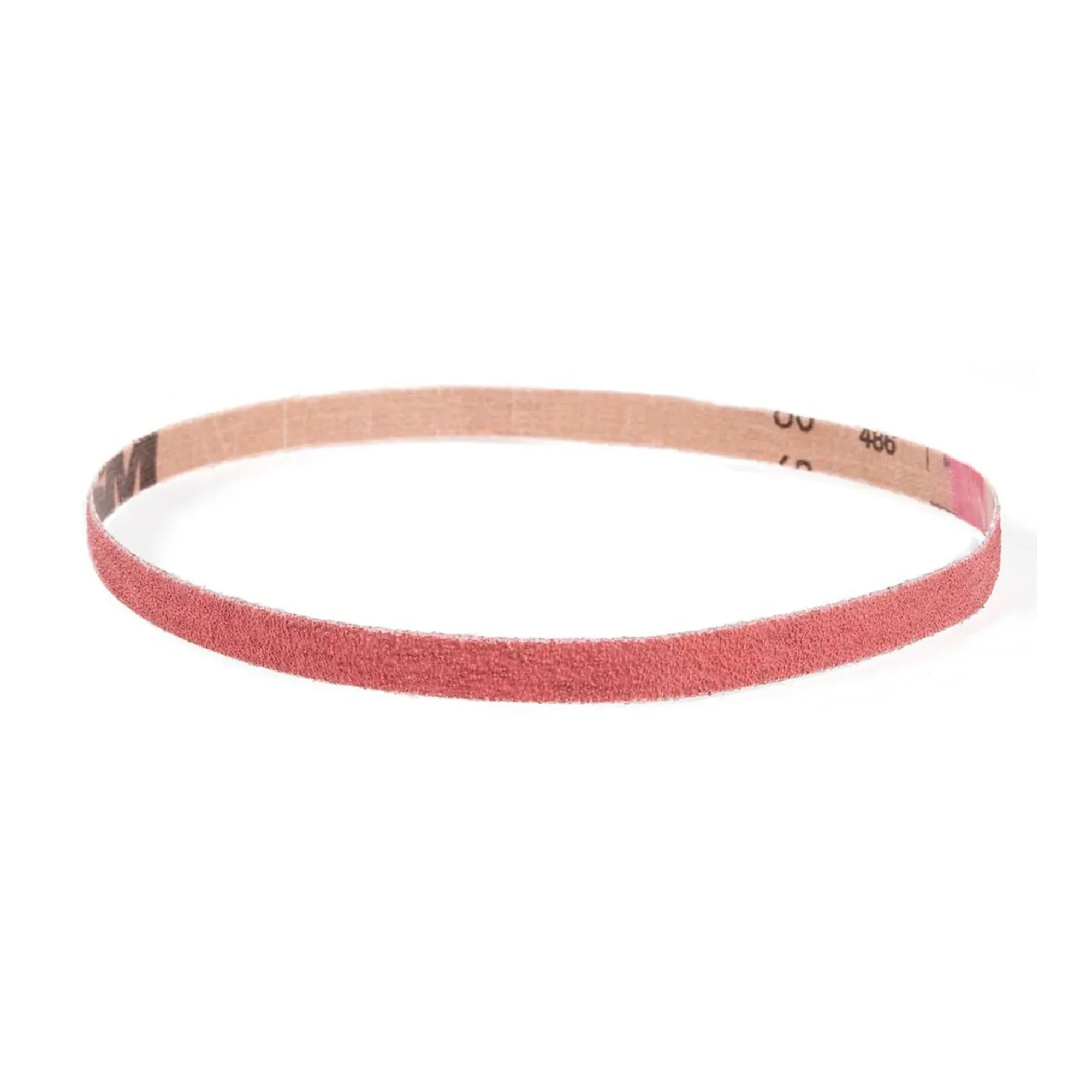
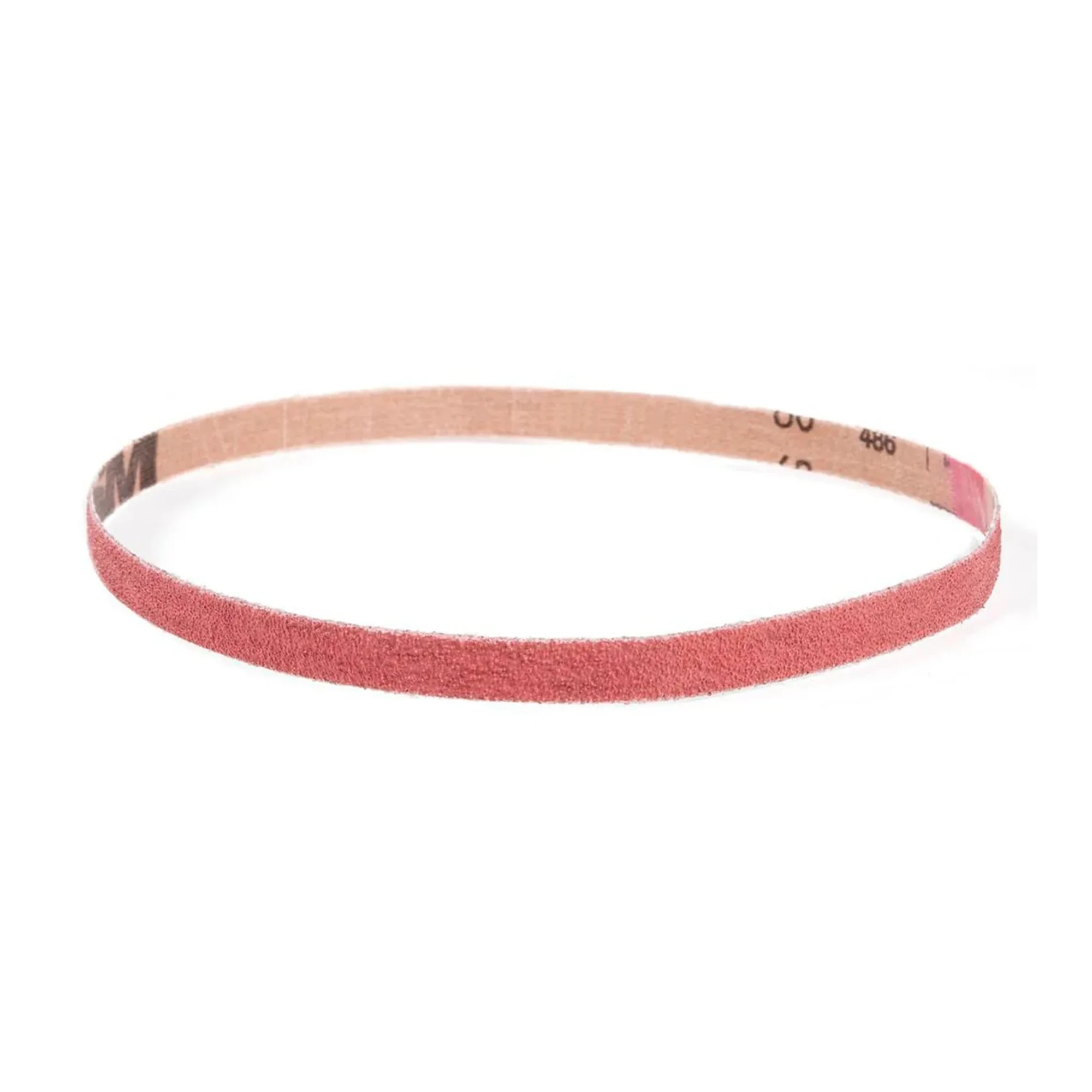


Choose Aluminum Oxide Belts for the Work and Equipment You Have
Start by matching belt width and length to compatible equipment. Then compare grit, construction, and the intended task, whether you need coarse material removal, general sanding, controlled finishing, or surface conditioning for cleaning and blending.
Popular examples in this category
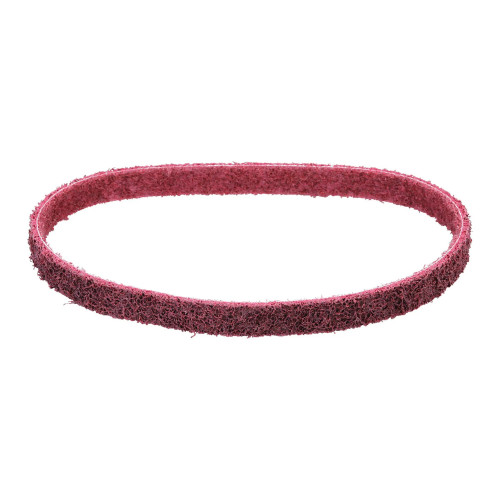 Very Fine Aluminum Oxide Cloth Mesh Sanding Belt, 1/2 in. x 12 in.WBB2266269
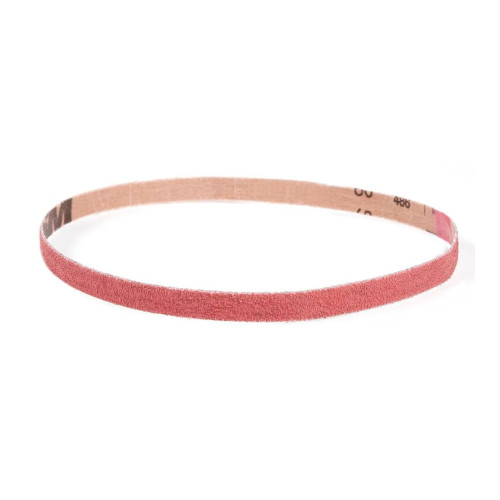 Aluminum Oxide Abrasive Belt, 1 in. x 42 in., 100 GritWBM2110866
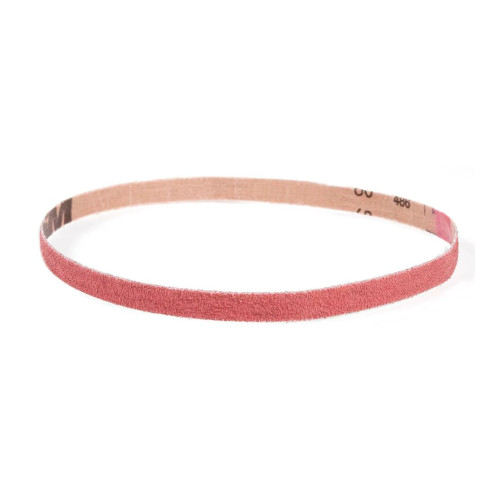 Aluminum Oxide Abrasive Belt, 3/8 in. x 13 in., 60 GritWBM2111190
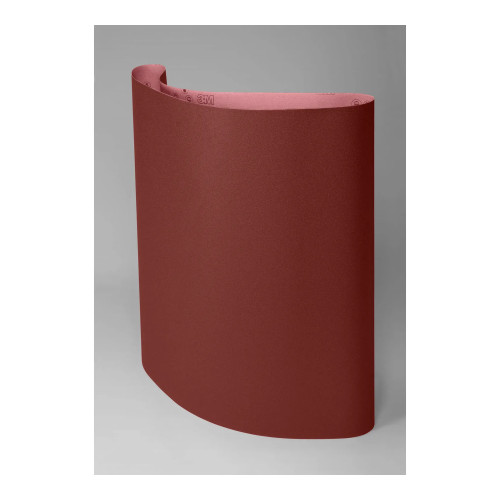 Low-Stretch Surface Conditioning Belt, 52 in. x 75 in., Medium GritWBB1769991
Match the abrasive to the task
Coarse 36-grit belts support material removal and surface preparation. Options in 60 and 100 grit are suited to general sanding, while 120 and 180 grit support routine or finishing-oriented sanding. Very fine mesh belts and medium-grit surface conditioning belts support refining, blending, cleaning, finishing, and deburring.
Confirm size, grit, and belt type
Check the exact width and length required by your equipment first. Select grit based on the work at hand, then choose a cloth-backed abrasive belt for sanding or a nonwoven surface conditioning belt for cleaning, blending, deburring, and refining surfaces.
Support shop and metalworking workflows
The represented belts are used for sanding tasks in shop and maintenance settings, as well as metal surface conditioning work. Surface conditioning options can help remove coarse grind lines, mill marks, and small burrs left by cutting tools or conventional abrasives.
Consider construction and package quantity
Many sanding belts have cloth backing for reliable performance. One surface conditioning option has low-stretch, firm backing suited to applications requiring high belt tension. Some listed abrasive belts are available in 10-piece or 10-belt packages for ongoing replacement needs.
Supports material removal and surface preparation.
Represented for general sanding tasks.
Supports routine and finishing-oriented sanding.
Available on selected belt sizes.
Compare the Belt Types Represented
Use belt construction and intended application alongside the required dimensions and grit to narrow the selection.
| Product type | Best suited for | Key selection points |
|---|---|---|
| Cloth-backed abrasive belt | Sanding, material removal, surface preparation, and finishing work | Match the belt width and length to equipment; compare 36, 60, 100, 120, or 180 grit. |
| Cloth mesh sanding belt | Finishing and blending | Choose the very fine abrasive and 1/2 in. x 12 in. belt format where required. |
| Nonwoven surface conditioning belt | Cleaning, finishing, blending, deburring, and refining surfaces | Compare medium grit, belt dimensions, and backing; low-stretch, firm backing is represented for high-tension applications. |
Plan the right fit before choosing
Match the precise belt dimensions to compatible equipment
Belt dimensions vary substantially across the category, from narrow formats for applications that require a small belt width to wider options for sanding and finishing work. Selecting the required width and length is the first step toward choosing a compatible belt.
- Narrow sizes represented include 1/4 in. x 24 in., 3/8 in. x 13 in., and 1/2 in. x 12 in.
- Other listed formats include 1 in. x 42 in., 1-1/2 in. x 24 in., 2 in. x 48 in., 4 in. x 36 in., and 6 in. x 48 in.
- Longer listed belt sizes include 1 in. x 90 in., 1 in. x 132 in., 25 in. x 60 in., and 52 in. x 75 in.
Compare coarse, general, and finishing-oriented abrasive levels
The available grit levels span coarse sanding through finer finishing work. Use the specified grit as a practical way to compare products after confirming the belt size and construction needed for the application.
- 36 grit provides a coarse abrasive surface for material removal and surface preparation.
- 60 grit supports general sanding applications.
- 100 grit is available for sanding tasks in several belt sizes.
- 120 grit supports routine finishing work, while 180 grit provides a finer surface for finishing-oriented sanding.
Choose sanding belts or surface conditioning belts based on the job
Cloth-backed aluminum oxide abrasive belts provide an economical, universal option for a range of sanding applications. Nonwoven surface conditioning belts are designed for controlled cleaning, finishing, blending, and deburring work.
- Cloth backing is represented across the standard aluminum oxide sanding belts.
- A cloth mesh belt in a very fine abrasive is available for finishing and blending.
- Medium-grit nonwoven surface conditioning belts support cleaning, blending, deburring, and refining surfaces.
- A low-stretch surface conditioning belt has firm backing for applications requiring high belt tension.
Common questions before buying
What should I check before selecting an abrasive belt?
Confirm that the belt width and length match compatible equipment, then compare grit and belt construction for the intended task.
Which listed grit is suited to material removal?
The 36-grit belts provide a coarse abrasive surface for material removal and surface preparation work.
What are surface conditioning belts used for?
The represented medium-grit nonwoven belts support cleaning, finishing, blending, deburring, and refining surfaces. They can help remove coarse grind lines, mill marks, and small burrs.
Are multi-belt packages available?
Selected listed belts are offered in 10-piece or 10-belt package quantities for ongoing abrasive replacement needs.