
-
Airmaster Fan
1/3 HP PSC Fan and Blower Motor, 3-Speed, 115V
Our Price:$289.94This 1/3 HP PSC motor is for maintenance teams and facility buyers supporting fan and blower equipment. Its three-speed operation helps users select an appropriate operating speed for their equipment...
-
Airmaster Fan
Two-Speed 1/15 HP Fan Motor
Our Price:$209.94This two-speed fan motor is for maintenance teams and commercial buyers working with fan and blower equipment. It provides motor operation with selectable speed settings for equipment that requires a...


Fan & Blower Motors: Replacement Guides, Specs, and Selection Tips
When a fan or blower motor fails, finding the right replacement means matching more than just physical size. This guide walks you through compatibility factors, key specs, and practical selection steps so you can restore operation quickly and confidently.
Popular examples in this category
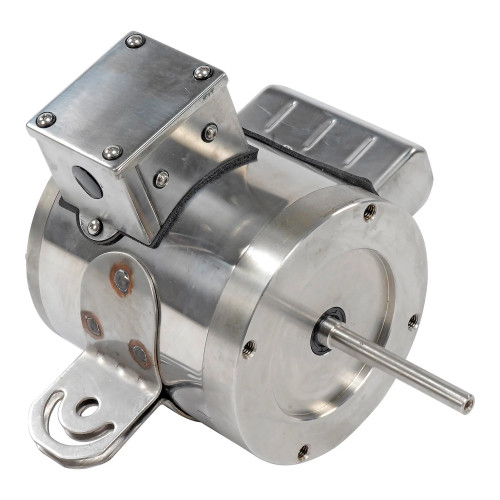 Stainless Steel Replacement Motor for 1/4 HP Washdown FansWBB462406
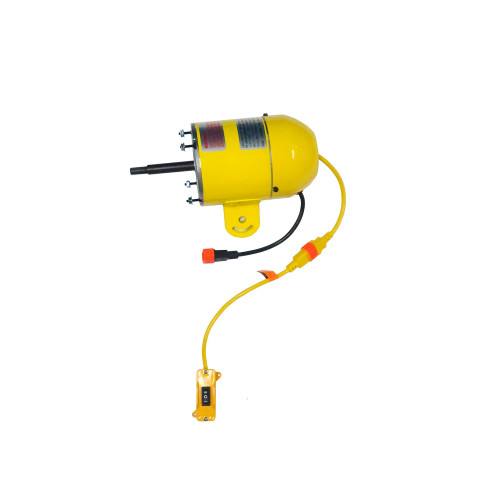 High-Efficiency 115V Two-Speed Fan Motor with Drop Cord SwitchWBB3126391
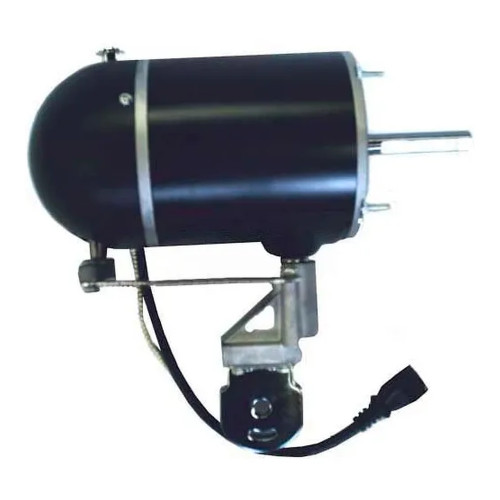 Two-Speed 1/15 HP Fan MotorWBB502309
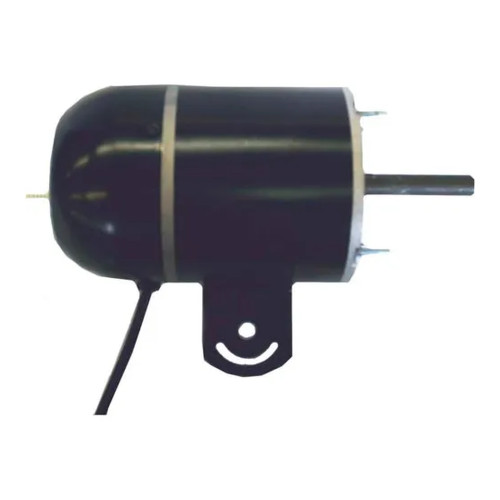 1/3 HP PSC Fan and Blower Motor, 3-Speed, 115VWBB502349
Replacing Failed Motors in Commercial Fan and Blower Equipment
These motor assemblies are designed to restore operation in washdown fans, yellow safety fans, and standard oscillating fans. When an existing motor burns out or fails, a compatible replacement motor lets you extend the life of the fan or blower unit without replacing the entire assembly.
Match the Motor to Your Specific Fan or Blower Application
Start with the fan type—washdown, yellow safety, or standard oscillating—then confirm horsepower, voltage, speed settings, and shaft diameter. Check whether the unit requires a drop-cord switch, cord and plug, or oscillating function. Construction details like stainless steel or totally enclosed design matter for environment fit.
Where Fan and Blower Replacement Motors Are Commonly Used
Replacement motors serve commercial and industrial settings where fan reliability is critical. Washdown environments need stainless steel, corrosion-resistant motors. Safety fans in hazardous or high-visibility areas require yellow safety-rated assemblies. Standard 24-inch and 30-inch oscillating fans are common in warehouses, shops, and production floors.
Construction Details That Affect Long-Term Performance
Totally enclosed motor designs resist dust and moisture. Ball bearings and permanently lubricated bearings reduce maintenance needs and extend service life. Always verify overall motor dimensions before ordering to confirm the replacement will fit within the existing fan housing without modification.
Replacement motors in this category typically span from 1/15 HP for lighter fan assemblies up to 1/3 HP for larger commercial units.
Most fan and blower replacement motors in this category are rated for 115V or 115V single-phase power, which is standard in commercial facility settings.
Standard oscillating fan assemblies in 24-inch and 30-inch sizes are among the most common applications for replacement motors in this category.
Totally enclosed motor designs prevent dust and moisture from entering the motor housing, making them well-suited for demanding commercial environments.
Choosing the Right Motor Type for Your Application
Use this table to match your fan environment and requirements to the most appropriate motor features.
| Need | Best Fit | Why It Matters |
|---|---|---|
| Wet or washdown environment | Stainless steel motor with washdown rating | Resists corrosion from water spray and cleaning agents |
| High-visibility or hazardous area fan | Yellow safety fan motor assembly | Designed specifically for safety fan equipment in regulated environments |
| Standard warehouse or shop floor fan | 24" or 30" oscillating fan motor | Sized and configured for common commercial oscillating fan assemblies |
| Dusty or damp indoor environment | Totally enclosed motor design | Sealed housing keeps contaminants out and extends motor service life |
| Low-maintenance priority | Permanently lubricated or ball bearing motor | Reduces or eliminates the need for routine bearing lubrication |
Plan the right fit before choosing
Step 1: Identify Your Fan or Blower Type Before Comparing Motors
The first step is confirming which fan or blower assembly you are working with. Motor compatibility is specific to the application—a washdown fan motor is not interchangeable with a standard oscillating fan motor. Locate the fan model or application type before reviewing motor listings.
- Identify whether the fan is a washdown, yellow safety, or standard oscillating model
- Note the fan size—24-inch and 30-inch oscillating assemblies often require different motors
- Check the existing motor label for horsepower, voltage, and speed ratings if still readable
Step 2: Confirm Electrical and Mechanical Specifications
Once you know the application, verify the electrical and mechanical specs required. Most units in this category operate on 115V or 115V single-phase power. Horsepower ratings commonly range from 1/15 HP to 1/3 HP. Shaft diameter must match the fan blade hub, and speed count affects control compatibility.
- Match horsepower exactly—1/15 HP, 1/4 HP, and 1/3 HP are not interchangeable
- Confirm shaft diameter to ensure the fan blade mounts correctly on the replacement motor
- Verify the number of speeds and whether a drop-cord switch or cord and plug is required
Step 3: Check Physical Dimensions and Construction for Fit and Environment
Before finalizing a selection, measure the available space inside the fan housing and compare it to the motor's listed dimensions. Also consider the operating environment. Washdown areas require stainless steel construction. Dusty or damp environments benefit from totally enclosed motor designs with permanently lubricated or ball bearings.
- Measure the existing motor's length, diameter, and mounting footprint before ordering
- Choose stainless steel construction for any application involving water spray or washdown cleaning
- Select totally enclosed designs for environments with dust, debris, or elevated moisture levels
Common questions before buying
How do I know which replacement motor is compatible with my fan?
Start by identifying your fan type—washdown, yellow safety, or standard oscillating—and its size. Then match the motor's horsepower, voltage, shaft diameter, and speed count to the original motor's specifications. Dimensions should also be verified to confirm the motor fits within the existing housing.
Can I use a higher horsepower motor as a replacement if the exact rating is unavailable?
It is not recommended. Horsepower ratings are matched to the fan blade load and electrical circuit. Using a motor with a different HP rating can cause performance issues, overheating, or damage to the fan assembly. Always match the original horsepower specification.
What is the difference between a drop-cord switch and a cord and plug configuration?
A drop-cord switch includes an in-line switch on the power cord for easy on/off control, which is common in overhead or wall-mounted fan setups. A cord and plug configuration connects directly to an outlet without an integrated switch, relying on an external control or outlet switch instead.
Why does shaft diameter matter when selecting a replacement motor?
The fan blade hub must fit securely onto the motor shaft. If the shaft diameter does not match the blade's hub bore, the blade cannot be properly mounted, which creates a safety hazard and prevents the fan from operating correctly. Always confirm shaft diameter before purchasing.
Choosing the right file folders
FilingSupplies.com carries end-tab folders for open-shelf systems, top-tab folders for drawer filing, and heavy-duty classification folders with dividers and fasteners for multi-section records. Pick letter or legal size, then choose material (11-pt, 14-pt, or 18-pt manila), optional reinforced tabs, color-coding, and expansion capacity to match your volume.
Folder FAQs
End-tab vs. top-tab — what’s the difference?
When should I choose classification folders?
Letter or legal size — how do I pick?
What tab and material options are available?
Can I add fasteners, pockets, or expansion?
Do you offer volume pricing or custom printing?
Outfitting classrooms that work all day
Build a durable, age-appropriate classroom with furniture, early-learning materials, storage bins, learning centers, and presentation tools. Choose adjustable pieces that grow with grades, label friendly bins for quick clean-up, and tech carts that secure, charge, and move easily.
Education FAQs
What safety labels should I look for on school and early-childhood items?
How do I pick classroom furniture across grade levels?
What’s the best way to organize supplies and centers?
How do I choose learning games and manipulatives by age?
What should I consider in a charging/tech cart?
Do you support school POs, bulk pricing, or custom printing?
Choosing the right labels
From color file labels to printable sheets, select the right size, adhesive, and print method to match your filing system and equipment. Decide on sheet vs. roll format, then pick permanent or removable adhesive and your color set.
Labels FAQs
Sheet vs. roll labels — what’s the difference?
Permanent or removable adhesive?
Will these labels work in my printer?
How do I match the label size to folder tabs or binder spines?
Can I get preprinted sequences or color bars?
Do you have templates?
Choosing the right tab dividers
Organize binders with preprinted or blank tabs. Select the number of tabs per set (5, 8, 10, or 12), choose paper with reinforced tabs or durable poly, and match letter or legal size for a clean fit.
Tab Dividers FAQs
What do 5-, 8-, 10-, or 12-tab sets mean?
Paper vs. poly — which should I choose?
Are the tabs printable?
Will they fit my binder?
Can I mix preprinted and blank tabs?
Do you make custom tab sets?
Choosing the right office supplies
From everyday paper and pens to binders, mailers, and desk organizers, pick durable, compatible options that match your equipment and team size. Start with the right paper and labeling, then add organizers that keep work moving.
Office Supplies FAQs
Which paper weight and brightness should I choose?
Round-ring vs. D-ring binders — what’s the difference?
What does “sheet capacity” mean on staplers and hole punches?
Will labels, envelopes, and mailers work with my printer?
How do I choose mailers and shipping boxes?
Do you offer eco-conscious options or bulk pricing?
Choosing the right sports & PE equipment
Equip classes, teams, and rec programs with durable balls, goals, cones, pinnies, storage, and safety gear. Match sizes and materials to age group and whether you play indoors or outdoors.
Sports & Athletics FAQs
What ball sizes should I choose for different ages?
- Basketball: Size 5 (27.5") youth, Size 6 (28.5") intermediate, Size 7 (29.5") official.
- Soccer: Size 3 up to ~8 years, Size 4 ~8–12, Size 5 ~12+.
- Volleyball: Regulation balls for teens/adults; lighter training balls for younger players.
Indoor vs. outdoor — which materials hold up best?
How many pinnies, cones, or markers do I need?
Tips for storage and care?
Are items latex‑free and school‑safe?
Do you support bulk orders or custom printing (team names)?
Choosing the right FireKing fireproof cabinet
FireKing fireproof file cabinets, safes, and storage cabinets are designed to protect important documents, records, and valuables from fire damage while keeping files organized and accessible. When choosing a FireKing cabinet, compare drawer configuration, storage type, fire rating, and overall capacity based on the records or materials you need to protect.
FireKing FAQs
What is the difference between FireKing vertical and lateral file cabinets?
What can I store in a FireKing fireproof file cabinet?
Are FireKing cabinets only for paper records?
How do I choose between a FireKing safe, file cabinet, or storage cabinet?
What sizes are available in FireKing cabinets?
Are FireKing cabinets used in offices, medical facilities, and government records storage?
Can I buy FireKing cabinets in bulk or get help choosing the right model?
Shipping & Policies
Do you offer free shipping?
What are your shipping rates?
- $6.95 for labels-only orders under $40
- $14.95 flat rate for everything else