
-
Global Industrial
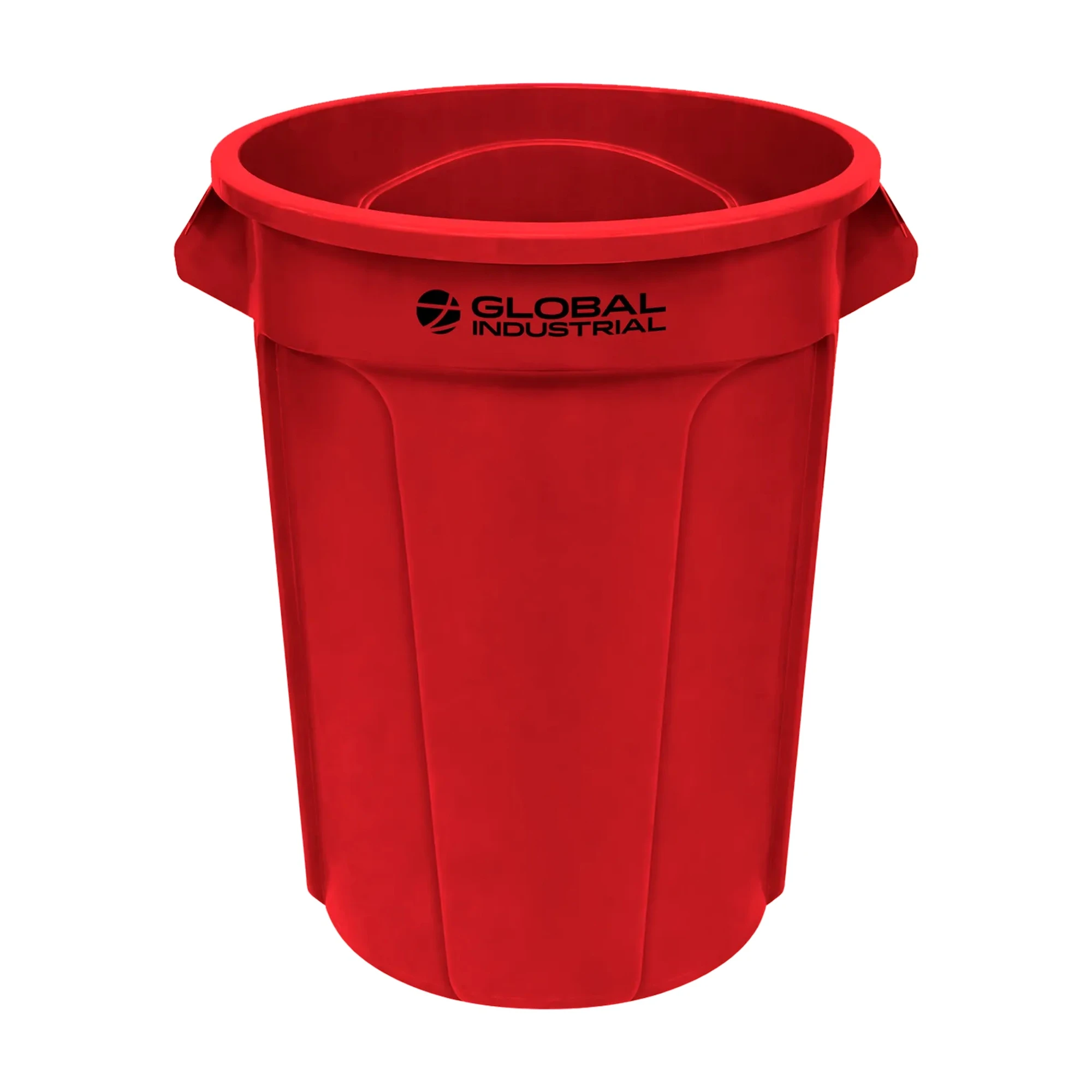
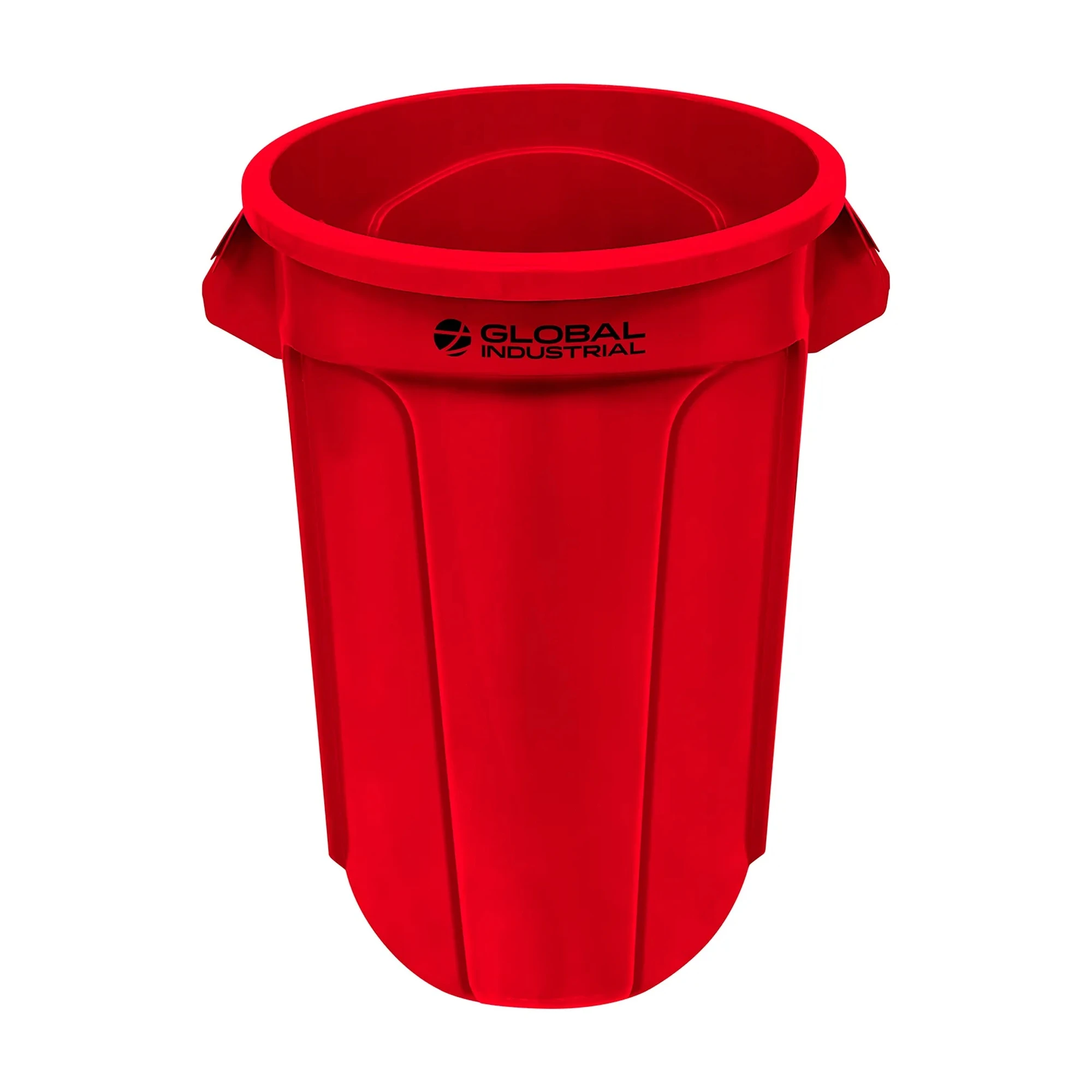
32 Gallon Red Vented Utility Trash Can
Our Price:$39.94This 32-gallon red utility trash can helps facility, maintenance, and cleaning teams collect waste in indoor or outdoor work areas. Its round design provides a dependable option for routine cleanup...
-
Rubbermaid
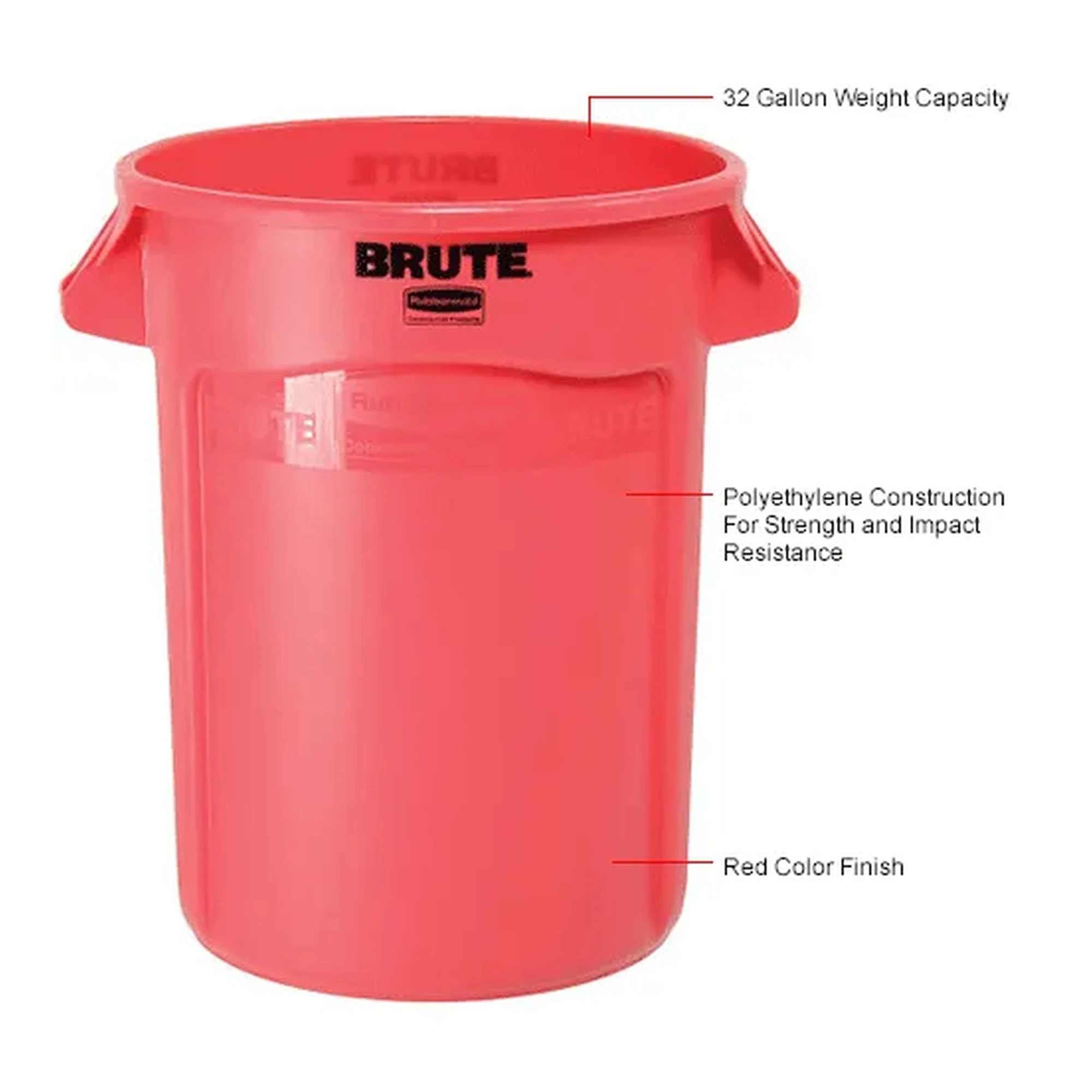
32 Gallon Red Vented Utility Trash Can - 22 in. W x 22 in. D x 27-4/5 in. H
Our Price:$86.94This 32-gallon red utility trash can gives facility teams, custodial crews, and commercial workplaces a durable receptacle for everyday waste collection. Its open-top, round design supports quick...
-
Rubbermaid
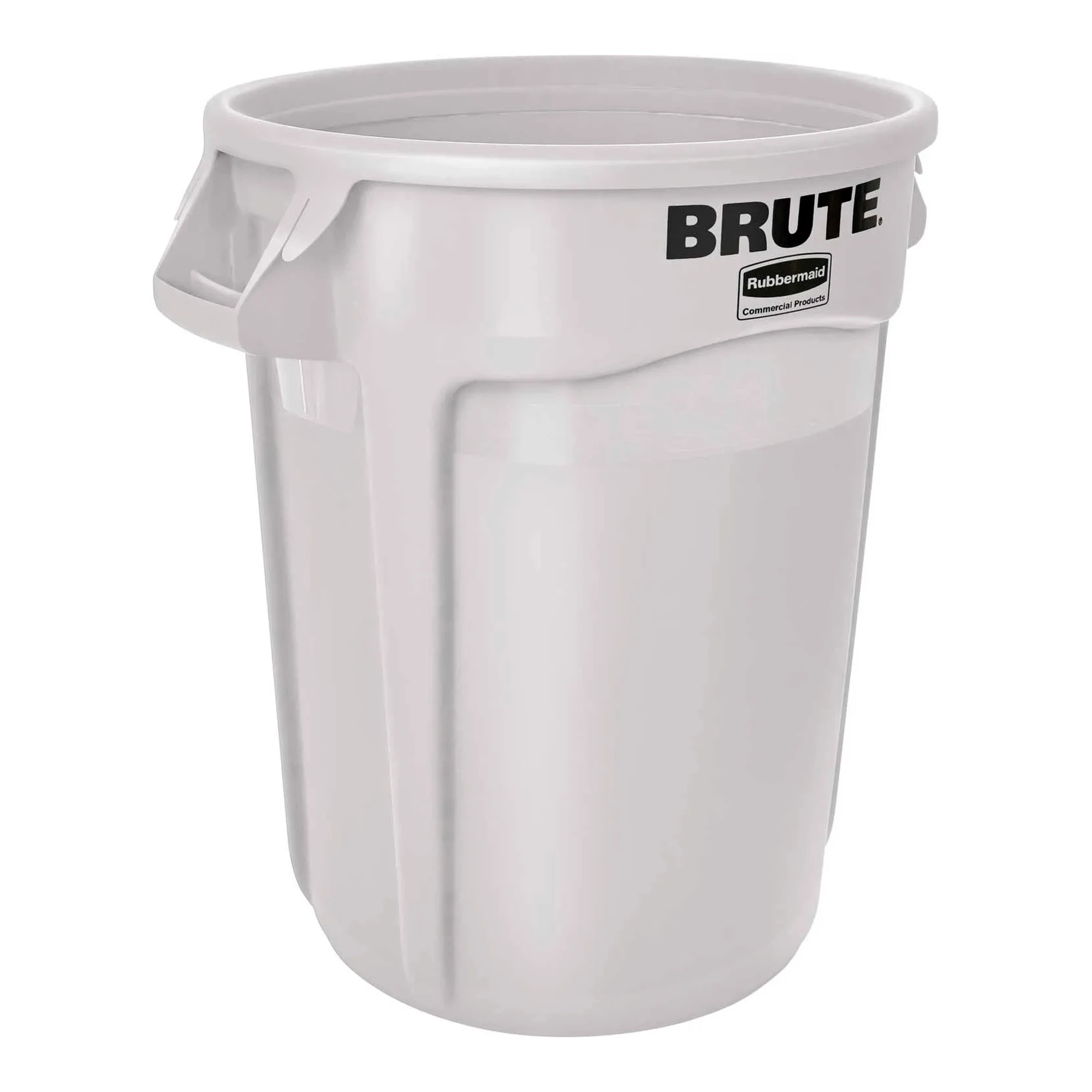
32 Gallon White Vented Utility Trash Can - 22 in. W x 22 in. D x 27-4/5 in. H
Our Price:$86.94This 32 gallon white utility trash can is designed for facility teams, custodial crews, and commercial workplaces that need dependable waste collection indoors or outdoors. Its open-top design...
-
Global Industrial
32 Gallon Yellow Vented Round Utility Trash Can
Our Price:$39.94This 32-gallon round utility trash can provides a durable waste collection solution for facility teams, maintenance crews, and commercial work areas. Its yellow finish supports visible placement in...
-
Rubbermaid
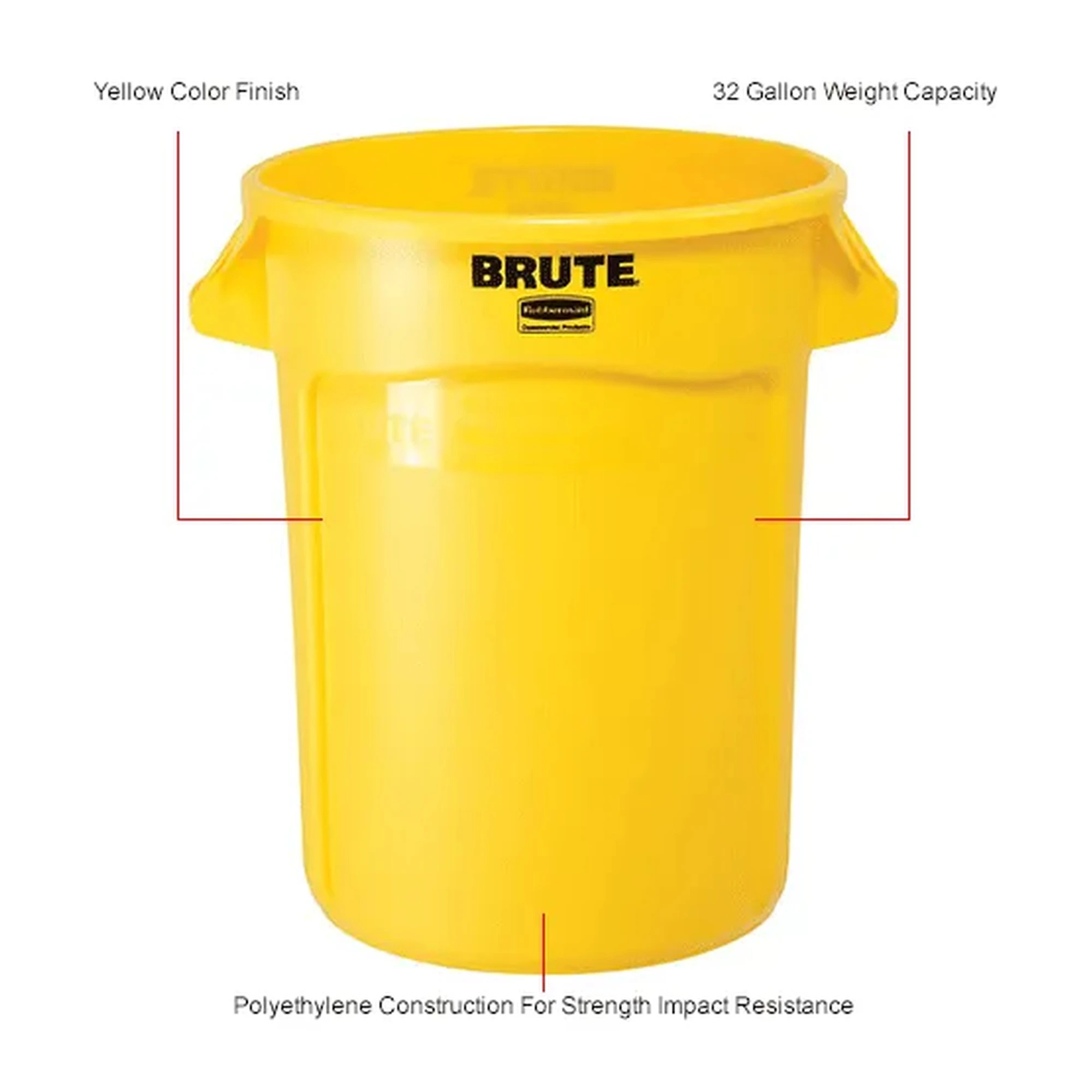
32 Gallon Yellow Vented Utility Trash Can - 22 in. W x 22 in. D x 27-4/5 in. H
Our Price:$86.94This 32-gallon yellow utility trash can is designed for cleaning crews, maintenance teams, and other facility users who need a durable receptacle for everyday waste collection. Its open-top, round...
-
Global Industrial
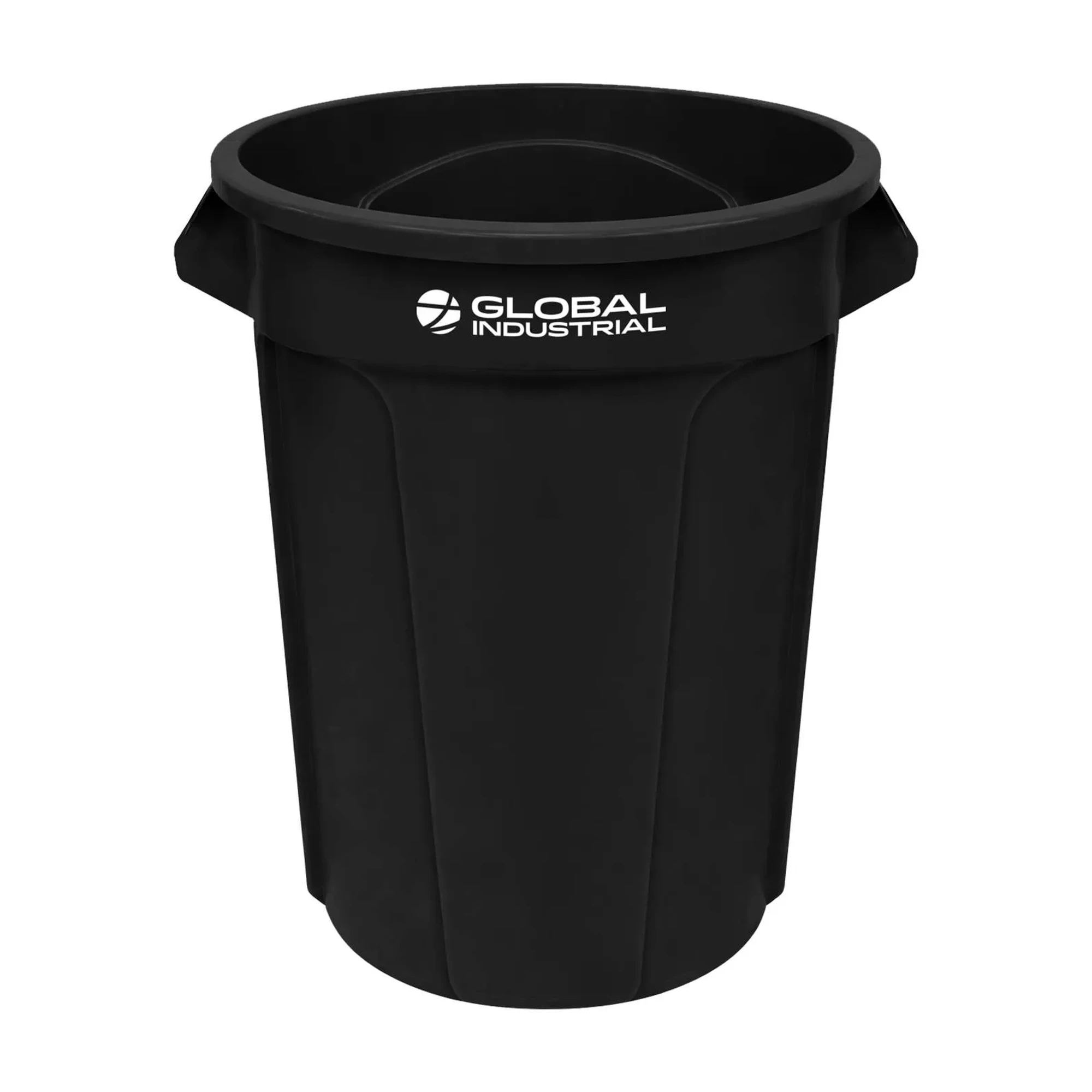
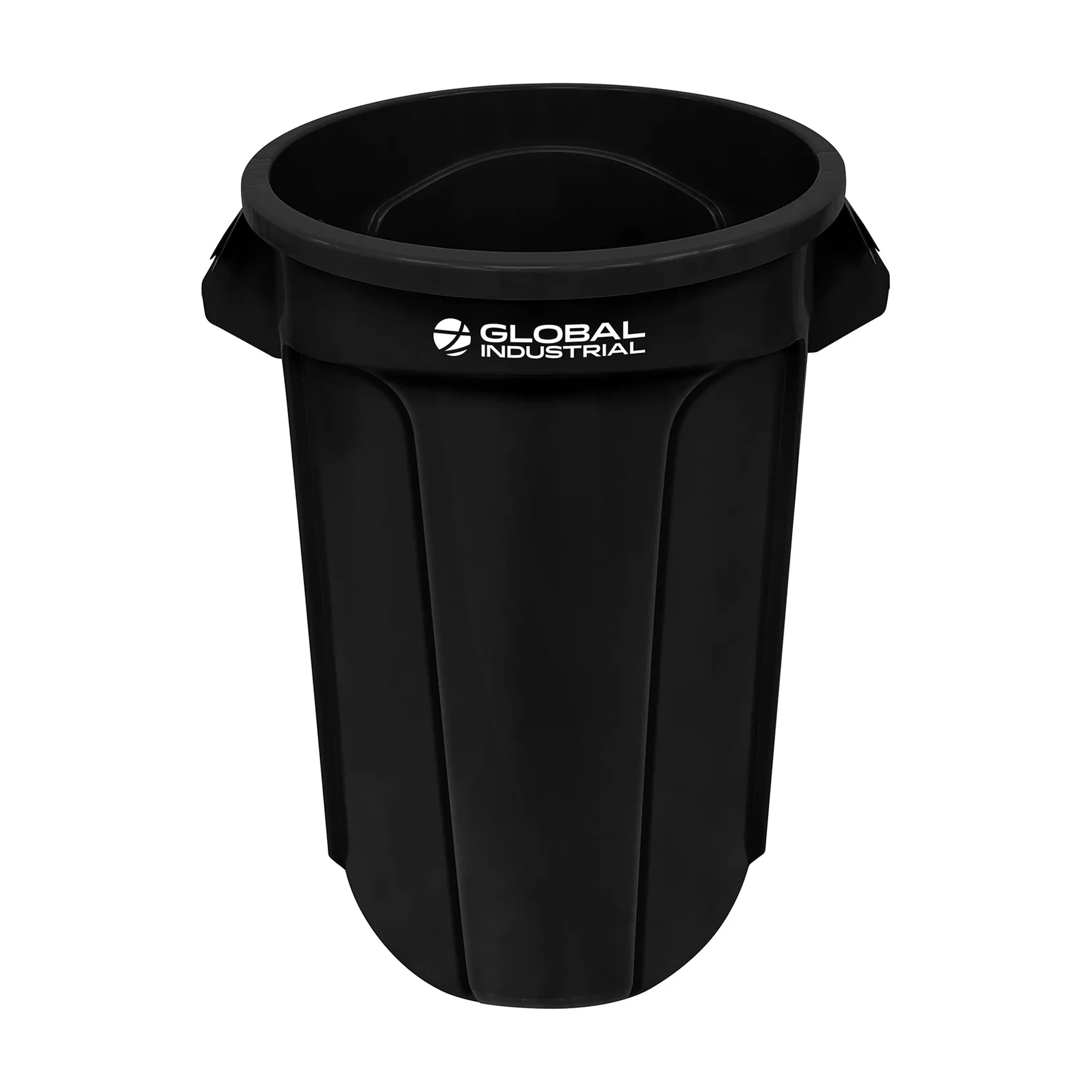
32-Gallon Black Round Vented Utility Trash Can
Our Price:$39.94This 32-gallon round utility trash can helps facility teams, maintenance crews, and industrial workplaces collect everyday waste indoors or outdoors. Its open-top design supports convenient disposal...
-
Global Industrial
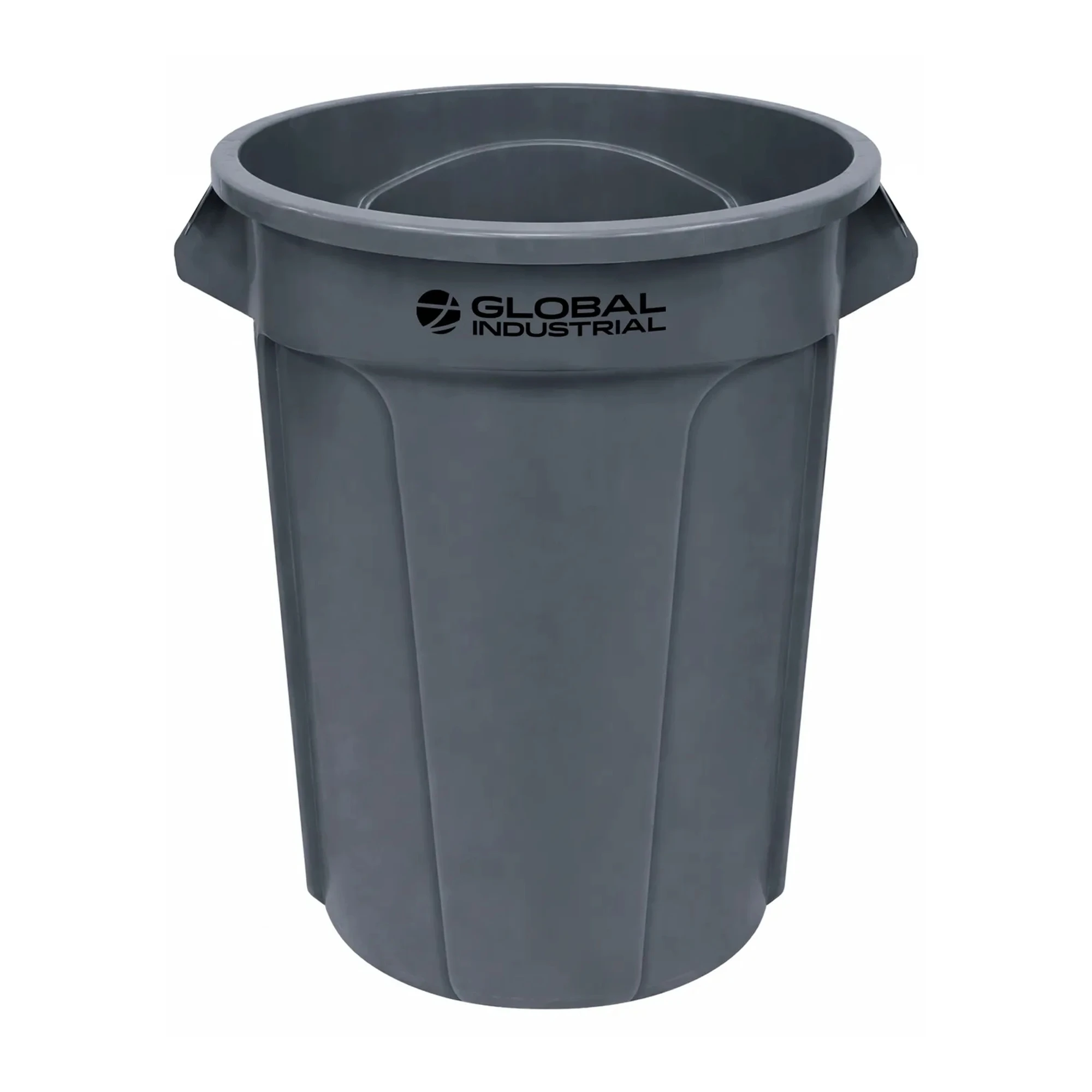
32-Gallon Gray Round Utility Trash Can
Our Price:$39.94This round utility trash can gives facility teams, maintenance crews, and commercial buyers a durable container for collecting everyday waste indoors or outdoors. Its 32-gallon capacity supports...
-
Global Industrial
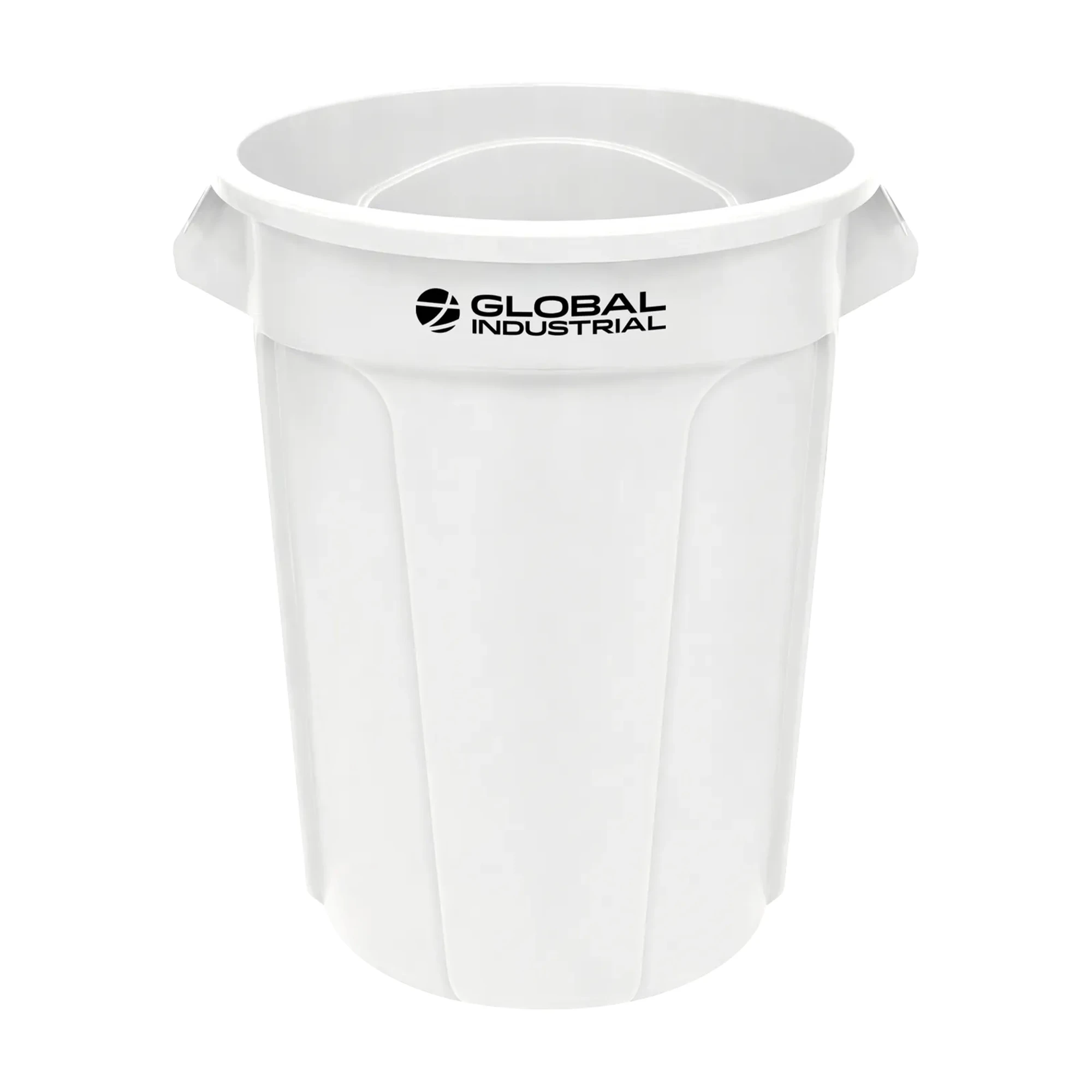
32-Gallon White Vented Utility Trash Can
Our Price:$39.94This 32-gallon white utility trash can is designed for facility, warehouse, garage, and outdoor cleanup areas that need a durable waste container. Its round, open-top design supports everyday...
-
Global Industrial
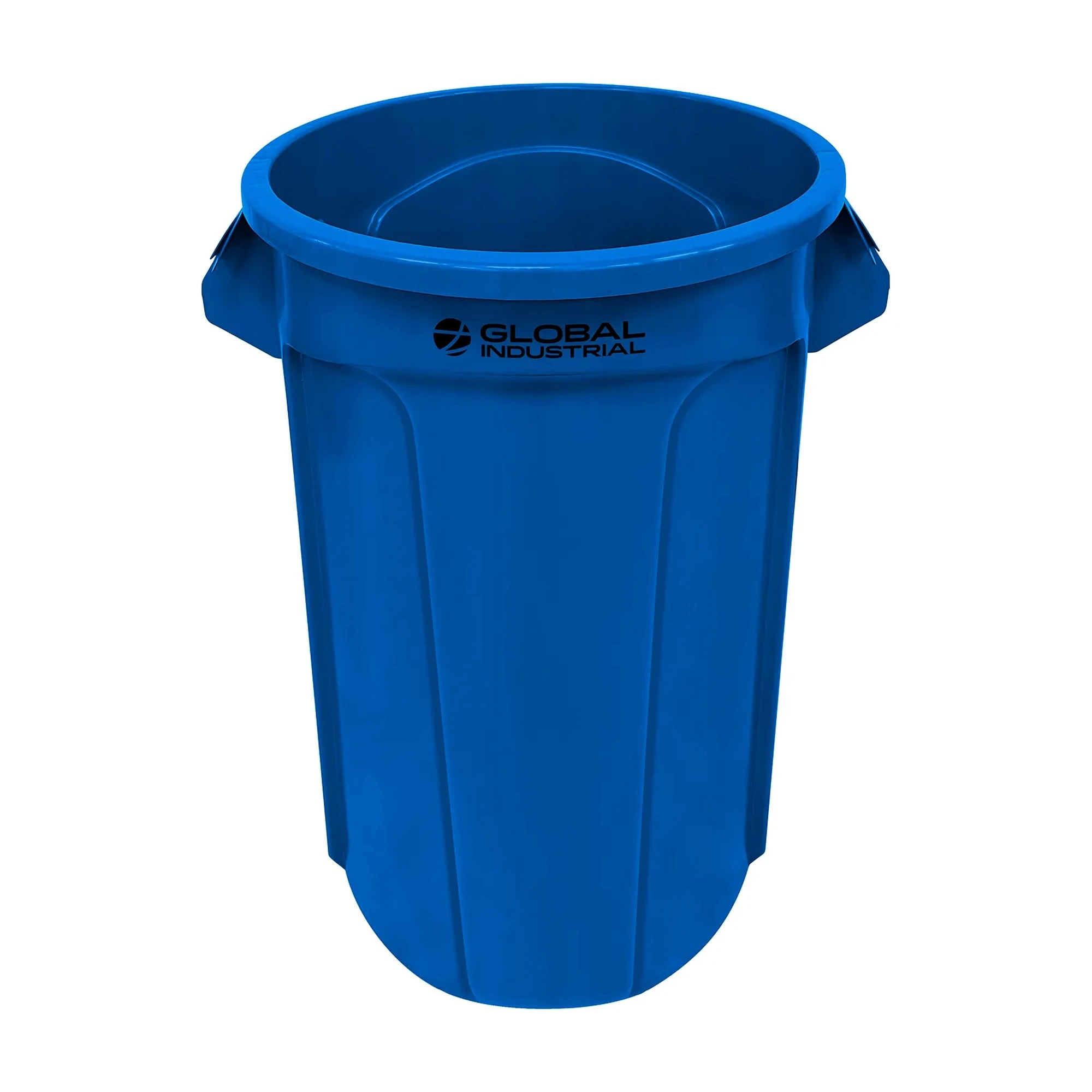
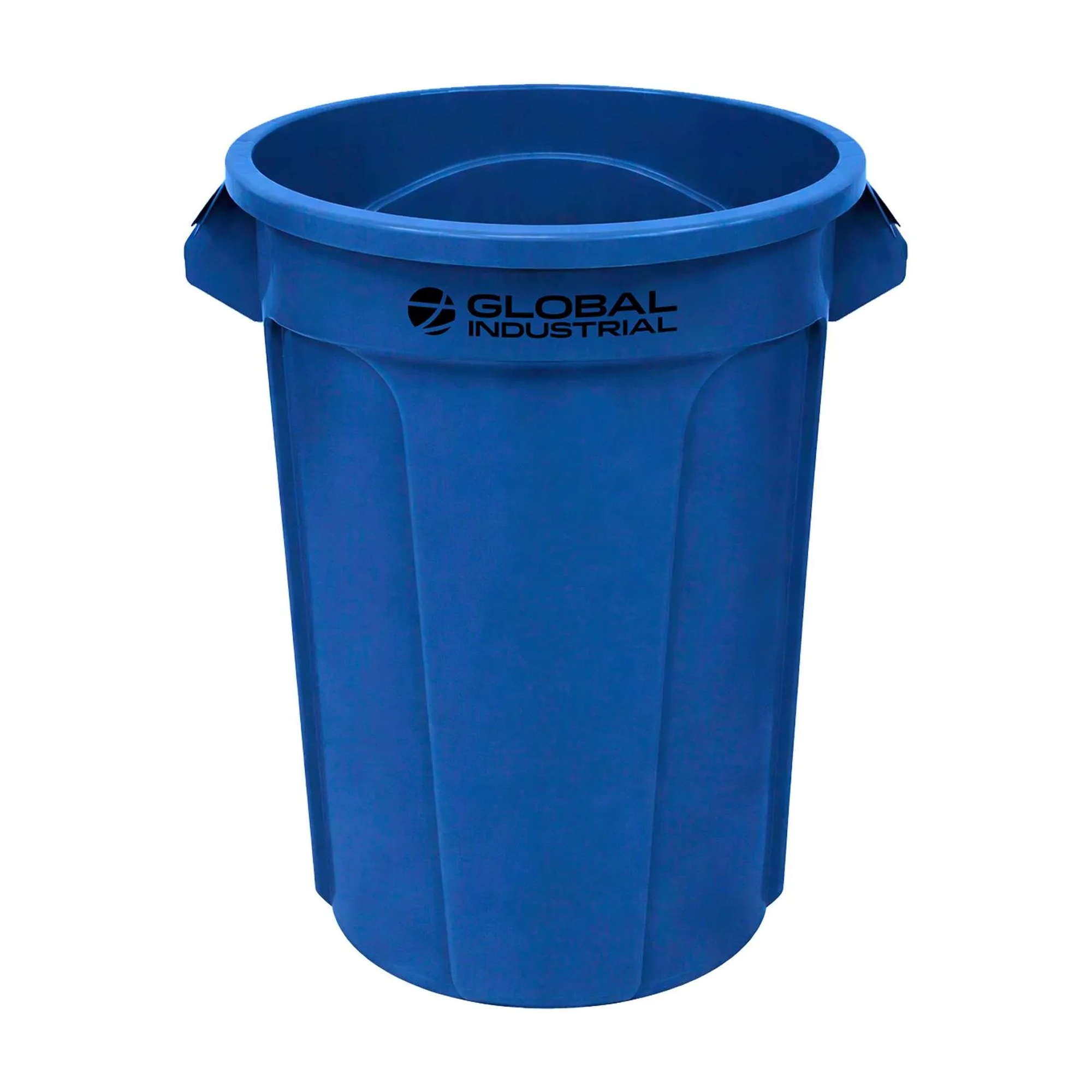
44 Gallon Blue Round Vented Utility Trash Can
Our Price:$49.94This 44-gallon blue round utility trash can supports waste collection for facility, maintenance, warehouse, and cleanup crews. Its open-top design provides convenient access for everyday indoor or...
-
Global Industrial
44-Gallon Black Round Vented Utility Trash Can
Our Price:$49.94This 44-gallon round utility trash can provides dependable waste collection for facility, maintenance, warehouse, and outdoor cleanup teams. Its open-top design offers straightforward access for...
-
Rubbermaid
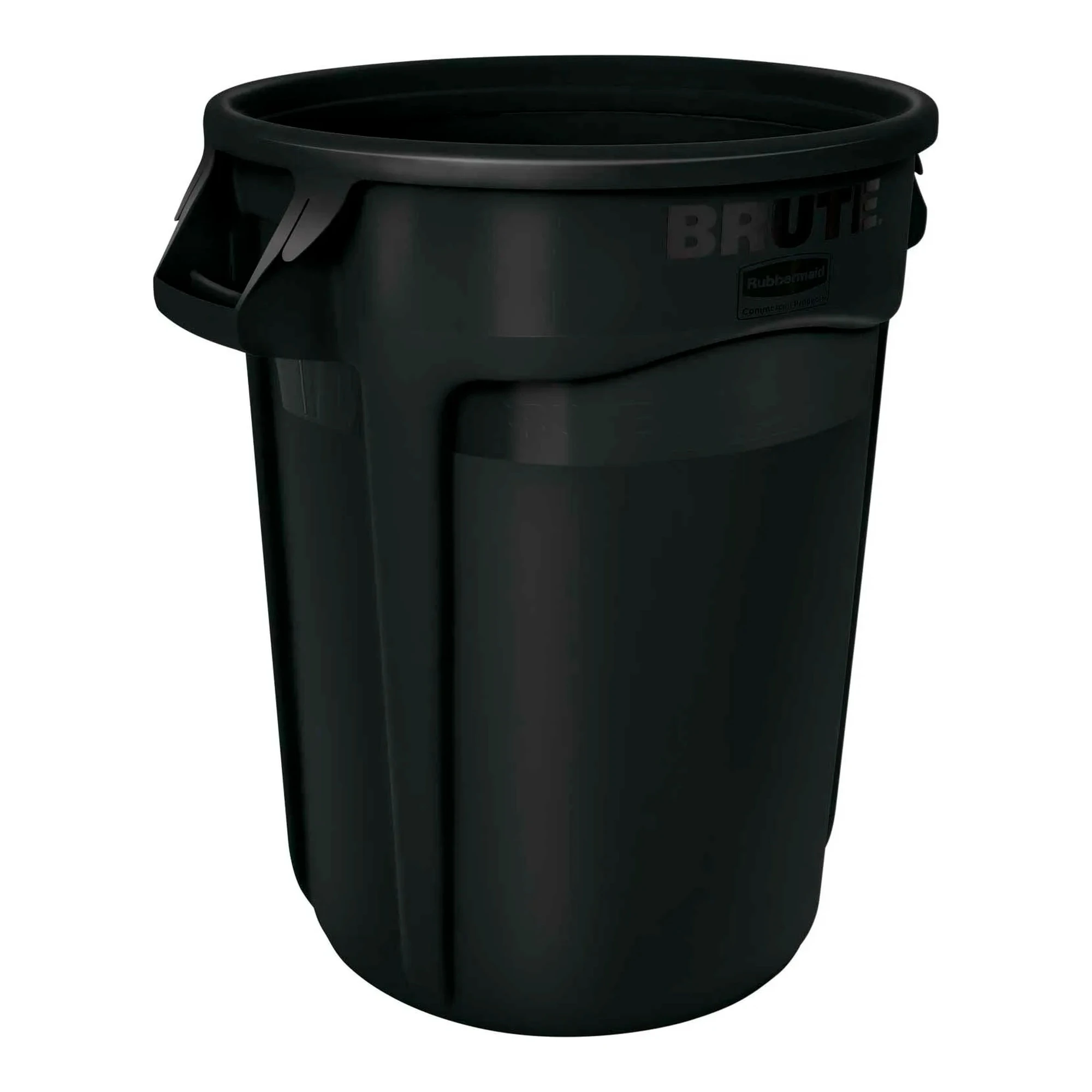
44-Gallon Black Vented Utility Trash Can - 24 in. W x 24 in. D x 31-1/2 in. H
Our Price:$89.94This 44-gallon black utility trash can is designed for facility teams, custodial staff, and maintenance areas that need a dependable receptacle for everyday waste collection. Its open-top design...
-
Rubbermaid
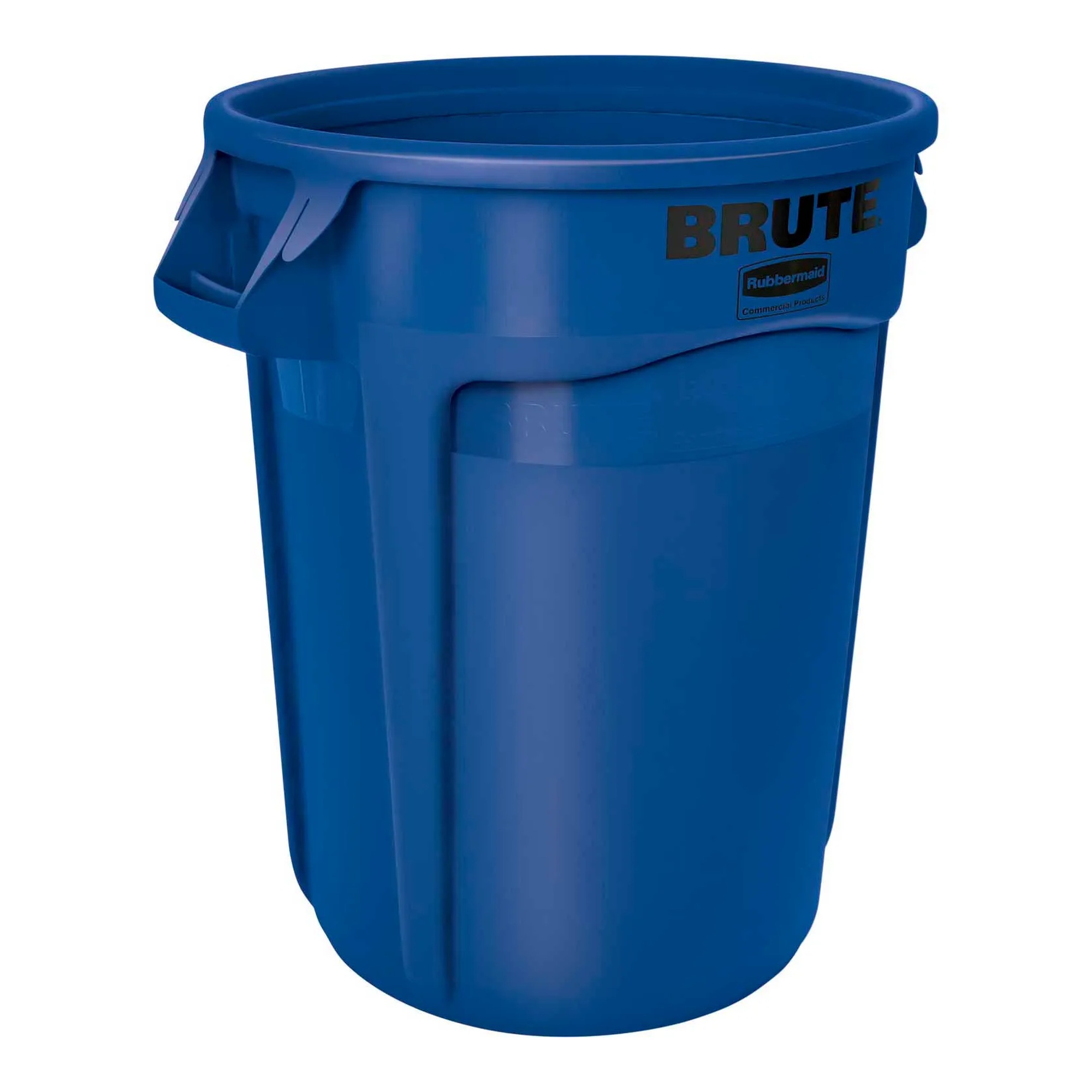
44-Gallon Blue Vented Utility Trash Can - 24 in. W x 24 in. D x 31-1/2 in. H
Our Price:$89.94This 44-gallon blue utility trash can is designed for facility teams, custodial crews, and commercial work areas that need dependable waste collection. Its open-top design provides easy access for...
-
Global Industrial
44-Gallon Red Round Vented Utility Trash Can
Our Price:$49.94This 44-gallon round utility trash can helps facility, warehouse, maintenance, and outdoor cleanup teams collect waste in a durable, open-top container. Its red finish makes it easy to identify...
-
Rubbermaid
44-Gallon Red Vented Utility Trash Can - 24 in. W x 24 in. D x 31-1/2 in. H
Our Price:$89.94This 44-gallon utility trash can provides dependable waste collection for custodial teams, maintenance crews, and facility staff. Its open-top design supports everyday trash handling in indoor or...
-
Rubbermaid
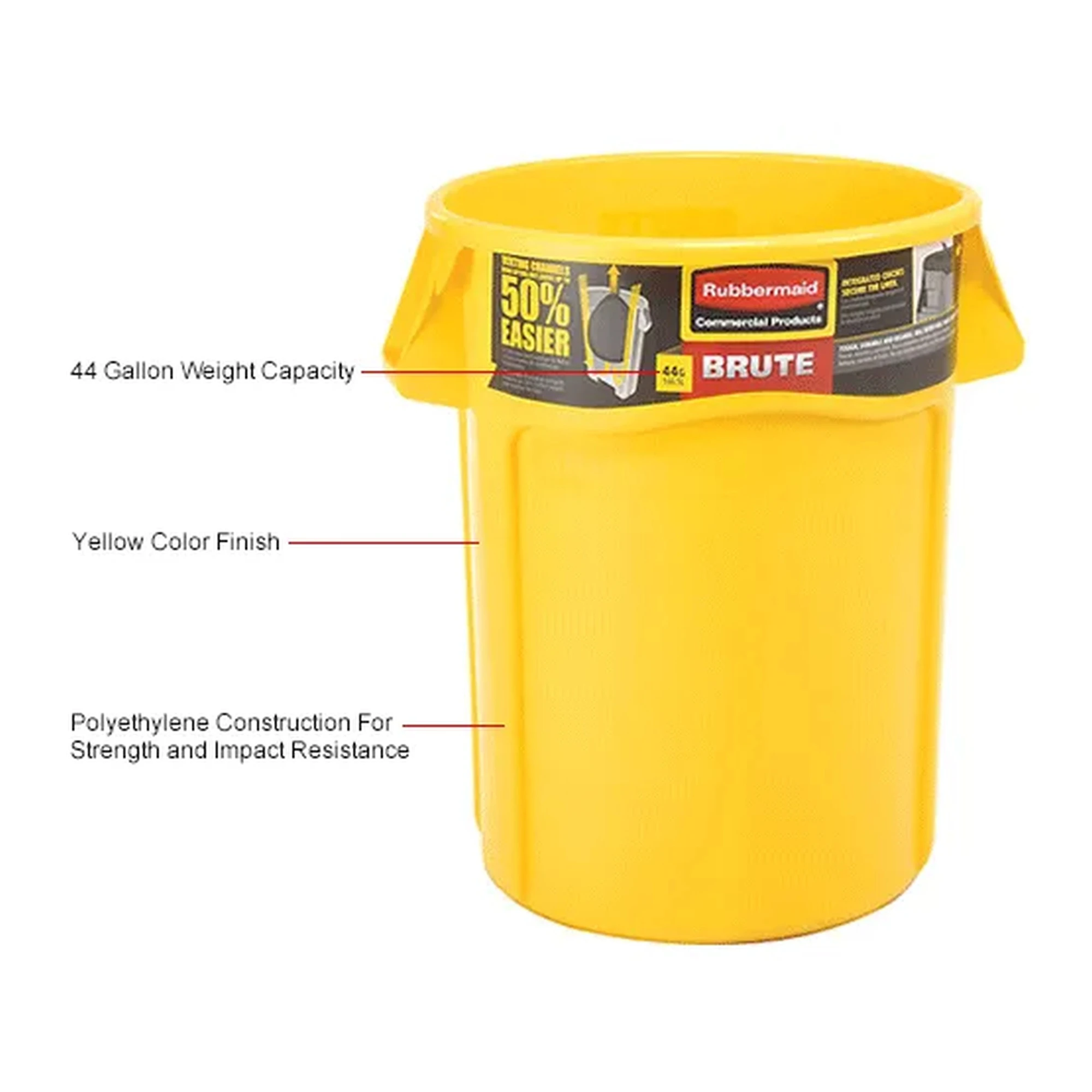
44-Gallon Yellow Vented Utility Trash Can - 24 in. W x 24 in. D x 31-1/2 in. H
Our Price:$89.94This 44-gallon yellow utility trash can is designed for facility teams, custodial staff, and other commercial users who need a durable receptacle for indoor or outdoor waste collection. Its open-top...
-
Rubbermaid
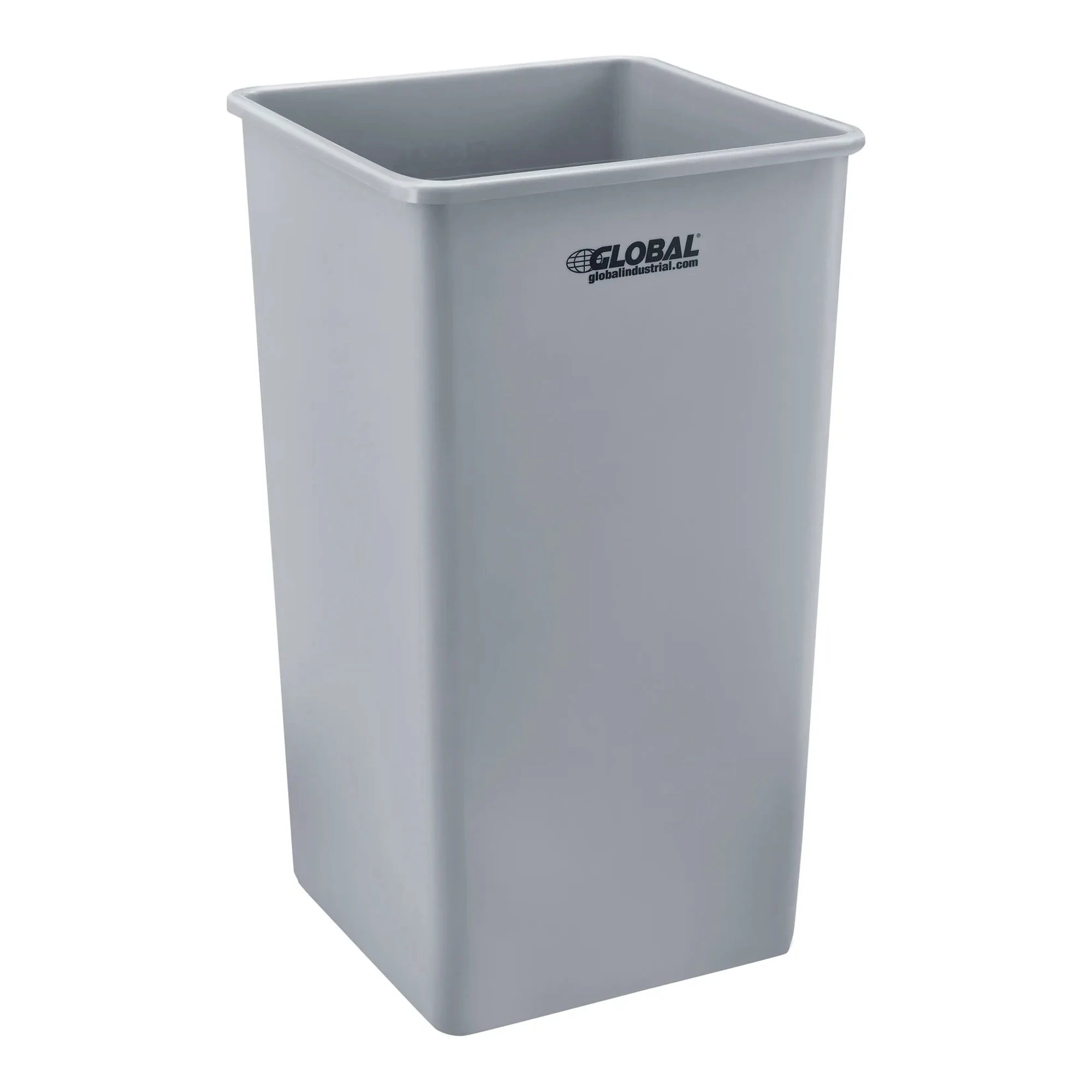
50 Gallon Square Utility Trash Can, Gray - 19-1/2 in. W x 19-1/2 in. D x 34-1/4 in. H
Our Price:$259.94This gray square utility trash can provides 50-gallon waste capacity for offices, lobbies, and other indoor or outdoor areas. Its open-top design gives users straightforward access for everyday trash...
-
Global Industrial
55 Gallon Blue Round Vented Utility Trash Can
Our Price:$64.94This 55-gallon round utility trash can gives facility, maintenance, and cleanup teams a durable receptacle for collecting waste in indoor or outdoor work areas. Its open-top design supports...
-
Global Industrial
55 Gallon Gray Square Plastic Utility Trash Can
Our Price:$129.94This 55-gallon square plastic trash can is designed for facility teams and commercial spaces that need a durable receptacle for everyday waste collection indoors or outdoors. Its open-top design...
-
Rubbermaid
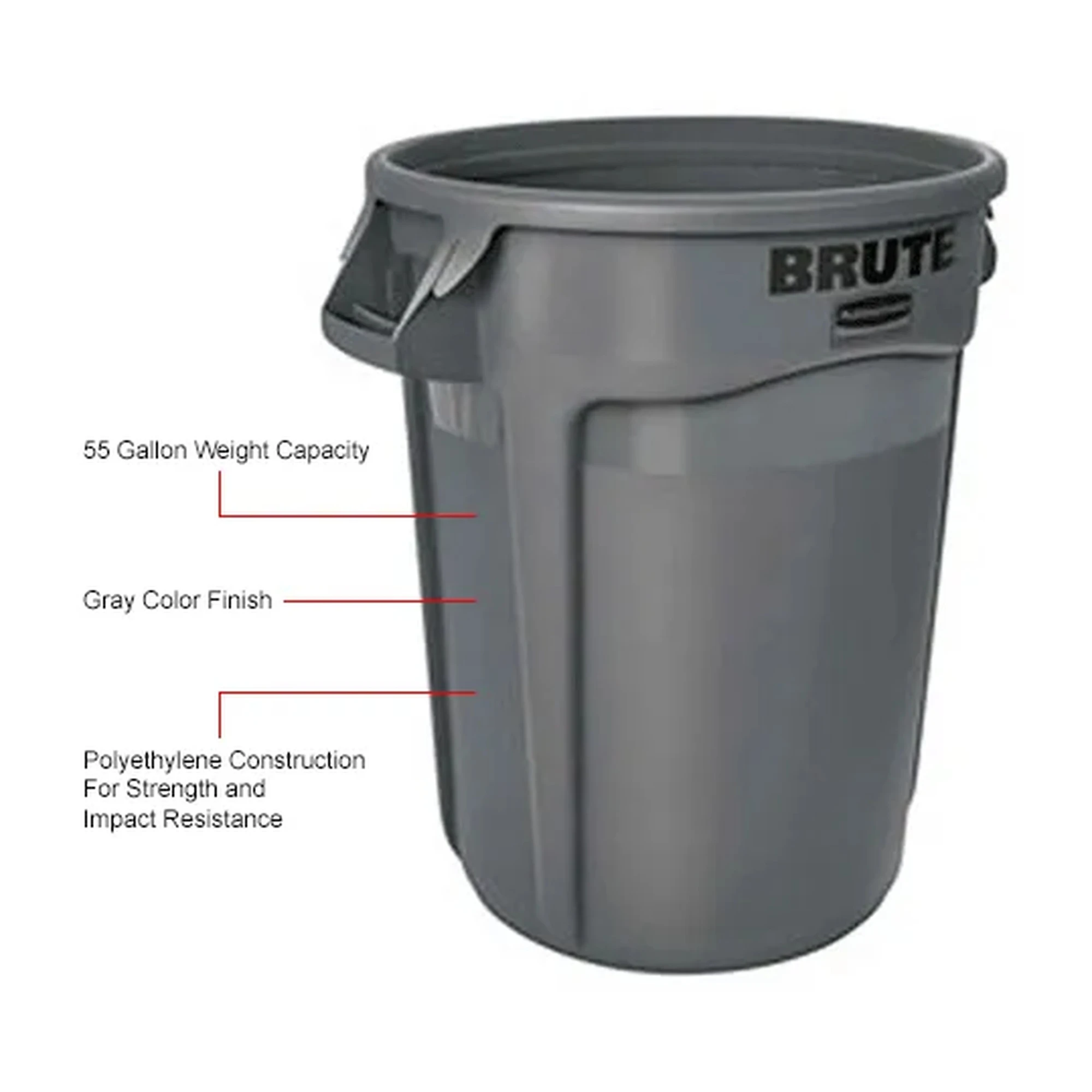
55 Gallon Gray Vented Utility Trash Can - 26-1/2 in. W x 26-1/2 in. D x 33 in. H
Our Price:$119.94This 55-gallon gray utility trash can provides a high-capacity waste collection option for facility teams managing indoor or outdoor cleanup areas. Its open-top design supports convenient disposal in...
-
Global Industrial
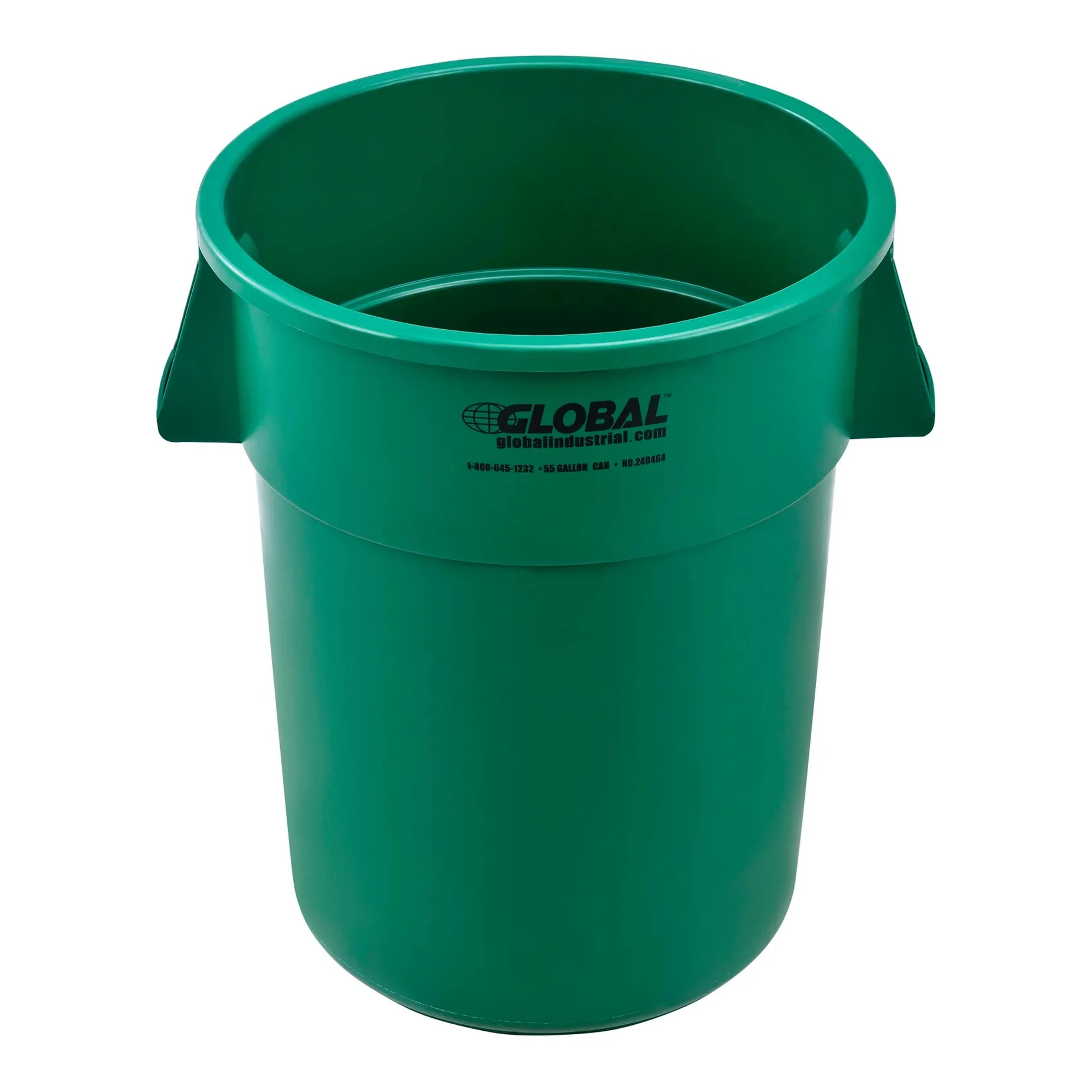
55 Gallon Green Plastic Utility Trash Can
Our Price:$71.94This 55 gallon green utility trash can helps facility teams, maintenance crews, and industrial users collect and move waste in indoor or outdoor work areas. Its open-top design supports routine...



How to Choose Plastic Indoor Trash Cans
Match the receptacle style to the disposal area, waste volume, and handling routine. Open-top utility cans offer direct access for everyday collection, while step-on designs provide hands-free lid operation in indoor locations where a slim profile may help conserve floor space.
Popular examples in this category
 50 Gallon Square Utility Trash Can, Gray - 19-1/2 in. W x 19-1/2 in. D x 34-1/4 in. HFS-GLO-FG395900GRAY
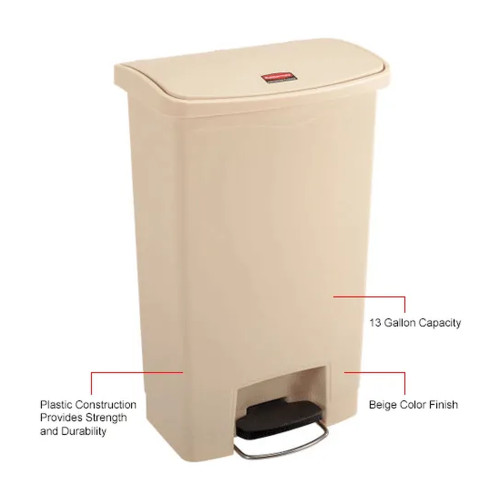 Tan Plastic Step-On Trash Can, 13 Gallon - 18 in. W x 11-1/2 in. D x 28-3/10 in. HFS-GLO-1883458
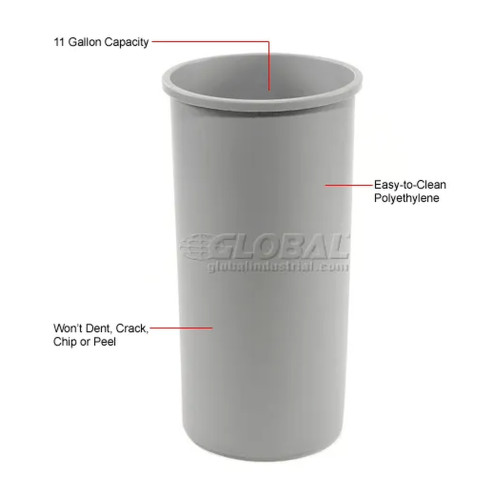 11-Gallon Round Gray Utility Trash Can - 15-3/4 in. W x 15-3/4 in. D x 18-3/4 in. HFS-GLO-FG294700GRAY
 44-Gallon Red Vented Utility Trash Can - 24 in. W x 24 in. D x 31-1/2 in. HFS-GLO-FG264360RED
Everyday commercial waste collection
Use trash cans in offices, lobbies, workplaces, facility areas, and indoor spaces with routine waste disposal needs. Select utility styles for general collection or step-on styles where hands-free access is preferred.
Start with access and placement
Choose an open top for straightforward disposal or a pedal-operated lid for hands-free use. Consider whether a square, round, or slim rectangular shape better suits the planned location.
Support facility and custodial routines
Utility cans can serve custodial teams, maintenance crews, and facility staff in everyday cleanup areas. Some utility designs are also suited to indoor or outdoor work areas.
Features that simplify routine handling
Depending on the design, useful details can include liner retainer bands or cinches, vented channels for liner removal, reinforced handles, wheels, controlled lid closure, and nesting storage.
Utility can designs allow users to dispose of waste without operating a lid.
Pedal-operated designs open the lid without using hands.
Select cans include liner cinches or retainer bands to help hold liners in place.
Certain utility cans nest when empty to help conserve storage space.
Compare common trash can styles
Use the operating style and placement needs to narrow the selection.
| Style | Best suited for | Features to consider |
|---|---|---|
| Open-top utility can | Routine waste collection in facility, lobby, office, or work areas | Direct access, shape, capacity, handles, liner cinches, vented channels, nesting |
| Slim step-on can | Indoor locations with limited floor space | Hands-free pedal, lid closure, internal hinge, liner retainer band, wheels on select models |
| Vented utility can | Collection routines involving filled liner removal | Vented channels, rounded handles, liner cinches, reinforced rim and base |
Plan the right fit before choosing
Open-top access or hands-free lid operation
Open-top utility trash cans provide convenient access without handling a lid and can be used for routine waste collection. Step-on trash cans use a foot pedal to open the lid without using hands, with controlled or quiet lid closure available on select designs.
- Choose open-top designs for direct, everyday disposal access.
- Choose step-on designs for hands-free lid operation.
- Consider an internal hinge where nearby wall contact is a concern.
Choose a shape that fits the area
Round and square utility cans provide options for facility areas, while slim rectangular step-on cans are designed to fit tighter indoor locations. Review the product dimensions and capacity in relation to the available floor space and anticipated waste volume.
- Slim rectangular profiles help conserve floor space in narrow areas.
- Square utility cans offer a space-conscious footprint.
- Larger-capacity utility cans can support busy cleanup areas.
Look for features that support regular handling
For frequent collection tasks, liner-focused and handling features can make routine use more manageable. Vented utility cans can help with removing filled liners, while liner cinches or retainer bands help keep liners in place. Some models add handles, wheels, reinforced rims or bases, and nestable storage.
- Vented channels help make filled liners easier to remove.
- Liner cinches and retainer bands help secure liners.
- Wheels and handles can support repositioning and handling.
- Nestable empty cans help conserve storage space.
Common questions before buying
What is the difference between an open-top and step-on trash can?
Open-top cans provide direct disposal access without a lid. Step-on cans use a foot pedal for hands-free lid operation.
Which trash can style works in tight indoor spaces?
Slim rectangular step-on cans are designed to fit space-conscious indoor areas.
What helps keep a trash liner in place?
Some cans include liner retainer bands or liner cinches to help secure the liner.
What features can help with liner changes and movement?
Vented channels can help make filled liners easier to remove, while handles and wheels on select models can support handling or repositioning.