
-
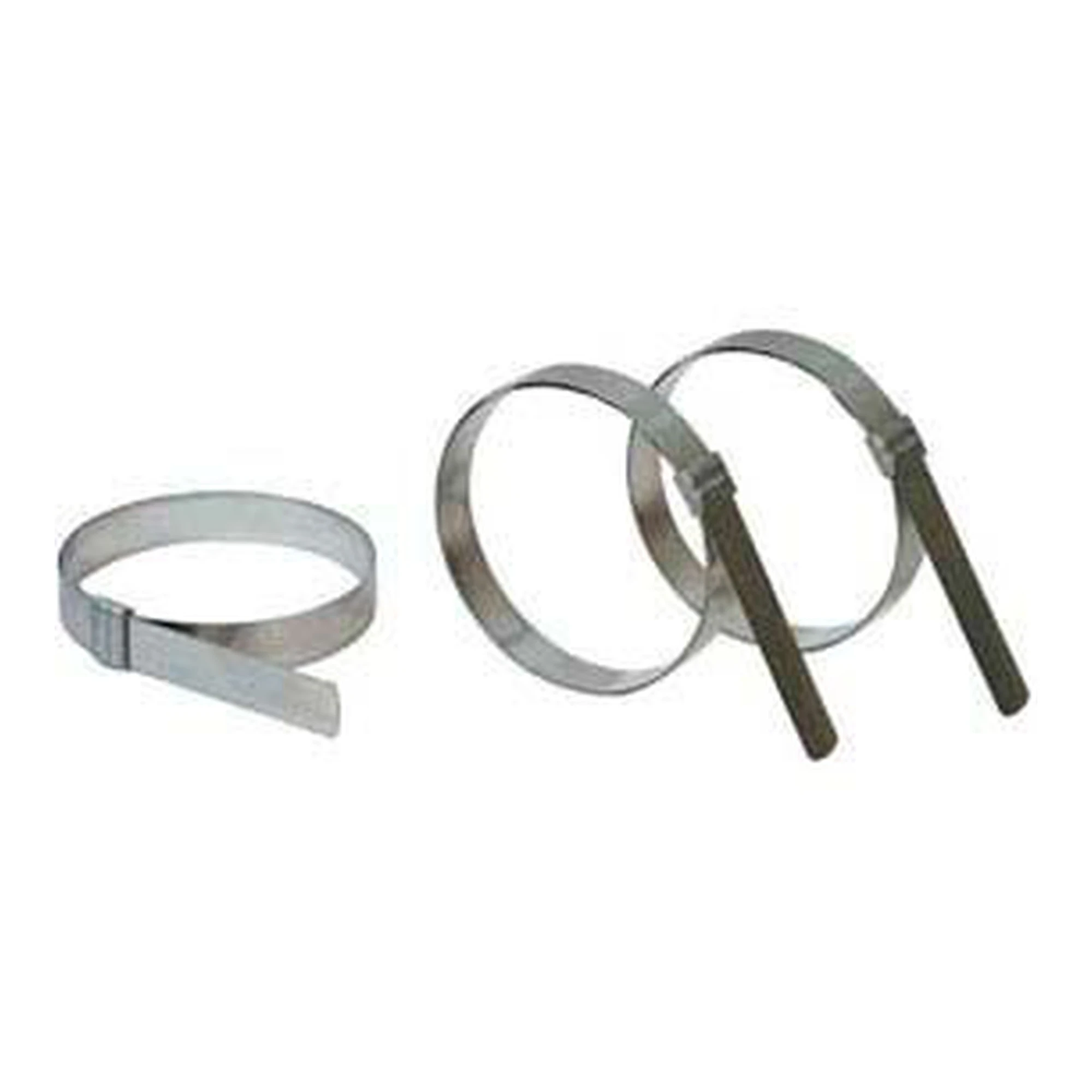
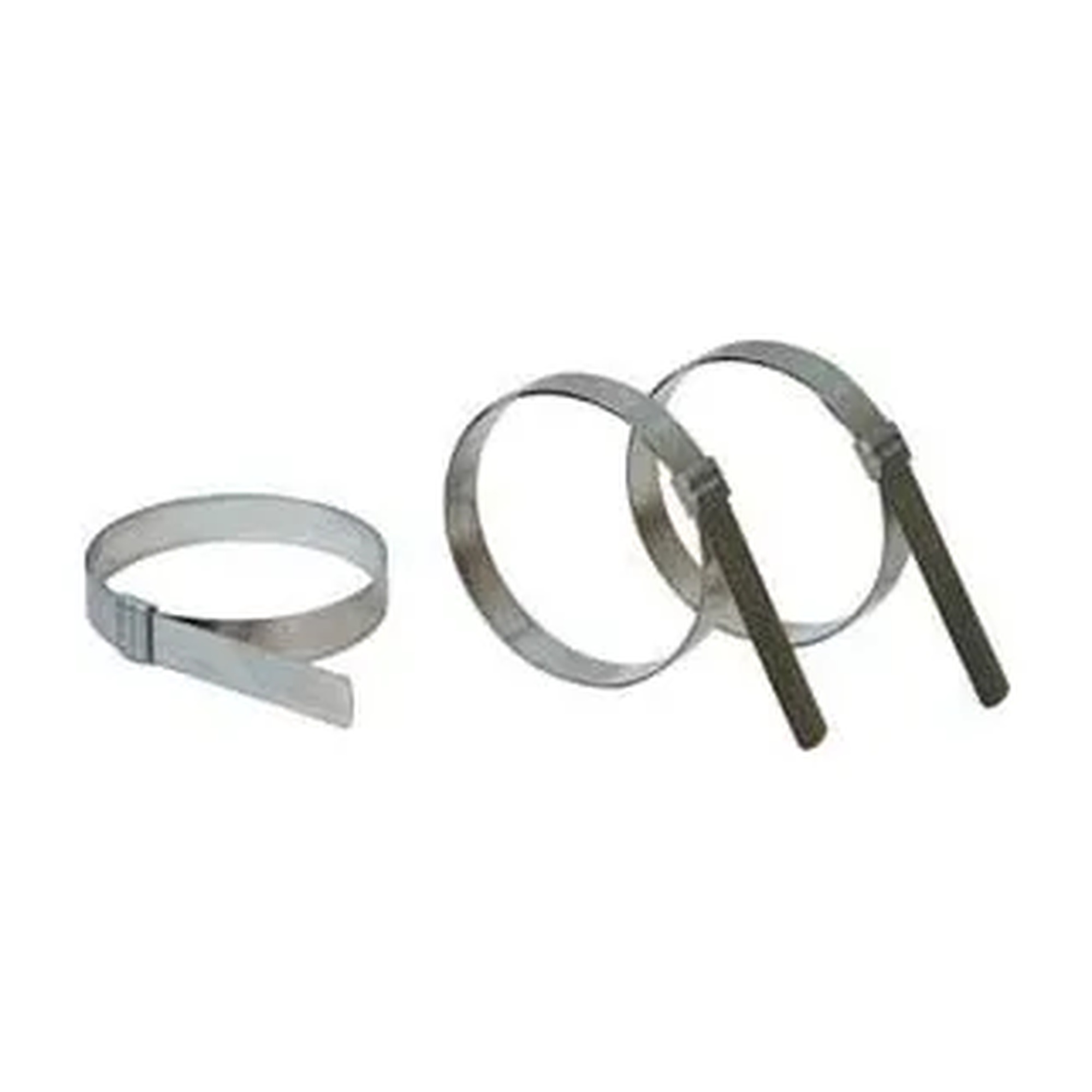
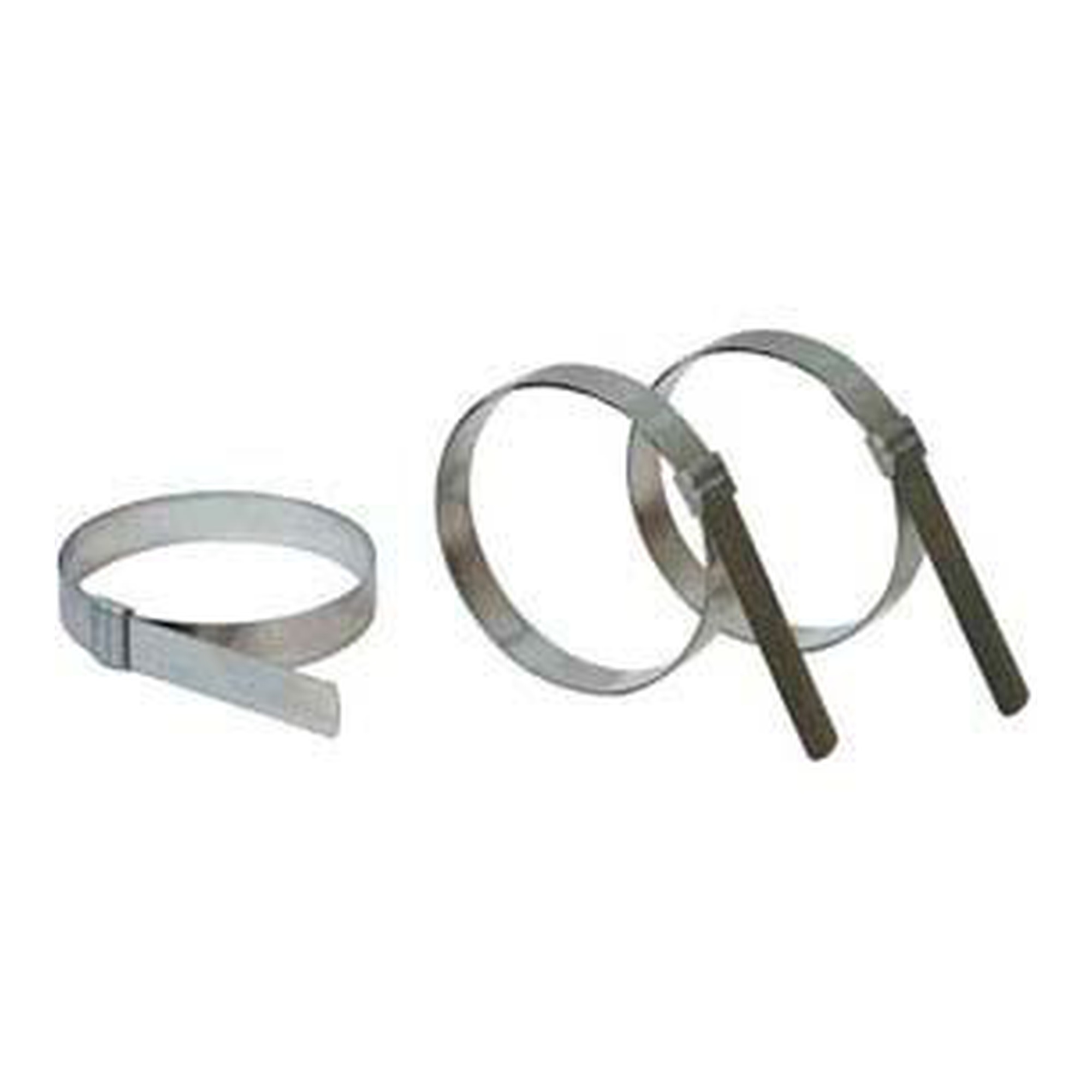
1-1/2 in. Carbon Steel Preformed Hose Clamp with 5/8 in. Band
Our Price:$2.38This preformed hose clamp is designed for maintenance and plumbing professionals who need to secure hose connections. Its lever-operated lip wrap lock helps create a fast, practical connection...
-
Apache Hose & Belting
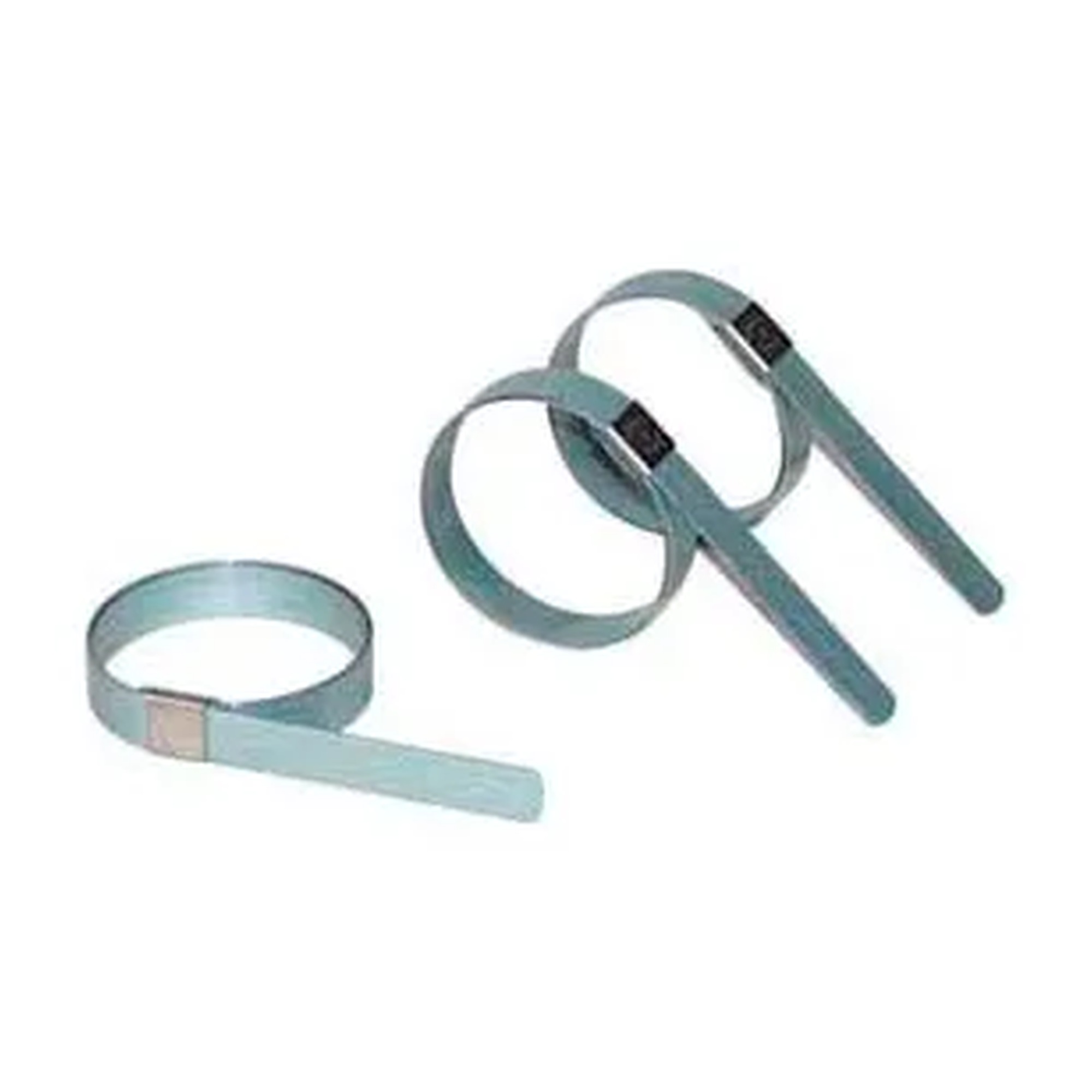
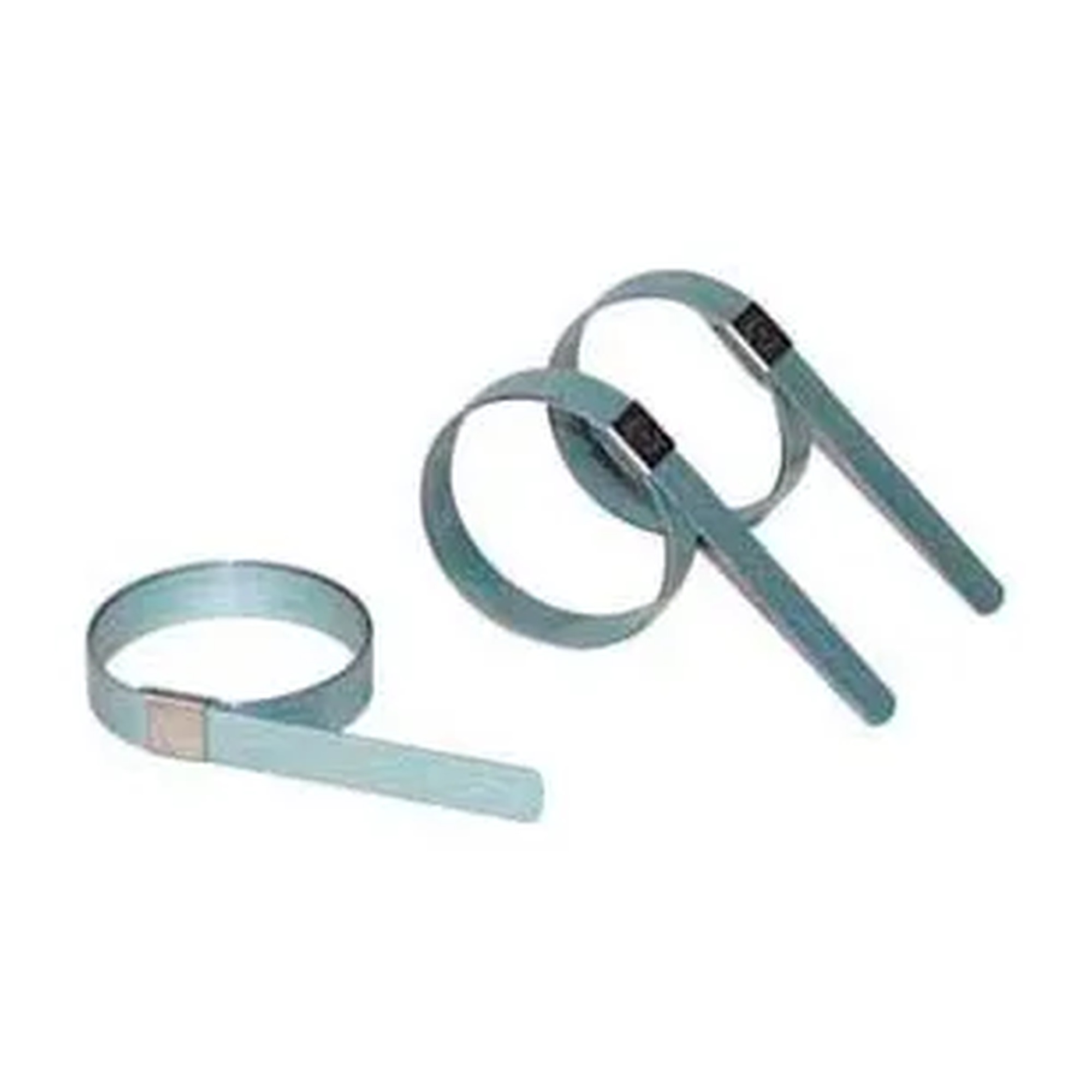
1-1/2 Inch Preformed Galvanized Steel Center-Punch Hose Clamp
Our Price:$0.96This preformed center-punch hose clamp is used by maintenance and hose-assembly professionals to secure fittings and repair components to hose. It provides a clamp option for attaching compatible...
-
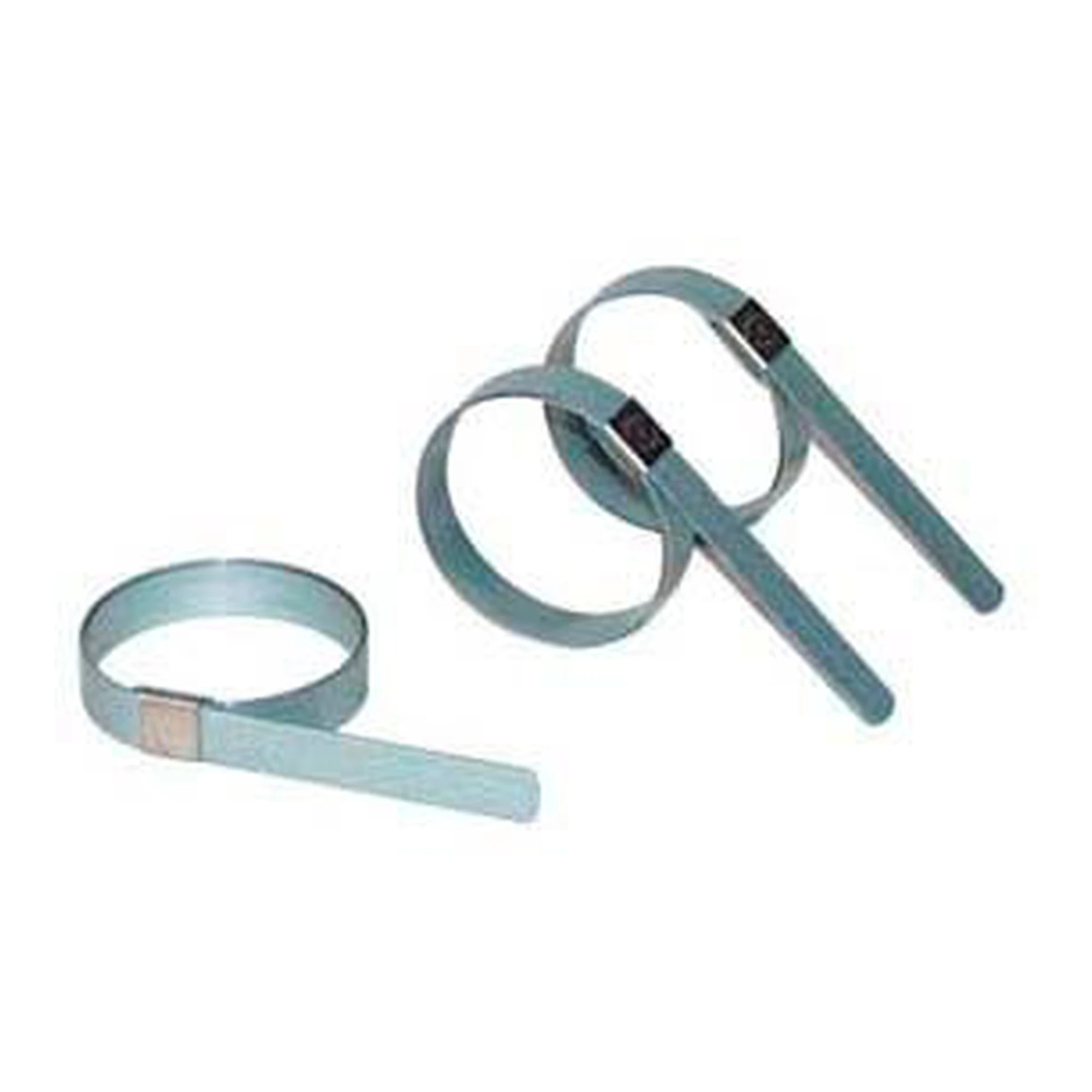
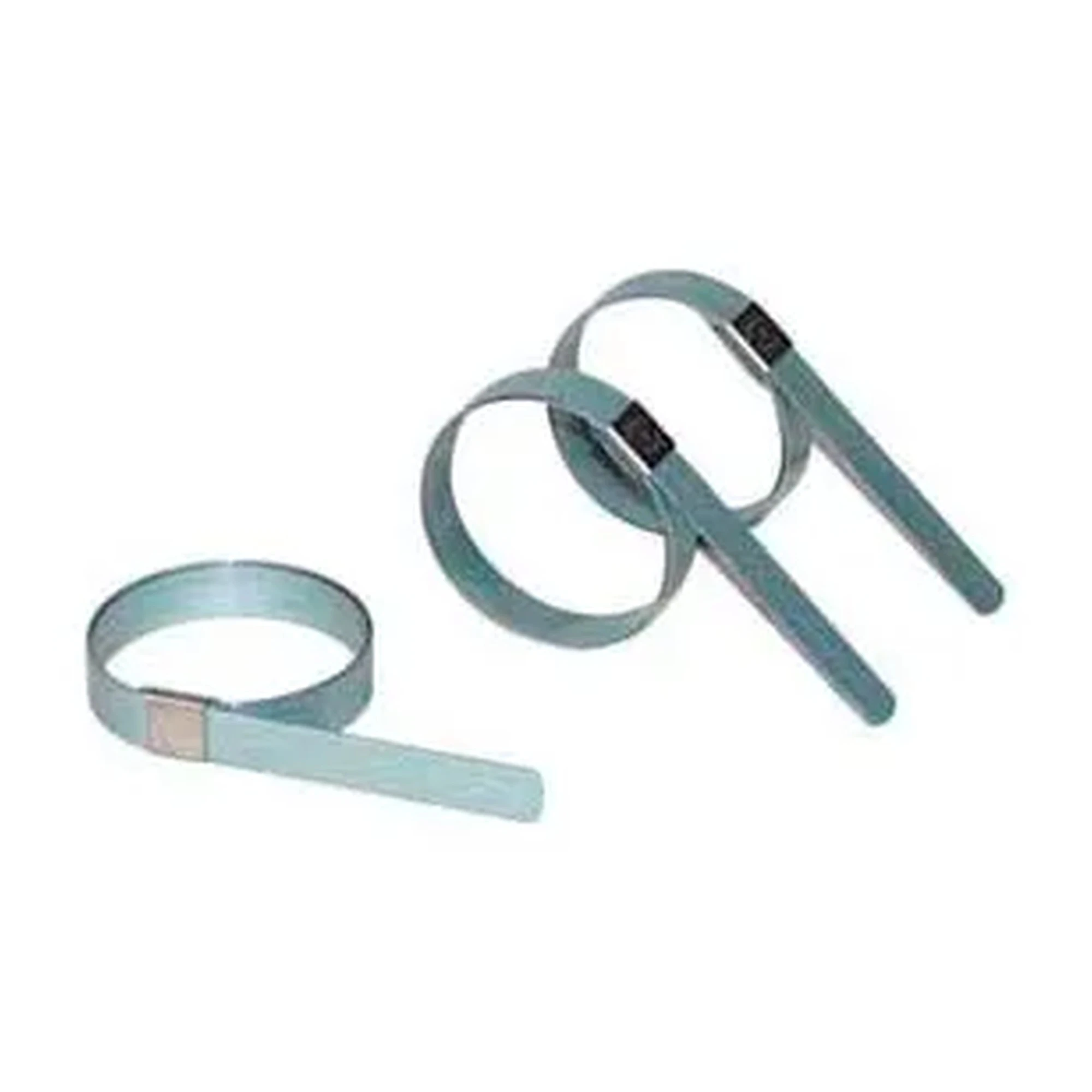
1-3/8 in. Center-Punch Preformed Hose Clamp with 3/8 in. Band
Our Price:$0.94This center-punch preformed hose clamp helps hose assemblers secure fittings and repair components to hose. It is suited for attaching pin-lug couplings, king nipples, cam-and-groove couplers, and...
-
Apache Hose & Belting
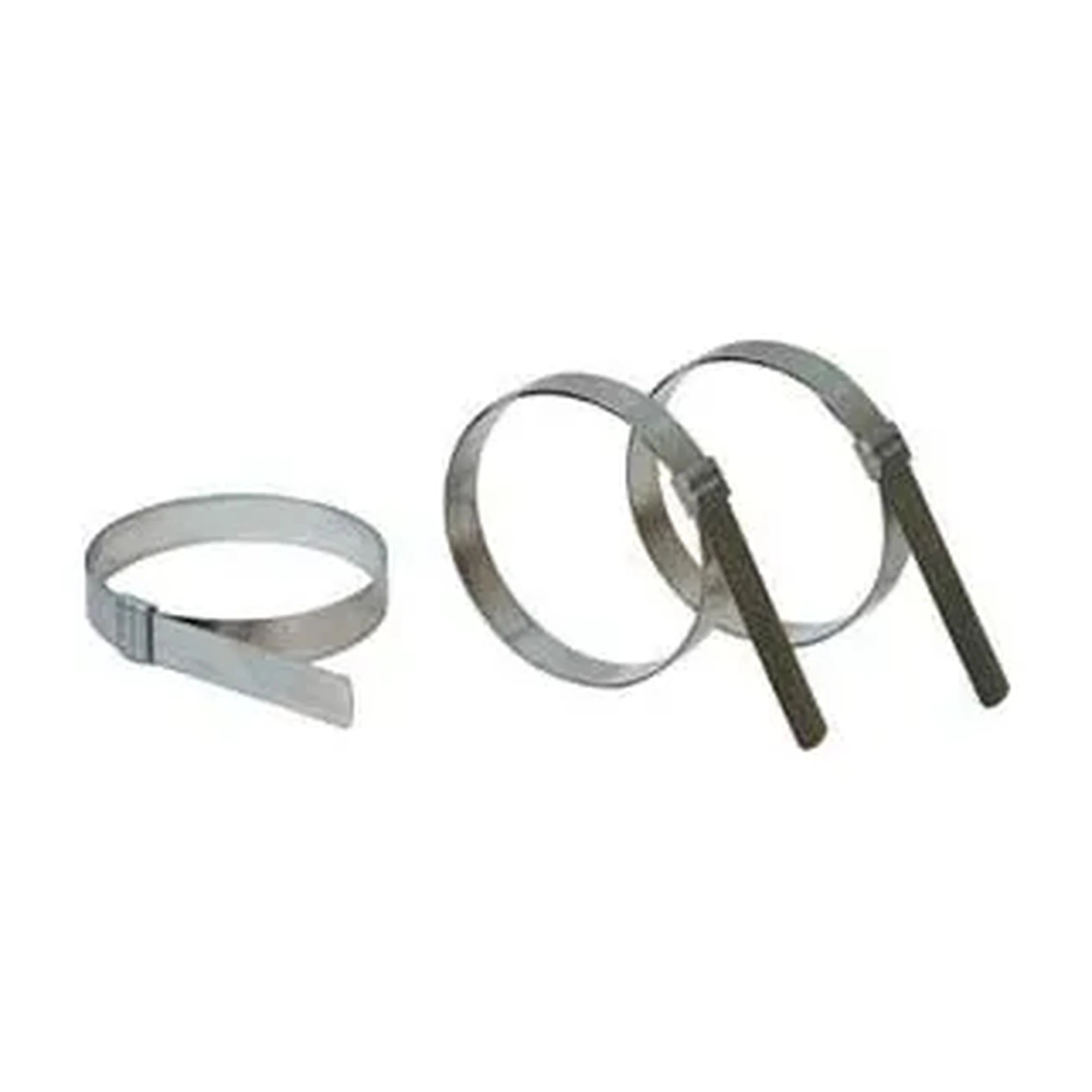
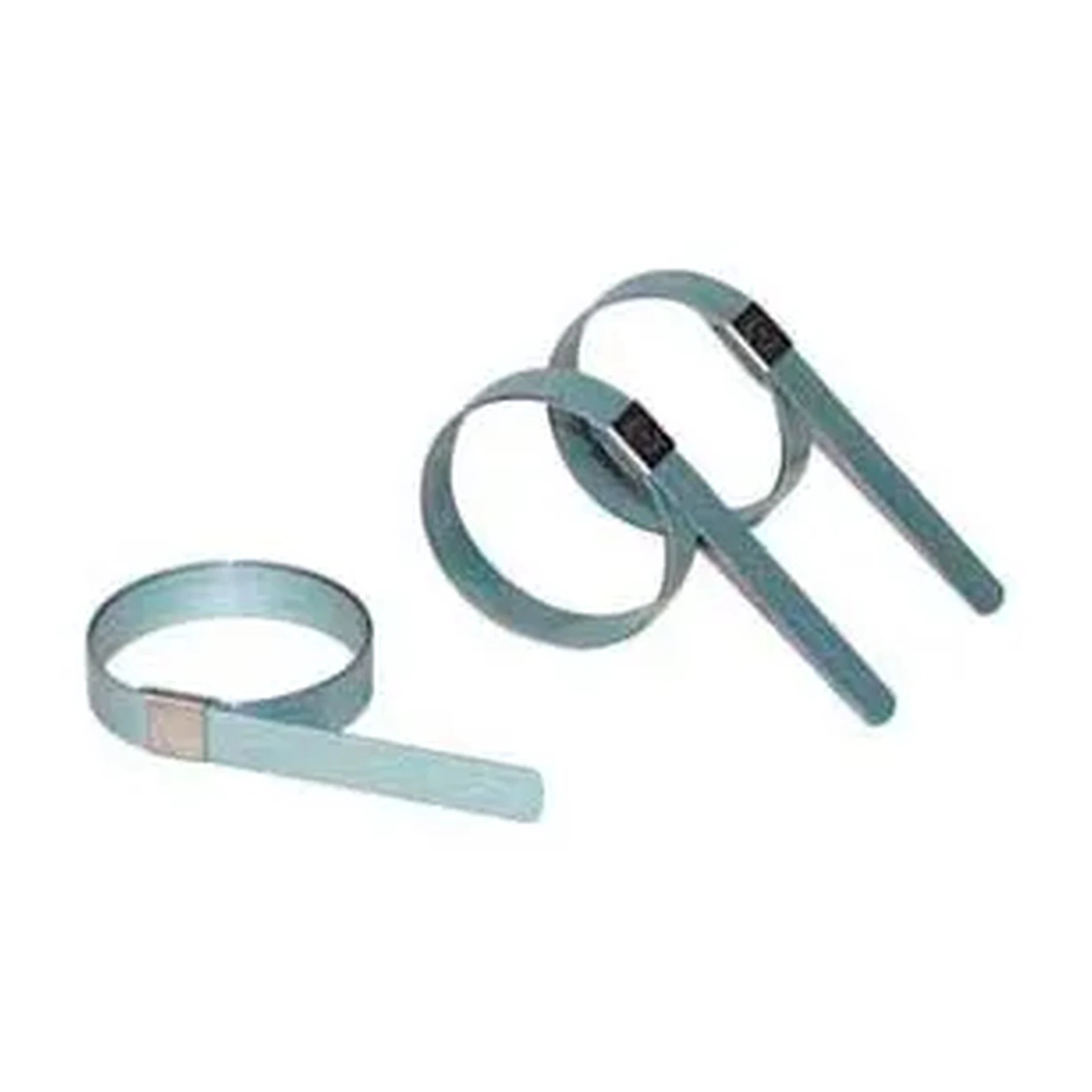
13/16-Inch Carbon Steel Preformed Hose Clamp with 3/8-Inch Band
Our Price:$1.14This preformed hose clamp is designed for commercial plumbing and hose-fitting work where users need to secure a hose connection. Its lever-operated locking design helps installers form the lock...
-
Apache Hose & Belting
2 Inch Carbon Steel Preformed Hose Clamp with 5/8 Inch Band
Our Price:$2.14This preformed hose clamp is designed for buyers maintaining hose and fitting connections where vibration resistance and a secure band closure are needed. Its lever-operated lock helps users fasten...
-
Apache Hose & Belting
2-3/4 in. Galvanized Center Punch Hose Clamp with 5/8 in. Band
Our Price:$1.70This center punch hose clamp is used by maintenance and hose-assembly professionals to secure pin-lug couplings, king nipples, cam and groove couplers, and hose menders to hose. Its preformed design...
-
Apache Hose & Belting
2-Inch Center-Punch Hose Clamp with 5/8-Inch Band
Our Price:$1.24This center-punch hose clamp is designed for maintenance and hose-assembly professionals who need to secure hose fittings and couplings. It helps attach pin-lug couplings, king nipples,...
-
Apache Hose & Belting
3-1/2 in. Center-Punch Preformed Galvanized Hose Clamp with 5/8 in. Band
Our Price:$1.84This preformed hose clamp is designed for commercial hose assembly and maintenance teams that need to secure hose fittings and repair components. It is used to attach pin-lug couplings, king nipples,...
-
Apache Hose & Belting
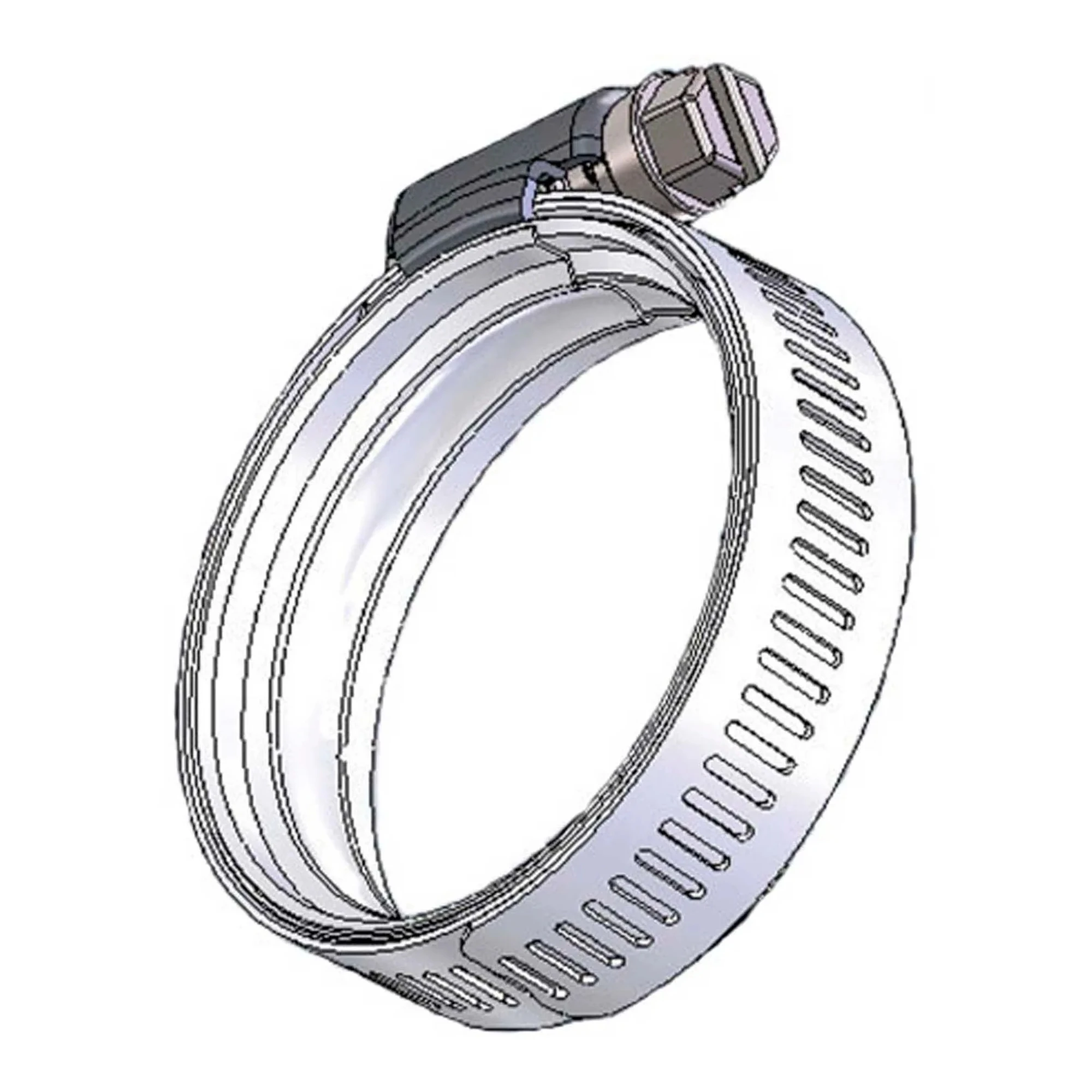
301 Stainless Steel Worm Gear Hose Clamp, 2-5/8 in. to 4-1/2 in., 9/16 in. Band
Our Price:$1.54This worm gear hose clamp is designed for construction, agricultural, and industrial users who need to secure hose connections. Its adjustable size range fits hose diameters from 2-5/8 in. to 4-1/2...
-
Apache Hose & Belting
301 Stainless Steel Worm Gear Hose Clamp, 3-1/8 in. to 5 in.
Our Price:$1.98This worm gear hose clamp is designed for construction, agricultural, and industrial users who need to secure hoses within a 3-1/8 inch to 5 inch diameter range. Its adjustable design helps create a...
-
Apache Hose & Belting
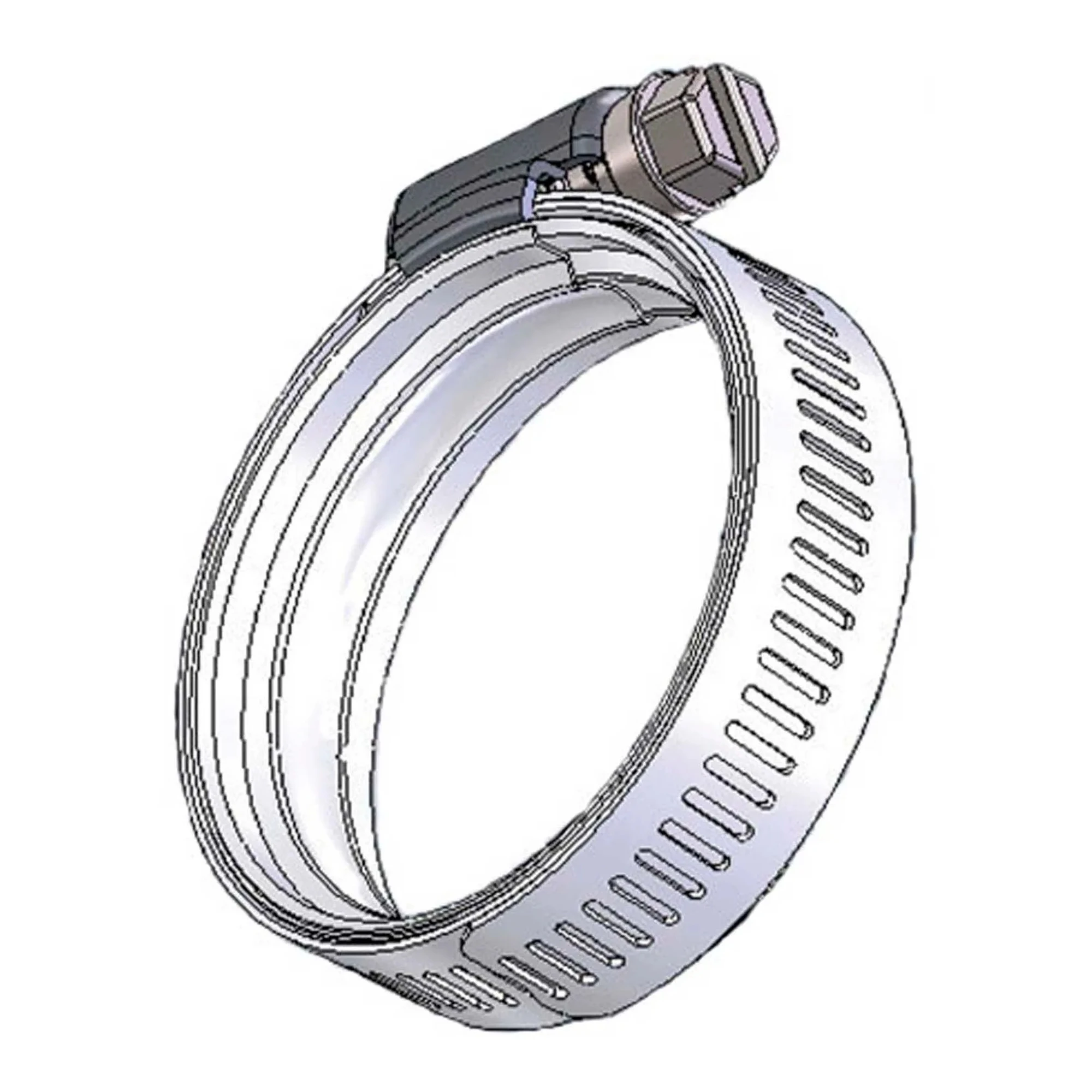
301 Stainless Steel Worm Gear Hose Clamp, 3/4 in. to 1-1/2 in.
Our Price:$0.97This stainless steel worm gear hose clamp is designed for construction, agricultural, and industrial users who need to secure hose connections within a 3/4 in. to 1-1/2 in. range.The clamp has...
-
Apache Hose & Belting
301 Stainless Steel Worm Gear Hose Clamp, 4-1/2 in. to 6 in.
Our Price:$1.78This worm gear hose clamp is designed for commercial users who need to secure hose connections in construction, agricultural, and industrial work. Its adjustable 4-1/2 in. to 6 in. range helps fit...
-
Apache Hose & Belting
304 Stainless Steel Worm Gear Hose Clamp, 11/16 in. to 1-1/4 in.
Our Price:$0.73This stainless steel worm gear hose clamp is designed for construction, agricultural, and industrial users who need to secure hose connections. Its adjustable clamp range fits hose outside diameters...
-
Apache Hose & Belting
304 Stainless Steel Worm Gear Hose Clamp, 7/16 in. to 1 in.
Our Price:$0.68This worm gear hose clamp is designed for construction, agricultural, and industrial users who need to secure hoses within a 7/16 in. to 1 in. diameter range. Its screw-driven adjustment helps create...
-
Apache Hose & Belting
4 in. Center-Punch Preformed Galvanized Hose Clamp with 5/8 in. Band
Our Price:$1.89This preformed center-punch hose clamp helps maintenance and repair crews secure compatible couplings and hose menders to hose. It is suited for hose assembly work involving pin-lug couplings, king...
-
5-Inch Galvanized Center-Punch Hose Clamp with 5/8-Inch Band
Our Price:$2.30This preformed center-punch hose clamp helps hose assembly and maintenance professionals secure pin-lug couplings, king nipples, cam-and-groove couplers, and hose menders to hose. Its 5-inch clamp...
-
Carbon Steel Preformed Hose Clamp, 1-3/8 in.
Our Price:$0.98This carbon steel preformed hose clamp is designed for commercial plumbing and hose-fitting applications where a secure connection is needed. Its lever-operated wrap lock helps users fasten the clamp...
-
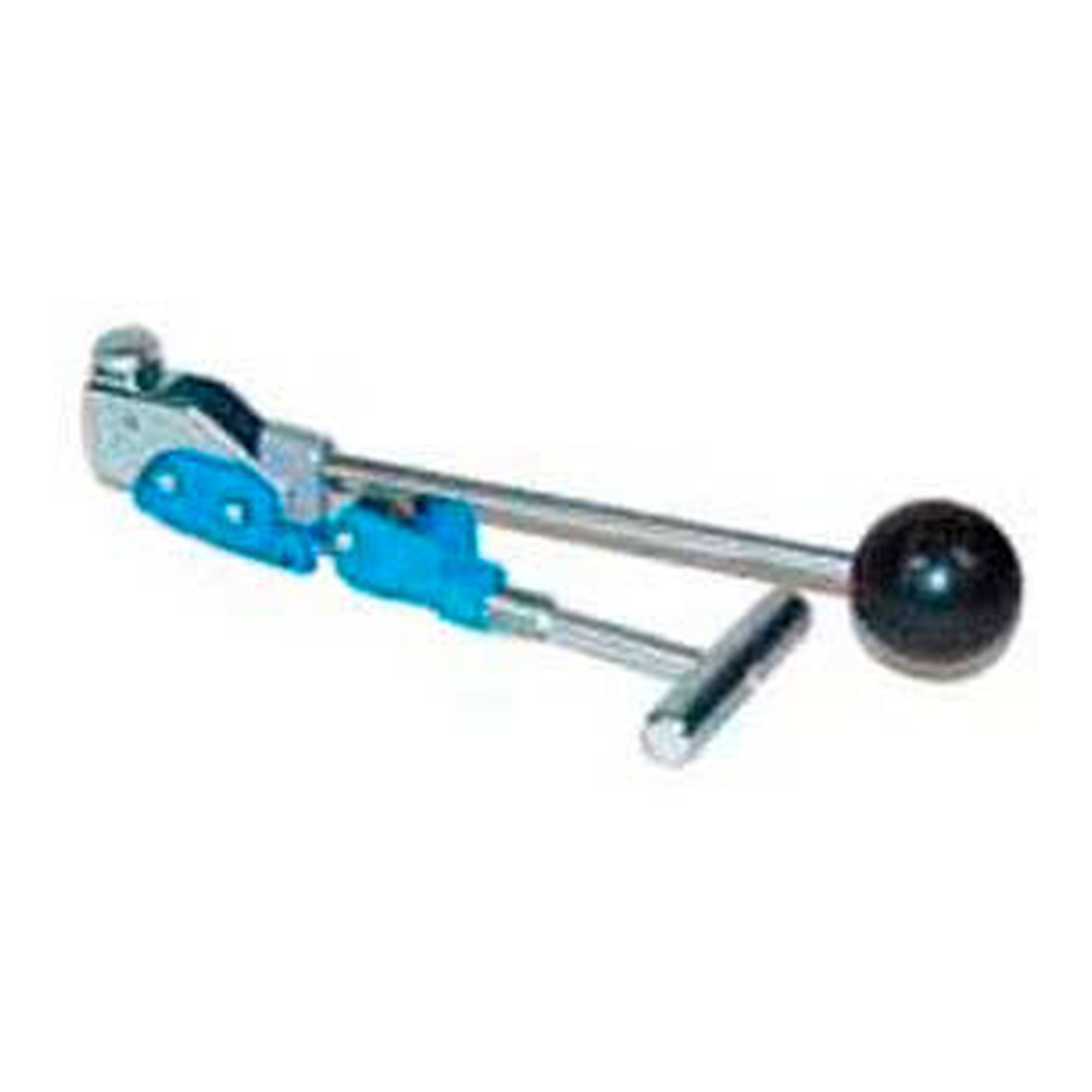
Center Punch Tool for 5/8-Inch Bands
Our Price:$315.94This center punch tool is designed for professionals installing 5/8-inch clamp bands. It helps tighten and lock center-punch clamps during hose and fitting work.The tool uses ratchet-action...
-
Precision Brand
Constant Tension Stainless Steel Hose Clamp, 2-1/16 in. to 3-1/16 in.
Our Price:$99.94This constant tension hose clamp is designed for maintenance teams securing hoses in hydraulic cooling and charged-air systems. Its tensioning design responds to temperature changes to help maintain...
-
Precision Brand
Constant Tension Stainless Steel Hose Clamp, 2-1/2 in. to 3-13/16 in.
Our Price:$119.94This constant tension hose clamp is designed for commercial maintenance and installation teams securing hoses in hydraulic cooling and charged-air systems. Its tensioning design responds to...
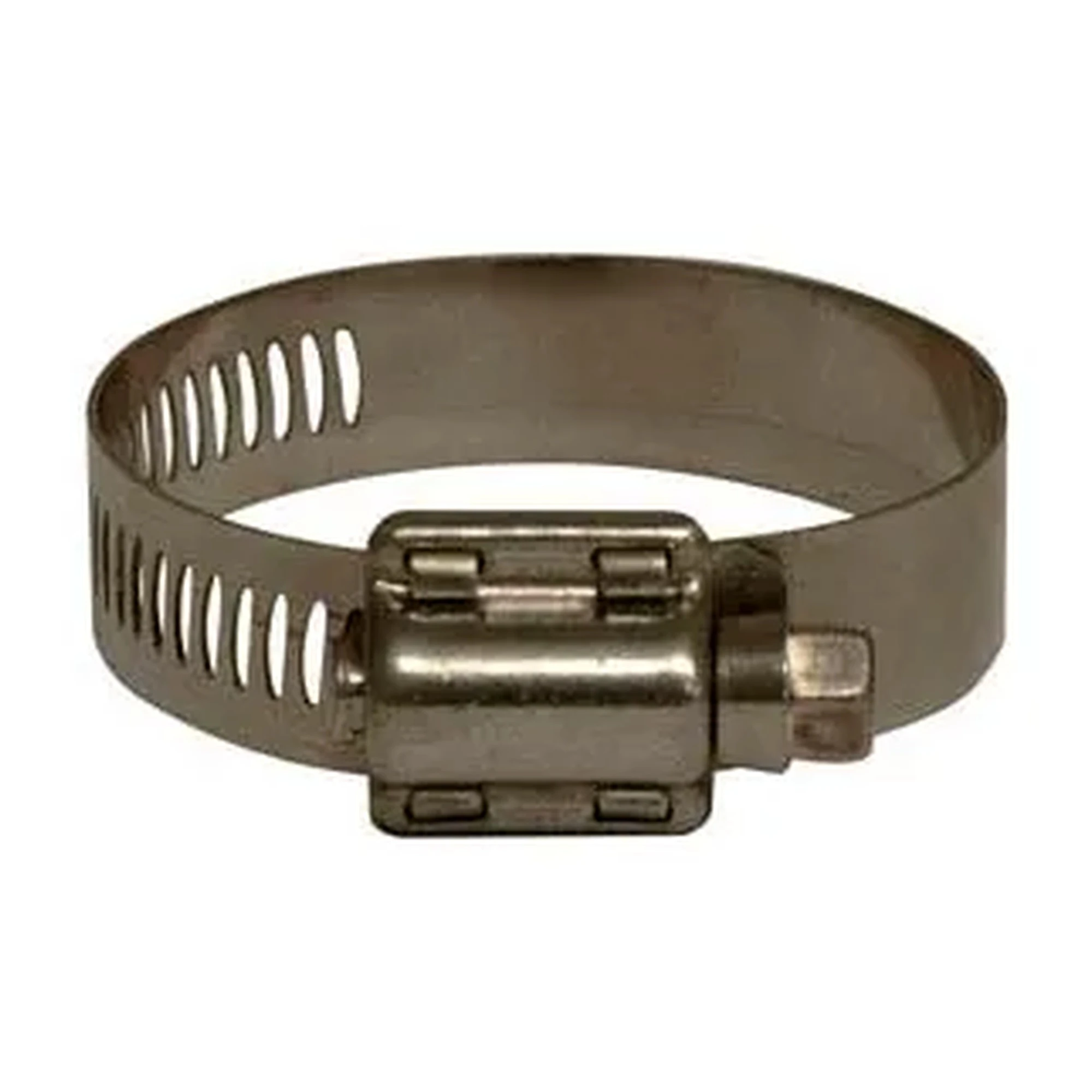
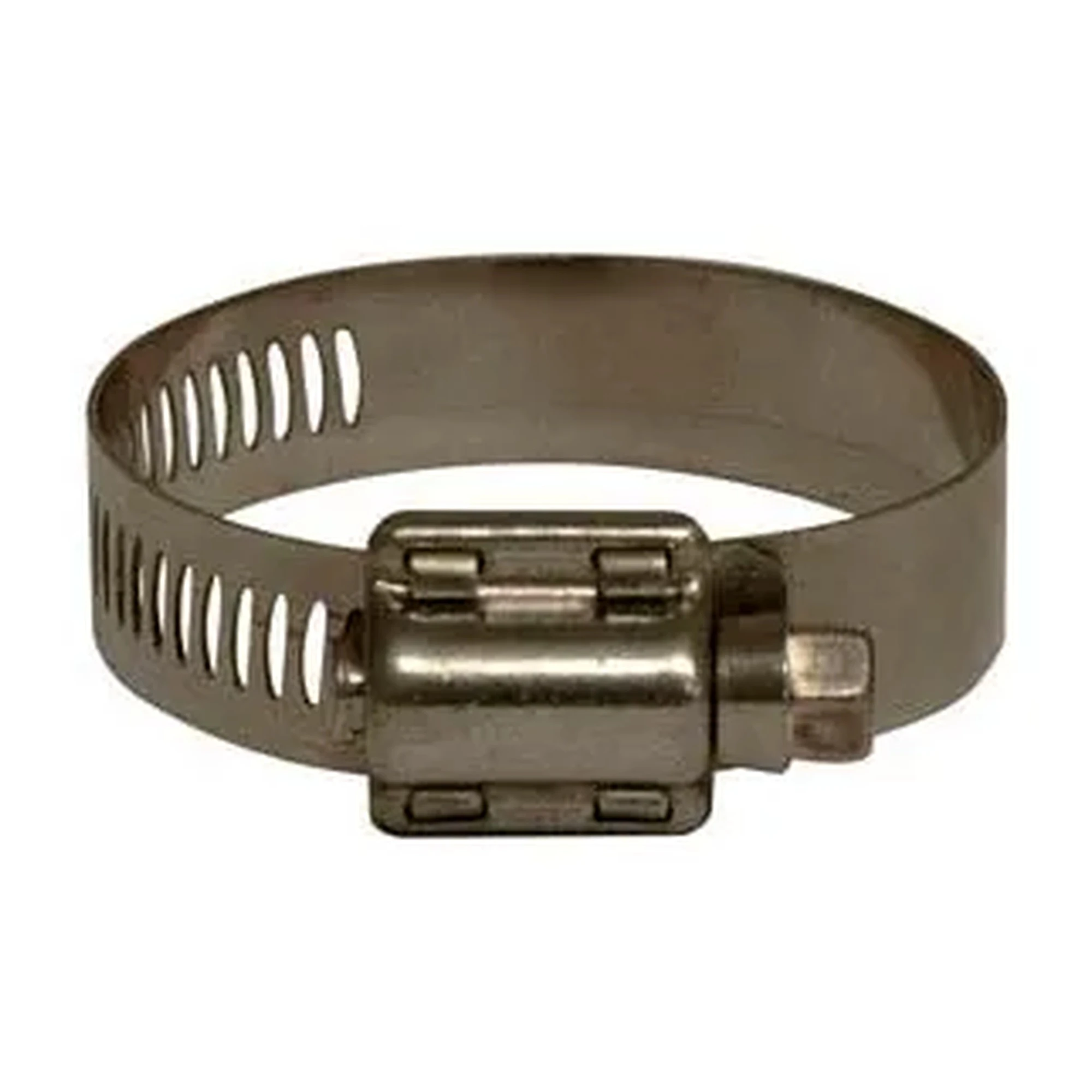
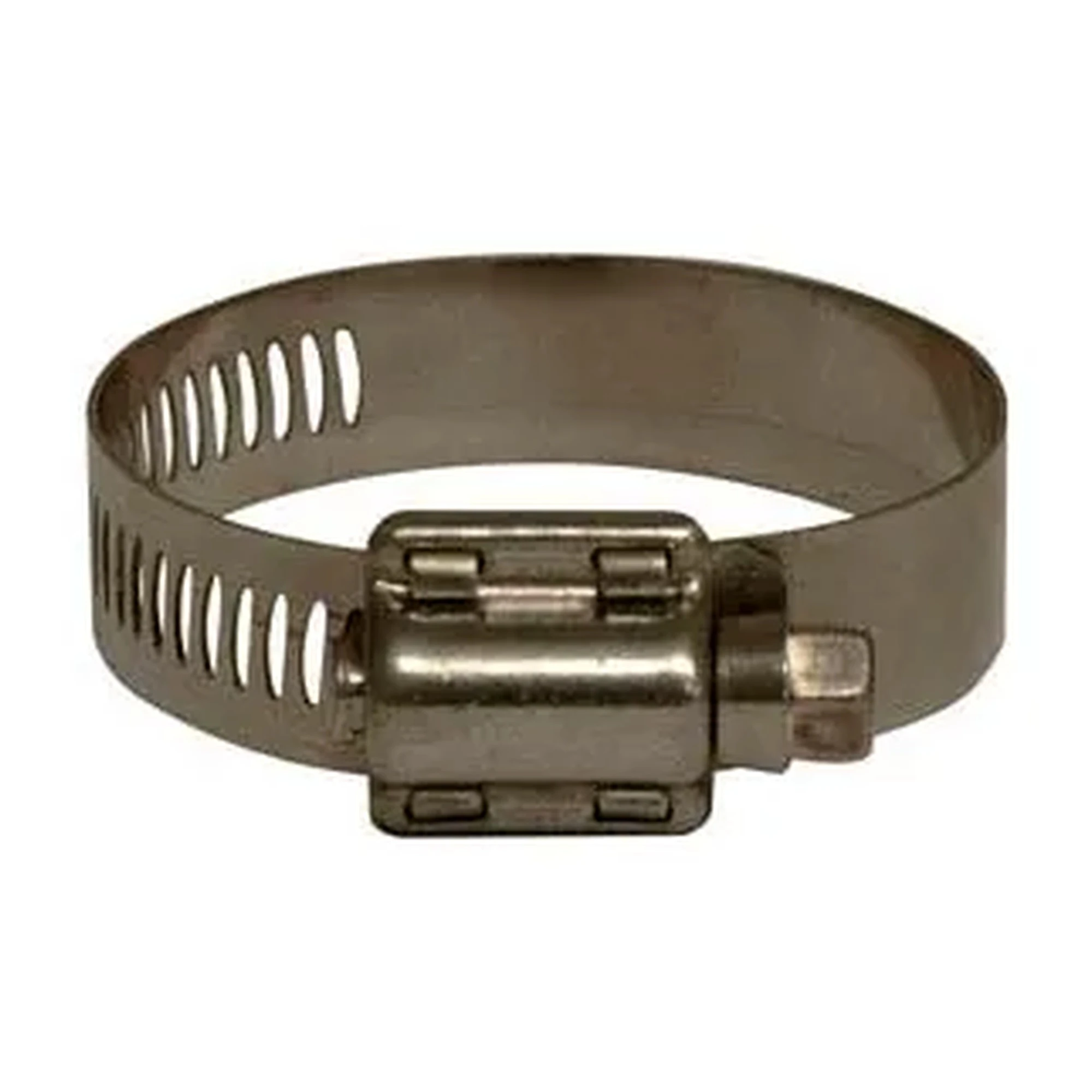
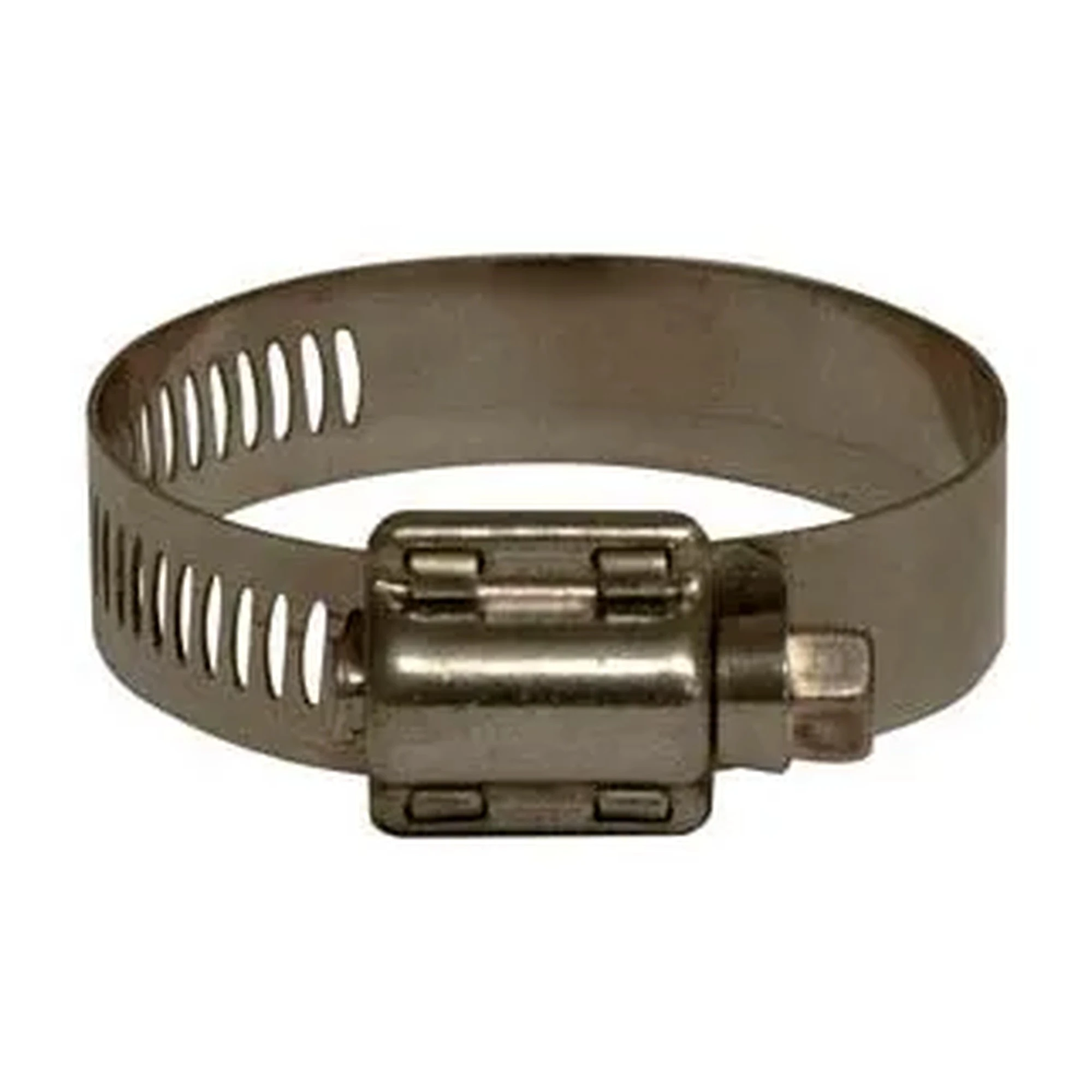
Hose Clamp Buying Guide
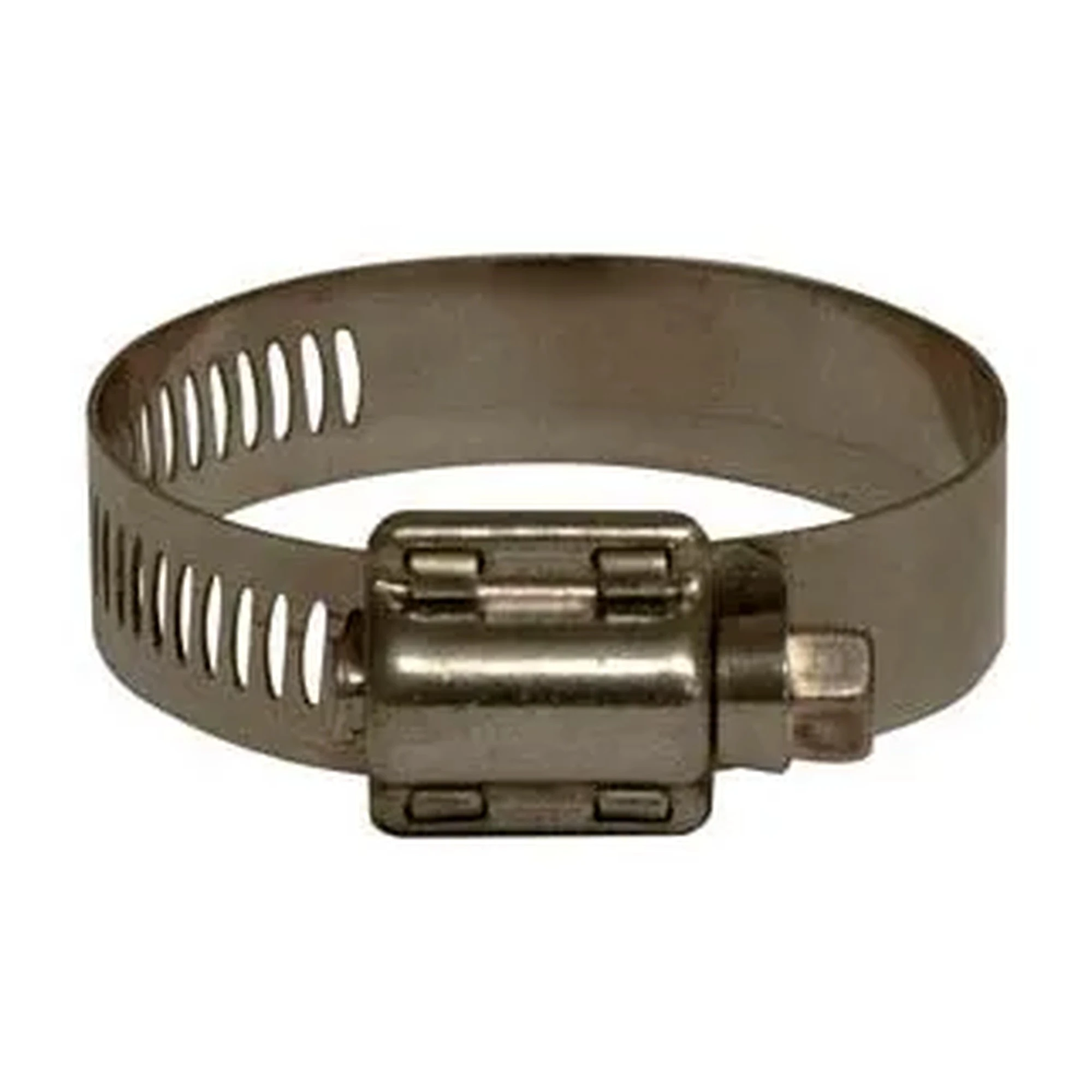
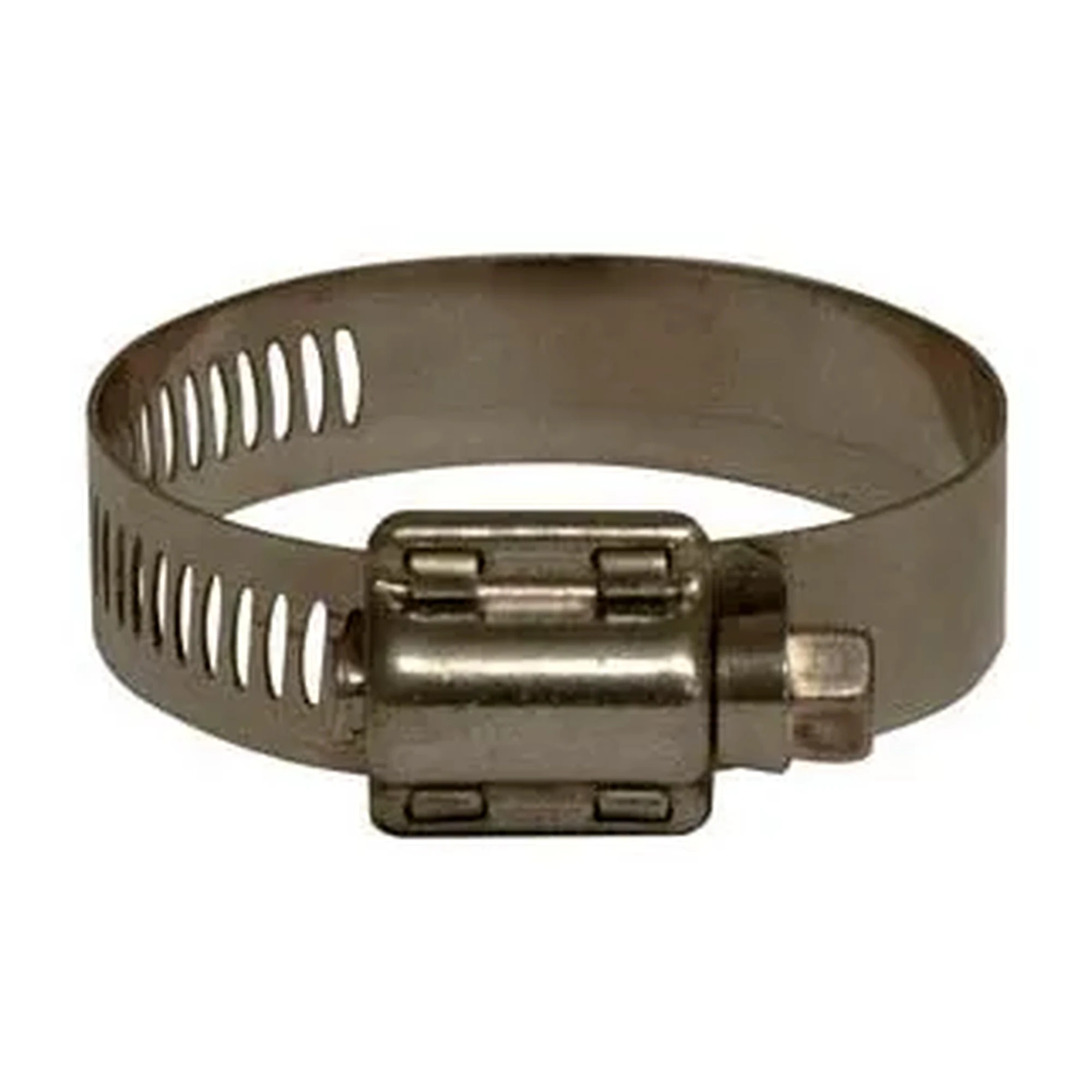
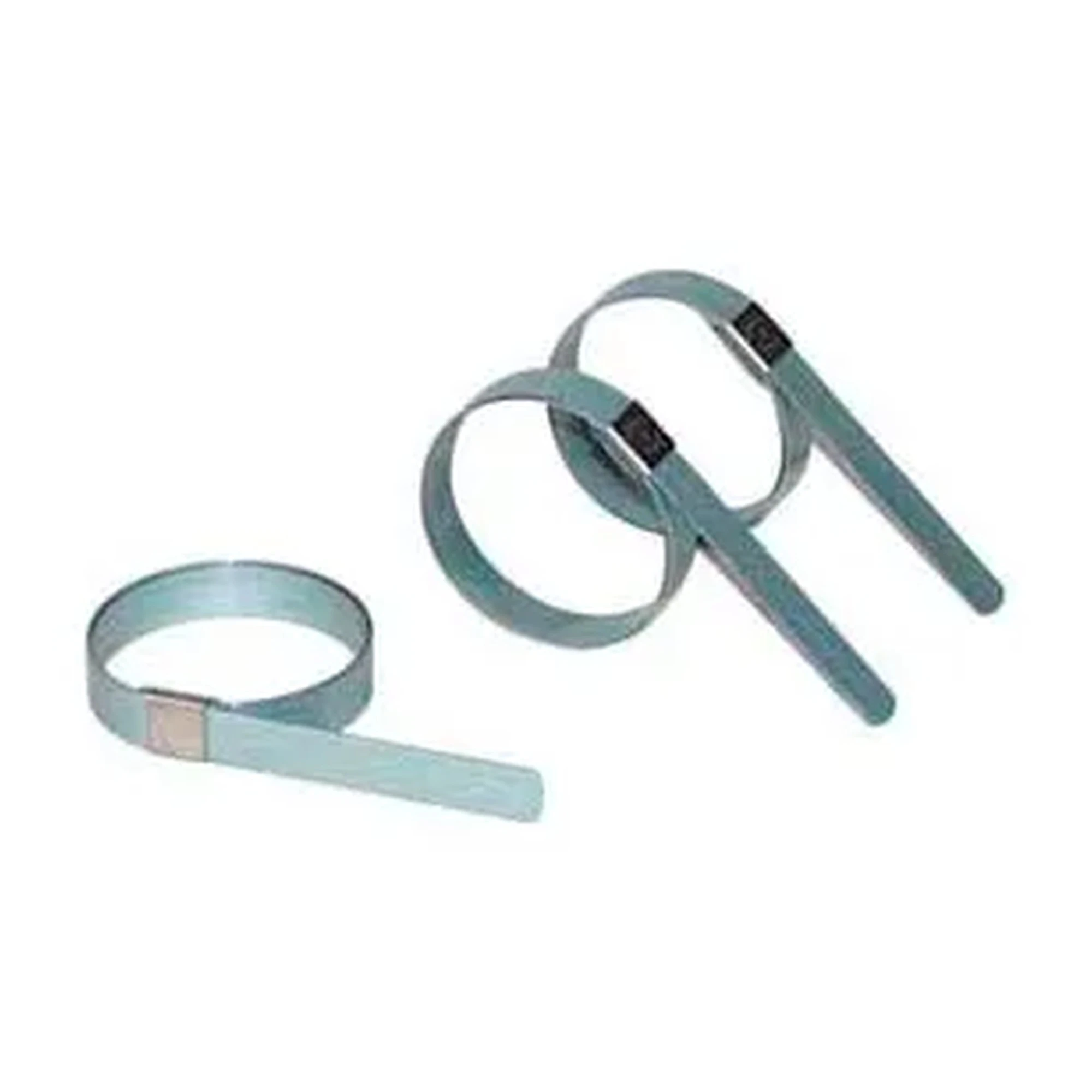
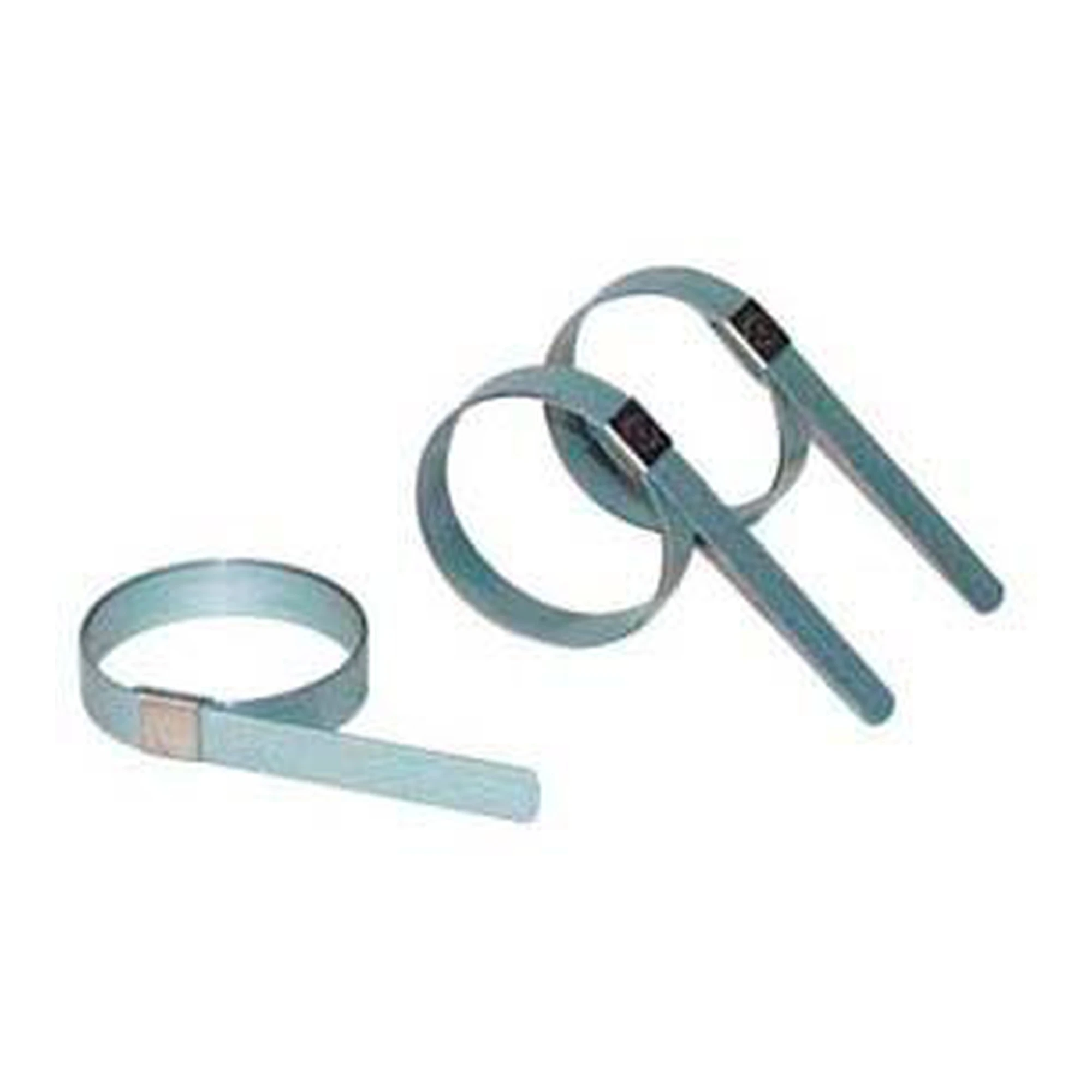
Start with the outside diameter of the assembled hose connection, then select a clamp whose listed range includes that measurement. From there, compare the adjustment method, construction, band width where stated, and installation approach required for the connection.
Popular examples in this category
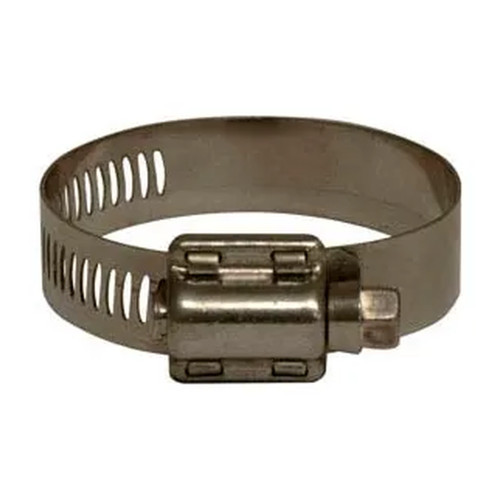 Stainless Steel Worm Gear Hose Clamp, 1-1/8 to 3 in.WBB553218
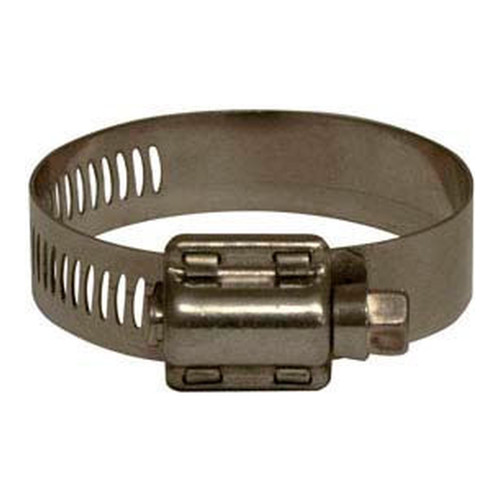 Stainless Steel Worm Gear Hose Clamp, 3-5/8 in. to 5-1/2 in. RangeWBB553236
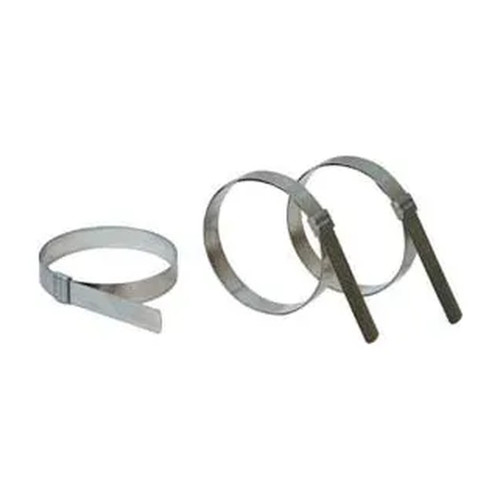 13/16-Inch Carbon Steel Preformed Hose Clamp with 3/8-Inch BandWBB553253
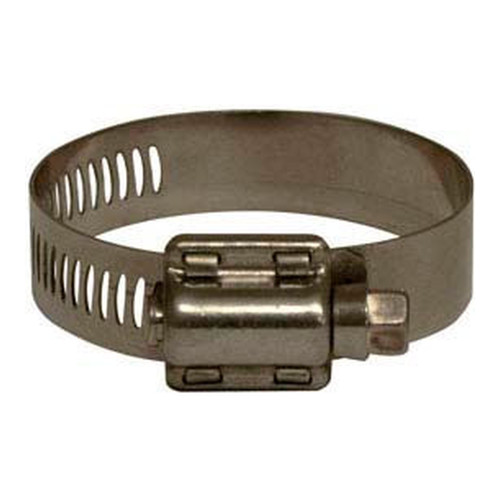 Stainless Steel Micro Worm Gear Clamp, 5/16 in. to 5/8 in.WBB553291
Secure hose connections across commercial work
Represented clamp options support construction, agricultural, industrial, commercial plumbing, maintenance, irrigation, municipal, quarry, and mining hose-connection work.
Match the listed clamping range
Compare the hose outside diameter with the clamp’s stated range. Available examples span from 5/16 to 5/8 inch for a micro worm gear clamp through 3-5/8 to 5-1/2 inches for a worm gear clamp.
Choose a design for the connection
Worm gear clamps offer adjustable sizing; T-bolt clamps are designed to apply sealing pressure around a coupling shank; constant-tension clamps address hose expansion and contraction caused by temperature changes.
Review installation and order details
Some clamps use hex-head screws, while the preformed clamp has a lever-operated lock. Center-punch clamps with 5/8-inch bands use a compatible center punch tool, and listed minimum order quantities vary by item.
The represented micro worm gear clamp fits within this range.
A represented worm gear clamp covers this range.
The center punch tool supports clamps used with 5/8-inch bands.
The constant-tension clamp has a minimum order of 4; one heavy-duty clamp has a minimum order of 10.
Compare represented hose clamp styles
Use this overview to narrow the style based on the connection and installation details stated for each type.
| Clamp type | Represented features | Selection considerations |
|---|---|---|
| Worm gear and micro worm gear | Adjustable designs; stainless steel construction is listed; selected models have hex-head screws. | Match the listed clamping range and, where provided, band width. |
| T-bolt and constant-tension | T-bolt models have fully threaded T-bolts, high-torque designs, and nylon locking nuts; constant-tension design responds to temperature-related hose movement. | Consider T-bolt styles for coupling-shank connections and constant tension where temperature changes or non-uniform hose surfaces can affect the seal. |
| Heavy-duty and preformed | Heavy-duty options have three spot welds and 360-degree bridge sealing surfaces; the preformed clamp uses a lever-operated lock and smooth inside diameter. | Compare the required diameter range, material, installation method, and whether a reusable design or lever-operated lock is needed. |
Plan the right fit before choosing
Select a clamp range that fits the hose connection
Use the hose outside diameter at the connection as the starting point. Select a listed range that includes the required diameter rather than choosing only by clamp style.
- Micro worm gear option: 5/16 to 5/8 inch.
- Worm gear examples: 1-1/8 to 3 inches, 1-9/16 to 2-1/2 inches, and 3-5/8 to 5-1/2 inches.
- T-bolt examples: 2-3/16 to 2-1/2 inches, 2-5/16 to 2-5/8 inches, and 2-7/8 to 3-3/16 inches.
- Heavy-duty examples: 2.2 to 2.32 inches and 3.39 to 3.58 inches.
Match adjustment and sealing needs to the clamp type
The represented products use several clamping approaches. Compare the mechanism with the installation and connection requirements of the job.
- Worm gear and micro worm gear designs adjust around compatible hose connections.
- Fully threaded T-bolts allow adjustment for sizing and tension; listed T-bolt clamps also include nylon locking nuts.
- The constant-tension design responds to hose expansion and contraction from changing temperatures.
- The heavy-duty style uses a 360-degree bridge sealing surface for even pressure, while the preformed style uses a lever-operated lock.
Check the details that affect compatibility
Review the stated material, band width, and installation method for each item. Stainless steel construction is represented across several clamp types, while the preformed clamp is carbon steel.
- Listed band widths include 3/8 inch on the preformed clamp and 9/16 inch on selected worm gear and constant-tension clamps.
- Selected worm gear, micro worm gear, and constant-tension clamps have hex-head adjustment points.
- The center punch tool is for 5/8-inch clamp bands and uses ratchet-action tensioning before locking by striking the punch with a mallet or hammer.
- Heavy-duty clamps are reusable and use metric bolt and thread designs that require no special installation tools.
Common questions before buying
How do I choose a hose clamp size?
Measure the hose outside diameter at the connection and choose a clamp with a listed range that includes that measurement.
What is the difference between worm gear and T-bolt hose clamps?
Worm gear clamps use an adjustable worm gear design. Listed T-bolt clamps use fully threaded T-bolts and are designed to apply sealing pressure around a coupling shank.
When is a constant-tension hose clamp useful?
A constant-tension clamp is designed for connections where temperature changes or non-uniform hose surfaces can affect the seal, because it responds to hose expansion and contraction.
What tool is used with 5/8-inch center-punch clamp bands?
The represented center punch tool supports 5/8-inch clamp bands, tensions the clamp with ratchet action, and locks it by striking the tool punch with a mallet or hammer.
Hose Clamp Buying Guide
Start with the outside diameter of the assembled hose connection, then select a clamp whose listed range includes that measurement. From there, compare the adjustment method, construction, band width where stated, and installation approach required for the connection.
Popular examples in this category
Secure hose connections across commercial work
Represented clamp options support construction, agricultural, industrial, commercial plumbing, maintenance, irrigation, municipal, quarry, and mining hose-connection work.
Match the listed clamping range
Compare the hose outside diameter with the clamp’s stated range. Available examples span from 5/16 to 5/8 inch for a micro worm gear clamp through 3-5/8 to 5-1/2 inches for a worm gear clamp.
Choose a design for the connection
Worm gear clamps offer adjustable sizing; T-bolt clamps are designed to apply sealing pressure around a coupling shank; constant-tension clamps address hose expansion and contraction caused by temperature changes.
Review installation and order details
Some clamps use hex-head screws, while the preformed clamp has a lever-operated lock. Center-punch clamps with 5/8-inch bands use a compatible center punch tool, and listed minimum order quantities vary by item.
The represented micro worm gear clamp fits within this range.
A represented worm gear clamp covers this range.
The center punch tool supports clamps used with 5/8-inch bands.
The constant-tension clamp has a minimum order of 4; one heavy-duty clamp has a minimum order of 10.
Compare represented hose clamp styles
Use this overview to narrow the style based on the connection and installation details stated for each type.
| Clamp type | Represented features | Selection considerations |
|---|---|---|
| Worm gear and micro worm gear | Adjustable designs; stainless steel construction is listed; selected models have hex-head screws. | Match the listed clamping range and, where provided, band width. |
| T-bolt and constant-tension | T-bolt models have fully threaded T-bolts, high-torque designs, and nylon locking nuts; constant-tension design responds to temperature-related hose movement. | Consider T-bolt styles for coupling-shank connections and constant tension where temperature changes or non-uniform hose surfaces can affect the seal. |
| Heavy-duty and preformed | Heavy-duty options have three spot welds and 360-degree bridge sealing surfaces; the preformed clamp uses a lever-operated lock and smooth inside diameter. | Compare the required diameter range, material, installation method, and whether a reusable design or lever-operated lock is needed. |
Plan the right fit before choosing
Select a clamp range that fits the hose connection
Use the hose outside diameter at the connection as the starting point. Select a listed range that includes the required diameter rather than choosing only by clamp style.
- Micro worm gear option: 5/16 to 5/8 inch.
- Worm gear examples: 1-1/8 to 3 inches, 1-9/16 to 2-1/2 inches, and 3-5/8 to 5-1/2 inches.
- T-bolt examples: 2-3/16 to 2-1/2 inches, 2-5/16 to 2-5/8 inches, and 2-7/8 to 3-3/16 inches.
- Heavy-duty examples: 2.2 to 2.32 inches and 3.39 to 3.58 inches.
Match adjustment and sealing needs to the clamp type
The represented products use several clamping approaches. Compare the mechanism with the installation and connection requirements of the job.
- Worm gear and micro worm gear designs adjust around compatible hose connections.
- Fully threaded T-bolts allow adjustment for sizing and tension; listed T-bolt clamps also include nylon locking nuts.
- The constant-tension design responds to hose expansion and contraction from changing temperatures.
- The heavy-duty style uses a 360-degree bridge sealing surface for even pressure, while the preformed style uses a lever-operated lock.
Check the details that affect compatibility
Review the stated material, band width, and installation method for each item. Stainless steel construction is represented across several clamp types, while the preformed clamp is carbon steel.
- Listed band widths include 3/8 inch on the preformed clamp and 9/16 inch on selected worm gear and constant-tension clamps.
- Selected worm gear, micro worm gear, and constant-tension clamps have hex-head adjustment points.
- The center punch tool is for 5/8-inch clamp bands and uses ratchet-action tensioning before locking by striking the punch with a mallet or hammer.
- Heavy-duty clamps are reusable and use metric bolt and thread designs that require no special installation tools.
Common questions before buying
How do I choose a hose clamp size?
Measure the hose outside diameter at the connection and choose a clamp with a listed range that includes that measurement.
What is the difference between worm gear and T-bolt hose clamps?
Worm gear clamps use an adjustable worm gear design. Listed T-bolt clamps use fully threaded T-bolts and are designed to apply sealing pressure around a coupling shank.
When is a constant-tension hose clamp useful?
A constant-tension clamp is designed for connections where temperature changes or non-uniform hose surfaces can affect the seal, because it responds to hose expansion and contraction.
What tool is used with 5/8-inch center-punch clamp bands?
The represented center punch tool supports 5/8-inch clamp bands, tensions the clamp with ratchet action, and locks it by striking the tool punch with a mallet or hammer.
Choosing the right file folders
FilingSupplies.com carries end-tab folders for open-shelf systems, top-tab folders for drawer filing, and heavy-duty classification folders with dividers and fasteners for multi-section records. Pick letter or legal size, then choose material (11-pt, 14-pt, or 18-pt manila), optional reinforced tabs, color-coding, and expansion capacity to match your volume.
Folder FAQs
End-tab vs. top-tab — what’s the difference?
When should I choose classification folders?
Letter or legal size — how do I pick?
What tab and material options are available?
Can I add fasteners, pockets, or expansion?
Do you offer volume pricing or custom printing?
Outfitting classrooms that work all day
Build a durable, age-appropriate classroom with furniture, early-learning materials, storage bins, learning centers, and presentation tools. Choose adjustable pieces that grow with grades, label friendly bins for quick clean-up, and tech carts that secure, charge, and move easily.
Education FAQs
What safety labels should I look for on school and early-childhood items?
How do I pick classroom furniture across grade levels?
What’s the best way to organize supplies and centers?
How do I choose learning games and manipulatives by age?
What should I consider in a charging/tech cart?
Do you support school POs, bulk pricing, or custom printing?
Choosing the right labels
From color file labels to printable sheets, select the right size, adhesive, and print method to match your filing system and equipment. Decide on sheet vs. roll format, then pick permanent or removable adhesive and your color set.
Labels FAQs
Sheet vs. roll labels — what’s the difference?
Permanent or removable adhesive?
Will these labels work in my printer?
How do I match the label size to folder tabs or binder spines?
Can I get preprinted sequences or color bars?
Do you have templates?
Choosing the right tab dividers
Organize binders with preprinted or blank tabs. Select the number of tabs per set (5, 8, 10, or 12), choose paper with reinforced tabs or durable poly, and match letter or legal size for a clean fit.
Tab Dividers FAQs
What do 5-, 8-, 10-, or 12-tab sets mean?
Paper vs. poly — which should I choose?
Are the tabs printable?
Will they fit my binder?
Can I mix preprinted and blank tabs?
Do you make custom tab sets?
Choosing the right office supplies
From everyday paper and pens to binders, mailers, and desk organizers, pick durable, compatible options that match your equipment and team size. Start with the right paper and labeling, then add organizers that keep work moving.
Office Supplies FAQs
Which paper weight and brightness should I choose?
Round-ring vs. D-ring binders — what’s the difference?
What does “sheet capacity” mean on staplers and hole punches?
Will labels, envelopes, and mailers work with my printer?
How do I choose mailers and shipping boxes?
Do you offer eco-conscious options or bulk pricing?
Choosing the right sports & PE equipment
Equip classes, teams, and rec programs with durable balls, goals, cones, pinnies, storage, and safety gear. Match sizes and materials to age group and whether you play indoors or outdoors.
Sports & Athletics FAQs
What ball sizes should I choose for different ages?
- Basketball: Size 5 (27.5") youth, Size 6 (28.5") intermediate, Size 7 (29.5") official.
- Soccer: Size 3 up to ~8 years, Size 4 ~8–12, Size 5 ~12+.
- Volleyball: Regulation balls for teens/adults; lighter training balls for younger players.
Indoor vs. outdoor — which materials hold up best?
How many pinnies, cones, or markers do I need?
Tips for storage and care?
Are items latex‑free and school‑safe?
Do you support bulk orders or custom printing (team names)?
Choosing the right FireKing fireproof cabinet
FireKing fireproof file cabinets, safes, and storage cabinets are designed to protect important documents, records, and valuables from fire damage while keeping files organized and accessible. When choosing a FireKing cabinet, compare drawer configuration, storage type, fire rating, and overall capacity based on the records or materials you need to protect.
FireKing FAQs
What is the difference between FireKing vertical and lateral file cabinets?
What can I store in a FireKing fireproof file cabinet?
Are FireKing cabinets only for paper records?
How do I choose between a FireKing safe, file cabinet, or storage cabinet?
What sizes are available in FireKing cabinets?
Are FireKing cabinets used in offices, medical facilities, and government records storage?
Can I buy FireKing cabinets in bulk or get help choosing the right model?
Shipping & Policies
Do you offer free shipping?
What are your shipping rates?
- $6.95 for labels-only orders under $40
- $14.95 flat rate for everything else