
-
Mueller
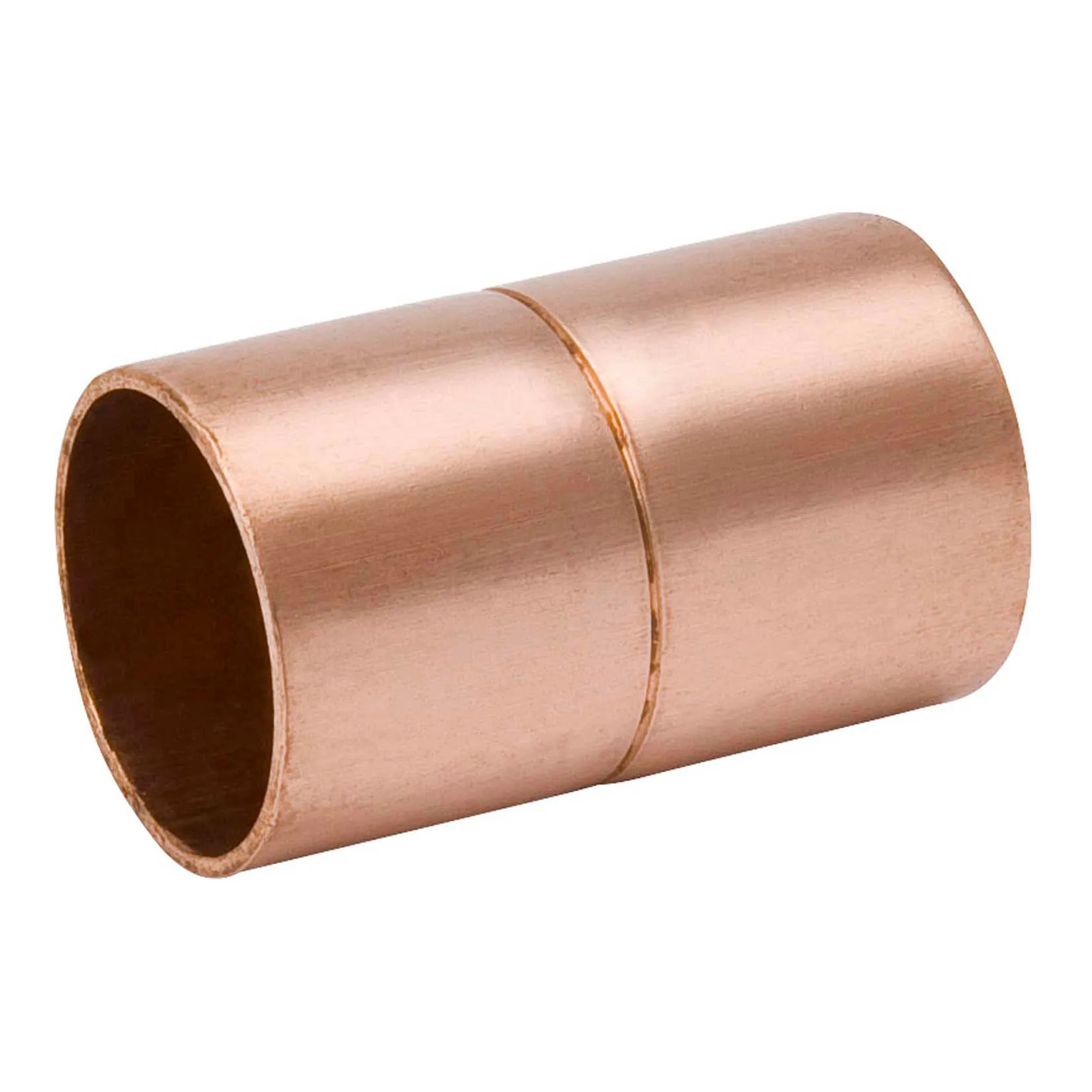
3/4-Inch Wrot Copper Rolled Stop Coupling
Our Price:$2.81This 3/4-inch wrot copper rolled stop coupling is a solder-joint plumbing fitting for contractors and plumbing professionals working on above-ground potable water supply systems. It provides a...
-
Mueller
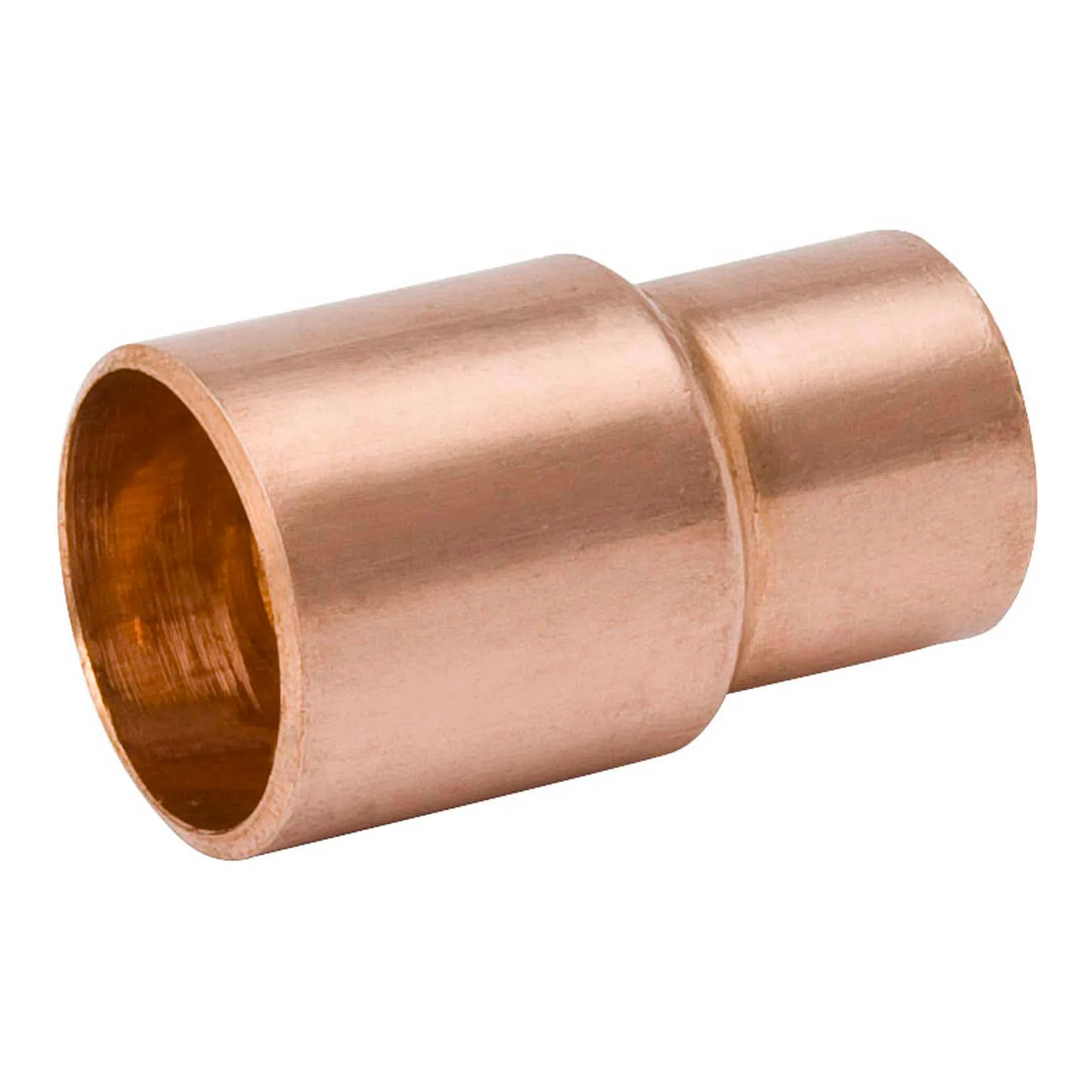
3/8 in. x 1/4 in. Wrot Copper Reducer Coupling, Street x Copper
Our Price:$3.63This wrot copper reducer coupling is for plumbing professionals and maintenance teams installing above-ground potable water supply systems. It provides a solder-joint fitting option for connecting...
-
Mueller
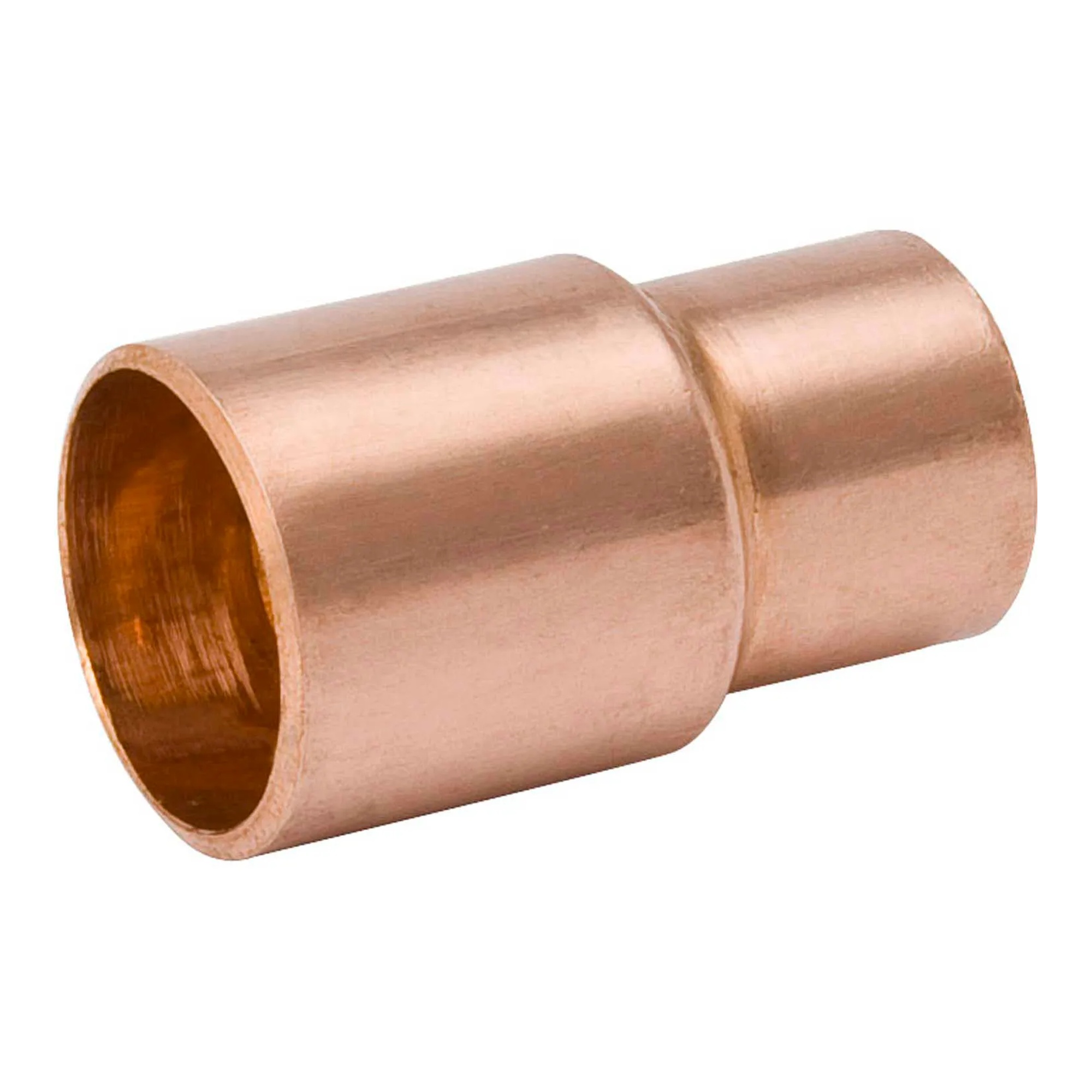
3/8 in. x 1/8 in. Wrot Copper Reducer Coupling, Street x Copper
Our Price:$4.29This wrot copper reducer coupling is designed for plumbing professionals and maintenance teams working on above-ground potable water supply systems. It provides a street-to-copper connection...
-
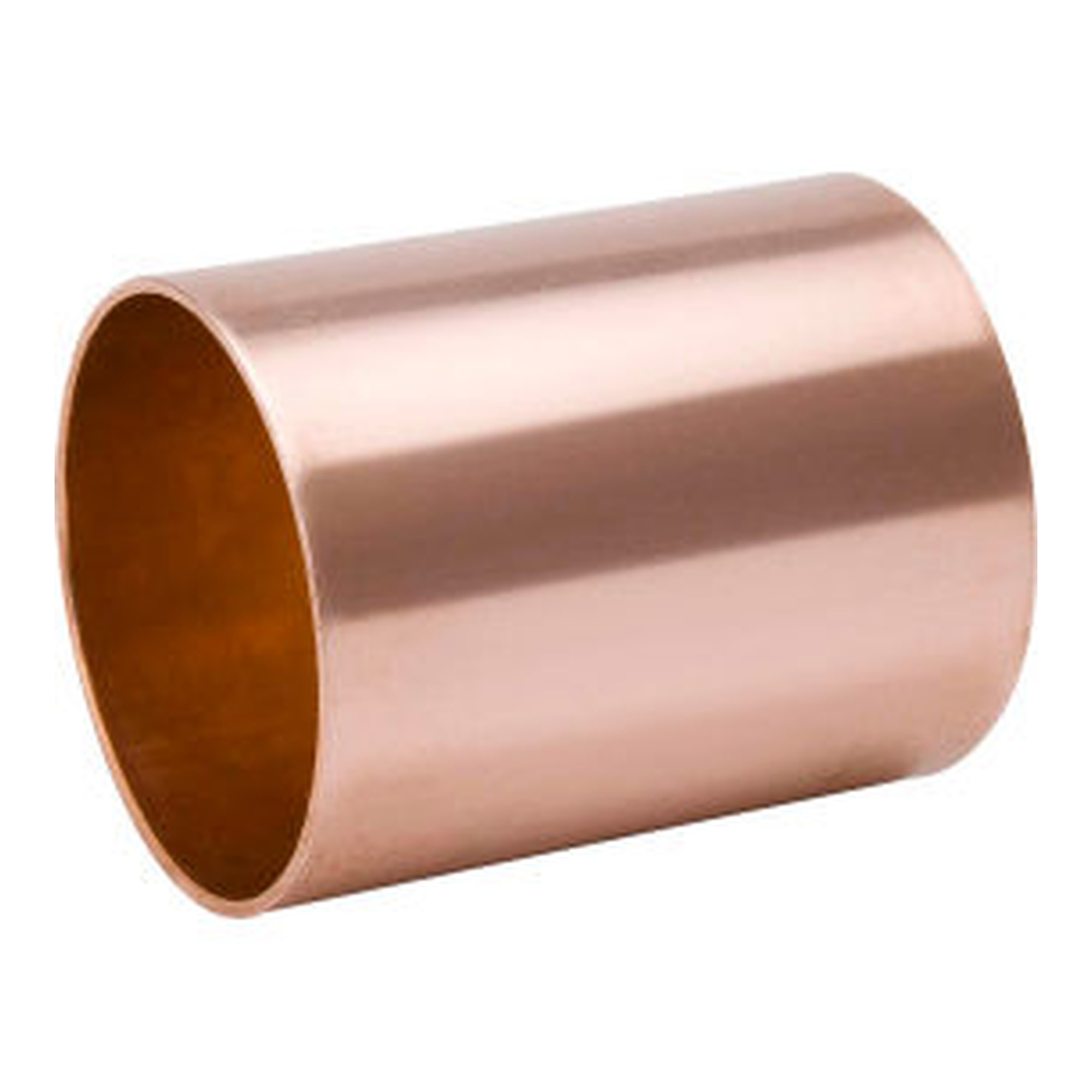
5/16 in. OD Wrot Copper Staked Stop Coupling
Our Price:$1.63This wrot copper staked stop coupling is a pipe fitting for plumbing professionals working on above-ground potable water supply systems. It joins compatible 5/16-inch outside-diameter copper tubing...
-
Mueller
Copper Press Fitting for Copper Tubing
Our Price:$175.94This copper press fitting is designed for plumbing professionals and contractors joining copper tubing. It supports a mechanical press connection for piping system installation and repair work.The...
-
Mueller
Wrot Copper Female Adapter, 1/2 in. x 1/4 in., Copper x FPT
Our Price:$8.79This wrot copper female adapter helps plumbing professionals connect copper tubing to a female pipe thread connection in above-ground potable water supply systems. Its 1/2 in. x 1/4 in. configuration...
-
Mueller
Wrot Copper Reducing Coupling, 1/2 in. x 1/4 in.
Our Price:$3.34This wrot copper reducing coupling is designed for plumbing professionals connecting 1/2 in. and 1/4 in. copper lines in above-ground potable water supply systems. Its solder-joint design helps...
-
Mueller
Wrot Copper Reducing Coupling, 1/4 in. x 1/8 in.
Our Price:$8.99This wrot copper reducing coupling helps plumbing professionals connect two different pipe sizes in above-ground potable water supply systems. Its solder-joint design supports permanent copper piping...
-
Mueller
Wrot Copper Reducing Tee, 1 in. x 1 in. x 1/2 in.
Our Price:$22.49This wrot copper reducing tee helps plumbing professionals and maintenance teams create a branch connection in above-ground potable water supply systems. Its reducing outlet supports transitions from...
-
Wrot Copper Reducing Tee, 1-1/2 x 1-1/4 x 1-1/2 in.
Our Price:$76.94This wrot copper reducing tee is a solder-joint fitting for plumbing professionals and maintenance teams assembling above-ground potable water supply systems. It creates a branch connection while...
-
Mueller
Wrot Copper Reducing Tee, 1-1/4 in. x 1-1/4 in. x 1-1/2 in.
Our Price:$67.94This wrot copper reducing tee connects three pipe runs in above-ground potable water supply systems. Plumbing contractors and maintenance teams can use it to create a branch connection where one line...
-
Wrot Copper Reducing Tee, 1-1/4 x 3/4 x 3/4 in.
Our Price:$41.94This wrot copper reducing tee is a solder-joint fitting for plumbing professionals and maintenance teams assembling above-ground potable water supply systems. It provides a branch connection that...
-
Mueller
Wrot Copper Reducing Tee, 2 in. x 1-1/4 in. x 1-1/4 in.
Our Price:$105.94This wrot copper reducing tee helps plumbing professionals create a branch connection between differently sized copper lines. It is designed for above-ground potable water supply systems and supports...
-
Wrot Copper Reducing Tee, 2-1/2 in. x 2-1/2 in. x 1/2 in.
Our Price:$169.94This wrot copper reducing tee connects two 2-1/2 in. runs with a 1/2 in. branch in above-ground potable water supply systems. Plumbing professionals can use it to create a reduced branch connection...
-
Mueller
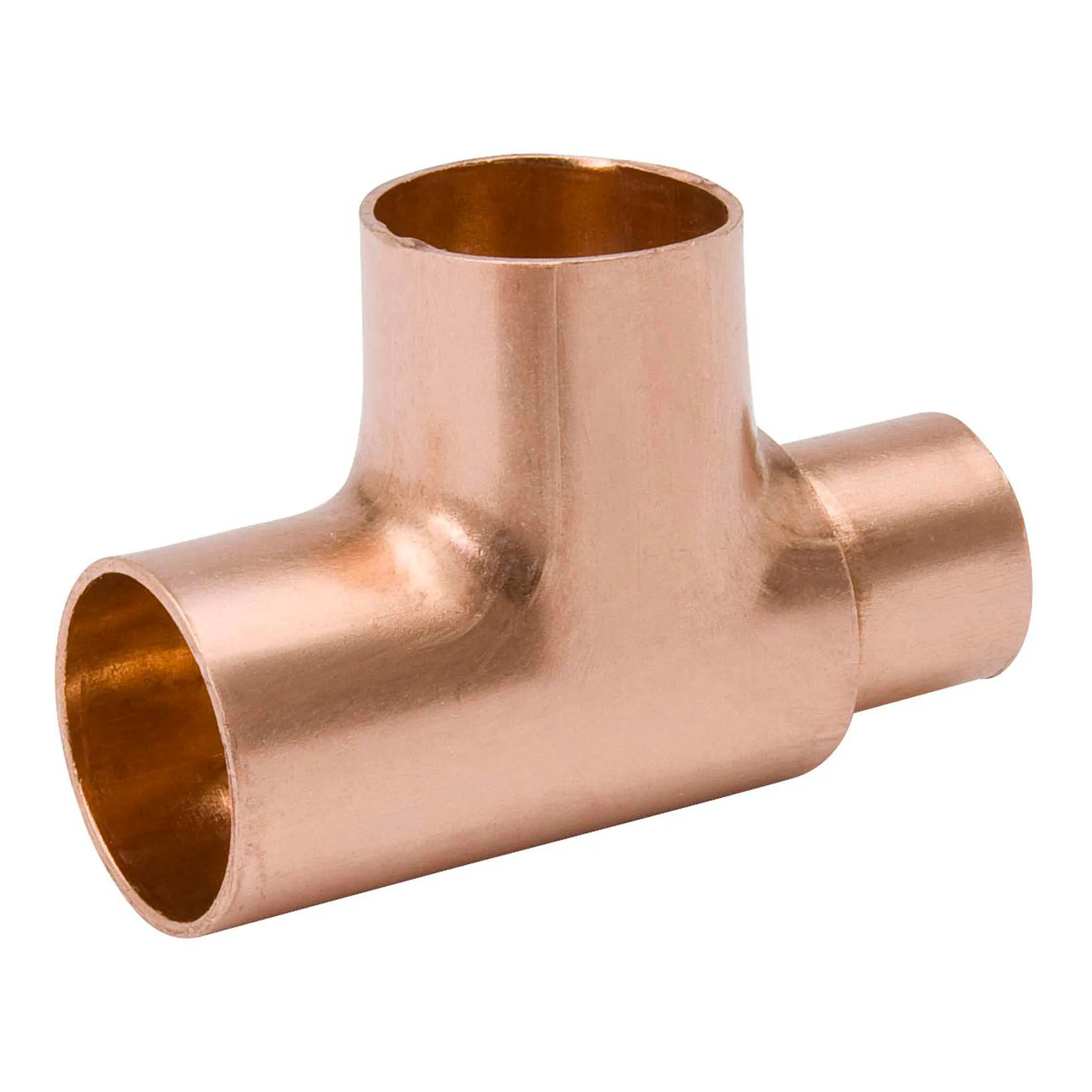
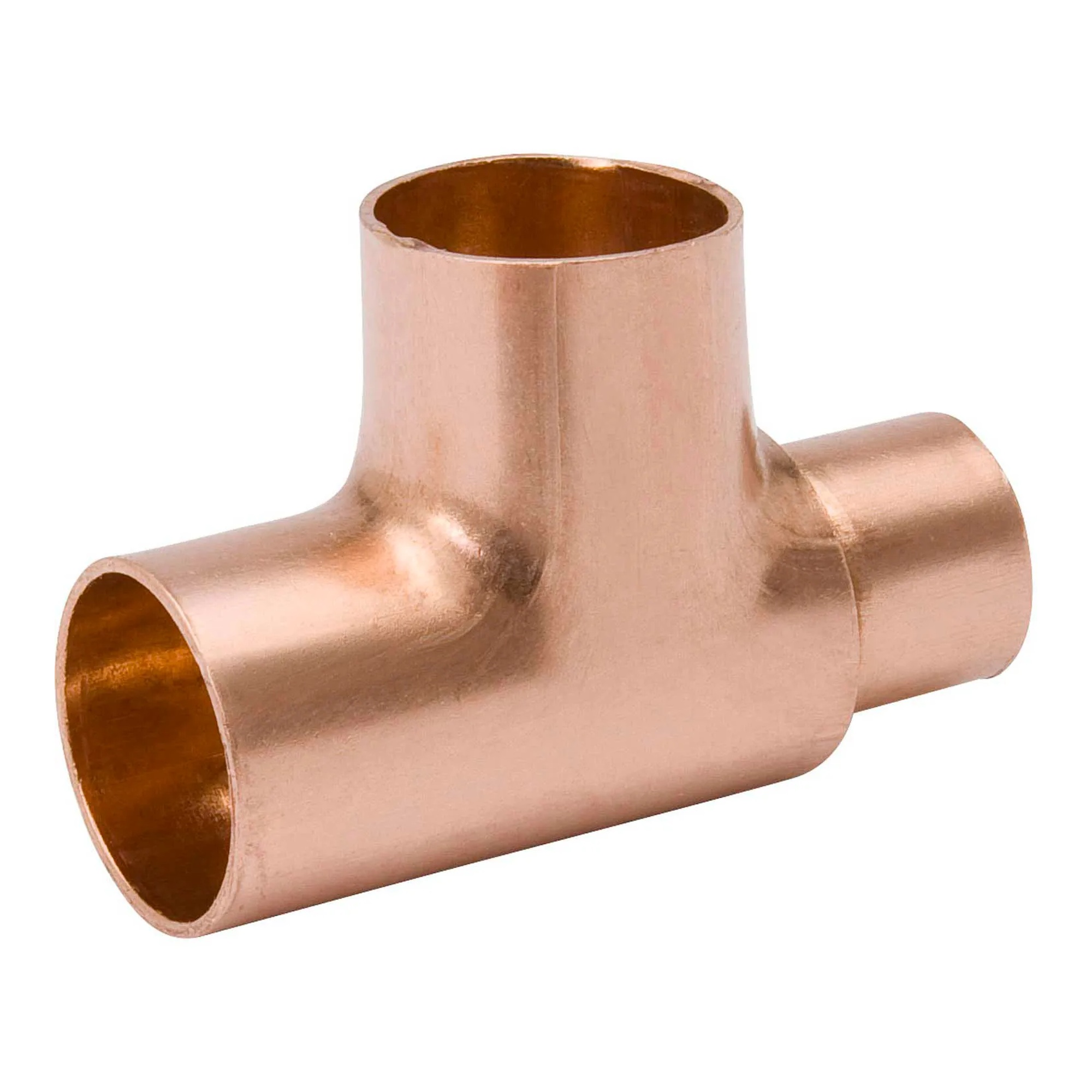
Wrot Copper Reducing Tee, 2-1/2 x 2 x 2-1/2 in.
Our Price:$215.94This wrot copper reducing tee is a solder-joint fitting for installers and maintenance teams building above-ground potable water supply systems. It creates a three-way connection with a reduced...
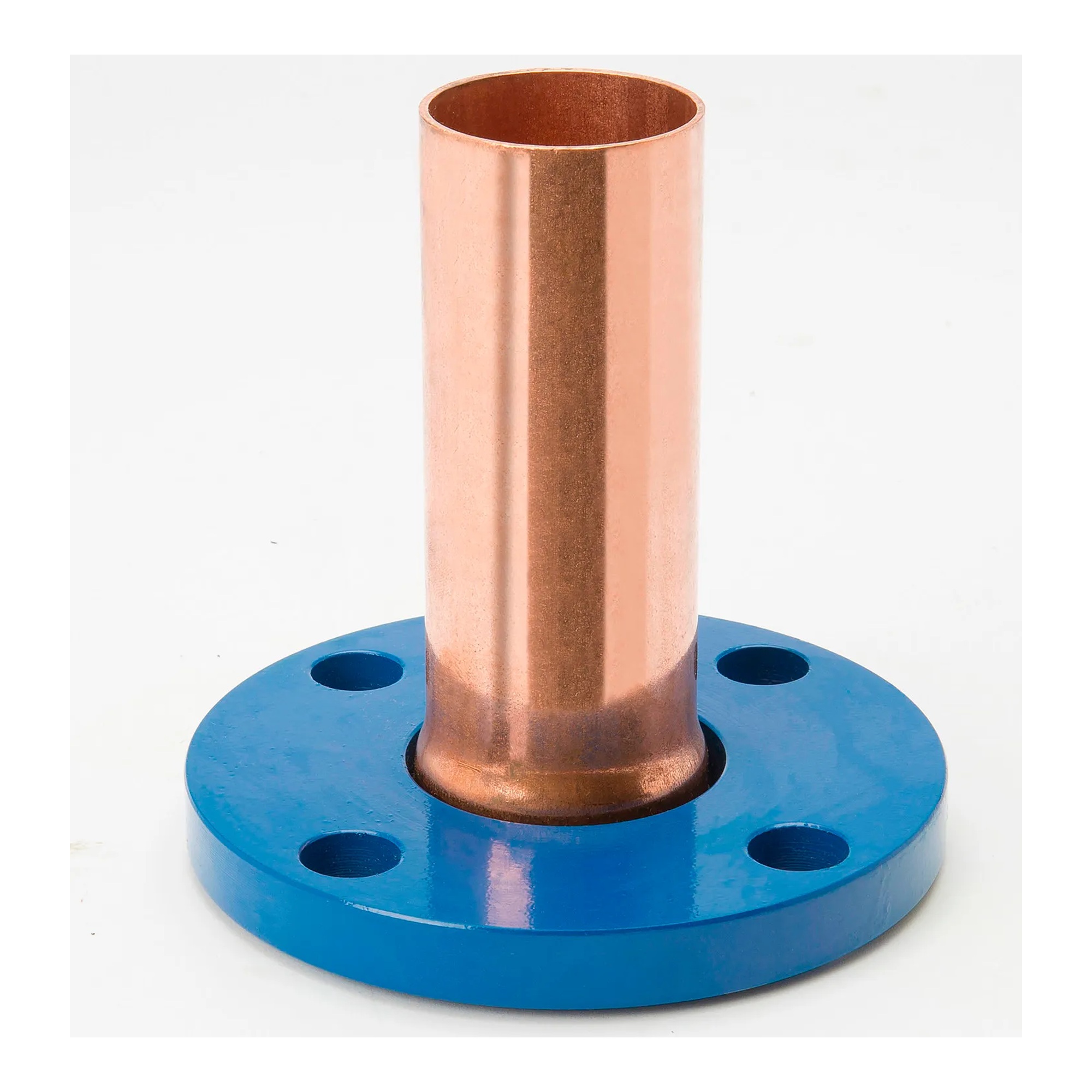
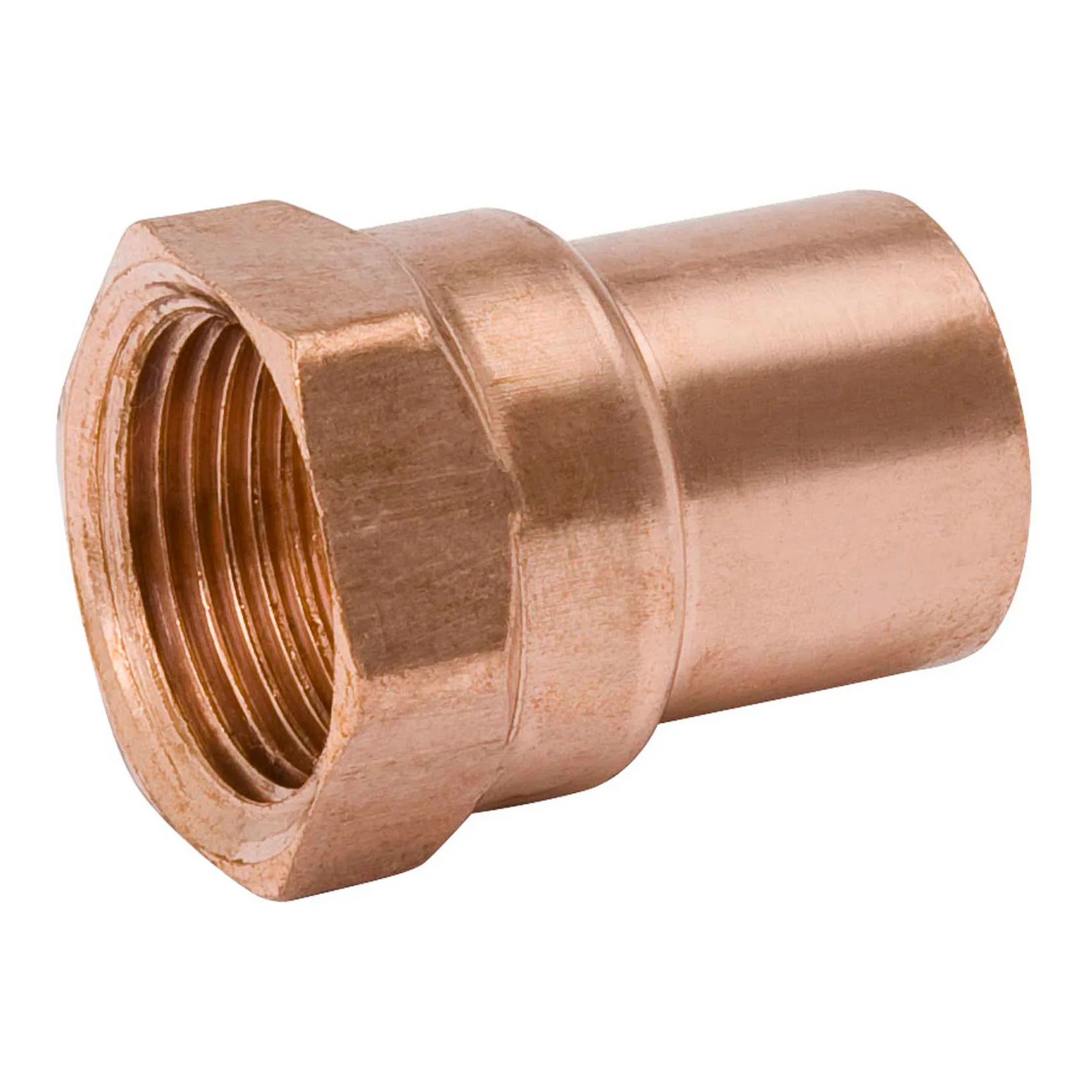
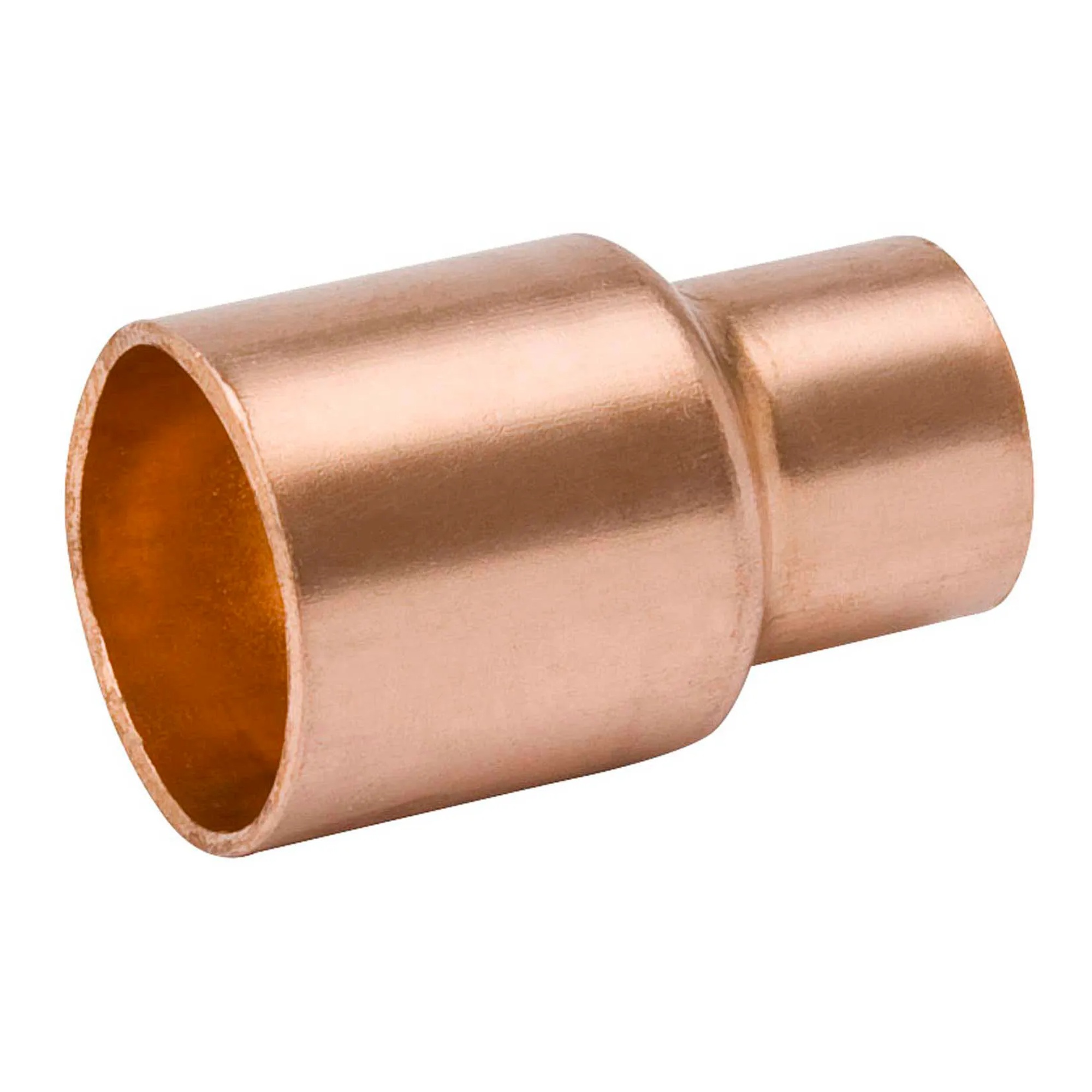
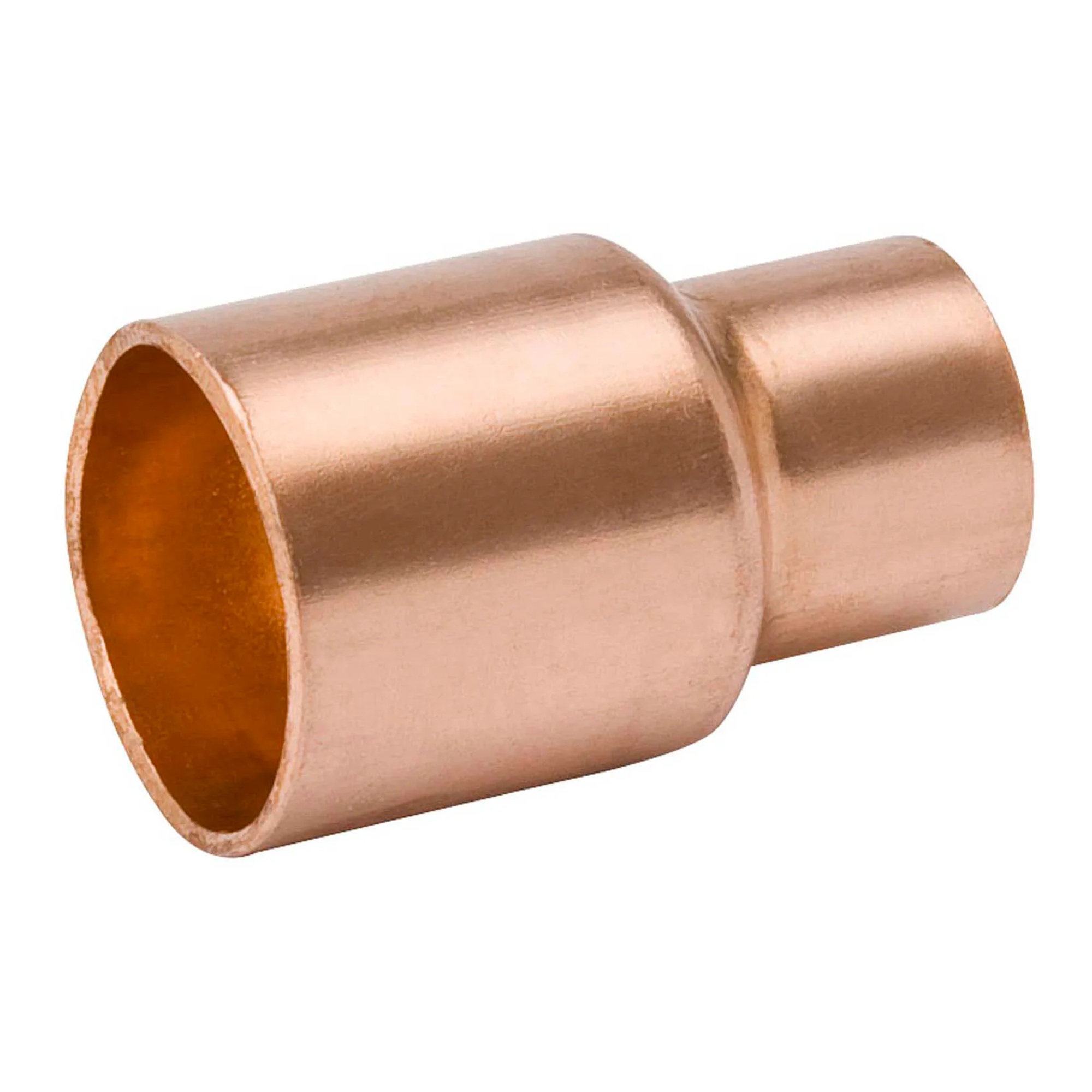
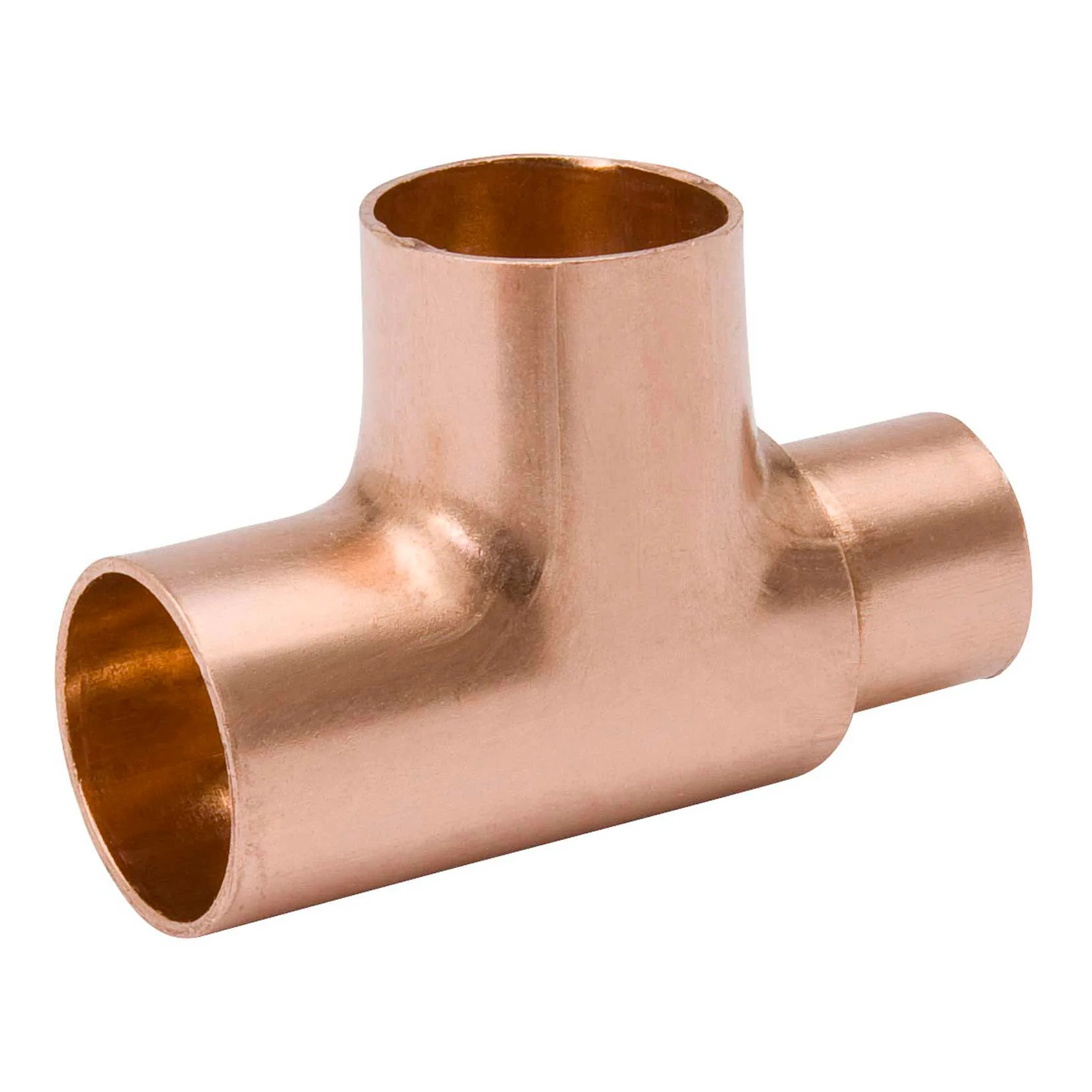
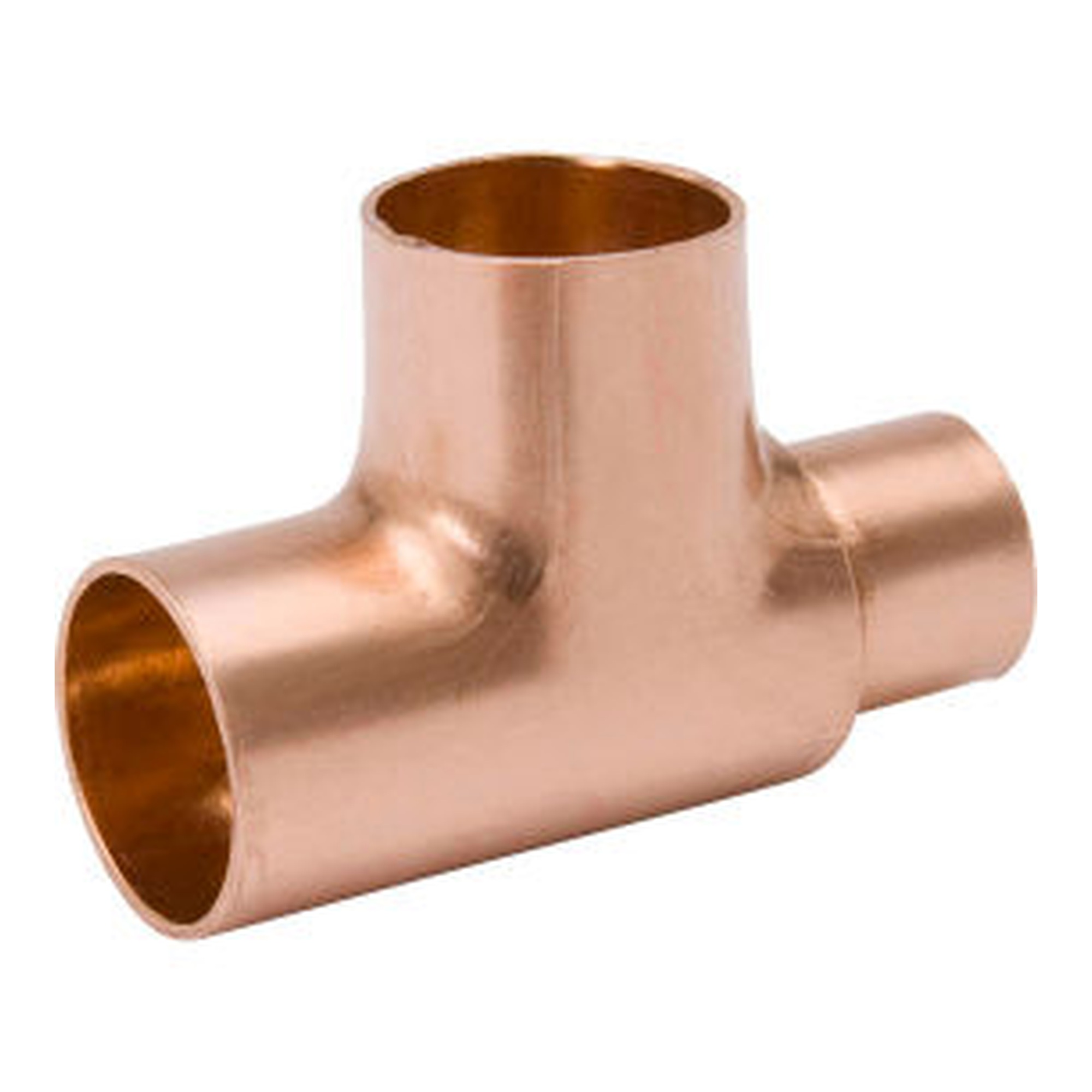
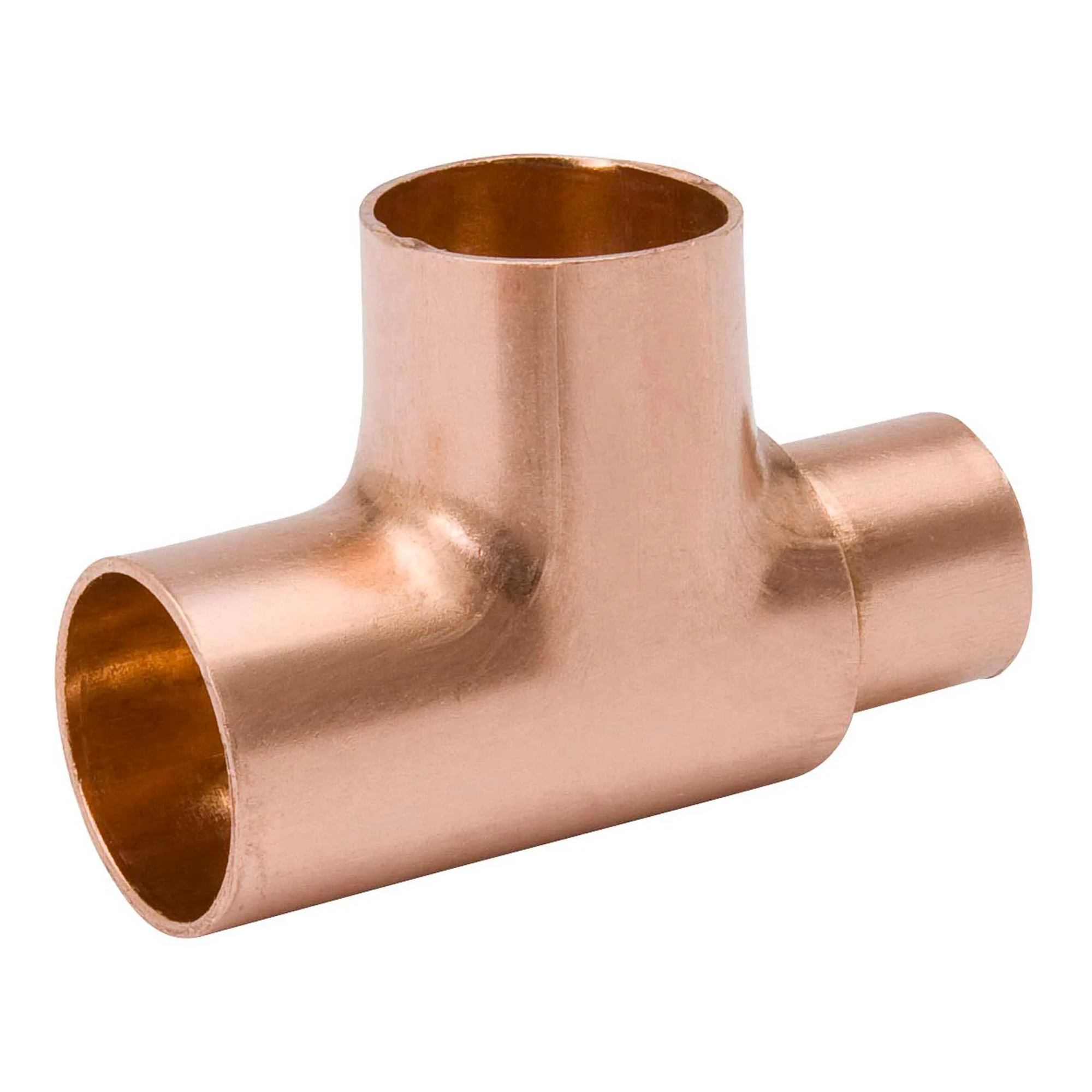
Choose copper fittings for the connection your piping layout requires
Start with the job the fitting needs to perform: turn a run, join matching tube, transition between sizes, add a branch or connect copper press tubing to a male threaded component. Then confirm the connection method, end configuration, sizes and any stated minimum order before purchasing.
Popular examples in this category
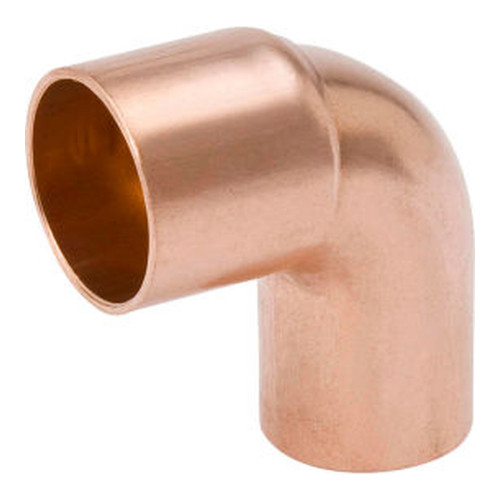 1/2 in. Wrot Copper 90-Degree Long-Radius Street ElbowWBB1920458
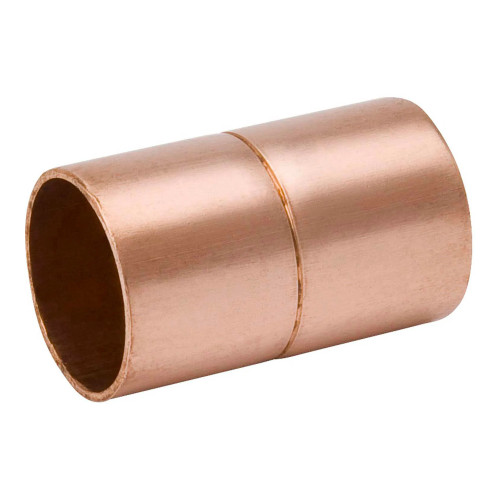 1-1/2 in. Wrot Copper Rolled Stop CouplingWBB1920205
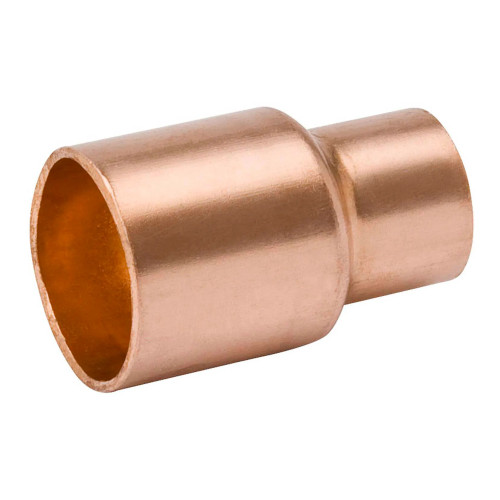 Wrot Copper Reducing Coupling, 1/2 in. x 1/4 in.WBB1920773
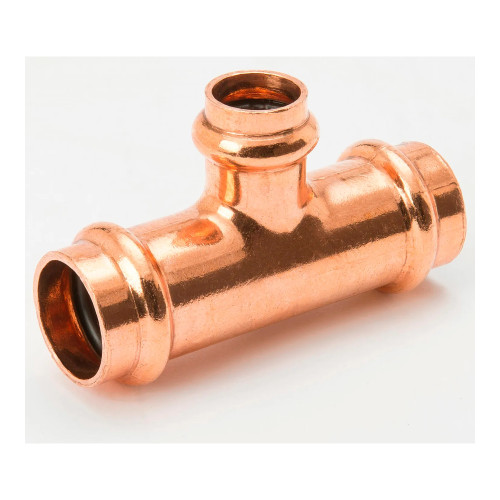 1-1/4 in. x 1-1/4 in. x 1 in. Copper Press Reducing TeeWBB2217706
Build, modify or repair compatible copper piping
The represented fittings support above-ground potable water supply and pressurized piping work, along with copper tubing installation and repair. Available layouts address directional changes, straight connections, size changes, branch connections and press-to-MPT transitions.
Match fitting layout, size and joining method
Choose a long-radius elbow for a right-angle direction change, a coupling to join tube, a reducer for different sizes and a tee for a branch. Confirm whether the work calls for solder-joint ends or mechanical press ends, then match every stated connection size and configuration.
Plan around the piping run
Reducing couplings support transitions such as 1/2 in. to 1/4 in., 1/2 in. to 3/8 in., 1 in. to 3/4 in. and 3/8 in. to 1/4 in. Reducing tees create branches while maintaining the main run, including 3/4 in. x 3/8 in. x 3/4 in. and 2-1/2 in. x 2 in. x 2-1/2 in. layouts.
Review end styles and order quantities
Some fittings have specific end arrangements, including street x copper, three press ends and a press x MPT male adapter. Rolled stop couplings help position copper tube. Minimum orders vary among represented products, from 1 each to 350 each.
A long-radius street elbow routes a copper pipe run through a right angle.
The reducing press tee provides press connections on its run and branch.
Stated minimum order quantities range from 1 each to 350 each among represented items.
Represented size configurations span from 1/4 in. connections to 2-1/2 in. runs.
Compare copper fitting types
Use this overview to narrow the fitting type before confirming the exact size, end configuration and joining method for the installation.
| Fitting type | Connection or layout | Typical represented purpose |
|---|---|---|
| Elbows and rolled stop couplings | Solder-joint; elbow available in street x copper configuration | Change direction or join and position compatible copper tube. |
| Reducing couplings and reducer couplings | Solder-joint; selected models include street x copper | Transition between two copper connection sizes. |
| Reducing tees and press fittings | Solder-joint or mechanical press; press adapter available with MPT male end | Create a reduced branch connection or make a press-to-threaded transition. |
Plan the right fit before choosing
Choose solder-joint or press connections
Many represented wrot copper fittings use solder-joint connections for compatible copper piping. Copper press fittings support mechanical press joining, including a flameless joining option for copper tubing. A reducing press tee has three press ends, while the press x MPT male adapter provides a copper press connection on one side and a male threaded end on the other.
- Use solder-joint fittings for compatible soldered copper piping work.
- Use press fittings for compatible mechanical press joining.
- Match threaded components to the stated MPT male end where applicable.
Select the shape that matches the piping change
Fitting geometry determines how the run is routed or connected. A 90-degree long-radius street elbow changes direction. Rolled stop couplings join compatible copper tube and help position it. Reducing couplings transition between two sizes, while reducing tees create a three-way branch with a reduced outlet.
- Elbows route a pipe run through a right-angle change.
- Couplings join compatible copper tube.
- Reducers connect different copper line sizes.
- Tees add a branch connection to a piping layout.
Verify every dimension and stated minimum order
Match the fitting's listed sizes to the copper tube or connection points in the installation. For example, tees may have a reduced branch size, and reducers have different sizes at each end. Also review stated minimum order quantities: some represented items are available with an effective minimum order of 1, while others list minimums of 100, 200, 250 or 350 each.
- Check main-run and branch sizes separately on tees.
- Confirm end configuration, such as street x copper, before ordering.
- Plan project or stock quantities around the stated minimum order.
Common questions before buying
What copper fitting should I use to change pipe direction?
A 90-degree long-radius street elbow is used for a right-angle change in direction.
What is a rolled stop coupling used for?
It joins compatible copper tube with a solder-joint connection and helps position the tube during installation.
How do reducing couplings differ from reducing tees?
A reducing coupling transitions between two line sizes, while a reducing tee creates a branch connection with a reduced outlet.
Are press and solder-joint fittings the same?
No. Solder-joint fittings support soldered installation, while press fittings support mechanical press joining; the represented press fitting also allows flameless joining.