
-
USA Sealing
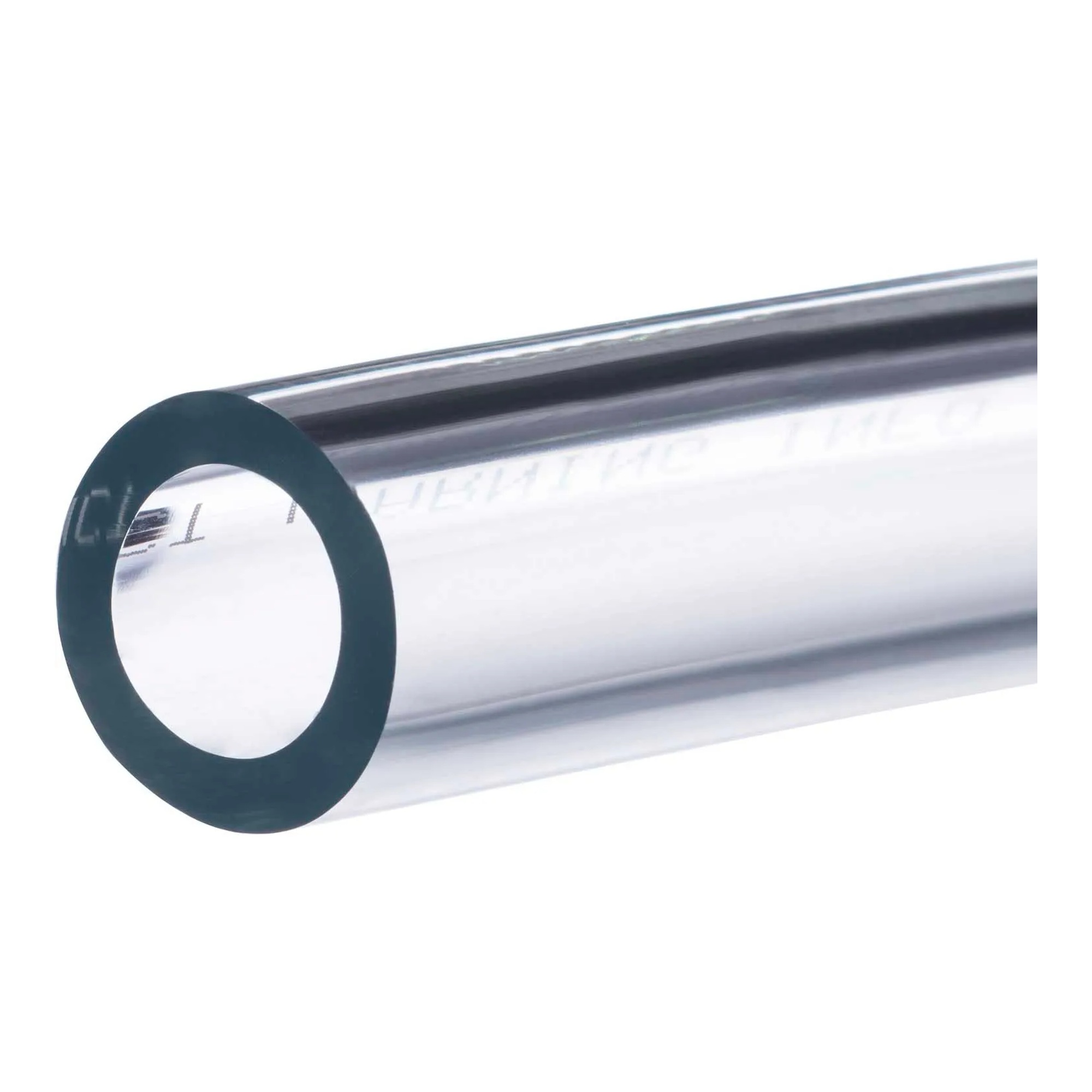
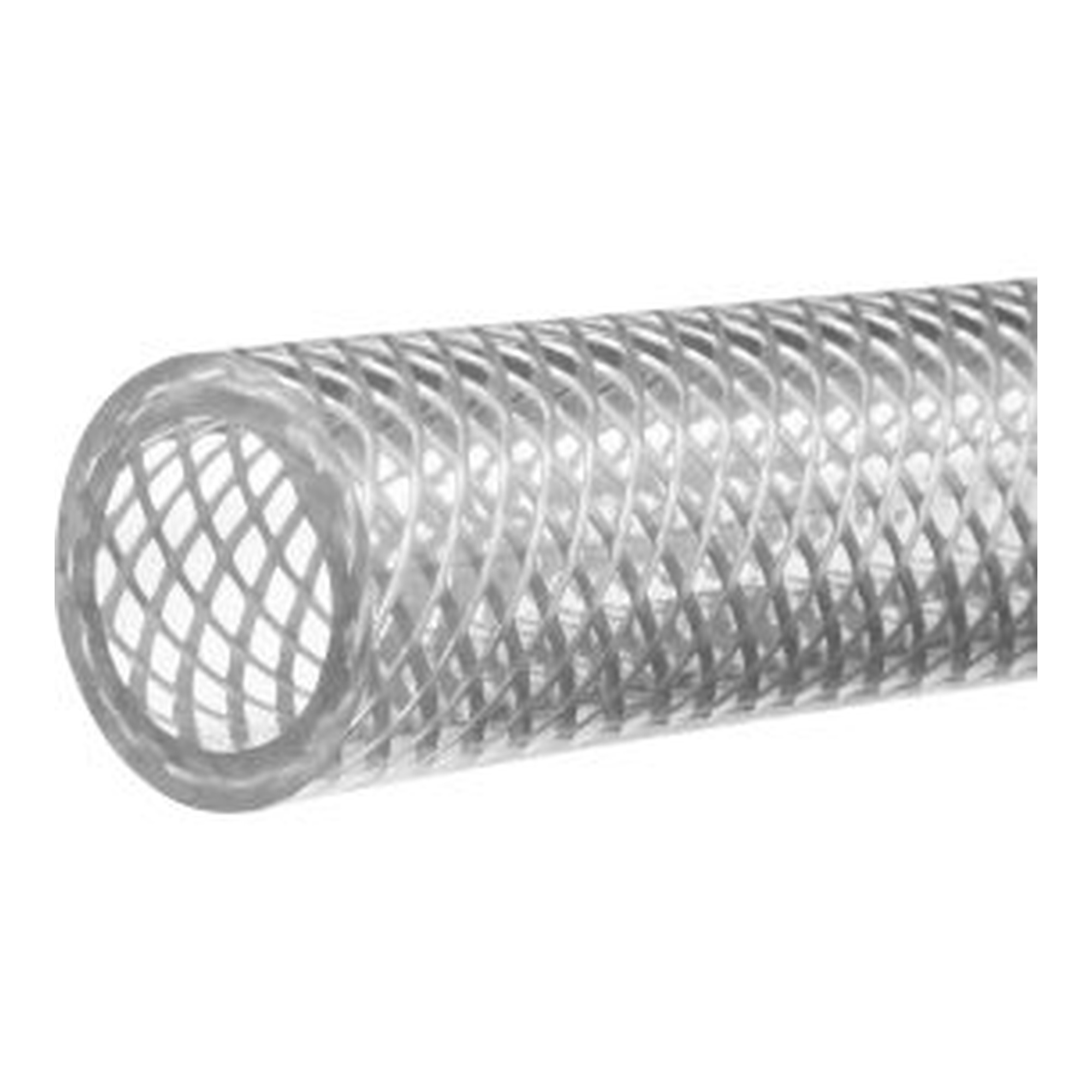
Laboratory Grade Clear PVC Tubing, 3/4 in. ID x 1 in. OD x 25 ft.
Our Price:$165.94This laboratory-grade clear PVC tubing is for laboratory and food-processing users who need tubing for fluid-handling applications where higher purity and fewer extractables are important.The tubing...
-
USA Sealing
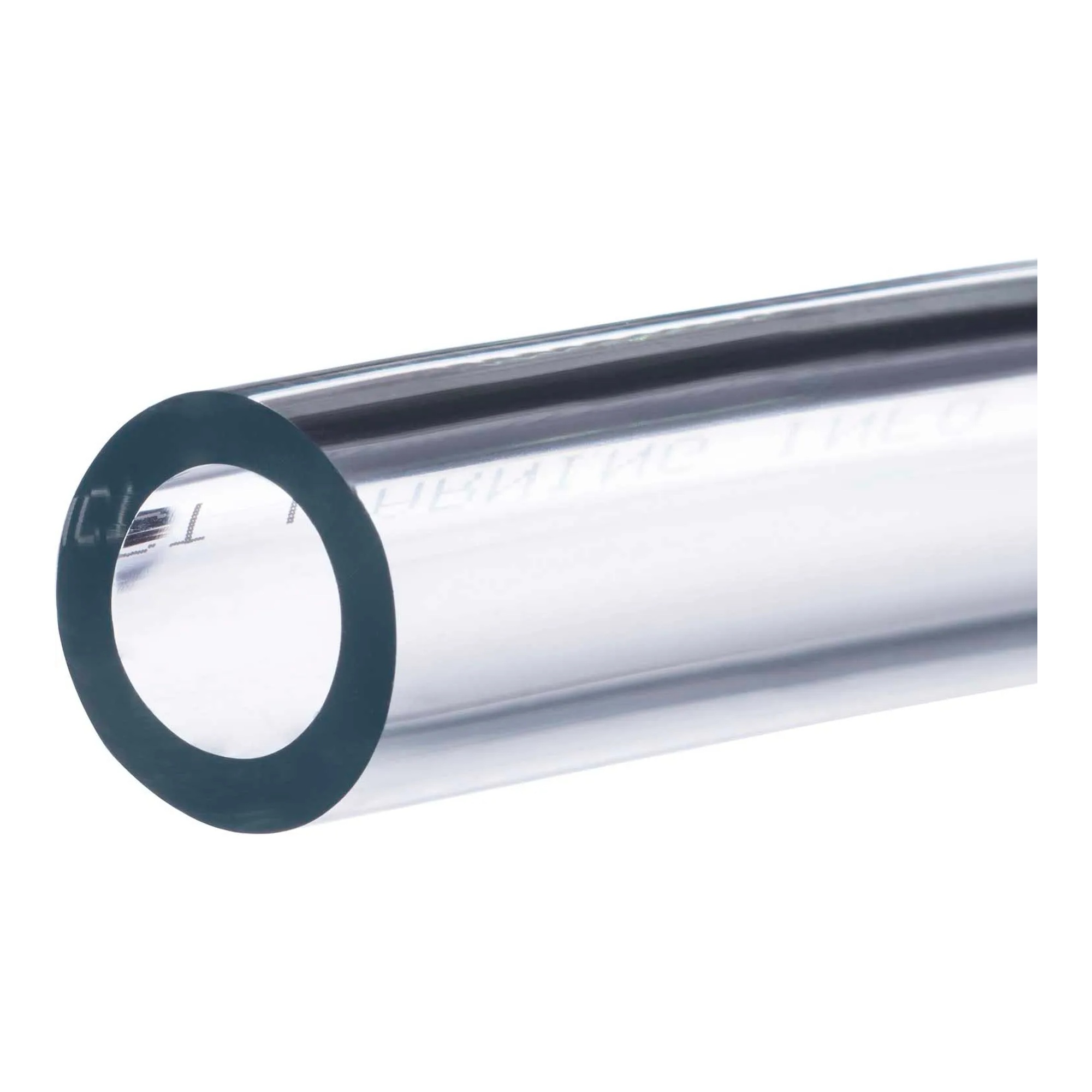
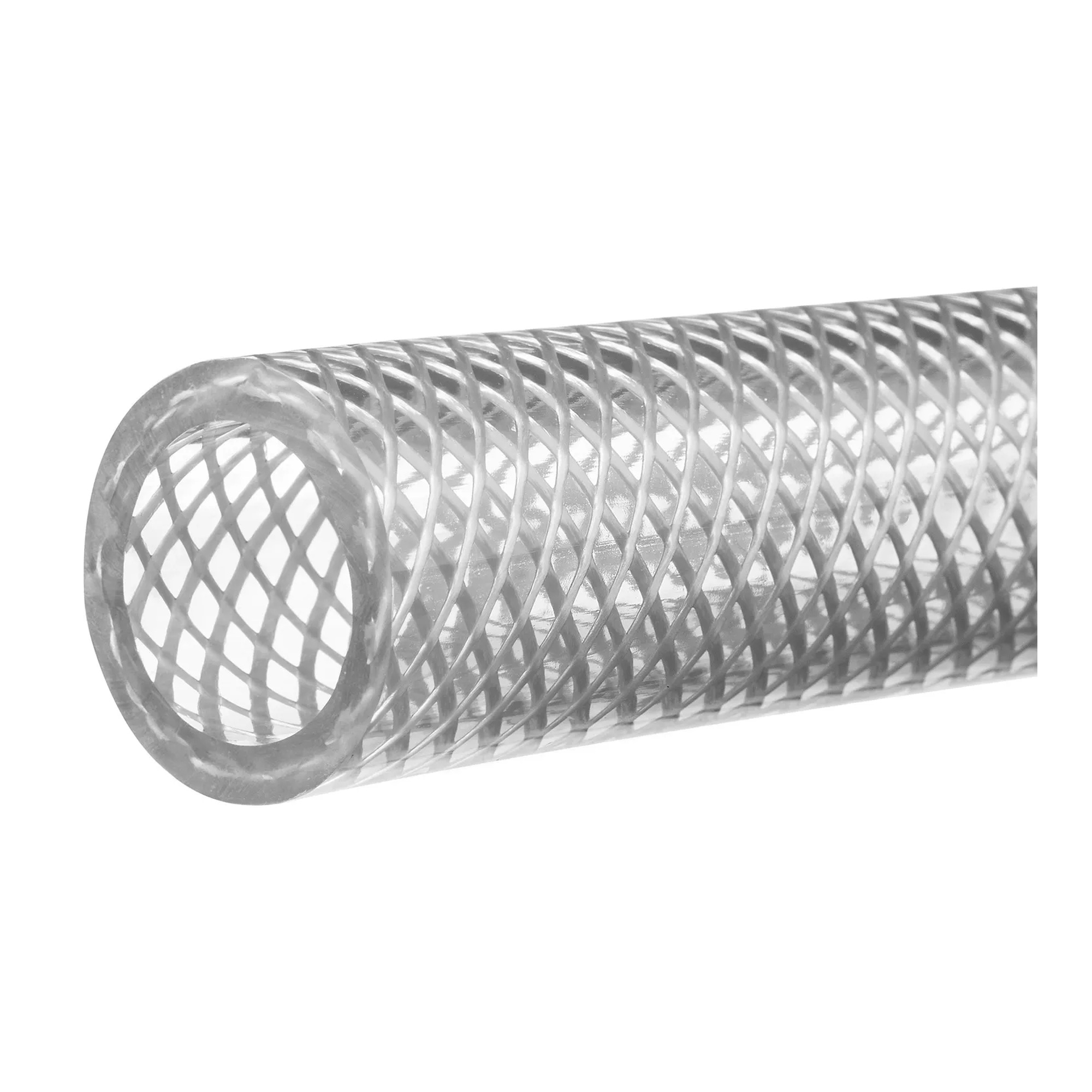
Laboratory-Grade Clear PVC Tubing, 1 in. ID x 1-1/4 in. OD x 25 ft.
Our Price:$169.94This laboratory-grade clear PVC tubing is designed for laboratory and food-processing teams that need clear tubing for their process applications. Its transparent construction helps users visually...
-
USA Sealing
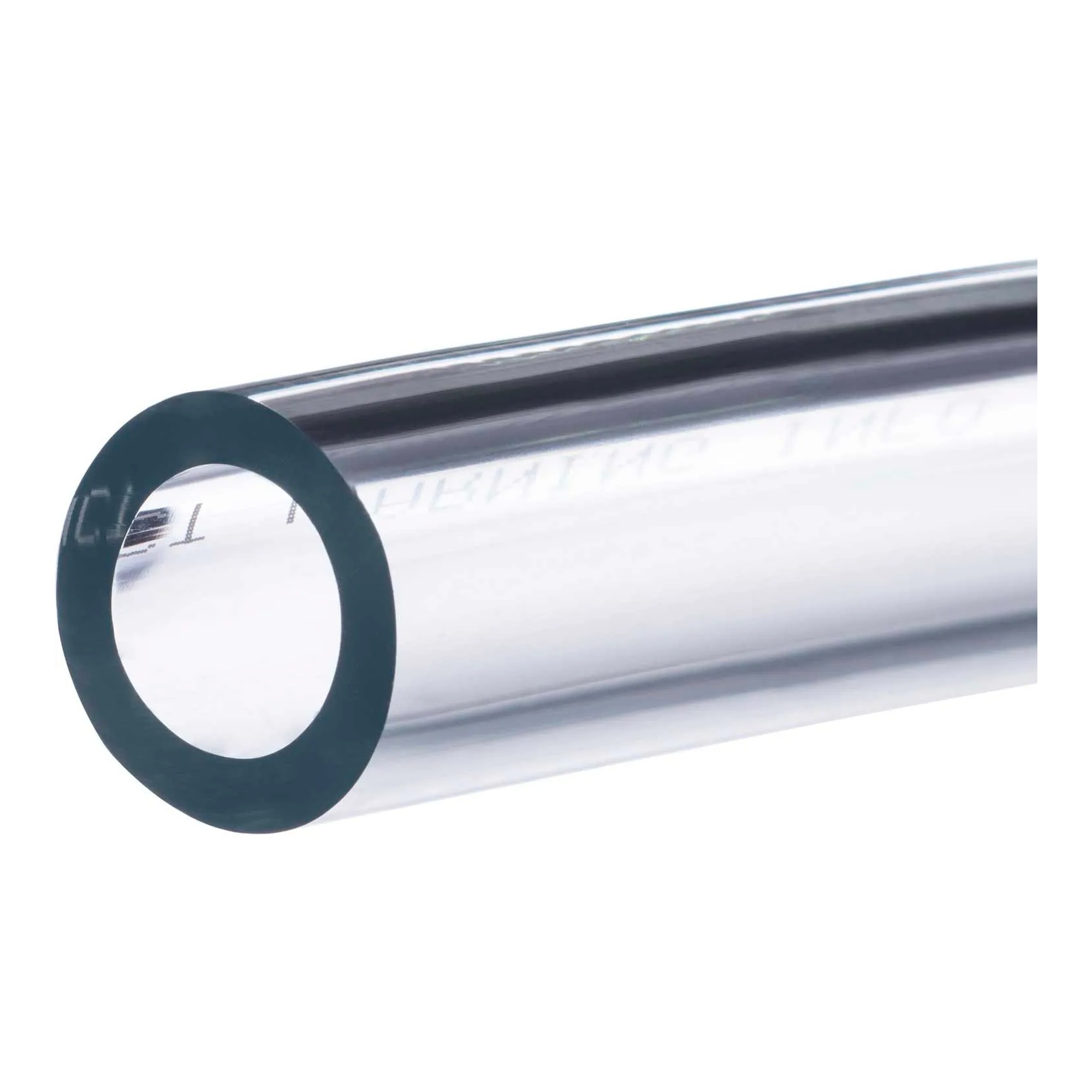
Laboratory-Grade Clear PVC Tubing, 1/2 in. ID x 5/8 in. OD x 2 ft.
Our Price:$7.49This laboratory-grade clear PVC tubing is designed for laboratory and food-processing users who need tubing for fluid-transfer setups. Its clear construction helps users view the contents moving...
-
Legend Valve
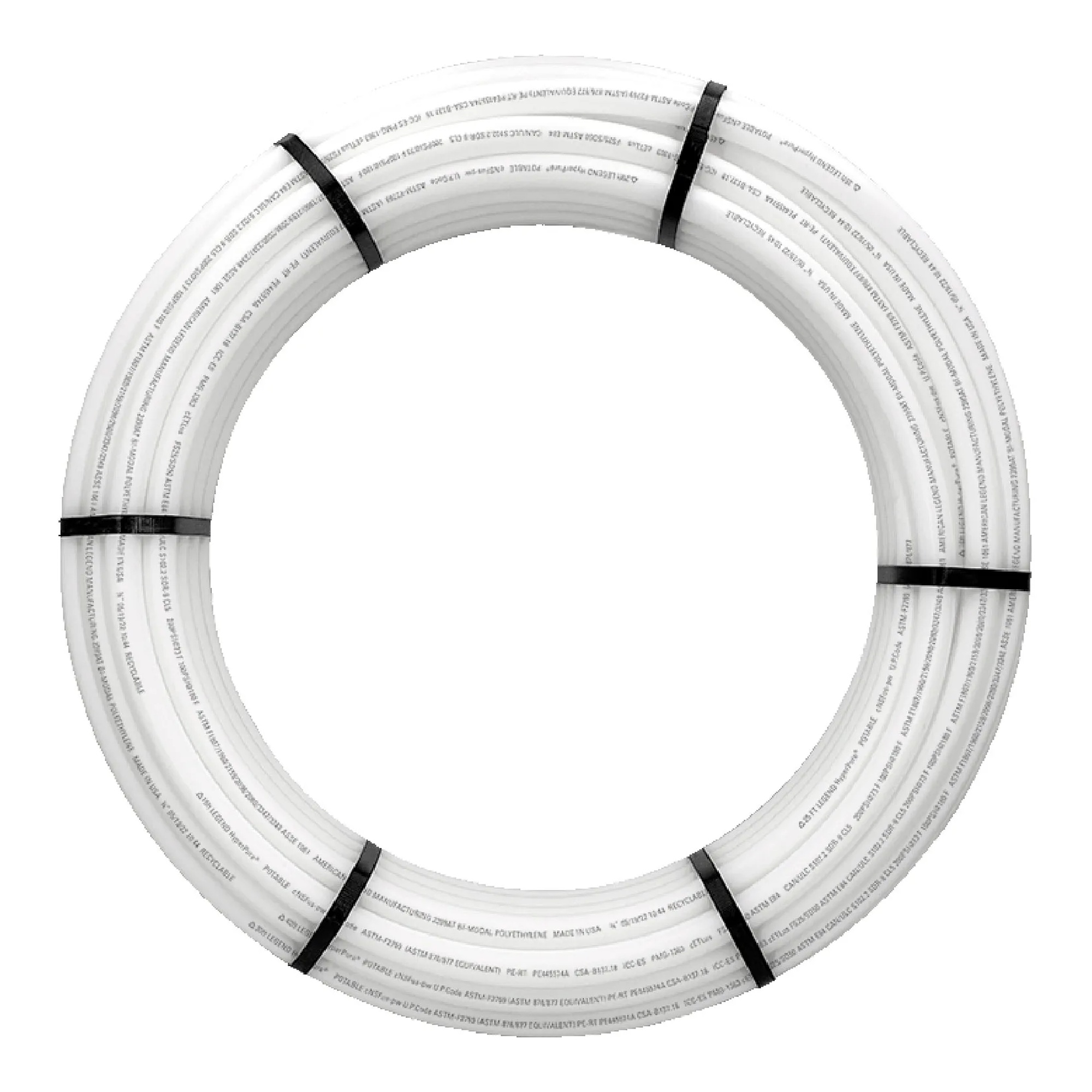
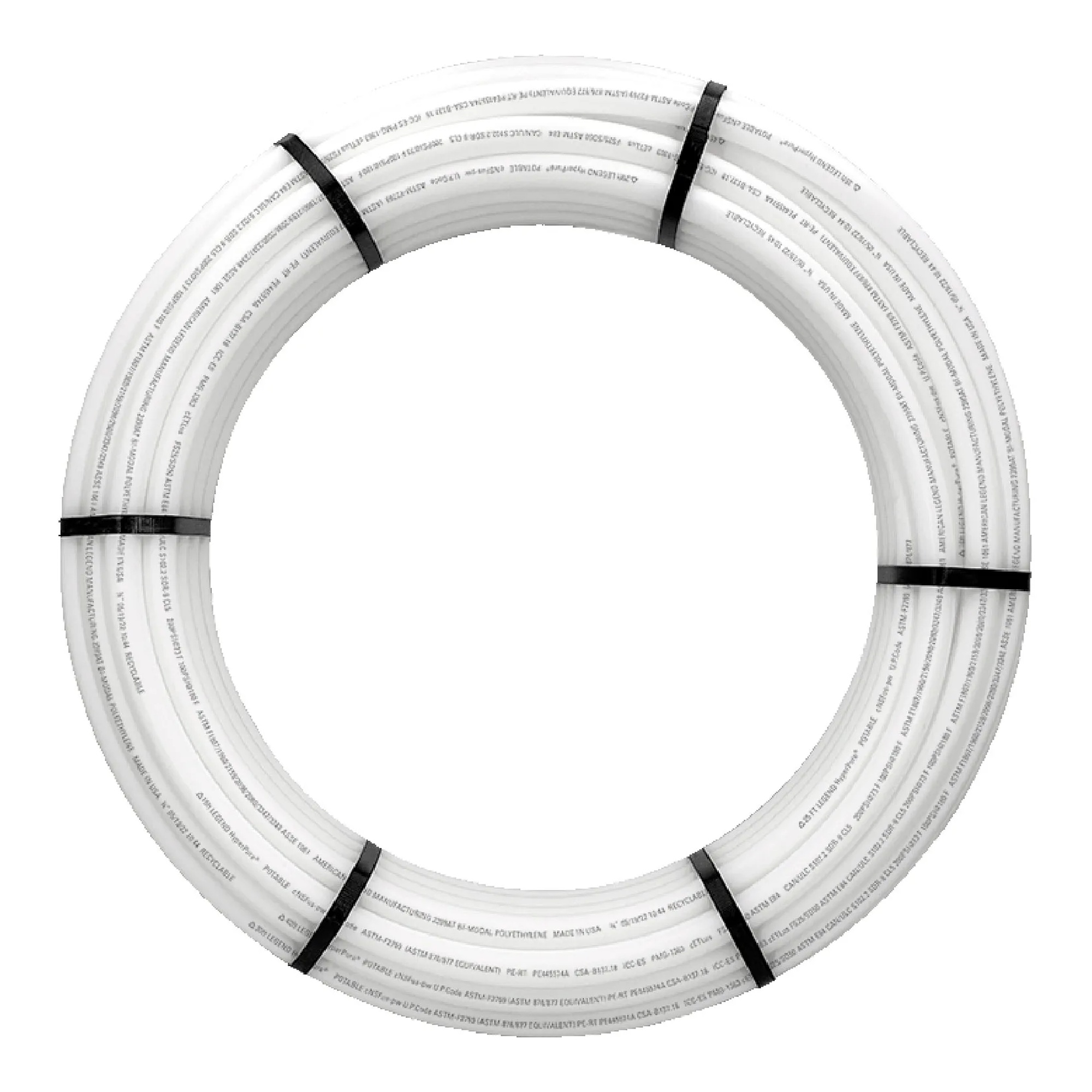
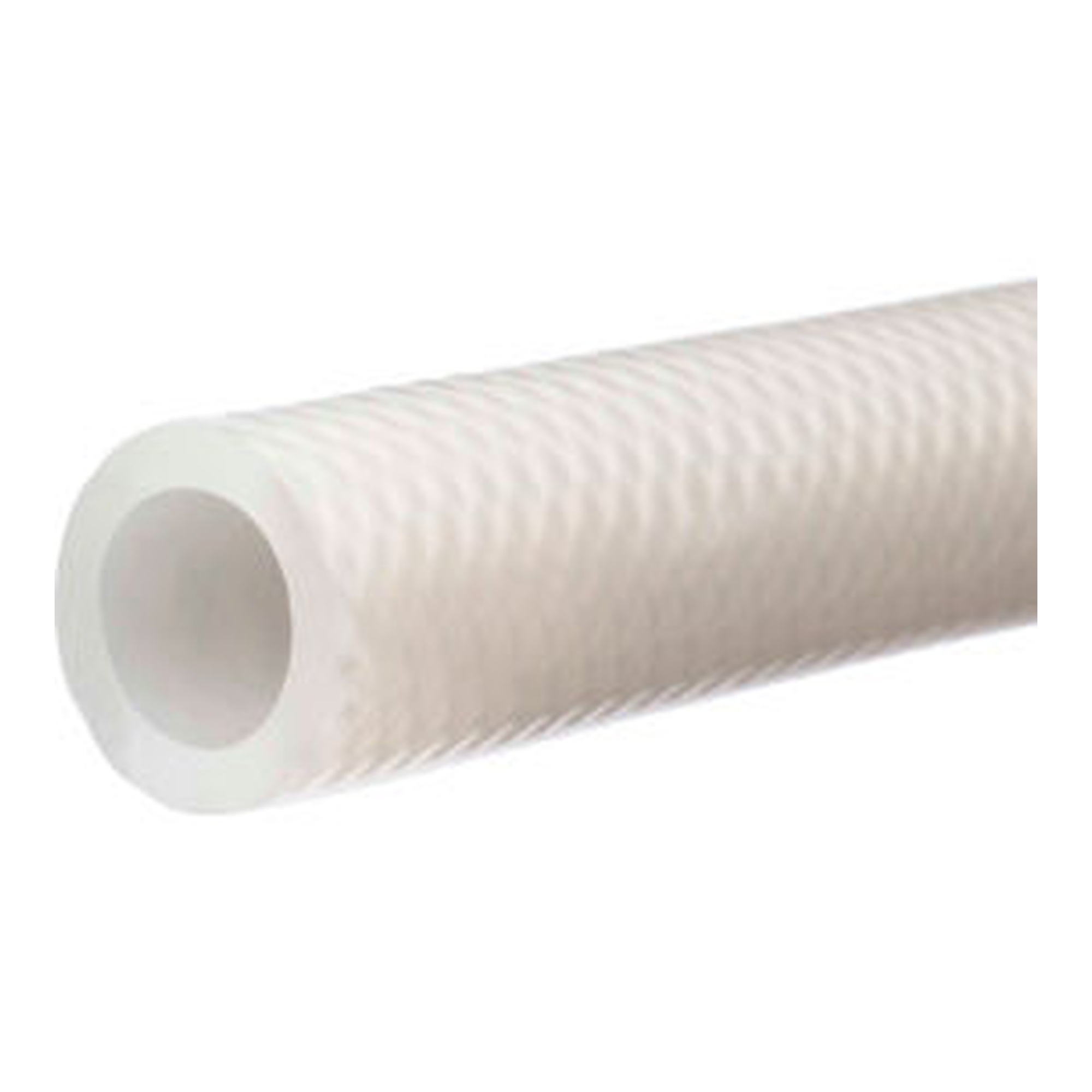
PE-RT Tubing, 1-1/4 in. ID x 1-3/8 in. OD x 100 ft Coil, White
Our Price:$239.94This white PE-RT tubing is designed for plumbing professionals installing hot and cold water distribution systems. Its flexible coiled form supports routing water lines through commercial and...
-
Legend Valve
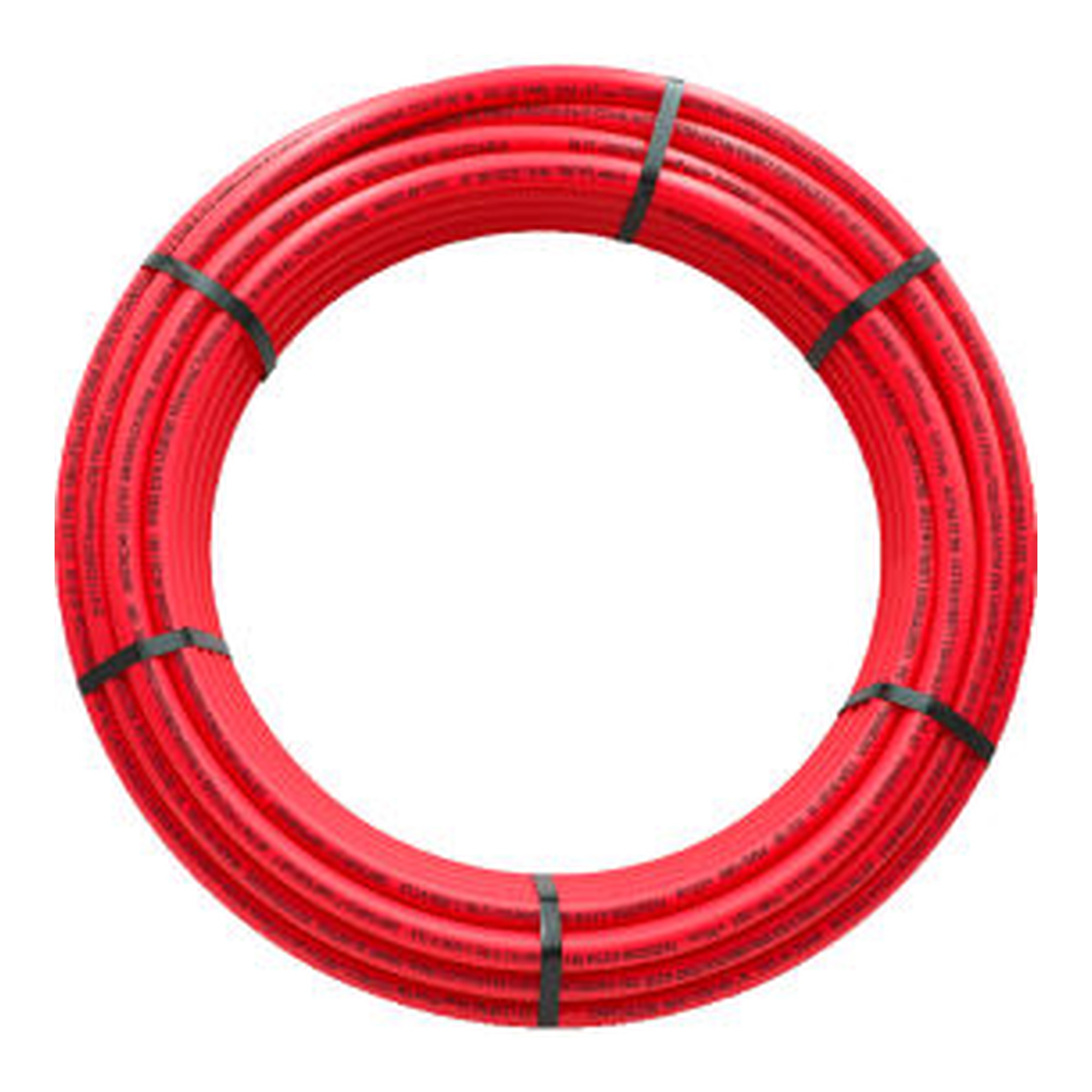
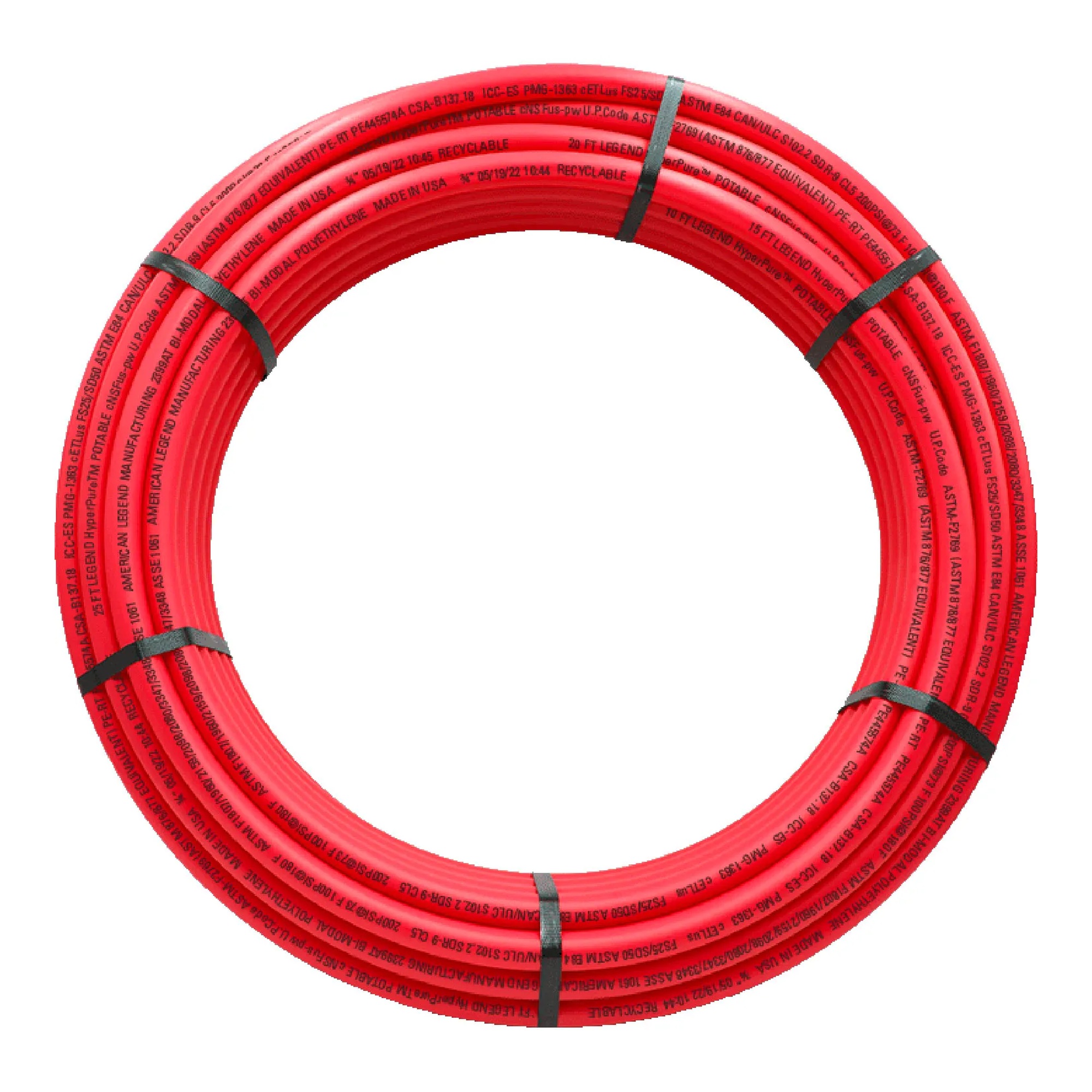
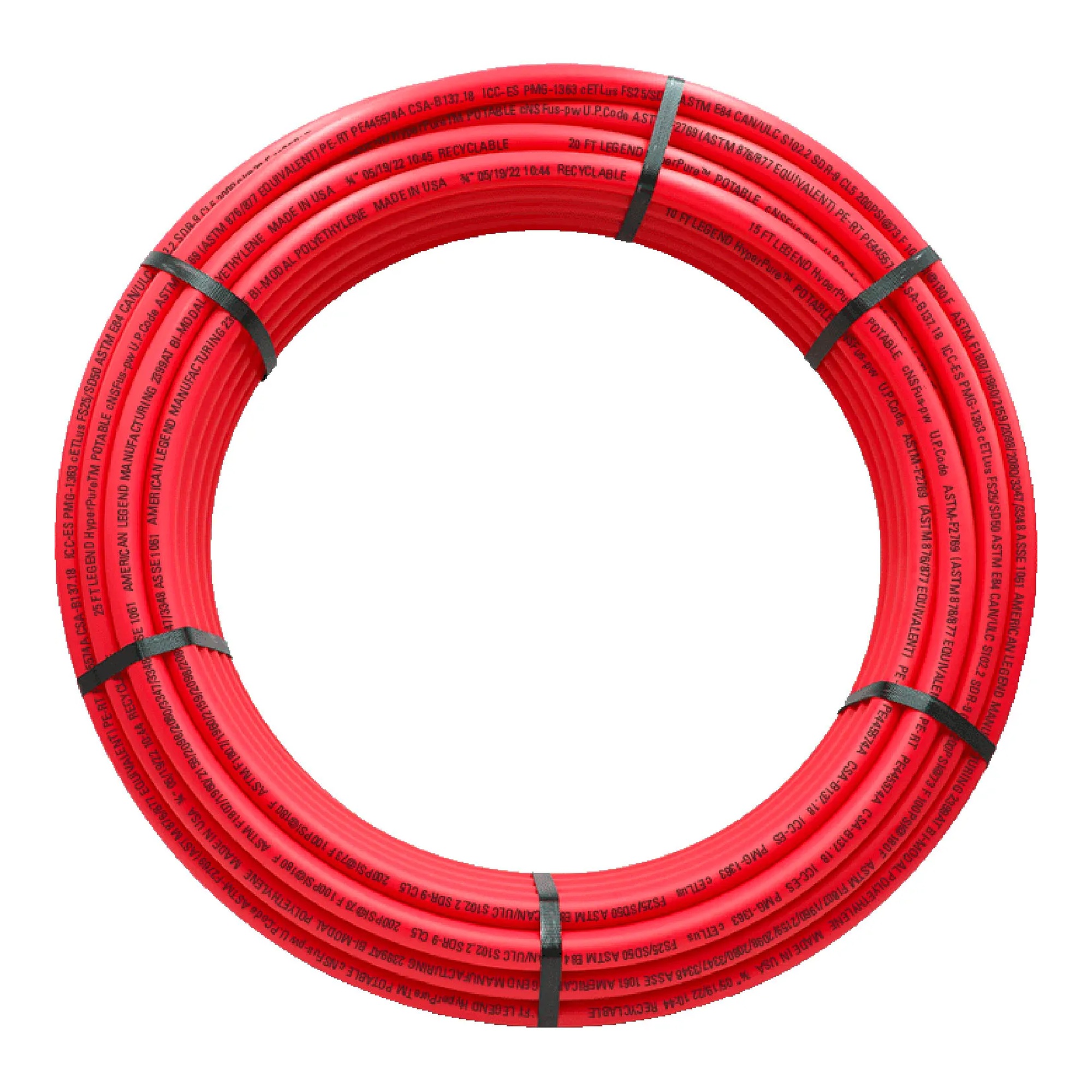
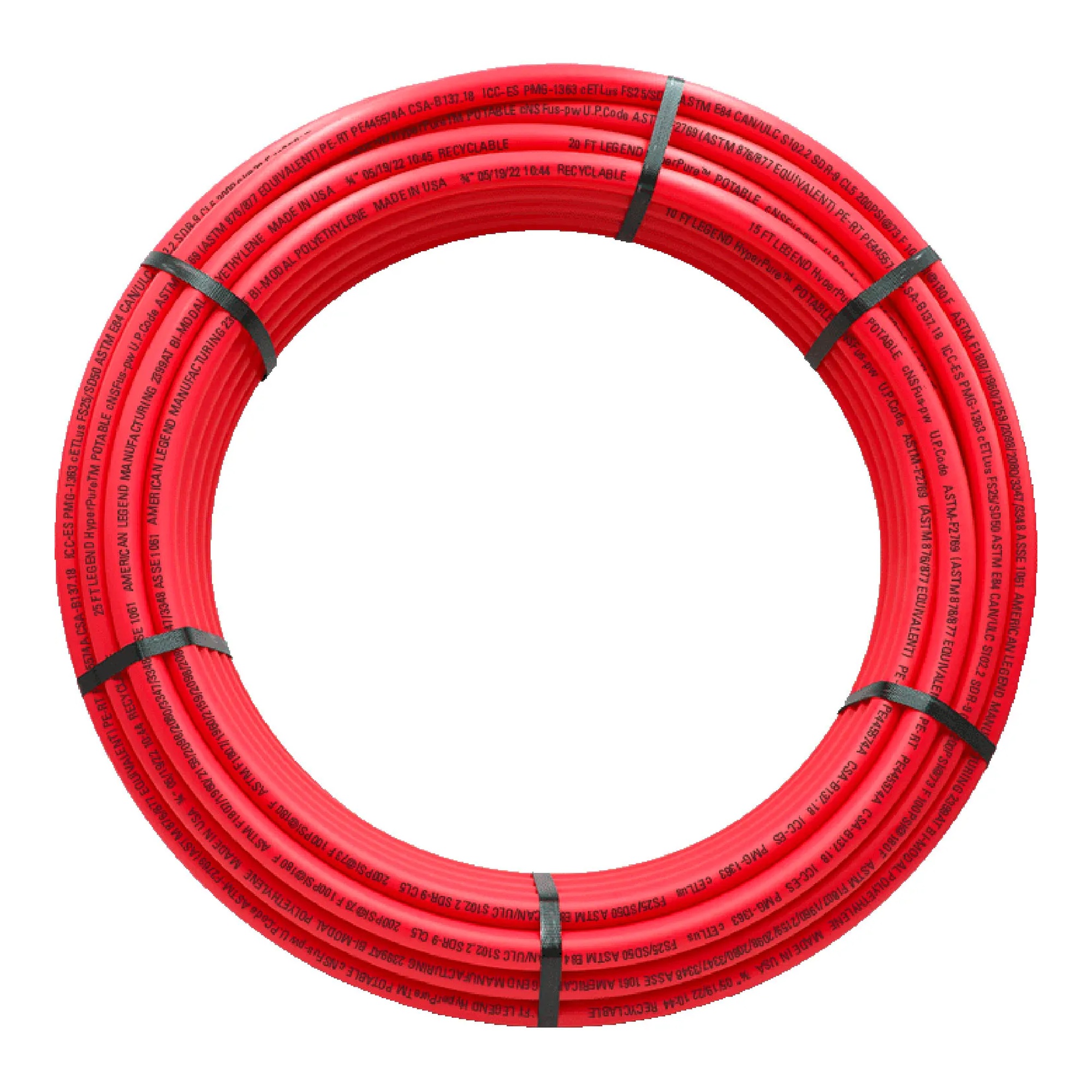
PE-RT Tubing, 1/2 in. ID x 5/8 in. OD x 100 ft. Coil, Red
Our Price:$35.94This red PE-RT tubing is designed for plumbing professionals and commercial buyers installing hot and cold water distribution systems. Its flexible coil format supports routing water lines where...
-
Legend Valve
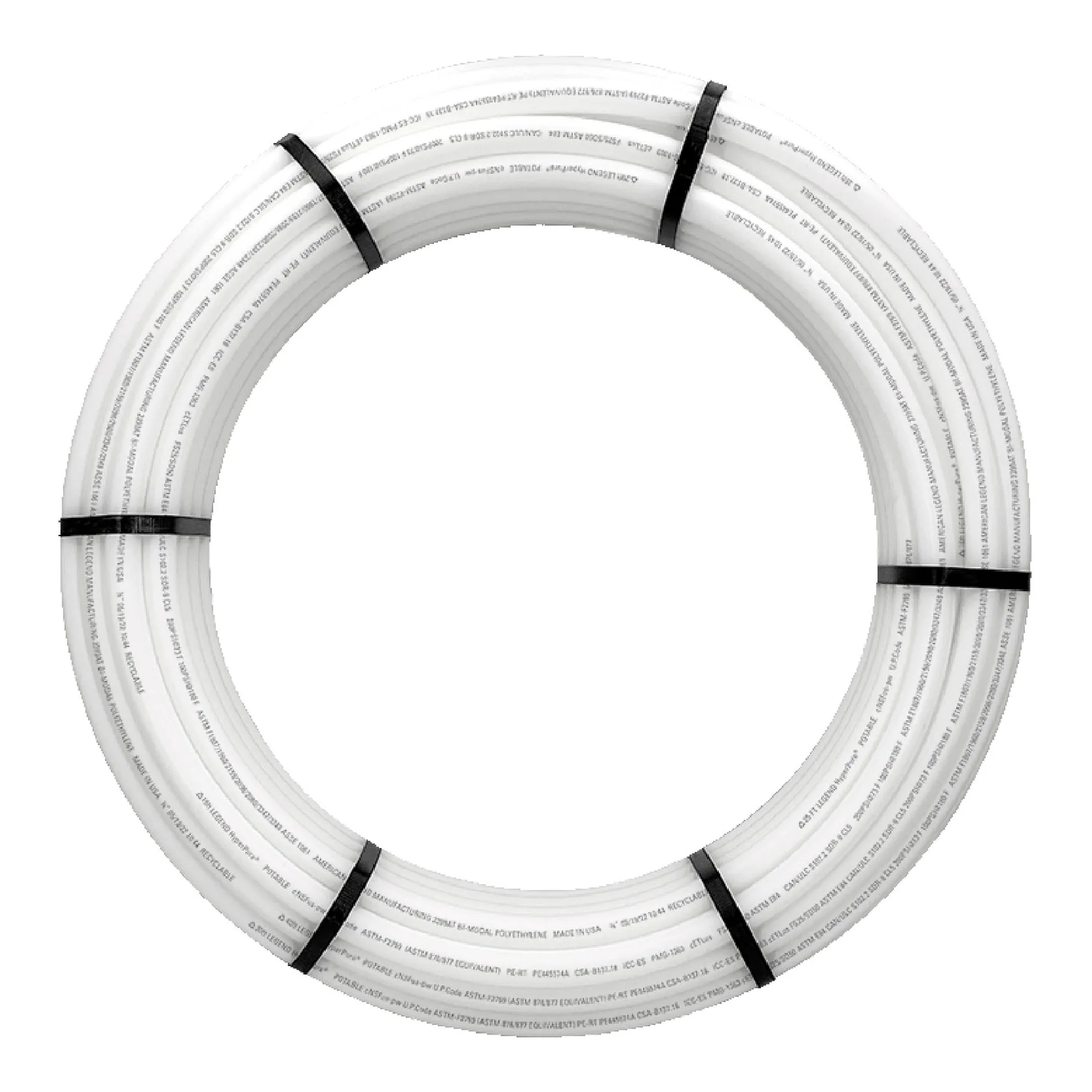
PE-RT Tubing, 1/2 in. ID x 5/8 in. OD x 1000 ft Coil, White
Our Price:$319.94This white PE-RT tubing is for plumbing professionals and contractors installing hot and cold water distribution systems. Its 1/2 in. inside diameter supports water-flow routing while the coiled...
-
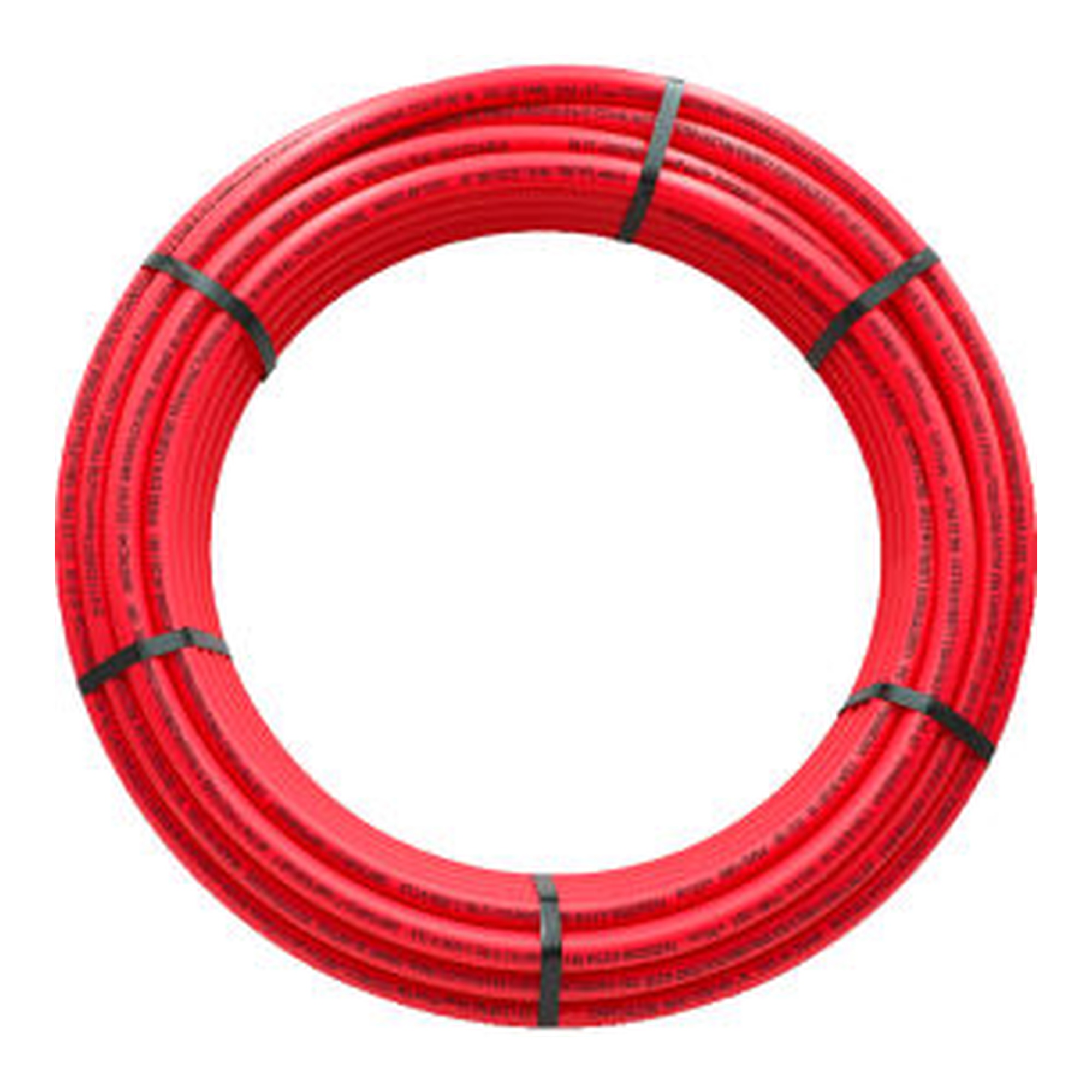
PE-RT Tubing, 1/2 in. ID x 5/8 in. OD x 500 ft Coil, Red
Our Price:$159.94This red PE-RT tubing is designed for commercial plumbing professionals installing hot and cold water distribution systems. Its 1/2-inch inside diameter and flexible coil format support routing water...
-
Legend Valve
PE-RT Tubing, 3/4 in. ID x 7/8 in. OD x 300 ft Coil, White
Our Price:$189.94This white PE-RT tubing is for plumbing professionals installing hot and cold water distribution systems. Its flexible coil format supports routing water lines through residential and commercial...
-
Legend Valve
PE-RT Tubing, 3/8 in. ID x 1/2 in. OD x 1,000 ft., White
Our Price:$359.94This white PE-RT tubing is designed for plumbing professionals installing hot- and cold-water distribution lines. Its flexible coil format helps support continuous tubing runs in commercial and...
-
Red PE-RT Tubing, 1 in. ID x 1-1/8 in. OD x 100 ft Coil
Our Price:$129.94This red PE-RT tubing is designed for plumbing professionals installing hot and cold water distribution systems. Its 1-inch inside diameter supports water-routing applications where flexible tubing...
-
Legend Valve
Red PE-RT Tubing, 3/4 in. ID x 7/8 in. OD x 100 ft Coil
Our Price:$62.94This red PE-RT tubing is designed for plumbing professionals installing hot and cold water distribution systems. Its 3/4 in. inside diameter supports water-flow routing where flexible tubing is...
-
Legend Valve
Red PE-RT Tubing, 3/4 in. ID x 7/8 in. OD x 300 ft Coil
Our Price:$179.94This red PE-RT tubing is designed for plumbing professionals installing hot and cold water distribution systems. Its flexible coil format helps support routing through residential and commercial...
-
Legend Valve
Red PE-RT Tubing, 3/4 in. ID x 7/8 in. OD x 500 ft Coil
Our Price:$289.94This red PE-RT tubing is designed for plumbing professionals and contractors installing hot and cold water distribution systems. Its 3/4 in. inside diameter supports water-routing applications where...
-
USA Sealing
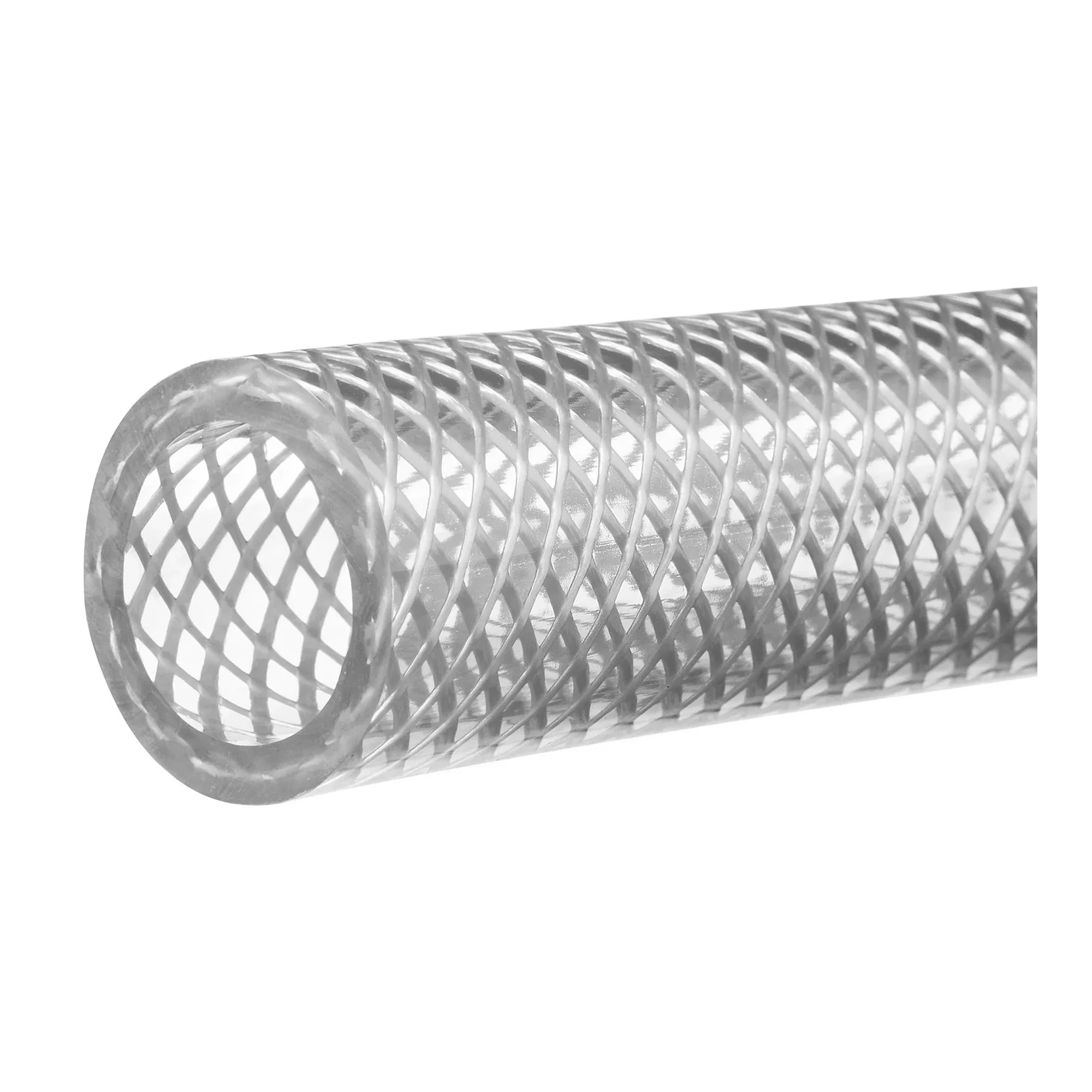
Reinforced Clear PVC Tubing, 1 in. ID x 1-1/4 in. OD x 50 ft.
Our Price:$179.94This reinforced clear PVC tubing is designed for commercial users who need a versatile line for food and beverage, air, or water applications. Its transparent construction helps users visually...
-
USA Sealing
Reinforced Clear PVC Tubing, 1/2 in. ID x 3/4 in. OD x 10 ft.
Our Price:$26.94This reinforced clear PVC tubing is a multipurpose choice for facilities handling food and beverage, air, or water. Its transparent construction helps users visually monitor flow while routing tubing...
-
Reinforced Clear PVC Tubing, 1/2 in. ID x 5/8 in. OD x 25 ft.
Our Price:$37.94This reinforced clear PVC tubing is designed for buyers who need a multipurpose line for food and beverage, air, and water applications. Its transparent construction helps users see the contents...
-
USA Sealing
Reinforced Clear PVC Tubing, 3/4 in. ID x 1 in. OD x 100 ft.
Our Price:$229.94This reinforced clear PVC tubing is designed for commercial users who need a flexible tubing option for food and beverage, air, and water applications. Its transparent construction allows visual...
-
Reinforced Clear Vinyl Tubing, 5/8 in. x 1/8 in. Wall, 75 ft Reel
Our Price:$139.94This reinforced clear vinyl tubing is designed for commercial users who need visible hose routing for air, water, and pneumatic lines. Its clear construction helps users monitor flow while the...
-
USA Sealing
Reinforced FDA Silicone Tubing, 1 in. ID x 1-3/8 in. OD x 5 ft.
Our Price:$149.94This reinforced silicone tubing is designed for food-processing operations, breweries, and distilleries that transfer air or water. Its polyester braid reinforcement supports applications that...
-
Reinforced High-Pressure Clear Silicone Tubing, 1/4 in. ID x 1/2 in. OD x 25 ft.
Our Price:$179.94This reinforced clear silicone tubing is designed for commercial food-processing operations that transfer air or water. Its braided construction supports higher-pressure applications, including...




Choose tubing for the fluid, routing path, and connection size
Start with the application, then compare tubing material, inside and outside dimensions, wall thickness where listed, and available continuous length. Clear options can help users observe flow, while specialized materials address applications involving water distribution, food and beverage transfer, chemical handling, heat, oils, fuels, or agricultural liquid application.
Popular examples in this category
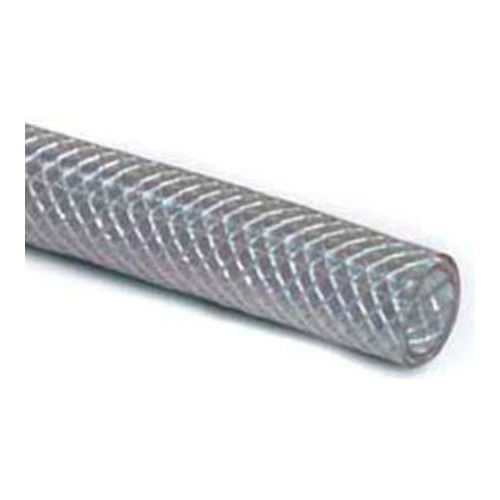 Clear Reinforced Vinyl Tubing, 1/2 in. ID, 100 ft CoilWBB596843
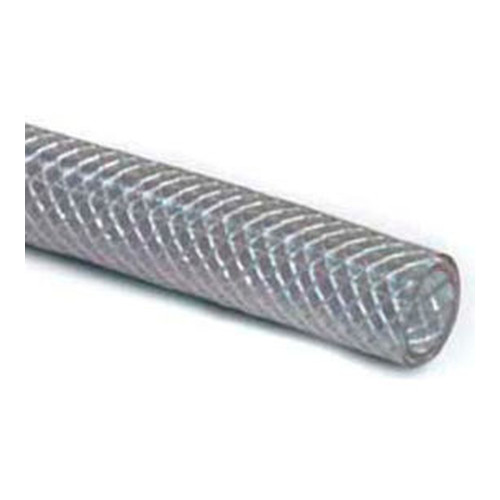 Clear Reinforced Vinyl Tubing, 3/4 in. ID, 100 ft CoilWBB596849
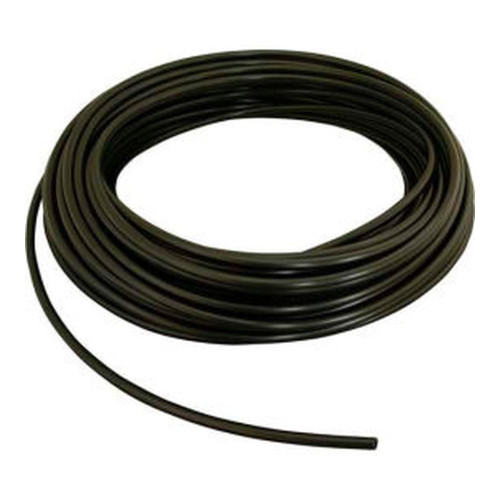 Black Polyethylene Tubing, 3/16 in. ID x 5/16 in. OD, 100 ft RollWBB596873
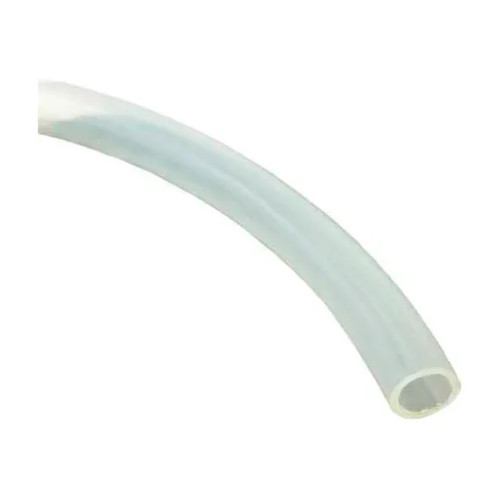 Clear EVA Tubing, 3/4 in. ID x 1/8 in. Wall, 200 ft ReelWBB596889
Match tubing to the job
Available tubing supports air, water, and pneumatic lines; hot and cold water distribution; food and beverage transfer; open-end agricultural and lawn-care liquid application; and chemical, oil, fuel, or heat-related fluid handling.
Confirm dimensions and material
Compare the required inside diameter, outside diameter, and wall thickness when provided. Then select a material with features aligned to the intended fluid, operating conditions, visibility needs, and routing requirements.
Plan the routing path
Coils, rolls, and reels provide continuous tubing lengths for routing and cutting to application-specific lengths. Flexible options can simplify routing, and PE-RT tubing lists a minimum bend radius of six times its outside diameter.
Review product-specific limitations
Check each item for stated use details and restrictions. One clear reinforced vinyl option is prohibited from shipping to California, while certain EVA options are intended for open-end discharge and are not for pressurizing anhydrous ammonia.
Listed tubing sizes span small fluid paths through larger water-routing options.
Available formats include shorter lengths as well as long coils, rolls, and reels.
Specified for the PE-RT tubing options in this category.
The stated bend radius is six times the tubing outside diameter.
Compare tubing types by intended use
Use this overview to narrow the material and application type before confirming the exact size and product-specific details.
| Tubing type | Stated applications and characteristics | Dimensions and formats represented |
|---|---|---|
| Clear vinyl and reinforced vinyl | Fluid routing; air, water, and pneumatic lines; clear options allow flow observation, and reinforced vinyl includes synthetic cord reinforcement. | 1/2, 3/4, and 1 in. ID examples; 100 ft coils or lengths; selected 1/8 in. wall listings. |
| EVA and PE-RT | EVA for open-end discharge of compatible agricultural, lawn-care, and chemical-transfer liquids; PE-RT for hot and cold water distribution. | EVA examples from 3/8 to 1 in. ID with 1/8 in. walls; PE-RT examples at 1 and 1-1/2 in. ID in 500 ft and 300 ft coils. |
| Silicone, PTFE, and fluoroelastomer | Silicone for water, food, and beverage transfer; PTFE for chemical and heat resistance and steam sterilization; fluoroelastomer for chemicals, oils, fuels, and high-temperature applications. | Silicone: 1 in. ID x 1-1/4 in. OD x 50 ft; PTFE: 1/8 in. ID x 1/4 in. OD x 25 ft; fluoroelastomer: 1/4 in. ID x 3/8 in. OD x 25 ft. |
Plan the right fit before choosing
Select a tubing material that fits the stated application
The category includes vinyl, reinforced vinyl, polyethylene, EVA, PE-RT, silicone, PTFE, and fluoroelastomer tubing. Each represents different stated uses and characteristics.
- Clear vinyl and reinforced vinyl are offered for visible air, water, pneumatic, and fluid-routing lines.
- EVA tubing is listed for compatible liquid fertilizer, herbicide, insecticide, phosphate, and aqua ammonia solutions in open-end discharge setups.
- PE-RT tubing is intended for hot and cold water distribution systems.
- Silicone tubing is specified for water, food, and beverage transfer, including food processing, breweries, and distilleries.
- PTFE and fluoroelastomer options are intended where chemical and heat resistance are important; fluoroelastomer is also listed for chemicals, oils, and fuels.
Match the tubing dimensions to compatible equipment
Inside diameter defines the listed flow path size, while outside diameter and wall thickness help with connection and system planning. Sizes represented range from 1/8 inch ID to 1-1/2 inch ID, with selected products also listing OD and wall dimensions.
- Compare 1/8, 3/16, 1/4, 3/8, 1/2, 3/4, 1, and 1-1/2 inch inside-diameter options represented in the category.
- Use listed OD measurements when matching tubing to compatible connections, including 5/16, 3/8, 1/4, 1-1/8, 1-1/4, and 1-5/8 inch examples.
- Listed continuous lengths include 25-foot, 50-foot, 100-foot, 200-foot, 300-foot, and 500-foot formats.
- For PE-RT water-distribution tubing, compare the stated pressure and temperature ratings with application requirements.
Consider flow visibility, flexibility, and operating requirements
Clear tubing is useful when visual observation of material moving through the line is needed. Several options are described as flexible, while individual products add application-specific features such as synthetic cord reinforcement, environmental stress-crack resistance, steam sterilization capability, and resistance to acids, alkalis, most solvents, chemicals, oils, fuels, or heat.
- Choose clear tubing when line visibility is a priority.
- Consider reinforced vinyl when a supported clear hose is needed for compatible air, water, or pneumatic applications.
- Use the black polyethylene option where its stated environmental stress-crack resistance is relevant.
- For demanding fluid-handling setups, review the stated chemical, heat, oil, fuel, or sterilization characteristics of PTFE and fluoroelastomer tubing.
Common questions before buying
What tubing is available for air, water, and pneumatic lines?
Clear vinyl and clear reinforced vinyl tubing are listed for compatible air, water, and pneumatic line applications. Reinforced vinyl includes synthetic cord reinforcement.
Which options allow visual monitoring of flow?
Clear vinyl, reinforced vinyl, EVA, silicone, and PTFE options are described as allowing visual observation or monitoring through the tubing.
What tubing is listed for hot and cold water distribution?
White PE-RT tubing is intended for hot and cold water distribution systems. The listed PE-RT products have ratings up to 200 psi at 73°F or 100 psi at 180°F.
Are there restrictions or special-use details to review?
Yes. One clear reinforced vinyl product is prohibited from shipping to California. EVA products are specified for open-end discharge, with one listing noting that it is not for pressurizing anhydrous ammonia.
Choose tubing for the fluid, routing path, and connection size
Start with the application, then compare tubing material, inside and outside dimensions, wall thickness where listed, and available continuous length. Clear options can help users observe flow, while specialized materials address applications involving water distribution, food and beverage transfer, chemical handling, heat, oils, fuels, or agricultural liquid application.
Popular examples in this category
Match tubing to the job
Available tubing supports air, water, and pneumatic lines; hot and cold water distribution; food and beverage transfer; open-end agricultural and lawn-care liquid application; and chemical, oil, fuel, or heat-related fluid handling.
Confirm dimensions and material
Compare the required inside diameter, outside diameter, and wall thickness when provided. Then select a material with features aligned to the intended fluid, operating conditions, visibility needs, and routing requirements.
Plan the routing path
Coils, rolls, and reels provide continuous tubing lengths for routing and cutting to application-specific lengths. Flexible options can simplify routing, and PE-RT tubing lists a minimum bend radius of six times its outside diameter.
Review product-specific limitations
Check each item for stated use details and restrictions. One clear reinforced vinyl option is prohibited from shipping to California, while certain EVA options are intended for open-end discharge and are not for pressurizing anhydrous ammonia.
Listed tubing sizes span small fluid paths through larger water-routing options.
Available formats include shorter lengths as well as long coils, rolls, and reels.
Specified for the PE-RT tubing options in this category.
The stated bend radius is six times the tubing outside diameter.
Compare tubing types by intended use
Use this overview to narrow the material and application type before confirming the exact size and product-specific details.
| Tubing type | Stated applications and characteristics | Dimensions and formats represented |
|---|---|---|
| Clear vinyl and reinforced vinyl | Fluid routing; air, water, and pneumatic lines; clear options allow flow observation, and reinforced vinyl includes synthetic cord reinforcement. | 1/2, 3/4, and 1 in. ID examples; 100 ft coils or lengths; selected 1/8 in. wall listings. |
| EVA and PE-RT | EVA for open-end discharge of compatible agricultural, lawn-care, and chemical-transfer liquids; PE-RT for hot and cold water distribution. | EVA examples from 3/8 to 1 in. ID with 1/8 in. walls; PE-RT examples at 1 and 1-1/2 in. ID in 500 ft and 300 ft coils. |
| Silicone, PTFE, and fluoroelastomer | Silicone for water, food, and beverage transfer; PTFE for chemical and heat resistance and steam sterilization; fluoroelastomer for chemicals, oils, fuels, and high-temperature applications. | Silicone: 1 in. ID x 1-1/4 in. OD x 50 ft; PTFE: 1/8 in. ID x 1/4 in. OD x 25 ft; fluoroelastomer: 1/4 in. ID x 3/8 in. OD x 25 ft. |
Plan the right fit before choosing
Select a tubing material that fits the stated application
The category includes vinyl, reinforced vinyl, polyethylene, EVA, PE-RT, silicone, PTFE, and fluoroelastomer tubing. Each represents different stated uses and characteristics.
- Clear vinyl and reinforced vinyl are offered for visible air, water, pneumatic, and fluid-routing lines.
- EVA tubing is listed for compatible liquid fertilizer, herbicide, insecticide, phosphate, and aqua ammonia solutions in open-end discharge setups.
- PE-RT tubing is intended for hot and cold water distribution systems.
- Silicone tubing is specified for water, food, and beverage transfer, including food processing, breweries, and distilleries.
- PTFE and fluoroelastomer options are intended where chemical and heat resistance are important; fluoroelastomer is also listed for chemicals, oils, and fuels.
Match the tubing dimensions to compatible equipment
Inside diameter defines the listed flow path size, while outside diameter and wall thickness help with connection and system planning. Sizes represented range from 1/8 inch ID to 1-1/2 inch ID, with selected products also listing OD and wall dimensions.
- Compare 1/8, 3/16, 1/4, 3/8, 1/2, 3/4, 1, and 1-1/2 inch inside-diameter options represented in the category.
- Use listed OD measurements when matching tubing to compatible connections, including 5/16, 3/8, 1/4, 1-1/8, 1-1/4, and 1-5/8 inch examples.
- Listed continuous lengths include 25-foot, 50-foot, 100-foot, 200-foot, 300-foot, and 500-foot formats.
- For PE-RT water-distribution tubing, compare the stated pressure and temperature ratings with application requirements.
Consider flow visibility, flexibility, and operating requirements
Clear tubing is useful when visual observation of material moving through the line is needed. Several options are described as flexible, while individual products add application-specific features such as synthetic cord reinforcement, environmental stress-crack resistance, steam sterilization capability, and resistance to acids, alkalis, most solvents, chemicals, oils, fuels, or heat.
- Choose clear tubing when line visibility is a priority.
- Consider reinforced vinyl when a supported clear hose is needed for compatible air, water, or pneumatic applications.
- Use the black polyethylene option where its stated environmental stress-crack resistance is relevant.
- For demanding fluid-handling setups, review the stated chemical, heat, oil, fuel, or sterilization characteristics of PTFE and fluoroelastomer tubing.
Common questions before buying
What tubing is available for air, water, and pneumatic lines?
Clear vinyl and clear reinforced vinyl tubing are listed for compatible air, water, and pneumatic line applications. Reinforced vinyl includes synthetic cord reinforcement.
Which options allow visual monitoring of flow?
Clear vinyl, reinforced vinyl, EVA, silicone, and PTFE options are described as allowing visual observation or monitoring through the tubing.
What tubing is listed for hot and cold water distribution?
White PE-RT tubing is intended for hot and cold water distribution systems. The listed PE-RT products have ratings up to 200 psi at 73°F or 100 psi at 180°F.
Are there restrictions or special-use details to review?
Yes. One clear reinforced vinyl product is prohibited from shipping to California. EVA products are specified for open-end discharge, with one listing noting that it is not for pressurizing anhydrous ammonia.