

-
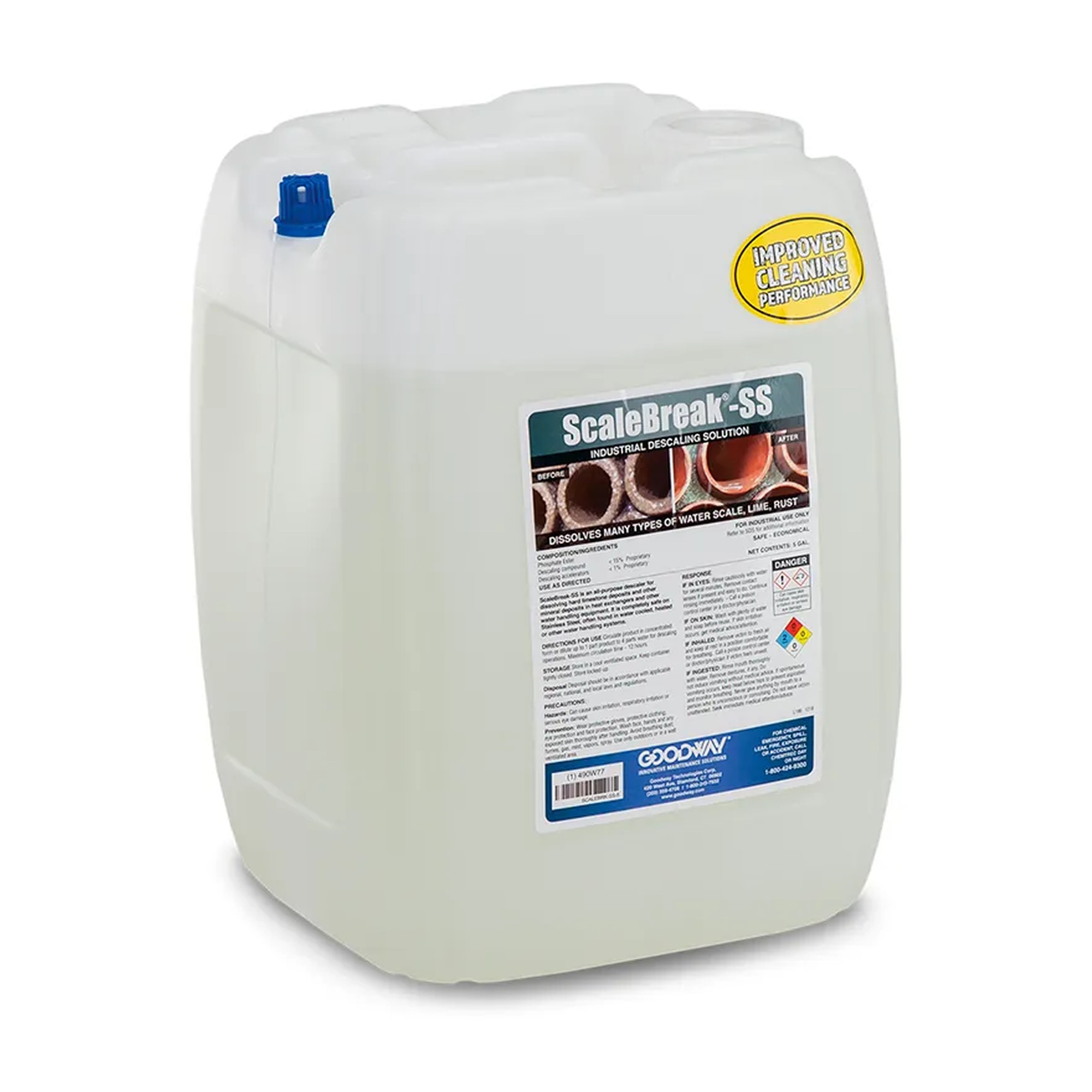
Stainless Steel Equipment Liquid Descaler, 5 Gal. Jug
Our Price:$259.94This liquid descaler is for industrial maintenance teams cleaning stainless steel equipment. It helps remove scale, struvite, and mineral deposits to support routine equipment cleaning.Supplied in a...
-
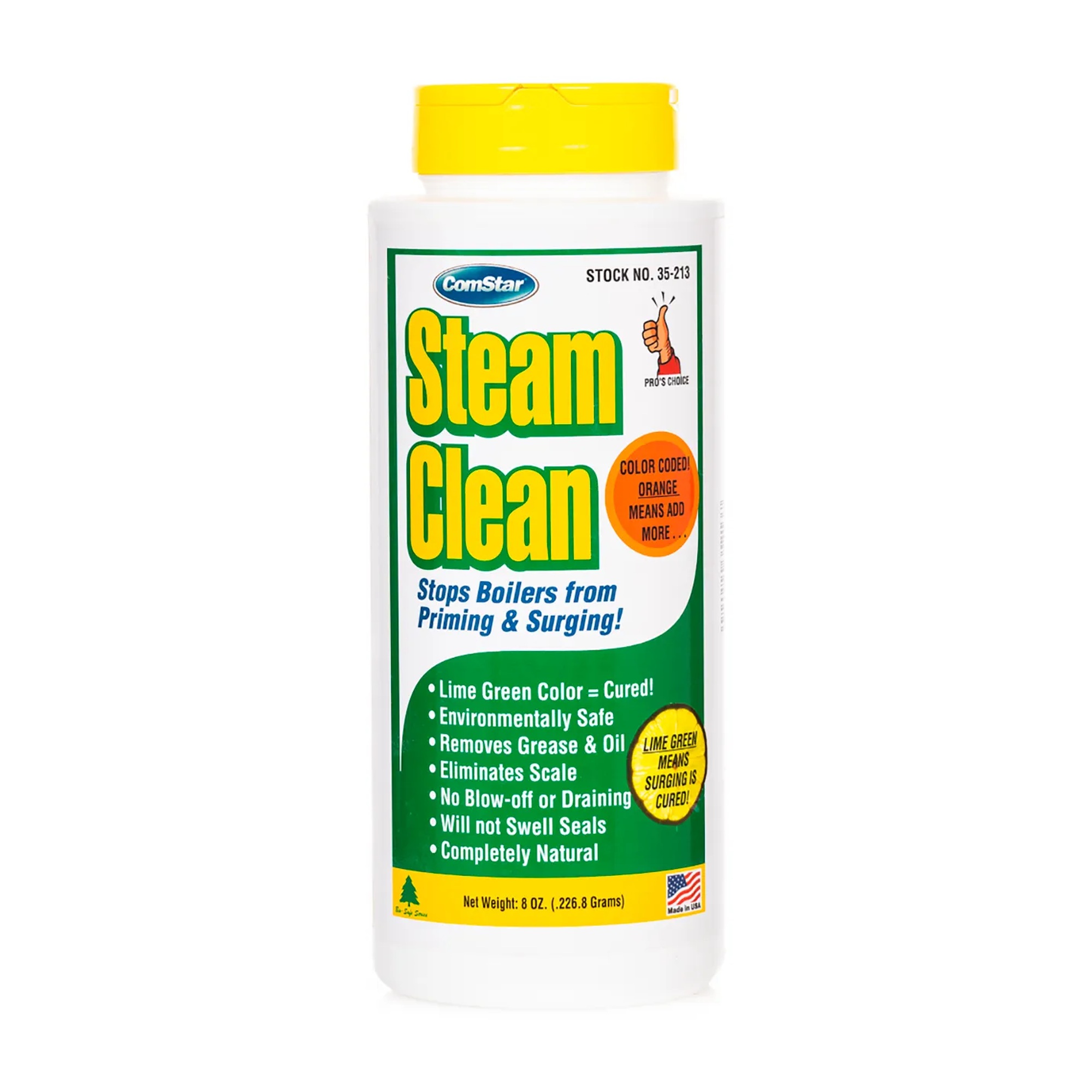
Steam Boiler Priming, Foaming and Surging Treatment, 8 Oz.
Our Price:$22.49This 8 oz. steam boiler water treatment is for facility maintenance teams and boiler service professionals managing new or existing steam boiler systems. It is designed to help stop boiler water...
-
Super Heat 8-in-1 Fuel Oil & Diesel Treatment, 8 oz
Our Price:$16.49This 8 oz fuel oil and diesel treatment is for maintenance teams and operators who need to condition fuel systems. It helps address water, sludge, soot, waxing, and gelling in fuel oil and diesel...
-
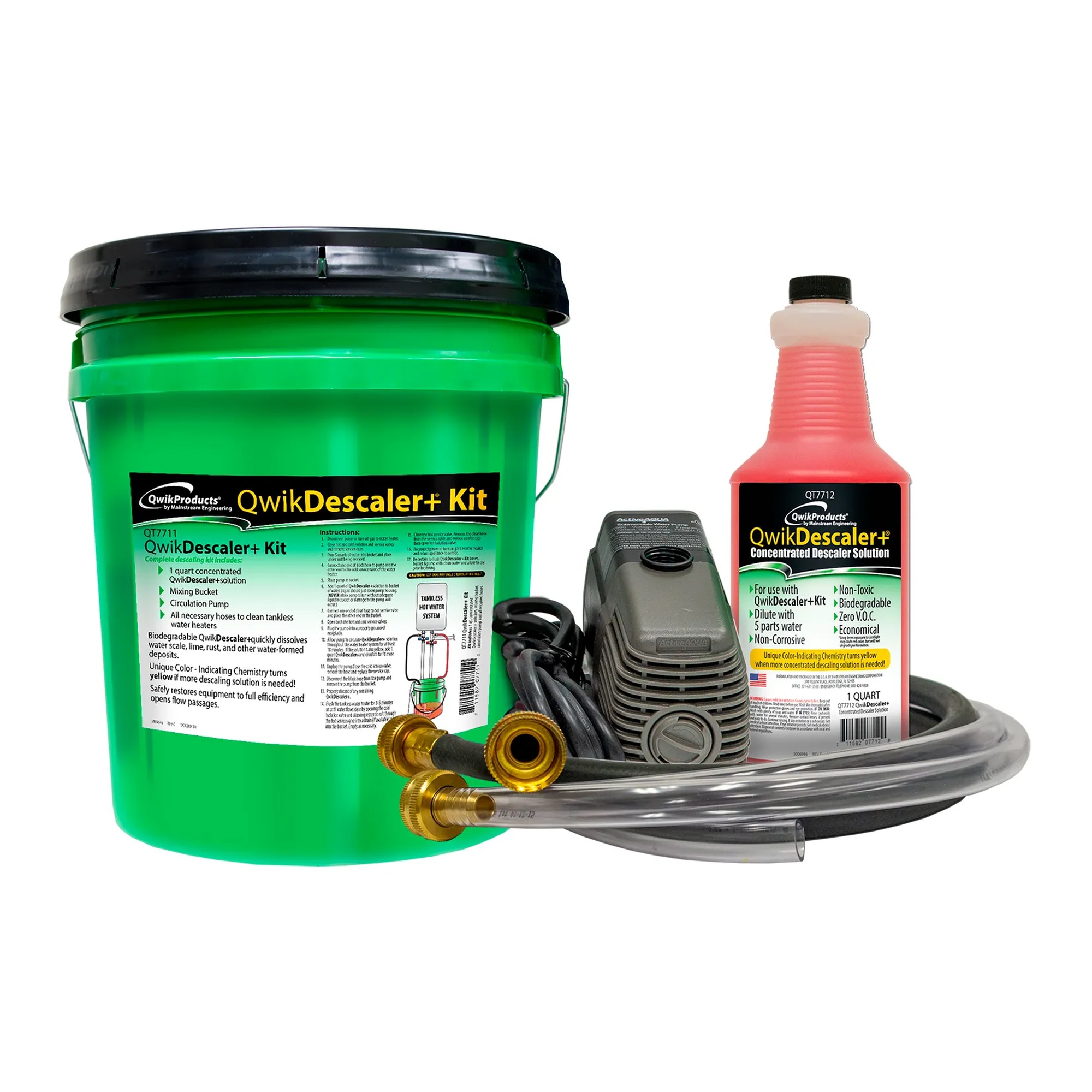
Tankless Water Heater Descaler Kit with Circulation Pump
Our Price:$259.94This descaler kit is for maintenance professionals and facility teams cleaning mineral buildup from tankless water heaters. It circulates descaling solution through service connections to help clear...

Choose cleaners by the component and buildup you need to address
Start with the equipment or surface being cleaned, then compare the cleaner’s intended use, formula type, application format, and container size. The products represented here range from ready-to-use sprays and aerosols to concentrates, gallon containers, and large drums for ongoing maintenance needs.
Popular examples in this category
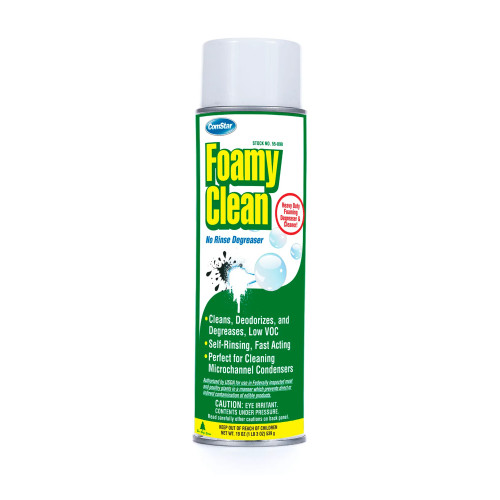 19 oz. Self-Rinsing Foaming Degreaser and Microchannel CleanerWBB496221
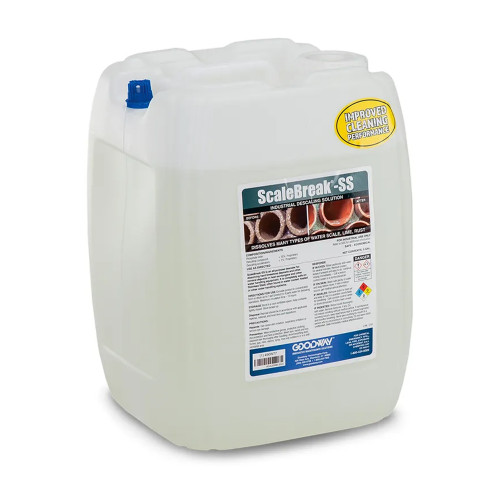 Stainless Steel Equipment Liquid Descaler, 5 Gal. JugWBB3114147
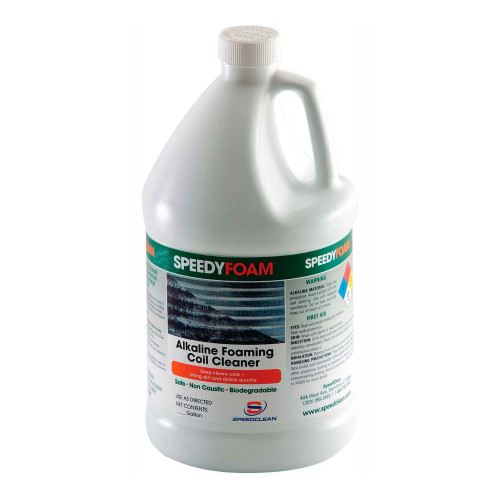 Non-Acidic Alkaline Foaming Coil Cleaner Concentrate, 1 GallonWBB2098806
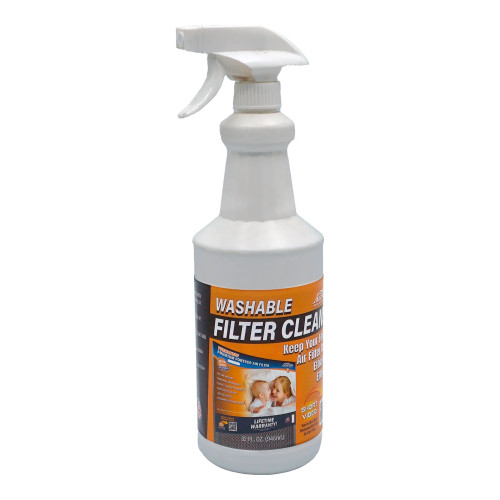 Permanent Washable Air Filter Cleaner, 32 oz Spray BottleWBB2369805
Match the cleaner to the maintenance task
Use coil cleaners for evaporator, condenser, and refrigeration coils; select line-set flushes for residual oil, acid, and moisture in existing refrigeration lines; and choose descalers for mineral buildup in water-cooled or heated equipment.
Compare surfaces, deposits, and formula attributes
Check the stated surface compatibility and the buildup targeted. Options include non-acidic alkaline coil cleaning, non-corrosive self-rinsing degreasing, stainless steel descaling, and cleaners formulated without caustic or acidic ingredients.
Support HVAC, refrigeration, heating, and equipment upkeep
Applicable tasks include cleaning coils, metal air filters, fans, registers, ducts, washable home air filters, heat transfer chambers, boilers, furnaces, and equipment passages.
Select a practical package and application method
Available formats include 16 oz and 32 oz sprays, 19 oz and 1 lb or 2 lb aerosols, a 114-gram stick, 1- and 5-gallon containers, and 30- or 55-gallon drums. Some products are ready to use, while a coil cleaner is supplied as a concentrate.
Sizes range from a 16 oz spray to a 55-gallon drum.
Products are available for evaporator, condenser, and refrigeration coils.
Line-set flushes help address residual oil, acid, and moisture.
Selected descalers can be used on steel, iron, brass, copper, plastic, and rubber.
Compare the main cleaner types
Use this overview to narrow the selection based on the maintenance task and available product format.
| Cleaner type | Best-fit applications | Formats and selection points |
|---|---|---|
| Coil, filter, and HVAC surface cleaners | Evaporator and condenser coils, refrigeration coils, metal air filters, washable air filters, vents, ducts, registers, fans, and mechanical equipment | Available as foaming concentrate, ready-to-use spray, self-rinsing aerosol, and gallon cleaner; some options deodorize. |
| Descalers | Stainless steel equipment and water-cooled or heated equipment with mineral deposits in passages | Available in a 5-gallon jug and 30- or 55-gallon drums; compare stainless steel use and stated material compatibility. |
| Specialty refrigeration and heating cleaners | Existing refrigeration line sets, heat transfer chambers, and boiler or furnace combustion and stack areas | Available as 1 lb or 2 lb aerosols, a 16 oz spray, and a 114-gram stick; select by contamination or buildup type. |
Plan the right fit before choosing
Choose cleaning coverage that fits the component
Coil-focused products help remove dirt, debris, grease, and grime from evaporator, condenser, and refrigeration coils. A universal cleaner and deodorizer extends coverage to coils, metal air filters, registers, fans, and other mechanical equipment. For permanent washable home air filters, choose the ready-to-use spray formulated to remove films from soap, cooking, tobacco smoke, and household spray products.
- Use a foaming coil cleaner concentrate when cleaning evaporator, condenser, or refrigeration coils.
- Consider universal coverage when coils, metal filters, registers, fans, and mechanical equipment are on the cleaning list.
- Choose an HVAC odor cleaner and neutralizer for filters, vents, coils, ducts, and registers when odor control is also needed.
Address deposits and contamination with task-specific cleaners
Liquid descalers are intended to dissolve limescale, struvite, calcium, lime, rust, and other buildup in equipment passages. One descaler is designed for stainless steel equipment and is formulated without hydrochloric acid. Refrigeration line-set flushes target residual oil, acid, and moisture when existing lines cannot be replaced after a burnout or during an R-22 to R-410A changeout. Heating-system options address soot or creosote in heat transfer chambers, combustion areas, and stack areas.
- Confirm the descaler’s stated material compatibility before use; listed options cover steel, iron, brass, copper, plastic, and rubber.
- Choose a 30- or 55-gallon drum for larger descaling quantities, or a 5-gallon jug for stainless steel equipment cleaning.
- Select aerosol line-set flushes for service situations involving existing refrigeration lines.
Compare cleaning action with the working format
The category includes self-rinsing foam, foaming alkaline concentrate, liquid descalers, ready-to-use sprays, aerosols, and a remover stick. Some products also provide deodorizing action. Review stated attributes such as biodegradable, non-corrosive, low-VOC, CFC-free, non-flammable, non-acidic, or non-caustic when those characteristics matter for the job.
- A self-rinsing foaming degreaser helps eliminate a water rinse after cleaning.
- Foaming cleaners help reach into coils to lift and flush dirt and debris.
- Spray-or-soak use is available on an HVAC odor cleaner and neutralizer, while the soot and creosote remover stick slides through a boiler or furnace peep hole.
Common questions before buying
What cleaners are available for HVAC coils?
The category includes foaming coil cleaner concentrate for evaporator, condenser, and refrigeration coils, plus a universal cleaner for evaporator and condenser coils and other HVAC components.
Which products help remove mineral deposits?
Liquid descalers help dissolve limescale, struvite, calcium, lime, rust, and other deposits from equipment passages. One option is specifically intended for stainless steel equipment.
What can be used to clean existing refrigeration line sets?
Aerosol line-set flushes help remove residual oil, acid, and moisture when an existing line set cannot be replaced after a burnout or during an R-22 to R-410A changeout.
Are there cleaners that also address odors?
Yes. A self-rinsing foaming degreaser helps deodorize treated areas, and HVAC cleaner options are available that clean and deodorize or neutralize odors on applicable system surfaces.