
-
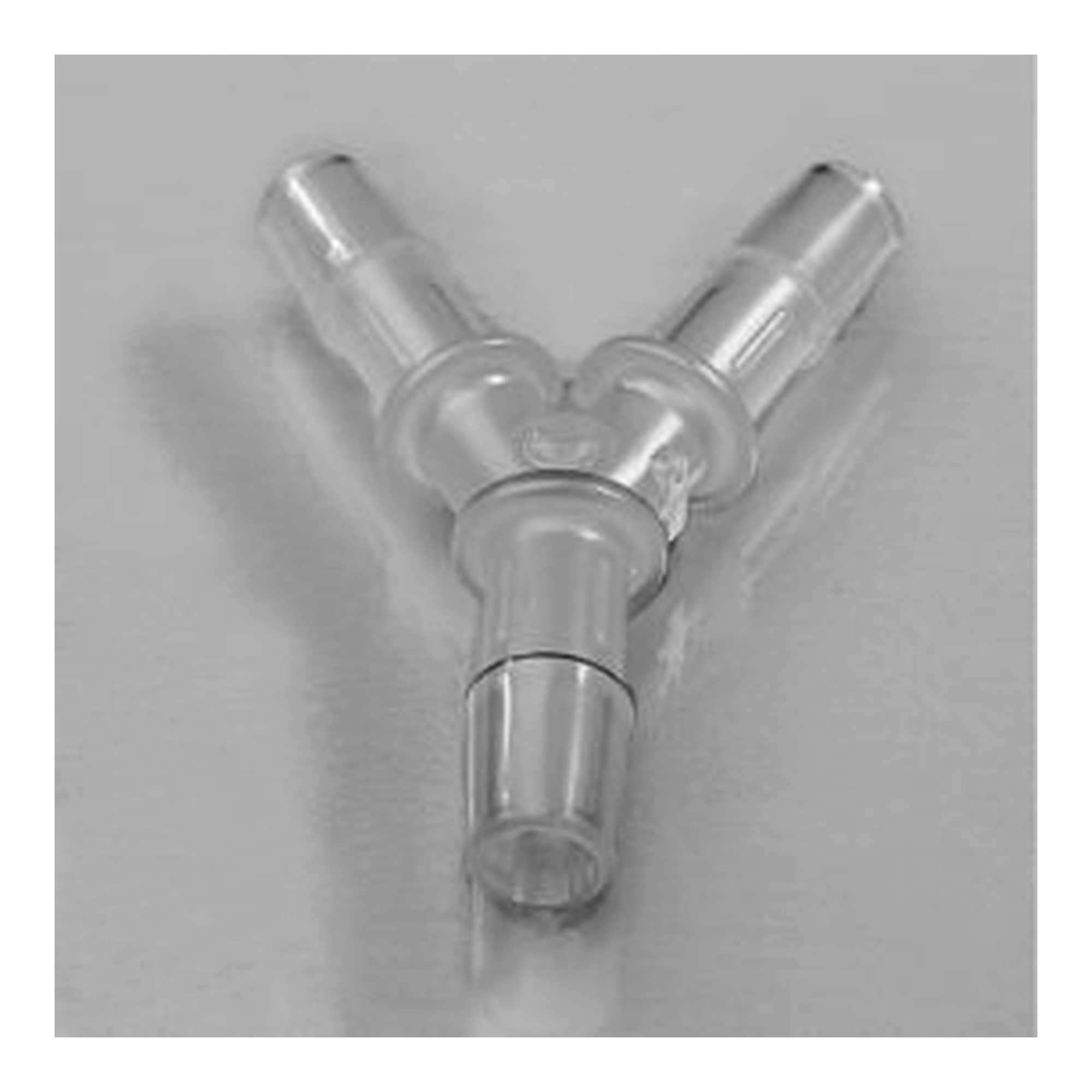
Polypropylene Wye Tubing Connector - 5.13 W x 1 H x 6 D
Our Price:$75.94This polypropylene wye tubing connector helps laboratory, processing, and maintenance users join lengths of tubing with the same inner diameter. Its Y-shaped design creates a secure branch connection...
-
Polypropylene Wye Tubing Connector for 1/2-Inch Tubing
Our Price:$85.94This wye tubing connector joins lengths of 1/2-inch inner-diameter tubing to create a branched fluid or gas line. It is suited to buyers who need a secure connection between compatible tubing runs...
-
Polypropylene Wye Tubing Connector for 1/4-Inch Tubing
Our Price:$68.94This polypropylene wye tubing connector helps laboratory, food-processing, and fluid-handling users join lengths of 1/4-inch inner-diameter tubing. Its Y-shaped design creates a secure branching...
-
Polypropylene Wye Tubing Connector for 3/16-Inch Tubing
Our Price:$54.94This polypropylene wye tubing connector joins lengths of 3/16-inch tubing for users who need to route liquids or gases through a branched tubing connection. Its barbed arms help create a secure...
-
Polypropylene Wye Tubing Connector with Barbed Arms
Our Price:$43.94This polypropylene wye tubing connector is designed for users who need to join lengths of tubing with the same inside diameter. Its Y-shaped layout helps create secure tubing connections for liquid...
-
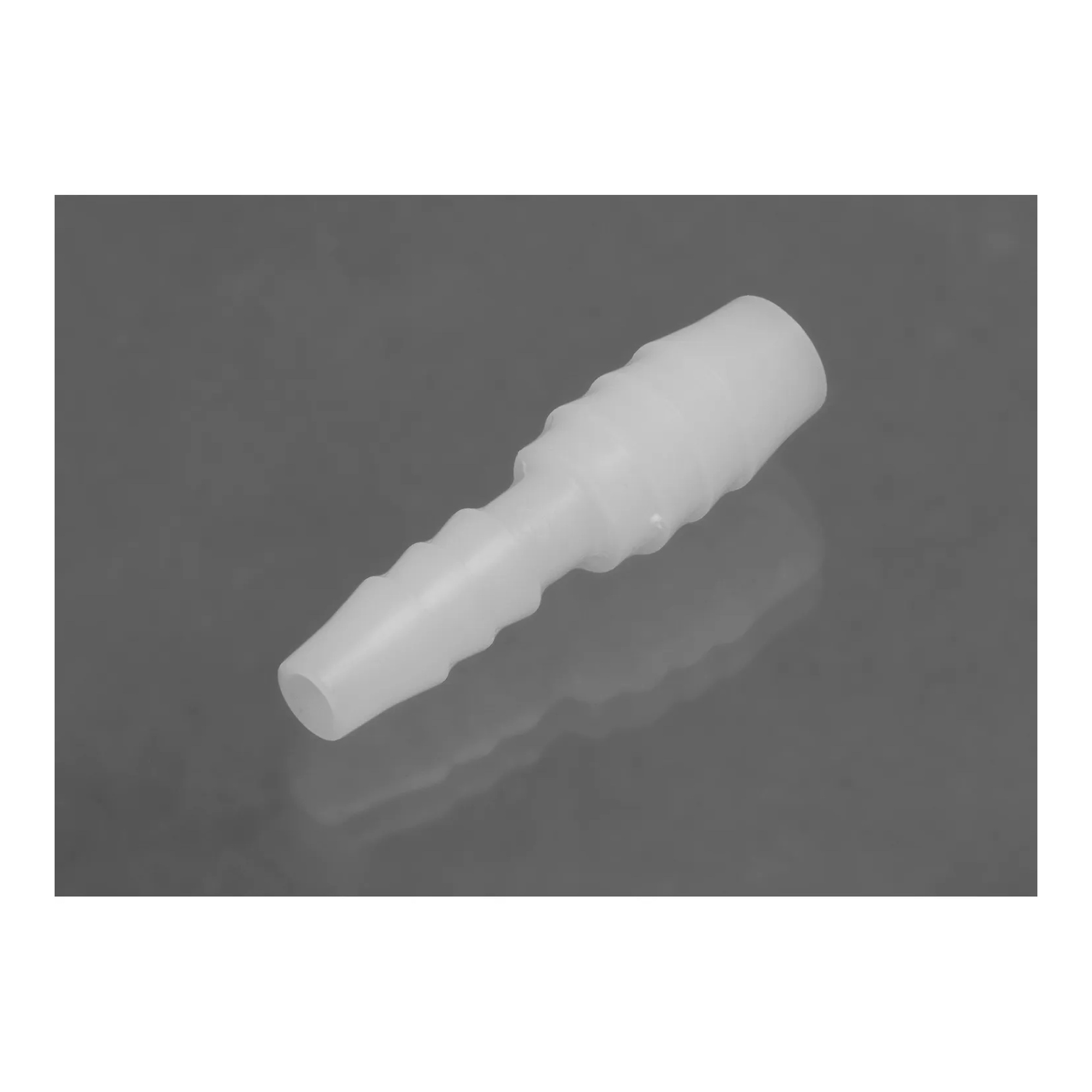
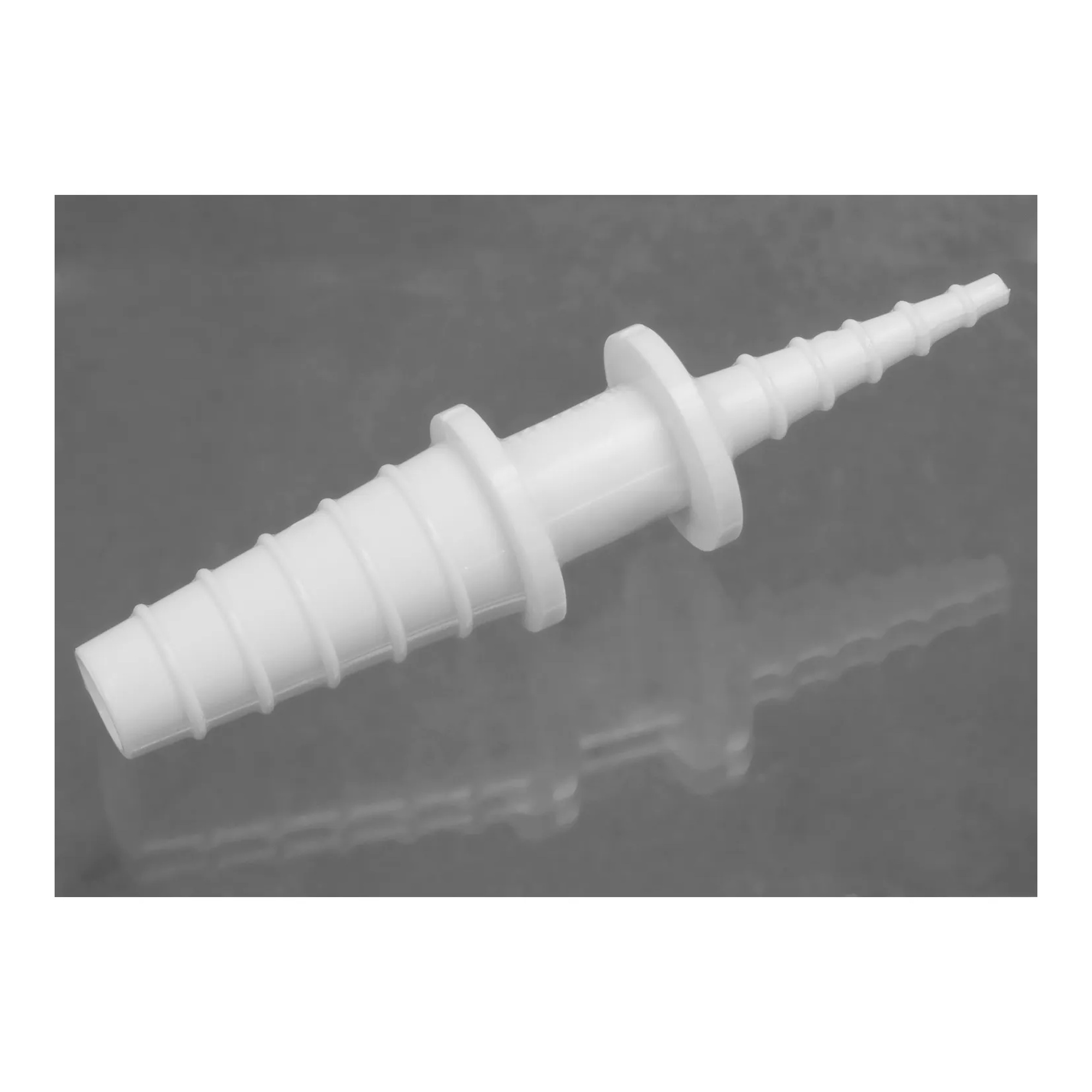
Stepped Polypropylene Tubing Connector - 4.13 W x 1.5 H x 4 D
Our Price:$54.94This stepped tubing connector helps users join tubing with different inner diameters for liquid or gas transfer setups. Its stepped design supports a secure connection where tubing sizes need to be...
-
Stepped Polypropylene Tubing Connector - 4.5 W x 1.5 H x 4 D
Our Price:$48.94This stepped tubing connector helps users join tubing with different inner diameters. It is intended to create a tight, secure connection for liquid or gas transfer setups.The connector is made of...
-
Stepped Polypropylene Tubing Connector for 3/16 in. to 1/2 in. Tubing
Our Price:$79.94This stepped tubing connector joins tubing with different inside diameters from 3/16 in. to 1/2 in. It helps laboratory, processing, and fluid-handling users create a secure connection between...
-
Stepped Polypropylene Tubing Connector for 3/16 in. to 1/4 in. Tubing
Our Price:$51.94This stepped polypropylene tubing connector joins tubing with different inner diameters from 3/16 in. to 1/4 in. It helps laboratory, processing, and fluid-handling users create a secure connection...
-
Stepped Polypropylene Tubing Connectors for 1/4 in. to 1/2 in. Tubing
Our Price:$64.94These stepped tubing connectors join tubing with different inside diameters from 1/4 in. to 1/2 in. They are suited for users who need a secure connection when routing liquids or gases between...
-
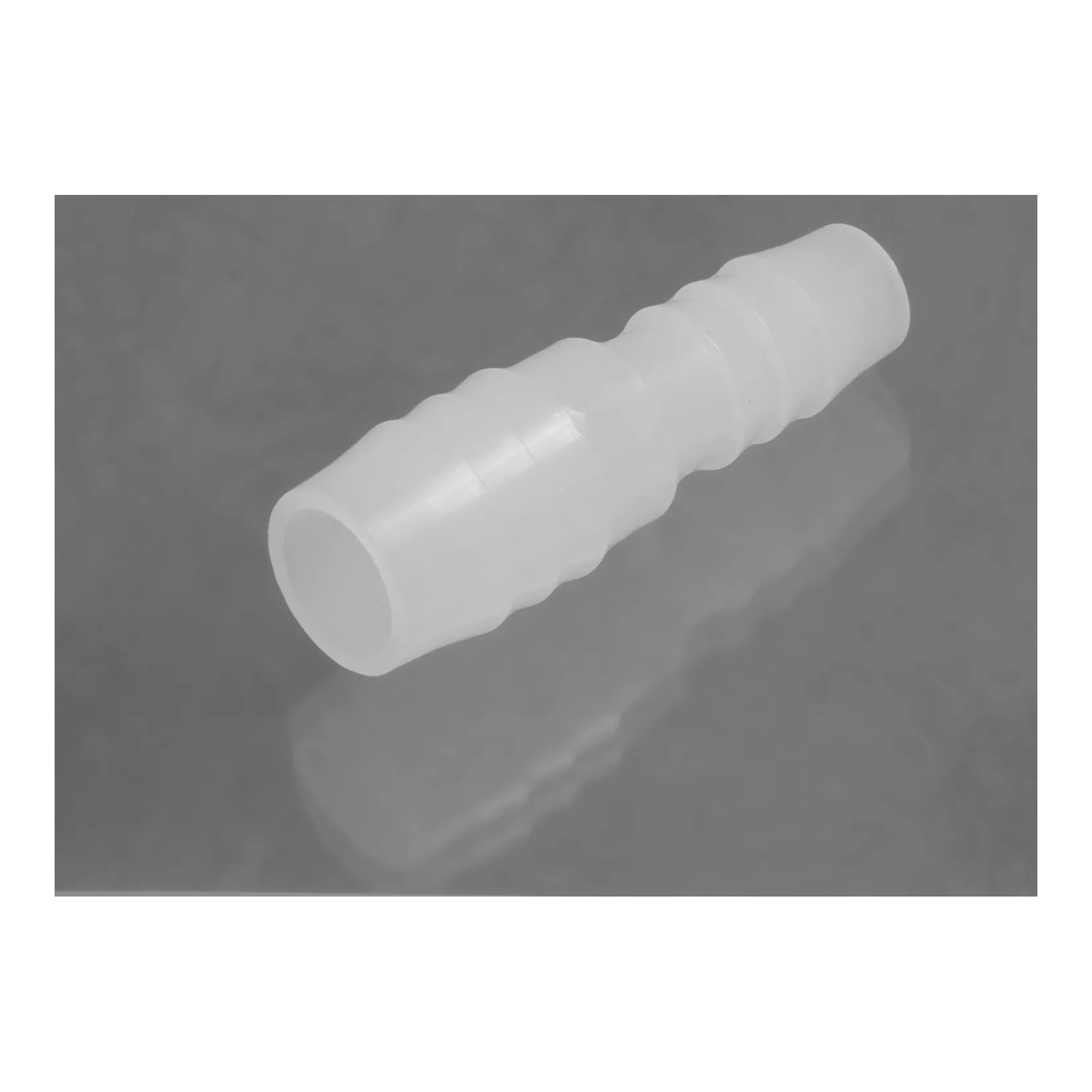
Straight Connector for 3/16-Inch Tubing
Our Price:$67.94This straight tubing connector joins two lengths of 3/16-inch inside-diameter tubing. It helps laboratory, food, cosmetic, and fluid-handling users create a secure inline connection between matching...
-
Straight Polypropylene Tubing Connector for 1/4-Inch Tubing
Our Price:$68.94This straight tubing connector joins two lengths of 1/4-inch tubing with the same inside diameter. It is suited to buyers who need a simple inline connection for liquid or gas tubing runs.The...
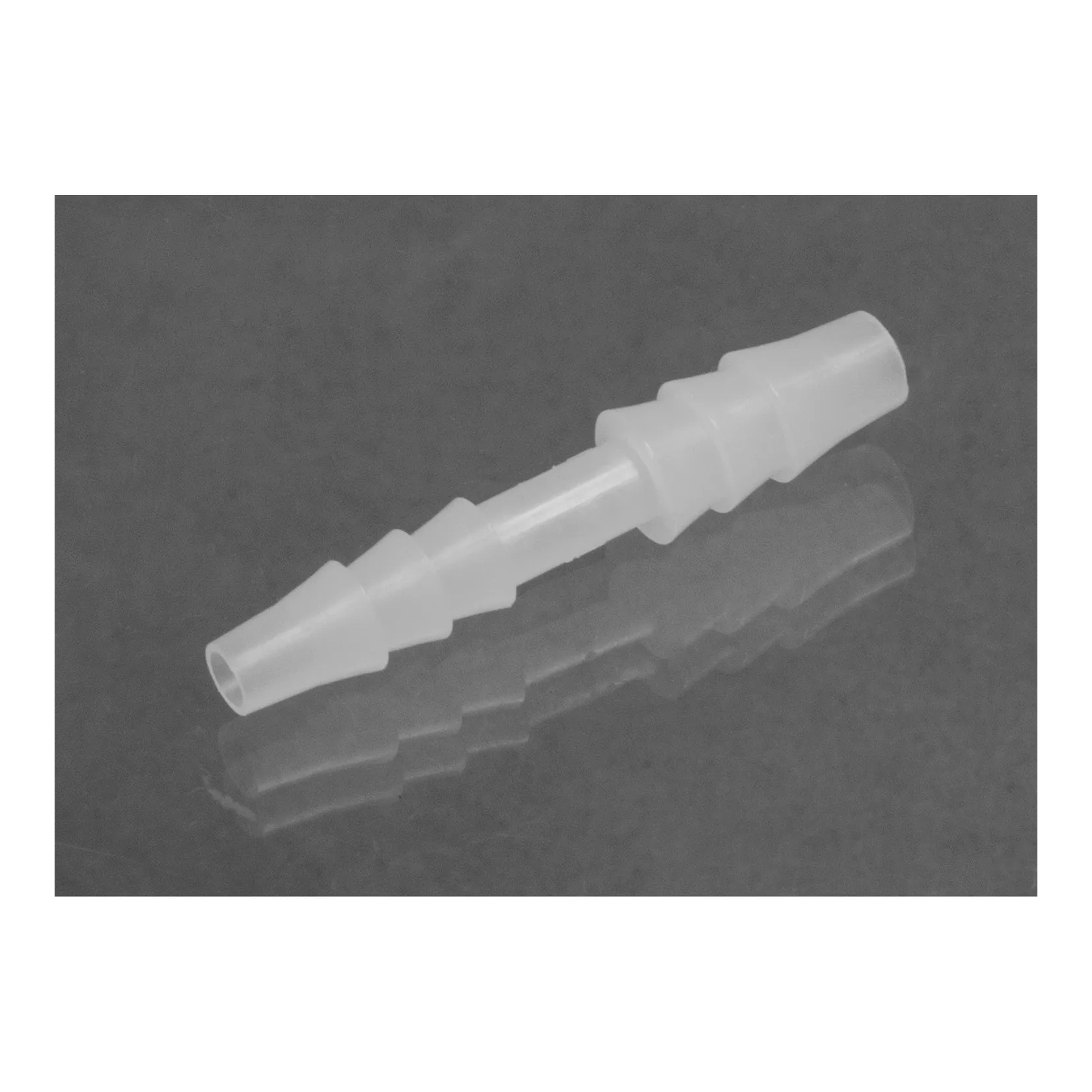
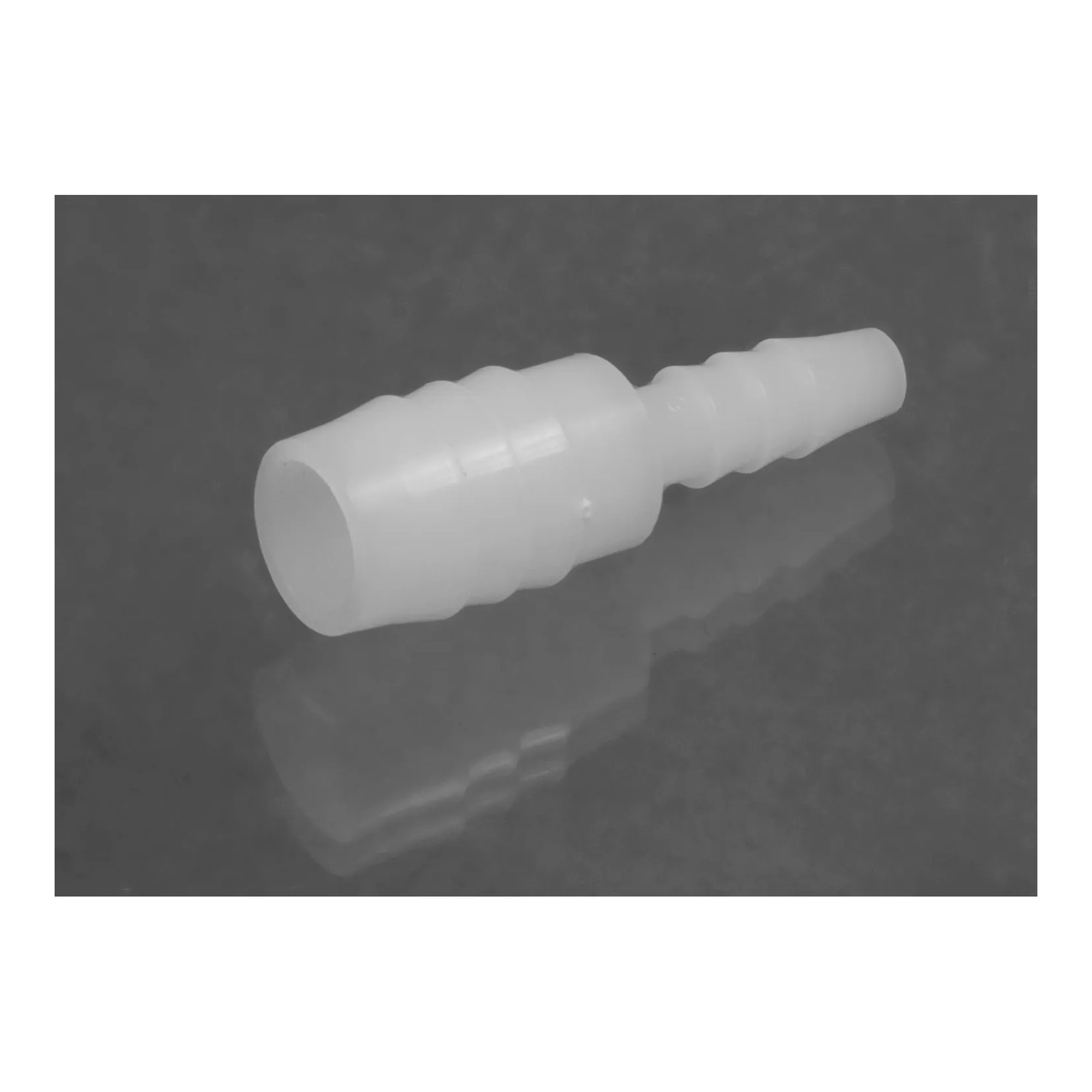
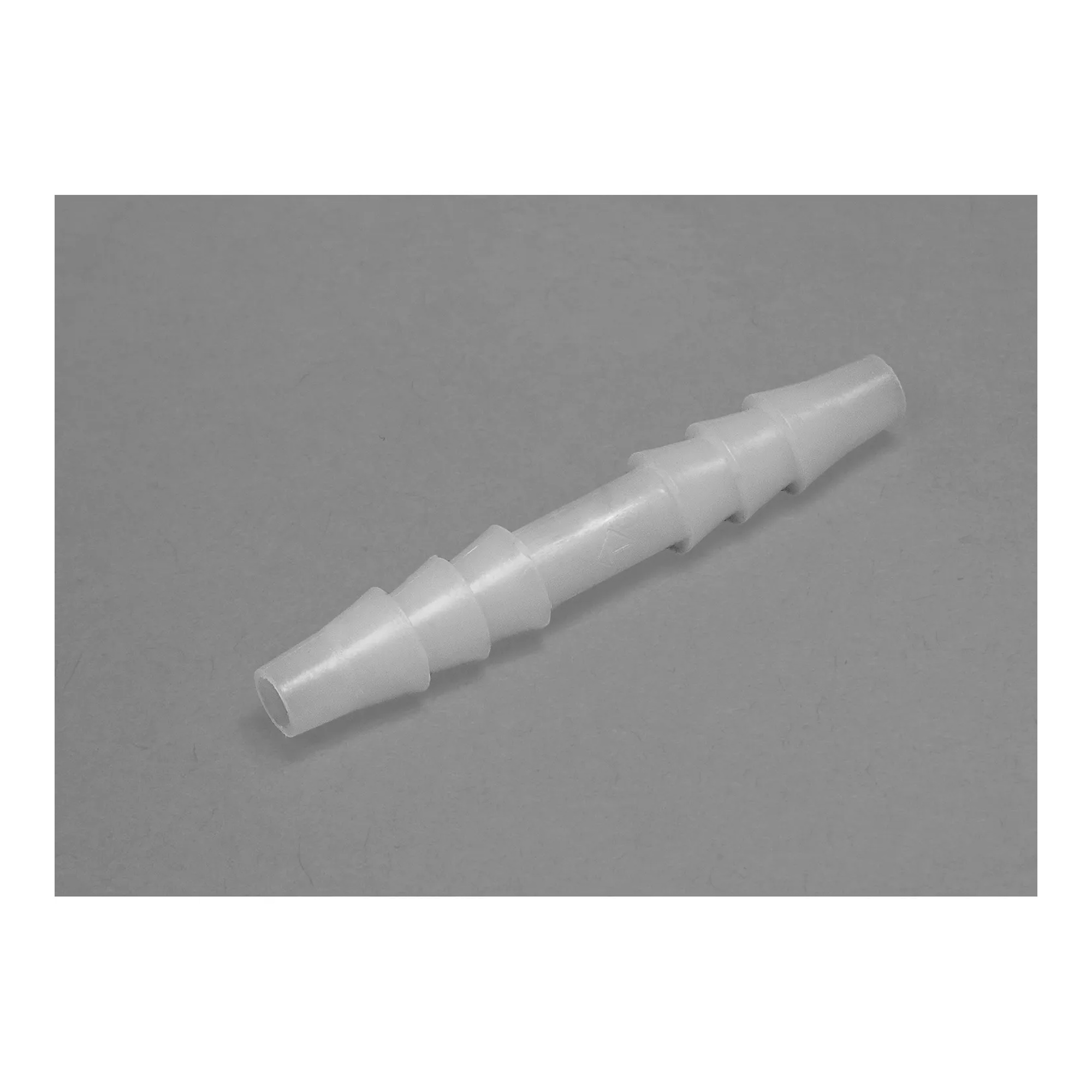
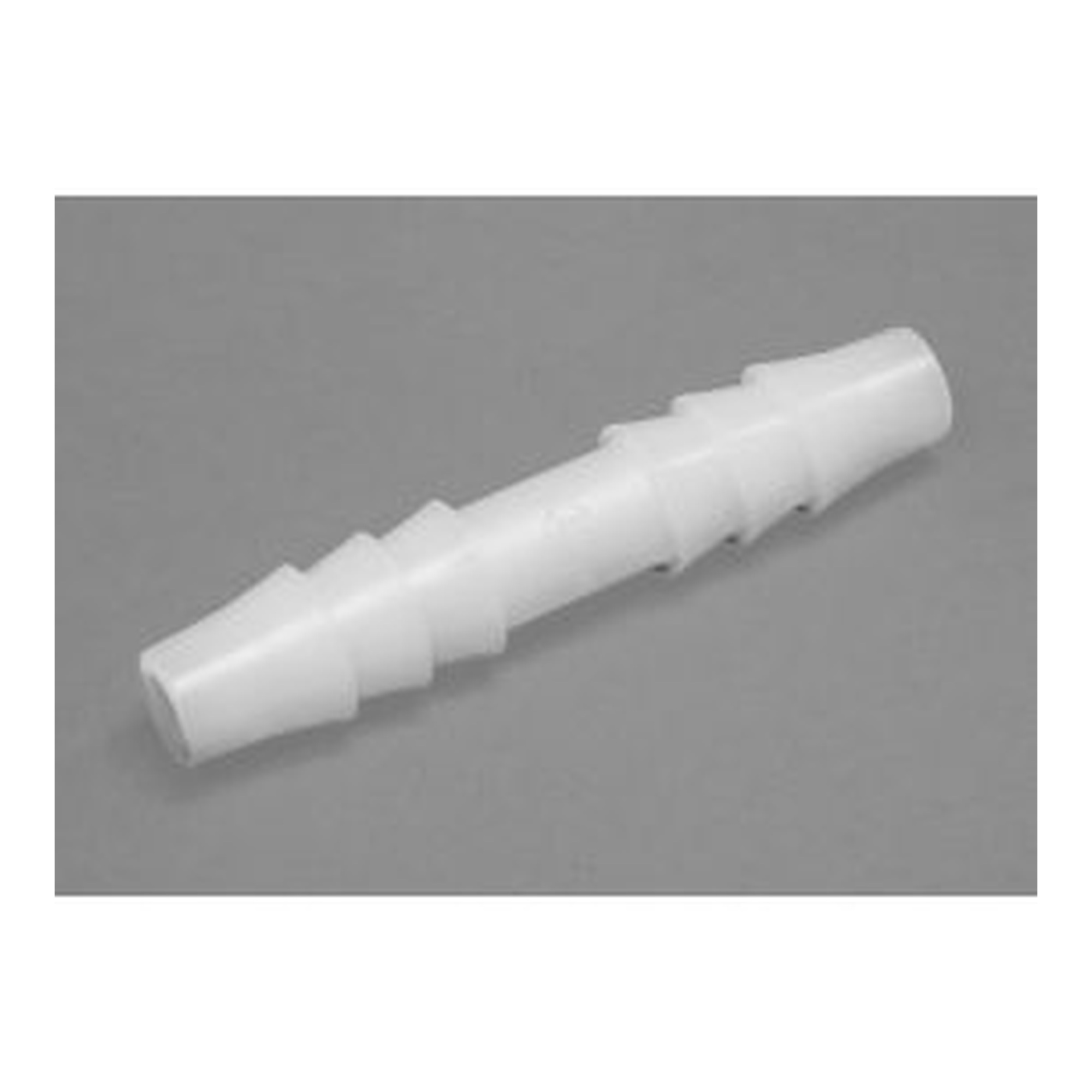
Choose tubing fittings and flow controls for your assembly
Start with the job the component must perform: join, branch, reduce, disconnect, stop flow, or help prevent backflow. Then compare tubing inside diameter, connection style, material, and application-specific details such as autoclavability, temperature, pressure, or direct-contact suitability where stated.
Popular examples in this category
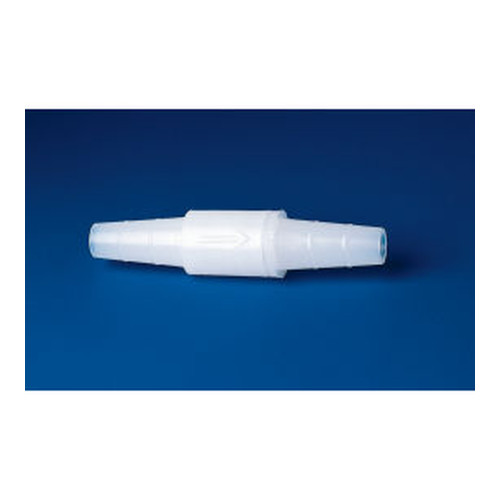 LDPE Check Valve for Vacuum LinesWBB3075752
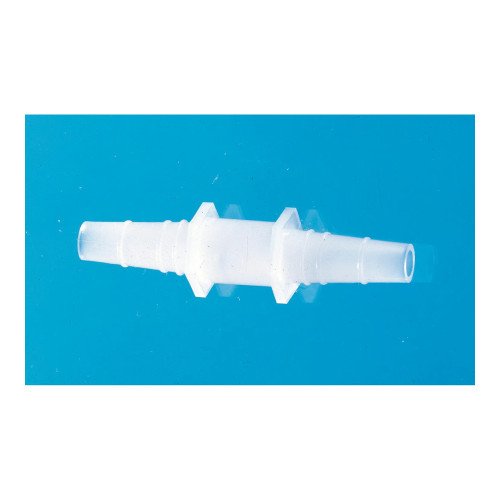 Polyethylene Quick Disconnect for 1/8 to 1/4 Inch TubingWBB3075857
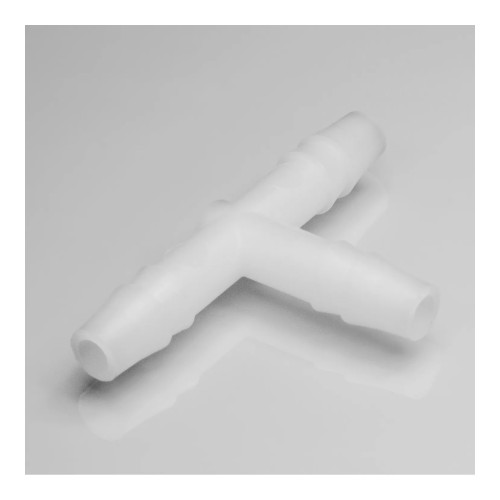 Polypropylene T Tubing Connector for 1/4-Inch Tubing, 12PkWBB3076264
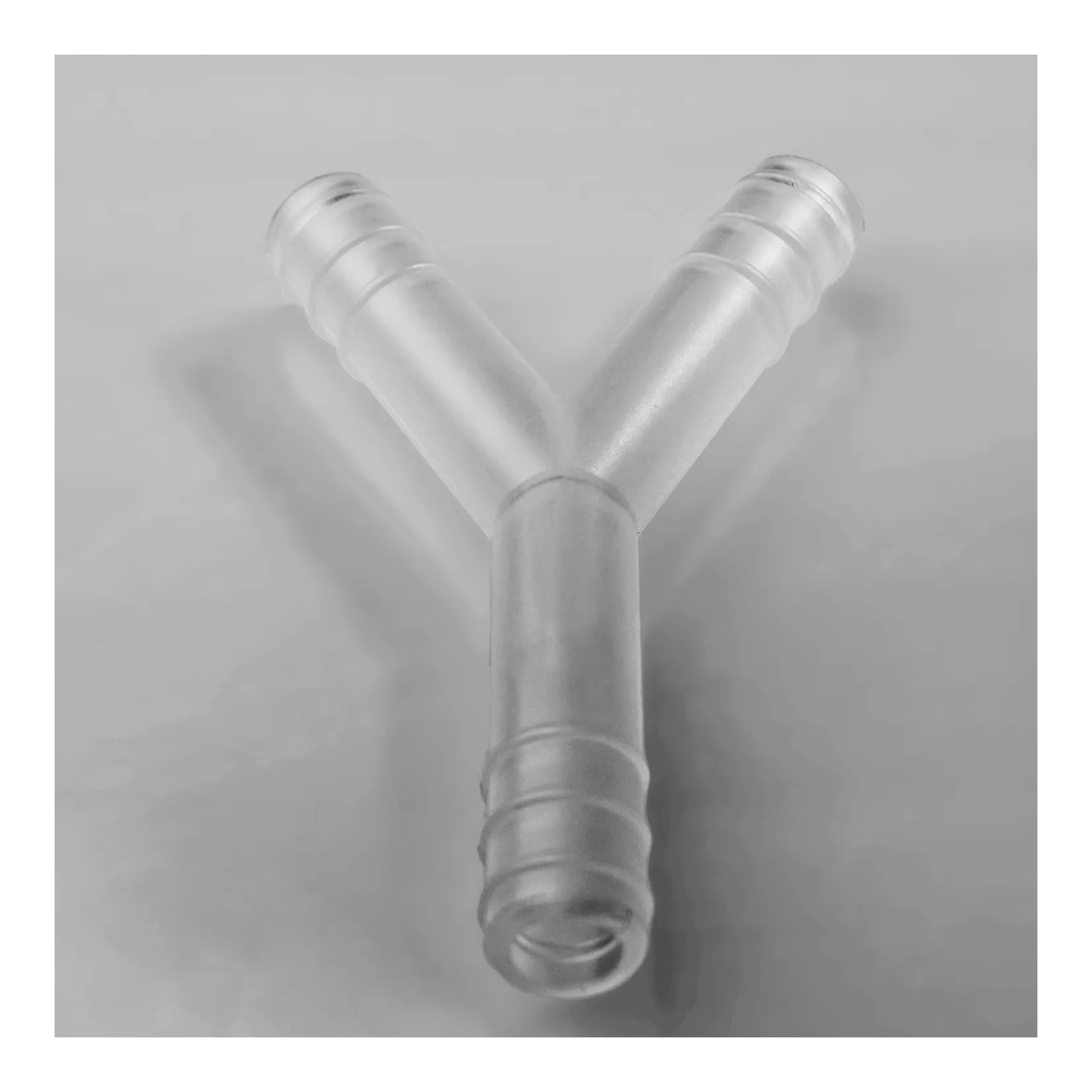
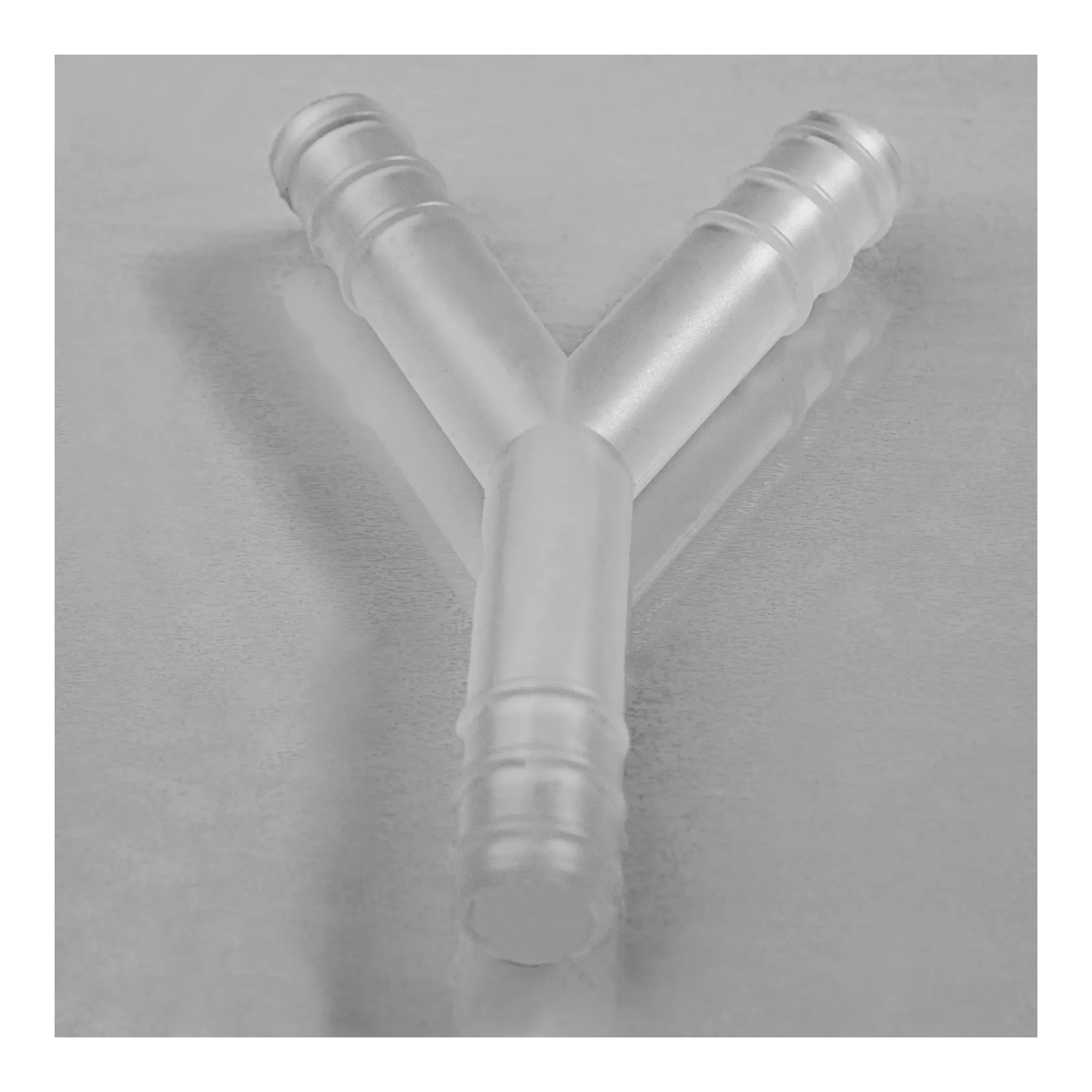
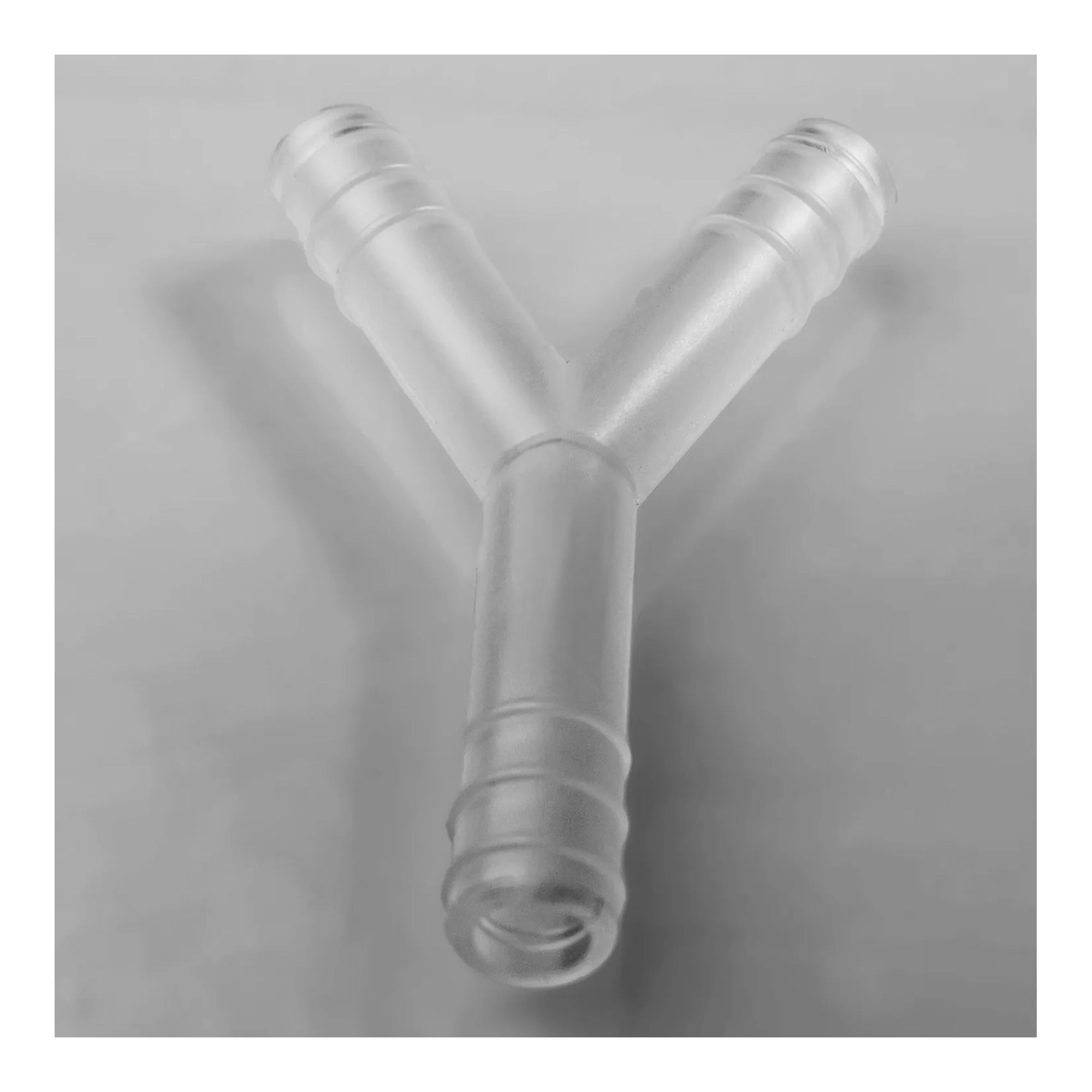
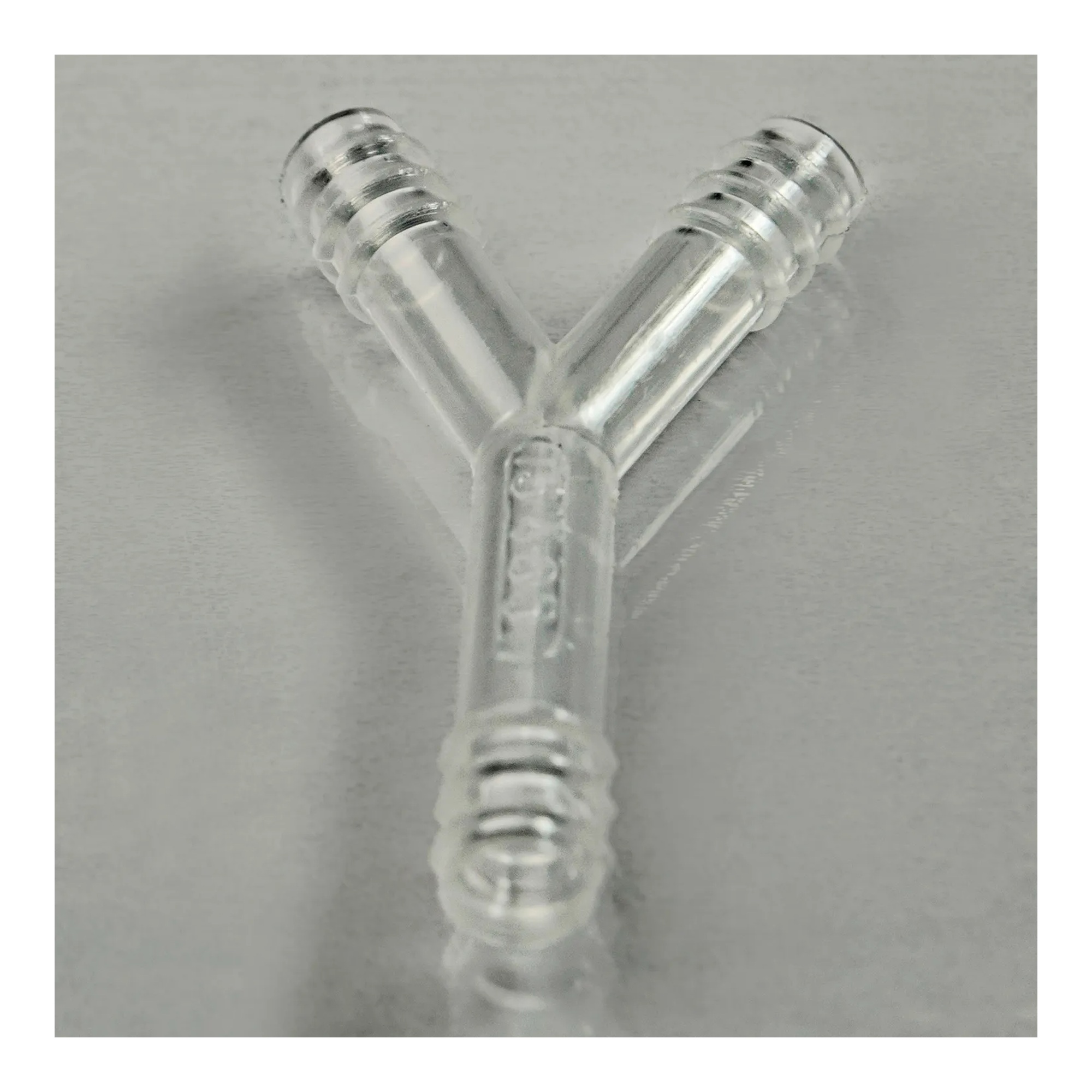
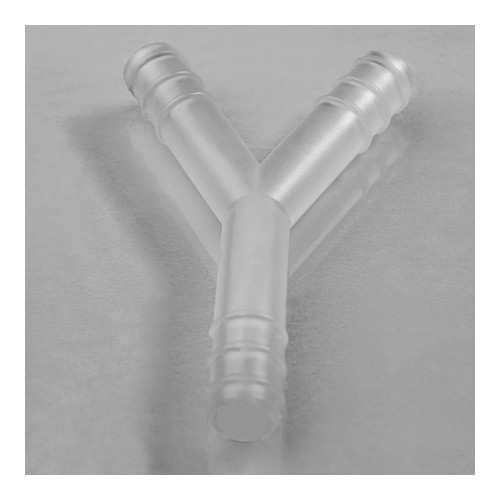 Polypropylene Wye Tubing Connector for 1/2-Inch TubingWBB3076114
Build, branch, and control tubing runs
Use straight connectors for inline tubing runs, T connectors for three-way junctions, wye connectors for branched lines, and stepped connectors when compatible tubing inner diameters differ. Check valves support one-way flow or backflow prevention, while pinch valves provide manual fluid control.
Match the fitting to tubing and operating needs
Confirm the compatible tubing inside diameter first. Compare barbed, tapered, stepped, or quick-disconnect connection styles, then review material and stated limits such as 20 psi for applicable check valves or 80°C for the listed polyethylene quick disconnect.
Support laboratory and technical assemblies
The represented components are used in vacuum lines, filter-flask connections, liquid or gas transfer setups, and flexible tubing lines. Certain polypropylene connectors are identified for direct contact with food, drugs, and cosmetics.
Review autoclavability and flow behavior
Several polypropylene connectors and check valves are autoclavable. The listed pinch valve supports steam autoclaving at 121°C (250°F), and the straight 5-in-1 connector can also be steam autoclaved at that temperature. Quick-disconnect options help separate assemblies, with one metal female coupling featuring automatic shutoff when disconnected.
The tapered polypropylene check valve supports connections in this stated range.
The listed polyethylene quick-disconnect connector accommodates compatible tubing inside diameters in this range.
One LDPE check valve lists a 20 PSI maximum, and one polypropylene check valve lists 20 psi as a recommended maximum.
The listed pinch valve and 5-in-1 straight connector can be steam autoclaved at 121°C (250°F).
Compare common fitting and valve types
Use configuration and function to narrow the choices represented in this category.
| Product type | Best suited for | Selection details |
|---|---|---|
| Straight, T, wye, and stepped connectors | Joining, branching, or adapting compatible tubing | Match the tubing inside diameter and choose inline, three-way, branch, or reducing configuration. |
| Check valves | Vacuum lines and filter-flask setups where reverse flow is a concern | Compare tapered or other connection ends, stated pressure guidance, and autoclavability where needed. |
| Quick disconnects and pinch valves | Assemblies that need separation or hands-on flow control | Compare tubing range, barbed ends, shutoff function, locking style, and manual pinch operation. |
Plan the right fit before choosing
Select the route your tubing needs to follow
Connector shape determines how compatible tubing is arranged in an assembly.
- Straight connectors join two same-size tubing lengths inline.
- T connectors create a three-way junction for compatible 1/4-inch inside-diameter tubing.
- Wye connectors create a branch between compatible 1/2-inch inner-diameter tubing lengths.
- Stepped and reducing connectors help join compatible tubing with different inner diameters.
Choose valves based on the type of control required
Different valve styles address directional flow, manual flow control, and disconnectable connections.
- Check valves help prevent reverse flow when pressure is interrupted or line direction changes.
- A pinch valve opens when its silicone body is squeezed and suspends flow when released.
- Quick disconnects allow compatible tubing assemblies to be connected and separated as needed.
- The metal female quick-disconnect coupling includes an automatic shutoff valve that stops flow when disconnected.
Compare stated material and processing features
Material and processing needs can narrow the selection for liquid, gas, vacuum, and laboratory setups.
- Polypropylene connectors are described as chemically resistant for a wide range of liquids or gases.
- Multiple polypropylene products are autoclavable.
- The pinch valve includes PTFE, stainless steel, and polypropylene components and is described as chemical resistant.
- The metal quick-disconnect coupling has a chrome-plated brass body and Buna-N O-ring seal.
Common questions before buying
What is the difference between a T connector and a wye connector?
A T connector creates a three-way junction, while a wye connector creates a branch connection. The listed T connector fits 1/4-inch inside-diameter tubing, and the listed wye connector fits 1/2-inch inner-diameter tubing.
Which components help prevent backflow?
The listed check valves help stop reverse flow or liquid backup when pressure is interrupted. One LDPE check valve is intended for one-way directional flow in vacuum lines.
Can these components be autoclaved?
Several listed polypropylene connectors and check valves are autoclavable. The pinch valve and 5-in-1 straight connector are stated to support steam autoclaving at 121°C (250°F).
How do I choose a quick disconnect?
Match the connector to your compatible tubing size and compare the connection style. The listed polyethylene options have barbed ends and support disconnectable assemblies; the metal female coupling accepts flexible 1/4-inch tubing and includes automatic shutoff when disconnected.