
-
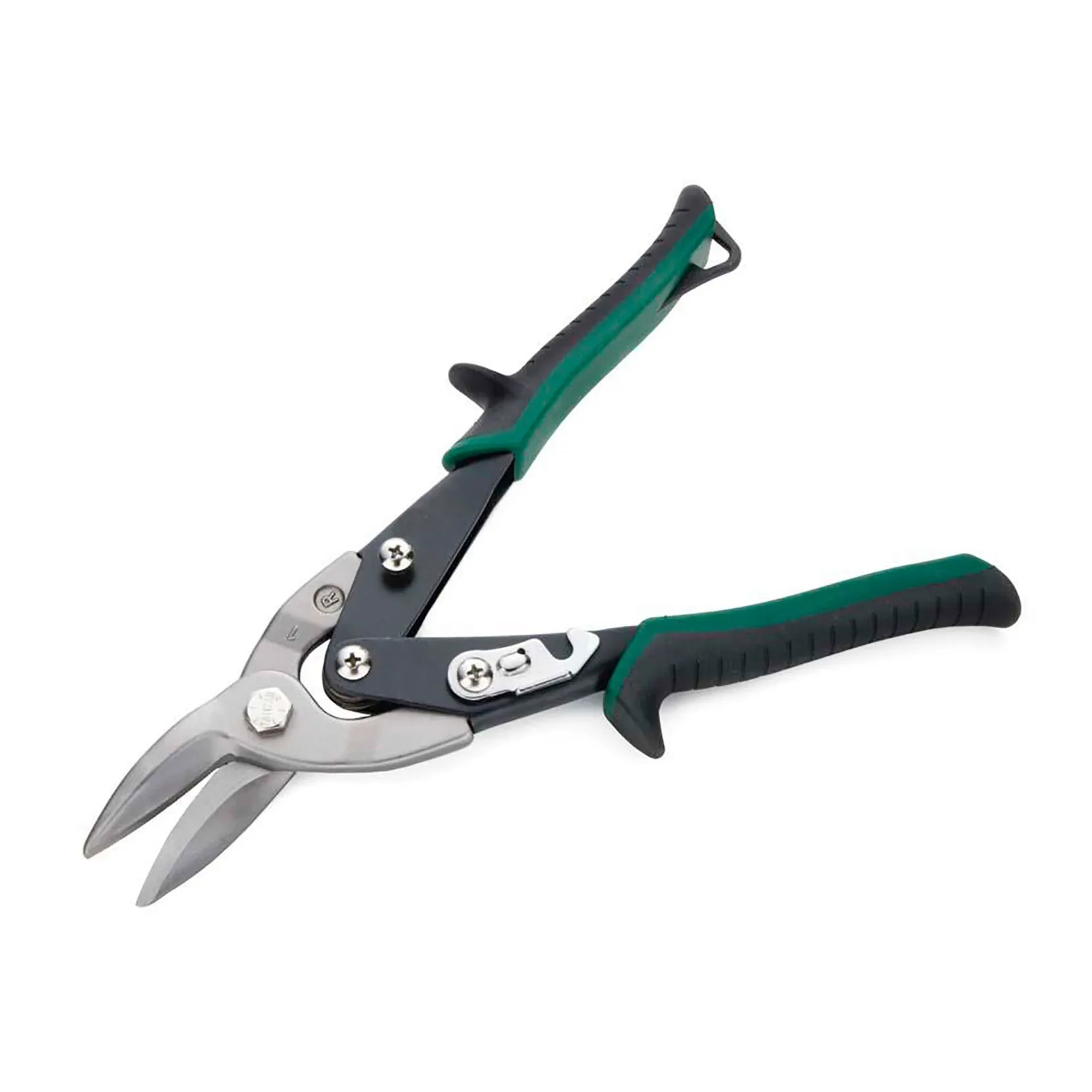
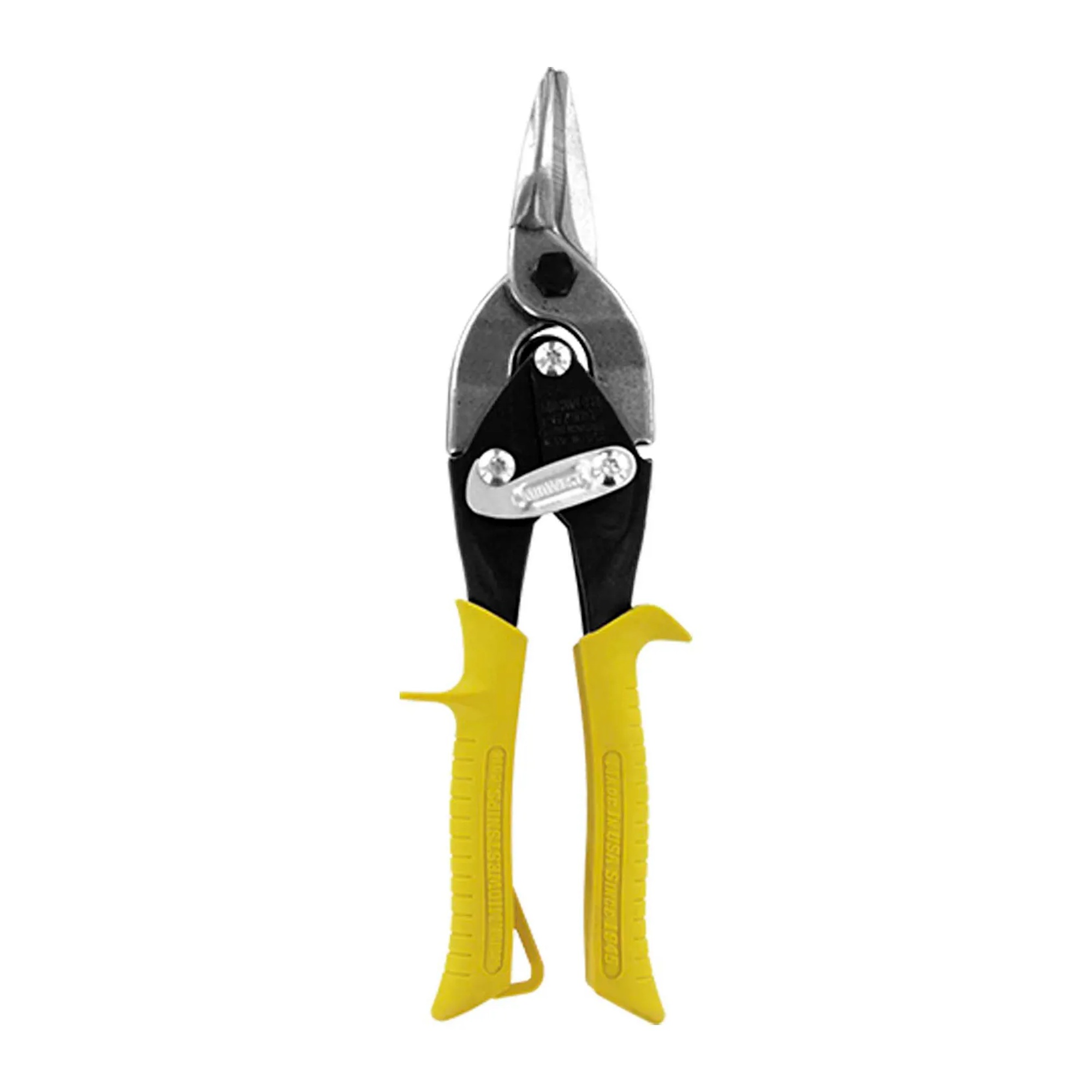
Midwest Tool
Offset Right-Cut Aviation Snips
Our Price:$33.48These offset right-cut aviation snips are designed for trade professionals who need to make long cuts or tight curves while keeping their hand positioned above the material. The offset blade...
-
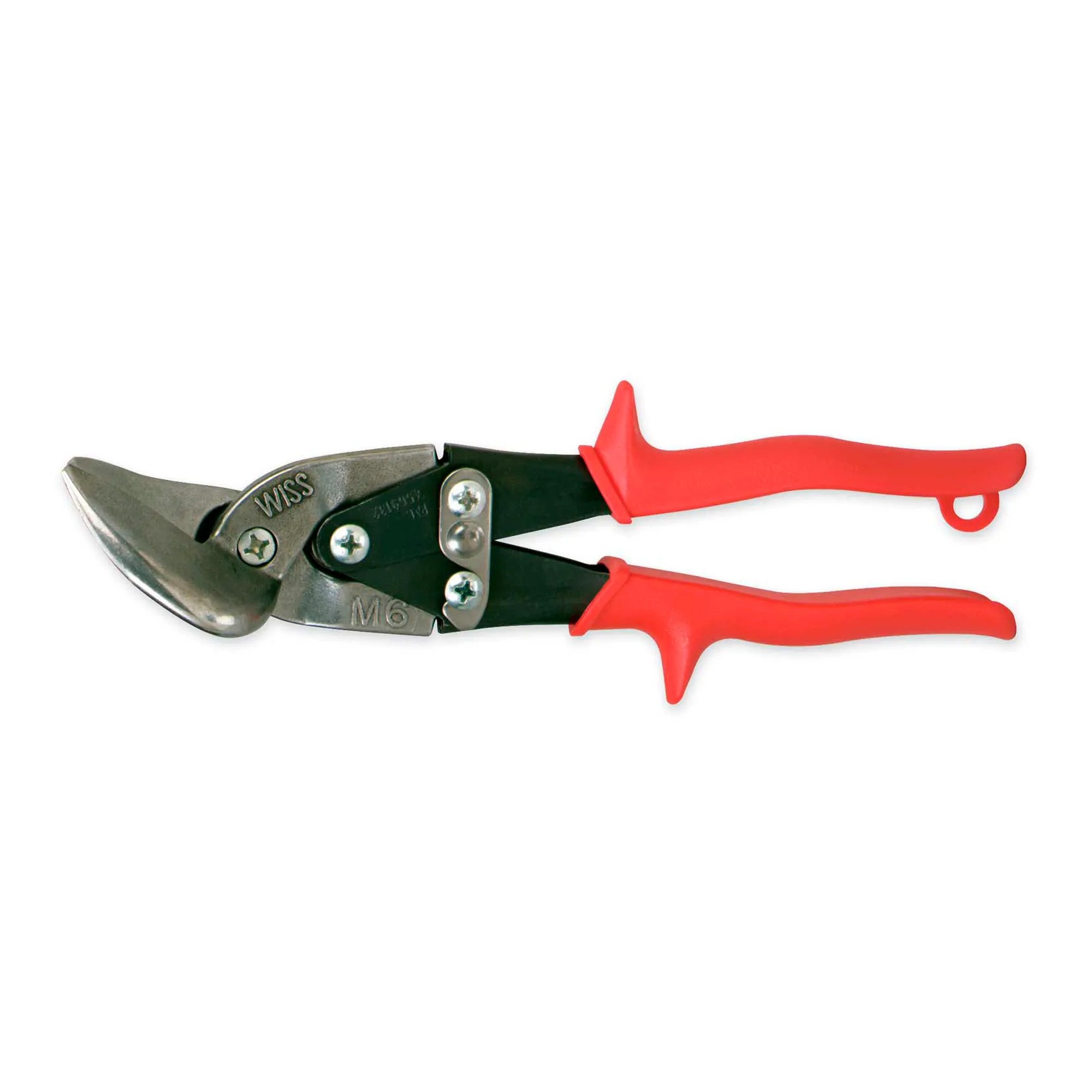
Wiss
Offset Snips, 9-1/4 in., Red
Our Price:$29.94These offset snips are designed for professionals who cut low-carbon cold-rolled steel. Their left- and straight-cut capability supports metalworking tasks while the offset blade design helps keep...
-
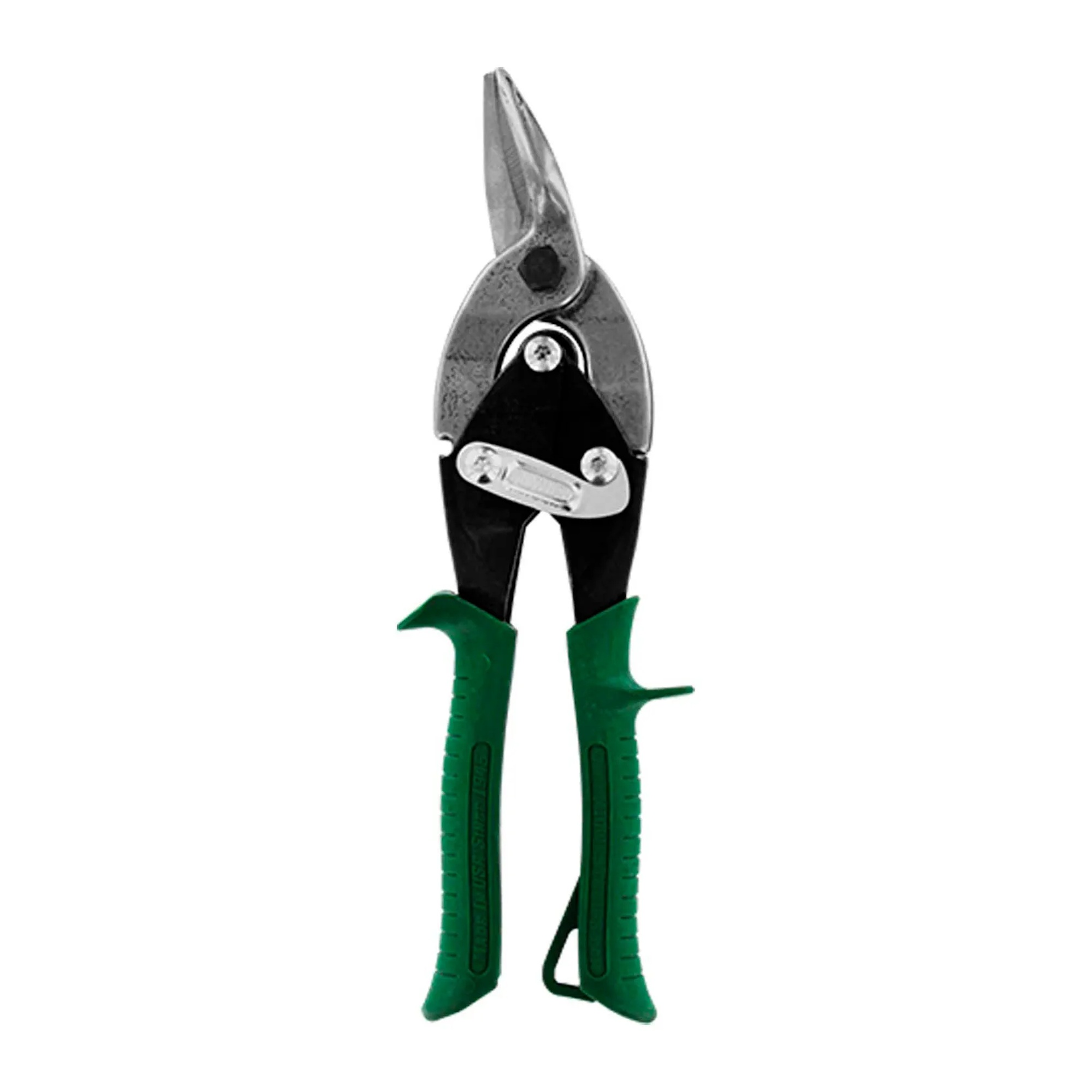
Midwest Tool
Right-Cut Aviation Snip
Our Price:$30.94This right-cut aviation snip is a hand tool for professionals who trim metal and other sheet materials. It is designed to support controlled right-hand cutting tasks and is easiest to use in the left...
-
Williams
Right-Cut Aviation Snip, 9-3/4 in. Long
Our Price:$20.99This right-cut aviation snip is a hand cutting tool for commercial buyers and trade professionals who need to make right-direction cuts. Its color-coded handles help users quickly identify the...
-
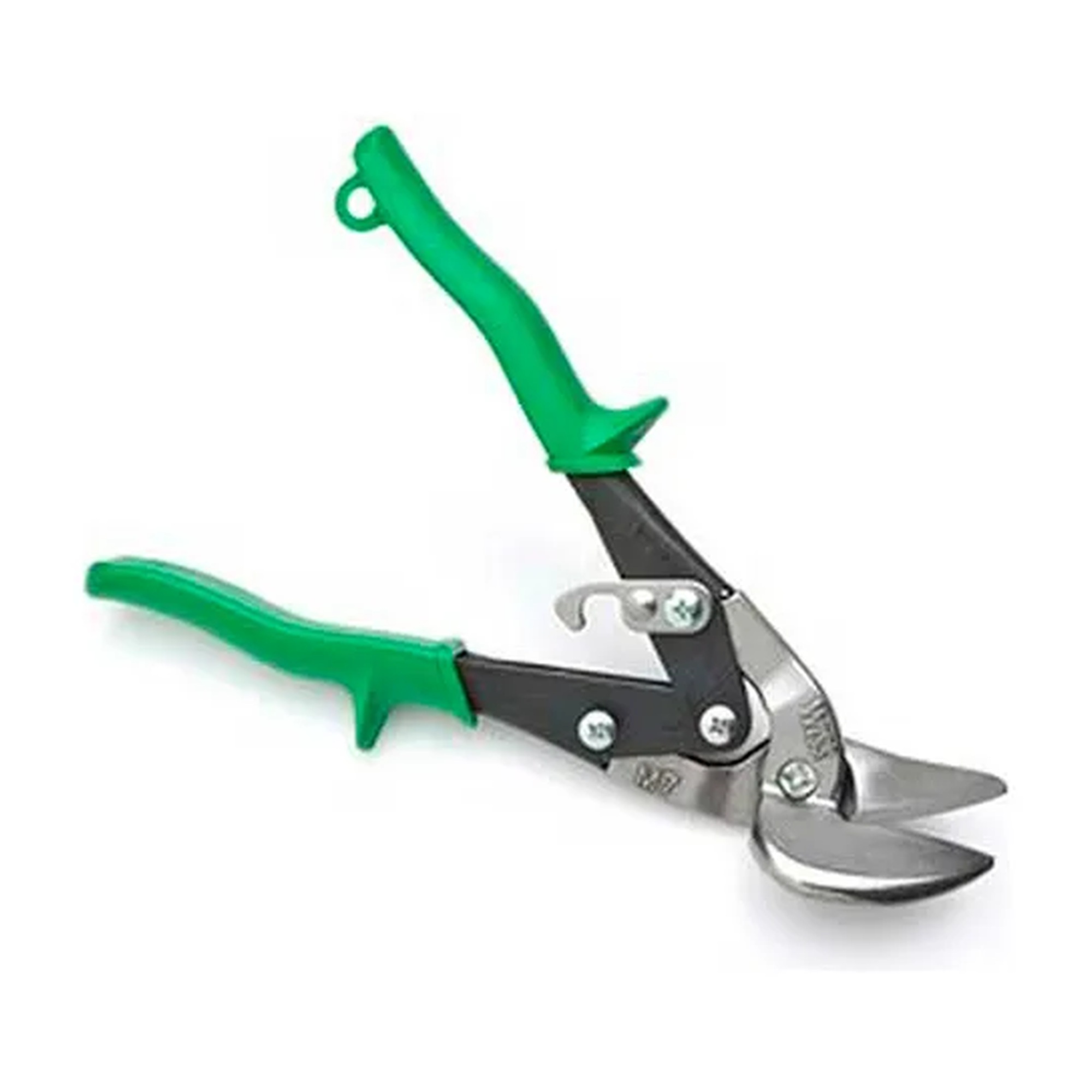
Wiss
Right-Cut Offset Snips, 9-1/4 in.
Our Price:$29.94These right-cut offset snips are designed for professionals who cut low-carbon cold-rolled steel. Their offset blade arrangement helps keep hands clear of the material while making straight cuts and...
-
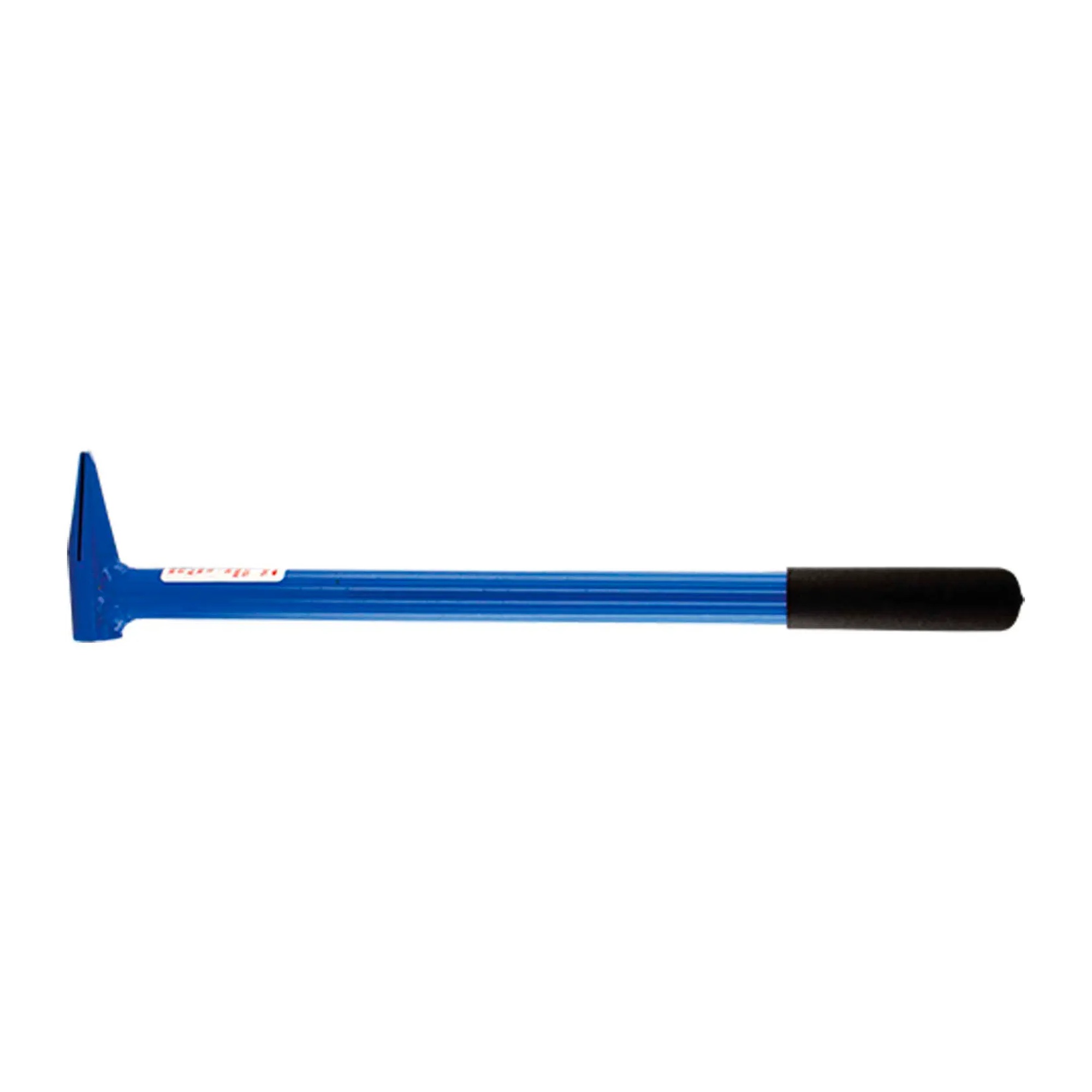
Midwest Tool
Steel Banding Breaker, Blue
Our Price:$113.97This steel banding breaker is a hand tool for workers who need to snap steel banding during material handling, receiving, and shop tasks. Its twist-of-the-wrist operation helps users break banding up...
-
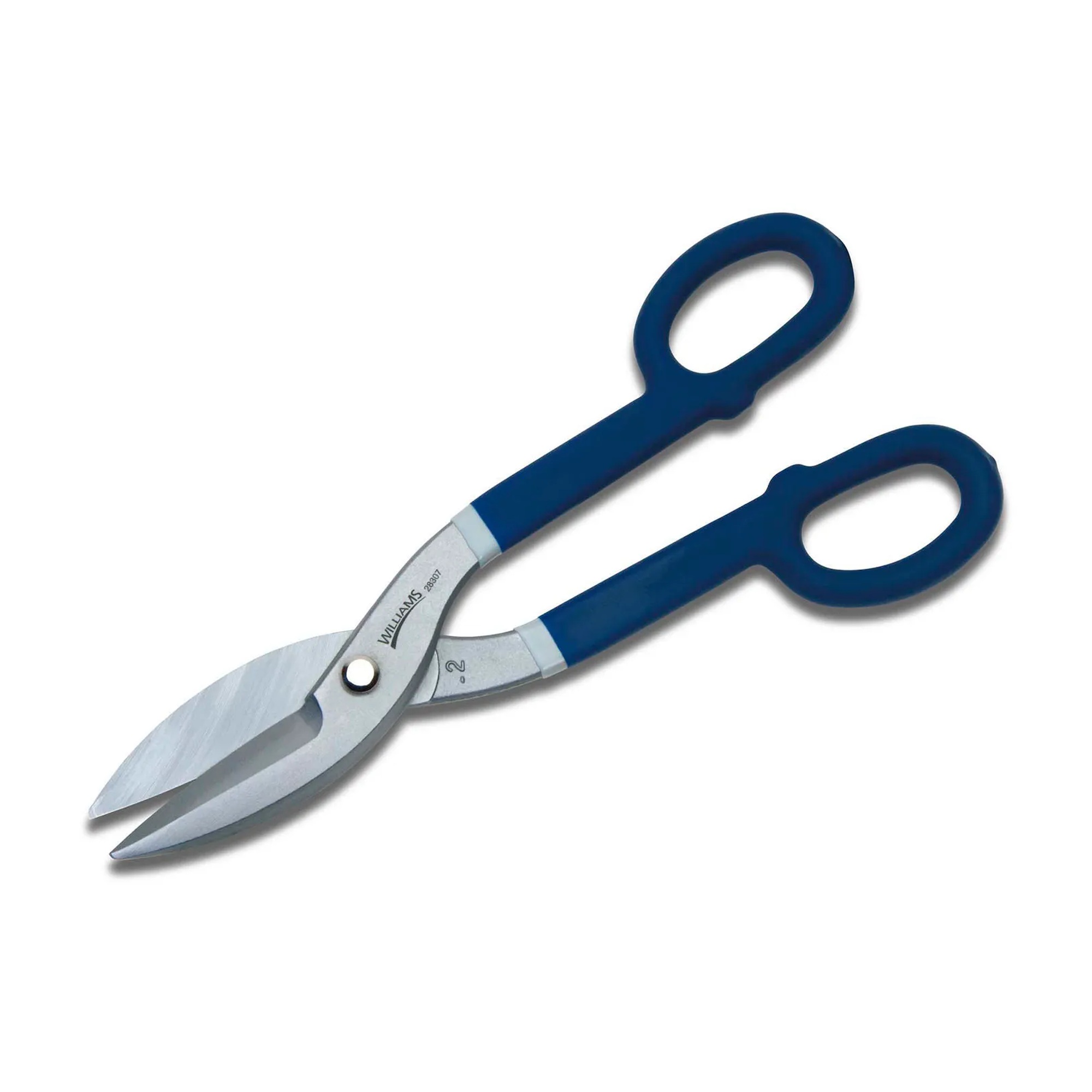
Williams
Straight Pattern Snip, 12 in. Length
Our Price:$34.94This straight pattern snip is a hand cutting tool for professionals who need to cut straight lines and broad curves. Its design supports controlled cutting tasks while helping users work comfortably...
-
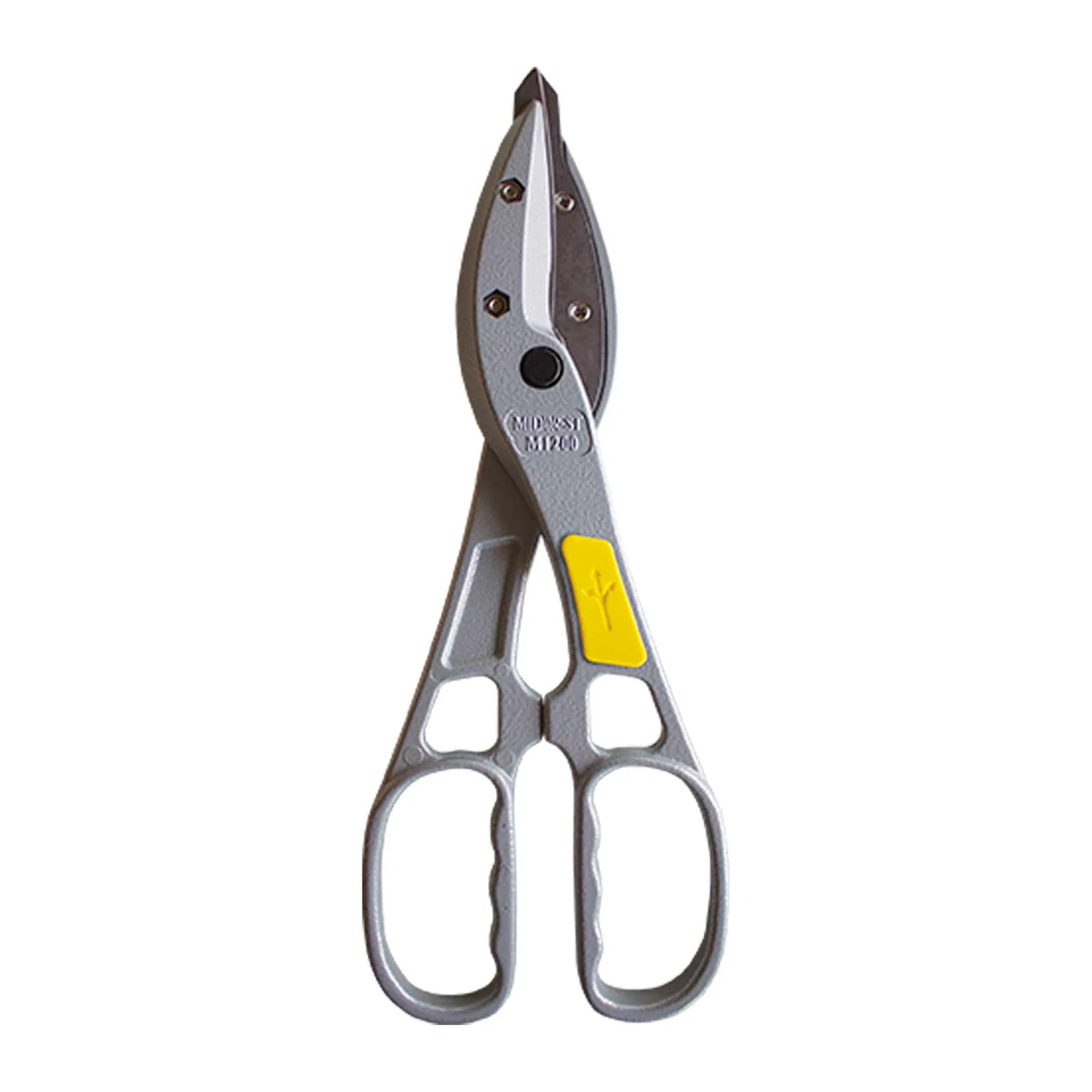
Midwest Tool
Straight Replaceable-Blade Snips
Our Price:$72.94These straight snips are for professionals who need to cut light-gauge sheet metal and other sheet materials with abrasive coatings. Their straight-cut design supports controlled trimming and cutting...
-
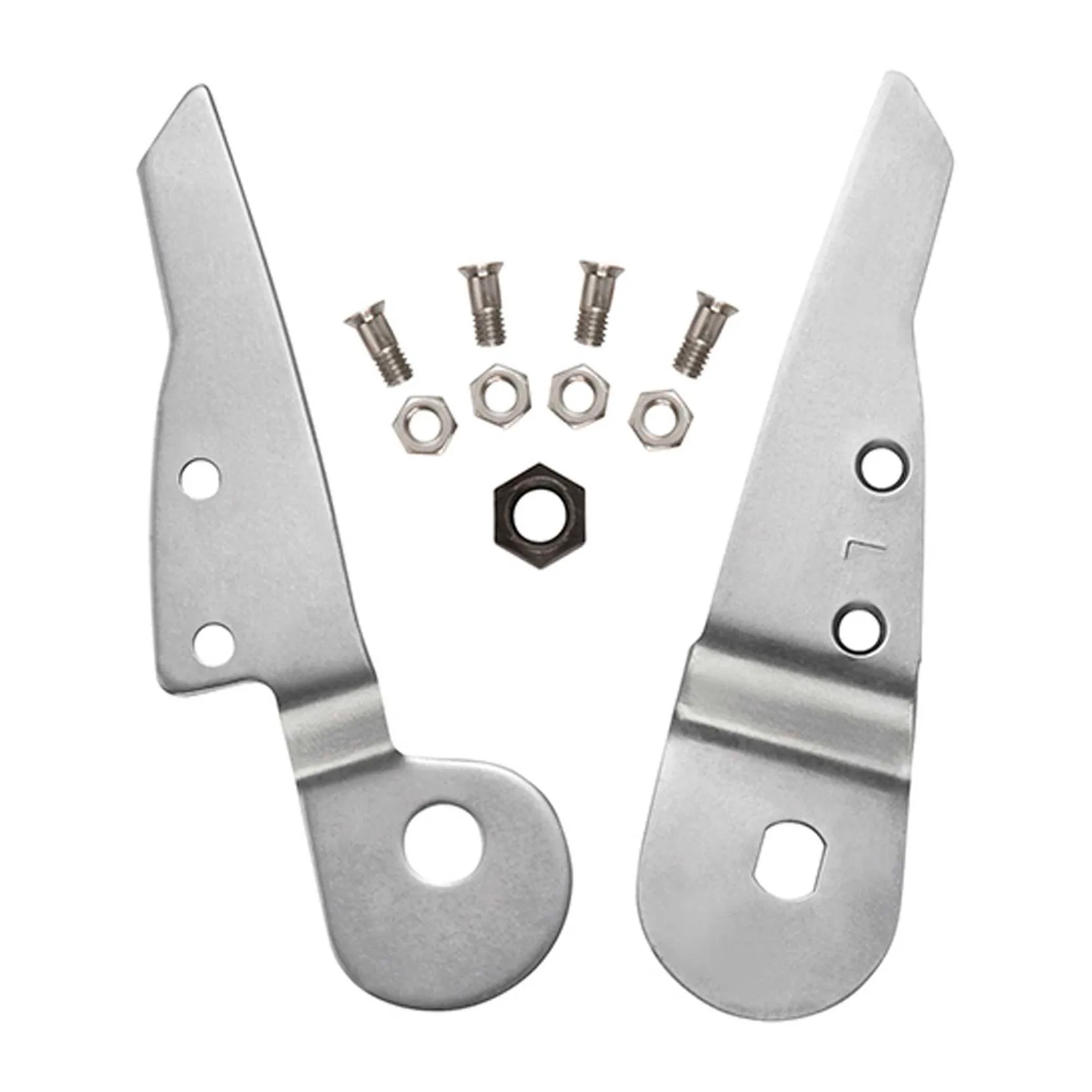
Midwest Tool
Straight Snip Replacement Blade Kit
Our Price:$15.74This replacement blade kit is for users maintaining compatible straight, replaceable-blade snips. It provides replacement cutting components and fasteners to help keep snips ready for cutting...
-
Midwest Tool
Straight-Cut Aviation Snip with Forged Steel Blades
Our Price:$30.94This straight-cut aviation snip is a hand tool for trade professionals and maintenance teams trimming metal and other sheet materials. Its straight-cut design supports controlled, precise cutting for...
-
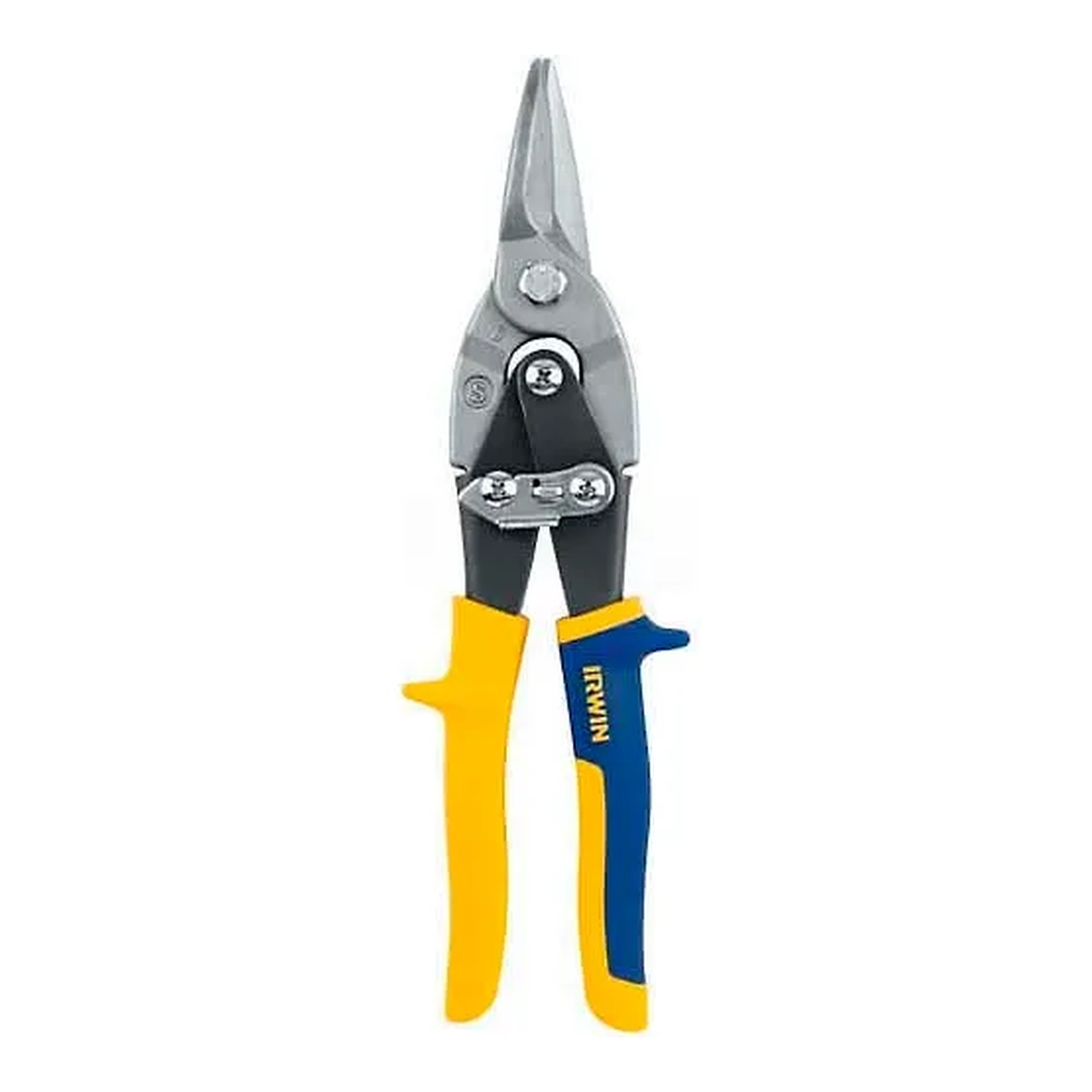
IRWIN Tools
Straight-Cut Aviation Snip with Textured Grips
Our Price:$21.74This straight-cut aviation snip is a multipurpose hand tool for maintenance professionals, fabricators, and shop users who need to cut sheet metal, vinyl, plastic, rubber, and similar materials. Its...
-
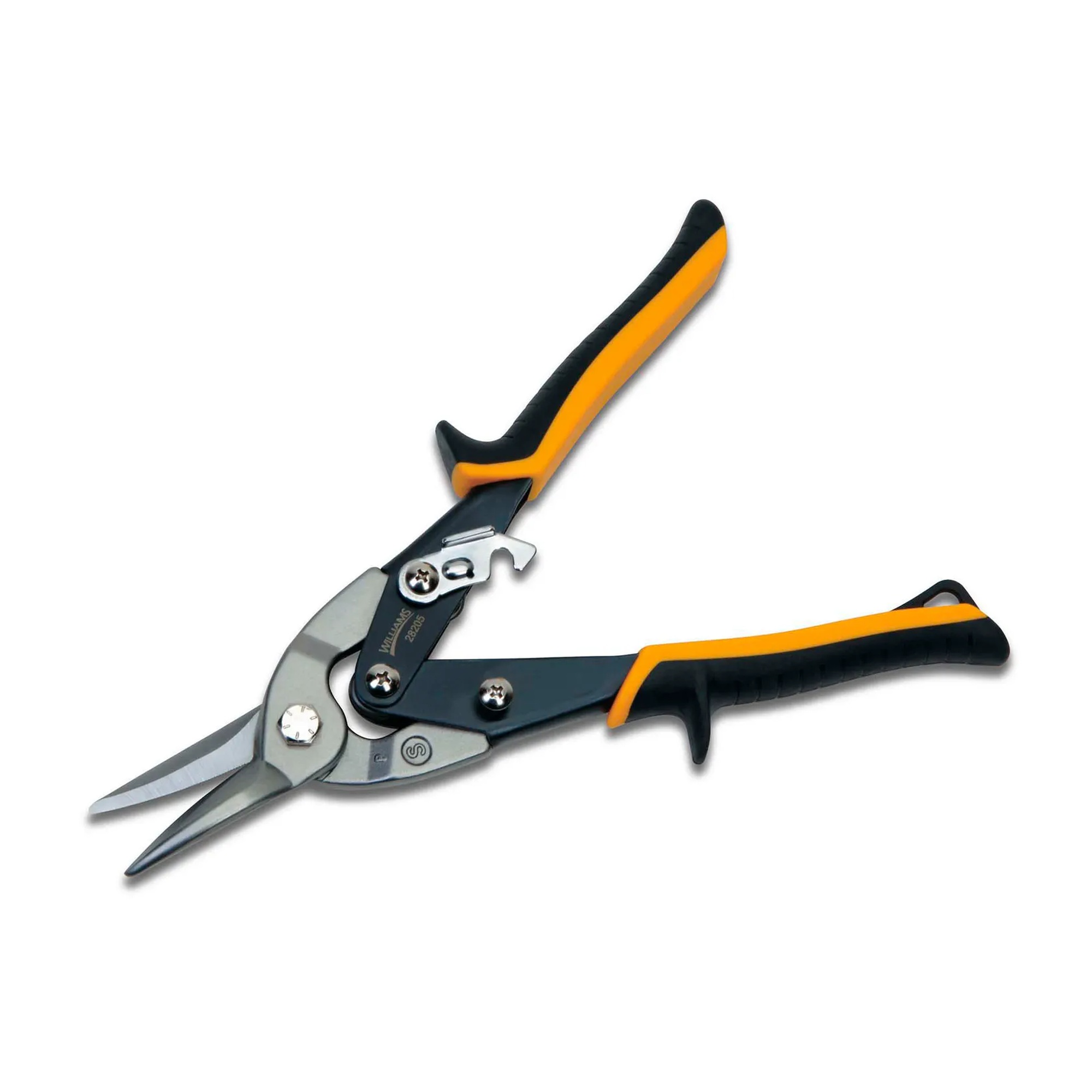
Williams
Straight-Cut Aviation Snip, 9-13/16 in. Long
Our Price:$20.99This straight-cut aviation snip is a hand tool for commercial buyers who need controlled straight cutting. Color-coded, bi-mold handles help users identify the cutting direction while providing a...
-
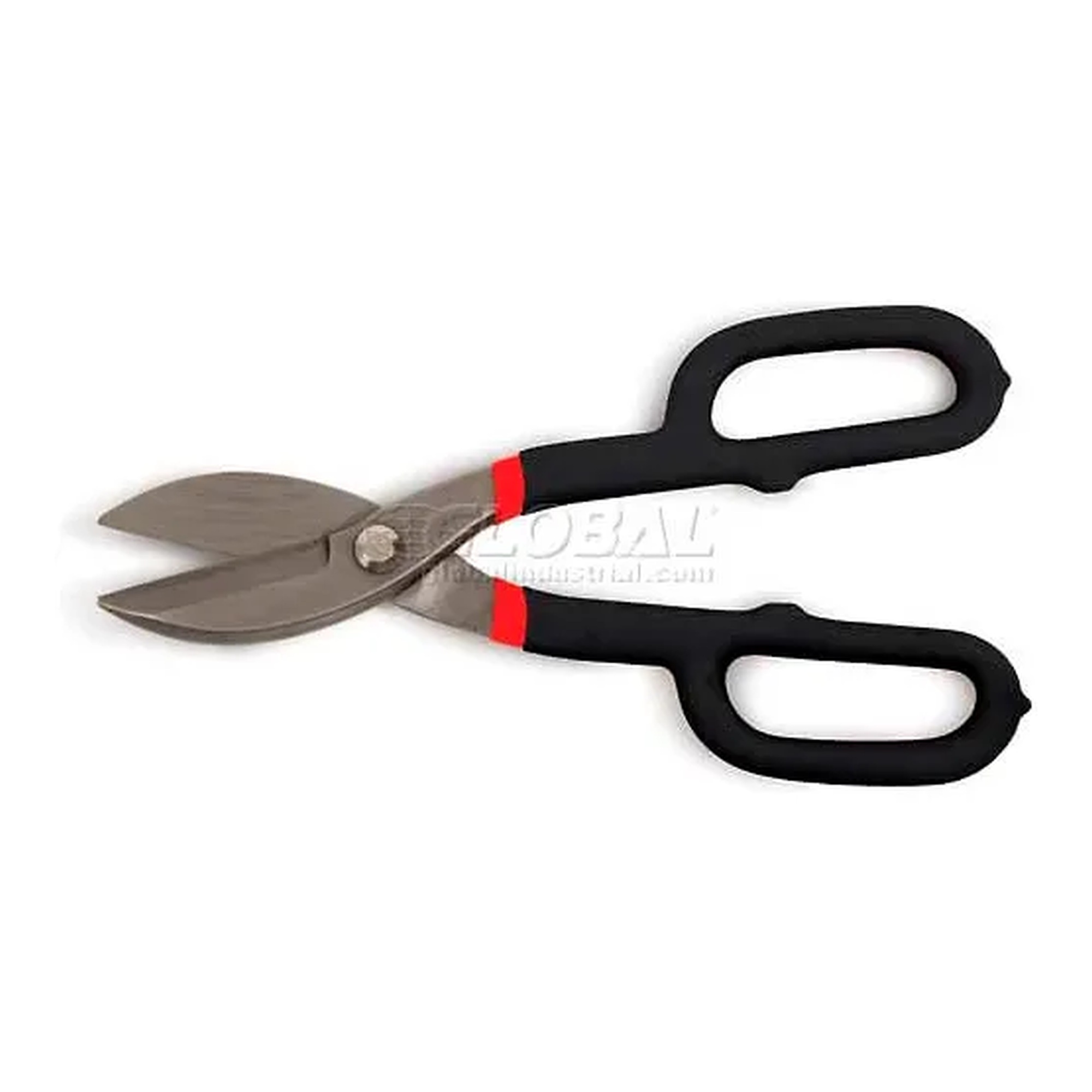
Urrea
Straight-Cut Tin Snips, 10 in. Long
Our Price:$14.99These straight-cut tin snips are designed for commercial users who need to cut carbon steel sheet and non-ferrous metals. They provide a hand-operated option for making straight cuts in metalworking...

Choose snips for the cut path, material and handling needs of the job
The best snip choice starts with the direction and shape of the cut. Straight-pattern options support direct cuts and broad curves, while left- and right-cut aviation snips help follow directional curves. Compare blade style, handle action, cutting length, pivot adjustment, and the intended operating hand to match the tool to routine trimming, longer cuts, or controlled sheet-material work.
Popular examples in this category
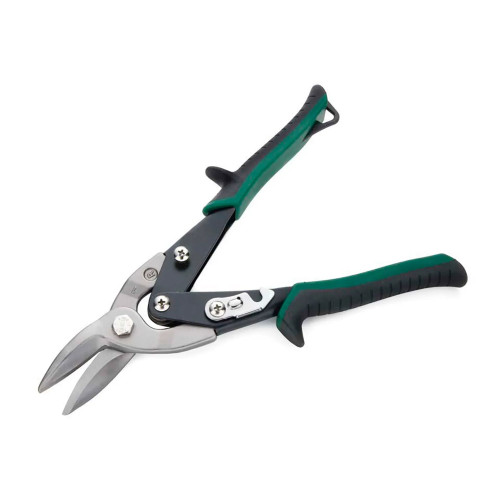 Right-Cut Aviation Snip, 9-3/4 in. LongWBB3193837
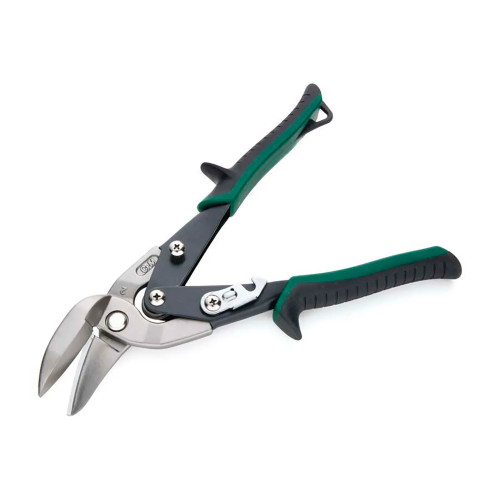 Aviation Snip Set with Straight, Left and Right CutsWBB3193861
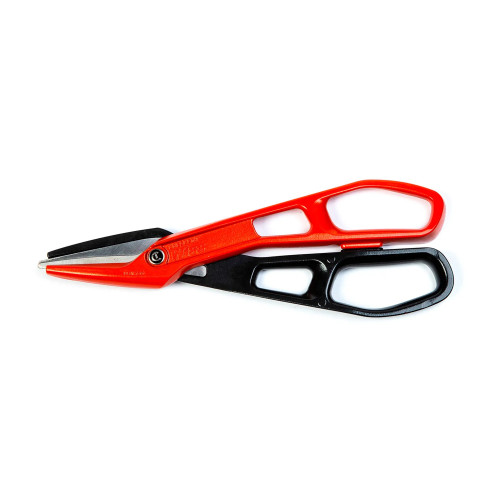 12-Inch Lightweight Aluminum Tinner SnipsWBB3078568
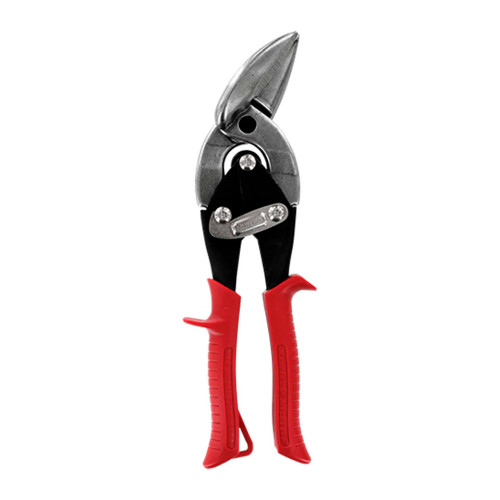 Offset Left-Cut Aviation SnipWBB2221801
Match the snip to the cut
Use straight-pattern snips for direct lines and broad curves. Select left- or right-cut aviation snips for directional trimming and curved paths. Offset styles support long cuts, curves, ribbed material, and thin sheet material.
Start with cut direction and tool design
Choose straight, left, or right cutting patterns based on the planned cut. Then compare offset blades, cutting length, compound leverage or compound action, grip design, and whether the snip is intended for right-hand, left-hand, or ambidextrous use.
Built for sheet-material tasks
Representative uses include HVAC and sheet metal work, shop maintenance, fabrication, installation, repair, metal trimming, and cutting light-gauge or thinner-gauge sheet material.
Look for features that support repeat work
Adjustable pivots can be readjusted when needed, while replaceable blades allow blade changes. Serrated jaws or blades help hold material, and color-coded handles help identify cutting direction quickly.
Straight, left, and right cutting options are available.
An offset long-cut option helps reduce repeated bites.
A straight replaceable-blade option has a defined cutting span.
A straight-pattern option provides a substantial hand-tool format.
Compare common snip types
Use the cut path and workpiece needs to narrow the available styles.
| Snip type | Best-fit cutting tasks | Features represented |
|---|---|---|
| Straight-pattern and tinner snips | Long straight cuts, direct trimming, and wide curves | Precision-ground edges, adjustable pivots, ergonomic or torque-control grips, and forged blade options |
| Left- and right-cut aviation snips | Directional cuts, trimming, and curved cutting paths | Color-coded handles on select options, forged blades, adjustable pivots, compound leverage, and hand-specific designs |
| Offset and compound-action snips | Long cuts, curves, ribbed material, thin sheet material, and controlled cuts in metal stock | Offset blades, extended cut length, serrated jaws or blades, compound action, latches, and adjustable pivots |
Plan the right fit before choosing
Select a straight, left or right cutting path
Cut pattern is the primary selection point. Straight snips are suited to direct trimming, long straight cuts, and, depending on the pattern, wide curves. Left-cut styles support left-direction cuts and can handle left-hand curves, while right-cut styles support right-direction cutting. A set with straight, left, and right options gives maintenance professionals and trade workers dedicated tools for each direction.
- Straight-pattern designs for direct lines and broad curves
- Left-cut designs for left-direction cuts and tight left-hand curves
- Right-cut designs for right-direction cuts
- Three-piece sets with straight, left, and right cutting options
Compare blade, pivot and handle features
For repeated cutting work, compare the features that affect control and handling. Forged or drop-forged steel blades are represented across several options, while precision-ground edges support cutting performance with less effort. Adjustable pivot bolts allow blade tension or alignment to be readjusted when necessary. Compound-leverage handles and compound action help transfer or spread cutting force, and grips, handle rings, and control channels support comfortable handling.
- Precision-ground edges for cutting performance with less effort
- Adjustable pivots for blade tension, alignment, or performance adjustment
- Compound-leverage or compound-action designs to reduce required hand force
- Bi-mold grips, ergonomic grips, torque-control rings, and textured grips for handling control
Consider offset, long-cut and replaceable-blade designs
Offset blade designs help move cut material away from the blades and keep the user's hand above the work surface for maneuverability. Long-cut models can reduce repeated bites on longer cuts. Tinner snips are represented for long, straight cuts in thinner-gauge sheet metal, while straight replaceable-blade snips support controlled cuts in light-gauge sheet metal and other sheet materials with abrasive coatings.
- Offset designs for curves, long cuts, ribbed material, and thin sheet material
- A 2.4-inch cut length option for longer cuts with fewer rebites
- Tinner snips for long straight cuts in thinner-gauge sheet metal
- Replaceable blades for cutting light-gauge sheet metal and abrasive-coated sheet materials
Common questions before buying
What is the difference between left-cut and right-cut snips?
Left-cut snips support left-direction cuts and left-hand curves, while right-cut snips support right-direction cuts.
When should I choose straight-pattern snips?
Choose straight-pattern snips for direct cuts, long straight cuts, and, on certain models, wide curves.
What does an offset blade design do?
An offset blade design helps move cut material away from the blades and keeps the user's hand above the work surface for maneuverability.
Why consider compound-action or compound-leverage snips?
These designs help transfer or spread cutting force at the blades to reduce the hand force needed for cutting.
Choose snips for the cut path, material and handling needs of the job
The best snip choice starts with the direction and shape of the cut. Straight-pattern options support direct cuts and broad curves, while left- and right-cut aviation snips help follow directional curves. Compare blade style, handle action, cutting length, pivot adjustment, and the intended operating hand to match the tool to routine trimming, longer cuts, or controlled sheet-material work.
Popular examples in this category
Match the snip to the cut
Use straight-pattern snips for direct lines and broad curves. Select left- or right-cut aviation snips for directional trimming and curved paths. Offset styles support long cuts, curves, ribbed material, and thin sheet material.
Start with cut direction and tool design
Choose straight, left, or right cutting patterns based on the planned cut. Then compare offset blades, cutting length, compound leverage or compound action, grip design, and whether the snip is intended for right-hand, left-hand, or ambidextrous use.
Built for sheet-material tasks
Representative uses include HVAC and sheet metal work, shop maintenance, fabrication, installation, repair, metal trimming, and cutting light-gauge or thinner-gauge sheet material.
Look for features that support repeat work
Adjustable pivots can be readjusted when needed, while replaceable blades allow blade changes. Serrated jaws or blades help hold material, and color-coded handles help identify cutting direction quickly.
Straight, left, and right cutting options are available.
An offset long-cut option helps reduce repeated bites.
A straight replaceable-blade option has a defined cutting span.
A straight-pattern option provides a substantial hand-tool format.
Compare common snip types
Use the cut path and workpiece needs to narrow the available styles.
| Snip type | Best-fit cutting tasks | Features represented |
|---|---|---|
| Straight-pattern and tinner snips | Long straight cuts, direct trimming, and wide curves | Precision-ground edges, adjustable pivots, ergonomic or torque-control grips, and forged blade options |
| Left- and right-cut aviation snips | Directional cuts, trimming, and curved cutting paths | Color-coded handles on select options, forged blades, adjustable pivots, compound leverage, and hand-specific designs |
| Offset and compound-action snips | Long cuts, curves, ribbed material, thin sheet material, and controlled cuts in metal stock | Offset blades, extended cut length, serrated jaws or blades, compound action, latches, and adjustable pivots |
Plan the right fit before choosing
Select a straight, left or right cutting path
Cut pattern is the primary selection point. Straight snips are suited to direct trimming, long straight cuts, and, depending on the pattern, wide curves. Left-cut styles support left-direction cuts and can handle left-hand curves, while right-cut styles support right-direction cutting. A set with straight, left, and right options gives maintenance professionals and trade workers dedicated tools for each direction.
- Straight-pattern designs for direct lines and broad curves
- Left-cut designs for left-direction cuts and tight left-hand curves
- Right-cut designs for right-direction cuts
- Three-piece sets with straight, left, and right cutting options
Compare blade, pivot and handle features
For repeated cutting work, compare the features that affect control and handling. Forged or drop-forged steel blades are represented across several options, while precision-ground edges support cutting performance with less effort. Adjustable pivot bolts allow blade tension or alignment to be readjusted when necessary. Compound-leverage handles and compound action help transfer or spread cutting force, and grips, handle rings, and control channels support comfortable handling.
- Precision-ground edges for cutting performance with less effort
- Adjustable pivots for blade tension, alignment, or performance adjustment
- Compound-leverage or compound-action designs to reduce required hand force
- Bi-mold grips, ergonomic grips, torque-control rings, and textured grips for handling control
Consider offset, long-cut and replaceable-blade designs
Offset blade designs help move cut material away from the blades and keep the user's hand above the work surface for maneuverability. Long-cut models can reduce repeated bites on longer cuts. Tinner snips are represented for long, straight cuts in thinner-gauge sheet metal, while straight replaceable-blade snips support controlled cuts in light-gauge sheet metal and other sheet materials with abrasive coatings.
- Offset designs for curves, long cuts, ribbed material, and thin sheet material
- A 2.4-inch cut length option for longer cuts with fewer rebites
- Tinner snips for long straight cuts in thinner-gauge sheet metal
- Replaceable blades for cutting light-gauge sheet metal and abrasive-coated sheet materials
Common questions before buying
What is the difference between left-cut and right-cut snips?
Left-cut snips support left-direction cuts and left-hand curves, while right-cut snips support right-direction cuts.
When should I choose straight-pattern snips?
Choose straight-pattern snips for direct cuts, long straight cuts, and, on certain models, wide curves.
What does an offset blade design do?
An offset blade design helps move cut material away from the blades and keeps the user's hand above the work surface for maneuverability.
Why consider compound-action or compound-leverage snips?
These designs help transfer or spread cutting force at the blades to reduce the hand force needed for cutting.