
-
IRWIN Tools
Drywall Jab Saw with Ergonomic Handle
Our Price:$17.74This drywall jab saw is a hand tool for trade professionals and maintenance crews making cuts in drywall. Its pointed saw blade and comfortable handle support controlled cutting for wallboard...
-
Bahco
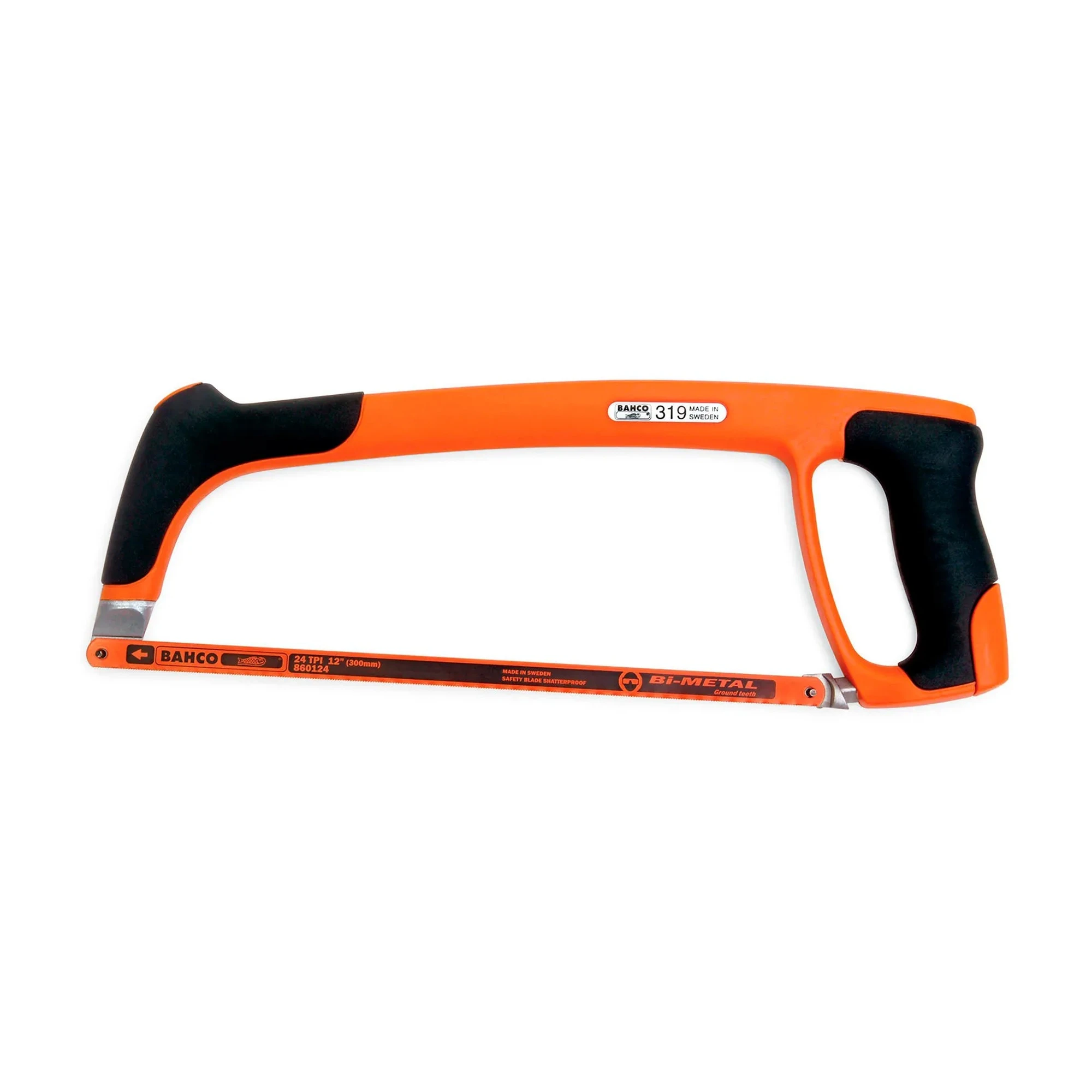
Ergonomic Hacksaw Frame with 12-Inch Bi-Metal Blade, Gray Handle
Our Price:$58.94This ergonomic hacksaw frame is designed for maintenance and shop users who need controlled hand cutting. Its centered blade and gray handle support balanced handling for straight, accurate cuts with...
-
Bahco
Folding Hand Saw with 7-1/2 in. Blade and Black Handle
Our Price:$35.94This general-purpose folding hand saw is designed for outdoor users who need a compact cutting tool for green or dry wood, plastic, and bone. Its folding format helps keep the blade contained when...
-
Bahco
Green Handle Folding Saw and Fixed-Blade Knife
Our Price:$47.94This green-handle folding saw and fixed-blade knife combination is designed for users who need cutting tools for wood, plastic, bone, and similar materials. The folding saw provides a compact cutting...
-
Bahco
Green Wood Bowsaw with 30-Inch Blade and Orange Handle
Our Price:$59.94This bowsaw is designed for cutting green wood in demanding work environments. Its orange ergonomic handle helps users maintain a comfortable, controlled grip while sawing.The saw has a 30-inch blade...
-
Bahco
Hardpoint Handsaw with 22-Inch Blade and Orange Handle
Our Price:$37.94This hardpoint handsaw is designed for commercial users who need a manual cutting tool for medium-thickness materials. Its 22-inch blade and ergonomic orange handle support controlled cutting tasks...
-
Beta
Mini Hacksaw Frame for 12-Inch Blades
Our Price:$65.94This mini hacksaw frame is designed for maintenance, repair, and shop users who need controlled hand cutting with standard 12-inch hacksaw blades. Its compact frame and front grip help support steady...
-
Bahco
Mini Hacksaw Frame with 6-Inch Metal-Cutting Blade
Our Price:$4.99This mini hacksaw is a compact hand saw for maintenance teams, technicians, and shop users who need to make metal cuts in a small-format tool. Its frame-and-blade design supports general cutting...
-
Beta
Mini Hacksaw Frame with Black Handle
Our Price:$15.49This mini hacksaw frame is a compact cutting tool for users working in confined areas where a larger saw is difficult to maneuver. It is suited to cutting materials such as PVC pipe, metal tubing,...
-
Bahco
Mini Hacksaw Frame with Orange Fiberglass Handle
Our Price:$19.49This mini hacksaw frame is a compact hand-cutting tool for maintenance professionals and shop users who need controlled cutting in work areas where a larger saw may be less practical. Its orange...
-
Bahco
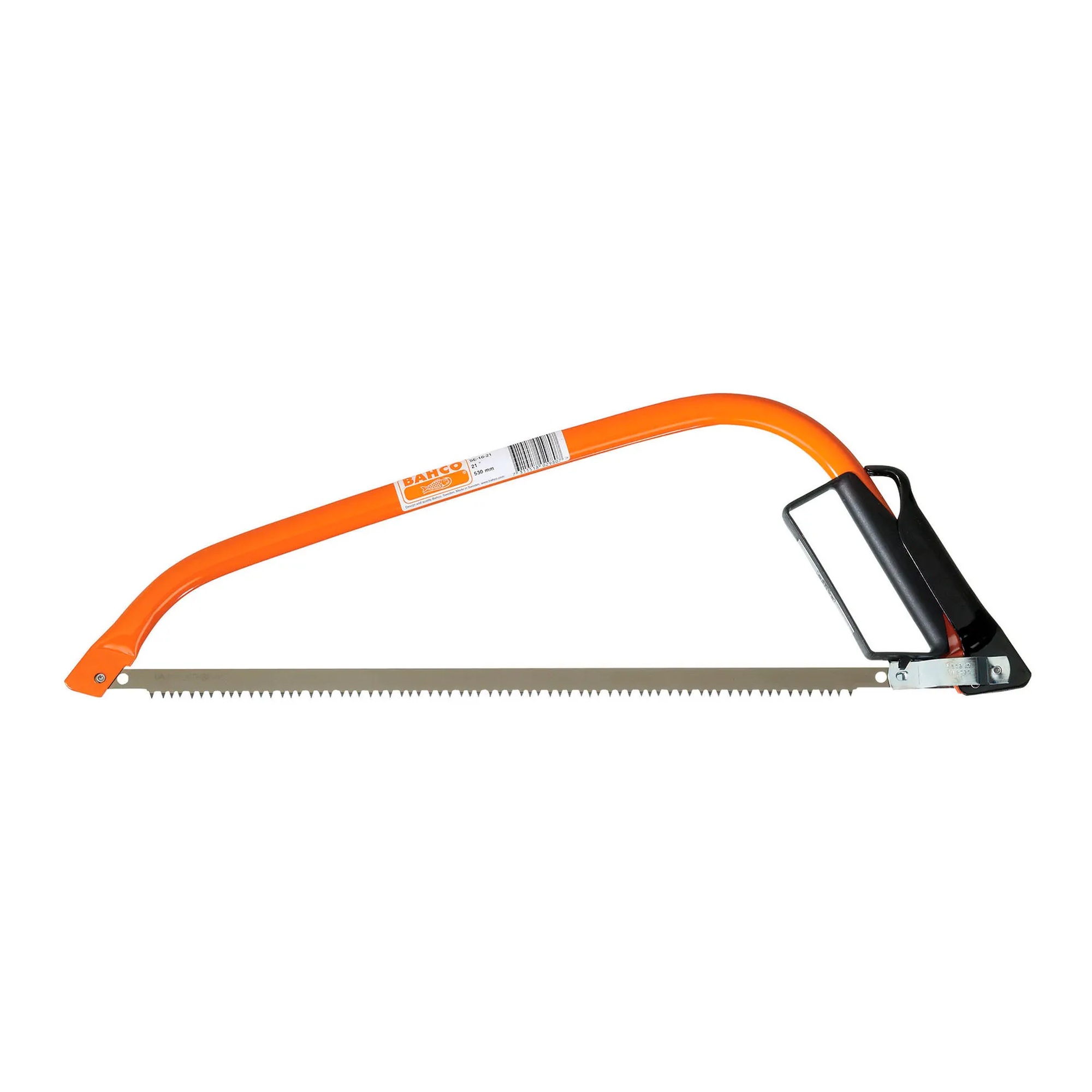
Pointed-Nose Bowsaw with 21-Inch Blade and Orange Handle
Our Price:$48.94This pointed-nose bowsaw is a hand cutting tool for construction crews and other commercial users who need controlled cutting in demanding work environments. Its pointed nose helps guide the saw...
-
Bahco
Pointed-Nose Bowsaw with 21-Inch Blade, Orange Handle
Our Price:$48.94This pointed-nose bowsaw is designed for construction professionals working in demanding jobsite environments. Its high-tension blade system supports straight cutting, while the protected handle...
-
Bahco
Procut Veneer Saw with 12-Inch Blade and Black Handle
Our Price:$26.94This veneer saw is designed for woodworkers and shop professionals who need controlled cuts in plywood, laminates, plastics, and wood. Its pointed cutting nose helps start cuts within the workpiece...
-
Bahco
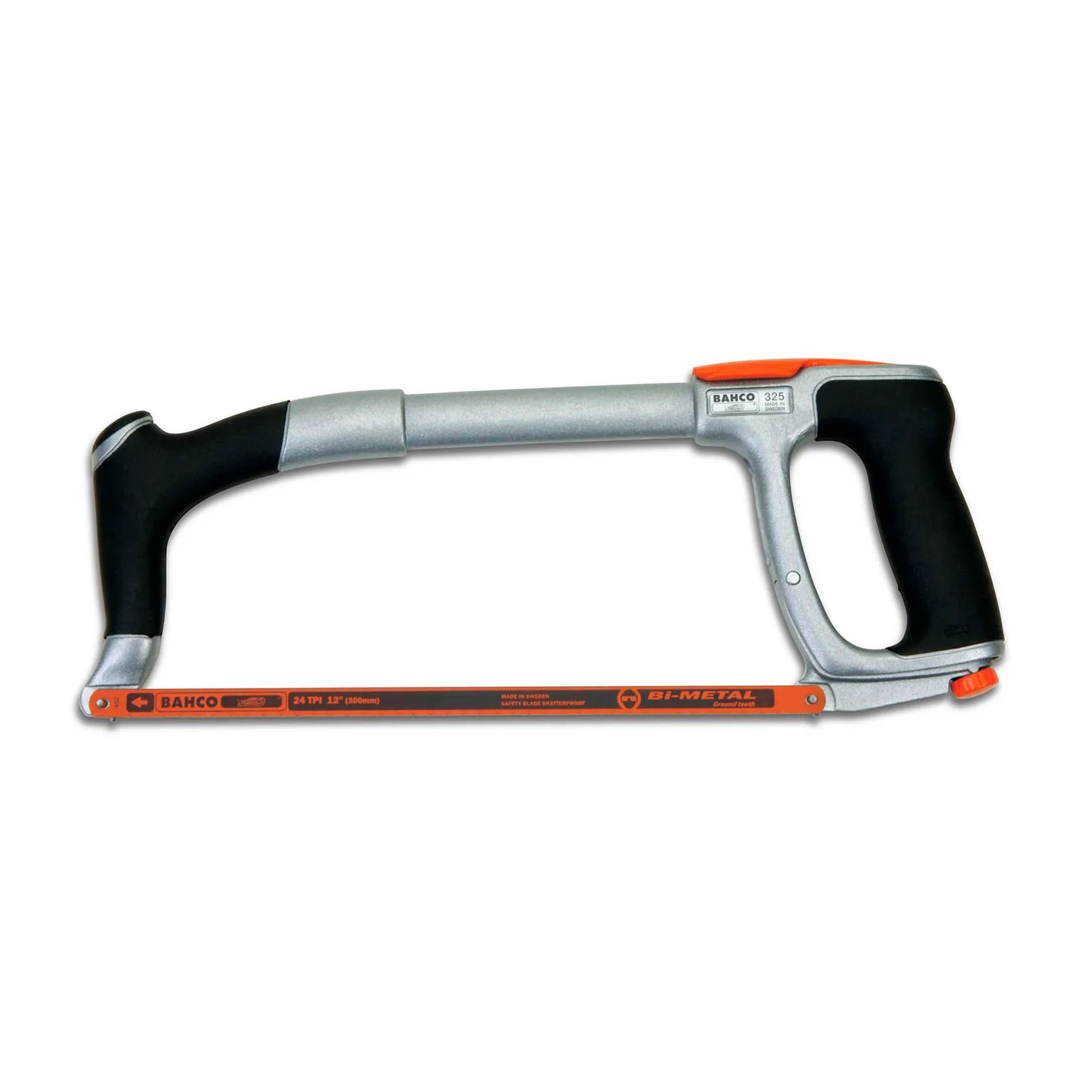
Professional 12-Inch Hacksaw Frame with Orange Handle
Our Price:$35.94This professional hacksaw frame is designed for tradespeople and maintenance users who need controlled hand cutting of steel tube and other workpieces. Its high-tension design supports straight,...
-
IRWIN Tools
Standard Utility Hand Saw with Tri-Ground Teeth
Our Price:$21.74This standard utility hand saw is designed for buyers who need a practical manual cutting tool for general work. Its aggressive tri-ground teeth help users make cuts with controlled hand-powered...
-
Bahco
Timber-Cutting Handsaw with 24-Inch Blade and Black Handle
Our Price:$38.94This timber-cutting handsaw is designed for professional users who need a manual saw for coarse wood cutting. Its 24-inch blade supports controlled cutting on both push and pull strokes.The saw has...







Choose a Hand Saw for the Material and Cut You Need
Start with the material: wood and sheet goods, metal, green wood, or dry wood. Then compare blade length, tooth style, cutting control, handle design, and features such as angle-marking guides, tooth protection, blade storage, or blade-change capability.
Popular examples in this category
 24-Inch Fine-Cut Hand SawWBB225954
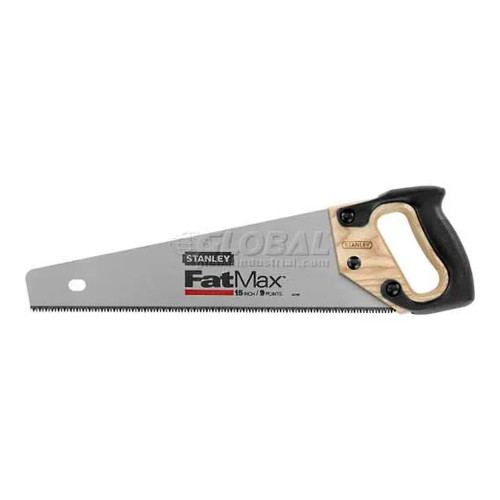 15-Inch Hand Saw with Induction-Hardened TeethWBB325024
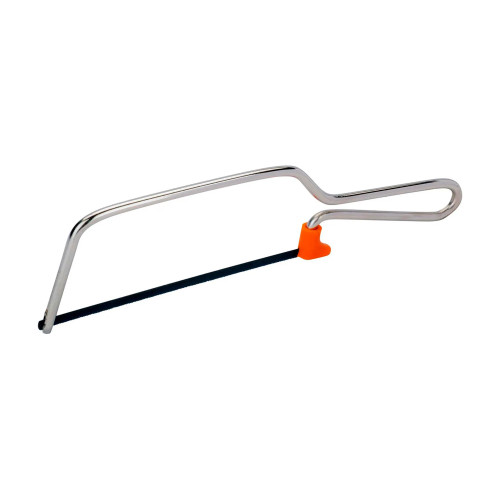 Mini Hacksaw Frame with 6-Inch Metal-Cutting BladeWBB3192995
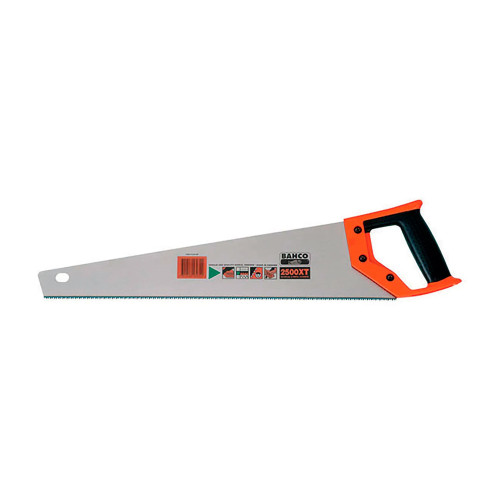 Hardpoint Handsaw with 22-Inch Blade and Orange HandleWBB3193093
Match the saw to the task
Choose fine-cut and fine-finish saws for controlled, detailed wood cuts. Use coarse-cut saws for efficient wood cutting, a mini hacksaw for metal-cutting tasks, and bowsaws for green or dry wood.
Compare blade and tooth design
Blade lengths in this selection range from 6 inches to 30 inches. Fine teeth support smoother cuts, while coarse teeth support efficient cutting. Select raker-tooth blades for green wood and peg-tooth blades for dry wood.
Consider the workpiece
Hardpoint handsaws are represented for medium-thickness materials, including plywood, ordinary wood, fiberboard, chipboard, and plastics. A veneer saw supports plywood, laminates, plastics, and wood, including pocket-cut applications.
Look for handling and storage features
Comfort and control features include hardwood, ergonomic, cushion-grip, rubberized, and knuckle-protecting handles. Some models add marking guides, reusable tooth protectors, blade storage fittings, or easier blade changing.
From a compact 6-inch hacksaw blade to 30-inch bowsaw blades.
The mini hacksaw includes a fine-tooth 6-inch metal-cutting blade.
The 20-inch coarse-cut hand saw uses 9-point steel teeth.
The 24-inch dry-wood bowsaw supports blade tension up to 120 kp.
Compare Hand Saw Types
Use this overview to narrow the selection by material and cutting approach.
| Saw type | Best-matched material or task | Features represented |
|---|---|---|
| Fine-cut and fine-finish hand saws | Controlled and detailed wood cutting | Fine tooth patterns, induction-hardened teeth, deep gullets, and comfortable handles |
| Hardpoint and veneer saws | Medium-thickness boards, plywood, laminates, plastics, wood, and pocket cuts | Thicker blades, universal tooth pattern, curved cutting nose, marking guides, and tooth protectors |
| Mini hacksaws and bowsaws | Compact metal cutting; green-wood and dry-wood cutting | 32 TPI metal-cutting blade; high-tension mechanisms; raker-tooth or peg-tooth blades; coated steel frames |
Plan the right fit before choosing
Select for wood, metal, or the condition of the wood
The saw type should reflect the material and work environment. The available styles are built around distinct cutting applications rather than one all-purpose use.
- Fine-cut, fine-finish, coarse-cut, hardpoint, and veneer saws support different wood and sheet-material cutting needs.
- The mini hacksaw uses a 6-inch, 32 TPI metal-cutting blade for compact metal-cutting work.
- Green-wood bowsaws use raker-tooth blades, while dry-wood bowsaws use peg-tooth or dry-wood blade configurations.
Balance cutting pattern with blade length and rigidity
Tooth pattern, gullets, blade construction, and tension all influence how a saw is positioned and used during a cut.
- Fine tooth patterns support smoother, more controlled cuts; 9-point steel teeth support coarse, efficient wood cutting.
- Deep gullets help remove wood chips during cutting on applicable fine-cut and coarse-cut saws.
- Thick or rigid blade bodies and thicker blade profiles help provide control and reduce side vibration.
- High-tension bowsaw mechanisms help keep blades taut for straighter cuts.
Choose features that support the way you work
Handle and convenience features vary across the selection. Consider whether the task benefits from a more comfortable grip, simple angle marking, tooth protection, or a compact frame.
- Ergonomic, cushion-grip, rubberized, hardwood, and steel-wire handle options are represented.
- Some saws include guides for approximate 45-degree and 90-degree marking or built-in 45-degree and 90-degree angle marking.
- Reusable tooth protectors help protect teeth during storage or transport, and selected bowsaws include blade storage or blade-change features.
Common questions before buying
Which hand saw type is suited to metal cutting?
The mini hacksaw is designed for metal cuts and includes a 6-inch, 32 TPI metal-cutting blade.
What is the difference between green-wood and dry-wood bowsaws?
The green-wood bowsaw uses a raker-tooth blade, while the dry-wood bowsaws use a peg-tooth blade or dry-wood blade configuration.
Which saws can help with 45-degree and 90-degree marking?
The 15-inch hand saw has built-in angle marking, and the veneer saw includes marking guides for approximate 45-degree and 90-degree marking.
What features can help support straighter cutting?
High-tension bowsaw mechanisms help keep the blade taut for straighter cuts. Thick or rigid blade construction can also help provide control or reduce side vibration.
Choose a Hand Saw for the Material and Cut You Need
Start with the material: wood and sheet goods, metal, green wood, or dry wood. Then compare blade length, tooth style, cutting control, handle design, and features such as angle-marking guides, tooth protection, blade storage, or blade-change capability.
Popular examples in this category
Match the saw to the task
Choose fine-cut and fine-finish saws for controlled, detailed wood cuts. Use coarse-cut saws for efficient wood cutting, a mini hacksaw for metal-cutting tasks, and bowsaws for green or dry wood.
Compare blade and tooth design
Blade lengths in this selection range from 6 inches to 30 inches. Fine teeth support smoother cuts, while coarse teeth support efficient cutting. Select raker-tooth blades for green wood and peg-tooth blades for dry wood.
Consider the workpiece
Hardpoint handsaws are represented for medium-thickness materials, including plywood, ordinary wood, fiberboard, chipboard, and plastics. A veneer saw supports plywood, laminates, plastics, and wood, including pocket-cut applications.
Look for handling and storage features
Comfort and control features include hardwood, ergonomic, cushion-grip, rubberized, and knuckle-protecting handles. Some models add marking guides, reusable tooth protectors, blade storage fittings, or easier blade changing.
From a compact 6-inch hacksaw blade to 30-inch bowsaw blades.
The mini hacksaw includes a fine-tooth 6-inch metal-cutting blade.
The 20-inch coarse-cut hand saw uses 9-point steel teeth.
The 24-inch dry-wood bowsaw supports blade tension up to 120 kp.
Compare Hand Saw Types
Use this overview to narrow the selection by material and cutting approach.
| Saw type | Best-matched material or task | Features represented |
|---|---|---|
| Fine-cut and fine-finish hand saws | Controlled and detailed wood cutting | Fine tooth patterns, induction-hardened teeth, deep gullets, and comfortable handles |
| Hardpoint and veneer saws | Medium-thickness boards, plywood, laminates, plastics, wood, and pocket cuts | Thicker blades, universal tooth pattern, curved cutting nose, marking guides, and tooth protectors |
| Mini hacksaws and bowsaws | Compact metal cutting; green-wood and dry-wood cutting | 32 TPI metal-cutting blade; high-tension mechanisms; raker-tooth or peg-tooth blades; coated steel frames |
Plan the right fit before choosing
Select for wood, metal, or the condition of the wood
The saw type should reflect the material and work environment. The available styles are built around distinct cutting applications rather than one all-purpose use.
- Fine-cut, fine-finish, coarse-cut, hardpoint, and veneer saws support different wood and sheet-material cutting needs.
- The mini hacksaw uses a 6-inch, 32 TPI metal-cutting blade for compact metal-cutting work.
- Green-wood bowsaws use raker-tooth blades, while dry-wood bowsaws use peg-tooth or dry-wood blade configurations.
Balance cutting pattern with blade length and rigidity
Tooth pattern, gullets, blade construction, and tension all influence how a saw is positioned and used during a cut.
- Fine tooth patterns support smoother, more controlled cuts; 9-point steel teeth support coarse, efficient wood cutting.
- Deep gullets help remove wood chips during cutting on applicable fine-cut and coarse-cut saws.
- Thick or rigid blade bodies and thicker blade profiles help provide control and reduce side vibration.
- High-tension bowsaw mechanisms help keep blades taut for straighter cuts.
Choose features that support the way you work
Handle and convenience features vary across the selection. Consider whether the task benefits from a more comfortable grip, simple angle marking, tooth protection, or a compact frame.
- Ergonomic, cushion-grip, rubberized, hardwood, and steel-wire handle options are represented.
- Some saws include guides for approximate 45-degree and 90-degree marking or built-in 45-degree and 90-degree angle marking.
- Reusable tooth protectors help protect teeth during storage or transport, and selected bowsaws include blade storage or blade-change features.
Common questions before buying
Which hand saw type is suited to metal cutting?
The mini hacksaw is designed for metal cuts and includes a 6-inch, 32 TPI metal-cutting blade.
What is the difference between green-wood and dry-wood bowsaws?
The green-wood bowsaw uses a raker-tooth blade, while the dry-wood bowsaws use a peg-tooth blade or dry-wood blade configuration.
Which saws can help with 45-degree and 90-degree marking?
The 15-inch hand saw has built-in angle marking, and the veneer saw includes marking guides for approximate 45-degree and 90-degree marking.
What features can help support straighter cutting?
High-tension bowsaw mechanisms help keep the blade taut for straighter cuts. Thick or rigid blade construction can also help provide control or reduce side vibration.