
-
Eclipse
Ratcheting Crimper for Color-Coded Insulated Terminals
Our Price:$39.94This ratcheting crimper is designed for electricians and maintenance professionals who install insulated terminals. It helps create consistent crimps on red, blue, and yellow nylon or vinyl terminals...
-
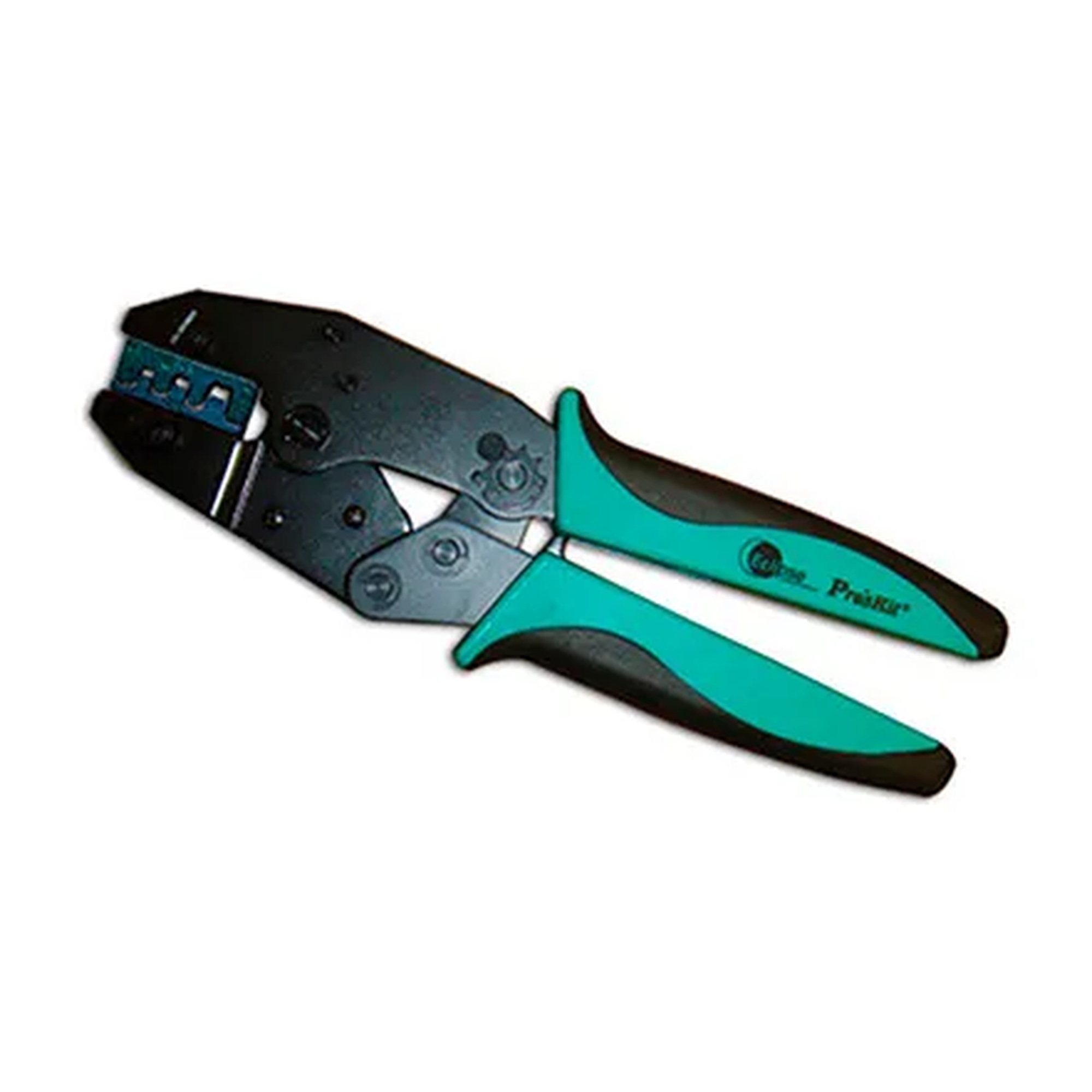
Eclipse
Ratcheting Crimper for Non-Insulated Open-Barrel Terminals
Our Price:$39.94This ratcheting crimper is designed for technicians and maintenance professionals who terminate non-insulated open-barrel contacts. It helps create consistent crimps across several common wire-size...
-
Eclipse
Ratcheting Wire Ferrule Crimper for 22–10 AWG
Our Price:$71.94This ratcheting wire ferrule crimper is designed for electricians and panel assembly professionals working with 22–10 AWG wire ferrules. It provides a dedicated hand tool for crimping ferrules onto...
-
Eclipse
Stainless Steel Cutting Pliers
Our Price:$12.24These stainless steel cutting pliers are designed for users who need a hand tool for cutting tasks. Their self-opening action helps support smooth, repeated operation, while the non-slip handles...
-
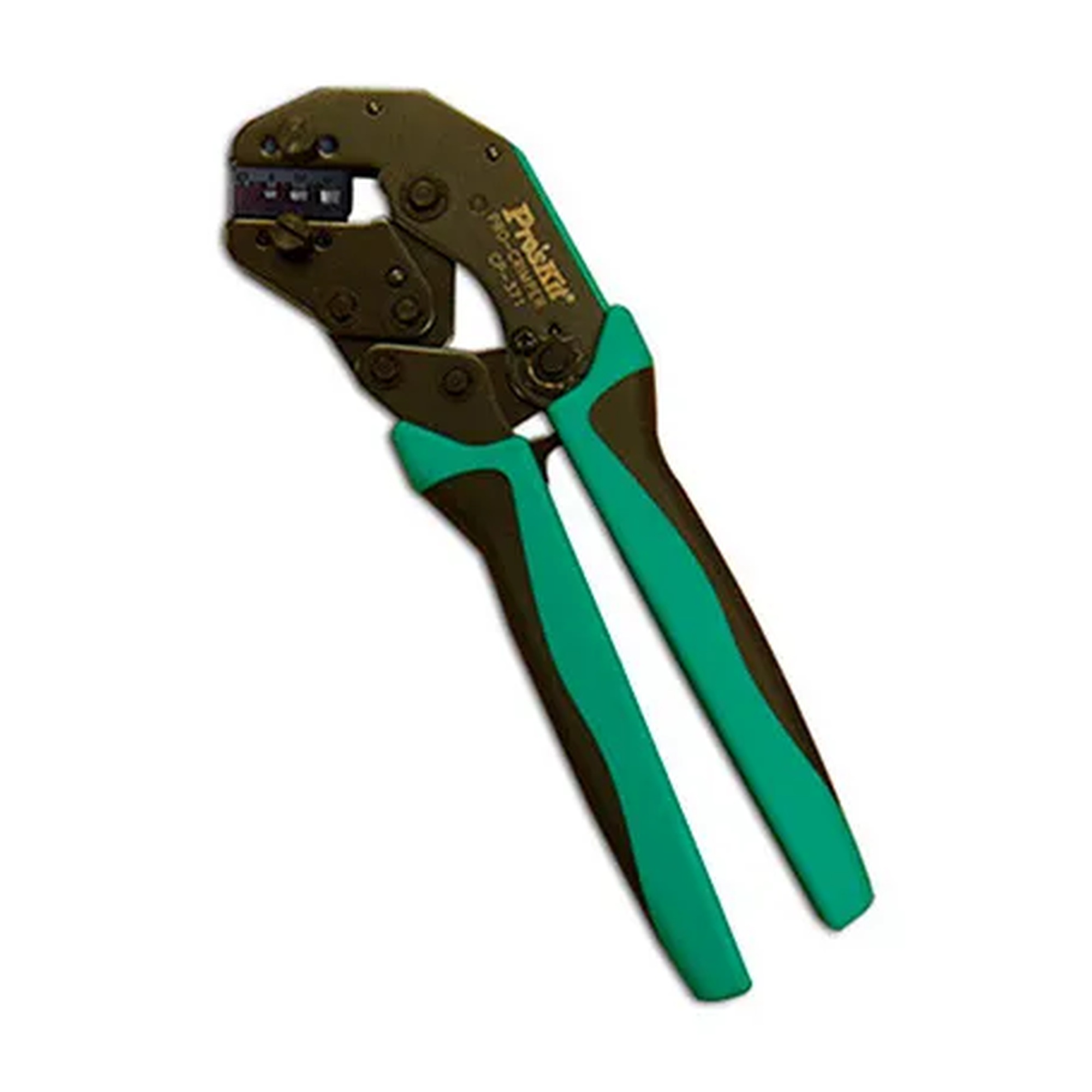
Eclipse
Wire Ferrule Crimper for 10, 8 and 6 AWG
Our Price:$53.94This wire ferrule crimper is designed for professionals preparing ferrule-terminated conductors. It crimps insulated and non-insulated wire ferrules to help create secure wire-end terminations for...
-
Eclipse
Wire Ferrule Crimper for 10-6 AWG
Our Price:$52.94This wire ferrule crimper is designed for electricians and panel-building professionals who terminate insulated or non-insulated wire ferrules. It helps create crimped ferrule connections for...
-
Eclipse
Wire Ferrule Crimping Tool, AWG 22–12
Our Price:$52.94This wire ferrule crimping tool is designed for electricians, panel builders, and maintenance professionals who terminate wire ends with ferrules. It crimps insulated and non-insulated wire ferrules...
-
Klein Tools
Wire Stripper/Cutter for 8-20 AWG Wire
Our Price:$23.49This wire stripper/cutter is designed for electricians and maintenance professionals who prepare solid or stranded wire for connections and installations. It combines wire stripping, cutting,...
-
Williams
Wire Twister/Cutter with Safety Ring, 1/16 in. Cutting Capacity
Our Price:$155.94This wire twister/cutter is a hand tool for contractors and mechanics who need to twist and cut safety wire during construction and automotive repair work. Its safety ring supports controlled,...





Choose Cutting and Crimping Tools for the Task at Hand
Start with the material or termination you need to handle, then compare the compatible conductor or terminal range, required reach, cutting access, and tool action. This category includes dedicated tools for cable cutting, bolt and hard-material cutting, wire-rope work, electrical terminations, and precision electronic assembly.
Popular examples in this category
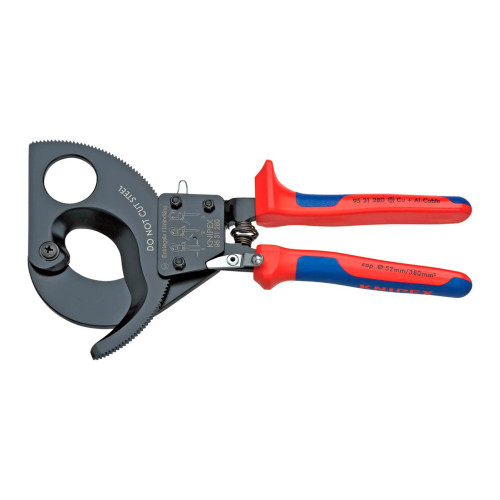 Ratcheting Cable Cutter with Comfort Grip, 11 in. Overall LengthWBB1820438
 Wire Ferrule Crimper for 10, 8 and 6 AWGWBB1929851
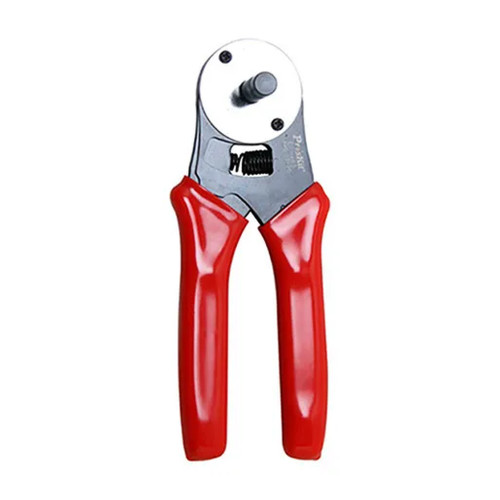 Closed-Barrel Contact 4-Indent Crimper for 12-20 AWGWBB1929752
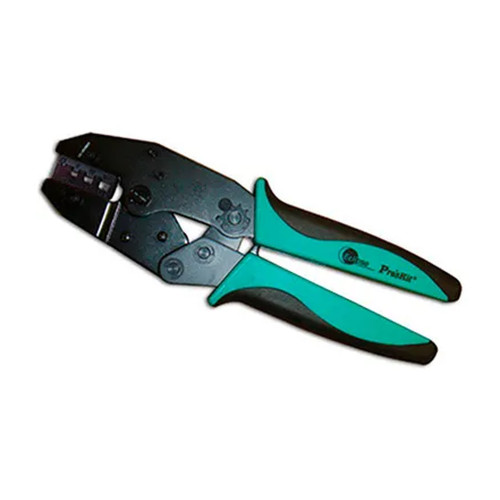
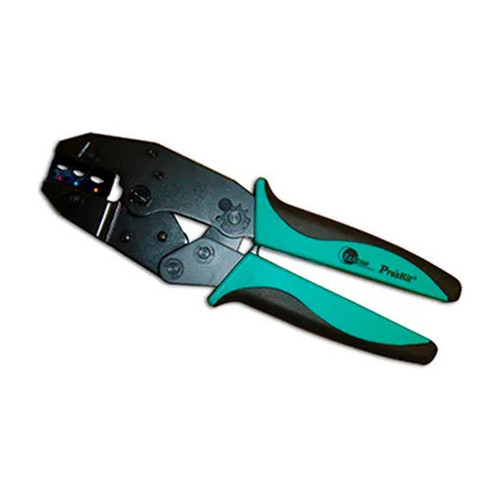 Ratcheting Crimper for Color-Coded Insulated TerminalsWBB1929674
Match the tool to the work
Choose cable cutters for copper or aluminum conductors, bolt cutters for bolts and similar hard obstacles, wire rope cutters for metal wire, rods, and rope, and precision cutters for fine electronics work. Select a crimper when the task is making a ferrule, contact, insulated-terminal, or flag-terminal connection.
Compare compatibility first
For cutting tools, confirm the stated material and capacity. For crimpers, match the tool to the terminal or ferrule type and the supported AWG or DIN range. Also consider handle length, required leverage, grip features, and whether a ratcheting action or locator supports the task.
Support electrical, maintenance, and shop tasks
These tools support cable installation and repair, work on or near energized equipment, utility and telecommunications field work, panel-building, connector assembly, maintenance, wire-rope repair, and cutting tasks in shops and around equipment.
Consider access and repeat use
A slim cutter head can help reach points close to surfaces, while long handles can provide added reach and leverage. Comfort grips, ergonomic or non-slip handles, self-opening action, pinch protection, and adjustable jaws or locators can be useful when work is repeated.
For work on or near live parts at nominal voltages up to 1000V.
For compatible aluminum or copper conductors on the long-arm cable cutter.
Covers 10, 8, and 6 AWG ferrule crimp sizes.
A compact hand-tool size for shop and field use.
Compare the Main Tool Types
Use this overview to narrow the category by the job and the compatibility details stated for each type.
| Tool type | Best suited for | Key selection details |
|---|---|---|
| Cable cutters | Cutting compatible copper and aluminum cable or conductors | Compare conductor material, stated capacity, one-hand or long-arm design, and insulation rating where applicable. |
| Bolt and wire rope cutters | Cutting bolts, wire, screws, rivets, metal wire, rods, rope, and similar hard obstacles | Compare required access, handle length, leverage, jaw features, and stated wire-rope or spring-wire capacity. |
| Crimpers and precision cutters | Making electrical terminations or performing fine electronic cutting work | Match ferrule, contact, or terminal style and wire range for crimpers; for electronics, consider the precision cutter's electronic-circuit focus. |
Plan the right fit before choosing
Select a cutter designed for the item being cut
Dedicated cable cutters are intended for compatible copper and aluminum cable or conductors. Bolt cutters address bolts and similar hard materials, while a compact wire rope cutter handles specified wire-rope and spring-wire work. Stainless steel cutting pliers provide a hand-tool option for general cutting tasks, and a mini micro cutter is focused on controlled work on electronic circuits and high-density printed circuit boards.
- For utility electrical and telecommunications work, the insulated long-arm cable cutter cuts stranded aluminum or copper conductors up to 1250 MCM and solid conductors up to 2 AWG.
- For close-to-surface bolt cutting, consider the heavy-duty bolt cutter with a slim cutting head.
- For wire rope, verify the stated capacity of up to 0.16 in. (4 mm); the compact cutter also handles spring wire up to 0.06 in. (1.5 mm).
- For demanding bolt, wire, screw, and rivet cutting, the 36-inch forged bolt cutter provides compound leverage and adjustable forged jaws.
Match crimpers to ferrules, contacts, or terminals
Crimping tools in this category are purpose-specific. Ferrule crimpers support insulated and non-insulated ferrules in 10, 8, and 6 AWG sizes, with DIN sizes of 6, 10, and 16 mm². Other tools address closed-barrel contacts, color-coded insulated terminals, or insulated flag terminals.
- Use a closed-barrel contact crimper for compatible 12-20 AWG screw-machine contacts in D-sub and RS-232-style connector applications.
- Choose the ratcheting insulated-terminal crimper for red, blue, and yellow nylon or vinyl terminals.
- Use the insulated flag terminal crimper for red and blue insulated flag terminals in 22-18 AWG and 16-14 AWG ranges.
- An adjustable pin-height locator can help position compatible contacts for repeatable crimping.
Balance access with controlled operation
Tool size and mechanism can influence how the tool fits the work. Long-arm and 36-inch designs provide extended reach and leverage. Ratcheting mechanisms support controlled, repeatable cutting or crimping, while a one-hand cable-cutter design can make compatible cable cutting more manageable. For frequent hand-tool use, compare grip, handle, and opening features.
- The 26-inch insulated cable cutter is rated for work on or near live parts at nominal voltages up to 1000V.
- Mechanical-advantage handles and compound leverage help provide added cutting force.
- Comfort grip, ergonomic handles, and non-slip handles support a more comfortable or secure hold.
- A self-opening spring returns the stainless steel cutting pliers to an open position for smooth repeated operation.
Common questions before buying
What materials can cable cutters in this category handle?
Available cable cutters are designed for compatible copper and aluminum cable or conductors. The long-arm model is specified for stranded aluminum or copper conductors and solid conductors within its stated capacities.
How do I choose a crimper?
Match the crimper to the termination type and wire range. Options include ferrule crimpers for 10, 8, and 6 AWG, a closed-barrel contact crimper for 12-20 AWG contacts, an insulated-terminal crimper for red, blue, and yellow terminals, and a flag-terminal crimper for its stated ranges.
Which tool is suited to wire rope?
The 7-1/2-inch wire rope cutter is intended for metal wire, rods, and rope. It cuts compatible wire rope up to 0.16 in. (4 mm) and spring wire up to 0.06 in. (1.5 mm).
What helps with cutting in limited-clearance areas?
The heavy-duty bolt cutter has a slim cutting head designed to help reach cutting points close to surfaces. Tool length and handle design should also be compared with the access and leverage the task requires.
Choose Cutting and Crimping Tools for the Task at Hand
Start with the material or termination you need to handle, then compare the compatible conductor or terminal range, required reach, cutting access, and tool action. This category includes dedicated tools for cable cutting, bolt and hard-material cutting, wire-rope work, electrical terminations, and precision electronic assembly.
Popular examples in this category
Match the tool to the work
Choose cable cutters for copper or aluminum conductors, bolt cutters for bolts and similar hard obstacles, wire rope cutters for metal wire, rods, and rope, and precision cutters for fine electronics work. Select a crimper when the task is making a ferrule, contact, insulated-terminal, or flag-terminal connection.
Compare compatibility first
For cutting tools, confirm the stated material and capacity. For crimpers, match the tool to the terminal or ferrule type and the supported AWG or DIN range. Also consider handle length, required leverage, grip features, and whether a ratcheting action or locator supports the task.
Support electrical, maintenance, and shop tasks
These tools support cable installation and repair, work on or near energized equipment, utility and telecommunications field work, panel-building, connector assembly, maintenance, wire-rope repair, and cutting tasks in shops and around equipment.
Consider access and repeat use
A slim cutter head can help reach points close to surfaces, while long handles can provide added reach and leverage. Comfort grips, ergonomic or non-slip handles, self-opening action, pinch protection, and adjustable jaws or locators can be useful when work is repeated.
For work on or near live parts at nominal voltages up to 1000V.
For compatible aluminum or copper conductors on the long-arm cable cutter.
Covers 10, 8, and 6 AWG ferrule crimp sizes.
A compact hand-tool size for shop and field use.
Compare the Main Tool Types
Use this overview to narrow the category by the job and the compatibility details stated for each type.
| Tool type | Best suited for | Key selection details |
|---|---|---|
| Cable cutters | Cutting compatible copper and aluminum cable or conductors | Compare conductor material, stated capacity, one-hand or long-arm design, and insulation rating where applicable. |
| Bolt and wire rope cutters | Cutting bolts, wire, screws, rivets, metal wire, rods, rope, and similar hard obstacles | Compare required access, handle length, leverage, jaw features, and stated wire-rope or spring-wire capacity. |
| Crimpers and precision cutters | Making electrical terminations or performing fine electronic cutting work | Match ferrule, contact, or terminal style and wire range for crimpers; for electronics, consider the precision cutter's electronic-circuit focus. |
Plan the right fit before choosing
Select a cutter designed for the item being cut
Dedicated cable cutters are intended for compatible copper and aluminum cable or conductors. Bolt cutters address bolts and similar hard materials, while a compact wire rope cutter handles specified wire-rope and spring-wire work. Stainless steel cutting pliers provide a hand-tool option for general cutting tasks, and a mini micro cutter is focused on controlled work on electronic circuits and high-density printed circuit boards.
- For utility electrical and telecommunications work, the insulated long-arm cable cutter cuts stranded aluminum or copper conductors up to 1250 MCM and solid conductors up to 2 AWG.
- For close-to-surface bolt cutting, consider the heavy-duty bolt cutter with a slim cutting head.
- For wire rope, verify the stated capacity of up to 0.16 in. (4 mm); the compact cutter also handles spring wire up to 0.06 in. (1.5 mm).
- For demanding bolt, wire, screw, and rivet cutting, the 36-inch forged bolt cutter provides compound leverage and adjustable forged jaws.
Match crimpers to ferrules, contacts, or terminals
Crimping tools in this category are purpose-specific. Ferrule crimpers support insulated and non-insulated ferrules in 10, 8, and 6 AWG sizes, with DIN sizes of 6, 10, and 16 mm². Other tools address closed-barrel contacts, color-coded insulated terminals, or insulated flag terminals.
- Use a closed-barrel contact crimper for compatible 12-20 AWG screw-machine contacts in D-sub and RS-232-style connector applications.
- Choose the ratcheting insulated-terminal crimper for red, blue, and yellow nylon or vinyl terminals.
- Use the insulated flag terminal crimper for red and blue insulated flag terminals in 22-18 AWG and 16-14 AWG ranges.
- An adjustable pin-height locator can help position compatible contacts for repeatable crimping.
Balance access with controlled operation
Tool size and mechanism can influence how the tool fits the work. Long-arm and 36-inch designs provide extended reach and leverage. Ratcheting mechanisms support controlled, repeatable cutting or crimping, while a one-hand cable-cutter design can make compatible cable cutting more manageable. For frequent hand-tool use, compare grip, handle, and opening features.
- The 26-inch insulated cable cutter is rated for work on or near live parts at nominal voltages up to 1000V.
- Mechanical-advantage handles and compound leverage help provide added cutting force.
- Comfort grip, ergonomic handles, and non-slip handles support a more comfortable or secure hold.
- A self-opening spring returns the stainless steel cutting pliers to an open position for smooth repeated operation.
Common questions before buying
What materials can cable cutters in this category handle?
Available cable cutters are designed for compatible copper and aluminum cable or conductors. The long-arm model is specified for stranded aluminum or copper conductors and solid conductors within its stated capacities.
How do I choose a crimper?
Match the crimper to the termination type and wire range. Options include ferrule crimpers for 10, 8, and 6 AWG, a closed-barrel contact crimper for 12-20 AWG contacts, an insulated-terminal crimper for red, blue, and yellow terminals, and a flag-terminal crimper for its stated ranges.
Which tool is suited to wire rope?
The 7-1/2-inch wire rope cutter is intended for metal wire, rods, and rope. It cuts compatible wire rope up to 0.16 in. (4 mm) and spring wire up to 0.06 in. (1.5 mm).
What helps with cutting in limited-clearance areas?
The heavy-duty bolt cutter has a slim cutting head designed to help reach cutting points close to surfaces. Tool length and handle design should also be compared with the access and leverage the task requires.