
-
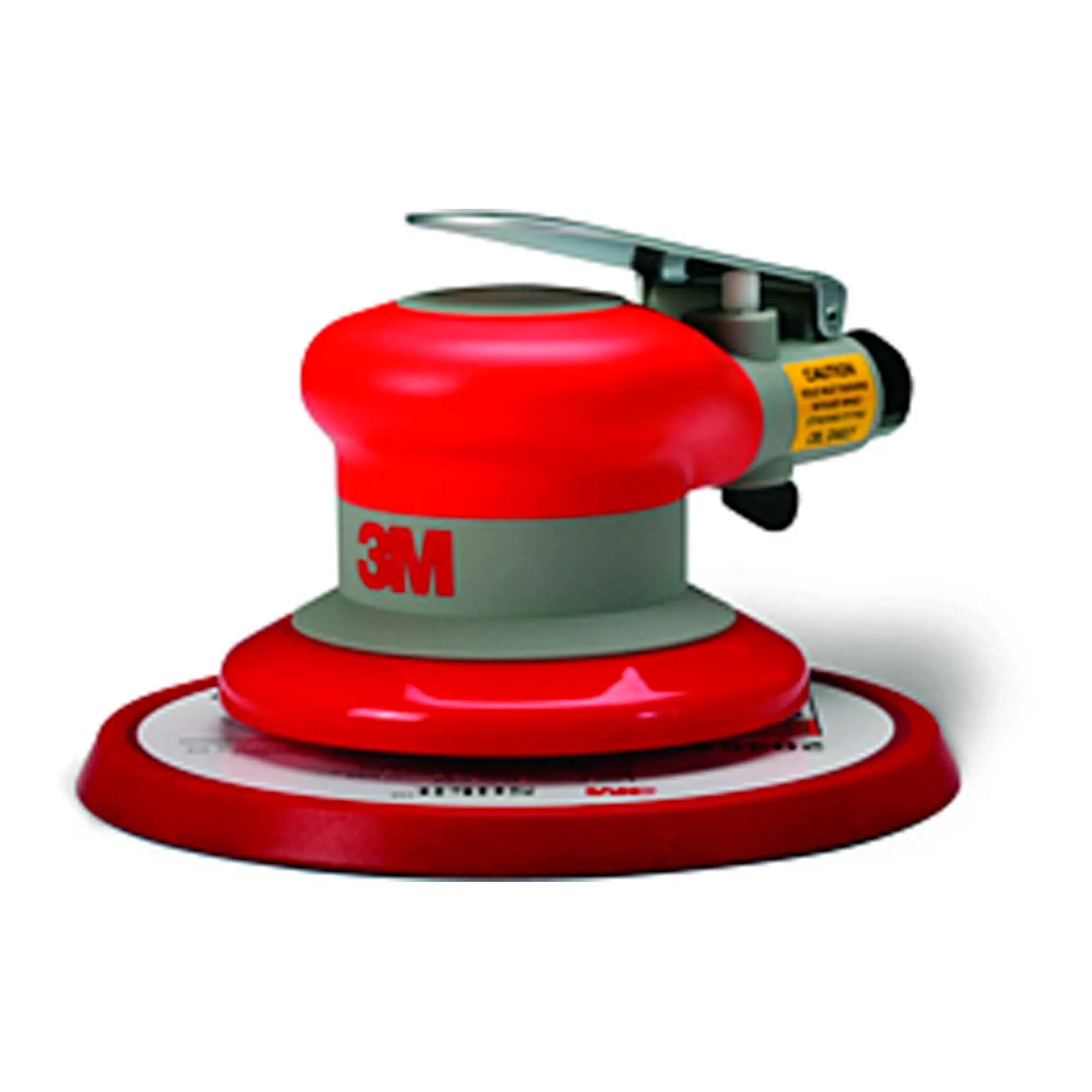
6 in. Random Non-Vacuum Orbital Sander, 3/16 in. Orbit, 12,000 RPM
Our Price:$359.94This random non-vacuum orbital sander is designed for commercial users preparing surfaces with coated abrasive and surface-conditioning products. Its orbital action supports sanding and...
-
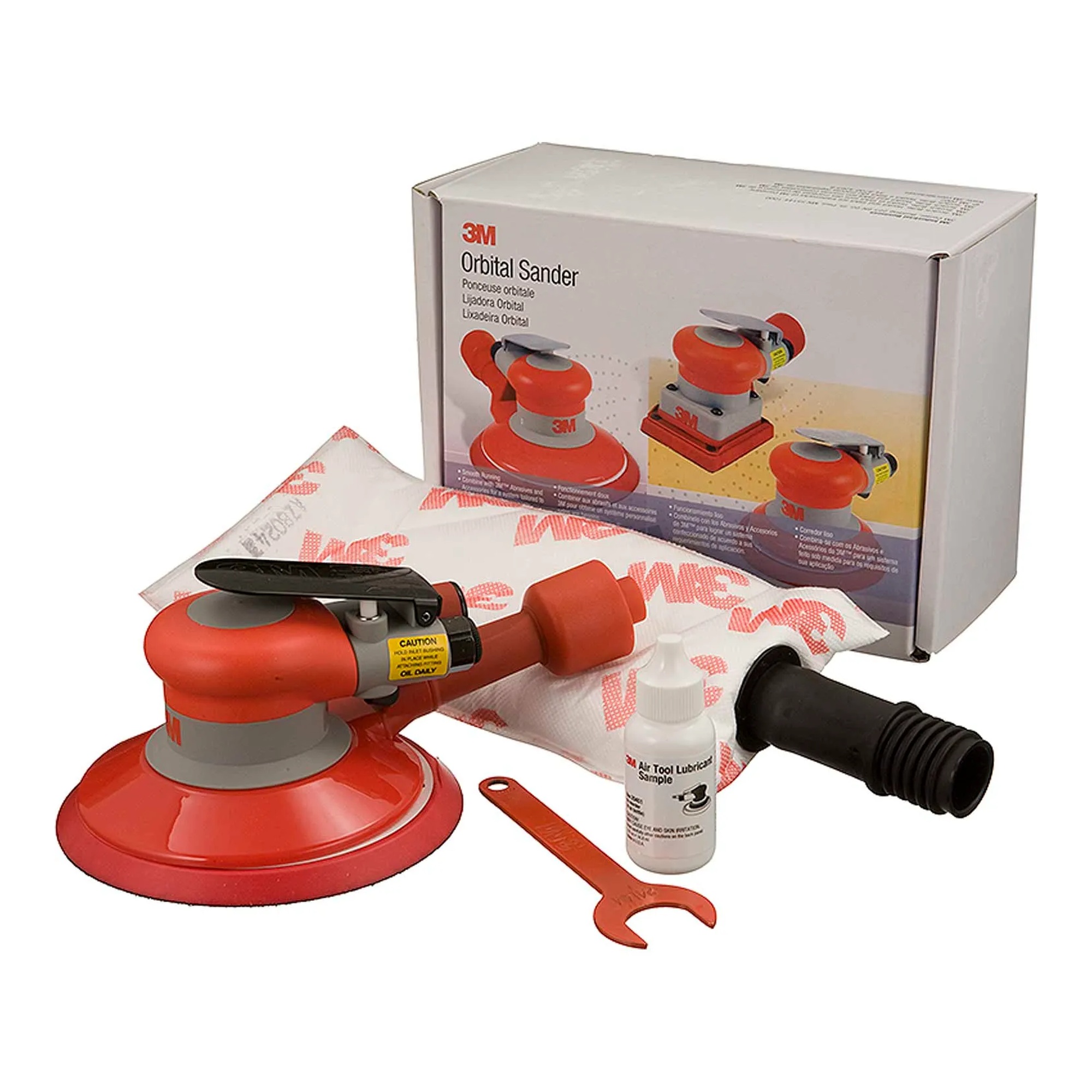
6 in. Random Vacuum Orbital Sander, 5/16 in. Orbit, 12,000 RPM
Our Price:$369.94This random vacuum orbital sander is designed for professionals using coated abrasive and surface conditioning products. It provides powered orbital sanding for surface-preparation and finishing work...
-
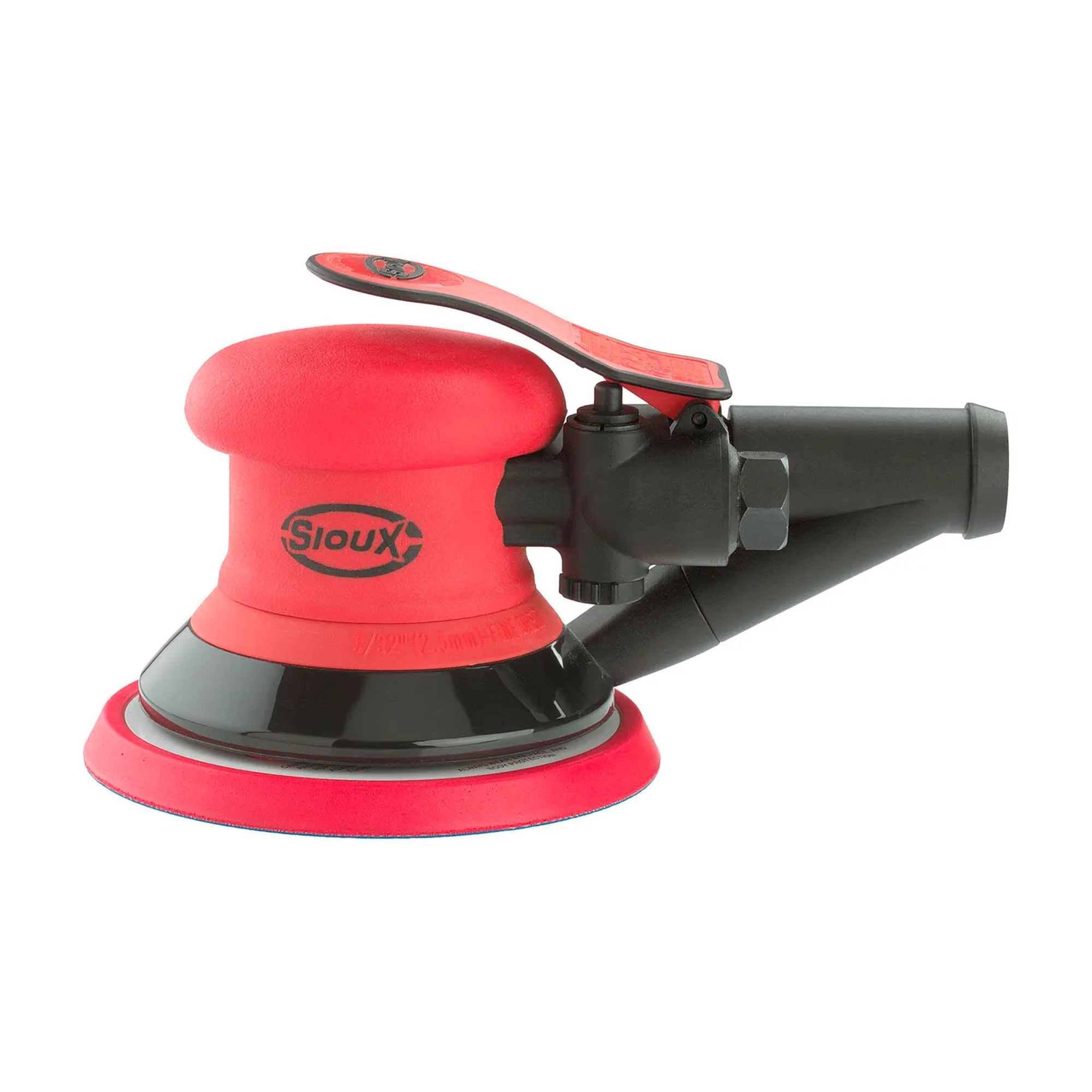
Sioux
6-Inch Non-Vacuum Geared Orbital Air Sander with Hook-and-Loop Pad
Our Price:$359.94This non-vacuum geared orbital air sander is designed for technicians and shop professionals who need controlled sanding on work surfaces. Its hook-and-loop pad supports quick abrasive changes, while...
-
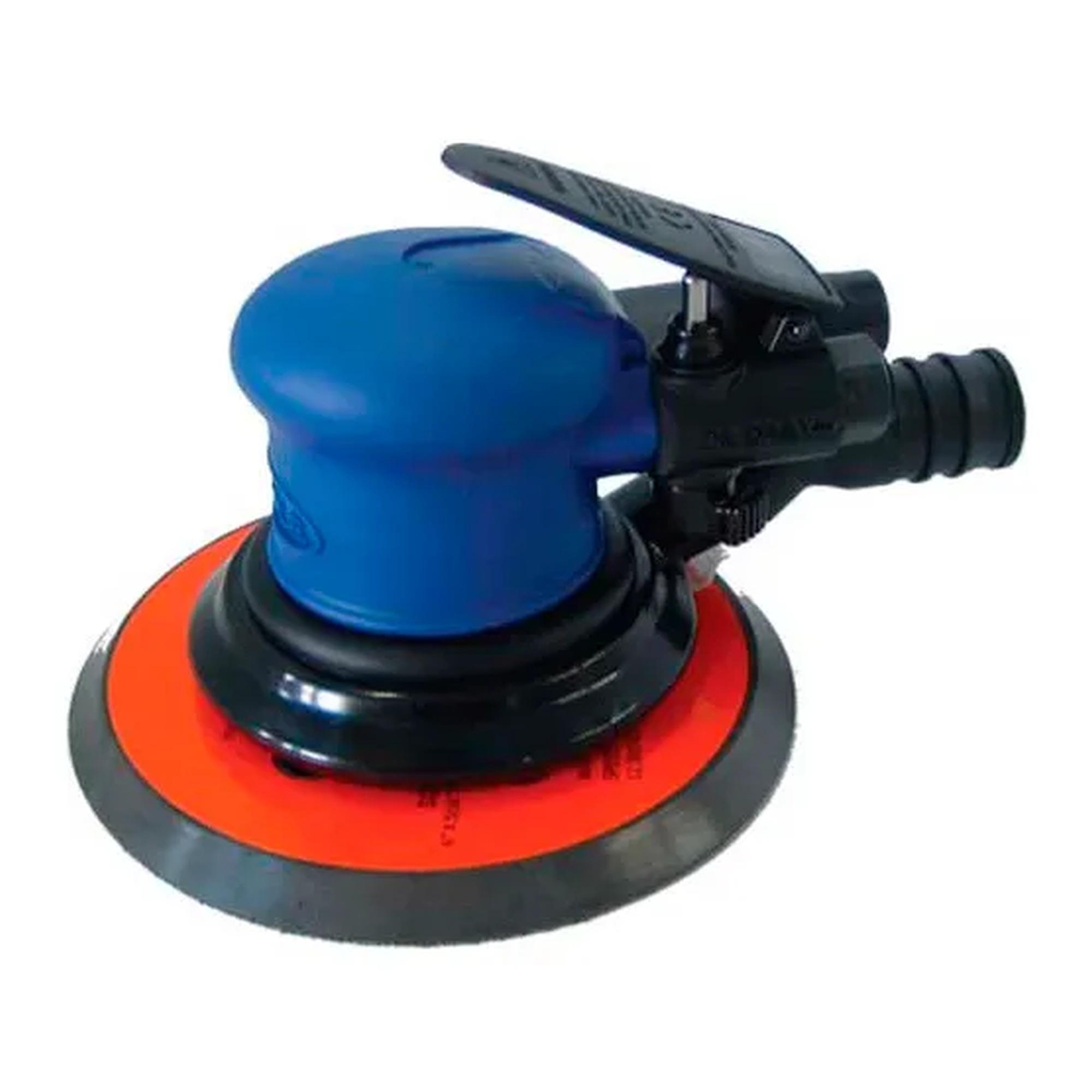
Eagle
6-Inch Orbital Palm Air Sander, 10,500 RPM
Our Price:$289.94This orbital palm air sander is designed for professionals refinishing metal surfaces. Its contoured form helps operators maintain control while sanding during extended work periods.The sander has a...
-
3M
6-Inch Pneumatic Random Orbital Sander with Central Vacuum
Our Price:$309.94This pneumatic random orbital sander is designed for industrial shop users who need efficient surface sanding with dust extraction support. Its central-vacuum-ready design helps keep dust away from...
-
3M
6-Inch Pneumatic Random Orbital Sander, Non-Vacuum, 3/16-Inch Orbit
Our Price:$309.94This non-vacuum pneumatic random orbital sander is designed for professional finishing work in industrial shops. It helps operators sand surfaces with controlled orbital action where onboard dust...
-
3M
6-Inch Pneumatic Random Orbital Sander, Non-Vacuum, 3/32-Inch Orbit
Our Price:$309.94This pneumatic random orbital sander is designed for professional finishing teams that need controlled sanding in industrial work areas where dust extraction is not required. Its random orbital...
-
6-Inch Random Non-Vacuum Orbital Sander, 5/16-Inch Orbit, 12,000 RPM
Our Price:$329.94This random non-vacuum orbital sander is designed for commercial users performing coated-abrasive and surface-conditioning work. Its 6-inch format, 5/16-inch orbit, and 12,000 RPM operating speed...
-
EMAX
6-Inch Random Orbital Vacuum Air Sander
Our Price:$174.47This 6-inch random orbital vacuum air sander is designed for automotive and woodworking users who need a pneumatic tool for finishing and sanding work. Its compact form helps users work in tighter...
-
6-Inch Random Orbital Vacuum Sander, 3/16-Inch Orbit, 12,000 RPM
Our Price:$399.94This random orbital vacuum sander is designed for commercial finishing and surface-preparation work. It helps shop and maintenance users support coated abrasive and surface-conditioning tasks while...
-
Urrea
Heavy-Duty Orbital Sander, 8,000 RPM
Our Price:$139.94This heavy-duty orbital sander is for automotive repair, bodywork, and finishing professionals who need to polish surfaces and refine profiles. It helps create smooth, fine-detail finishes on metal...
-
Chicago Pneumatic
Mini Air Polisher, 25,000 RPM
Our Price:$259.94This mini air polisher is designed for professionals handling small-area repair and finishing work. Its compact, lightweight form helps users maintain control during detailed polishing tasks.The...
-
Sioux Tools
Pneumatic Orbital Sander with 5-Inch PSA Pad
Our Price:$339.94This pneumatic orbital sander is designed for commercial users who need a hand-held tool for sanding and surface-preparation work. Its 5-inch PSA pad supports pressure-sensitive adhesive abrasives,...
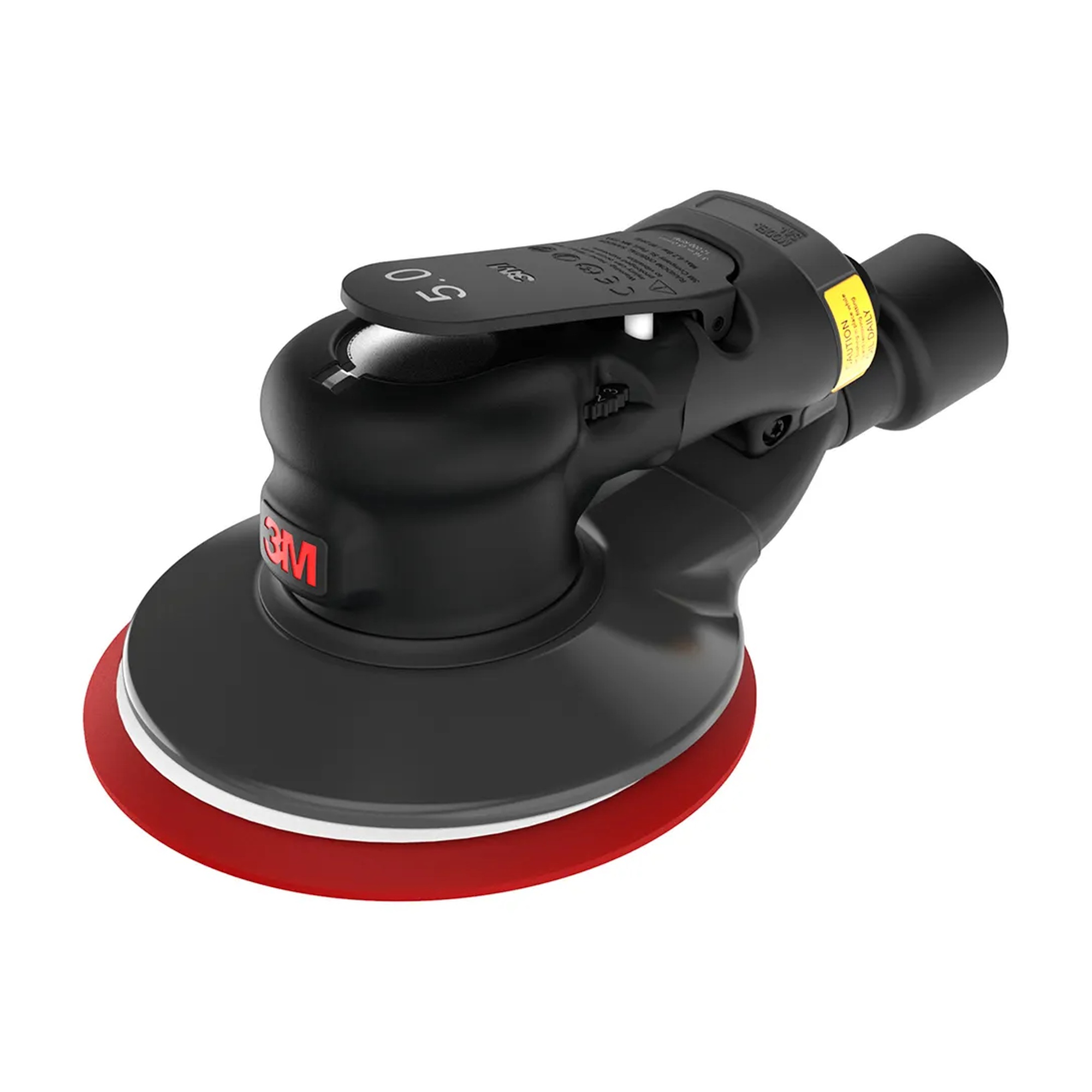
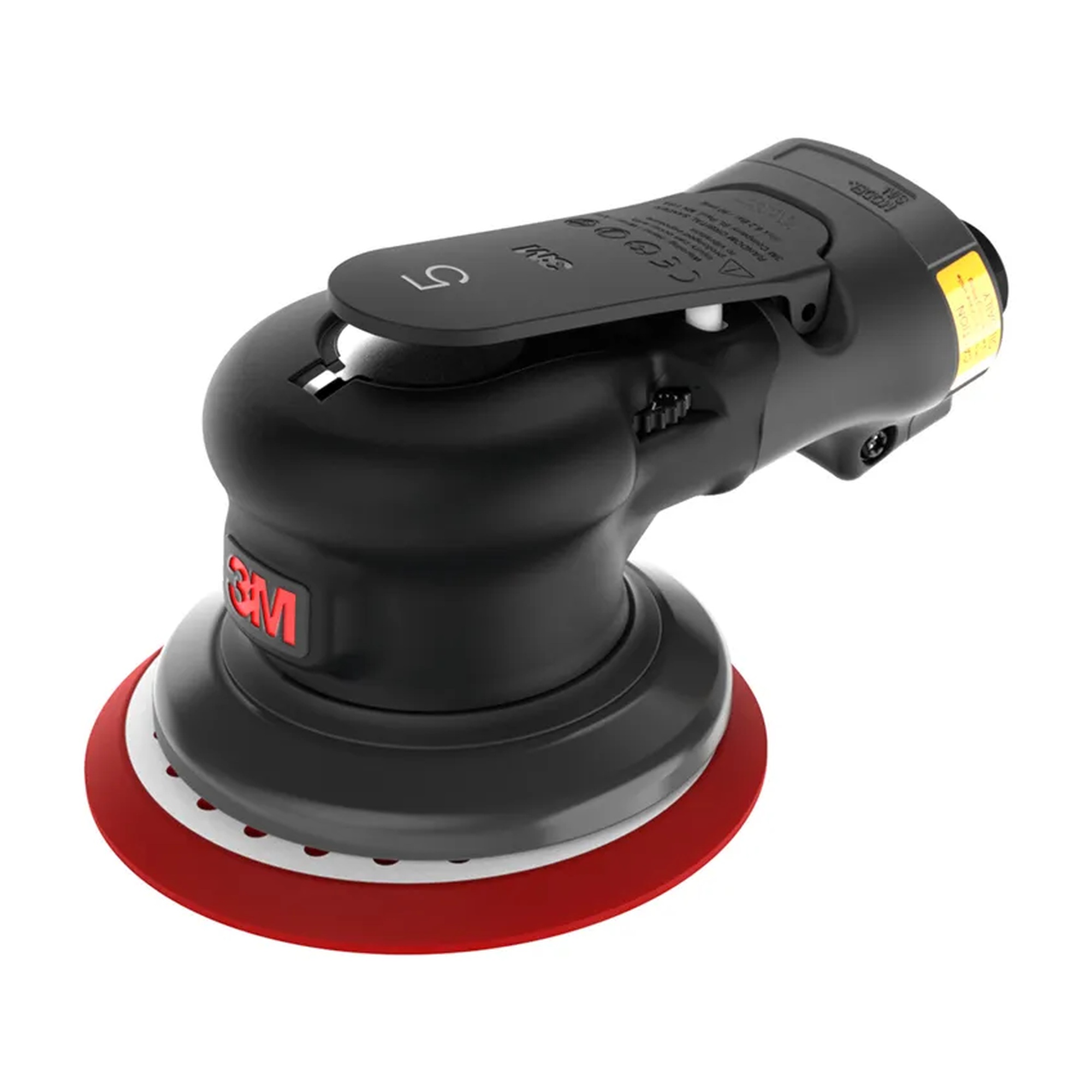
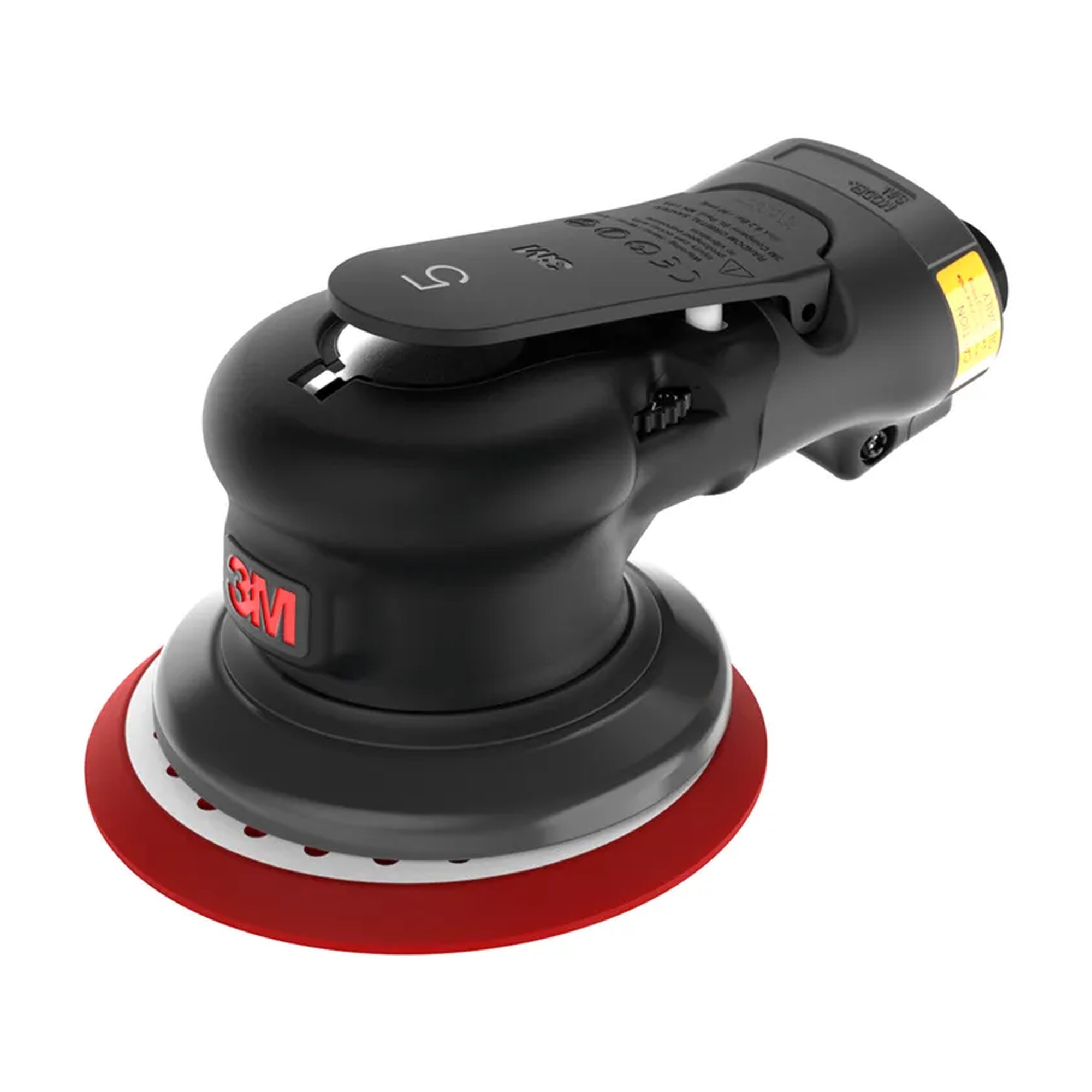
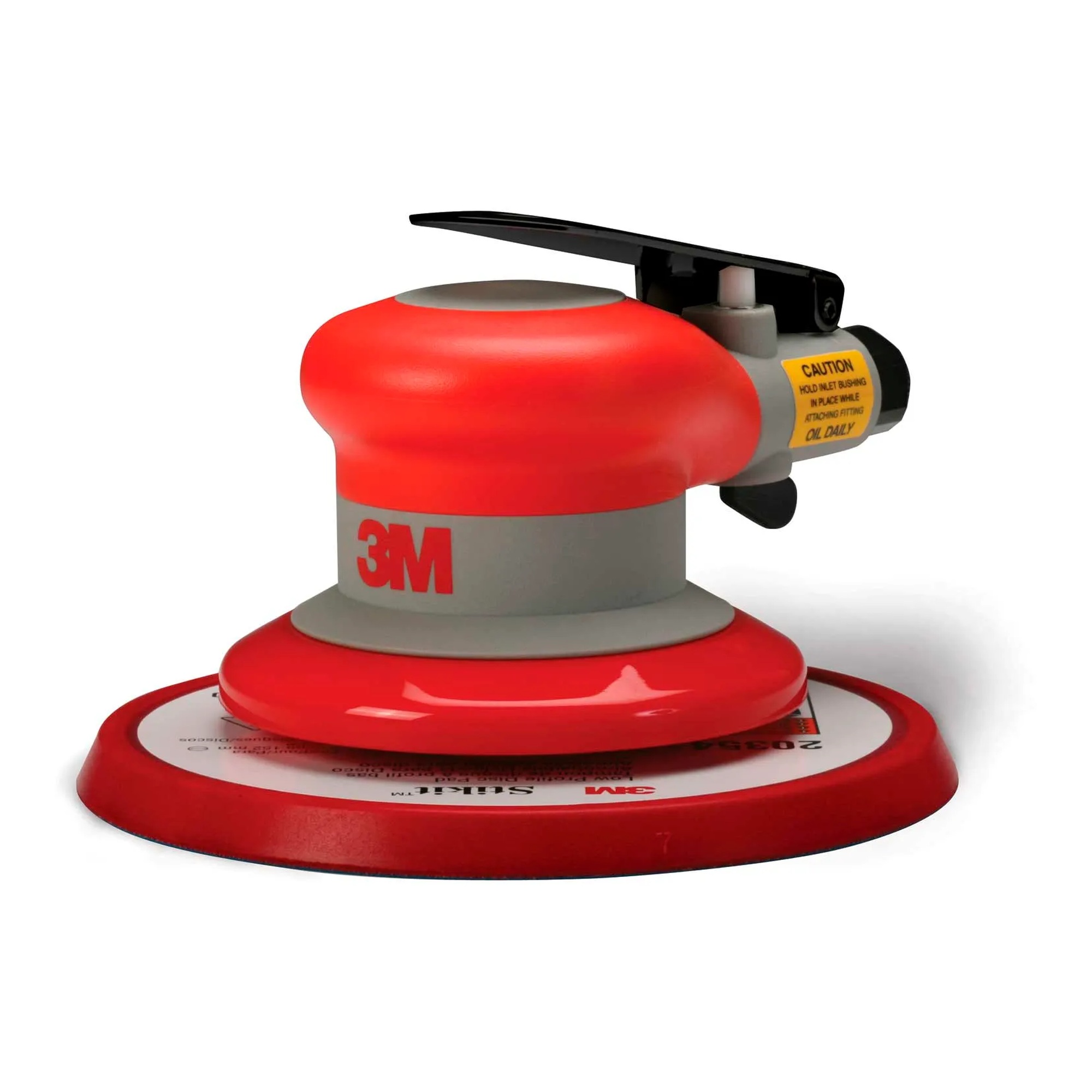


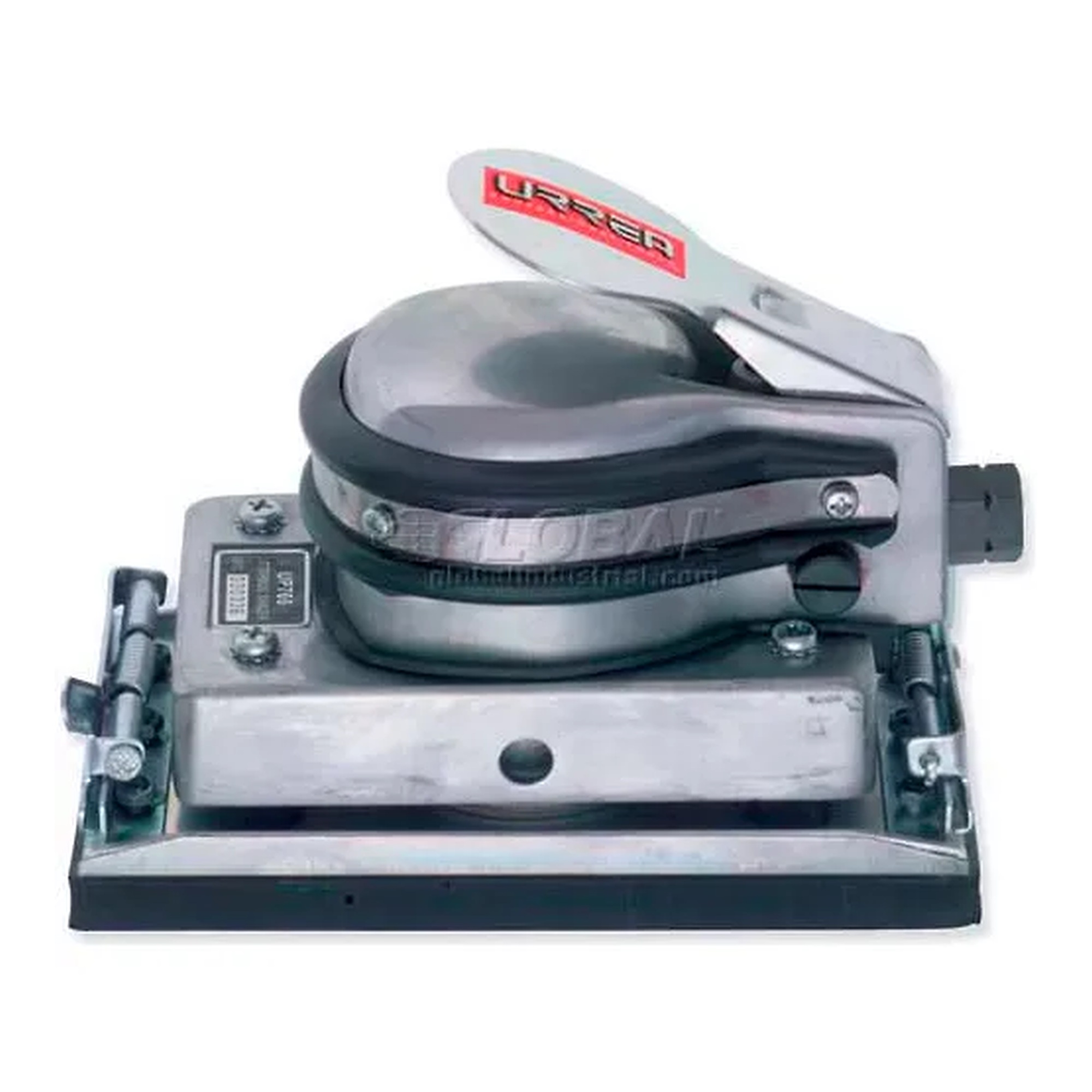
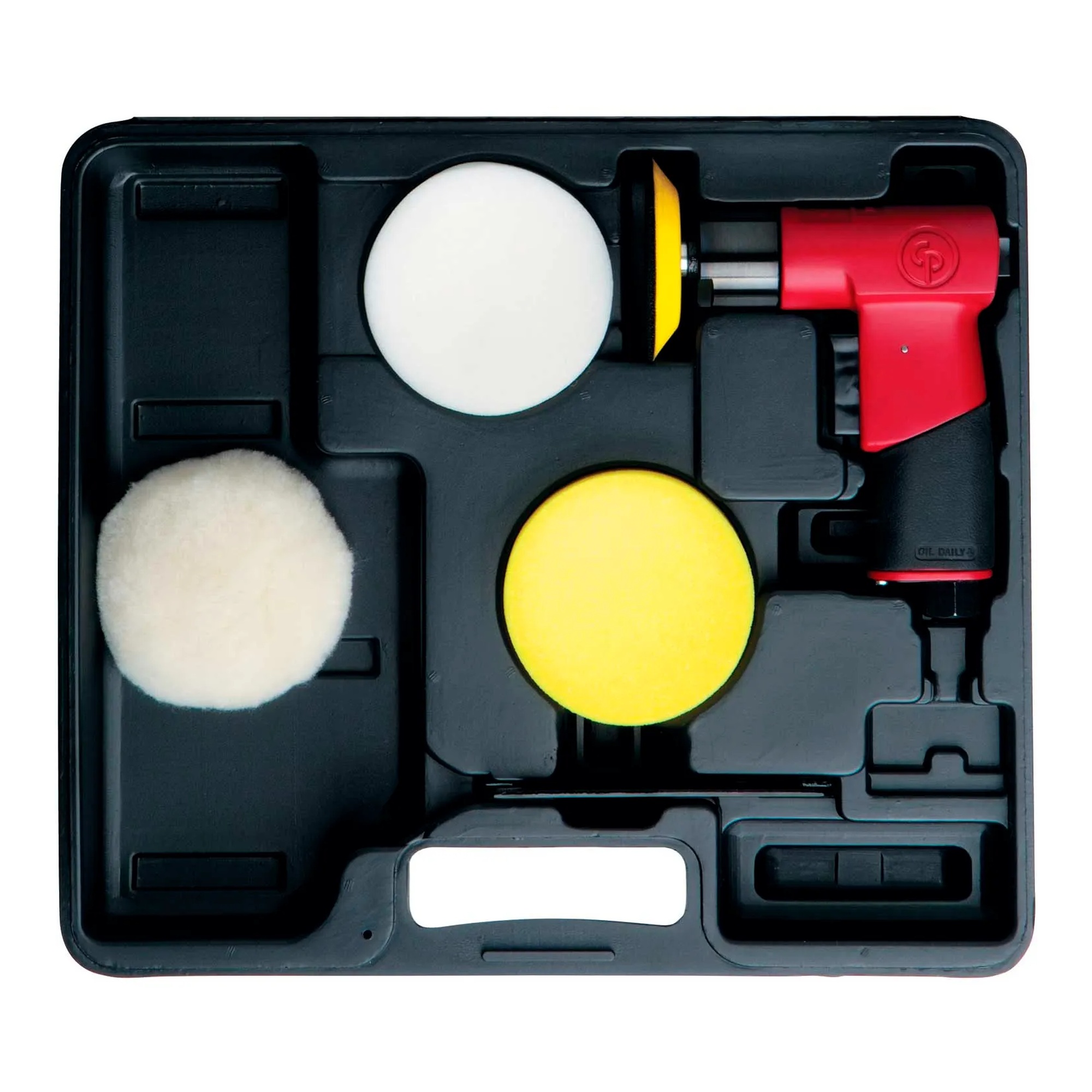

Choose an Air Sander or Polisher for Your Surface Work
Compare the sanding action, working format, dust-collection approach, speed, and control features needed for the work at hand. The available tools range from compact 3 x 4 inch orbital models and mini polishers to 6 inch random orbital sanders, a 7 inch angle sander, a narrow belt sander, and an inline metal finishing kit.
Popular examples in this category
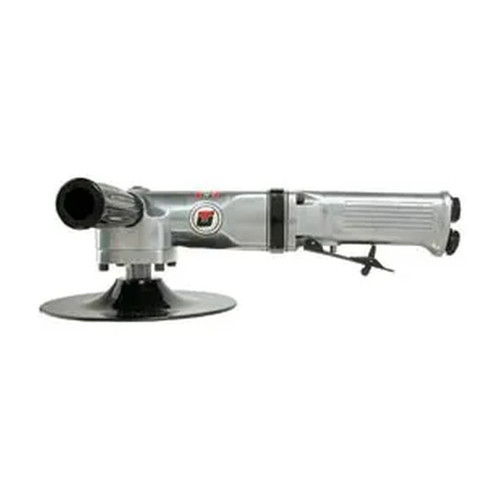 7-Inch Angle Air Sander, 4,500 RPMWBB234873
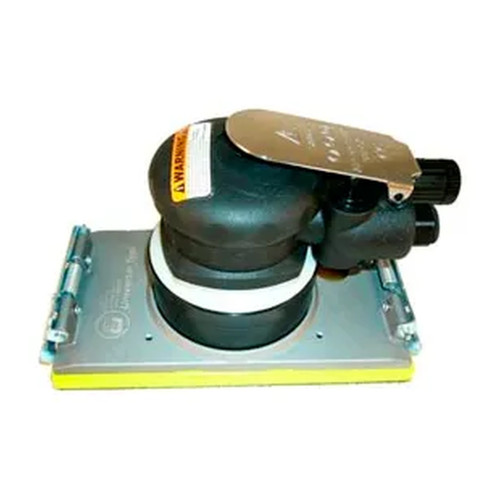 10,000 RPM Orbital Jitterbug Air SanderWBB234880
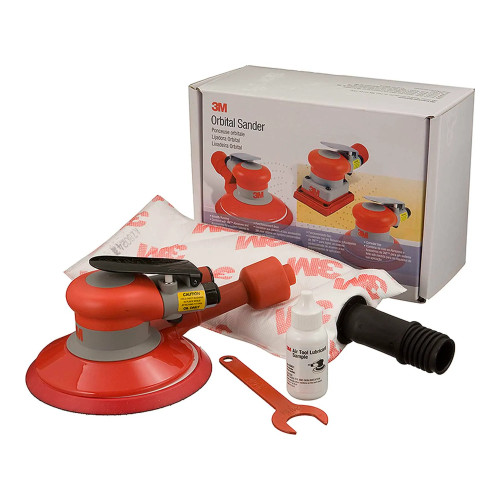 6 in. Random Vacuum Orbital Sander, 5/16 in. Orbit, 12,000 RPMWBB1403920
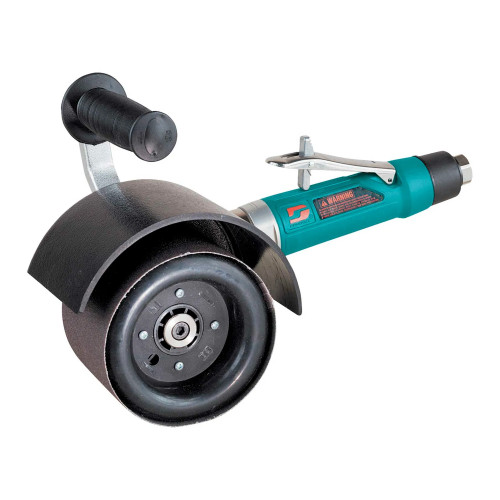 Inline Metal Finishing Tool Versatility Kit, 2800 RPMWBB1611232
Match the tool to the task
Use angle sanding for general surface preparation and material removal, random orbital sanding for surface preparation and finishing, belt sanding for detailed sanding, light grinding, and deburring, and the mini polisher for small-area repair and detailed polishing.
Start with sanding format and action
Choose among 3 x 4 inch orbital pads, 5 or 6 inch random orbital formats, a 7 inch angle sanding format, or a 3/8 x 13 inch belt based on the working area and the level of access required. Also compare orbital movement, such as 3/32 inch, 3/16 inch, or 5/16 inch orbit, where listed.
Consider the material and finish step
The represented tools support work on wood, composite, pre-painted surfaces, metal fabrication, primer, gelcoat, and composite work. The inline finishing kit is intended for creating in-line finishes on metal surfaces.
Review collection and control features
Select central-vacuum-ready or non-self-generated-vacuum models when connecting to compatible dust collection equipment. Non-vacuum models fit work where extraction is not required. Regulators, speed dials, variable-speed throttles, and progressive throttles provide different ways to control operation.
Listed for the inline metal finishing tool kit.
Listed for the mini air polisher.
Available on orbital jitterbug sanders.
Listed for detailed sanding, light grinding, and deburring.
Compare Air Sander and Polisher Types
Use this overview to narrow the category by tool type, working format, and represented applications.
| Tool type | Key represented formats or features | Typical represented work |
|---|---|---|
| Orbital and random orbital sanders | 3 x 4 inch PSA pads; 5 and 6 inch formats; 3/32 inch, 3/16 inch, or 5/16 inch orbits; vacuum and non-vacuum options | Surface preparation, finishing, coated abrasive work, and surface conditioning |
| Angle and belt sanders | 7 inch angle format; 3/8 x 13 inch belt; variable-speed throttle and rotating head on the belt model | Material removal, sanding, light grinding, deburring, and detailed-area work |
| Polisher and metal finishing tool | Compact mini polisher; inline tool with pneumatic wheel and 80-grit and medium-grade belts | Detailed repair polishing and in-line metal finishing |
Plan the right fit before choosing
Choose the working format that fits the job
A compact pad can suit controlled surface work, while larger formats cover broader sanding tasks. Specialized tools expand the range of work possible in a pneumatic setup.
- 3 x 4 inch orbital jitterbug sanders use PSA pads for finishing on wood, composite, and pre-painted surfaces.
- 5 and 6 inch random orbital sanders support coated abrasive and surface-conditioning work.
- The 7 inch angle sander is suited to general surface preparation and material removal.
- The 3/8 x 13 inch belt sander reaches narrower or more detailed areas for sanding, light grinding, and deburring.
- The mini air polisher is designed for detailed polishing in smaller repair areas.
Decide whether vacuum connection is needed
Vacuum configuration is a primary distinction among the represented orbital sanders. Central-vacuum-ready and non-self-generated-vacuum designs support connection to compatible dust collection equipment, while non-vacuum tools suit areas where dust extraction is not required.
- Central-vacuum-ready 5 and 6 inch random orbital sanders support connection to a compatible central vacuum system.
- A 3 x 4 non-self-generated-vacuum orbital sander supports use with a dust-collection setup.
- The listed clean-sanding setups include a Hookit pad or sanding pad, filter bag adapter, and filter bag, depending on the model.
- Non-vacuum random orbital options are available for sanding work without integrated vacuum collection.
Balance operating speed with control features
Listed speeds range from 2,800 RPM for inline metal finishing to 25,000 RPM for detailed polishing. For controlled operation, compare the available regulators, throttles, speed dial, grip, wrist support, and rotating-head features.
- Built-in or adjustable regulators are listed on angle, orbital, and polishing tools.
- The belt sander has a variable-speed throttle, integral belt tracking, and a 180-degree rotating head.
- One 6 inch non-vacuum random orbital model includes a side speed dial, rubber grip, wrist support, curved throttle lever, and composite cover.
- The mini polisher uses an adjustable power regulator and progressive two-finger throttle.
Common questions before buying
What air sander types are included in this category?
The category includes angle sanders, orbital jitterbug sanders, random orbital sanders, vacuum and non-vacuum sanders, a belt sander, an inline metal finishing tool, and a mini air polisher.
Which tools support dust collection?
Central-vacuum-ready and non-self-generated-vacuum sanders support use with compatible dust collection equipment. Some listed setups include a filter bag adapter and filter bag.
What sanding pad and belt sizes are represented?
Represented sizes include 3 x 4 inch PSA pads, 5 inch and 6 inch random orbital formats, a 7 inch angle sanding format, and a 3/8 x 13 inch belt.
Are non-vacuum sanding options available?
Yes. Non-vacuum random orbital sanders are represented for work where dust extraction is not required.