
-
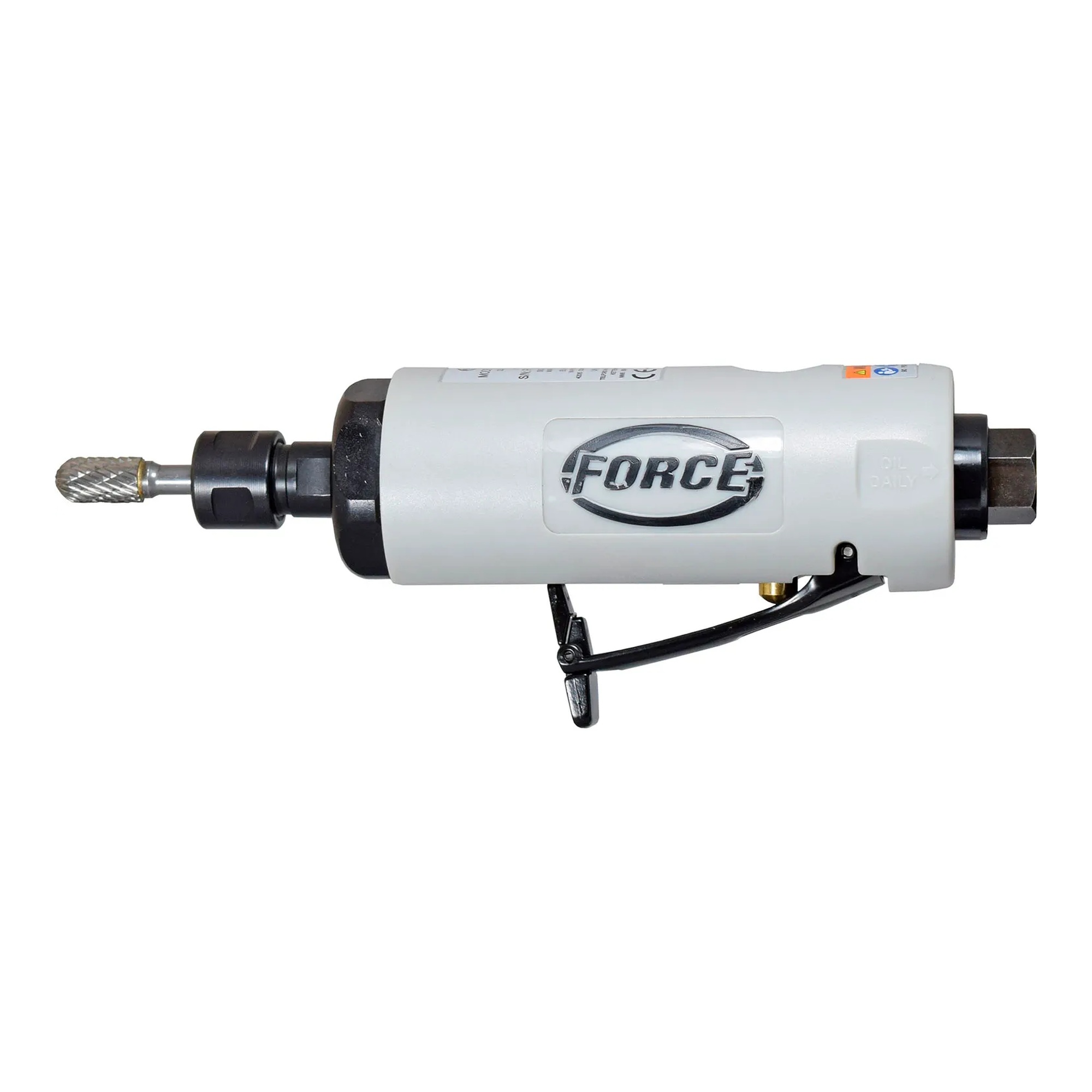
Sioux Tools
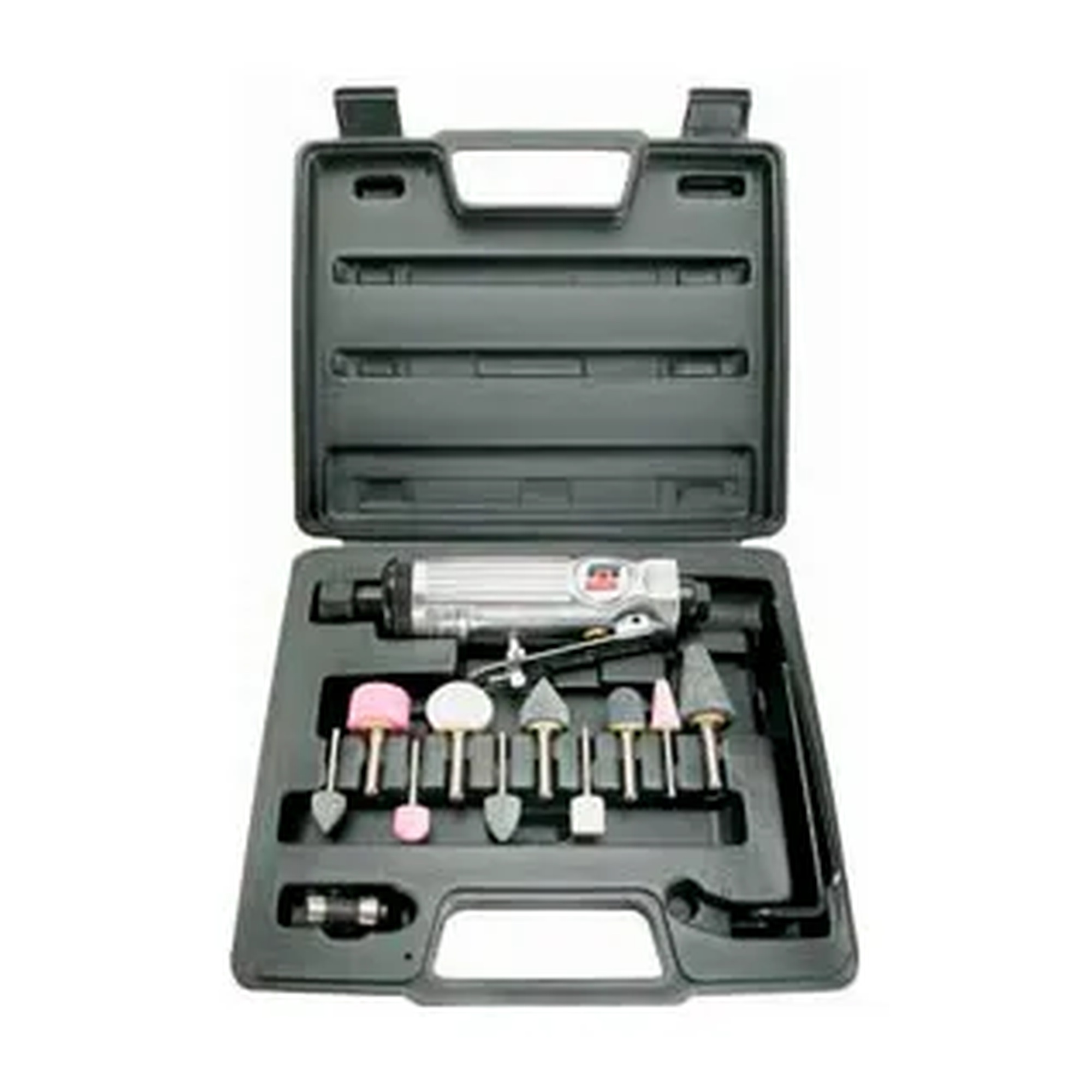
0.5 HP Medium-Duty Air Die Grinder, 1/4 in. Collet, 22,000 RPM
Our Price:$145.94This medium-duty air die grinder is designed for professional shop users who need a compact pneumatic tool for precision grinding tasks. Its 1/4 in. collet supports compatible accessories, while the...
-
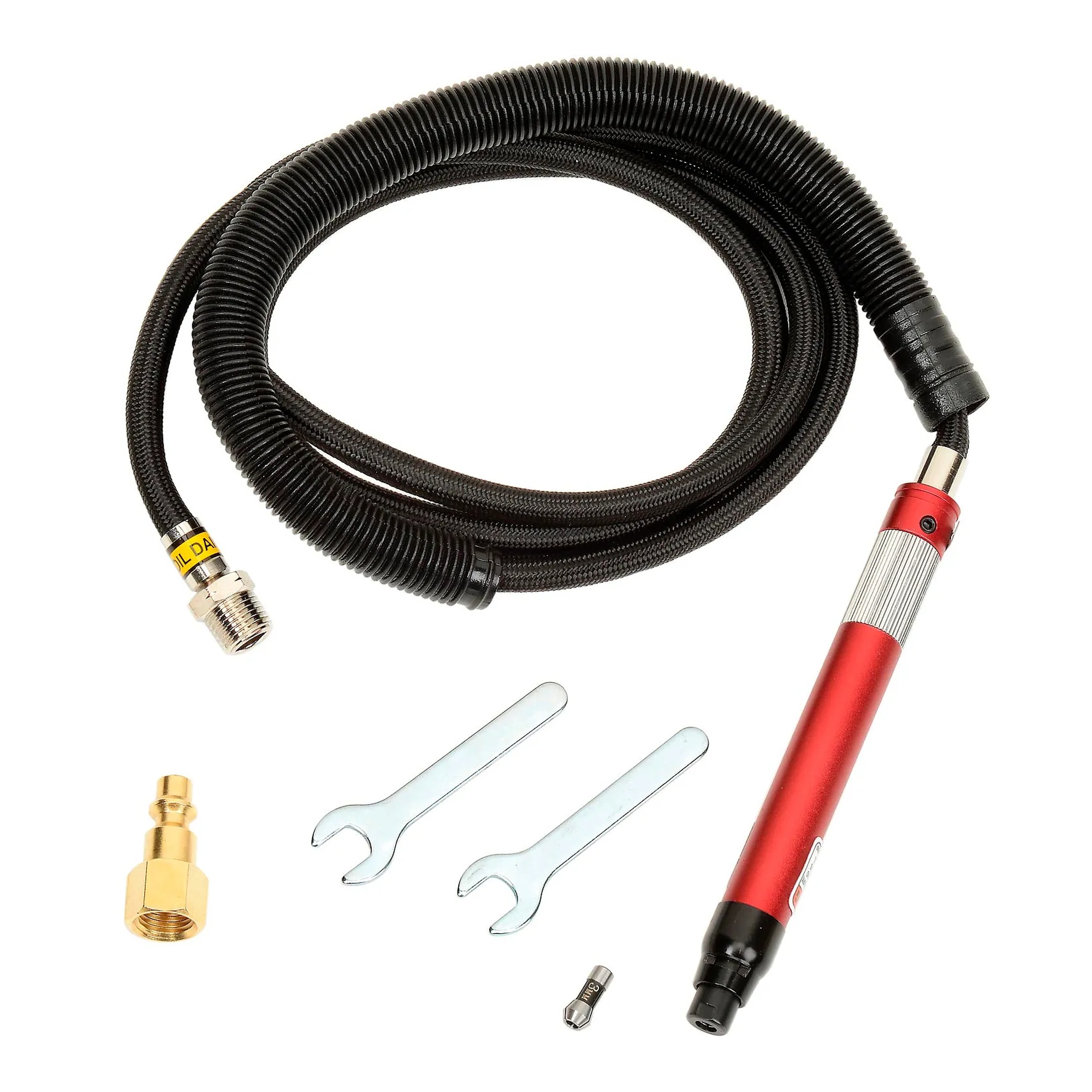
Chicago Pneumatic
0.5 HP Pencil Air Grinder with 1/4 in. Air Inlet
Our Price:$219.94This pencil air grinder is designed for general maintenance users who need a compact pneumatic tool for grinding work in limited spaces. Its lightweight, easy-to-handle form supports controlled use...
-
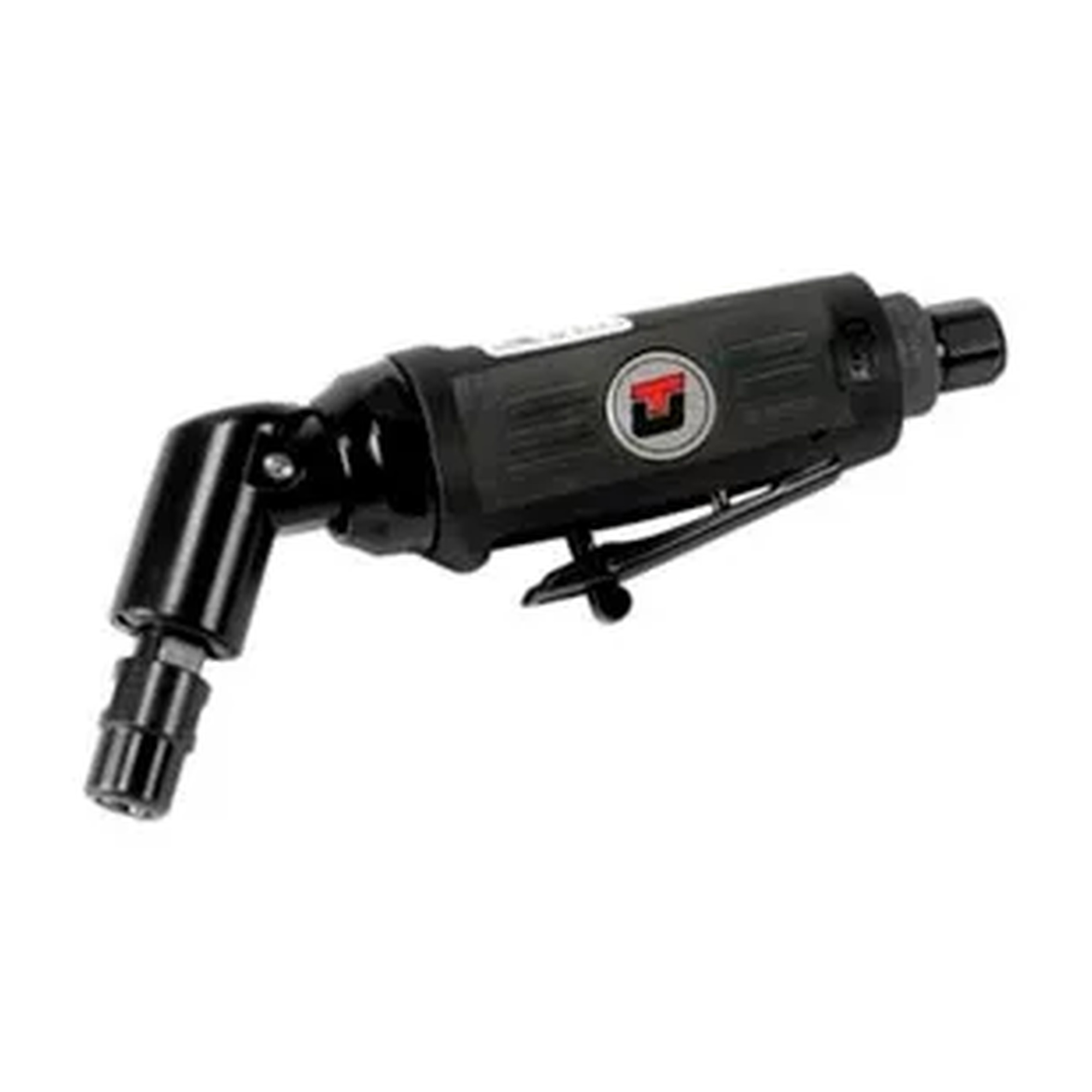
Universal Tool
0.65 HP Angle Air Die Grinder, 20,000 RPM
Our Price:$299.94This angle air die grinder is for shop operators who need a compact tool for continuous grinding in difficult-to-access areas. Its angled configuration supports controlled work where straight-body...
-
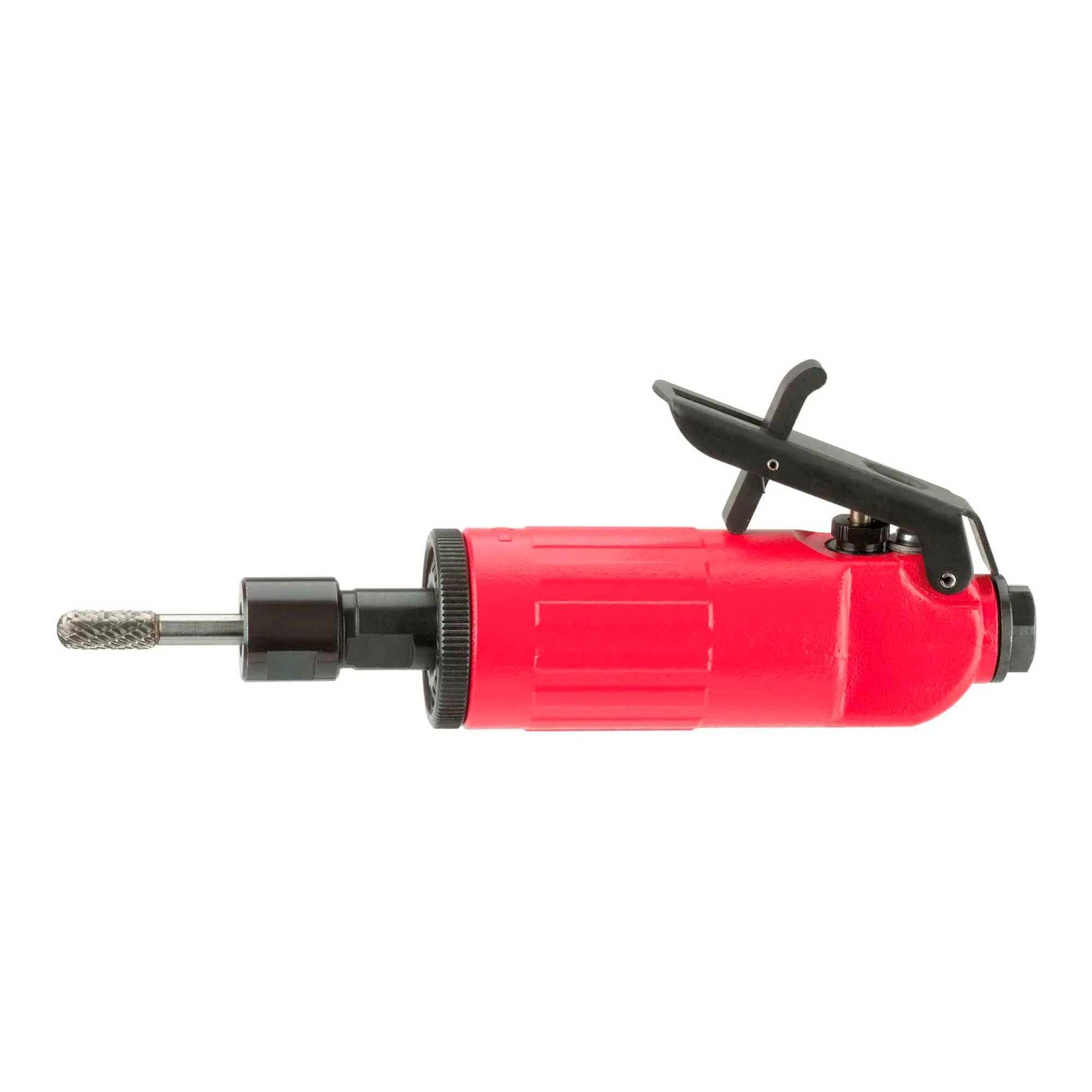
Sioux Tools
0.7 HP Straight Air Die Grinder with 1/4-Inch Collet
Our Price:$389.94This straight air die grinder is designed for professionals who need controlled grinding and finishing in shop and maintenance work. Its inline form and front exhaust help support precision work with...
-
Universal Tool
0.9 HP Air Die Grinder, 22,000 RPM
Our Price:$399.94This pneumatic die grinder is built for professionals who need a handheld air tool for continuous heavy-duty grinding. Its 0.9 HP motor and 22,000 RPM operating speed support demanding shop tasks...
-
Sioux Tools
1 HP Straight Die Grinder with Front Exhaust
Our Price:$419.94This 1 HP straight die grinder is an air-powered tool for operators who need controlled grinding performance in shop and maintenance work. Its 1/4 in. collet accepts compatible mounted accessories,...
-
Universal Tool
Air Die Grinder Kit, 1/4 in Air Inlet, 25,000 RPM, 0.4 HP
Our Price:$229.94This air die grinder kit is designed for commercial maintenance and shop users performing general intermittent grinding and deburring. Its pneumatic operation supports detailed material removal tasks...
-
Sunex
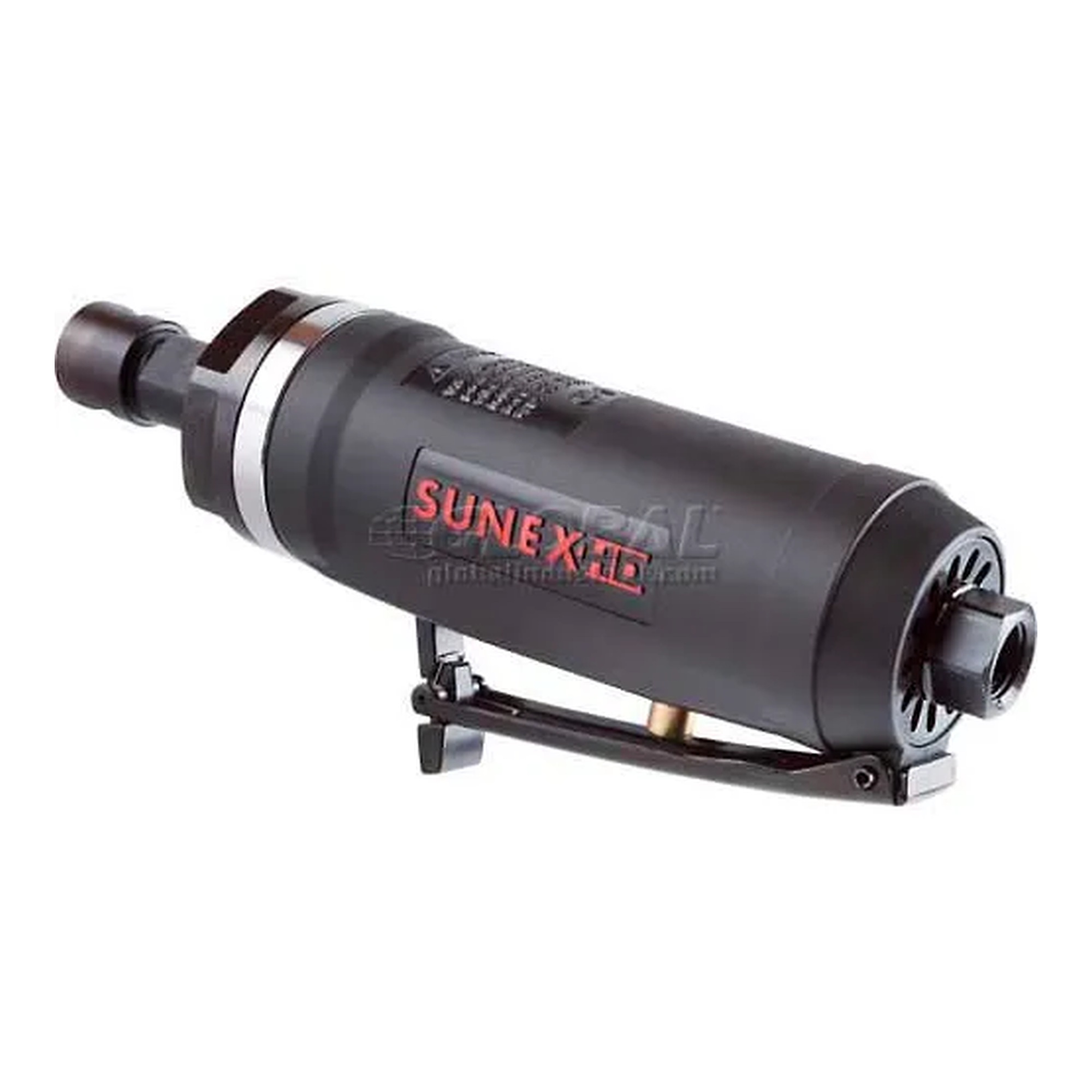
Air Die Grinder with 1/4 in. Air Inlet
Our Price:$149.94This air die grinder is designed for technicians and shop professionals who need a compact pneumatic tool for accessory-driven grinding tasks. Its high-speed operation and lightweight composite...
-
Universal Tool
Angle Air Die Grinder, 20,000 RPM, 0.5 HP
Our Price:$189.94This angle air die grinder is a pneumatic tool for commercial maintenance and shop users who need controlled grinding and finishing in work areas where an angled tool profile is useful. Its 0.5 HP...
-
Universal Tool
Angle Cut-Off Air Tool, 1 HP, 17,000 RPM
Our Price:$445.94This angle cut-off air tool is designed for commercial maintenance and shop users who need a pneumatic tool for cutting tasks in confined work areas. Its high-speed operation and maneuverable air...
-
Florida Pneumatic
Angle Die Grinder with 1/4-Inch Air Inlet
Our Price:$249.94This angle die grinder is a pneumatic tool for shop and maintenance professionals who need a compact option for detailed grinding work. Its angled configuration helps users work in confined areas...
-
JET
Angle Grinder with 1/4-Inch Air Inlet, 12,000 RPM, 0.9 HP
Our Price:$419.94This pneumatic angle grinder is designed for shop and maintenance professionals working in demanding environments. It provides a compact air-powered tool option for wheel-based grinding and cutting...
-
EMAX
Angled-Head Air Die Grinder, 20,000 RPM
Our Price:$92.94This angled-head air die grinder is designed for shop, garage, and job-site users who need a compact pneumatic tool for general-duty cutting and grinding. Its angled head helps users reach into...
-
Aircat
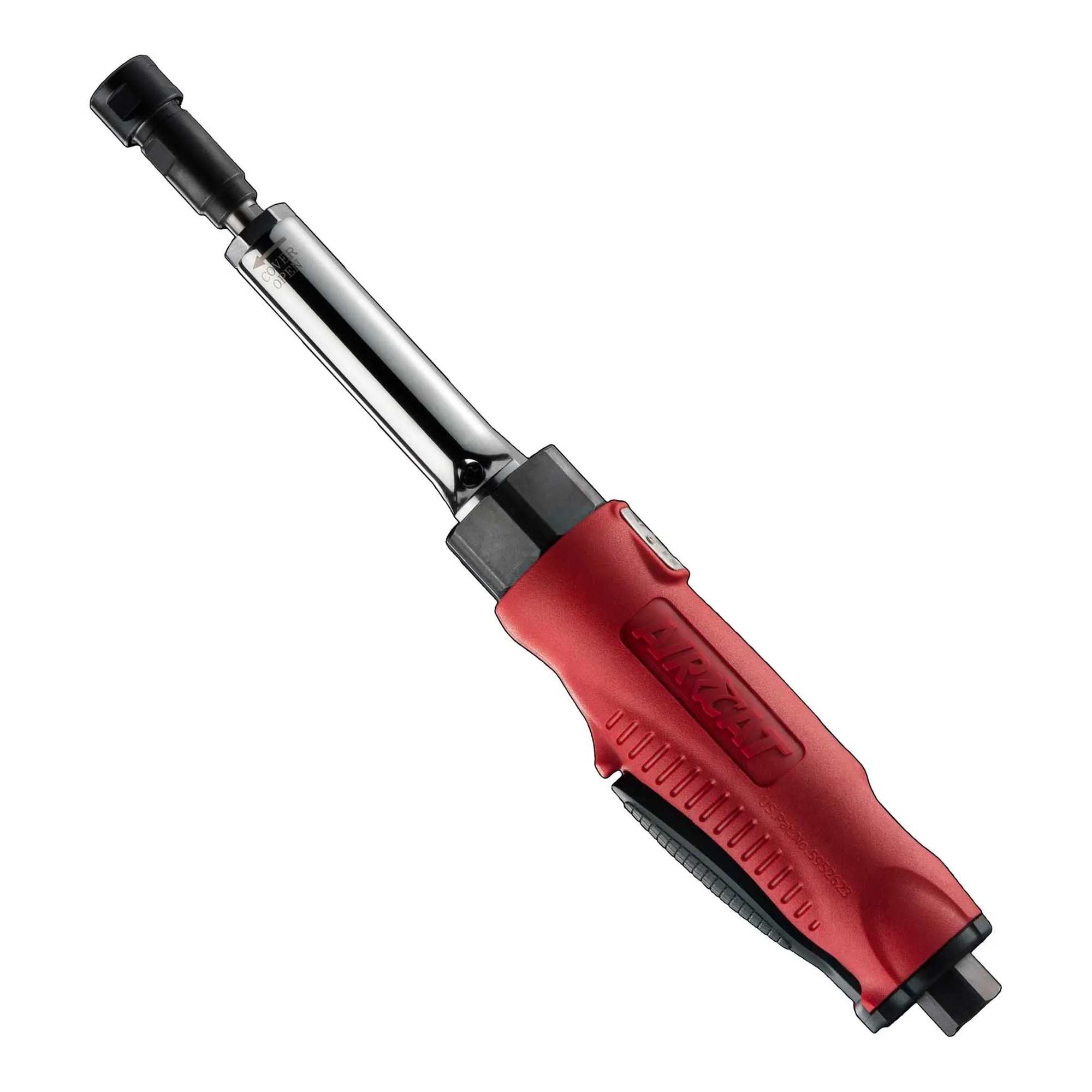
Extended-Shank Straight Air Die Grinder, 22,000 RPM
Our Price:$319.94This straight air die grinder is designed for shop and home users who need a compact pneumatic tool for detailed grinding work. Its extended-shank design helps reach work areas that may be less...
-
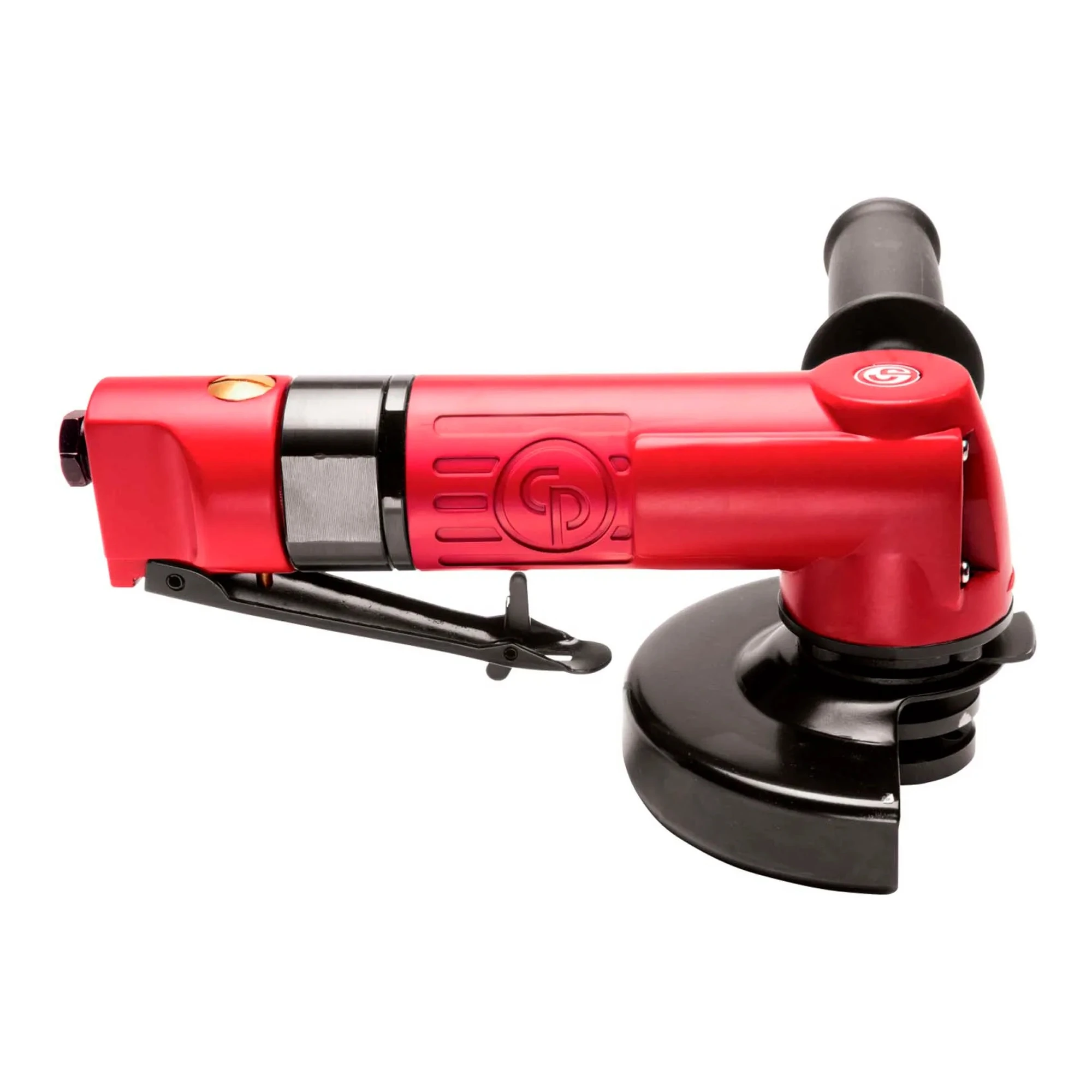
Chicago Pneumatic
Heavy-Duty Pneumatic Angle Grinder, 4-1/2 in. Wheel Capacity
Our Price:$449.94This heavy-duty pneumatic angle grinder is designed for maintenance teams and commercial tool users performing general grinding tasks. Its governed air motor provides controlled power for routine...
-
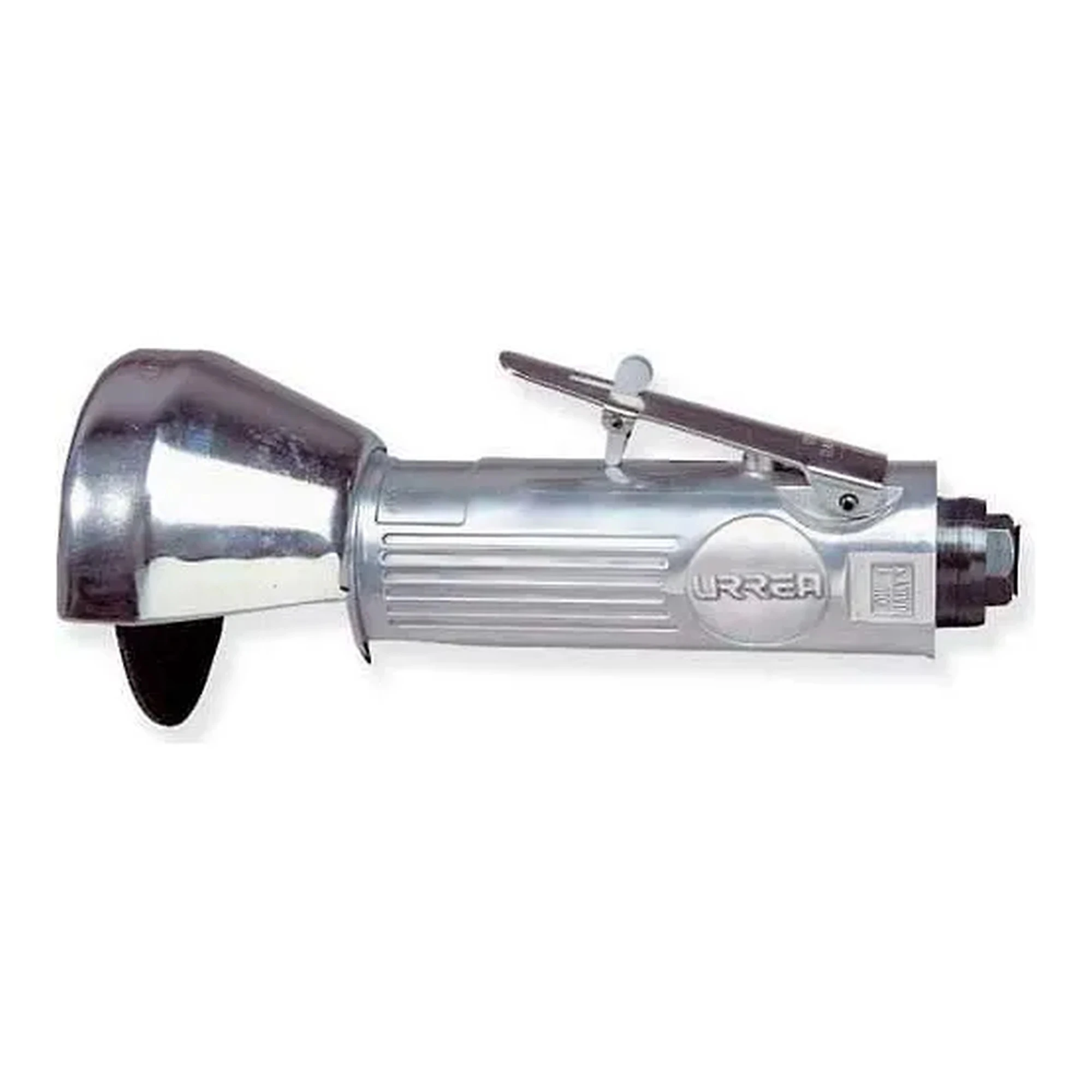
Urrea
Heavy-Duty Pneumatic Cut-Off Tool, 20,000 RPM
Our Price:$82.94This heavy-duty pneumatic cut-off tool is designed for commercial users who need to cut sheet metal, fiberglass pins, and exhaust straps. It can also be used to grind surfaces and rough edges during...
-
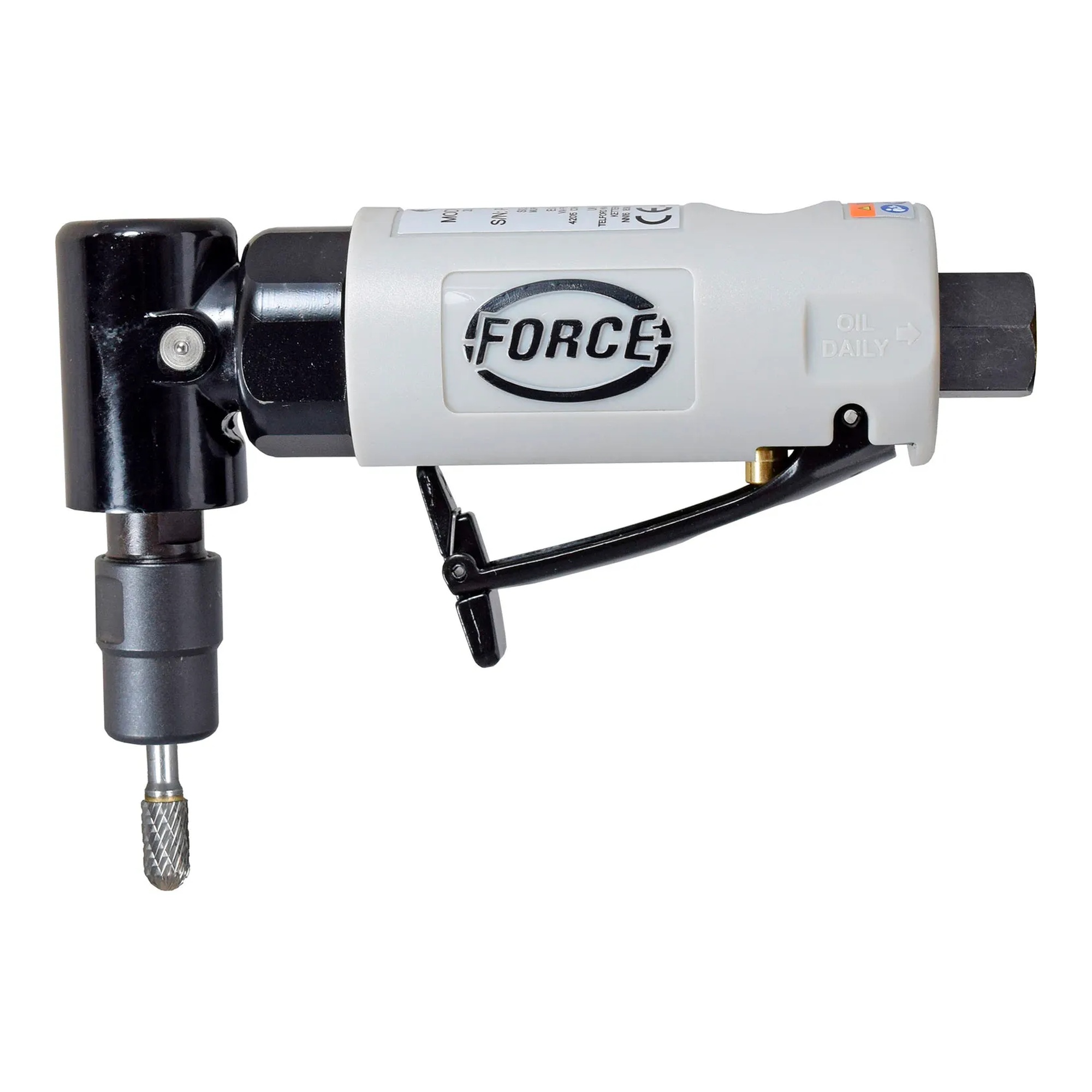
Sioux Tools
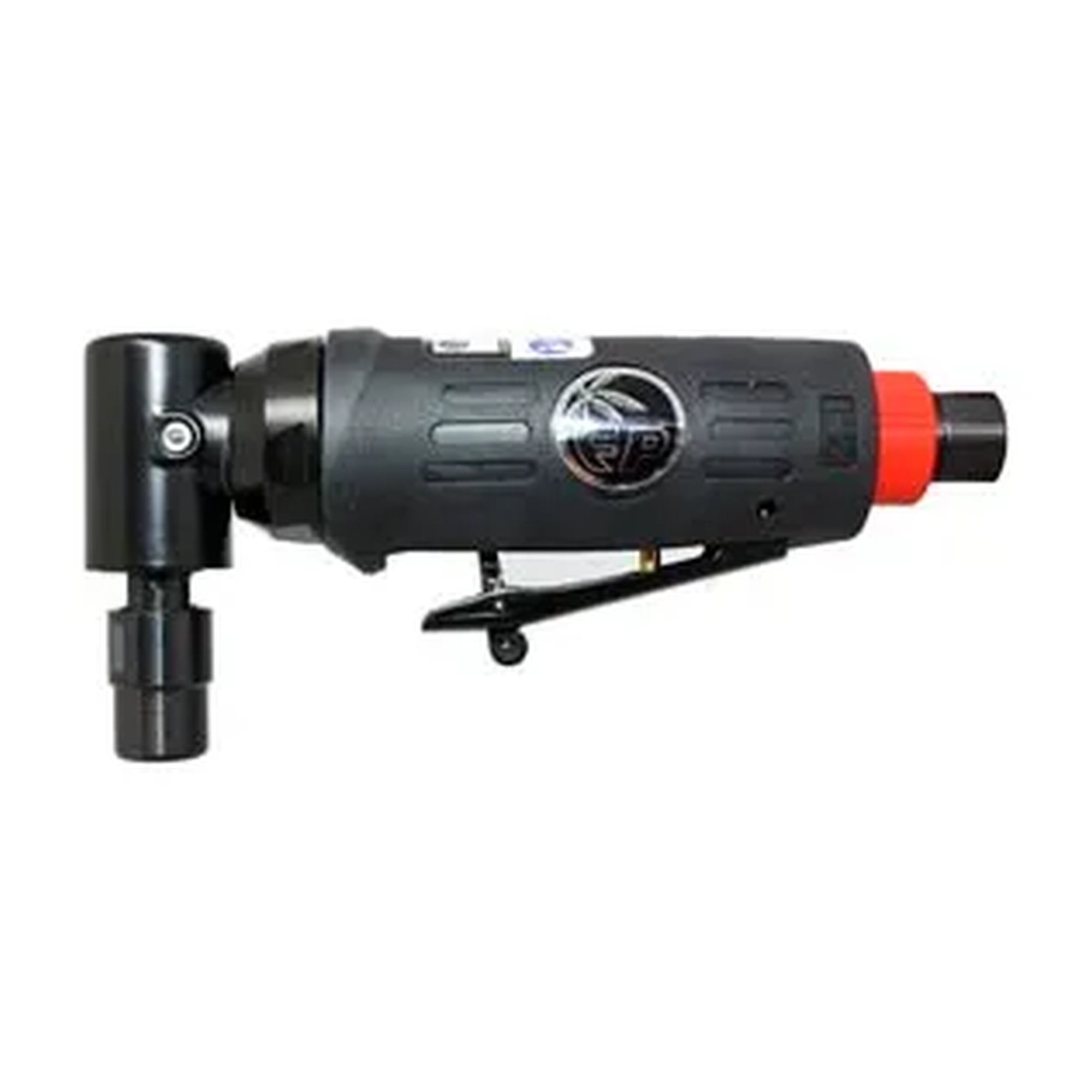
Heavy-Duty Right-Angle Air Die Grinder, 0.3 HP, 20,000 RPM
Our Price:$185.94This right-angle air die grinder is a pneumatic tool for maintenance and shop professionals who need controlled grinding in tight work areas. Its angled head helps position the collet for detailed...
-
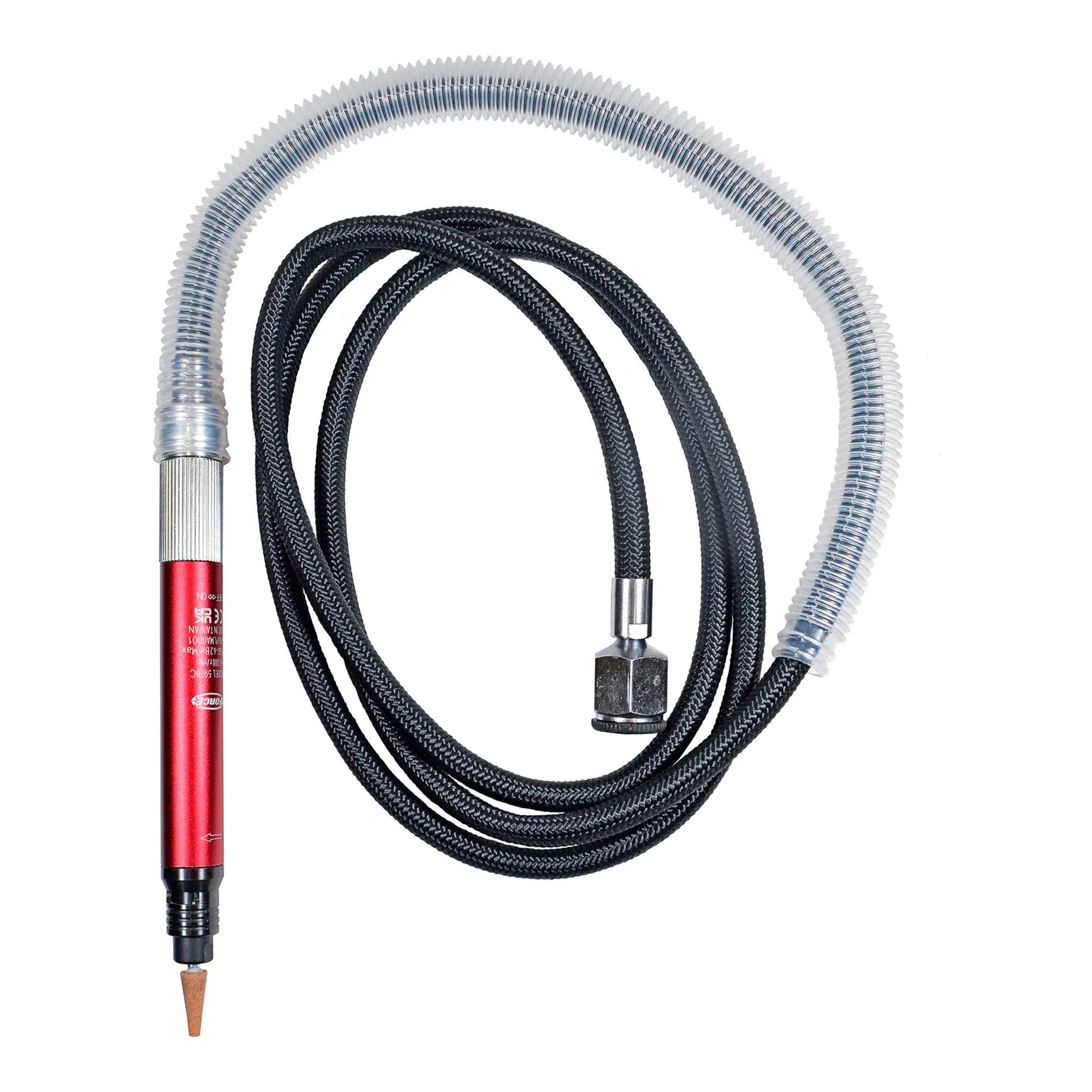
Sioux Tools
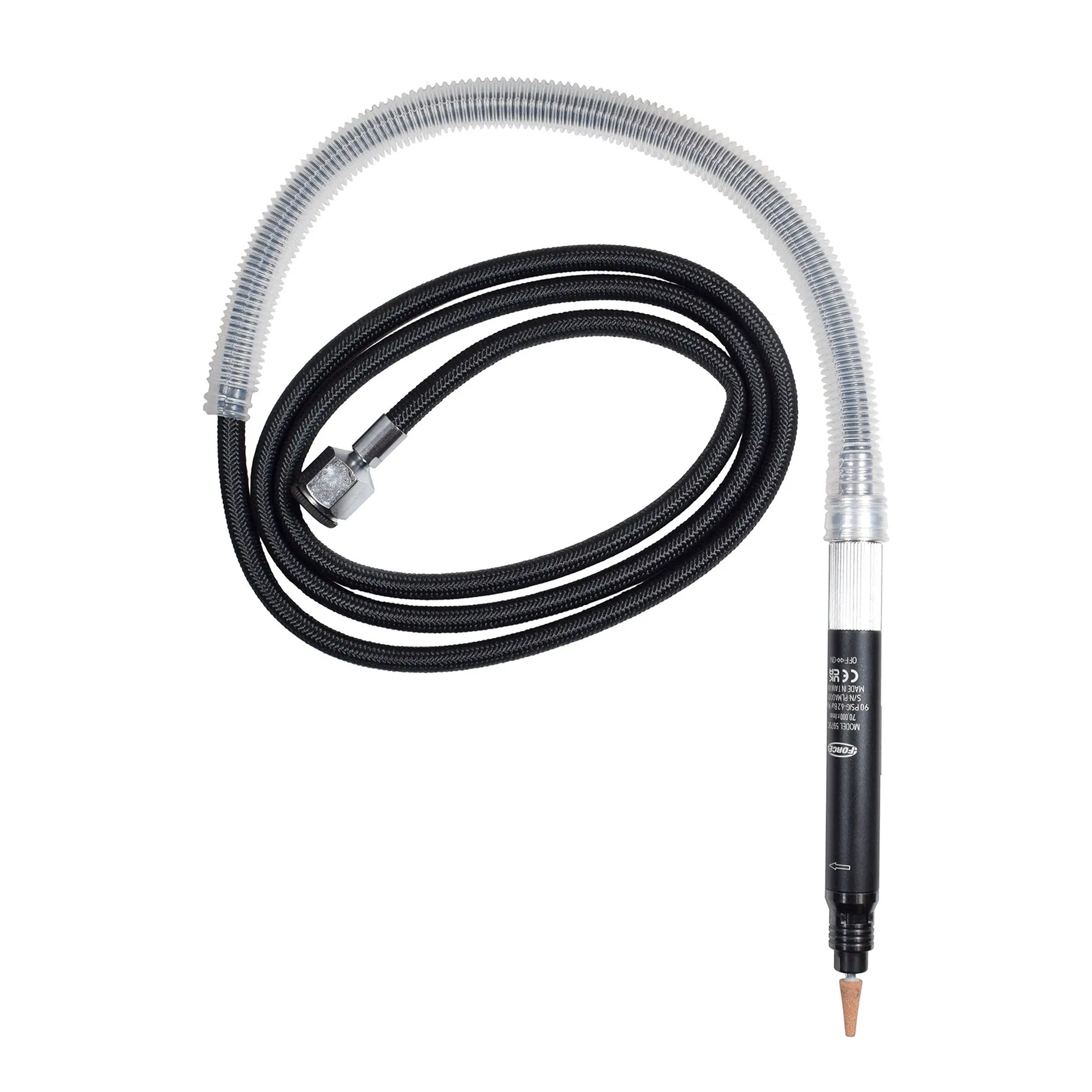
High-Speed Pencil Air Die Grinder with 1/8 in. Collet
Our Price:$175.94This pencil-style air die grinder is designed for operators who need controlled, high-speed grinding in a compact tool. Its twist-throttle control helps users adjust speed during air-powered grinding...
-
Sioux Tools
High-Speed Pencil Air Die Grinder with 1/8 in. Collet and 60 in. Hose
Our Price:$229.94This high-speed pencil air die grinder is a compact pneumatic tool for operators who need controlled grinding work in tight or hard-to-reach areas. Its twist throttle helps users adjust tool speed...
-
JET
Industrial Air Die Grinder, 1 HP, 20,000 RPM
Our Price:$259.94This industrial air die grinder is built for shop and maintenance professionals who need controlled grinding performance for demanding work. Its variable-speed throttle helps users match tool speed...







Choose an Air Grinder for the Work Area and Grinding Task
Start with the tool configuration that best fits the job: wheel-based angle grinding, direct die-grinding work, detailed precision work, or access to a restricted area. Then compare available power, speed, air connection details, control features and handling characteristics.
Popular examples in this category
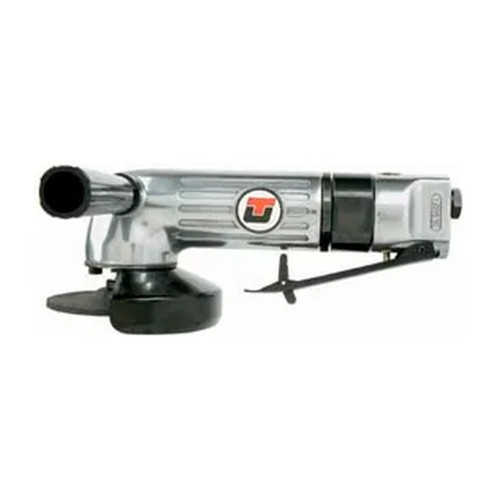 Pneumatic Angle Grinder, 0.75 HP, 12,000 RPMWBB231402
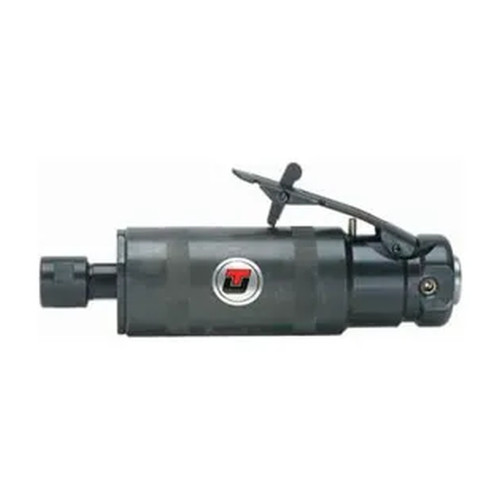 1 HP Air Die Grinder with 1/4 in. ColletWBB231415
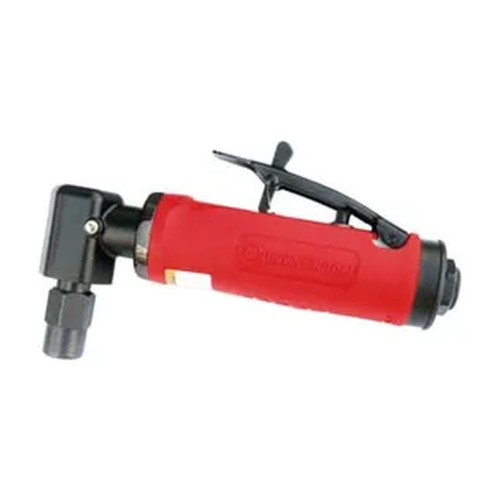 Angle Die Grinder with Variable-Speed ThrottleWBB231419
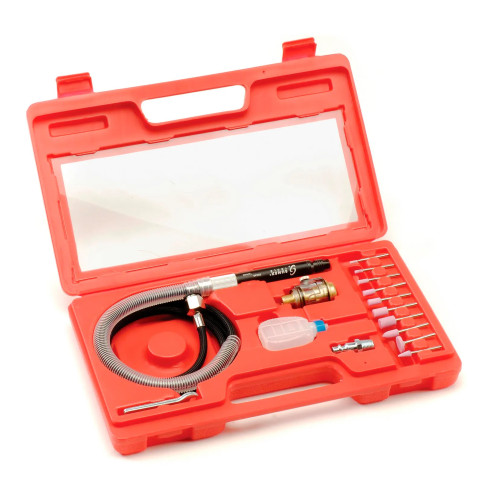 Pencil Air Die Grinder with Built-In RegulatorWBB643082
Match the grinder to the job
Angle grinders support general and wheel-based grinding. Die grinders are suited to controlled, detailed material removal, while pencil grinders are designed for compact, high-speed precision work. Extended straight models help reach hard-to-access areas.
Compare configuration, power and speed
Choose between angle, straight, extended straight, pencil and right-angle pencil layouts. Compare stated motor output from 0.25 HP to 2.4 HP and available speeds from 12,000 RPM to 70,000 RPM based on the work described for each tool.
Consider access and control needs
Shop and maintenance tasks may call for general intermittent or sustained grinding. Metalworking, aerospace and metal fabrication work may benefit from variable-speed control, while mold and die maintenance calls for compact precision access.
Review pneumatic setup and operator features
Several models list a 1/4-inch air inlet. Depending on the model, useful features include safety lock-off throttles, rear exhaust, built-in regulation, collets, adjustable guards, side handles, silencing and vibration-reduction measures.
Angle, straight, extended straight, pencil and right-angle pencil options are represented.
Available models range from a 0.25 HP precision grinder to a 2.4 HP angle grinder.
Speed varies across the represented grinders for different task requirements.
Several listed models identify a 1/4-inch pneumatic connection.
Compare Air Grinder Types
Use this overview to narrow the category by tool format and the applications described in the product summaries.
| Tool type | Best-fit work described | Notable selection details |
|---|---|---|
| Angle grinder | General, sustained or wheel-based grinding; shop, maintenance, aerospace and metal fabrication work | Angled access; models may offer variable-speed or safety lock-off throttles, and one model accepts 4-1/2 to 5 in. wheels. |
| Die grinder | Controlled grinding, finishing, material removal and detailed shop or repair work | Straight, angle and extended profiles; listed outputs include 0.45 HP to 1 HP and speeds up to 25,000 RPM. |
| Pencil grinder | Detailed precision grinding, mold and die maintenance, and limited-access work | Compact grip or pencil body; listed high-speed options range from 54,000 to 70,000 RPM. |
Plan the right fit before choosing
Choose the configuration that reaches the work
Tool shape affects positioning, handling and the type of grinding work described for the model.
- Angle grinders are available for general intermittent grinding, continuous-use work and wheel-based grinding.
- Straight die grinders provide direct tool positioning for shop, repair and die-grinding tasks.
- Extended straight die grinders are intended for tight or hard-to-reach areas.
- Pencil and right-angle pencil grinders support compact, controlled precision grinding in limited spaces.
Balance output with the level of control required
The listed tools span multiple horsepower and speed levels. Higher stated speed appears on pencil and die grinder options intended for demanding or detailed grinding, while variable-speed and roll throttles help operators adjust speed during the job.
- Stated motor output ranges from 0.25 HP on a right-angle pencil model to 2.4 HP on a wheel-capacity angle grinder.
- Listed speeds range from 12,000 RPM to 70,000 RPM.
- Governor-controlled and governed motors are described as helping maintain operation under load.
- Variable-speed throttles, a roll throttle and a built-in regulator provide different forms of operating adjustment.
Confirm connection, accessory interface and comfort features
Review the tool details that affect pneumatic setup, compatible accessories and day-to-day handling. Multiple products identify a 1/4-inch air inlet, while select die and pencil models specify collet arrangements.
- Confirm the listed air inlet size; several options use a 1/4-inch inlet.
- For accessory holding, select models offer a 1/4-inch collet, three-piece collet, or included 3 mm and 1/8-inch collets.
- Consider safety lock-off throttles where unintended activation is a concern.
- Rear exhaust, silencing, composite or aluminum housings, soft-touch coating and vibration-reduction features vary by model.
Common questions before buying
What types of air grinders are available?
The category includes angle grinders, straight die grinders, extended straight die grinders, pencil grinders and right-angle pencil grinders.
Which air grinder types are suited to tight spaces?
Pencil grinders are described for limited-access work, while extended straight die grinders help reach hard-to-access areas. Angled models can also help with positioning in tighter areas.
What air inlet size is listed on these grinders?
Several represented models specify a 1/4-inch air inlet. Check the individual product details for the connection size.
Are variable-speed options available?
Yes. Certain angle die grinders have a variable-speed throttle, and a right-angle pencil grinder has a roll throttle. One pencil grinder also has a built-in regulator for airflow adjustment.
Choose an Air Grinder for the Work Area and Grinding Task
Start with the tool configuration that best fits the job: wheel-based angle grinding, direct die-grinding work, detailed precision work, or access to a restricted area. Then compare available power, speed, air connection details, control features and handling characteristics.
Popular examples in this category
Match the grinder to the job
Angle grinders support general and wheel-based grinding. Die grinders are suited to controlled, detailed material removal, while pencil grinders are designed for compact, high-speed precision work. Extended straight models help reach hard-to-access areas.
Compare configuration, power and speed
Choose between angle, straight, extended straight, pencil and right-angle pencil layouts. Compare stated motor output from 0.25 HP to 2.4 HP and available speeds from 12,000 RPM to 70,000 RPM based on the work described for each tool.
Consider access and control needs
Shop and maintenance tasks may call for general intermittent or sustained grinding. Metalworking, aerospace and metal fabrication work may benefit from variable-speed control, while mold and die maintenance calls for compact precision access.
Review pneumatic setup and operator features
Several models list a 1/4-inch air inlet. Depending on the model, useful features include safety lock-off throttles, rear exhaust, built-in regulation, collets, adjustable guards, side handles, silencing and vibration-reduction measures.
Angle, straight, extended straight, pencil and right-angle pencil options are represented.
Available models range from a 0.25 HP precision grinder to a 2.4 HP angle grinder.
Speed varies across the represented grinders for different task requirements.
Several listed models identify a 1/4-inch pneumatic connection.
Compare Air Grinder Types
Use this overview to narrow the category by tool format and the applications described in the product summaries.
| Tool type | Best-fit work described | Notable selection details |
|---|---|---|
| Angle grinder | General, sustained or wheel-based grinding; shop, maintenance, aerospace and metal fabrication work | Angled access; models may offer variable-speed or safety lock-off throttles, and one model accepts 4-1/2 to 5 in. wheels. |
| Die grinder | Controlled grinding, finishing, material removal and detailed shop or repair work | Straight, angle and extended profiles; listed outputs include 0.45 HP to 1 HP and speeds up to 25,000 RPM. |
| Pencil grinder | Detailed precision grinding, mold and die maintenance, and limited-access work | Compact grip or pencil body; listed high-speed options range from 54,000 to 70,000 RPM. |
Plan the right fit before choosing
Choose the configuration that reaches the work
Tool shape affects positioning, handling and the type of grinding work described for the model.
- Angle grinders are available for general intermittent grinding, continuous-use work and wheel-based grinding.
- Straight die grinders provide direct tool positioning for shop, repair and die-grinding tasks.
- Extended straight die grinders are intended for tight or hard-to-reach areas.
- Pencil and right-angle pencil grinders support compact, controlled precision grinding in limited spaces.
Balance output with the level of control required
The listed tools span multiple horsepower and speed levels. Higher stated speed appears on pencil and die grinder options intended for demanding or detailed grinding, while variable-speed and roll throttles help operators adjust speed during the job.
- Stated motor output ranges from 0.25 HP on a right-angle pencil model to 2.4 HP on a wheel-capacity angle grinder.
- Listed speeds range from 12,000 RPM to 70,000 RPM.
- Governor-controlled and governed motors are described as helping maintain operation under load.
- Variable-speed throttles, a roll throttle and a built-in regulator provide different forms of operating adjustment.
Confirm connection, accessory interface and comfort features
Review the tool details that affect pneumatic setup, compatible accessories and day-to-day handling. Multiple products identify a 1/4-inch air inlet, while select die and pencil models specify collet arrangements.
- Confirm the listed air inlet size; several options use a 1/4-inch inlet.
- For accessory holding, select models offer a 1/4-inch collet, three-piece collet, or included 3 mm and 1/8-inch collets.
- Consider safety lock-off throttles where unintended activation is a concern.
- Rear exhaust, silencing, composite or aluminum housings, soft-touch coating and vibration-reduction features vary by model.
Common questions before buying
What types of air grinders are available?
The category includes angle grinders, straight die grinders, extended straight die grinders, pencil grinders and right-angle pencil grinders.
Which air grinder types are suited to tight spaces?
Pencil grinders are described for limited-access work, while extended straight die grinders help reach hard-to-access areas. Angled models can also help with positioning in tighter areas.
What air inlet size is listed on these grinders?
Several represented models specify a 1/4-inch air inlet. Check the individual product details for the connection size.
Are variable-speed options available?
Yes. Certain angle die grinders have a variable-speed throttle, and a right-angle pencil grinder has a roll throttle. One pencil grinder also has a built-in regulator for airflow adjustment.
Choosing the right file folders
FilingSupplies.com carries end-tab folders for open-shelf systems, top-tab folders for drawer filing, and heavy-duty classification folders with dividers and fasteners for multi-section records. Pick letter or legal size, then choose material (11-pt, 14-pt, or 18-pt manila), optional reinforced tabs, color-coding, and expansion capacity to match your volume.
Folder FAQs
End-tab vs. top-tab — what’s the difference?
When should I choose classification folders?
Letter or legal size — how do I pick?
What tab and material options are available?
Can I add fasteners, pockets, or expansion?
Do you offer volume pricing or custom printing?
Outfitting classrooms that work all day
Build a durable, age-appropriate classroom with furniture, early-learning materials, storage bins, learning centers, and presentation tools. Choose adjustable pieces that grow with grades, label friendly bins for quick clean-up, and tech carts that secure, charge, and move easily.
Education FAQs
What safety labels should I look for on school and early-childhood items?
How do I pick classroom furniture across grade levels?
What’s the best way to organize supplies and centers?
How do I choose learning games and manipulatives by age?
What should I consider in a charging/tech cart?
Do you support school POs, bulk pricing, or custom printing?
Choosing the right labels
From color file labels to printable sheets, select the right size, adhesive, and print method to match your filing system and equipment. Decide on sheet vs. roll format, then pick permanent or removable adhesive and your color set.
Labels FAQs
Sheet vs. roll labels — what’s the difference?
Permanent or removable adhesive?
Will these labels work in my printer?
How do I match the label size to folder tabs or binder spines?
Can I get preprinted sequences or color bars?
Do you have templates?
Choosing the right tab dividers
Organize binders with preprinted or blank tabs. Select the number of tabs per set (5, 8, 10, or 12), choose paper with reinforced tabs or durable poly, and match letter or legal size for a clean fit.
Tab Dividers FAQs
What do 5-, 8-, 10-, or 12-tab sets mean?
Paper vs. poly — which should I choose?
Are the tabs printable?
Will they fit my binder?
Can I mix preprinted and blank tabs?
Do you make custom tab sets?
Choosing the right office supplies
From everyday paper and pens to binders, mailers, and desk organizers, pick durable, compatible options that match your equipment and team size. Start with the right paper and labeling, then add organizers that keep work moving.
Office Supplies FAQs
Which paper weight and brightness should I choose?
Round-ring vs. D-ring binders — what’s the difference?
What does “sheet capacity” mean on staplers and hole punches?
Will labels, envelopes, and mailers work with my printer?
How do I choose mailers and shipping boxes?
Do you offer eco-conscious options or bulk pricing?
Choosing the right sports & PE equipment
Equip classes, teams, and rec programs with durable balls, goals, cones, pinnies, storage, and safety gear. Match sizes and materials to age group and whether you play indoors or outdoors.
Sports & Athletics FAQs
What ball sizes should I choose for different ages?
- Basketball: Size 5 (27.5") youth, Size 6 (28.5") intermediate, Size 7 (29.5") official.
- Soccer: Size 3 up to ~8 years, Size 4 ~8–12, Size 5 ~12+.
- Volleyball: Regulation balls for teens/adults; lighter training balls for younger players.
Indoor vs. outdoor — which materials hold up best?
How many pinnies, cones, or markers do I need?
Tips for storage and care?
Are items latex‑free and school‑safe?
Do you support bulk orders or custom printing (team names)?
Choosing the right FireKing fireproof cabinet
FireKing fireproof file cabinets, safes, and storage cabinets are designed to protect important documents, records, and valuables from fire damage while keeping files organized and accessible. When choosing a FireKing cabinet, compare drawer configuration, storage type, fire rating, and overall capacity based on the records or materials you need to protect.
FireKing FAQs
What is the difference between FireKing vertical and lateral file cabinets?
What can I store in a FireKing fireproof file cabinet?
Are FireKing cabinets only for paper records?
How do I choose between a FireKing safe, file cabinet, or storage cabinet?
What sizes are available in FireKing cabinets?
Are FireKing cabinets used in offices, medical facilities, and government records storage?
Can I buy FireKing cabinets in bulk or get help choosing the right model?
Shipping & Policies
Do you offer free shipping?
What are your shipping rates?
- $6.95 for labels-only orders under $40
- $14.95 flat rate for everything else