
-
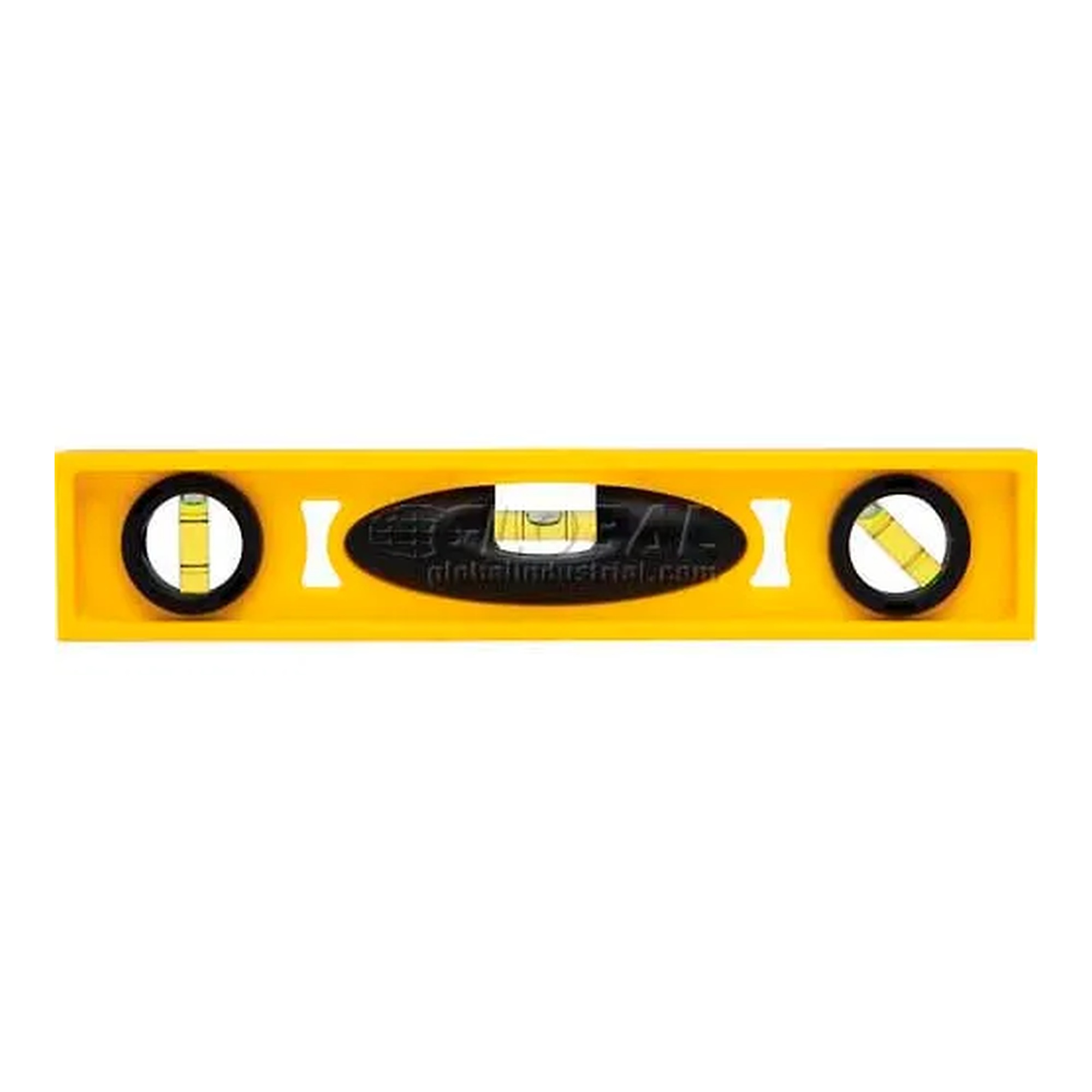
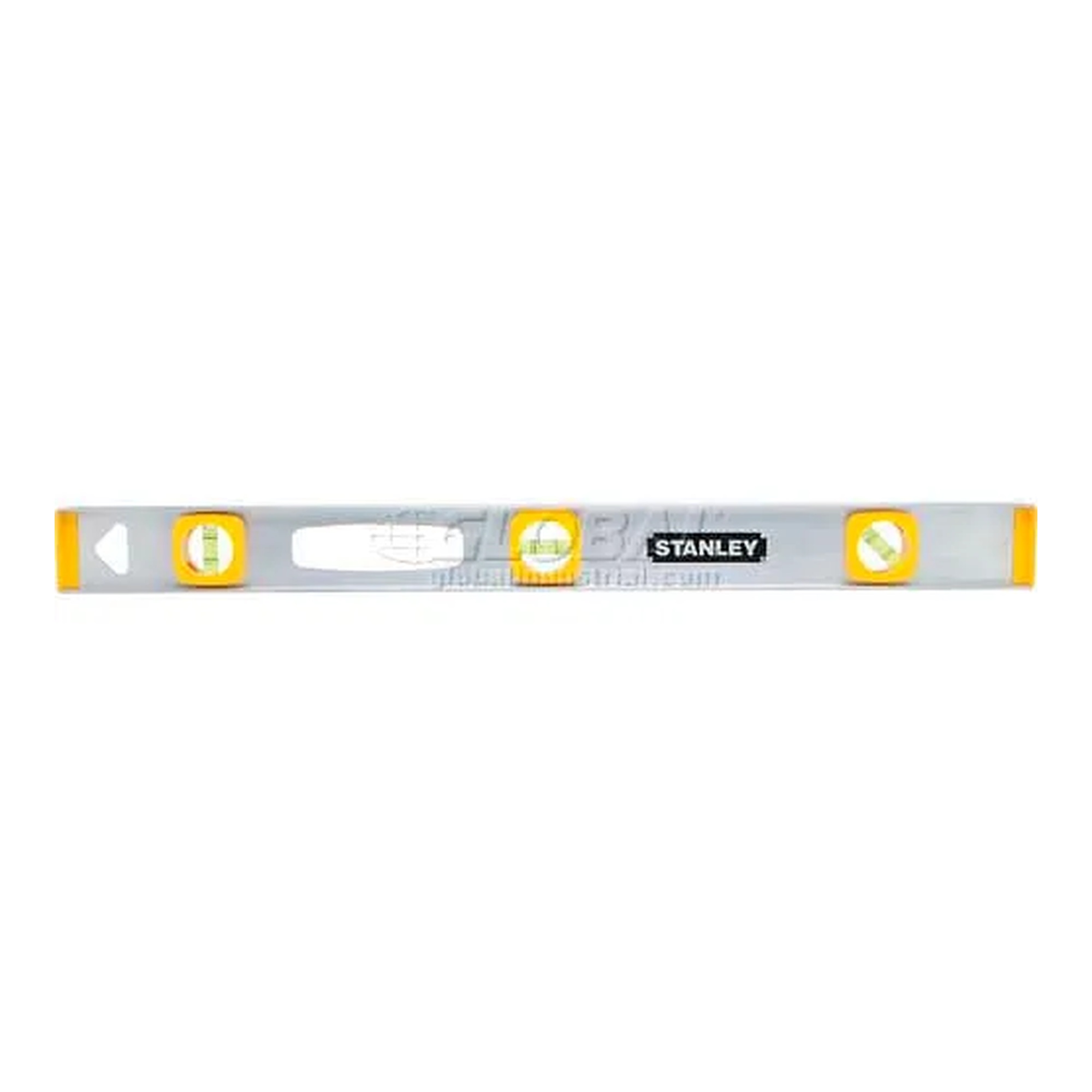
Stanley
12-Inch High-Impact ABS Level
Our Price:$6.59This 12-inch level helps contractors, maintenance teams, and other trade professionals check level alignment during layout and installation work. Its easy-to-see center vial supports quick readings,...
-
Johnson
12-Inch Magnetic Torpedo Level with Four Vials
Our Price:$179.94This 12-inch magnetic torpedo level helps trade professionals and maintenance crews check level, plumb, 45° and slope measurements during layout, installation and alignment work. Its magnetic design...
-
Johnson
24-Inch Aluminum Box Level
Our Price:$119.94This 24-inch aluminum box level helps carpenters check level alignment during rough and finish carpentry work. Its box-style frame is built for everyday layout and leveling tasks on the job.The level...
-
Johnson
24-Inch Aluminum I-Beam Level
Our Price:$74.94This 24-inch aluminum I-beam level is designed for professional finish carpenters who need to check alignment and mark straight lines. Its removable endcaps help users scribe a line directly into a...
-
Stanley
24-Inch Aluminum Top-Read Level
Our Price:$15.24This aluminum top-read level helps trade professionals and maintenance teams check level alignment during layout, installation, and repair work. Its center vial can be read from above for improved...
-
iGAGING
24-Inch Digital Level with Laser
Our Price:$82.94This 24-inch digital level is a 2-in-1 level and bevel gauge for users who need to check level and angle measurements on work surfaces. Its integrated laser helps extend leveling capability for...
-
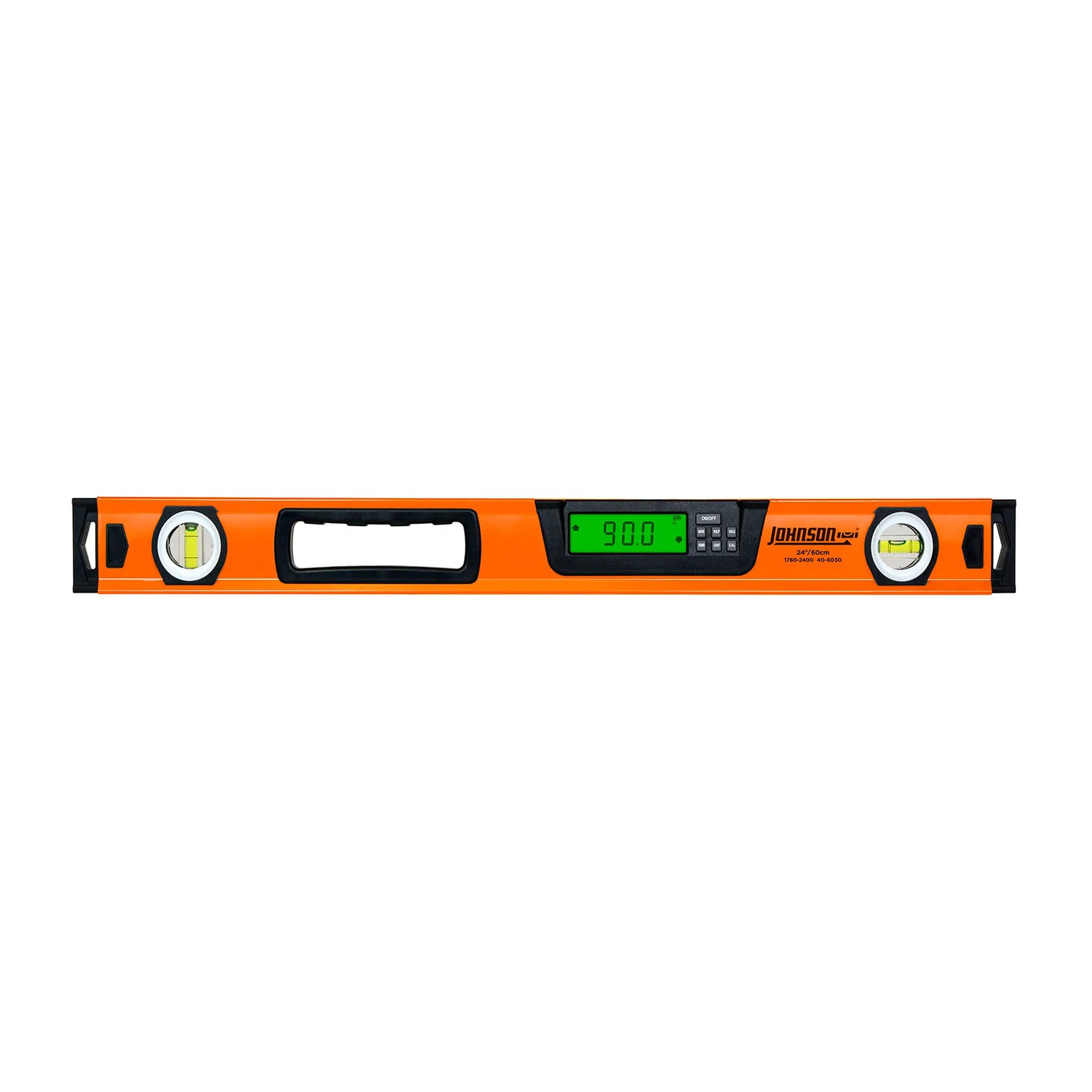
Johnson
24-Inch Electronic Digital Box Level
Our Price:$179.94This electronic digital box level helps trade professionals and maintenance teams check level, plumb, and angle measurements during layout, installation, and overhead work. Its digital readout...
-
Johnson
24-Inch Magnetic Aluminum Box Level
Our Price:$159.94This 24-inch magnetic aluminum box level is a layout and alignment tool for carpenters and other trade professionals. It supports rough and finish carpentry tasks by helping keep the level positioned...
-
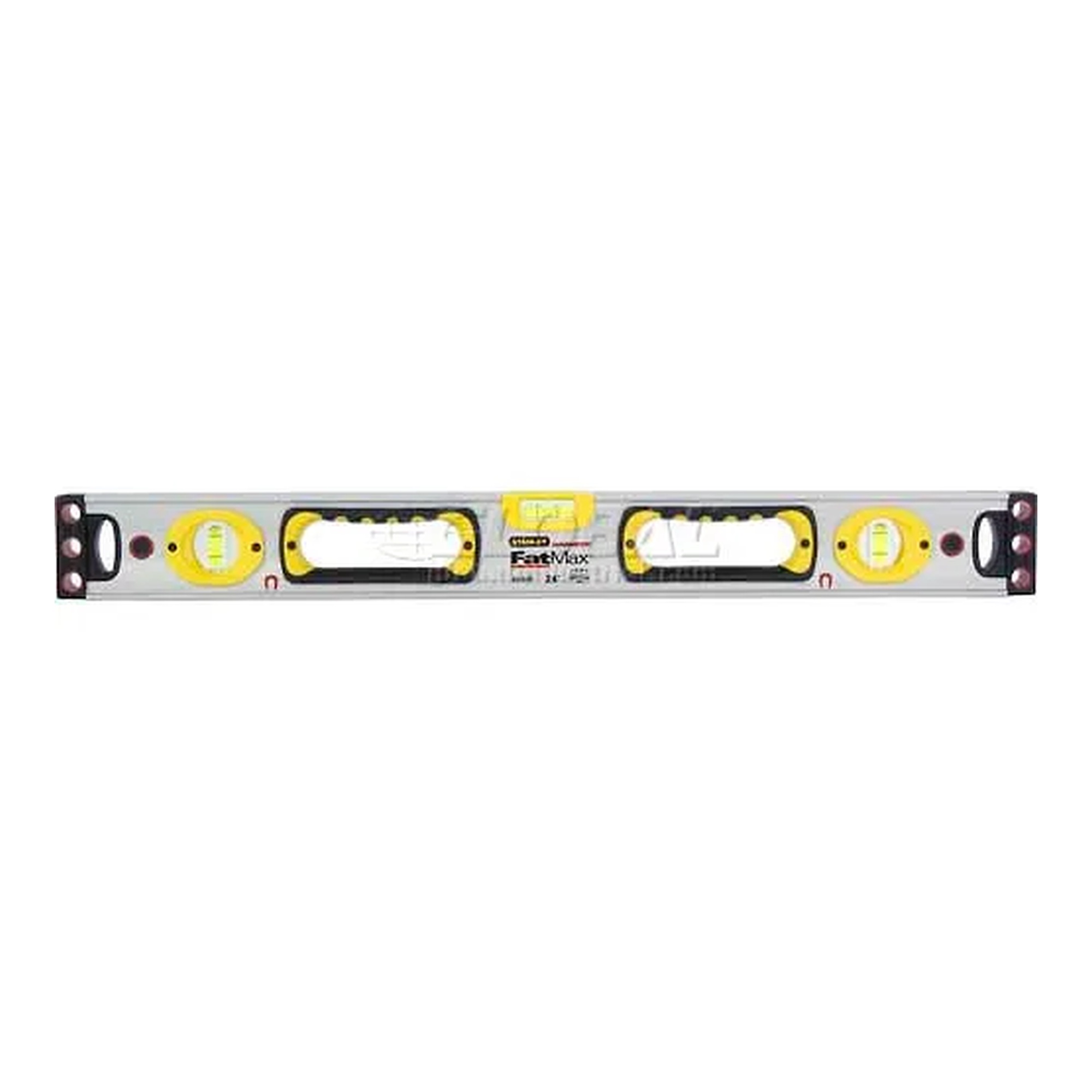
Stanley
24-Inch Magnetic Box Beam Level
Our Price:$37.94This 24-inch magnetic box beam level helps construction, maintenance, and installation professionals check level surfaces and maintain alignment during layout and marking work.The level has a...
-
Johnson
24-Inch Magnetic Heavy-Duty I-Beam Level
Our Price:$86.94This magnetic heavy-duty I-beam level helps finish carpenters and other trade professionals check alignment and mark straight layout lines. Its removable endcap supports scribing directly into...
-
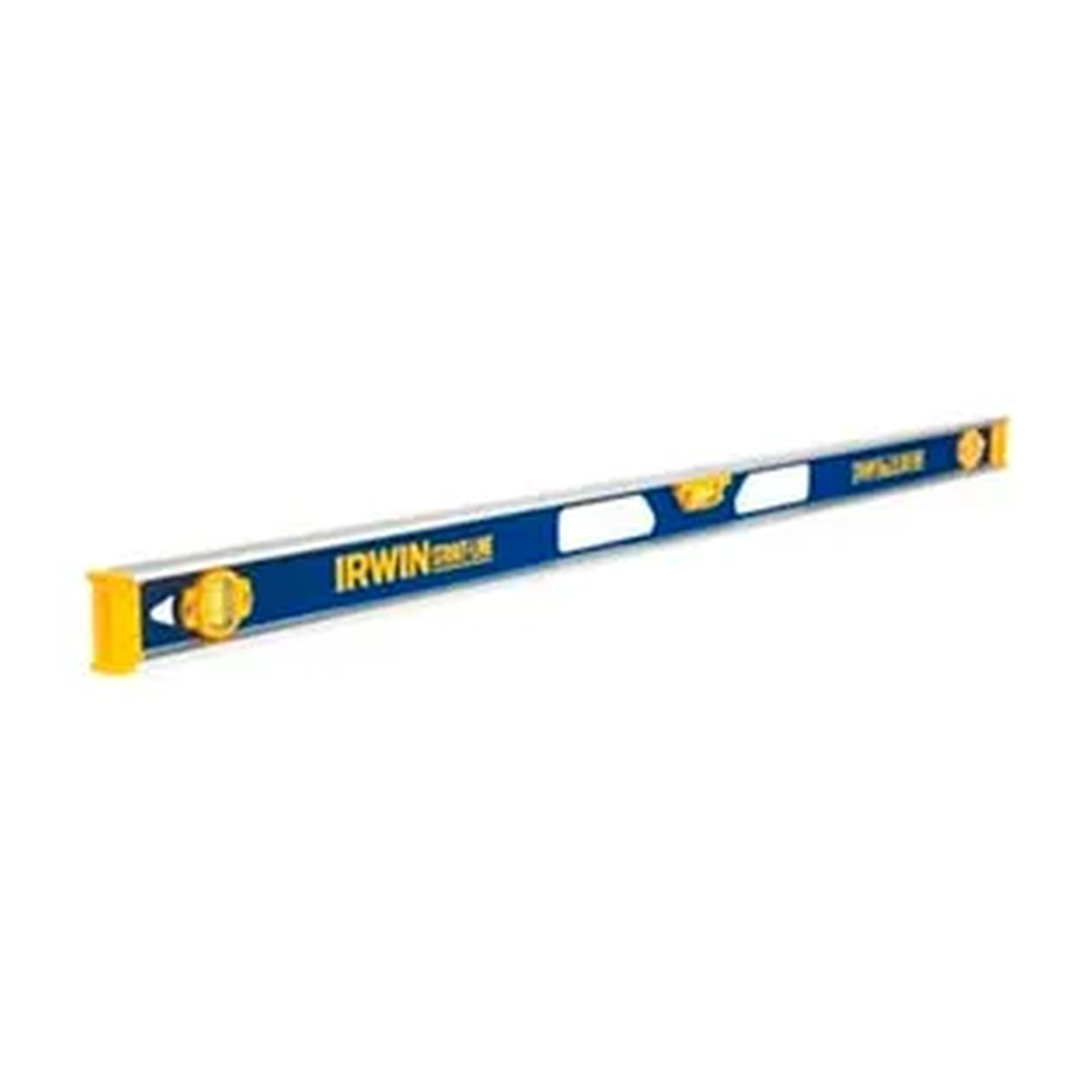
IRWIN Tools
24-Inch Magnetic I-Beam Level
Our Price:$53.94This magnetic I-beam level helps trade professionals and maintenance teams check level and plumb alignment during layout and installation work. Its magnetic design supports hands-free positioning on...
-
InSize
4-Inch Magnetic Hand Level
Our Price:$18.74This compact hand level helps trade professionals and maintenance teams check horizontal and vertical alignment in tight work areas. Its magnetic base supports hands-free positioning on compatible...
-
Johnson
48-Inch Aluminum Box Level
Our Price:$159.94This aluminum box level helps carpenters and construction professionals check level alignment during rough and finish carpentry work. Its box-style design provides a dependable layout and alignment...
-
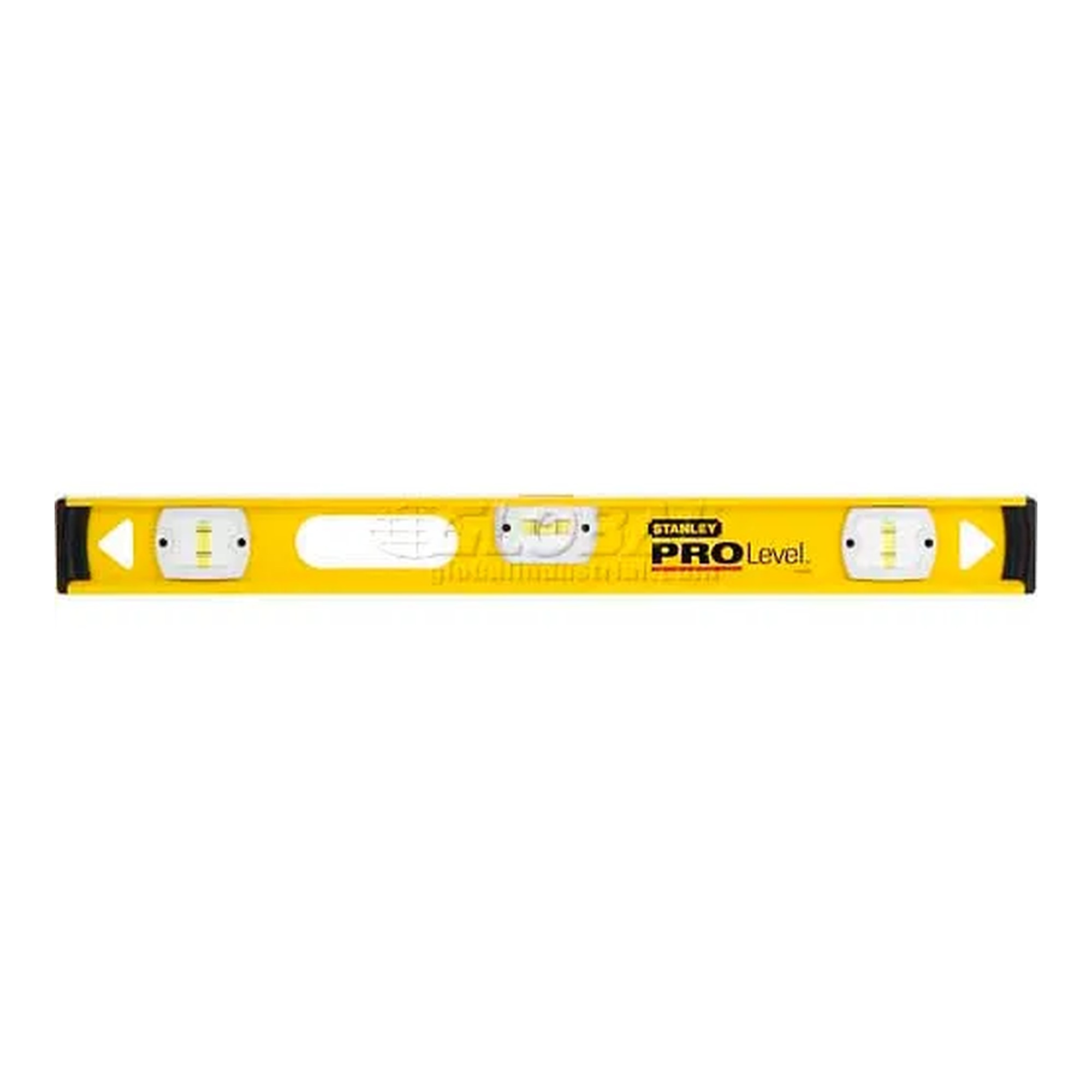
Stanley
48-Inch Aluminum I-Beam Level
Our Price:$22.49This 48-inch I-beam level helps trade professionals and maintenance teams check level and alignment on flat and rounded surfaces. Its rigid aluminum frame supports dependable layout and inspection...
-
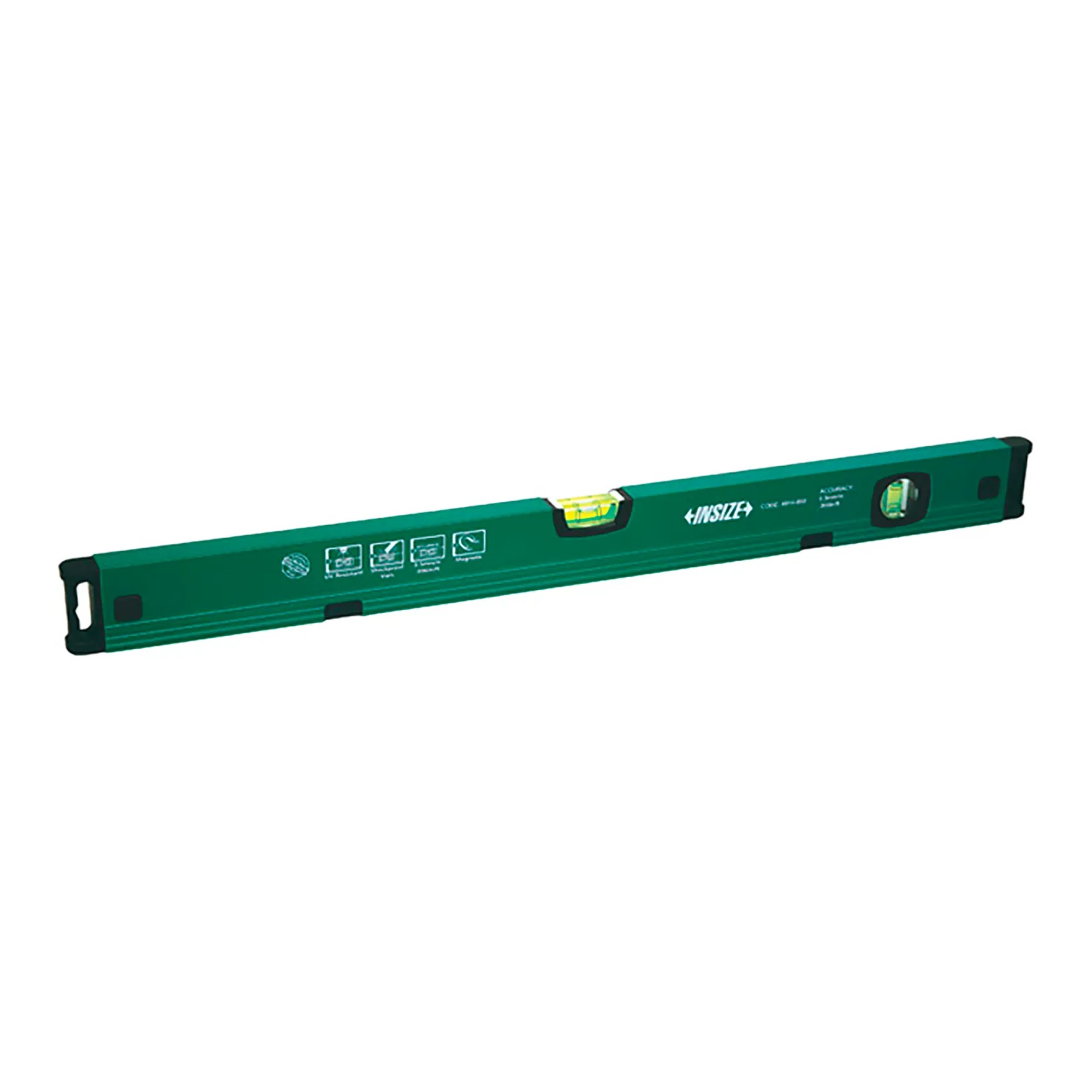
InSize
48-Inch Aluminum Magnetic Level
Our Price:$70.94This 48-inch aluminum level helps trade professionals and maintenance teams check horizontal and vertical alignment during layout, installation, and general positioning work.The level has shockproof...
-
Stanley
48-Inch Aluminum Top-Read Level
Our Price:$19.49This 48-inch aluminum level helps contractors, maintenance teams, and other commercial users check horizontal and vertical alignment during layout and installation work. Its top-read center vial...
-
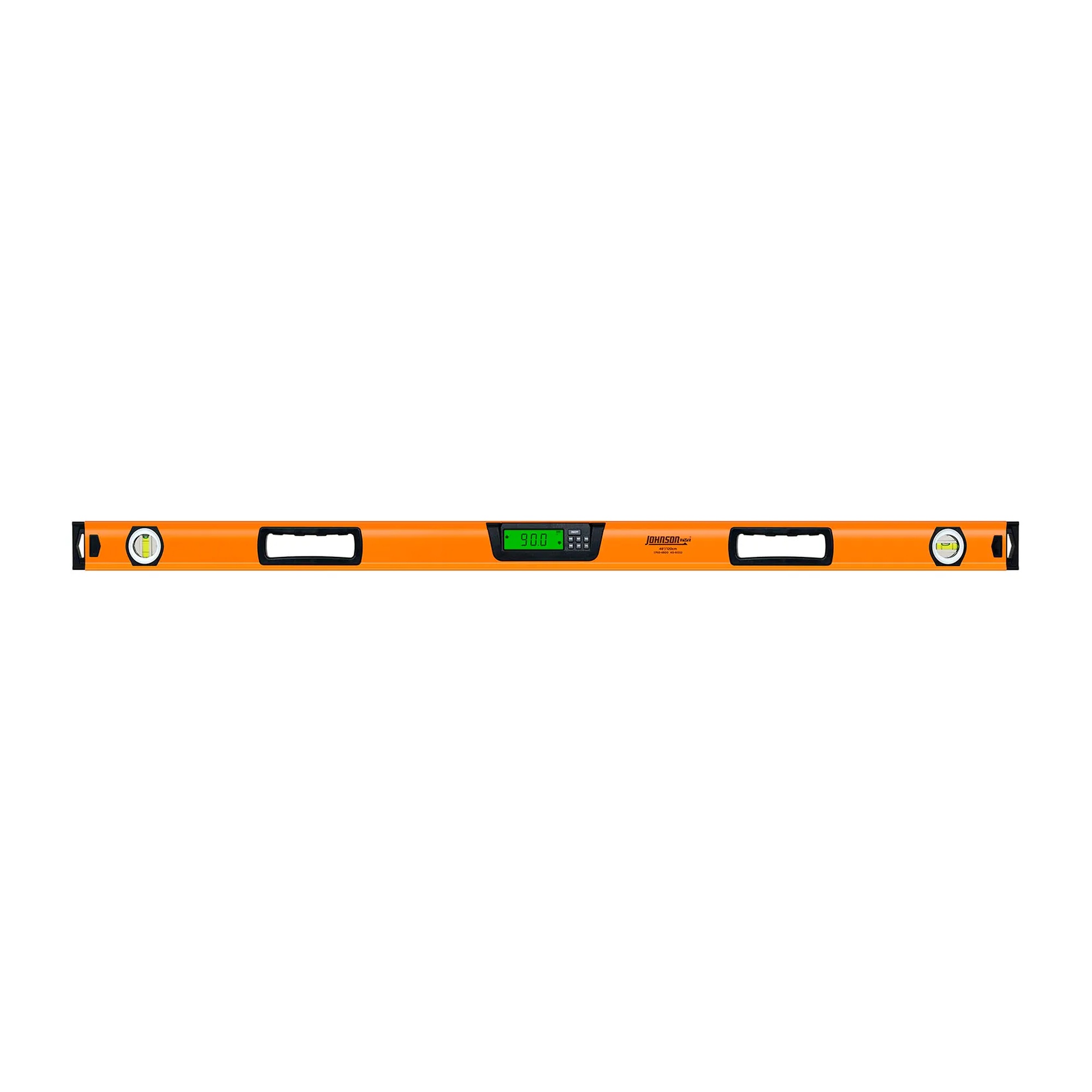
Johnson
48-Inch Electronic Digital Box Level
Our Price:$235.94This 48-inch electronic digital box level helps construction and maintenance professionals check level, plumb, and angle measurements during layout and installation work. Its digital readout supports...
-
Johnson
48-Inch Heavy-Duty Aluminum I-Beam Level
Our Price:$109.94This 48-inch aluminum I-beam level is designed for professional finish carpenters and other trade users who need to check level and plumb while laying out straight lines. Its removable endcap helps...
-
Johnson
48-Inch Magnetic Aluminum Box Level
Our Price:$229.94This 48-inch magnetic aluminum box level helps carpenters and construction professionals check alignment during rough and finish carpentry work. Its magnetic design holds the tool in place on ferrous...
-
Stanley
48-Inch Magnetic Box Beam Level
Our Price:$49.94This magnetic box beam level helps trade professionals and maintenance teams check level and plumb alignment while keeping the tool positioned on magnetic surfaces. Its long profile supports layout...








Buying Guide: Choose the Right Level for the Work
The right level depends on the measurement you need to make, the work area, and how you need to position the tool. This category includes compact vial levels, longer I-beam and box beam levels, digital angle tools, a precision machine level, a line level, and a self-leveling cross-line laser.
Popular examples in this category
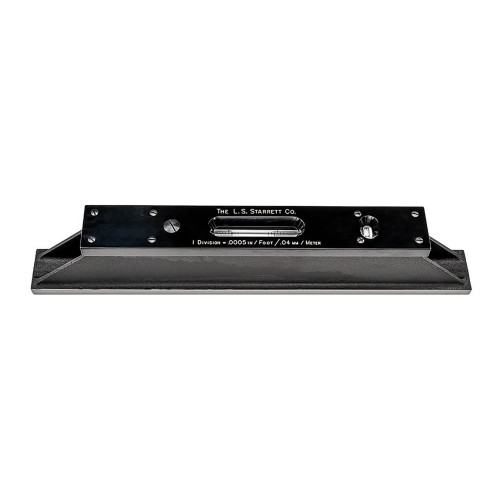 Master Precision Machine Level, 15 in. LongWBB3145952
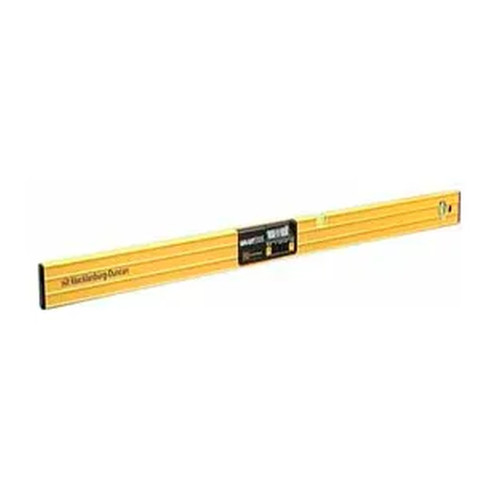 Digital Level, 49 in., Yellow, with Soft CaseWBB969680
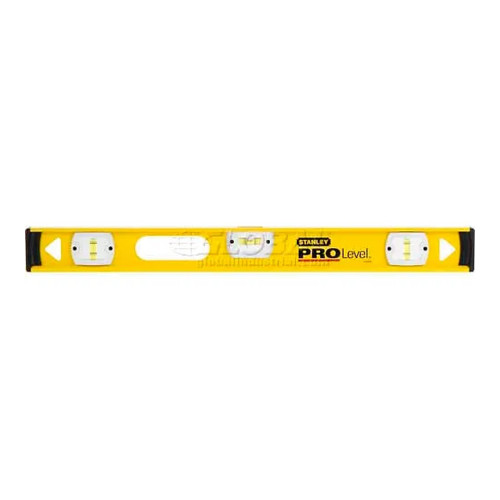 48-Inch Aluminum I-Beam LevelWBB983821
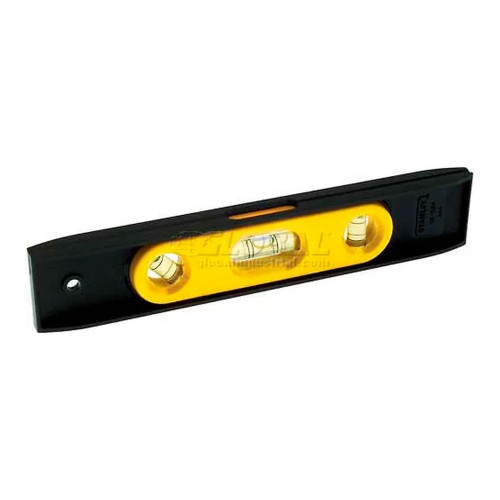 Magnetic ABS Torpedo LevelWBB983961
Match the tool to the measurement
Use a precision machine level for detailed machine setup checks, a digital level or slope level for angle and slope readings, and a laser for horizontal, vertical, and plumb reference points. Vial levels support everyday layout, installation, repair, and alignment work.
Compare reading method and format
Choose vial-based models for visual level and plumb checks. Choose digital tools when degrees, slope, inches per foot, percent slope, or pitch readings are needed. Consider audible alerts where visual access is limited or when monitoring a chosen angle.
Consider the surface and workspace
Pipe grooves help position a level on rounded surfaces, while magnetic strips or rare-earth magnets support hands-free placement on compatible metal surfaces. Compact torpedo and line levels suit constrained or line-based work; 48- and 49-inch tools support longer layout and alignment checks.
Look for practical handling features
Top-read windows and enlarged vial housings can make readings easier to see. Non-marring surfaces help reduce marking on finished surfaces, while end caps, impact-resistant housings, and shock-resistant bodies help protect tools during regular handling. Cases provide storage or transport options on selected models.
Stated for the center block vial on a 48-inch box beam level.
Stated for selected digital levels and slope levels.
Stated for the self-leveling cross-line laser during common indoor layout tasks.
Available when used with an optional compatible receiver.
Compare Level Types
Use this overview to compare the represented designs by their primary measurement approach and practical features.
| Level type | Best suited for | Represented features |
|---|---|---|
| Vial levels | Routine level, plumb, layout, installation, and repair checks | I-beam, box beam, compact, line, magnetic, top-read, pipe-groove, and non-marring options |
| Digital levels and angle tools | Angle, slope, pitch, and detailed alignment checks | Multiple display formats, 0.1-degree or 1/10-degree accuracy, alerts, and selected carrying cases |
| Precision and laser tools | Machine setup or projected layout references | Fine level-variation readings and machined base; or self-leveling lines, plumb points, receiver mode, and manual line lock |
Plan the right fit before choosing
Select a level by the type of reference you need
For machine installation, a master precision level provides fine level-variation readings, an auxiliary vial for lateral position during horizontal adjustment, and a precision-machined base. For routine level and plumb work, I-beam, box beam, and compact levels provide vial-based visual references. For layout requiring projected reference lines or points, a self-leveling cross-line laser provides horizontal and vertical lines plus plumb points.
- Use a line level to check level along a line.
- Use a torpedo level where a full-size level is not practical.
- Use a cross-line laser for horizontal, vertical, and plumb-point transfer.
- Use digital angle tools for slope and angle communication during layout and inspection.
Choose features suited to the surface
Work surface and viewing position can affect which design is most useful. Pipe grooves are represented on several levels for stable placement on rounded surfaces. Magnetic designs hold on compatible metal surfaces for hands-free positioning. Top-read vials and windows support viewing from above, while a reversible digital display keeps readings visible when an electronic angle sensor is turned over.
- Magnetic strips and rare-earth magnets assist on compatible metal surfaces.
- Pipe grooves help keep the tool positioned on rounded surfaces.
- Flat bases support checks on flat surfaces.
- A rotating magnetic laser mount allows 360° rotation while centered on a plumb point.
Balance measurement detail with everyday utility
The represented levels include stated accuracies from 0.0005 inch per inch for a box beam center block vial to 0.002 inch per inch on compact torpedo models, plus 0.1-degree or 1/10-degree accuracy on digital tools. Digital models offer multiple reading formats, and selected tools include audible alerts. Consider included soft cases, carrying cases, or a finished wood case when storage and transport are important.
- Digital levels and slope tools can show degrees, slope, or inches per foot.
- The electronic angle sensor can show degrees, percent slope, or pitch.
- A selectable angle alert is available on selected digital models.
- Selected tools include a soft case, carrying case, or finished wood case.
Common questions before buying
What level is useful for checking rounded surfaces?
Selected I-beam and torpedo levels have pipe grooves to help the tool rest securely or stay positioned on rounded surfaces.
When should I choose a digital level?
Choose a digital level or digital slope tool when the job calls for readings in formats such as degrees, slope, inches per foot, percent slope, or pitch.
Are magnetic levels designed for hands-free use?
Magnetic strips and rare-earth magnets on selected models hold the level on compatible metal surfaces for hands-free positioning.
What can a self-leveling cross-line laser do?
It can establish horizontal and vertical laser lines and plumb points for alignment and layout work, with lines and points used separately or together.
Buying Guide: Choose the Right Level for the Work
The right level depends on the measurement you need to make, the work area, and how you need to position the tool. This category includes compact vial levels, longer I-beam and box beam levels, digital angle tools, a precision machine level, a line level, and a self-leveling cross-line laser.
Popular examples in this category
Match the tool to the measurement
Use a precision machine level for detailed machine setup checks, a digital level or slope level for angle and slope readings, and a laser for horizontal, vertical, and plumb reference points. Vial levels support everyday layout, installation, repair, and alignment work.
Compare reading method and format
Choose vial-based models for visual level and plumb checks. Choose digital tools when degrees, slope, inches per foot, percent slope, or pitch readings are needed. Consider audible alerts where visual access is limited or when monitoring a chosen angle.
Consider the surface and workspace
Pipe grooves help position a level on rounded surfaces, while magnetic strips or rare-earth magnets support hands-free placement on compatible metal surfaces. Compact torpedo and line levels suit constrained or line-based work; 48- and 49-inch tools support longer layout and alignment checks.
Look for practical handling features
Top-read windows and enlarged vial housings can make readings easier to see. Non-marring surfaces help reduce marking on finished surfaces, while end caps, impact-resistant housings, and shock-resistant bodies help protect tools during regular handling. Cases provide storage or transport options on selected models.
Stated for the center block vial on a 48-inch box beam level.
Stated for selected digital levels and slope levels.
Stated for the self-leveling cross-line laser during common indoor layout tasks.
Available when used with an optional compatible receiver.
Compare Level Types
Use this overview to compare the represented designs by their primary measurement approach and practical features.
| Level type | Best suited for | Represented features |
|---|---|---|
| Vial levels | Routine level, plumb, layout, installation, and repair checks | I-beam, box beam, compact, line, magnetic, top-read, pipe-groove, and non-marring options |
| Digital levels and angle tools | Angle, slope, pitch, and detailed alignment checks | Multiple display formats, 0.1-degree or 1/10-degree accuracy, alerts, and selected carrying cases |
| Precision and laser tools | Machine setup or projected layout references | Fine level-variation readings and machined base; or self-leveling lines, plumb points, receiver mode, and manual line lock |
Plan the right fit before choosing
Select a level by the type of reference you need
For machine installation, a master precision level provides fine level-variation readings, an auxiliary vial for lateral position during horizontal adjustment, and a precision-machined base. For routine level and plumb work, I-beam, box beam, and compact levels provide vial-based visual references. For layout requiring projected reference lines or points, a self-leveling cross-line laser provides horizontal and vertical lines plus plumb points.
- Use a line level to check level along a line.
- Use a torpedo level where a full-size level is not practical.
- Use a cross-line laser for horizontal, vertical, and plumb-point transfer.
- Use digital angle tools for slope and angle communication during layout and inspection.
Choose features suited to the surface
Work surface and viewing position can affect which design is most useful. Pipe grooves are represented on several levels for stable placement on rounded surfaces. Magnetic designs hold on compatible metal surfaces for hands-free positioning. Top-read vials and windows support viewing from above, while a reversible digital display keeps readings visible when an electronic angle sensor is turned over.
- Magnetic strips and rare-earth magnets assist on compatible metal surfaces.
- Pipe grooves help keep the tool positioned on rounded surfaces.
- Flat bases support checks on flat surfaces.
- A rotating magnetic laser mount allows 360° rotation while centered on a plumb point.
Balance measurement detail with everyday utility
The represented levels include stated accuracies from 0.0005 inch per inch for a box beam center block vial to 0.002 inch per inch on compact torpedo models, plus 0.1-degree or 1/10-degree accuracy on digital tools. Digital models offer multiple reading formats, and selected tools include audible alerts. Consider included soft cases, carrying cases, or a finished wood case when storage and transport are important.
- Digital levels and slope tools can show degrees, slope, or inches per foot.
- The electronic angle sensor can show degrees, percent slope, or pitch.
- A selectable angle alert is available on selected digital models.
- Selected tools include a soft case, carrying case, or finished wood case.
Common questions before buying
What level is useful for checking rounded surfaces?
Selected I-beam and torpedo levels have pipe grooves to help the tool rest securely or stay positioned on rounded surfaces.
When should I choose a digital level?
Choose a digital level or digital slope tool when the job calls for readings in formats such as degrees, slope, inches per foot, percent slope, or pitch.
Are magnetic levels designed for hands-free use?
Magnetic strips and rare-earth magnets on selected models hold the level on compatible metal surfaces for hands-free positioning.
What can a self-leveling cross-line laser do?
It can establish horizontal and vertical laser lines and plumb points for alignment and layout work, with lines and points used separately or together.
Choosing the right file folders
FilingSupplies.com carries end-tab folders for open-shelf systems, top-tab folders for drawer filing, and heavy-duty classification folders with dividers and fasteners for multi-section records. Pick letter or legal size, then choose material (11-pt, 14-pt, or 18-pt manila), optional reinforced tabs, color-coding, and expansion capacity to match your volume.
Folder FAQs
End-tab vs. top-tab — what’s the difference?
When should I choose classification folders?
Letter or legal size — how do I pick?
What tab and material options are available?
Can I add fasteners, pockets, or expansion?
Do you offer volume pricing or custom printing?
Outfitting classrooms that work all day
Build a durable, age-appropriate classroom with furniture, early-learning materials, storage bins, learning centers, and presentation tools. Choose adjustable pieces that grow with grades, label friendly bins for quick clean-up, and tech carts that secure, charge, and move easily.
Education FAQs
What safety labels should I look for on school and early-childhood items?
How do I pick classroom furniture across grade levels?
What’s the best way to organize supplies and centers?
How do I choose learning games and manipulatives by age?
What should I consider in a charging/tech cart?
Do you support school POs, bulk pricing, or custom printing?
Choosing the right labels
From color file labels to printable sheets, select the right size, adhesive, and print method to match your filing system and equipment. Decide on sheet vs. roll format, then pick permanent or removable adhesive and your color set.
Labels FAQs
Sheet vs. roll labels — what’s the difference?
Permanent or removable adhesive?
Will these labels work in my printer?
How do I match the label size to folder tabs or binder spines?
Can I get preprinted sequences or color bars?
Do you have templates?
Choosing the right tab dividers
Organize binders with preprinted or blank tabs. Select the number of tabs per set (5, 8, 10, or 12), choose paper with reinforced tabs or durable poly, and match letter or legal size for a clean fit.
Tab Dividers FAQs
What do 5-, 8-, 10-, or 12-tab sets mean?
Paper vs. poly — which should I choose?
Are the tabs printable?
Will they fit my binder?
Can I mix preprinted and blank tabs?
Do you make custom tab sets?
Choosing the right office supplies
From everyday paper and pens to binders, mailers, and desk organizers, pick durable, compatible options that match your equipment and team size. Start with the right paper and labeling, then add organizers that keep work moving.
Office Supplies FAQs
Which paper weight and brightness should I choose?
Round-ring vs. D-ring binders — what’s the difference?
What does “sheet capacity” mean on staplers and hole punches?
Will labels, envelopes, and mailers work with my printer?
How do I choose mailers and shipping boxes?
Do you offer eco-conscious options or bulk pricing?
Choosing the right sports & PE equipment
Equip classes, teams, and rec programs with durable balls, goals, cones, pinnies, storage, and safety gear. Match sizes and materials to age group and whether you play indoors or outdoors.
Sports & Athletics FAQs
What ball sizes should I choose for different ages?
- Basketball: Size 5 (27.5") youth, Size 6 (28.5") intermediate, Size 7 (29.5") official.
- Soccer: Size 3 up to ~8 years, Size 4 ~8–12, Size 5 ~12+.
- Volleyball: Regulation balls for teens/adults; lighter training balls for younger players.
Indoor vs. outdoor — which materials hold up best?
How many pinnies, cones, or markers do I need?
Tips for storage and care?
Are items latex‑free and school‑safe?
Do you support bulk orders or custom printing (team names)?
Choosing the right FireKing fireproof cabinet
FireKing fireproof file cabinets, safes, and storage cabinets are designed to protect important documents, records, and valuables from fire damage while keeping files organized and accessible. When choosing a FireKing cabinet, compare drawer configuration, storage type, fire rating, and overall capacity based on the records or materials you need to protect.
FireKing FAQs
What is the difference between FireKing vertical and lateral file cabinets?
What can I store in a FireKing fireproof file cabinet?
Are FireKing cabinets only for paper records?
How do I choose between a FireKing safe, file cabinet, or storage cabinet?
What sizes are available in FireKing cabinets?
Are FireKing cabinets used in offices, medical facilities, and government records storage?
Can I buy FireKing cabinets in bulk or get help choosing the right model?
Shipping & Policies
Do you offer free shipping?
What are your shipping rates?
- $6.95 for labels-only orders under $40
- $14.95 flat rate for everything else