
-
Zip-A-Duct
32-Inch Gray Fabric Duct End Cap
Our Price:$149.94This gray fabric duct end cap is used by HVAC and ventilation professionals to complete a fabric duct run. It provides the required end-cap component for each fabric duct run.Designed for fabric duct...
-
Zip-A-Duct
32-Inch Gray Fabric Duct Inlet Section
Our Price:$119.94This gray inlet section is used by HVAC professionals to begin a fabric duct run. It creates the connection from a metal starter collar to the fabric duct system and provides the first zipper...
-
Zip-A-Duct
32-Inch Gray Fabric Duct Straight Section, 10 Ft, No Vents
Our Price:$375.94This 10-foot gray fabric duct straight section is used in fabric duct runs to move conditioned air from the starting point to the intended air-distribution area. It provides a non-vented section...
-
Zip-A-Duct
32-Inch Gray Fabric Duct Straight Section, 5 ft., No Vents
Our Price:$209.94This 32-inch gray fabric duct straight section is for HVAC professionals and facility teams assembling a fabric duct run. It moves conditioned air from the system starting point toward the area where...
-
Zip-A-Duct
36-Inch Diameter 45-Degree Gray Left-Hand Fabric Duct Elbow
Our Price:$415.94This 36-inch-diameter fabric duct elbow is for ventilation system installers and facility teams routing airflow through a left-hand 45-degree turn. It helps direct an individual fabric duct run where...
-
Zip-A-Duct
36-Inch Diameter 45-Degree Gray Right-Hand Fabric Duct Elbow
Our Price:$415.94This 36-inch-diameter fabric duct elbow is for HVAC teams configuring a fabric duct run that needs to turn 45 degrees to the right. It directs the duct path through a fixed right-hand bend as airflow...
-
Zip-A-Duct
36-Inch Gray Fabric Duct End Cap
Our Price:$259.94This gray end cap is a fabric duct accessory for HVAC professionals and facility teams assembling fabric duct runs. It closes the end of each run to support a complete duct installation.Designed for...
-
Zip-A-Duct
36-Inch Gray Fabric Duct Inlet Section
Our Price:$189.94This gray fabric duct inlet section is used by HVAC installers and facility teams to begin a fabric duct run. It creates the connection point between a metal starter collar and the fabric duct system...
-
Zip-A-Duct
36-Inch Gray Fabric Duct Straight Section, 10 Ft. Long, No Vents
Our Price:$379.94This gray fabric duct straight section helps facility teams extend a duct run and move conditioned air from the inlet point toward the intended distribution area. Its unvented design is suited for...
-
Zip-A-Duct
Gray 24-Inch Fabric Duct Straight Section with Vents, 333 CFM
Our Price:$445.94This gray fabric duct straight section is for commercial ventilation system installers building or extending a duct run. It provides a 10-foot section for moving and distributing airflow along the...
-
Zip-A-Duct
Gray Fabric Duct Straight Section with Vents, 250 CFM
Our Price:$385.94This gray fabric duct straight section is for HVAC professionals assembling a duct run designed for 250 CFM airflow. It provides a vented 10-foot section to help distribute air along the length of...







Fabric Ducts: Components for Commercial HVAC Airflow Distribution
Fabric ducts give facility teams and HVAC installers a modular way to distribute conditioned air across commercial spaces. Choose from vented and unvented straight sections, directional elbows, and end caps to build a complete, suspended duct run sized to your system's airflow requirements.
Popular examples in this category
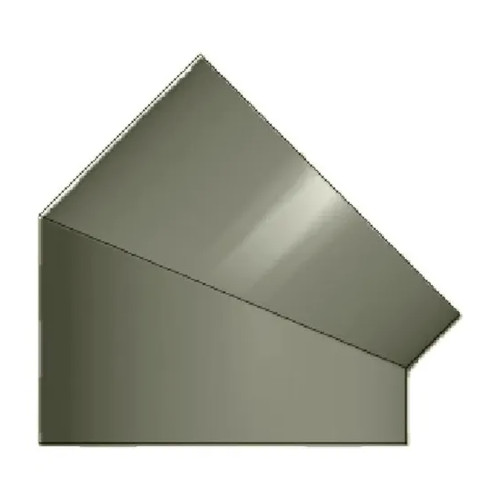 32-Inch Diameter 45-Degree Gray Right-Hand Fabric Duct ElbowWBB572176
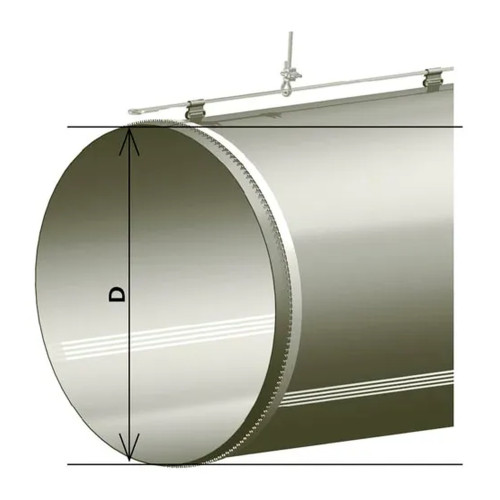 24 in. Gray Fabric Duct Straight Section with Vents, 1,000 CFMWBB572443
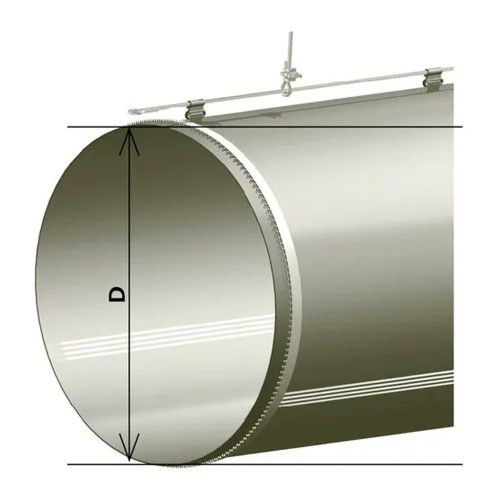 28-Inch Gray Fabric Duct Straight Section with Vents, 400 CFMWBB572472
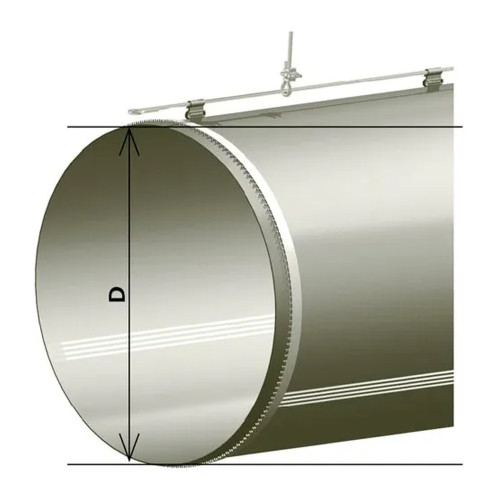 16-Inch Gray Fabric Duct Straight Section with Vents, 500 CFMWBB572208
Distributing and Routing Conditioned Air in Commercial Spaces
Fabric duct components assemble into suspended airflow runs for commercial HVAC systems. Straight sections carry or distribute air, elbows redirect runs at planned angles, and end caps close each run. Together they form a connected layout for even air distribution across a facility area.
Match Each Component to Its Role in the Duct Layout
Start with the component type: vented sections for air distribution, unvented sections for carrying air between points, elbows for direction changes, and end caps to finish each run. Then match diameter, length, CFM rating, and system static pressure to your HVAC design before ordering.
Where Fabric Duct Systems Are Typically Installed
Fabric duct runs are commonly installed in warehouses, gyms, manufacturing floors, retail spaces, and large open-plan offices where even air distribution across a wide area is needed and a suspended, modular duct system fits the ceiling structure and HVAC layout.
Connection Features and Suspension Details
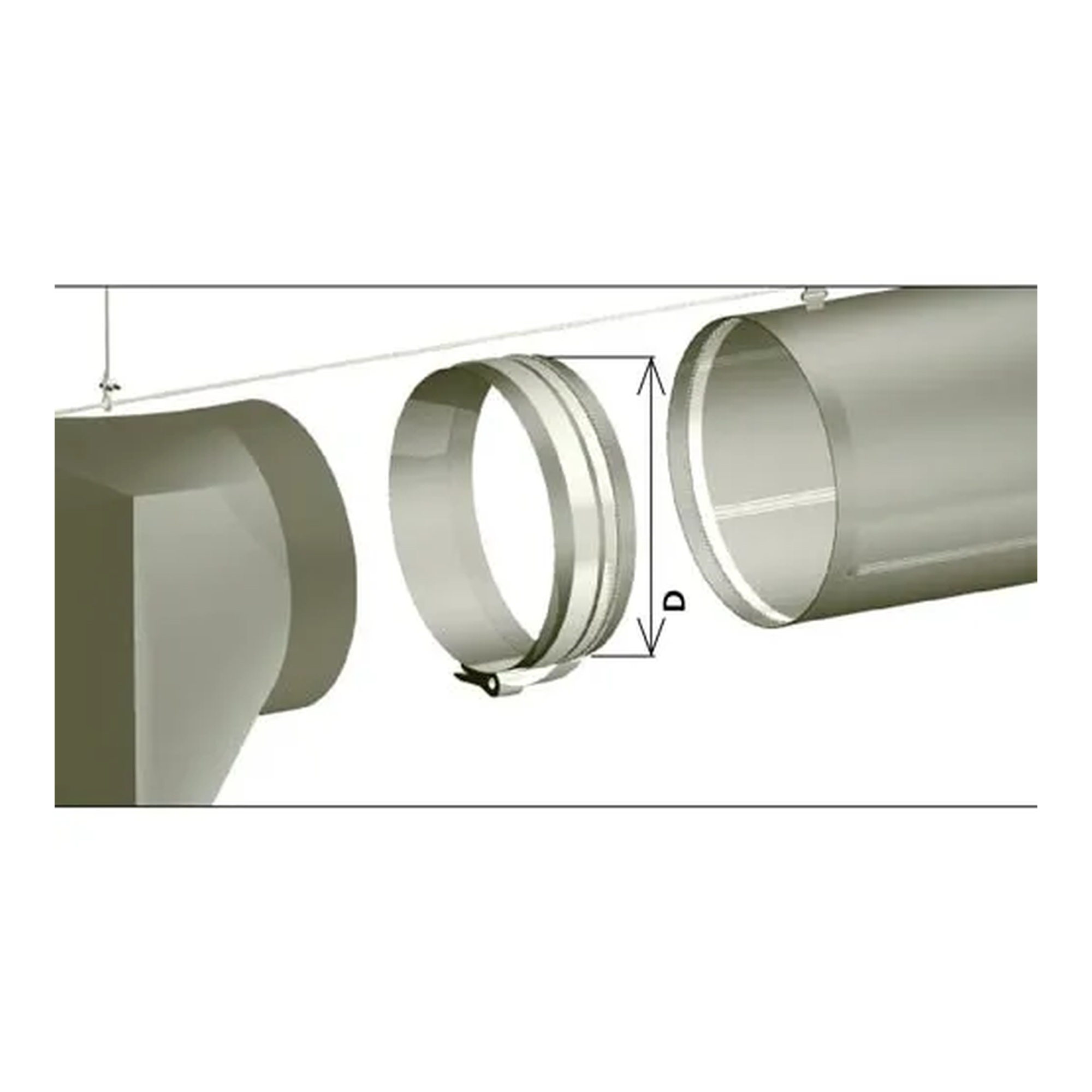
Many straight sections include built-in zipper connections for secure component-to-component attachment and fabric loops designed for cable hook suspension. These features simplify installation and allow the duct run to be repositioned or extended without specialized hardware.
Vented straight sections distribute air through laser-cut openings along the duct; unvented sections carry air between connected components without releasing it.
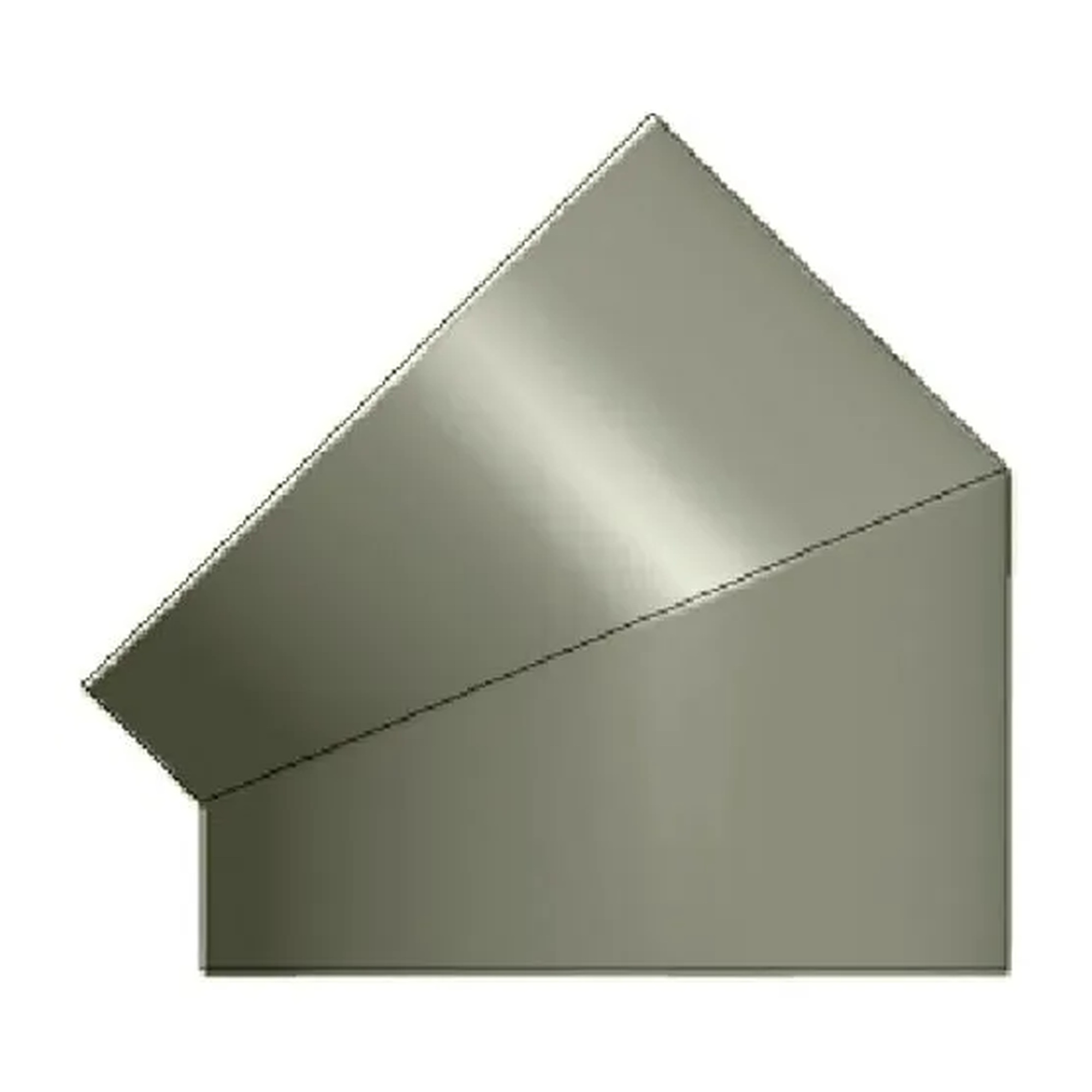
Available elbows are fixed at a 45-degree right-hand orientation, so confirm the planned turn direction matches before ordering.
Listed straight sections include zipper connections for component attachment and fabric loops for cable hook suspension, supporting a complete suspended run.
Where listed, compare each section's CFM rating and system static pressure to your HVAC design to confirm the component is sized correctly for the run.
Choosing the Right Fabric Duct Component for Each Part of the Run
Use this table to match each role in your duct layout to the correct component type.
| Need | Best Fit | Why It Matters |
|---|---|---|
| Distribute conditioned air along a zone | Vented straight section | Laser-cut openings release air evenly along the section's length |
| Carry air between components without releasing it | Unvented straight section | Keeps airflow contained until it reaches a distribution section |
| Change the run direction at a planned angle | 45-degree right-hand elbow | Routes the run through a fixed directional change; orientation must match the planned turn |
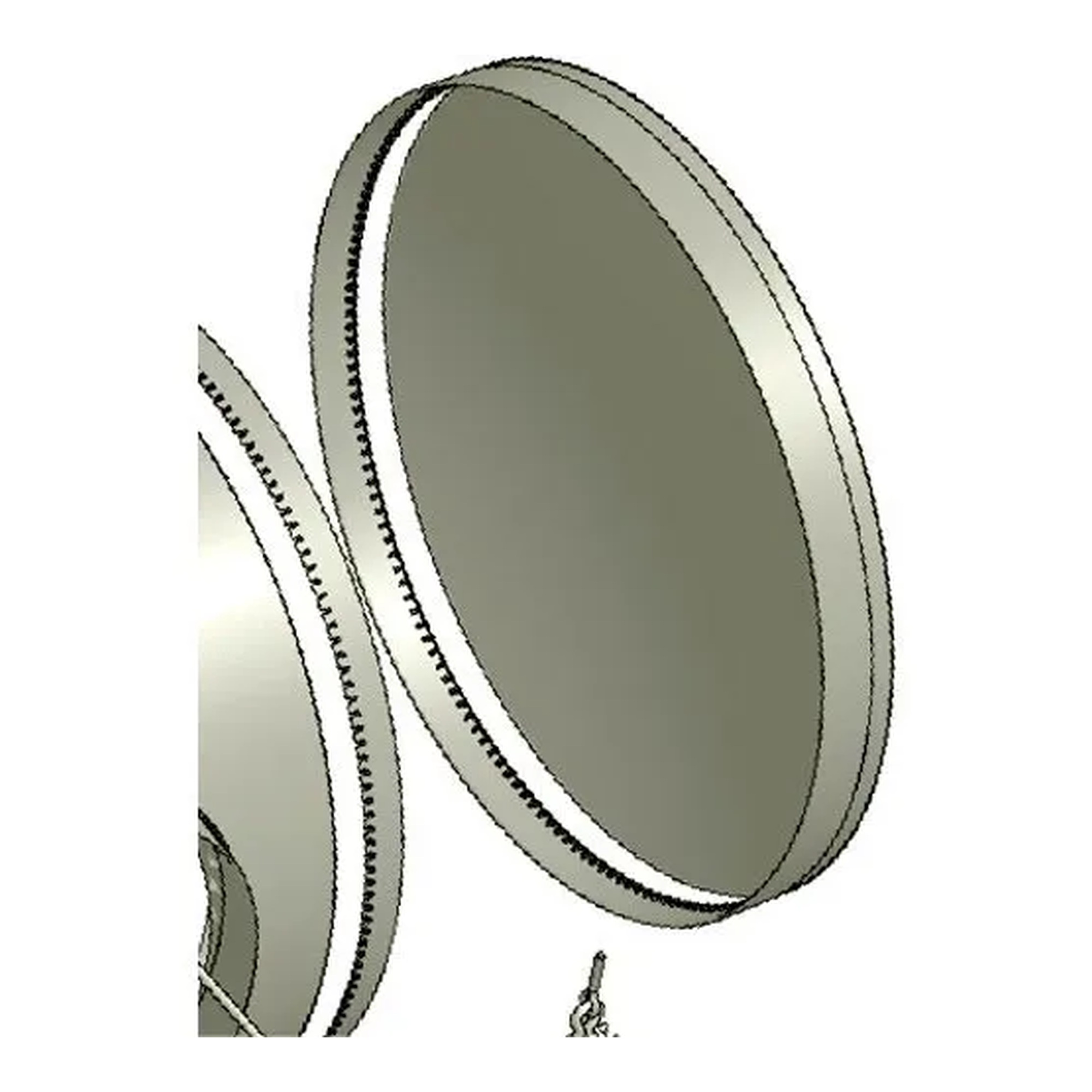
| Close the end of a completed duct run | End cap sized to duct diameter | Seals the terminal end and must be matched to both diameter and run airflow |
| Suspend and connect sections in a continuous run | Sections with zipper connections and fabric loops | Enables secure component joining and cable hook suspension without added hardware |
Plan the right fit before choosing
Step 1: Map the Duct Layout Before Selecting Components
Sketch the full airflow run from the supply connection to the end of each branch. Identify where air needs to be distributed versus simply carried, where direction changes occur, and where each run terminates. This layout determines which component types you need and how many of each.
- Mark distribution zones where vented straight sections are needed
- Mark transition points where unvented sections carry air between components
- Note each directional change to determine elbow quantity and orientation
- Identify every run endpoint to confirm end cap count and sizing
Step 2: Size Each Component to the HVAC System
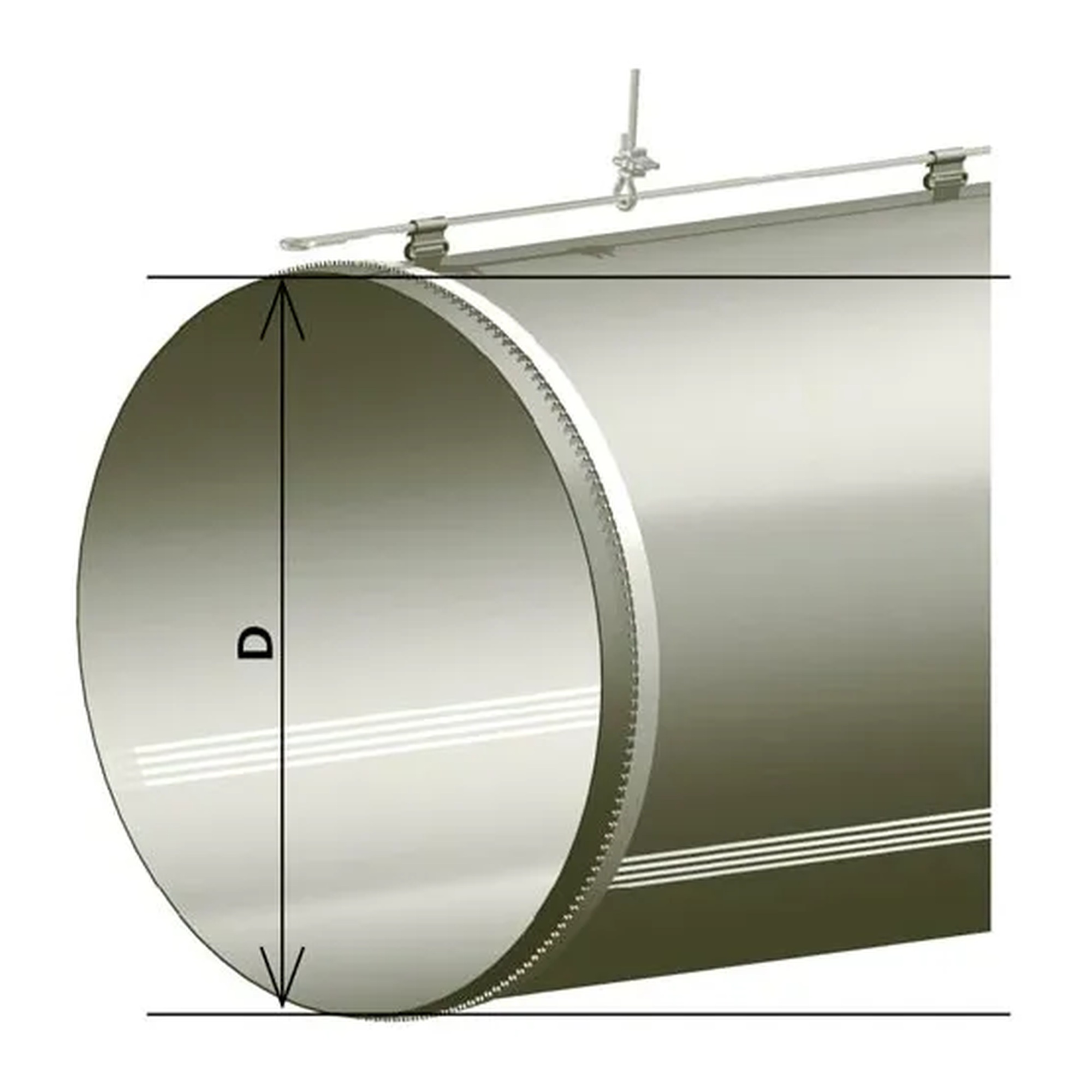
Diameter is the primary sizing dimension and must be consistent across connected components in a run. Cross-reference the system's CFM output and static pressure against the specs listed for each section and end cap. Mismatched sizing reduces airflow performance and can create pressure imbalances.
- Match straight-section diameter to the supply collar or adjacent component
- Confirm CFM and static pressure ratings where listed for each section
- Size end caps to the duct diameter and verify against total or per-run airflow
- Select the 45-degree elbow in the correct diameter and confirm its fixed right-hand orientation fits the planned turn direction
Step 3: Plan the Suspension and Connection Method
Fabric duct runs are suspended from the ceiling structure using cable hooks that attach to fabric loops on the straight sections. Confirm that the sections you select include these loops and zipper connections before ordering. Plan cable hook spacing and ceiling anchor points as part of the installation prep.
- Verify fabric loop availability on selected straight sections for cable hook attachment
- Confirm zipper connections are present for secure section-to-section joining
- Plan ceiling anchor points at intervals that support the loaded duct run
- Account for access needs if the run may require repositioning after installation
Common questions before buying
What is the difference between vented and unvented straight sections?
Vented straight sections have laser-cut openings that release conditioned air into the space along the length of the section. Unvented straight sections have no openings and are used to carry air between components before it reaches a distribution zone.
How do I know which diameter to order?
The diameter of every component in a connected run must match. Start with the diameter of your supply collar or the existing duct connection, then select all straight sections, elbows, and end caps in that same diameter.
Can the 45-degree elbow be used for left-hand turns?
No. The available elbow has a fixed right-hand orientation. Before ordering, confirm that the planned directional change in your layout matches a right-hand 45-degree turn.
How are fabric duct sections suspended from the ceiling?
Straight sections with fabric loops are suspended using cable hooks that attach to those loops. The hooks connect to ceiling anchors spaced along the run. Confirm that the sections you select include fabric loops before purchasing.